Fascinating jobs that were popular in the 1900s but barely exist today
The early 1900s were a time of great change and innovation, yet many occupations from this era have faded into history. These jobs, often forgotten, played crucial roles in everyday life.
From delivering milk to lighting street lamps, these professions were essential to the smooth functioning of society. Let’s take a journey back in time to explore these fascinating occupations and the people who made them possible.
The Milkman: Delivering Dairy Delights to Your Doorstep
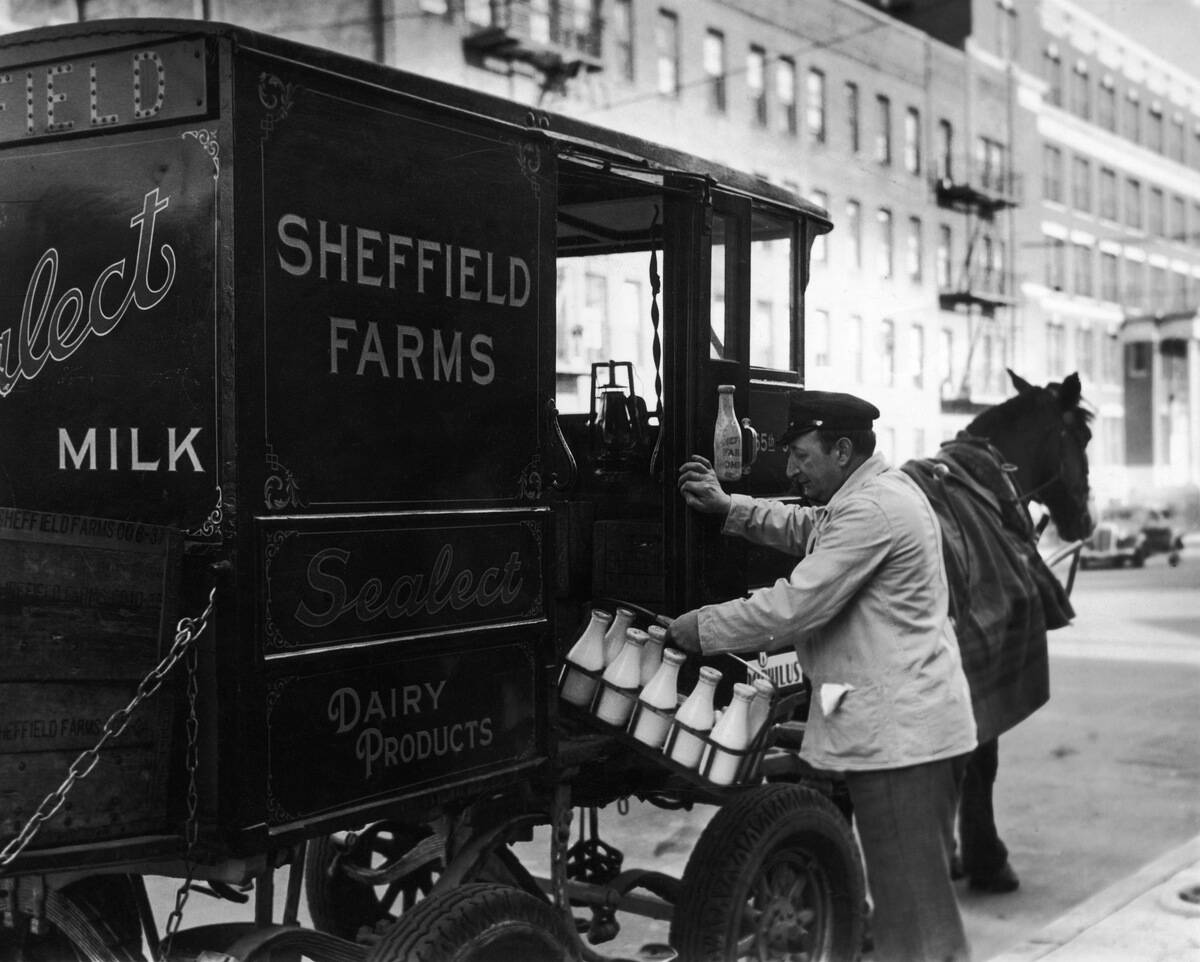
Before refrigeration was common, the milkman was a vital part of urban life. Each morning, they delivered fresh milk directly to homes, often using horse-drawn carts. This ensured families had a steady supply of dairy, crucial for nutrition.
Milk bottles were left on doorsteps, and empties were collected, making the milkman an early pioneer of recycling. It was a job that required early starts and a friendly rapport with customers.
The Lamplighter: Illuminating the Streets Before Electricity
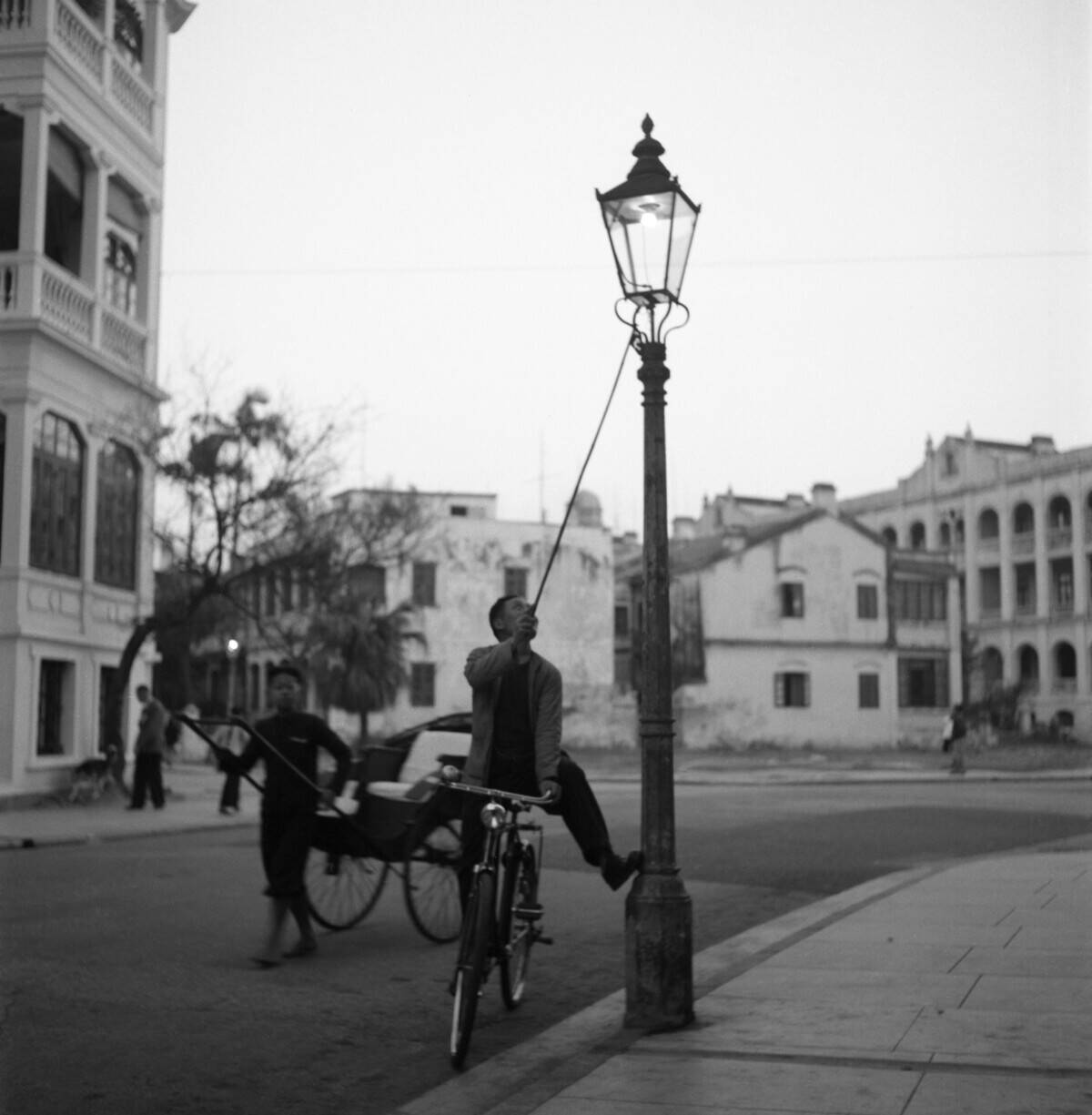
Before the advent of electric streetlights, lamplighters were responsible for lighting and extinguishing gas lamps each day. Armed with a long pole, they would make their rounds at dusk and dawn, ensuring streets were safe and visible.
This job required reliability and a sense of timing, as well as a good memory for the location of each lamp. Lamplighters were often seen as community guardians, bringing light to the darkness.
The Iceman: Bringing Cold Comfort to Homes
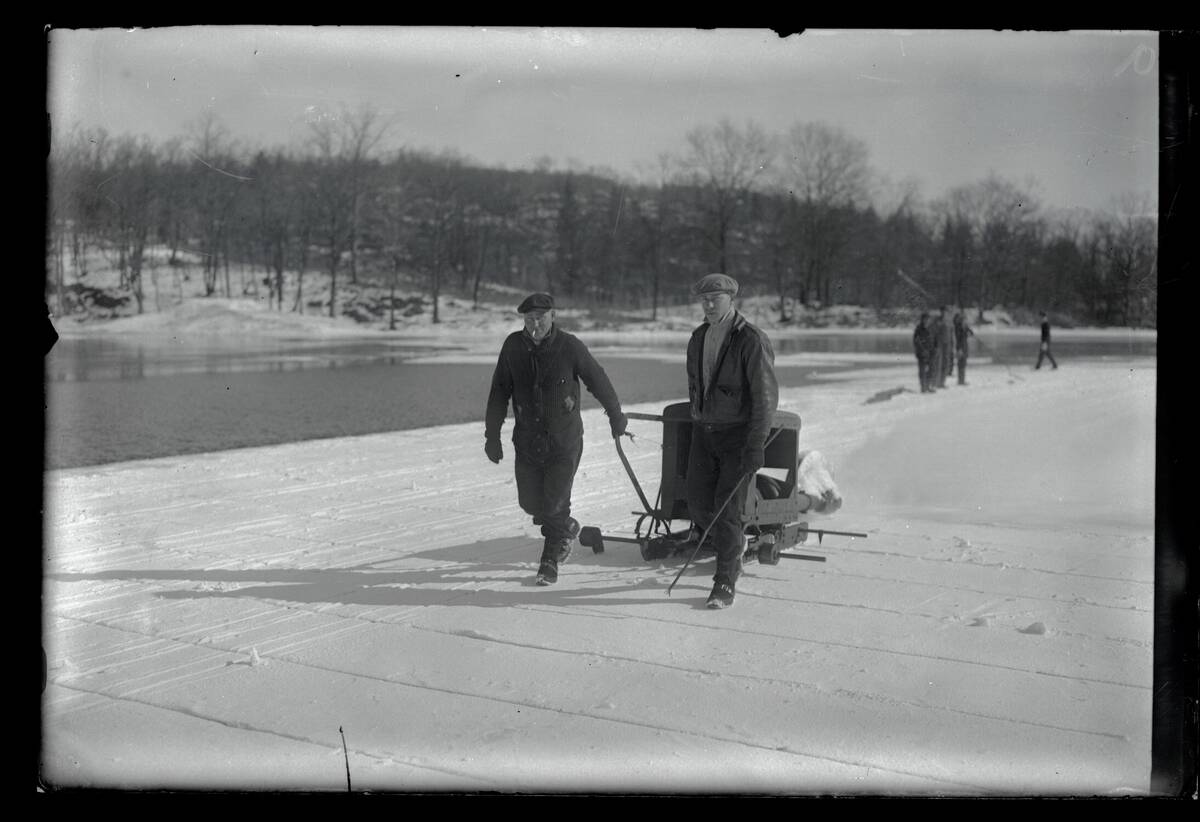
In the days before electric refrigerators, the iceman was a regular visitor to households, delivering blocks of ice to keep perishables cool. This job involved heavy lifting and careful handling to prevent the ice from melting too quickly.
Iceman routes were well-established, and their arrival was eagerly anticipated, especially during hot summer months. The iceman’s work was crucial for food preservation and comfort in an era without modern conveniences.
The Switchboard Operator: Connecting Conversations Across Town
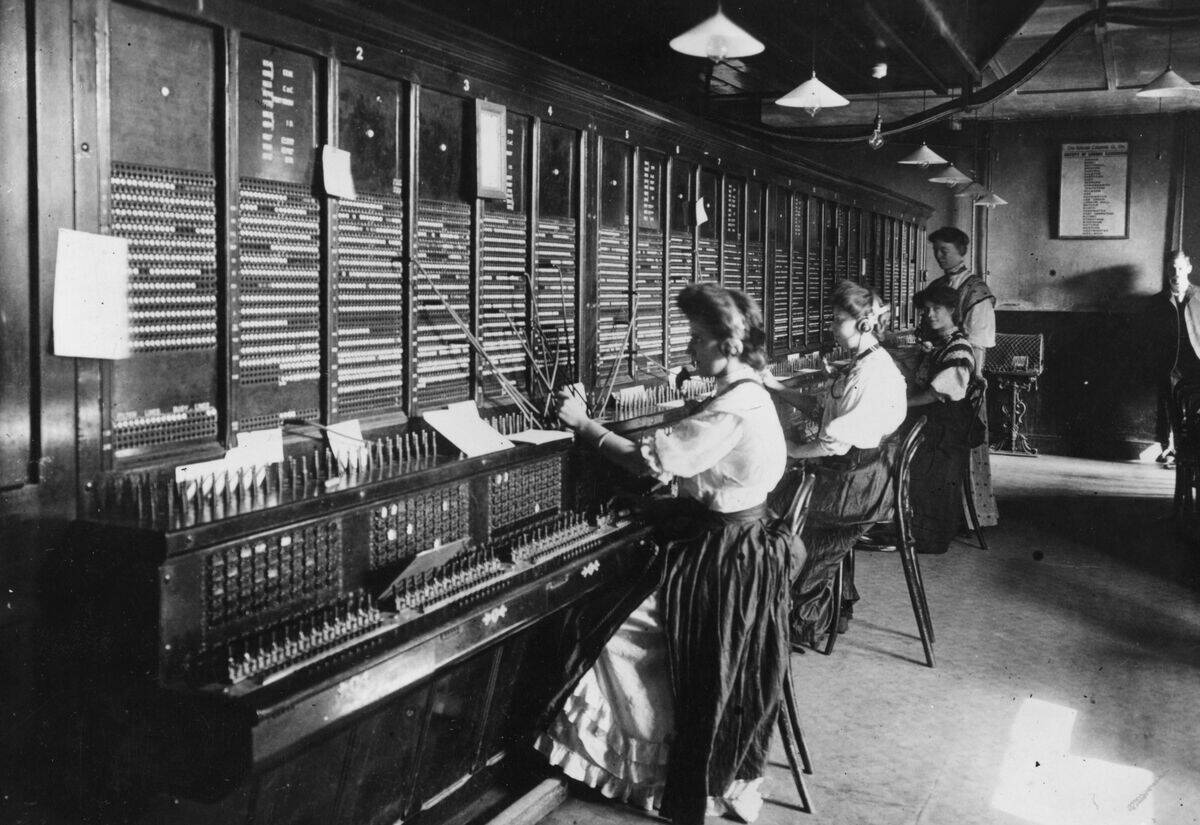
Switchboard operators were the human connectors in an era before automatic dialing. Predominantly women, they worked in central offices, manually connecting calls by plugging cords into the appropriate jacks.
This required quick thinking and a pleasant demeanor, as they often served as the first point of contact for callers. Their work was pivotal in maintaining communication, making them indispensable in both personal and business interactions.
The Telegraphist: Sending Messages at Lightning Speed
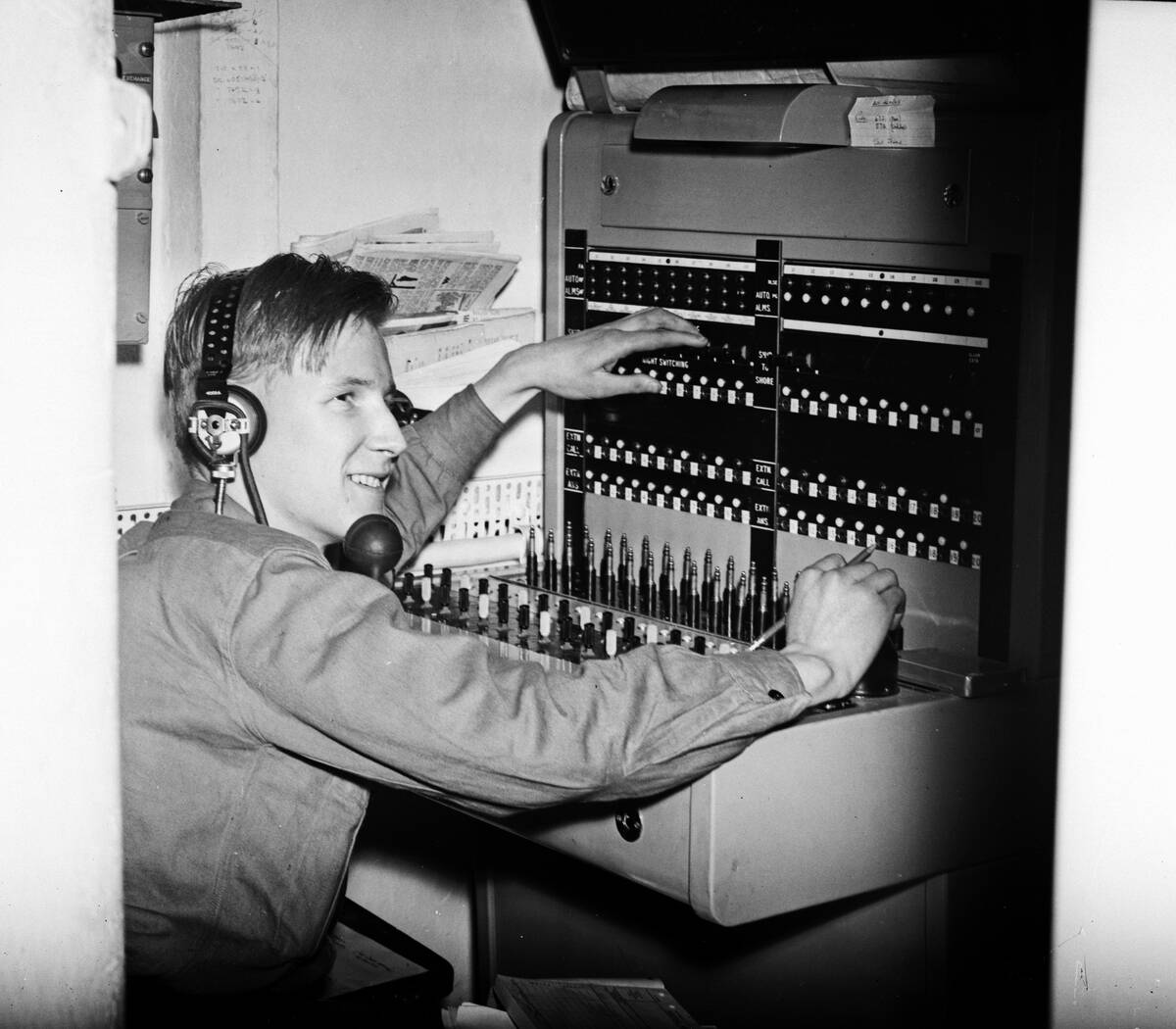
Telegraphists were the speed demons of communication, sending and receiving messages via Morse code. This role required precision and a keen ear, as messages were transmitted over wires at incredible speeds.
Telegraphists were often employed by railways and news agencies, ensuring information traveled faster than ever before. Their work laid the foundation for modern telecommunications, making them pioneers in the field of instant messaging.
The Chimney Sweep: Keeping Fireplaces Safe and Soot-Free
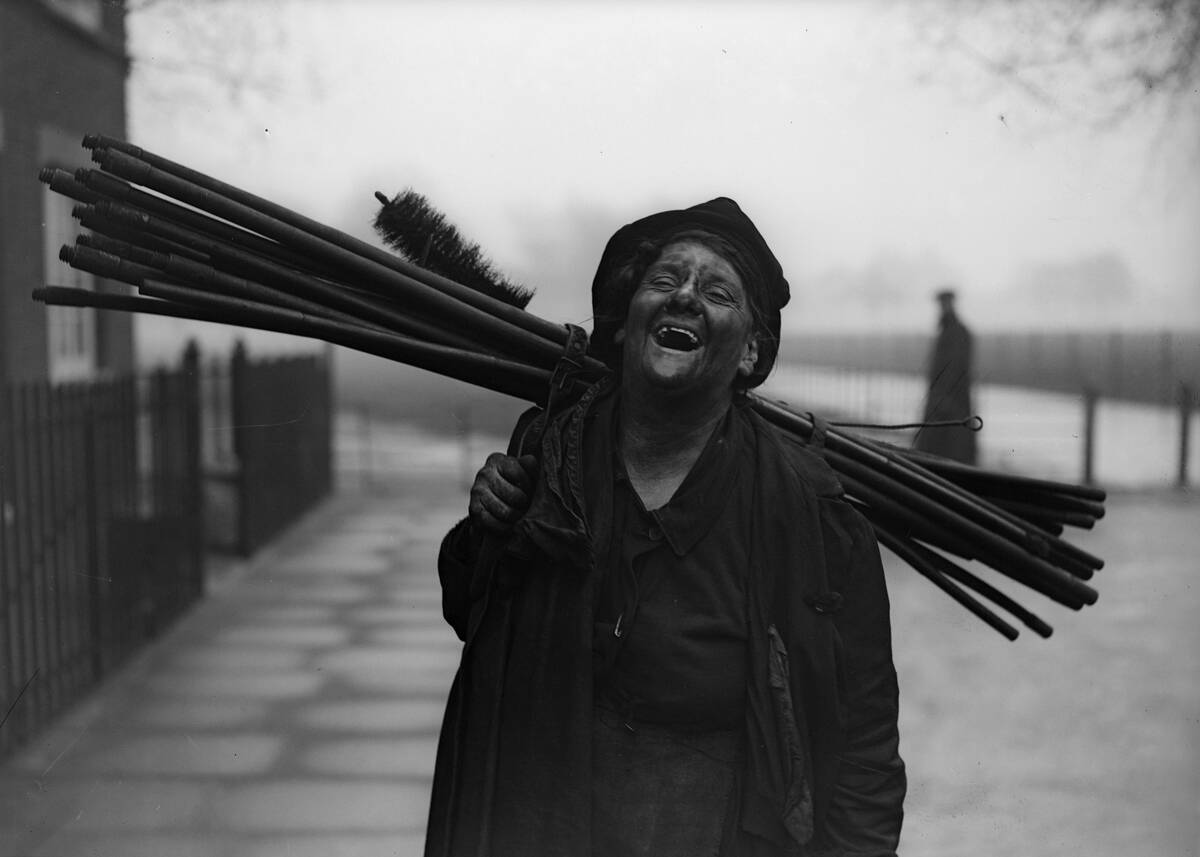
Chimney sweeps were essential for maintaining the safety and efficiency of fireplaces, which were the primary source of heat in homes. They used brushes and scrapers to remove soot and debris, preventing dangerous chimney fires.
This job was notoriously dirty and physically demanding, often involving climbing into tight spaces. Despite the challenges, chimney sweeps were a welcome sight, ensuring homes remained warm and safe during cold months.
The Rag and Bone Man: Recycling Pioneers of the Past
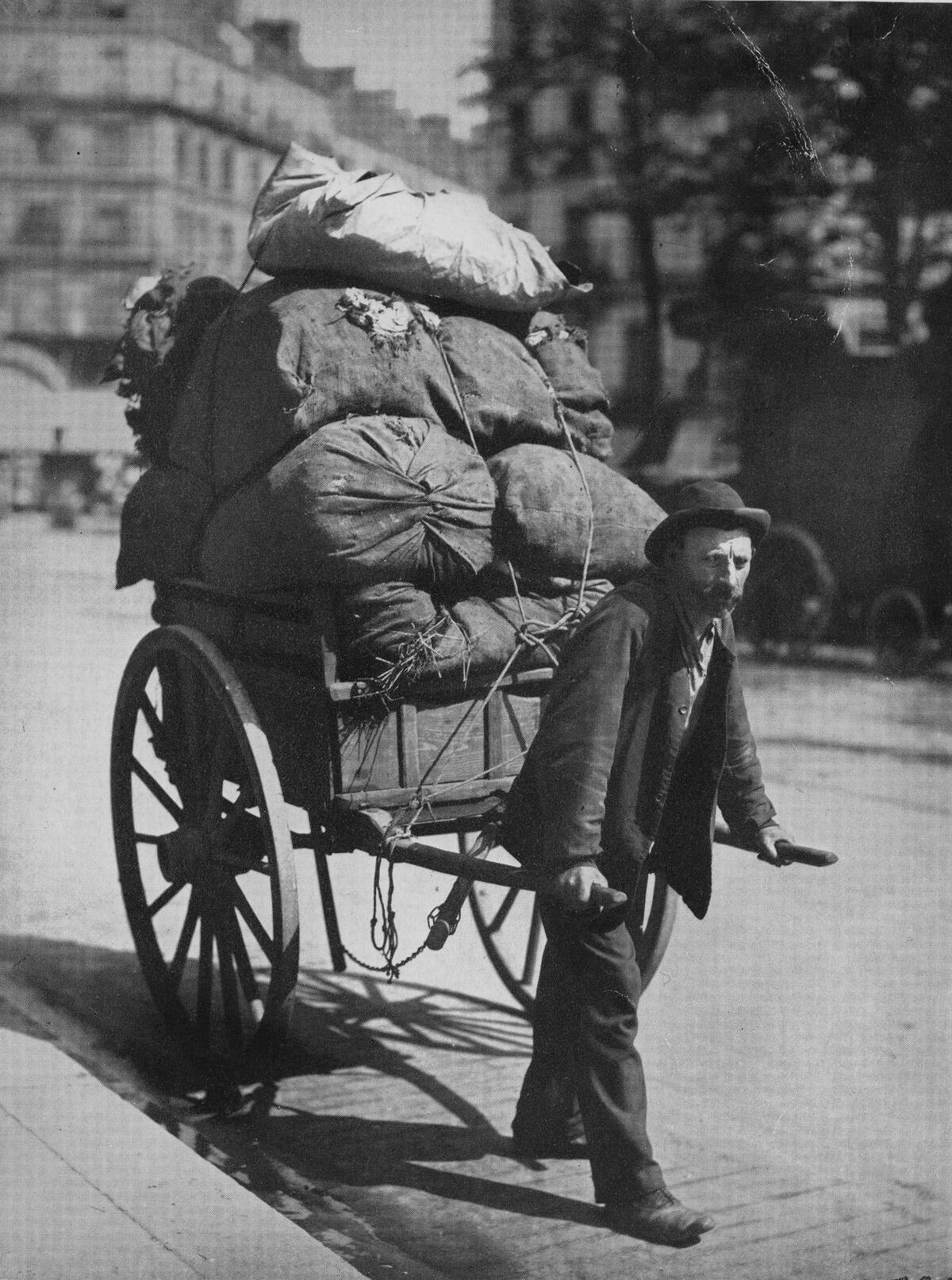
Rag and bone men were the original recyclers, collecting unwanted items like rags, bones, and metal from households. These materials were then sold to merchants for reuse, making this job an early form of waste management.
With their horse-drawn carts, they roamed neighborhoods, calling out for goods. This occupation not only provided a livelihood but also contributed to the sustainability of resources long before recycling became mainstream.
The Knocker-Up: Human Alarm Clocks of the Early 20th Century
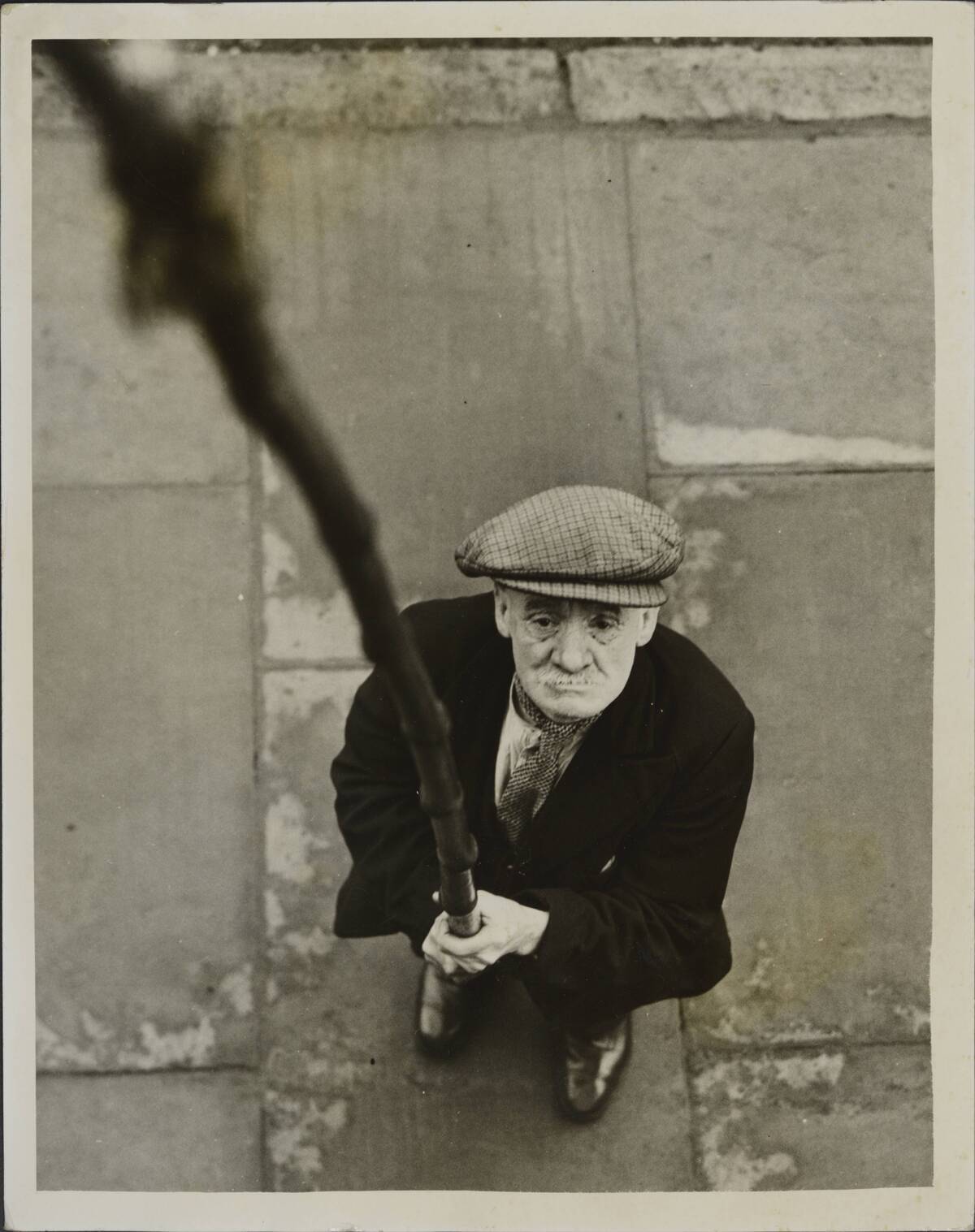
Before alarm clocks were widespread, knocker-ups ensured people woke up on time. Armed with long sticks or pea shooters, they tapped on windows to rouse their clients. This service was especially popular in industrial towns where workers needed to start their shifts early.
Knocker-ups developed personal relationships with their clients, knowing exactly how persistent they needed to be to get each person out of bed. It was a unique job that required punctuality and reliability.
The Street Vendor: Selling Everything from Hot Chestnuts to Newspapers
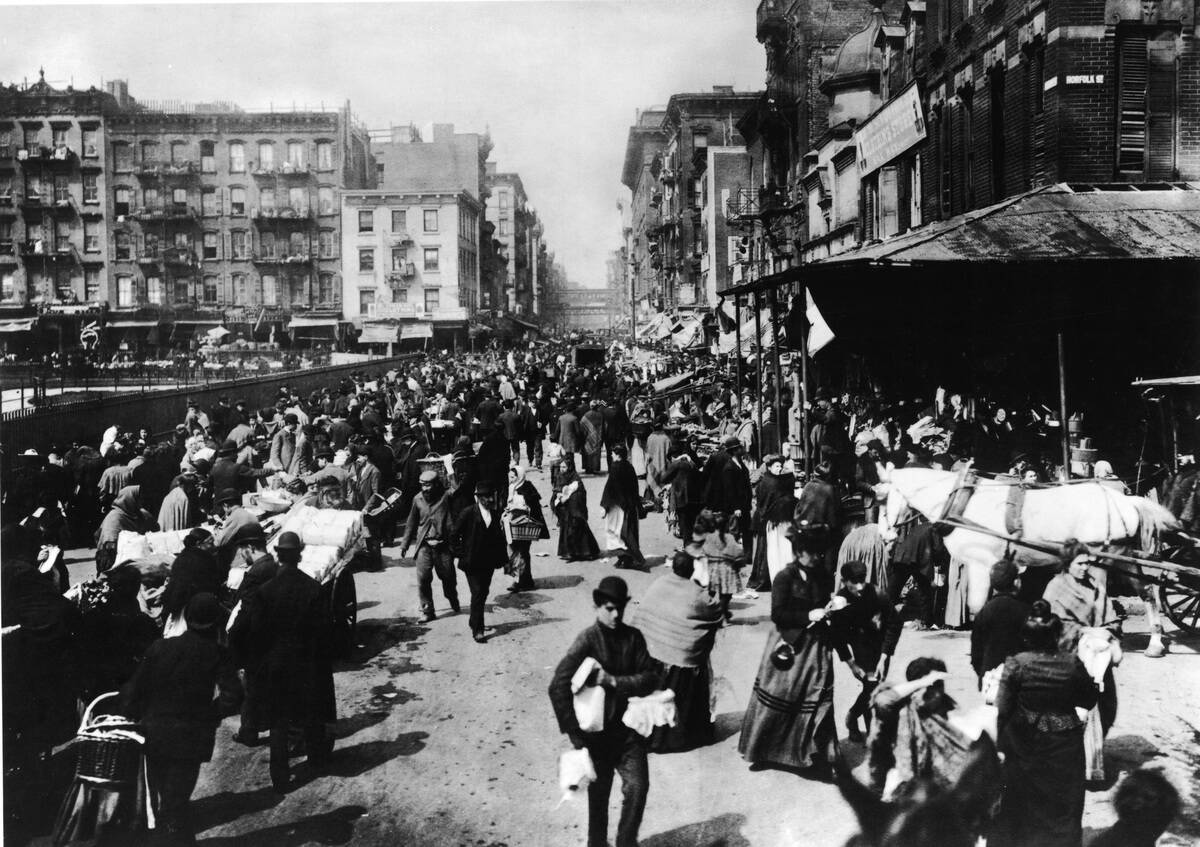
Street vendors were the lifeblood of urban commerce, offering a variety of goods directly to the public. From hot chestnuts in winter to fresh flowers in spring, they provided convenience and variety.
These entrepreneurs often had set routes or corners, becoming familiar faces in their communities. Their cries and calls added to the vibrant soundscape of city life, making them a cherished part of the urban experience.
The Cobbler: Crafting and Repairing Shoes for the Masses
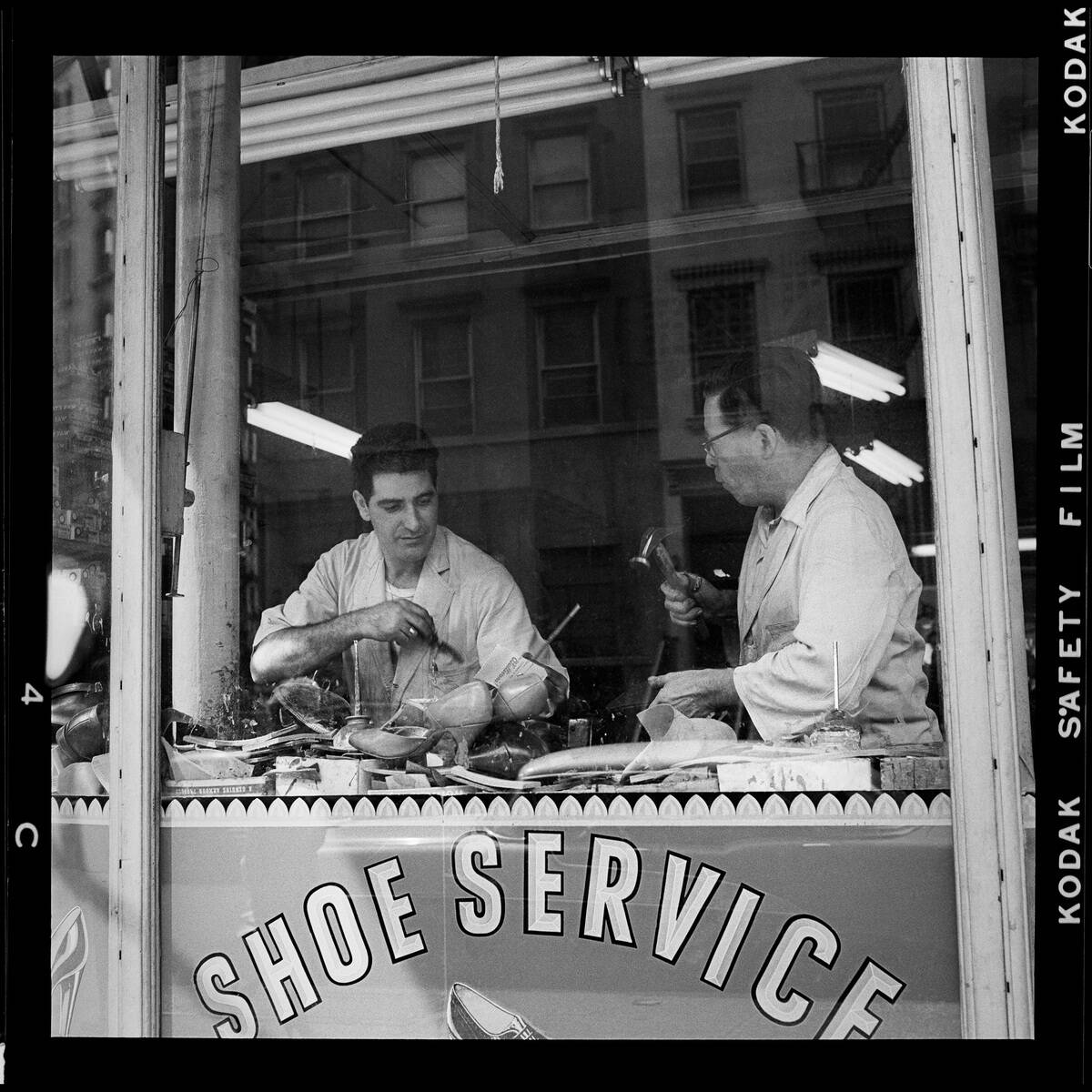
Cobblers were the artisans of footwear, crafting and repairing shoes to keep people on their feet. In an era when shoes were a significant investment, cobblers ensured they lasted as long as possible.
Their work required skill and precision, as well as an understanding of materials and techniques. Cobblers were often seen as community staples, providing a necessary service that combined craftsmanship with practicality.
The Blacksmith: Forging Tools and Horseshoes in the Community
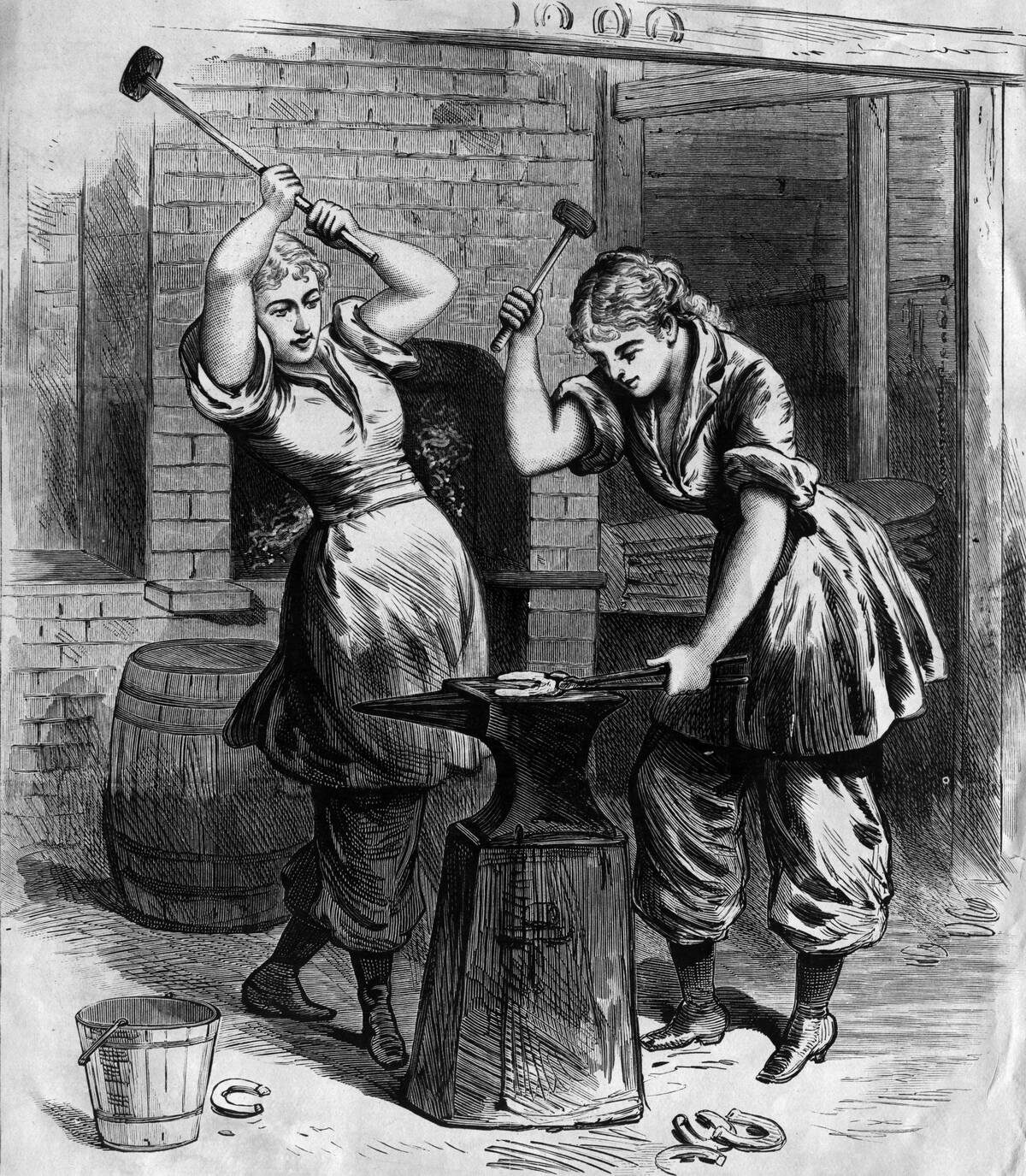
Blacksmiths were the backbone of many communities, creating tools, horseshoes, and other metal items essential for daily life. Their forges were hot and noisy, but their work was vital for both agriculture and transportation.
Blacksmiths needed strength and skill to shape metal, and their expertise was highly valued. They often served as problem solvers, repairing broken items and crafting custom solutions for their clients’ needs.
The Typist: Speedy Fingers in the Office World
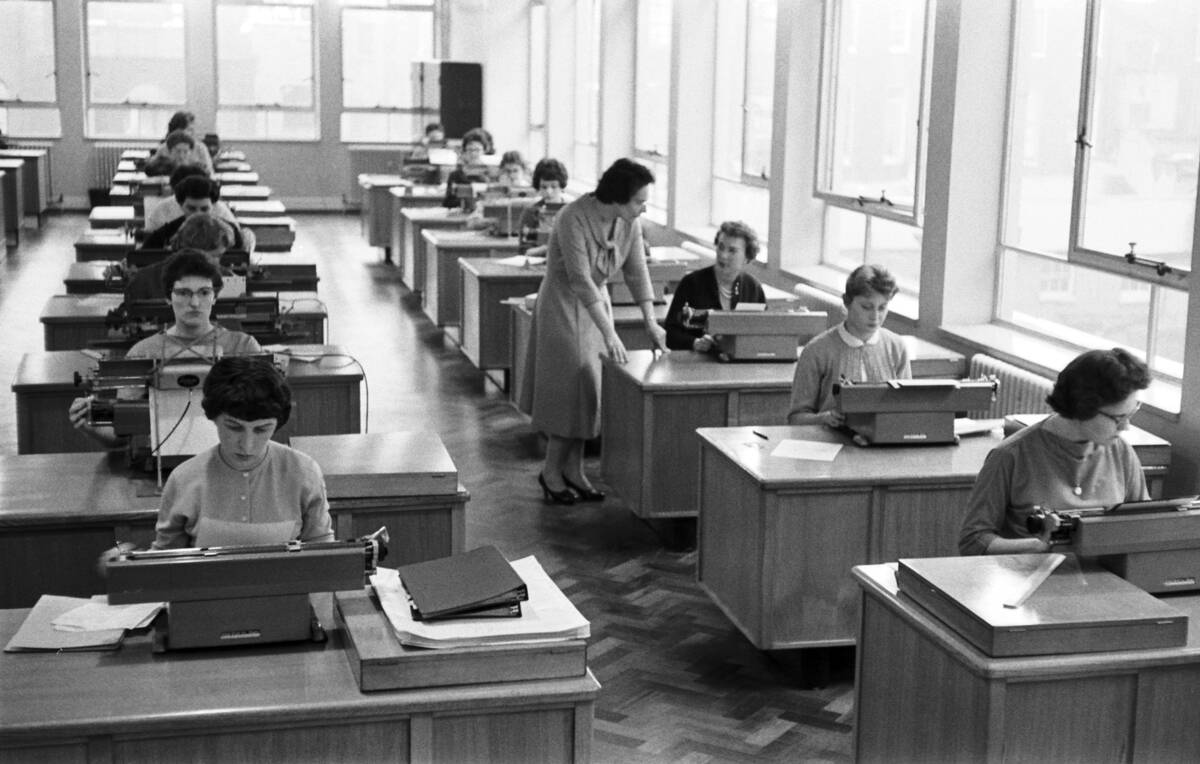
Typists were the unsung heroes of the office, transforming handwritten notes into typed documents with speed and accuracy. This role was predominantly filled by women, who mastered the keyboard to keep up with the demands of business correspondence.
needed to be fast and precise, often working under tight deadlines. Their work was essential for maintaining records and communication, making them indispensable in the business world.
The Newsboy: Bringing Headlines to the Public

Newsboys were the youthful face of the press, selling newspapers on street corners and shouting the day’s headlines. This job was often taken up by young boys looking to earn extra money for their families.
Despite the long hours and inclement weather, newsboys were a vital link between publishers and the public. Their cries of “Extra! Extra!” became synonymous with breaking news, making them an iconic part of urban life.
The Seamstress: Stitching Together Fashion and Function
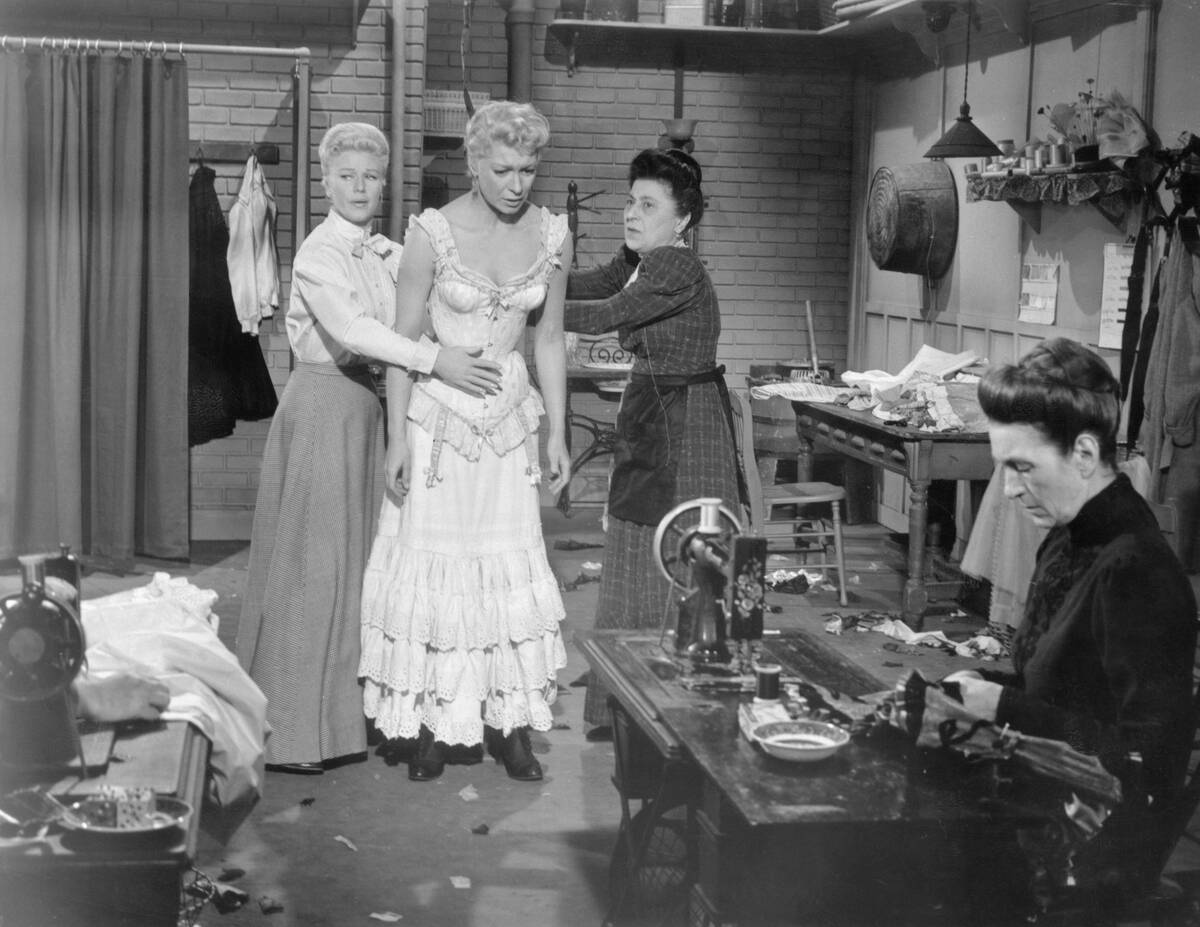
Seamstresses were the architects of fashion, creating and mending clothing for individuals and businesses. Their work required precision and creativity, as they tailored garments to fit perfectly.
Seamstresses often worked from home or in small shops, contributing to both everyday wear and high fashion. Their skills were in high demand, as clothing was a significant investment and needed to be maintained and altered over time.
The Coal Miner: Fueling the Industrial Revolution
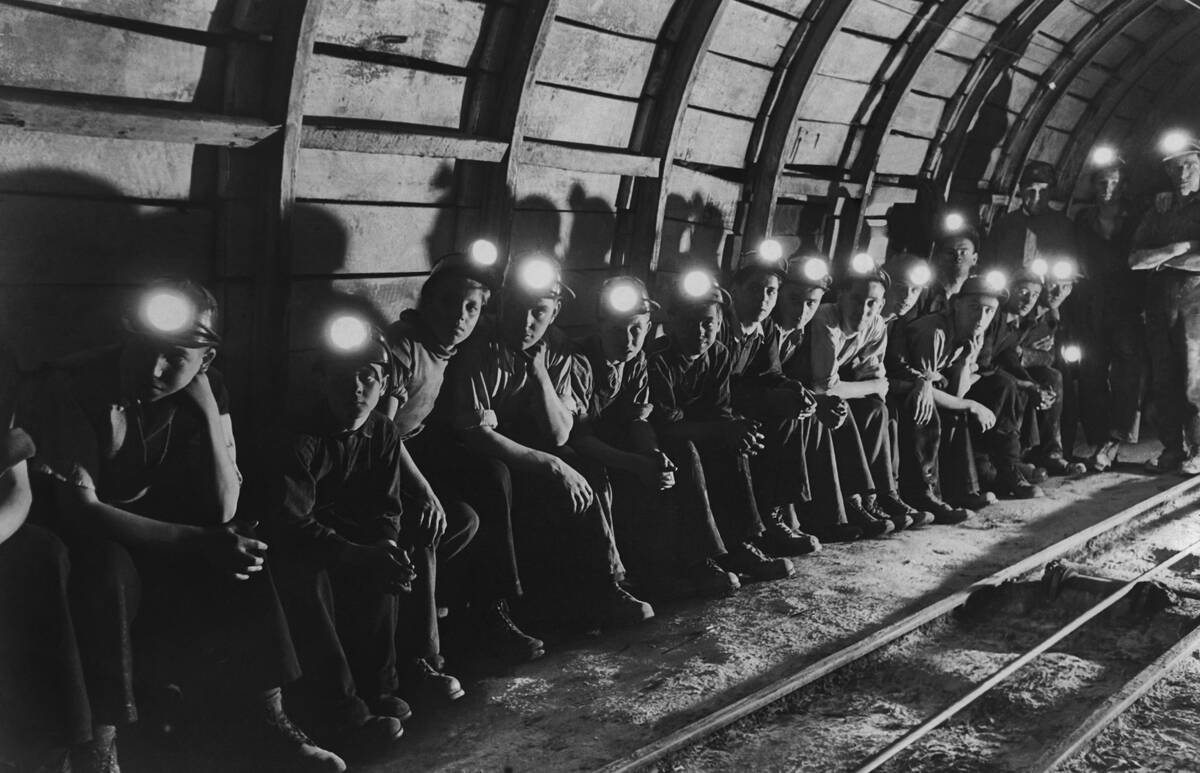
Coal miners were the powerhouses behind the Industrial Revolution, extracting the coal that fueled factories and railways. This work was grueling and dangerous, with long hours spent underground in challenging conditions.
Despite the risks, coal mining was a vital industry, providing the energy needed to drive industrial growth. Miners developed strong camaraderie, relying on each other for safety and support in the depths of the earth.
The Barber: More Than Just a Haircut
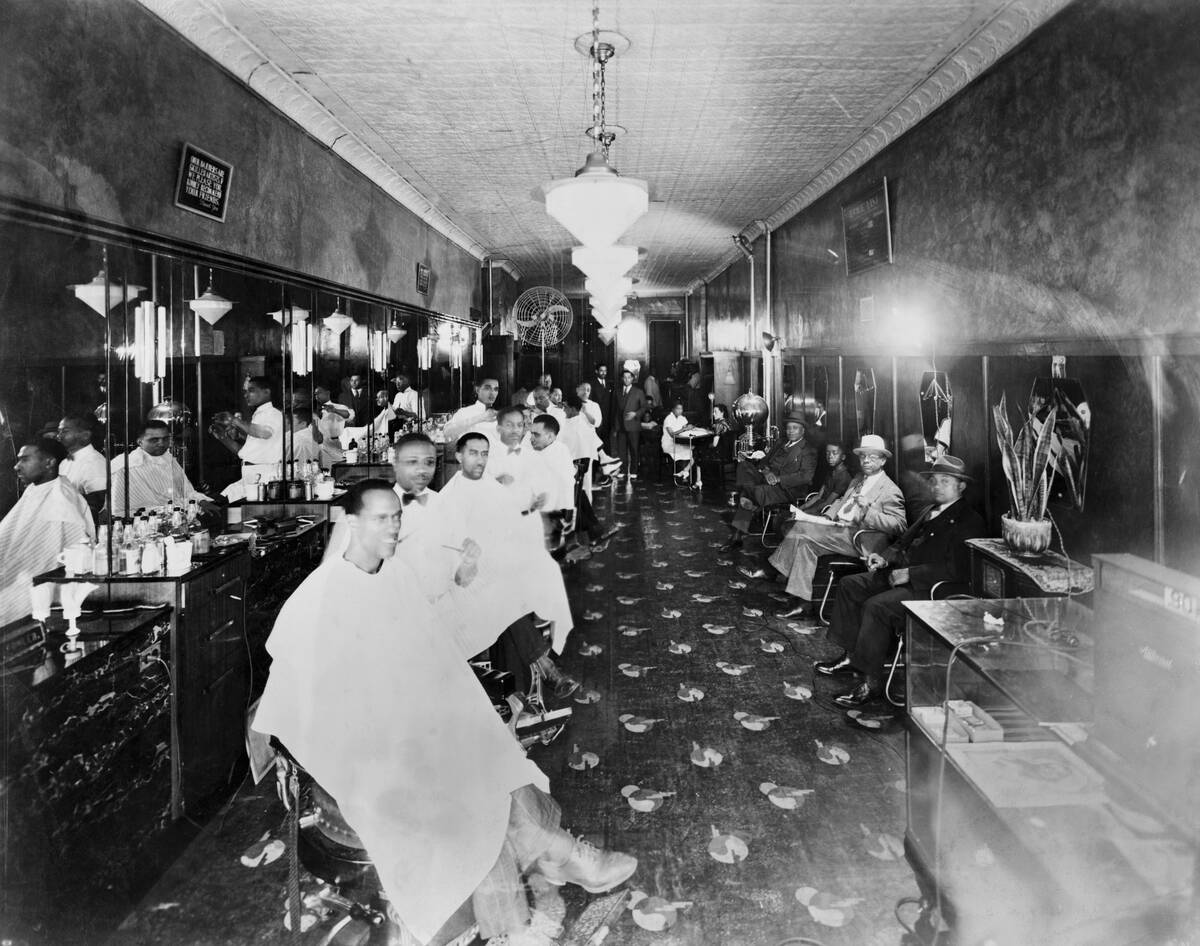
Barbers were more than just hair stylists; they were community hubs where people gathered to socialize and exchange news. In addition to cutting hair, barbers often provided shaves and other grooming services.
Their shops were places of conversation and camaraderie, where clients could relax and catch up on local happenings. Barbers needed skill and a steady hand, as well as the ability to engage with a diverse clientele.
The Factory Worker: The Backbone of Industrial Production
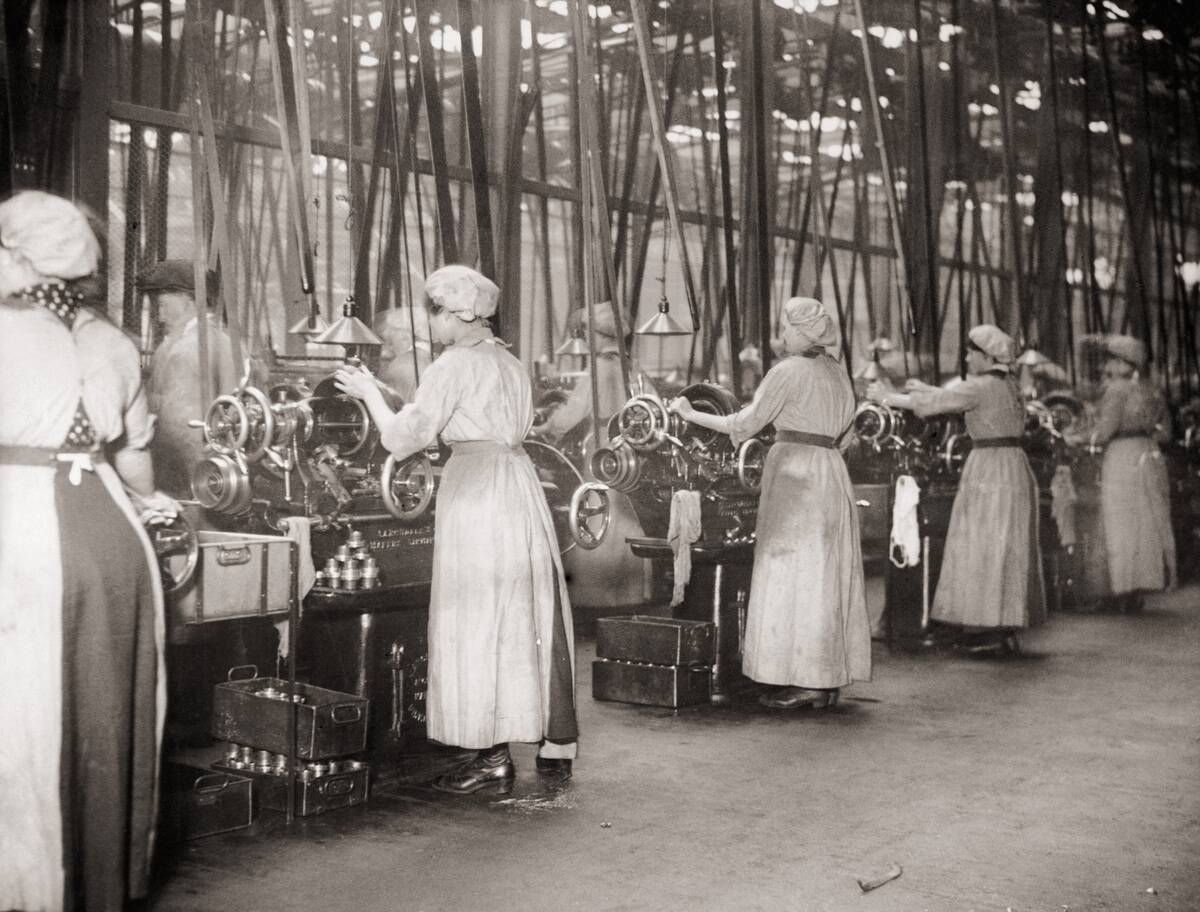
Factory workers were the unsung heroes of industrialization, operating machinery and assembling products that fueled economic growth. This work was often repetitive and physically demanding, requiring endurance and attention to detail.
Despite the challenges, factory jobs provided steady employment and were a stepping stone to better opportunities. Workers formed unions to advocate for better conditions, playing a crucial role in the labor movement and shaping modern employment standards.




