Surprising origins behind these everyday objects
Have you ever wondered about the origins of the everyday items we often take for granted? From the toothbrush to the credit card, many of these objects have fascinating histories that span centuries and continents.
These stories reveal not only the evolution of technology but also the creativity and ingenuity of humans throughout history.
The Humble Toothbrush

The toothbrush, a staple in oral hygiene, has a surprisingly ancient history. It began as a chew stick used by Babylonians and Egyptians around 3500 BC. These early tools were made from twigs with frayed ends that helped clean teeth.
The modern toothbrush, with its nylon bristles, was invented in 1938, revolutionizing dental care. Today, toothbrushes come in various shapes and sizes, but their primary purpose remains the same: to keep our pearly whites clean and healthy.
The Evolution of the Umbrella, A Status Symbol Turned Rain Shield
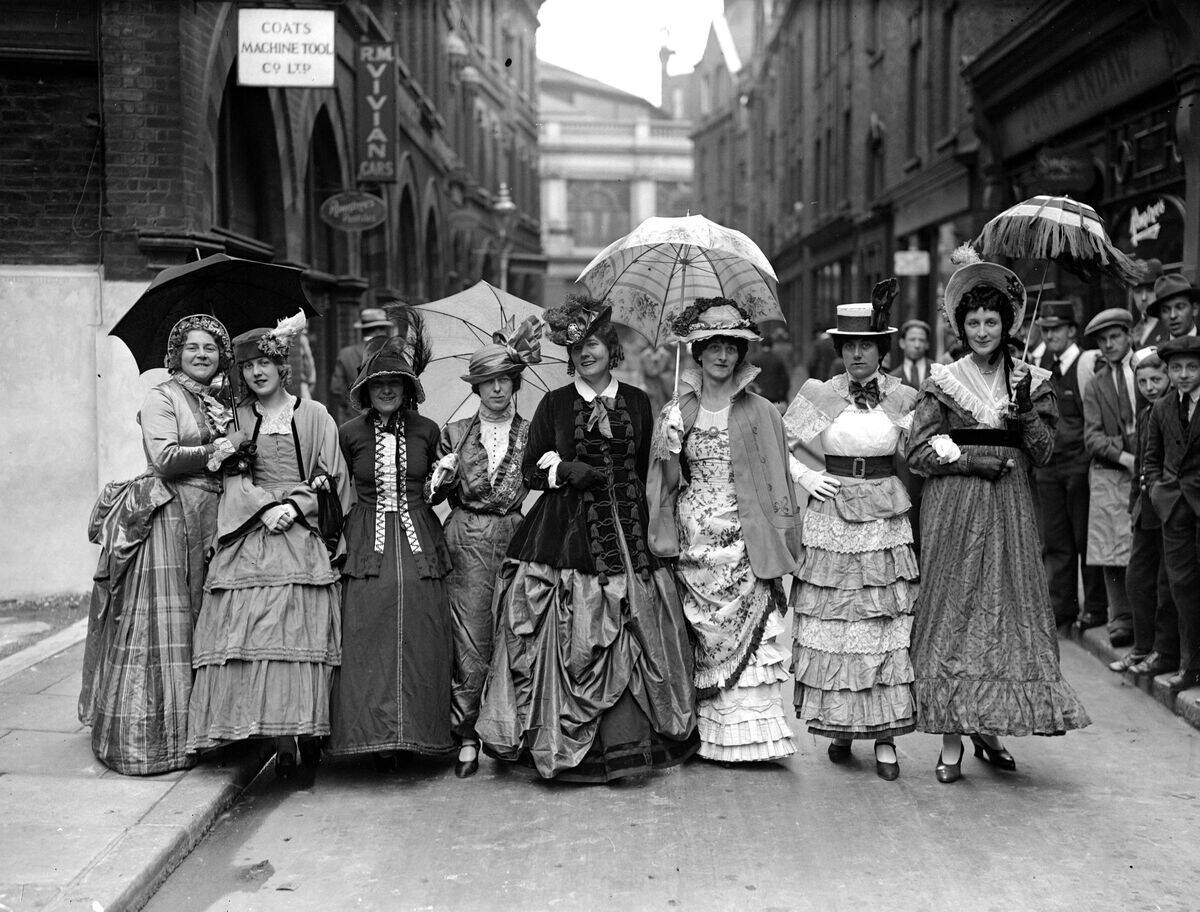
Umbrellas were originally used as a symbol of status and power in ancient civilizations like Egypt and China. They were often made of silk and reserved for royalty and the elite. It wasn’t until the 18th century that umbrellas became popular as a rain shield in Europe.
Today, umbrellas are a practical accessory available in countless designs, offering protection from both rain and sun while still retaining a touch of elegance.
The Journey to the Paperclip
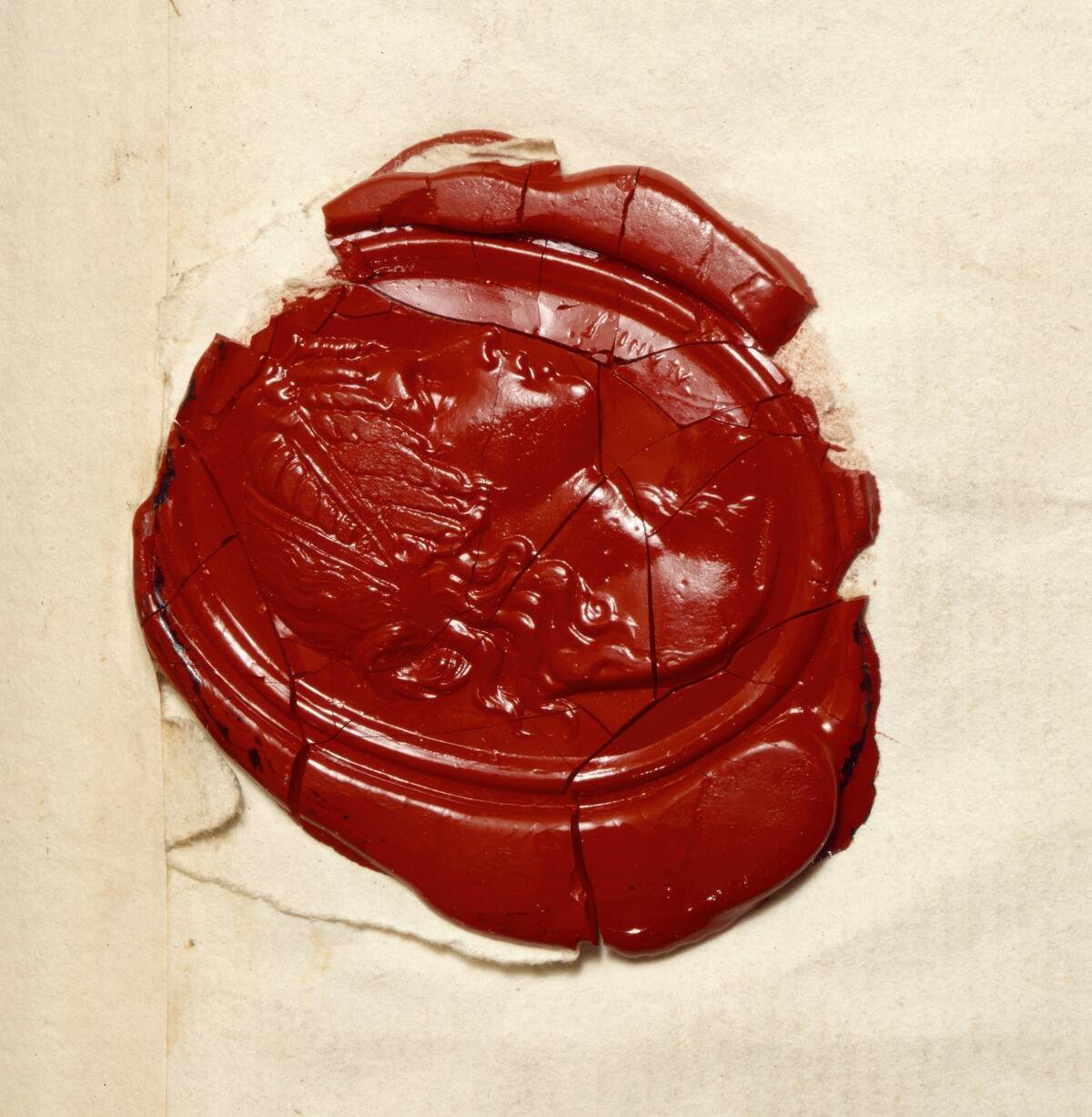
The paperclip’s journey began long before its modern incarnation. Ancient Romans used wax to seal documents, while the 19th century saw the invention of the first wire paperclip by Samuel B. Fay in 1867.
The iconic Gem paperclip design we recognize today was patented in 1899. Despite the rise of digital documents, the paperclip remains an indispensable tool in offices worldwide, symbolizing simplicity and efficiency.
The Origins of the Rubber Band
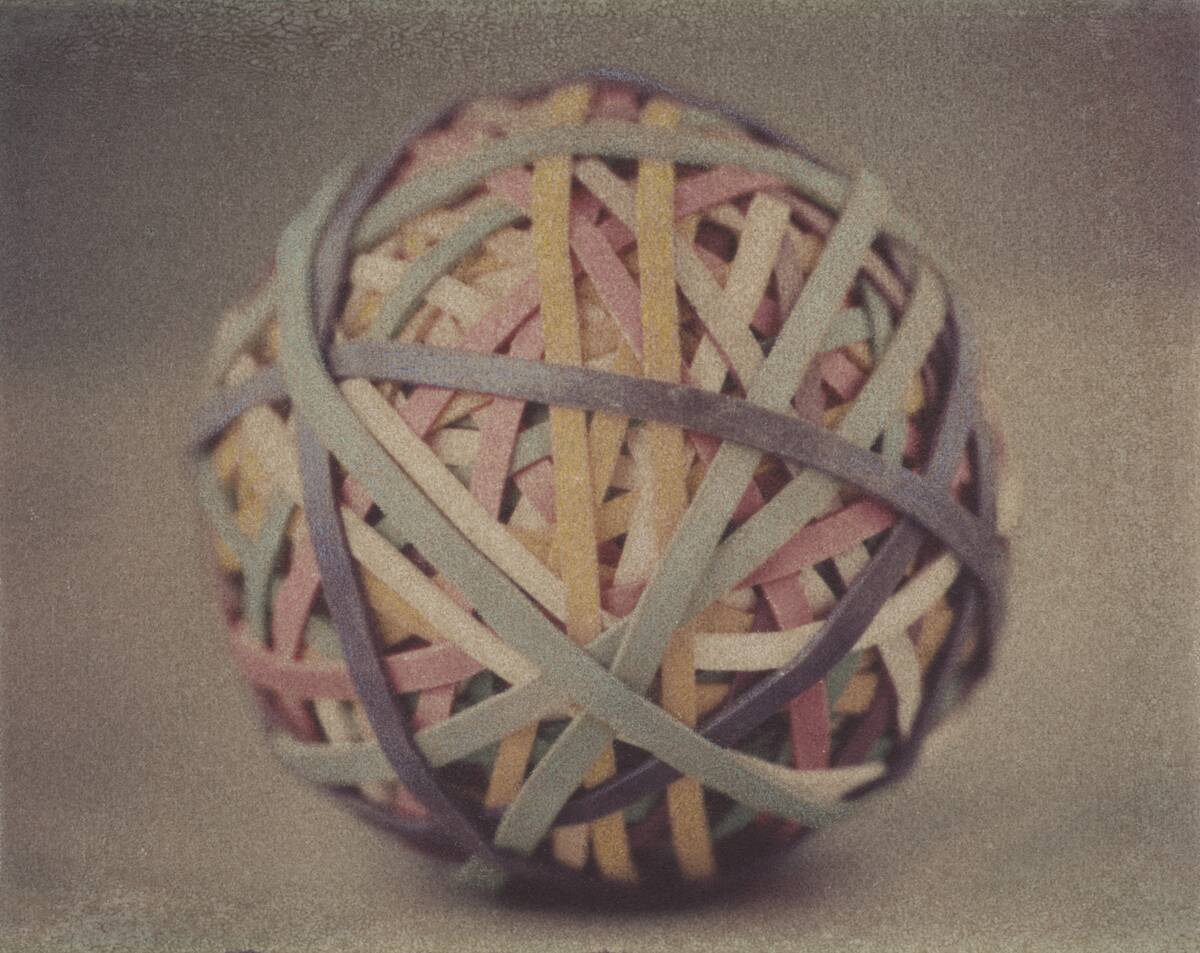
Rubber bands owe their existence to the ancient Mesoamericans, who used natural rubber from latex-producing plants. However, it wasn’t until the 19th century that modern rubber bands were invented by Stephen Perry in England.
These stretchy loops quickly became essential for bundling items together. Today, rubber bands are used in countless applications, from securing packages to aiding in exercise routines, proving their versatility and enduring appeal.
The Surprising Past of the Teddy Bear
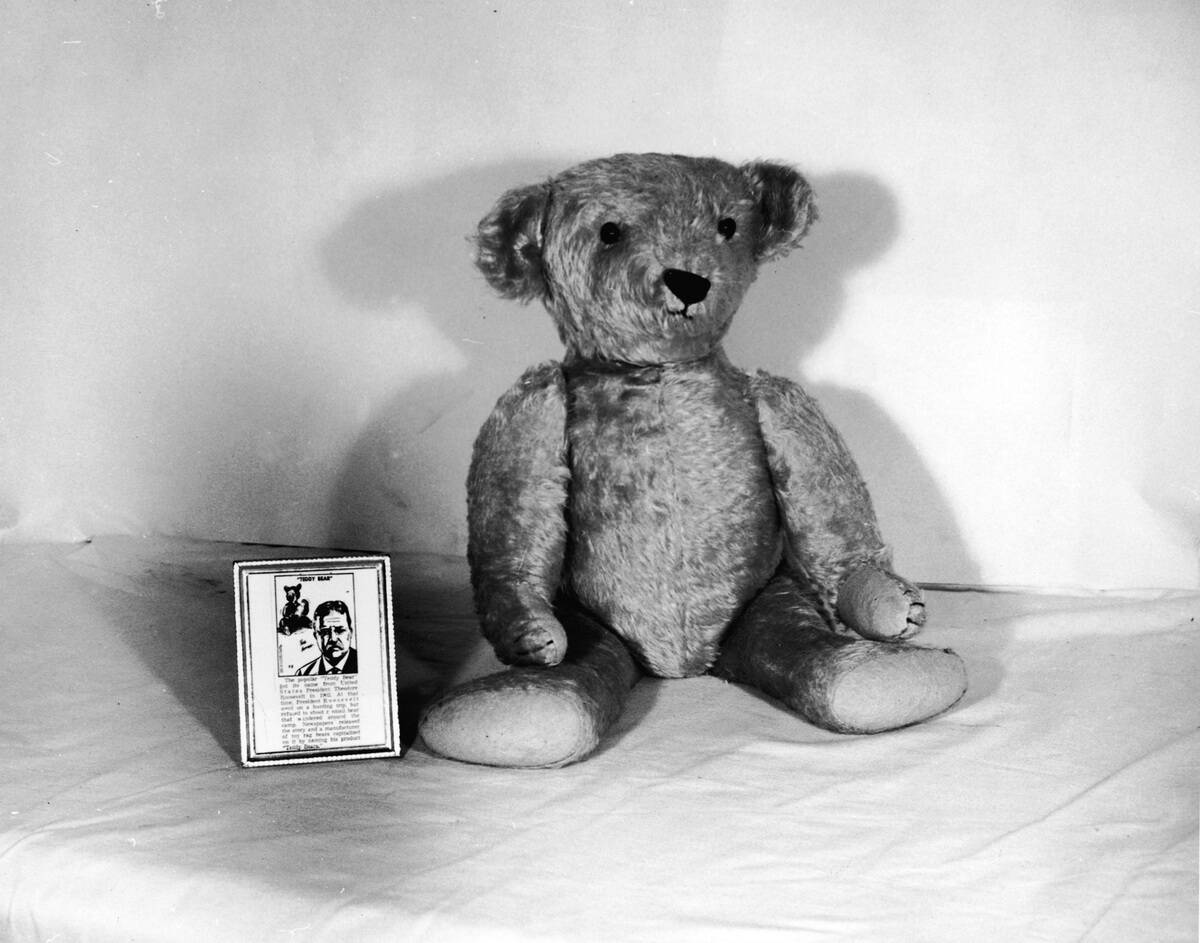
The teddy bear’s origin is linked to President Theodore Roosevelt. In 1902, he famously refused to shoot a bear cub during a hunting trip, inspiring a political cartoon. This led to the creation of the “Teddy’s bear” by Morris Michtom.
The stuffed animal quickly became a beloved children’s toy. Today, teddy bears are cherished worldwide, symbolizing comfort and companionship for generations of children.
The Story Behind the Post-it Note

The Post-it Note was born from a happy accident in the 1970s when 3M scientist Spencer Silver developed a weak adhesive. His colleague, Art Fry, realized its potential for bookmarks that wouldn’t fall out.
This led to the creation of the sticky notes we know today. Post-it Notes have become a staple in offices and homes, offering a simple yet effective way to jot down reminders and organize thoughts.
The Fascinating History of the Fork
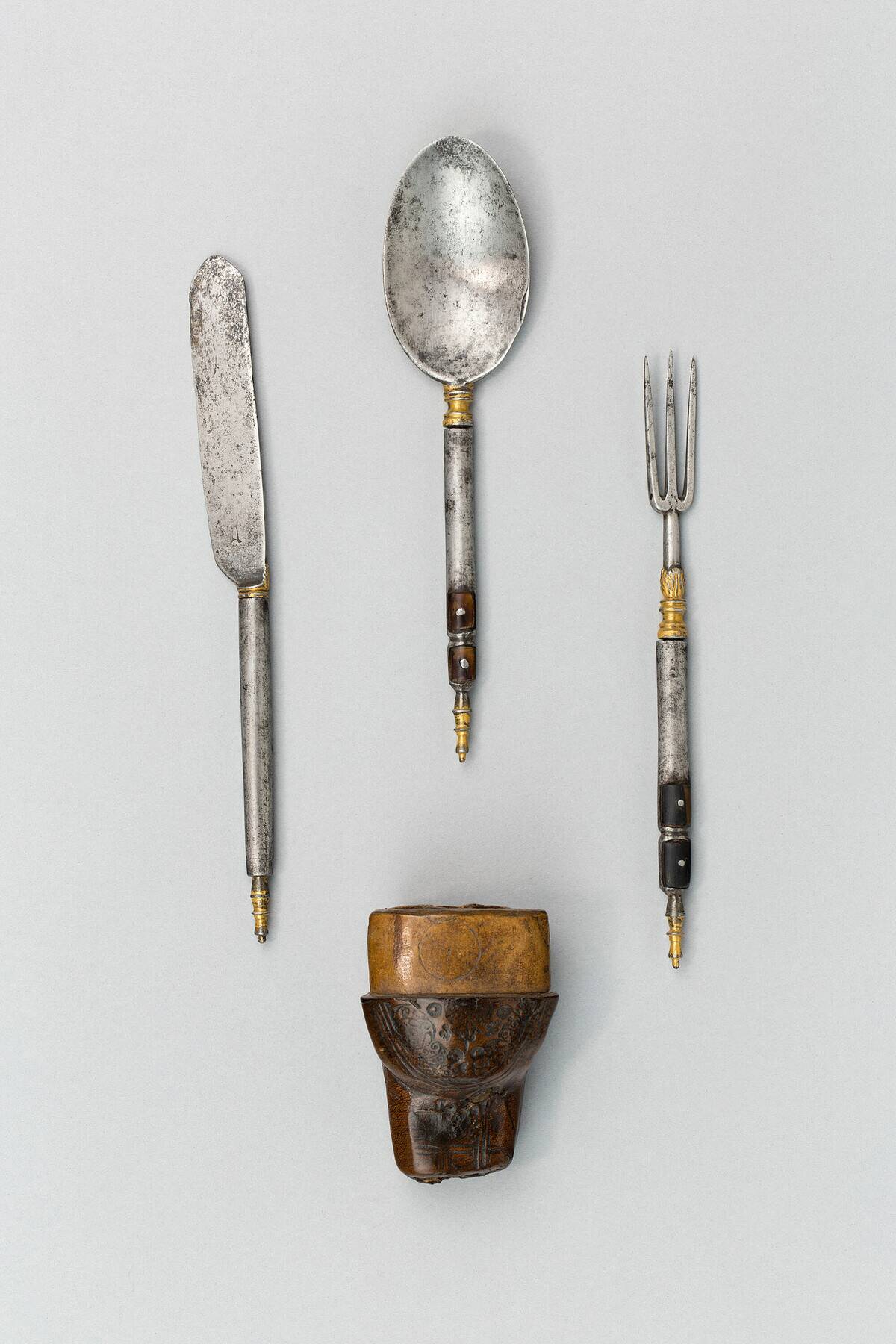
Forks have been around since ancient Greece, but they weren’t widely used in Europe until the 10th century. Initially met with skepticism, forks gradually gained acceptance, becoming a dining staple by the 18th century.
Today, forks are an essential part of cutlery sets worldwide, available in various styles and sizes for different culinary needs. This humble utensil has come a long way from its early days as a luxury item.
The Evolution of Sunglasses
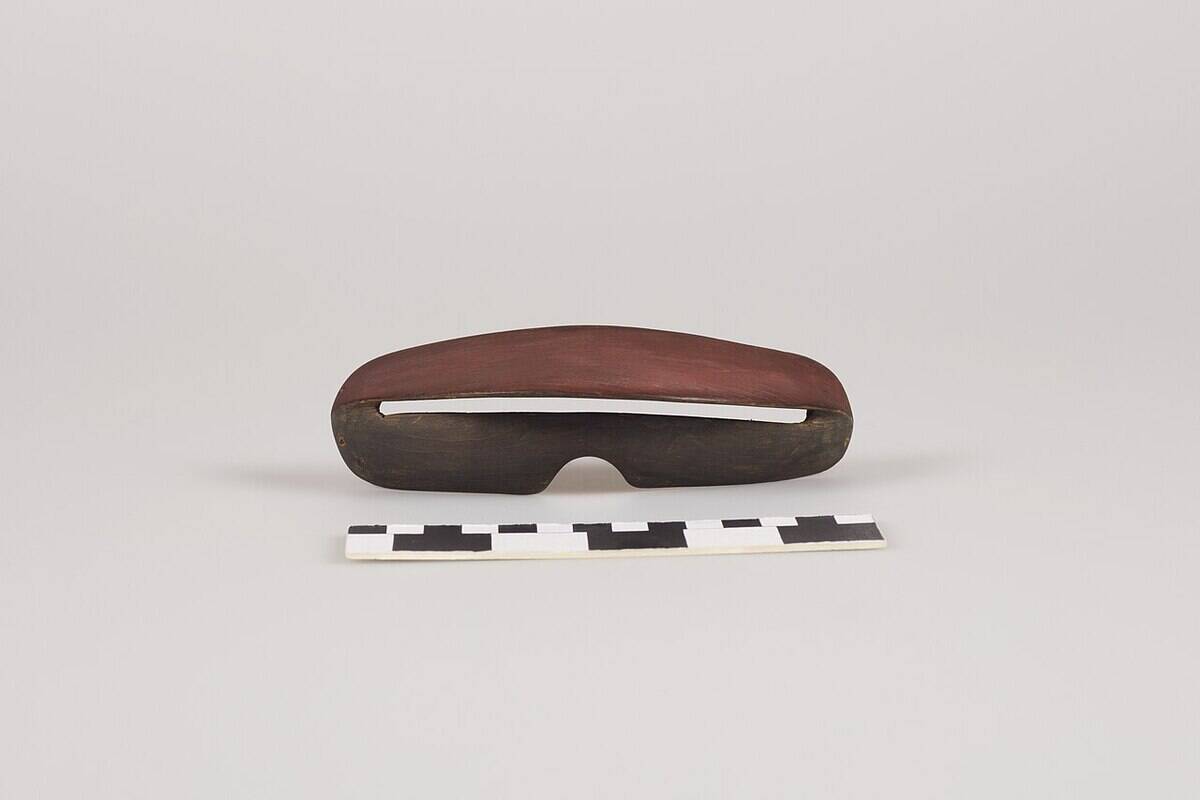
Sunglasses have their roots in the Inuit community, who crafted goggles from bone to protect their eyes from the sun’s glare. In the 20th century, sunglasses evolved into a fashion accessory, with Hollywood stars popularizing them.
Today, they serve both functional and stylistic purposes, offering UV protection and adding flair to any outfit. From practical beginnings to a must-have accessory, sunglasses have truly stood the test of time.
The Origins of the Alarm Clock
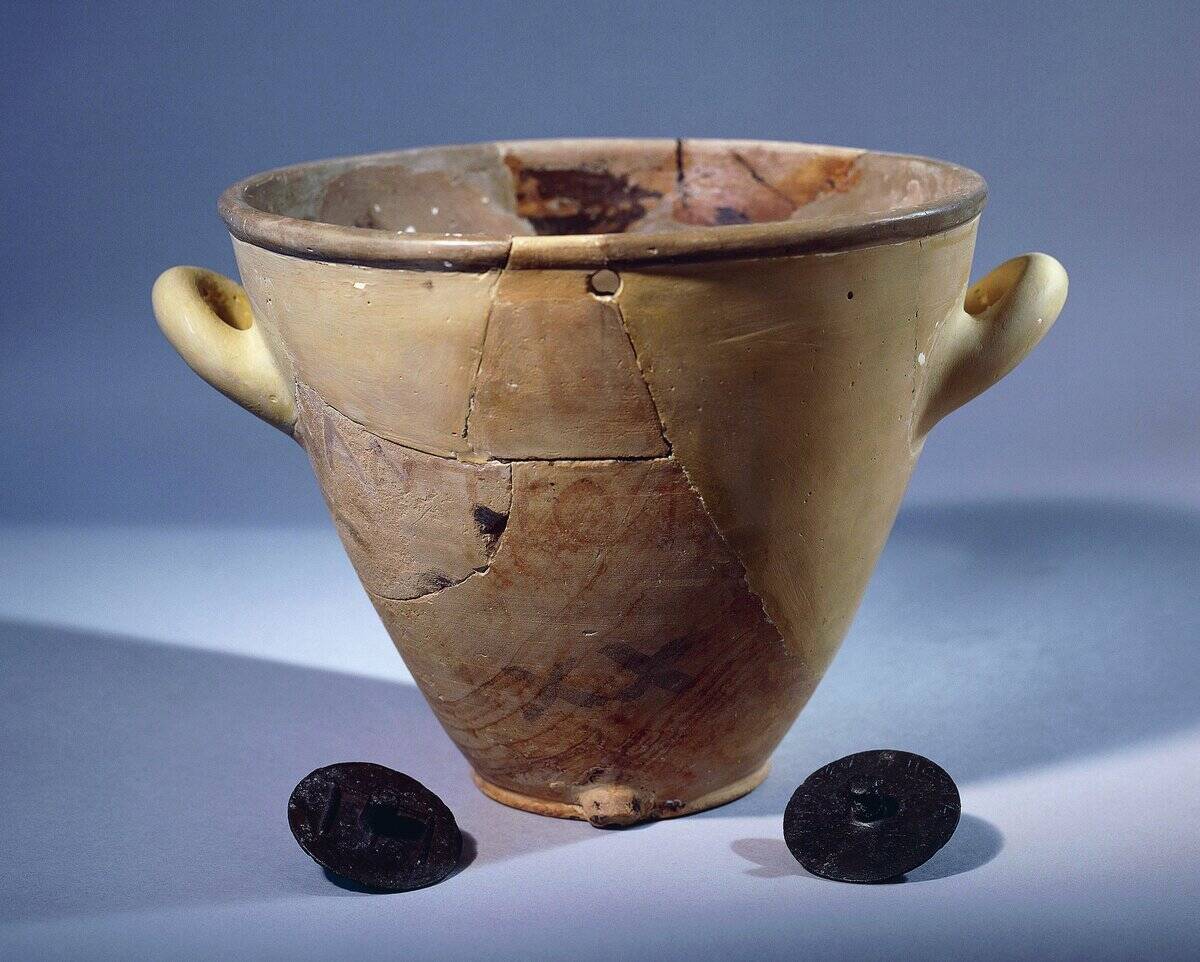
Alarm clocks have a long history, dating back to ancient Greece with water clocks that signaled time with a whistle. The first mechanical alarm clock was invented in 1787 by Levi Hutchins, but it only rang at 4 a.m.
Modern alarm clocks have come a long way, offering digital displays, customizable alarms, and even smartphone integration. Despite their evolution, their primary function remains unchanged: to wake us up on time.
The Beginning of the Slinky
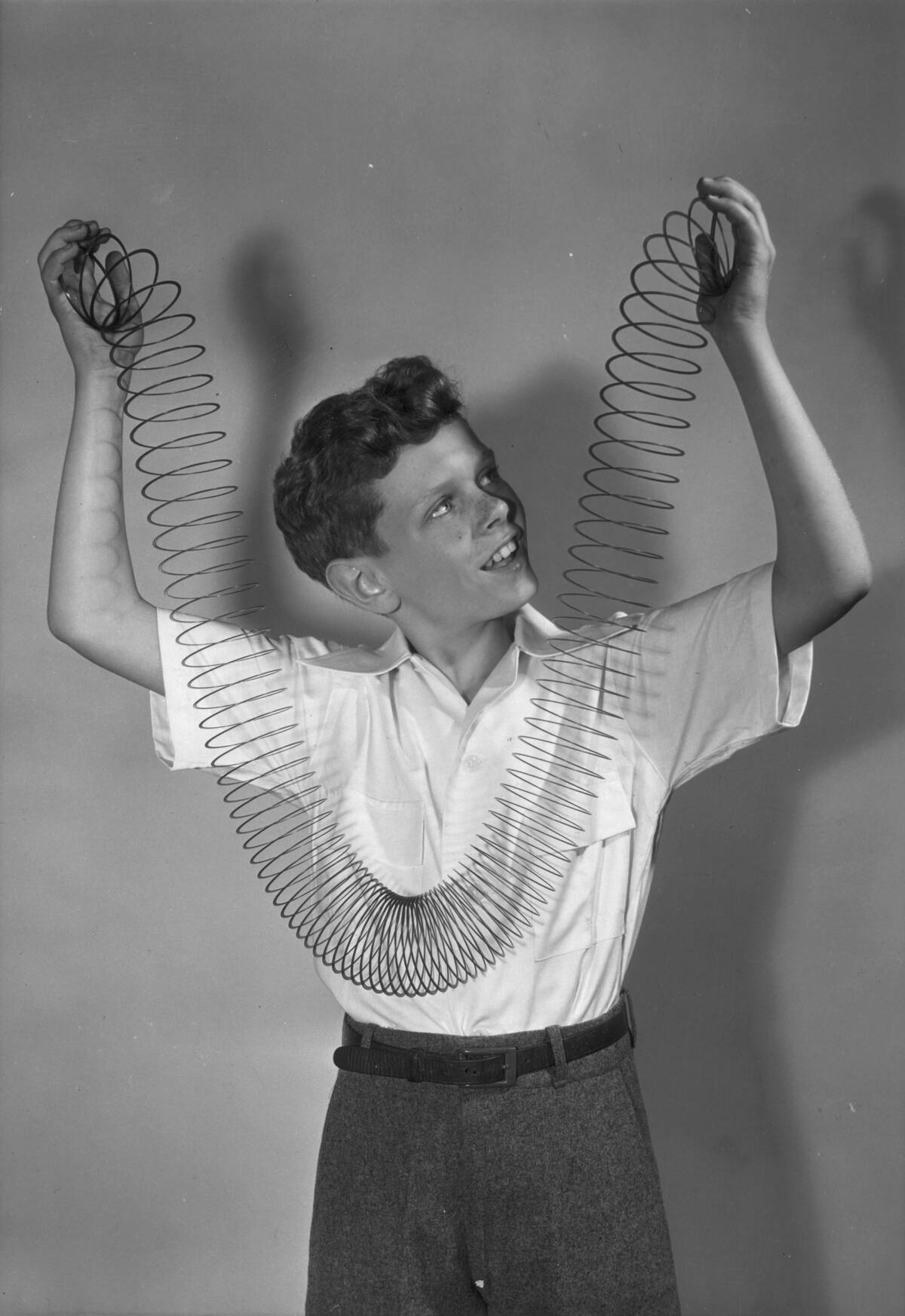
The Slinky was invented by accident in 1943 when naval engineer Richard James was working with tension springs. He saw the potential for a toy when a spring “walked” down a stack of books.
The Slinky quickly became a hit, captivating children with its mesmerizing motion. Today, it remains a classic toy, demonstrating the power of serendipity and creativity in invention.
The History of Velcro

Velcro was inspired by nature when Swiss engineer George de Mestral noticed burrs sticking to his dog’s fur in 1941. He mimicked this mechanism to create a hook-and-loop fastener, which he patented in 1955.
Velcro has since become an essential fastening solution, used in everything from clothing to space suits. Its simple yet effective design showcases the brilliance of learning from nature.
The Origins of the Frisbee
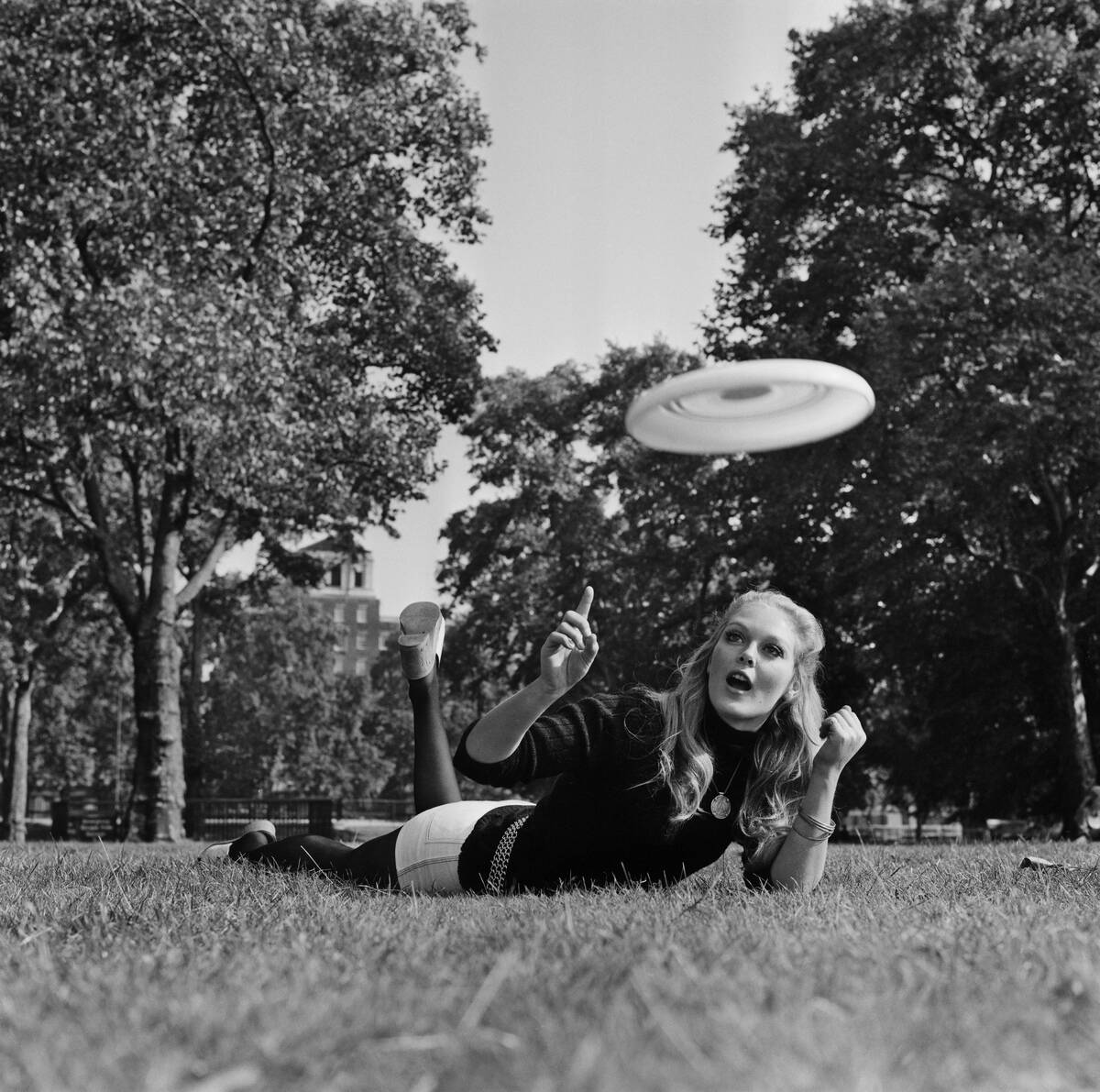
The Frisbee’s origins trace back to the 19th century when college students tossed empty pie plates from the Frisbie Baking Company. In 1948, Walter Morrison and Warren Franscioni created the first plastic flying disc, later renamed the “Frisbee” by Wham-O.
Today, Frisbees are enjoyed in parks and beaches worldwide, offering fun and exercise for people of all ages. Their journey from pie plate to iconic toy is a testament to human creativity.
The Shopping Cart
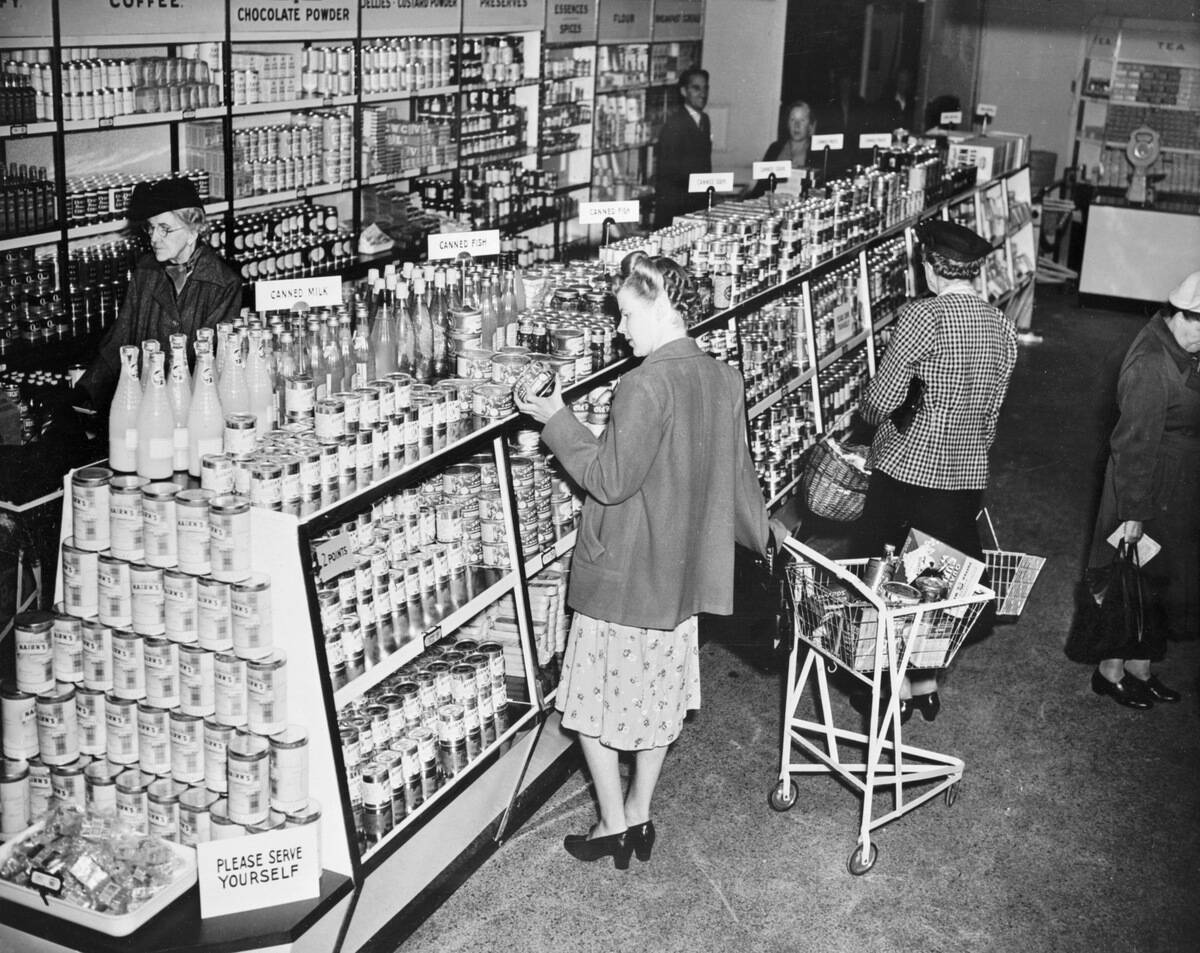
The shopping cart was invented in 1937 by Sylvan Goldman, owner of a grocery chain in Oklahoma. His design featured a folding chair with wheels and baskets, revolutionizing the shopping experience.
Today, shopping carts are an essential part of retail, available in various sizes and styles to accommodate different needs. Their evolution reflects the changing landscape of consumer habits and the ongoing quest for convenience.
Where Did Zippers Come From?
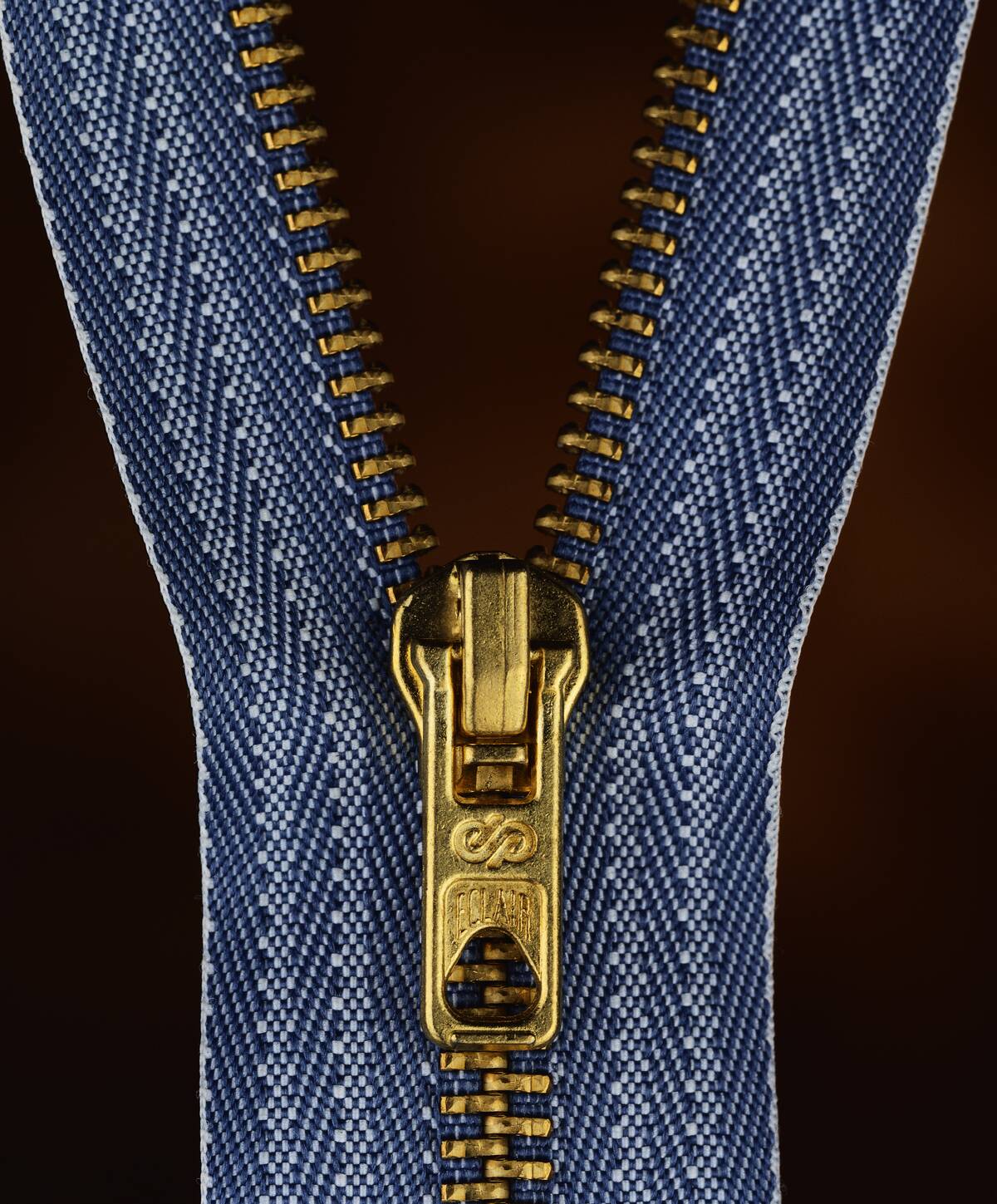
The zipper’s journey began in the 19th century with the “Automatic Continuous Clothing Closure” invented by Whitcomb Judson in 1893. However, it wasn’t until Gideon Sundback’s improved design in 1913 that zippers gained popularity.
Today, zippers are ubiquitous in fashion and industry, providing a quick and reliable fastening solution. Their development highlights the importance of innovation and refinement in creating everyday conveniences.
The Unexpected Story of the Yo-Yo
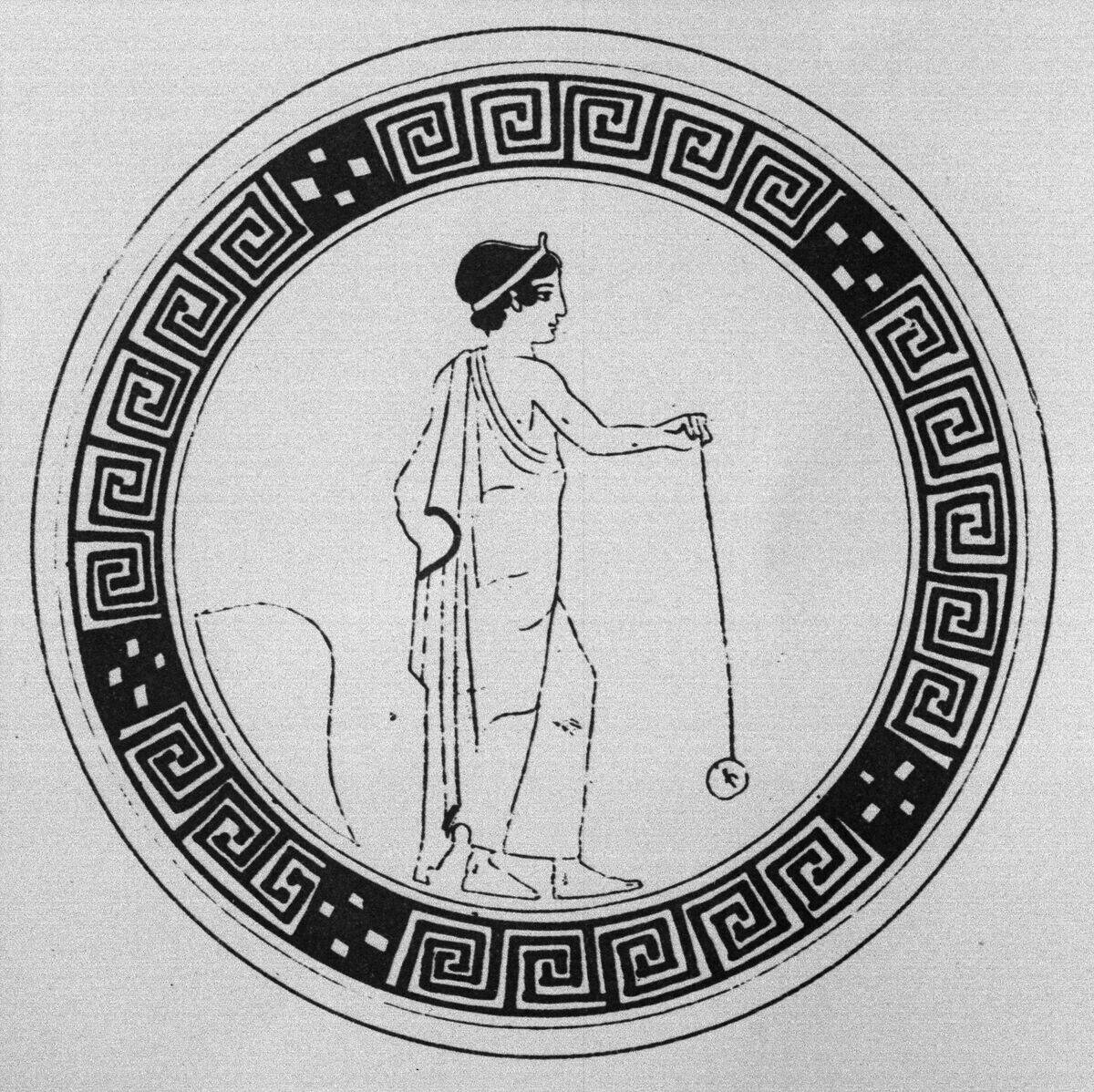
The yo-yo’s origins date back to ancient Greece, but it wasn’t until the 1920s that the yo-yo became a popular toy, thanks to Filipino immigrant Pedro Flores.
His company was later acquired by Donald Duncan, who helped popularize the yo-yo in the United States. Today, yo-yos are enjoyed by people of all ages, showcasing the toy’s enduring appeal and versatility.
The Origins of the Credit Card
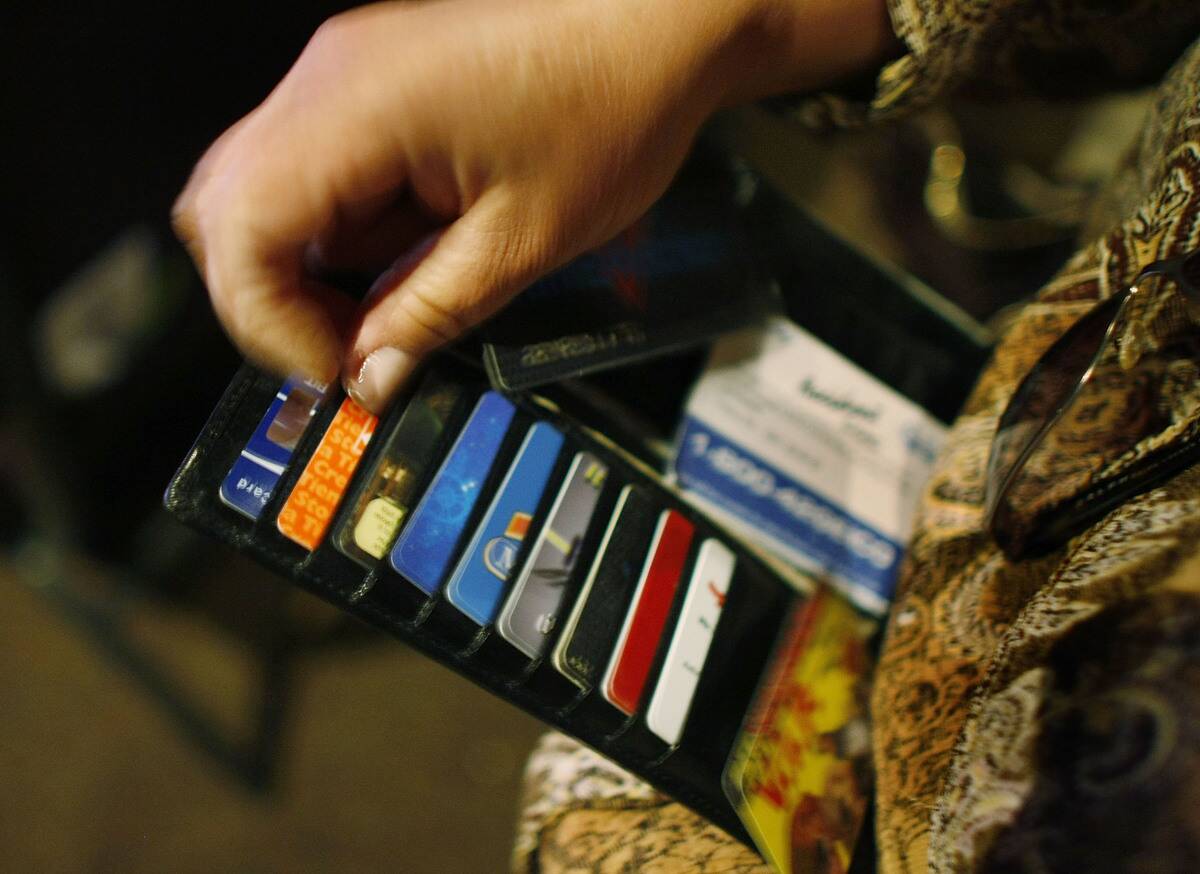
Credit cards have their roots in the early 20th century with charge plates used by department stores. The first universal credit card was introduced by Diners Club in 1950. Since then, credit cards have evolved to include magnetic strips, chips, and contactless technology.
Today, they are an integral part of the global economy, offering convenience and security for transactions both big and small. Their evolution reflects the ever-changing landscape of commerce.