The social rules that shaped everyday life in Victorian society
Victorian etiquette was a complex and intricate system that governed the social behaviors of the 19th century. Rooted in a desire for order and propriety, these rules were considered essential for maintaining social harmony.
From the way one dressed to the manner in which one greeted others, every aspect of life was dictated by a strict code of conduct. This era’s etiquette offers a fascinating glimpse into the values and priorities of Victorian society.
The Art of the Introduction
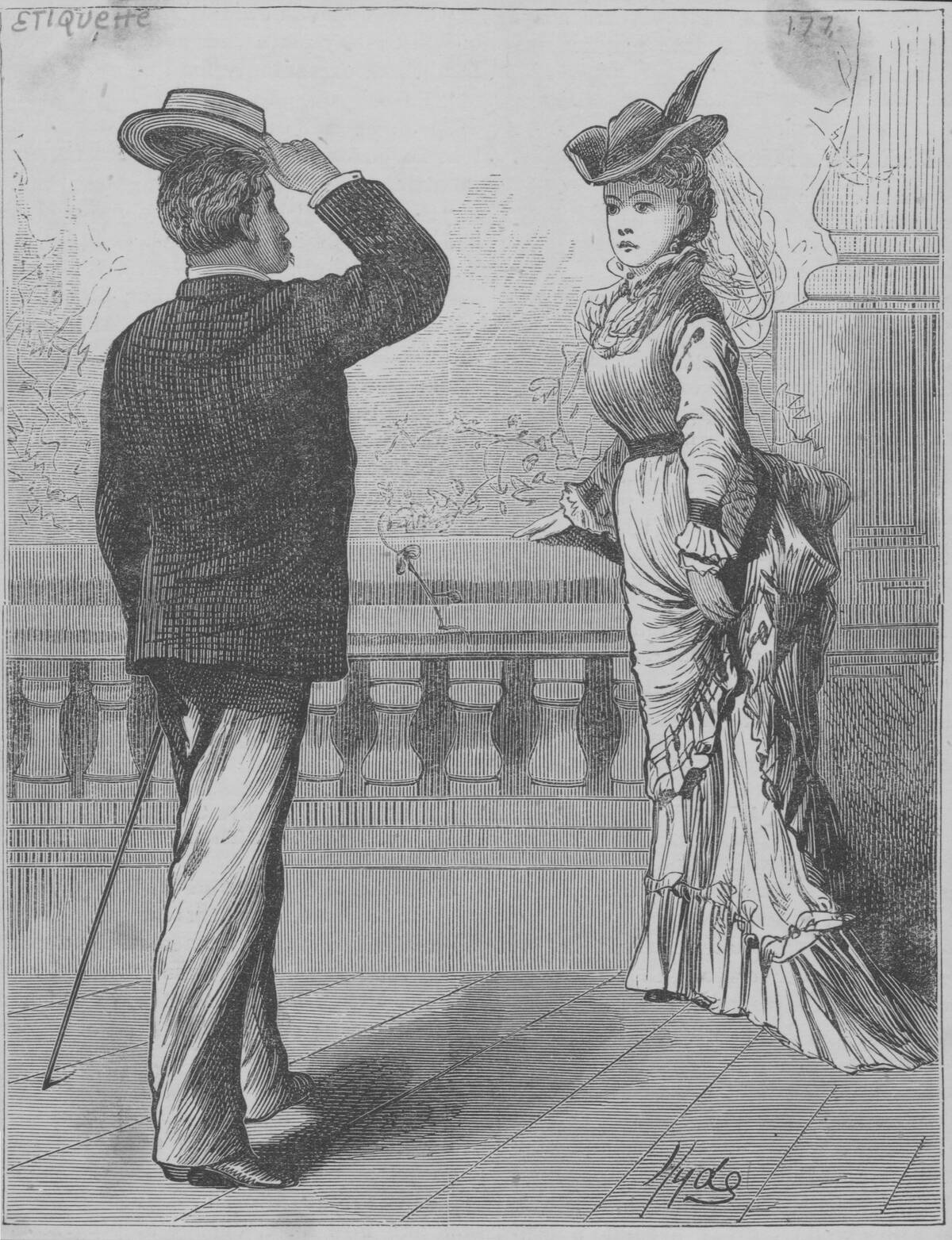
Introductions in Victorian times were a formal affair, often involving a series of bows or curtsies. A gentleman would tip his hat, while a lady might offer a slight nod. It was customary for the person of higher social standing to initiate the introduction.
These rituals were not just about politeness; they were a way to establish social connections and convey respect. The nuances of these greetings reflected the importance placed on social decorum.
Fashion and Attire Expectations
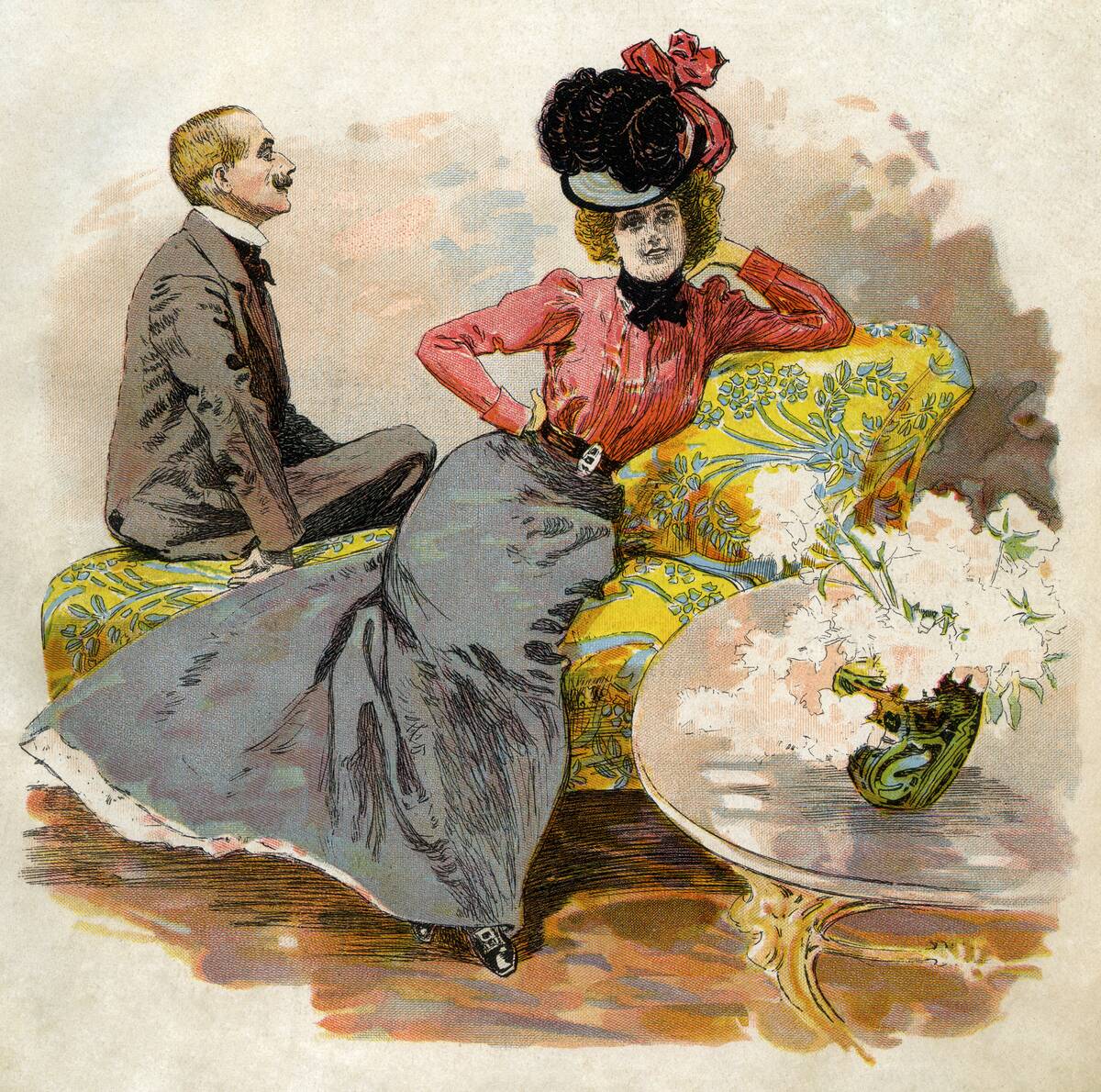
Victorian fashion was a reflection of one’s social status and adherence to societal norms. Men wore tailored suits with waistcoats, while women donned elaborate dresses with corsets and petticoats.
Each garment was carefully chosen to reflect the occasion and time of day. Fashion was not merely about aesthetics; it was a language of its own, conveying messages of wealth, respectability, and conformity to societal expectations.
Table Manners and Meal Time Rituals
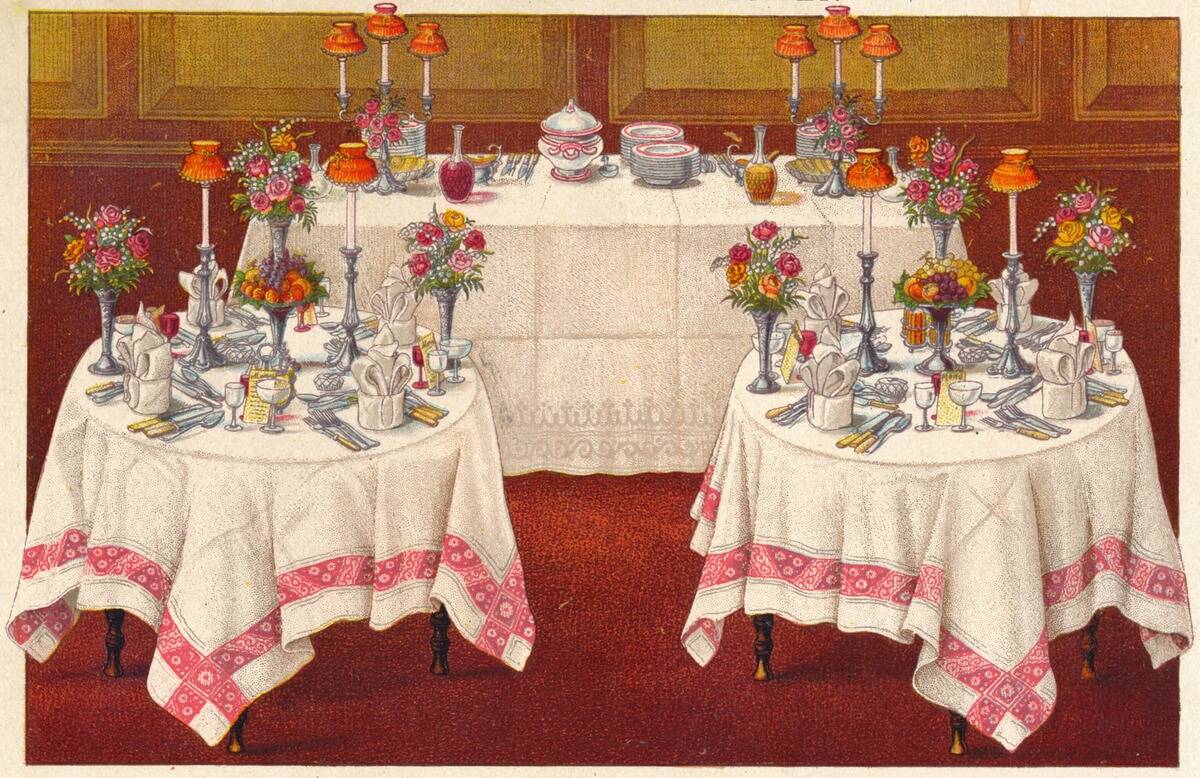
Dining in the Victorian era was a ceremonial affair, with strict rules governing every aspect of the meal. From the placement of cutlery to the proper way to hold a teacup, every detail mattered.
Meals were a time for socializing, and proper etiquette was essential for making a good impression. The use of finger bowls, the order of courses, and the art of conversation all played a role in the dining experience.
The Language of the Fan
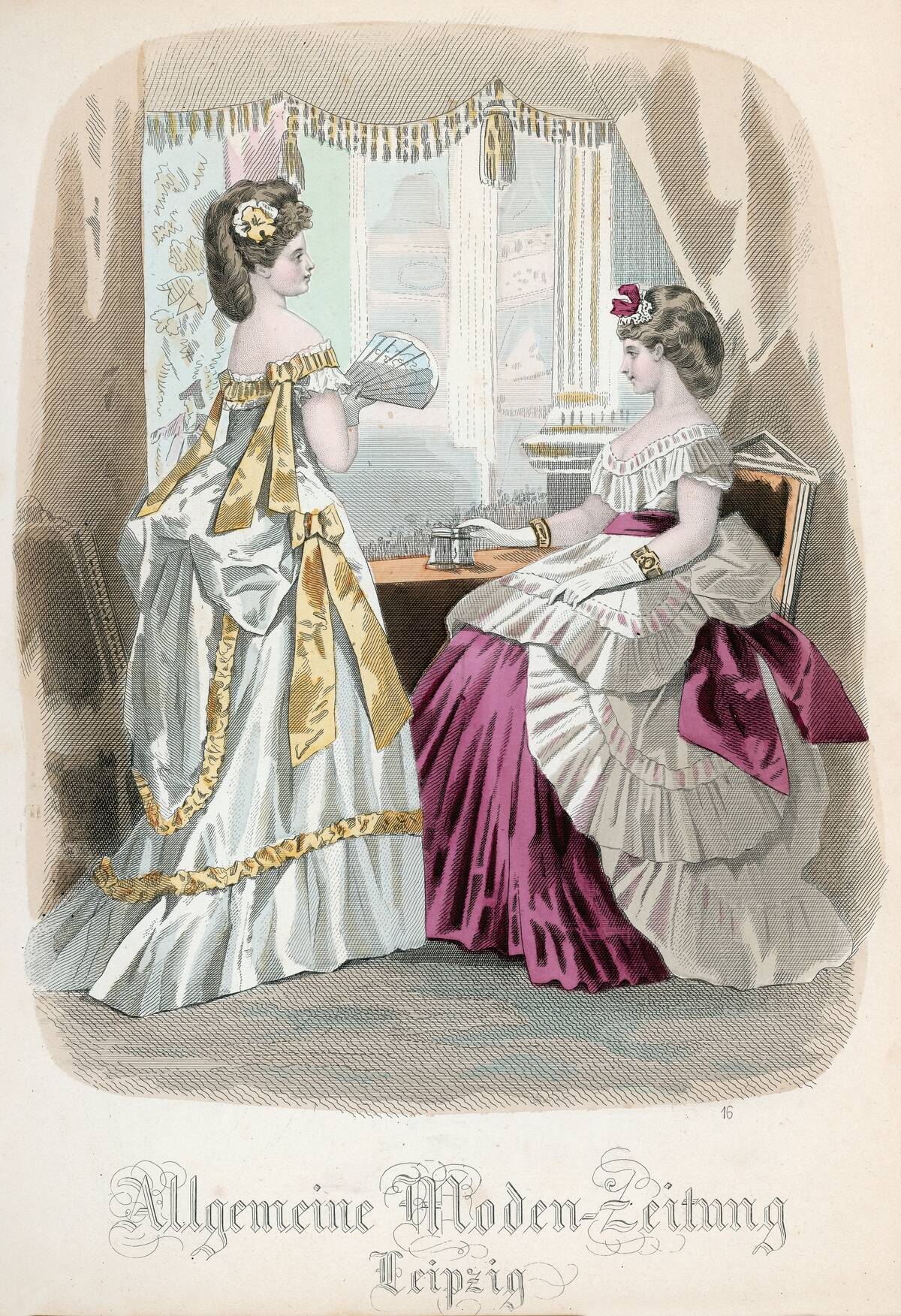
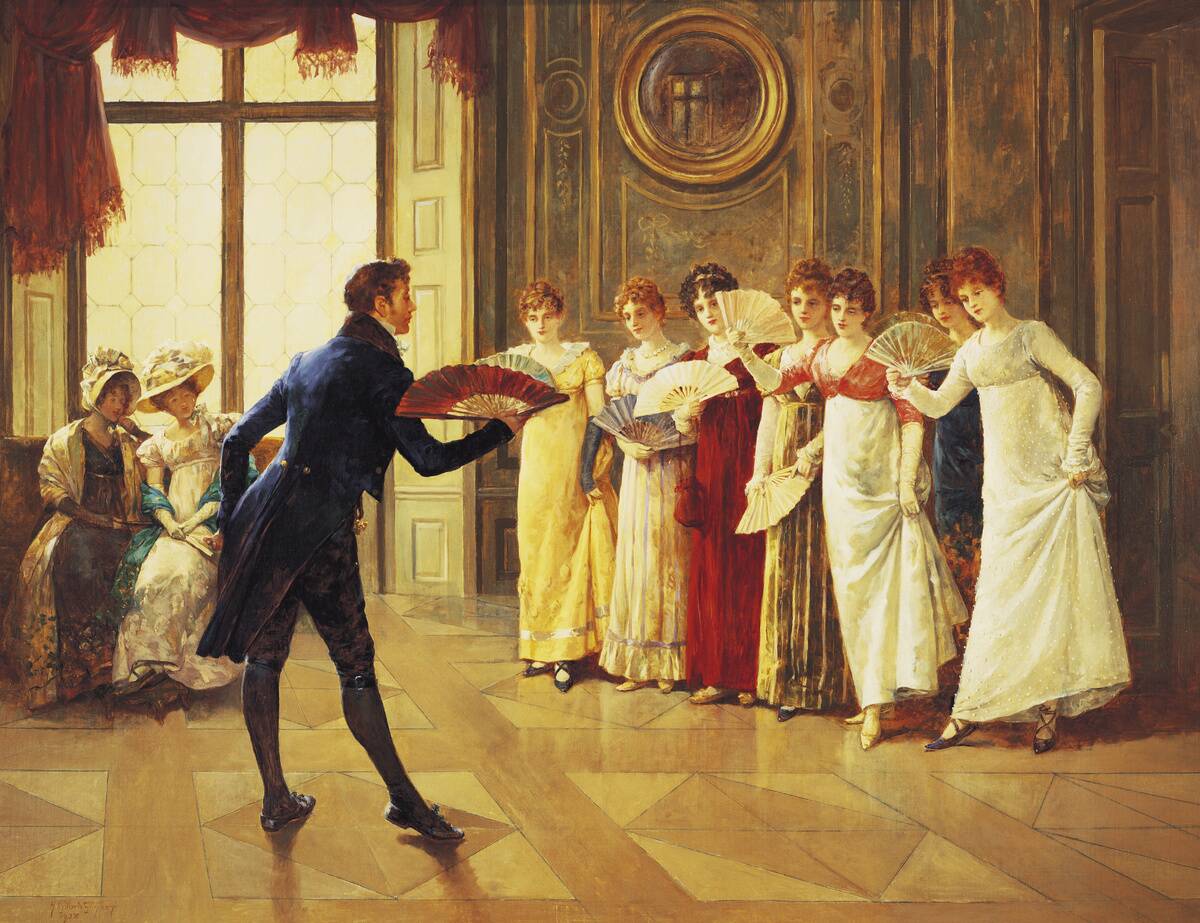
The fan was more than a fashion accessory for Victorian women; it was a tool for non-verbal communication. A flick of the fan could convey a range of messages, from flirtation to disinterest.
Each gesture had a specific meaning, allowing women to communicate discreetly in social settings. This silent language added an intriguing layer to Victorian interactions, where subtlety and nuance were highly valued.
Courtship and Chaperones
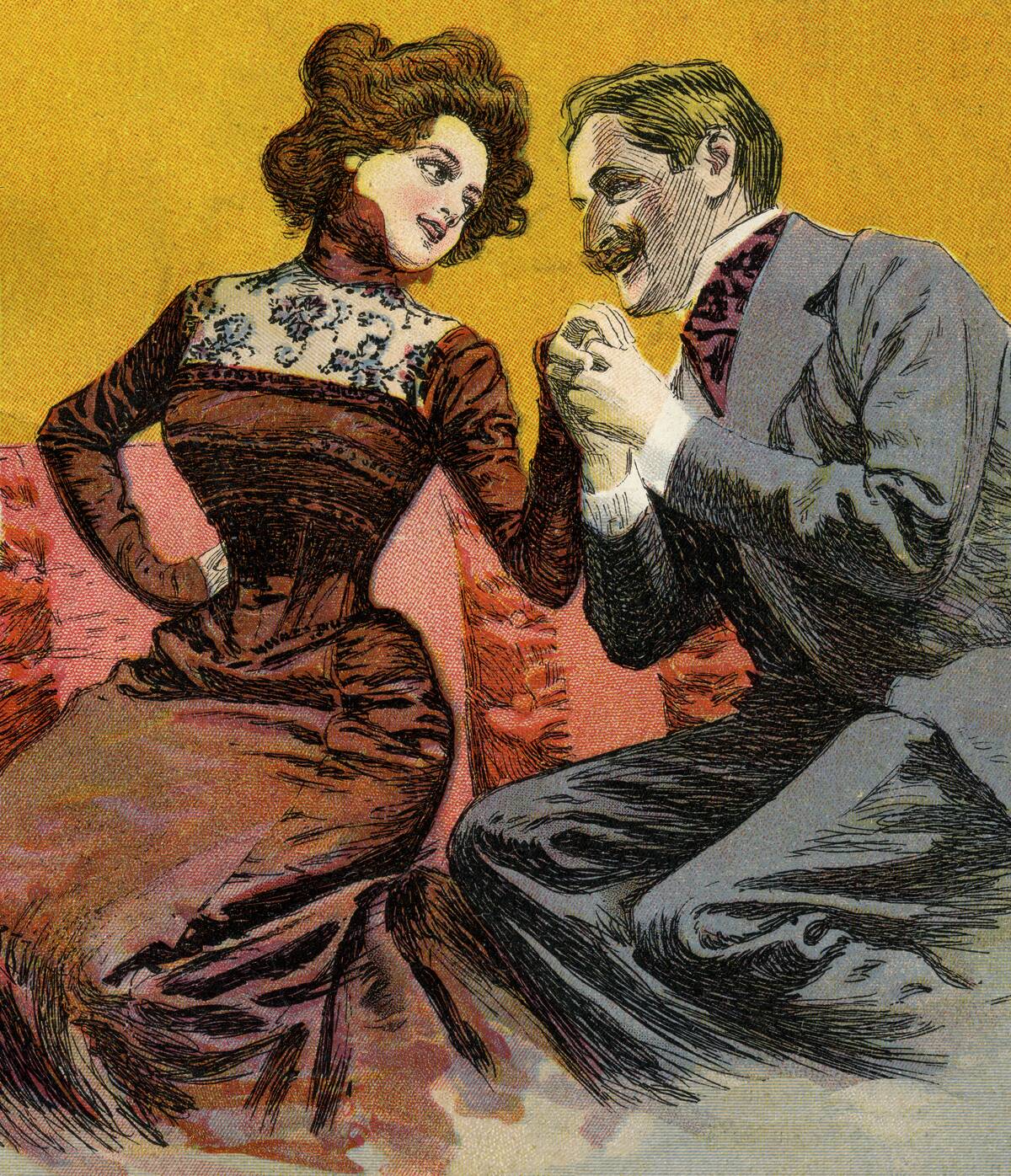
Courtship in the Victorian era was a highly regulated process, often overseen by chaperones. Young couples were rarely left alone, and interactions were carefully monitored to preserve reputations.
Romantic gestures were subtle, with love letters and stolen glances serving as the primary means of expressing affection. The presence of a chaperone ensured that propriety was maintained, reflecting the era’s emphasis on virtue and respectability in romantic pursuits.
The Importance of Calling Cards
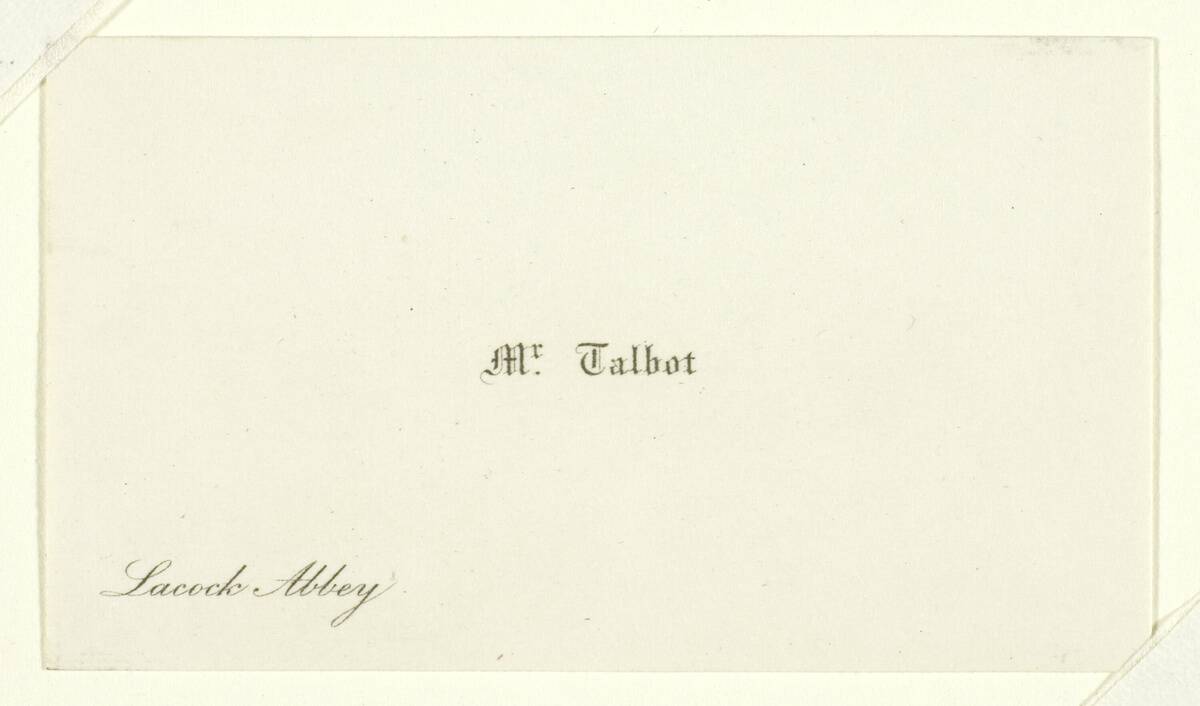
Calling cards were an essential tool for social networking in Victorian society. These small cards, bearing one’s name and address, were used to announce visits and express gratitude.
The exchange of calling cards was a ritualistic practice, with specific rules dictating when and how they should be presented. This practice facilitated social connections and was a key component of maintaining one’s social standing and reputation.
Topics to Embrace and Avoid
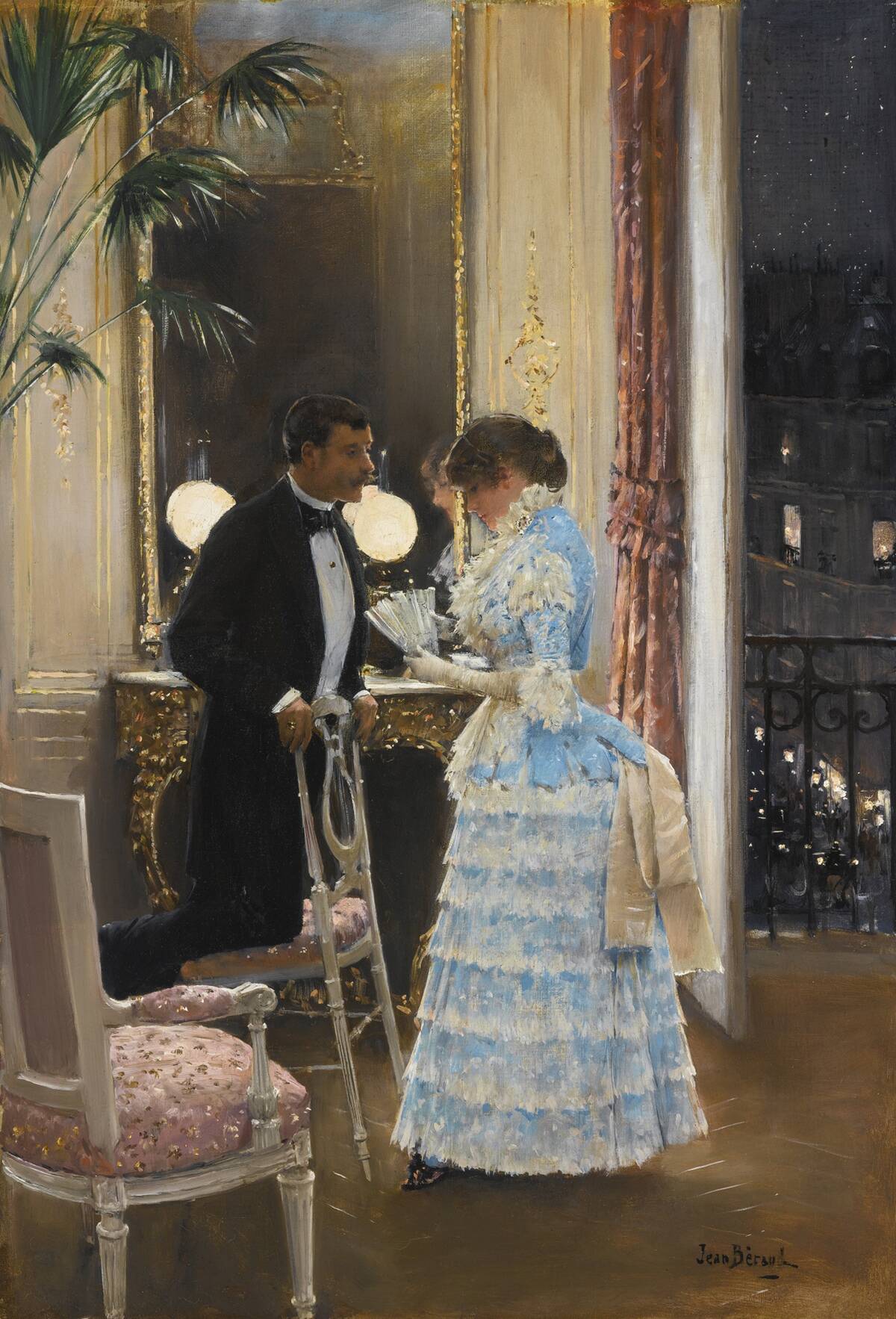
Victorian conversation was an art form, with strict guidelines on appropriate topics. Discussions of politics and religion were generally avoided, as they were considered too contentious. Instead, conversations focused on literature, art, and social events.
Politeness and wit were highly prized, and individuals were expected to engage in lively yet respectful discourse. The ability to navigate these conversational waters was a mark of social sophistication.
The Etiquette of Mourning
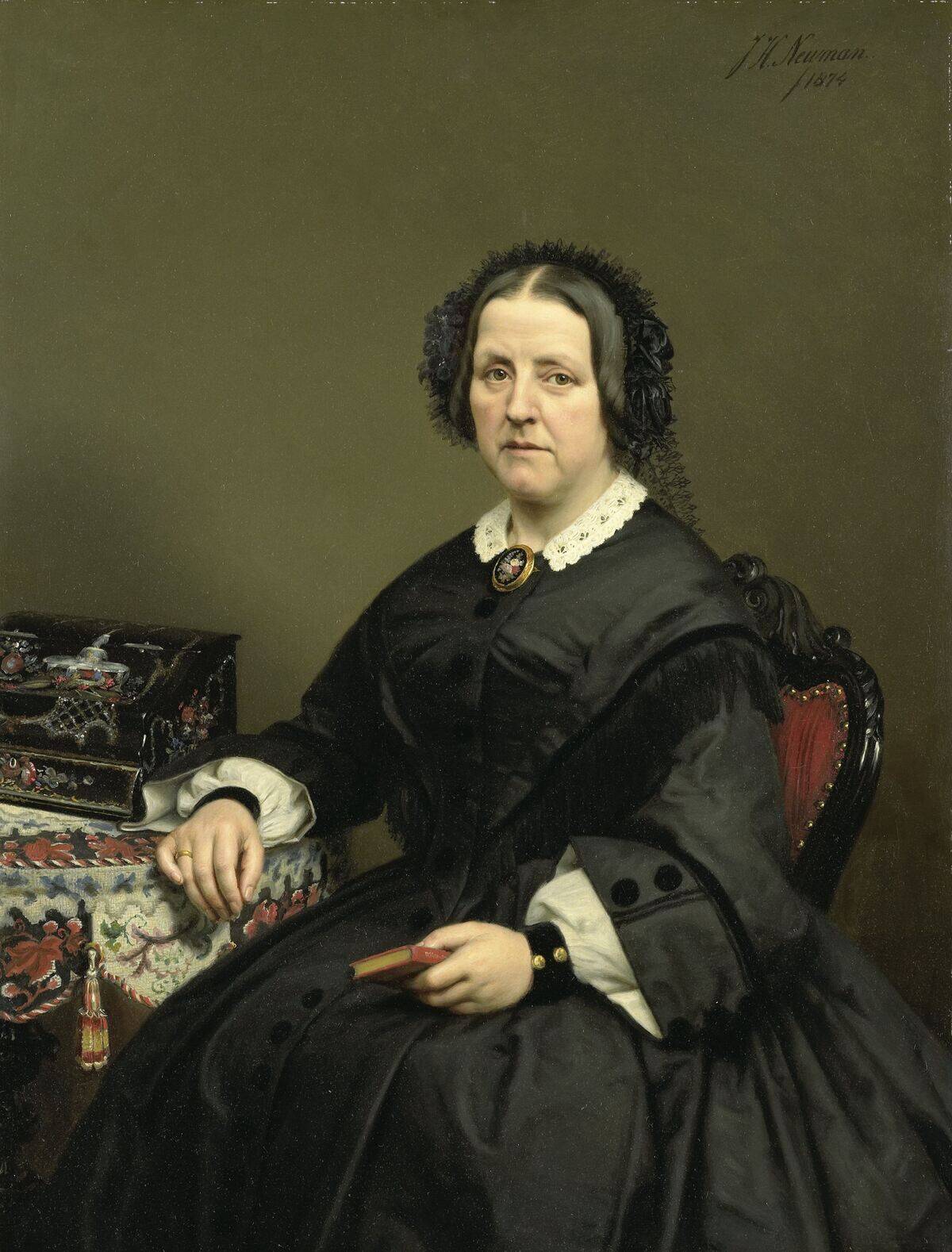
Mourning in the Victorian era was a deeply ritualized process, with specific dress codes and behaviors. Black attire was worn for extended periods, with the length of mourning determined by the relationship to the deceased.
Social activities were curtailed, and individuals were expected to conduct themselves with solemnity. These customs reflected the era’s emphasis on respect and reverence for the departed, as well as the importance of public displays of grief.
The Do’s and Don’ts of Hosting and Attending Social Gatherings
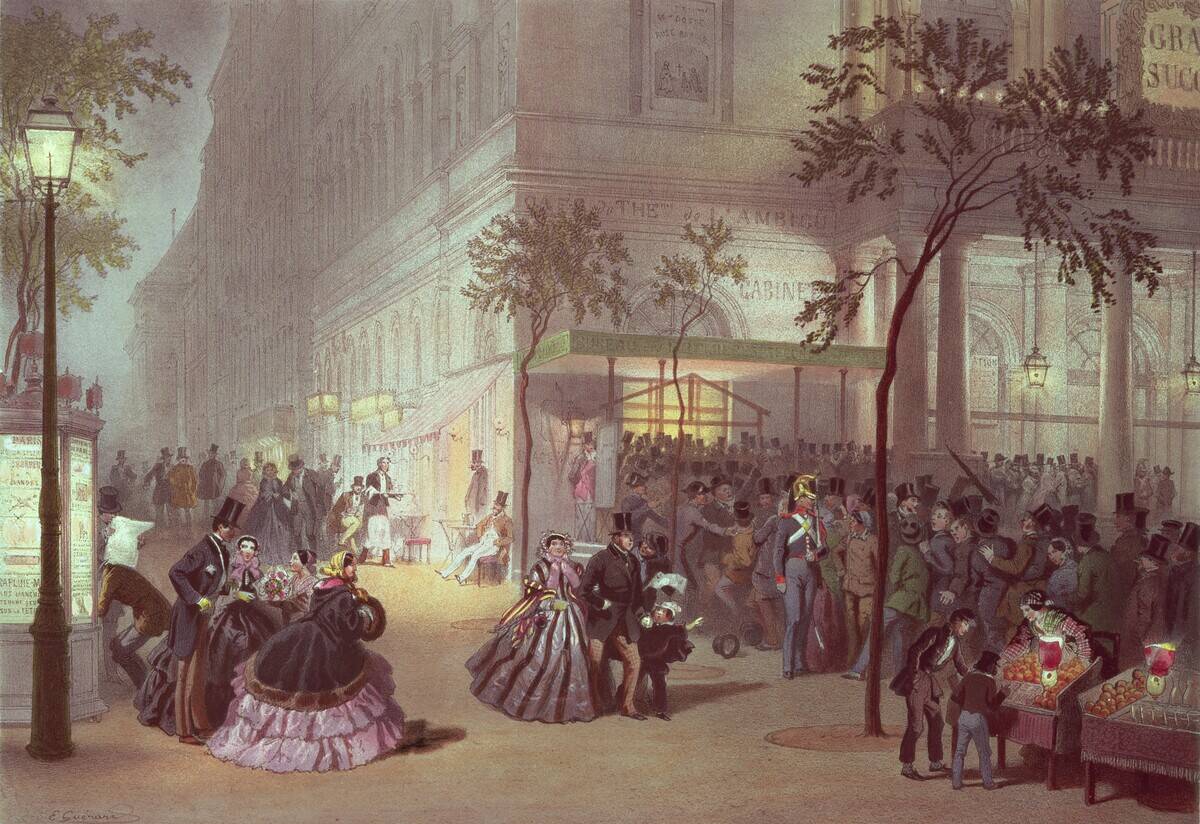
Social gatherings were a cornerstone of Victorian life, with hosts and guests adhering to a strict code of conduct. Invitations were to be sent well in advance, and punctuality was paramount.
Guests were expected to engage in polite conversation and express gratitude to their hosts. The success of a gathering depended on the adherence to these social norms, which ensured that events were both enjoyable and respectful.
Proper Behavior on Public Transportation
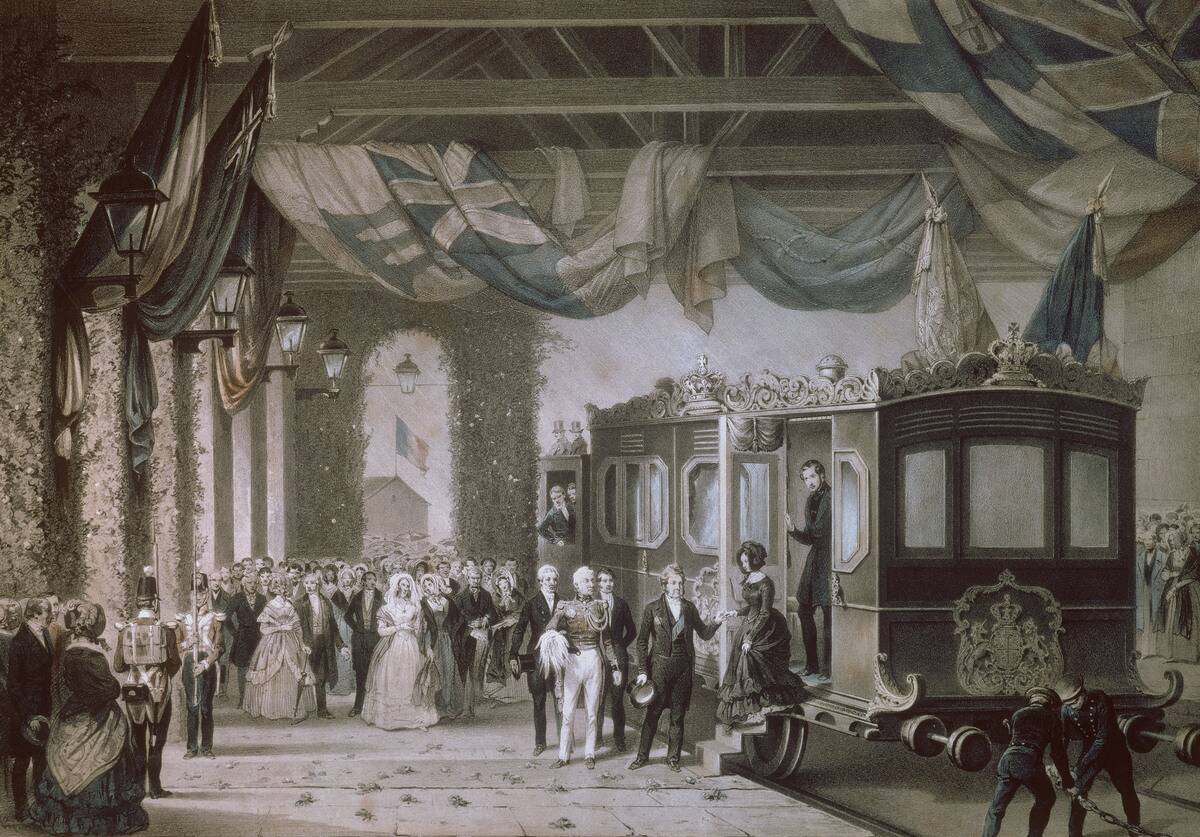
Traveling during the Victorian era required adherence to specific etiquette, particularly on public transportation. Passengers were expected to offer seats to women and the elderly, and loud conversations were discouraged.
Personal space was respected, and travelers were to be mindful of their fellow passengers. These rules ensured a pleasant and orderly travel experience, reflecting the broader societal emphasis on courtesy and consideration for others.
The Role of Servants
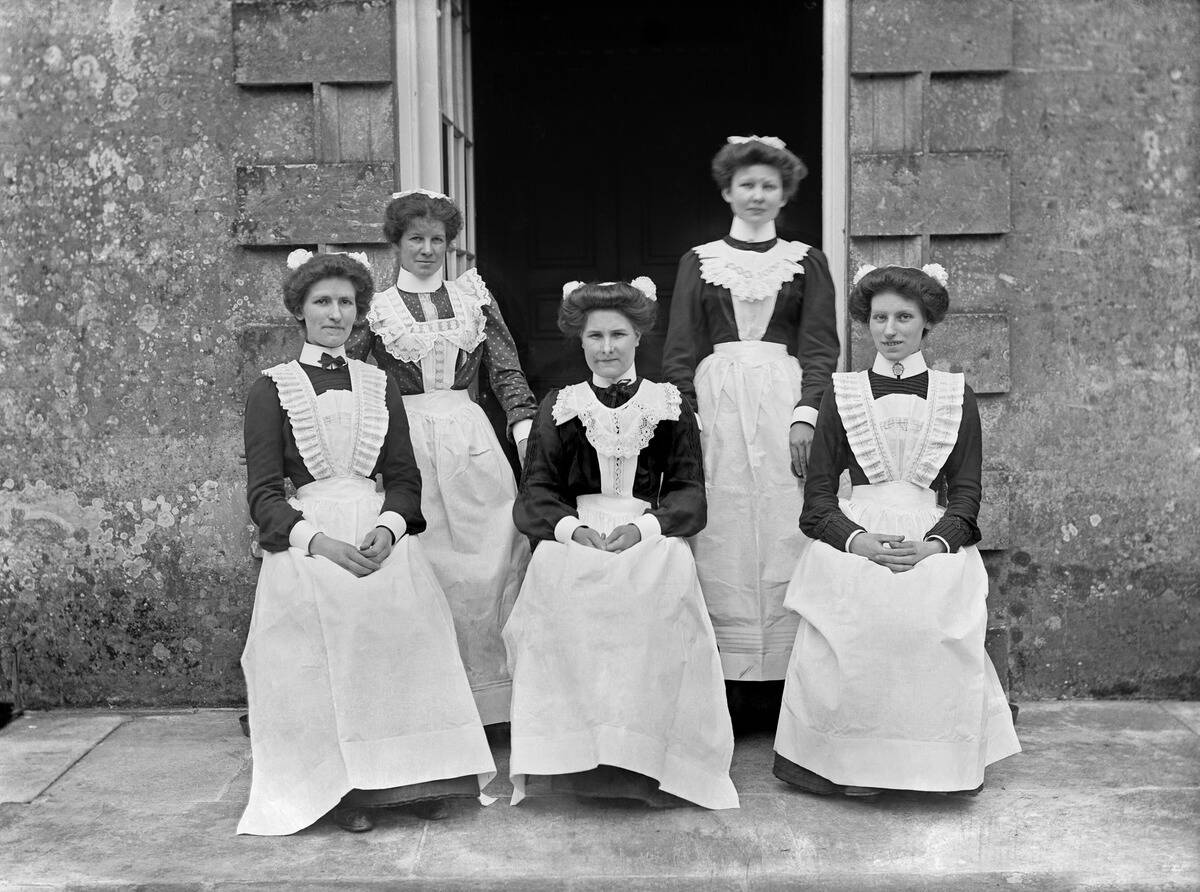
Servants played a crucial role in Victorian households, and interactions with them were governed by strict etiquette. Masters and mistresses were expected to treat their staff with respect, while maintaining a clear social hierarchy.
Servants were to be discreet and efficient, performing their duties without drawing attention. This dynamic was a reflection of the era’s class distinctions and the importance placed on maintaining order within the household.
Raising Polite and Proper Youngsters
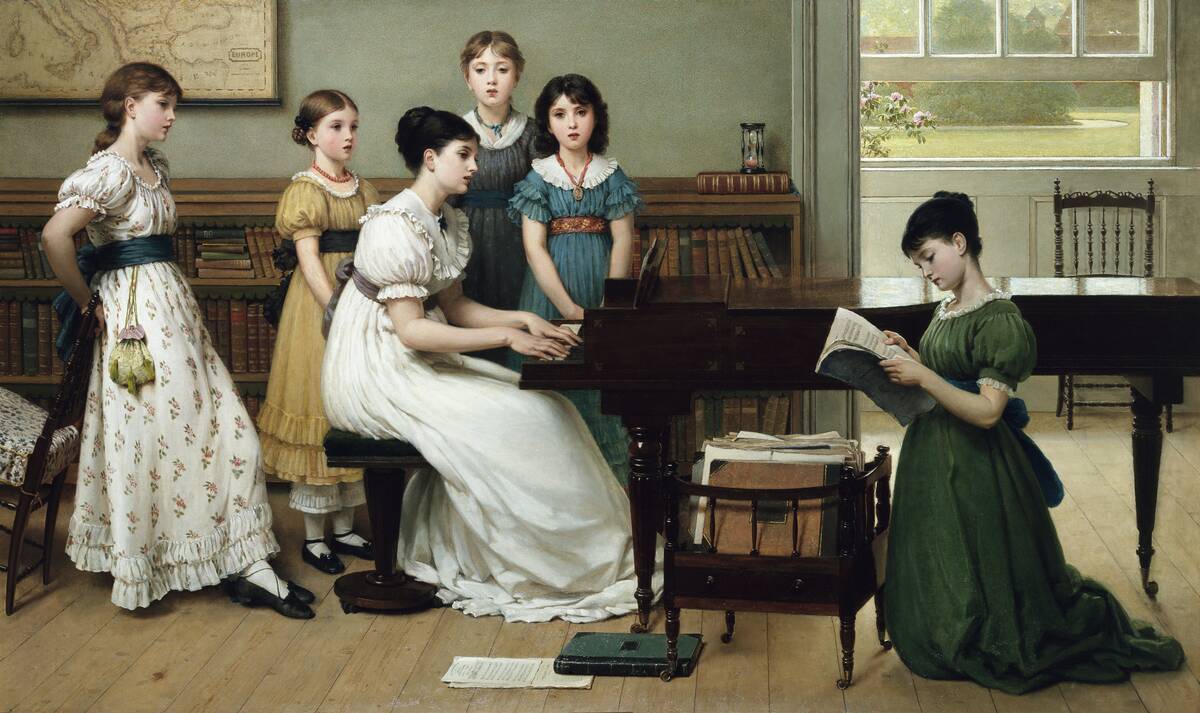
Victorian children were taught manners from a young age, with an emphasis on respect and obedience. Proper table manners, polite conversation, and deference to elders were instilled as essential virtues.
Education in etiquette was seen as crucial for preparing children to navigate the complexities of adult social interactions. This focus on manners reflected the broader societal values of discipline and propriety.
Lasting Legacies and Changes
While many Victorian etiquette rules have faded, their influence can still be seen in modern social customs. The emphasis on politeness, respect, and consideration for others remains relevant today.
Some practices, such as the use of calling cards, have evolved into contemporary networking tools. The legacy of Victorian etiquette lies in its enduring impact on social behavior, reminding us of the importance of civility and grace in our interactions.