Lost countries that shaped the modern world
Throughout history, nations have risen and fallen, leaving behind a legacy that continues to intrigue us today. These vanished nations were once powerful entities that shaped the course of history in their regions and beyond.
By exploring their stories, we gain a deeper understanding of the cultural, political, and social dynamics that influenced their rise and eventual decline. Each of these nations offers unique insights into the past, revealing the complexities of human civilization.
The Austro-Hungarian Empire: A Melting Pot of Cultures
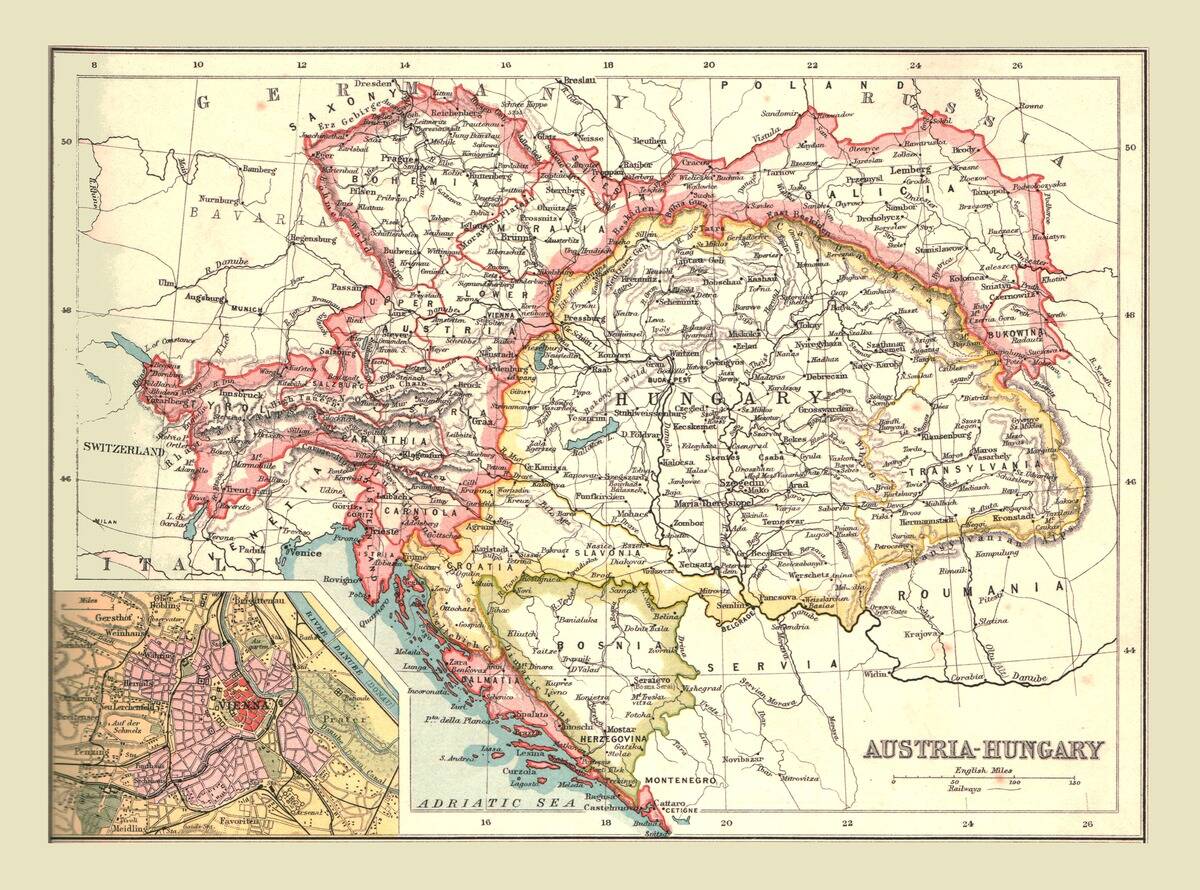
The Austro-Hungarian Empire was a unique blend of diverse cultures, languages, and traditions. Formed in 1867, it was a dual monarchy that united Austria and Hungary under a single monarch.
The empire was home to a myriad of ethnic groups, including Germans, Hungarians, Czechs, Slovaks, and many others. This cultural diversity was both a strength and a challenge, as it fostered a rich tapestry of cultural exchange while also creating tensions that contributed to the empire’s eventual dissolution in 1918.
The Ottoman Empire: Bridging Continents and Cultures
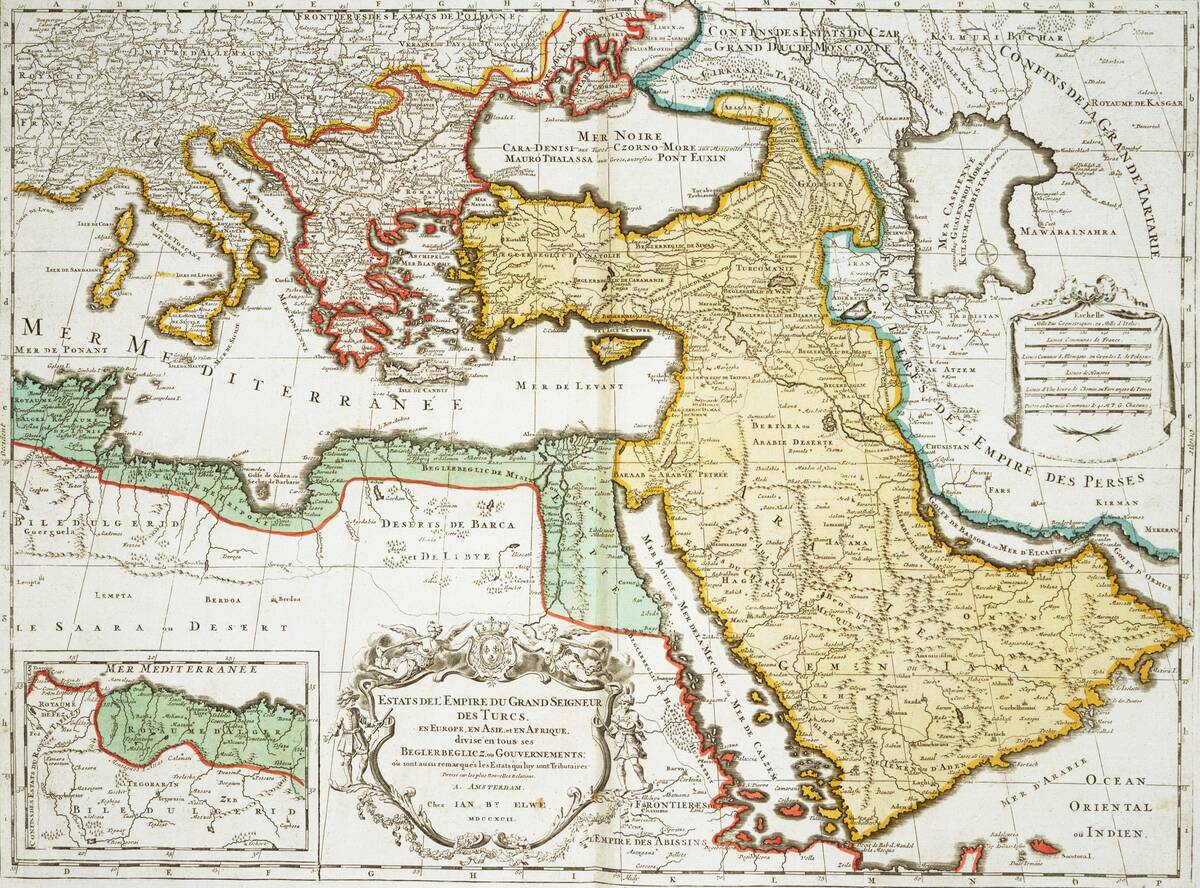
The Ottoman Empire, which lasted from 1299 to 1922, was a formidable force that spanned three continents: Europe, Asia, and Africa. At its height, it controlled vast territories, including modern-day Turkey, the Balkans, the Middle East, and North Africa.
The empire was a melting pot of cultures and religions, with Islam as its dominant faith. The Ottomans were known for their architectural achievements, such as the Süleymaniye and Blue Mosques; and their role in facilitating trade and cultural exchange between East and West.
The Byzantine Empire: Preserving Ancient Knowledge
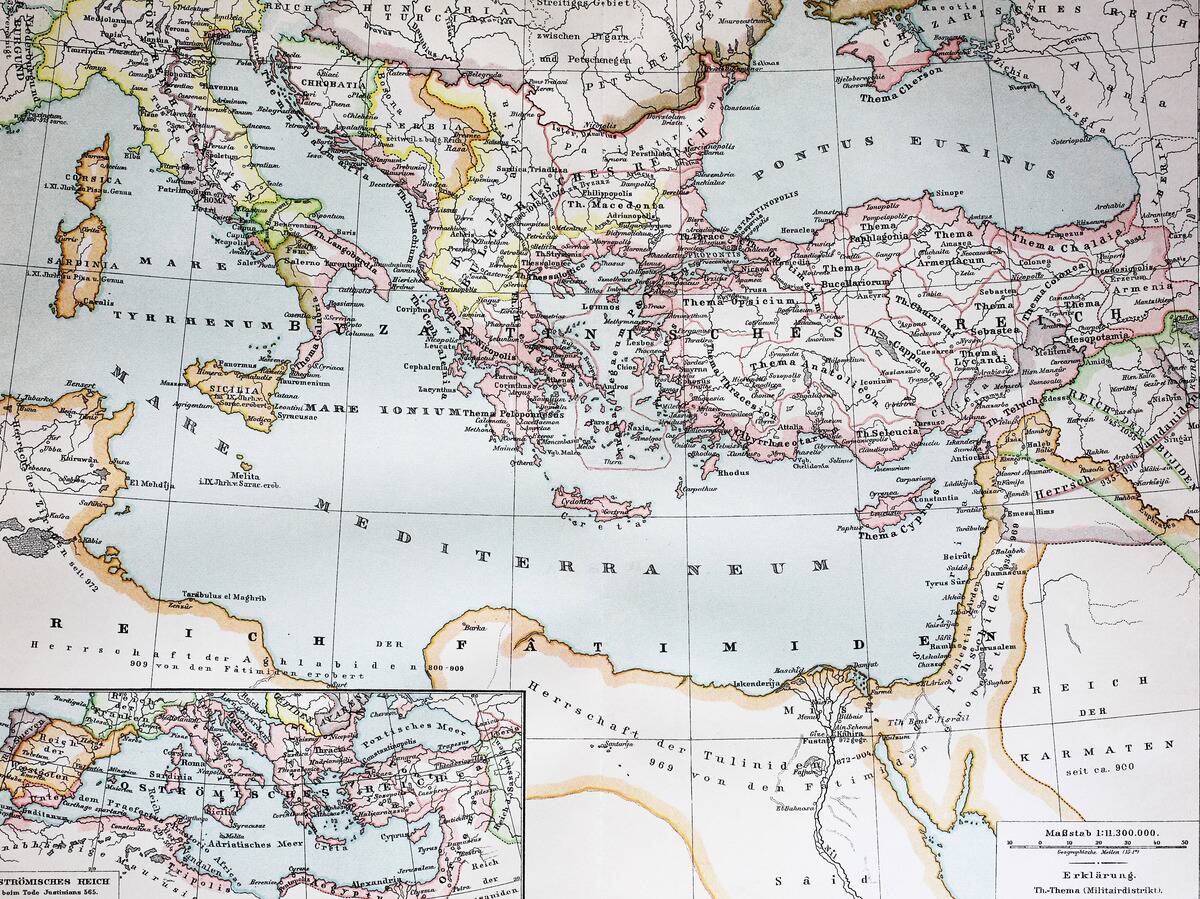
The Byzantine Empire, also known as the Eastern Roman Empire, played a crucial role in preserving the knowledge of ancient Greece and Rome. From its founding in 330 AD until its fall in 1453, the empire was a beacon of learning and culture.
The Byzantines made significant contributions to art, literature, and science, and their scholars preserved many classical texts that might have otherwise been lost. The empire’s capital, Constantinople, was a thriving center of trade and culture, bridging the gap between Europe and Asia.
The Soviet Union: A Superpower’s Rise and Fall
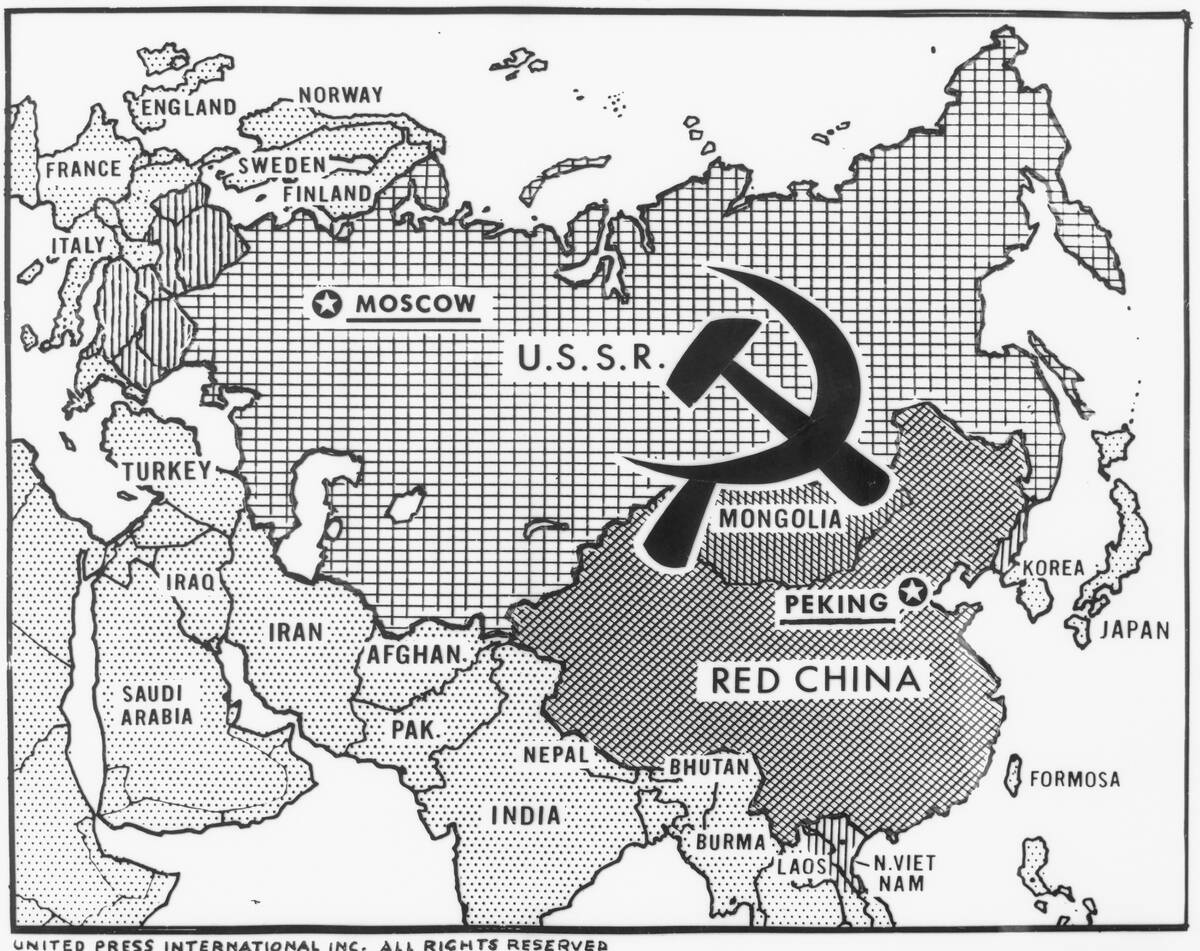
The Soviet Union emerged from the ashes of the Russian Empire in 1922, quickly becoming a global superpower. Under the leadership of figures like Lenin and Stalin, it underwent rapid industrialization and became a key player in world politics.
The USSR was a socialist state that sought to spread its ideology worldwide, leading to tensions with the Western bloc during the Cold War. Despite its power, the Soviet Union faced internal challenges, ultimately dissolving in 1991, marking the end of an era.
The Kingdom of Prussia: The Birth of Modern Germany
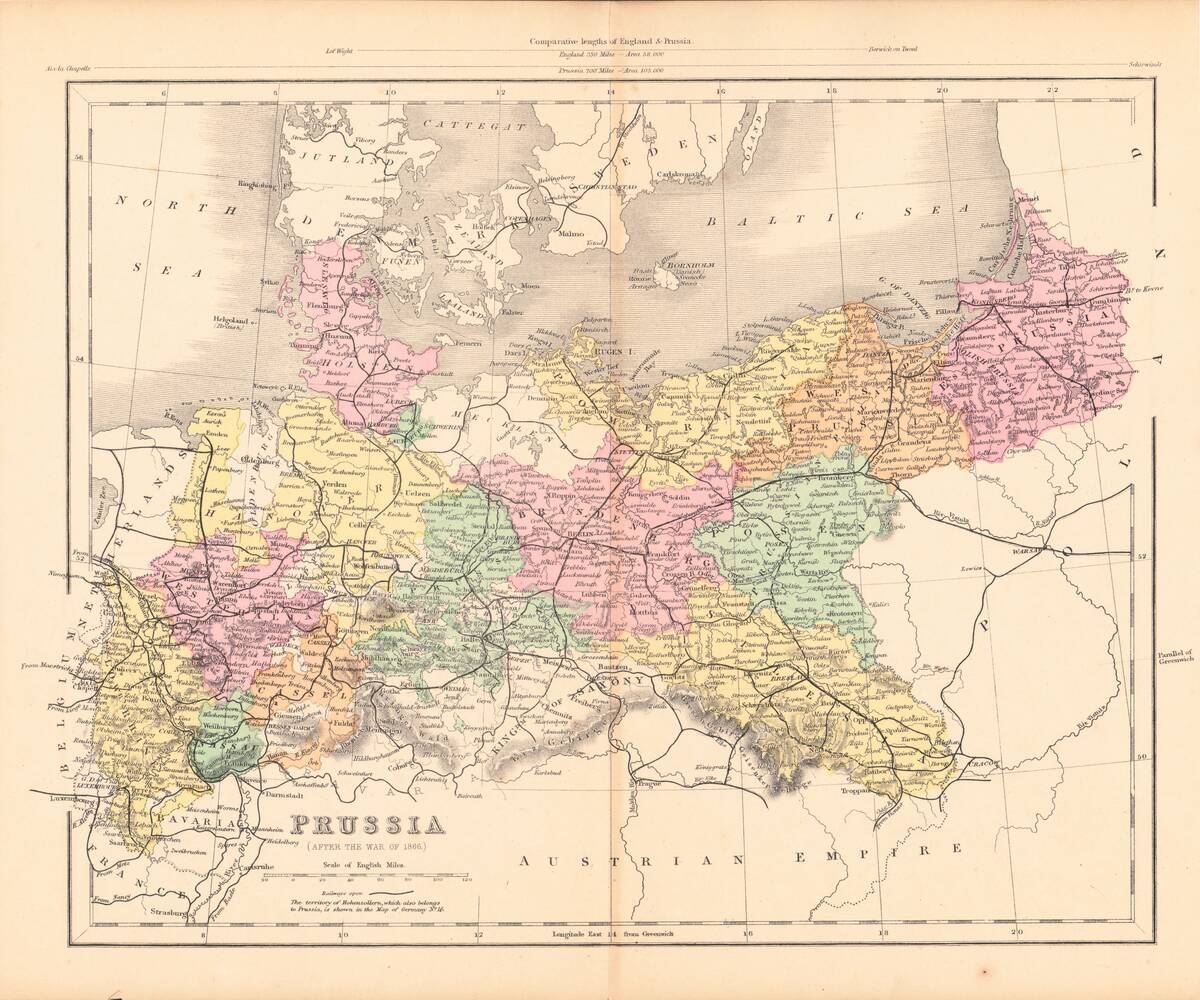
The Kingdom of Prussia was a major European power that laid the groundwork for the unification of Germany. Established in 1701, Prussia was known for its military prowess and efficient bureaucracy. Under the leadership of figures like Frederick the Great, it expanded its territories and influence.
Prussia played a pivotal role in the unification of Germany in 1871, with its king, Wilhelm I, becoming the first German Emperor. The kingdom’s legacy is evident in Germany’s modern political and cultural landscape.
The Republic of Venice: Maritime Powerhouse of the Mediterranean
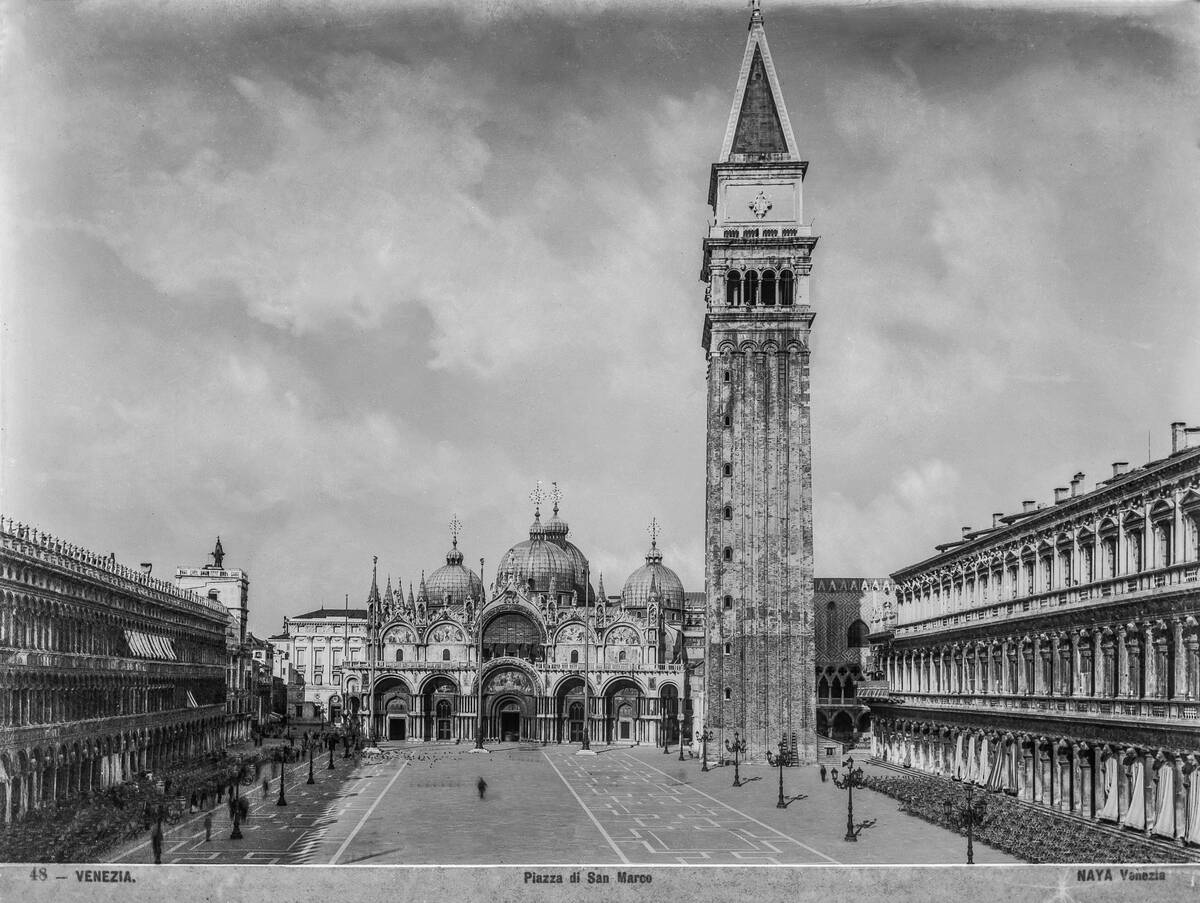
The Republic of Venice was a maritime powerhouse that dominated trade in the Mediterranean for centuries. Founded in the 5th century, Venice became a major center of commerce and culture. Its strategic location allowed it to control key trade routes between Europe and the East.
The city was renowned for its impressive architecture, such as St. Mark’s Basilica, and its vibrant artistic scene. Venice’s decline began in the 15th century, as new trade routes emerged and its influence waned.
The Mughal Empire: Architectural and Cultural Marvels of India

The Mughal Empire, which ruled over much of the Indian subcontinent from 1526 to 1857, is celebrated for its architectural and cultural achievements. The Mughals were known for their grand monuments, including the Taj Mahal, a symbol of love and architectural brilliance.
They also fostered a rich cultural environment, blending Persian, Indian, and Islamic influences. The empire’s decline began in the 18th century, as internal strife and external pressures weakened its hold on the region.
The Kingdom of Hawaii: A Polynesian Paradise Lost
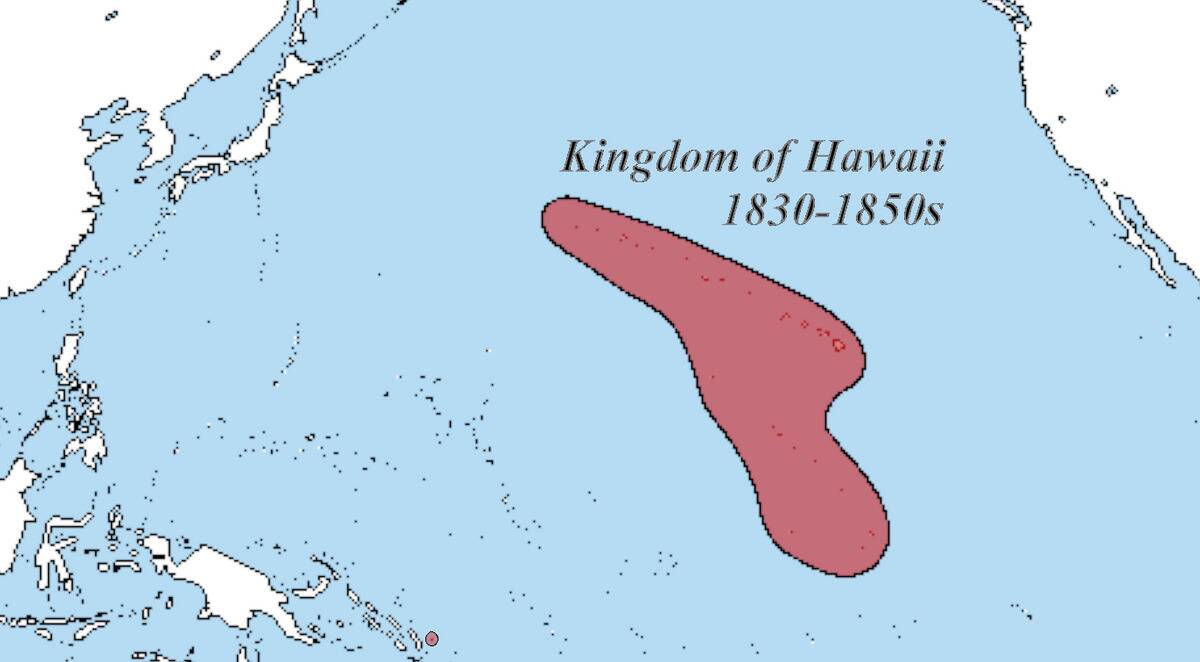
The Kingdom of Hawaii was a sovereign state that existed from 1795 until its annexation by the United States in 1898. It was a vibrant Polynesian society with a rich cultural heritage and a monarchy that unified the Hawaiian Islands.
The kingdom’s economy thrived on agriculture and trade, particularly in sugar and pineapple. However, political and economic pressures from foreign powers led to its eventual overthrow and annexation, marking the end of Hawaii’s independence.
The Kingdom of Yugoslavia: A Balkan Experiment in Unity
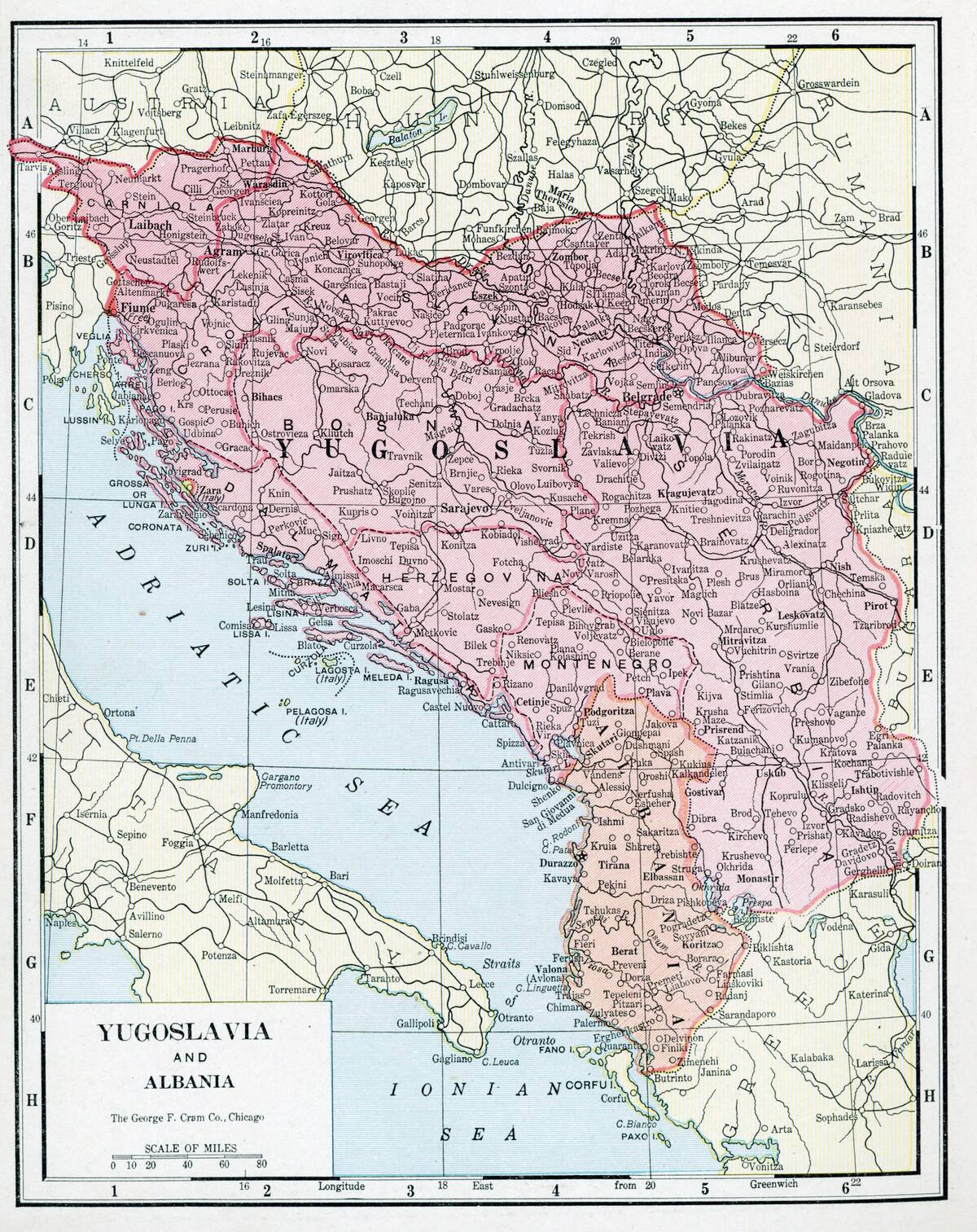
The Kingdom of Yugoslavia was established in 1918, following the end of World War I, as a means to unify the diverse ethnic groups of the Balkans under a single monarchy. It was a complex and ambitious project, bringing together Slovenia, Croatia, Bosnia and Herzegovina, Montenegro, Serbia, North Macedonia, and Kosovo.
Despite its initial promise, the kingdom faced significant challenges due to ethnic tensions and political instability. It was eventually dissolved during World War II, leading to the formation of socialist Yugoslavia and later its breakup in the 1990s.
The Tang Dynasty: China’s Golden Age of Innovation
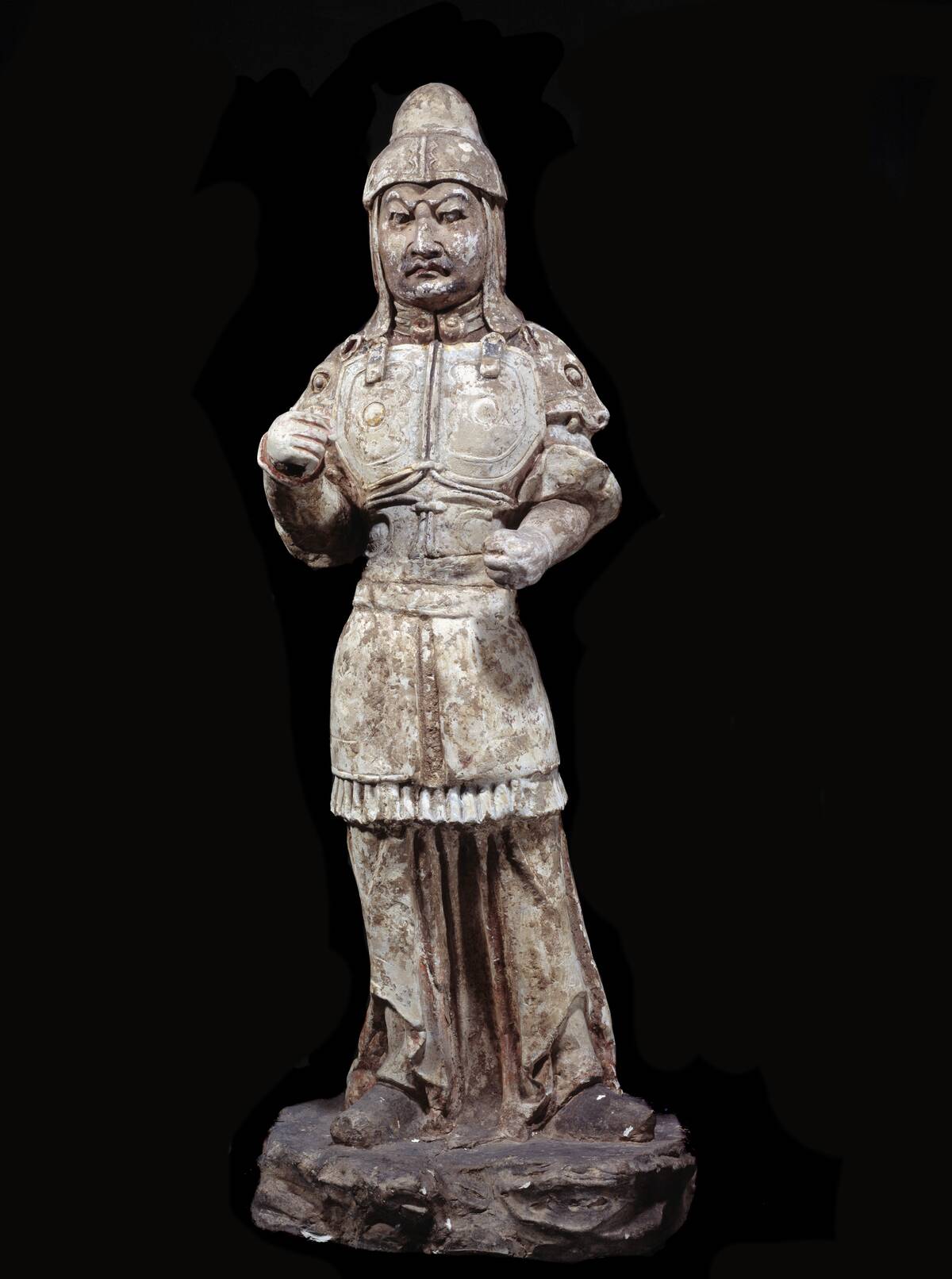
The Tang Dynasty, which ruled China from 618 to 907 AD, is often regarded as a golden age of Chinese civilization. It was a period of great cultural and technological advancements, with innovations in fields such as printing, poetry, and painting.
The Tang capital, Chang’an, was a cosmopolitan city that attracted scholars and traders from across Asia. The dynasty’s influence extended beyond China’s borders, fostering cultural exchange along the Silk Road. Despite its achievements, the Tang Dynasty eventually fell due to internal strife and rebellion.
The Kingdom of Siam: The Evolution of Modern Thailand

The Kingdom of Siam, known today as Thailand, has a rich history of resilience and adaptation. From the 13th century, Siam was a powerful kingdom in Southeast Asia, known for its strategic diplomacy and cultural achievements.
It successfully navigated the pressures of colonialism, maintaining its independence while neighboring countries fell under European control. The kingdom underwent significant modernization in the 19th and 20th centuries, evolving into the modern nation of Thailand, while preserving its unique cultural identity.
The Inca Empire: Ancient Engineering and Agricultural Prowess
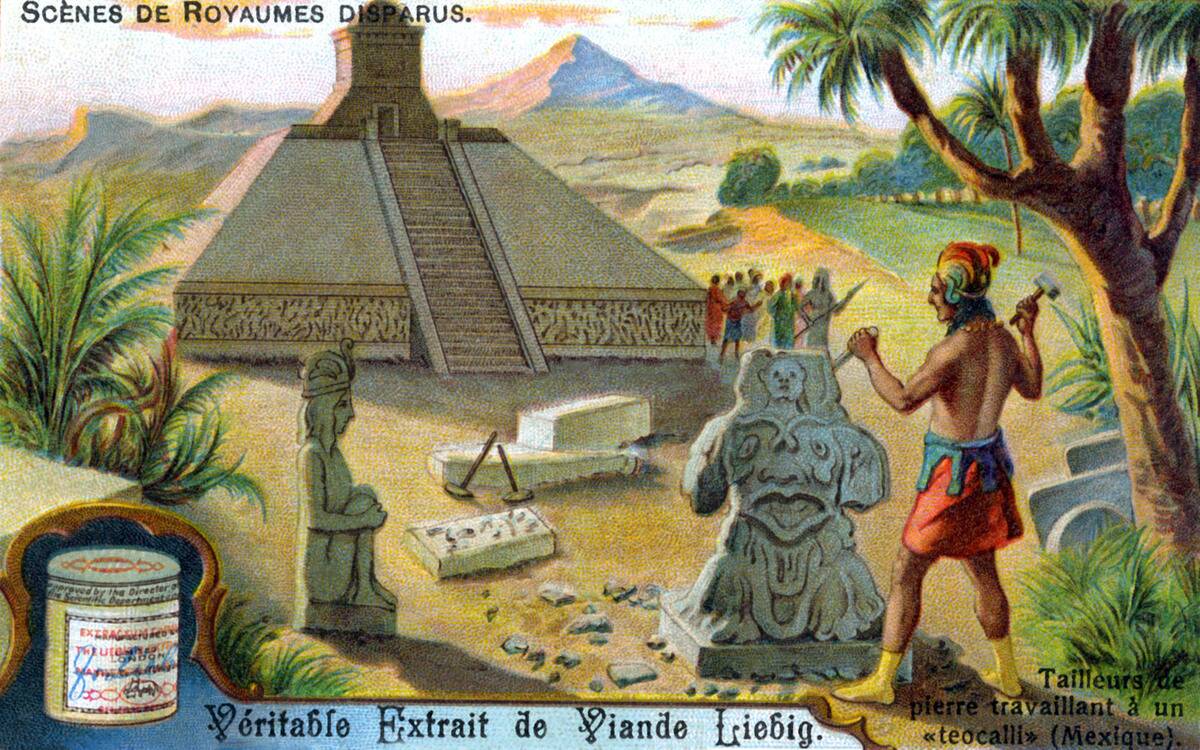
The Inca Empire, which flourished in the Andes region of South America from the early 15th century until the Spanish conquest in 1533, was renowned for its engineering and agricultural innovations. The Incas built an extensive network of roads and bridges that connected their vast empire, facilitating communication and trade.
They also developed advanced agricultural techniques, such as terrace farming, to maximize crop yields in the challenging mountainous terrain. Despite their achievements, the empire fell to Spanish invaders, leaving behind a legacy that continues to captivate historians and archaeologists.
The Kingdom of Kush: A Nubian Legacy in African History
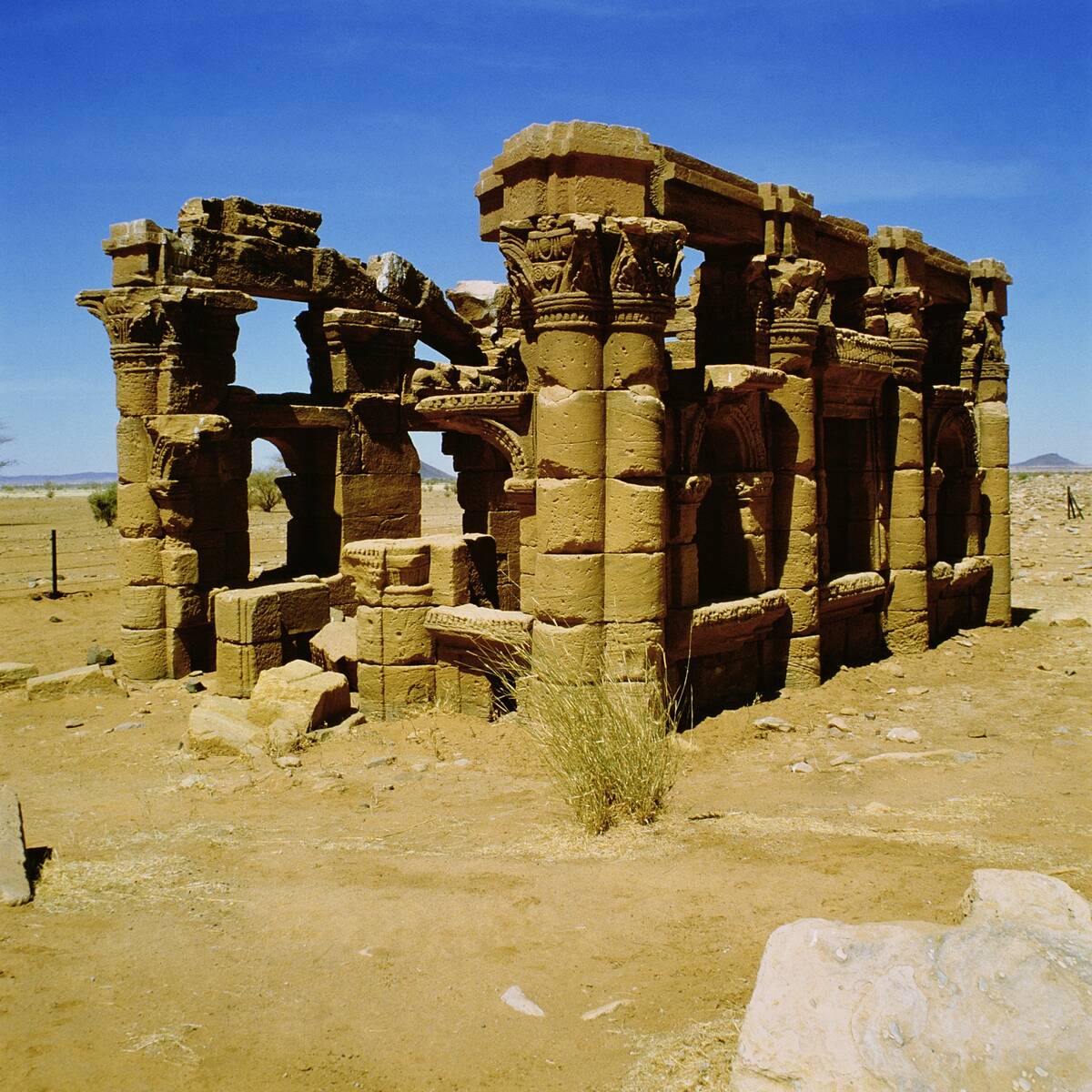
The Kingdom of Kush, located in present-day Sudan, was a powerful Nubian state that thrived from around 1070 BC to 350 AD. It was known for its rich culture and monumental architecture, including the pyramids of Meroë, which rival those of Egypt. The Kushites were skilled metalworkers and traders, establishing connections with neighboring civilizations.
The kingdom played a significant role in African history, serving as a bridge between sub-Saharan Africa and the Mediterranean world. Its decline was due to a combination of internal strife and external pressures.
The Songhai Empire: West Africa’s Medieval Powerhouse
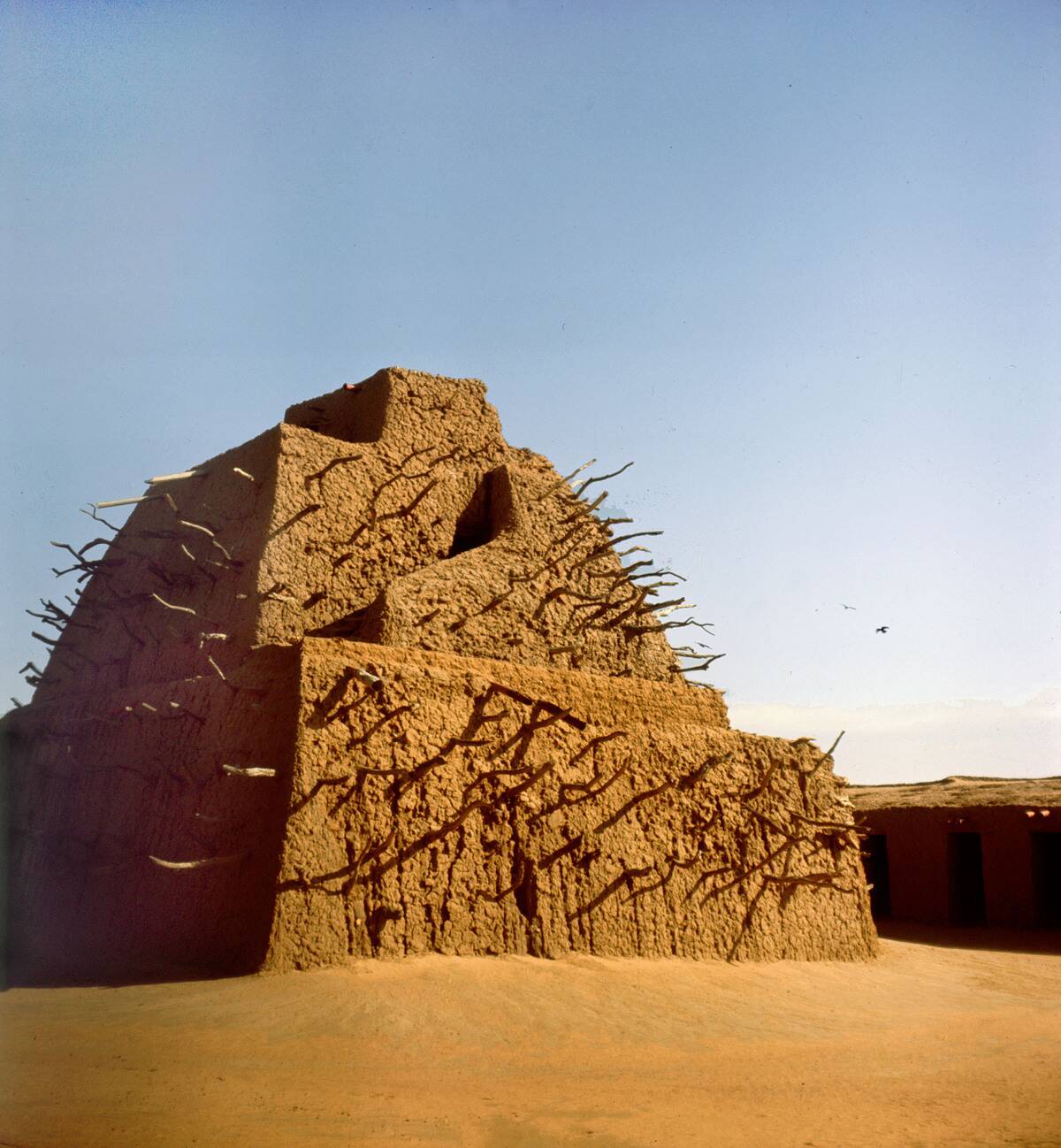
The Songhai Empire was one of the largest and most powerful empires in West Africa during the 15th and 16th centuries. Centered around the Niger River, it was a hub of trade, culture, and learning.
The city of Timbuktu, within the empire, became a renowned center of Islamic scholarship, attracting scholars from across the Muslim world. The Songhai were skilled administrators and warriors, expanding their territory through military conquests. The empire eventually fell to Moroccan invaders in 1591, but its legacy endures in West African history.
The Kingdom of Axum: A Crossroads of Trade and Religion
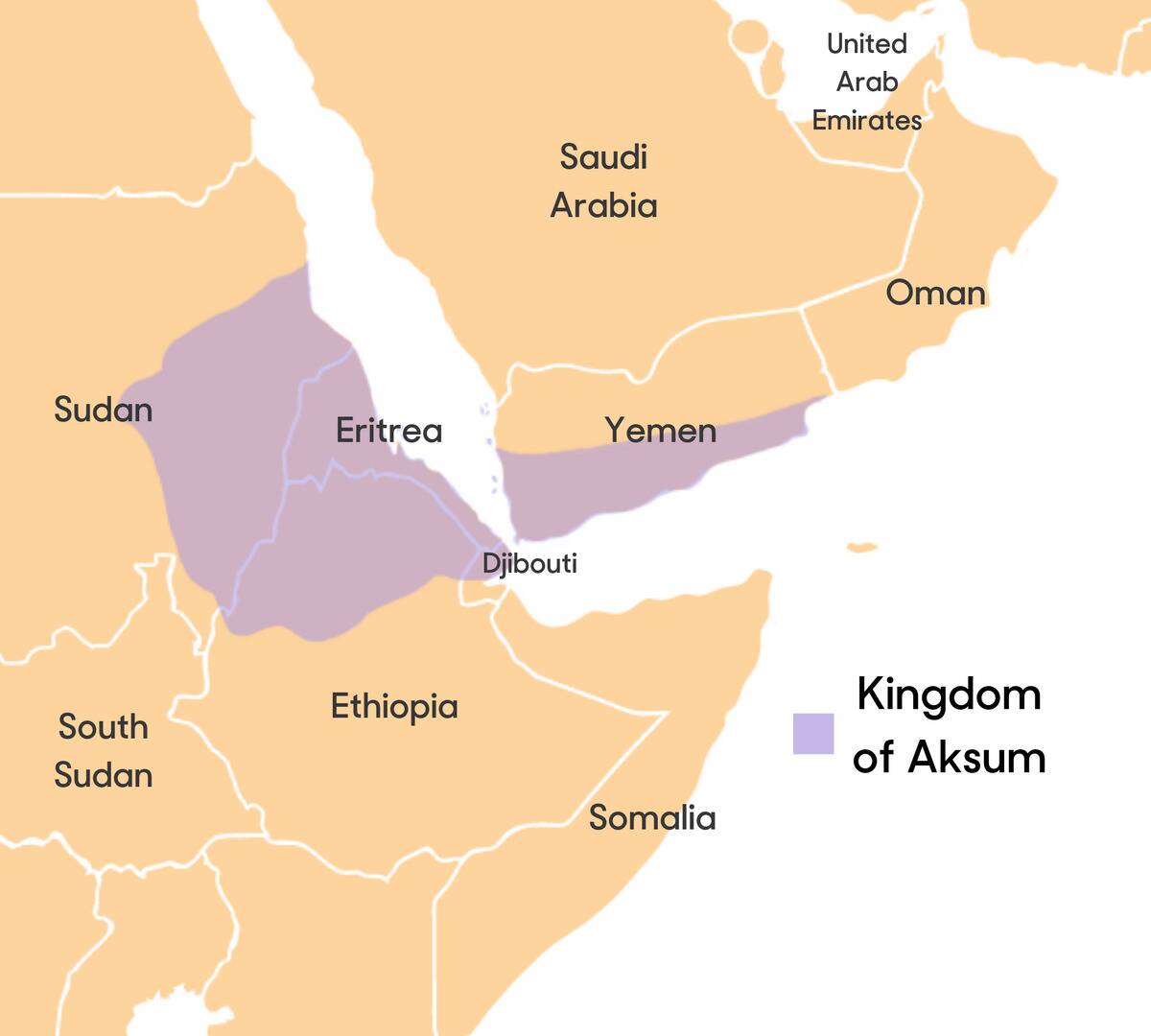
The Kingdom of Axum, located in present-day Ethiopia and Eritrea, was a major trading empire from the 1st to the 7th century AD. It was strategically positioned at the crossroads of trade routes connecting Africa, Arabia, and the Mediterranean.
Axum was one of the first African kingdoms to adopt Christianity, which became a defining feature of its culture. The kingdom is also known for its impressive stelae, towering stone monuments that mark the graves of its rulers. Axum’s decline was due to a combination of economic and environmental factors.
The Holy Roman Empire: A Complex Tapestry of European Politics
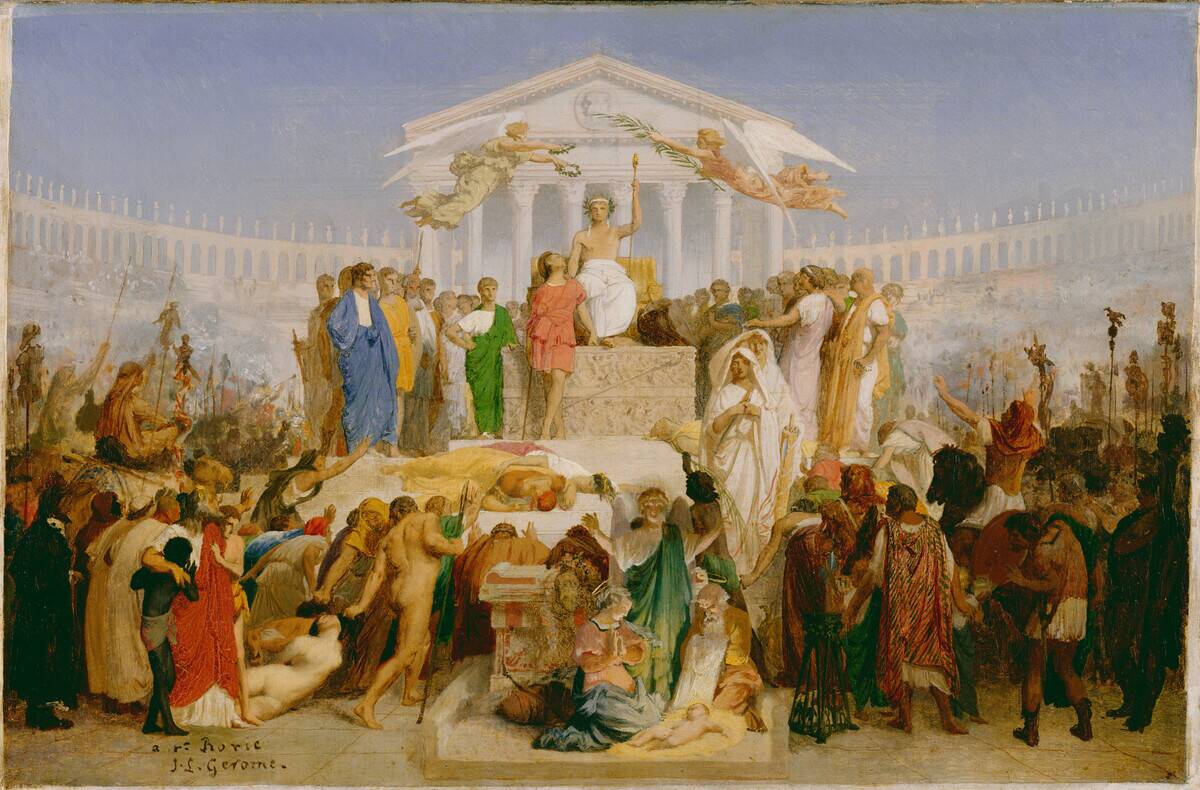
The Holy Roman Empire was a complex political entity that existed from 962 to 1806, encompassing much of Central Europe. It was a loose confederation of territories, each with its own ruler, but united under the authority of the Holy Roman Emperor.
The empire played a significant role in European politics, serving as a battleground for religious and political conflicts. Despite its name, the empire was neither holy nor Roman, but rather a patchwork of diverse cultures and traditions. Its dissolution in 1806 marked the end of an era in European history.