Countries and empires that vanished from the map
The world is dotted with the remnants of nations that once thrived but have since disappeared from the political map. These vanished nations tell stories of ambition, conflict, and cultural evolution.
From the mighty empires that shaped continents to smaller kingdoms that left a lasting cultural impact, each has a unique story. Let’s embark on a journey to explore the fascinating histories of these lost nations and understand their legacies in today’s world.
The Rise and Fall of Prussia: A Kingdom Lost to Time
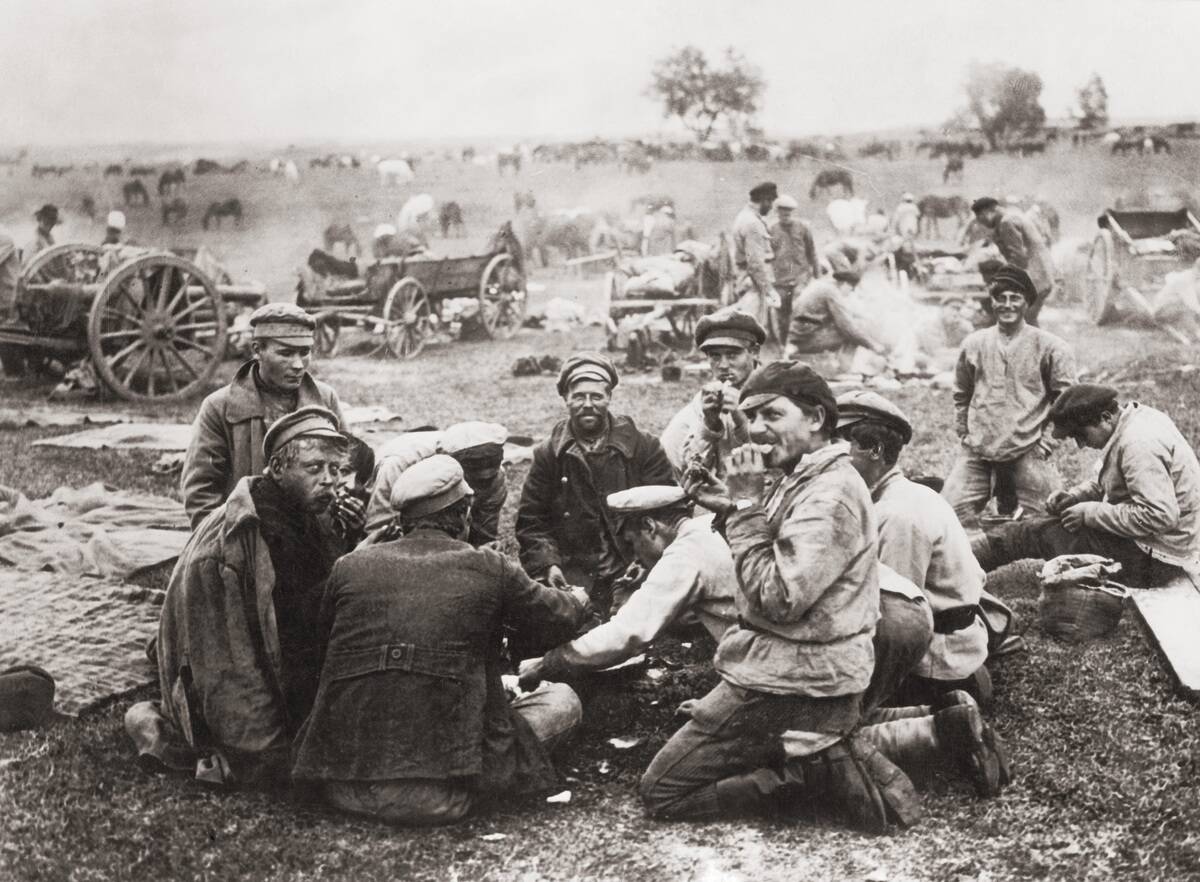
Prussia was once a formidable kingdom, known for its military prowess and influential role in European affairs. Established in 1525, it grew to become a leading state of the German Empire by the 19th century.
However, following World War II, Prussia was dissolved by the Allies in 1947. Its territories were divided among Poland, Russia, and Germany, effectively erasing it from the map. Despite its disappearance, Prussia’s legacy lives on in the form of cultural and architectural influences.
The Story of Yugoslavia: From Unity to Fragmentation
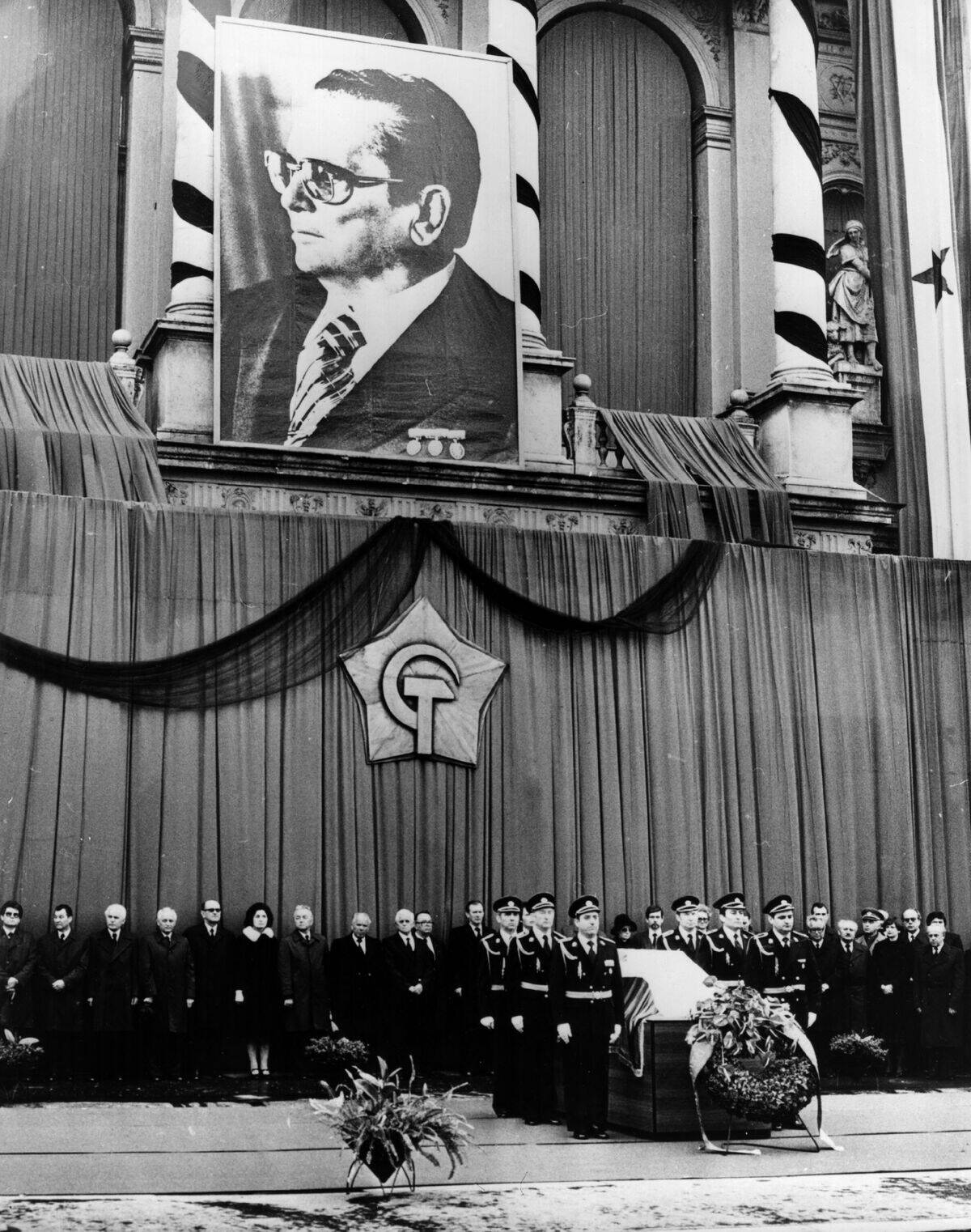
Yugoslavia was a country in Southeast Europe that existed from 1918 to 1992, formed after World War I by the unification of several Balkan states. It was initially a kingdom, later becoming a socialist republic under Josip Broz Tito.
The country was known for its diverse ethnic composition, which eventually led to its fragmentation. In the early 1990s, Yugoslavia disintegrated into several independent nations, including Slovenia, Croatia, Bosnia and Herzegovina, and Serbia, marking the end of an era.
Czechoslovakia: The Peaceful Divorce that Changed Europe

Czechoslovakia was established in 1918 following the collapse of the Austro-Hungarian Empire. It was a prosperous and industrialized nation in Central Europe. However, ethnic tensions between Czechs and Slovaks persisted.
In 1993, the country underwent a peaceful split, known as the Velvet Divorce, resulting in the formation of two separate nations: the Czech Republic and Slovakia. This amicable separation set a precedent for peaceful conflict resolution and remains a model for other nations.
The Mysterious Disappearance of the Republic of Texas
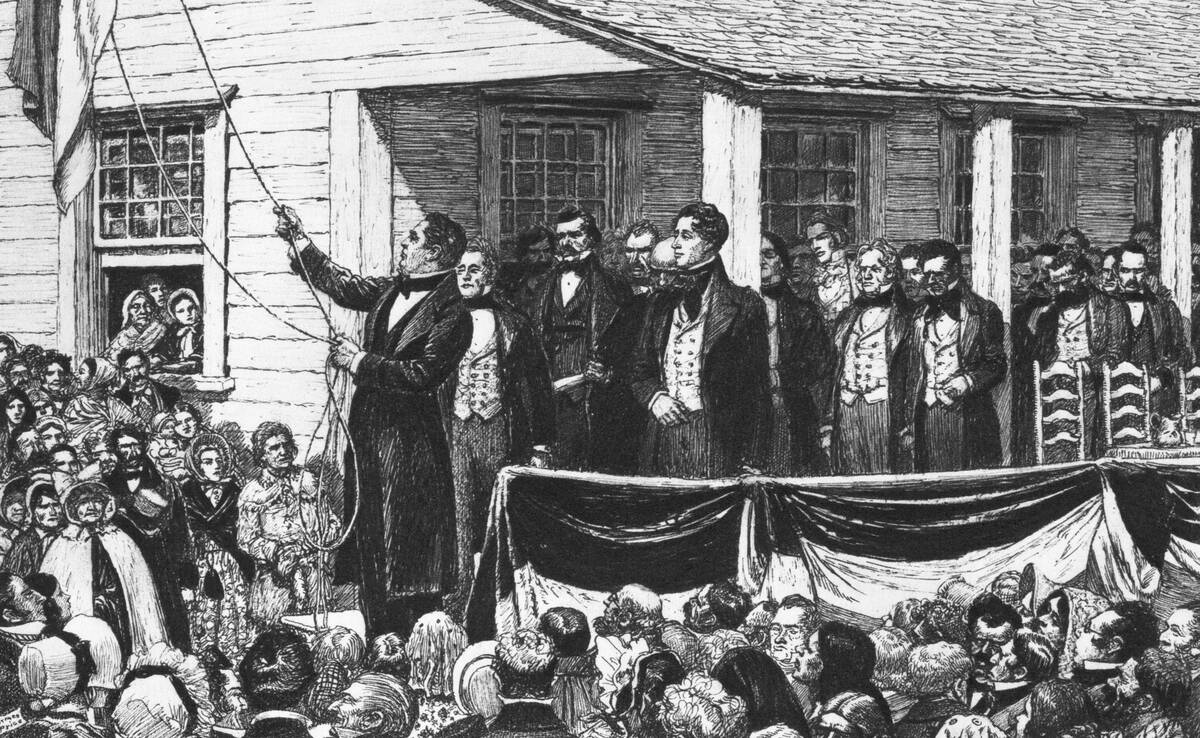
The Republic of Texas was an independent nation from 1836 to 1845, following its secession from Mexico. It was recognized by several countries, including the United States, France, and Great Britain.
However, financial difficulties and threats from Mexico led Texas to seek annexation by the United States. In 1845, Texas became the 28th state of the U.S., ending its brief period of independence. Today, the spirit of the Republic of Texas is celebrated in Texan culture and pride.
The Short-Lived United Arab Republic: An Experiment in Unity

The United Arab Republic was a political union between Egypt and Syria, established in 1958 under the leadership of Egyptian President Gamal Abdel Nasser. It was an attempt to foster Arab unity and counter Western influence in the region.
However, the union faced numerous challenges, including political disagreements and economic difficulties. In 1961, Syria withdrew from the union, effectively dissolving the United Arab Republic. Despite its short existence, the union remains a symbol of Arab nationalism.
The Kingdom of Hawaii: From Sovereignty to Statehood
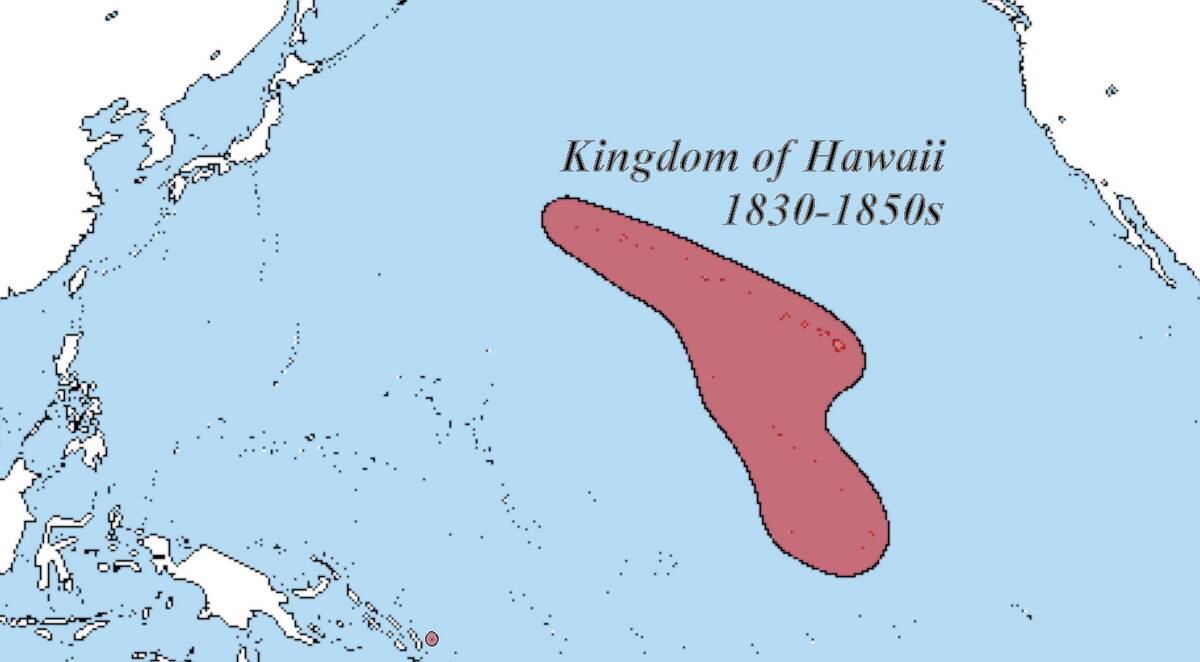
The Kingdom of Hawaii was an independent monarchy from 1795 until its overthrow in 1893. It was recognized by major world powers and had a thriving economy based on agriculture and trade.
However, American interests in the islands grew, leading to the kingdom’s annexation by the United States in 1898. Hawaii became the 50th U.S. state in 1959. The legacy of the Hawaiian Kingdom is preserved through cultural practices and the ongoing movement for Hawaiian sovereignty.
The Soviet Union: A Superpower’s Sudden Collapse
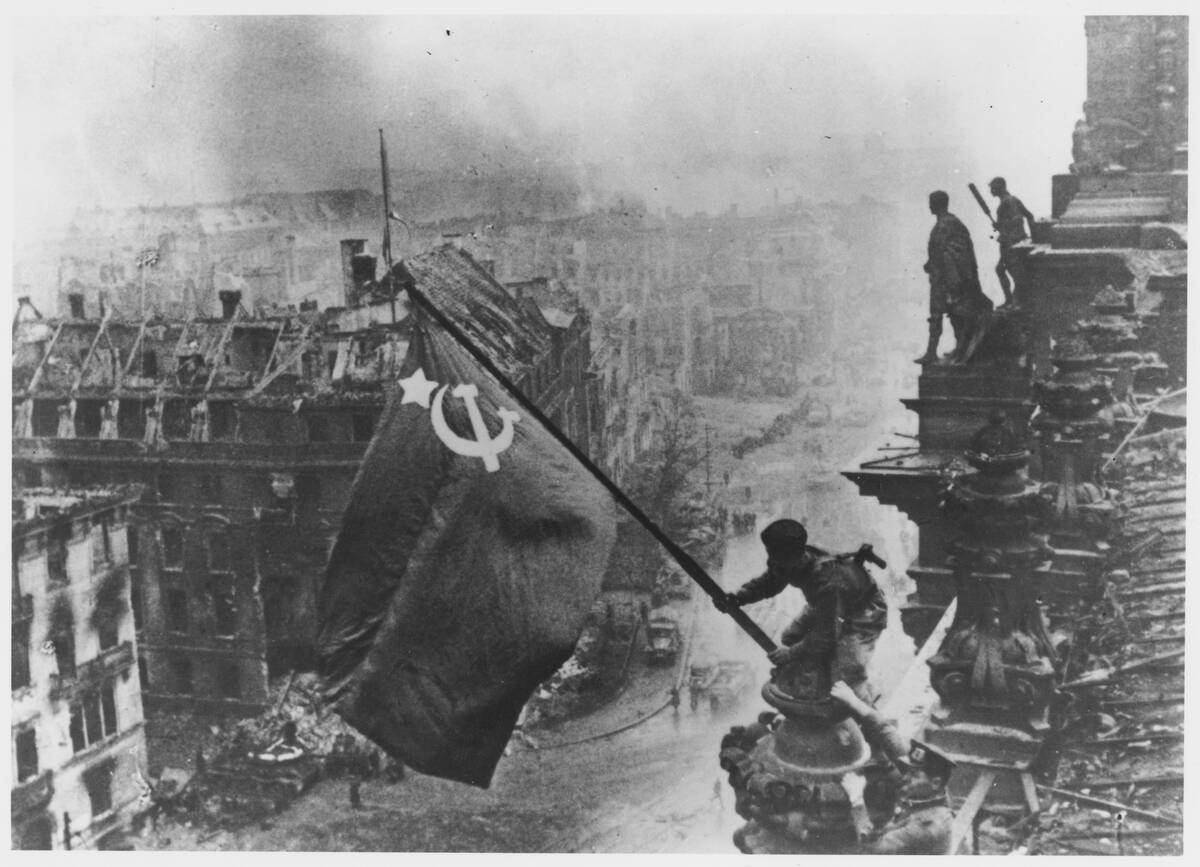
The Soviet Union was a dominant global superpower from 1922 to 1991, encompassing 15 republics across Eurasia. It played a crucial role in world events, including World War II and the Cold War.
However, economic stagnation and political unrest led to its dissolution in 1991. The collapse resulted in the independence of its constituent republics, including Russia, Ukraine, and the Baltic states. The Soviet Union’s legacy continues to shape global politics and cultural dynamics in its former territories.
East Germany and West Germany: A Tale of Two Countries
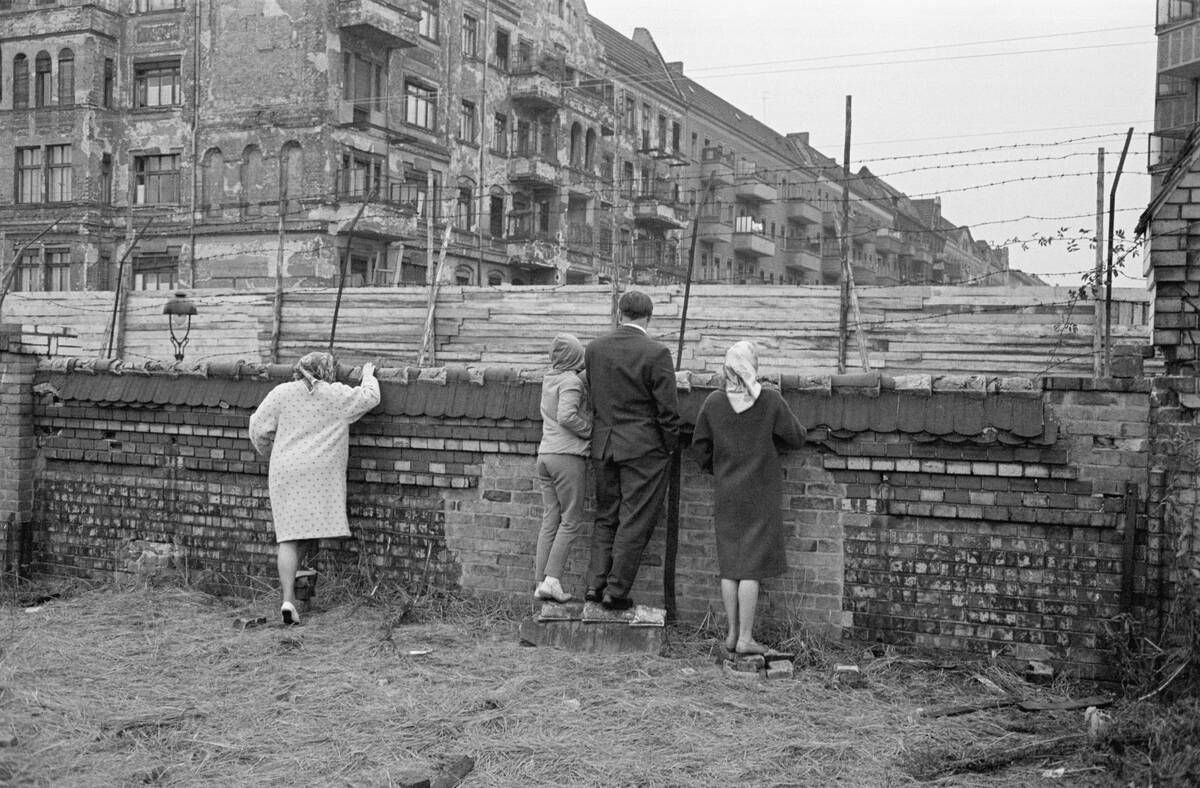
Following World War II, Germany was divided into East and West Germany, representing the ideological divide between the Soviet Union and the Western Allies. East Germany, or the German Democratic Republic, was a socialist state, while West Germany, or the Federal Republic of Germany, embraced capitalism.
The Berlin Wall became a symbol of this division. In 1990, the two Germanys were reunified, marking the end of the Cold War era. The reunification process was a significant milestone in European history.
The Ottoman Empire: The Once-Mighty Empire that Shaped the Middle East
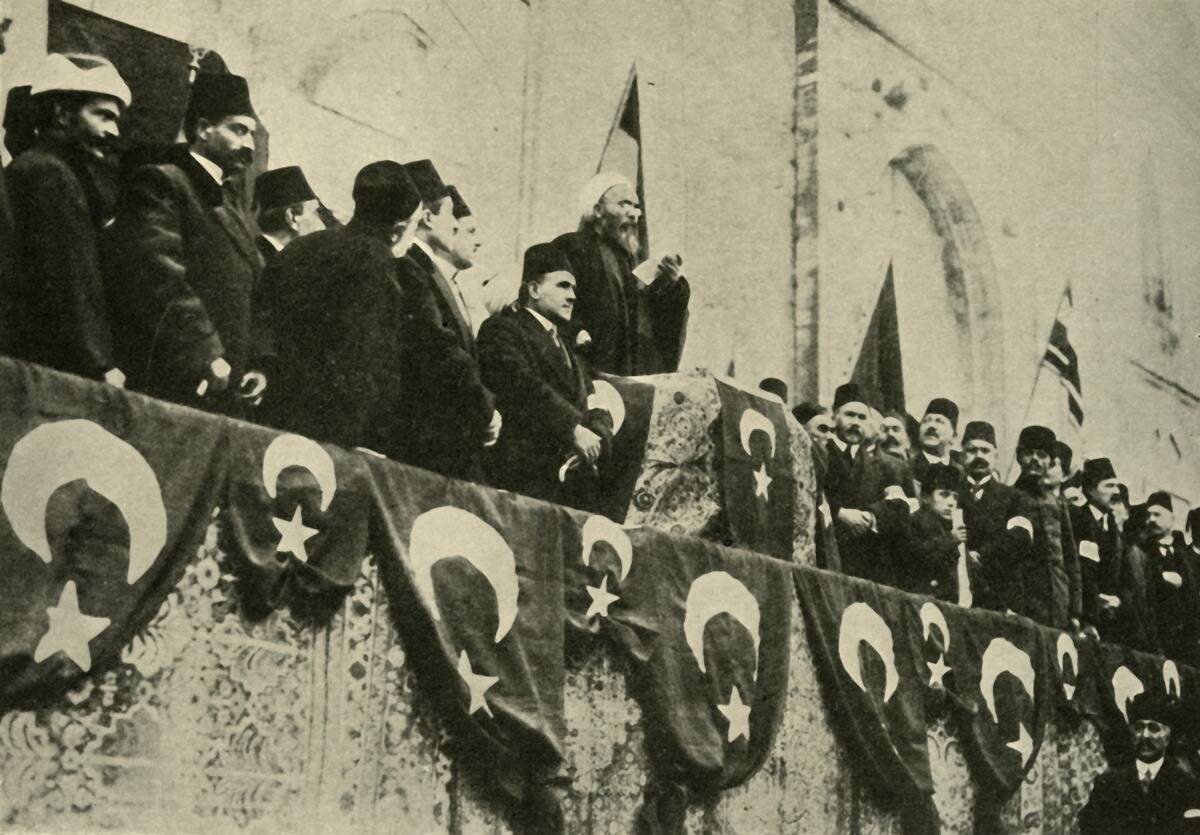
The Ottoman Empire was a vast and powerful empire that lasted from 1299 to 1922, at its height controlling much of Southeast Europe, Western Asia, and North Africa. It was known for its military conquests, architectural achievements, and cultural contributions.
However, internal strife and external pressures led to its decline. After World War I, the empire was dismantled, giving rise to modern nation-states in the Middle East. The Ottoman legacy is evident in the region’s cultural and political landscapes.
The Gran Colombia: A Dream of Unity in South America
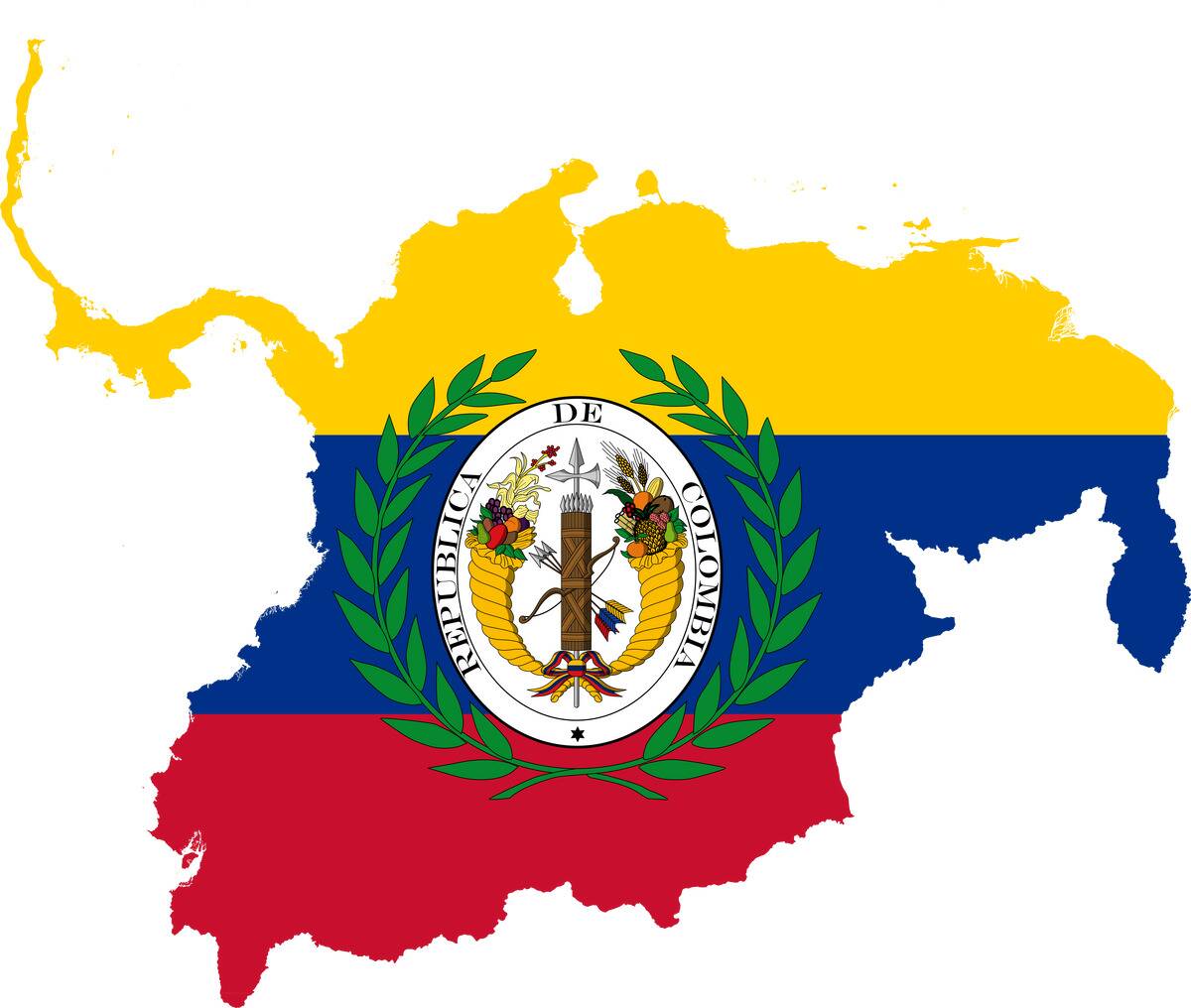
Gran Colombia was a short-lived republic that existed from 1819 to 1831, encompassing present-day Colombia, Venezuela, Ecuador, and Panama. It was the brainchild of Simón Bolívar, who envisioned a united South America.
However, regional differences and political conflicts led to its dissolution. Despite its brief existence, Gran Colombia’s legacy is reflected in the shared cultural and historical ties among its successor states. Bolívar’s dream of unity continues to inspire regional cooperation efforts in Latin America.
The Confederate States of America: A Controversial Chapter in U.S. History
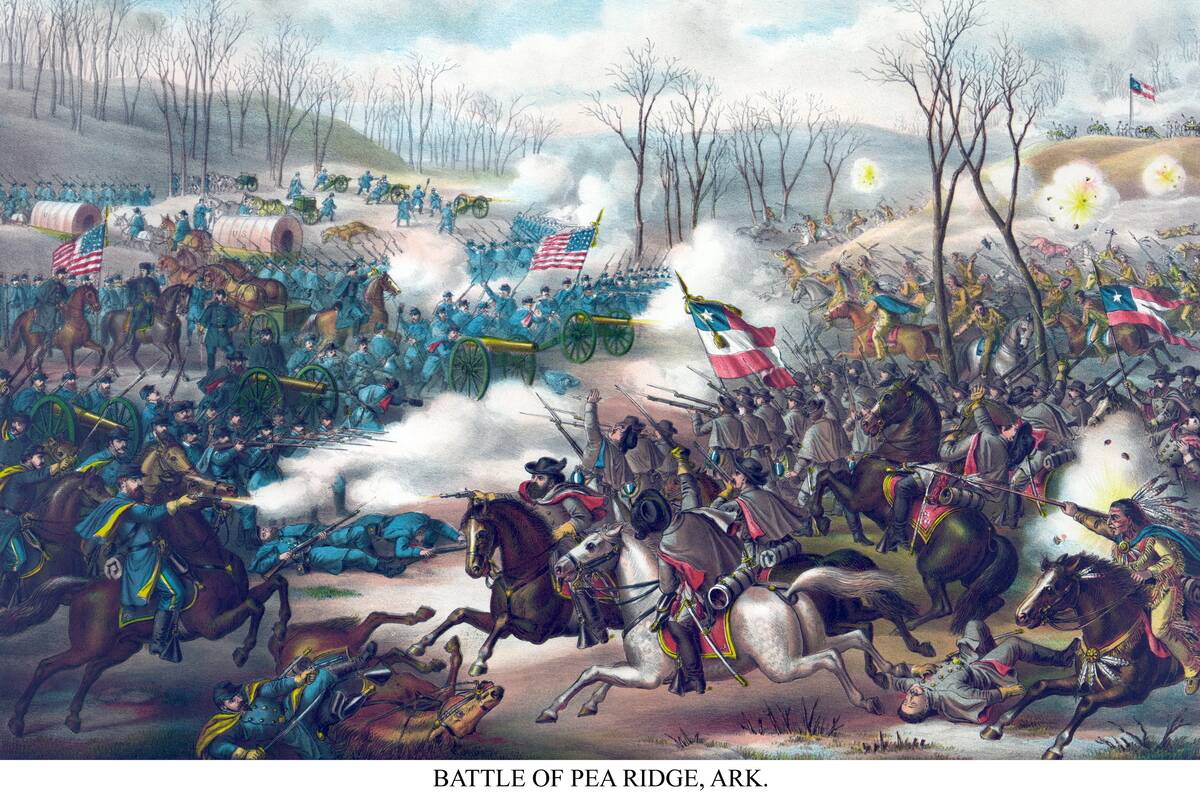
The Confederate States of America was a group of 11 Southern states that seceded from the United States in 1861, leading to the American Civil War. The Confederacy was formed in response to disputes over states’ rights and slavery.
After four years of conflict, the Confederacy was defeated, and the Southern states were re-integrated into the Union. The legacy of the Confederacy remains a contentious topic in American history, with ongoing debates about its symbols and monuments.
The Kingdom of Sardinia: The Unifier of Italy
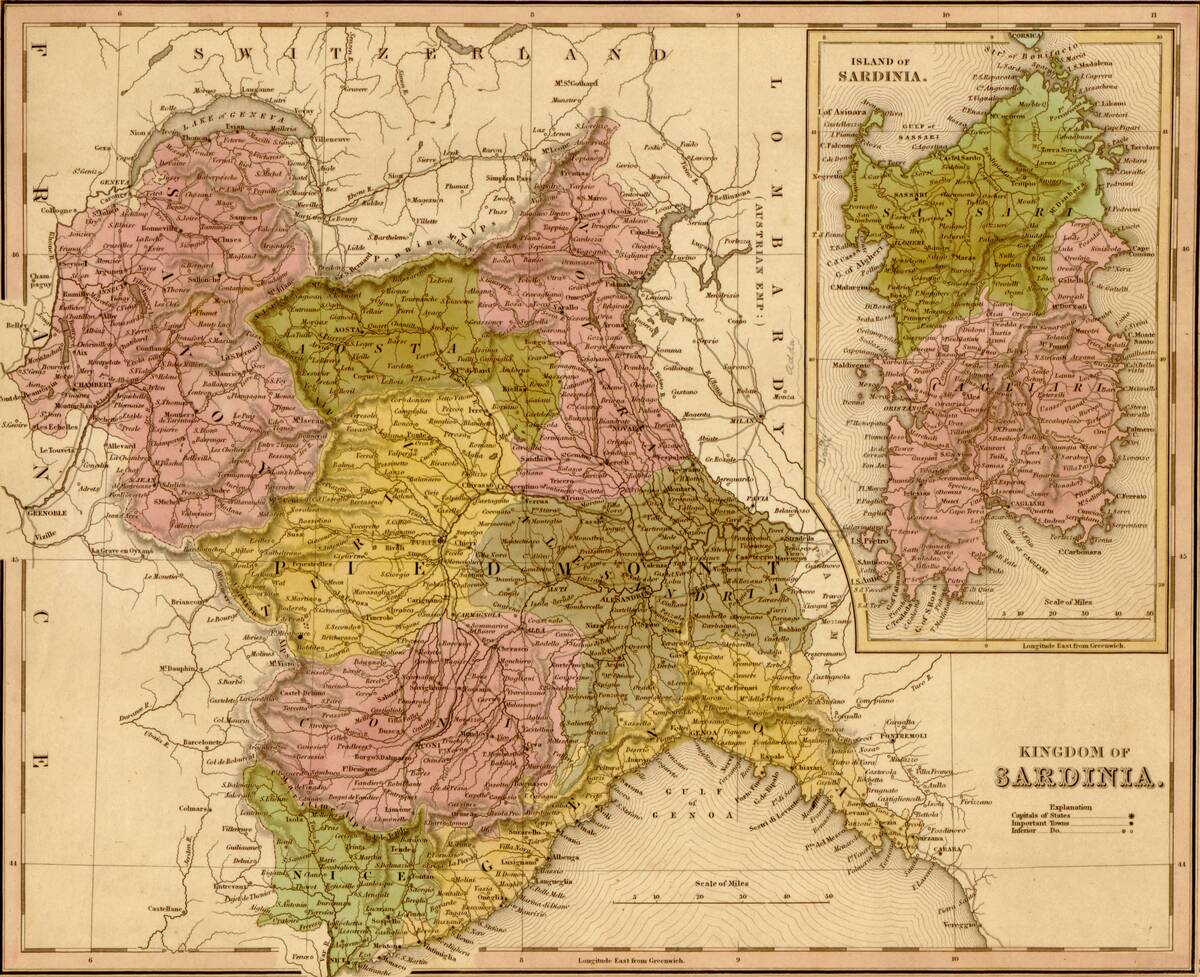
The Kingdom of Sardinia played a pivotal role in the unification of Italy in the 19th century. Under the leadership of King Victor Emmanuel II and Prime Minister Count Camillo di Cavour, Sardinia spearheaded efforts to consolidate the various Italian states into a single nation.
The kingdom’s military and diplomatic efforts culminated in the establishment of the Kingdom of Italy in 1861. The unification of Italy is a significant milestone in European history, with Sardinia’s contributions being widely recognized.
The Federal Republic of Central America: A Central American Experiment
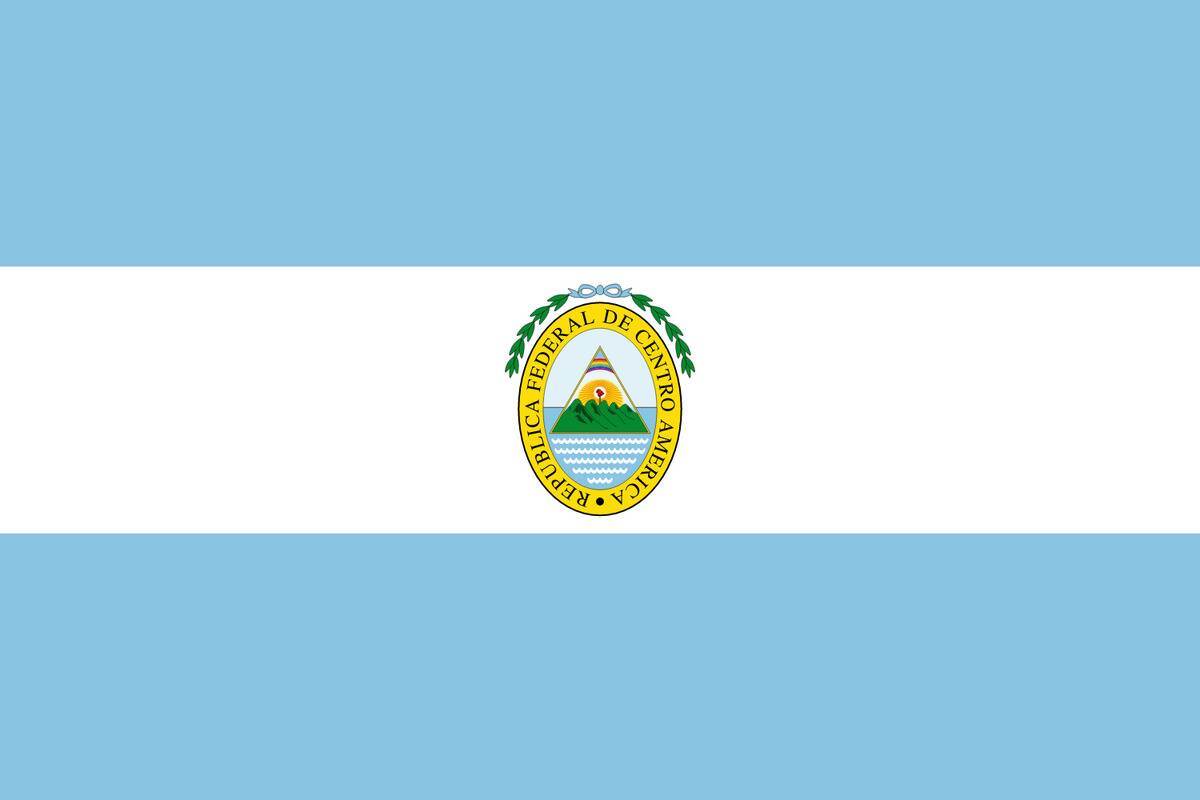
The Federal Republic of Central America, also known as the United Provinces of Central America, was a union of Central American states that existed from 1823 to 1841. It included present-day Costa Rica, El Salvador, Guatemala, Honduras, and Nicaragua.
The federation was inspired by the ideals of independence and unity but faced challenges such as regional rivalries and political instability. Its dissolution led to the formation of independent nations, each with its own distinct identity and governance.
The Mughal Empire: The Jewel of India Lost to History
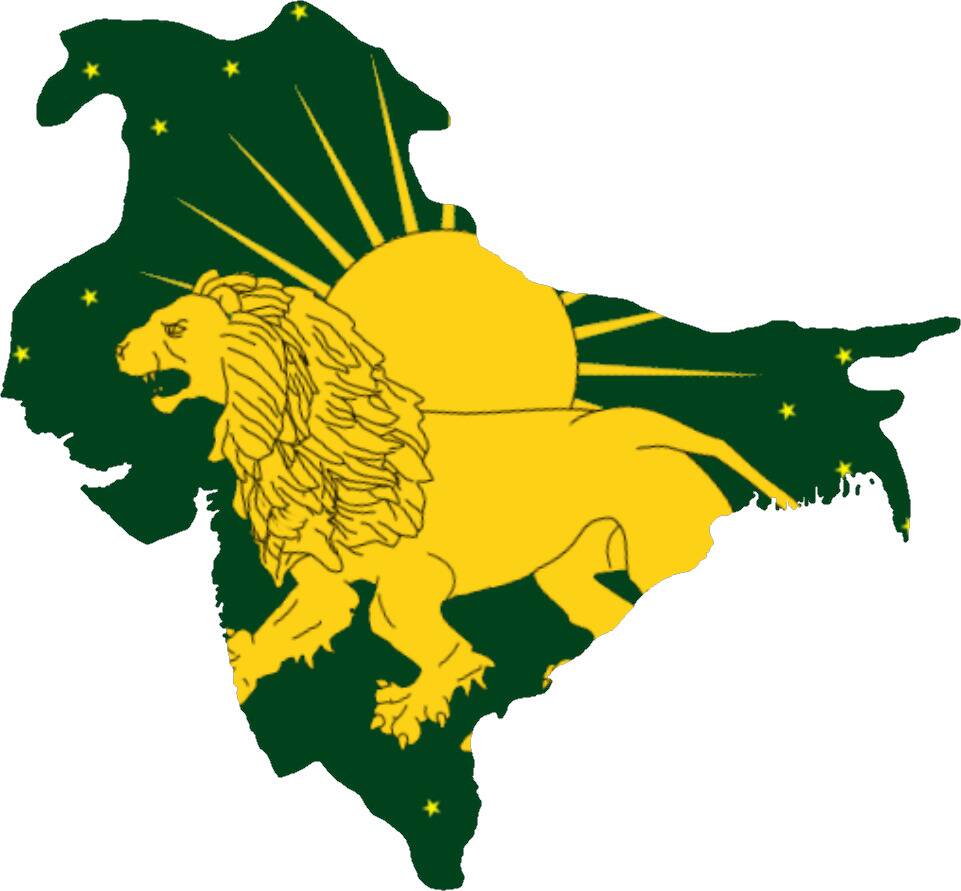
The Mughal Empire was a prominent empire in the Indian subcontinent from 1526 to 1857. It was known for its architectural marvels, such as the Taj Mahal, and its rich cultural contributions, including advancements in art and literature.
The empire reached its zenith under Emperor Akbar, who promoted religious tolerance and administrative reforms. However, internal strife and external invasions led to its decline. The British East India Company eventually dismantled the empire, paving the way for British colonial rule in India.
The Zulu Kingdom: A Powerful African Nation’s Legacy
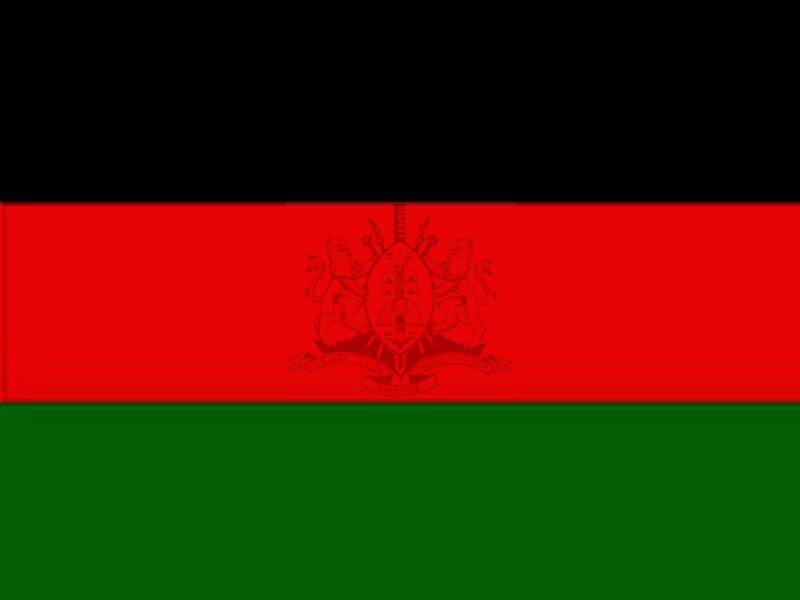
The Zulu Kingdom was a formidable African state in the 19th century, known for its military strength and strategic leadership under King Shaka. The kingdom expanded rapidly, establishing dominance over neighboring tribes.
However, conflicts with European colonial powers, particularly the British, led to its decline. The Anglo-Zulu War of 1879 marked a turning point, with the kingdom eventually falling under British control. Despite its fall, the legacy of the Zulu Kingdom endures in South African culture and history.
The Kingdom of Navarre: A Forgotten European Realm
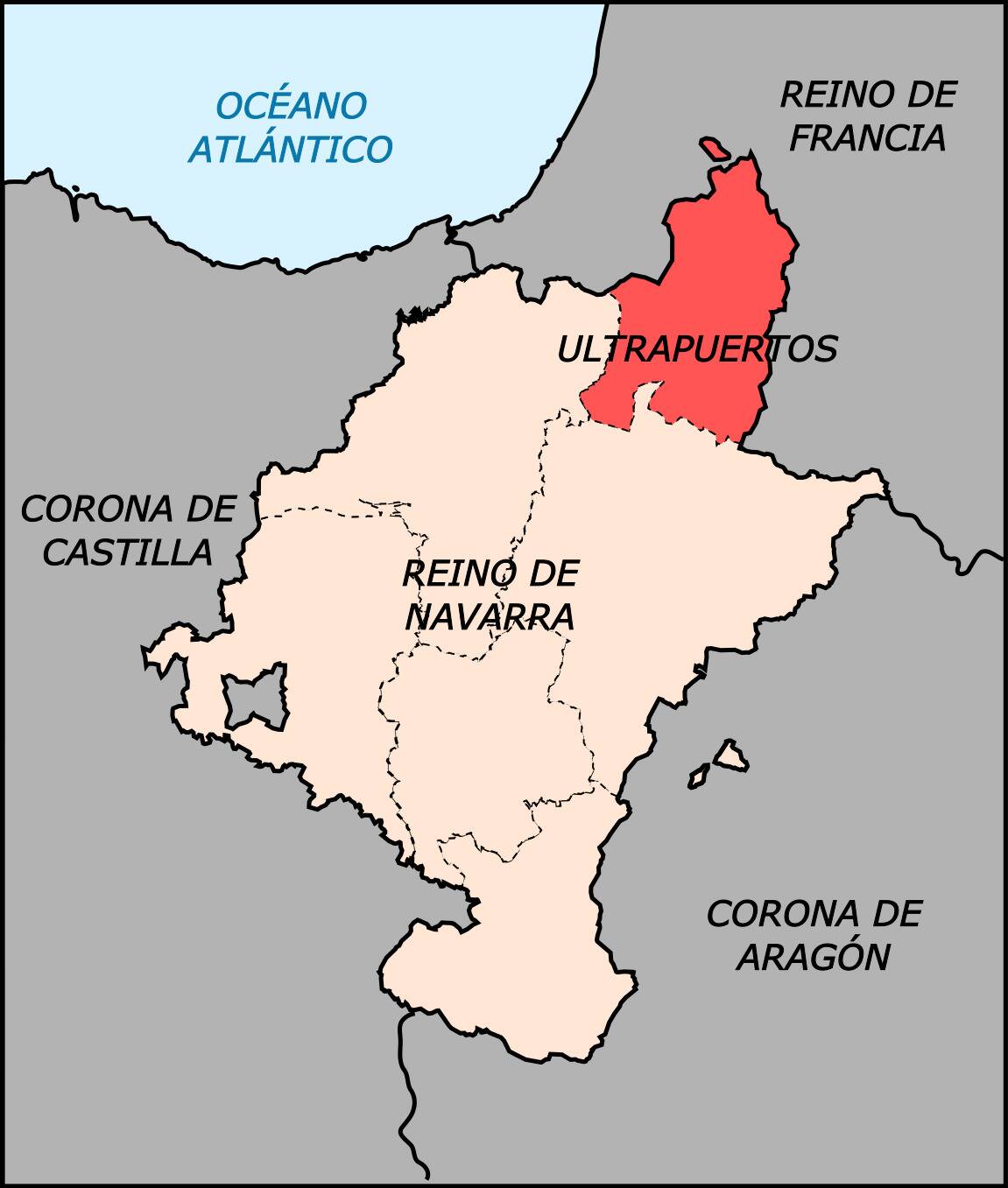
The Kingdom of Navarre was a medieval kingdom located in the western Pyrenees, straddling parts of modern-day Spain and France. It was established in the 9th century and became a significant political entity in the region.
Navarre’s strategic location made it a target for neighboring kingdoms, leading to its eventual absorption by Spain in the 16th century. Despite its disappearance, Navarre’s cultural heritage, including its unique Basque influences, continues to be celebrated in the region today.
The Byzantine Empire: The Eastern Roman Empire’s Enduring Influence
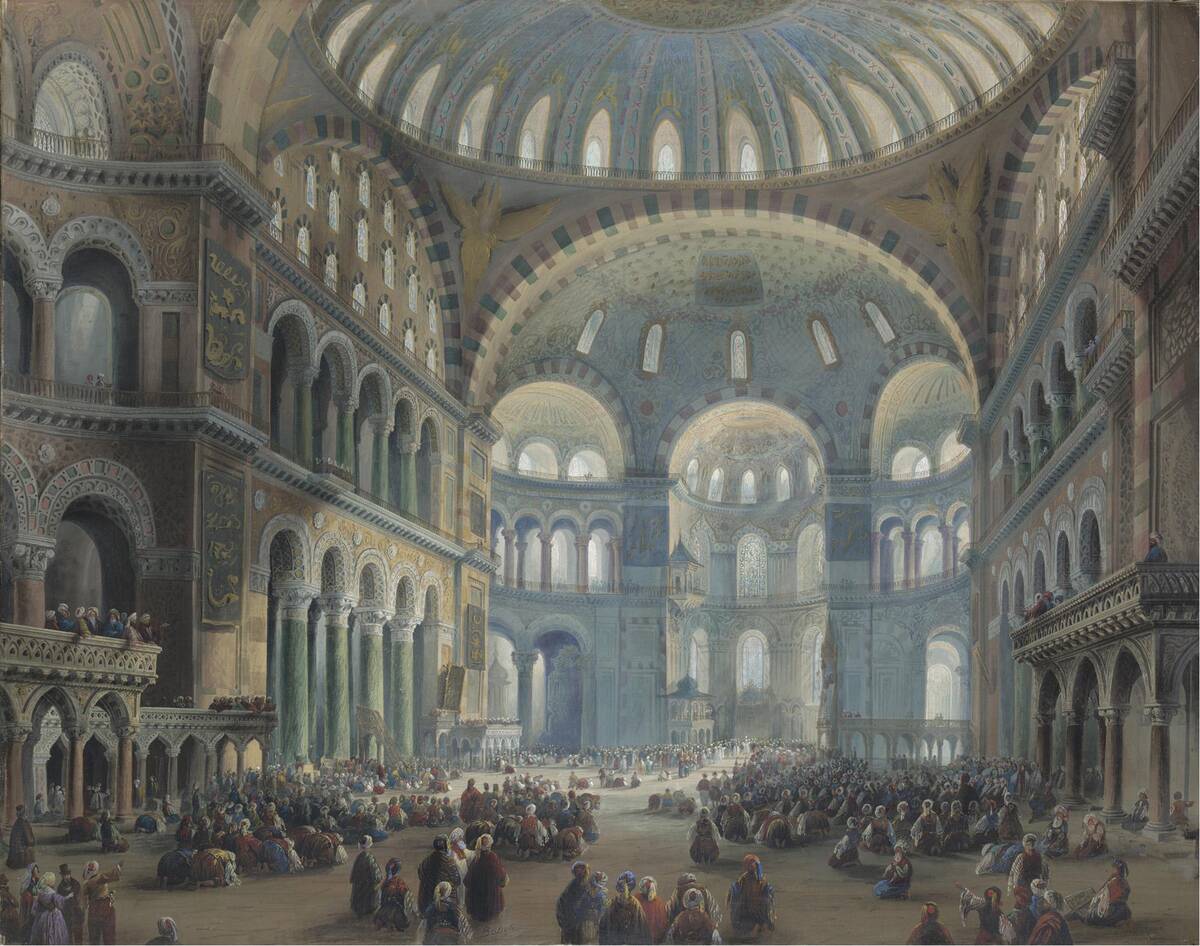
The Byzantine Empire was the continuation of the Roman Empire in the East, lasting from 330 to 1453. It was known for its rich cultural and religious contributions, including the spread of Orthodox Christianity and the preservation of classical Greek and Roman knowledge.
The empire’s capital, Constantinople, was a major center of trade and culture. Despite its fall to the Ottoman Turks in 1453, the Byzantine Empire’s influence is still evident in Eastern European and Middle Eastern cultures.
The Kingdom of Bavaria: From Independence to Integration
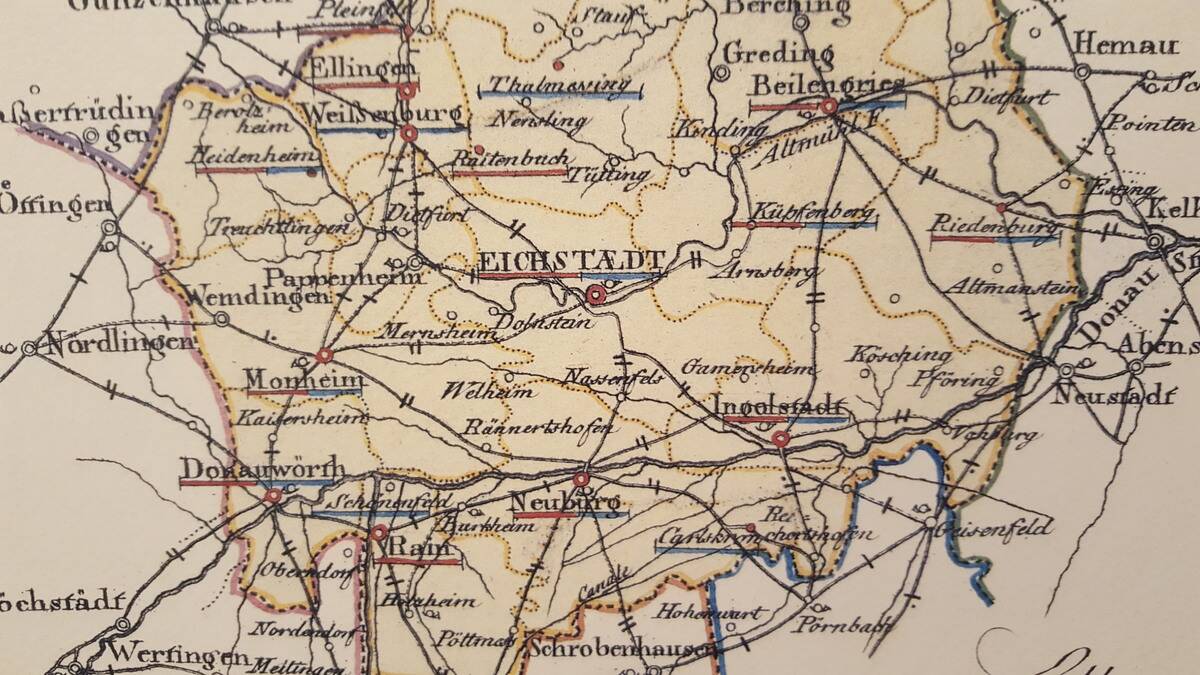
The Kingdom of Bavaria was an independent state in Central Europe from 1806 until its integration into the German Empire in 1871. It was known for its cultural richness and contributions to the arts, including the famous Oktoberfest.
Bavaria maintained a degree of autonomy within the German Empire, retaining its own monarchy and constitution. Today, Bavaria is a federal state of Germany, known for its unique traditions and cultural heritage, which continue to attract visitors from around the world.




