The world’s most unusual architectural designs
Architecture is a field where creativity knows no bounds, and some buildings take this to the extreme. From upside-down houses to structures shaped like everyday objects, these architectural wonders challenge our perceptions of design.
These buildings are not just places to live or work; they are statements, each with a story to tell and a unique experience to offer.
The Upside-Down House: A New Perspective on Living
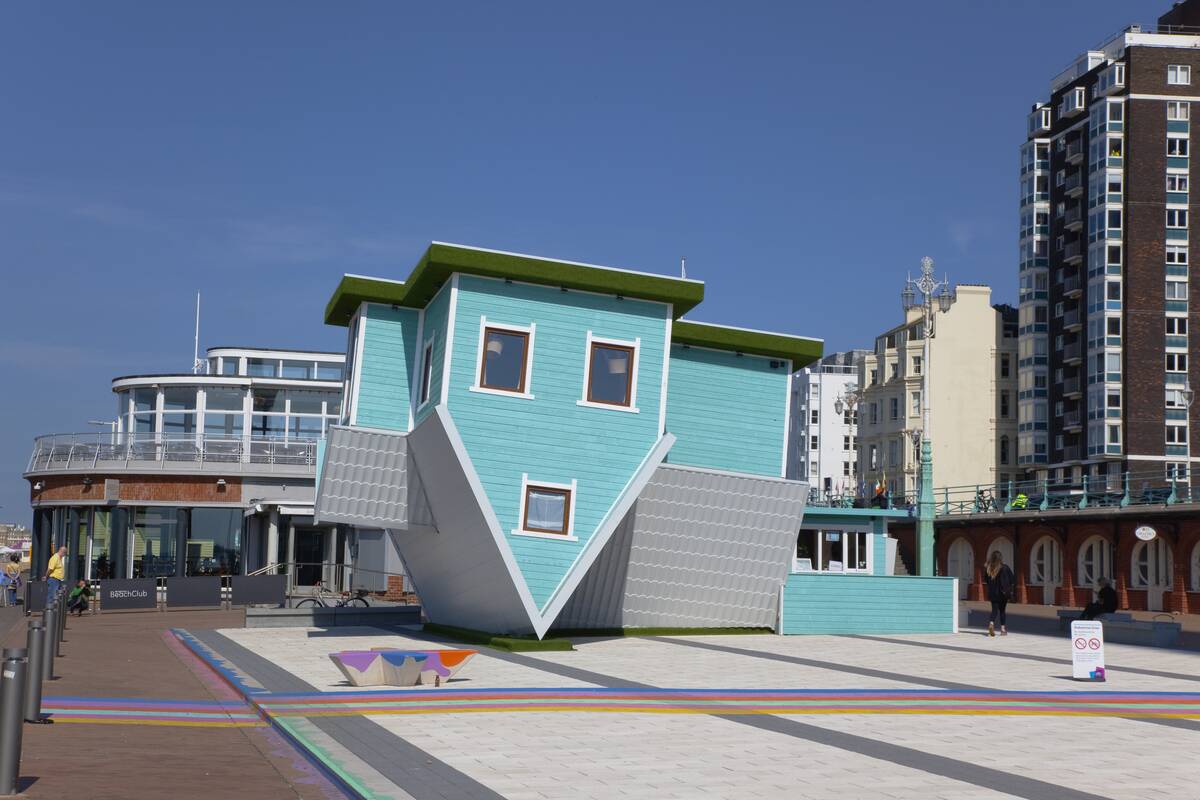
The Upside-Down House is a playful twist on traditional architecture, where everything, from furniture to fixtures, is flipped on its head. Located in various parts of the world, these houses offer a unique experience for visitors.
They are popular tourist attractions where inverted rooms, tilted interiors, and furniture attached overhead create the illusion that visitors are walking on ceilings. This design not only amuses but also challenges the conventional norms of architecture.
The Crooked House: Embracing the Whimsical Side of Design
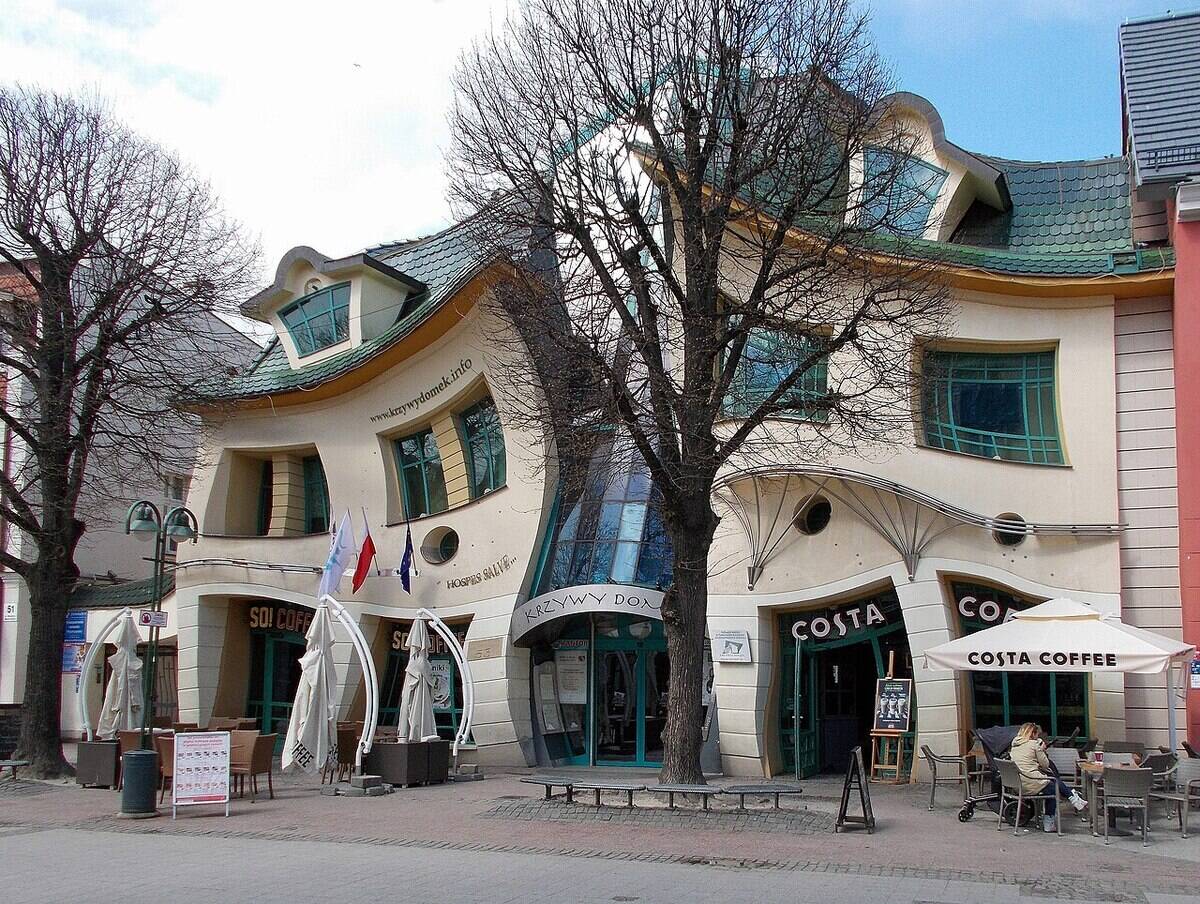
The Crooked House in Sopot, Poland, is a surreal piece of architecture that looks like it belongs in a fairytale. Its wavy, distorted facade makes it appear as though it’s melting or swaying in the wind.
Designed by architects Szotyński and Zaleski, the building was inspired by the illustrations of Jan Marcin Szancer and Per Dahlberg, as well as elements of Antoni Gaudí’s architecture. It houses shops, restaurants, and offices, making it a lively hub for locals and tourists alike.
The Basket Building: A Tribute to Everyday Objects
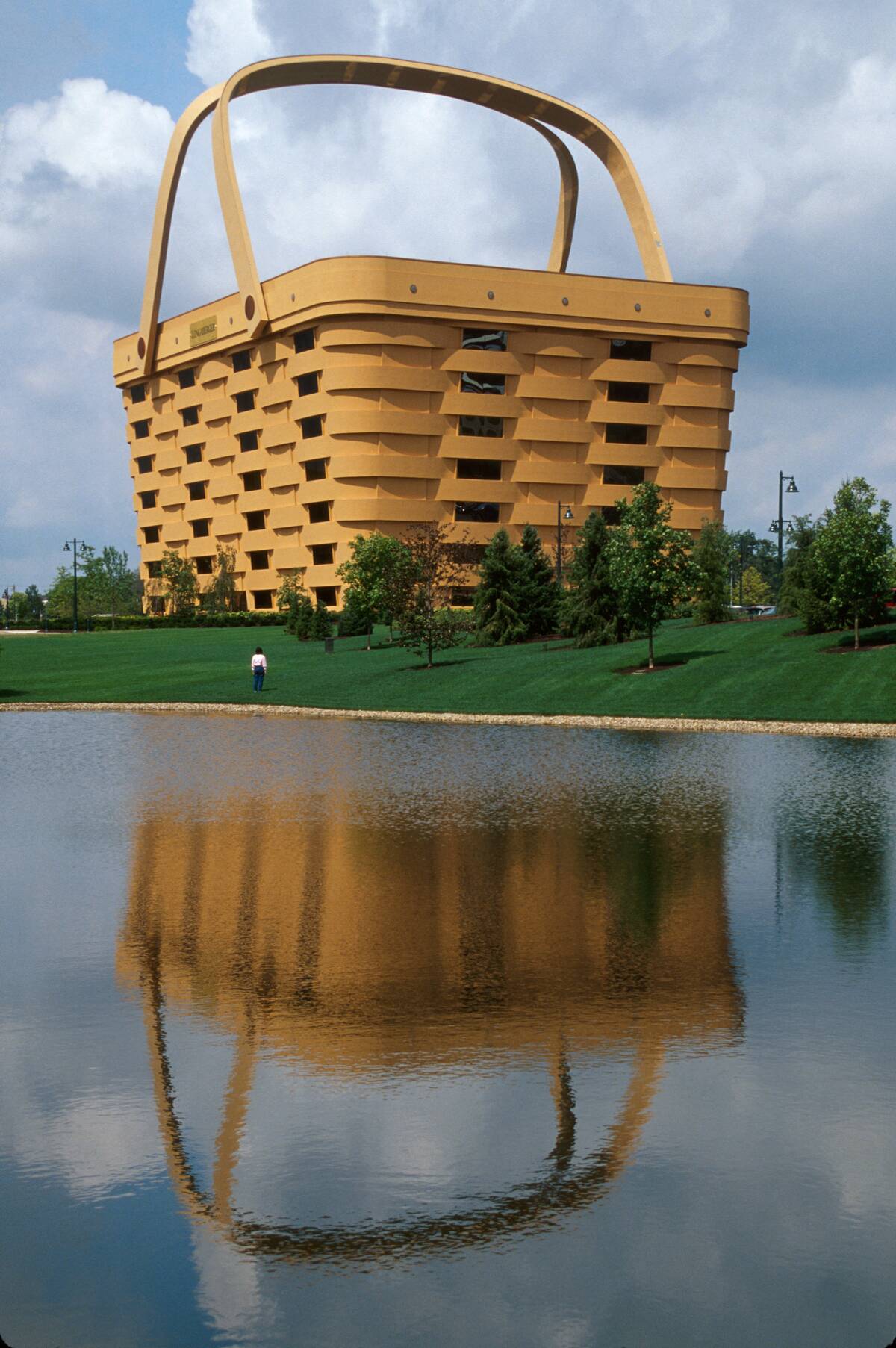
The Basket Building in Newark, Ohio, is a giant replica of a woven basket, serving as the former headquarters of the Longaberger Company. This seven-story structure is an ode to the company’s signature product, showcasing how corporate identity can be woven into architectural design.
With its intricate handle and detailed craftsmanship, the Basket Building stands as a testament to creativity and brand storytelling in architecture.
The Shoe House: Walking into a Fairytale
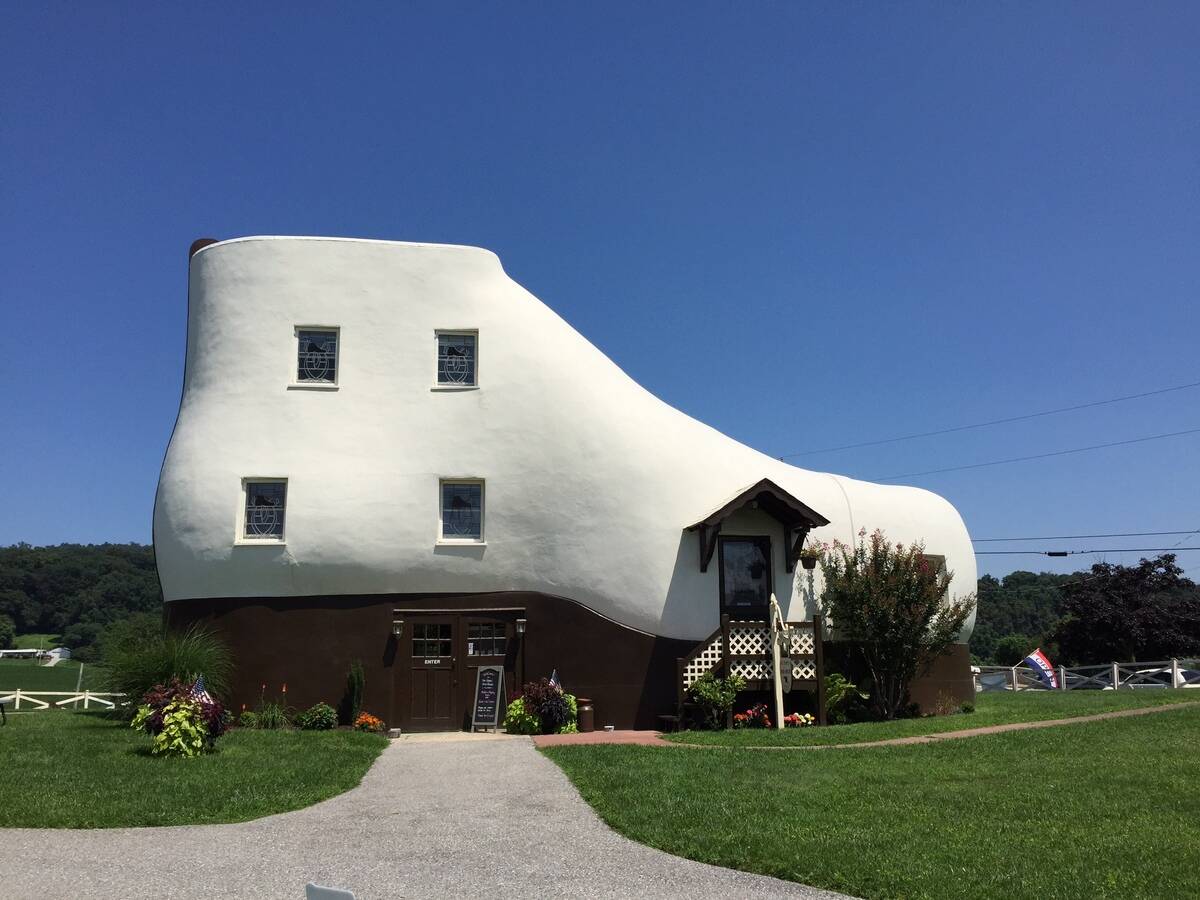
The Shoe House in Hallam, Pennsylvania, is a whimsical building shaped like a giant shoe. Built in 1948 by shoe salesman Mahlon Haines, it was intended as a promotional tool for his business. The house includes multiple levels, with a living room in the toe and a kitchen in the heel.
Today, the Shoe House operates primarily as an overnight rental, and public museum tours are no longer offered. Historical displays inside document its unusual past.
The Dog Bark Park Inn: A Canine-Inspired Getaway
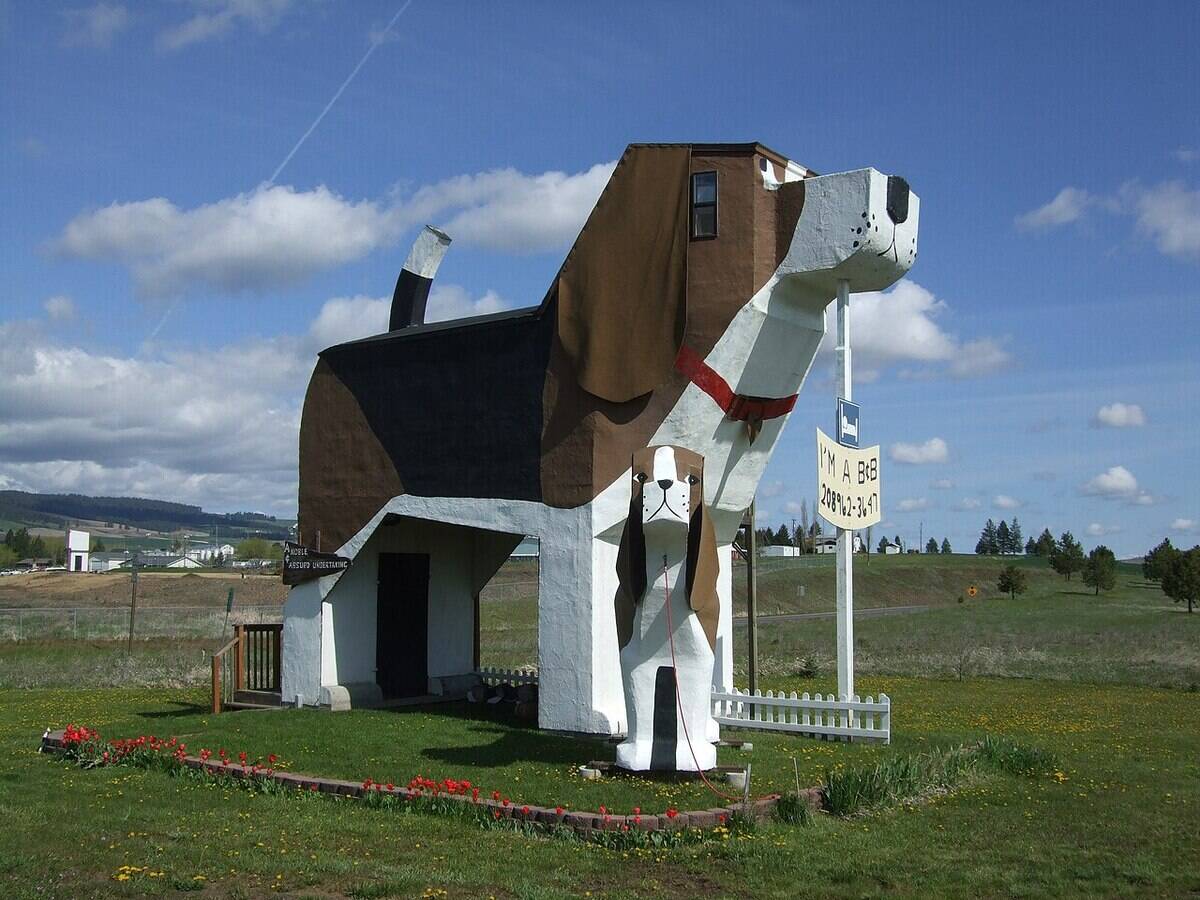
In Cottonwood, Idaho, the Dog Bark Park Inn is a bed and breakfast shaped like a giant beagle. Created by chainsaw artists Dennis and Frances Sullivan, this unique inn is a dog lover’s dream.
Guests enter through the dog’s belly and can sleep in the head, where windows offer a view of the surrounding countryside. The inn is filled with dog-themed decor, making it a charming and playful escape for visitors.
The Kansas City Public Library: Books as Building Blocks
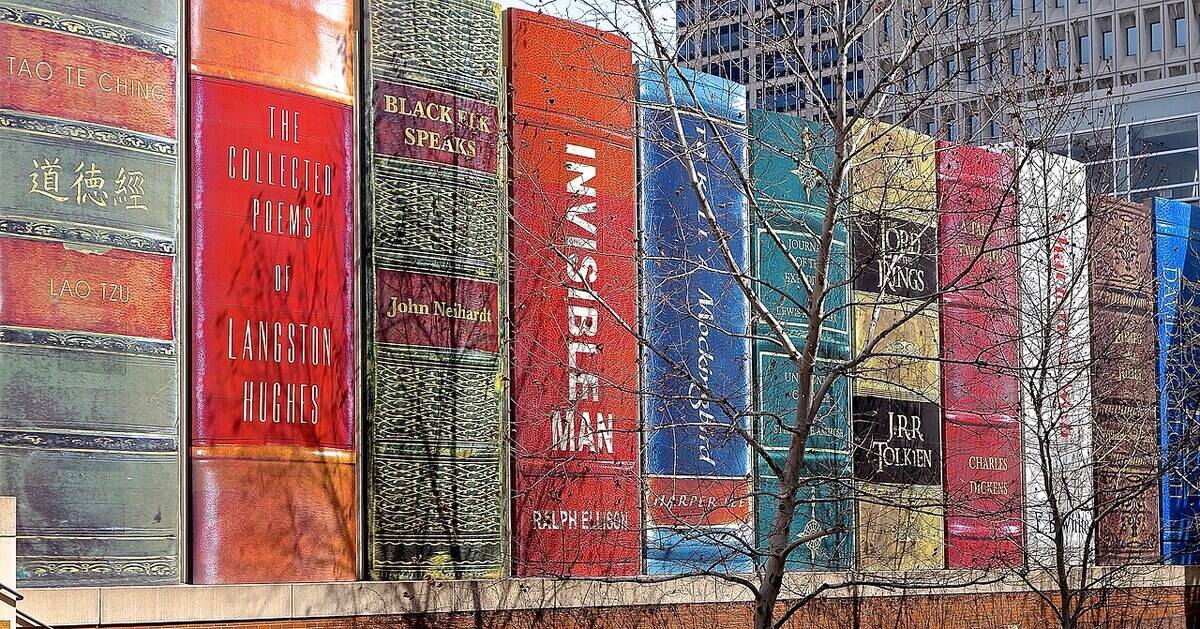
The Kansas City Public Library’s parking garage is a book lover’s dream come true. The facade is designed to look like a row of giant books, with titles chosen by the city’s residents.
This creative design not only beautifies the cityscape but also celebrates the importance of literature in the community. Each book spine measures approximately 25 feet by 9 feet, creating an impressive and inspiring sight for all who pass by.
The Teapot Dome Gas Station: A Steamy Slice of History
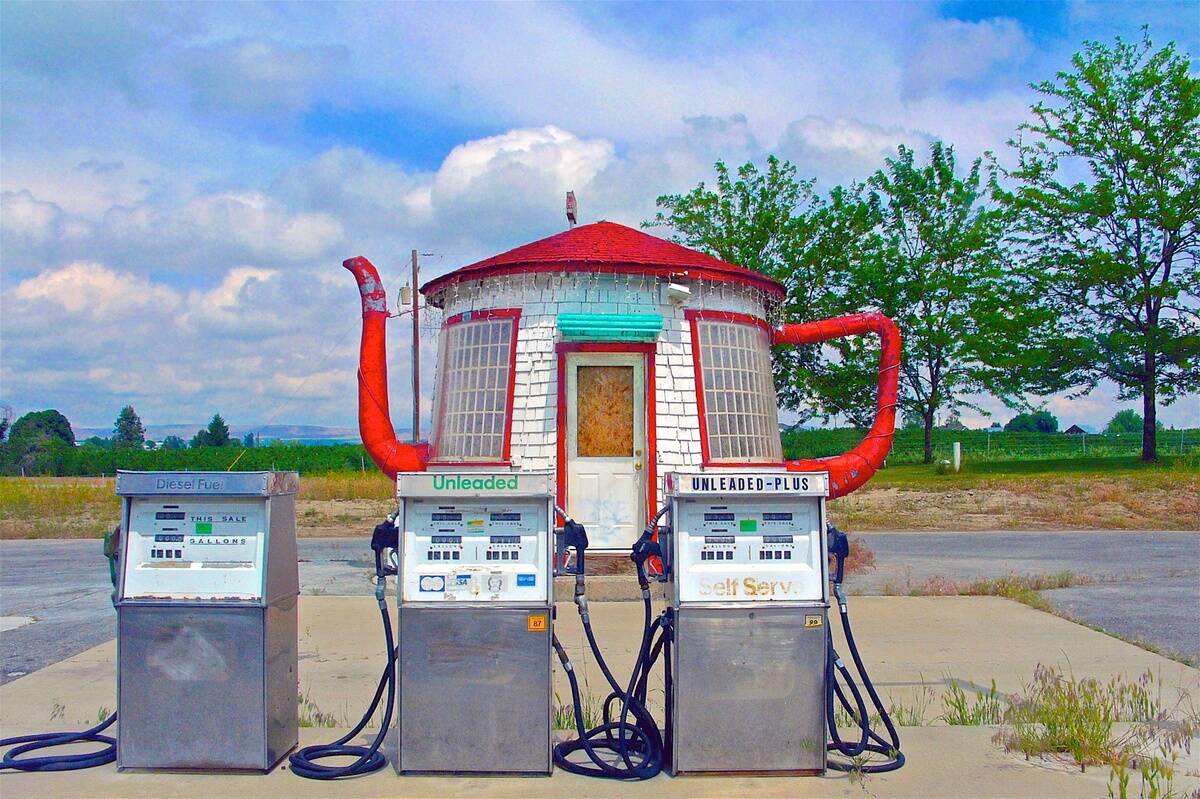
Located in Zillah, Washington, the Teapot Dome Gas Station is a charming piece of Americana. Built in 1922, it was inspired by the Teapot Dome Scandal of the same era. The station’s teapot shape and red spout make it a delightful roadside attraction.
Though it no longer functions as a gas station, it stands as a reminder of the quirky and creative architecture that once dotted America’s highways.
The Mushroom House: A Groovy, Organic Design
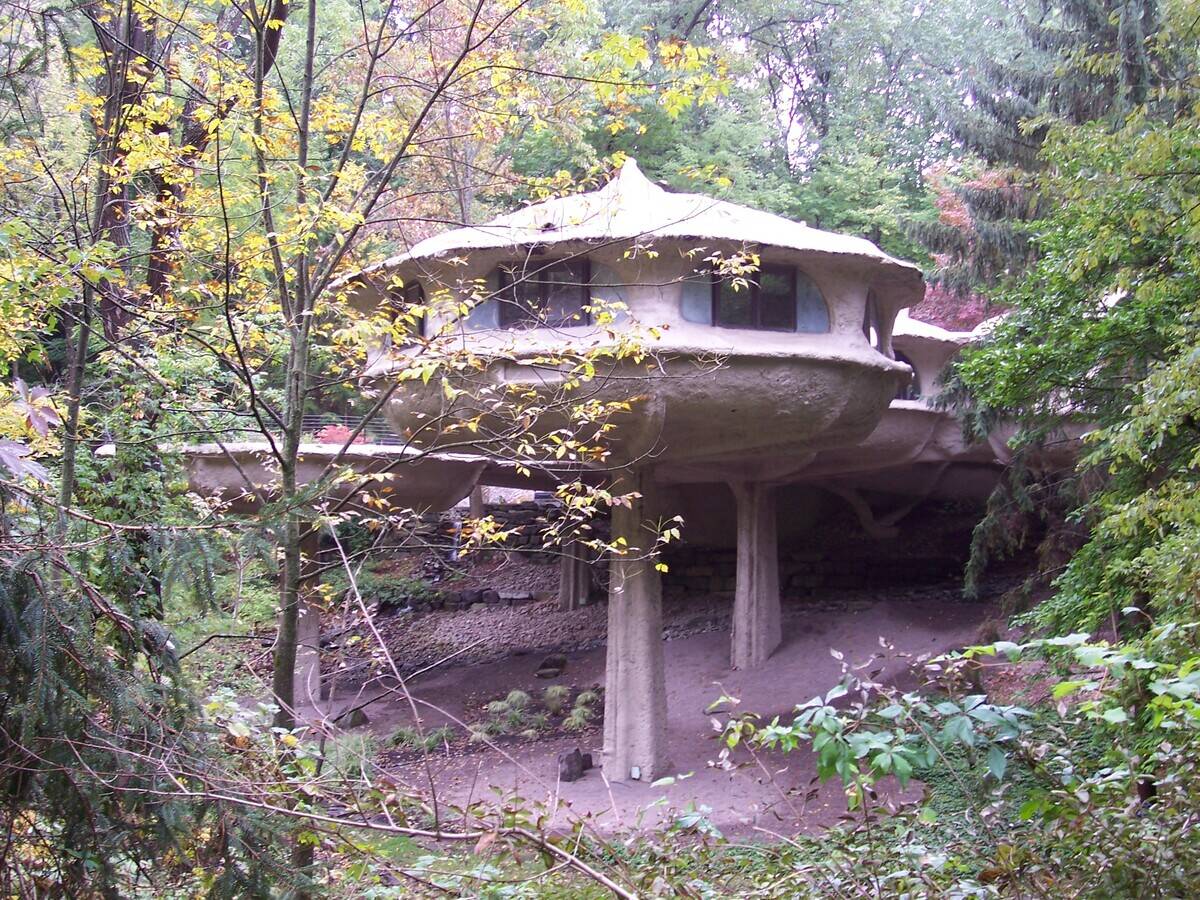
Nestled in the woods of Pittsford, New York, the Mushroom House is a unique example of organic architecture. Designed by architect James Johnson in the 1970s, the house features pod-like structures that resemble mushrooms.
The interior is just as whimsical, with curved walls and colorful decor. This home is a testament to the 1970s’ spirit of innovation and experimentation, offering a cozy and imaginative living space.
The Cube Houses of Rotterdam: Tilted Living Spaces
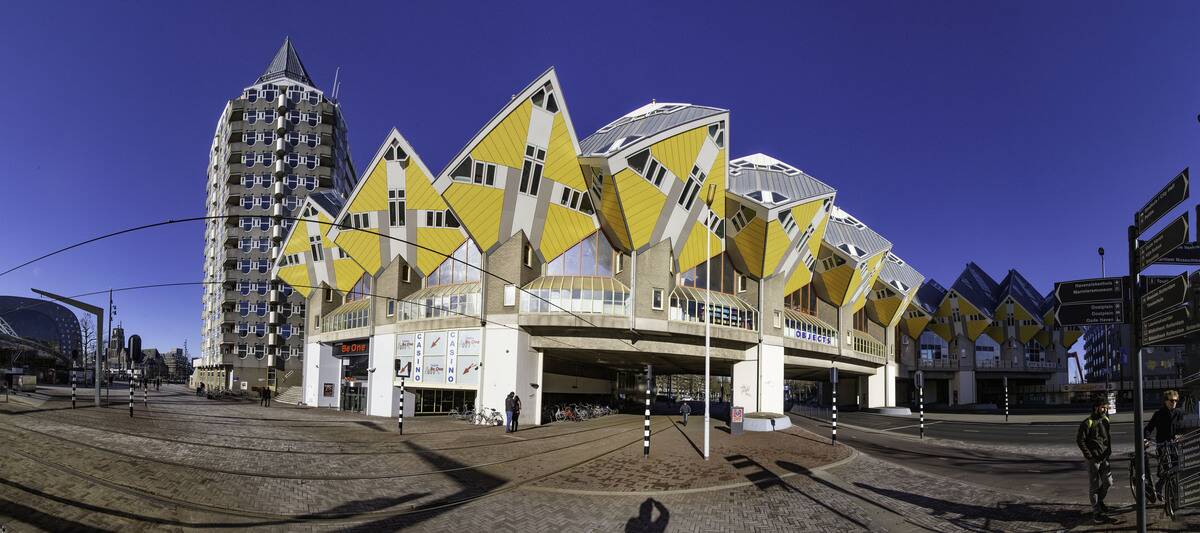
The Cube Houses in Rotterdam, Netherlands, are a striking example of innovative urban design. Architect Piet Blom designed these tilted, cube-shaped homes to maximize space and create a unique living experience.
Each house is tilted at a 45-degree angle, creating a dynamic and playful streetscape. The houses are connected, forming a pedestrian bridge that offers stunning views of the city. These iconic structures are a testament to the creativity and ingenuity of Dutch architecture.
The Bubble Palace: A Futuristic Fantasy Home
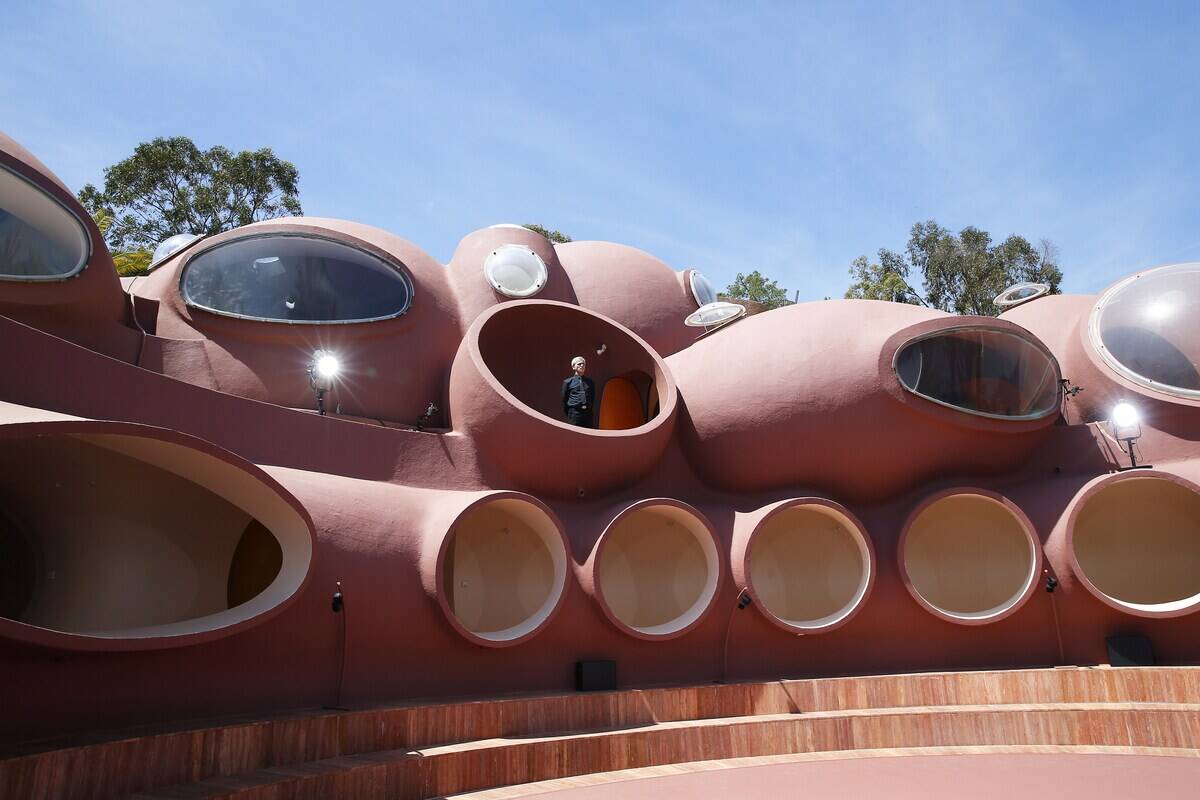
The Bubble Palace, located near Cannes, France, is a futuristic masterpiece designed by architect Antti Lovag. This sprawling estate features interconnected bubble-shaped rooms that overlook the Mediterranean Sea.
The organic design is meant to mimic natural forms, creating a harmonious blend with the surrounding landscape. Once owned by fashion designer Pierre Cardin, the Bubble Palace is a testament to the limitless possibilities of architectural design, offering a luxurious and otherworldly living experience.
The Stone House of Portugal: A Real-Life Flintstones Abode
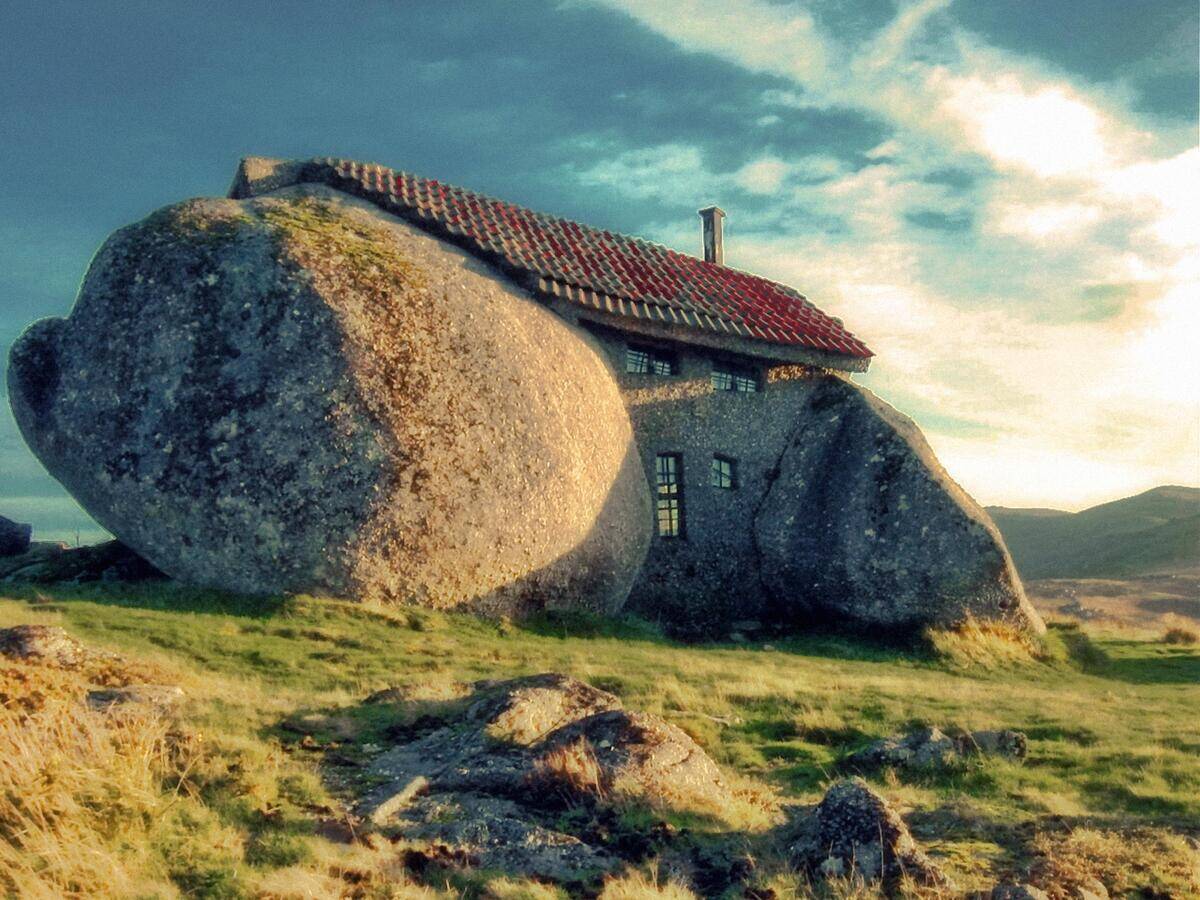
Nestled in the Fafe Mountains of Portugal, the Stone House looks like it was plucked straight from the Flintstones. Built between four large boulders in Portugal’s Fafe Mountains, Casa do Penedo incorporates the rocks into its foundation, walls, and ceiling.
Originally completed in 1974 as a family holiday retreat, it reportedly lacks conventional electricity and running water.This architectural marvel attracts curious visitors, eager to see a real-life stone-age dwelling.
The Toilet-Shaped House: Flushing Away Conventional Design
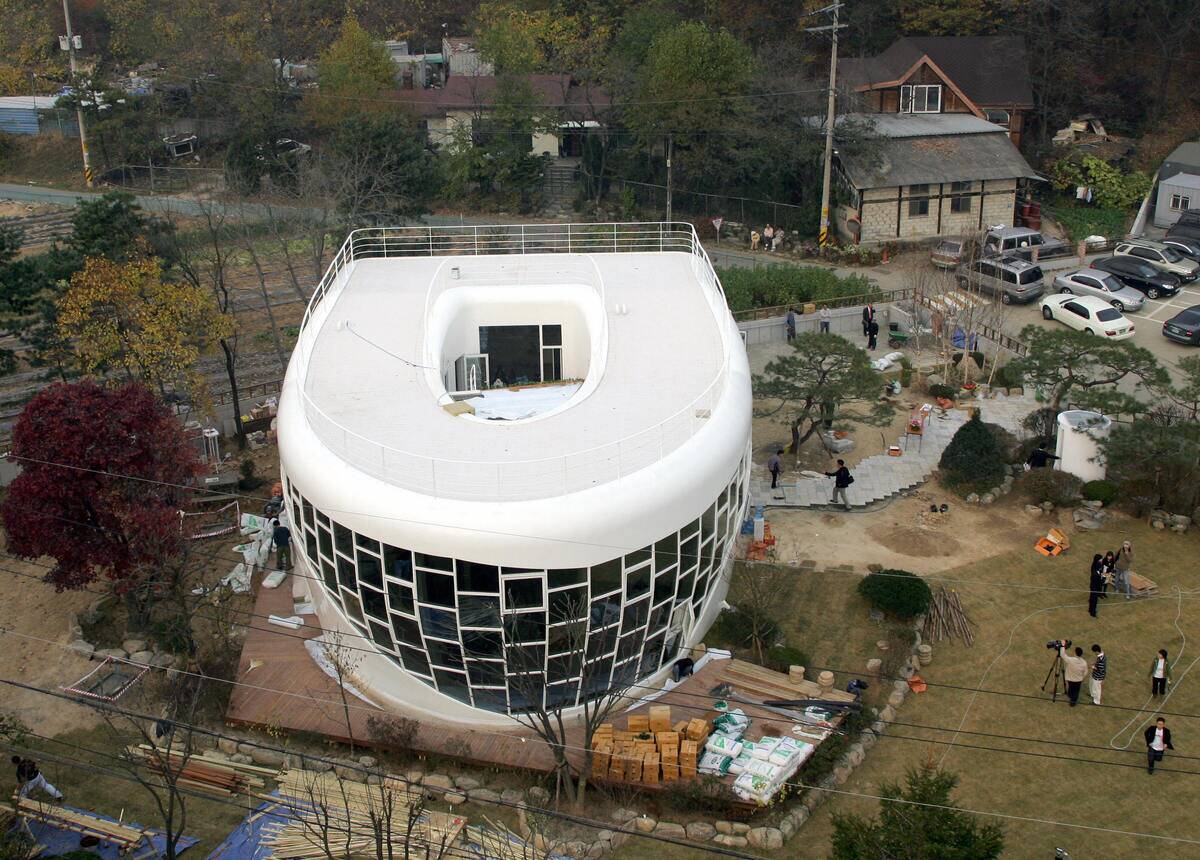
In Suwon, South Korea, the Toilet-Shaped House is a quirky homage to sanitation. Built by Sim Jae-duck, a sanitation activist, this house is shaped like a giant toilet to raise awareness about the importance of hygiene.
Built in 2007 by sanitation advocate and former Suwon mayor Sim Jae-duck, Haewoojae is a two-story house designed in the shape of a toilet. After his death, it was donated to Suwon and reopened in 2010 as a museum exploring toilet history, culture, science, and sanitation.
The UFO House: An Out-of-This-World Dwelling
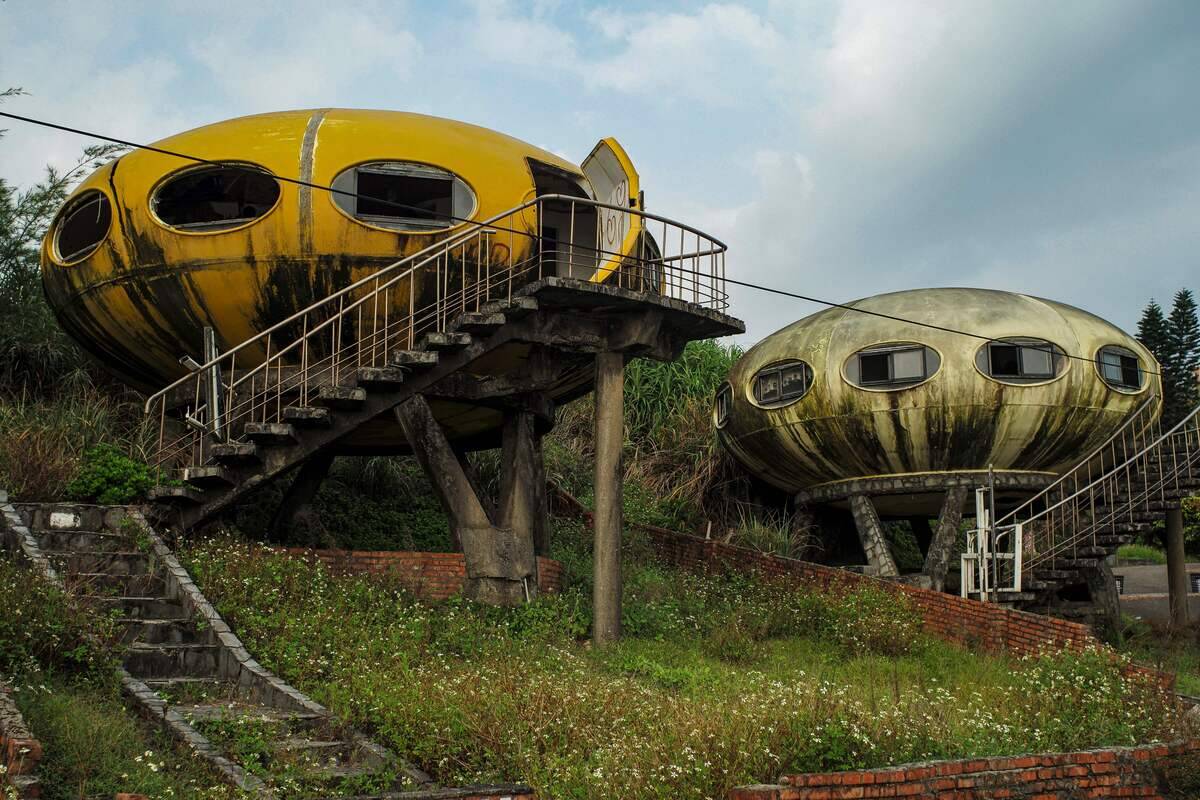
The UFO House in Sanzhi, Taiwan, is a futuristic structure that looks like it landed from another planet. Originally built as a vacation resort in the 1970s, these pod-like homes were abandoned before completion.
Their unique design and mysterious history have made them a popular subject of urban legends and conspiracy theories. Although many of the original structures have been demolished, the UFO House remains an iconic example of retro-futuristic architecture.