Things that felt futuristic to people in the 20th century
The 20th century was a whirlwind of innovation and imagination, with futurism at its core. This era saw the birth of technologies that transformed everyday life, from the way we communicate to how we explore the universe.
These advancements were not just technical marvels but also cultural phenomena, shaping the dreams and aspirations of generations. Let’s embark on a journey through some of the most iconic technological breakthroughs that defined the 20th century.
The Dawn of Television

Television began its journey into homes in the late 1920s, but it wasn’t until the 1950s that it became a staple of family life. This magical box brought the world into living rooms, changing how people consumed news and entertainment.
By 1960, over half of American households had a TV, making it a central part of daily life. The medium evolved rapidly, with color broadcasts and satellite TV expanding its reach and impact.
The Rise of the Personal Computer
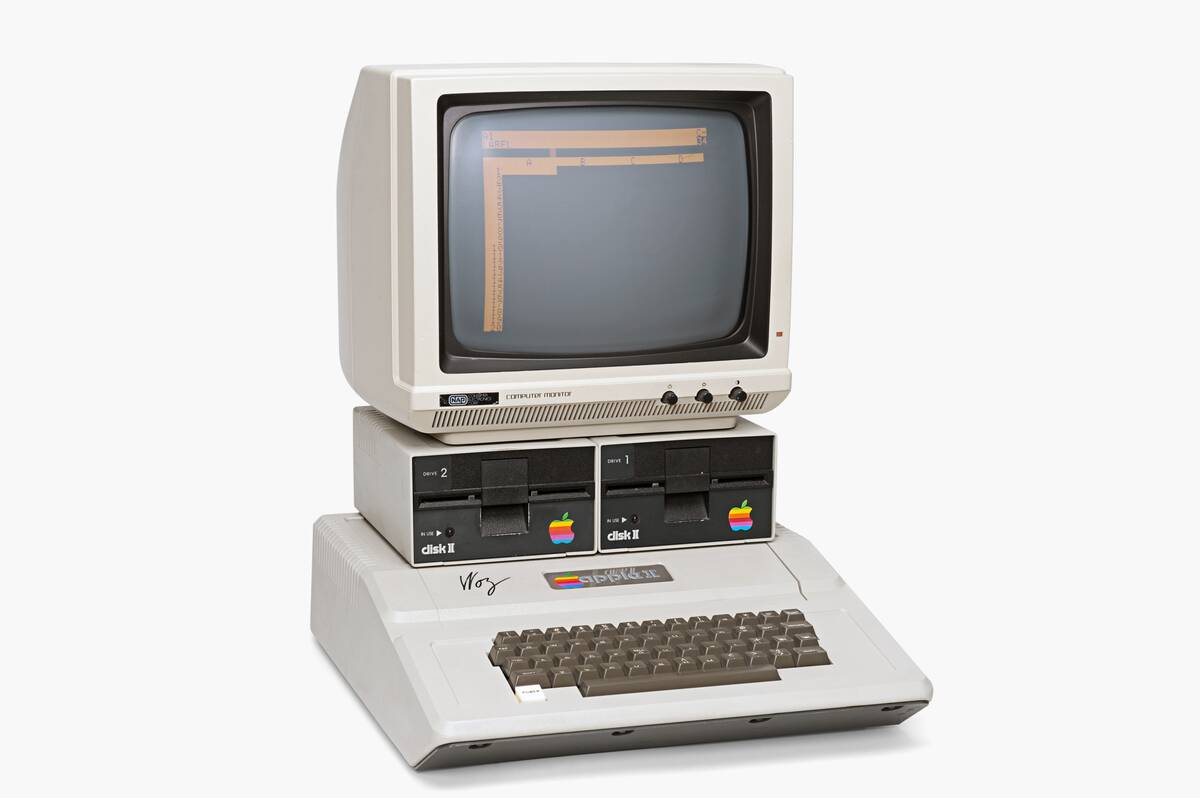
The personal computer revolution began in the 1970s, with pioneers like Steve Jobs and Bill Gates leading the charge. The Apple II, launched in 1977, was one of the first successful personal computers, making computing accessible to the masses.
By the 1980s, PCs were becoming common in homes and offices, transforming how people worked and played. This digital revolution laid the groundwork for the interconnected world we live in today.
The Jet Age
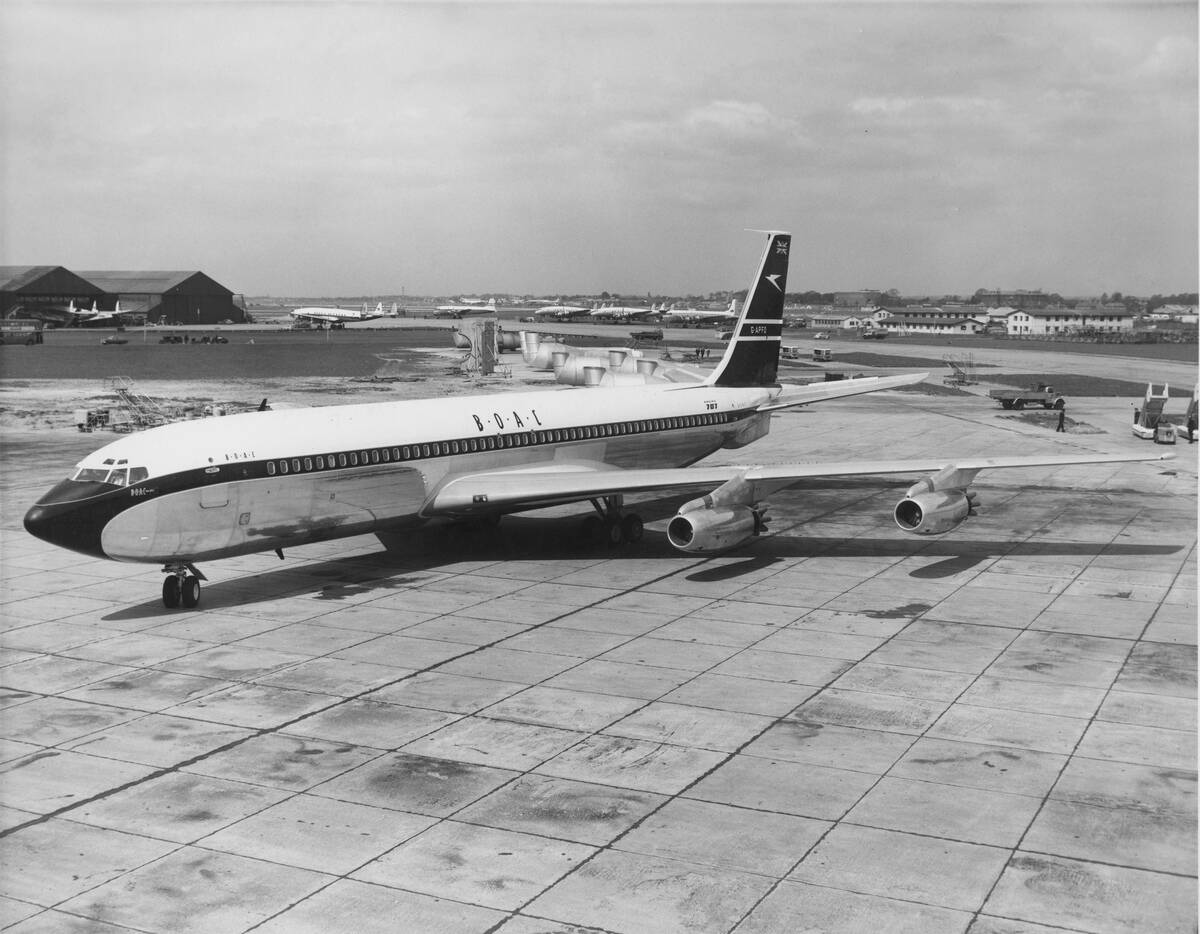
The Jet Age took off in the 1950s, revolutionizing air travel with faster and more efficient planes. The Boeing 707, introduced in 1958, was the first commercially successful jet airliner, shrinking travel time across continents.
This era made global travel more accessible, connecting people and cultures like never before. The speed and convenience of jet travel reshaped business, tourism, and even international relations.
Space Exploration: The Final Frontier
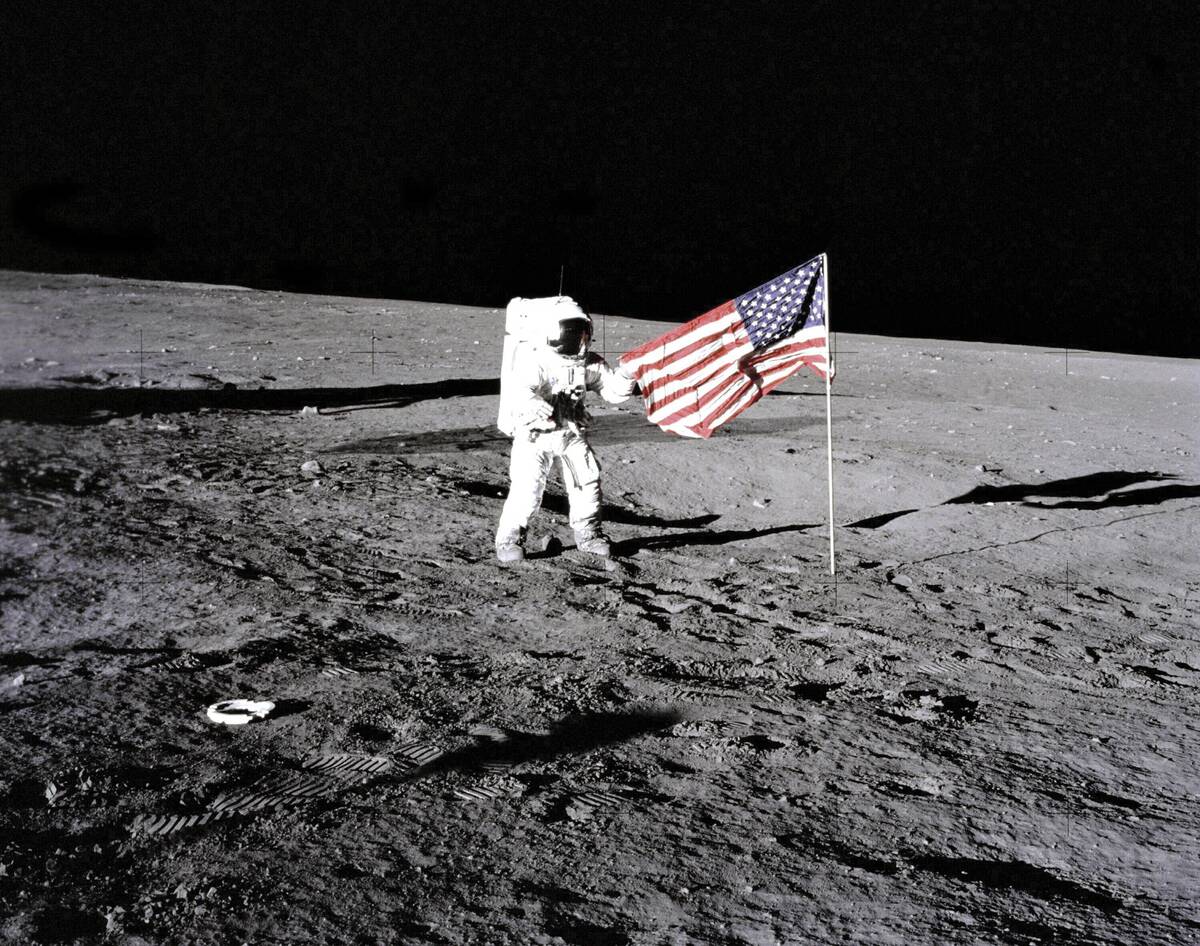
Space exploration captured the world’s imagination in the 20th century, with the Space Race between the U.S. and the Soviet Union at its heart. In 1961, Yuri Gagarin became the first human to orbit Earth, and just eight years later, Neil Armstrong set foot on the moon.
These monumental achievements not only showcased human ingenuity but also inspired countless innovations in technology and science, fueling dreams of exploring the cosmos.
The Birth of the Internet

The internet’s origins trace back to the 1960s, but it wasn’t until the 1990s that it became a global phenomenon. Tim Berners-Lee’s invention of the World Wide Web in 1989 revolutionized how information was shared and accessed.
By the late 1990s, the internet had become an integral part of daily life, connecting people across the globe and transforming industries from media to commerce. This digital network continues to evolve, shaping the future of communication.
The Microwave Oven
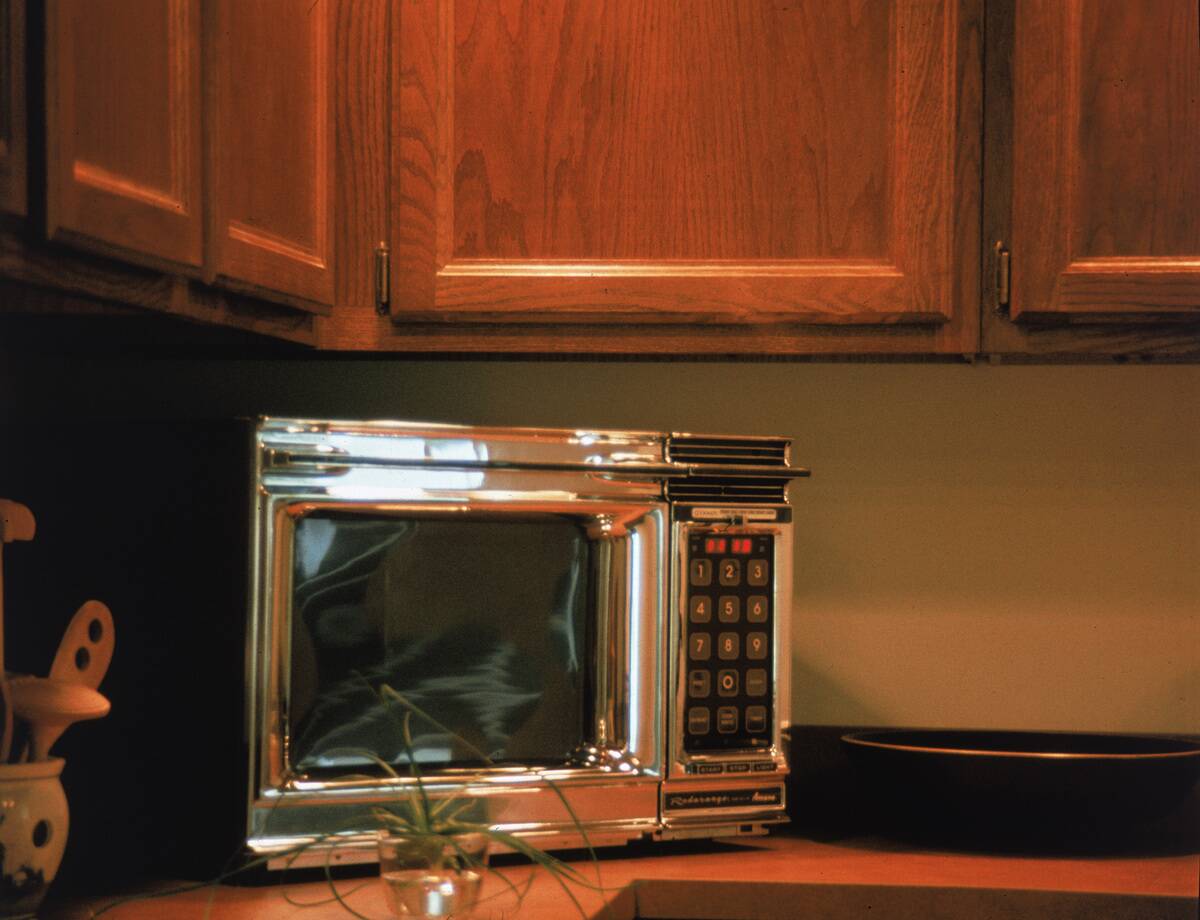
The microwave oven, a byproduct of radar technology from World War II, was introduced to consumers in the late 1940s. Percy Spencer discovered that microwaves could cook food quickly and efficiently, leading to the first commercial microwave in 1947.
By the 1970s, these appliances became affordable and popular, revolutionizing home cooking. The convenience of microwave ovens changed how meals were prepared, making them a staple in kitchens worldwide.
The Compact Disc
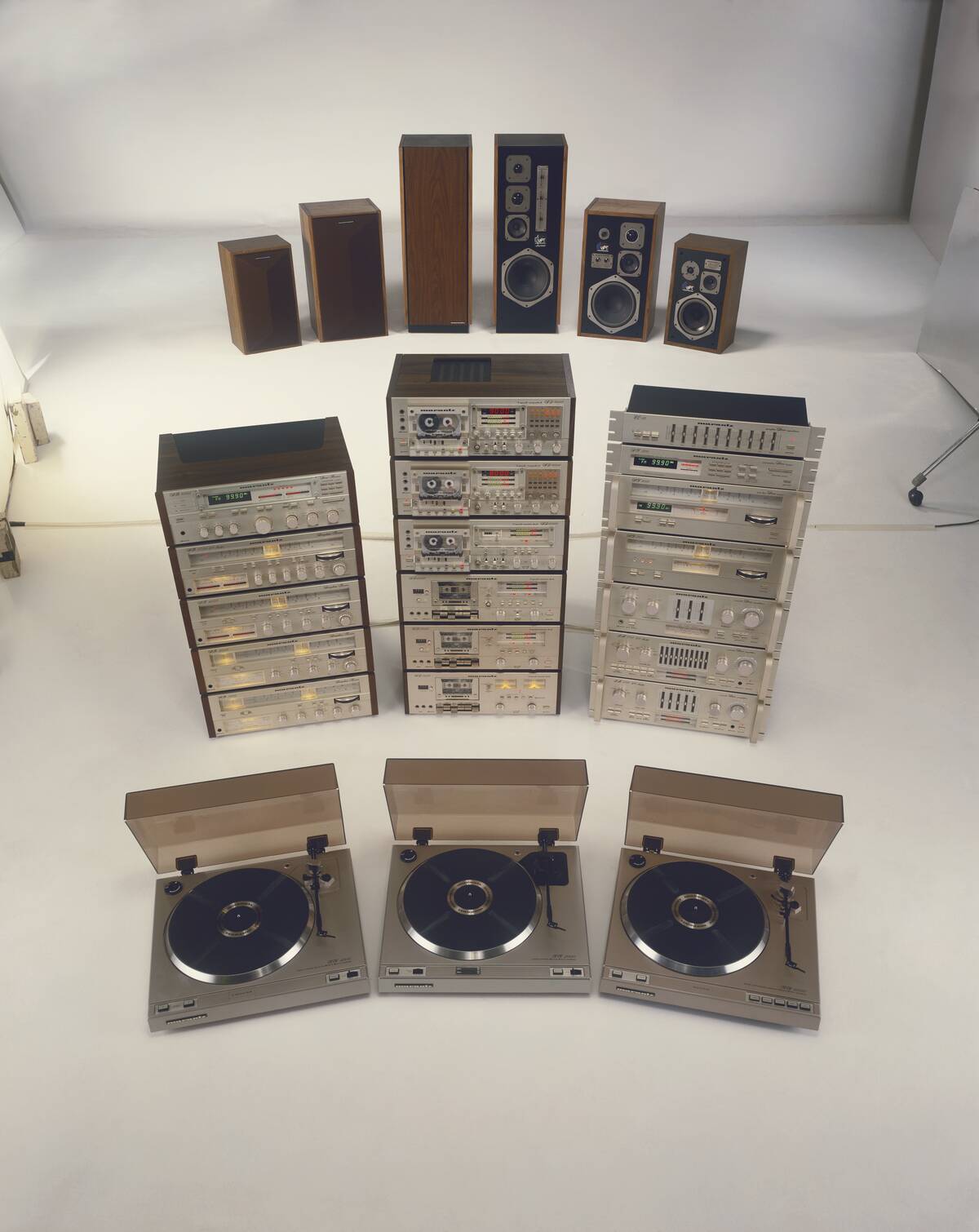
The compact disc, or CD, was introduced in 1982, transforming the music industry with its superior sound quality and durability. Developed by Philips and Sony, CDs quickly replaced vinyl records and cassette tapes as the preferred medium for music.
By the 1990s, CD sales had skyrocketed, and the format became synonymous with high-fidelity audio. This revolution in music consumption paved the way for digital formats and the eventual shift to streaming services.
The Mobile Phone
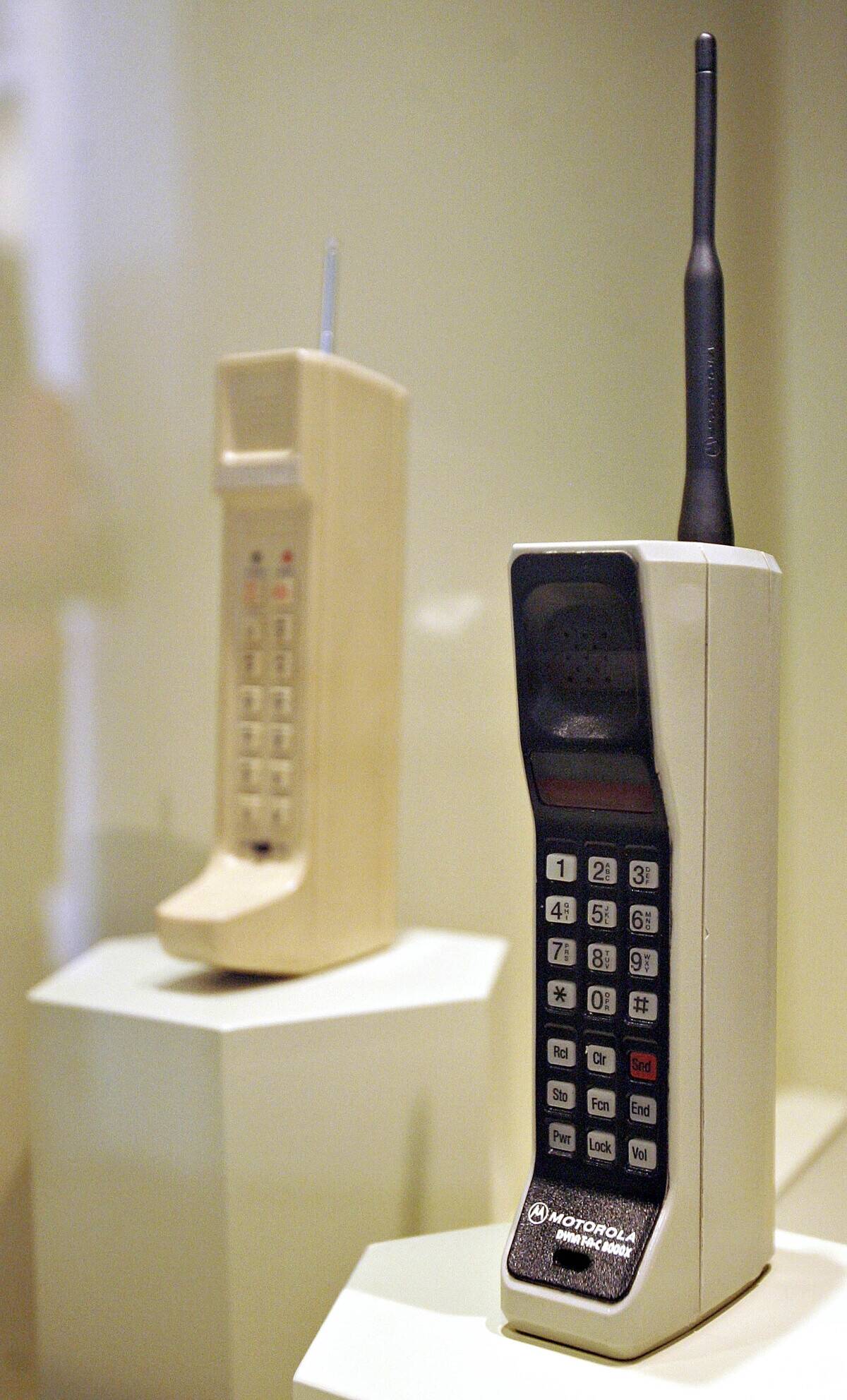
The mobile phone revolution began in the 1980s, with the first handheld device, the Motorola DynaTAC 8000X, launching in 1983. Weighing nearly two pounds, it was a far cry from today’s sleek smartphones. Despite its size and cost, it marked the beginning of a new era in communication.
As technology advanced, mobile phones became smaller, more affordable, and feature-rich, eventually evolving into the indispensable devices we rely on today for communication, information, and entertainment.
Virtual Reality

Virtual reality (VR) technology has its roots in the 1960s, but it wasn’t until the late 20th century that it began to capture the public’s imagination. Early VR systems were bulky and expensive, primarily used for military and research purposes.
However, advancements in computing power and graphics technology have made VR more accessible and immersive. Today, VR is used in gaming, education, and training, offering users the ability to explore new worlds and experiences from the comfort of their homes.
The Concorde: Supersonic Travel Dreams
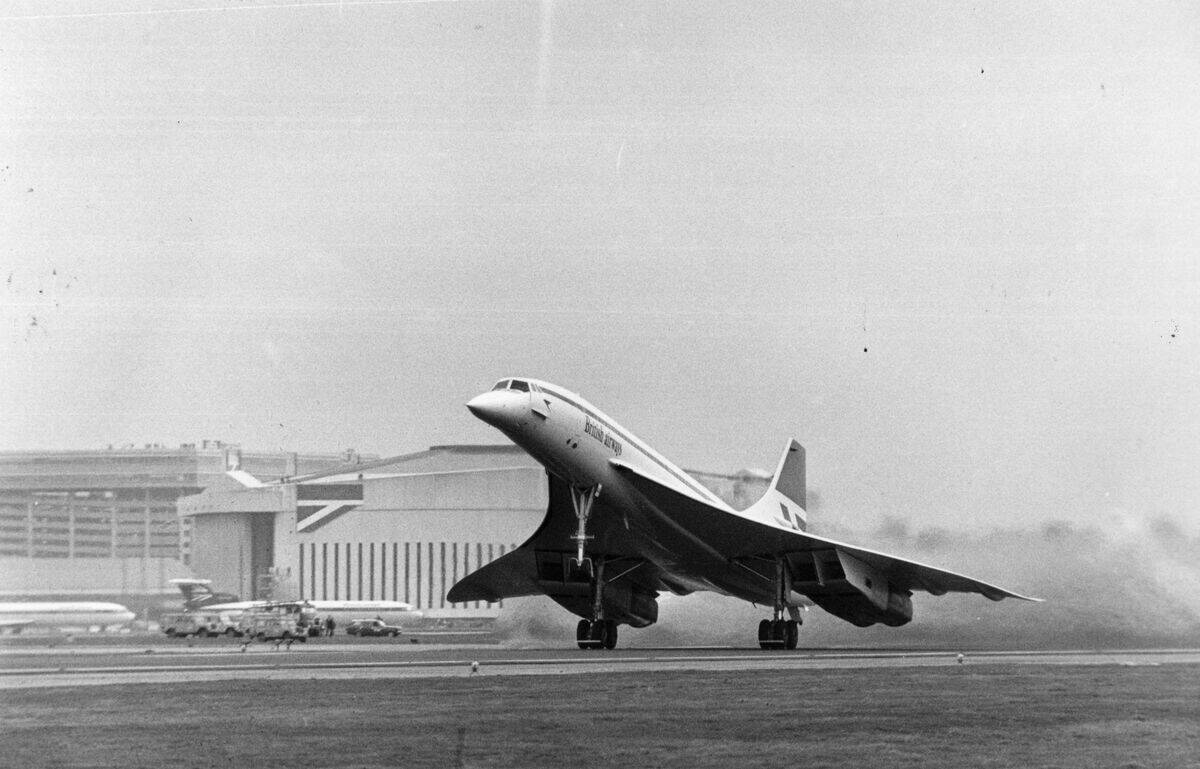
The Concorde, a marvel of engineering, took to the skies in 1969, offering supersonic travel to the public. Capable of flying at twice the speed of sound, it could cross the Atlantic in just over three hours.
This iconic aircraft symbolized the pinnacle of aviation technology, although its high operating costs and environmental concerns limited its commercial success. The Concorde ceased operations in 2003, but it remains a symbol of human ambition and the dream of faster-than-sound travel.
Video Games
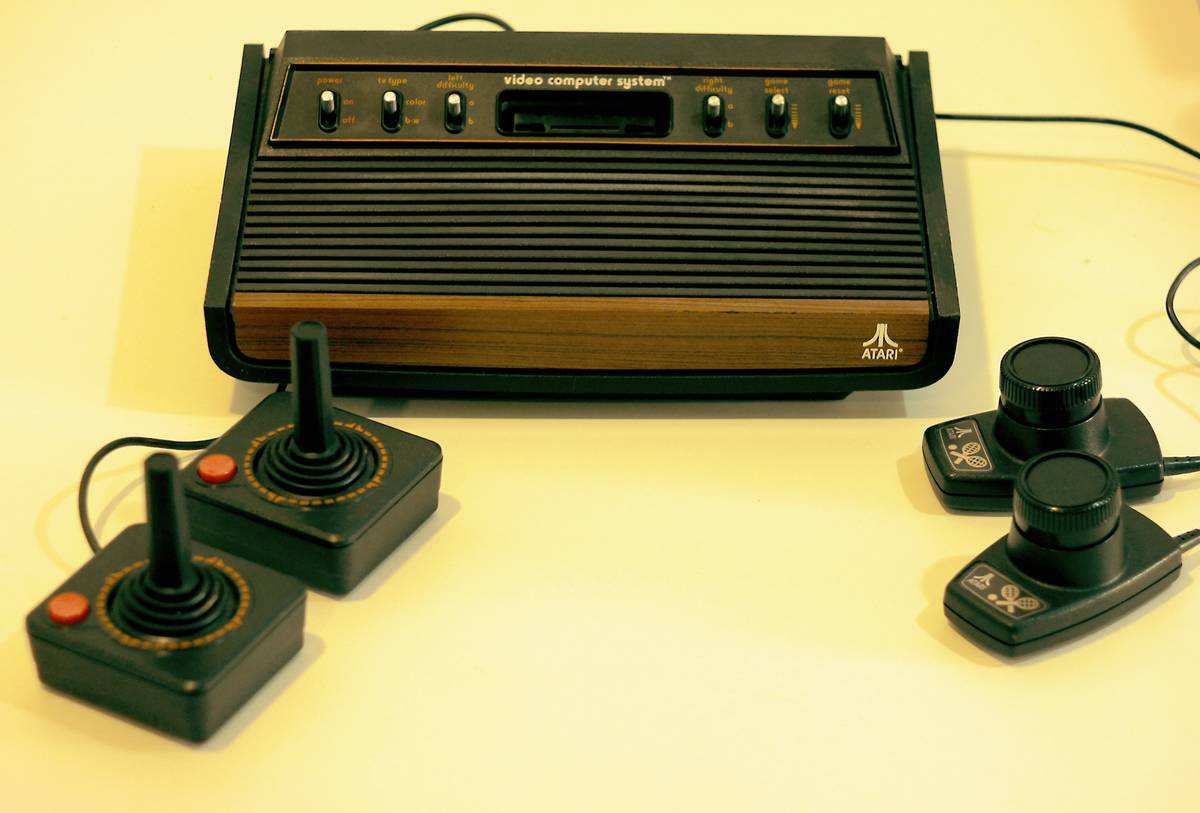
Video games have come a long way since their inception in the 1970s, evolving from simple pixelated graphics to complex, immersive worlds. The release of Pong in 1972 marked the beginning of the video game industry, which quickly grew with the introduction of home consoles like the Atari 2600.
As technology advanced, so did the complexity and realism of games, leading to the creation of expansive virtual worlds that captivate players and push the boundaries of storytelling and interactivity.
The Walkman

Sony’s Walkman, launched in 1979, revolutionized how people listened to music by making it portable. This compact cassette player allowed users to take their music anywhere, providing a personal soundtrack to their lives.
The Walkman became a cultural icon of the 1980s, selling millions of units worldwide. Its success paved the way for future portable music devices, including the iPod and today’s smartphones, forever changing the way we experience music on the go.
Robotics
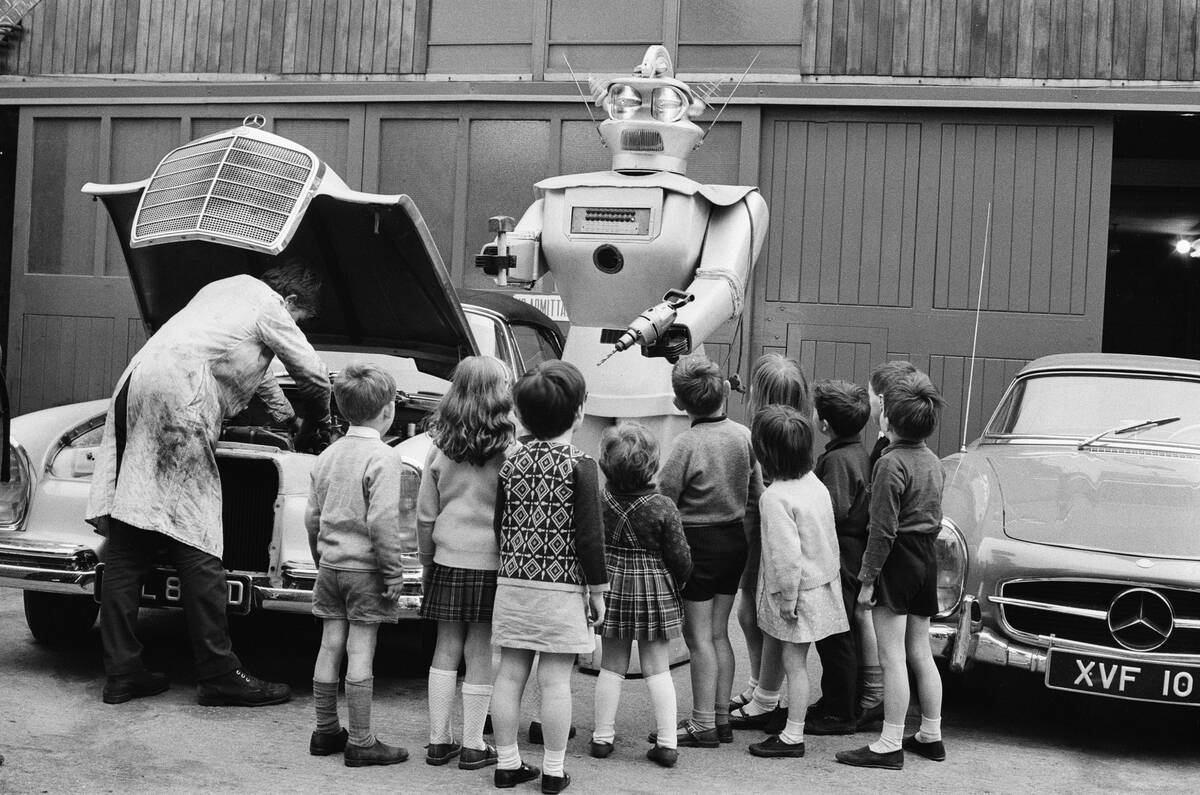
Robotics has long been a staple of science fiction, but the 20th century saw these mechanical marvels become a reality. Early robots were primarily used in manufacturing, performing repetitive tasks with precision and efficiency.
As technology advanced, robots became more sophisticated, with applications ranging from healthcare to space exploration. Today, robotics continues to push the boundaries of what’s possible, with innovations in artificial intelligence and machine learning opening new frontiers in automation and human-robot interaction.
The Laser
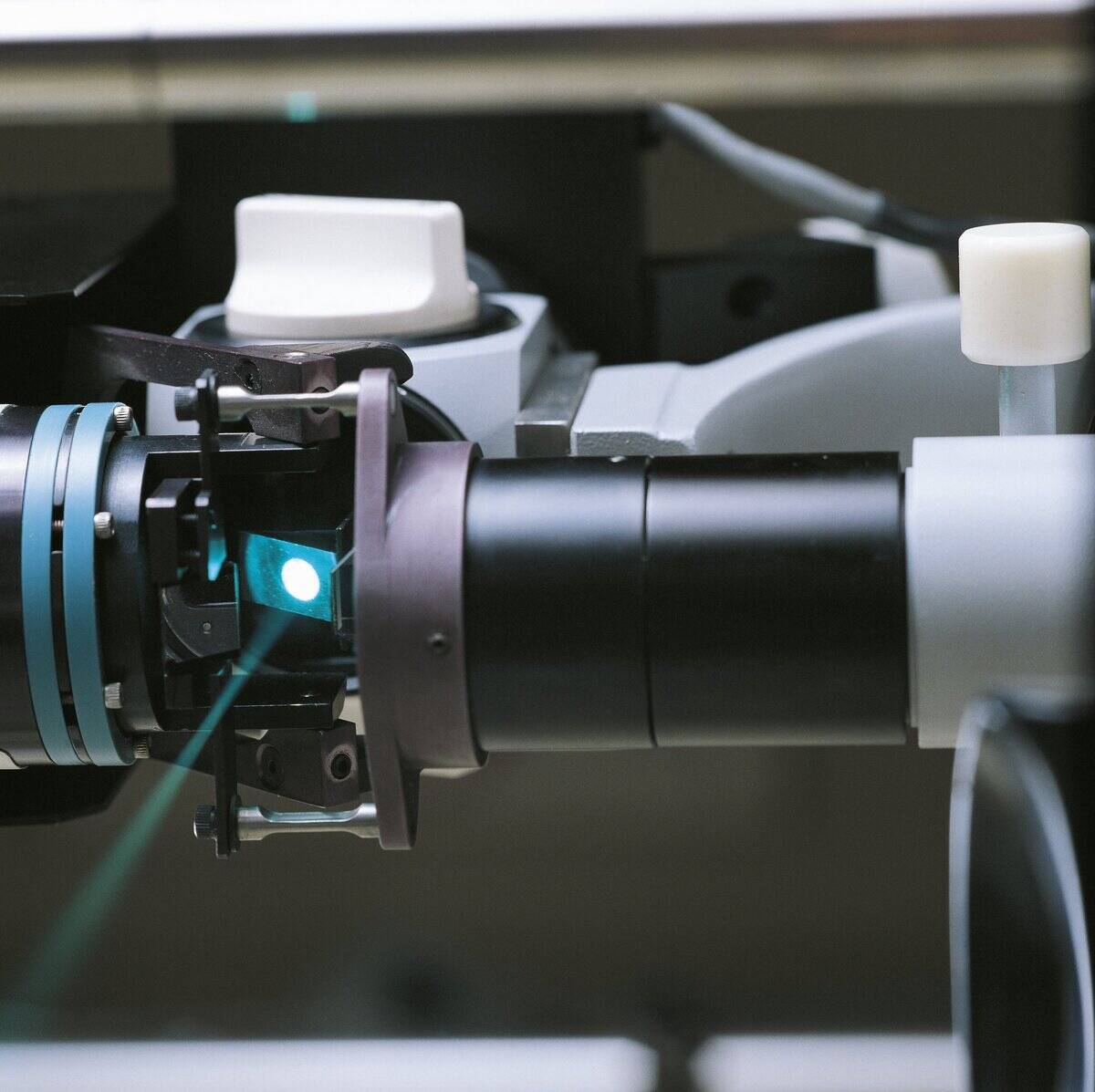
The laser, an acronym for Light Amplification by Stimulated Emission of Radiation, was first demonstrated in 1960. This groundbreaking invention has since found applications in a wide range of fields, from medicine to telecommunications.
Lasers are used in everything from eye surgery to barcode scanners, showcasing their versatility and precision. The development of laser technology has not only advanced scientific research but also transformed industries, making it an indispensable tool in the modern world.
The Electric Car
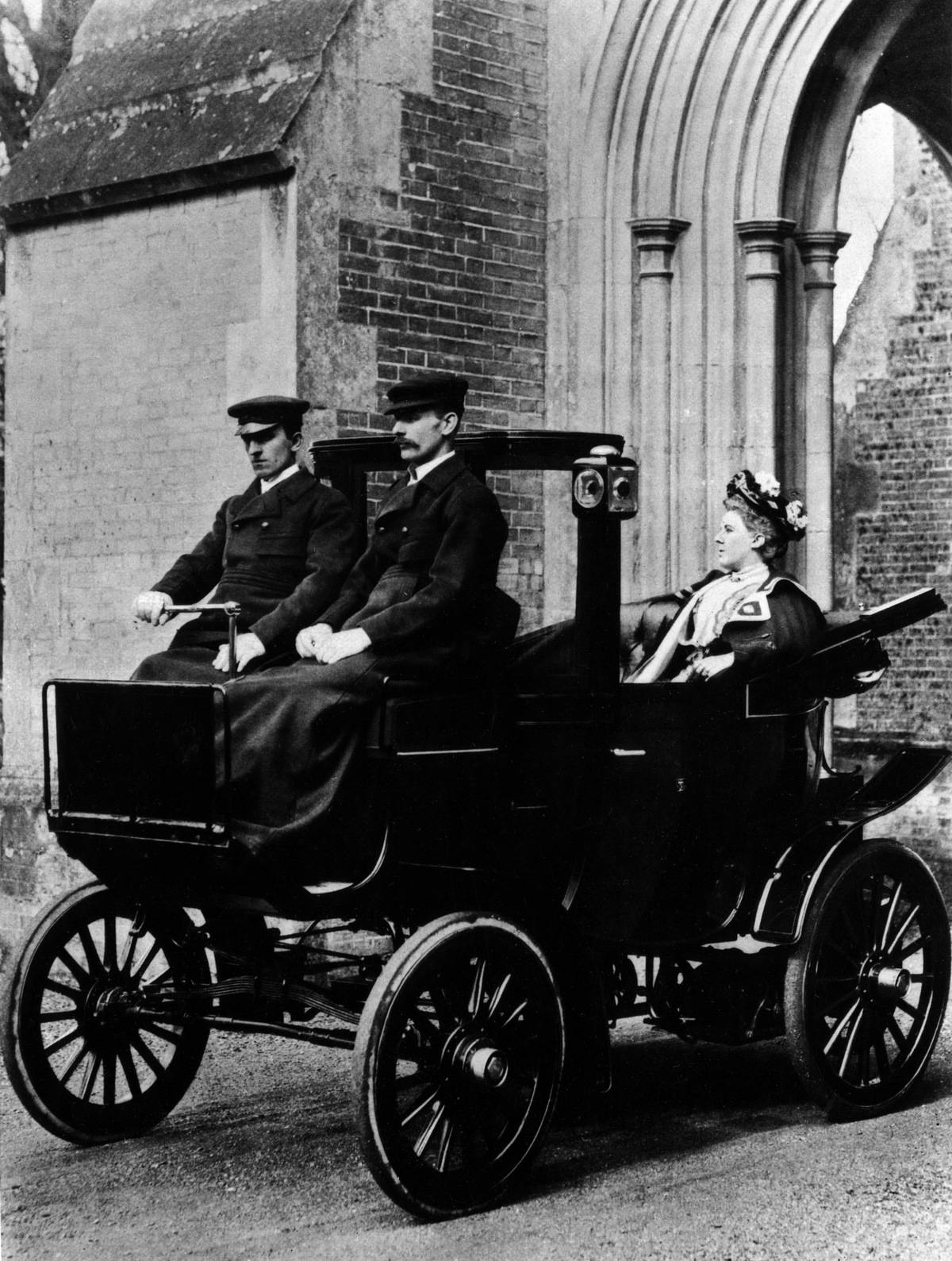
Electric cars have been around since the late 19th century, but it wasn’t until the late 20th century that they began to gain traction as a viable alternative to gasoline-powered vehicles. The introduction of the Toyota Prius in 1997 marked a turning point, showcasing the potential of hybrid technology.
As concerns about climate change and fossil fuel dependency grow, electric vehicles have become increasingly popular, with advancements in battery technology and charging infrastructure driving their adoption and paving the way for a more sustainable future.




