Animals with the most unusual sleeping habits
Welcome to the fascinating world of animal sleep, where the rules are as diverse as the creatures themselves! From the tallest giraffes to the tiniest ants, each animal has its own unique way of catching some Z’s.
Ever wondered how a dolphin manages to rest without drowning? Or how a bat can sleep upside down without falling? Let’s dive into these intriguing sleep habits and discover the quirks of nature’s bedtime routines.
The Giraffe: Short Naps for Tall Creatures
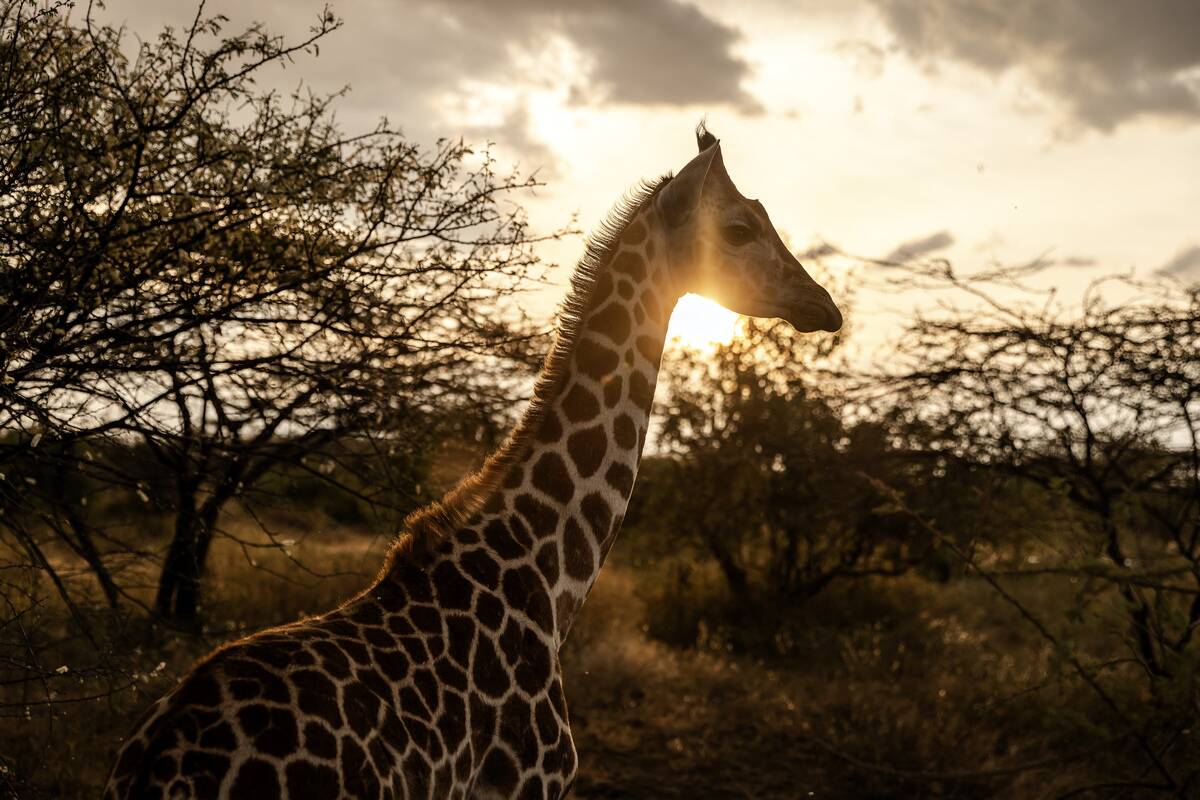
Giraffes are known for their towering necks, but did you know they sleep less than most mammals? These gentle giants take short naps lasting only a few minutes at a time, totaling just about 4.6 hours a day in captivity and even less in the wild.
Sleeping for long periods is risky for giraffes, making them vulnerable to predators. Instead, they often sleep standing up, ready to spring into action if danger approaches.
Dolphins: Masters of Unihemispheric Sleep
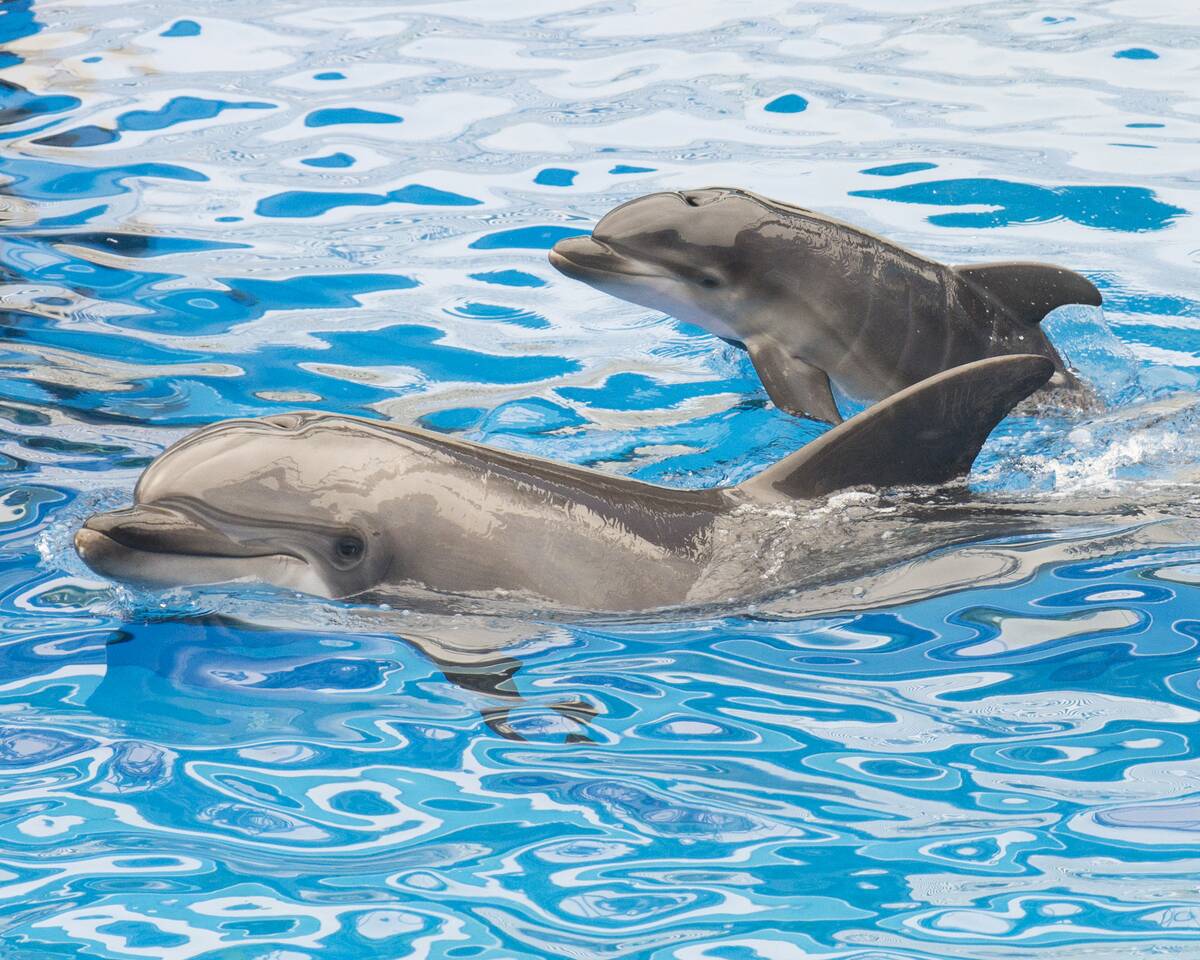
Dolphins have a remarkable ability to sleep with one half of their brain while the other half remains alert. This unihemispheric sleep allows them to surface for air and stay vigilant for predators.
Dolphins typically rest one hemisphere of their brain for about four hours at a time. This unique adaptation is crucial for their survival in the ocean’s vast and unpredictable environment.
The Sloth: Slow-Motion Sleepers
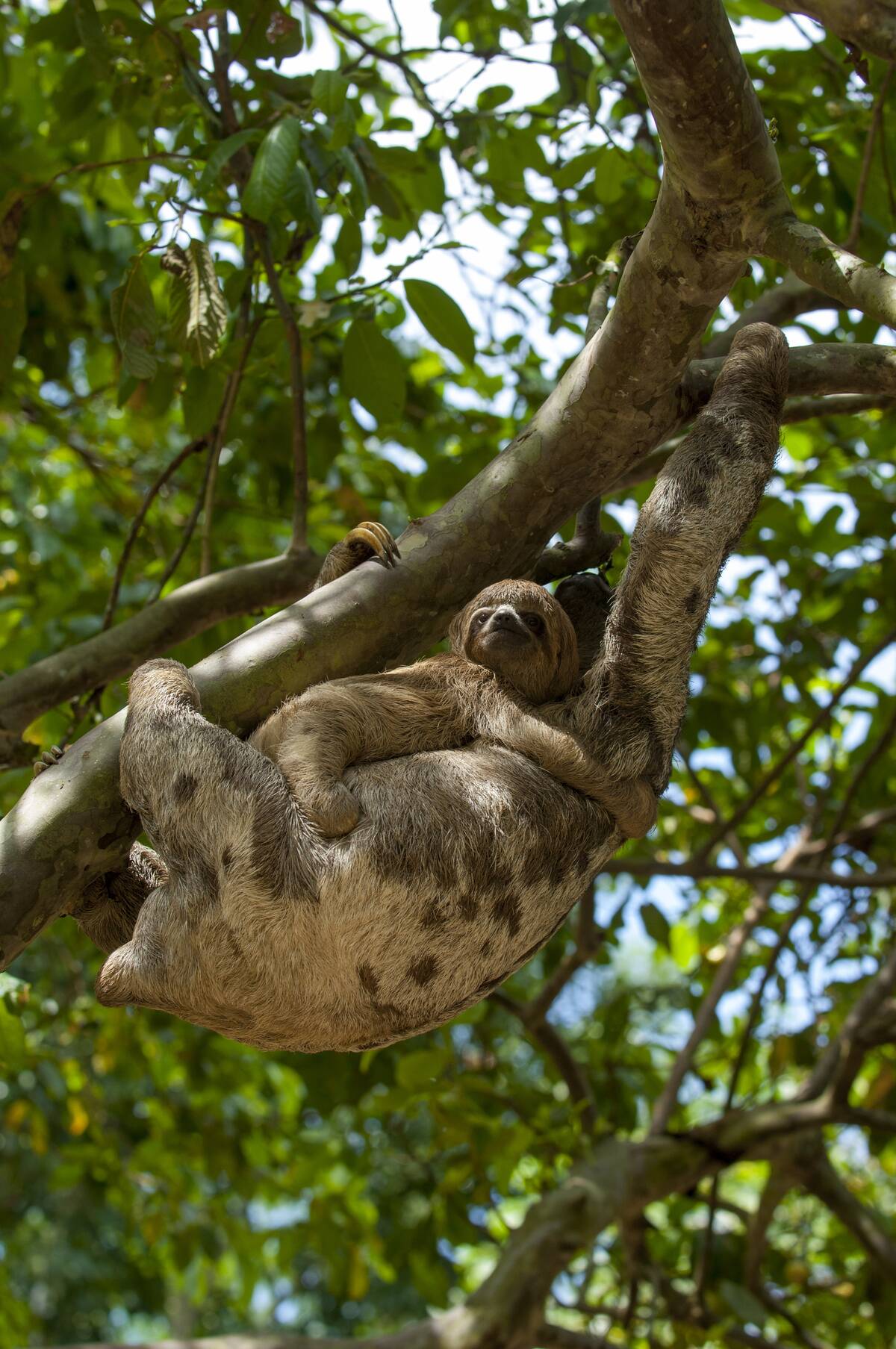
Sloths are synonymous with sleep, in captivity they often spend about 15 to 20 hours a day resting. Their slow metabolism means they don’t need much energy, allowing them to sleep for long periods.
Interestingly, sloths sleep hanging upside down in trees, using their strong claws to grip branches securely. This position helps them stay hidden from predators while they enjoy their lengthy naps.
The Albatross: Sleeping on the Wing
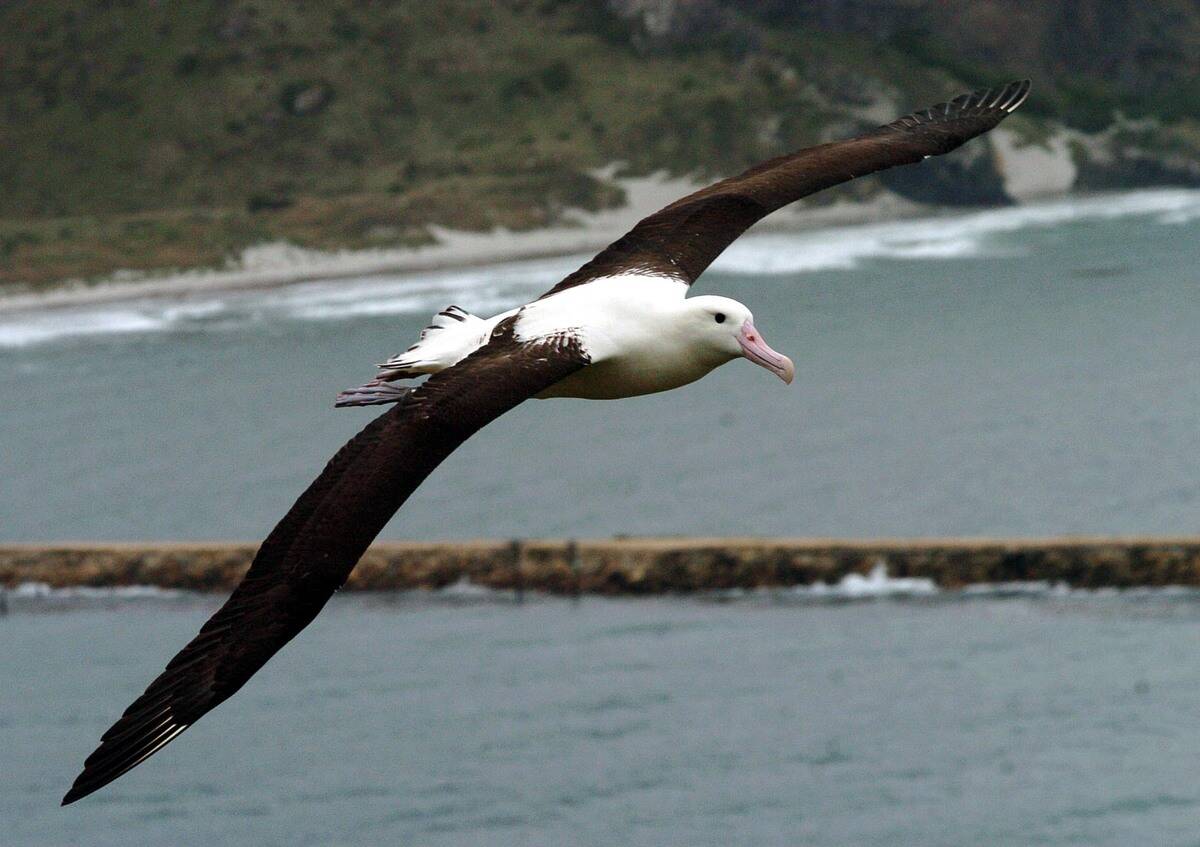
The albatross is a master of long-distance flight, capable of sleeping while gliding through the air. These birds can spend months at sea, and their ability to sleep mid-flight is crucial for survival.
Albatrosses engage in short bouts of sleep, often lasting just a few seconds, allowing them to maintain their course while resting. This remarkable adaptation helps them conserve energy during their extensive journeys.
The Koala: Eucalyptus-Induced Slumber
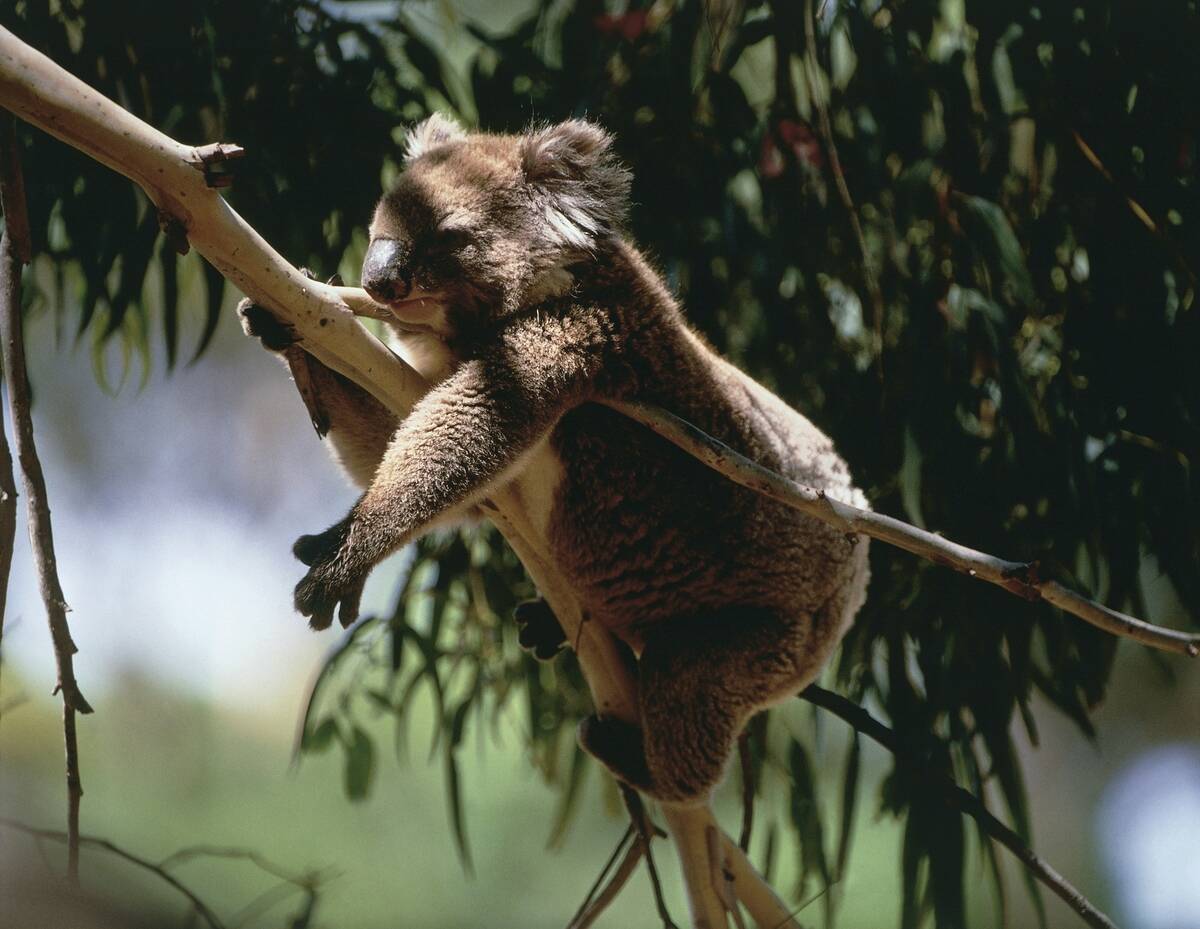
Koalas are known for their love of eucalyptus leaves, which make up most of their diet. These leaves are low in nutrients and require a lot of energy to digest, leading koalas to sleep up to 18 to 22 hours a day.
Their long sleep helps them conserve energy and digest their fibrous meals. Koalas often sleep curled up in the forks of eucalyptus trees, blending in with the branches.
The Bat: Hanging Out While Catching Z’s
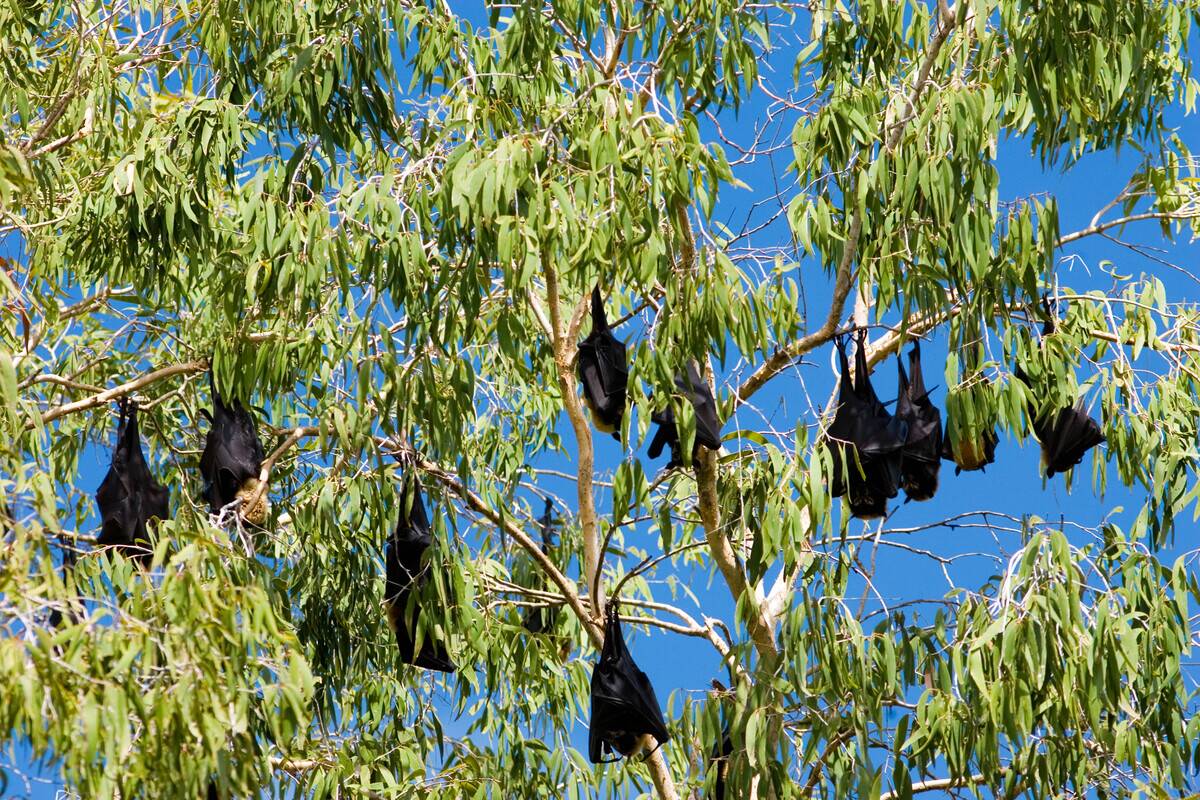
Bats are famous for their upside-down sleeping habits, hanging by their feet in caves or trees. This position allows them to take off quickly if threatened. Bats typically rest for about 16 to 20 hours a day, depending on the species.
Their unique sleep posture also helps them conserve energy, as they don’t have to expend effort to stay perched while sleeping.
The Walrus: Snoozing on Land and Sea
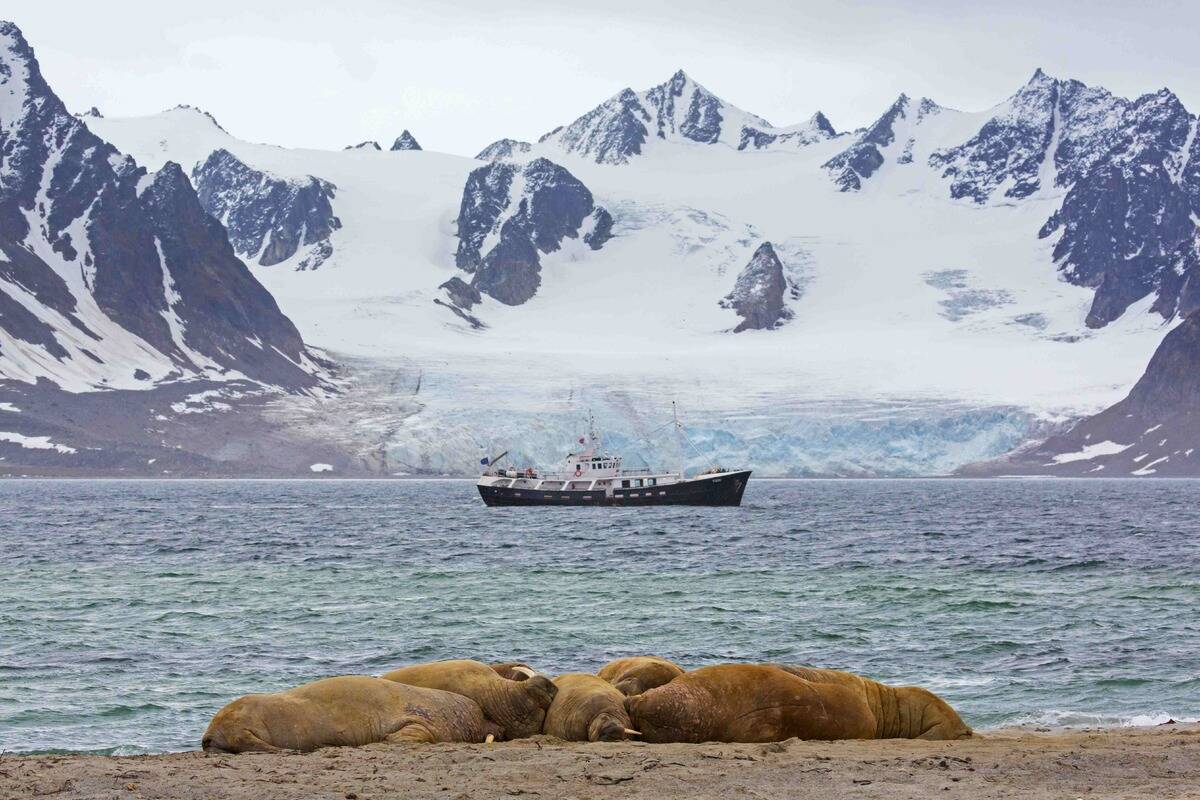
Walruses are versatile sleepers, capable of resting both on land and in the water. They can sleep while floating, using their buoyant blubber to stay afloat.
On land, they often pile together for warmth and protection. Walruses can sleep for about 19 hours a day, with their sleep patterns varying depending on their environment and activity levels.
The Meerkat: Cozy Communal Naps
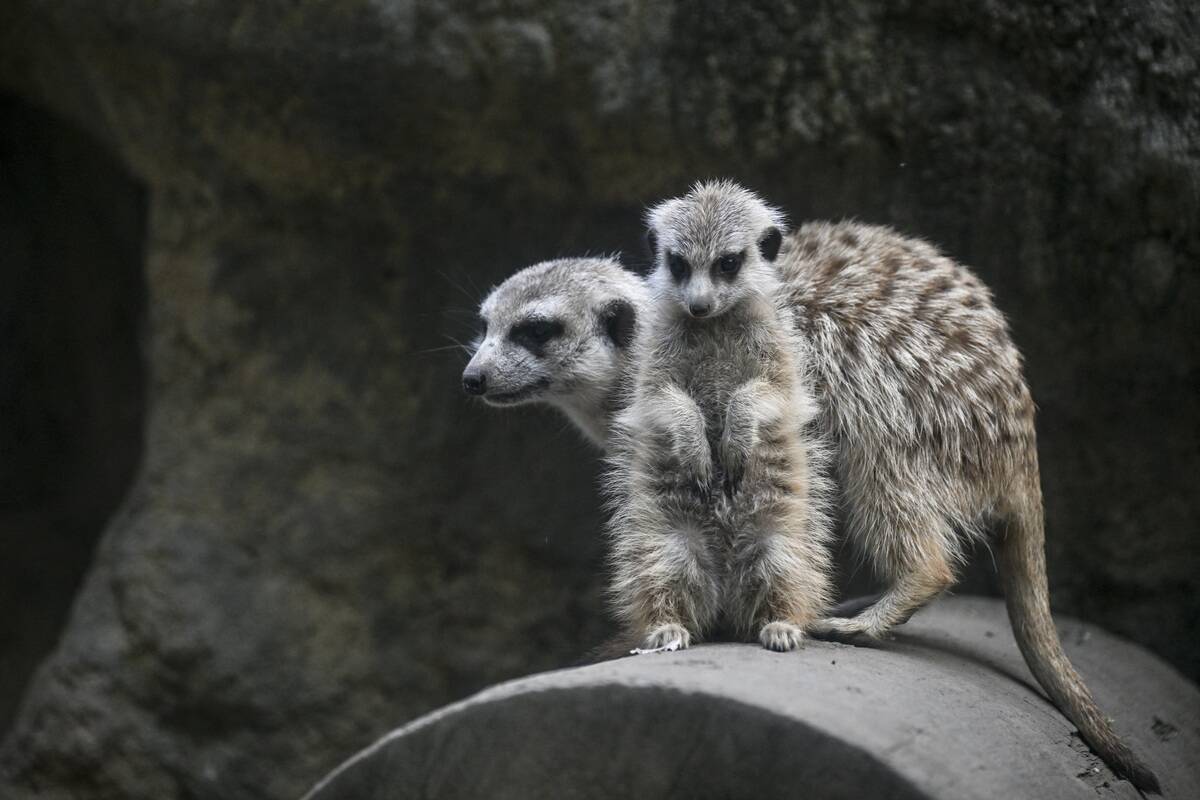
Meerkats are social creatures that enjoy sleeping in groups for warmth and safety. They typically rest in burrows, with one meerkat standing guard while the others sleep.
This cooperative behavior helps protect them from predators. Meerkats generally sleep for about 10 hours a day, often snuggling together in a pile to conserve body heat during chilly nights.
The Shark: Always on the Move
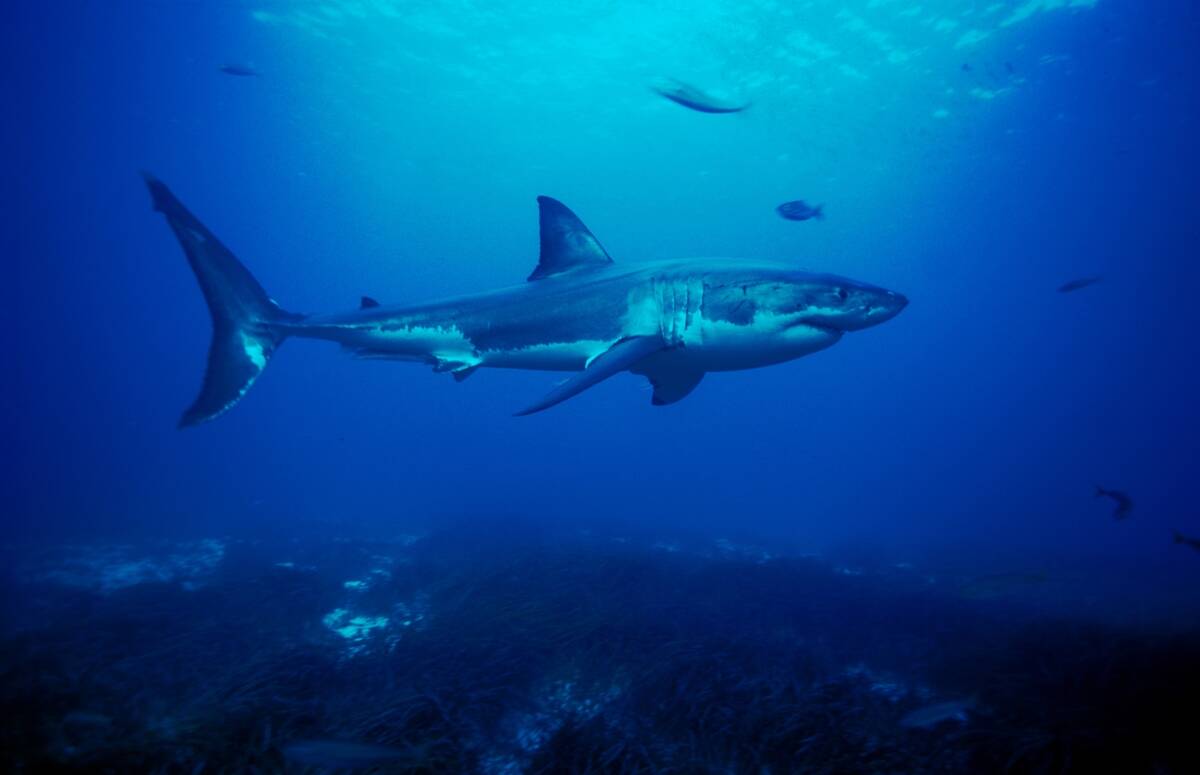
Sharks are fascinating creatures that need to keep moving to breathe. Some species, like the great white shark, engage in a form of rest called “yo-yo swimming,” where they glide up and down in the water column.
This allows them to conserve energy while still moving. Sharks don’t experience deep sleep like mammals but have periods of reduced activity and alertness.
The Octopus: Colorful Sleep Patterns
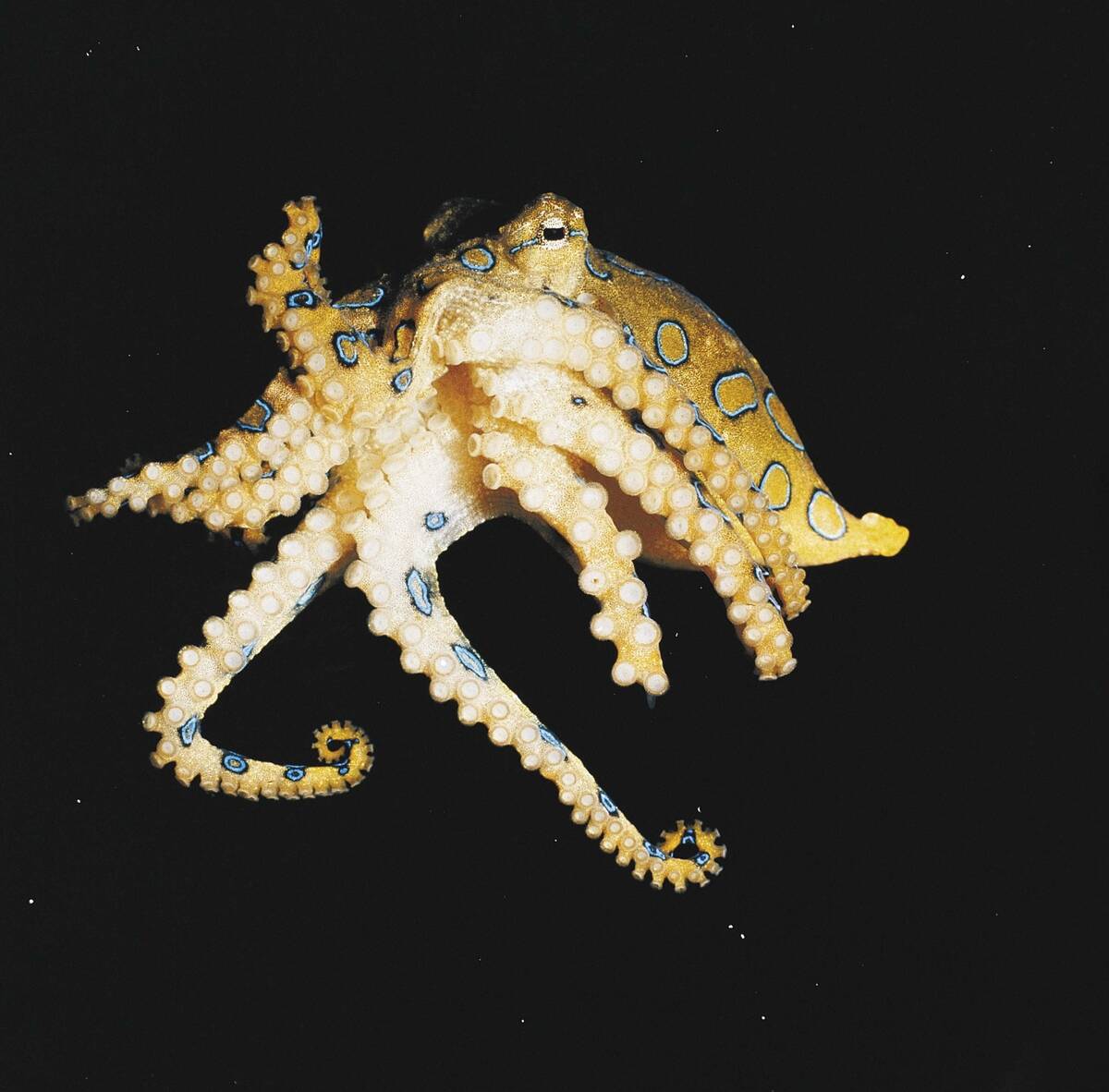
Octopuses are known for their intelligence and vibrant color changes, even during sleep. These cephalopods experience active sleep, similar to REM sleep in humans, where they change colors and twitch.
This fascinating behavior suggests they might dream. Octopuses typically sleep for short periods, waking frequently to ensure their safety in the ocean’s dynamic environment.
The Elephant: Power Naps for Giants
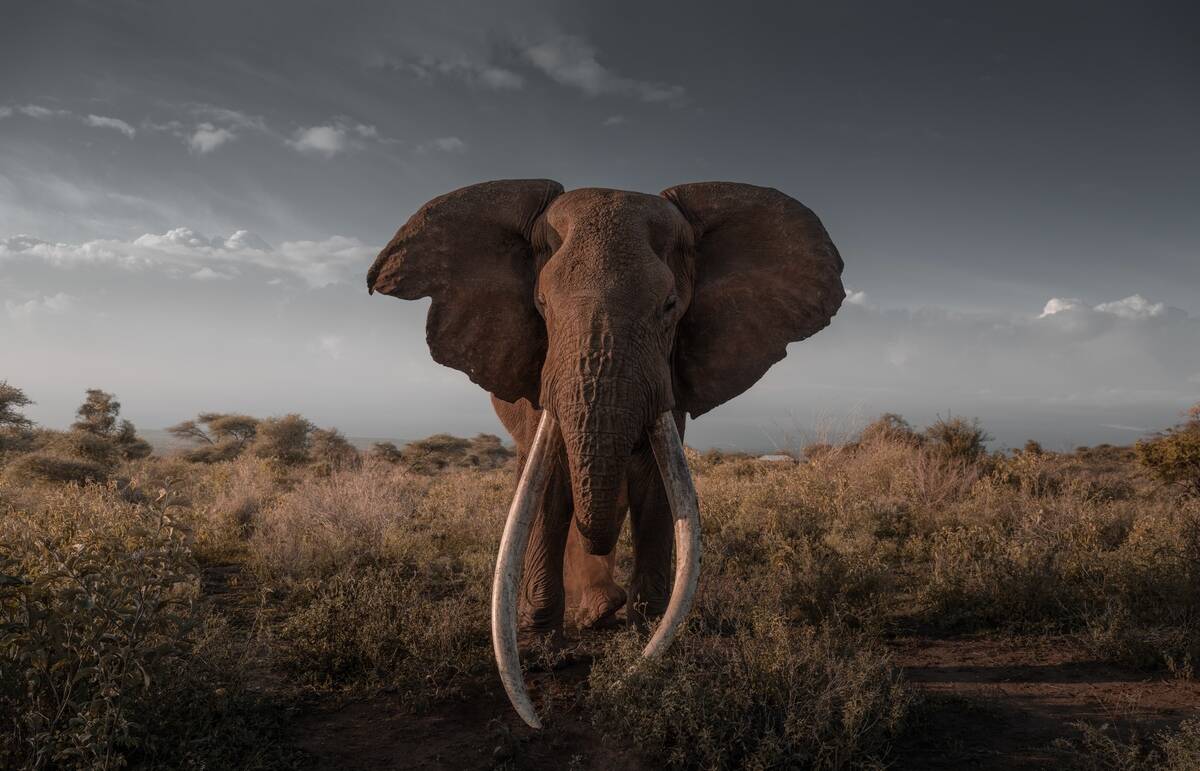
Elephants are the largest land animals, yet they sleep surprisingly little, averaging only about 2 to 4 hours a day. They often take short naps while standing, using their trunks to lean against trees for support.
Elephants need to stay alert to protect their herd from predators, so their sleep is often light and fragmented. Their ability to function on minimal sleep is a testament to their adaptability.
The Parrotfish: Sleeping in a Bubble
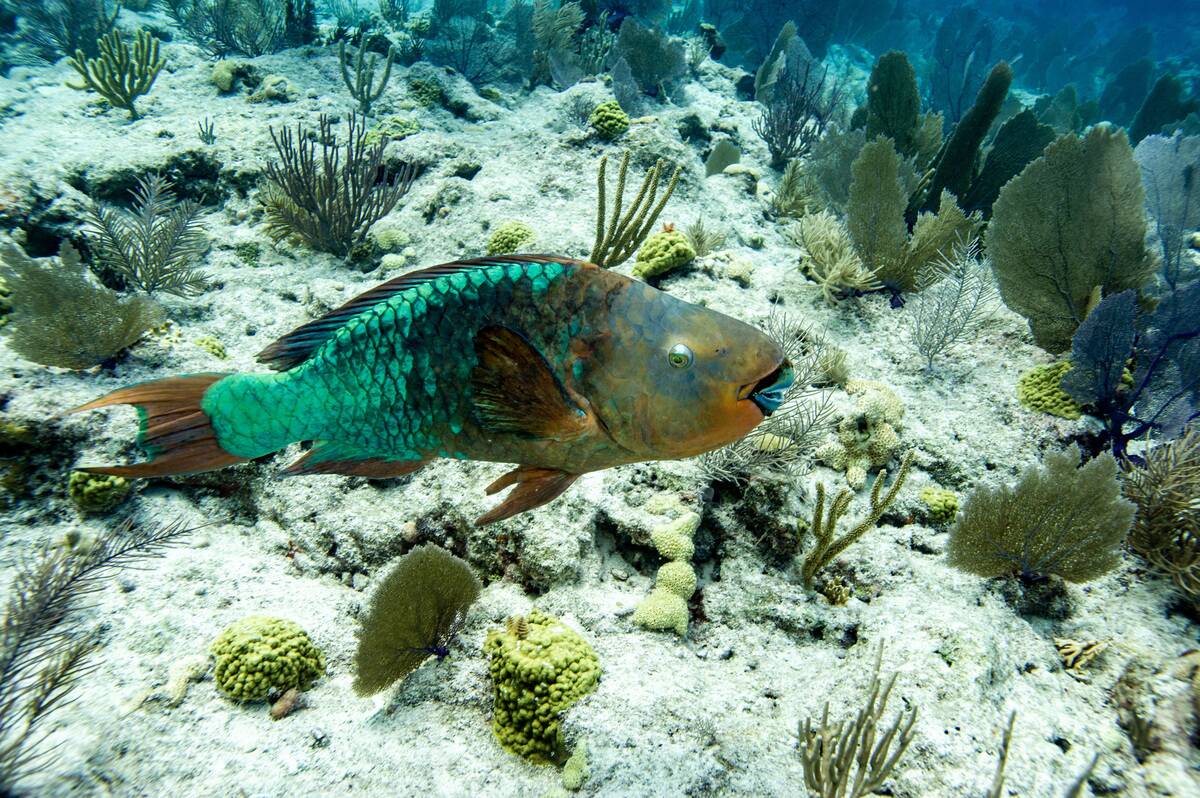
Parrotfish have a unique bedtime routine, secreting a mucus cocoon around themselves before sleeping. This protective bubble helps mask their scent from predators, keeping them safe during the night.
Parrotfish typically sleep for about 8 to 12 hours, nestled within coral reefs. Their nightly cocooning is a fascinating adaptation that highlights the diverse strategies animals use to stay safe while resting.
The Ant: Short and Sweet Sleep Cycles
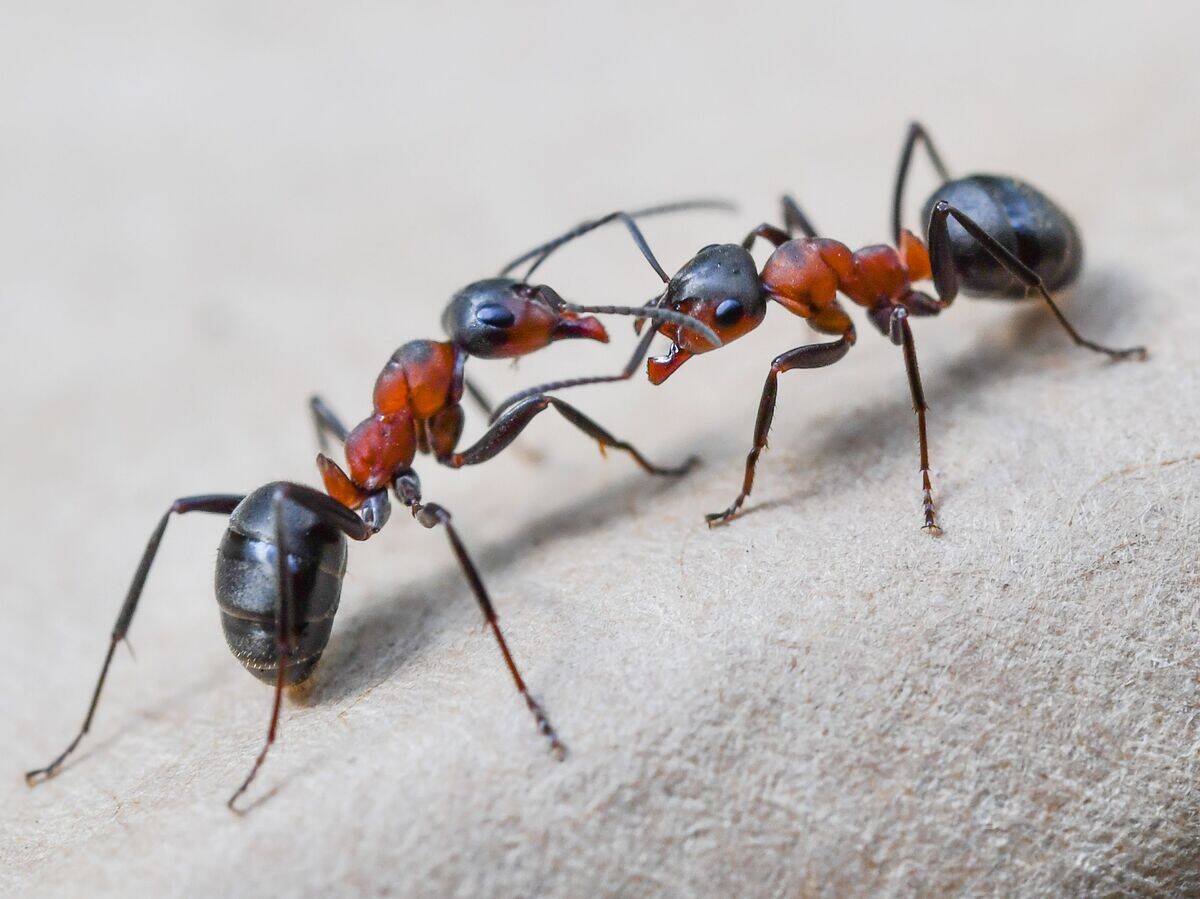
Ants have one of the shortest sleep cycles in the animal kingdom, taking frequent naps that last just a few minutes each. These brief sleep sessions add up to about 4 to 5 hours of rest per day.
Ants’ polyphasic sleep patterns allow them to remain active and efficient workers, constantly tending to their colonies’ needs. This unique sleep strategy helps maintain the complex social structure of ant colonies.
The Platypus: Dreaming of the Past
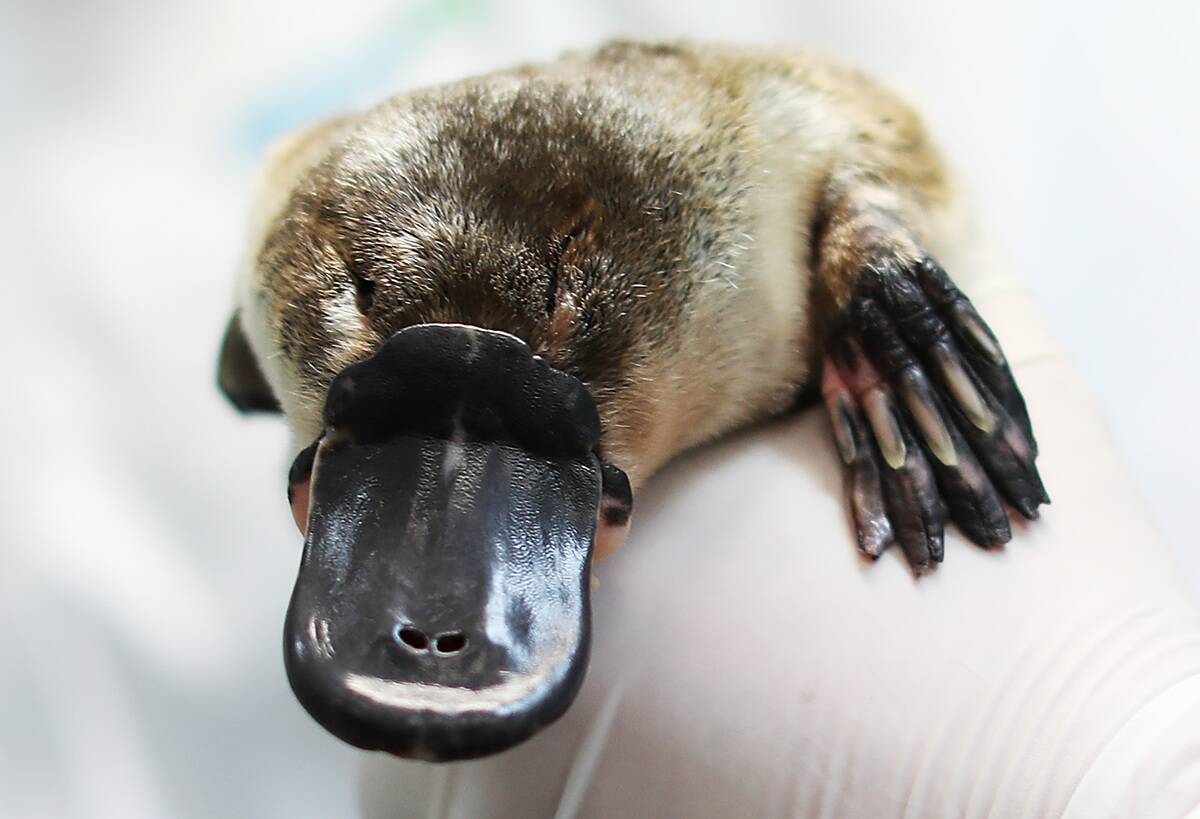
Platypuses are fascinating creatures with a mix of mammalian and reptilian traits. They experience REM sleep, similar to humans, where they exhibit twitching and rapid eye movements.
Platypuses sleep for about 14 hours a day, often in burrows near water bodies. Their unique sleep patterns provide insights into the evolutionary history of sleep, bridging the gap between ancient and modern sleep behaviors.
The Sea Otter: Holding Hands While Sleeping
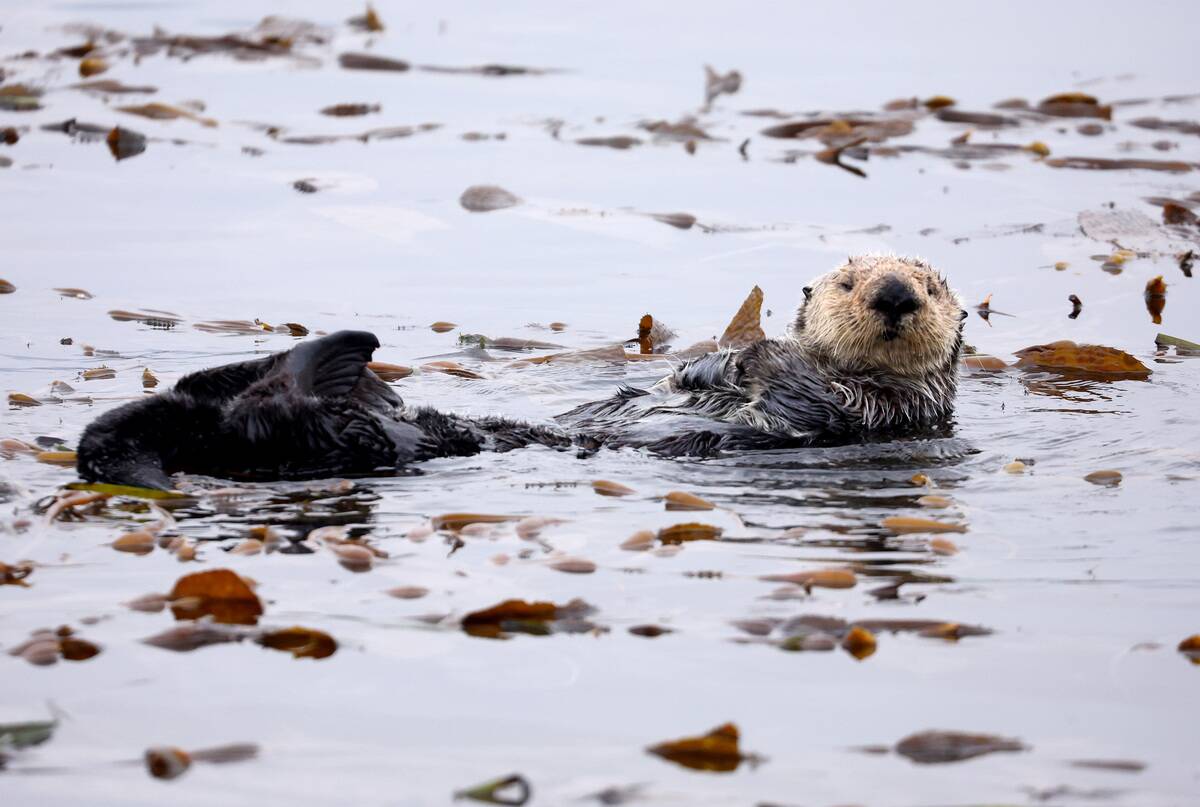
Sea otters are known for their adorable habit of holding hands while sleeping, a behavior called “rafting.” This keeps them from drifting apart in the ocean currents.
Sea otters sleep for about 11 hours a day, often floating on their backs in kelp forests. Their hand-holding behavior not only prevents them from getting lost but also strengthens social bonds within their groups.
The Horse: Standing Snooze Sessions
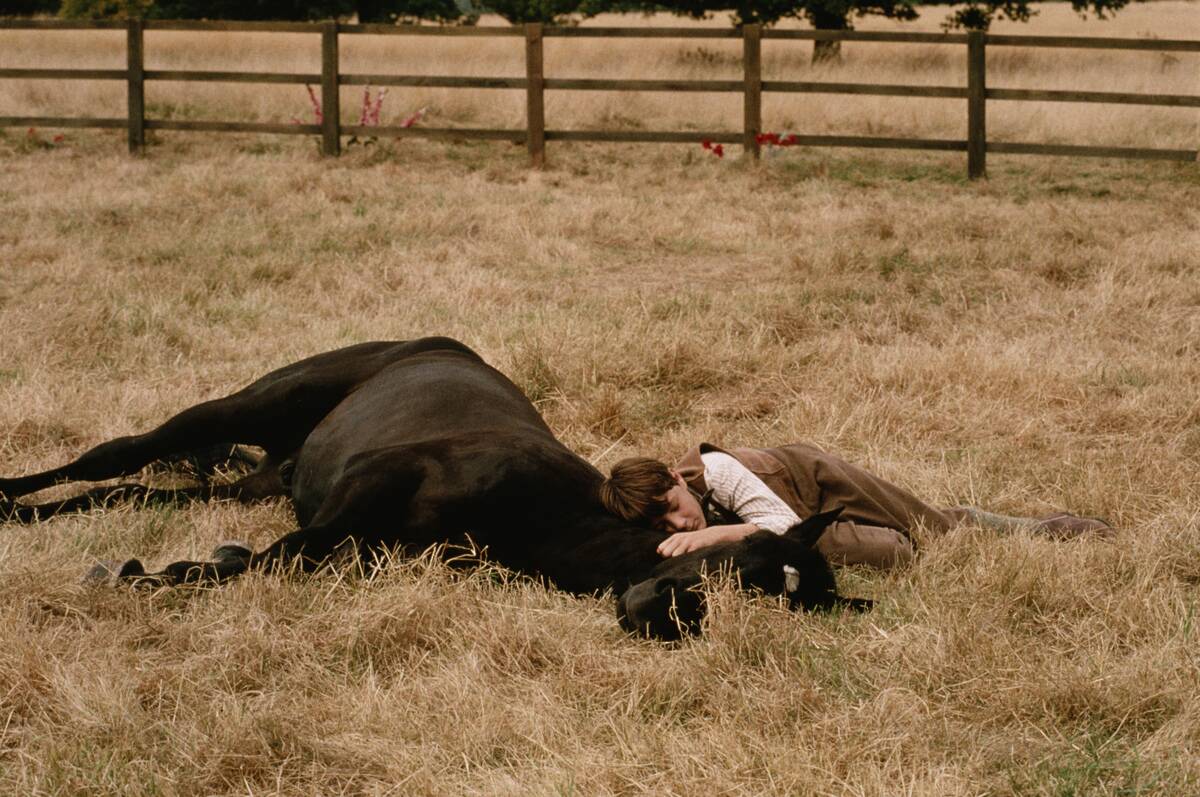
Horses are capable of sleeping while standing, thanks to a unique anatomical feature called the “stay apparatus.” This allows them to lock their legs in place, reducing muscle fatigue.
Horses typically sleep for about 2.9 hours a day, divided into short naps. They also lie down for deeper sleep, but only for brief periods, as lying down for too long can be harmful to their health.