The moments when history’s biggest secrets came to light
History is filled with moments where secrets were spilled, not by intention, but by pure accident. These unplanned revelations have often shifted the course of events, proving that sometimes, the most significant changes come from the most unexpected places.
From whispered secrets to misplaced documents, these accidental disclosures have had a profound impact on world events, leading to scandals, wars, and even revolutions. Let’s dive into some of these fascinating instances where a simple slip-up led to monumental consequences.
The Blunder That Sparked the Watergate Scandal
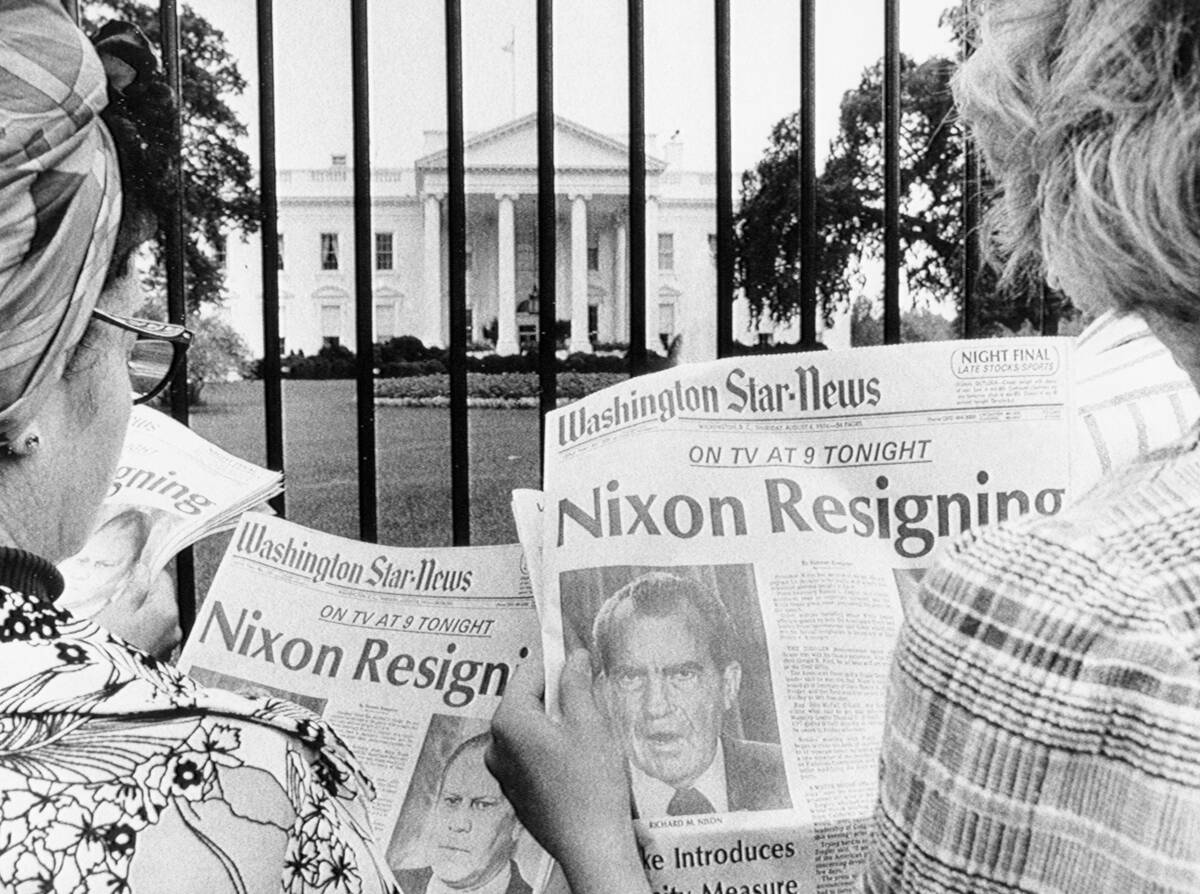
The Watergate scandal, a defining moment in American political history, began with a seemingly minor blunder. In June 1972, five men were caught breaking into the Democratic National Committee headquarters at the Watergate office complex.
Their arrest unveiled a series of cover-ups and abuses of power that eventually led to President Richard Nixon’s resignation. This accidental revelation highlighted the importance of journalistic persistence, as reporters Bob Woodward and Carl Bernstein unraveled the complex web of deceit through their investigative work.
The Secret Telegram That Led to World War I
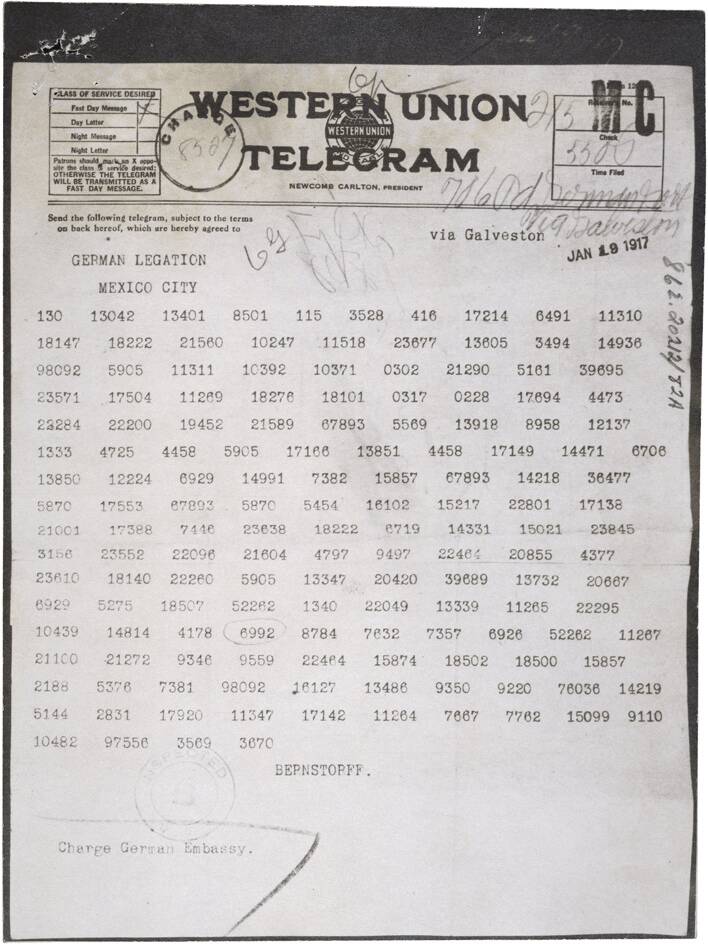
The infamous Zimmermann Telegram was a secret communication sent by the German Empire to Mexico in January 1917. The message proposed a military alliance against the United States, promising Mexico the territories of Texas, New Mexico, and Arizona.
However, British intelligence intercepted and decoded the telegram, leading to its publication in American newspapers. This accidental revelation helped sway public opinion in the U.S. against Germany, ultimately contributing to America’s entry into World War I.
The Unintended Disclosure of the Pentagon Papers

The Pentagon Papers, a classified report on the Vietnam War, were leaked in 1971 by Daniel Ellsberg, a former military analyst. Although Ellsberg’s actions were intentional, the subsequent publication by The New York Times was an accidental revelation for the public.
The papers exposed government deception regarding the war’s progress and intentions, leading to a shift in public opinion and increased scrutiny of U.S. foreign policy. This pivotal moment emphasized the power of the press in holding the government accountable.
The Mistaken Email That Exposed the Panama Papers

The Panama Papers, a massive leak of financial documents, were exposed when an anonymous source contacted German newspaper Süddeutsche Zeitung via email. The documents detailed offshore accounts and tax evasion by numerous high-profile individuals and entities.
The leak, which involved over 11 million documents, sparked global investigations and reforms in financial transparency. This accidental revelation demonstrated the potential of digital communication in uncovering hidden truths and holding the powerful accountable.
The Whisper That Ended the Reign of King Louis XVI
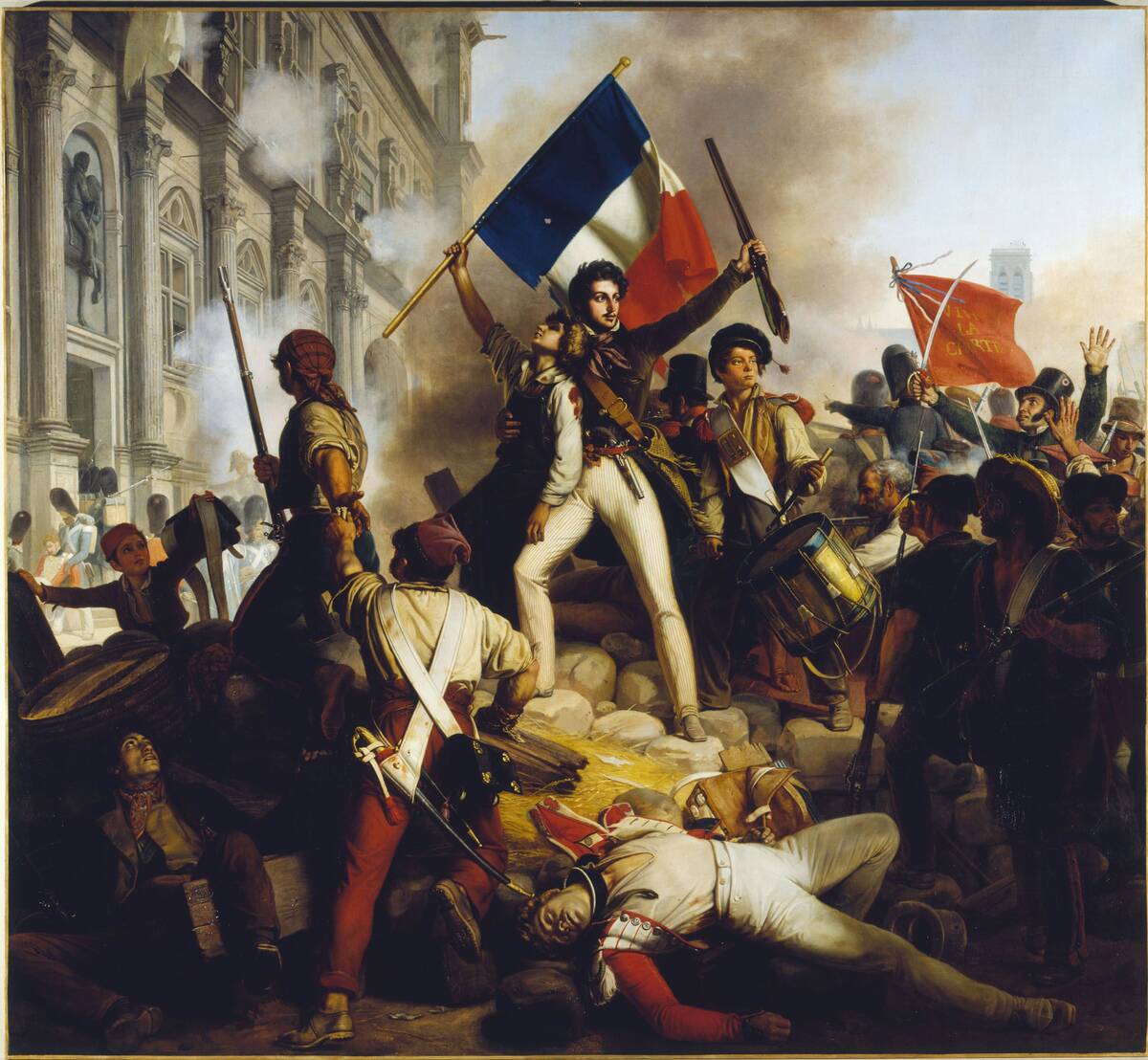
The French Revolution, which led to the downfall of King Louis XVI, was partly fueled by whispers and rumors among the populace. One such whisper involved the king’s alleged attempt to flee France in 1791, known as the Flight to Varennes.
Although the king’s intentions were initially secret, news of his capture spread rapidly, eroding public trust and accelerating the revolutionary fervor. This revelation of his attempted escape marked a pivotal moment in the revolution, sealing the fate of the monarchy.
The Unplanned Broadcast That Revealed the Iran-Contra Affair
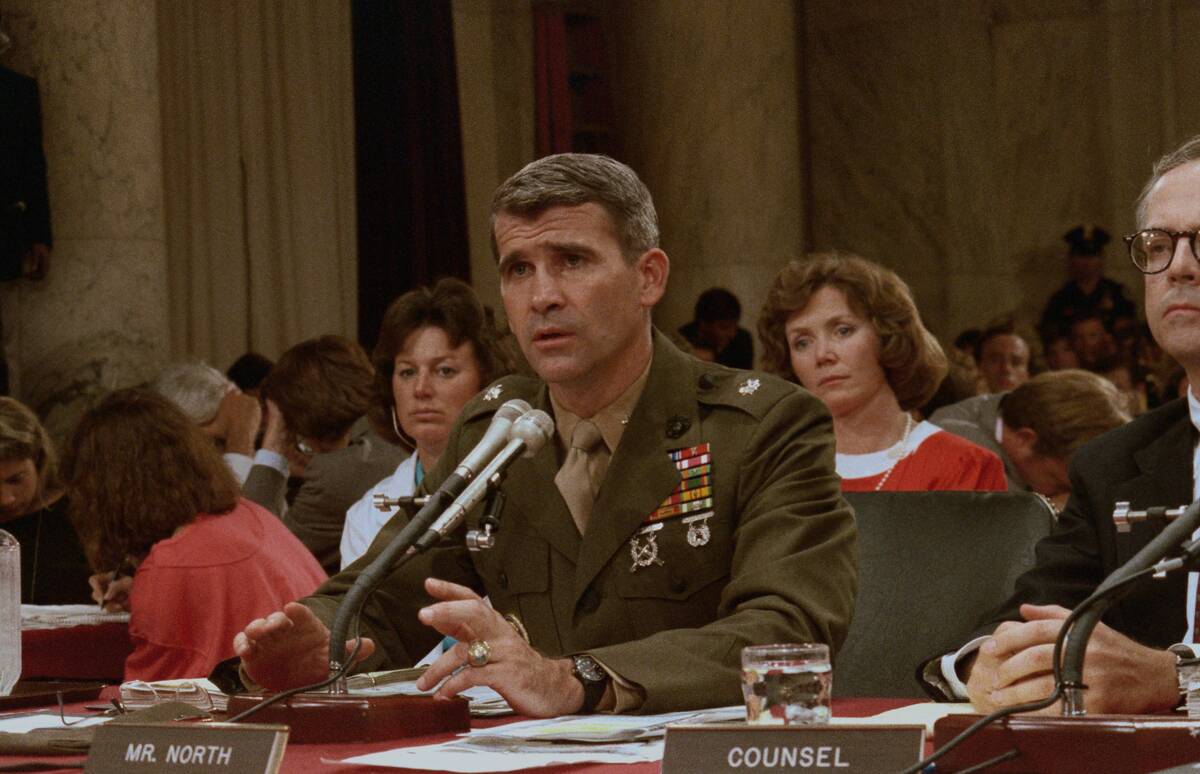
The Iran-Contra Affair, a political scandal in the United States during the 1980s, was inadvertently revealed through a televised news broadcast. In 1986, a Lebanese magazine reported that the U.S. had secretly sold arms to Iran, with proceeds funding Contra rebels in Nicaragua.
The broadcast caught the attention of American media, leading to widespread investigation and public outcry. This accidental revelation exposed covert operations and challenged the Reagan administration’s credibility, resulting in congressional hearings and policy changes.
The Slip-Up That Led to the Fall of the Berlin Wall

The fall of the Berlin Wall, a symbol of the end of the Cold War, was triggered by a slip-up during a press conference. On November 9, 1989, East German official Günter Schabowski mistakenly announced that travel restrictions for East Germans would be lifted immediately.
This unintentional announcement led to thousands of East Berliners flocking to the wall, ultimately leading to its collapse. This mistaken announcement marked a historic turning point that eventually led to German reunification and the end of decades-long division.
The Overheard Conversations That Sparked the American Revolution
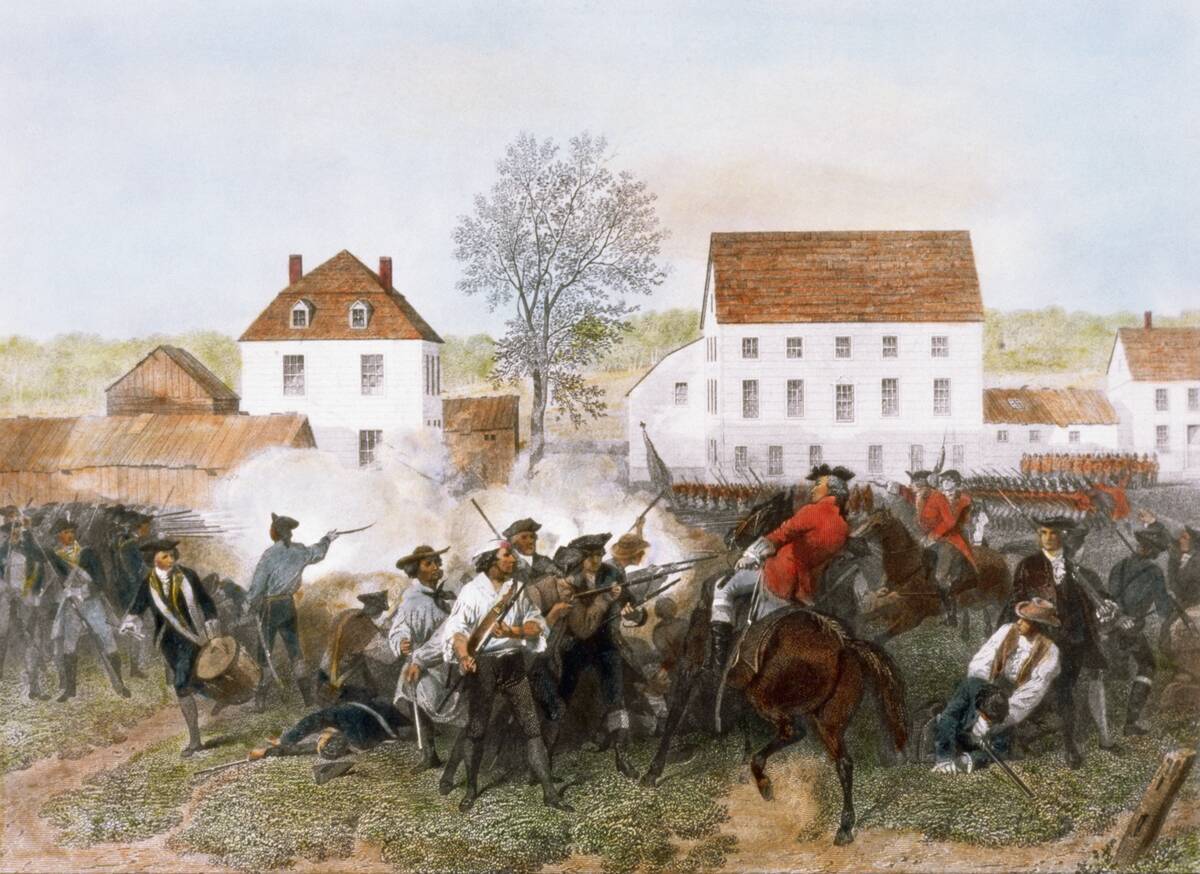
The American Revolution was ignited by a series of events, including intelligence gathered through a network of informants and organized riders like Paul Revere, who warned colonial militias of British troop movements before the battles of Lexington and Concord.
These revelations allowed colonial militias to prepare for the battles of Lexington and Concord, marking the beginning of the revolution. The power of information and communication played a crucial role in the colonies’ fight for independence, demonstrating the impact of unintended disclosures.
The Misstep That Unveiled the Enigma Code
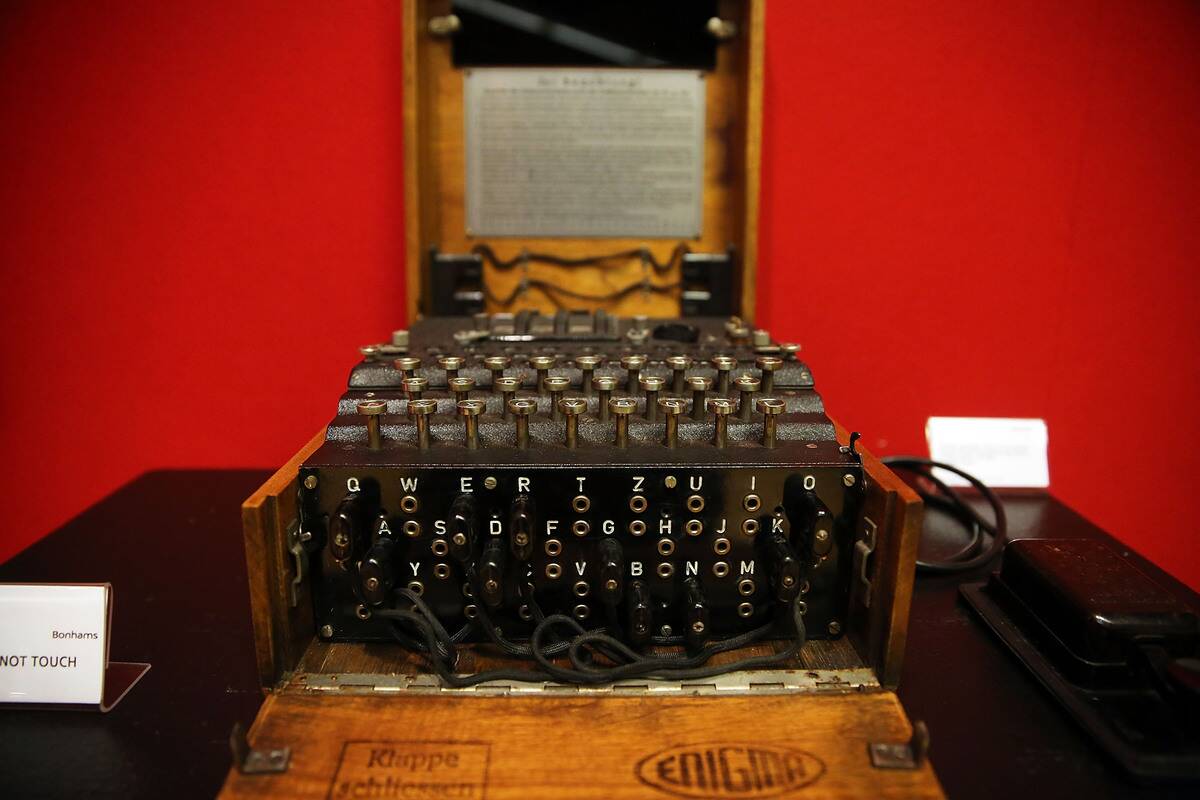
The Enigma Code, used by Nazi Germany during World War II, was considered unbreakable until a series of missteps led to its unraveling. In 1941, the capture of a German U-boat provided Allied forces with crucial codebooks.
This accidental revelation, combined with the efforts of mathematician Alan Turing and his team at Bletchley Park, led to the successful decryption of the Enigma Code. This breakthrough significantly contributed to the Allied victory, highlighting the role of chance in the art of codebreaking.
The Accidental Discovery of the Rosetta Stone
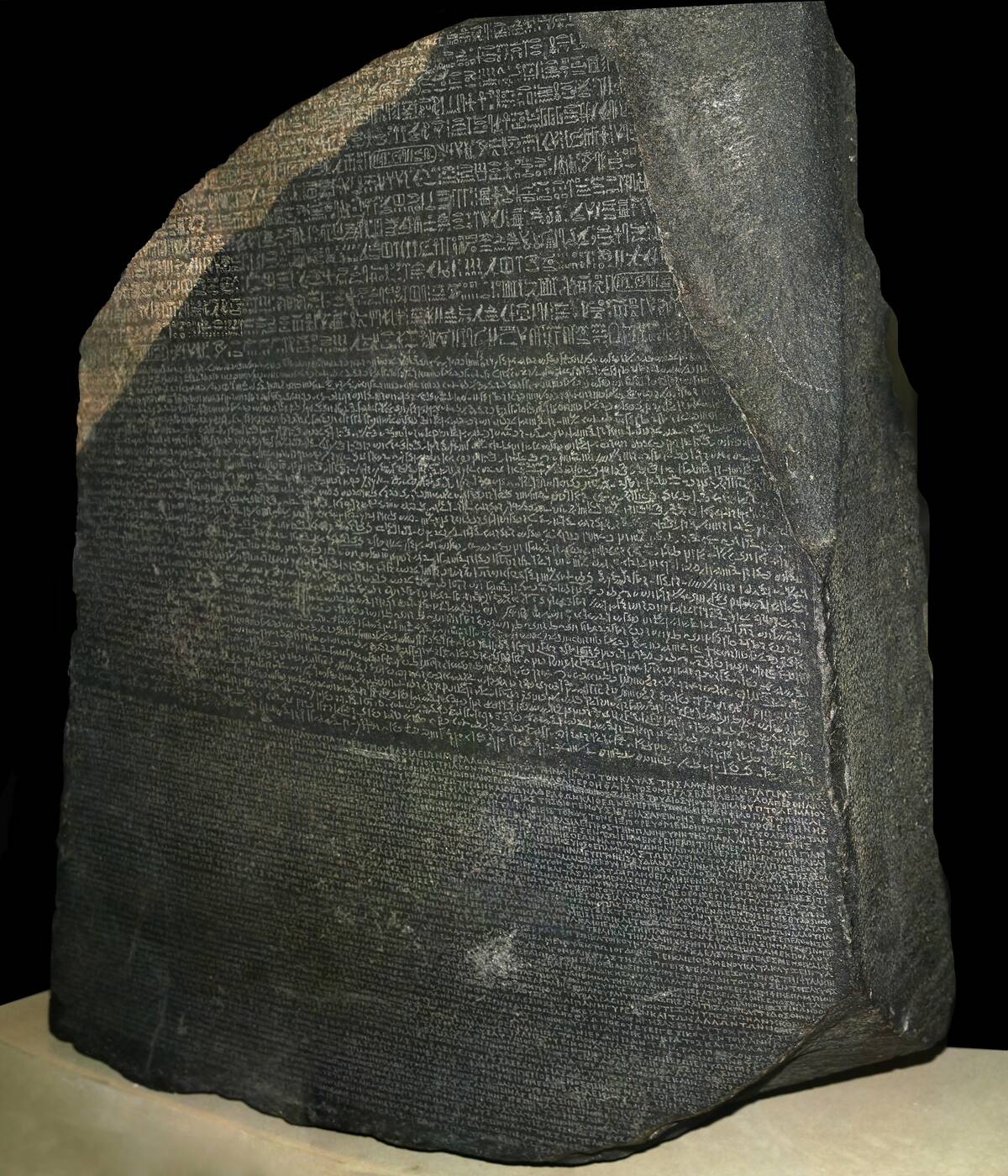
The Rosetta Stone, a key to deciphering Egyptian hieroglyphs, was accidentally discovered in 1799 by French soldiers during Napoleon’s campaign in Egypt. The stone, inscribed with the same text in three scripts, provided scholars with the means to unlock the secrets of ancient Egyptian writing.
This accidental revelation revolutionized the field of Egyptology and deepened our understanding of ancient civilizations. The Rosetta Stone remains one of the most significant archaeological finds, illustrating the power of serendipity in historical discovery.




