How families stayed cool before air conditioning
Before the hum of air conditioners became a summer soundtrack, people had ingenious ways to beat the heat. In the early 20th century, homes were designed with natural cooling in mind, and daily routines adapted to the sun’s rhythm.
From architecture to lifestyle, every aspect of life was tuned to stay cool. Let’s explore how our ancestors kept their cool without the modern conveniences we often take for granted.
The Art of Architectural Design: Building for Breeze
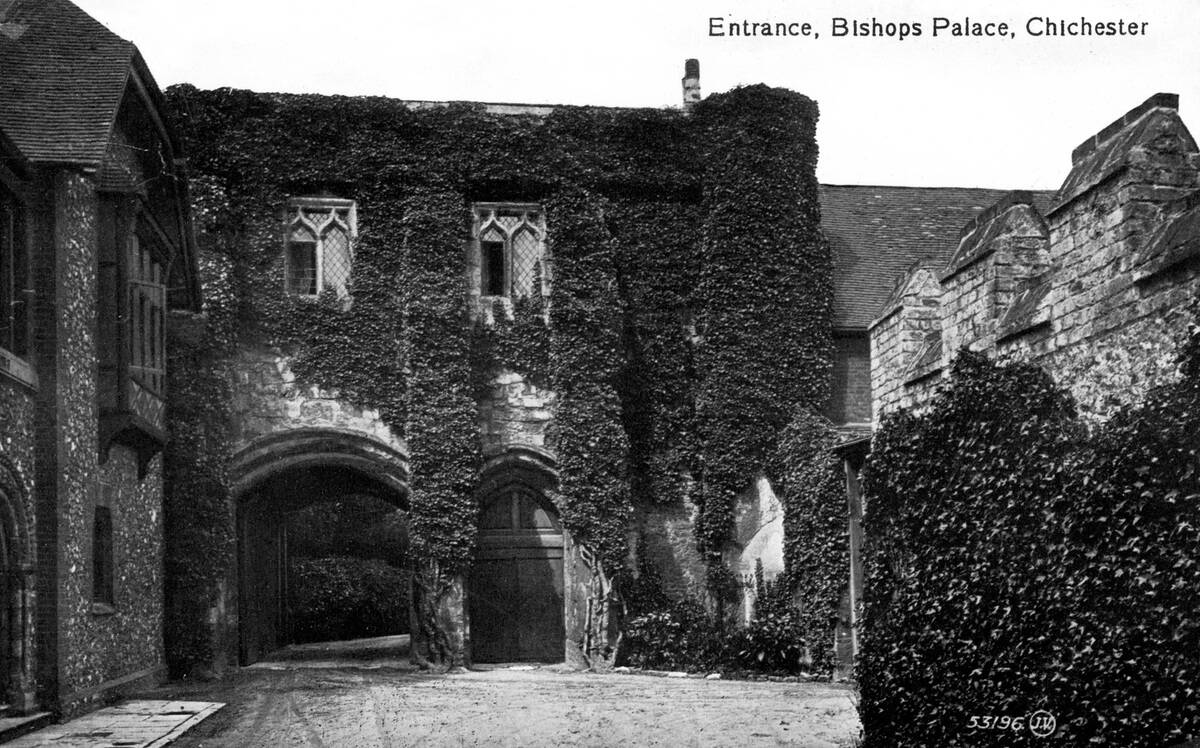
Architects of the past often designed buildings to work with nature rather than against it. Homes were strategically placed to capture prevailing winds, with cross-ventilation serving as a key design feature.
Thick walls and narrow windows in many hot climates helped regulate indoor temperatures, while open layouts in other regions encouraged airflow. These thoughtful designs balanced form and function, improving comfort by making the most of natural cooling methods.
Shady Solutions: The Role of Awnings and Shutters
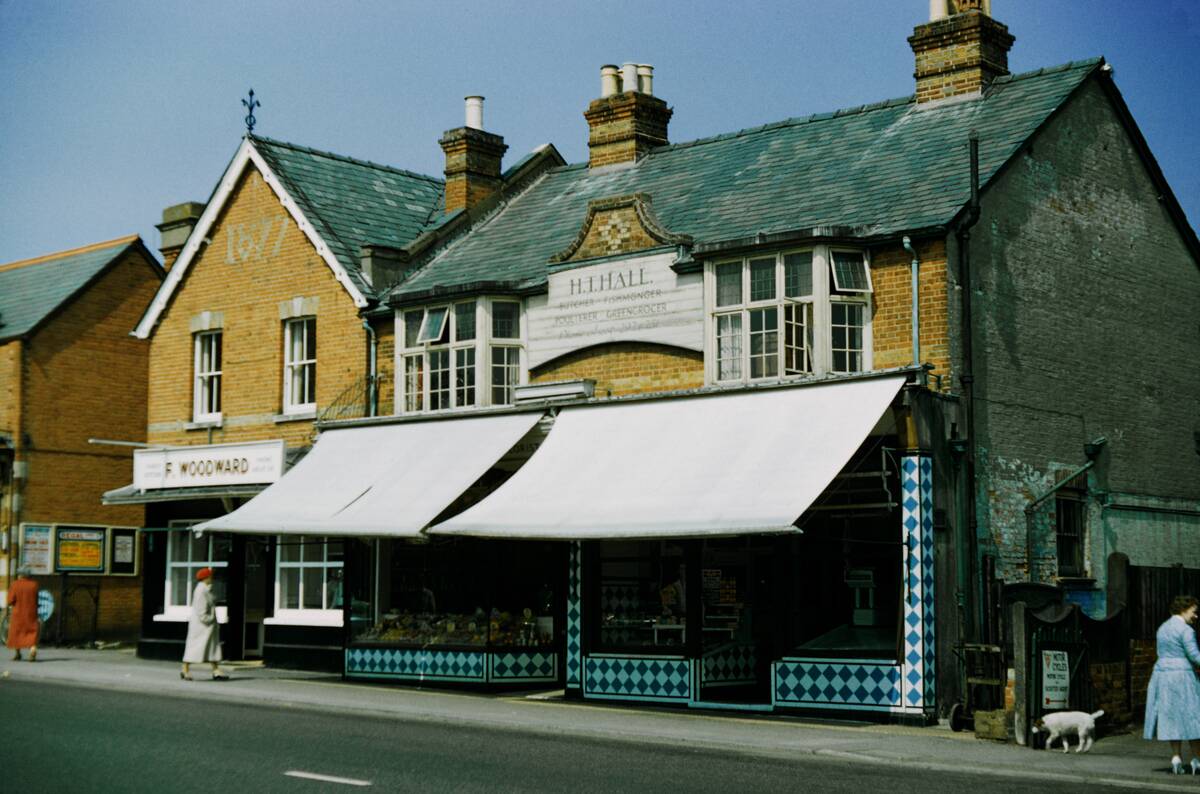
Awnings and shutters weren’t just decorative; they were essential for keeping homes cool. Awnings provided shade, reducing solar heat gain through windows, while shutters allowed for adjustable light and air flow.
These features were both practical and stylish, often adding a pop of color to the exterior. By blocking direct sunlight, they helped maintain a cooler indoor environment, proving that sometimes, the simplest solutions are the most effective.
The Magic of High Ceilings and Large Windows
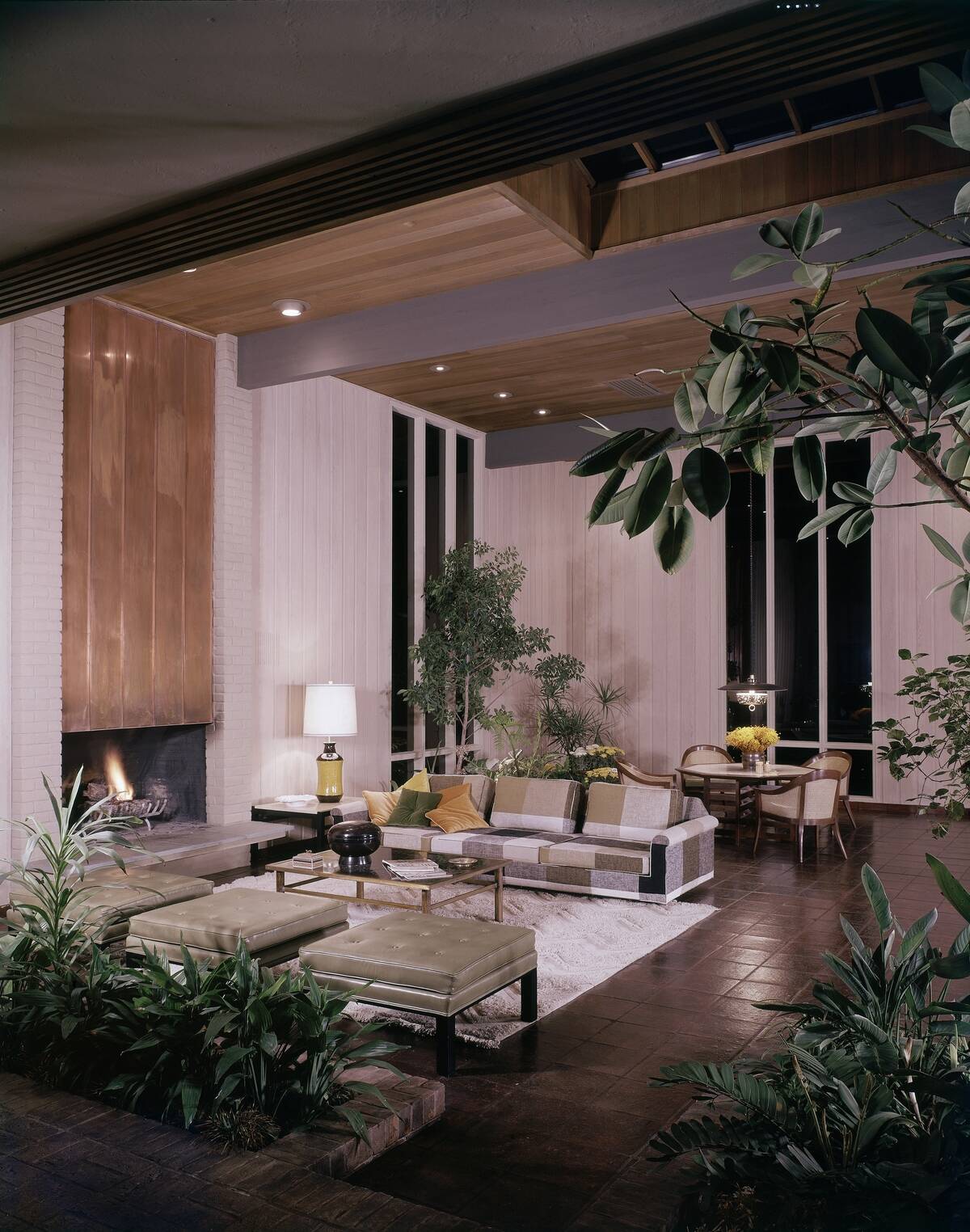
High ceilings were more than just a design trend; they were often used as part of passive cooling strategies. By allowing warm air to rise and creating more space for air circulation, taller rooms could improve comfort in suitable climates.
Large windows, often placed opposite each other, facilitated cross-ventilation, allowing fresh air to move through the home. This combination helped create a more comfortable indoor environment, showing how traditional architecture used thoughtful design instead of relying on modern technology.
Verandas and Porches: Outdoor Living Spaces
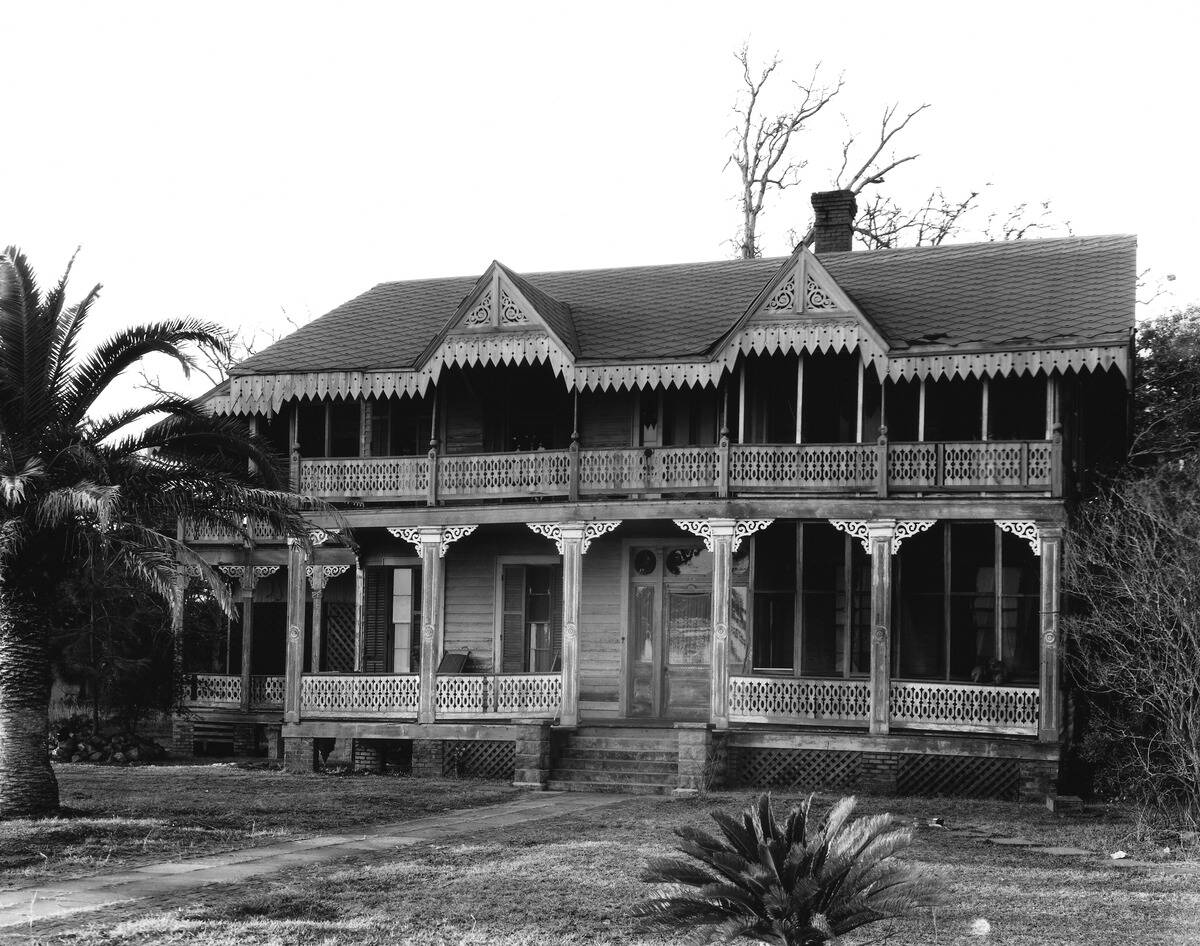
Verandas and porches served as outdoor extensions of the home, offering shaded retreats from the heat. These spaces were designed to capture breezes and provide a comfortable place to enjoy the outdoors away from direct sunlight.
Families often gathered there to relax, entertain, and, during especially warm nights, sometimes sleep in the open air. The porch swing became a beloved feature, adding comfort and a gentle movement that enhanced the relaxing atmosphere. These spaces blended practical climate solutions with outdoor charm.
The Power of Fans: From Handheld to Ceiling Fans
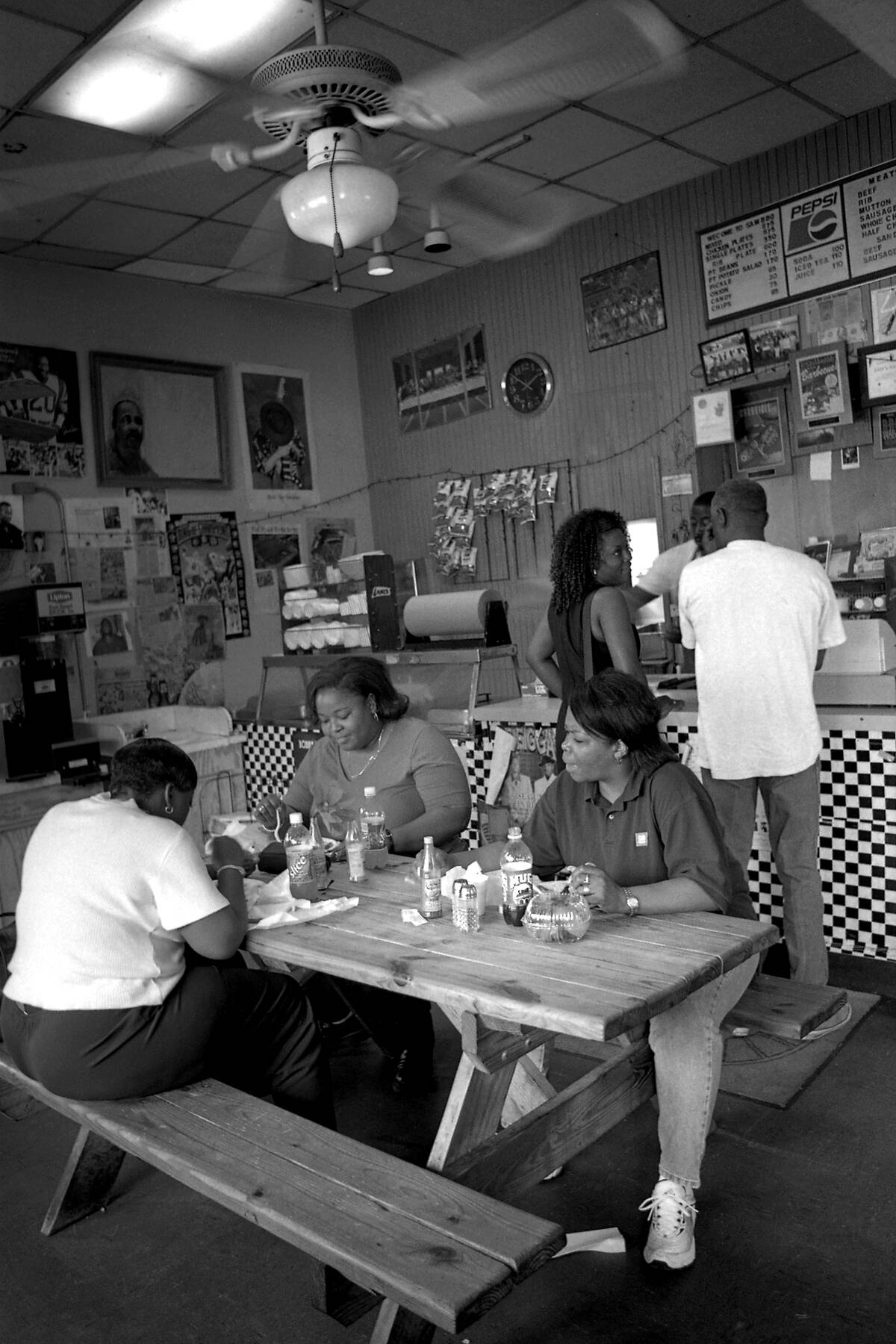
Fans have been a staple in cooling for centuries, from the elegant handheld fans of the Victorian era to the electric ceiling fans that became widespread in the late 19th and early 20th centuries. Handheld fans were both functional and fashionable, often featuring intricate designs and decorative materials.
Electric ceiling fans became popular in homes and businesses by the early 20th century, providing a continuous breeze that improved comfort. These fans were an essential way to stay cool before modern air conditioning, offering relief from the heat through increased airflow.
Siestas and Slow Afternoons: Embracing the Heat
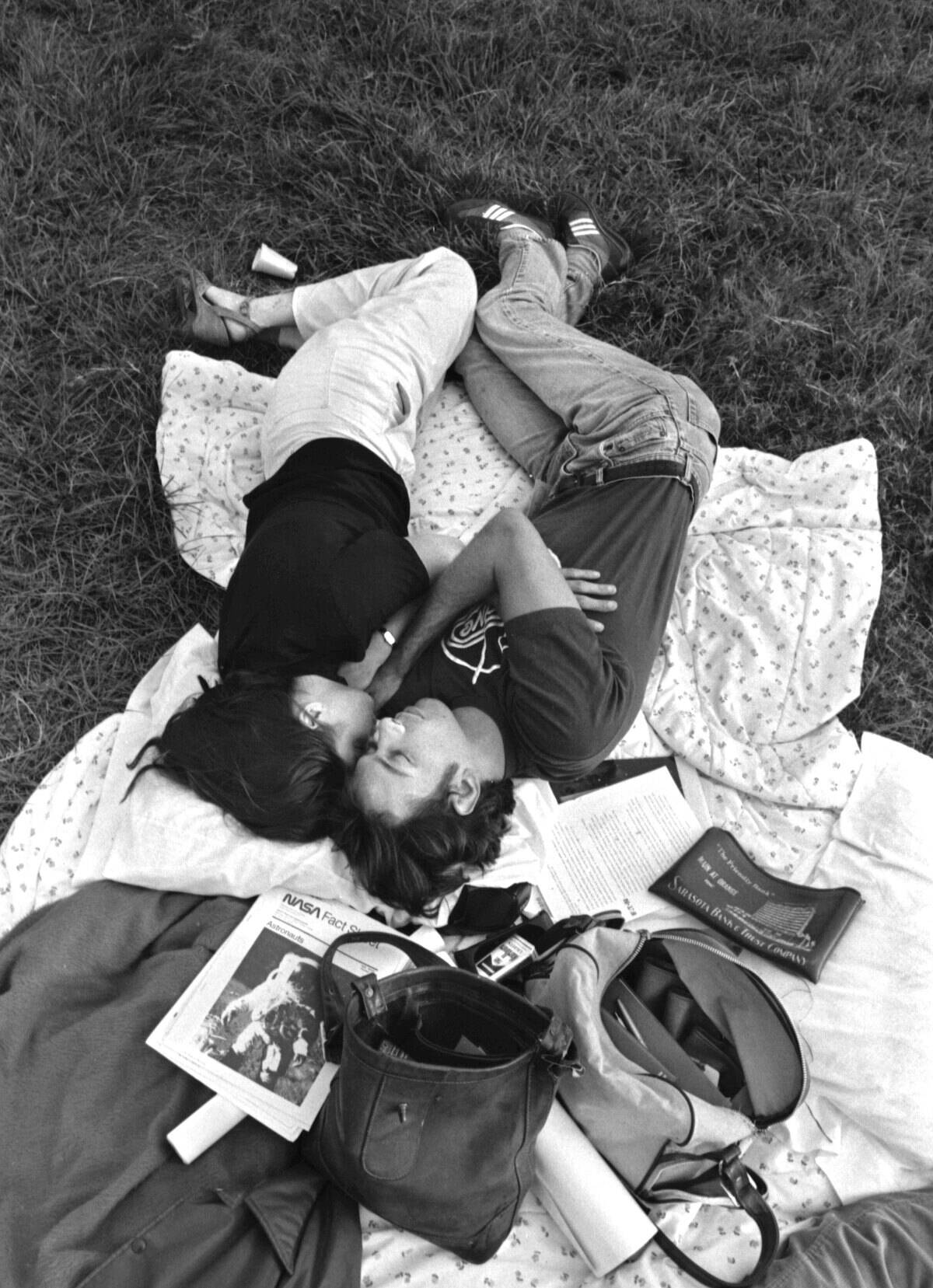
In many cultures, the hottest part of the day was traditionally reserved for rest and reduced activity. The siesta, a practice associated with Spain and other warm regions, allowed people to take a break during the midday heat, often after lunch, before resuming activities later in the day.
This routine helped people adapt to hot climates by making better use of cooler morning and evening hours. Beyond conserving energy, midday rest became an important part of daily life in many communities.
Cool as a Cucumber: Refreshing Summer Foods
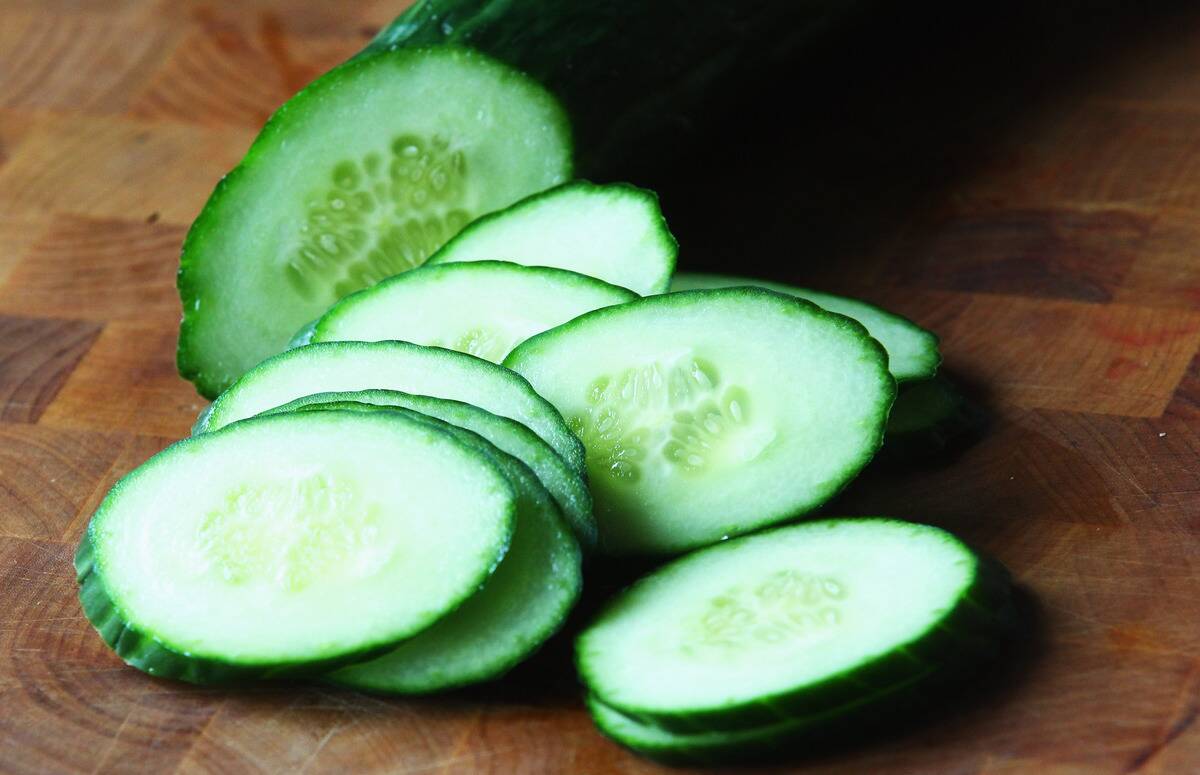
Diet played an important role in staying comfortable during hot weather, with refreshing foods like cucumbers, watermelon, and mint becoming summer staples in many cultures. These foods are high in water content and can help support hydration during warm months.
Cold soups, like gazpacho, offered a savory way to enjoy a refreshing meal, while chilled desserts provided a sweet treat. Choosing light and fresh foods was one way people adapted their diets to stay comfortable and energized during the hottest parts of the year.
The Ice Man Cometh: Delivering Coolness Door to Door
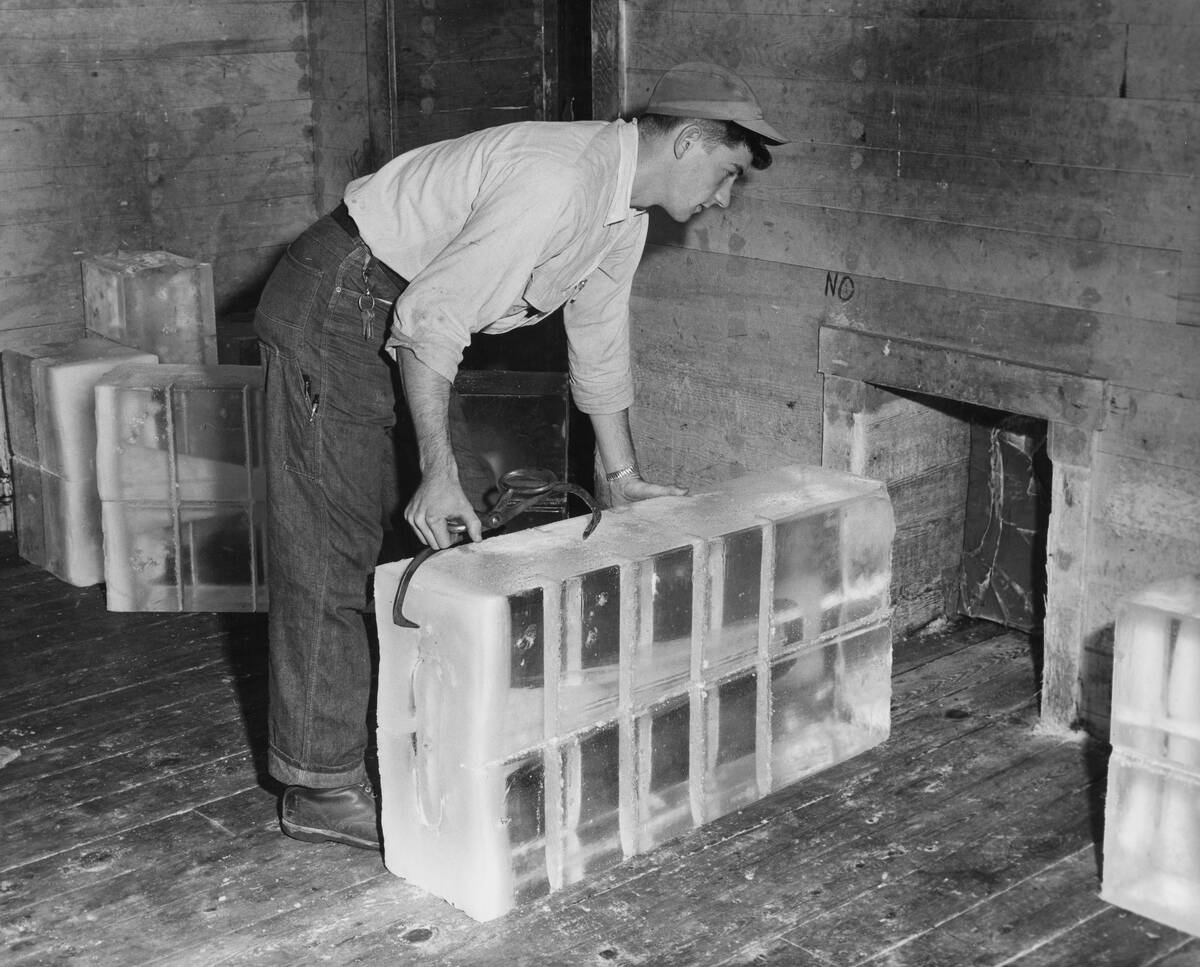
Before refrigerators became household staples, the ice man was a familiar and welcome sight. Delivering blocks of ice to homes, he helped families keep food cool in iceboxes and made chilled drinks possible.
The ice trade became a major industry, with natural ice harvested from lakes and ponds in winter, stored in insulated icehouses, and delivered during warmer months. It was a labor-intensive process that brought a simple form of cooling to homes across the country before modern refrigeration transformed daily life.
Dressing for the Heat: Light Fabrics and Loose Clothing
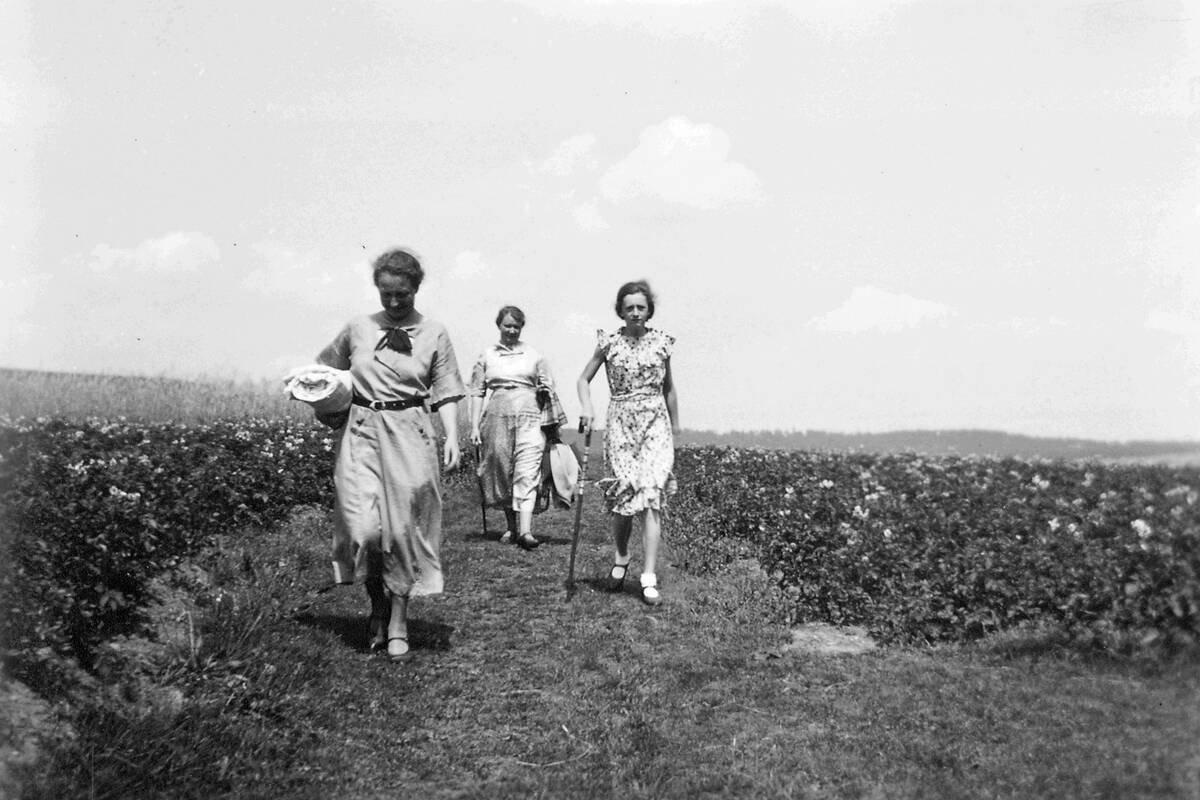
Fashion adapted to the heat with lightweight fabrics like cotton and linen becoming summer staples. Loose-fitting clothing allowed for better air circulation, helping to keep the body cool. Wide-brimmed hats and parasols offered additional protection from the sun.
This practical approach to dressing was both comfortable and stylish, proving that staying cool didn’t mean sacrificing fashion. It was all about finding the right balance between form and function.
The Great Outdoors: Swimming Holes and Natural Waterways
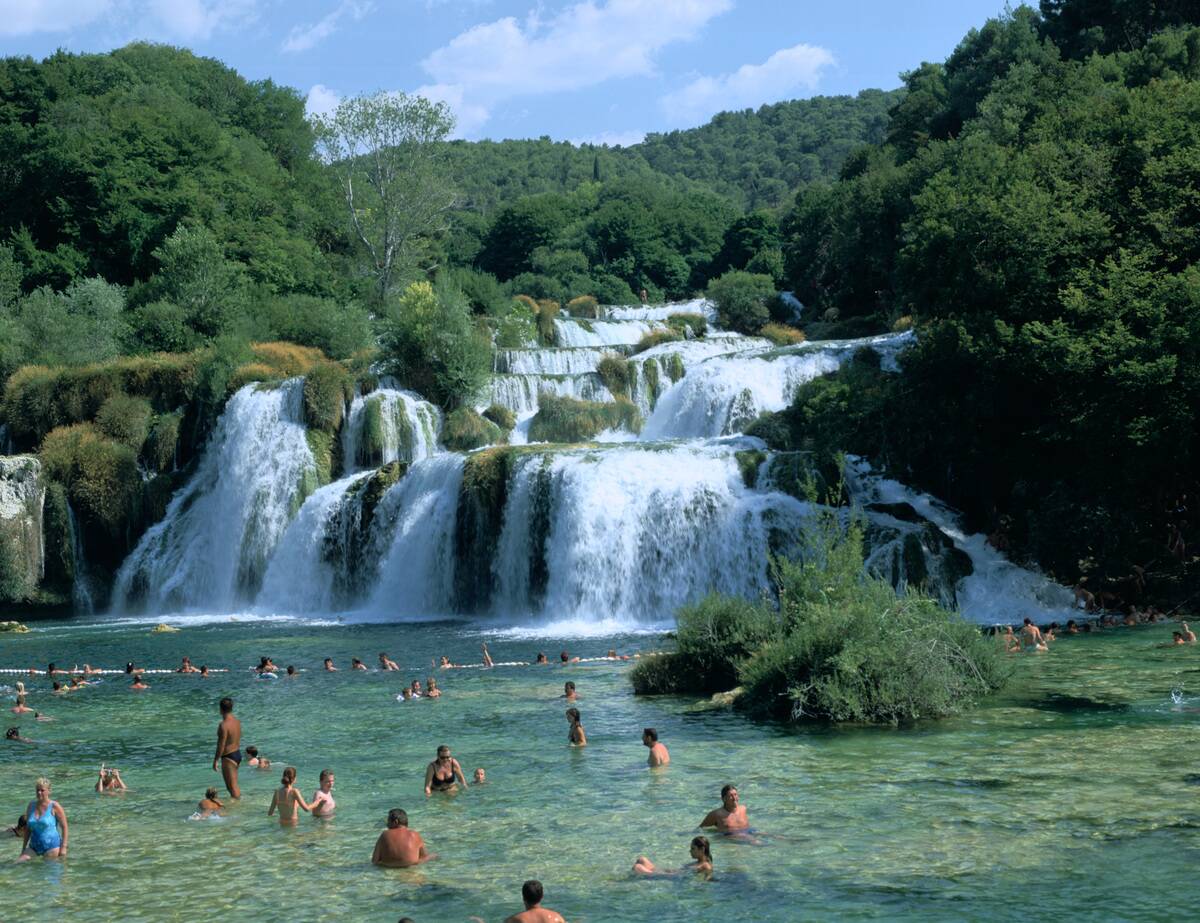
Natural bodies of water were the perfect escape from the heat. Swimming holes, rivers, and lakes offered a refreshing dip, providing relief from the scorching sun. These spots became popular gathering places, where families and friends could enjoy a day of swimming, picnicking, and relaxation.
The cool water was invigorating, making it a favorite pastime for many during the summer months. It was nature’s way of offering a respite from the heat.
Hydration Stations: Lemonade Stands and Iced Tea
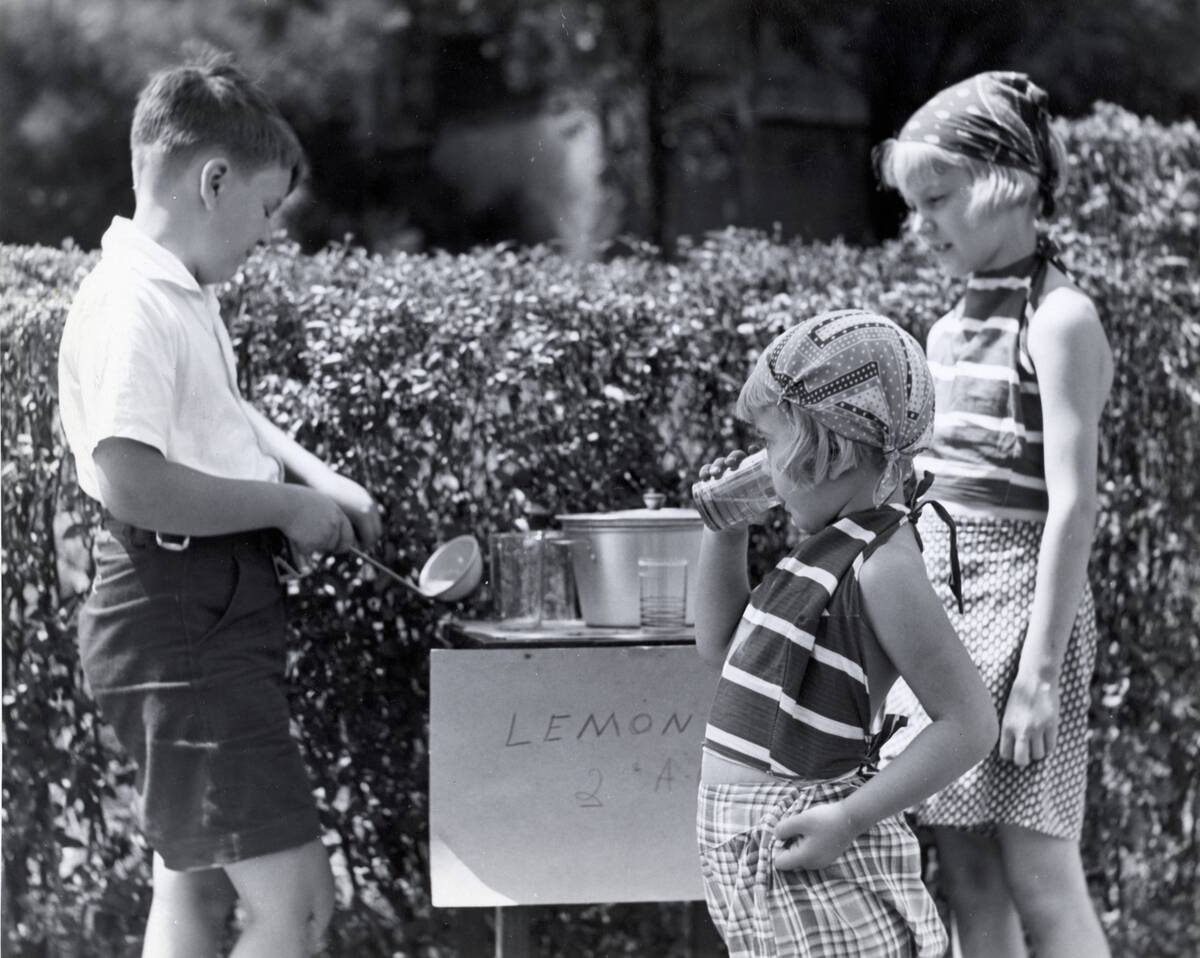
Quenching thirst was a priority during hot weather, with lemonade and iced tea becoming popular summer refreshments. Lemonade stands became a familiar symbol of childhood entrepreneurship, offering a sweet and tangy drink while teaching simple lessons about business and community.
Iced tea, often served with additions like lemon or mint, provided another refreshing option during warm months. These drinks became part of summer traditions, often enjoyed during outdoor gatherings and social occasions.
The Green Effect: Trees and Gardens for Natural Cooling
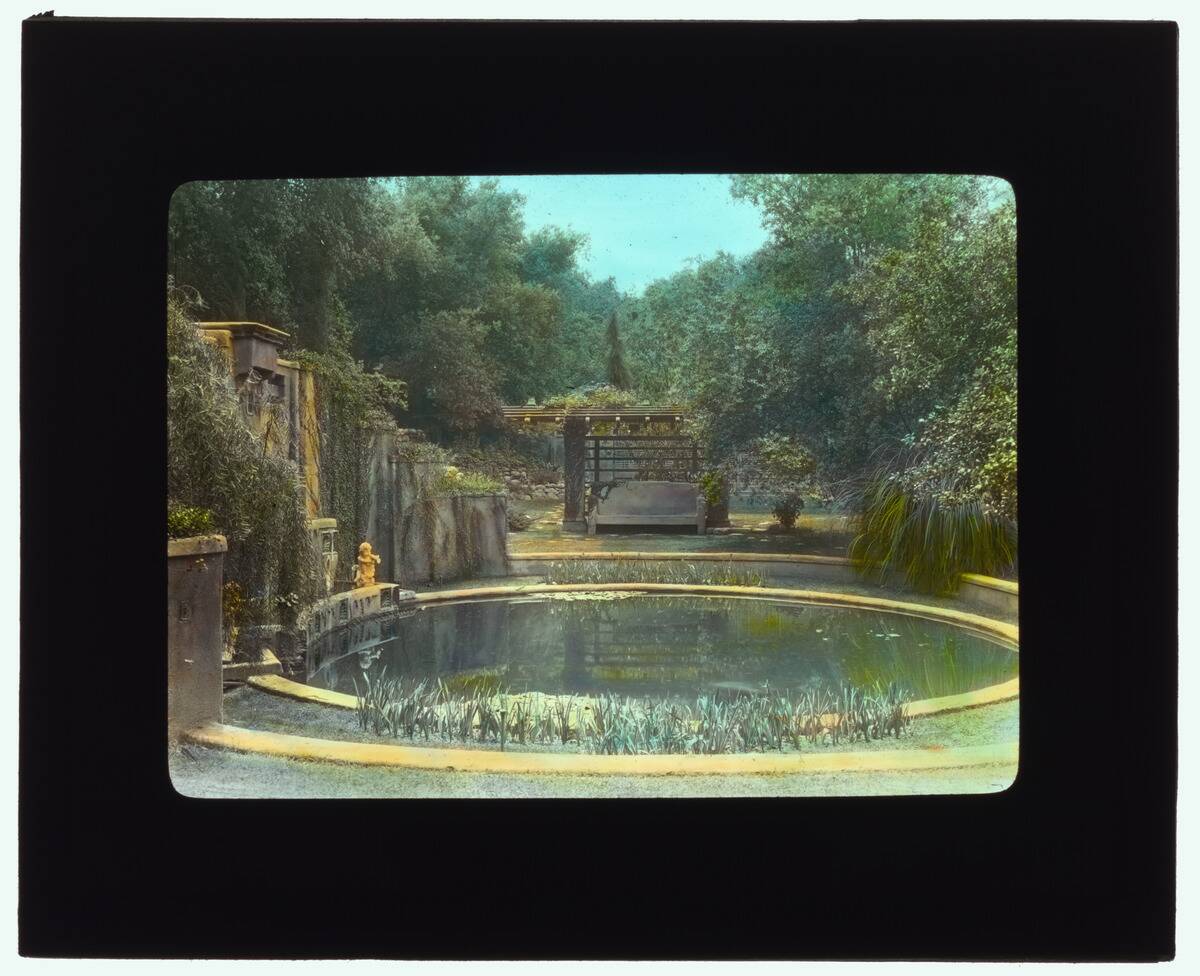
Nature provided its own cooling system, with trees and gardens offering shade and helping reduce heat around homes. Large trees were often planted strategically to block direct sunlight and create more comfortable microclimates.
Gardens and vegetation could also contribute to cooling through evapotranspiration, as plants release moisture into the air. This natural approach to climate control enhanced the beauty of outdoor spaces while providing a practical way to improve comfort during hot weather.
Community Cooling: Public Pools and Bathhouses
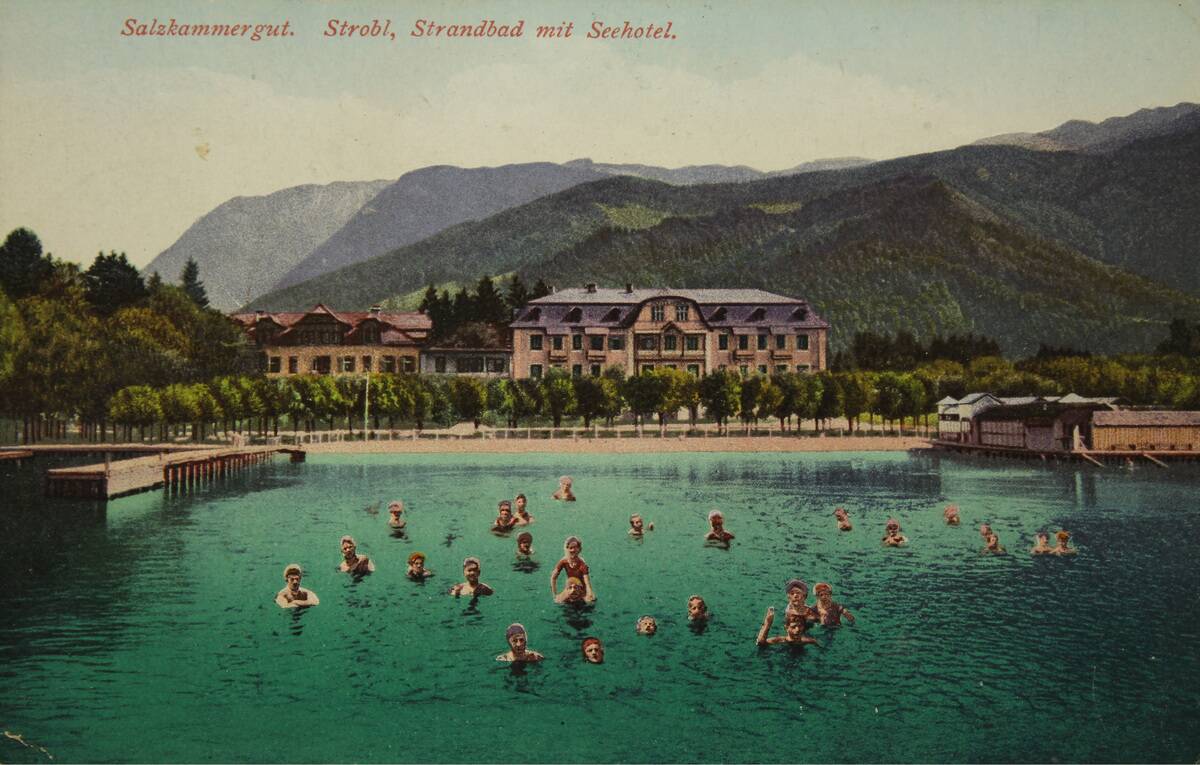
Public pools and bathhouses became important community spaces, offering places to cool off, relax, and socialize. These facilities provided relief from the heat, especially in urban areas where access to natural swimming spots was limited.
Bathhouses often included bathing areas, pools, and other amenities, making them popular destinations for recreation and relaxation. They were more than just places to swim; they served as social centers where people could gather and enjoy shared experiences around the water.
Nighttime Strategies: Sleeping Under the Stars
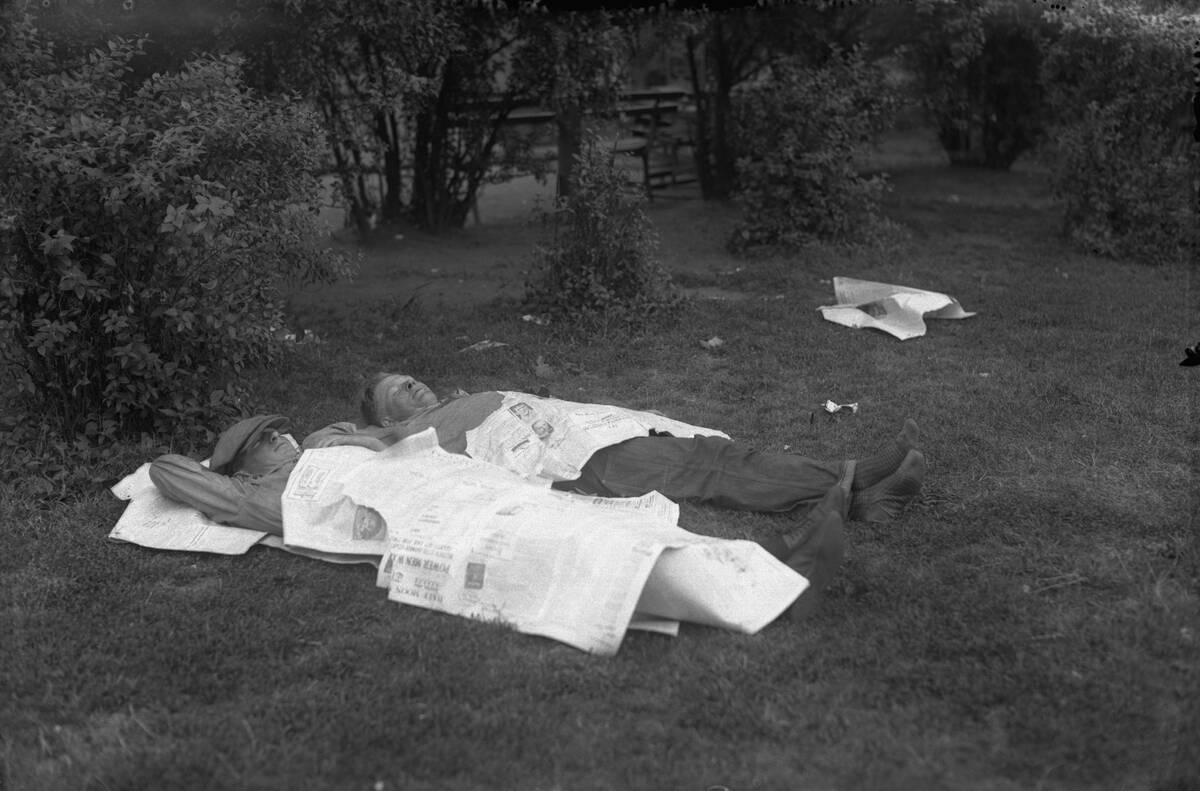
When the heat of the day lingered into the night, some people took to sleeping outdoors or in semi-open spaces. Roofs, balconies, and porches were used in certain regions as places to escape warm indoor temperatures, depending on local traditions and home designs.
Sleeping outside could provide relief when nighttime air was cooler, allowing people to take advantage of natural breezes before modern cooling systems became common. It was a practical adaptation to hot weather that connected daily life with the surrounding environment.
The Role of Technology: Early Refrigeration and Iceboxes
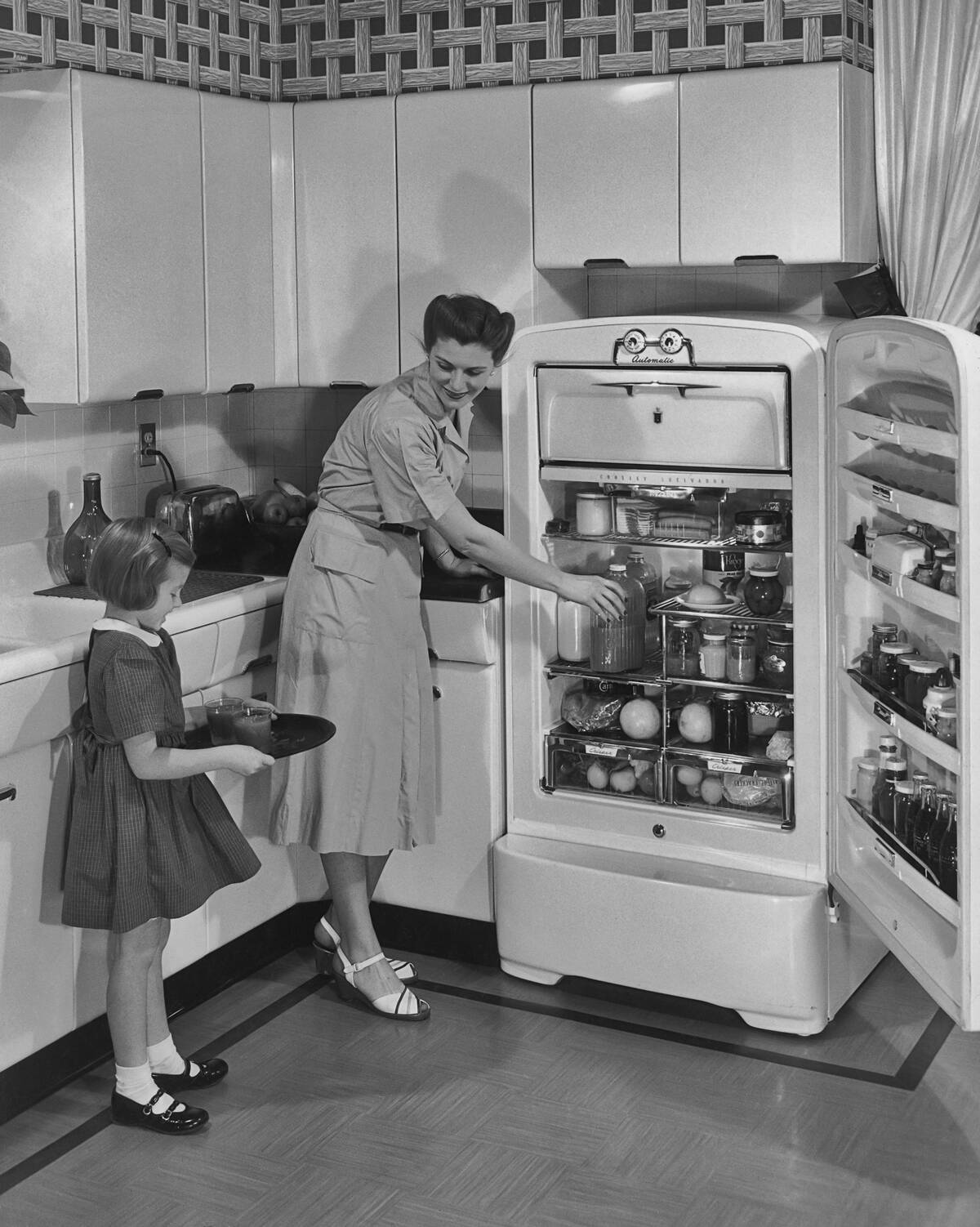
Before modern refrigeration, iceboxes were the go-to solution for keeping food cool. These insulated cabinets used blocks of ice to lower temperatures and extend the freshness of perishable foods.
The development of early refrigeration technology in the late 19th century transformed food storage, eventually making mechanical refrigerators more efficient and widely available. This advancement paved the way for the modern refrigerators used in homes today.
The Social Aspect: Gathering in Cool Spots
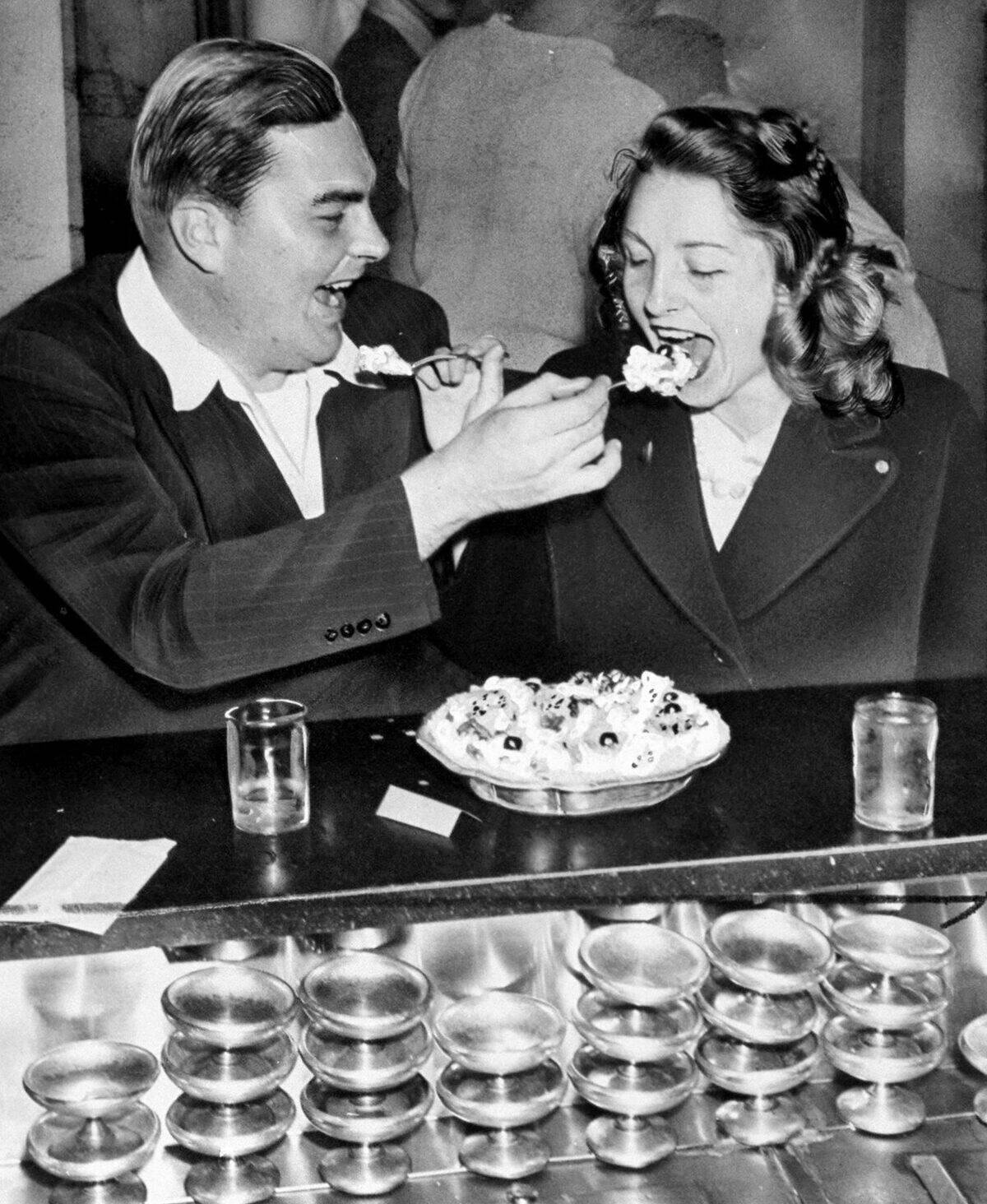
Social life in warm climates often included gathering in places that offered shade, airflow, or a cooler environment. Ice cream parlors, shaded parks, and breezy cafes became popular meeting spots where people could relax and enjoy each other’s company.
These spaces were about more than escaping the heat; they provided opportunities for conversation, connection, and community interaction. The desire for comfort during hot weather often helped shape the way people socialized and spent their leisure time.
The Evolution of Cooling Methods: From Then to Now
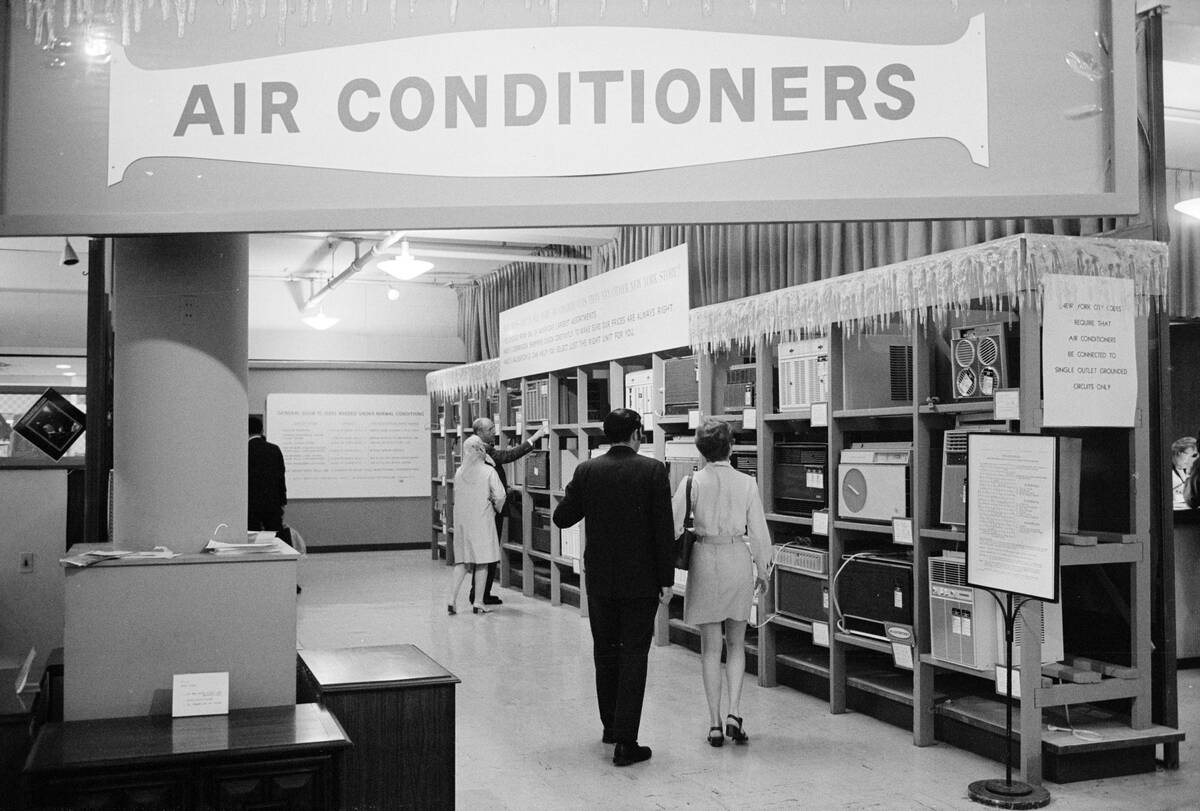
Cooling methods have evolved significantly, from traditional architectural designs and natural solutions to the advanced technologies used today. While air conditioning has become widespread, many traditional practices continue to offer valuable, energy-efficient approaches when combined with modern solutions.
As climate challenges increase, revisiting these time-tested methods may help inspire more sustainable ways to stay comfortable. The journey from past to present reflects human ingenuity and adaptability in the ongoing pursuit of comfort.




