The surprising links between famous historical figures
History is a tapestry woven with the threads of unexpected connections. While we often focus on the achievements of historical figures, the relationships they formed can be just as fascinating.
These connections reveal a different side of the people we thought we knew, showcasing their humanity and the surprising ways their lives intertwined.
The Unlikely Friendship Between Mark Twain and Nikola Tesla
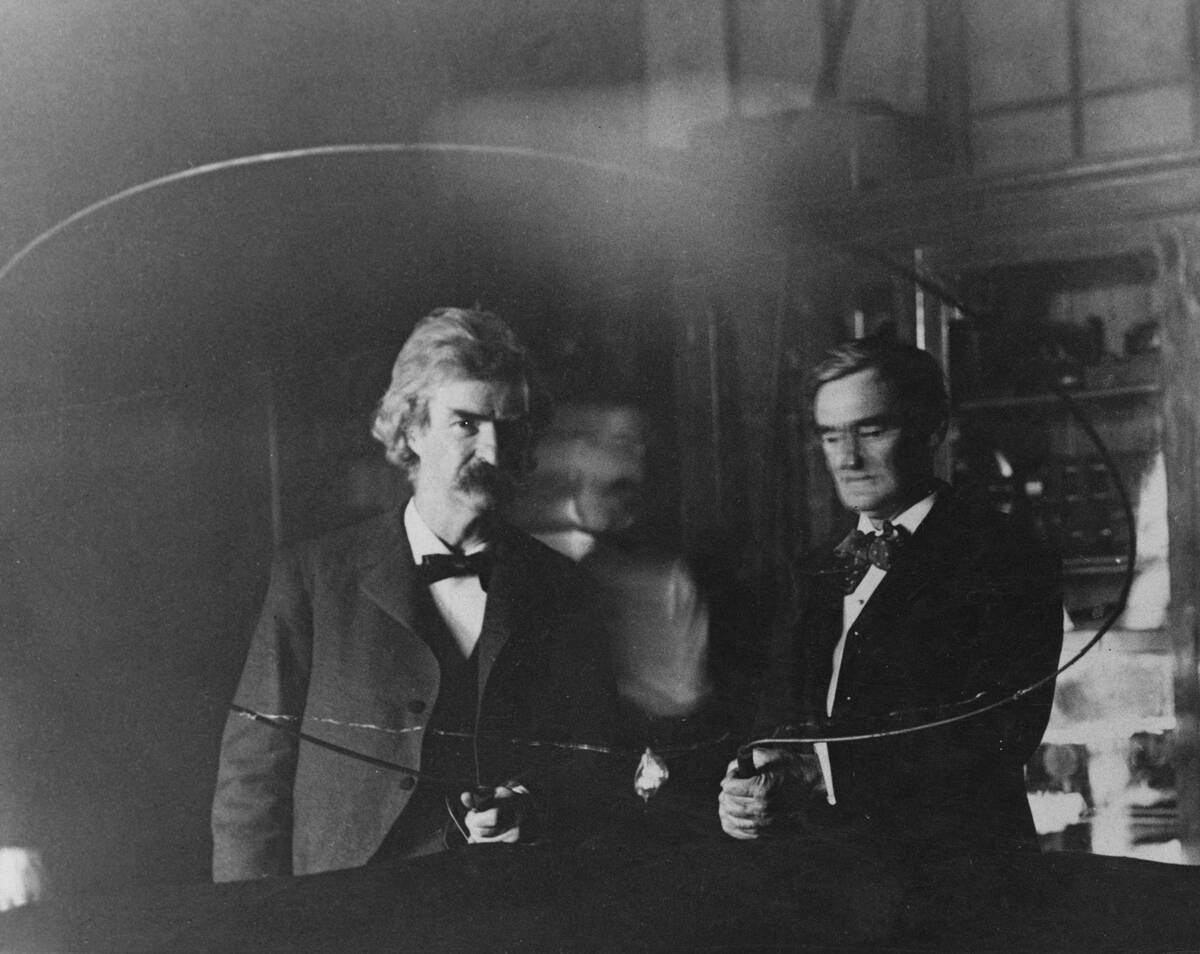
Mark Twain, the beloved American author, and Nikola Tesla, the brilliant inventor, found camaraderie in their shared curiosity and wit. Twain, known for his humor and storytelling, often visited Tesla’s lab in New York City.
Tesla, in turn, admired Twain’s work and even credited one of his books with helping him recover from an illness. Their friendship was a blend of science and literature, with each inspiring the other in unexpected ways.
Amelia Earhart and Eleanor Roosevelt’s Shared Adventures
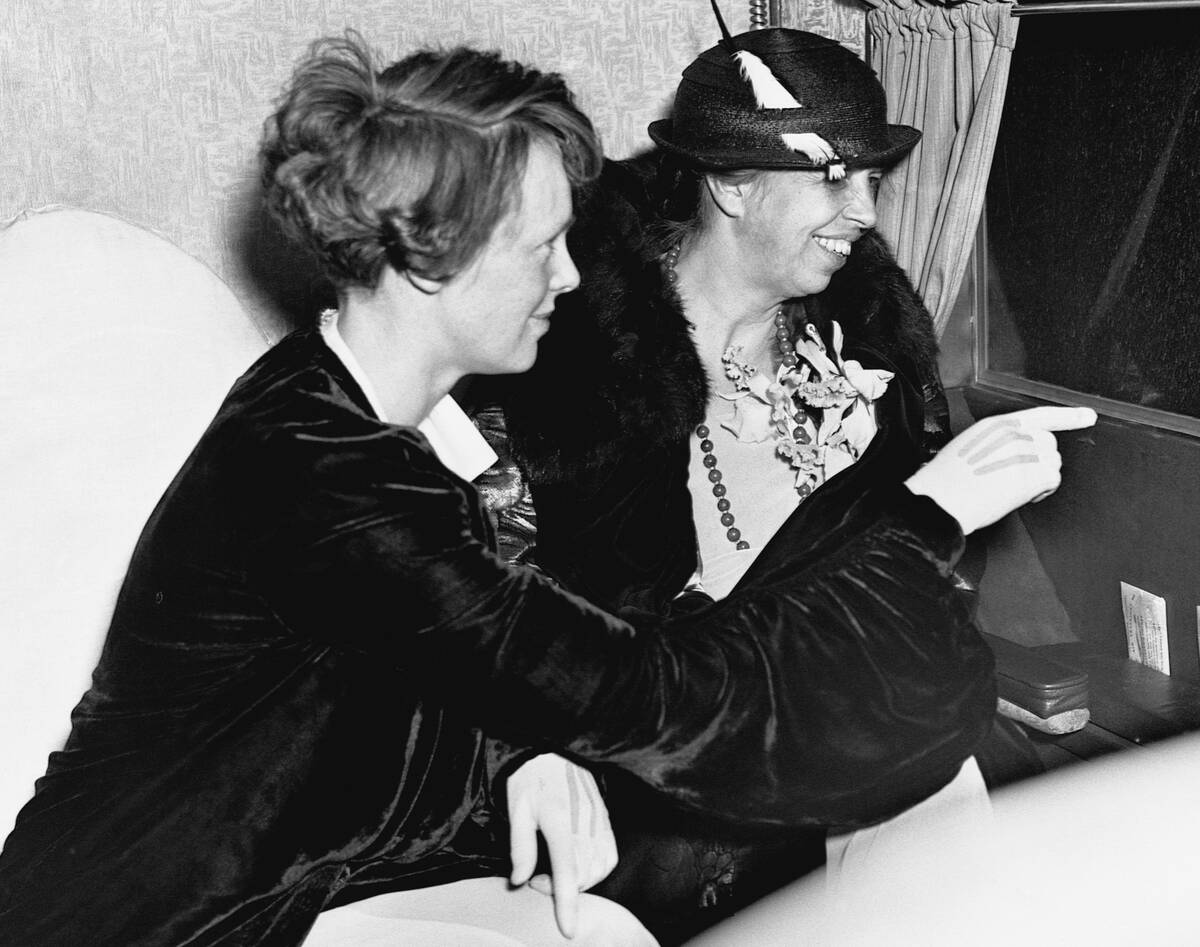
Aviation pioneer Amelia Earhart and First Lady Eleanor Roosevelt shared a passion for adventure and women’s rights. Their friendship was cemented during a memorable flight over Washington, D.C., with Earhart at the controls and Roosevelt as her enthusiastic passenger.
This shared adventure symbolized their mutual desire to break societal boundaries and inspire women to pursue their dreams, regardless of the obstacles they faced.
Albert Einstein and Charlie Chaplin: A Mutual Admiration Society
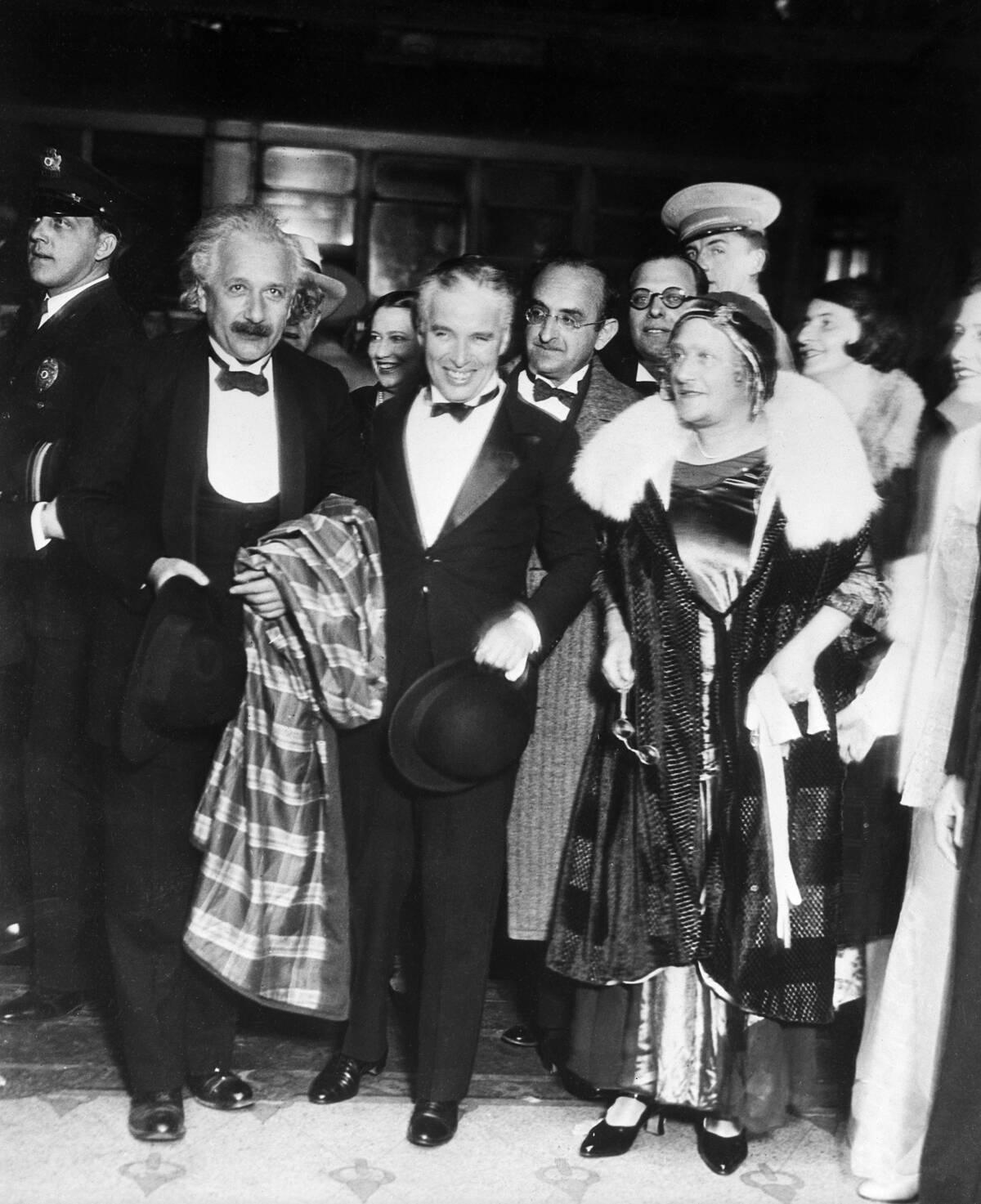
Albert Einstein, the theoretical physicist, and Charlie Chaplin, the comedic genius, were mutual admirers who appreciated each other’s work. They famously met at the premiere of Chaplin’s film “City Lights” in 1931.
Einstein admired Chaplin’s ability to express complex ideas without words, while Chaplin was fascinated by Einstein’s revolutionary theories. Their friendship was a testament to the universal language of creativity and intellect.
Helen Keller and Her Connection to Alexander Graham Bell
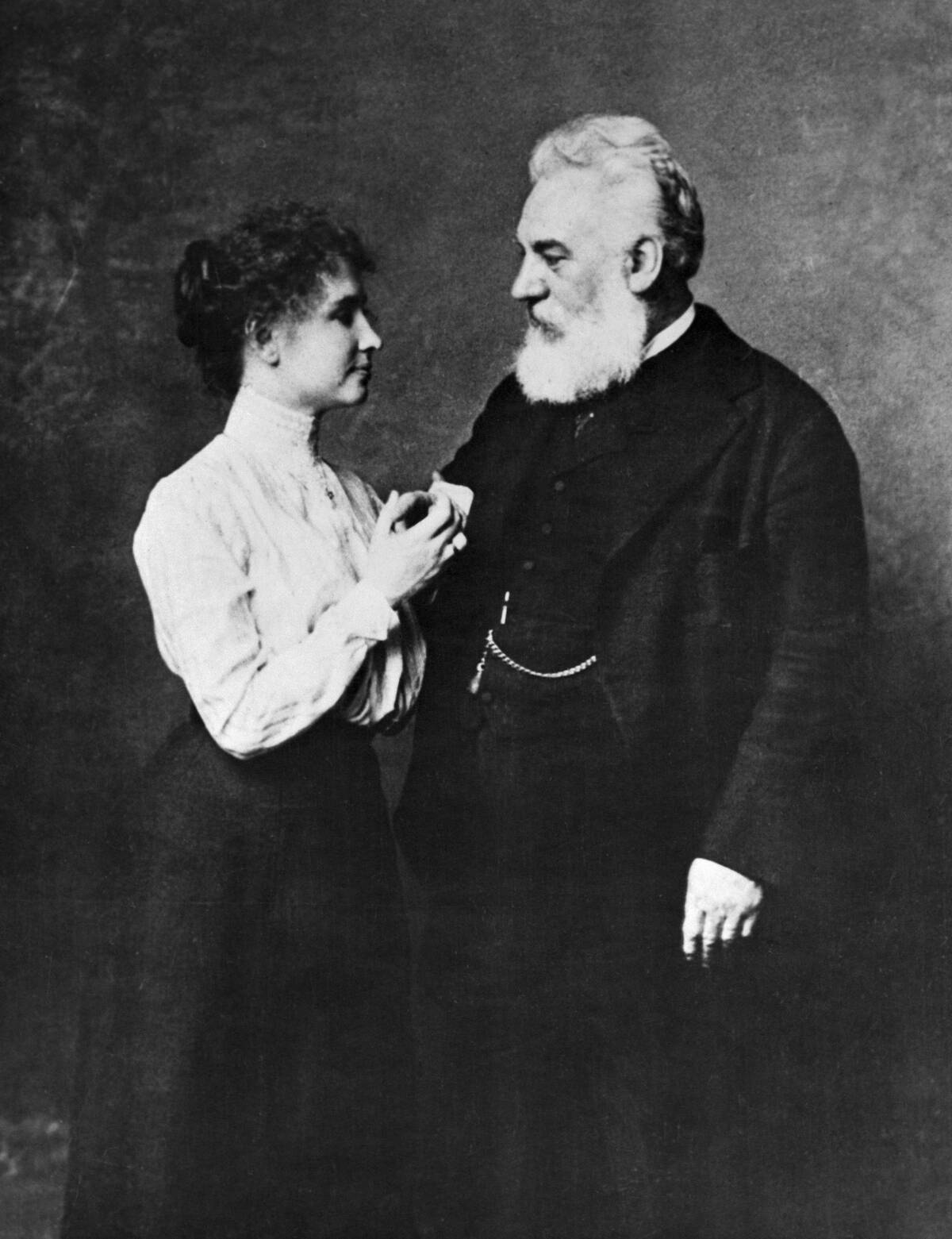
Helen Keller, the renowned author and activist, had a profound connection with Alexander Graham Bell, the inventor of the telephone. Bell played a pivotal role in Keller’s education, introducing her to Anne Sullivan, her lifelong teacher.
Keller’s accomplishments in overcoming the challenges of being deaf and blind were, in part, due to Bell’s support and belief in her potential. Their relationship was one of mentorship and mutual respect.
The Bond Between Winston Churchill and Lawrence of Arabia
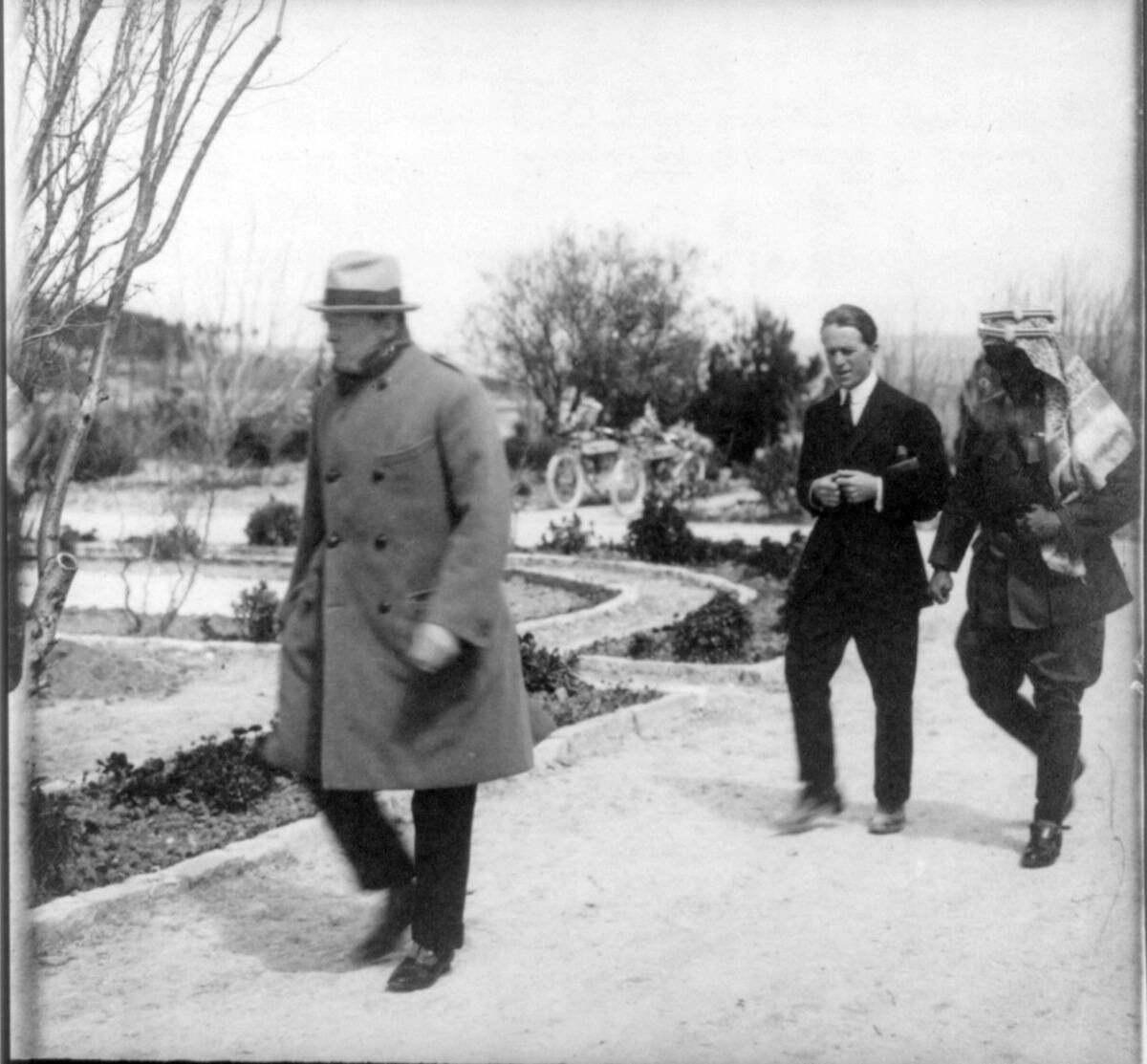
Winston Churchill, the British Prime Minister, and T.E. Lawrence, known as Lawrence of Arabia, shared a deep respect for each other’s strategic minds. Their bond was forged during the tumultuous times of World War I and the post-war Middle East.
Churchill admired Lawrence’s understanding of Arab culture and his unconventional warfare tactics. Together, they navigated the complexities of politics and war, leaving a lasting impact on history.
Frida Kahlo and Leon Trotsky: An Artistic and Political Intersection
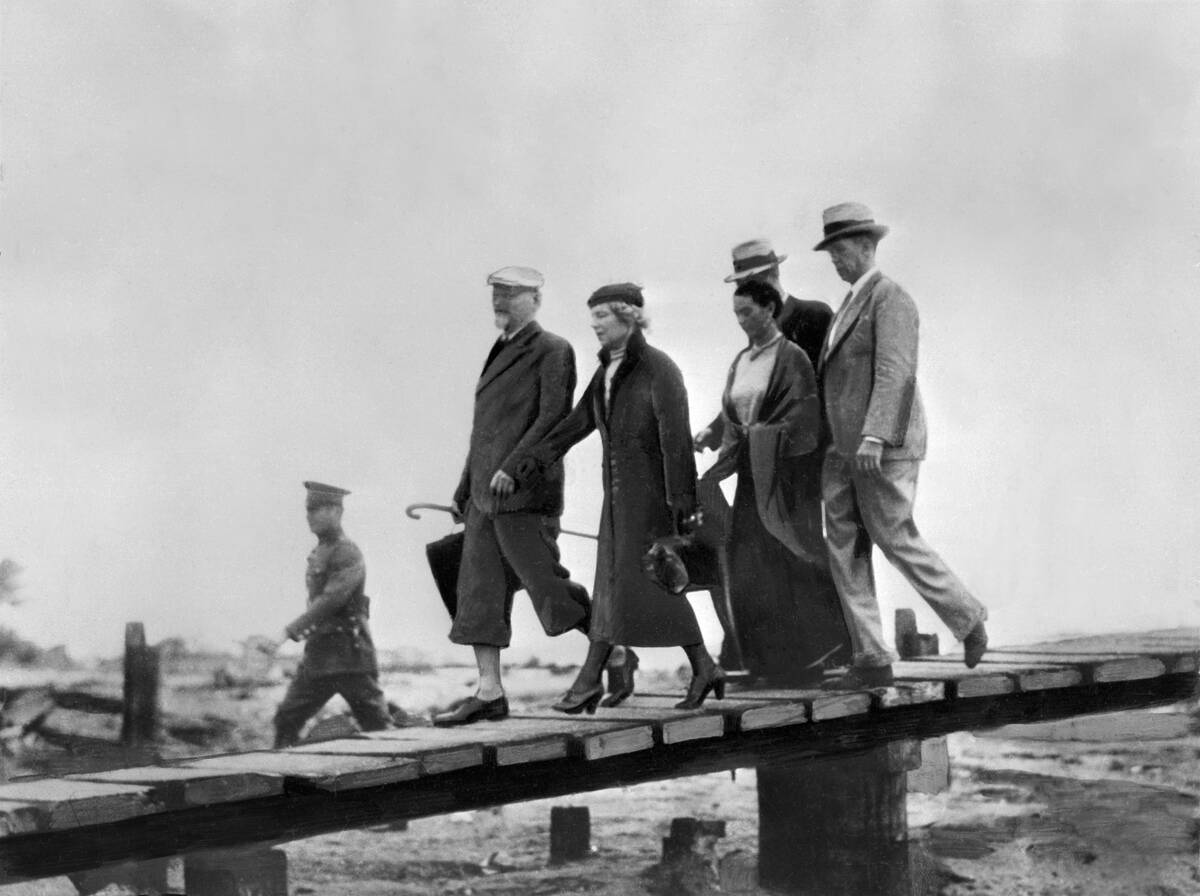
Frida Kahlo, the iconic Mexican artist, and Leon Trotsky, the Russian revolutionary, found themselves at an intersection of art and politics. Trotsky sought refuge in Mexico, where he stayed with Kahlo and her husband, Diego Rivera.
During his stay, Kahlo and Trotsky developed a brief romantic relationship. Their connection was a blend of political ideology and personal passion, reflecting the turbulent times they lived in.
The Surprising Correspondence of Mahatma Gandhi and Leo Tolstoy
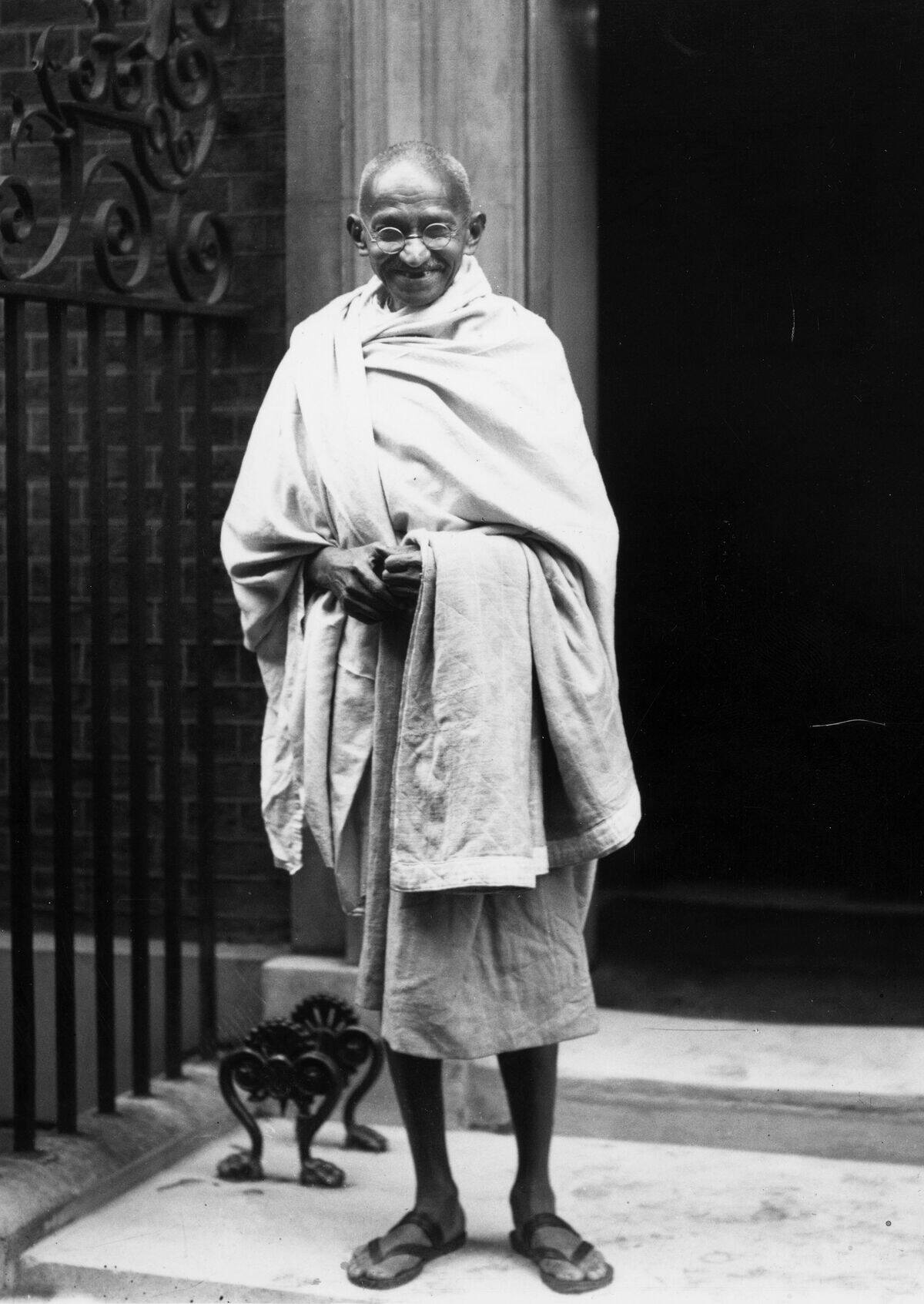
Mahatma Gandhi, the leader of the Indian independence movement, and Leo Tolstoy, the Russian novelist, engaged in a correspondence that spanned continents. Their letters discussed non-violence and the moral principles of life.
Tolstoy’s ideas on passive resistance influenced Gandhi’s philosophy, shaping his approach to India’s struggle for freedom. This exchange of ideas was a powerful example of how written words can transcend borders and inspire change.
Marilyn Monroe and Ella Fitzgerald: Breaking Barriers Together
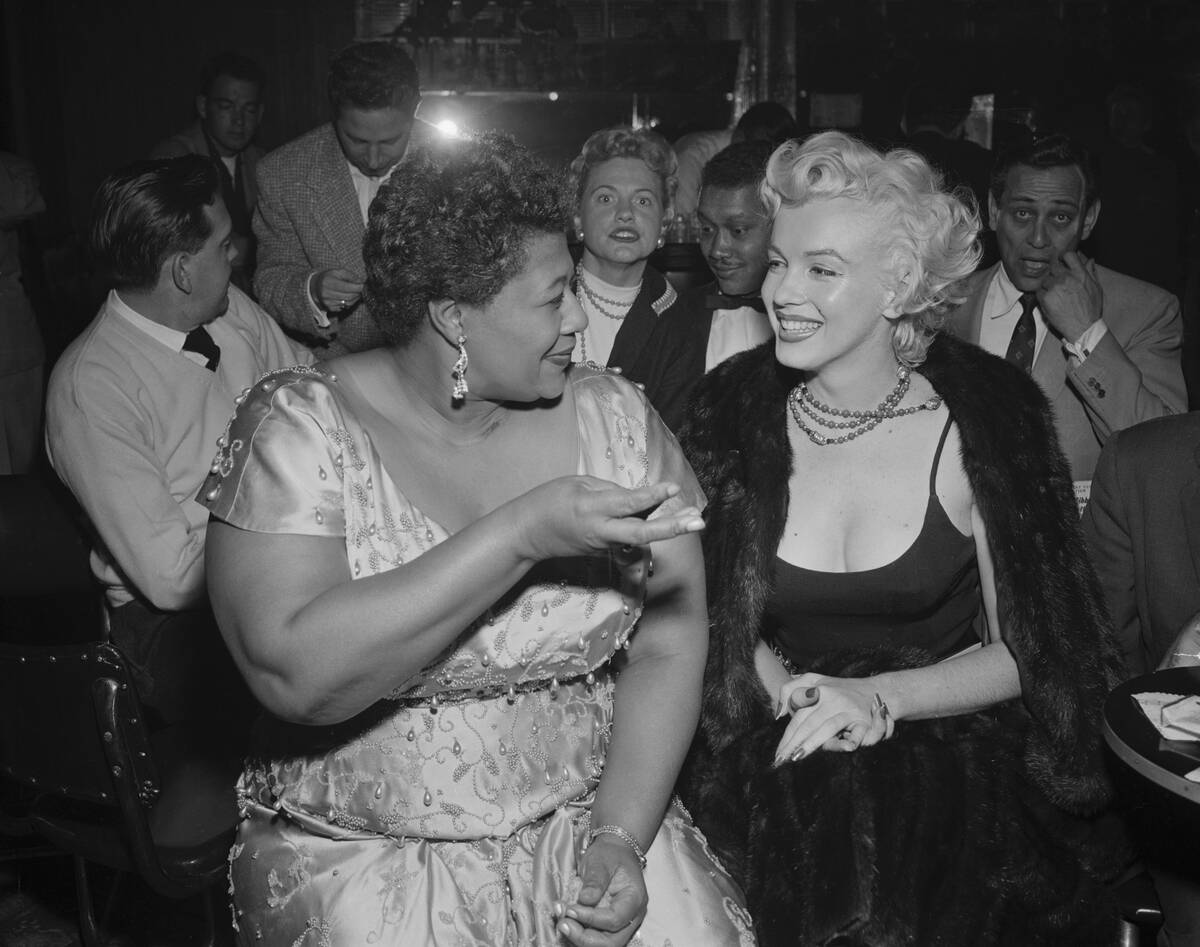
Marilyn Monroe and Ella Fitzgerald formed a friendship during the 1950s, and Monroe used her celebrity influence to help Fitzgerald secure an engagement at Hollywood’s prestigious Mocambo nightclub.
Monroe reportedly promised to sit in the front row every night if Fitzgerald were booked, guaranteeing valuable publicity. The engagement was a success and helped Fitzgerald gain greater access to elite nightclub venues.
The Literary Alliance of J.R.R. Tolkien and C.S. Lewis
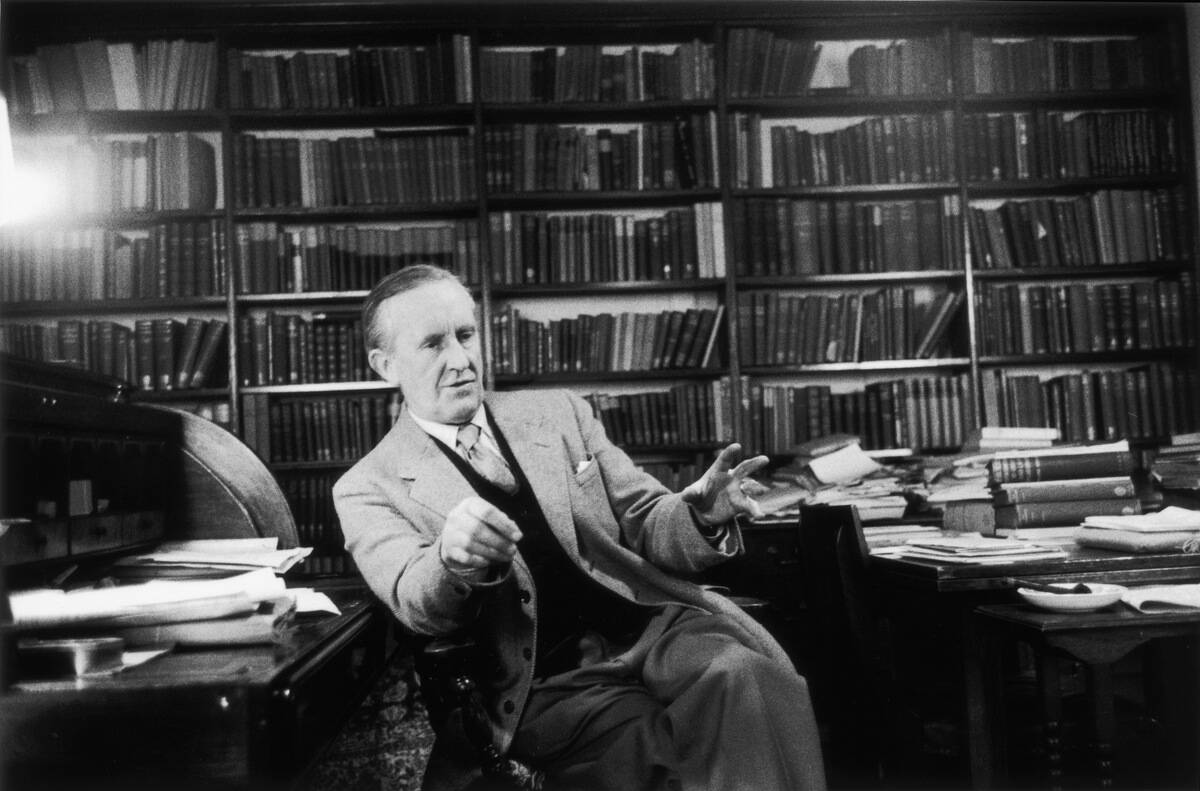
J.R.R. Tolkien, the creator of Middle-earth, and C.S. Lewis, the author of the Narnia series, shared a deep literary friendship. Both were members of the Inklings, a group of writers who met at Oxford to discuss their works.
Their mutual support and critique of each other’s writings enriched their respective worlds of fantasy. This alliance not only fueled their creativity but also left an indelible mark on the landscape of modern literature.
The Unexpected Meeting of Fidel Castro and Ernest Hemingway
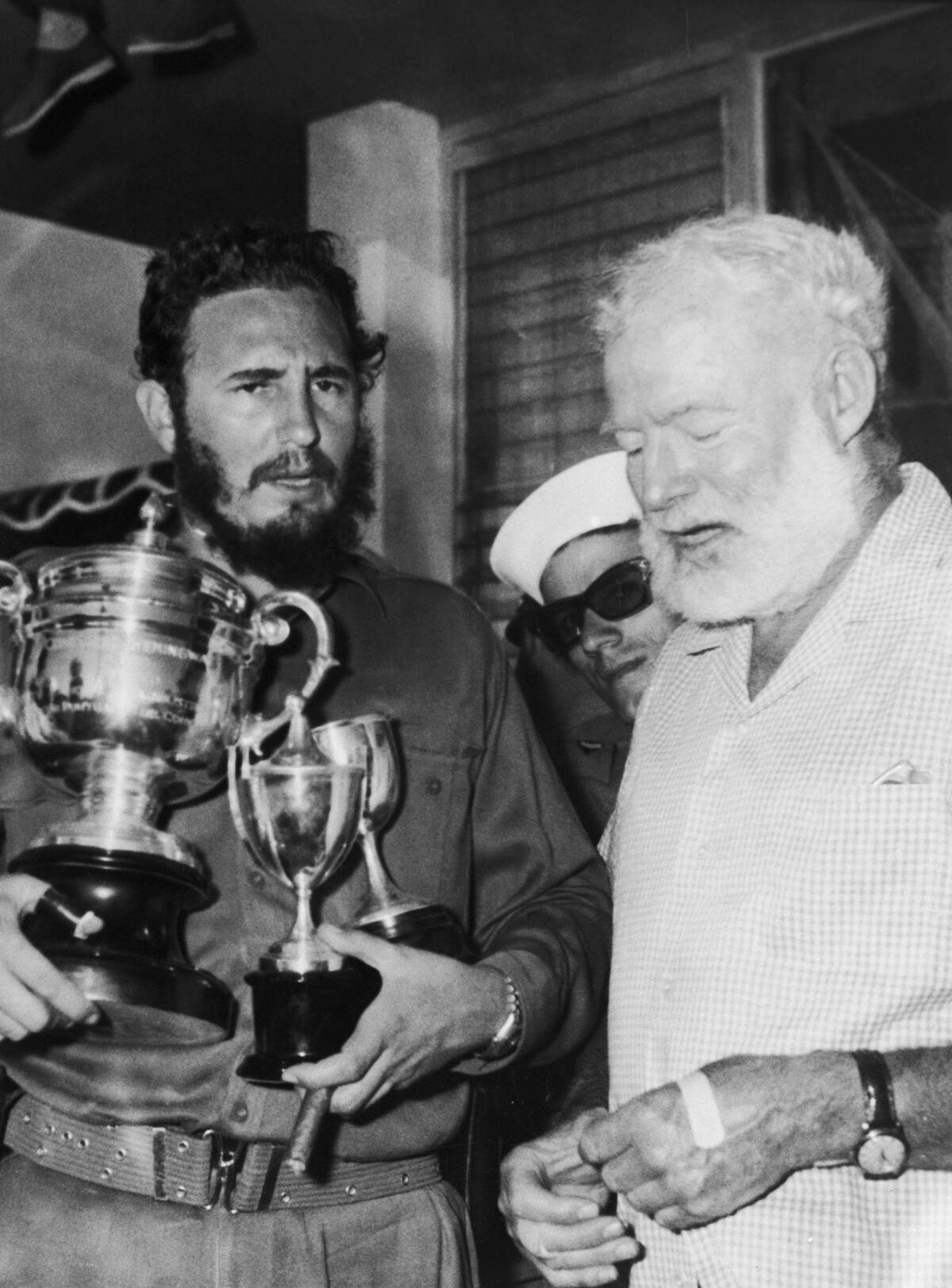
Fidel Castro, the Cuban revolutionary leader, and Ernest Hemingway, the acclaimed American novelist, crossed paths in Havana. Their meeting took place during a fishing tournament in 1960.
Hemingway, who had lived in Cuba for many years, admired Castro’s passion for his country. Although their interaction was brief, it symbolized the intersection of politics and art in a rapidly changing world.
The Friendship Between Harriet Tubman and John Brown
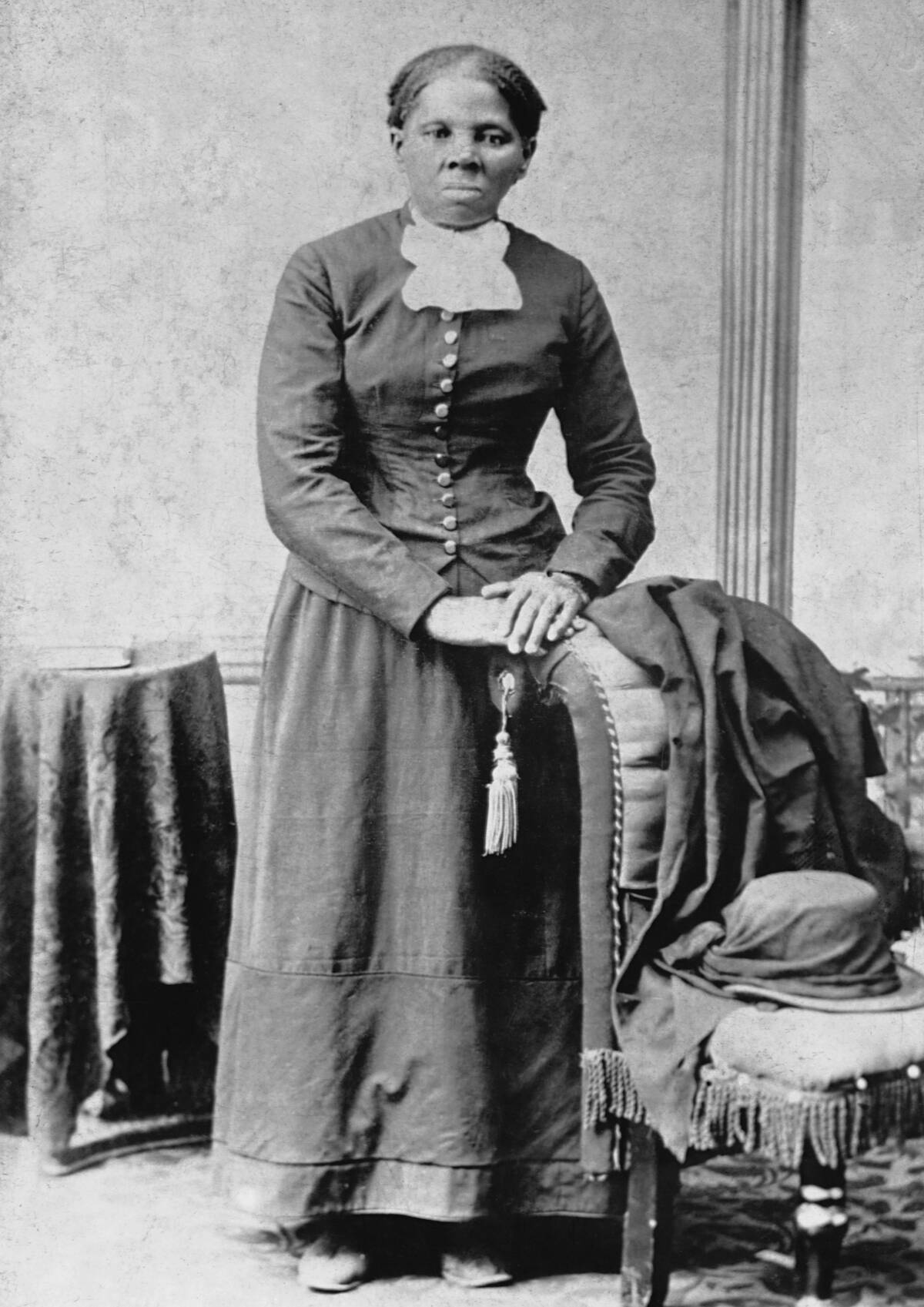
Harriet Tubman, the courageous conductor of the Underground Railroad, and John Brown, the fiery abolitionist, shared a commitment to ending slavery. Tubman supported Brown’s raid on Harpers Ferry, believing in his cause despite its controversial nature.
Their friendship was rooted in a shared vision of freedom and justice, highlighting the power of collaboration in the fight for human rights.
The Philosophical Exchange Between Voltaire and Benjamin Franklin
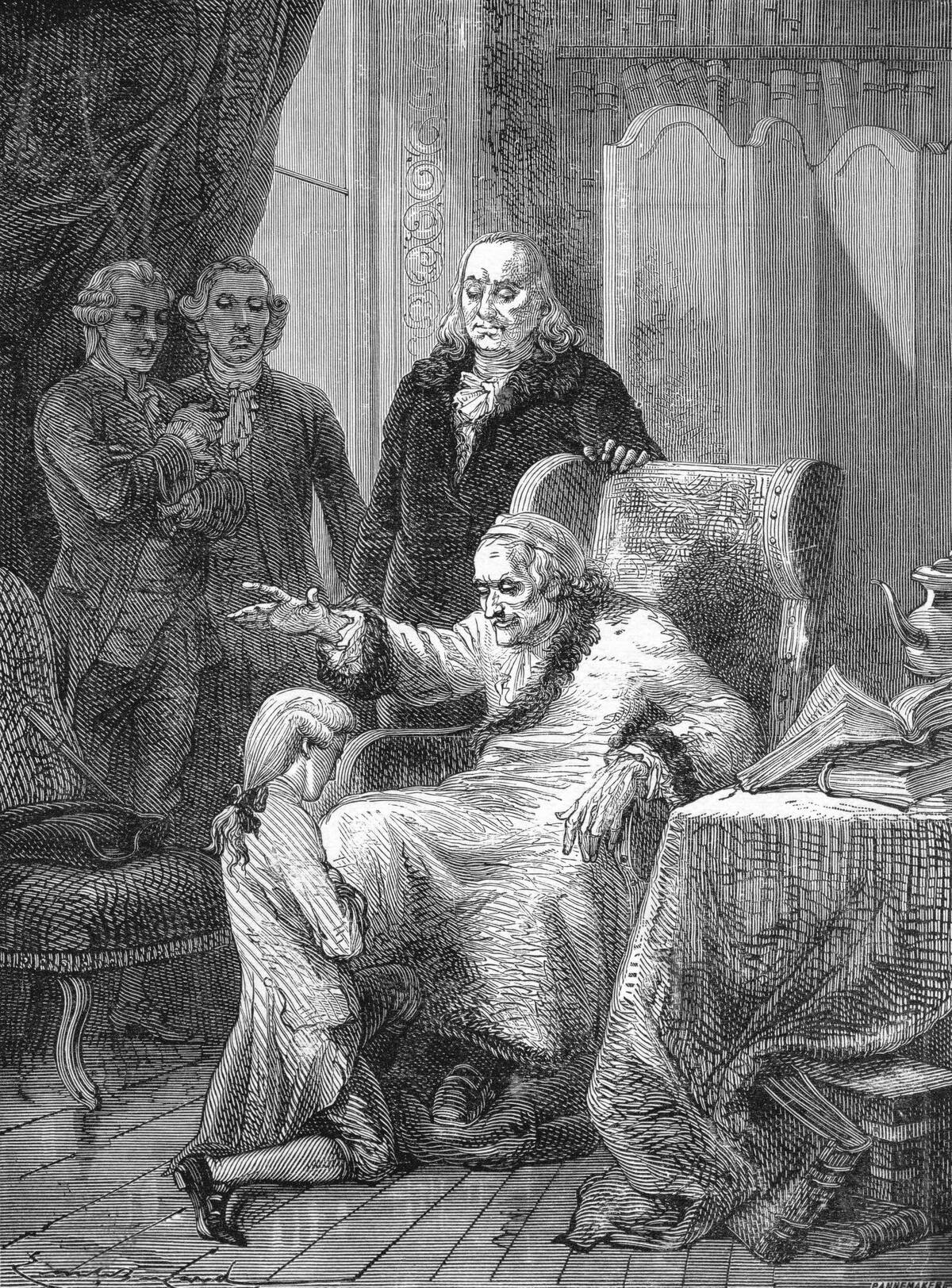
Voltaire, the celebrated French Enlightenment writer, and Benjamin Franklin, the American statesman and scientist, met in Paris in 1778. Their encounter brought together two of the era’s most famous intellectual figures.
During one meeting, Voltaire reportedly blessed Franklin’s grandson with the words “God and liberty,” and the two men later publicly embraced at the French Academy of Sciences. Their brief but memorable connection became a powerful symbol of the Enlightenment’s shared ideals across Europe and America.
The Royal Connection: Queen Elizabeth II and Marilyn Monroe
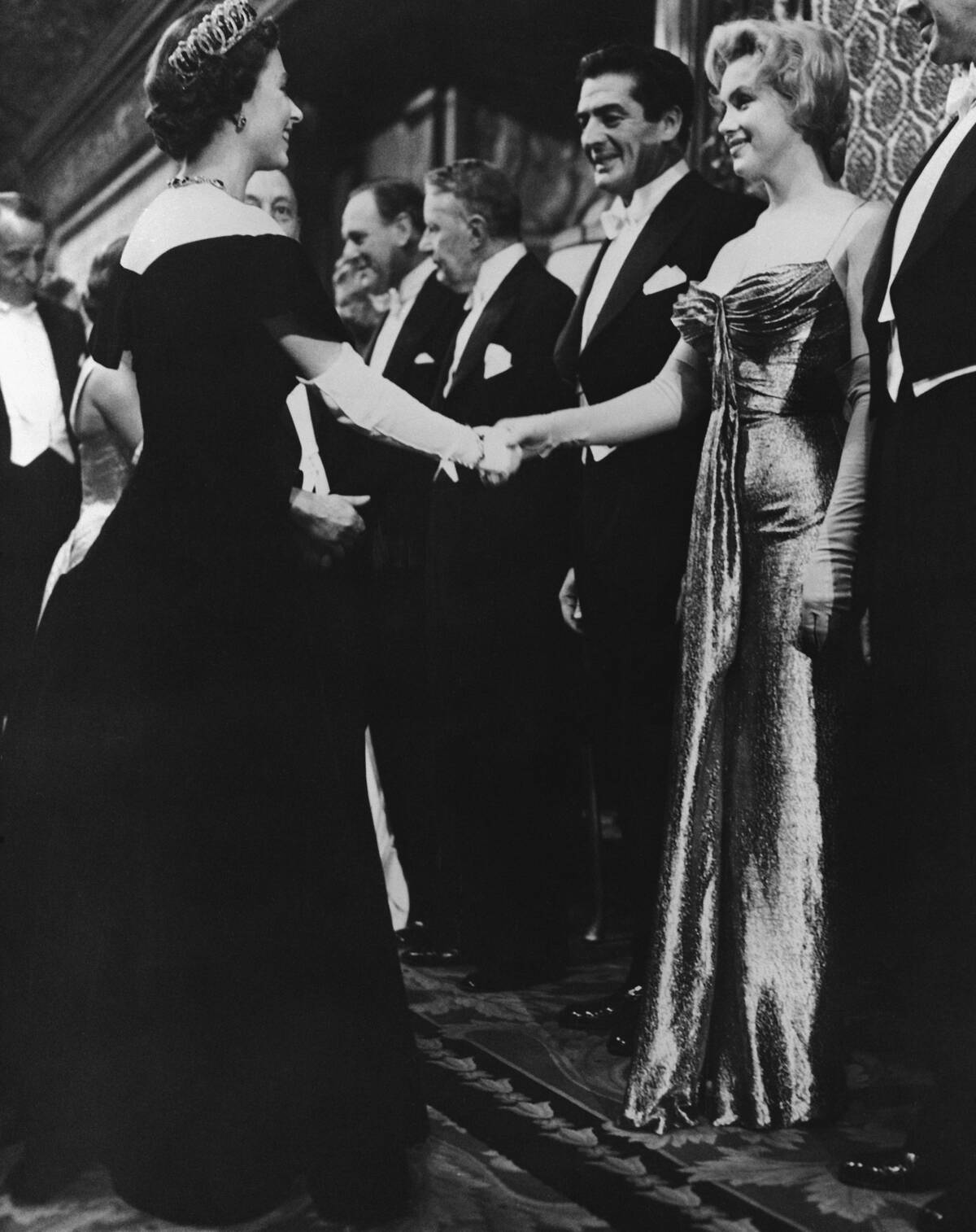
Queen Elizabeth II and Marilyn Monroe, two icons of the 20th century, met at a royal film performance in London in 1956. Despite their different backgrounds, both women were symbols of glamour and grace in their respective realms.
Their brief encounter was a moment where Hollywood met royalty, capturing the public’s imagination and highlighting the cultural intersections of the era.
The Shared Stage of Martin Luther King Jr. and Aretha Franklin
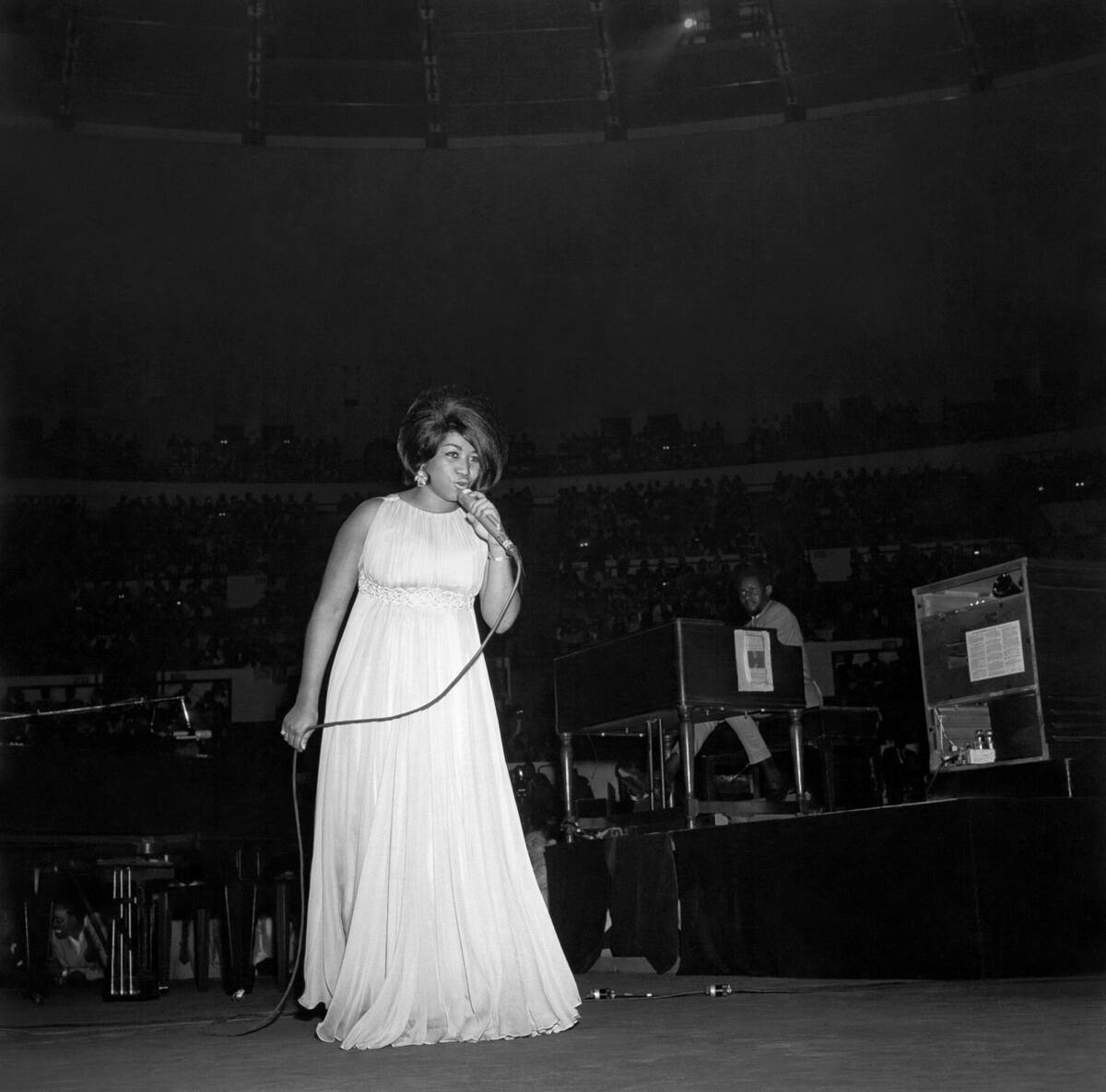
Martin Luther King Jr., the civil rights leader, and Aretha Franklin, the Queen of Soul, shared a stage that was both literal and metaphorical. Franklin’s powerful voice became an anthem for the civil rights movement, echoing King’s message of equality and justice.
Their collaboration at rallies and events underscored the role of music in social change, uniting people in the fight for civil rights through the universal language of song.




