Questions that took scientists centuries to answer
Throughout history, humans have been driven by an insatiable curiosity to understand the world around them. From ancient philosophers pondering the nature of existence to modern scientists unraveling the mysteries of the universe, the quest for answers has been a constant.
This journey has led to groundbreaking discoveries and paradigm shifts that have reshaped our understanding of reality.
The Shape of the Earth: From Flat to Round
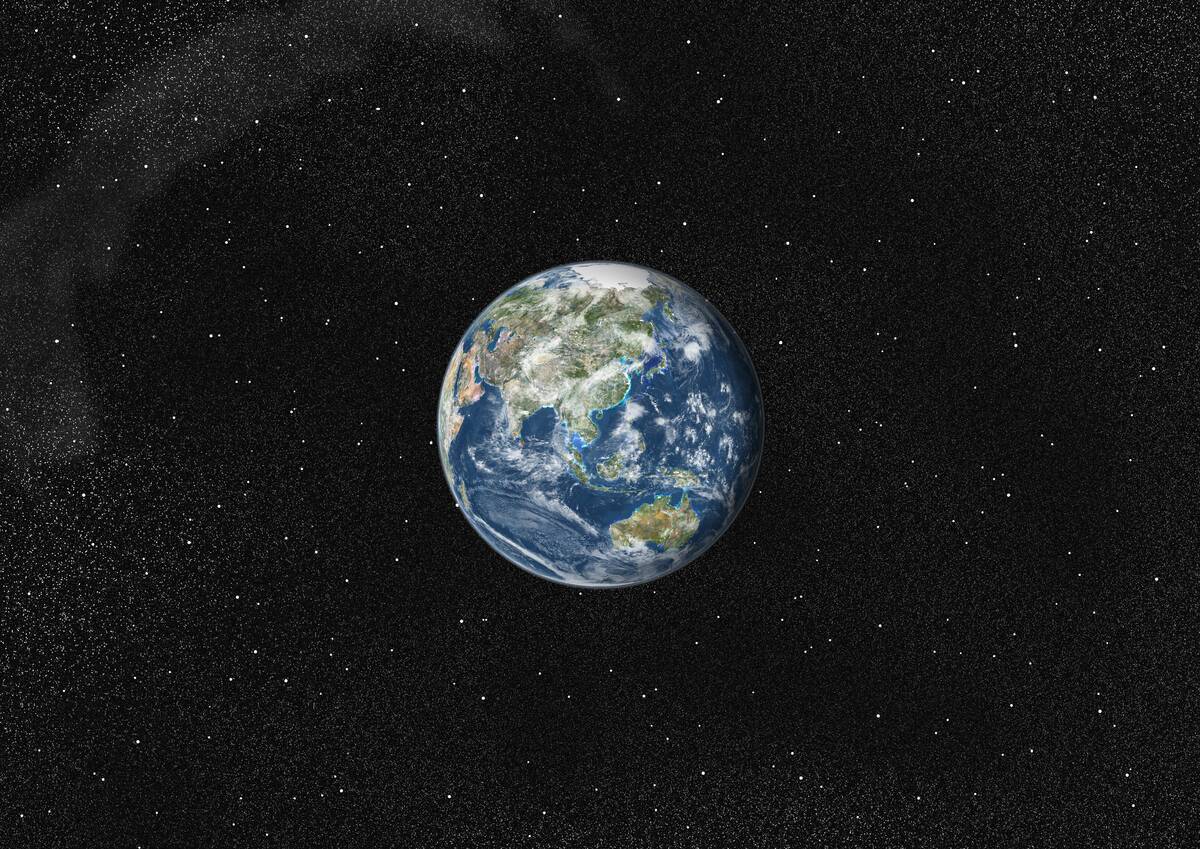
For centuries, the belief that the Earth was flat was widespread. However, as early as the 6th century BCE, Greek philosophers like Pythagoras suggested a spherical Earth. The idea gained traction with Aristotle, who observed that the Earth’s shadow on the moon during an eclipse was round.
It wasn’t until the Age of Exploration, with figures like Ferdinand Magellan, that the round Earth theory became widely accepted, forever changing our view of the world.
What Causes the Seasons?

The changing seasons have long puzzled humanity. The answer lies in the Earth’s axial tilt of approximately 23.5 degrees. As the Earth orbits the Sun, different parts of the planet receive varying amounts of sunlight, leading to seasonal changes.
This tilt, rather than the distance from the Sun, causes the Northern and Southern Hemispheres to experience opposite seasons, a fact first comprehensively explained by ancient Greek astronomers.
The Mystery of Gravity: Newton’s Apple and Beyond
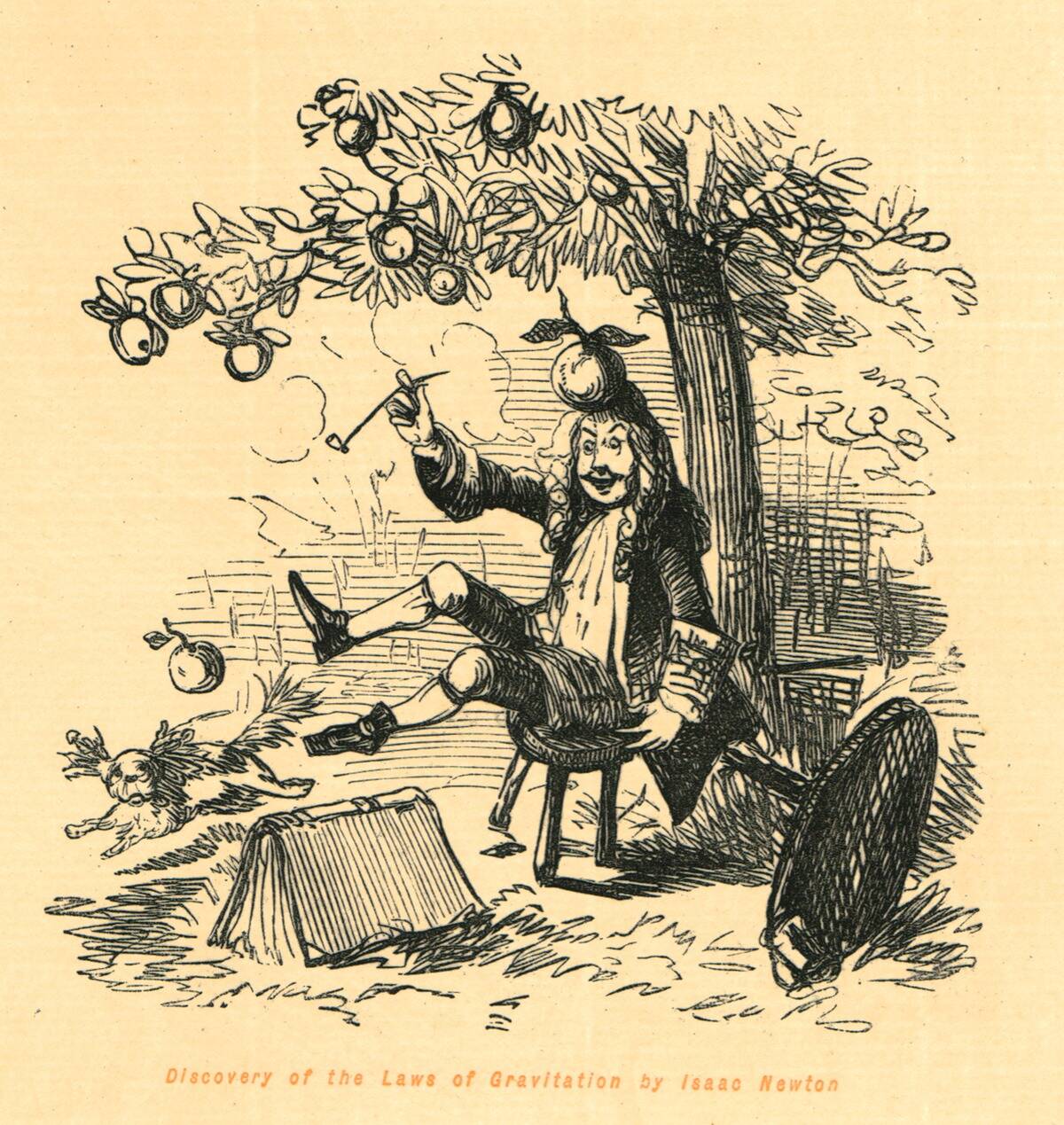
The story of Newton’s apple is a charming tale of discovery. In the 17th century, Isaac Newton formulated the law of universal gravitation, inspired by observing an apple fall. He proposed that every mass attracts every other mass, explaining both the falling apple and the orbiting moon.
This groundbreaking theory laid the foundation for classical mechanics, though it was later expanded by Einstein’s theory of general relativity, which describes gravity as the curvature of spacetime.
The Structure of the Solar System: Heliocentric vs. Geocentric
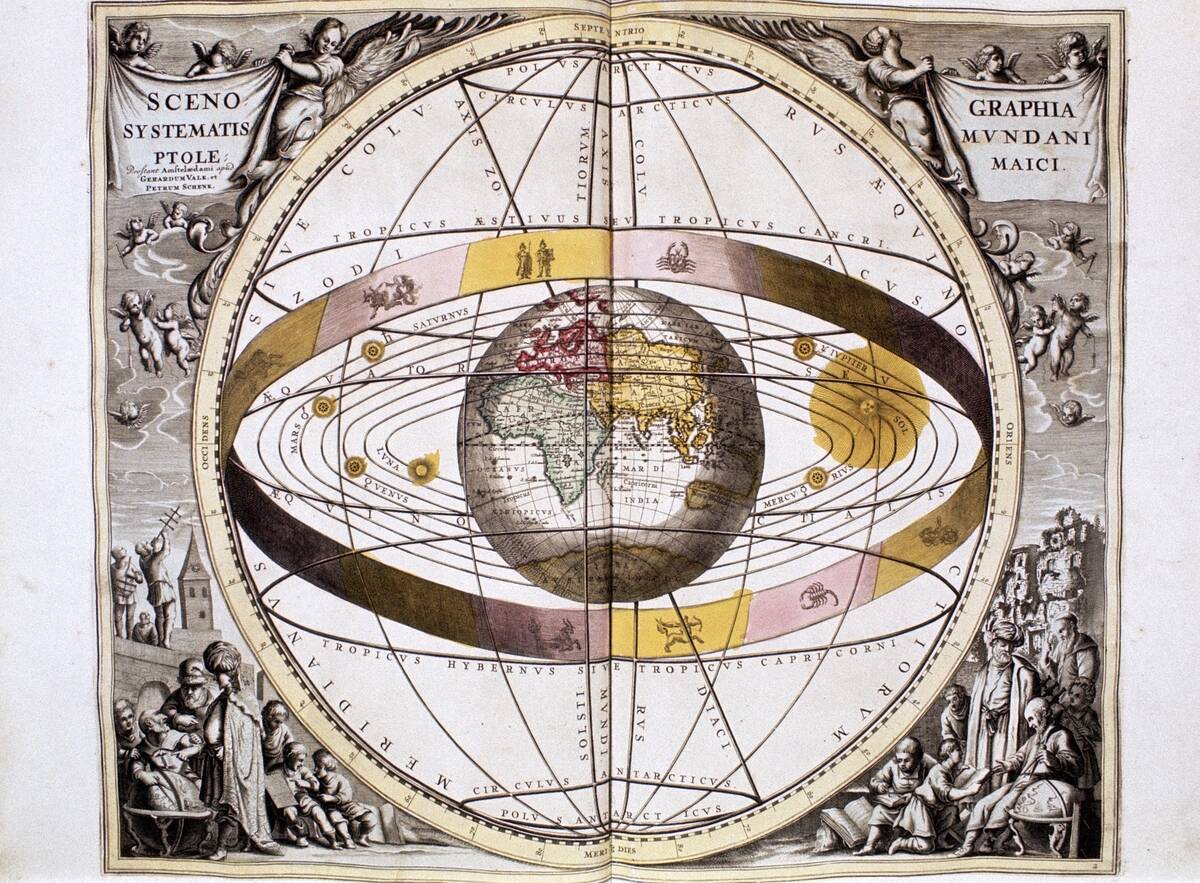
In ancient times, the geocentric model, placing Earth at the center of the universe, was widely accepted. This view was challenged by Nicolaus Copernicus in the 16th century, who proposed a heliocentric model with the Sun at the center.
This revolutionary idea was further supported by Galileo’s telescopic observations and Kepler’s laws of planetary motion. The heliocentric model eventually became the cornerstone of modern astronomy, transforming our understanding of the cosmos.
The Nature of Light: Wave or Particle?
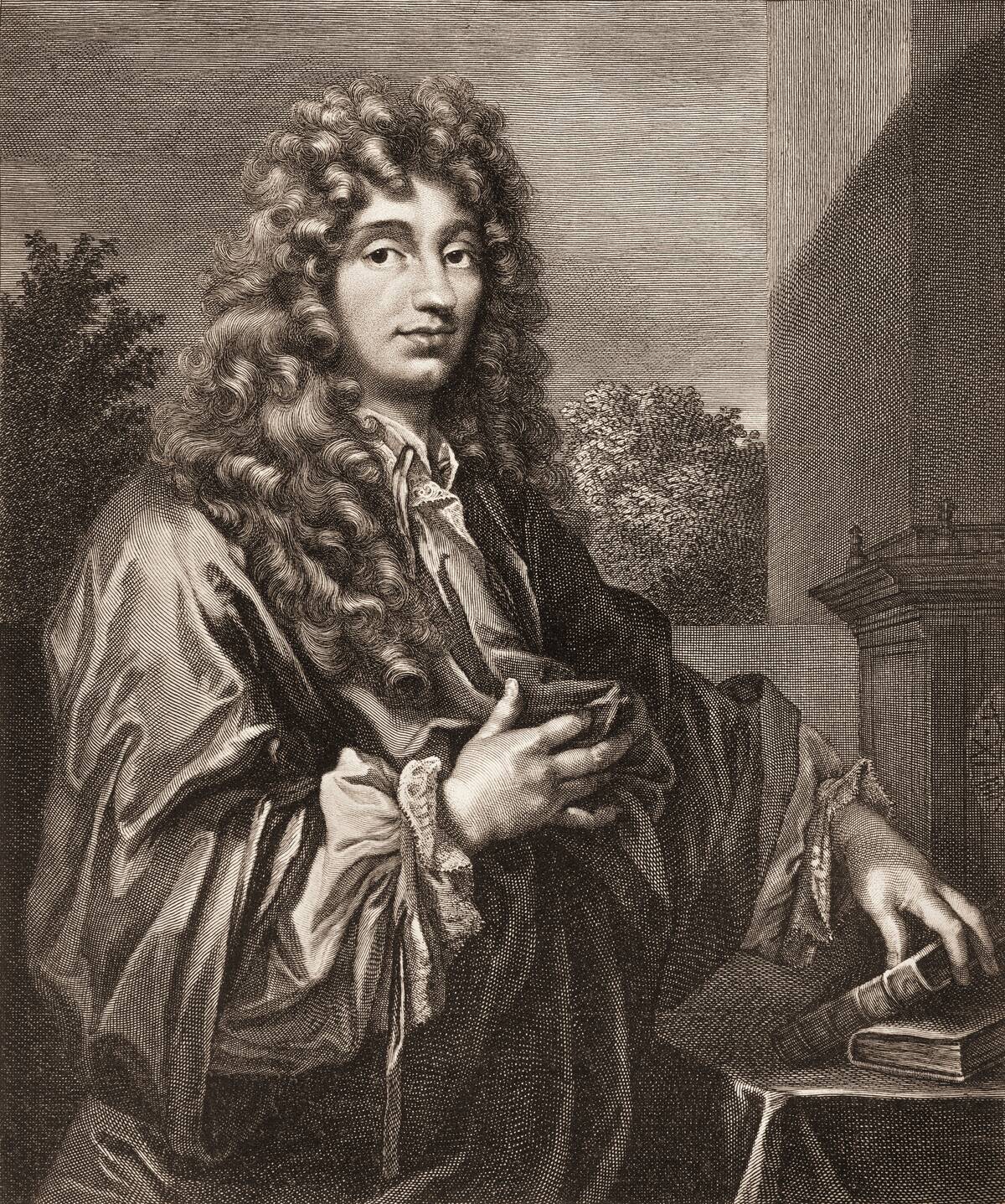
The dual nature of light has puzzled scientists for centuries. In the 17th century, Isaac Newton proposed a particle theory, while Christiaan Huygens suggested a wave theory. The debate continued until the 20th century when experiments like the double-slit experiment revealed light’s wave-particle duality.
Quantum mechanics further explained this phenomenon, showing that light exhibits both wave-like and particle-like properties, depending on how it is observed.
The Composition of Matter: From Alchemy to Chemistry
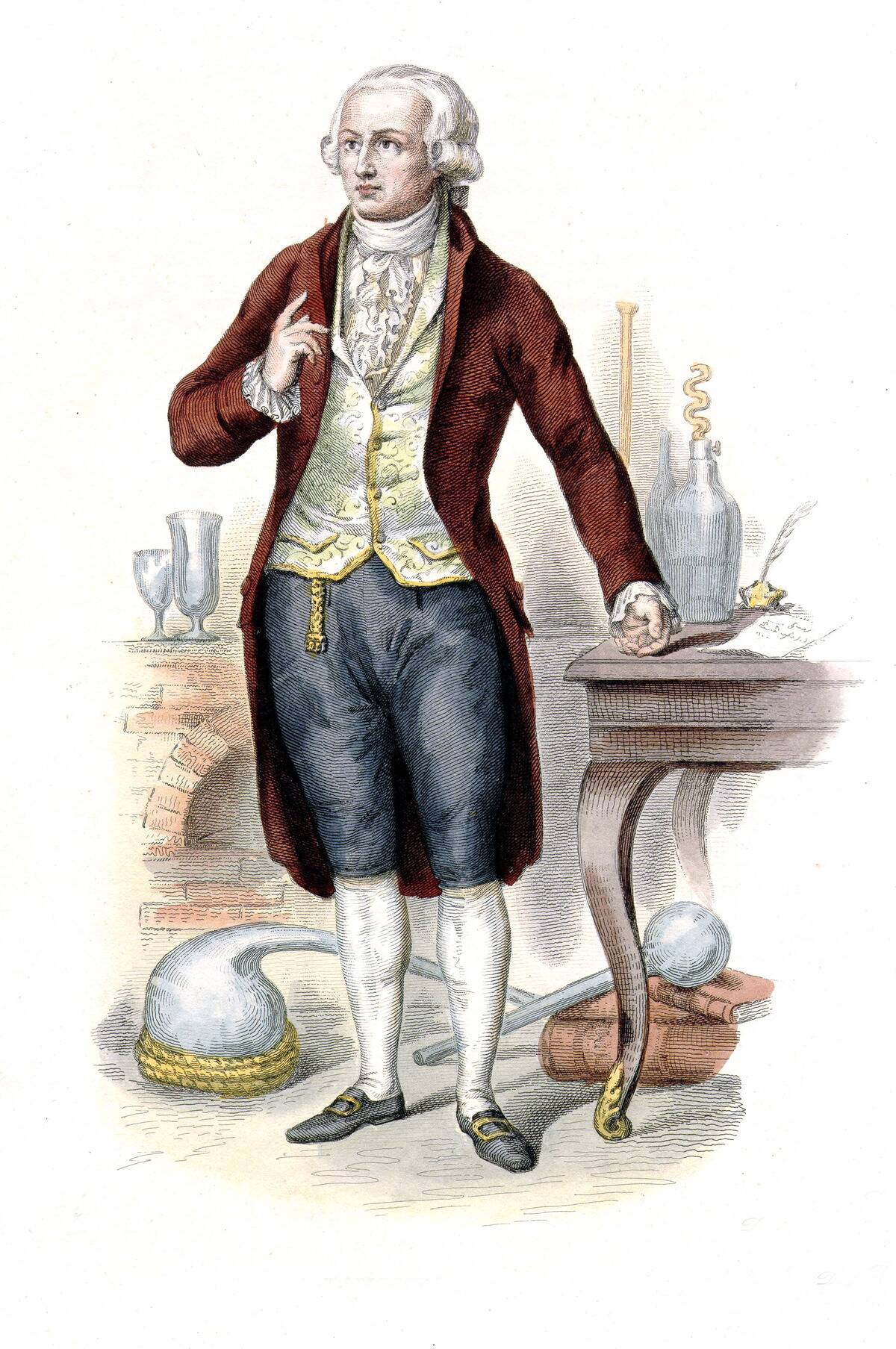
Alchemy, the medieval precursor to chemistry, sought to transform base metals into gold. However, it was not until the 18th century that modern chemistry began to take shape.
Antoine Lavoisier, often called the “Father of Modern Chemistry,” introduced the law of conservation of mass and helped develop the periodic table. His work laid the foundation for understanding matter’s composition, transforming alchemy’s mystical pursuits into a rigorous scientific discipline.
The Origin of Species: Darwin’s Revolutionary Theory
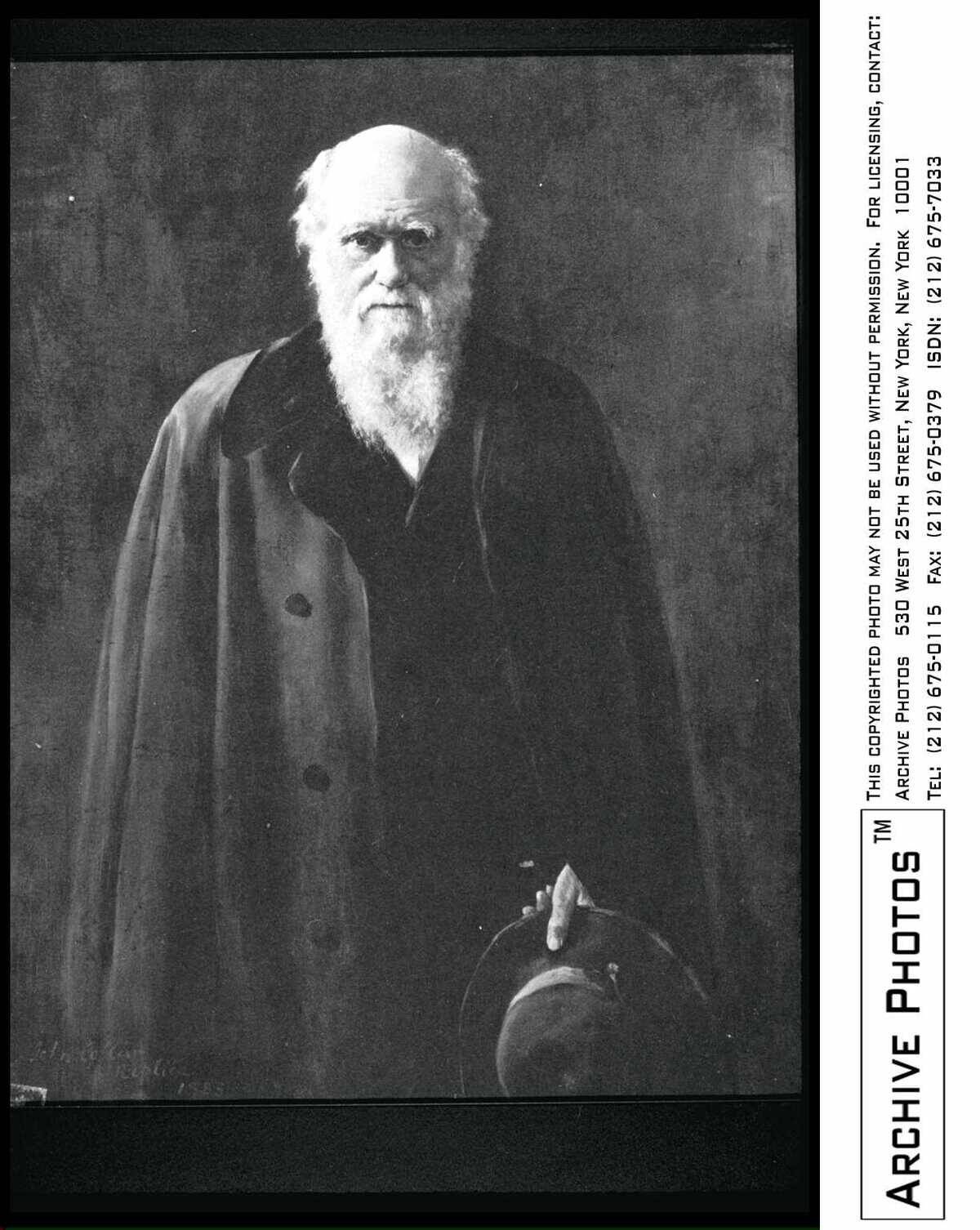
Charles Darwin’s theory of evolution by natural selection revolutionized biology. Published in 1859, “On the Origin of Species” proposed that species evolve over time through a process of natural selection.
This theory challenged traditional views of creation and provided a scientific explanation for the diversity of life on Earth. Darwin’s work laid the groundwork for modern evolutionary biology, influencing countless scientific disciplines and reshaping our understanding of life’s complexity.
The Age of the Earth: Young or Ancient?

The age of the Earth has been a topic of debate for centuries. Early estimates, based on religious texts, suggested a young Earth, only a few thousand years old. However, the development of radiometric dating in the 20th century provided evidence for an ancient Earth, approximately 4.5 billion years old.
This discovery, supported by geological and astronomical evidence, has helped scientists understand Earth’s history and the processes that have shaped our planet over billions of years.
The Source of Earth’s Energy: The Power of the Sun
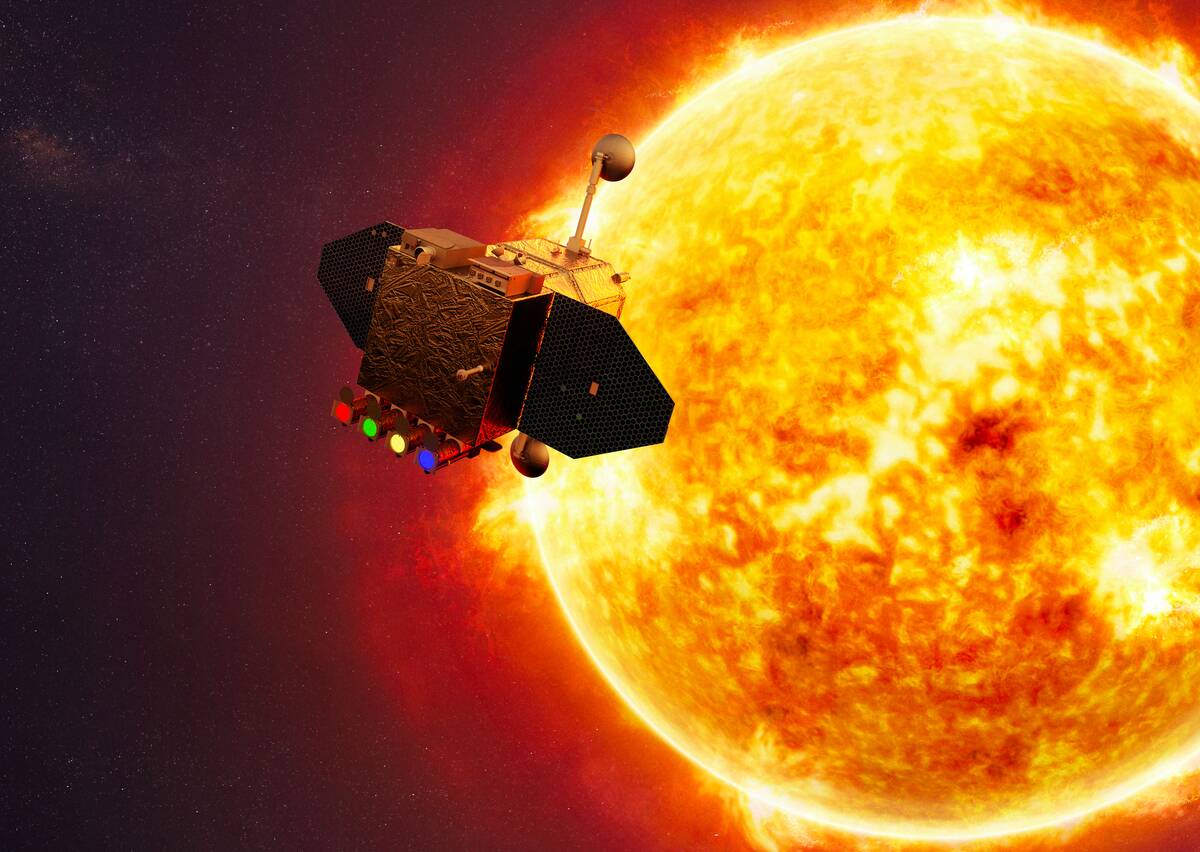
The Sun is the primary source of energy for Earth, driving weather, climate, and supporting life. Nuclear fusion in the Sun’s core converts hydrogen into helium, releasing vast amounts of energy as light and heat.
This energy sustains ecosystems and powers the water cycle, influencing global temperatures and weather patterns. Understanding the Sun’s role in Earth’s energy balance has been crucial for studying climate change and developing sustainable energy solutions.
The Existence of Atoms: Invisible Building Blocks

The concept of atoms dates back to ancient Greece, but it wasn’t until the 19th century that atomic theory gained scientific acceptance. John Dalton’s work on atomic weights and chemical reactions provided evidence for atoms as indivisible units of matter.
Later, discoveries in the early 20th century, such as the electron and the nucleus, revealed the complex structure of atoms. These insights laid the foundation for modern chemistry and physics, revolutionizing our understanding of matter.
The Speed of Light: The Ultimate Limit
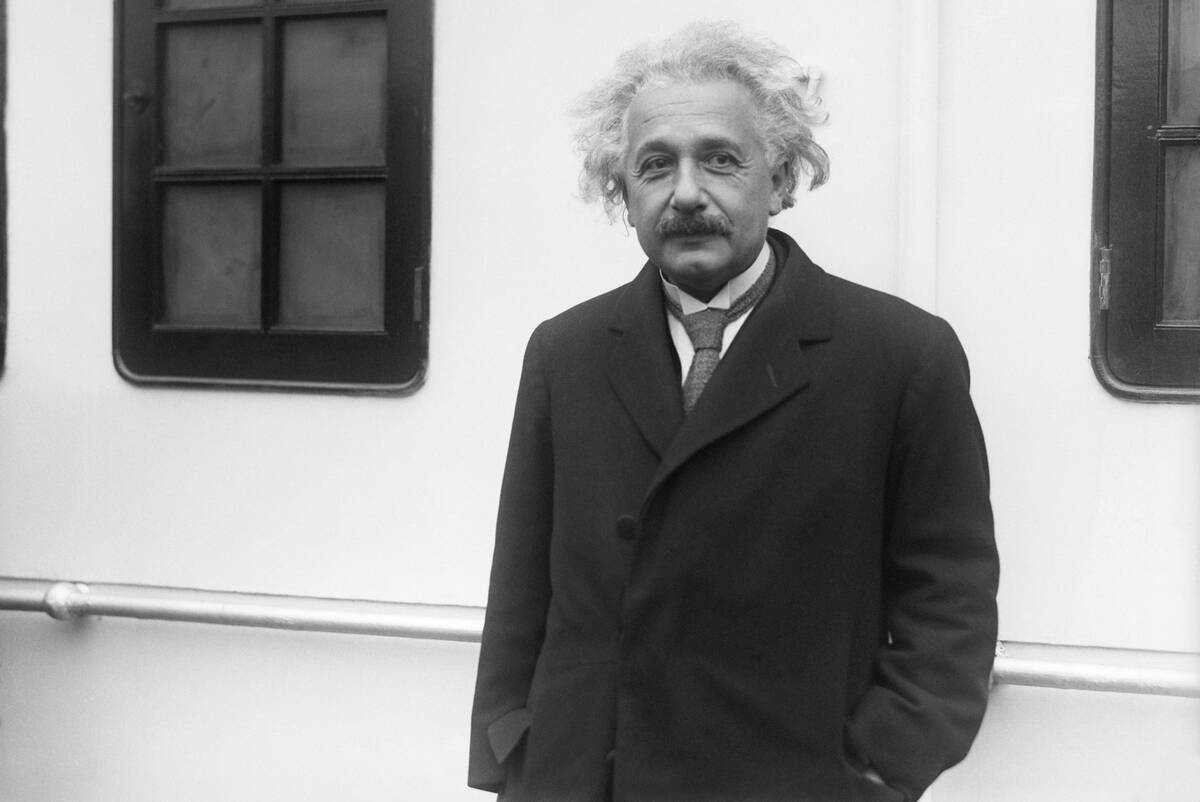
The speed of light, approximately 299,792 kilometers per second, is a fundamental constant of nature. Albert Einstein’s theory of relativity established that nothing can travel faster than light in a vacuum.
This limit has profound implications for physics, affecting our understanding of space, time, and causality. The constancy of the speed of light underpins much of modern physics, from the behavior of particles to the expansion of the universe.
The Nature of Time: A Constant or a Variable?
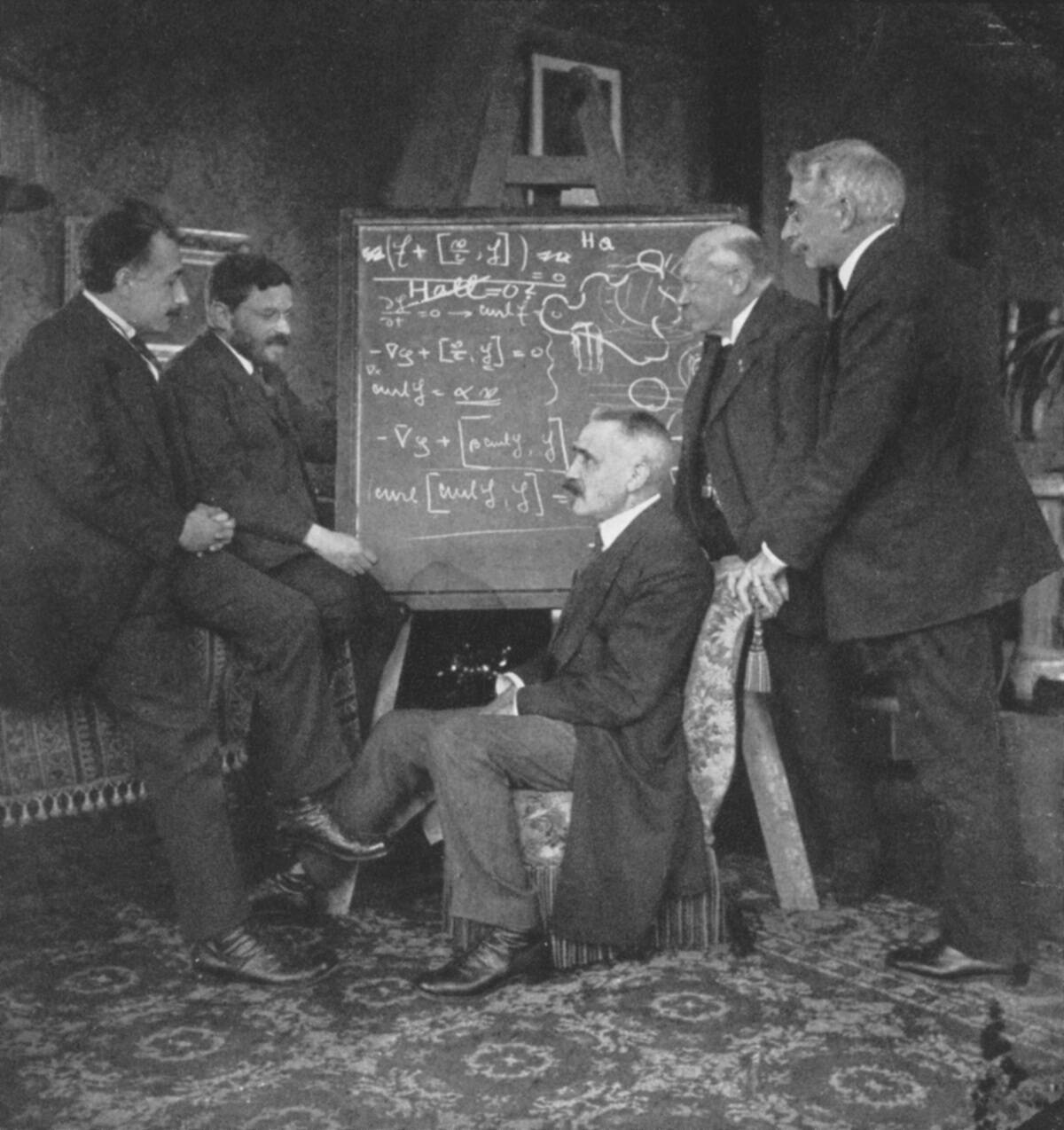
Time has long been considered a constant, flowing uniformly from past to future. However, Einstein’s theory of relativity revealed that time is relative, affected by speed and gravity. This means that time can pass at different rates depending on an observer’s frame of reference.
This groundbreaking insight has been confirmed by experiments, such as atomic clocks on fast-moving planes, and has profound implications for our understanding of the universe.
The Cause of Disease: Germ Theory vs. Miasma

Before the acceptance of germ theory, diseases were often attributed to miasma, or “bad air.” In the 19th century, scientists like Louis Pasteur and Robert Koch demonstrated that microorganisms cause many diseases.
This shift in understanding led to advancements in hygiene, vaccination, and medical treatments. Germ theory transformed medicine, improving public health and paving the way for modern microbiology and epidemiology.
The Structure of DNA: The Blueprint of Life
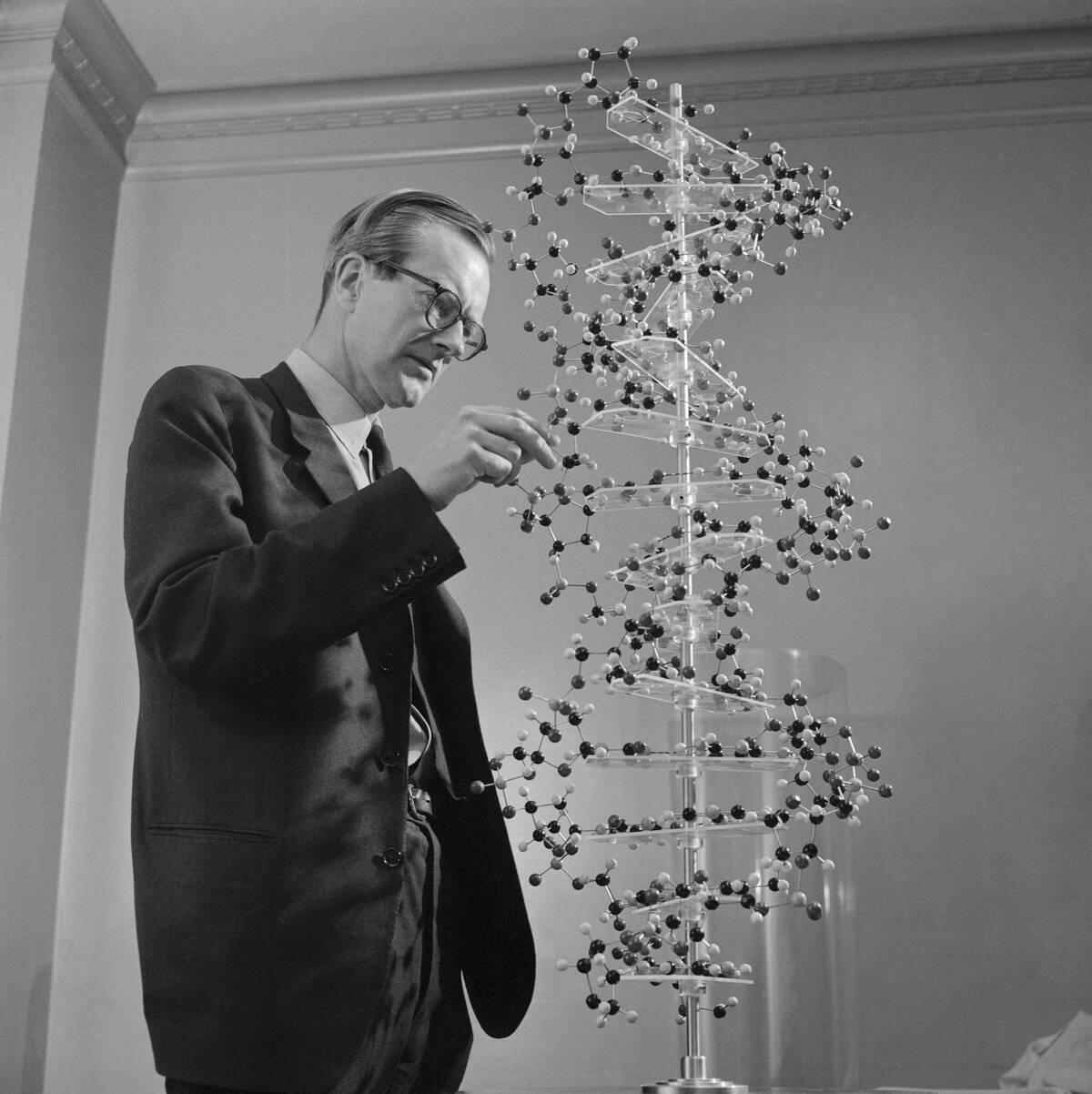
In 1953, James Watson and Francis Crick proposed the double-helix structure of DNA, drawing on crucial experimental evidence produced by Rosalind Franklin and Maurice Wilkins, as well as other researchers.
The model helped explain how genetic information could be stored and copied, becoming a milestone in molecular biology. DNA’s discovery has revolutionized biology, offering a molecular blueprint for life.
The Expansion of the Universe: From Static to Dynamic
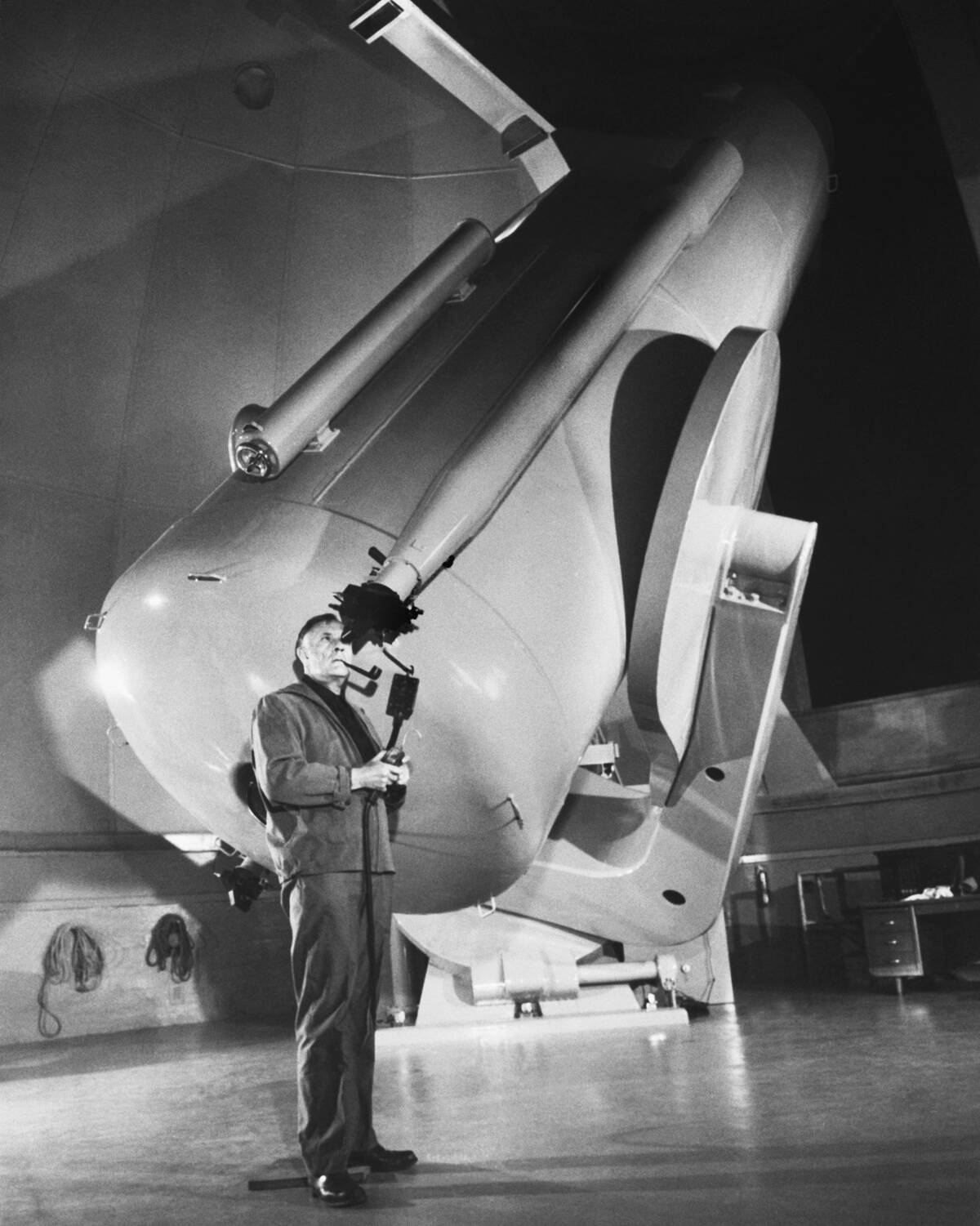
For centuries, the universe was thought to be static and unchanging. This view was challenged in the 20th century by Edwin Hubble’s observations of distant galaxies moving away from us, suggesting an expanding universe.
This discovery led to the Big Bang theory, proposing that the universe began as a singularity and has been expanding ever since. The dynamic nature of the universe has reshaped our understanding of cosmology and the origins of everything.