Tragic events that changed the world
Disasters, while often tragic, have a way of forcing us to rethink and reshape our world. They highlight vulnerabilities and prompt innovations that can lead to safer and more resilient societies.
From urban planning to environmental policies, each disaster leaves an indelible mark, pushing humanity towards progress. By examining past catastrophes, we can see how they’ve influenced everything from building codes to international cooperation, ensuring that lessons learned lead to a more secure future.
The Great Fire of London: Birth of Modern Urban Planning
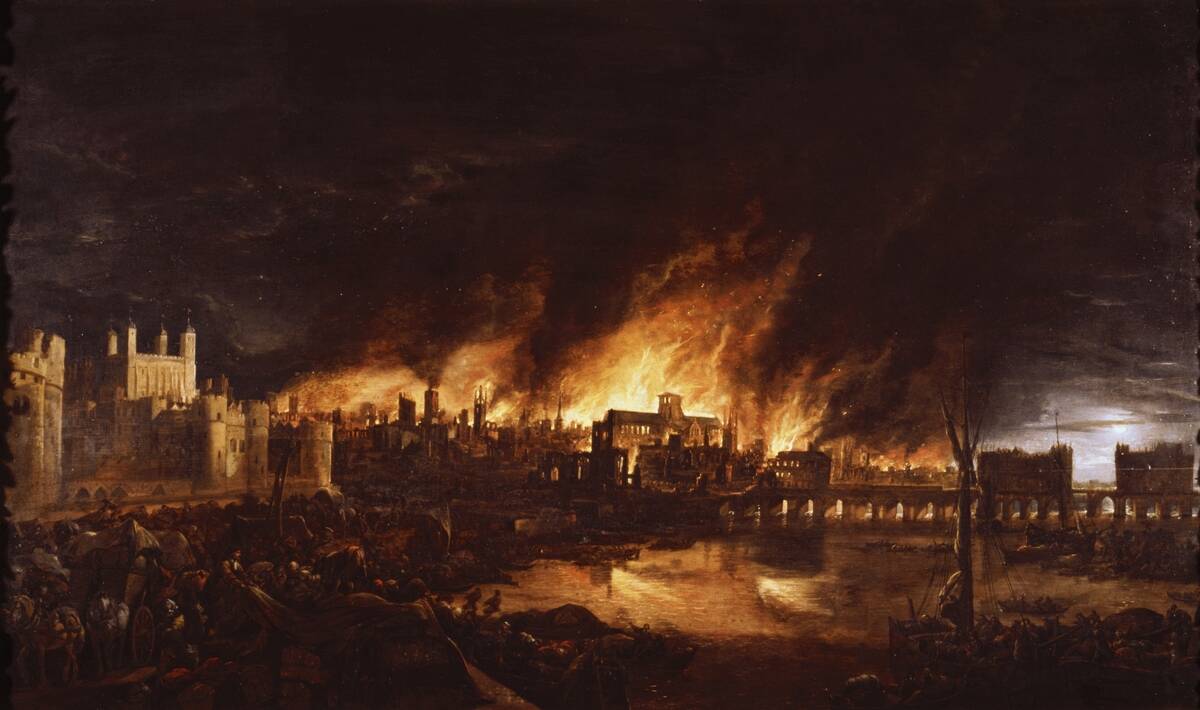
The Great Fire of London in 1666 was a turning point for urban development. The fire destroyed a large part of the city, leading to new regulations in building materials and street planning.
Streets were widened to prevent future fires from spreading so easily, and brick and stone replaced wood as the primary building materials. This disaster laid the groundwork for modern urban planning, emphasizing safety and resilience in city design.
The 1906 San Francisco Earthquake: Building Codes Revolution
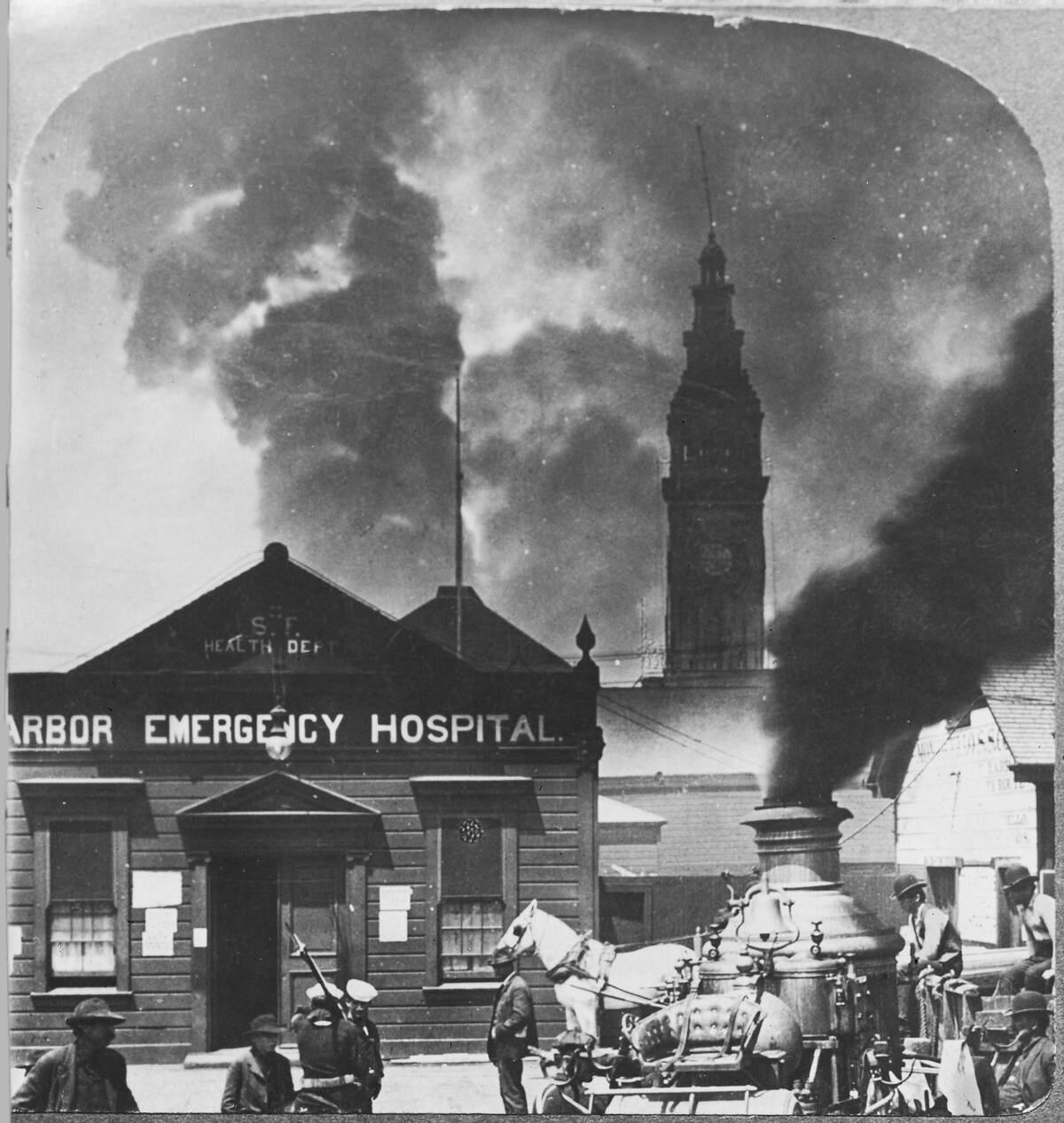
The 1906 San Francisco earthquake was a catalyst for change in construction practices. The devastation highlighted the need for improved building standards, leading to the development of seismic building codes.
These codes ensure that structures can withstand earthquakes, reducing the risk of collapse. As a result, cities around the world have adopted similar standards, making urban areas safer for their inhabitants.
The Titanic Sinking: Transforming Maritime Safety
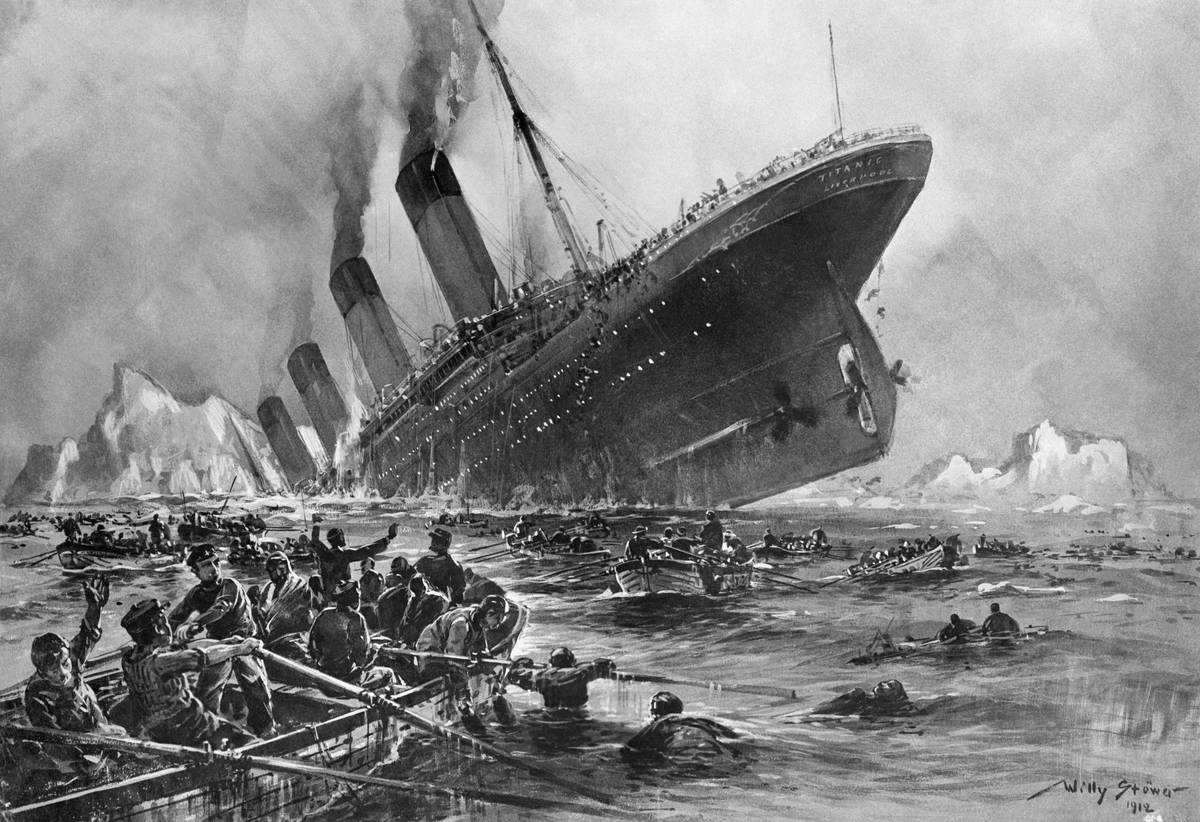
The sinking of the Titanic in 1912 was a wake-up call for maritime safety. The tragedy led to the International Convention for the Safety of Life at Sea (SOLAS), which established new safety standards for ships.
Lifeboat requirements were increased, and continuous radio watch was mandated. These changes have significantly improved passenger safety, ensuring that such a disaster is unlikely to occur again.
The Dust Bowl: Agricultural Practices and Environmental Awareness

The Dust Bowl of the 1930s was a harsh lesson in environmental management and agricultural practices. Severe dust storms, caused by drought and poor farming techniques, devastated the American plains.
This led to the implementation of soil conservation programs and sustainable farming practices. Awareness of environmental stewardship grew, highlighting the importance of balancing human activity with ecological health.
The Hindenburg Disaster: The End of the Airship Era
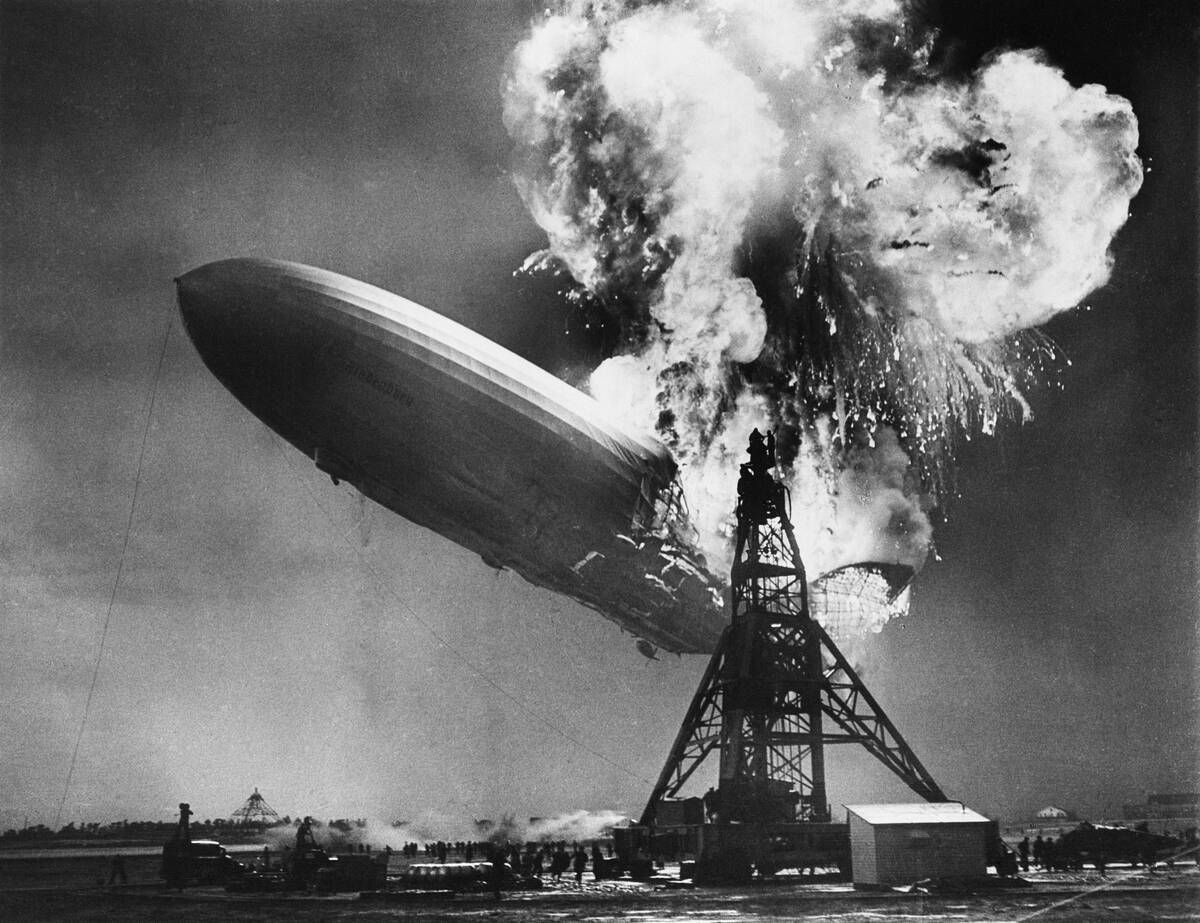
The Hindenburg disaster in 1937 marked the end of the airship era. The catastrophic fire, captured on film, shocked the world and led to a decline in public confidence in airships.
The disaster prompted a shift towards airplanes for air travel, which were seen as safer and more reliable. This transition accelerated advancements in aviation technology, shaping the future of air transportation.
The Chernobyl Nuclear Meltdown: Nuclear Safety Overhaul
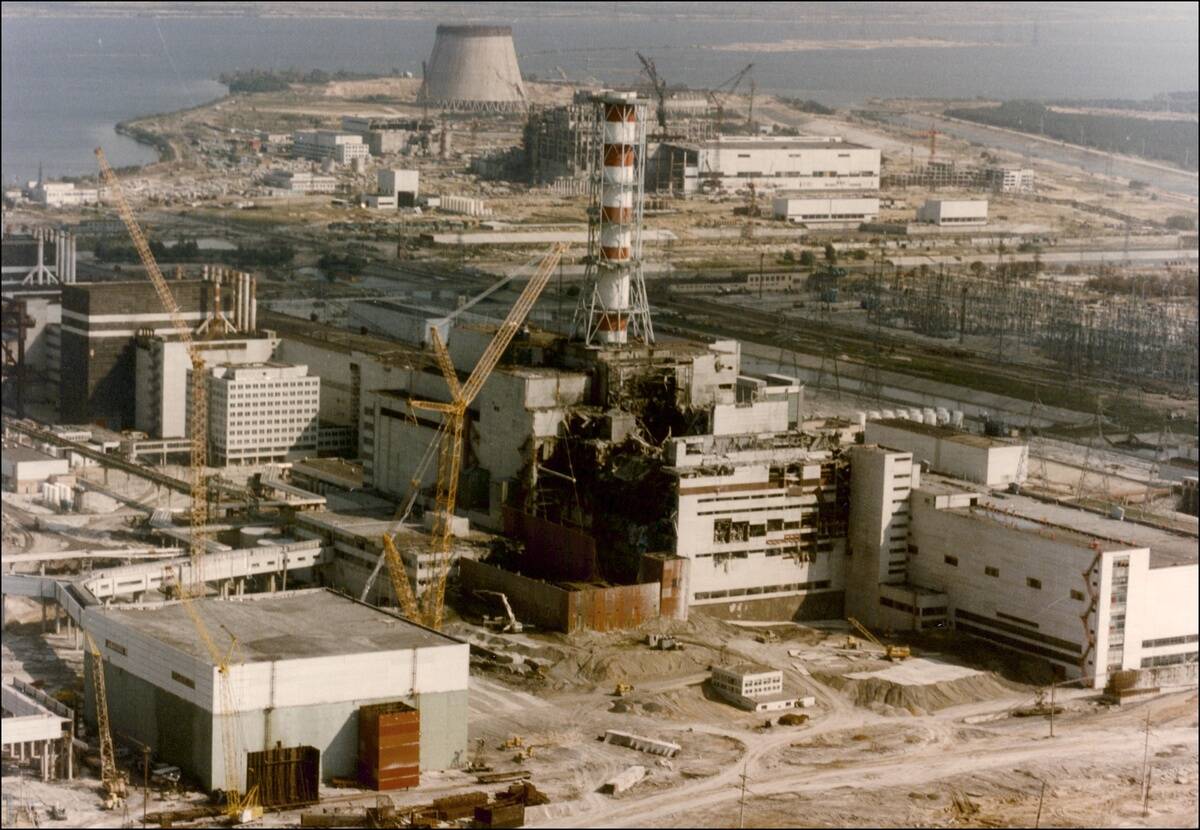
The Chernobyl nuclear meltdown in 1986 was a pivotal moment for nuclear safety. The disaster exposed significant flaws in reactor design and emergency response protocols.
In its wake, international nuclear safety standards were overhauled, with increased emphasis on safety culture and risk assessment. The incident also led to greater transparency and cooperation among countries in sharing nuclear safety information.
The Challenger Explosion: Space Exploration Safety Reforms
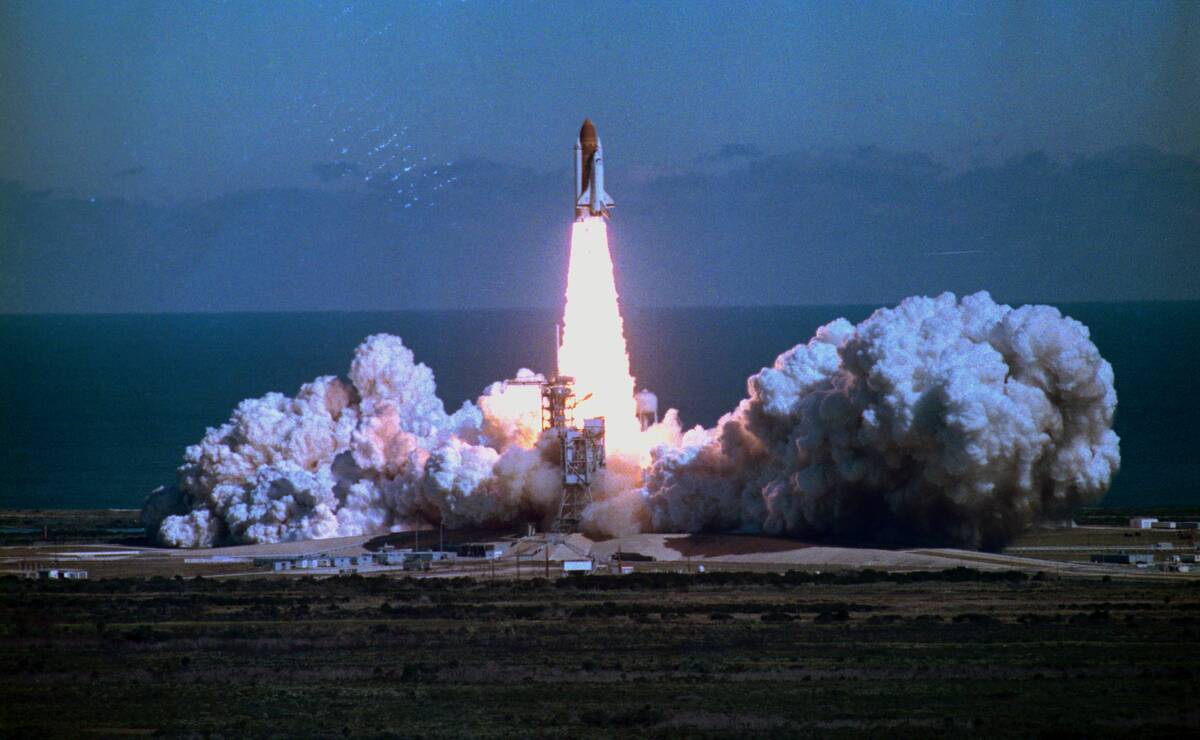
The Challenger explosion in 1986 was a sobering moment for space exploration. The tragedy prompted NASA to re-evaluate its safety protocols and decision-making processes. As a result, more rigorous testing and review procedures were implemented.
The incident underscored the importance of safety in space missions, leading to reforms that have enhanced the reliability and safety of subsequent space endeavors.
The 2004 Indian Ocean Tsunami: Global Tsunami Warning Systems
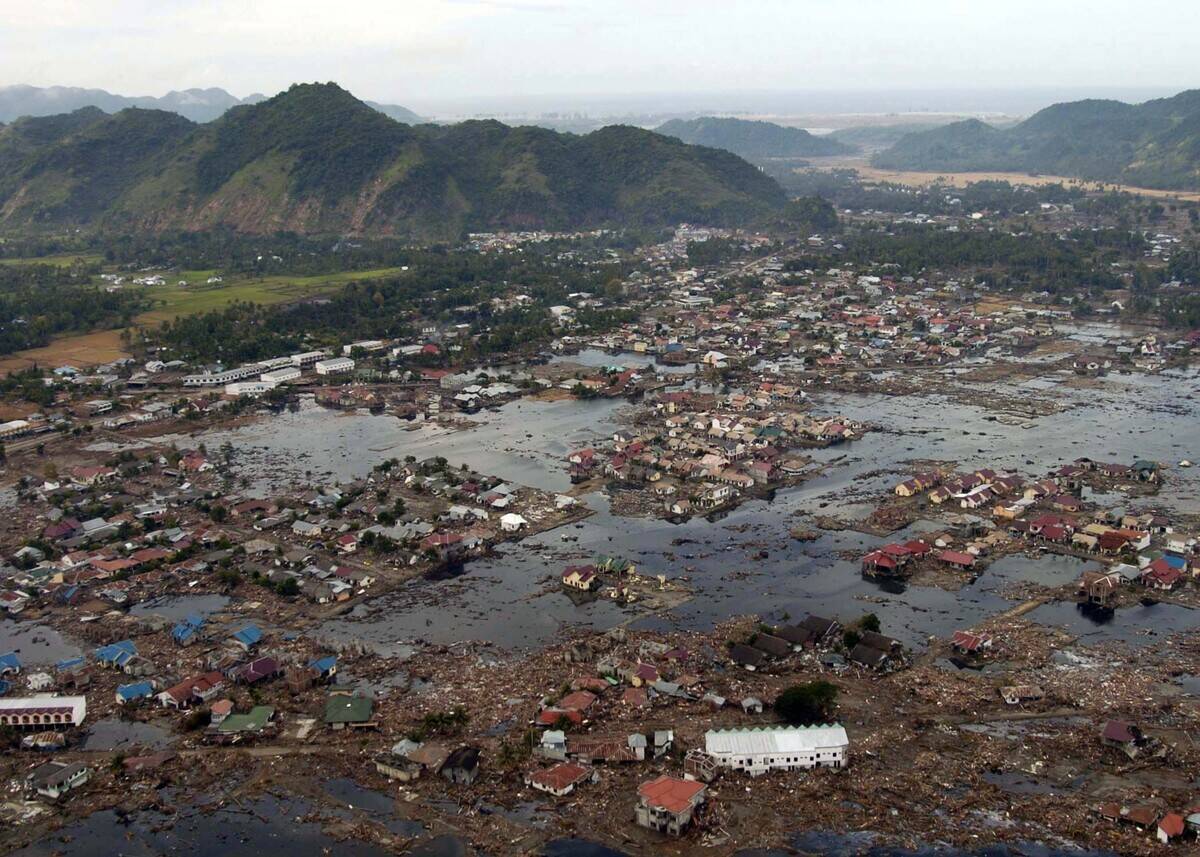
The 2004 Indian Ocean tsunami underscored the need for effective early warning systems. The disaster prompted the establishment of the Indian Ocean Tsunami Warning System, which monitors seismic activity and sea levels to provide timely alerts.
This system has improved preparedness and response, reducing the risk of loss of life in future tsunamis. It also highlighted the importance of international cooperation in disaster management.
Hurricane Katrina: Rethinking Disaster Preparedness and Response
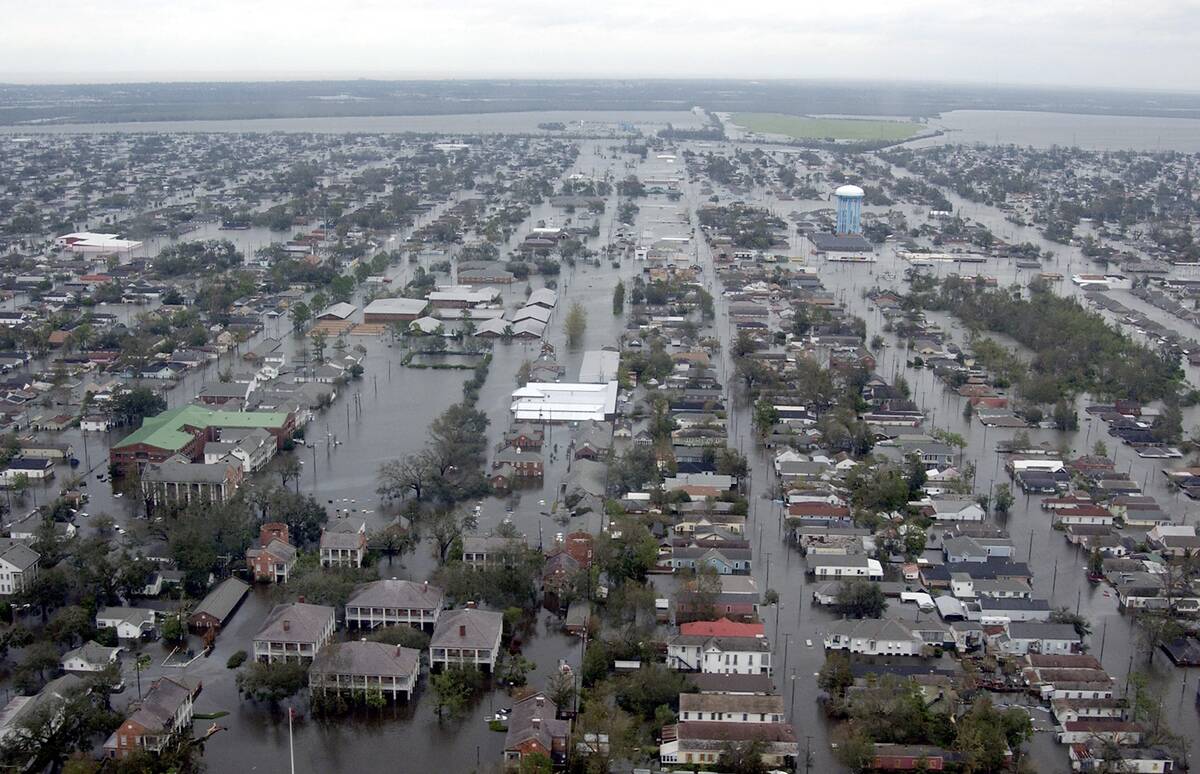
Hurricane Katrina in 2005 exposed significant shortcomings in disaster preparedness and response. The storm’s aftermath led to reforms in emergency management policies, emphasizing the need for better coordination and communication.
Improvements in infrastructure, evacuation plans, and community resilience have been implemented to better handle future hurricanes. Katrina served as a catalyst for change, prompting a reevaluation of how disasters are managed at all levels.
The Fukushima Daiichi Nuclear Disaster: Energy Policy Shifts
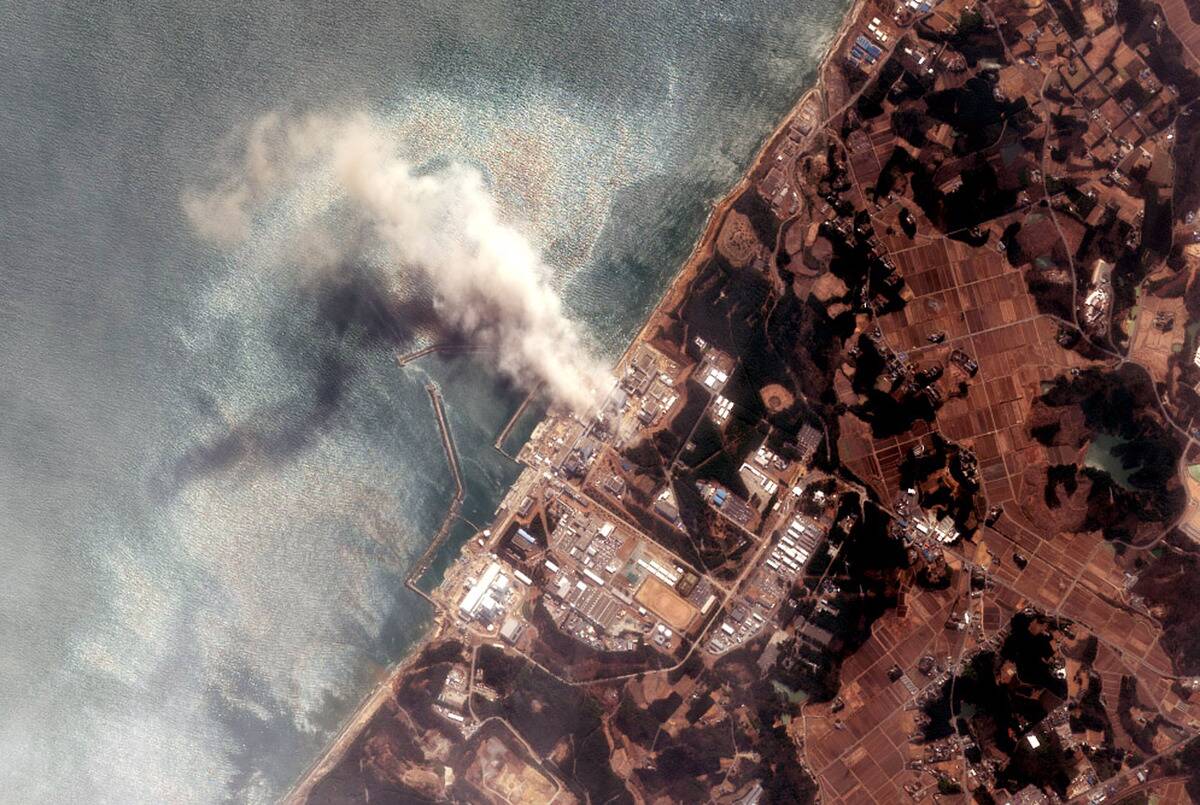
The Fukushima Daiichi nuclear disaster in 2011 had a profound impact on global energy policies. The incident prompted several countries to reconsider their reliance on nuclear power, leading to shifts towards renewable energy sources.
Stricter safety regulations were also implemented for existing nuclear facilities. The disaster highlighted the need for a balanced energy strategy that prioritizes safety and sustainability.
The COVID-19 Pandemic: Accelerating Remote Work and Digital Life
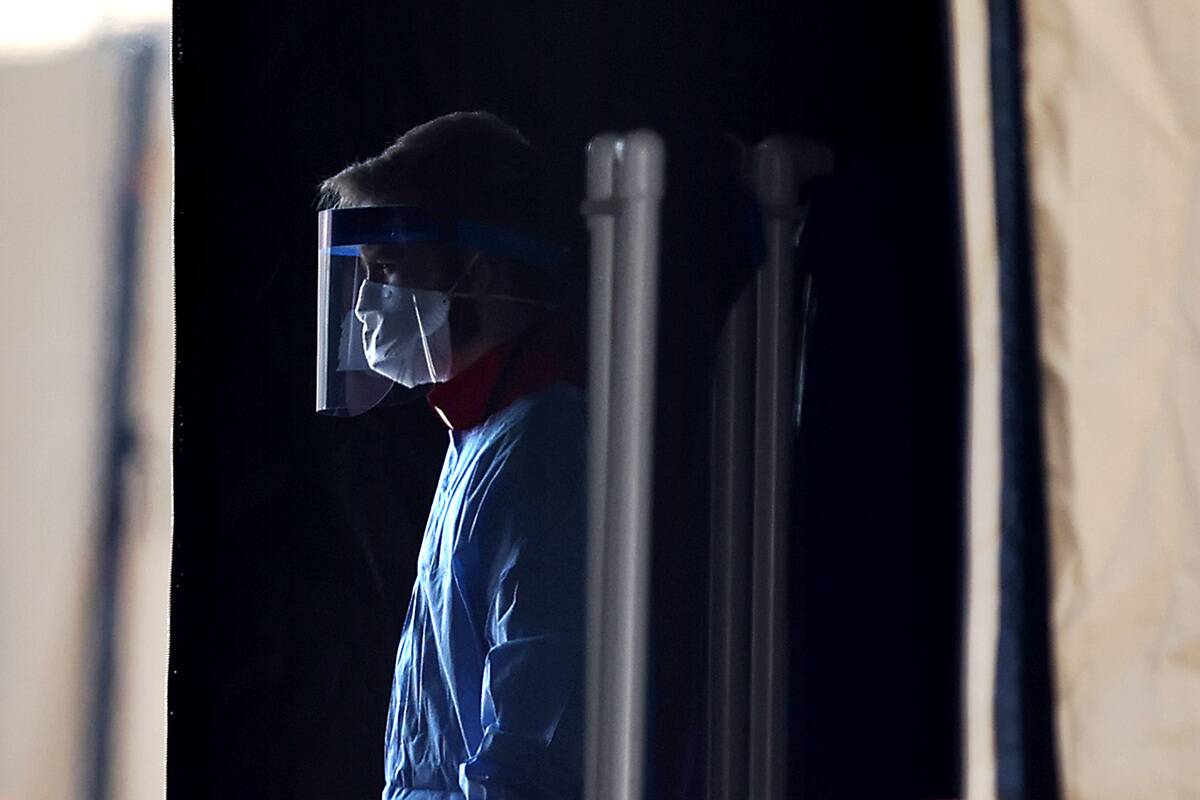
The COVID-19 pandemic accelerated the shift towards remote work and digital living. As lockdowns were implemented worldwide, businesses adapted by embracing remote work technologies.
This shift has reshaped the workplace, with many companies adopting flexible work arrangements. The pandemic also highlighted the importance of digital connectivity, leading to advancements in telecommunication infrastructure and digital services.
The Exxon Valdez Oil Spill: Environmental Regulations and Corporate Responsibility
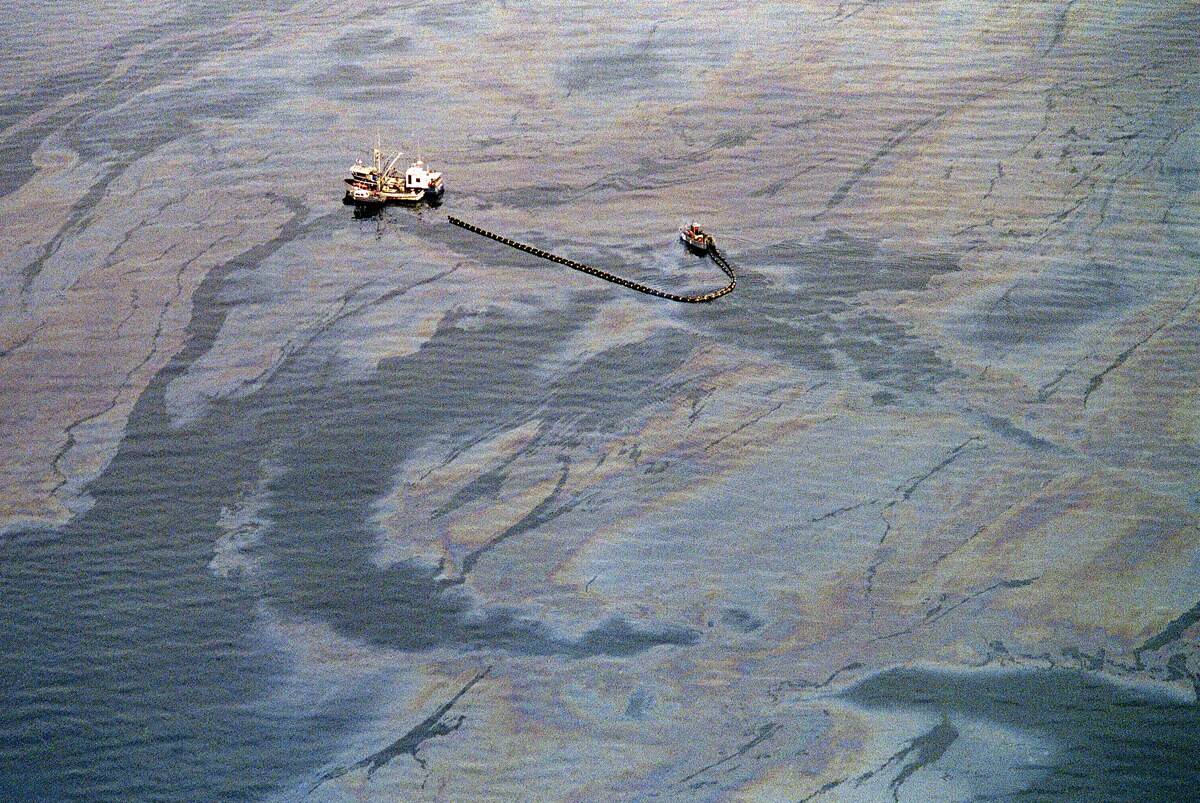
The Exxon Valdez oil spill in 1989 was a turning point for environmental regulations. The disaster led to the passage of the Oil Pollution Act, which increased liability for oil spills and improved response capabilities.
It also heightened awareness of corporate responsibility and environmental stewardship. The spill underscored the need for stringent regulations to prevent environmental disasters and protect natural resources.
The 2010 Haiti Earthquake: Humanitarian Aid and International Cooperation
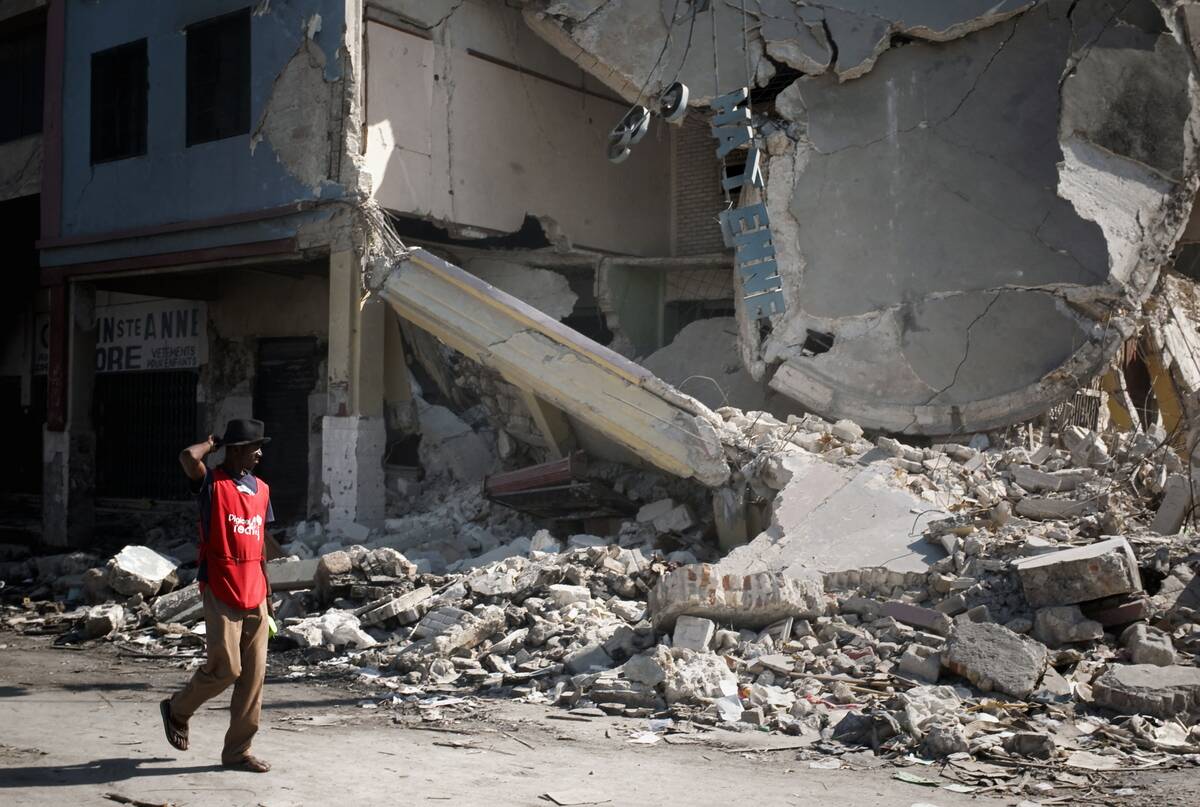
The 2010 Haiti earthquake highlighted the importance of international cooperation in humanitarian aid. The disaster prompted a global response, with countries and organizations providing critical assistance.
It also exposed the need for improved infrastructure and disaster preparedness in vulnerable regions. The earthquake underscored the value of coordinated efforts in delivering effective aid and rebuilding efforts.
The Grenfell Tower Fire: Fire Safety Standards and Social Housing Policies
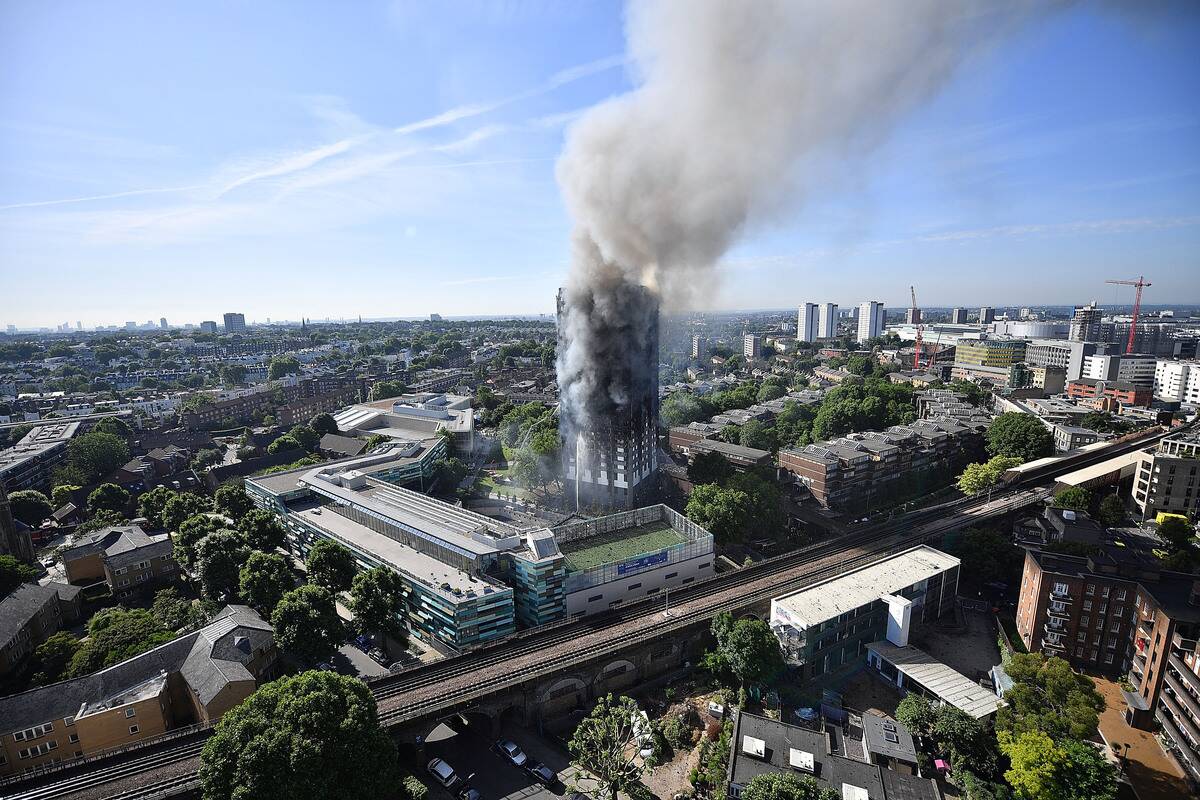
The Grenfell Tower fire in 2017 was a tragic reminder of the importance of fire safety standards. The disaster led to a comprehensive review of building regulations and fire safety practices, particularly in social housing.
It also sparked discussions on social inequality and housing policies. The incident highlighted the need for stringent safety measures and accountability to prevent similar tragedies in the future.




