We’re waiting for these popular millennial fads to make a comeback
Millennials tend to wax nostalgic about things that younger – and older – generations just don’t understand. AIM? Tamagotchi? Furby? All of these just sound like made-up terms if you’re not part of this specific demographic.
All the same, nostalgia has a powerful pull. Now, with rumors that millennial’s favorite dead social media site MySpace might be coming back, we humbly present a few more millennial-focused trends that should be brought back from the dead.
AOL Instant Messenger: BRB, Forever
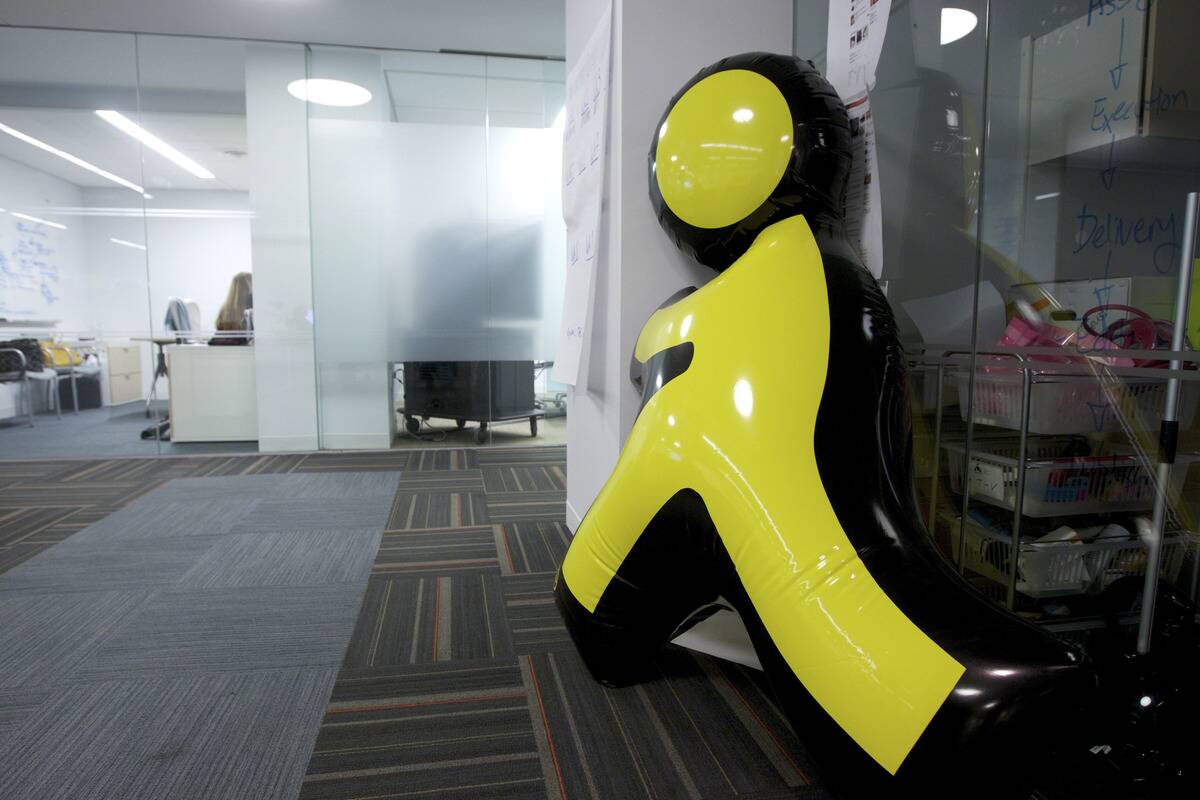
AIM was the place where millennial friendships unfolded after school. You could sign on, see which friends were available, choose the perfect away message, and spend hours chatting without ever picking up a phone. Your buddy list was practically a social calendar.
Then there were screen names, away messages, buddy icons, and the unforgettable door-opening and closing sounds. AIM made online communication feel personal rather than corporate. Today’s messaging apps are vastly more capable, but they could learn something from AIM’s personality. Sometimes you just want a ridiculous username and an away message that says everything.
Tamagotchi: Our First Digital Pet
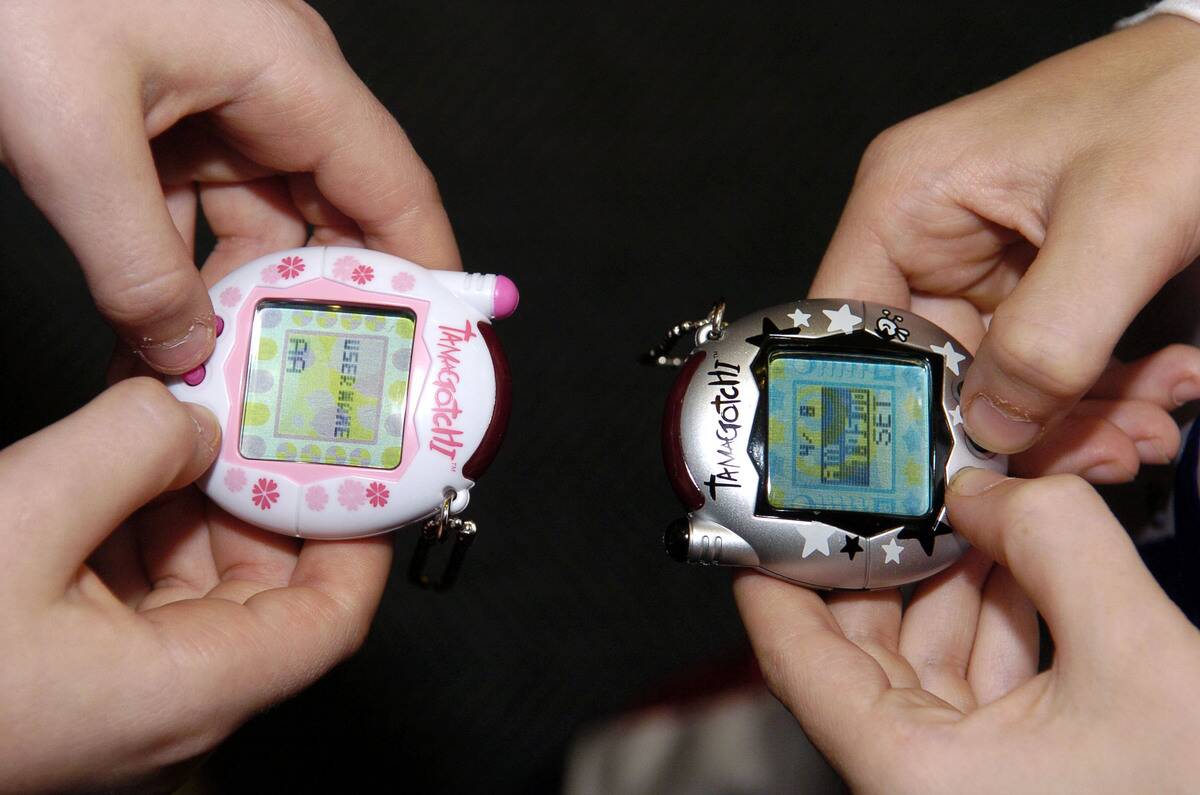
Before smartphones could keep us entertained 24/7, there was the Tamagotchi. These tiny egg-shaped gadgets gave an entire generation a digital creature to feed, clean, discipline, and desperately keep alive. Forget having a puppy—millennials were waking up at 6 a.m. to make sure their pixelated pets hadn’t starved overnight.
The appeal was wonderfully simple. Tamagotchis turned responsibility into a game, and kids became surprisingly attached to creatures that consisted of a handful of black pixels. Modern technology could make digital pets far more sophisticated, but bringing back the original simplicity might be exactly what makes them fun again.
Flip Phones: All About The Snap

Before smartphones swallowed our attention, flip phones were everywhere. Models such as the Motorola Razr made answering a call feel almost cinematic: flip it open, say hello, and snap it shut when the conversation ended.
Their biggest advantage might have been what they couldn’t do. There were no endless notifications, social feeds, or apps demanding attention. You called or texted someone, and then the phone went back into your pocket. A modern flip phone revival is already happening in another form, but millennials might welcome a truly uncomplicated version that prioritizes communication over everything else.
Ringtones Were a Personality Statement

For a brief period, your ringtone could reveal practically everything about you. You might have a pop hit, a ridiculous novelty sound, or a melody associated with your favorite television show. Choosing one was almost as important as selecting a wallpaper.
Then came polyphonic and downloadable ringtones, which turned phones into miniature music players. Eventually, smartphones made customized ringtones feel strangely old-fashioned. Today, most people simply leave their devices on silent. Bringing back the era when hearing someone’s phone ring immediately told you something about them would be wonderfully nostalgic.
The iPod Click Wheel
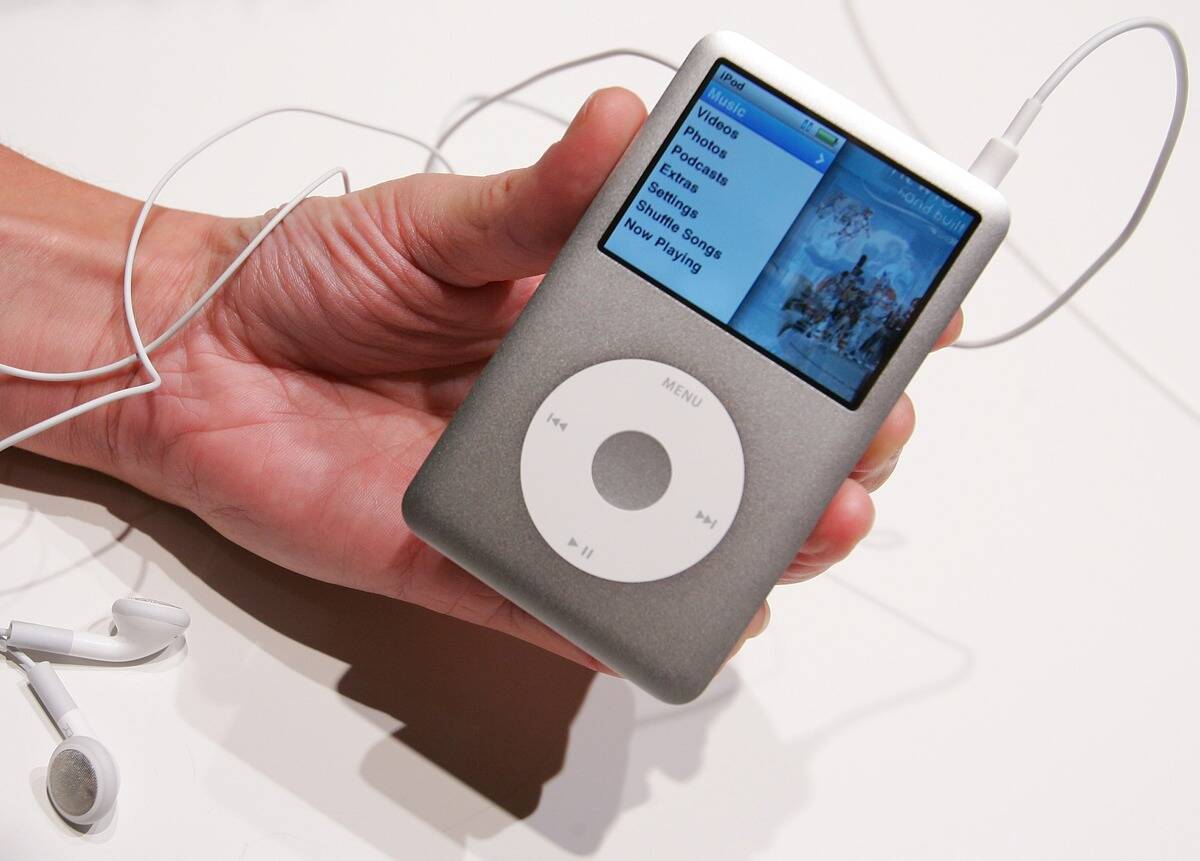
Few pieces of early digital technology were as instantly recognizable as the iPod’s click wheel. Scrolling through an enormous music library using your thumb somehow felt futuristic, even though the interface was remarkably straightforward.
The click wheel also represented a brief period when technology could be sophisticated without being overwhelming. You weren’t constantly downloading apps or managing notifications. You selected an artist, album, or playlist and listened. Bringing back tactile controls for everyday gadgets could be a refreshing alternative to endless touchscreen menus.
Furby Mania
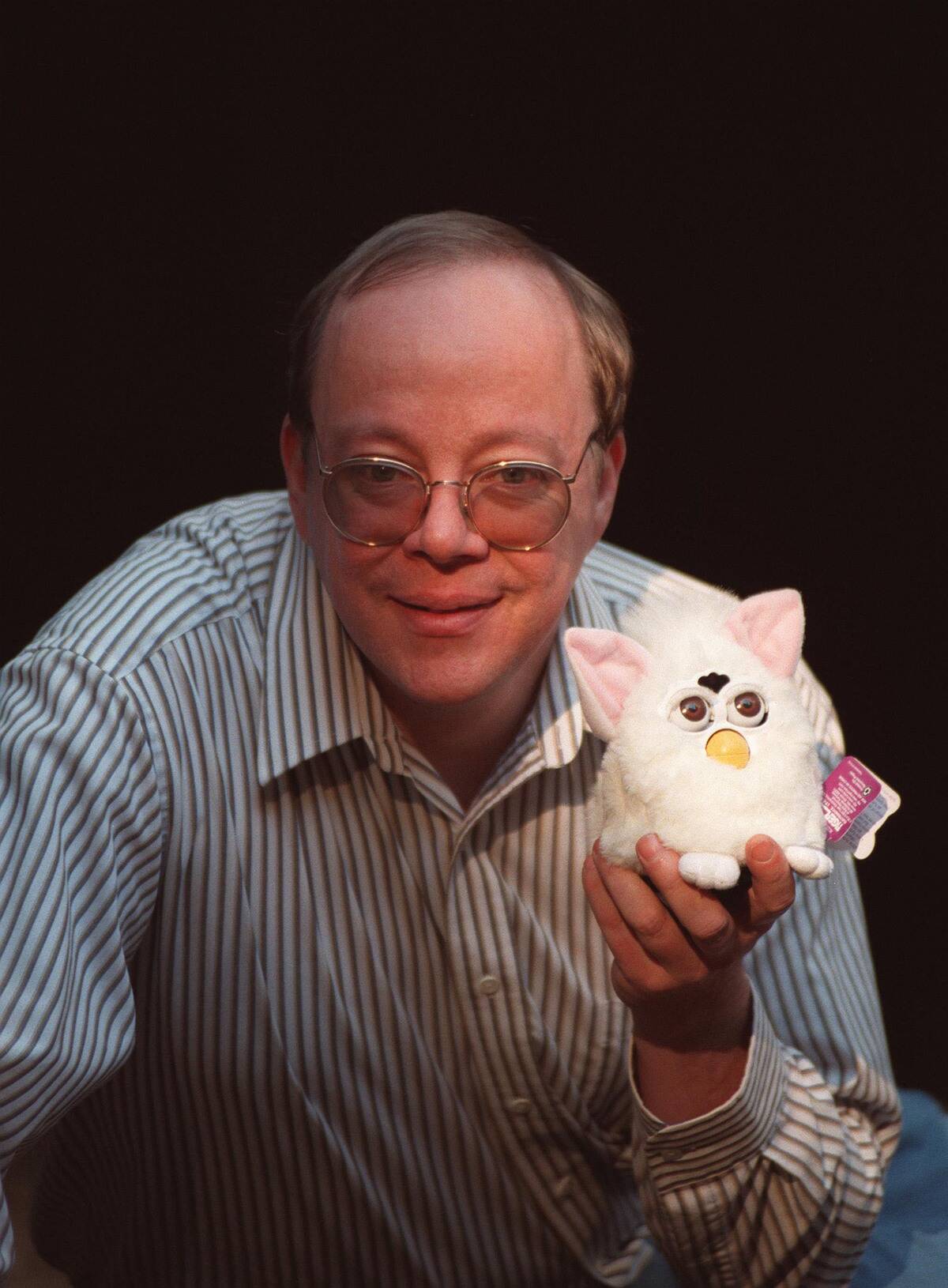
Furbies were bizarre, adorable, unsettling, and somehow irresistible. Their strange noises and blinking eyes made them feel almost alive, which was precisely why children wanted one.
They also became a cultural phenomenon rather than merely another toy. Stores struggled to keep up with demand, while parents hunted for them during the holidays. Today’s toys can be technologically impressive, but few have inspired the same combination of fascination and mild parental concern. A deliberately weird, personality-driven toy could absolutely become a phenomenon again.
Nintendo Game Boy Color
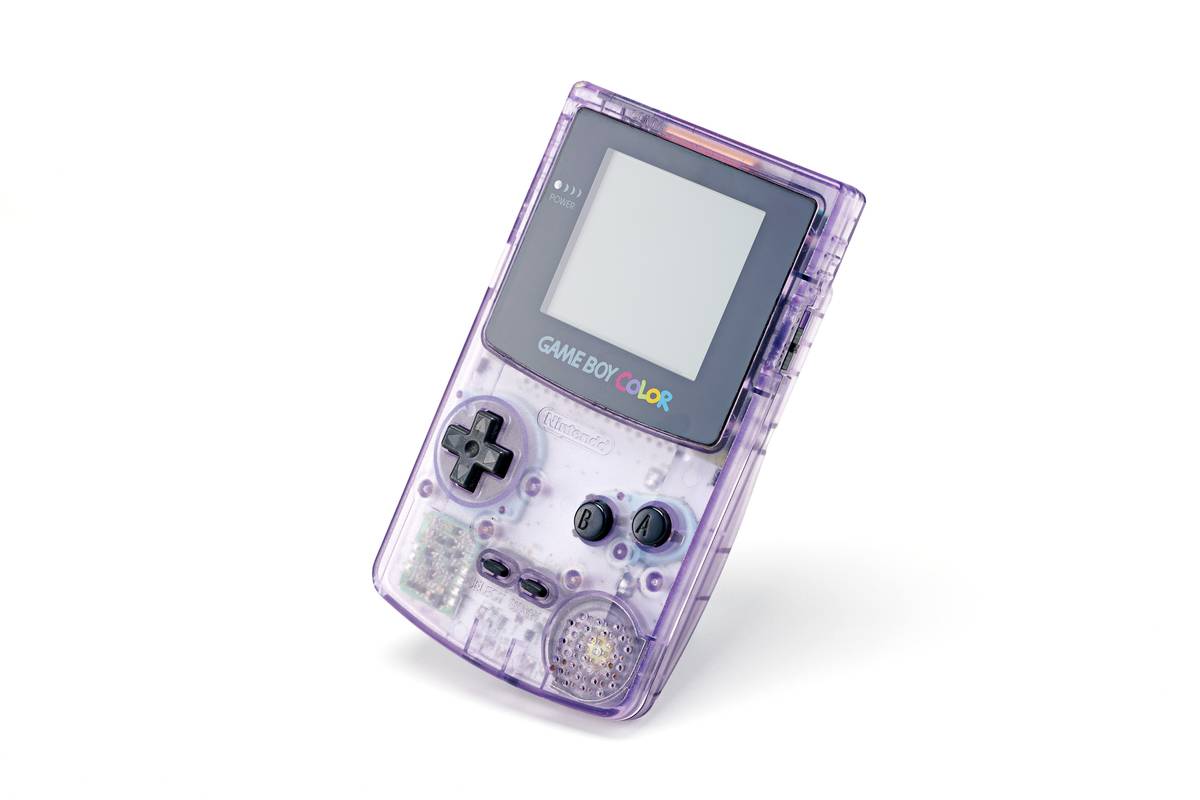
The Game Boy Color was small enough to fit in a pocket and powerful enough to consume entire afternoons. Pokémon, The Legend of Zelda, and countless other games turned car rides and family vacations into portable gaming sessions.
Its limitations were part of the charm. There was no internet connection, social feed, or endless stream of downloadable content. You simply played the game you owned. Modern handheld gaming has become far more advanced, but the simplicity of the Game Boy era remains incredibly appealing.
Disposable Cameras
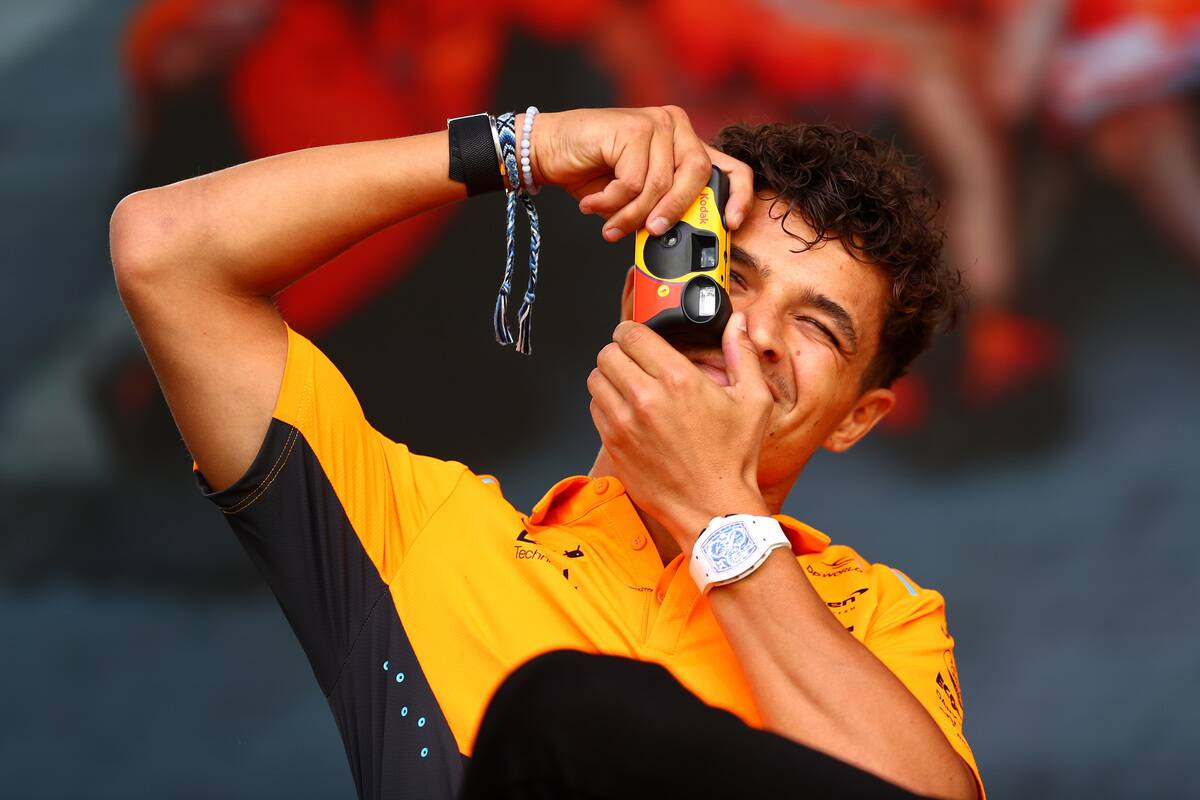
Disposable cameras turned everyday moments into tiny mysteries. You could take a picture, but you wouldn’t know whether it turned out until the film was developed. That uncertainty made photographs feel more exciting.
There was also no deleting an embarrassing picture immediately. You had to accept whatever happened and wait. Digital photography solved countless problems, but it also made photography less memorable. A return to disposable cameras—or modern devices designed to recreate their limitations—could bring back the anticipation missing from instant digital photography.
Burned CDs: The Ultimate Mixtape
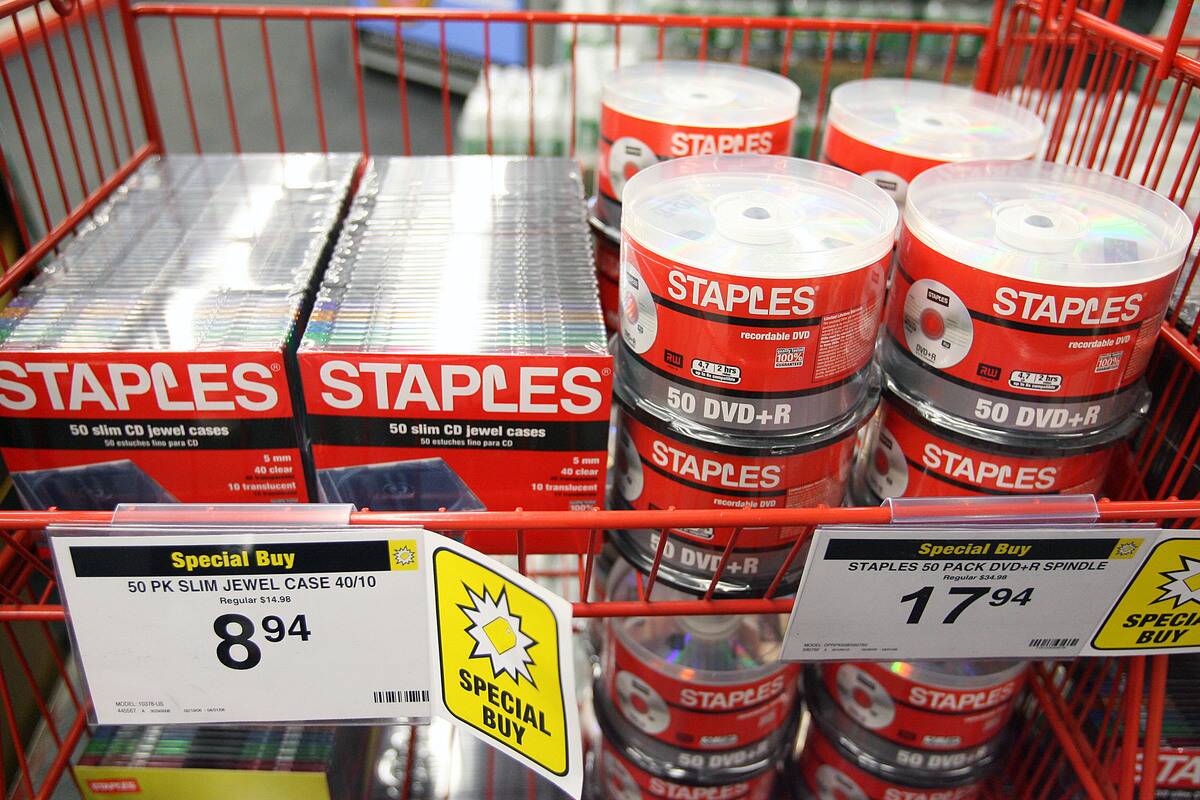
Creating a burned CD required effort. You had to choose songs, arrange them in the right order, check the available space, and hope you didn’t accidentally ruin the disc. A homemade compilation could become a surprisingly meaningful gift.
Unlike a streaming playlist, a CD felt permanent. You couldn’t endlessly edit it with a tap. Every song earned its place. Millennials also learned an early lesson in music curation: the first track mattered, the final track mattered, and there was always room for one questionable song that somehow made the cut.
The Nokia Era
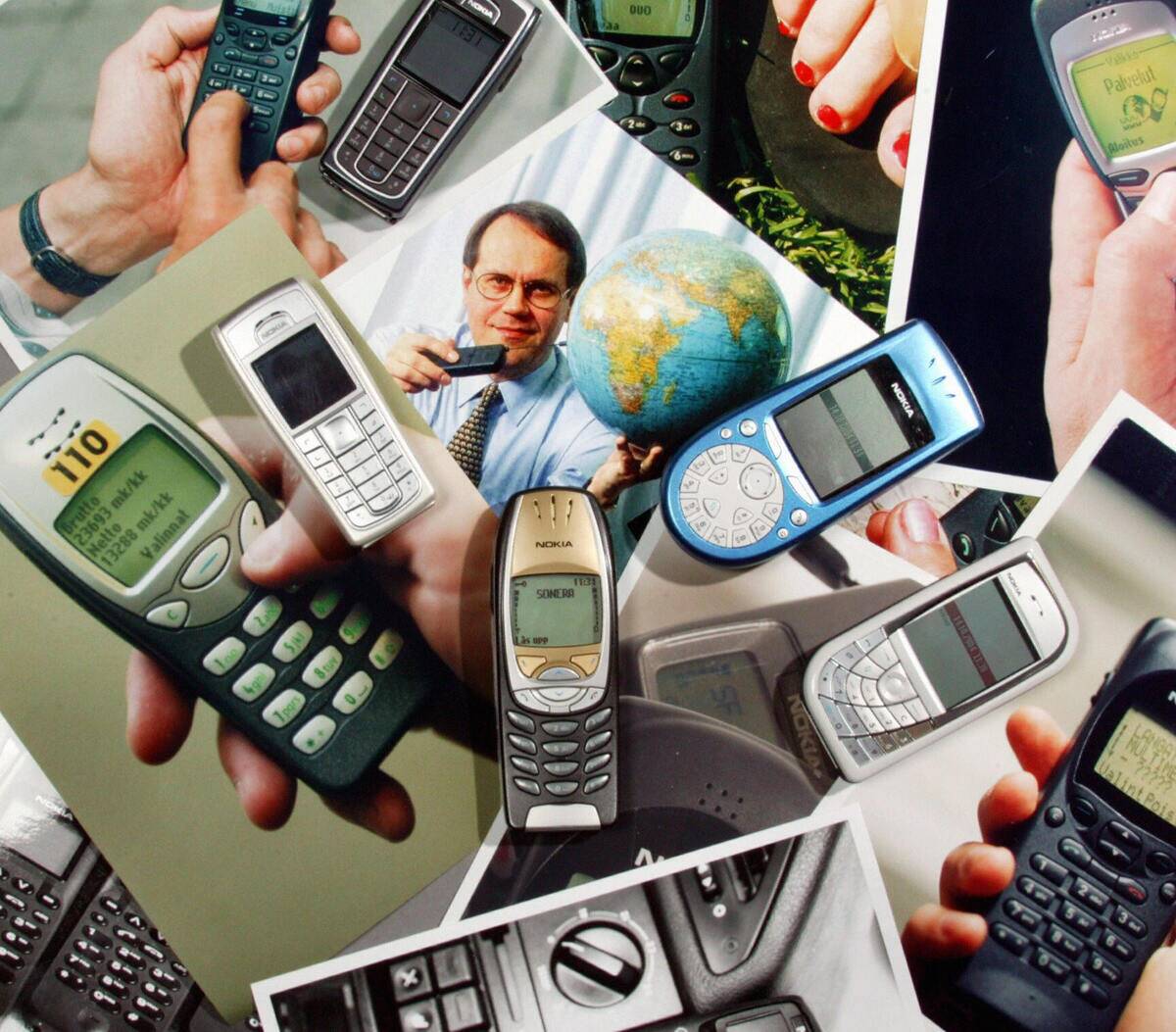
Nokia phones developed a reputation for being nearly indestructible, and games like Snake provided hours of entertainment without requiring an app store. Battery life could stretch for days, and losing the phone didn’t mean losing your entire digital existence.
The simplicity was genuinely liberating. You had a phone because you wanted to call or text someone—not because it served as your bank, camera, television, calendar, workplace, and social life. A modern phone with Nokia-era priorities could be a compelling alternative for people looking to disconnect.
MP3 Players Before Smartphones
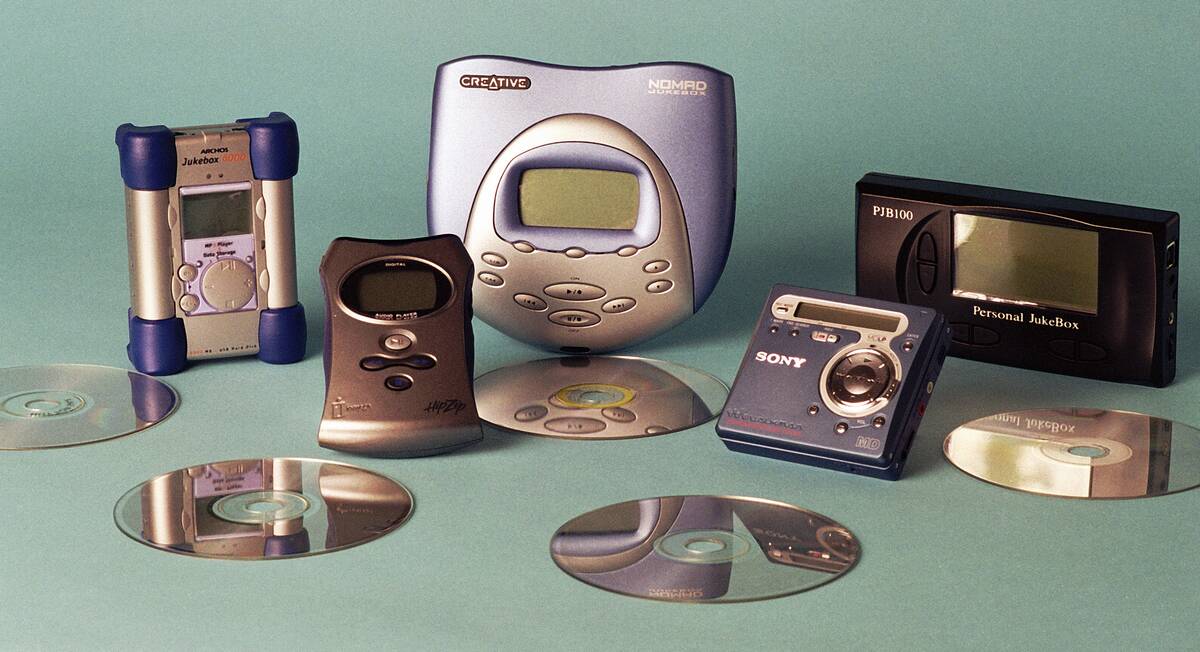
The iPod and its competitors changed how millennials carried music. Suddenly, hundreds or thousands of songs could fit inside a device that was much smaller than a portable CD player.
What made the era special was its focus. An MP3 player existed primarily for listening to music. There were no social media notifications interrupting an album or emails competing with a favorite song. A modern return to dedicated music players could appeal to anyone exhausted by having one device responsible for practically every aspect of life.
Portable CD Players: The Anti-Skip Era
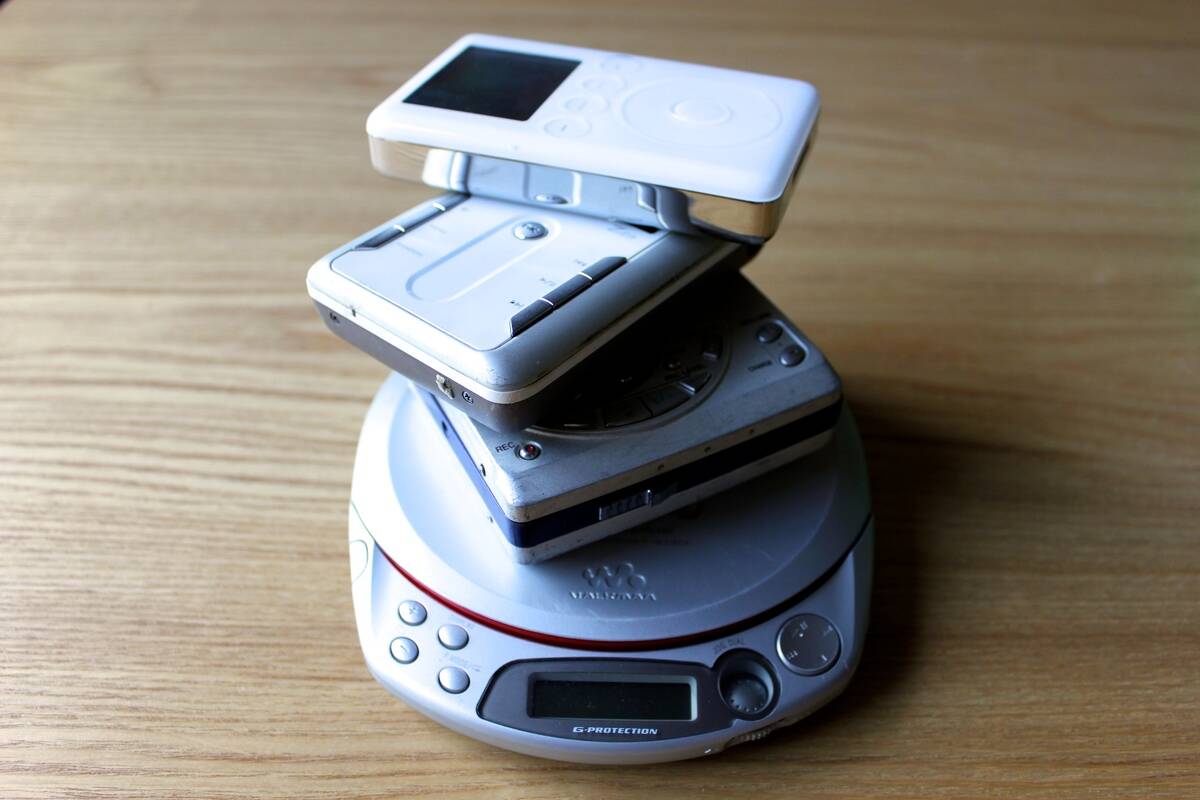
Before digital music libraries, portable CD players let millennials carry an album wherever they went. The technology seemed magical—until someone bumped the device and the music skipped at the worst possible moment.
Anti-skip protection eventually improved things, but carrying a CD player still required planning. You had to choose an album before leaving home and bring extra discs if you wanted variety. That limitation made music feel more deliberate. There is something appealing about returning to a world where listening to an album meant actually listening to an album.
DVD Menus Were Their Own Experience
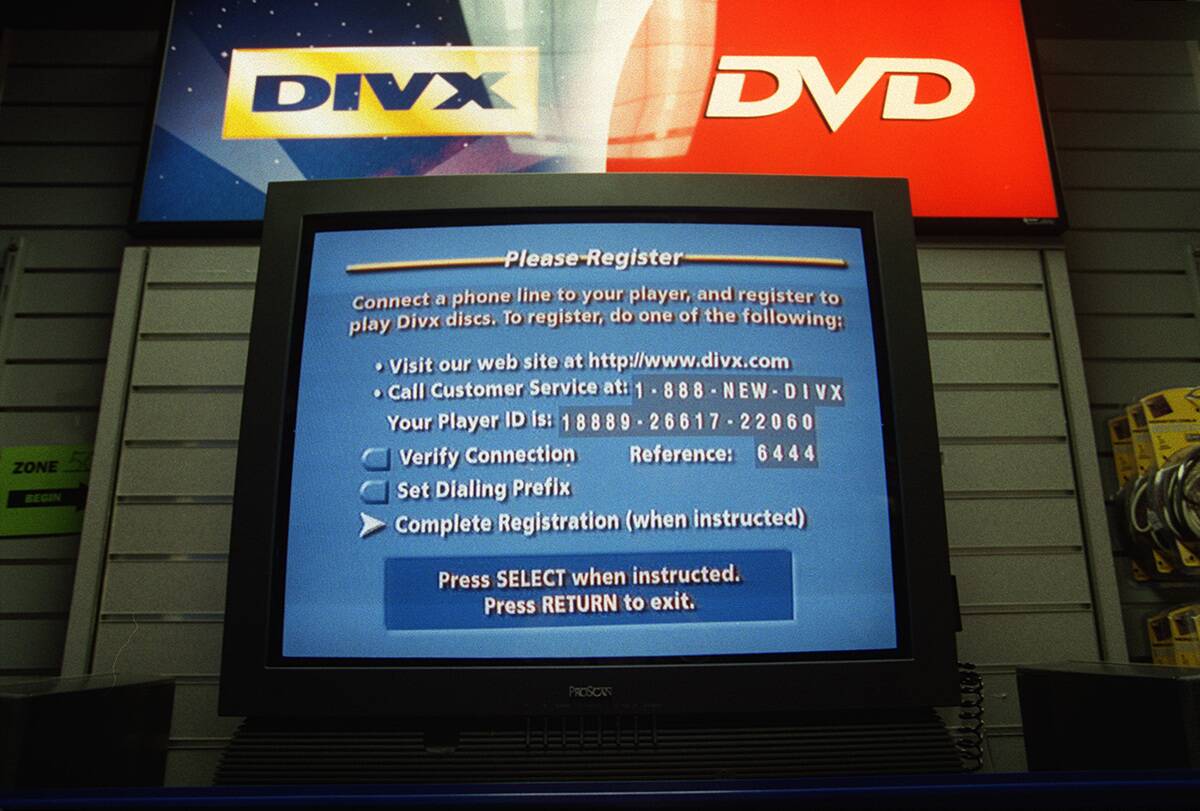
Millennials didn’t simply watch DVDs; they explored them. The elaborate menus, animated backgrounds, hidden Easter eggs, deleted scenes, commentary tracks, and bloopers could keep viewers occupied long after the movie ended.
DVDs also encouraged people to own their favorite films rather than simply access them through a subscription. Today, bonus material is often scattered across platforms or ignored completely. Bringing back the deluxe DVD experience—with interactive menus and mountains of extras—could make physical media feel exciting again instead of merely nostalgic.
Razor Scooters: The Sidewalk Revolution

The Razor scooter exploded in popularity around the turn of the millennium, transforming sidewalks and driveways into miniature transportation networks. Kids raced around neighborhoods, practiced tricks, and inevitably learned what happens when pavement meets unprotected knees.
Unlike many modern toys, scooters encouraged people to leave the house. They were inexpensive, portable, and endlessly entertaining without requiring batteries or Wi-Fi. A scooter comeback wouldn’t require much technological innovation—just a renewed appreciation for toys that encourage kids to spend an afternoon outside.
Emo Bands and the Skinny-Jeans Era
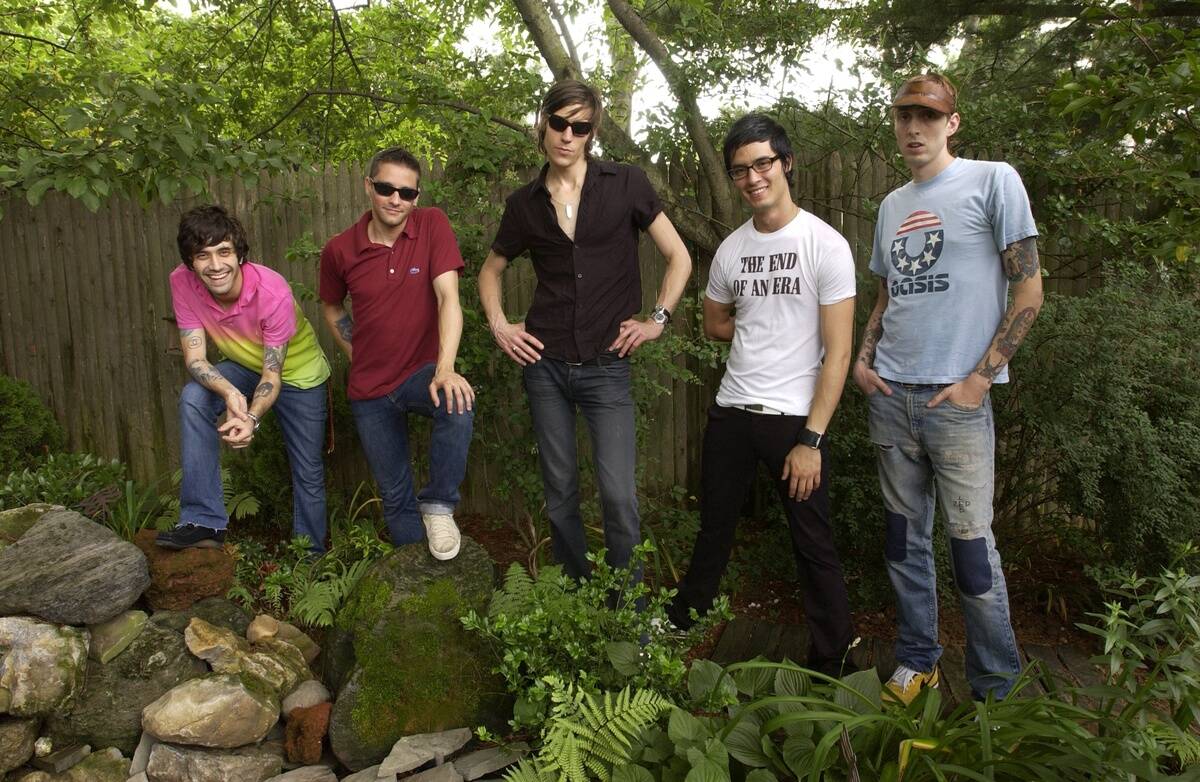
The mid-2000s emo explosion gave millennials an entire aesthetic to embrace—or mock. Skinny jeans, studded belts, side-swept hair, band merchandise, and dramatic lyrics became staples of teenage culture.
Bands like My Chemical Romance, Fall Out Boy, and Panic! at the Disco turned emotional teenage angst into arena-sized entertainment. The style eventually became a punchline, but its staying power says something about the era. Millennials might not want every fashion choice back, but another wave of unapologetically dramatic music would certainly be welcome.
Scene Kids and MySpace Music

Before TikTok could turn an unknown musician into a global sensation, MySpace played an important role in music discovery. Young artists could upload songs directly to their profiles, while users discovered bands through friends, profile pages, and online communities.
The scene-kid era turned MySpace into something resembling a digital underground club. Haircuts were dramatic, photos were heavily edited, and discovering a band before everyone else felt like a genuine accomplishment. Modern social media could benefit from more spaces where discovering something cool matters more than chasing viral numbers.
Jelly Bracelets Had Meaning
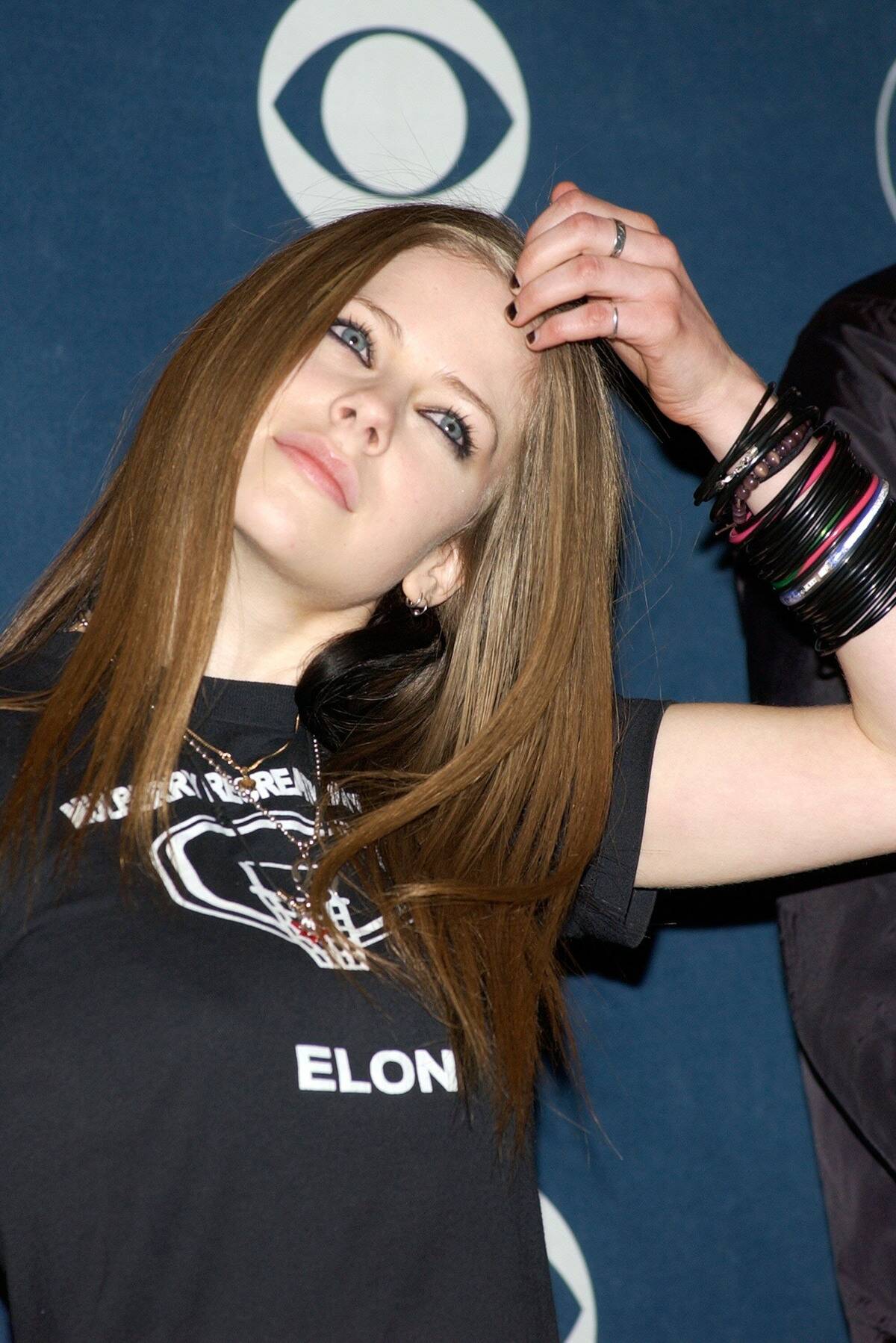
Jelly bracelets were colorful, inexpensive, and frequently surrounded by rumors about what different colors supposedly represented. Their alleged meanings became playground folklore, creating an entire social language around something that cost very little.
The important part wasn’t whether the rumors were true. It was that kids collectively participated in the same trend and understood its supposed rules. Today’s internet trends can disappear within hours. Jelly bracelets belonged to a slower culture where a fad could dominate schoolyards for weeks before everyone moved on.
Gel Pens Made Homework Better
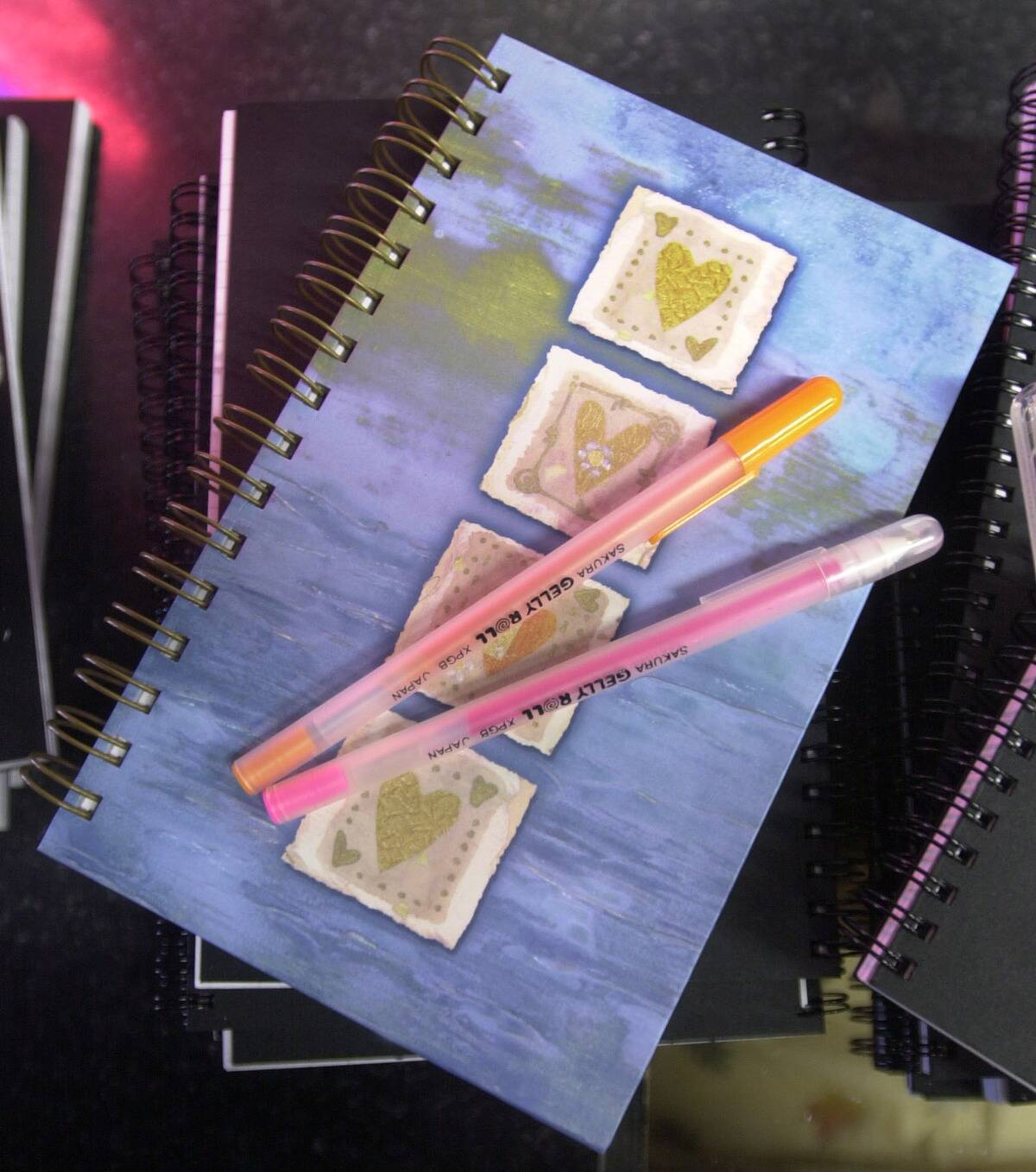
Gel pens had no business making schoolwork this exciting, but they did. Suddenly, taking notes could involve glitter, metallic ink, neon colors, and an unnecessary collection of pens that seemed to require their own pencil case.
They were especially popular for decorating notebooks, writing diary entries, and passing notes. A digital note-taking app can be more practical, but it can’t quite replicate the satisfaction of watching sparkly ink glide across paper. The comeback of colorful stationery would give people another excuse to put their phones down.
Webkinz: Online Pets Before Social Media
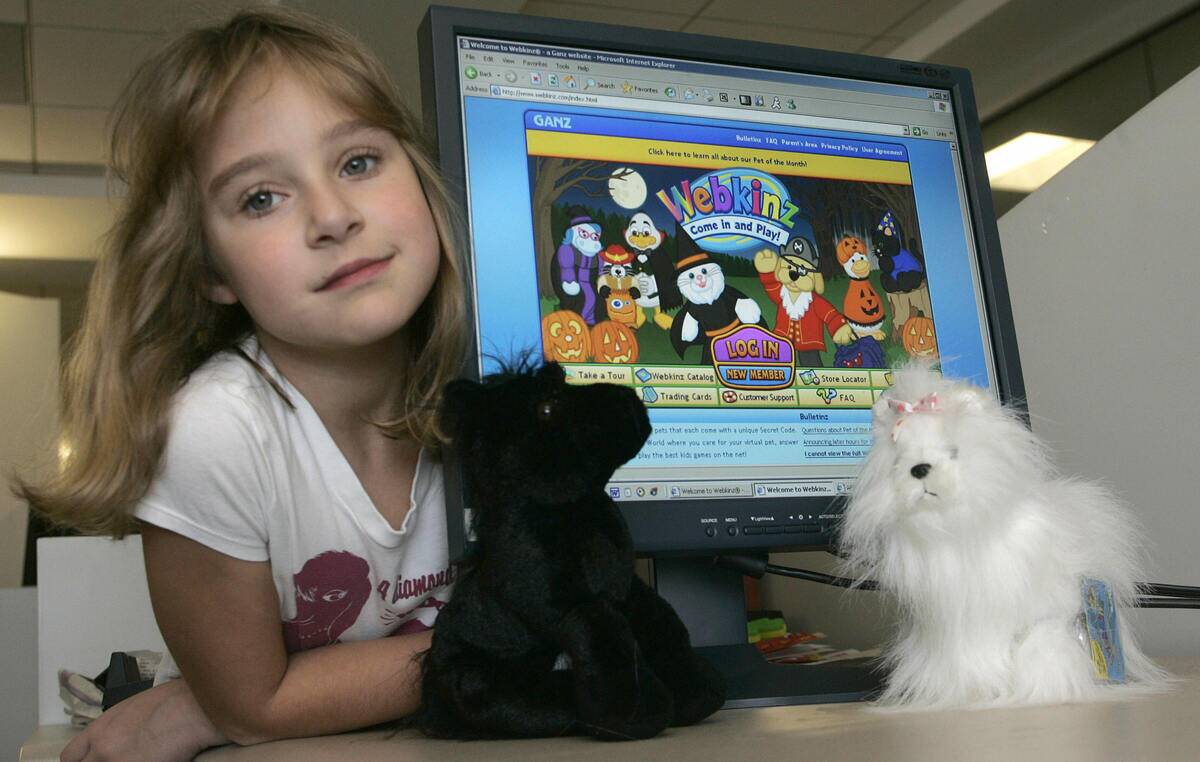
Webkinz cleverly combined a physical stuffed animal with an online world. Buying the plush toy gave children access to a virtual pet they could feed, decorate, and care for.
It was an early example of connecting something tangible to a digital identity. Before social media profiles became unavoidable, kids were already creating virtual spaces that reflected their personalities. The concept remains surprisingly relevant today. A modern version could combine physical collectibles with a carefully designed digital world without requiring children to enter mainstream social media.
Chain Emails
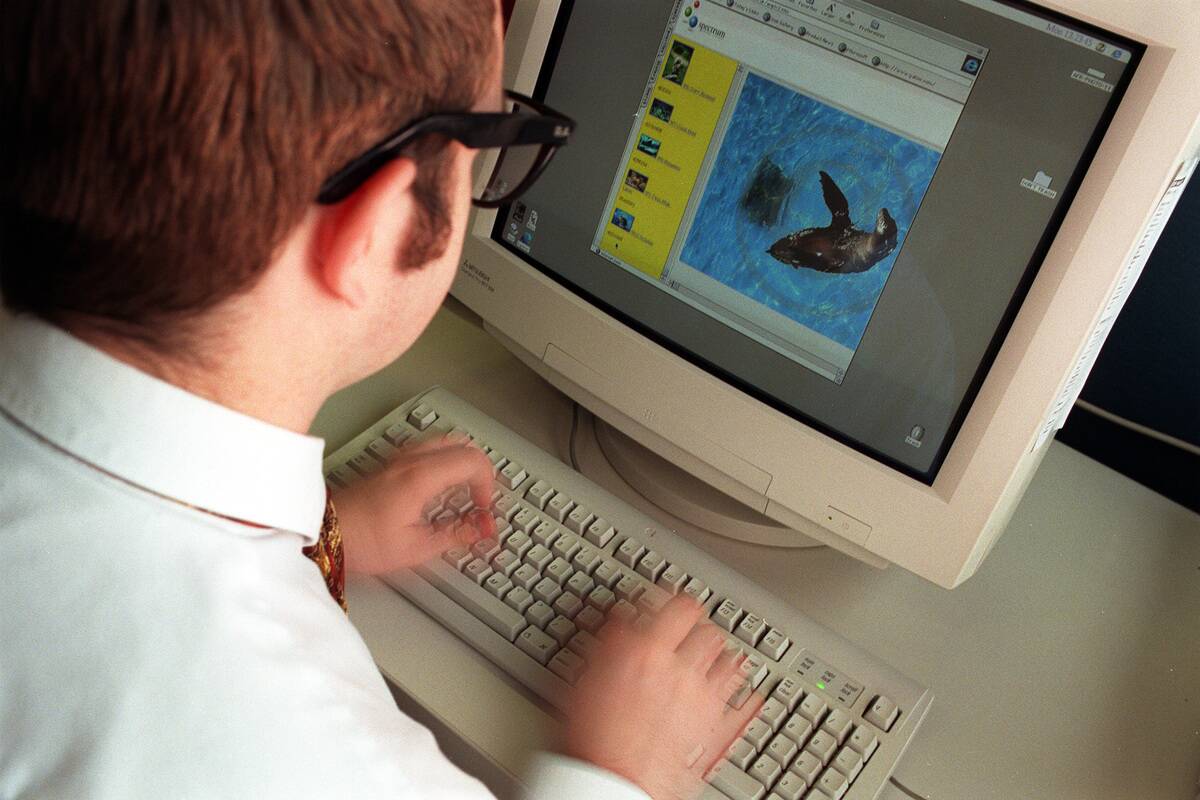
“Forward this to 10 people or you’ll have bad luck.” Millennials encountered countless variations of that message in their inboxes. Some were sentimental, some were bizarre, and others were clearly designed to make recipients panic.
Chain emails were an early demonstration of how quickly information could spread online. They were also annoying enough to become a shared cultural experience. While nobody needs another wave of digital spam, the innocent absurdity of receiving a message that supposedly contained your destiny is strangely nostalgic.
Pokémon Cards
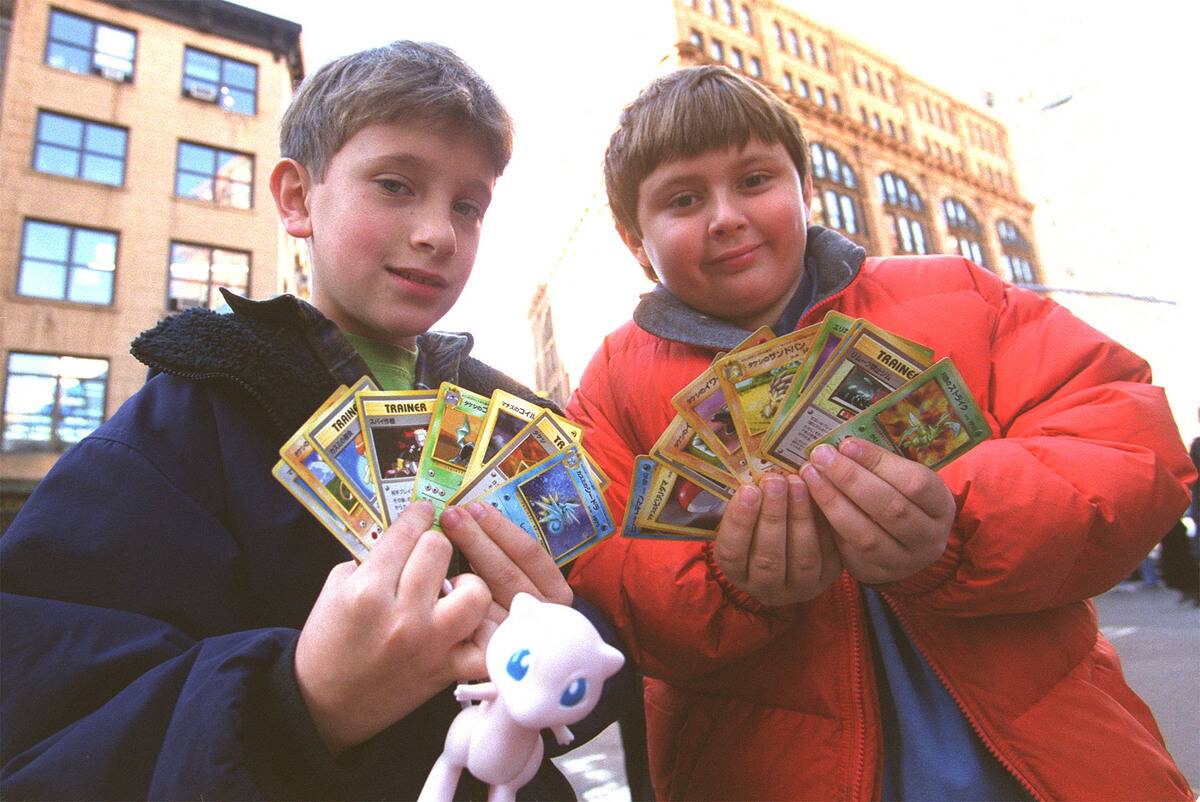
Pokémon cards never went away, but the vibes were different when they first came out. Kids traded cards, debated their value, built decks, and desperately hoped to find something rare in a fresh pack.
The thrill came from not knowing what was inside. Modern collectibles still use that formula, but Pokémon cards had an unusually powerful combination of game, cartoon, trading culture, and childhood obsession. A new generation can still enjoy the hobby, but millennials remember when finding a holographic card could make you the richest kid at recess.
The Scholastic Book Fair
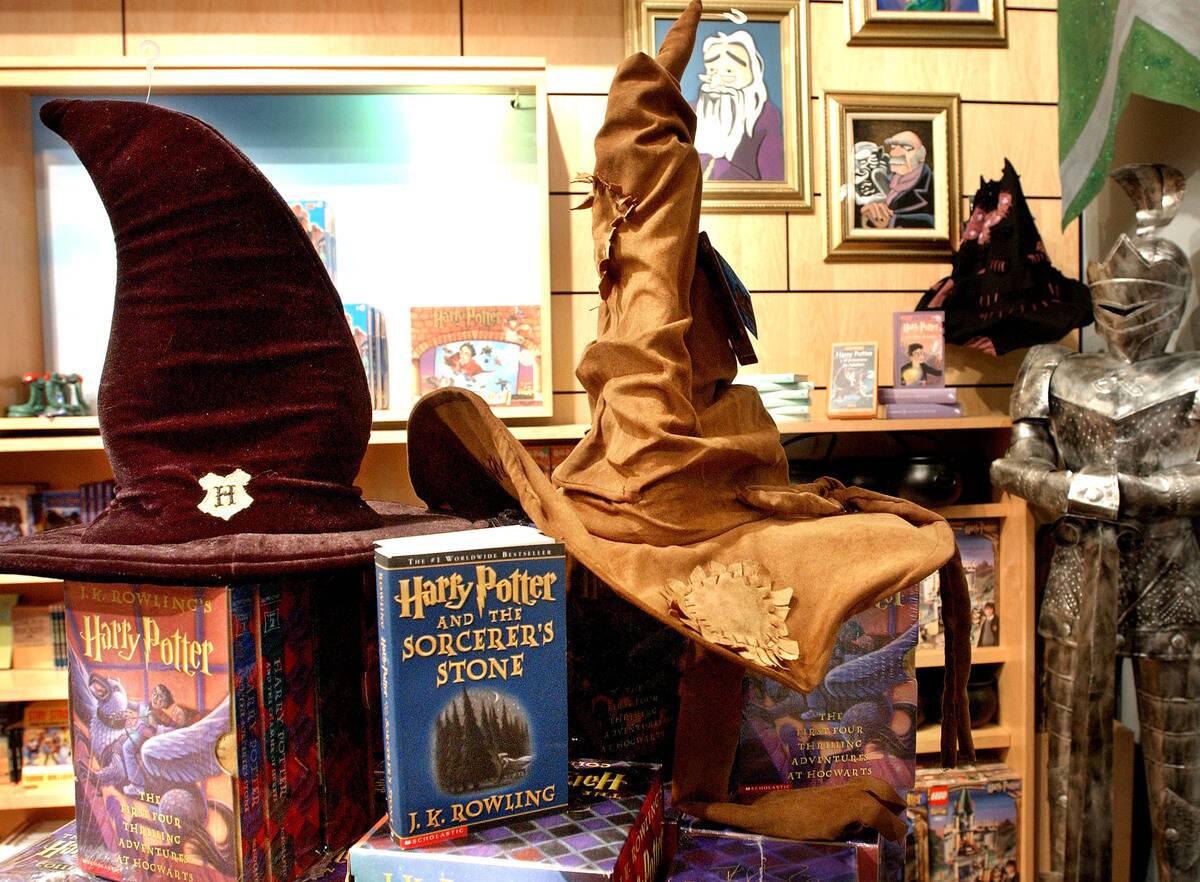
The Scholastic Book Fair transformed school into a temporary bookstore. Students could wander among colorful displays of books, toys, posters, and novelty items while trying to decide how to spend a limited amount of money.
For many millennials, it was one of the first experiences of choosing books entirely for themselves. There was also the thrill of bringing the purchases back to class and seeing what everyone else had selected. The concept still exists, but a giant cultural revival would remind kids that browsing physical books can be an adventure.
Neopets: The Original Virtual Hangout
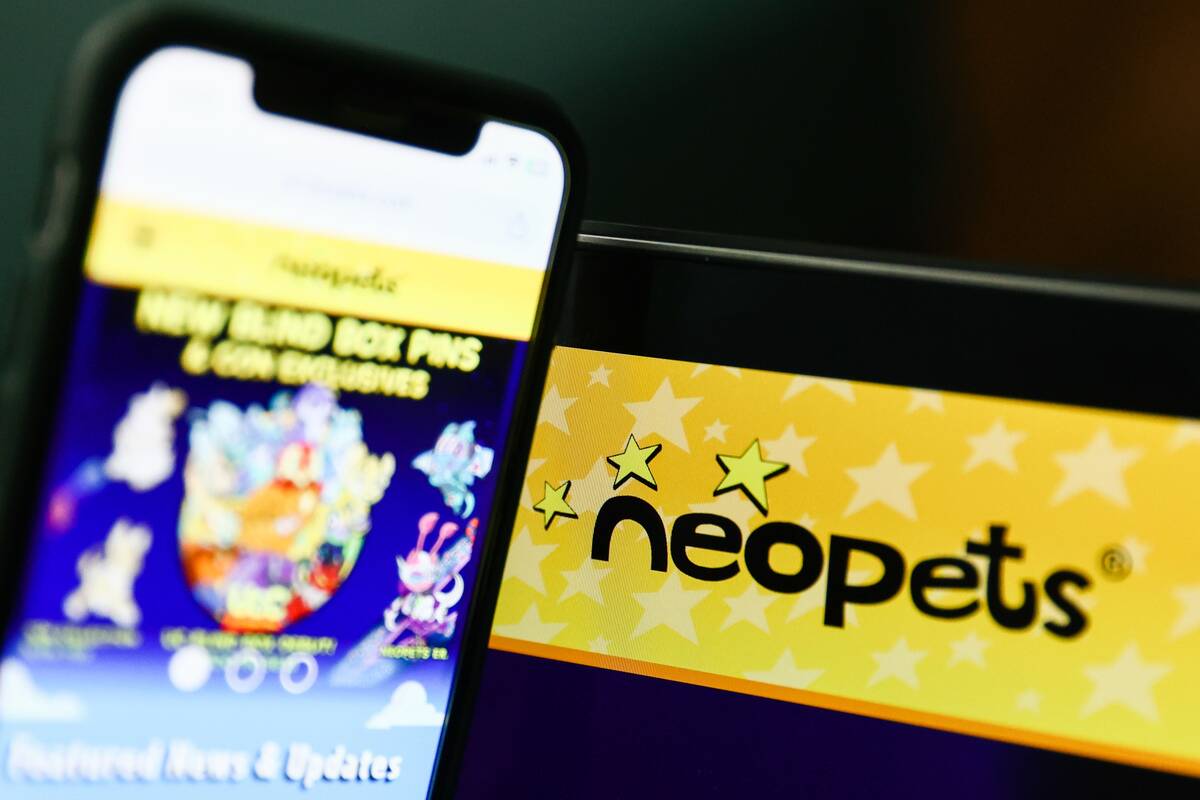
Neopets gave millennials a colorful online universe filled with virtual pets, games, shops, collectibles, and elaborate fictional worlds. For many kids, it was one of their first regular destinations on the internet.
What made Neopets special was how much there was to discover without needing sophisticated graphics. The site rewarded curiosity and persistence rather than constant scrolling. Modern online games could take a lesson from that philosophy. Sometimes an internet world doesn’t need to look photorealistic to become somewhere people genuinely want to spend time.
The iPod Shuffle
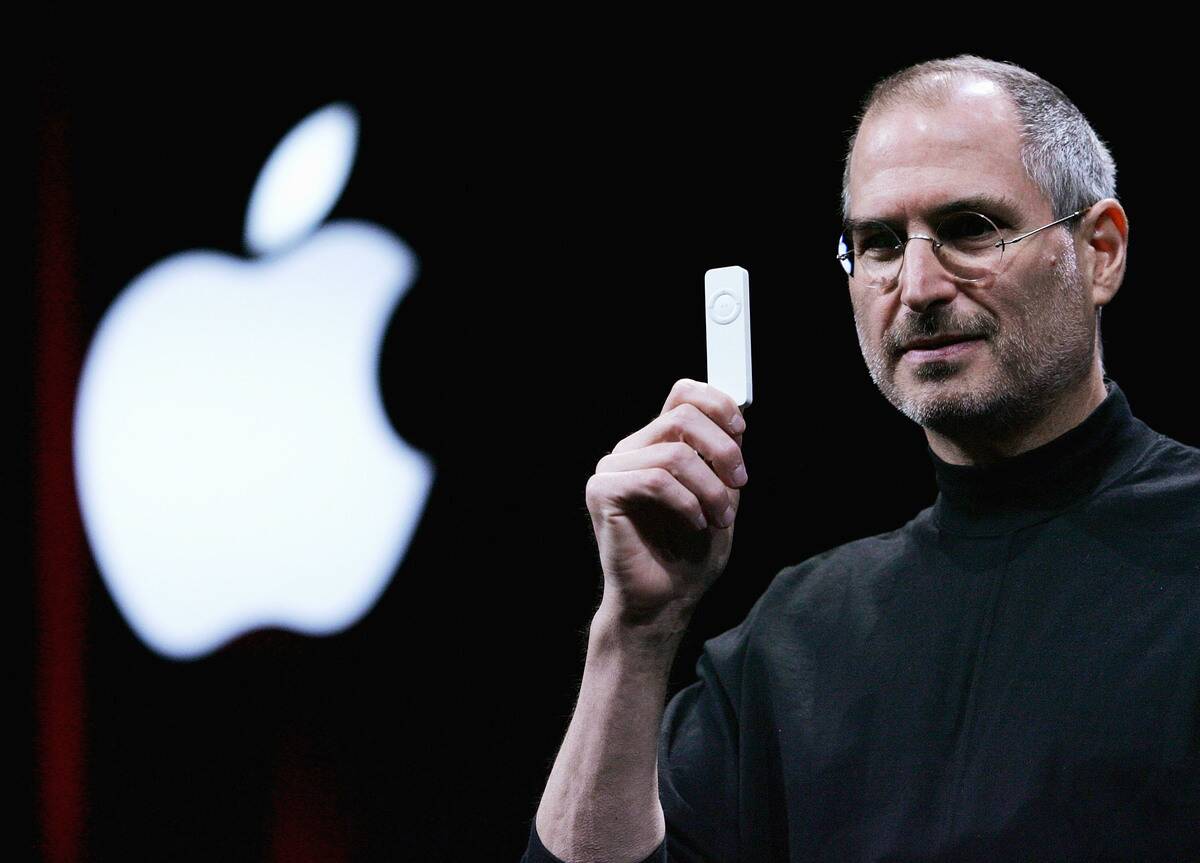
The iPod Shuffle embraced the idea that you didn’t need to control everything. Load it with music, press play, and let the songs surprise you. There was something liberating about not spending five minutes deciding what to hear next.
Modern streaming services have enormous libraries but can create endless choice paralysis. The Shuffle offered the opposite experience: a tiny selection and almost no decisions. A modern music device built around intentional randomness could be surprisingly refreshing in an era when algorithms constantly try to predict our preferences.
Teen Magazines Ruled the Checkout Aisle
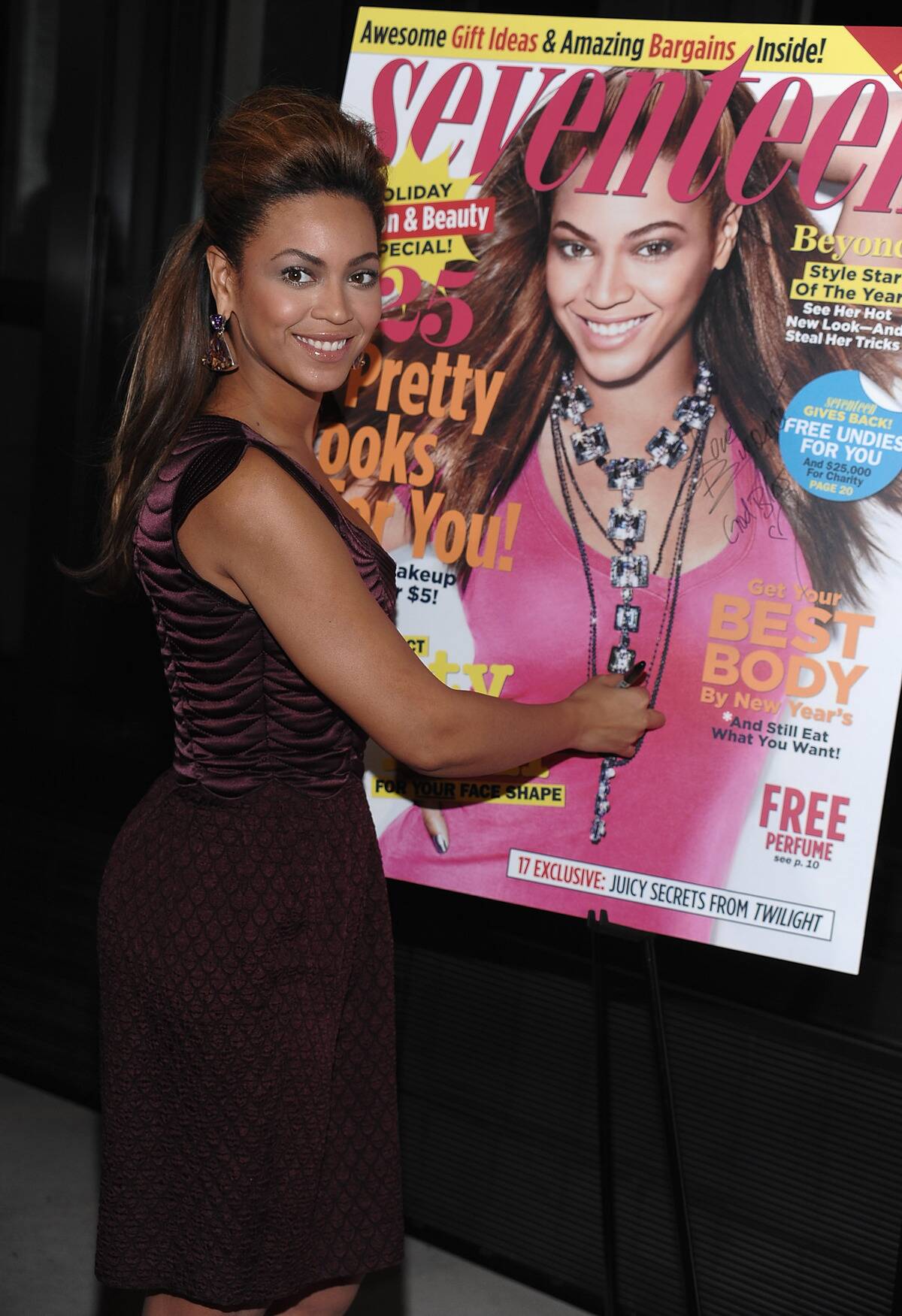
Magazines like Seventeen, Teen People, and YM were gateways into celebrity news, fashion, quizzes, relationship advice, and questionable beauty tips. For millennials, they provided a curated glimpse into what was supposedly cool.
The appeal was partly the anticipation of a new issue. You couldn’t refresh a website every few minutes for updates. You bought the magazine, read it cover to cover, and sometimes taped favorite pictures to your bedroom wall. A beautifully designed physical magazine with genuinely useful content could still find an audience today.
Portable DVD Players
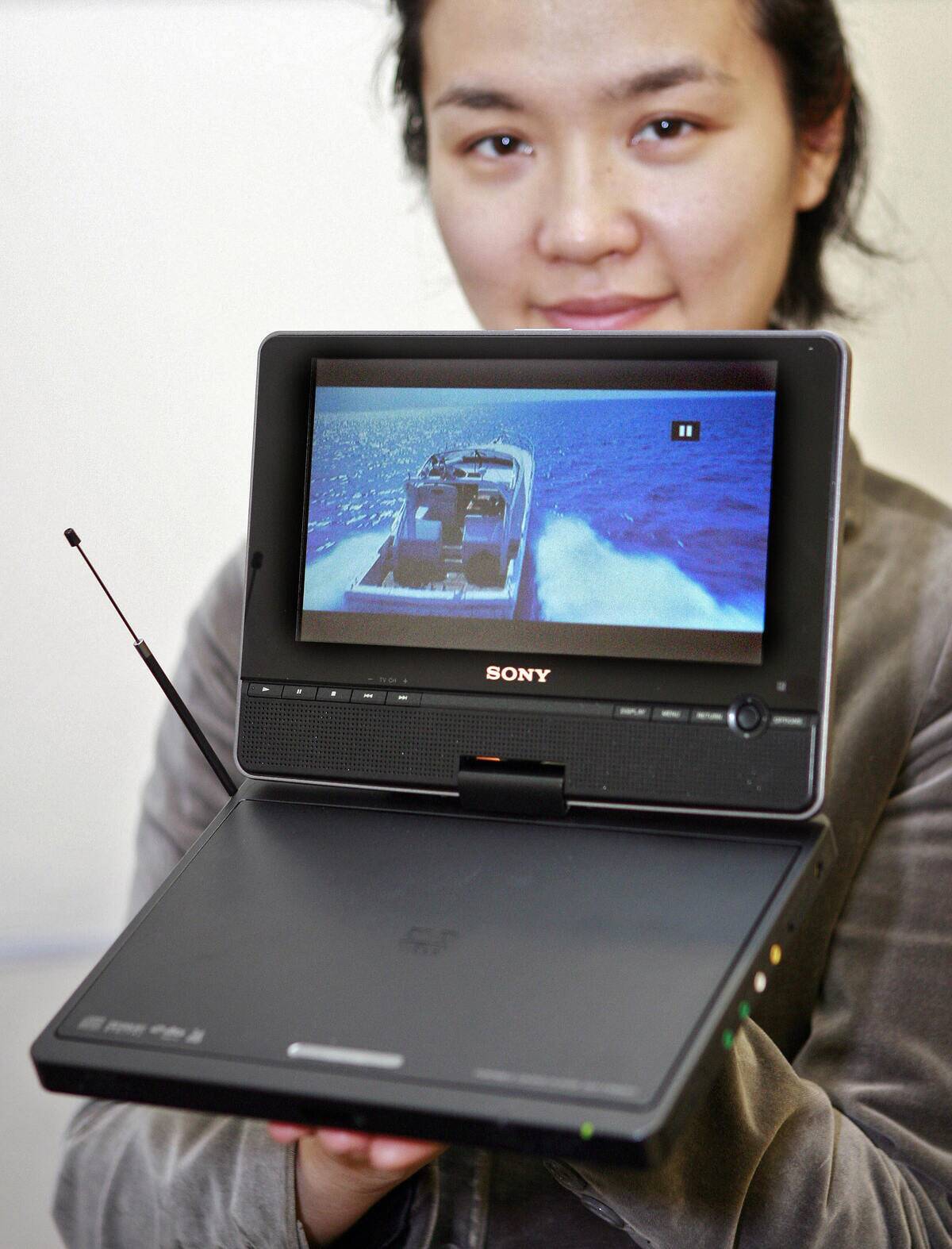
Long car trips became significantly easier when portable DVD players arrived. Instead of repeatedly asking, “Are we there yet?”, kids could watch movies from the back seat while parents enjoyed something resembling silence.
The technology now seems hilariously limited compared with modern tablets, but that was part of its charm. You brought a handful of DVDs, connected the headphones, and settled in. There were no notifications, endless apps, or accidental purchases. A modern version designed specifically for distraction-free travel would actually make a lot of sense.




