Mall stores people still remember
Ah, the mall—a place where teenagers hung out, families spent weekends, and shoppers found everything they needed under one roof. Remember the excitement of walking through those sliding doors, greeted by the smell of pretzels and the sound of bustling crowds?
Malls were more than just shopping centers; they were social hubs and cultural landmarks. Today, let’s take a trip down memory lane and revisit some iconic mall stores that shaped our shopping experiences.
The Limited: Fashion Forward and Fun
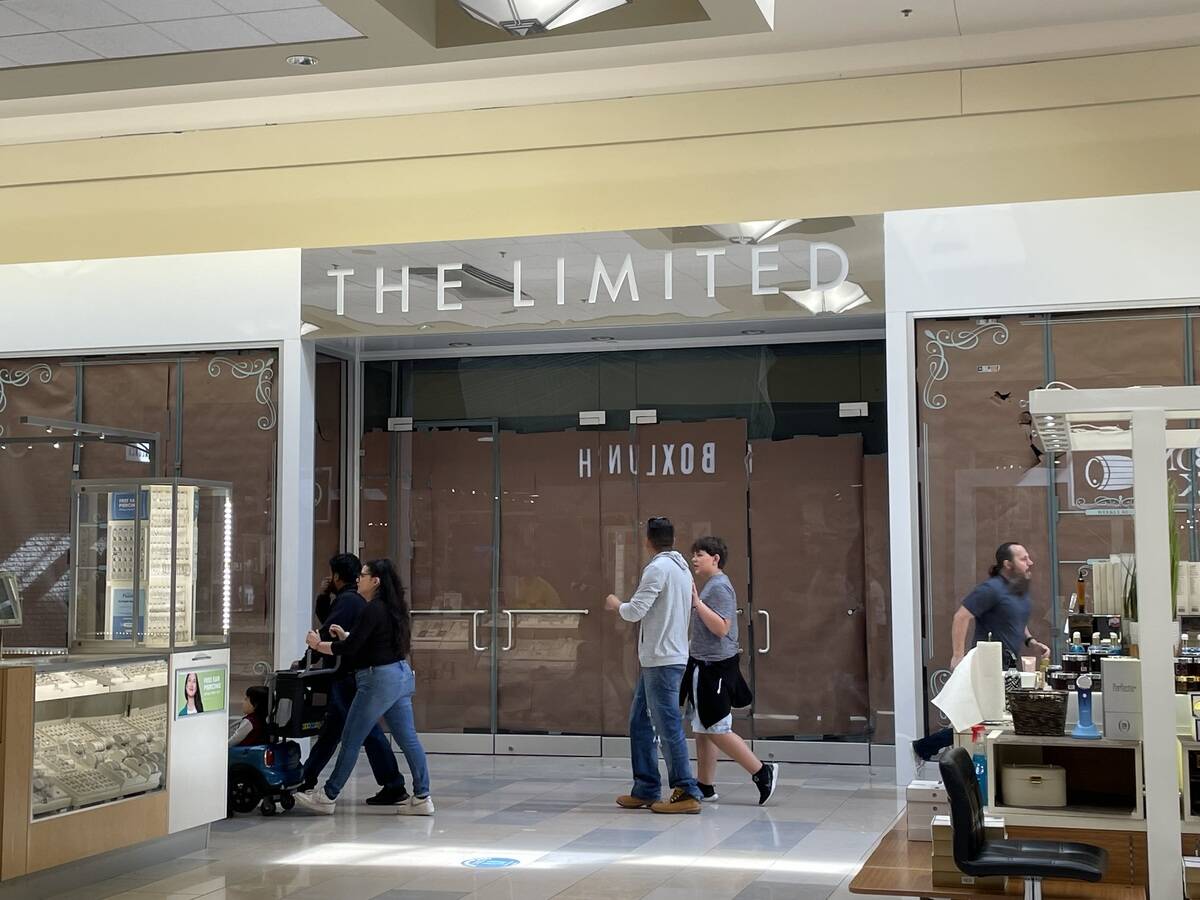
The Limited was a favorite destination for fashion-conscious shoppers, offering stylish women’s clothing and accessories at accessible prices. Founded in 1963 by Les Wexner, the retailer became known for its modern apparel that appealed to young professionals and trend-conscious consumers.
Although its physical stores closed in 2017 following bankruptcy, the brand continues to exist online under new ownership. The Limited remains a memorable part of mall fashion history, recognized for its influence on women’s workwear and contemporary style.
Sam Goody: The Music Lover’s Paradise
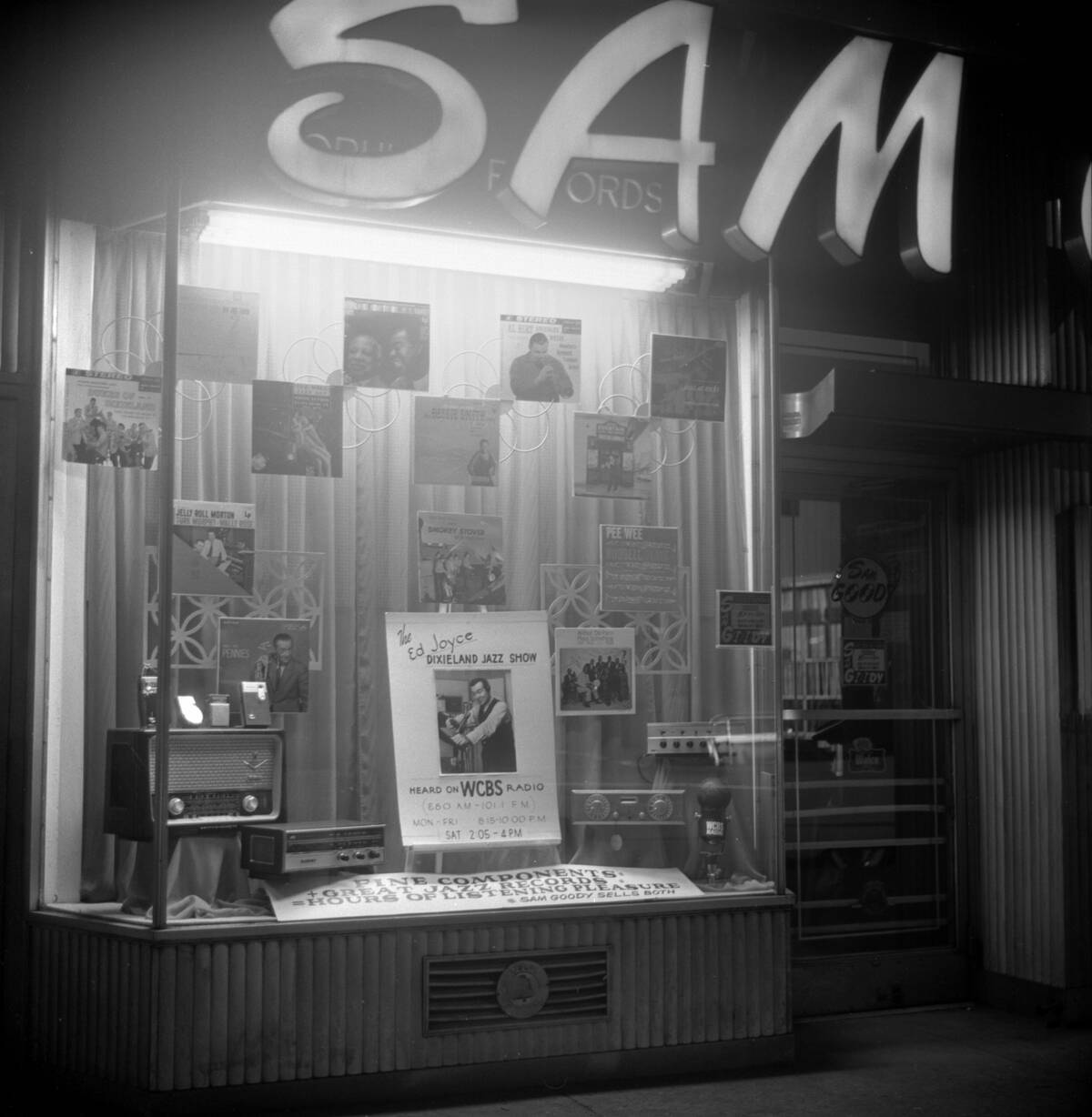
Sam Goody was a favorite destination for music lovers, offering a wide selection of vinyl records, cassette tapes, CDs, and later DVDs. Founded in 1951 by Sam Goody, the chain became one of America’s most recognizable music retailers, where shoppers could browse everything from chart-topping albums to a variety of musical genres.
Although most Sam Goody stores were closed or converted to other brands during the 2000s, the retailer remains a nostalgic symbol of the era when discovering new music meant spending hours exploring record store aisles.
KB Toys: A Wonderland for Kids
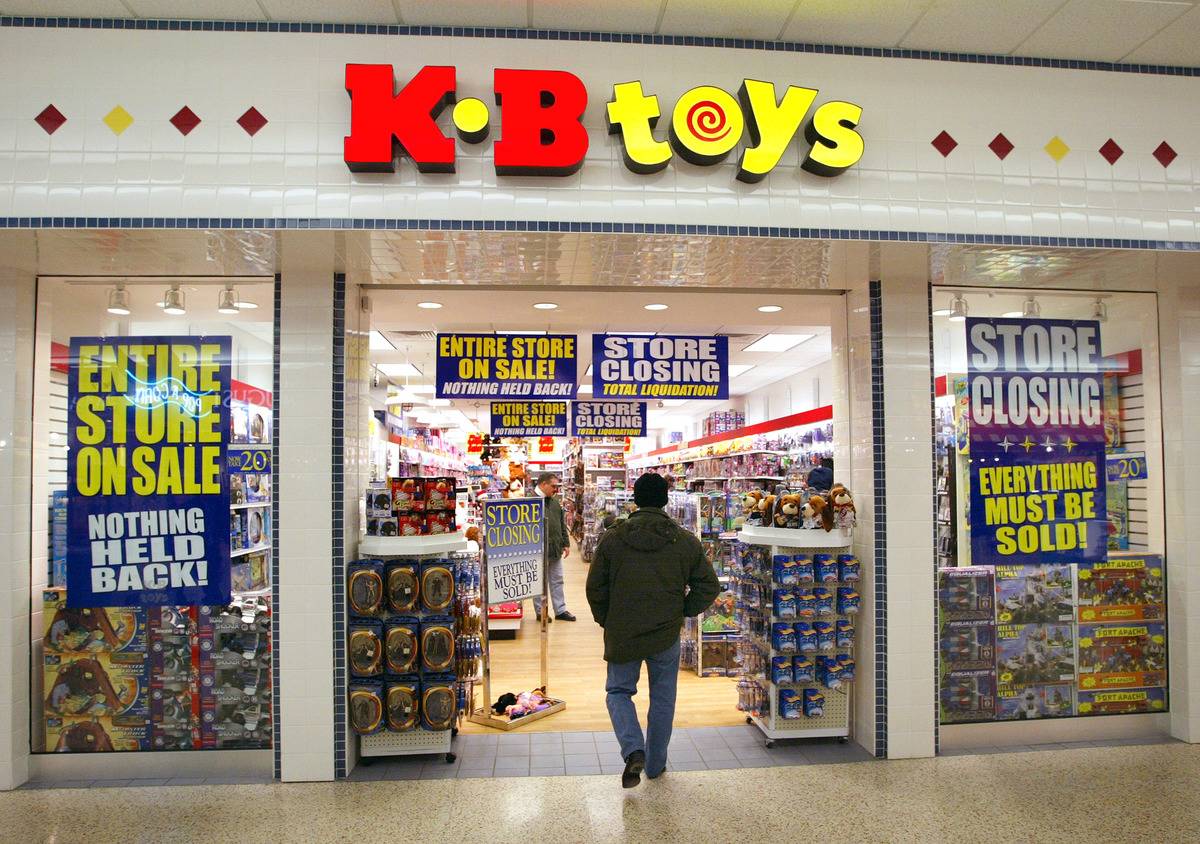
KB Toys was a favorite destination for children and families, with shelves stocked with action figures, dolls, board games, puzzles, and other popular toys. Tracing its origins to 1922, the company grew into one of America’s best-known mall toy retailers. Its colorful displays and wide selection made every visit an exciting experience for generations of shoppers.
Although its stores closed in 2009 following bankruptcy, KB Toys remains a nostalgic symbol of the golden age of mall shopping and an important part of American toy retail history.
Wet Seal: Trendy Threads for Teens
Wet Seal was a favorite destination for fashion-conscious teens, offering affordable clothing and accessories inspired by the latest trends. Founded in 1962 as Lorne’s before adopting the Wet Seal name in 1968, the retailer became a mall staple known for styles such as crop tops, mini skirts, dresses, and denim.
Although its physical stores closed in 2017 following bankruptcy, the brand continued online under new ownership. Wet Seal remains a nostalgic symbol of late 1990s and 2000s teen fashion, remembered by many as an essential stop during mall shopping trips.
B. Dalton Bookseller: A Bookworm’s Haven
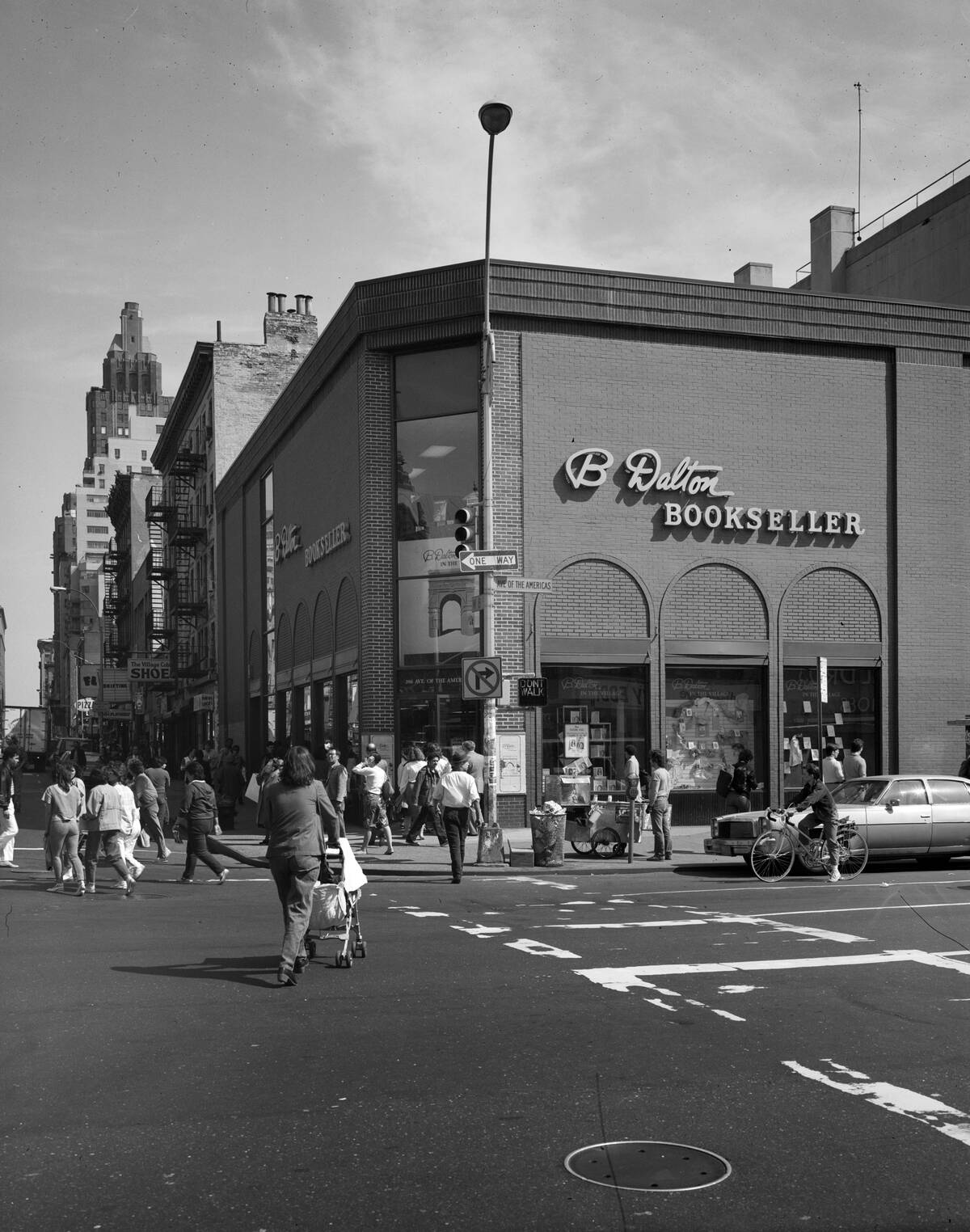
B. Dalton Bookseller was a favorite destination for book lovers, offering a wide selection of fiction, nonfiction, bestsellers, and children’s books. Founded in 1966 by Bruce Dayton, it grew into one of the largest bookstore chains in the United States and became a familiar fixture in shopping malls nationwide.
Its welcoming atmosphere and extensive selection made it a popular stop for readers of all ages. Although the final B. Dalton store closed in 2010, the chain remains a nostalgic symbol of the mall bookstore era and is fondly remembered by generations of book enthusiasts.
RadioShack: Gadget Galore
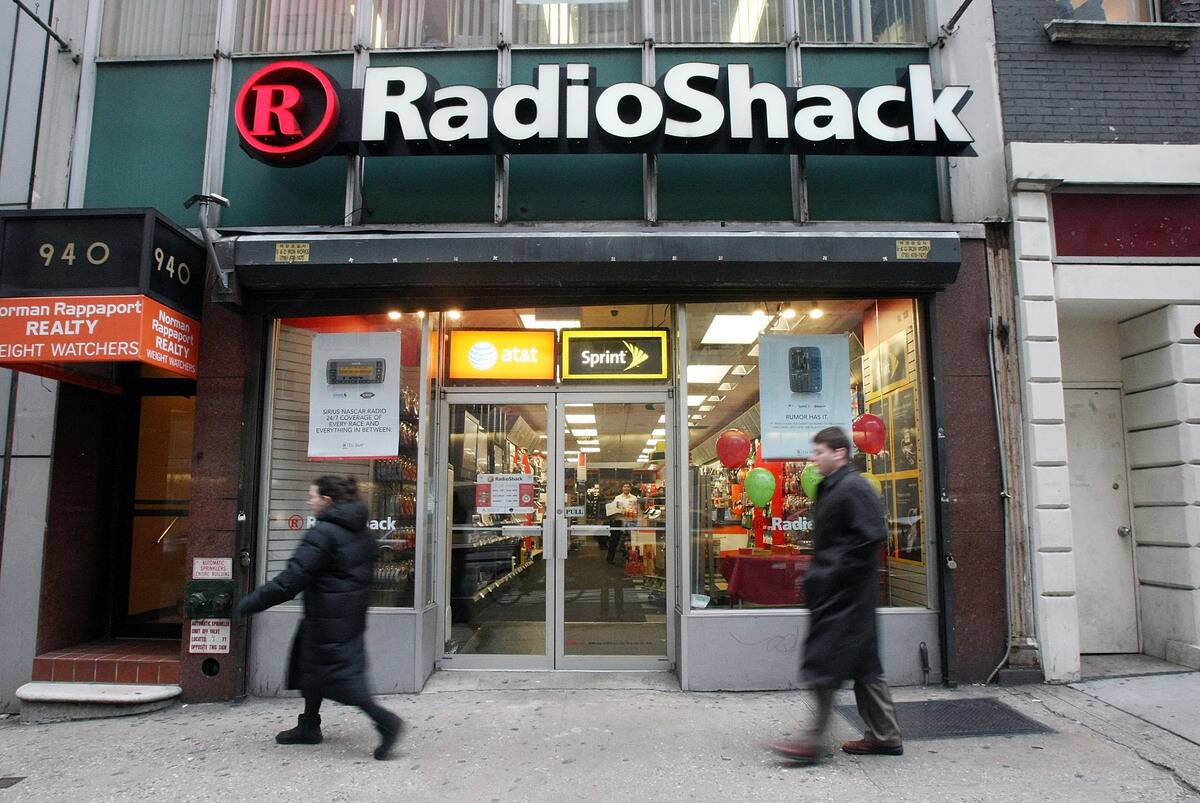
RadioShack was the ultimate destination for tech enthusiasts and DIY electronics fans. Founded in 1921, it offered a wide range of gadgets, components, and accessories. From radios to the latest tech innovations, RadioShack had something for everyone.
The store’s knowledgeable staff and hands-on displays made it a favorite among hobbyists and professionals alike. Though it faced financial struggles and closures, RadioShack’s legacy in the electronics world remains significant.
Waldenbooks: The Cozy Book Nook
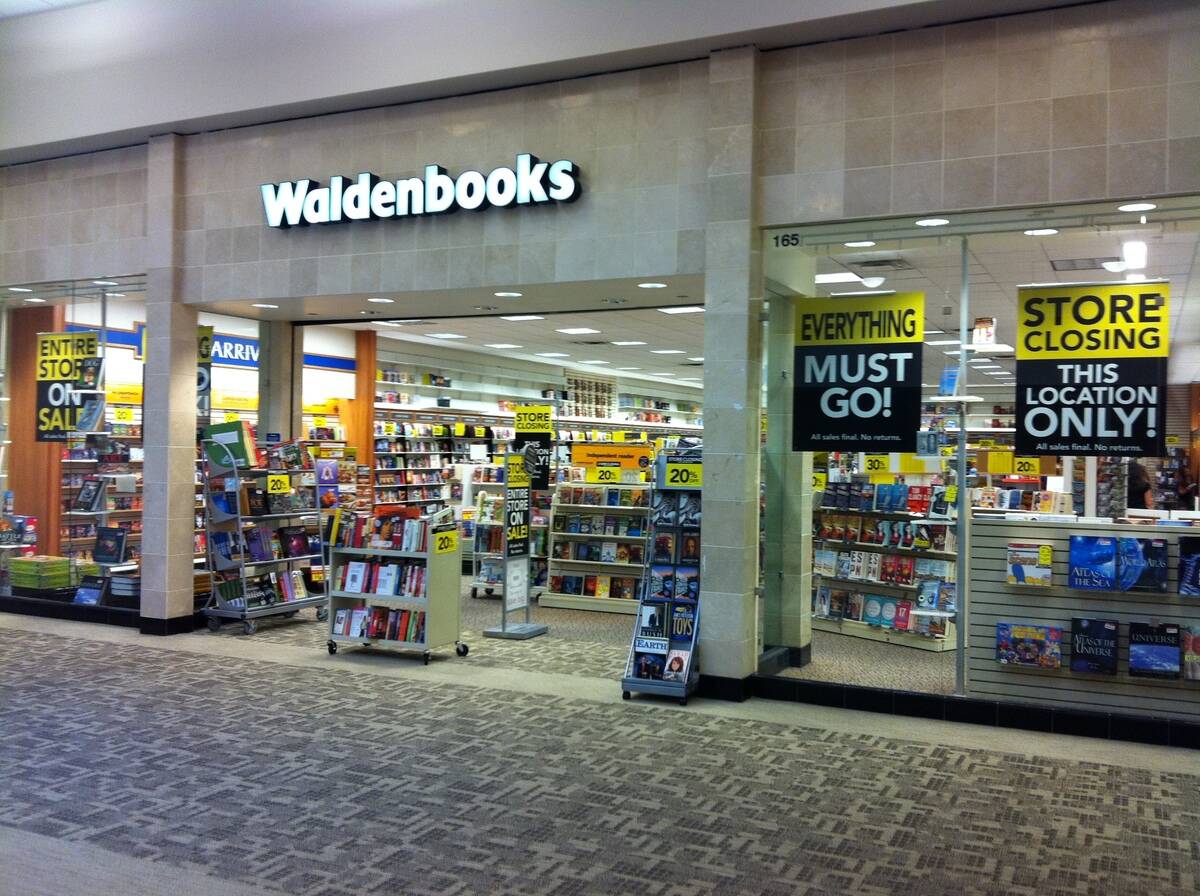
Waldenbooks was a beloved bookstore chain that offered readers a welcoming place to browse books of every genre. Founded in 1933, it grew into one of the most recognizable bookstore chains in the United States, becoming a familiar fixture in shopping malls nationwide.
With a wide selection of bestsellers, classic novels, children’s books, and magazines, Waldenbooks appealed to readers of all ages. Although the final stores closed in 2011, the chain remains a nostalgic symbol of the mall bookstore era and is fondly remembered by generations of book lovers.
Gadzooks: Quirky and Cool Apparel
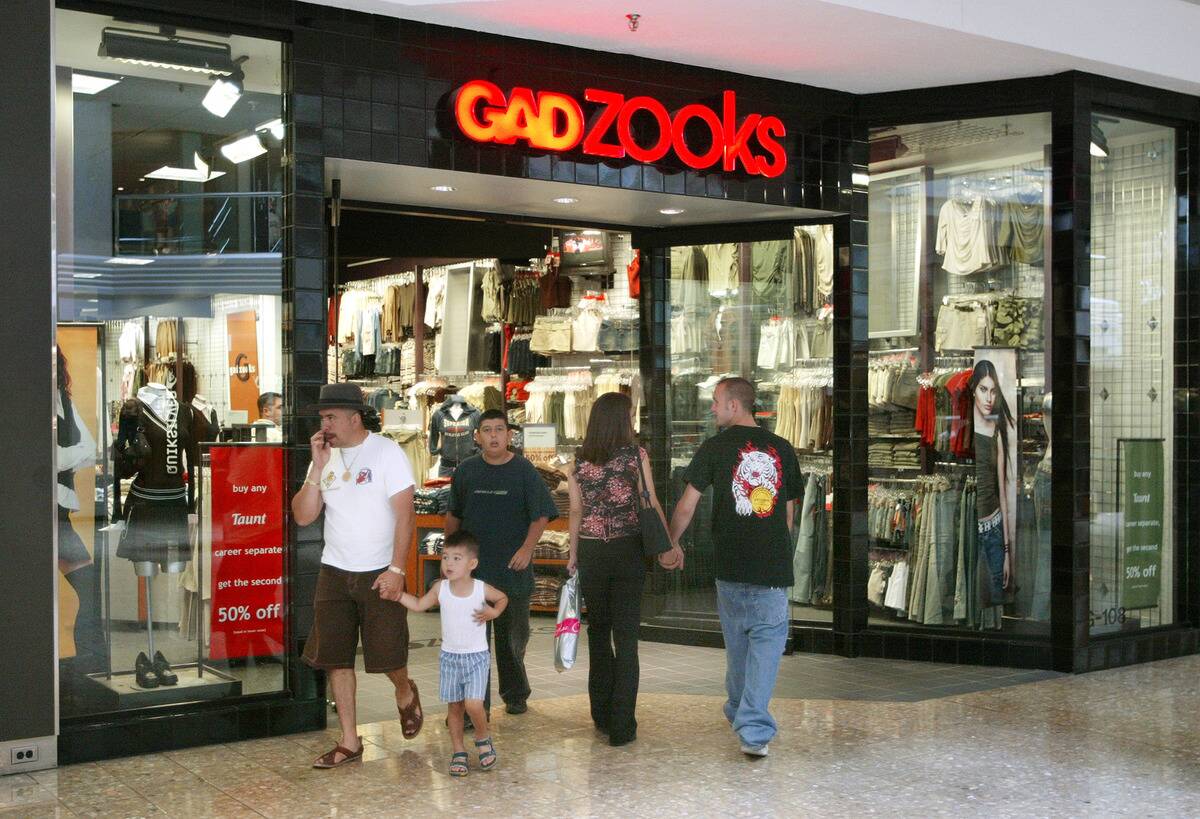
Gadzooks was a popular mall retailer known for its trendy and youthful apparel, attracting teens and young adults with its distinctive style. Founded in 1983 in Dallas, the company began as a casual men’s clothing store before expanding into a broader fashion retailer offering clothing and accessories for younger shoppers.
Its colorful stores and eclectic merchandise made it a favorite destination for those seeking unique looks and self-expression. After filing for bankruptcy, Gadzooks was acquired by Forever 21 in 2005, and its stores were eventually converted, but the brand remains a nostalgic reminder of early 2000s mall fashion.
Brookstone: Innovative Gadgets and Gifts
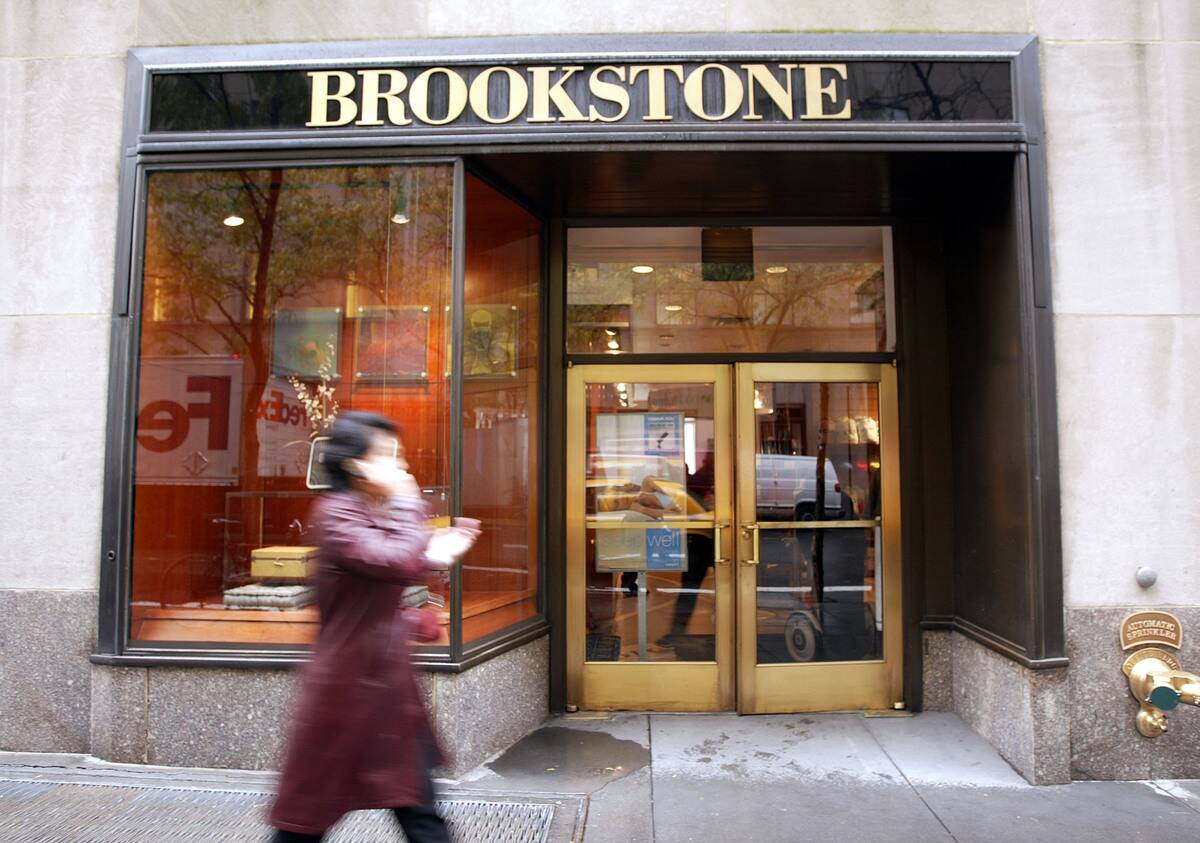
Brookstone was a popular destination for innovative gadgets, electronics, and unique gifts. Founded in 1965 by Pierre de Beaumont, the retailer offered a wide range of products, including massage chairs, travel accessories, home goods, and technology items.
Its interactive store displays allowed shoppers to test products before purchasing, creating a memorable shopping experience. Although Brookstone filed for bankruptcy in 2018 and closed its mall locations, the brand continues online under new ownership and remains remembered for its creative and practical products.
The Gap: Classic Casuals and Denim Dreams
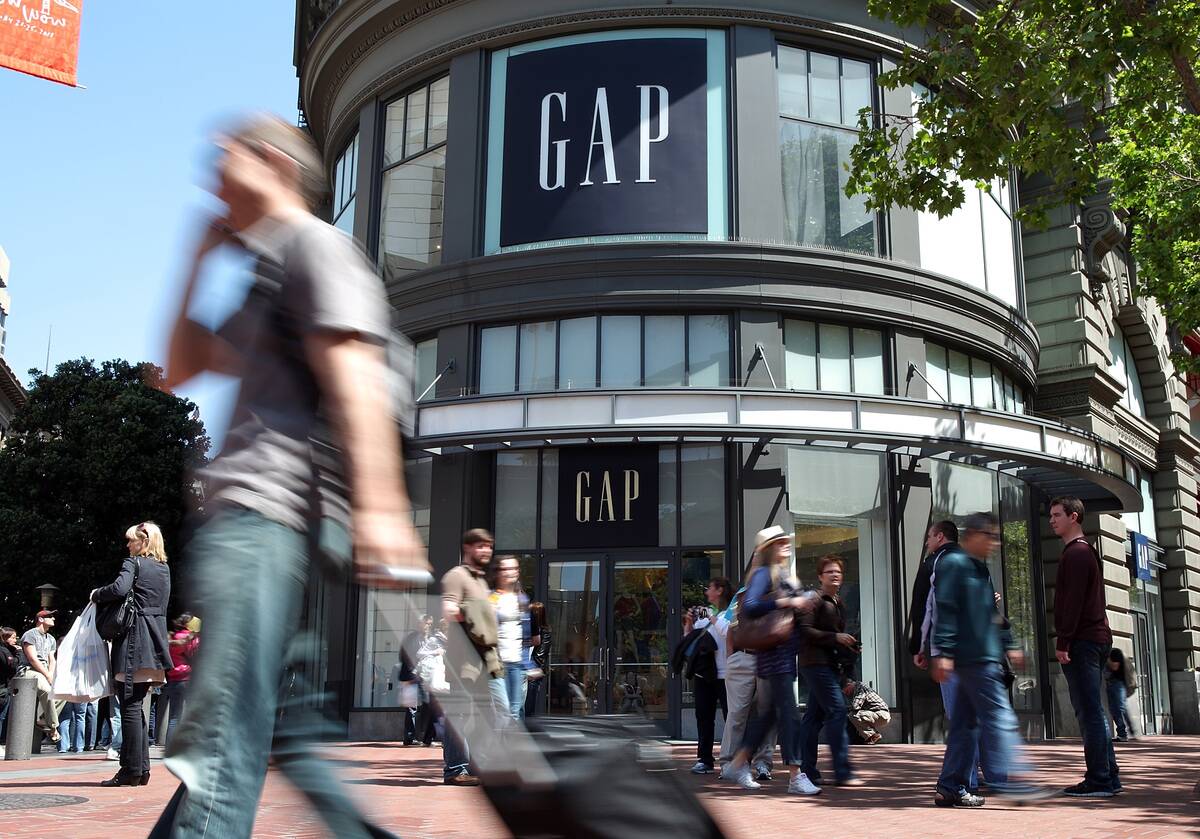
The Gap has long been recognized as a major name in American casual fashion, known for its denim, basics, and timeless styles. Founded in 1969 by Donald and Doris Fisher, the company initially sold Levi’s jeans before expanding into its own line of clothing.
With its minimalist branding and versatile apparel, Gap became a favorite among shoppers seeking comfortable and classic everyday fashion. The brand played an important role in shaping casual style, particularly during the 1980s and 1990s, and remains a recognizable name in the fashion industry.