Famous concerts that became music history
Concerts have long been a vital part of music history, serving as pivotal moments that define genres and eras. From the electrifying energy of rock to the soulful depth of blues, live performances capture the essence of music’s transformative power.
Iconic concerts not only entertain but also influence cultural shifts, inspire generations, and leave an indelible mark on the music landscape. These legendary events are celebrated for their unique ability to bring people together and create unforgettable experiences.
Woodstock 1969: The Festival That Defined a Generation
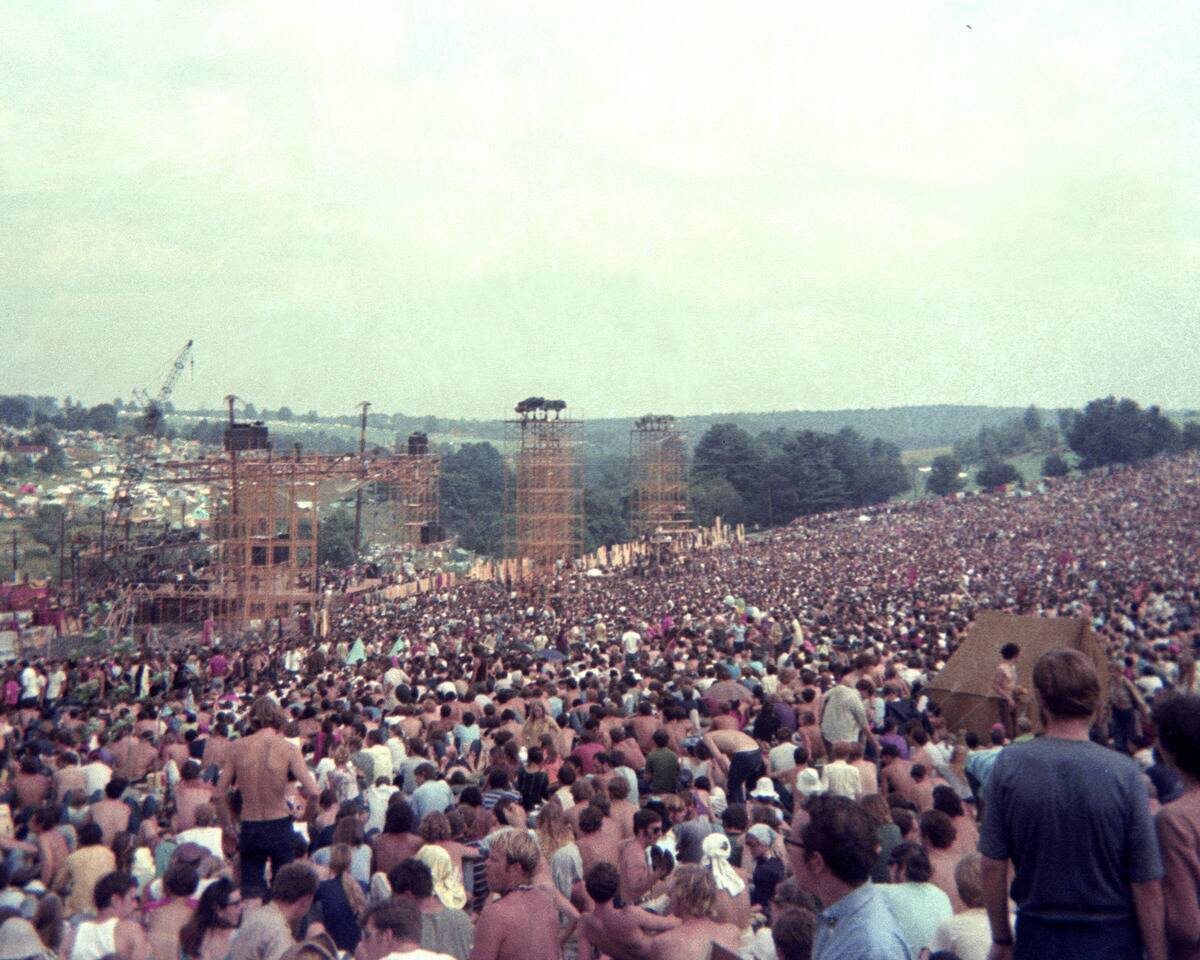
Woodstock 1969 was more than just a music festival; it became a cultural symbol of the 1960s counterculture movement. Held on a dairy farm owned by Max Yasgur in Bethel, New York, the event attracted an estimated 400,000 attendees who gathered under the slogan “three days of peace and music.”
Performances by artists such as Jimi Hendrix, The Who, Santana, and Jefferson Airplane captured the spirit of the era, while the festival became a lasting symbol of unity, artistic expression, and social change during a turbulent period in American history.
The Beatles at Shea Stadium 1965: A Groundbreaking Moment in Rock
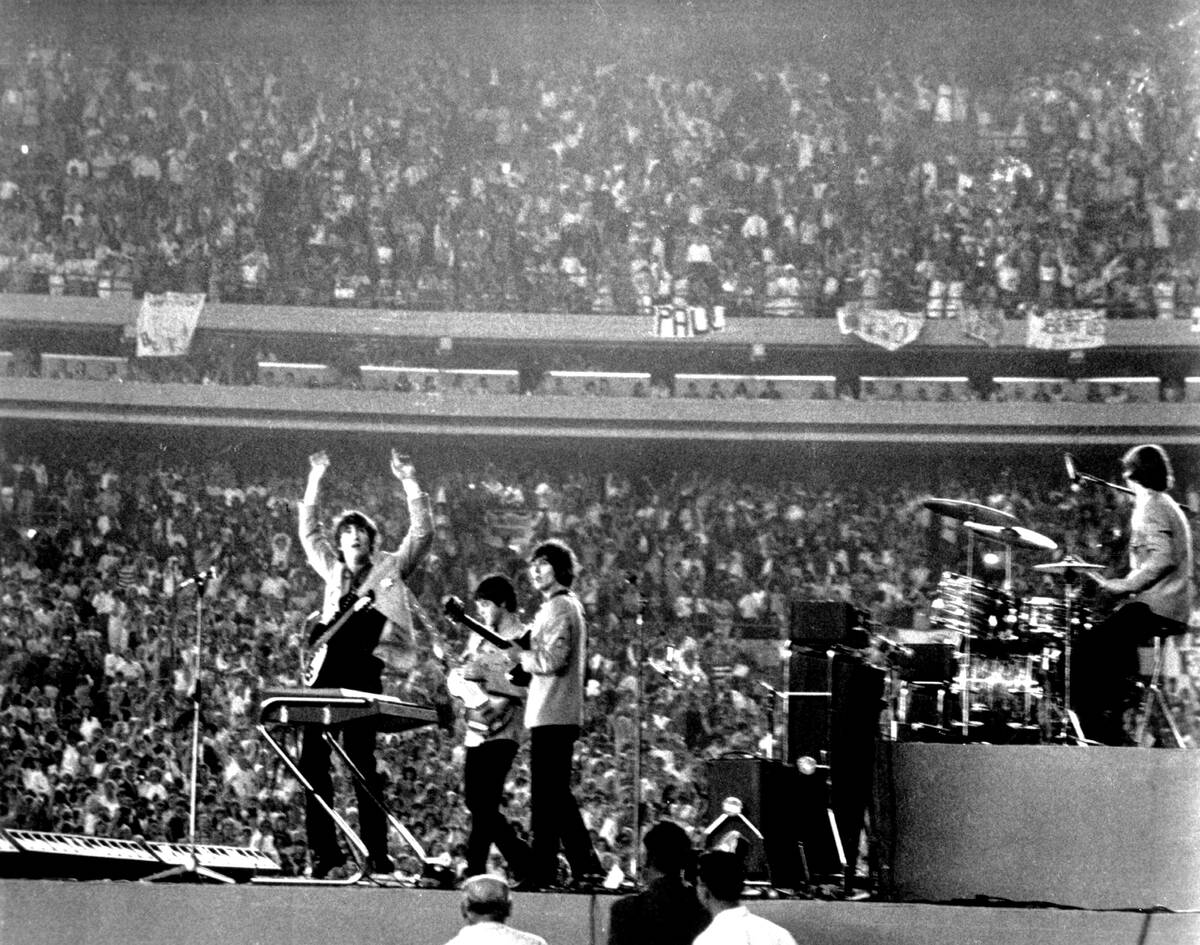
The Beatles’ 1965 concert at Shea Stadium in New York City was a landmark moment in rock music history. Held on August 15, 1965, the performance attracted approximately 55,600 fans, setting an attendance record for a music event at the time. While not the first large-scale stadium performance, it helped establish the stadium concert as a major format for rock artists.
The overwhelming response from fans and the energy surrounding the event demonstrated The Beatles’ global popularity and the growing cultural influence of rock music.
Queen at Live Aid 1985: Freddie Mercury’s Legendary Performance
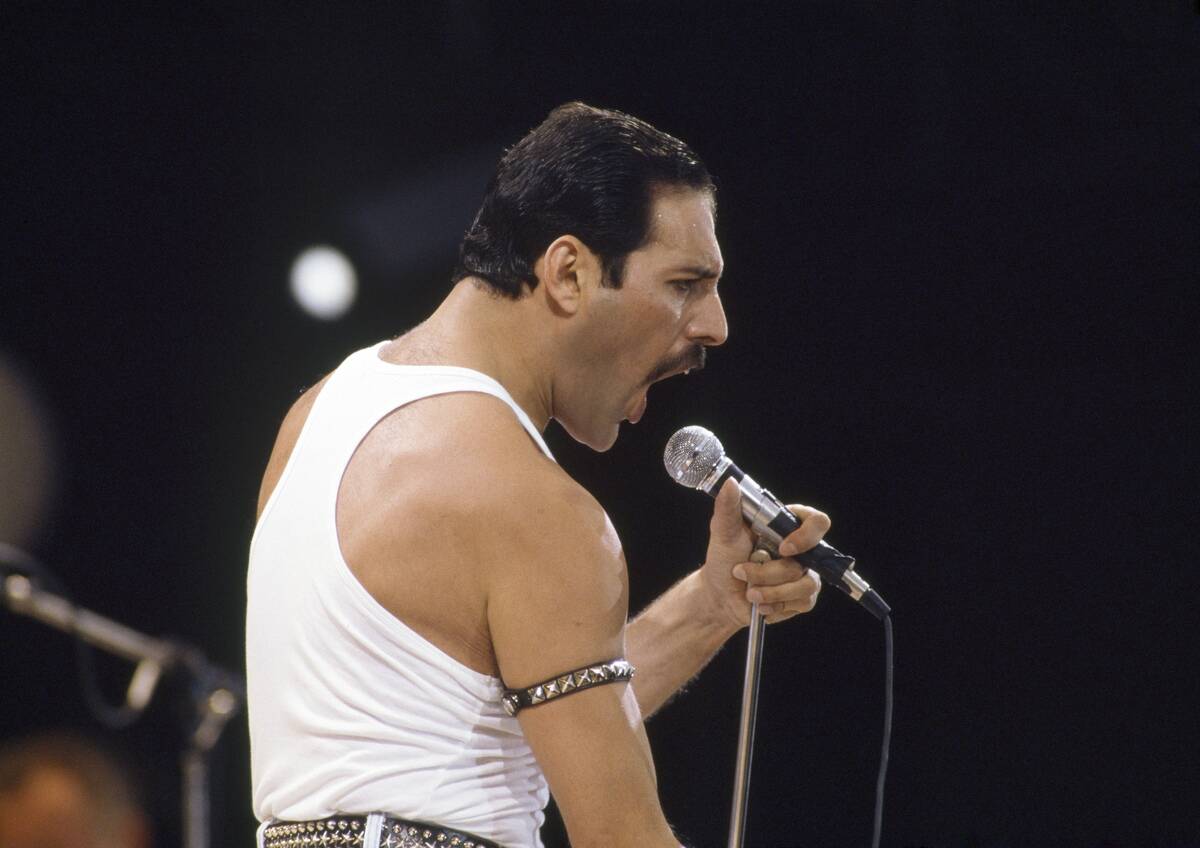
Queen’s performance at Live Aid in 1985 is widely regarded as one of the greatest live performances in rock history. Held at Wembley Stadium in London as part of a global charity event that also included a concert in Philadelphia, Live Aid raised funds for famine relief in Ethiopia.
Freddie Mercury’s charismatic stage presence and powerful vocals captivated the audience, with performances of songs such as “Bohemian Rhapsody” and “Radio Ga Ga” becoming defining moments of the event. The performance reinforced Queen’s reputation as one of rock’s most iconic live bands and highlighted the power of music to unite people behind humanitarian causes.
Jimi Hendrix at Monterey Pop Festival 1967: Guitar Mastery Unleashed
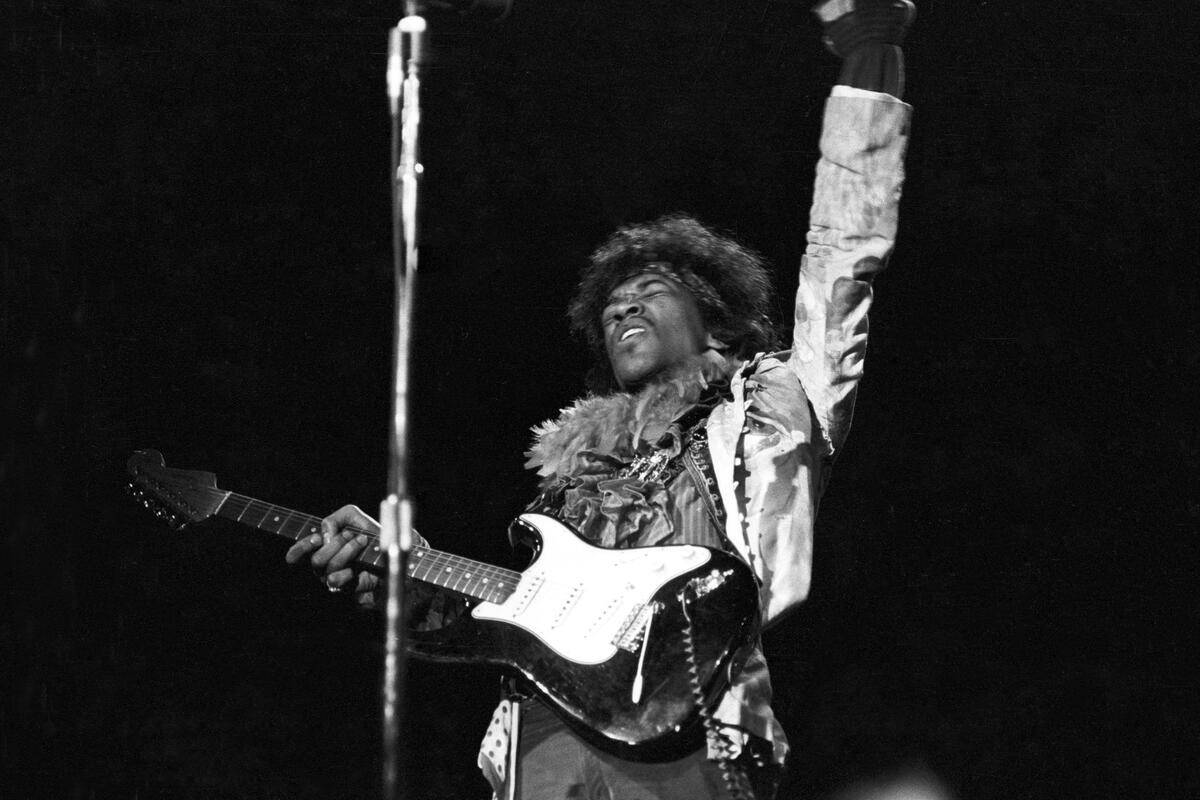
Jimi Hendrix’s performance at the Monterey Pop Festival in 1967 is remembered as one of the defining moments of rock history. During his set, Hendrix famously set his guitar on fire, creating an unforgettable image that became symbolic of the era’s experimental spirit. His innovative use of feedback, distortion, and unconventional guitar techniques challenged traditional ideas about the instrument and influenced generations of musicians.
The festival introduced Hendrix to a much larger American audience and helped establish him as one of rock music’s most influential pioneers.
Nirvana Unplugged in New York 1993: Grunge Goes Acoustic
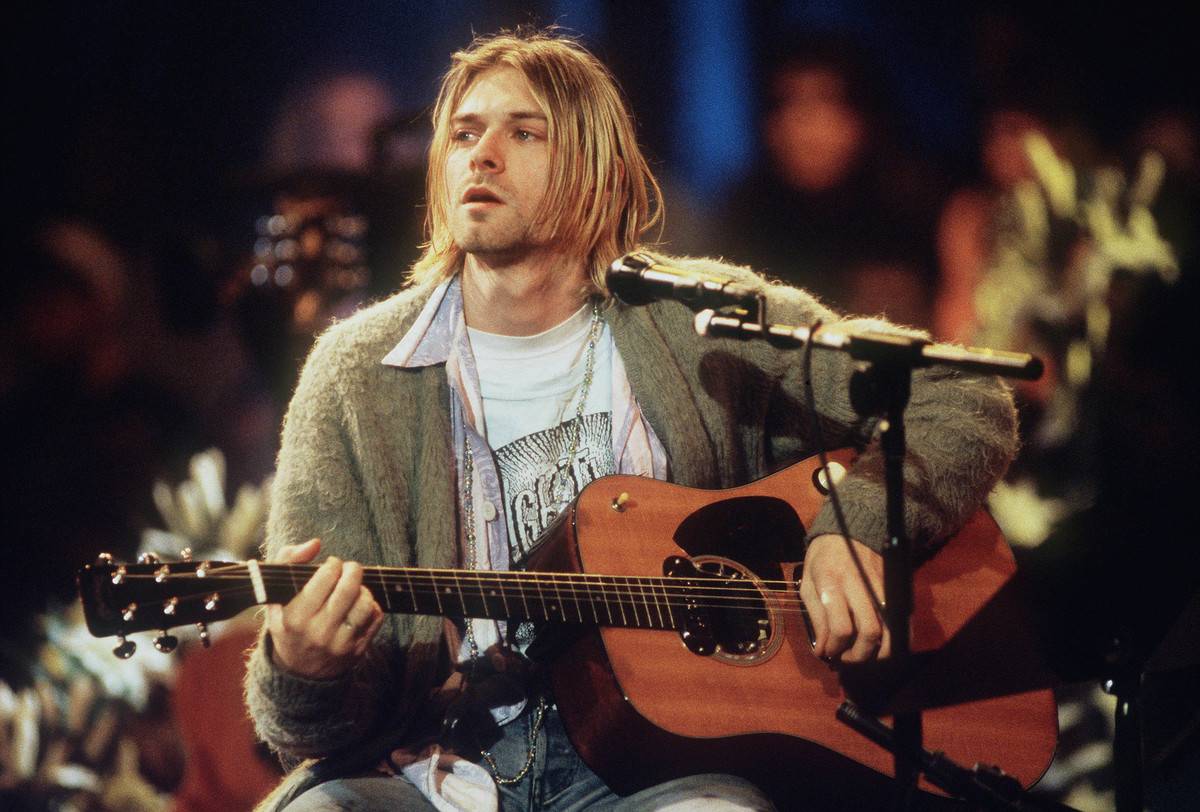
Nirvana’s MTV Unplugged performance in 1993 revealed a more intimate and vulnerable side of the influential grunge band. Recorded at Sony Music Studios in New York City, the concert featured acoustic arrangements of Nirvana songs along with covers of tracks associated with artists such as David Bowie and Lead Belly.
Kurt Cobain’s emotional vocals and the band’s restrained instrumentation highlighted the depth of their music beyond their heavier grunge sound. The performance remains one of Nirvana’s most memorable moments and a lasting example of the band’s impact on alternative rock.
The Rolling Stones Altamont Free Concert 1969: Chaos and Controversy
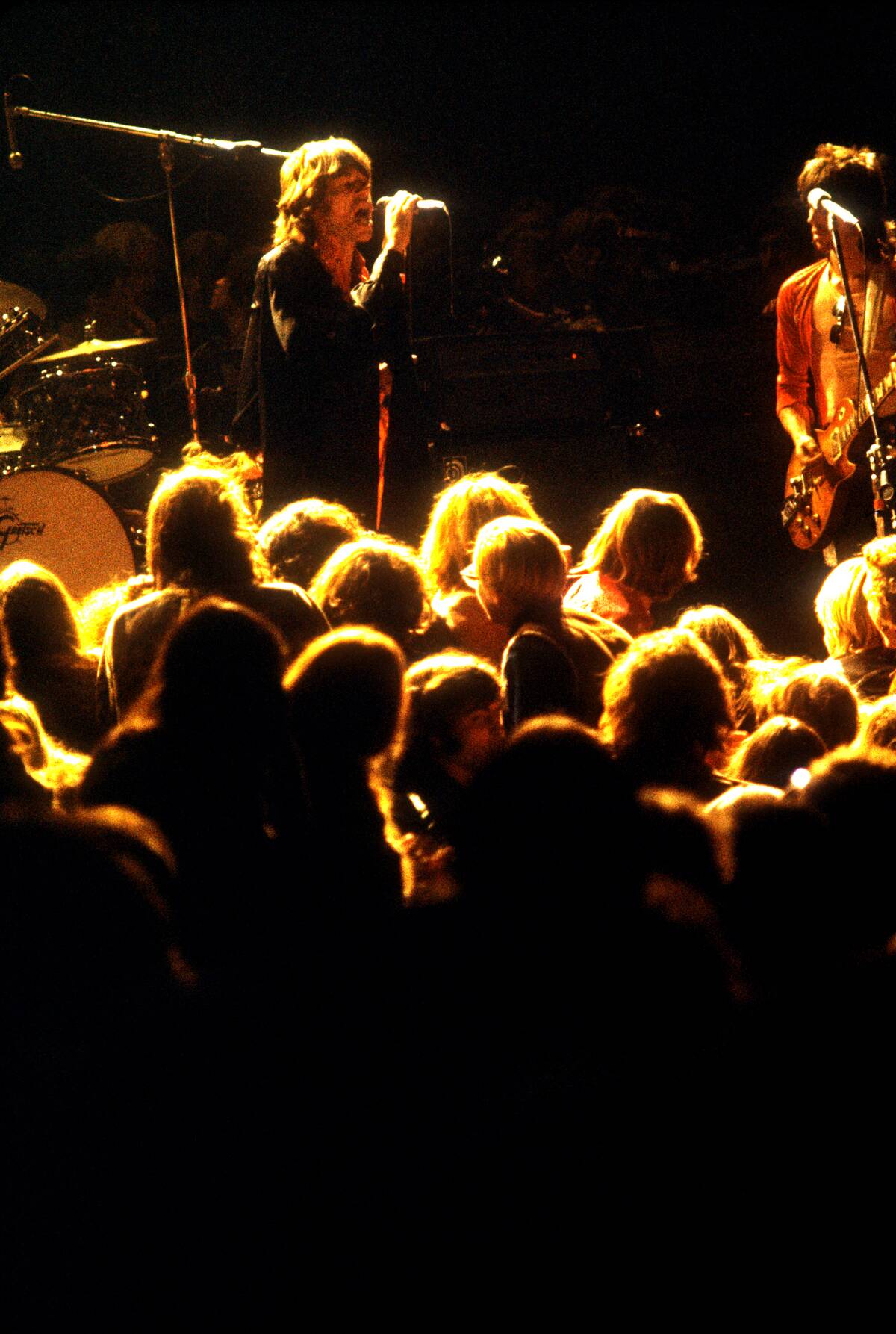
The Altamont Free Concert in 1969, headlined by The Rolling Stones, is infamous for the violence and chaos that overshadowed the music. Held at the Altamont Speedway in California, the event was marred by inadequate planning and security, leading to multiple violent incidents, including the tragic death of a concertgoer.
Despite the turmoil, the concert highlighted the darker side of the 1960s counterculture and served as a stark contrast to the peace and love ethos of Woodstock earlier that year.
Michael Jackson’s Dangerous Tour 1992: The King of Pop’s Global Impact
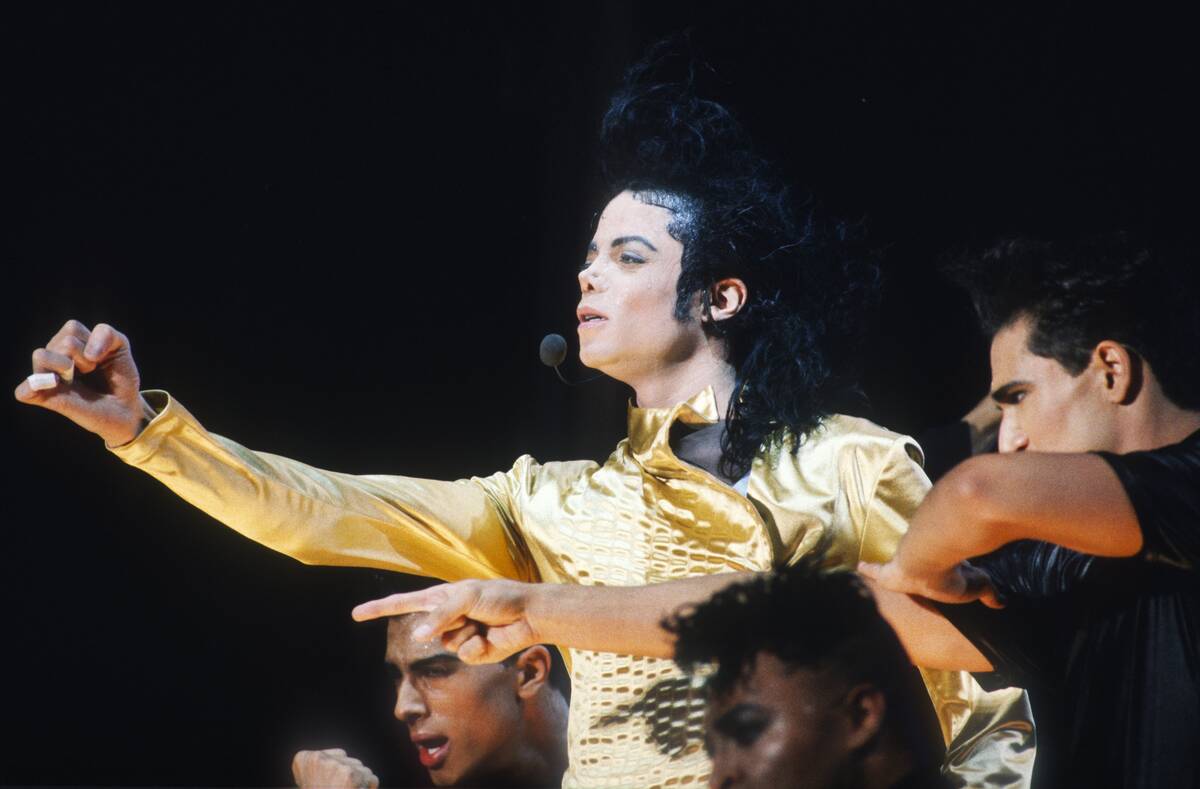
Michael Jackson’s Dangerous World Tour from 1992 to 1993 showcased his status as one of pop music’s most influential performers and his global appeal. The tour featured 69 concerts across 35 countries and was attended by approximately 3.5 million fans worldwide.
Known for its elaborate stage production, precise choreography, and Jackson’s signature dance style, the tour helped redefine expectations for large-scale live performances. Songs such as “Black or White” and “Heal the World” reflected themes of unity and humanitarianism, reinforcing Jackson’s reputation as a major cultural figure.
Bob Dylan Goes Electric at Newport Folk Festival 1965: A Folk Revolution
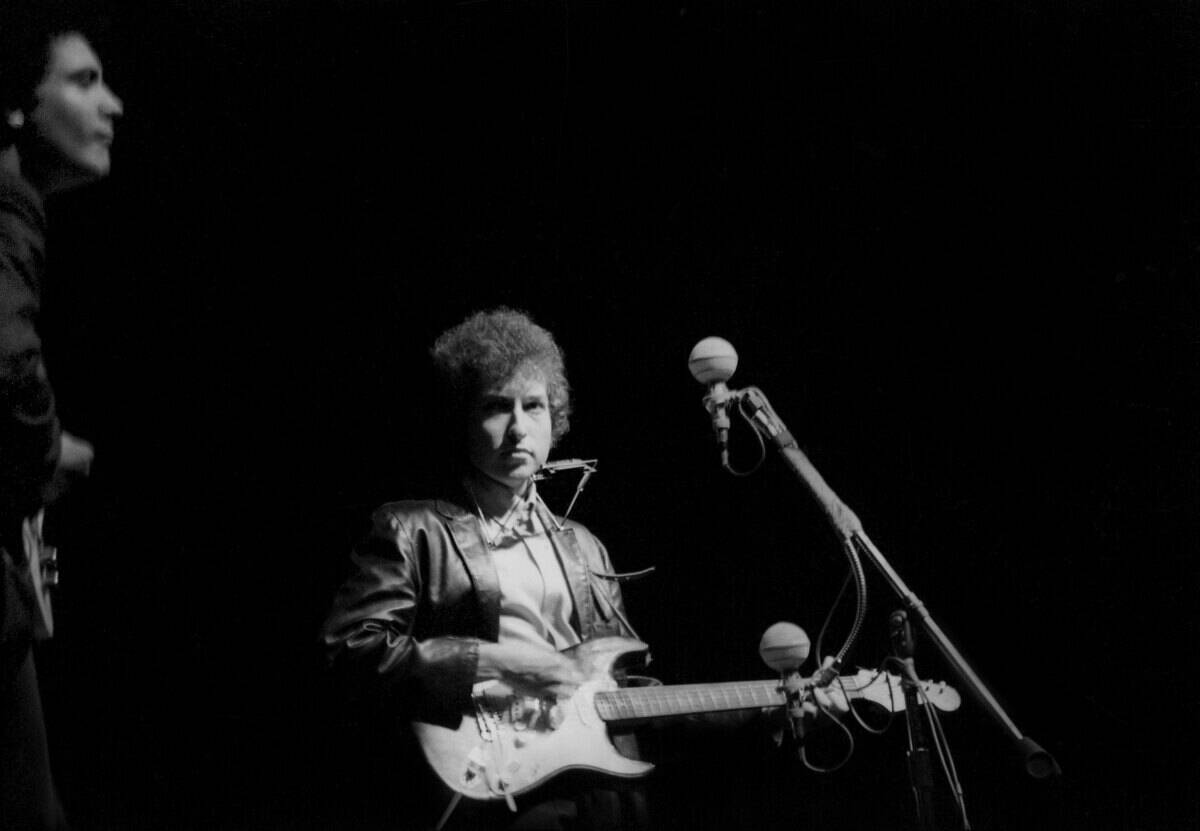
Bob Dylan’s decision to perform with an electric band at the Newport Folk Festival in 1965 became one of the most significant moments in music history. Already moving beyond his acoustic folk roots, Dylan used the performance to showcase a new musical direction with amplified instruments and a rock-influenced sound.
The reaction from fans and critics was mixed, with some folk purists objecting while others welcomed the change. The performance became a turning point in Dylan’s career and helped shape the development of folk rock, influencing generations of musicians.
Pink Floyd’s The Wall Tour 1980: A Theatrical Rock Experience
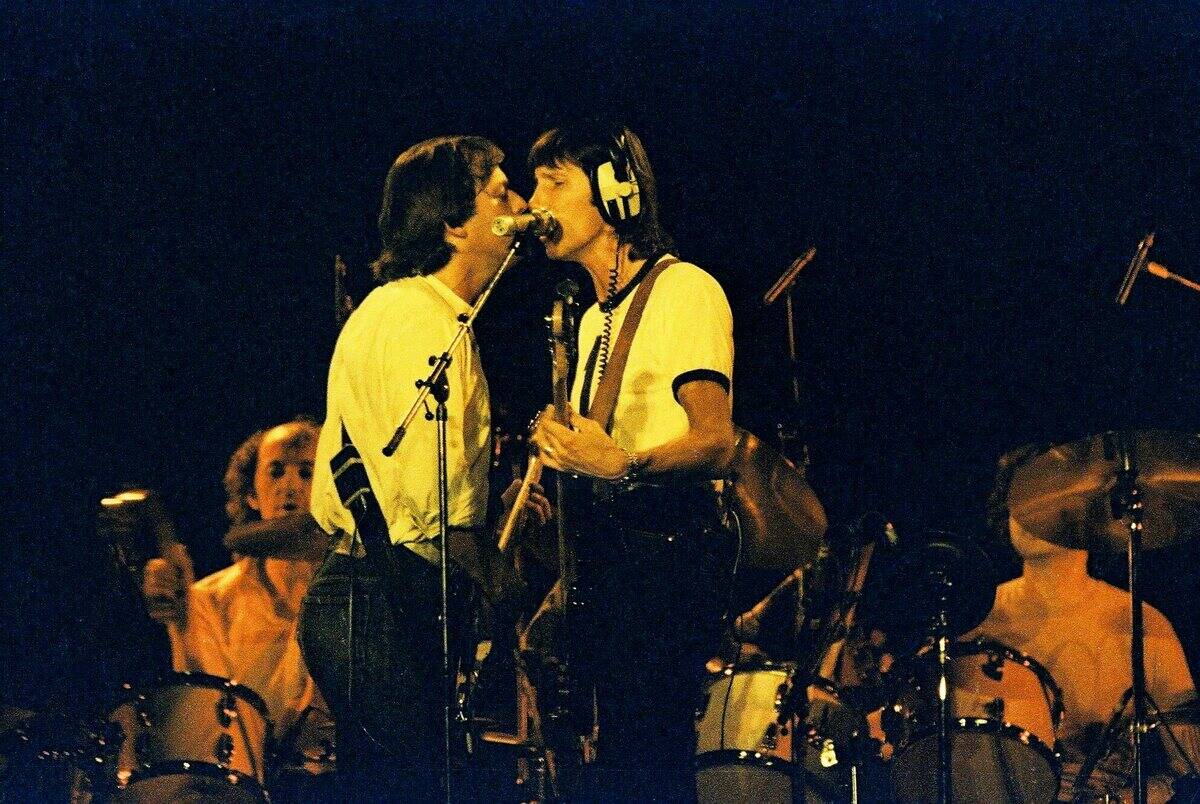
Pink Floyd’s performances of The Wall in 1980 and 1981 represented a groundbreaking fusion of rock music and theatrical production. The shows featured elaborate stage designs, including a massive wall that was built throughout the performance and dramatically demolished at the conclusion.
Based on the concept album The Wall, the production explored themes of isolation, alienation, and emotional barriers through powerful music, visuals, and storytelling. The performances helped redefine the possibilities of live concerts, showing how rock music could become an immersive visual and theatrical experience.
Beyoncé at Coachella 2018: Queen Bey’s Historic Homecoming
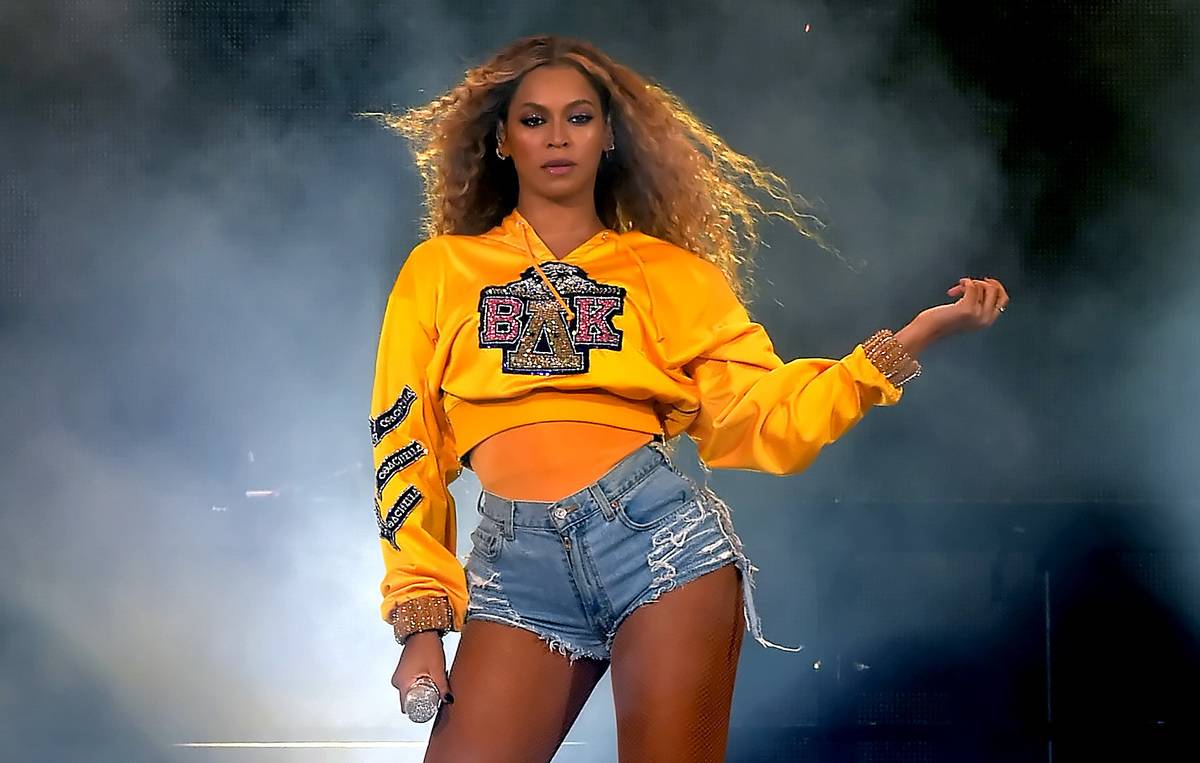
Beyoncé’s 2018 Coachella performance, widely known as “Beychella,” became a landmark moment in music history. She made history as the first Black woman to headline the festival, delivering a performance that celebrated Black culture, music, and creativity. Inspired by the traditions of historically
Black colleges and universities, the show featured a marching band, step dancers, and elaborate choreography. With songs such as “Crazy in Love” and “Formation,” Beyoncé highlighted themes of empowerment and identity. The performance was widely praised for its artistry and cultural impact, further establishing her as one of the most influential performers of her era.
The Who at Isle of Wight Festival 1970: Rock Opera in Full Swing
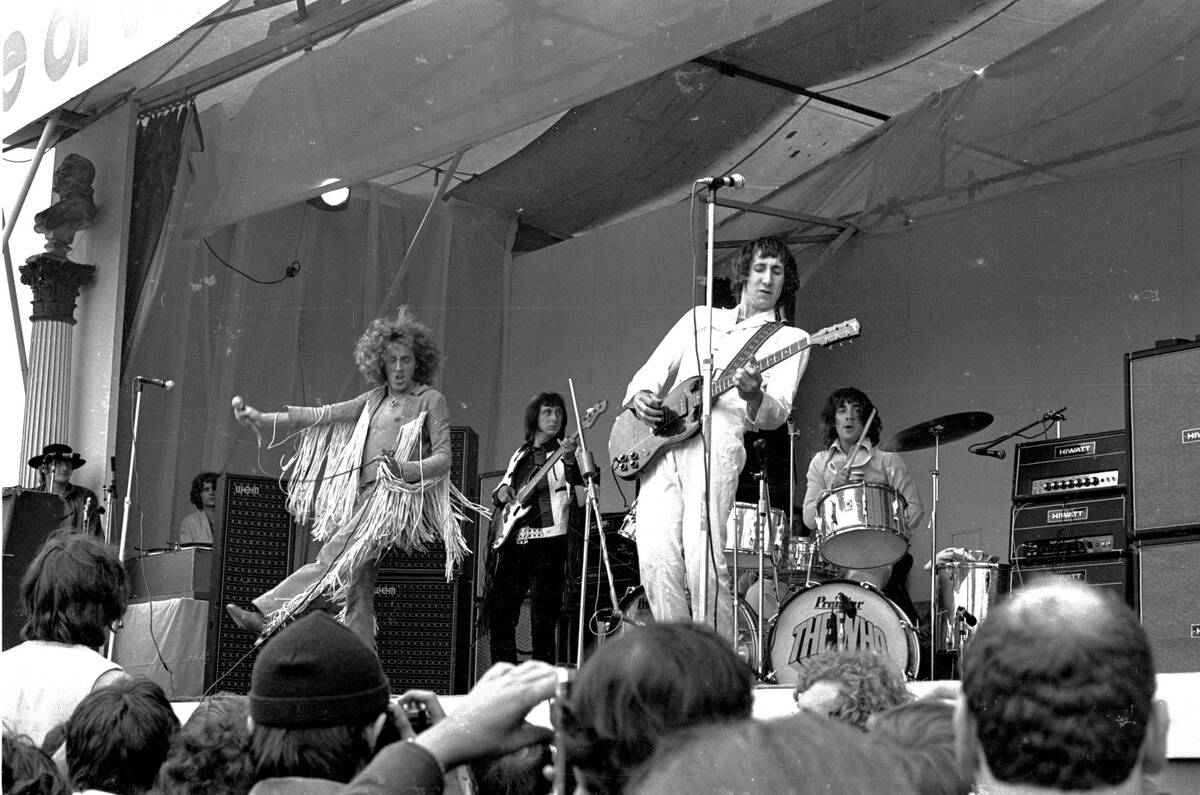
The Who’s performance at the Isle of Wight Festival in 1970 showcased the band’s pioneering approach to rock opera and live performance. Performing much of their groundbreaking album Tommy alongside other hits, the band delivered a powerful and energetic set that captivated a massive audience.
The festival was one of the largest music events of its era, with attendance estimates ranging from 400,000 to 600,000 people. The Who’s theatrical stage presence and innovative storytelling helped cement their legacy in rock history and influenced future generations of performers.
David Bowie’s Ziggy Stardust Farewell Concert 1973: The End of an Era
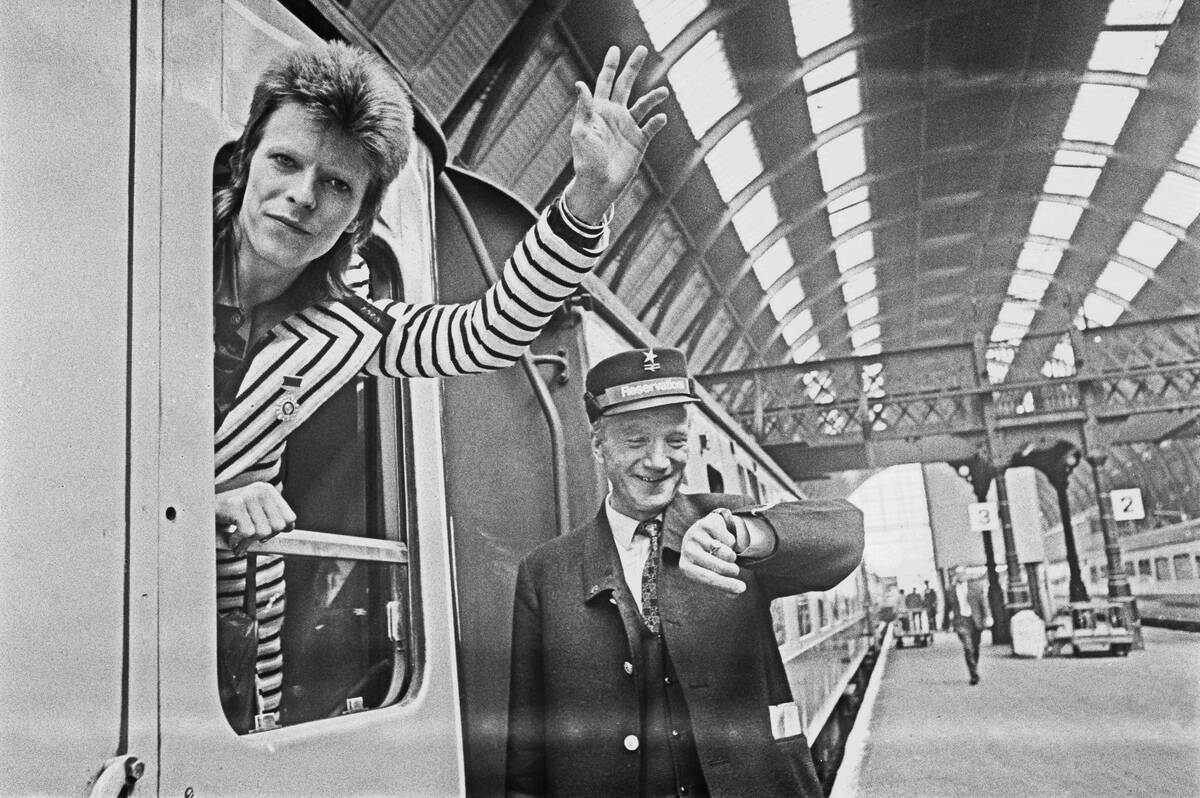
David Bowie’s farewell performance as Ziggy Stardust in 1973 marked the end of one of glam rock’s most iconic eras. Held at London’s Hammersmith Odeon on July 3, the concert was a theatrical showcase of Bowie’s famous alter ego, featuring the costumes, drama, and artistry that defined the character.
Bowie’s announcement that Ziggy Stardust and the Spiders from Mars would no longer perform together shocked fans and became one of the most memorable moments in rock history. His innovative blend of music, fashion, and performance art left a lasting influence on the music industry and inspired future artists to push creative boundaries.
Prince’s Purple Rain Tour 1984: A Pop Icon at His Peak
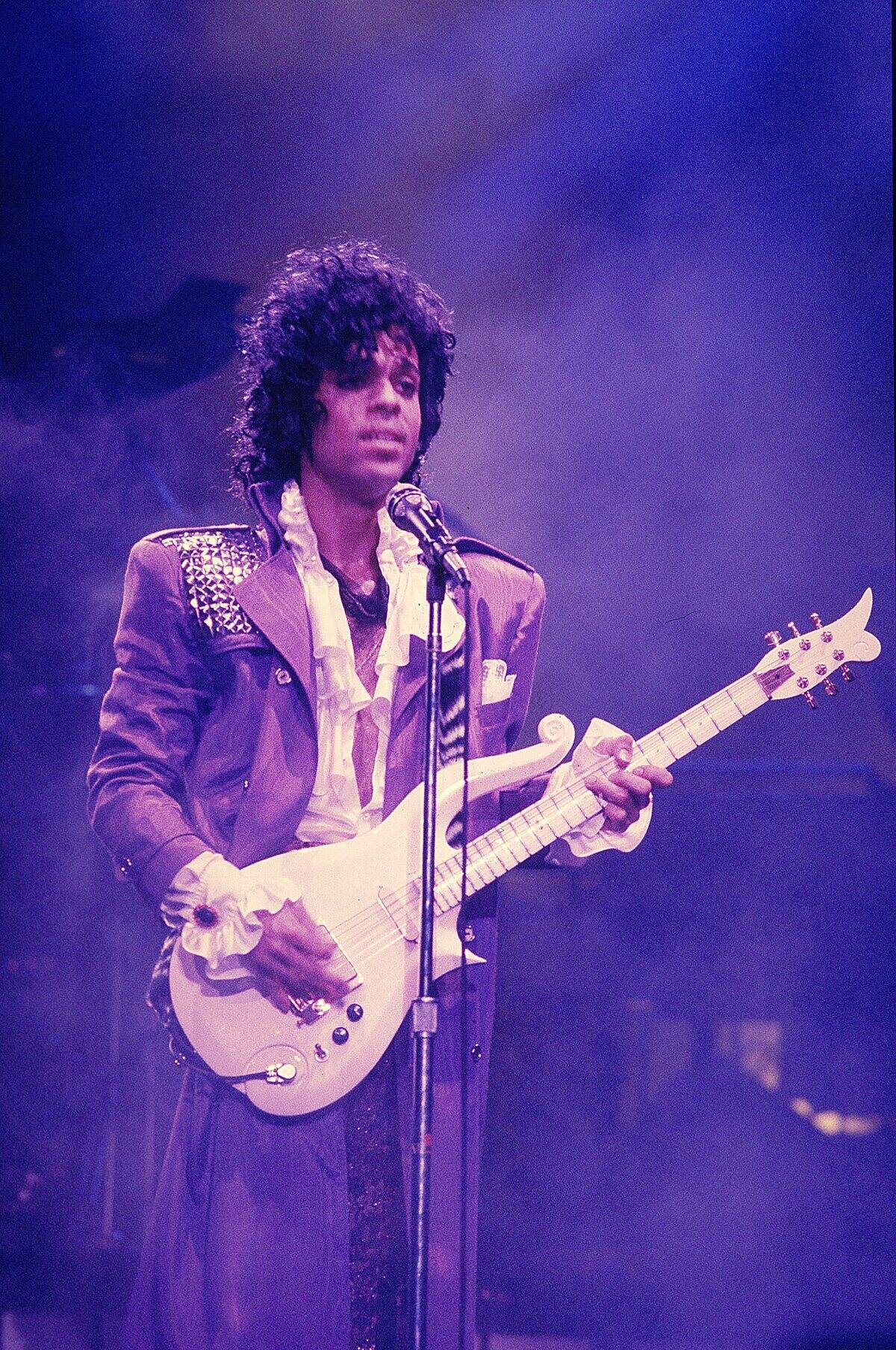
Prince’s Purple Rain Tour in 1984–1985 showcased his musical brilliance, theatrical style, and unforgettable stage presence. The tour followed the release of his acclaimed album and film Purple Rain, featuring performances of songs such as “Let’s Go Crazy” and “Purple Rain.” Prince’s energetic shows, distinctive costumes, and dynamic choreography captivated audiences across North America.
The tour helped solidify his status as a pop icon and highlighted his innovative ability to blend rock, funk, R&B, and pop into a sound that influenced generations of artists.
The Last Waltz 1976: A Star-Studded Farewell to The Band
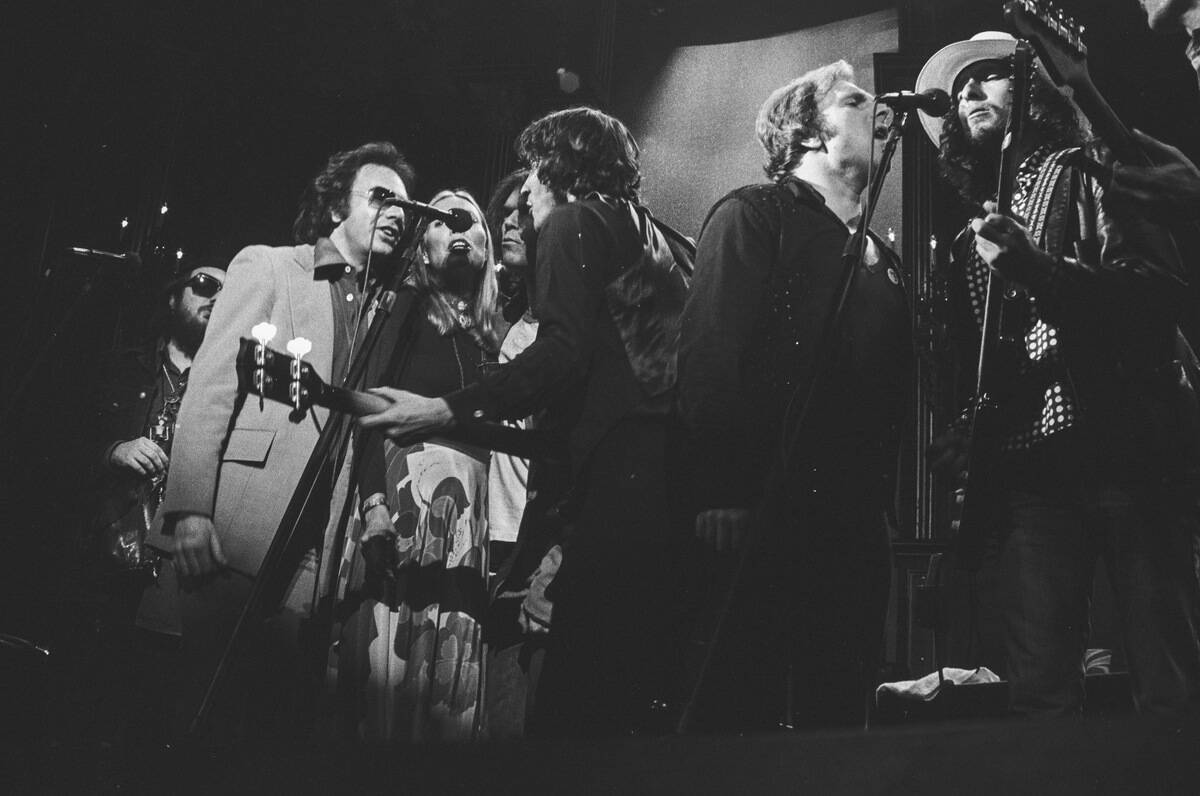
The Last Waltz, held on Thanksgiving Day in 1976, was the farewell concert of The Band’s original touring lineup and became a landmark event in rock history. Filmed by director Martin Scorsese and released as a documentary in 1978, the concert featured performances with renowned artists including Bob Dylan, Eric Clapton, and Joni Mitchell.
The event celebrated The Band’s influence and their distinctive blend of rock, folk, blues, and roots music. The Last Waltz remains one of the most acclaimed concert films ever made, praised for its legendary collaborations and innovative cinematic approach.




