How ancient civilizations organized public events
Imagine stepping back in time to witness the grand public events of ancient civilizations. From the bustling streets of Rome to the serene temples of Egypt, these gatherings were more than just entertainment—they were a vital part of social and religious life.
Ancient events offered communities a chance to come together, celebrate, and share in the collective human experience.
The Role of Festivals in Ancient Societies
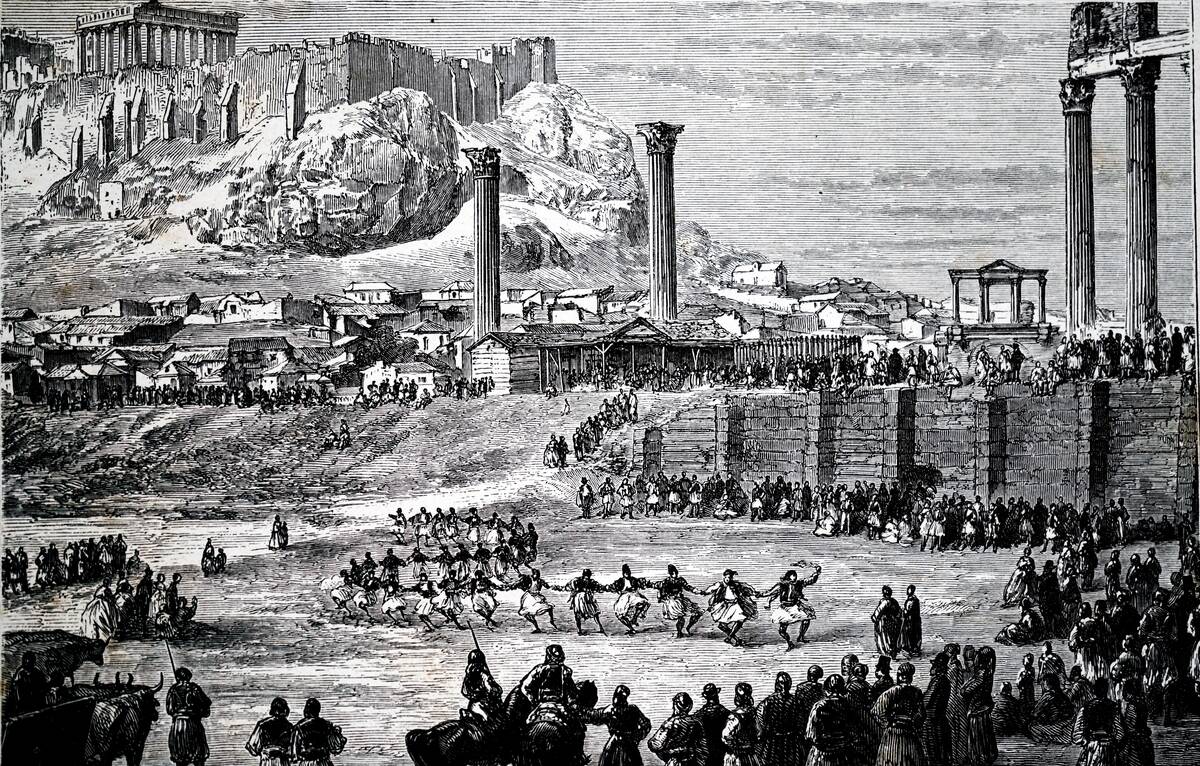
Festivals in ancient societies were often connected to religious traditions, seasonal cycles, and, in some cases, the agricultural calendar. In ancient Greece, the Dionysia were festivals held in honor of Dionysus, a deity associated with wine, vegetation, fertility, and theater. The City Dionysia in Athens became particularly famous for theatrical competitions featuring tragedies, comedies, and satyr plays, alongside religious ceremonies and processions.
Such festivals brought communities together through shared rituals, performances, feasting, and celebrations. Beyond their religious significance, these gatherings provided important opportunities for social interaction and reinforced communal identity.
Ancient Event Planning: A Community Affair
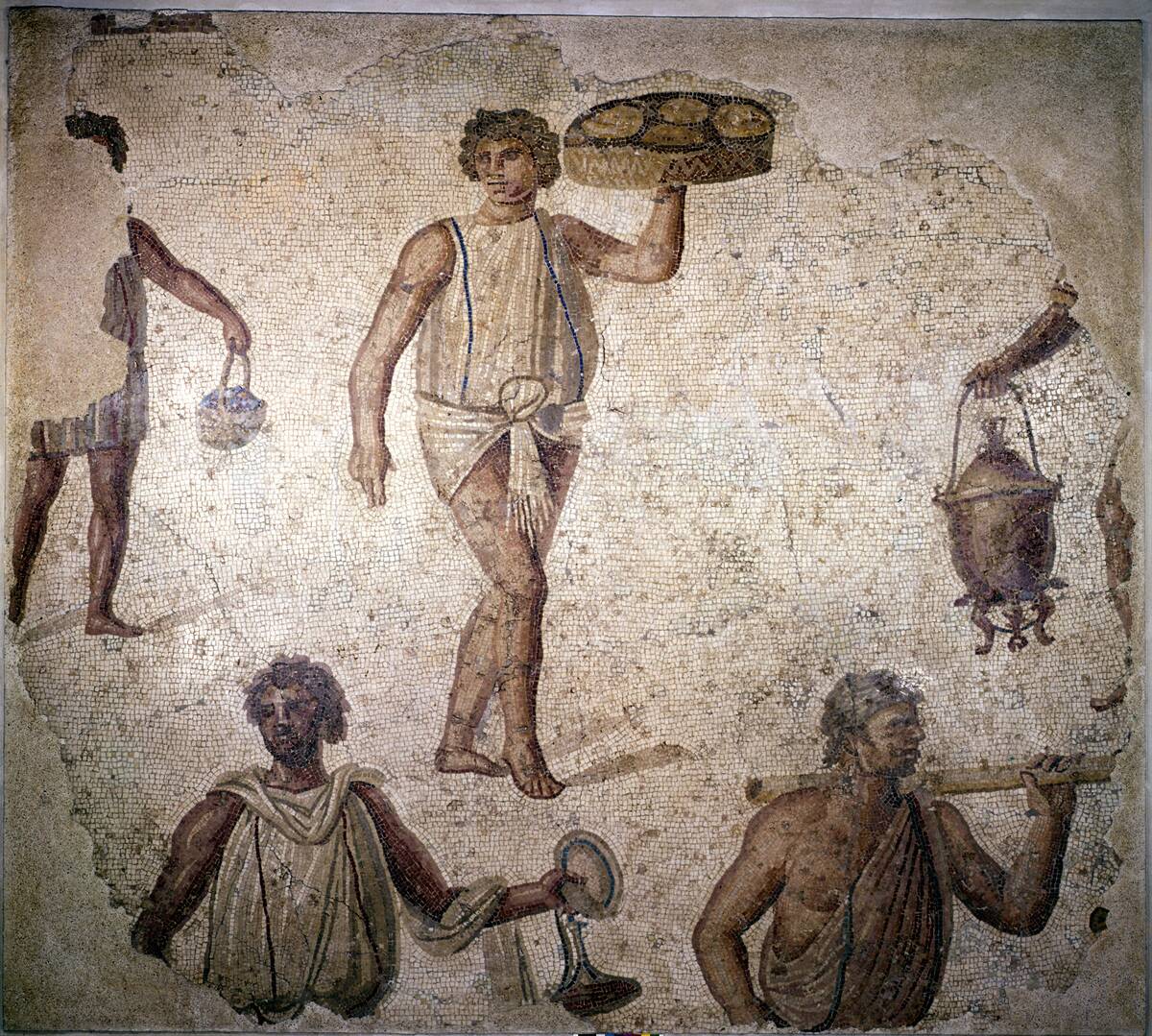
Organizing major events in ancient societies often required the coordination of religious and civic institutions, with different members of the community contributing in various ways. In Mesopotamian cities, temples, priests, rulers, and administrators played important roles in organizing religious festivals and ceremonies.
Temple institutions could manage supplies such as food and drink, oversee workers, and arrange offerings and other preparations for religious observances. Ordinary residents could also participate in processions, rituals, and celebrations, although their roles varied according to social status and the nature of the event.
The Influence of Religion on Public Gatherings
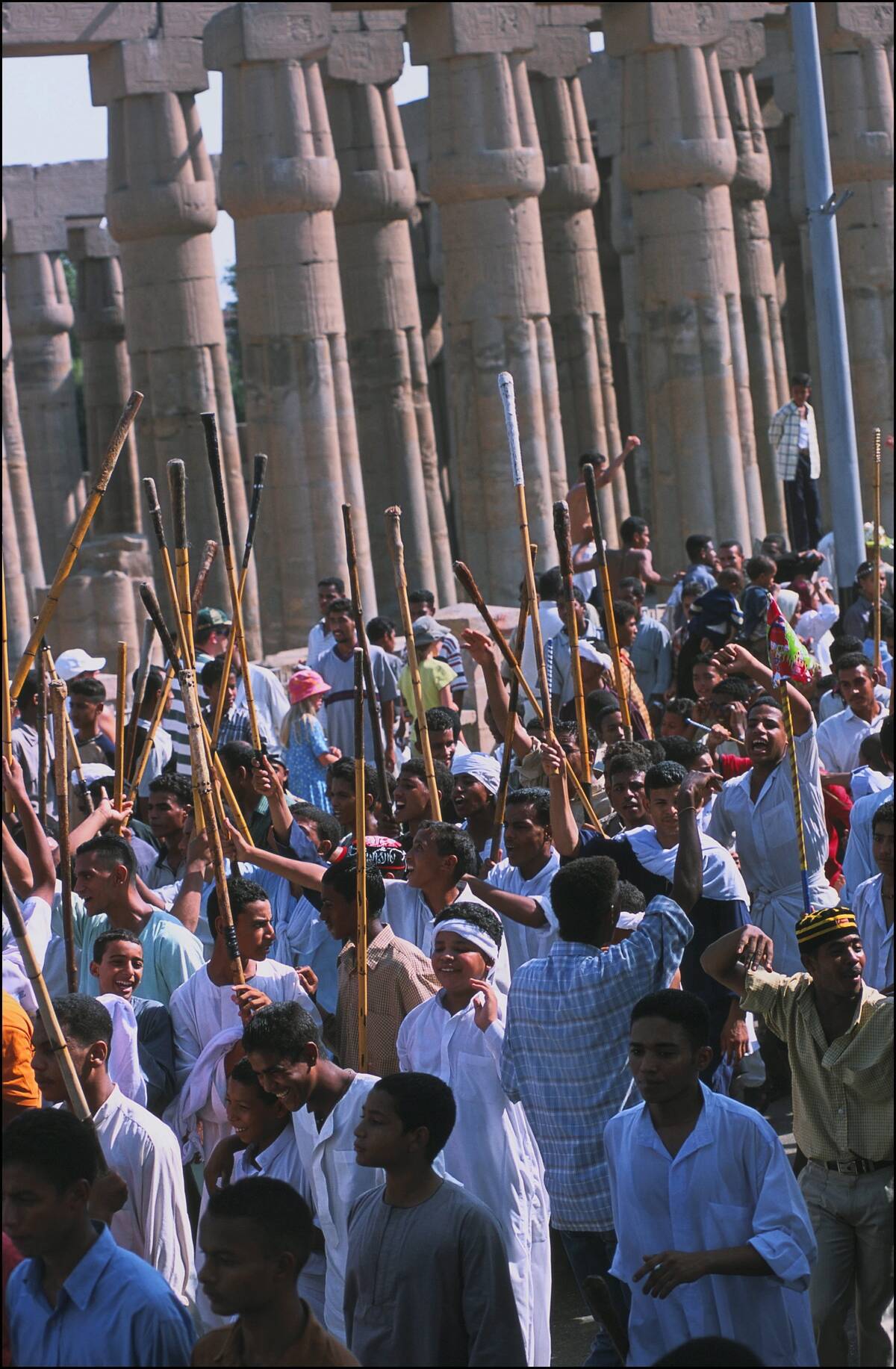
Religion was a driving force behind many ancient public events, providing both their purpose and structure. In ancient Egypt, festivals such as Opet were deeply religious celebrations involving processions in which sacred images of the gods were carried between temples.
The festival was closely associated with Amun and the renewal of the pharaoh’s kingship and legitimacy, reinforcing the connection between the ruler and the divine. Such events also brought communities together through religious rituals and celebrations, allowing people to participate in shared traditions while reinforcing Egypt’s religious and political order.
Ancient Greece: The Birthplace of the Olympic Games
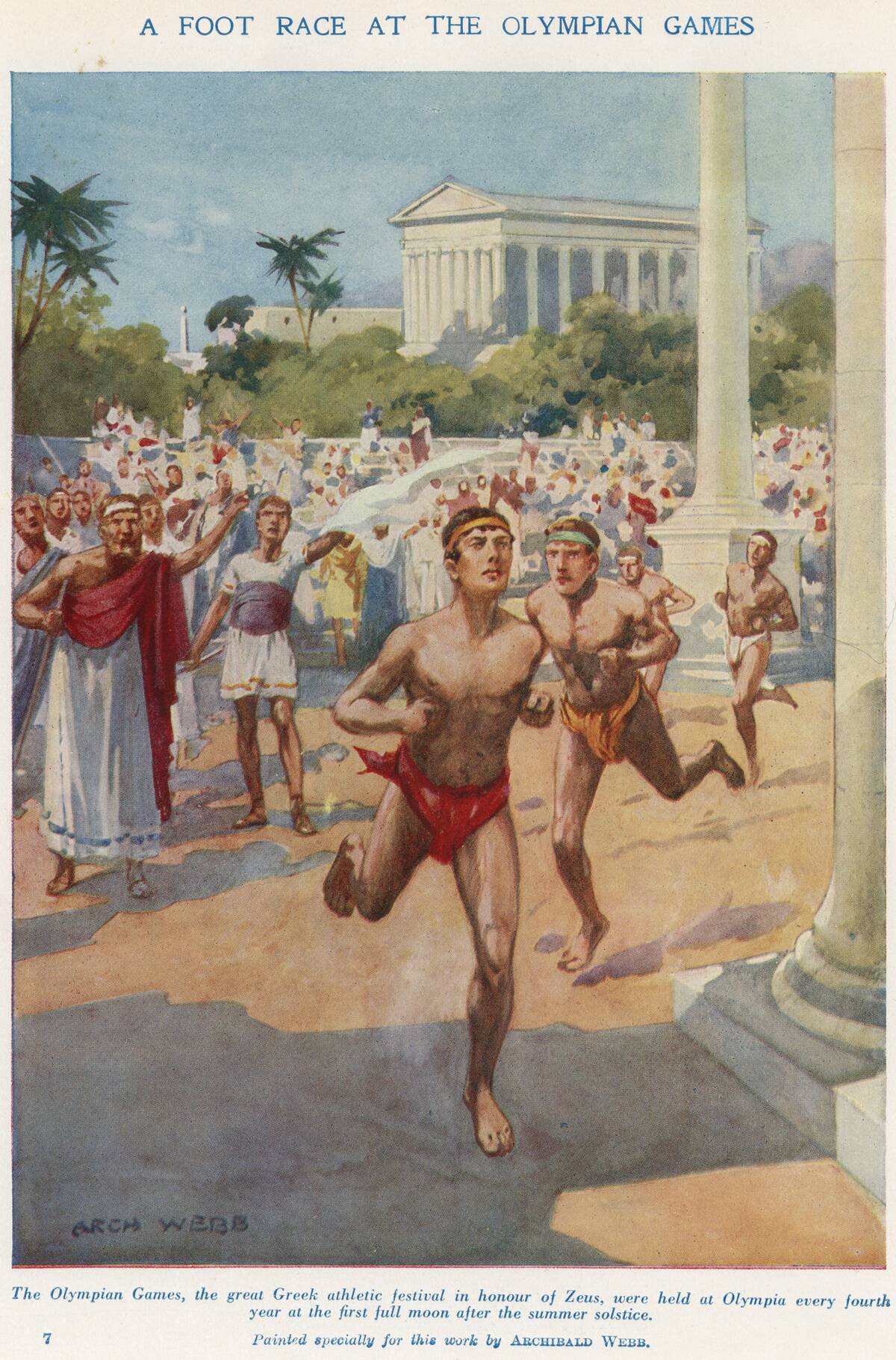
The ancient Olympic Games, held every four years at Olympia, combined athletic competition with religious devotion and were dedicated to Zeus. Athletes from different Greek city-states and communities competed in events such as running, wrestling, boxing, chariot racing, and the pentathlon.
Participation was generally limited to free Greek men under the rules of the period. Although the Greek city-states remained politically independent and often competed or fought against one another, the games provided a shared religious and cultural tradition that contributed to a broader sense of Greek identity.
Roman Spectacles: Gladiators and Chariot Races
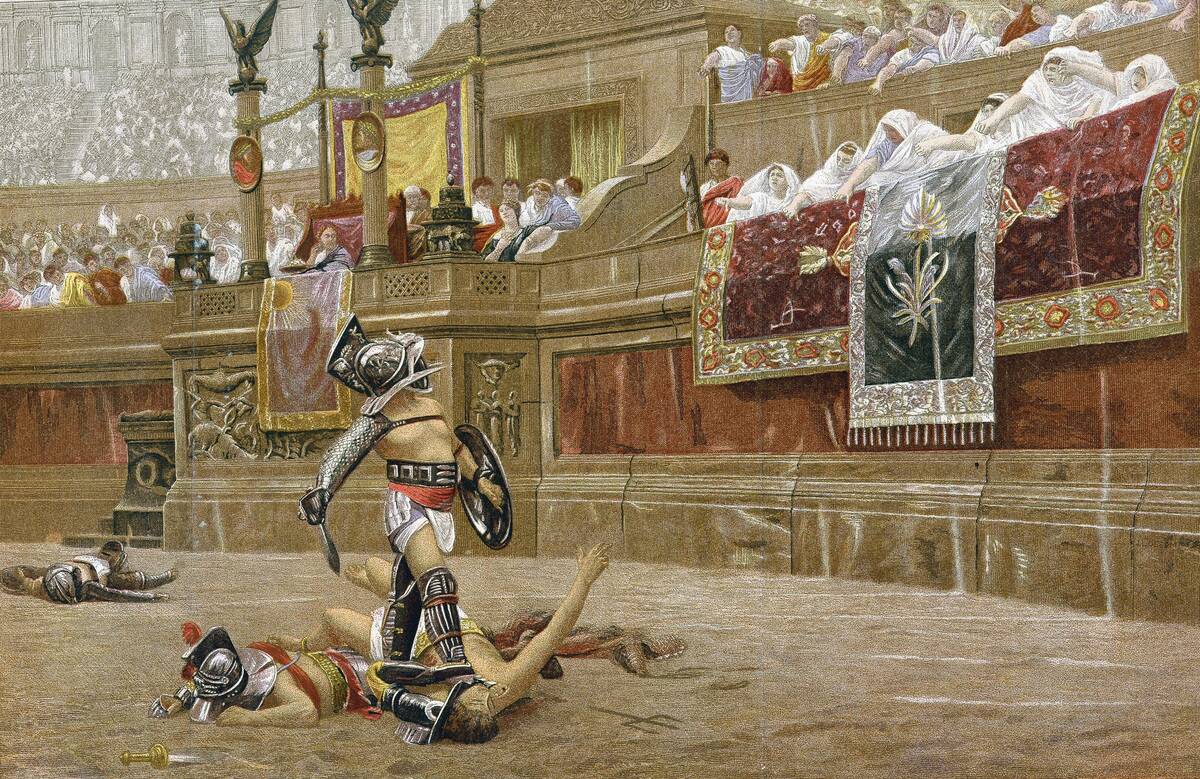
Roman public events were often grand spectacles, with gladiatorial contests, chariot races, animal hunts, and theatrical performances drawing large crowds. The Colosseum in Rome is estimated to have accommodated roughly 50,000 to 65,000 spectators, who gathered to watch gladiatorial combat and other spectacles. Chariot races, meanwhile, were primarily held at the Circus Maximus, which could accommodate an even larger audience.
These events provided entertainment but also served religious, social, and political purposes, allowing emperors and other elites to demonstrate their wealth, generosity, and authority while strengthening their relationship with the public.
The Egyptian Festivals: Honoring the Gods and the Pharaohs
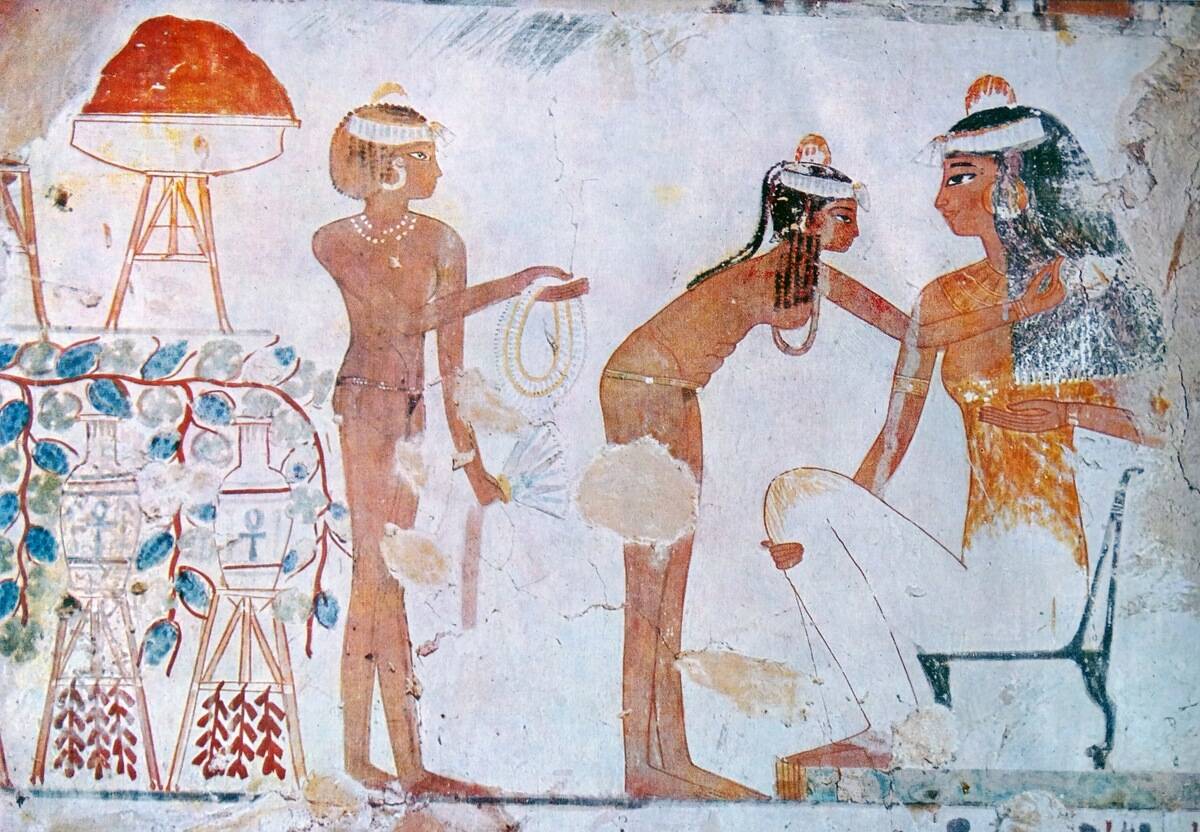
Egyptian festivals were often elaborate religious events, with many featuring processions of sacred images of the gods carried in ceremonial barques or on portable shrines. The Beautiful Feast of the Valley, celebrated at Thebes, honored Amun and connected the living with deceased ancestors and the renewal of life.
During the festival, participants visited the tombs of relatives, made offerings to the dead, and gathered for communal celebrations. Such festivals combined religious observance with feasting, music, and social interaction, while some also reinforced Egyptian ideas about divine kingship and the relationship between the pharaoh, the gods, and the community.
Mesopotamian Celebrations: From Ziggurats to Zests
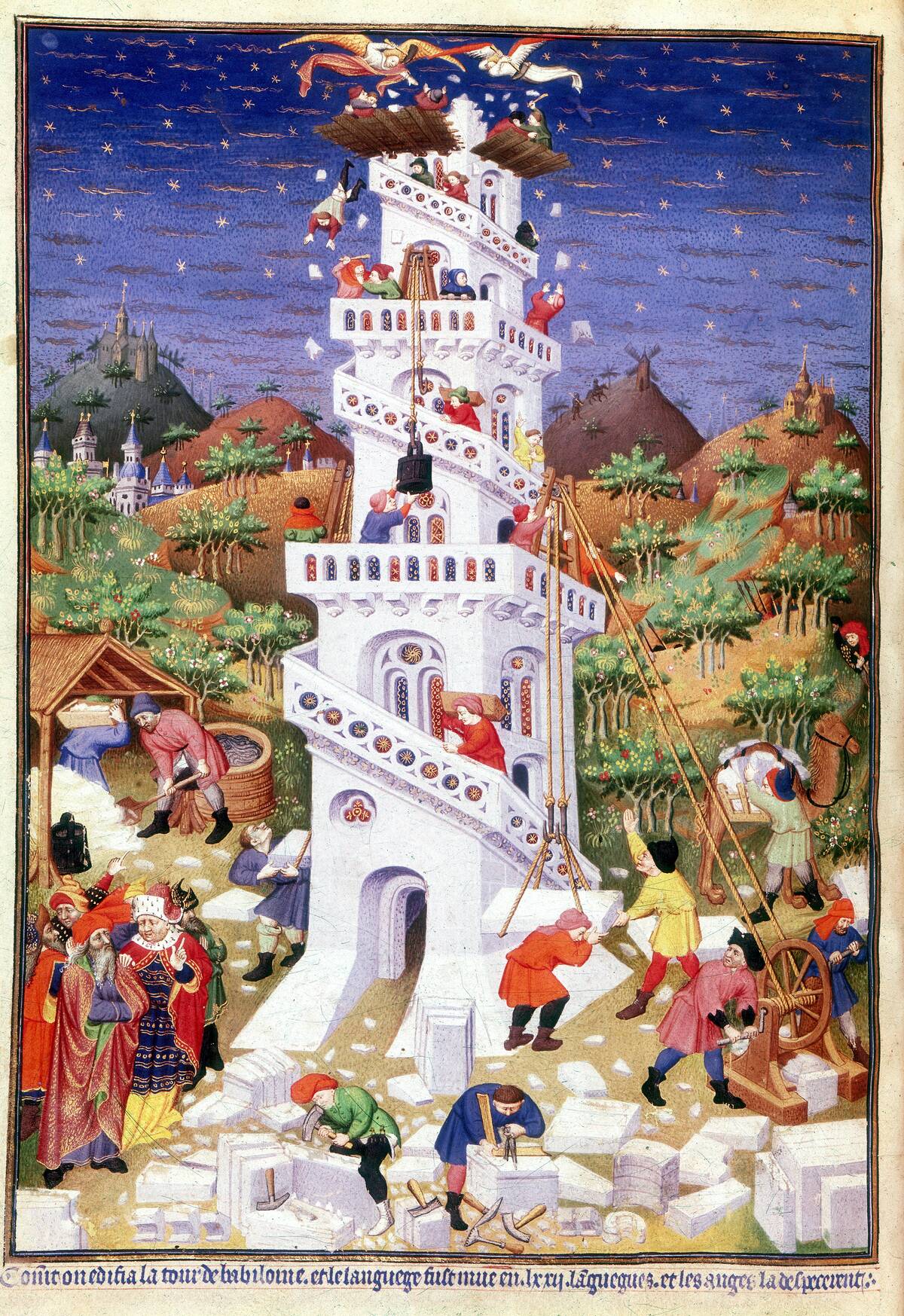
In Mesopotamia, temple complexes and ziggurats were important centers of religious life, with festivals and rituals honoring the gods and seeking divine protection and prosperity. The Akitu festival, an important New Year celebration, was particularly significant in Babylon and was associated with the god Marduk.
During the festival, religious texts including the Enūma Eliš were recited, while ceremonies involving the king reaffirmed his relationship with the gods and his role in maintaining order. These celebrations reflected the Mesopotamian belief that religious ritual, kingship, and the maintenance of cosmic and social order were closely interconnected.
The Role of Storytelling and Oral Tradition in Event Planning
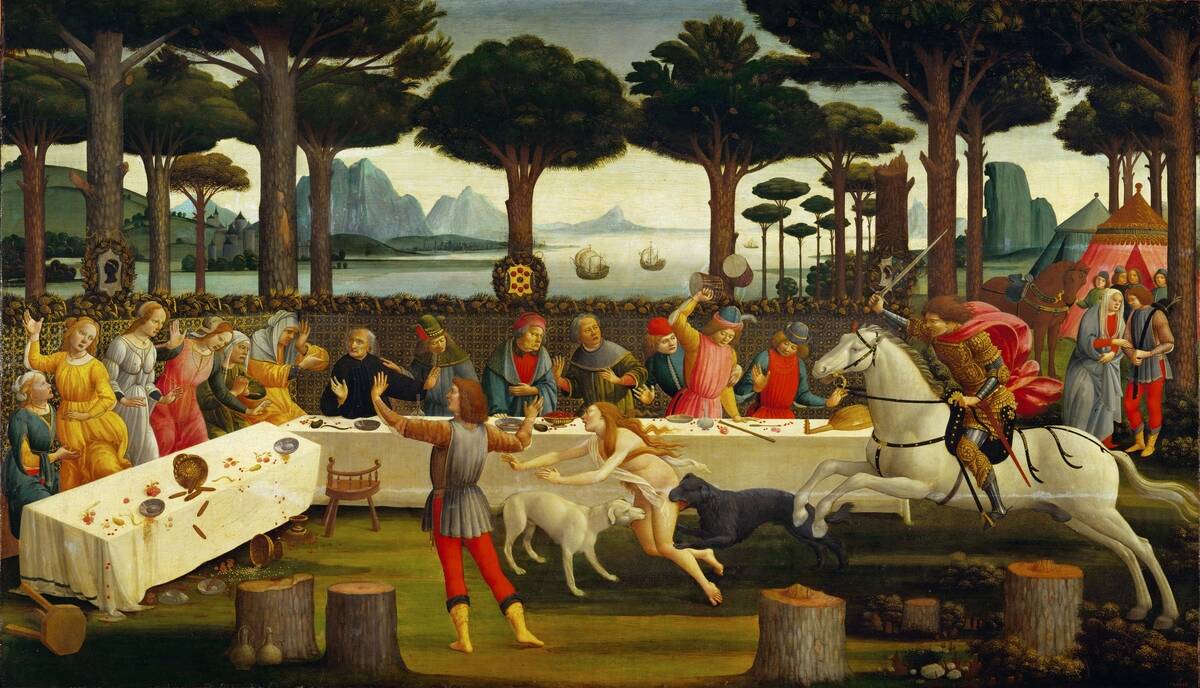
Storytelling was a vital component of ancient events, preserving history and cultural values through oral tradition. Bards and storytellers would captivate audiences with tales of heroes and gods, often during festivals or communal gatherings.
These narratives not only entertained but also educated, passing down wisdom and reinforcing cultural identity across generations.
Ancient China: The Art of Organizing Grand Ceremonies
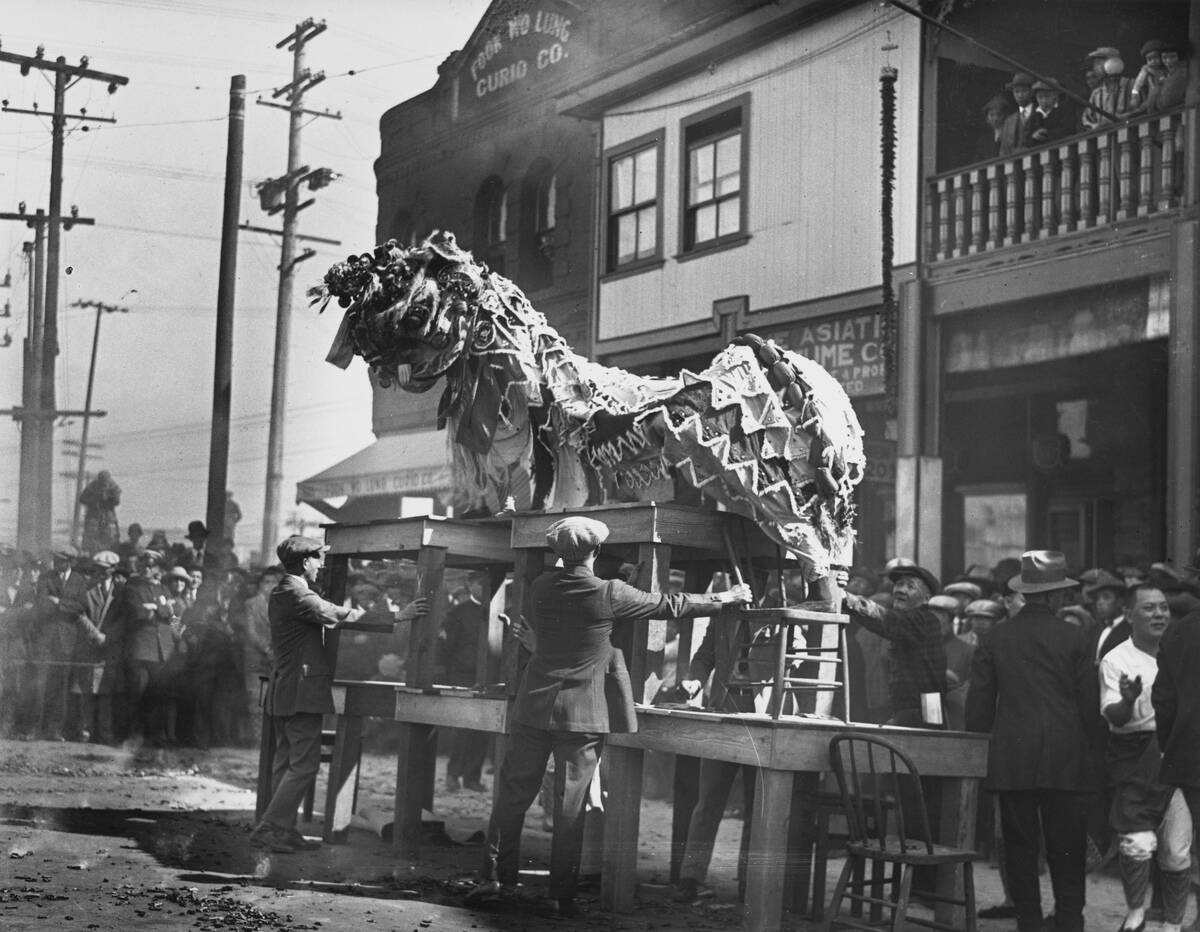
In China, many traditional public and religious ceremonies were highly structured, reflecting longstanding cultural values surrounding ritual, social order, and harmony. The Chinese New Year, which developed over many centuries, has included rituals honoring ancestors and deities, family gatherings, offerings, and other traditional celebrations.
Fireworks and lion dances became important features of the festivities later in Chinese history, rather than being characteristic of the earliest celebrations. These traditions drew on a combination of folk religious practices, ancestor veneration, and philosophical traditions such as Confucianism, helping reinforce family ties, social cohesion, and respect for cultural traditions.
The Mayan Calendar and Its Influence on Public Events
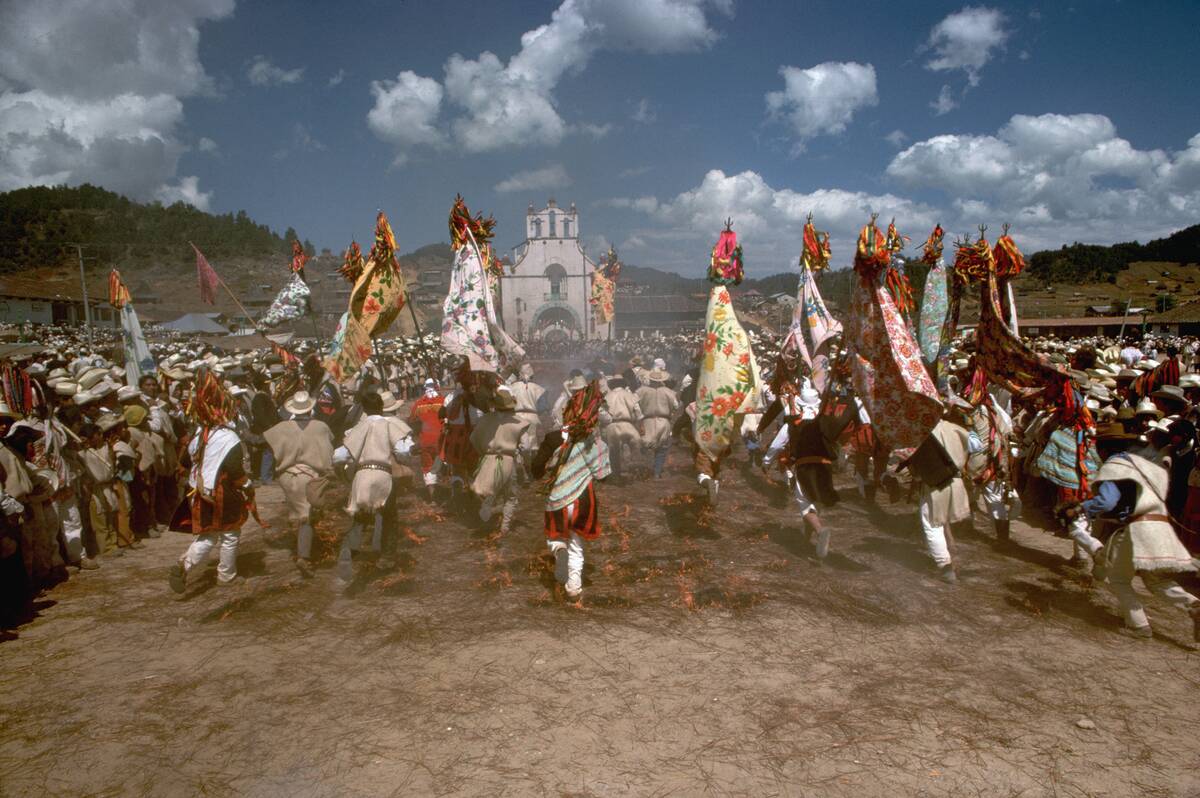
The Maya calendrical systems, including the Tzolk’in and Haab’, played an important role in determining the timing of religious ceremonies and other significant events. Maya scholars developed sophisticated methods for observing and recording celestial cycles, including those of the Sun, Moon, and Venus, and astronomical knowledge was closely connected to religious and political traditions.
Some ceremonies and architectural features were associated with significant solar events, although not all festivals were specifically timed to solstices or equinoxes. Major gatherings could also bring people together for religious observances, political activities, markets, and social exchange, reflecting the complex connections among Maya communities.
The Importance of Music and Dance in Ancient Gatherings
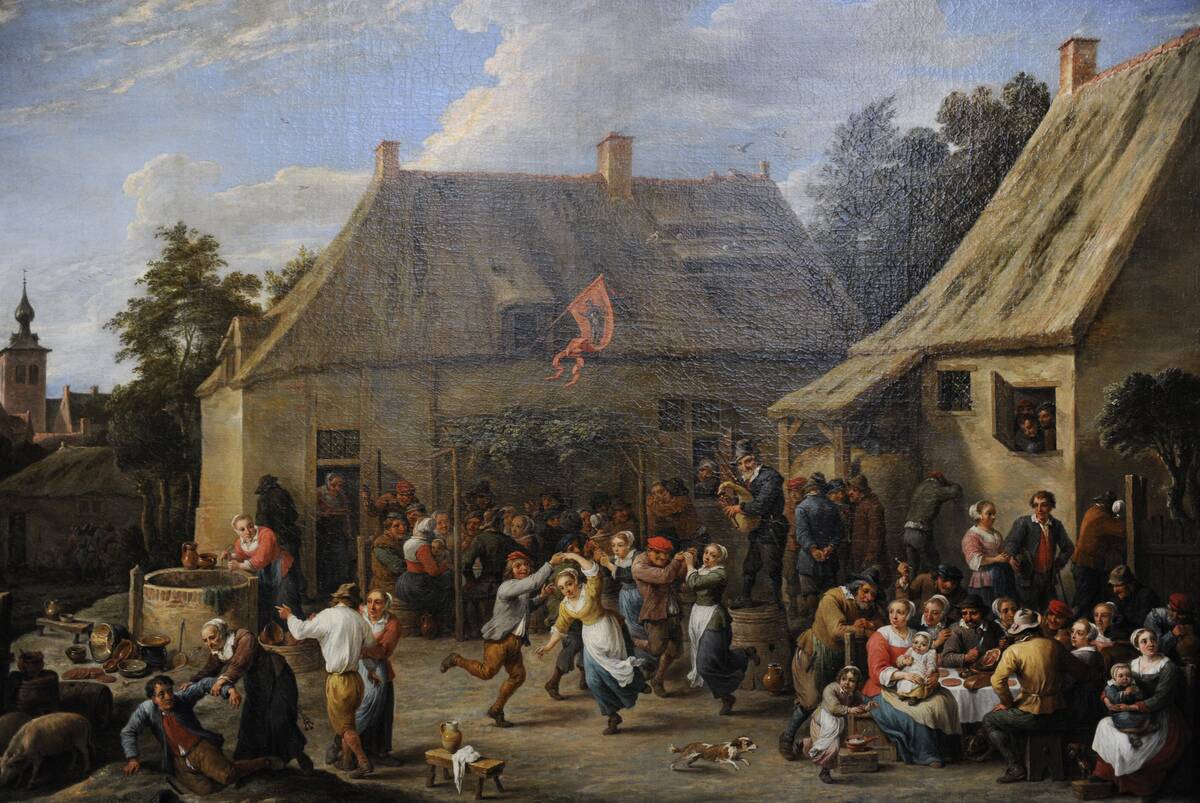
Music and dance were important elements of many ancient public events, including religious ceremonies, festivals, theatrical performances, and banquets. In ancient Greece, instruments such as the lyre and aulos accompanied theatrical performances, religious ceremonies, and other occasions.
In ancient Egypt, musicians and dancers performed at festivals, banquets, and religious gatherings, as shown in surviving artwork and texts. Beyond entertainment, music and dance could serve religious and cultural purposes, helping express emotions, accompany rituals, and communicate stories and traditions through sound and movement.
The Logistics of Feeding Large Crowds in Antiquity
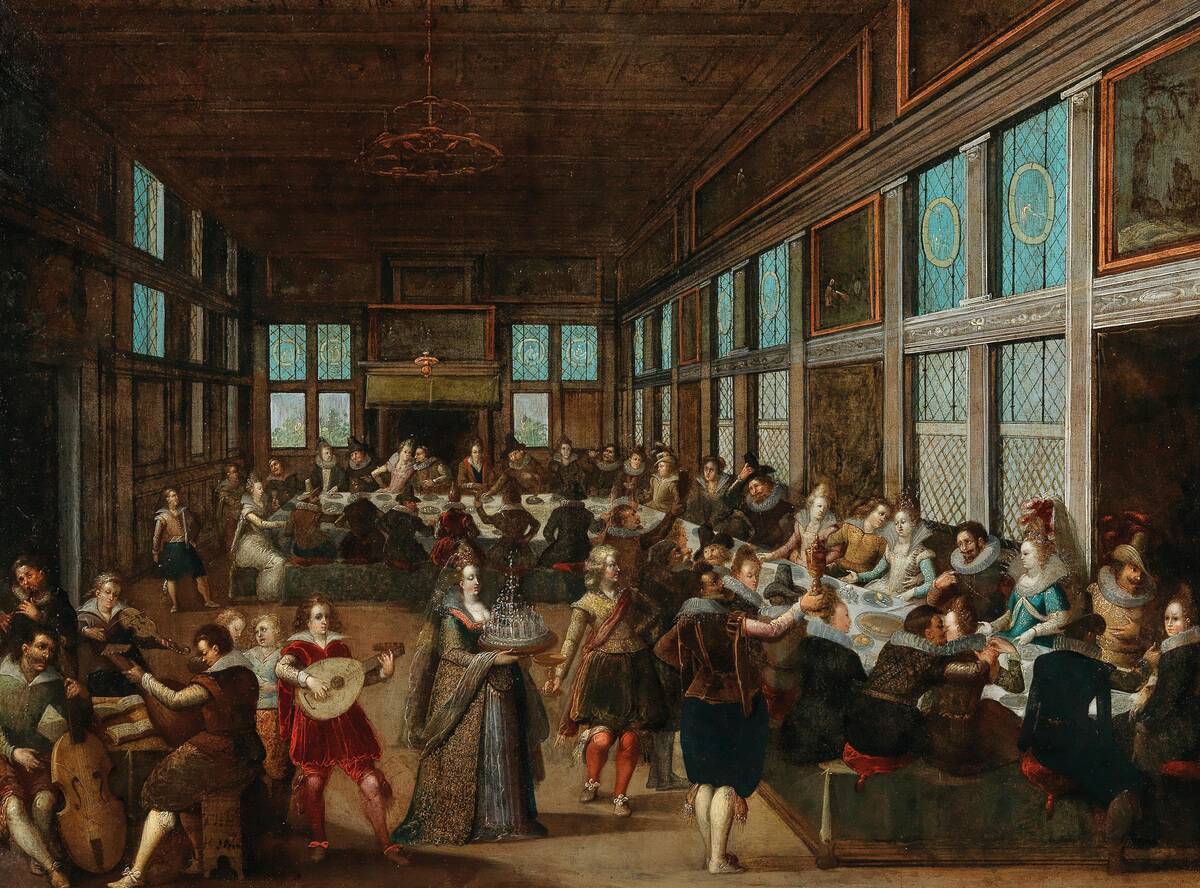
Feeding large crowds at ancient festivals and public events could require substantial planning and the organization of food supplies. In Rome, the state maintained the grain dole, known as the annona, which provided eligible citizens with subsidized or free grain as part of the city’s food-supply system.
Although it was not specifically tied to public games, food distribution had important social and political implications, while wealthy Romans could also provide food and other benefits as acts of public generosity. In ancient China, communal feasts were associated with many festivals and ceremonies, bringing people together to share food and participate in traditional celebrations.
Security Measures: Keeping the Peace at Ancient Events
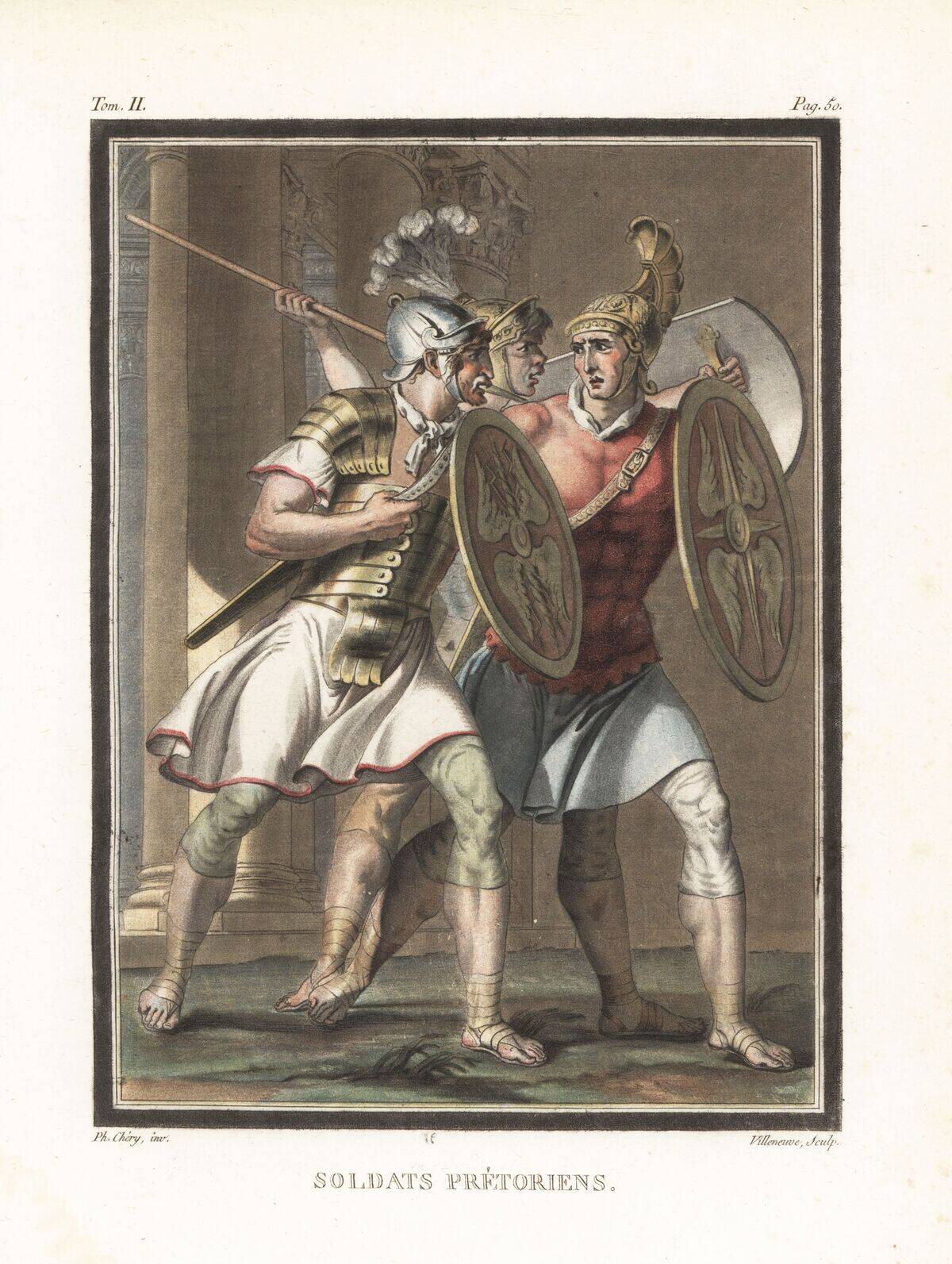
Maintaining order at large public gatherings required organization and oversight in many ancient societies. In Rome, the Cohortes Urbanae, or urban cohorts, had policing and public-order responsibilities, while the Praetorian Guard primarily served as an elite force associated with protecting the emperor and could become involved in political or military crises. In ancient Greece, athletic competitions were overseen by appointed officials responsible for organizing events, enforcing rules, and judging competitors.
At the Olympic Games, these officials were known as Hellanodikai. Such systems demonstrate the importance ancient societies placed on regulating major public gatherings.
The Role of Artisans and Craftsmen in Event Preparations
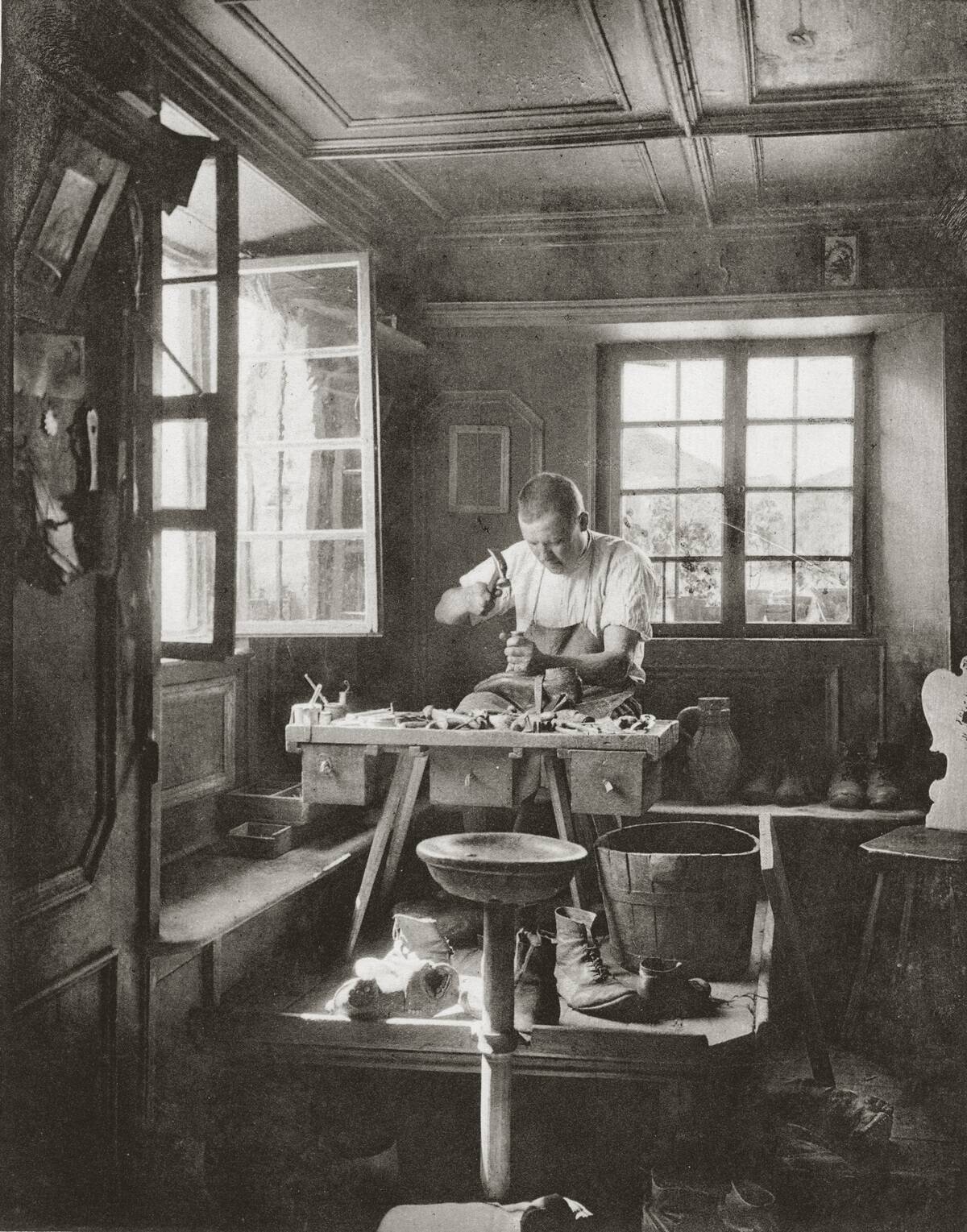
Artisans and craftsmen played an important role in preparing the objects, clothing, decorations, and architectural spaces used for ancient events. In Egypt, skilled workers produced intricate jewelry, ritual objects, statues, and ceremonial items for temples and religious occasions.
In Greece, craftspeople created theatrical costumes, masks, props, and other materials, while skilled laborers constructed substantial theaters for dramatic performances. Their work contributed to the visual and material character of festivals, ceremonies, and performances, providing evidence of the considerable artistic and technical skills of ancient societies.
Ancient Advertising: Spreading the Word Without Social Media
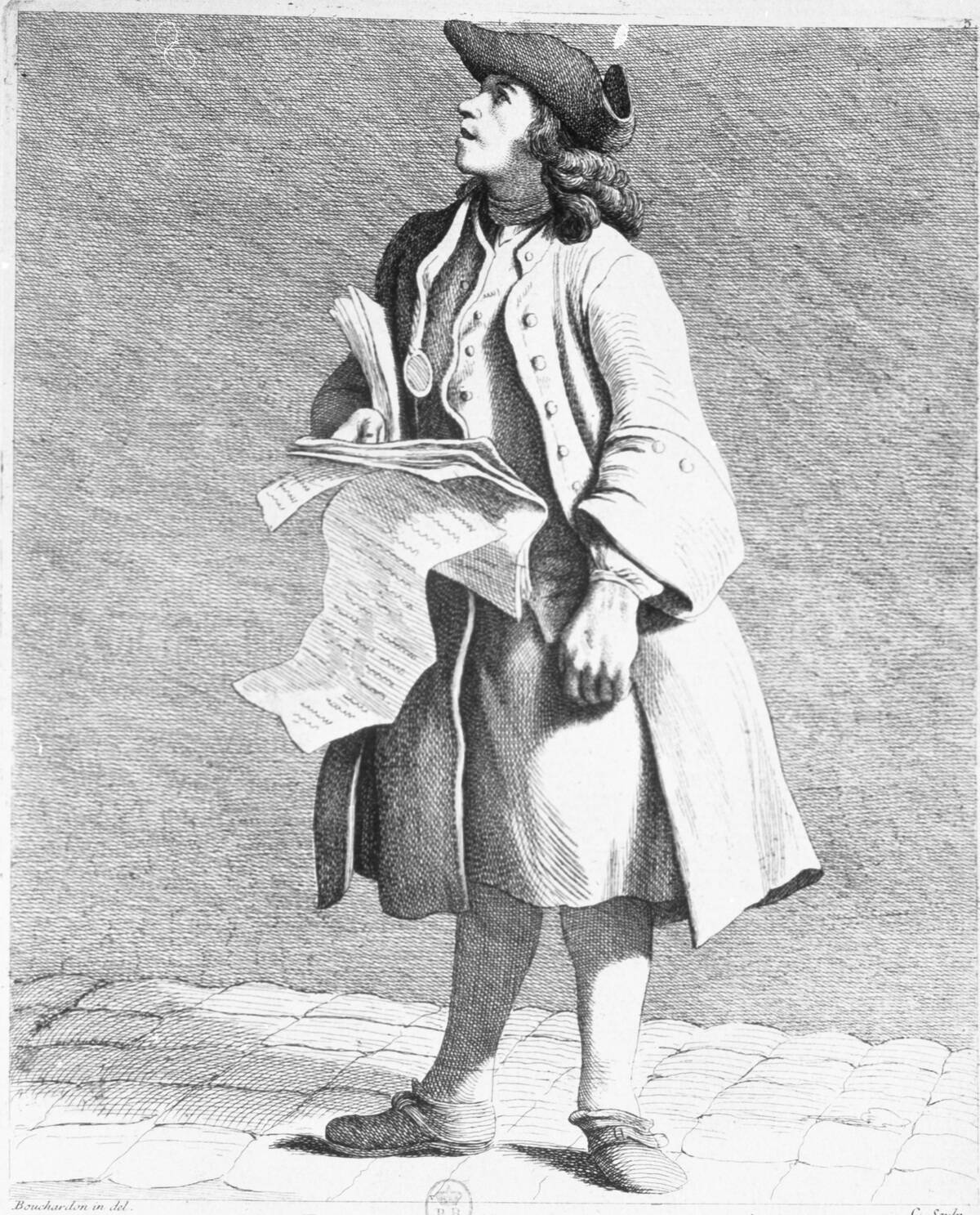
In the absence of modern mass media, ancient societies relied on a variety of methods to announce public events. Heralds and public announcers could spread information about festivals, games, and civic activities, while inscriptions and written notices communicated official information in public spaces.
In Rome, alba were whitewashed surfaces or boards used for public notices, while painted wall notices known as programmata could advertise political campaigns, games, and other events. These practices demonstrate how ancient societies used public announcements, writing, and visual communication to share information about important events.
The Impact of Trade and Cultural Exchange on Event Organization
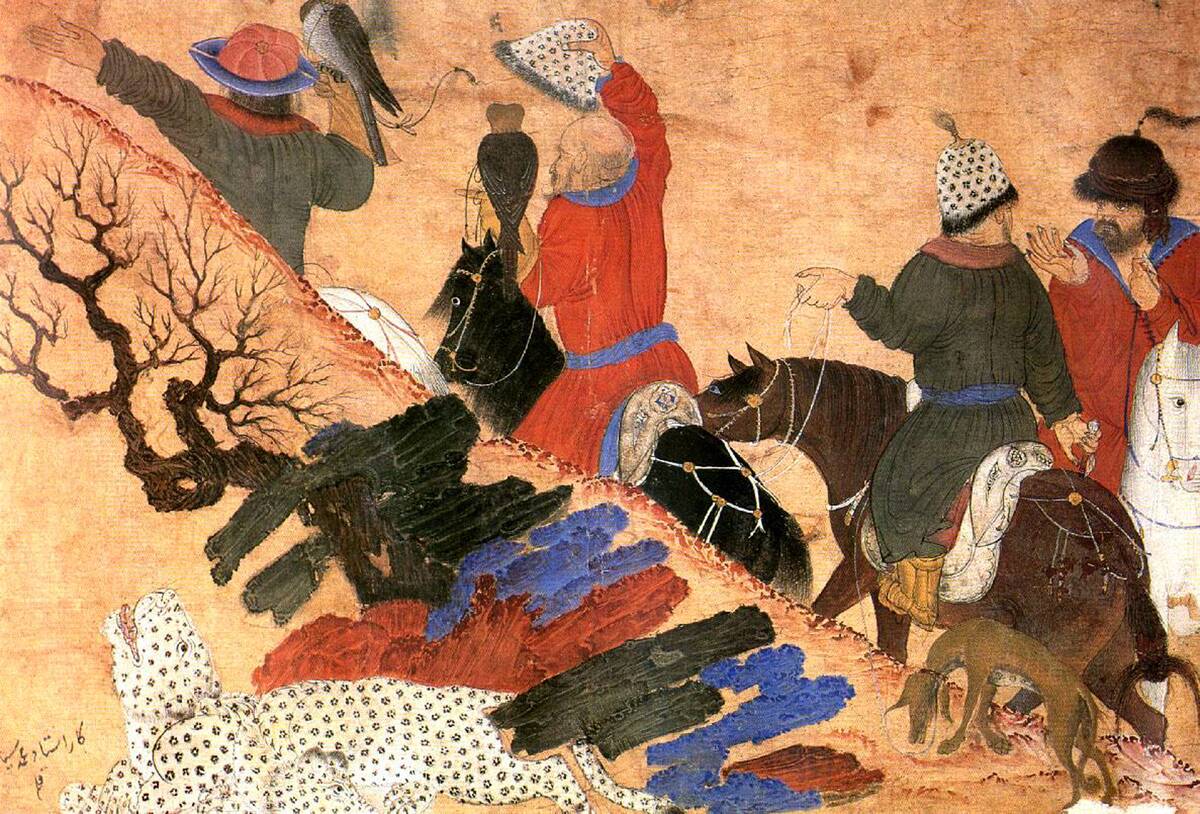
Trade and cultural exchange played an important role in connecting ancient societies and could influence religious practices, artistic traditions, foods, and public celebrations. The Silk Road, a network of interconnected routes across Asia and beyond, facilitated the movement of goods, technologies, religious ideas, and cultural traditions between distant regions.
These exchanges sometimes introduced new influences into local customs and celebrations, although the extent varied between cultures and periods. Trade networks also created opportunities for people from different societies to interact and exchange ideas, contributing to the complex cultural connections that characterized the ancient world.
The Legacy of Ancient Public Events in Modern Times
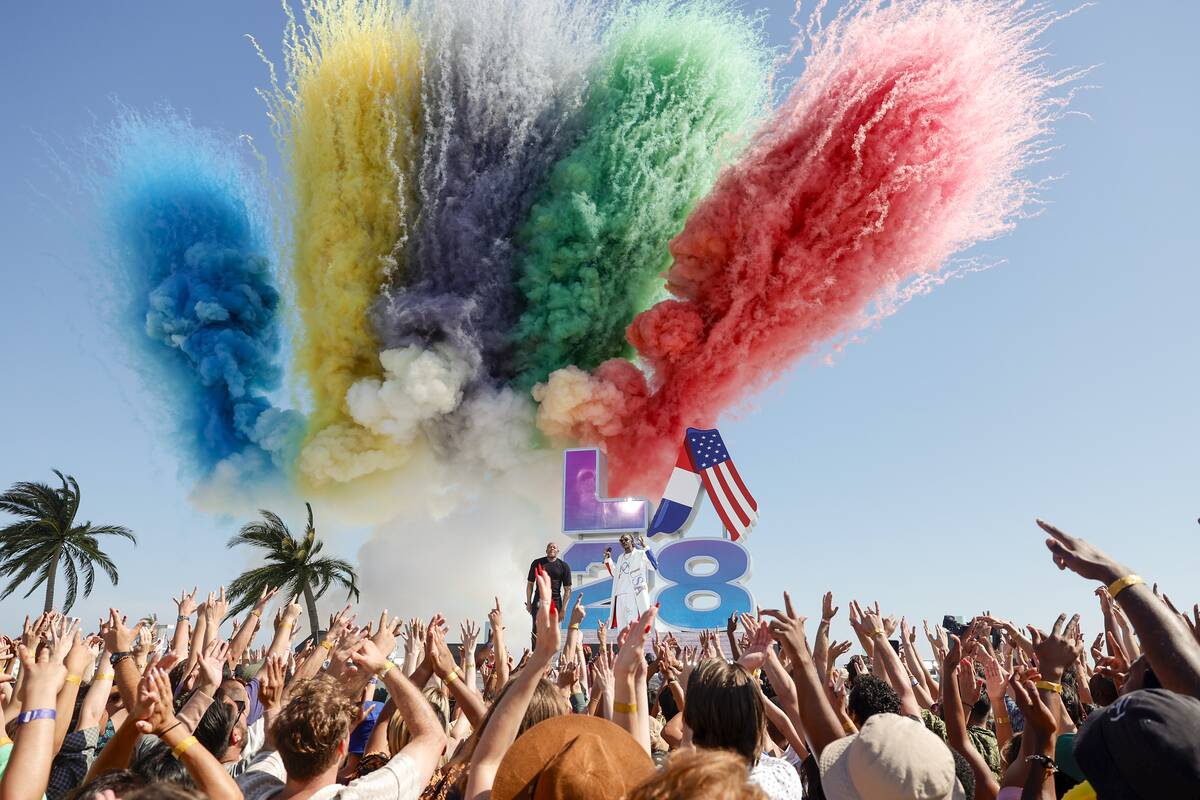
The traditions of ancient public events continue to influence some modern celebrations, most notably through the revival of the Olympic Games and the preservation of traditional cultural festivals. Ancient gatherings demonstrated the importance of organization, ceremony, communal participation, and artistic expression, practices that remain relevant to modern public events.
Although contemporary event planning has also been shaped by many later technological and social developments, studying ancient celebrations provides insight into how societies have long used gatherings to express cultural values, strengthen community ties, and mark important occasions. In this sense, some features of ancient and modern celebrations remain remarkably connected.




