Historical objects worth millions today
Historical objects have always captivated our imaginations, offering a tangible connection to the past. They serve as portals to bygone eras, each with its own story to tell.
The value of these objects today often extends beyond their material worth, encompassing the cultural and historical significance they carry. Collectors and historians alike are drawn to these artifacts, not just for their rarity, but for the rich narratives they embody.
The Enigma of the Hope Diamond
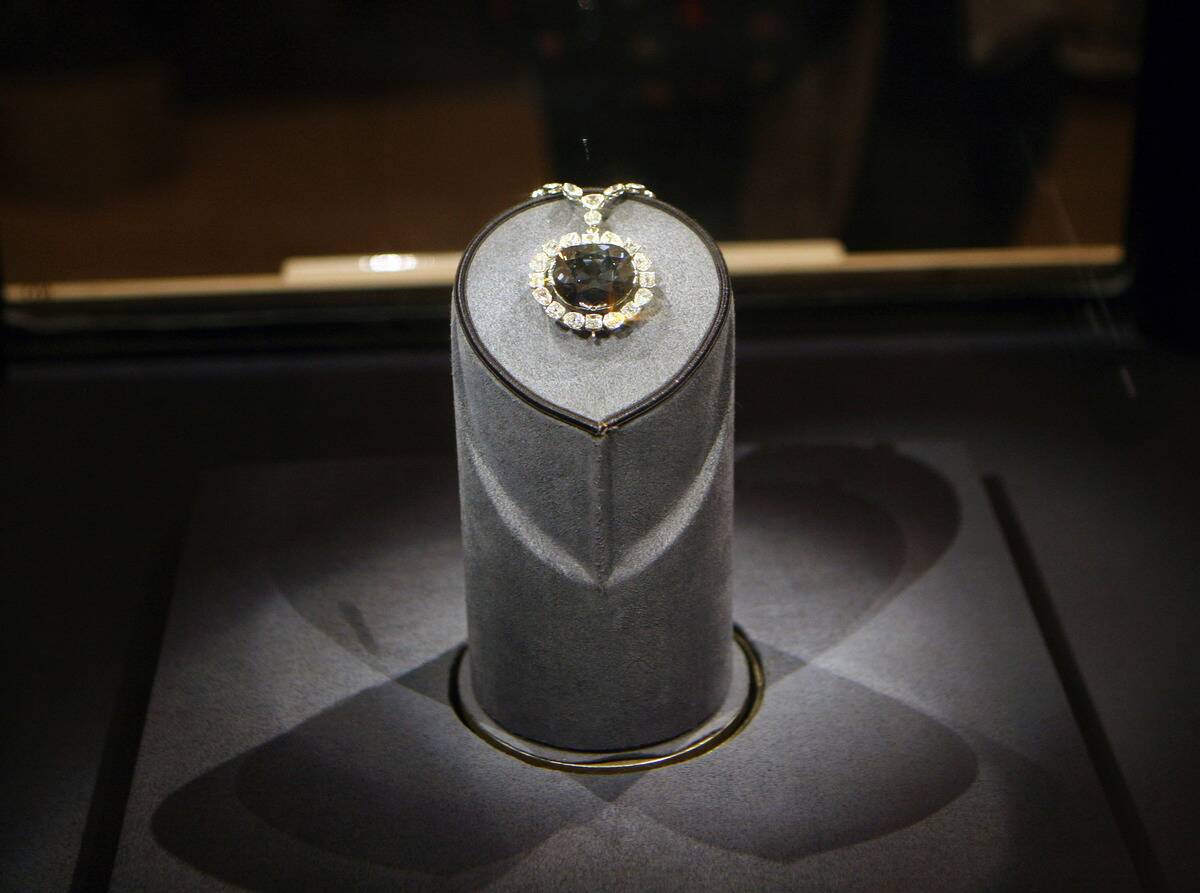
The Hope Diamond, with its deep blue hue, is one of the most famous gemstones in the world. Weighing 45.52 carats, this diamond is renowned not only for its beauty but also for the legends of a curse that supposedly follows its owners.
Currently housed in the Smithsonian Institution, it has a history that spans continents and centuries, having been owned by kings and socialites alike. Its allure is as much about its mysterious past as its stunning appearance.
Leonardo da Vinci’s Codex Leicester: A Peek into the Mind of a Genius
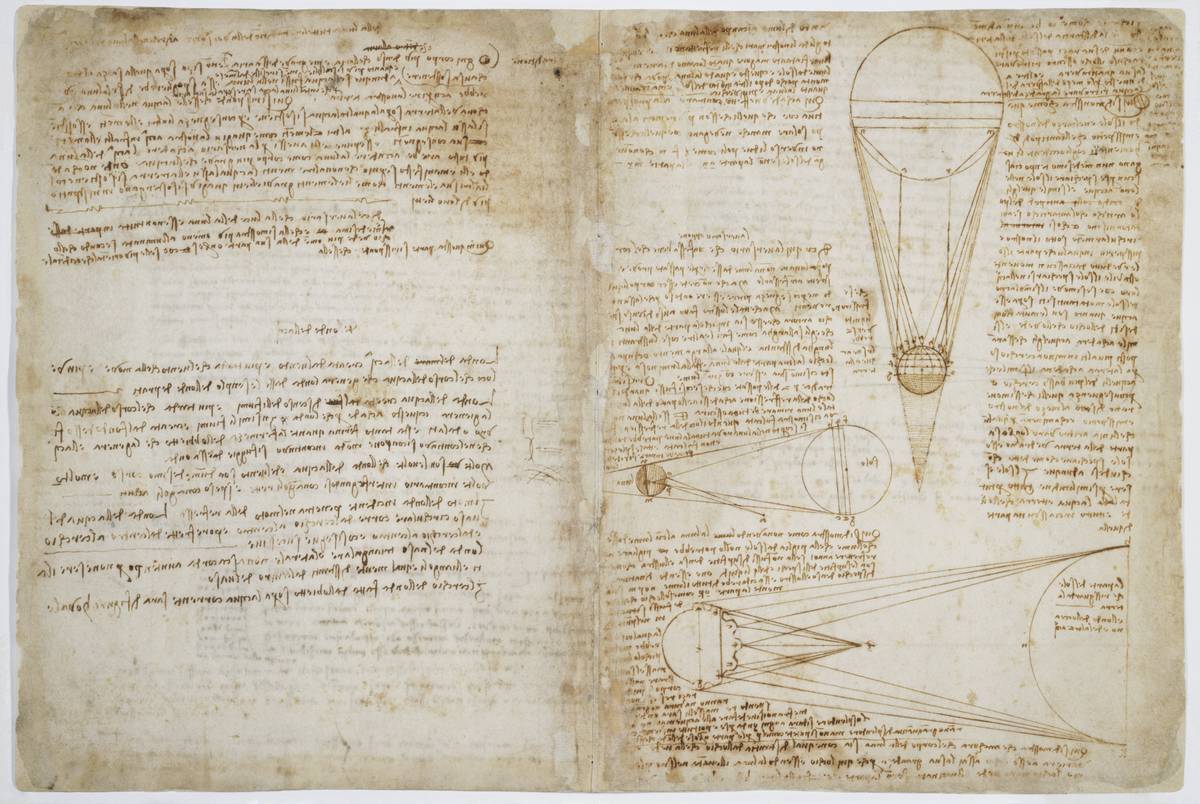
The Codex Leicester is a fascinating collection of scientific writings by Leonardo da Vinci, offering insights into his genius. This manuscript, purchased by Bill Gates in 1994 for $30.8 million, delves into subjects ranging from astronomy to water movement.
Da Vinci’s mirror writing and intricate sketches reveal his relentless curiosity and innovative thinking. Owning such a piece is akin to holding a fragment of da Vinci’s intellect, a testament to his timeless influence.
The Astonishing Journey of the Fabergé Eggs
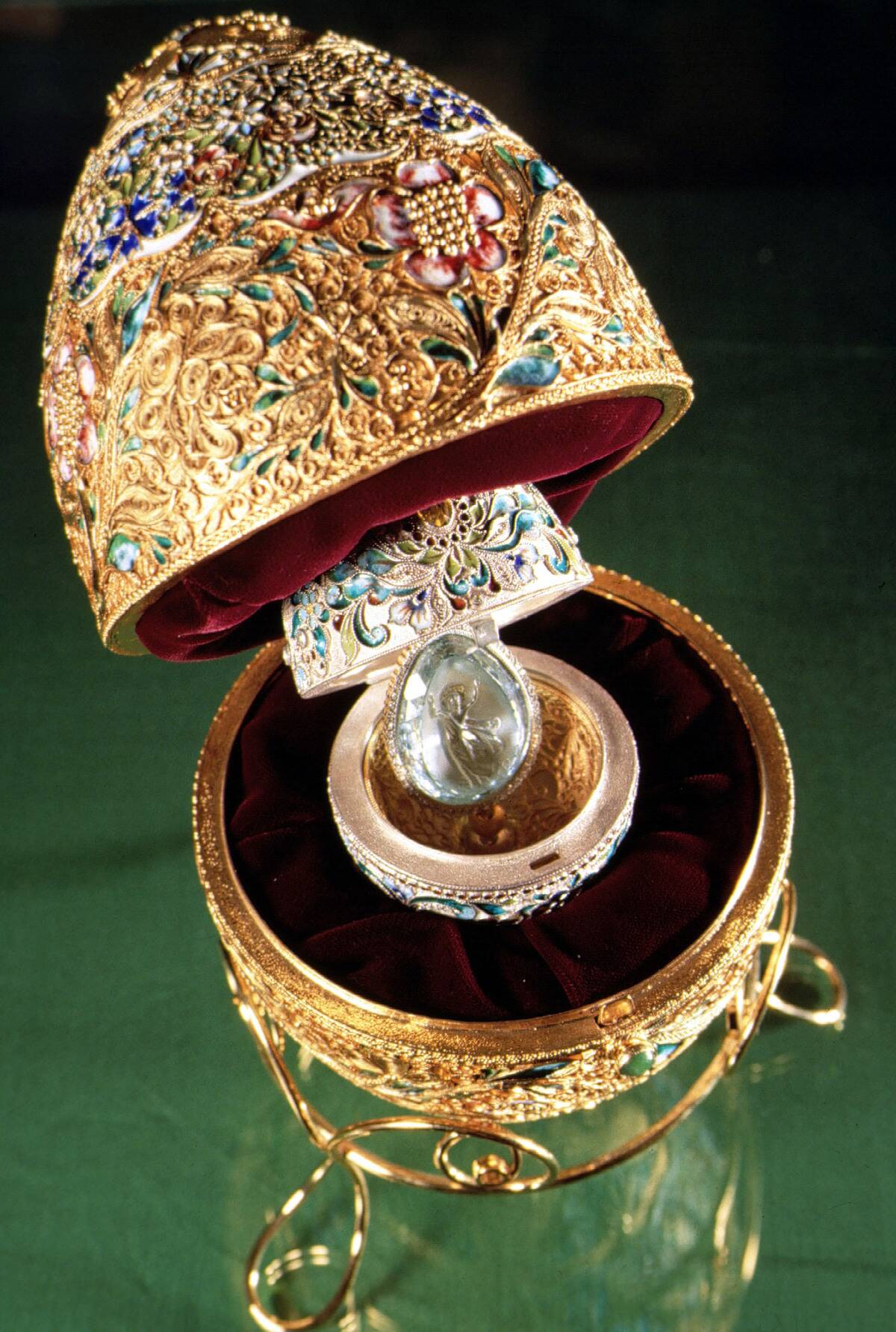
Fabergé Eggs are synonymous with opulence, created by the House of Fabergé for the Russian Tsars. These jeweled eggs, often containing hidden surprises, were gifted during Easter. Of the 50 Imperial Eggs made, 43 survive today, each a masterpiece of craftsmanship.
Their journey through history, from royal possession to private collections, mirrors the tumultuous events of the 20th century. These eggs are not just decorative objects but symbols of a lost imperial era.
The Magna Carta: From Medieval Charter to Priceless Artifact
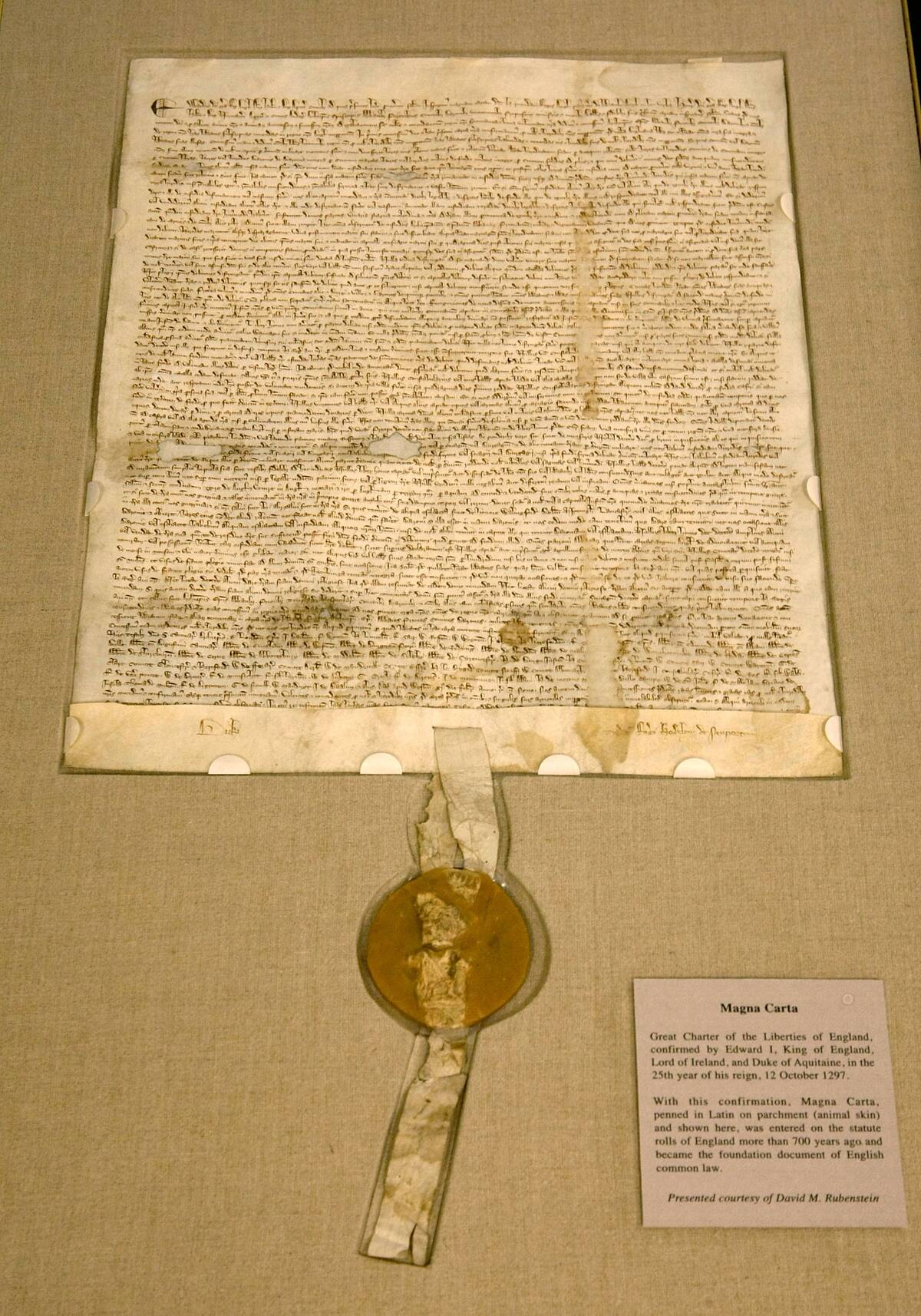
The Magna Carta, sealed in 1215, is widely regarded as one of the foundational documents in the development of constitutional government and the rule of law. Originally negotiated as a peace agreement between King John and rebellious barons, it later became a lasting symbol of liberty and justice.
Only four original copies of the 1215 Magna Carta survive today, with two housed at the British Library and the others preserved at Lincoln and Salisbury Cathedrals. Its enduring influence on legal systems around the world makes it one of history’s most important and priceless documents.
The Salvator Mundi: The Most Expensive Painting Ever Sold
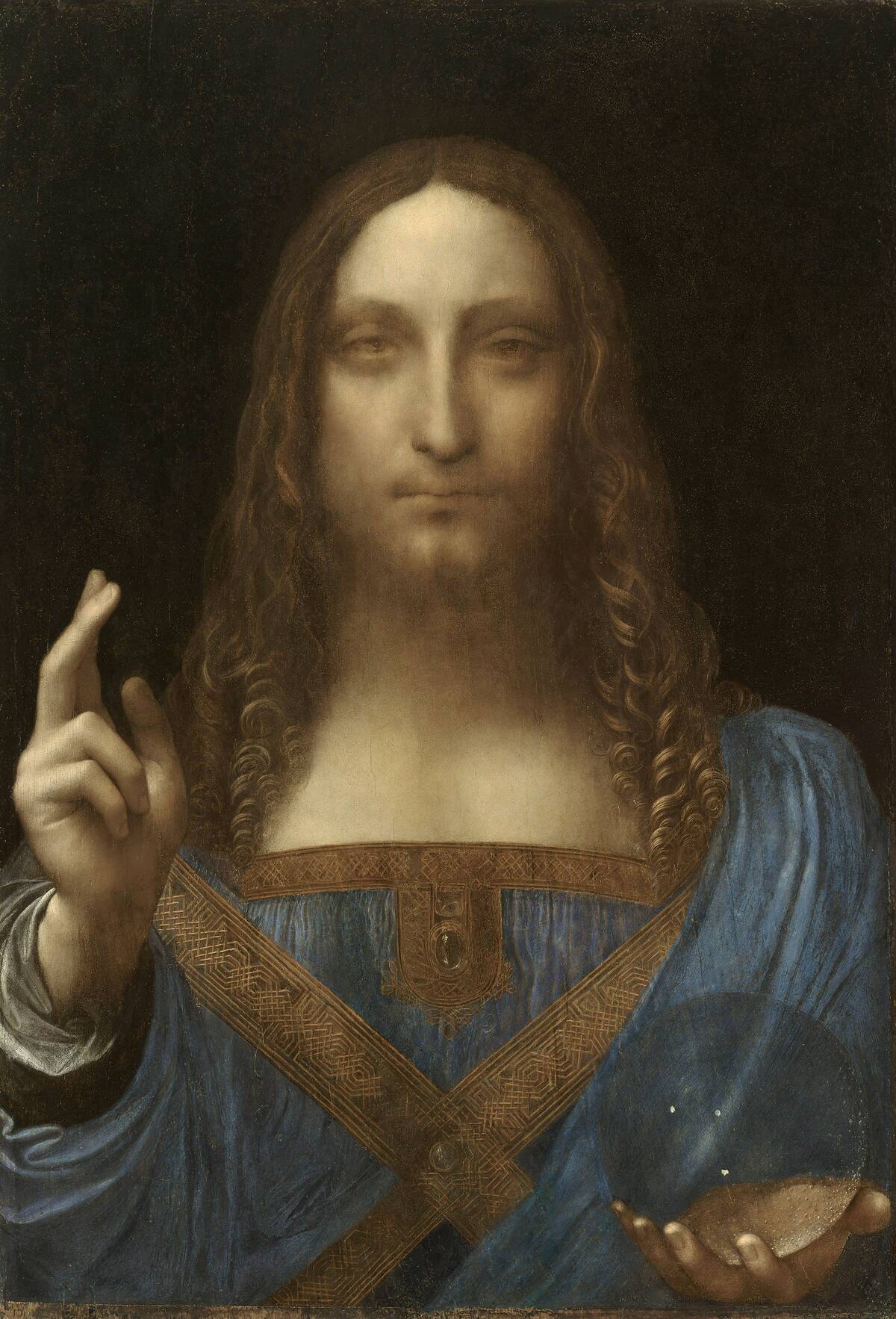
Salvator Mundi, attributed to Leonardo da Vinci, made headlines when it sold for $450.3 million at a Christie’s auction in 2017, making it the most expensive artwork ever sold at public auction. The painting, which depicts Christ holding a crystal orb, has a complex history and remains the subject of debate regarding its attribution to Leonardo and the extent of its restoration.
Its remarkable journey from relative obscurity to record-breaking fame reflects the enduring fascination with Leonardo’s work. The painting’s enigmatic history continues to make it one of the art world’s most captivating masterpieces.
The Declaration of Independence: A Symbol of Freedom and Its Priceless Worth
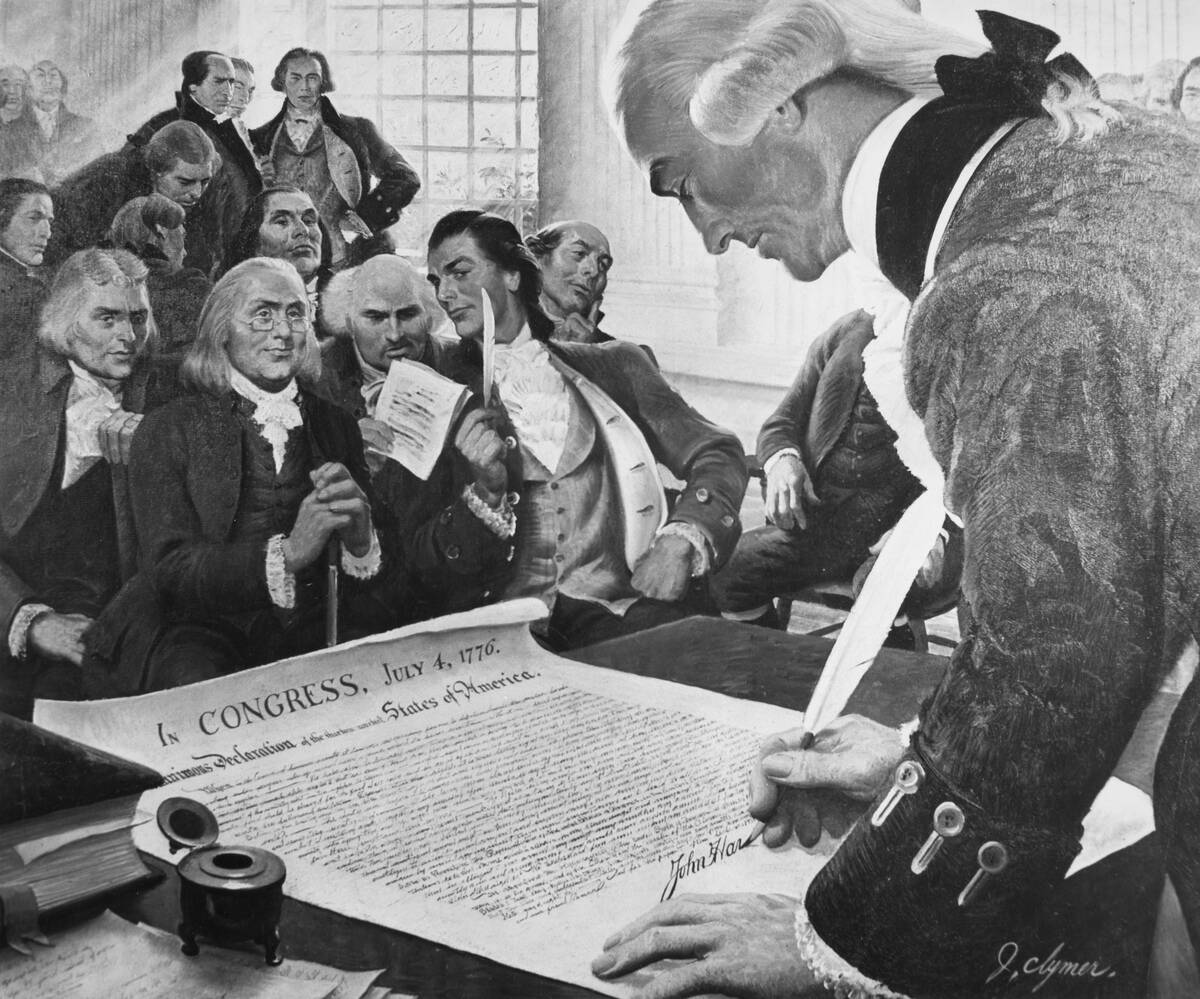
The Declaration of Independence is more than a historic document; it is a lasting symbol of American freedom. Drafted in 1776, it announced the thirteen colonies’ separation from British rule. Historians believe about 200 original Dunlap broadsides were printed, and 27 are known to survive today.
One such copy was discovered at a Pennsylvania flea market in 1989 and later sold for approximately $8.1 million. Its value lies not only in its rarity but also in its enduring representation of the ideals of liberty and self-government.
The Original Copy of Shakespeare’s First Folio
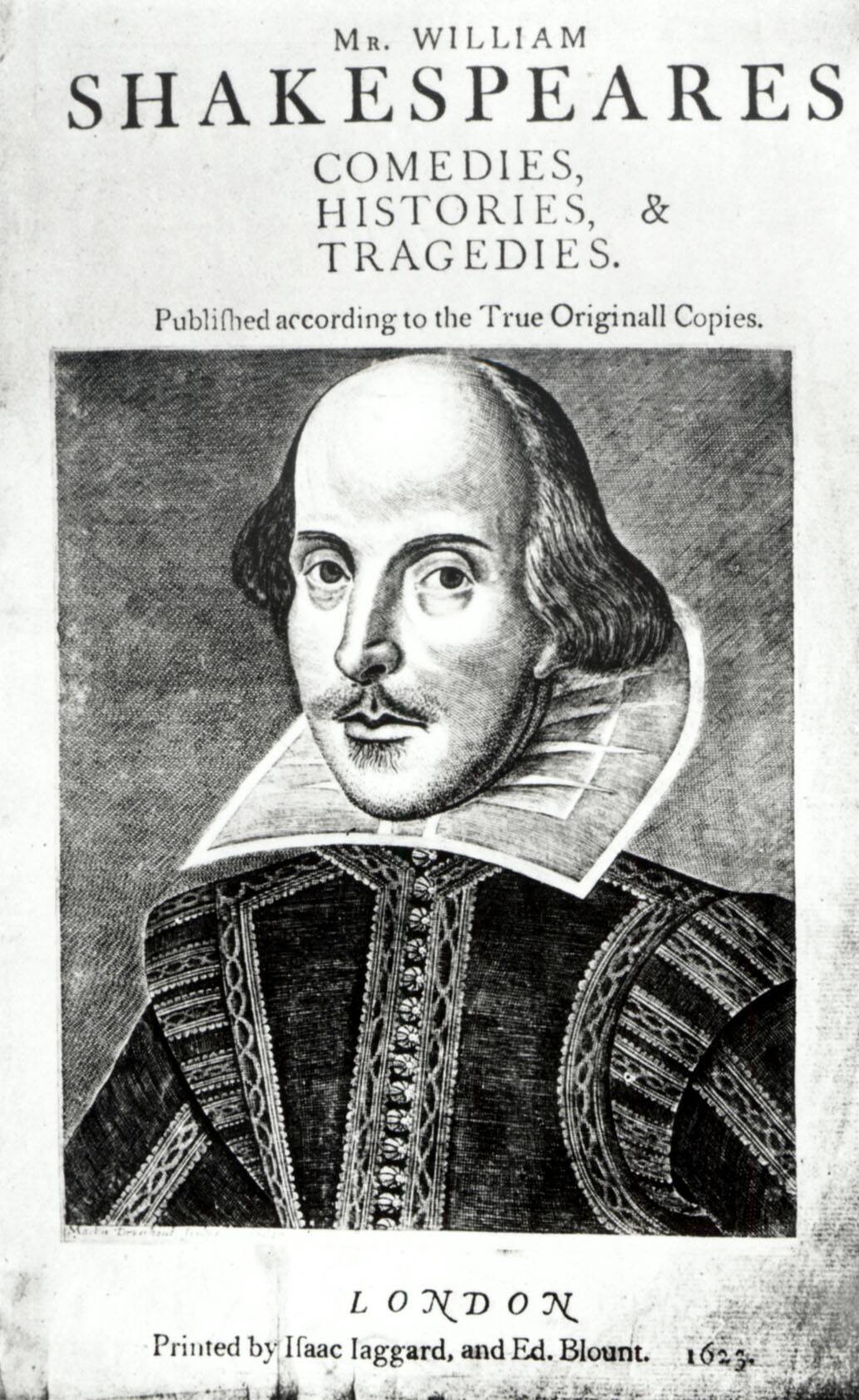
Shakespeare’s First Folio, published in 1623, is a cornerstone of English literature. It contains 36 of Shakespeare’s plays, including 18 that might otherwise have been lost. Of the approximately 750 copies originally printed, about 235 are known to survive today.
In 2020, a copy sold for a record $9.98 million at auction. The First Folio’s significance extends far beyond its monetary value, as it continues to shape literature, scholarship, and theater around the world.
The Mesmerizing Tale of the Bayeux Tapestry
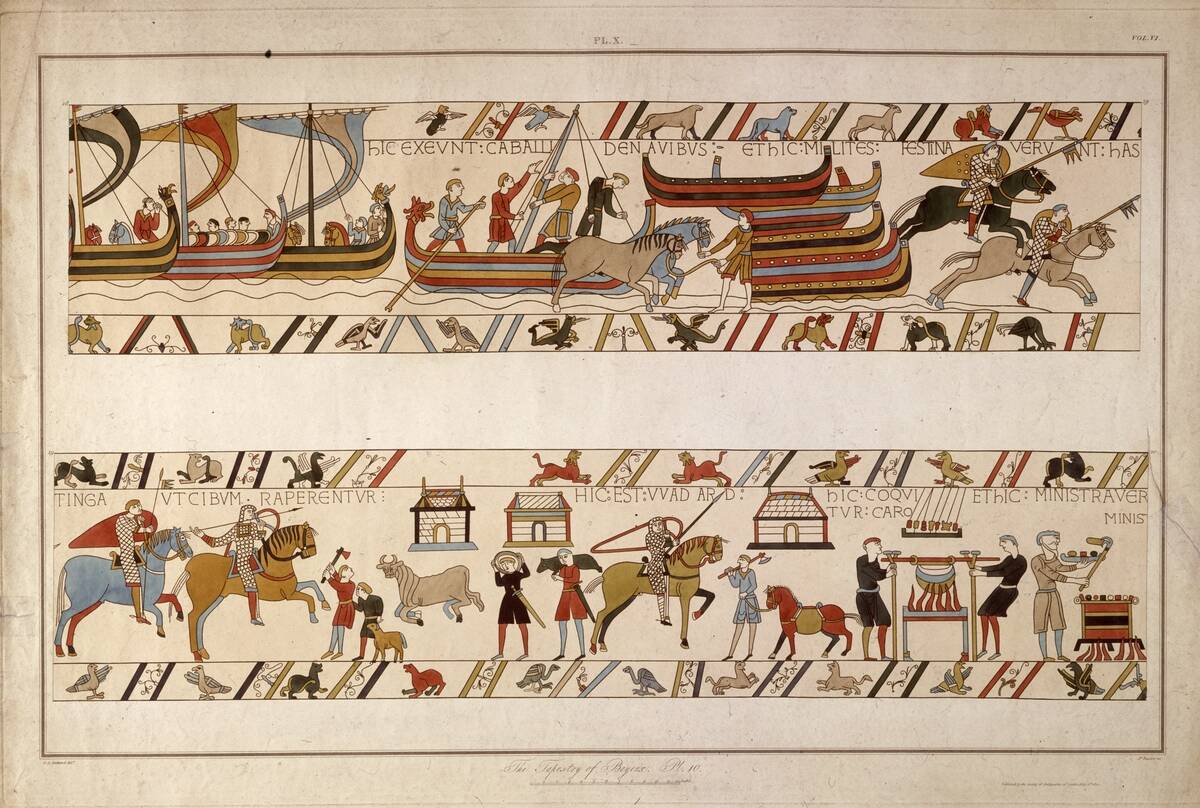
The Bayeux Tapestry is a stunning 70-meter-long embroidery depicting the events leading up to the Norman conquest of England. Created in the 11th century, it offers a vivid narrative of history, complete with battles and medieval life.
Despite its age, the tapestry is remarkably well-preserved and displayed in Bayeux, France. Its detailed scenes are not just artistic marvels but also valuable historical records, capturing a pivotal moment in European history.
The Rosetta Stone: Unlocking the Secrets of Ancient Civilizations
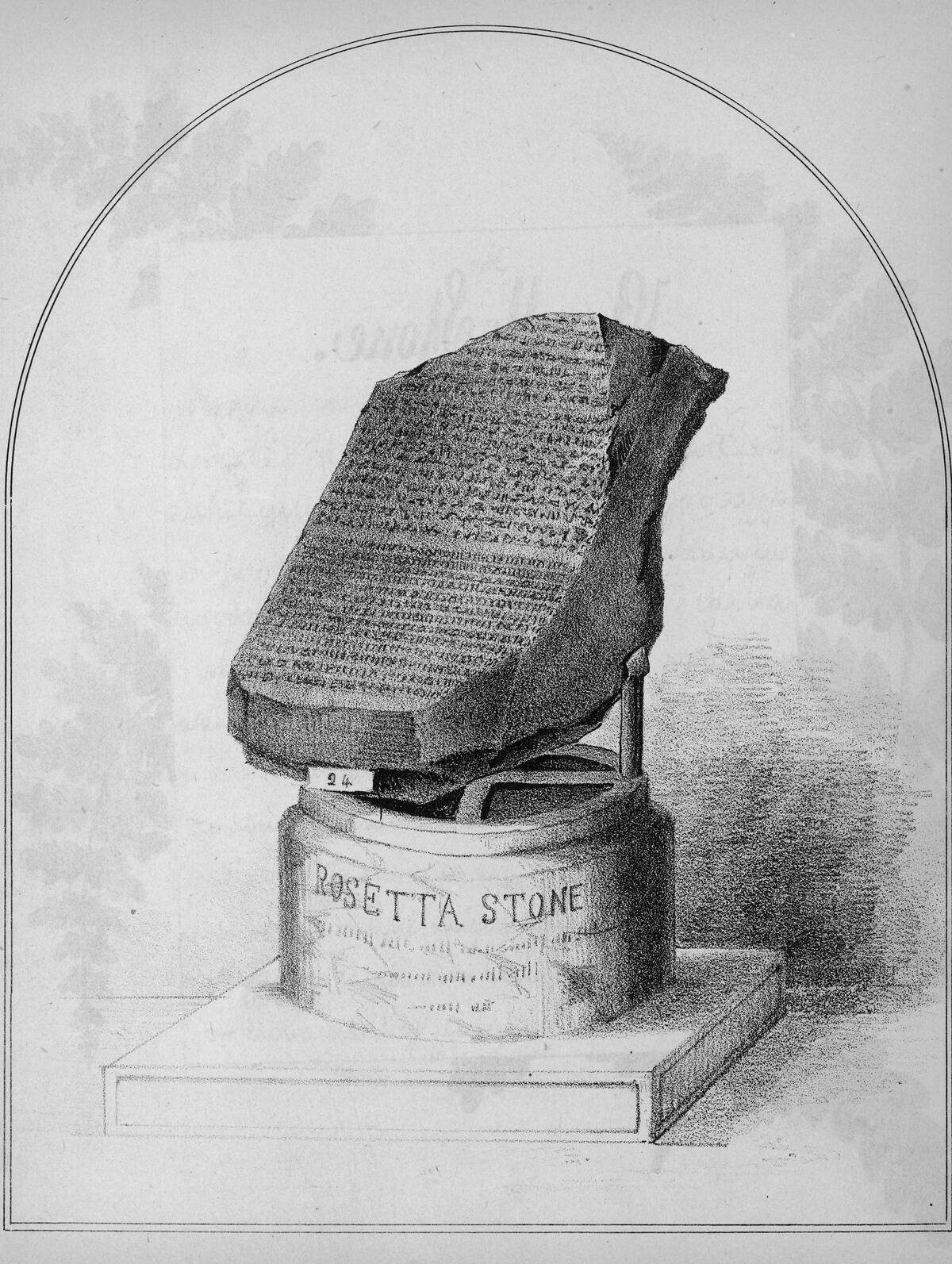
The Rosetta Stone, discovered in 1799, was the key to deciphering Egyptian hieroglyphs. Inscribed with the same text in three scripts—Greek, Demotic, and hieroglyphic—it allowed scholars to unlock the language of ancient Egypt.
Currently housed in the British Museum, it remains one of the most visited artifacts. Its significance lies in its role as a bridge to understanding ancient civilizations, making it an invaluable tool for historians and linguists alike.
The Gutenberg Bible: The Dawn of the Printed Book
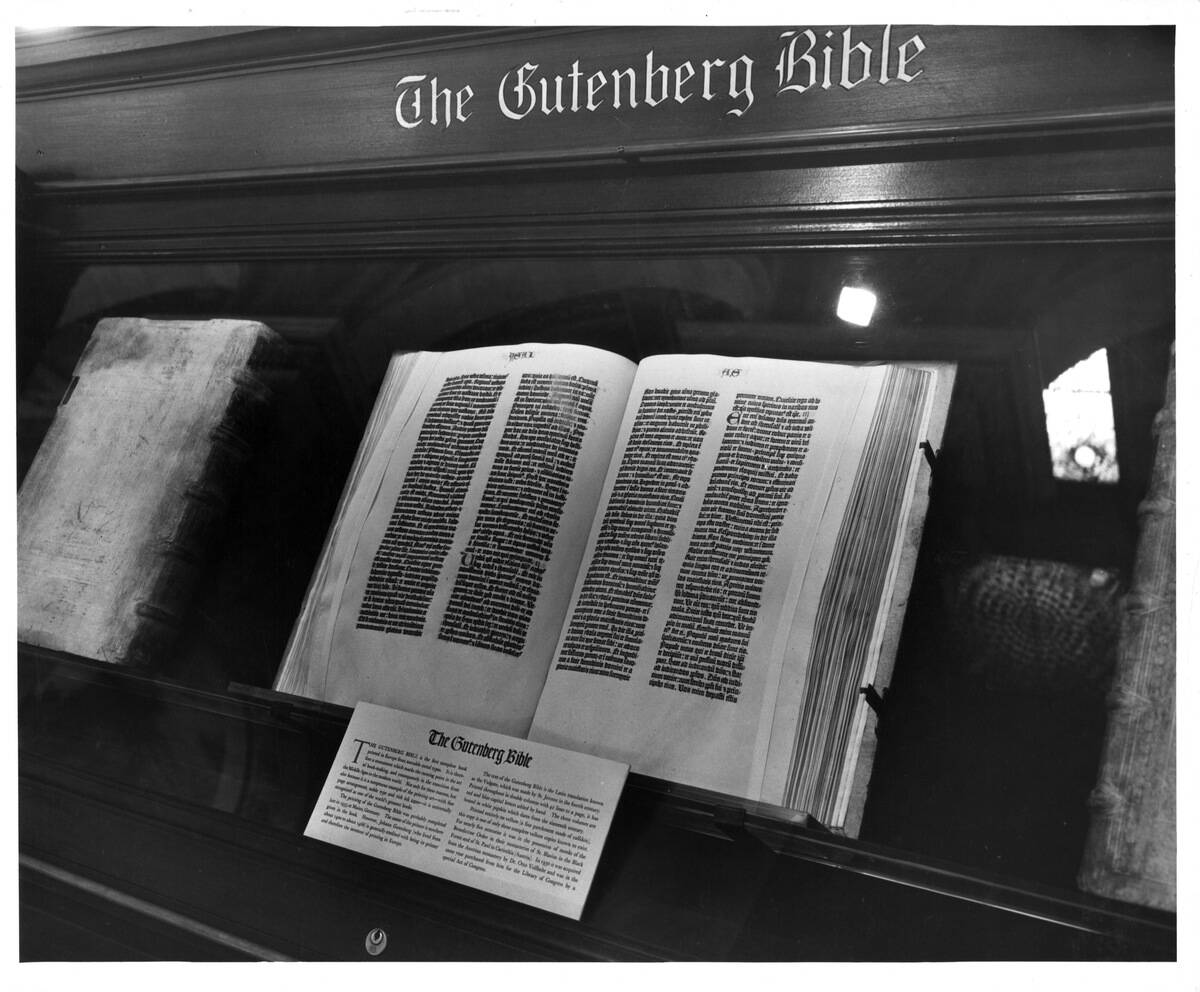
The Gutenberg Bible, printed in the 1450s, marks the beginning of large-scale book production in Europe using movable metal type. Johannes Gutenberg’s printing innovations revolutionized the spread of information, making books more accessible than ever before.
About 49 copies of the Gutenberg Bible are known to survive, with complete copies considered among the world’s most valuable printed books. Its profound influence on literacy, education, and the dissemination of knowledge helped lay the foundation for the modern publishing industry.
The Terracotta Army: A Monumental Discovery in China
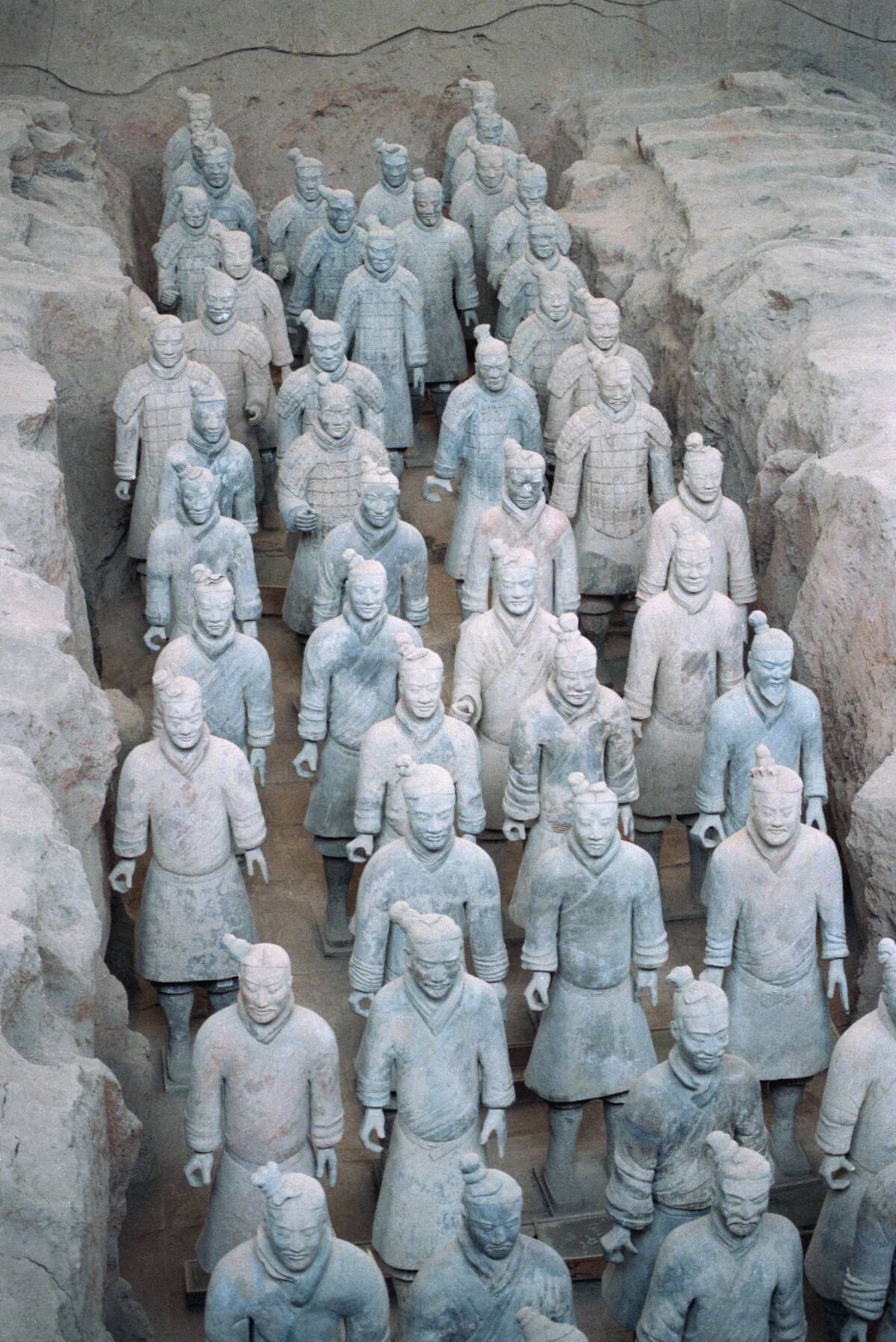
The Terracotta Army, discovered in 1974, is a collection of more than 8,000 life-sized clay figures buried near the tomb of China’s first emperor, Qin Shi Huang. Many of the figures feature distinct facial details, clothing, and poses, showcasing the remarkable skill of ancient Chinese craftsmen.
This archaeological marvel provides valuable insights into Qin dynasty military practices, artistic achievements, and beliefs about the afterlife. Considered one of the greatest archaeological discoveries of the 20th century, the Terracotta Army continues to attract millions of visitors to Xi’an, China, each year.
The Apple-1 Computer: A Modern Relic from the Tech Revolution
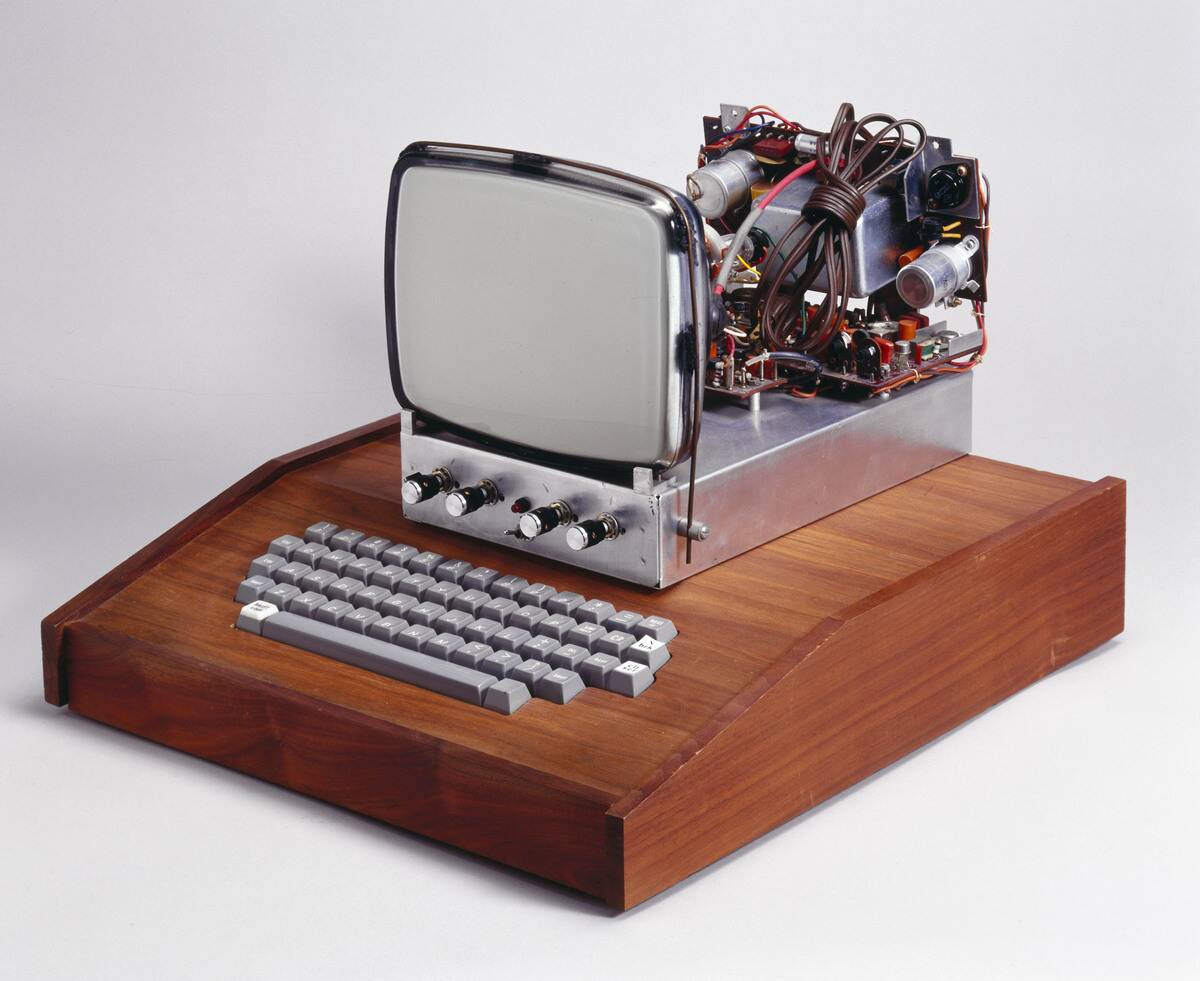
The Apple-1 computer, introduced in 1976, was the first product created and sold by Apple Inc. Primarily designed by Steve Wozniak, with Steve Jobs helping develop its commercial presentation, it became an important early milestone in the personal computing revolution.
Approximately 200 units were produced, and fewer than 70 are believed to survive today. In 2014, a working Apple-1 sold for $905,000 at auction. Its historical importance lies in its role in Apple’s founding and its contribution to the rise of personal computing, making it a symbol of innovation and entrepreneurship.
The Astonishing Value of the Dead Sea Scrolls
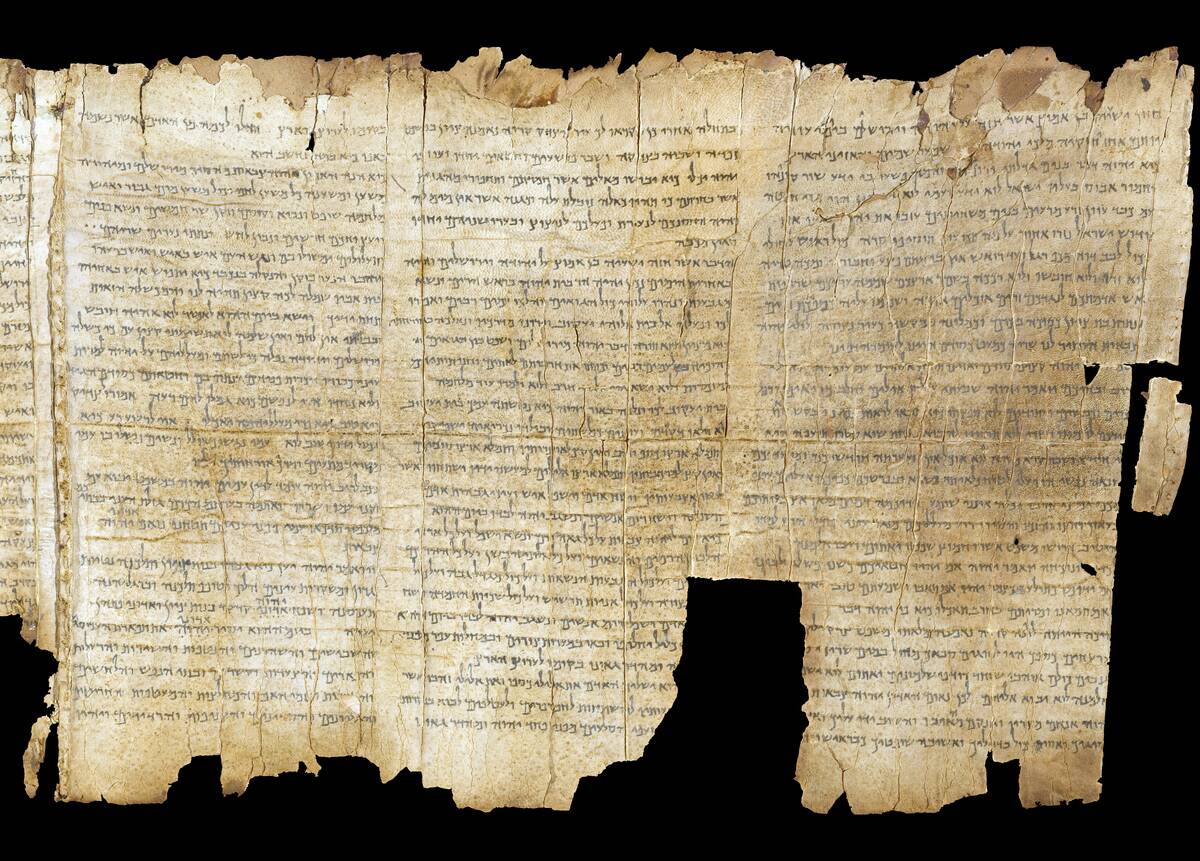
The Dead Sea Scrolls, discovered between 1947 and 1956, are a collection of ancient Jewish texts dating from approximately the 3rd century BCE to the 1st century CE. Found in the Qumran Caves near the Dead Sea, these scrolls include some of the oldest known manuscripts of the Hebrew Bible.
Their discovery has provided invaluable insights into the beliefs, practices, and diversity of early Judaism, while also offering important context for the world in which Christianity emerged. The scrolls’ historical and religious significance makes them priceless artifacts studied by scholars around the world.
The Titanic’s Legacy: Artifacts from the Depths of the Ocean
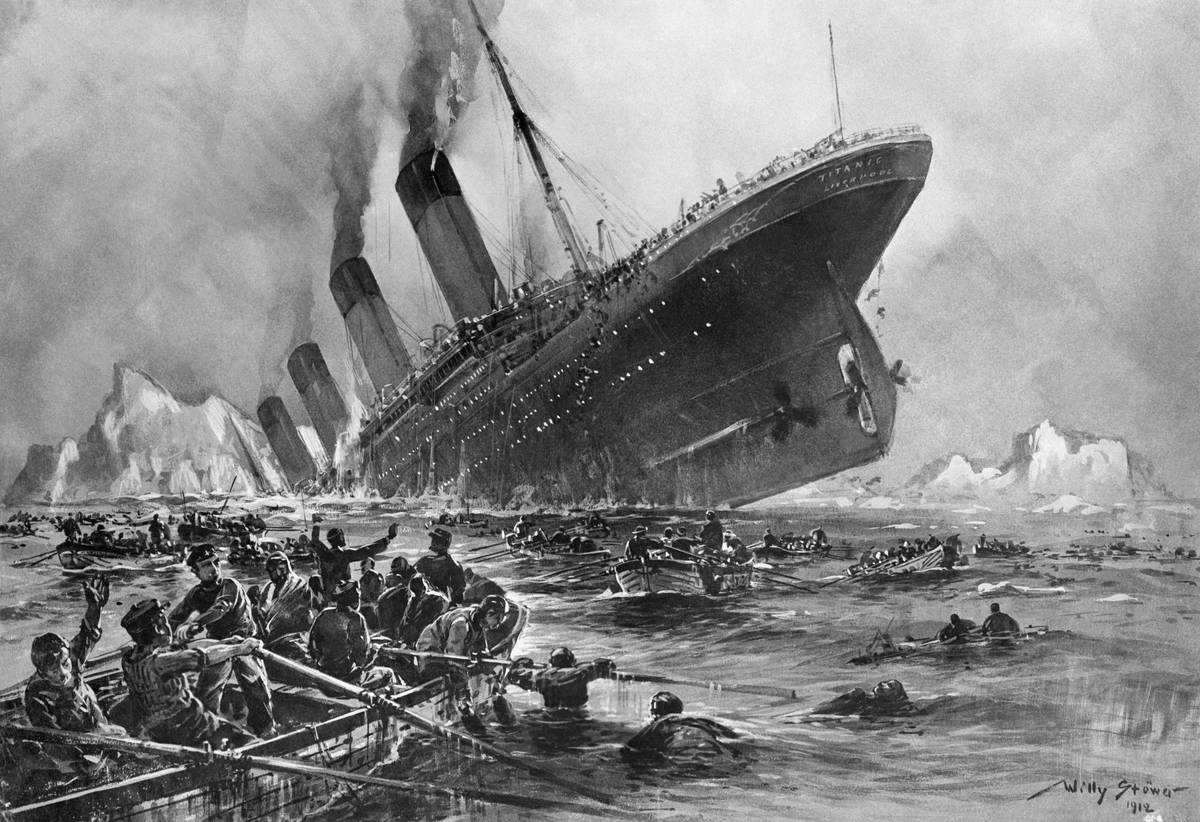
The sinking of the Titanic in 1912 remains one of the most infamous maritime disasters in history. Artifacts recovered from the wreck, including personal belongings and ship fittings, provide a poignant glimpse into life aboard the ill-fated vessel. Many of these items have been displayed in museums and exhibitions around the world, helping preserve the stories of the passengers and crew.
The enduring fascination with Titanic continues to captivate audiences, ensuring that its legacy remains a powerful reminder of both human ambition and resilience.
The Enduring Mystery of the Amber Room
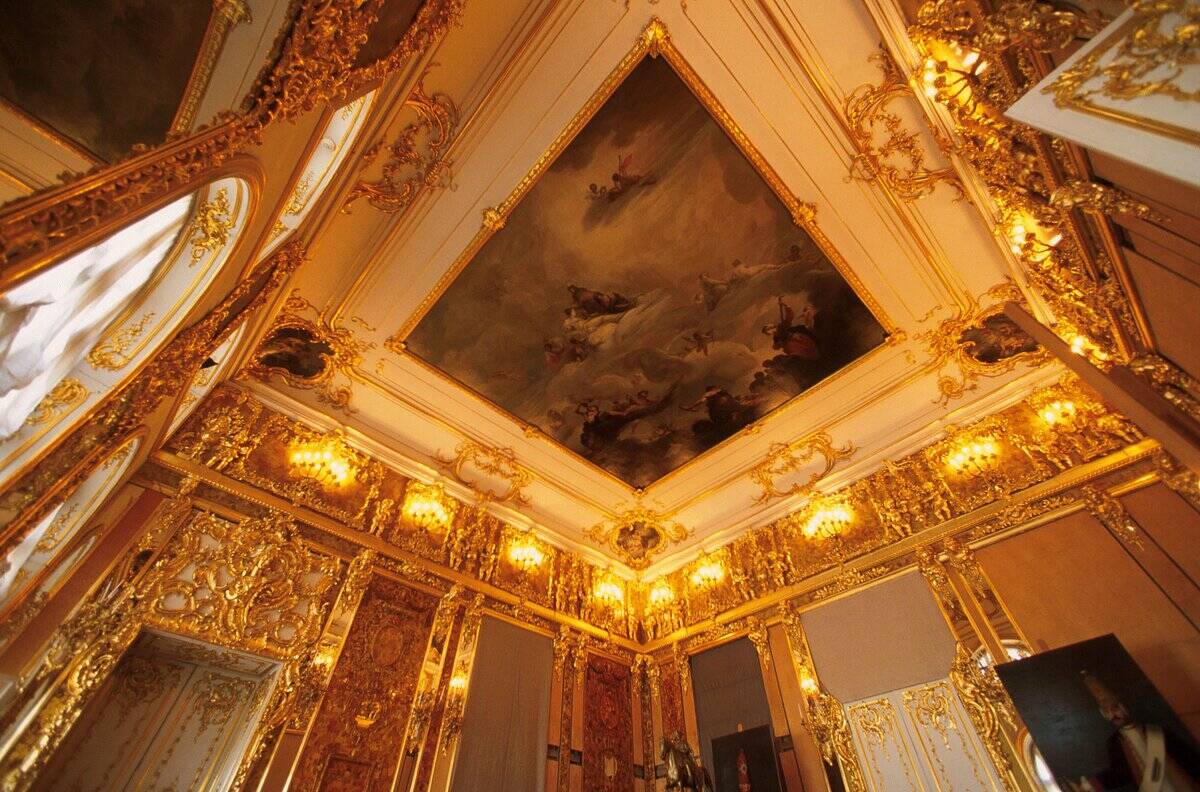
The Amber Room, originally constructed in the early 18th century, was a dazzling chamber decorated with amber panels, gold leaf, mirrors, and intricate designs. It was gifted to Peter the Great by King Frederick William I of Prussia in 1716 and later removed by German forces during World War II before disappearing.
Despite numerous searches, the fate of the original room remains unknown, fueling intrigue and speculation. A detailed reconstruction in Russia serves as a tribute to its former glory, while the mystery of the lost original continues to fascinate historians and treasure hunters.
The Enigmatic Voynich Manuscript: A Puzzle Worth Millions
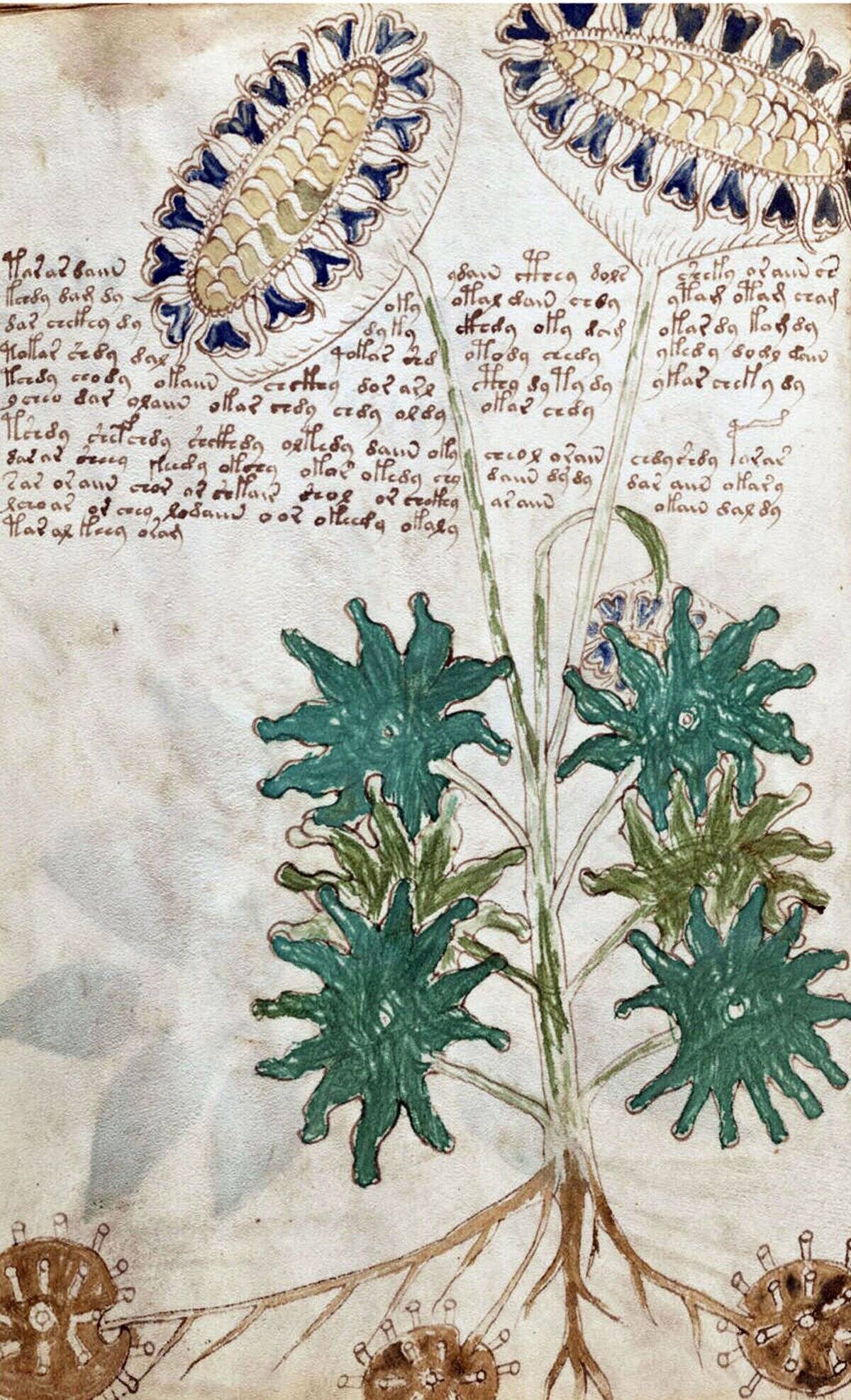
The Voynich Manuscript, a mysterious illustrated codex, has fascinated scholars and researchers for more than a century. Written in an unknown script and filled with unusual drawings, it is believed to date from the early 15th century based on radiocarbon analysis. Despite numerous attempts by cryptographers, linguists, and historians, its language and purpose remain undeciphered.
The manuscript’s mystery continues to attract researchers worldwide, and its unusual illustrations and unexplained text make it one of the most intriguing surviving manuscripts in history.