Playground games children played before video games
Remember the days when the sun was your clock, and the backyard was your playground? Those were the times when classic games ruled our afternoons.
From the thrill of the chase in tag to the strategic maneuvers in Red Rover, these games weren’t just pastimes—they were rites of passage. Let’s take a nostalgic journey back to those carefree days and explore the timeless games that brought us endless joy and laughter.
The Classic Game of Tag
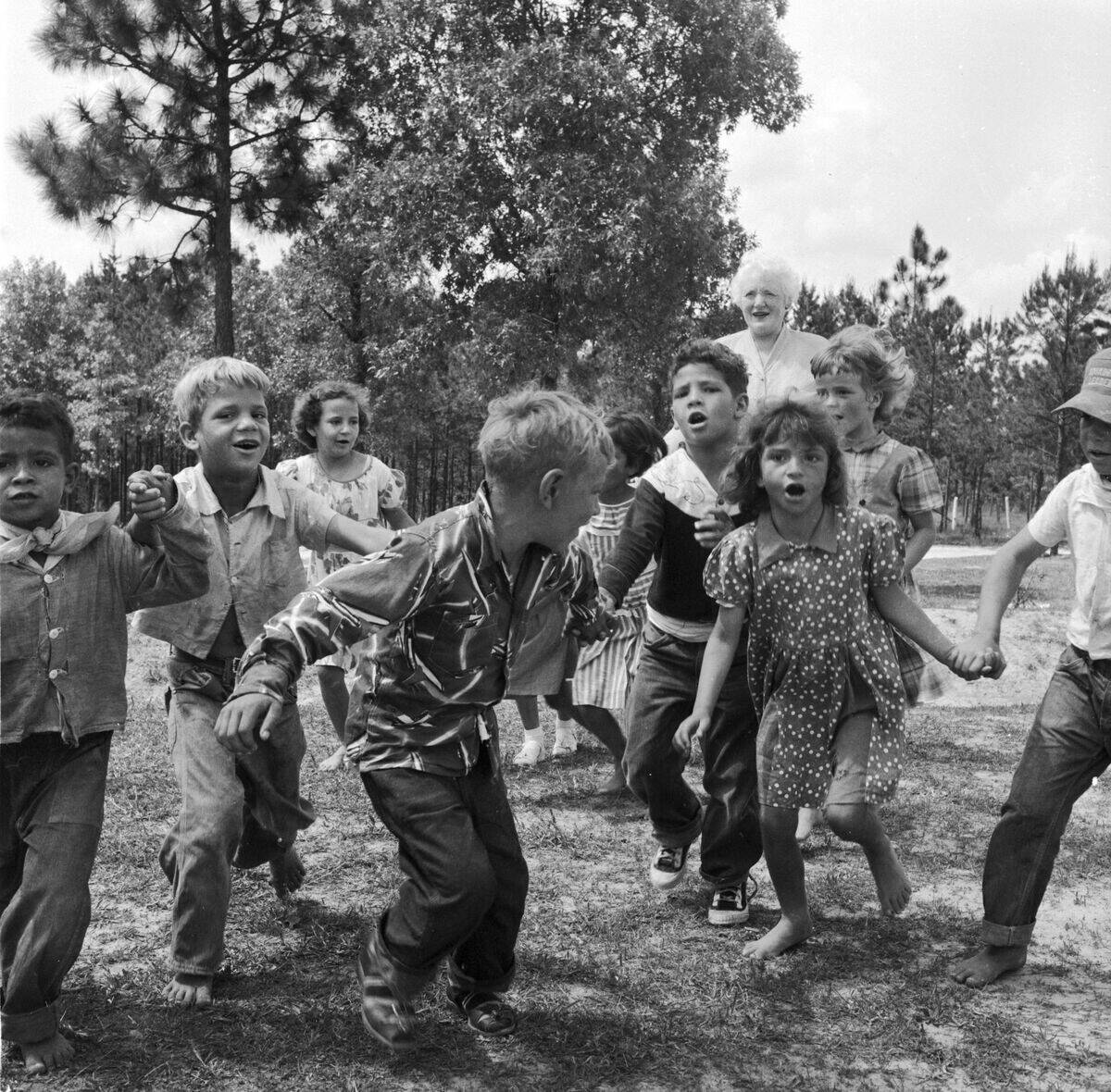
Tag is one of the oldest and simplest chasing games, with versions of it appearing in many cultures throughout history. The rules are straightforward: one person is “it,” and they chase the others until they tag someone, who then becomes “it.”
The game is not just about speed but also strategy and agility. Variations like freeze tag and flashlight tag add new layers of fun, making it a versatile game that can be played almost anywhere, anytime.
Hide and Seek: The Ultimate Adventure

Hide and Seek is a game that transcends cultures, with variations found around the world. The thrill of finding the perfect hiding spot or the suspense of being discovered is universal. In Japan, it is known as kakurenbo, while in Italy, it is called nascondino.
The game encourages skills like patience, stealth, observation, and problem-solving, making it not only entertaining but also beneficial for childhood development. Whether played indoors or outdoors, Hide and Seek continues to captivate generations of players.
Hopscotch: Jumping Through the Ages
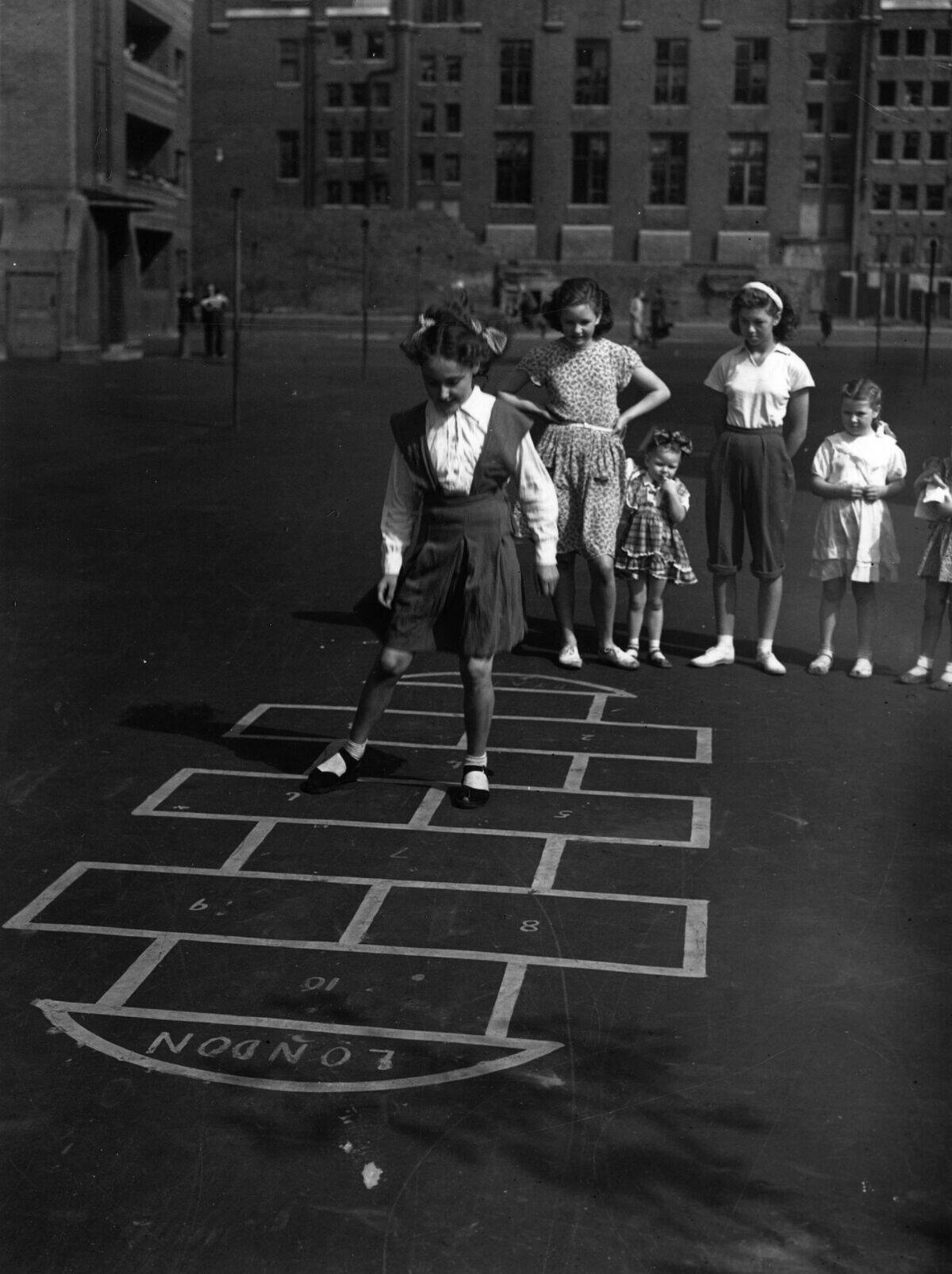
Hopscotch is a traditional children’s game played around the world, with versions appearing across many cultures. While some legends connect its origins to Roman times and military training, the exact history of the game is uncertain. Players typically draw a pattern on the ground and hop through squares while retrieving a marker without losing balance.
The game helps develop coordination, balance, and spatial awareness, while regional versions such as the French marelle and South Asian kith kith showcase its global appeal. Hopscotch remains a testament to the joy of simple
Red Rover: The Game of Strength and Strategy
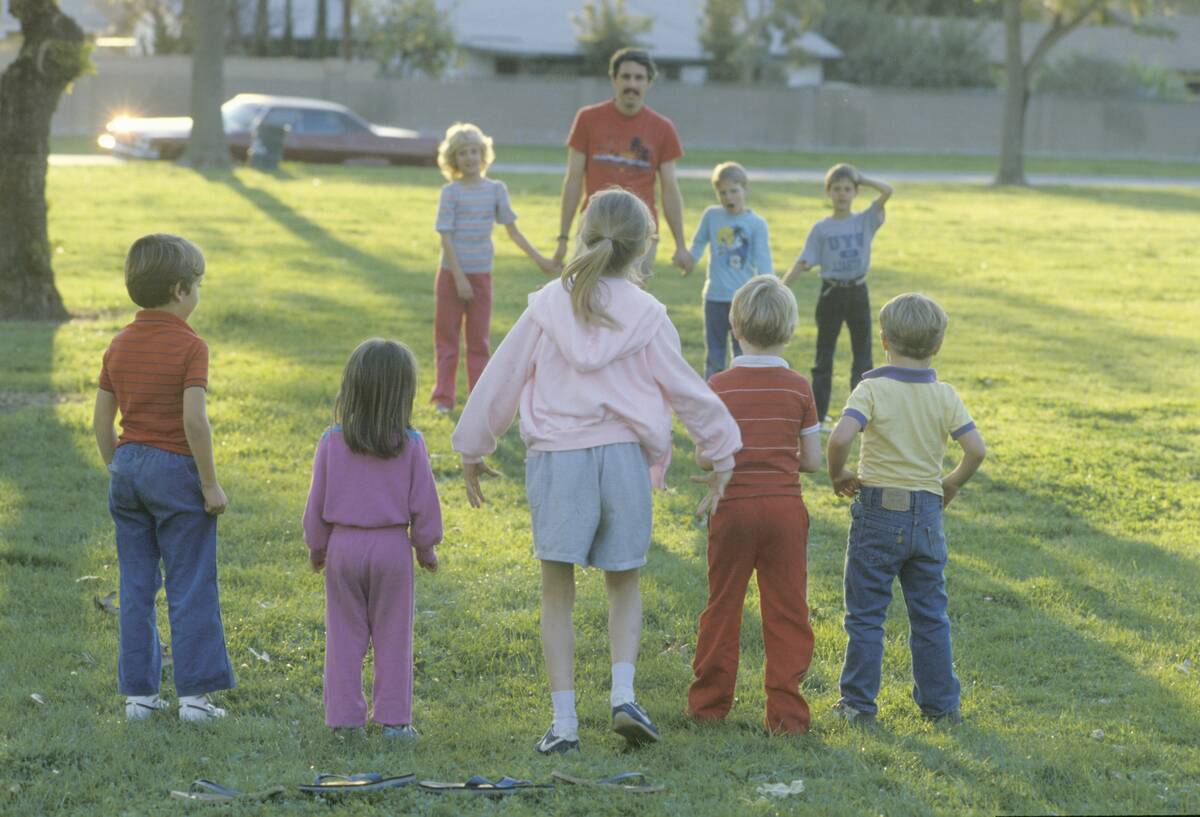
Red Rover is a traditional team game that combines strength, strategy, and teamwork. Popular in Britain, Ireland, and later the United States, it involves two lines of players calling opponents over to try to break through their chain. The game tests physical ability and strategic planning, as teams decide whom to call and how to organize their lines.
While Red Rover has been enjoyed by generations of players, some schools have moved away from the game due to safety concerns. Despite this, it remains a memorable example of classic playground competition.
Duck, Duck, Goose: A Circle of Fun

Duck, Duck, Goose is a classic children’s game that brings players together in a circle of fun. Known as “Duck, Duck, Grey Duck” in Minnesota, this game involves one player tapping others on the head and calling “duck” until choosing a “goose” to chase them.
It’s a game of anticipation and quick reflexes that helps young children develop social interaction and motor skills. The simplicity and excitement of this game have made it a playground favorite for generations.
Capture the Flag: Teamwork and Tactics
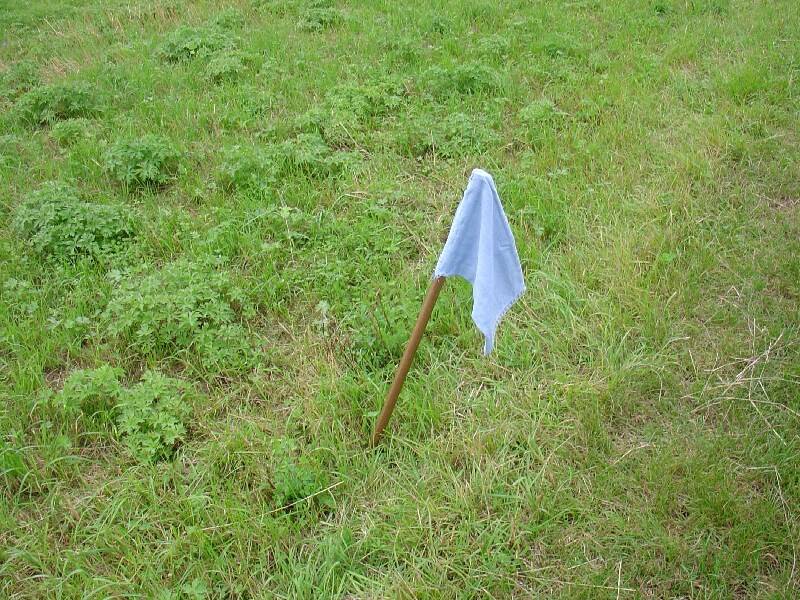
Capture the Flag is a game that emphasizes teamwork and tactical thinking. Played in two teams, the objective is to capture the opponent’s flag and return it to your base without being tagged. This game is popular in both outdoor fields and digital arenas, like video games.
It fosters communication, strategy, and leadership skills, making it a favorite in camps and schools. The thrill of the chase and the satisfaction of a well-executed plan keep players engaged.
Marbles: The Art of Flicking
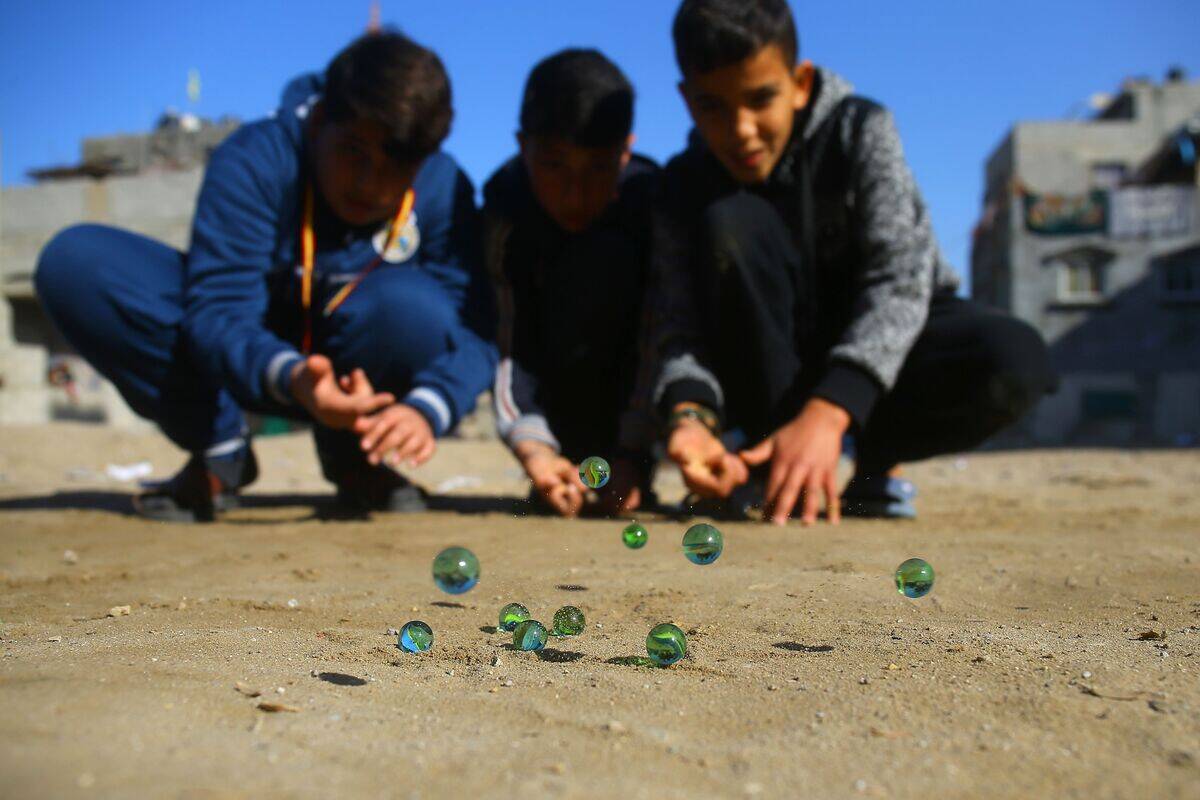
Marbles is a game steeped in history, with versions of marble-like games appearing in ancient civilizations around the world. Archaeological evidence suggests that small spherical objects were used in games thousands of years ago, although the exact origins of modern marbles are uncertain.
The game involves flicking small spheres to hit targets or knock opponents’ marbles out of a circle. It requires precision, hand-eye coordination, and skill. With numerous variations like ringer and target-based games, marbles challenges players’ strategy and technique. Collecting marbles also adds an element of discovery to this timeless pastime.
Double Dutch: Jump Rope Rhythms
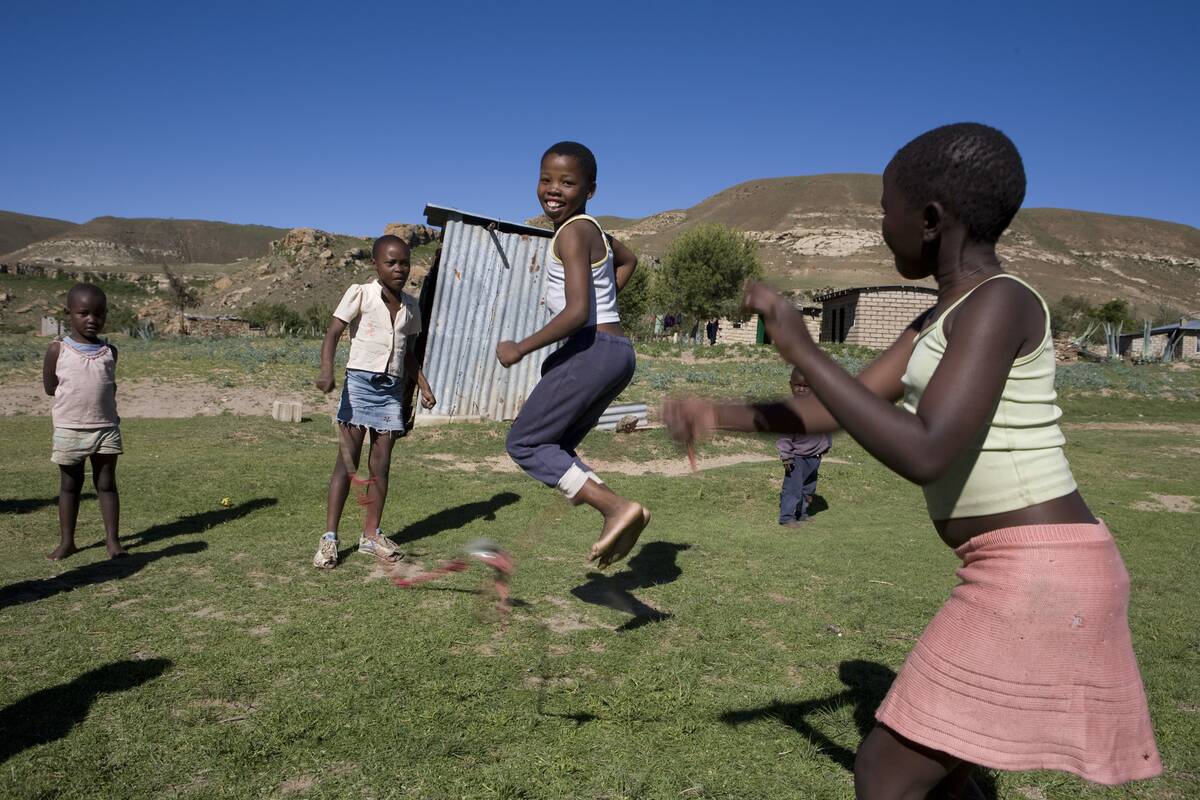
Double Dutch is a jump rope game with a long history and is often associated with Dutch settlers’ traditions in America. It involves two ropes turning in opposite directions while players jump in rhythm between them.
This game is a test of timing, agility, coordination, and endurance, often accompanied by chants or rhymes. Over time, Double Dutch has evolved into a competitive sport, with teams showcasing intricate routines, tricks, and choreography. It remains a vibrant, energetic activity that celebrates teamwork, rhythm, and physical skill.
Simon Says: Following the Leader
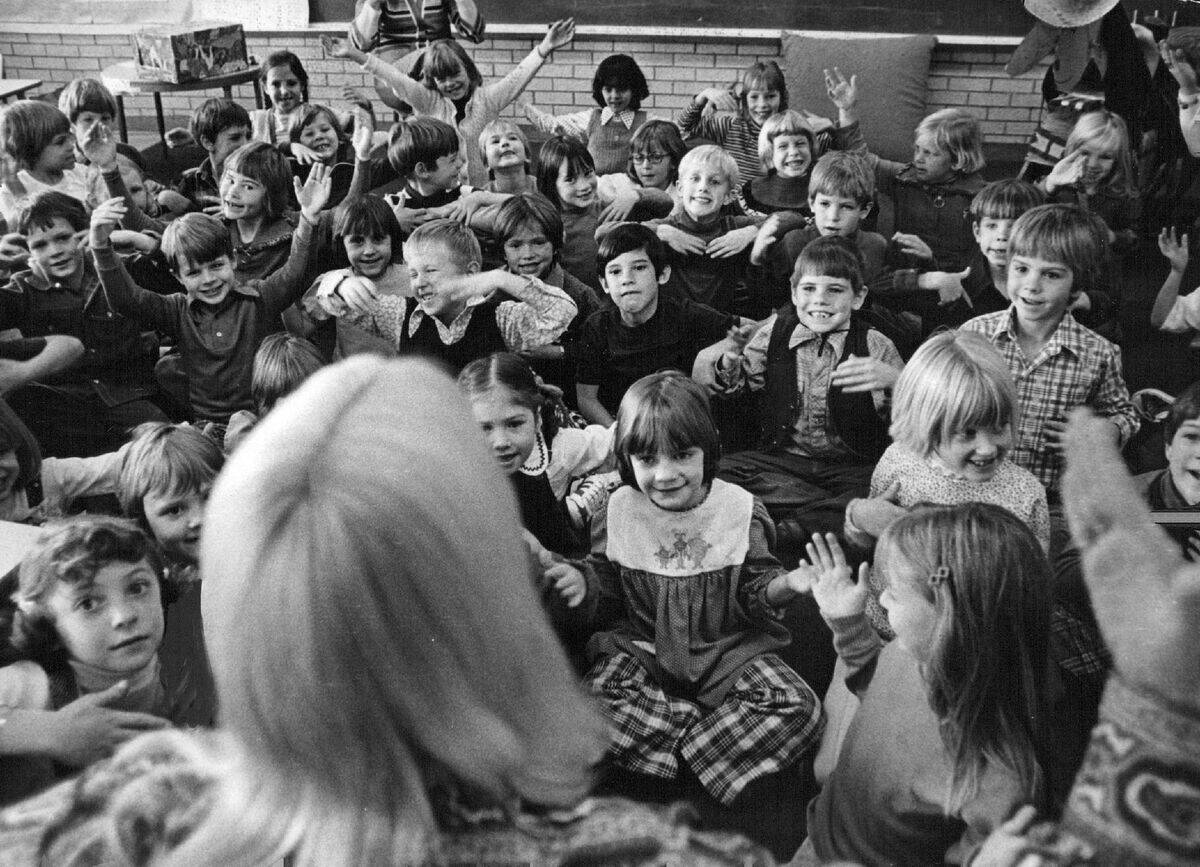
Simon Says is a classic game of listening, concentration, and quick reaction. The leader, known as “Simon,” gives commands, and players must only follow those prefixed with “Simon says.” The game encourages attention to detail and careful listening, as players must determine which instructions to follow.
It’s a fun way to test concentration, self-control, and reflexes, often resulting in laughter and surprises. Simon Says remains a staple in classrooms, camps, and parties, engaging players of all ages.
Red Light, Green Light: Freeze Frame Fun
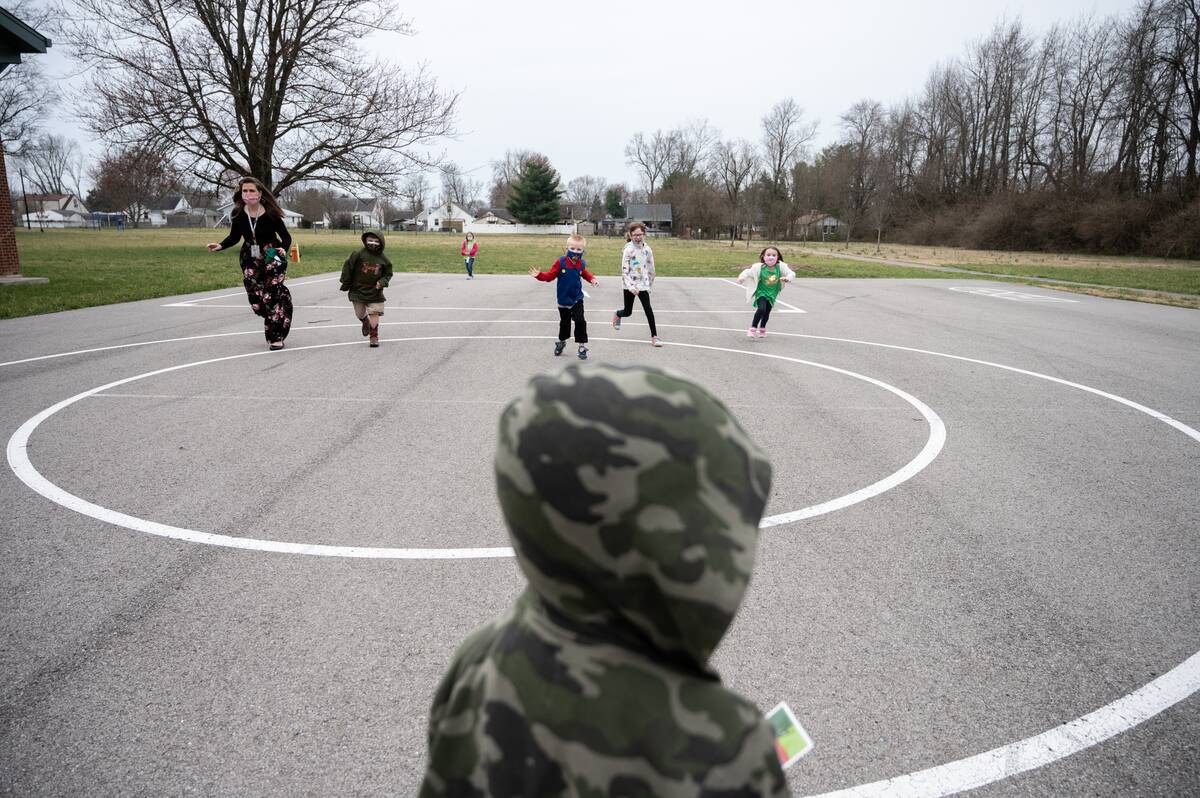
Red Light, Green Light is a classic stop-and-go game that tests players’ speed, attention, and self-control. One player acts as the caller, announcing “green light” for players to move forward and “red light” for them to stop and freeze in place.
Similar games exist in many cultures, including related versions such as “Statues” in Australia and “Grandmother’s Footsteps” in the UK. The game helps develop reaction time, listening skills, and body control, making it a fun activity for children. The suspense of moving carefully and freezing at the right moment adds to its excitement.
Leapfrog: Hopping Over Friends
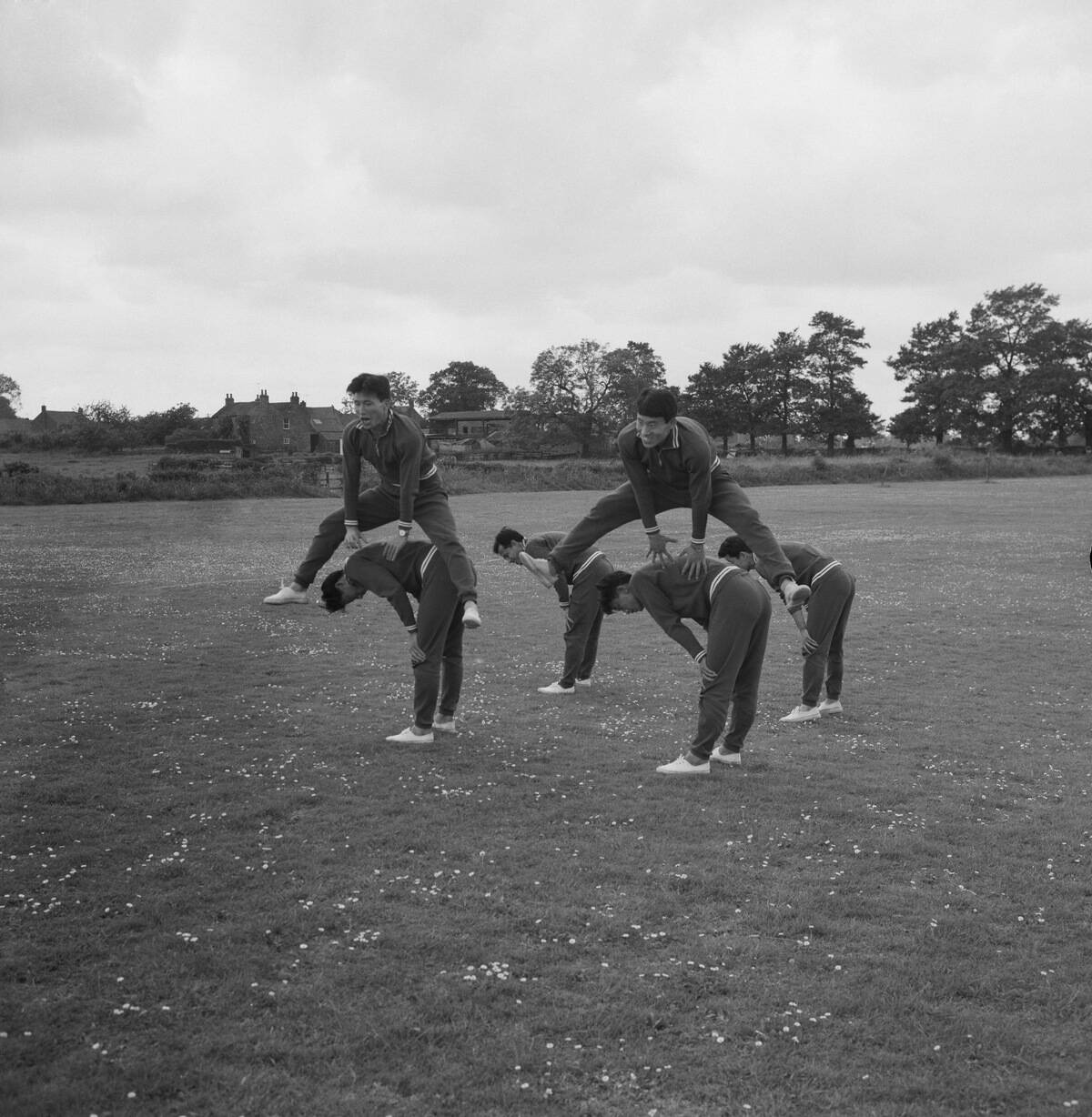
Leapfrog is a simple yet energetic game where players leap over each other while one player remains in a crouched position. The game has been played for centuries, with similar versions appearing in cultures around the world. It promotes physical fitness, coordination, balance, and teamwork, as players must time their jumps and landings carefully.
Leapfrog is often played in open spaces, bringing laughter and camaraderie to participants. Its straightforward rules and playful nature have helped make it a timeless favorite across generations.
Blind Man’s Bluff: Trust and Laughter
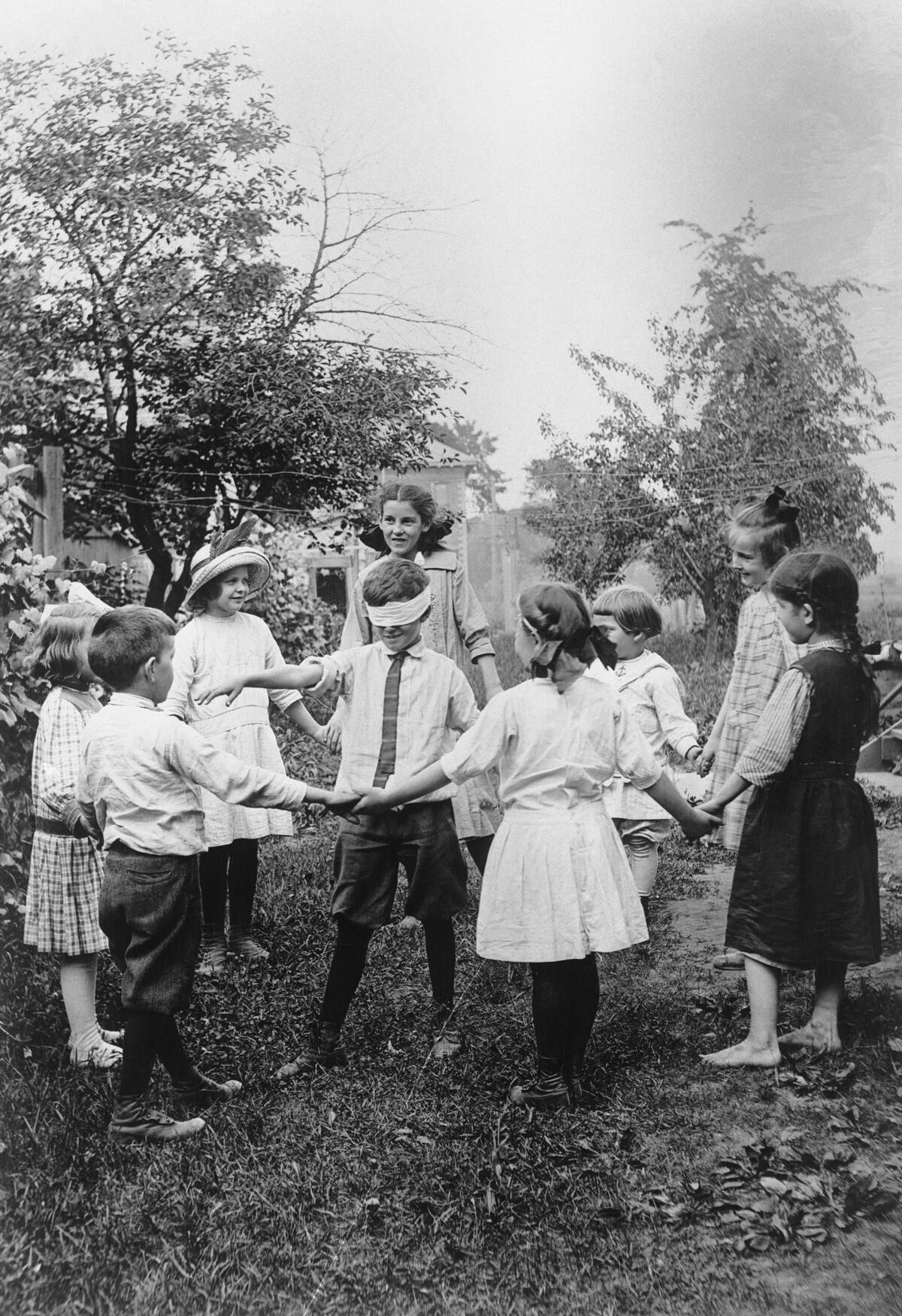
Blind Man’s Bluff is a game of trust, laughter, and sensory awareness with a long history dating back centuries. While it was popular in Tudor England, similar blindfolded chasing games existed in earlier cultures as well. One player is blindfolded and must find and tag others using sound, touch, and spatial awareness.
The game encourages participants to rely on their non-visual senses and instincts while building camaraderie among players. Often played at parties or gatherings, Blind Man’s Bluff’s unpredictable nature continues to create memorable and humorous moments.
Cat’s Cradle: Stringing Along Creativity
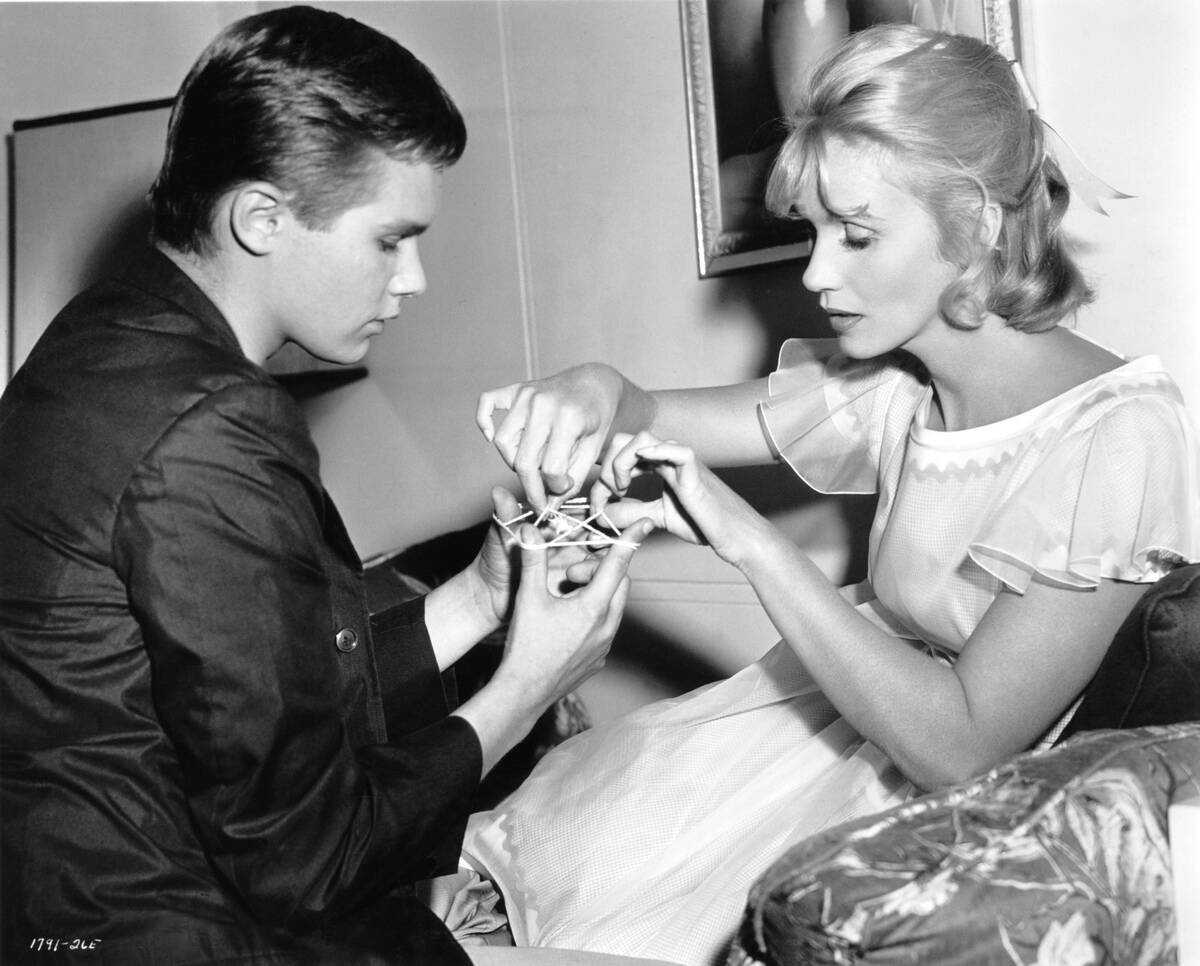
Cat’s Cradle is a game of creativity and skill that involves a loop of string and intricate finger movements. Players create patterns and pass the loop back and forth, forming figures like “Jacob’s Ladder” and “Cat’s Eye.” String figure games have roots in cultures around the world, including Indigenous communities and many societies across Asia and the Pacific, though their exact origins are unknown.
Cat’s Cradle encourages creativity, patience, concentration, and fine motor skills, offering endless possibilities for imaginative play. It remains a quiet, engaging game that sparks curiosity and innovation.




