Odd diet foods that were popular in the 80s
Ah, the 1980s—a decade of big hair, neon fashion, and a burgeoning obsession with diet foods. It was a time when people were just beginning to explore the world of low-calorie and low-fat options in a bid to stay fit and fabulous.
From diet sodas to microwave meals, the ’80s introduced a smorgasbord of diet trends that still echo in today’s health-conscious world.
Tab: The Original Diet Soda

Tab was Coca-Cola’s first foray into the diet soda market, launched in 1963 but gaining massive popularity in the ’80s. It was marketed as a drink for those who wanted to keep tabs on their weight without sacrificing flavor.
With its distinctive pink can and saccharin-sweetened formula, Tab became a cultural icon, paving the way for future diet sodas.
The Grapefruit Diet Craze

The Grapefruit Diet, also known as the Hollywood Diet, was all the rage in the 1980s. This fad involved eating half a grapefruit before each meal, based on the belief that it contained fat-burning enzymes.
While the diet promised rapid weight loss, it was criticized for its lack of nutritional balance, yet it remained popular among those seeking a quick fix.
Lean Cuisine: The Microwave Meal Revolution

Lean Cuisine hit the shelves in 1981, offering a convenient and calorie-conscious meal option for busy individuals. These frozen meals were designed to be low in calories and fat, aligning with the decade’s health trends.
With their portion-controlled servings, Lean Cuisine became a staple for those looking to maintain their diet without sacrificing convenience.
The Cabbage Soup Diet: A Slimming Soup Sensation

The Cabbage Soup Diet promised quick weight loss through a week-long regimen centered around a low-calorie cabbage soup. This diet was popularized as a way to shed pounds rapidly, though it was often criticized for being unsustainable.
Despite its limitations, the diet’s simplicity and the promise of quick results kept it in the spotlight throughout the ’80s.
The Scarsdale Diet: A Doctor’s Prescription for Weight Loss
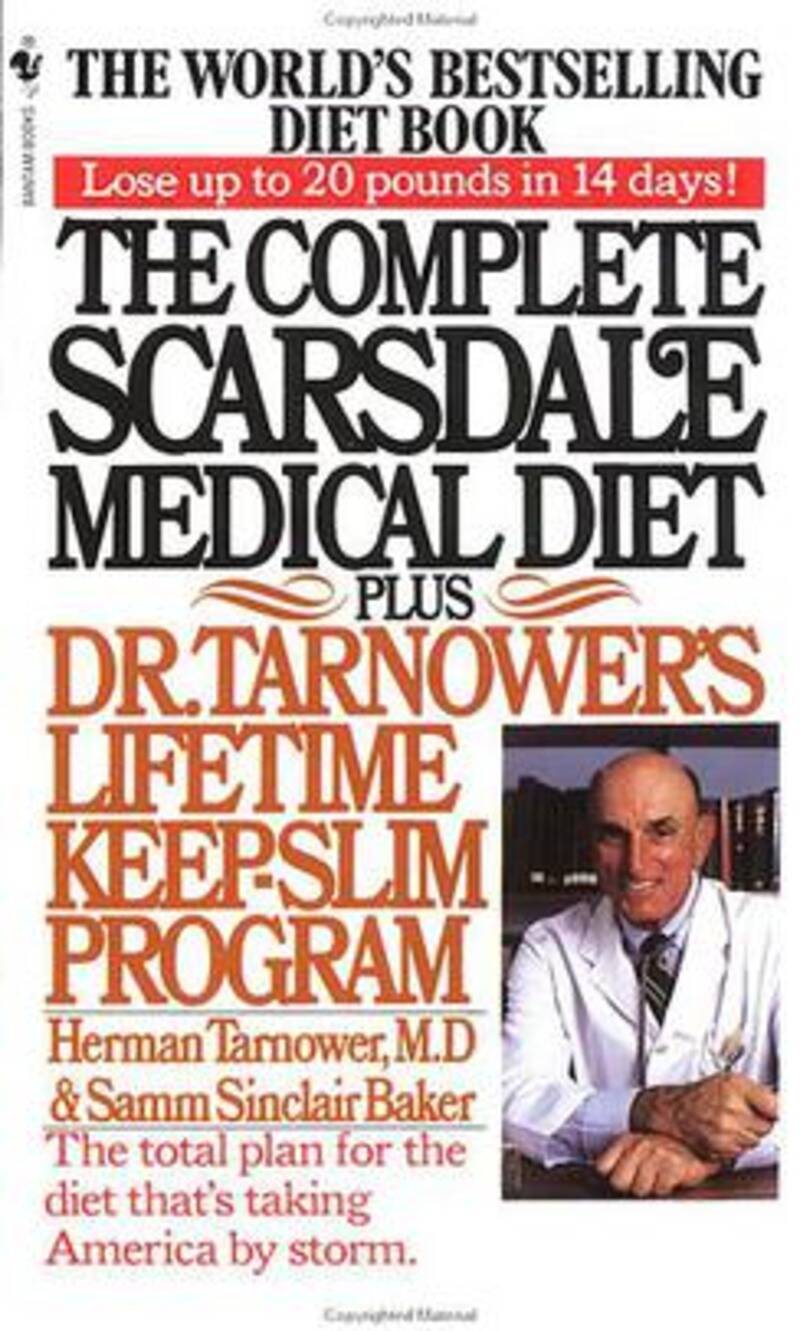
The Scarsdale Diet, created by Dr. Herman Tarnower, was a high-protein, low-carbohydrate plan that promised significant weight loss in just two weeks. It gained popularity for its structured meal plans and strict guidelines.
Despite its rigid nature, many found success with the diet, making it a staple in the weight loss landscape of the 1980s.
Diet Coke: A New Era of Cola

Diet Coke was introduced by Coca-Cola in 1982, quickly becoming a favorite among those seeking a sugar-free soda option. Unlike its predecessor Tab, Diet Coke was made with aspartame, offering a different taste profile.
It marked a significant shift in the beverage industry, becoming a staple for diet-conscious consumers and solidifying its place in pop culture.
The Pritikin Diet: Low-Fat, High-Fiber Focus
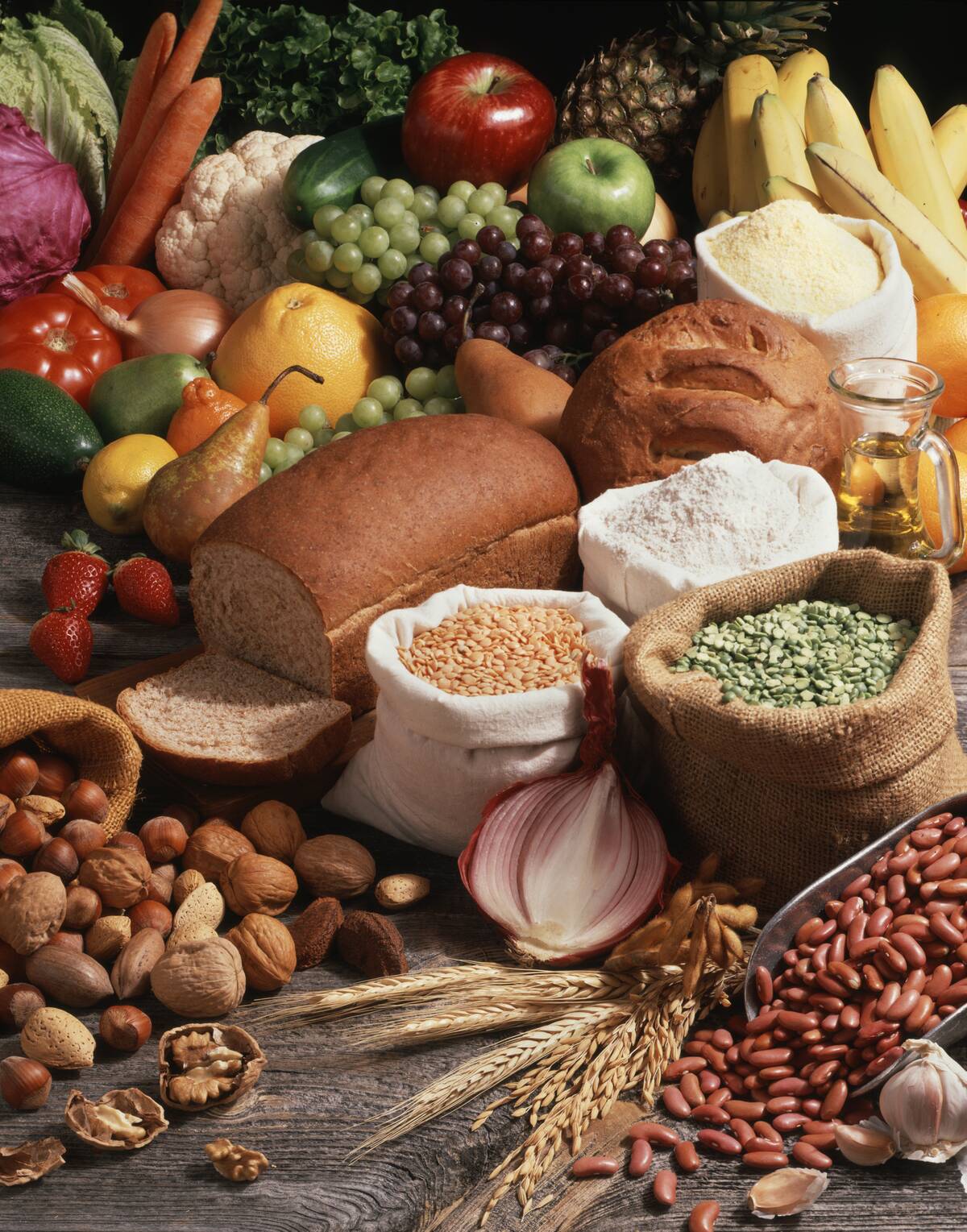
The Pritikin Diet emphasized a low-fat, high-fiber approach to eating, promoting whole grains, fruits, and vegetables. Developed by Nathan Pritikin, it was one of the first diets to focus on heart health and longevity.
Its principles of reducing fat intake and increasing fiber consumption resonated with many, influencing dietary guidelines for years to come.
SlimFast Shakes: Meal Replacement Magic
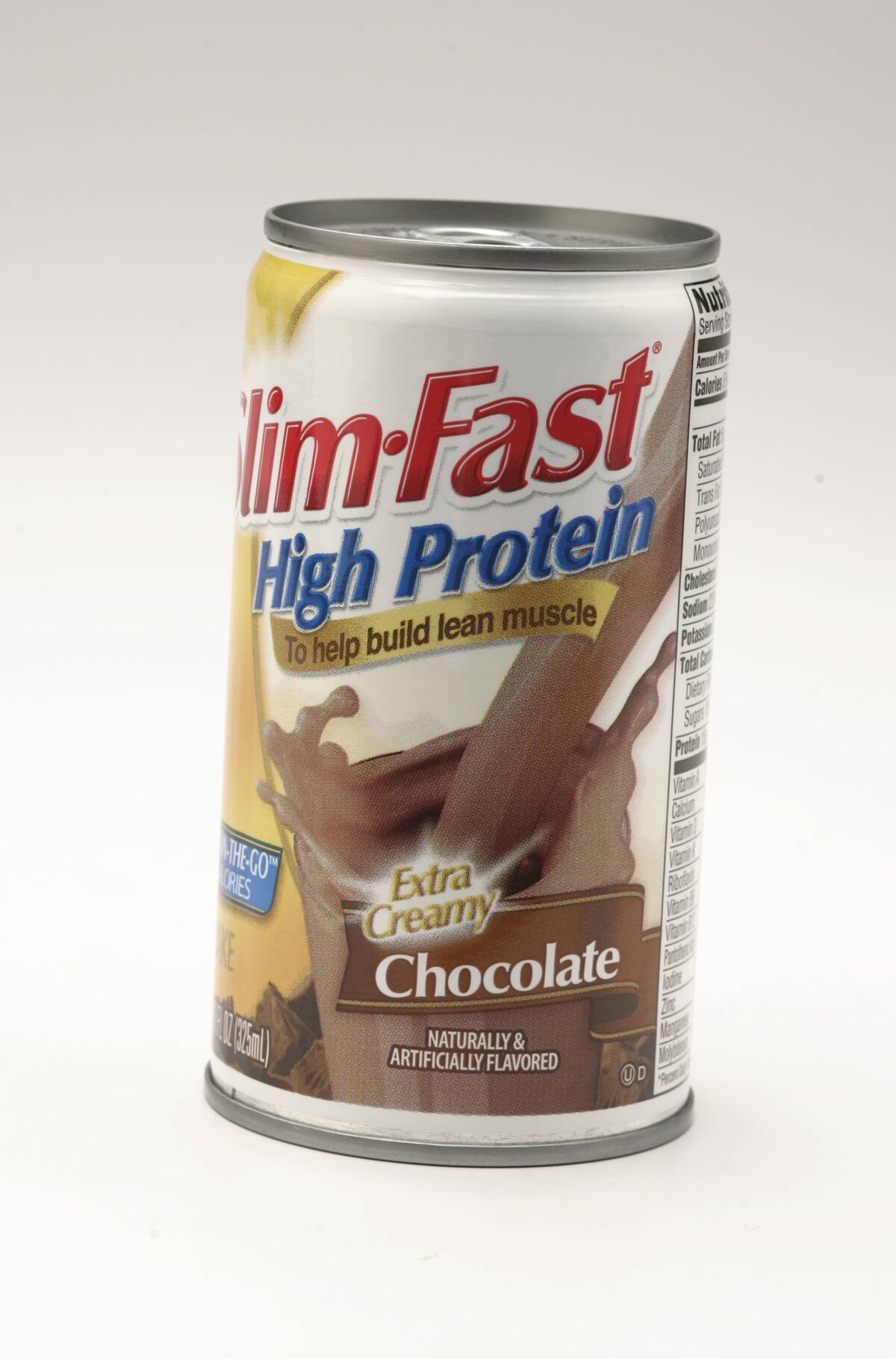
SlimFast shakes became a popular meal replacement option in the 1980s, offering a convenient way to control calorie intake. The plan typically involved replacing two meals a day with a shake, combined with a sensible dinner.
This approach appealed to those looking for simplicity and structure in their weight loss efforts, making SlimFast a household name.
The Rice Cake Boom: Crunchy and Calorie-Conscious
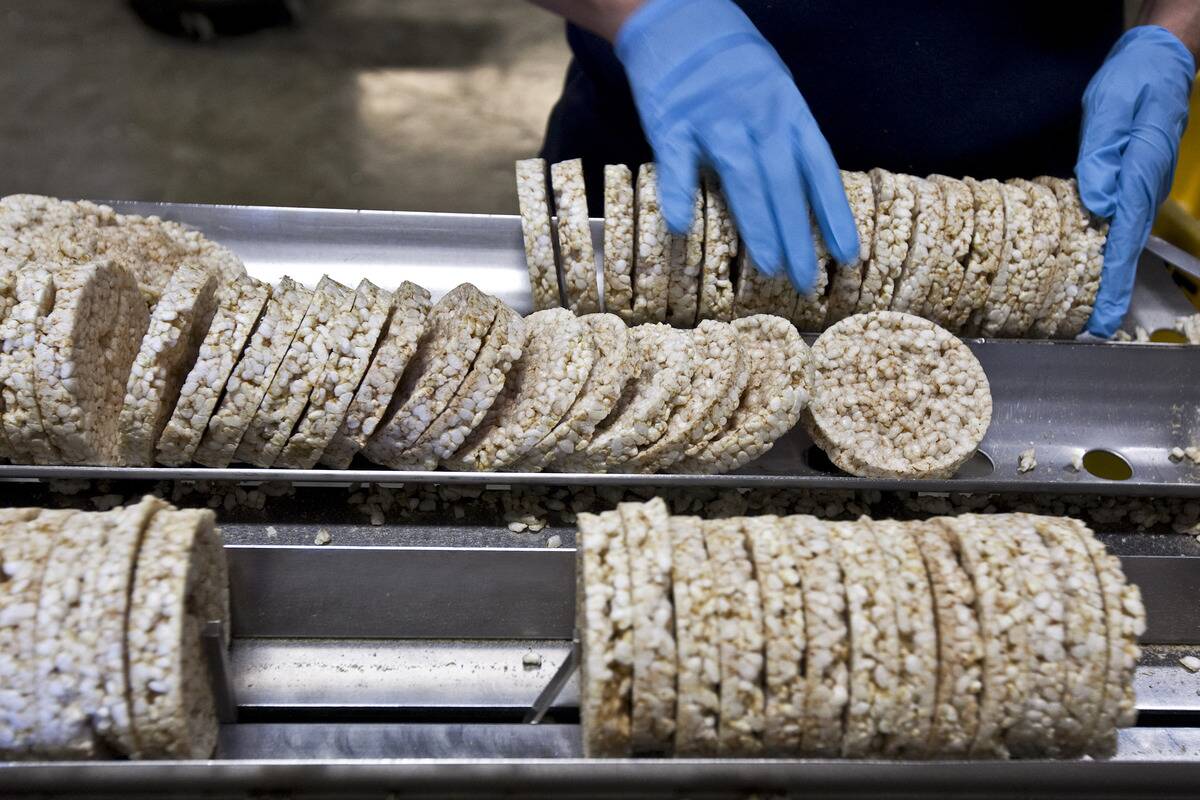
Rice cakes became a symbol of diet culture in the ’80s, known for being low in calories and fat. They were often used as a bread substitute or snack, appealing to those looking for a crunchy, guilt-free option.
Despite their bland taste, rice cakes were embraced by dieters for their versatility and low-calorie profile.
The Beverly Hills Diet: Pineapple and Papaya Paradise

The Beverly Hills Diet, created by Judy Mazel, focused on consuming specific fruits like pineapple and papaya for their supposed enzymatic benefits.
This diet was based on the idea of food combining and timing, promising weight loss through natural digestion processes. While it gained a celebrity following, it was often criticized for its lack of scientific backing.
Sweet’N Low: The Pink Packet of Possibility
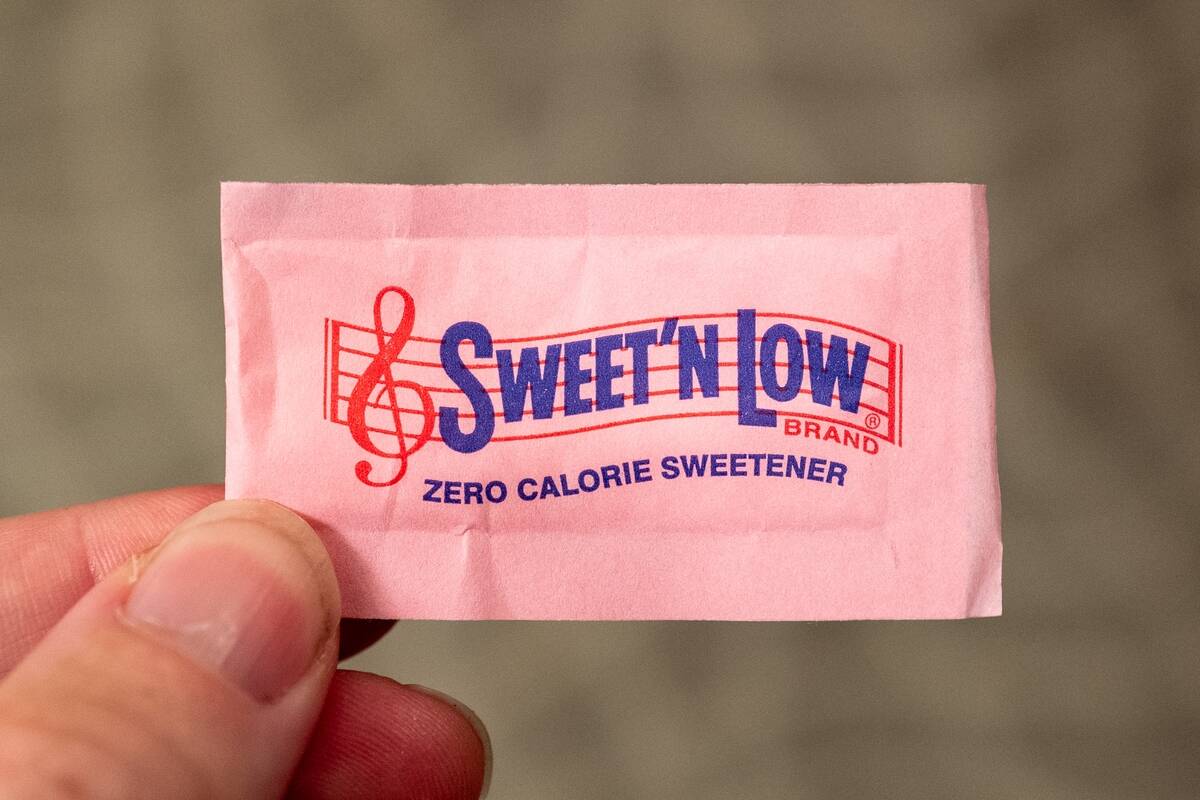
Sweet’N Low, with its iconic pink packets, became a popular sugar substitute in the 1980s. Made with saccharin, it offered a calorie-free way to sweeten beverages and foods.
Its convenience and zero-calorie promise made it a staple for those looking to reduce sugar intake while still enjoying a sweet taste.
The Atkins Diet: Protein Power in the ’80s

The Atkins Diet, developed by Dr. Robert Atkins, emphasized low-carbohydrate, high-protein eating. It gained traction in the ’80s as an alternative to traditional low-fat diets, focusing on meat, cheese, and eggs.
While controversial, it attracted followers for its promise of weight loss without hunger, influencing dietary trends for decades.




