Old school traditions that are rarely seen today
School days are often remembered with a sense of nostalgia, filled with traditions that shaped our educational experiences. However, many of these cherished customs are slowly fading away.
From morning rituals to lunchtime routines, the landscape of school life is evolving. As technology and cultural shifts redefine education, let’s take a journey through some of the school traditions that are becoming relics of the past.
The Morning Pledge: A Fading Ritual
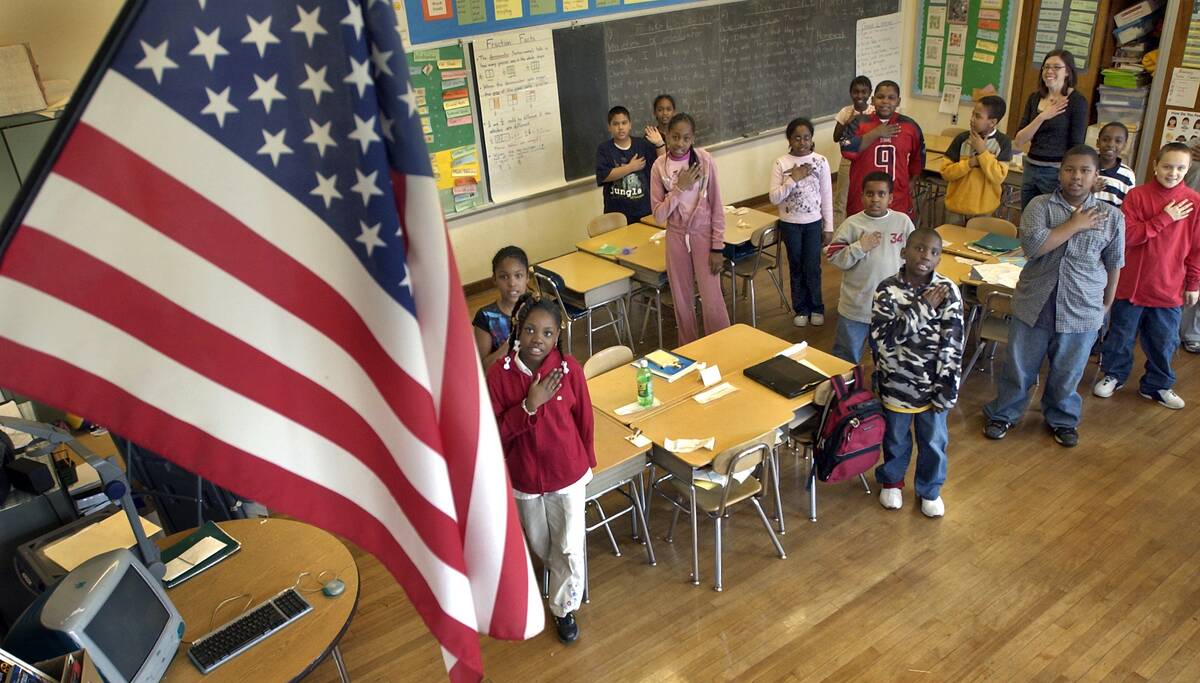
Once a staple of the school day, the Pledge of Allegiance remains a common morning ritual in many U.S. schools, although practices vary by state and school district. While some schools also include moments of silence, mindfulness exercises, or other activities to begin the day, these are often used alongside rather than in place of the pledge.
As student populations have become more diverse and perspectives on patriotism have evolved, schools have adopted a wider range of approaches to starting the school day.
The Lost Art of Passing Notes
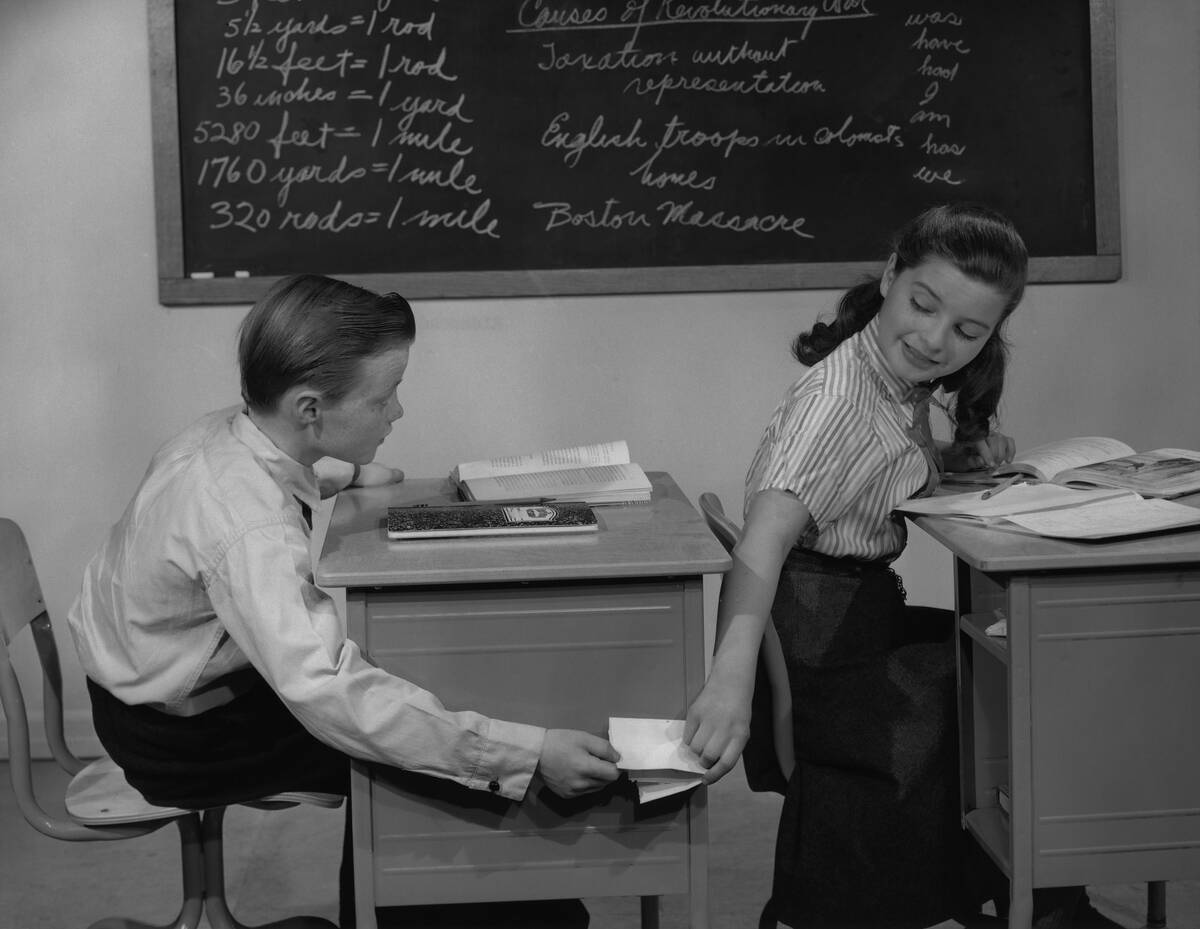
Before the era of smartphones, passing notes was a covert way for students to communicate during class. These folded paper messages were often filled with doodles, secrets, or simple greetings.
Today, instant messaging and social media have largely replaced this clandestine art form. While the thrill of sneaking a note may be gone, students now have more direct and immediate ways to stay connected.
Disappearing Dress Codes: From Uniforms to Casual Wear
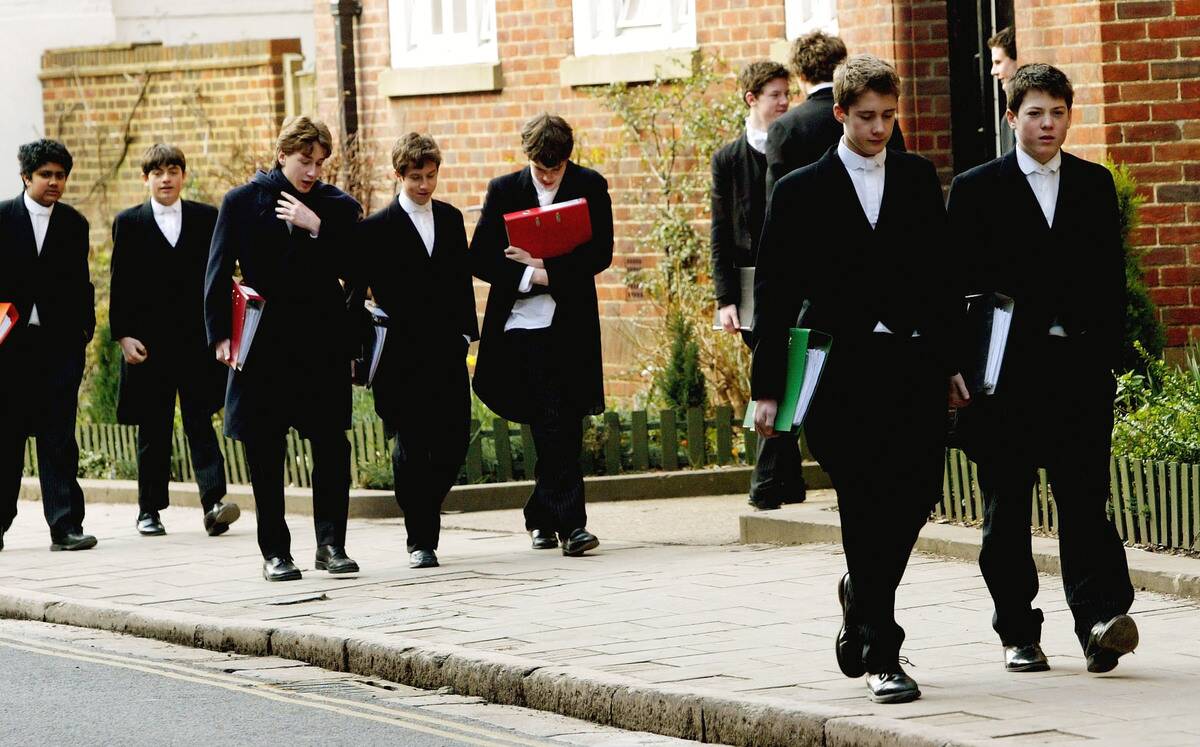
Strict dress codes and uniforms were once the norm in many schools, promoting a sense of discipline and equality. However, there’s been a shift towards more relaxed dress codes, allowing students to express their individuality through fashion.
While some argue this fosters creativity and self-expression, others worry it may lead to distractions and a lack of focus on academics.
The Decline of School Dances and Sock Hops
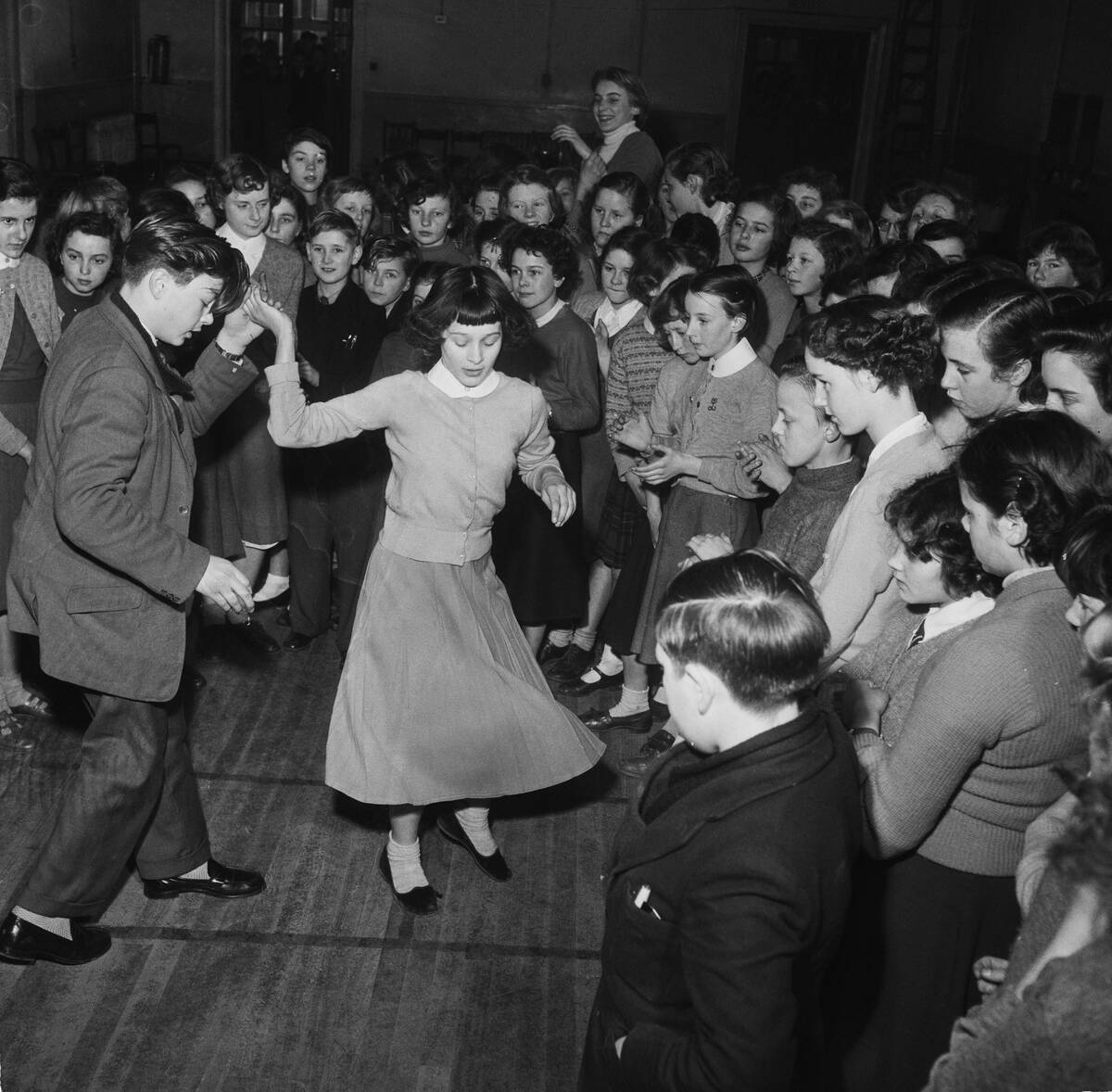
School dances and sock hops were once the highlight of the social calendar, providing students with a chance to dress up and dance the night away. While sock hops have largely faded from school traditions, dances such as homecoming and prom remain popular in many schools.
At the same time, the rise of social media and digital communication has changed how students socialize, complementing rather than completely replacing traditional school events.
The Vanishing Act of School Assemblies
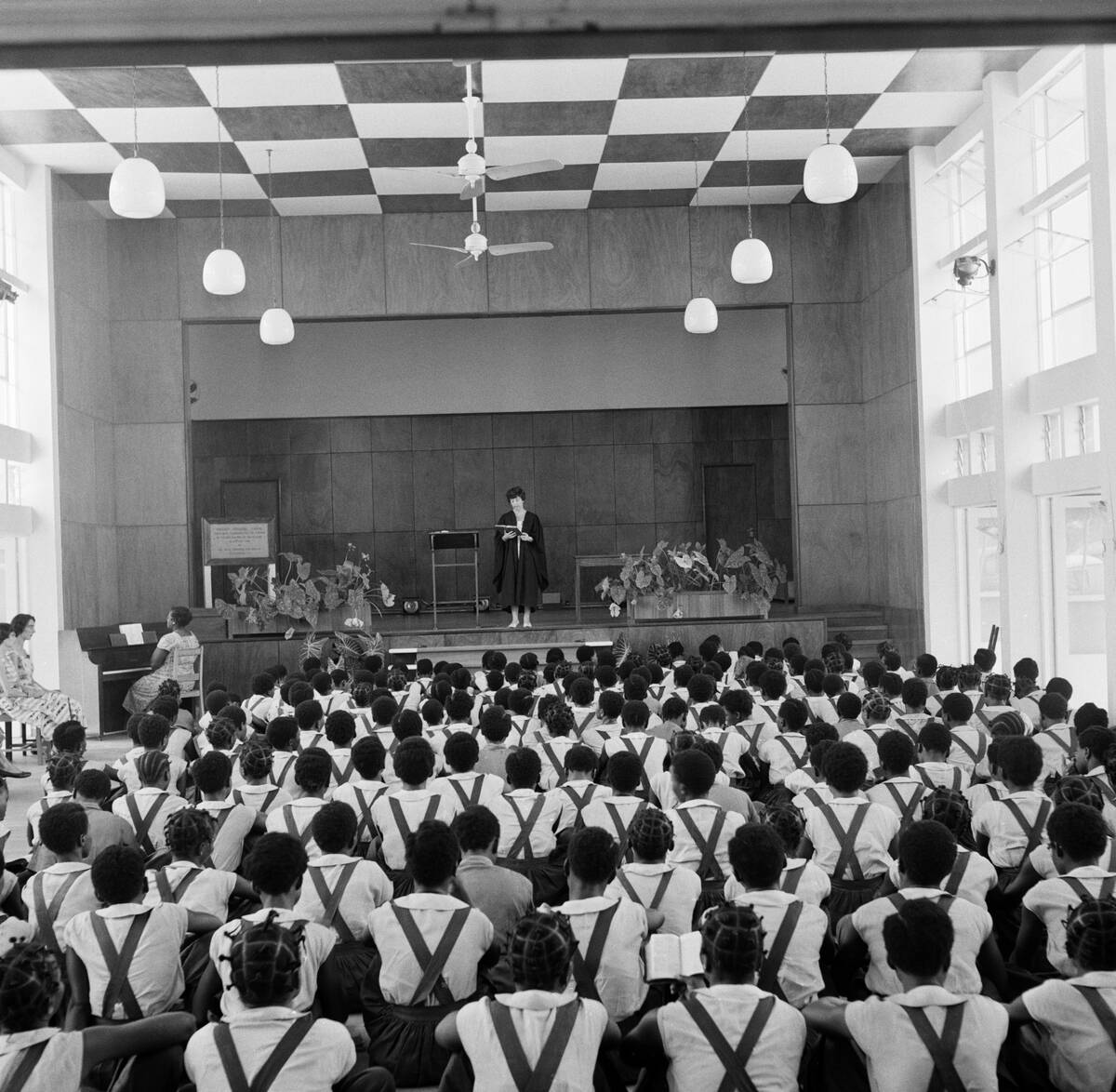
School assemblies were once a regular occurrence, bringing the entire student body together for announcements, performances, and guest speakers.
Today, many schools use digital communication methods for routine announcements while continuing to hold assemblies for special events and celebrations. Although digital communication can save time and resources, assemblies still provide valuable opportunities for students to experience a shared sense of community and school spirit.
The End of the Chalkboard Era
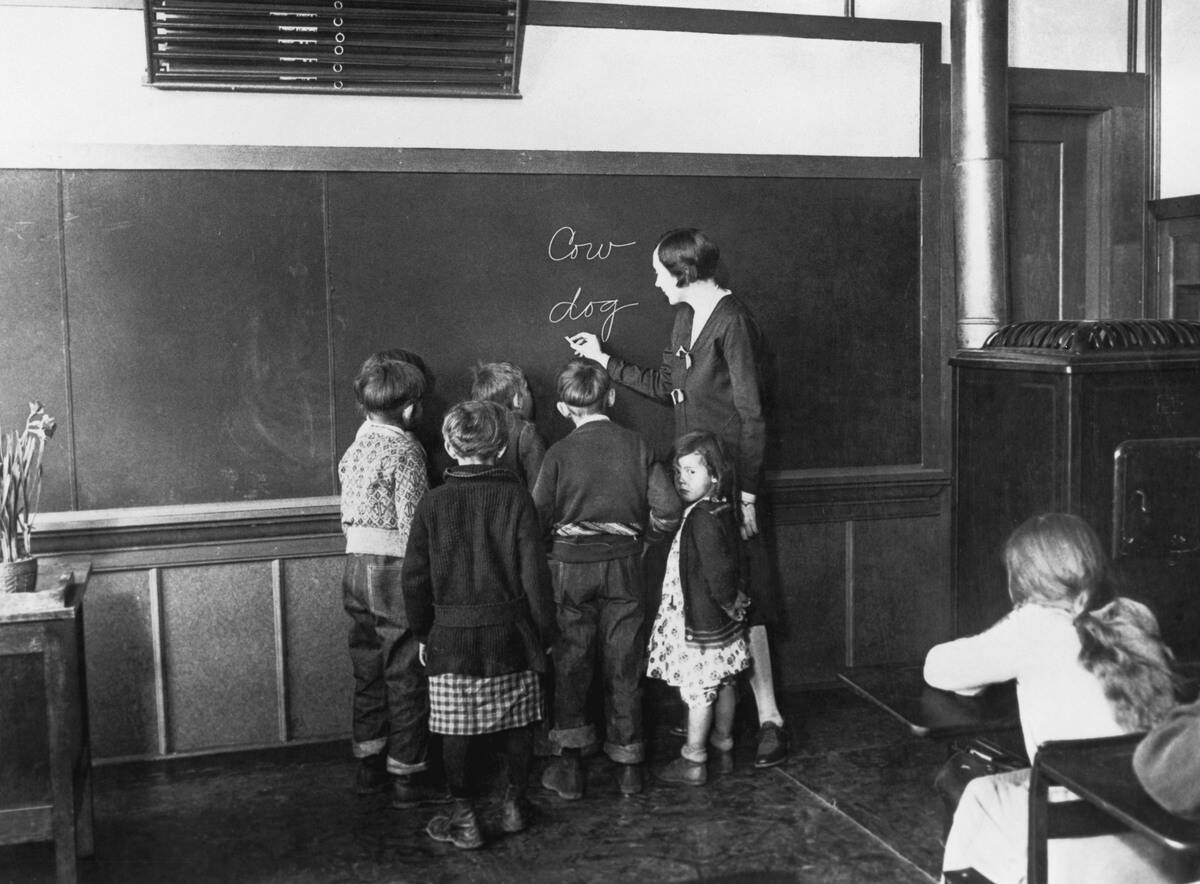
Chalkboards, with their dusty surfaces and squeaky chalk, have been a classroom staple for centuries. However, they’ve largely been replaced by whiteboards and digital smartboards, offering a cleaner and more versatile teaching tool.
While some may miss the nostalgic feel of chalk in hand, modern technology allows for interactive and dynamic lessons that engage students in new ways.
The Disappearance of Home Economics Classes
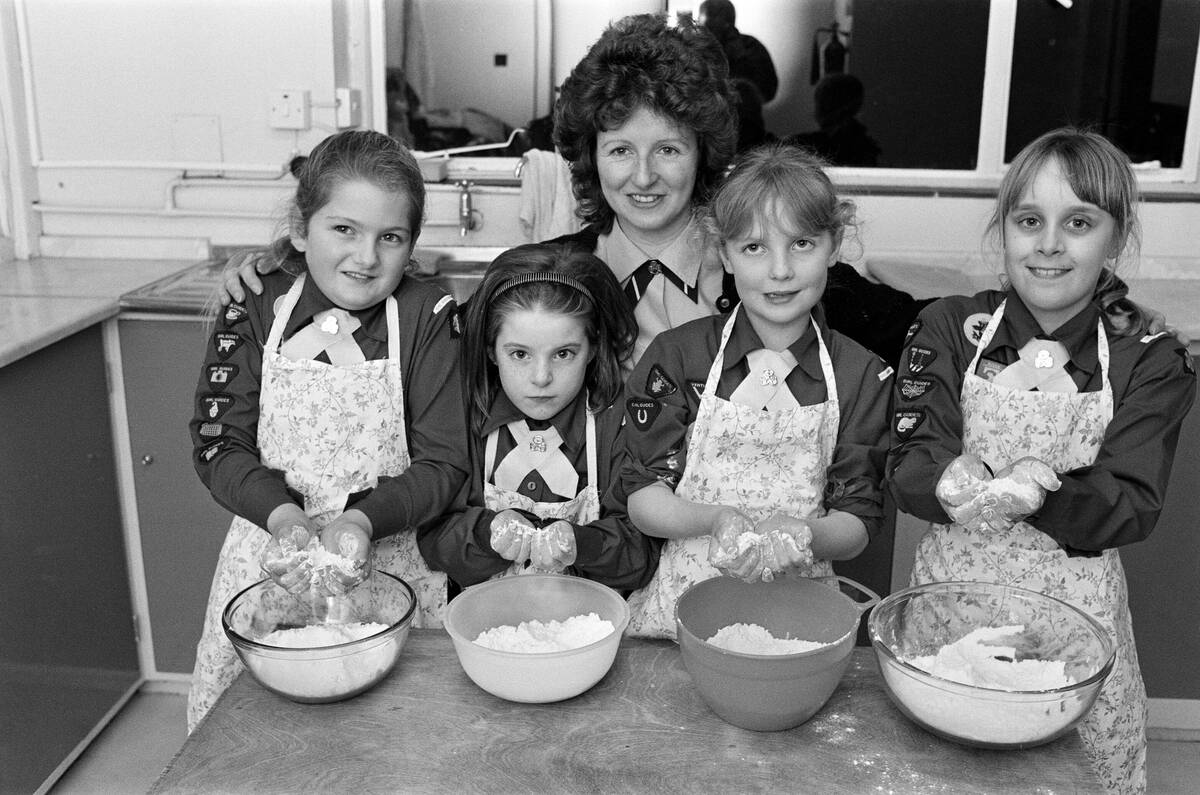
Home economics classes once taught essential life skills like cooking, sewing, and budgeting. However, these classes have become less common in many schools, often replaced or supplemented by technology and career-focused courses.
While the shift reflects changing educational priorities, it also means fewer students have the opportunity to learn practical skills that can be valuable in everyday life.
The Evolution of School Lunches: From Cafeteria Trays to Food Trucks
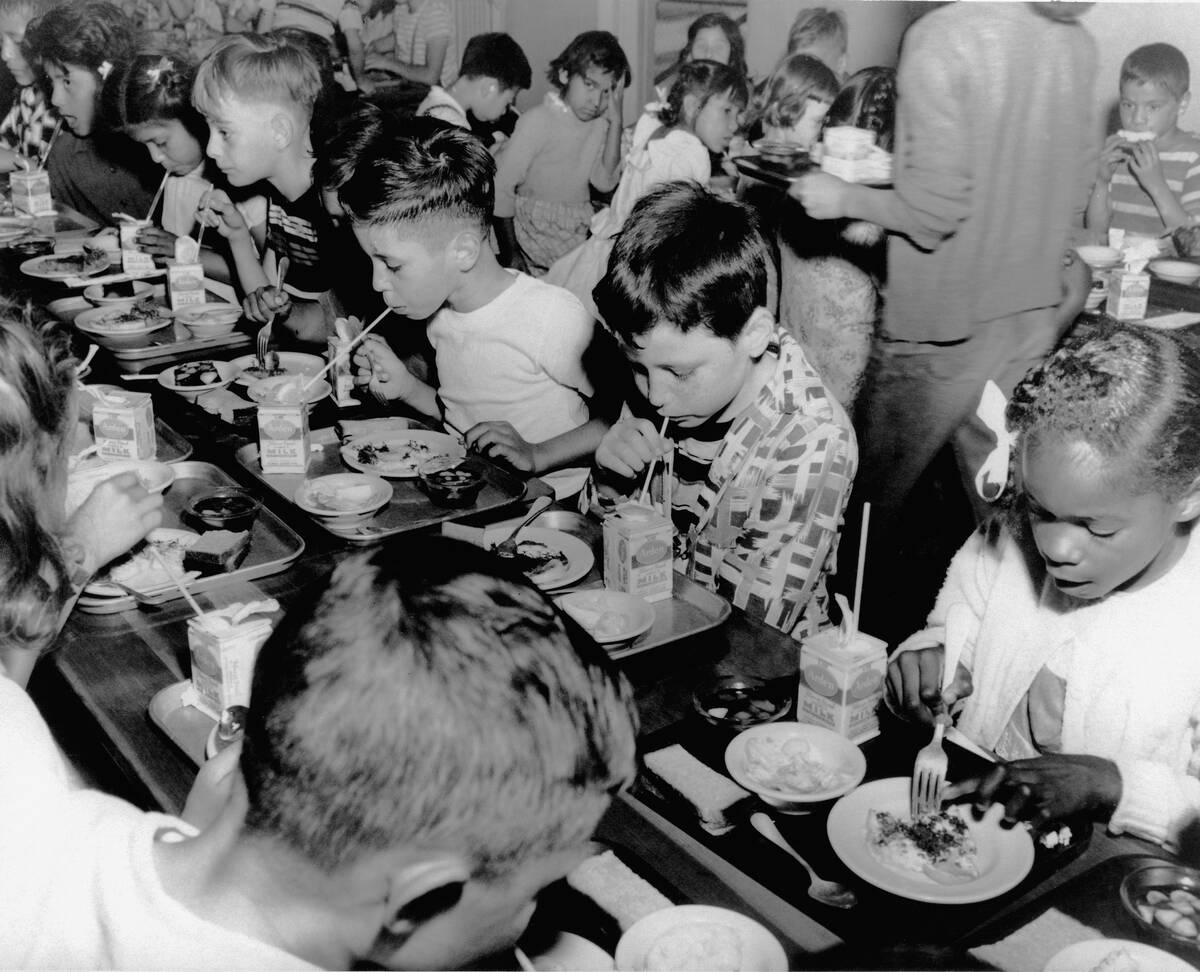
School lunches have come a long way from the days often associated with “mystery meat” and canned vegetables. Many schools now offer a wider variety of healthier options, with an increased focus on fresh ingredients and balanced nutrition.
Some schools have even experimented with food trucks or other alternative meal programs for special occasions. This evolution reflects a growing awareness of nutrition and the desire to offer students more appealing and wholesome choices.
The Lost Practice of Handwriting Classes
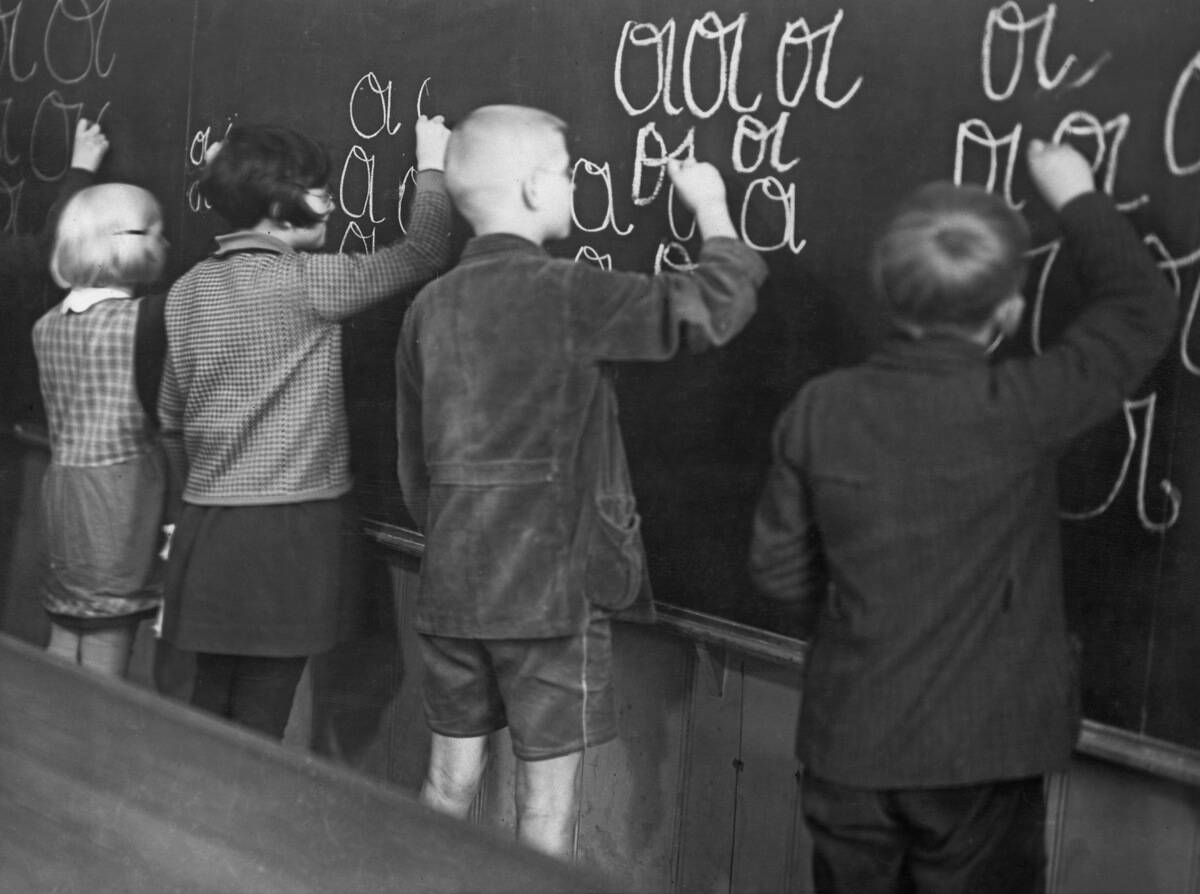
Handwriting classes, once a cornerstone of early education, have become less common in many school systems. With the rise of digital devices, schools have placed greater emphasis on typing skills and digital literacy.
While this shift reflects technological advancements, some educators and researchers argue that reducing handwriting instruction may limit opportunities to develop penmanship and the cognitive benefits associated with writing by hand.
The Decline of School Spirit Days
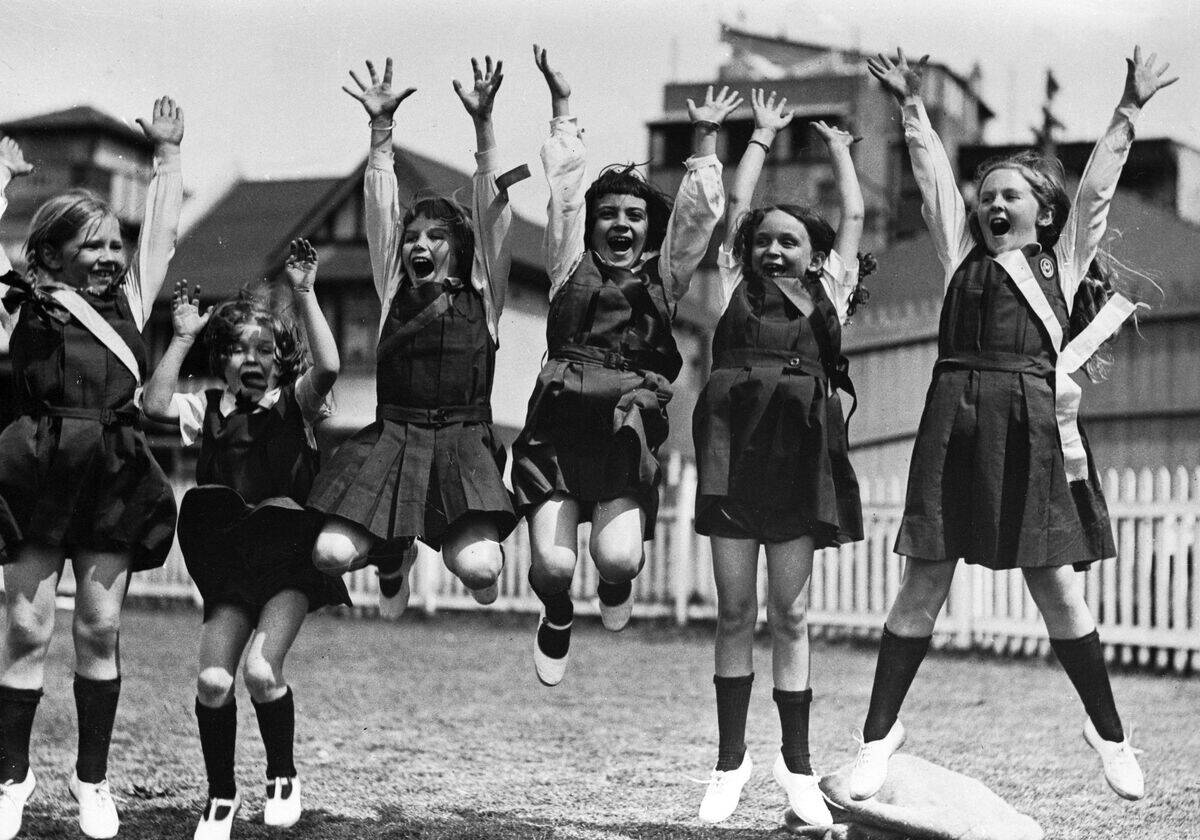
School spirit days, filled with themed outfits and pep rallies, have long been a way to boost morale and foster a sense of community. While the frequency of these events varies from school to school, many continue to balance them alongside academic priorities.
Although schools increasingly emphasize educational achievement, many educators argue that spirit days still play an important role in building school culture, student engagement, and camaraderie.
The Forgotten Tradition of School Field Days
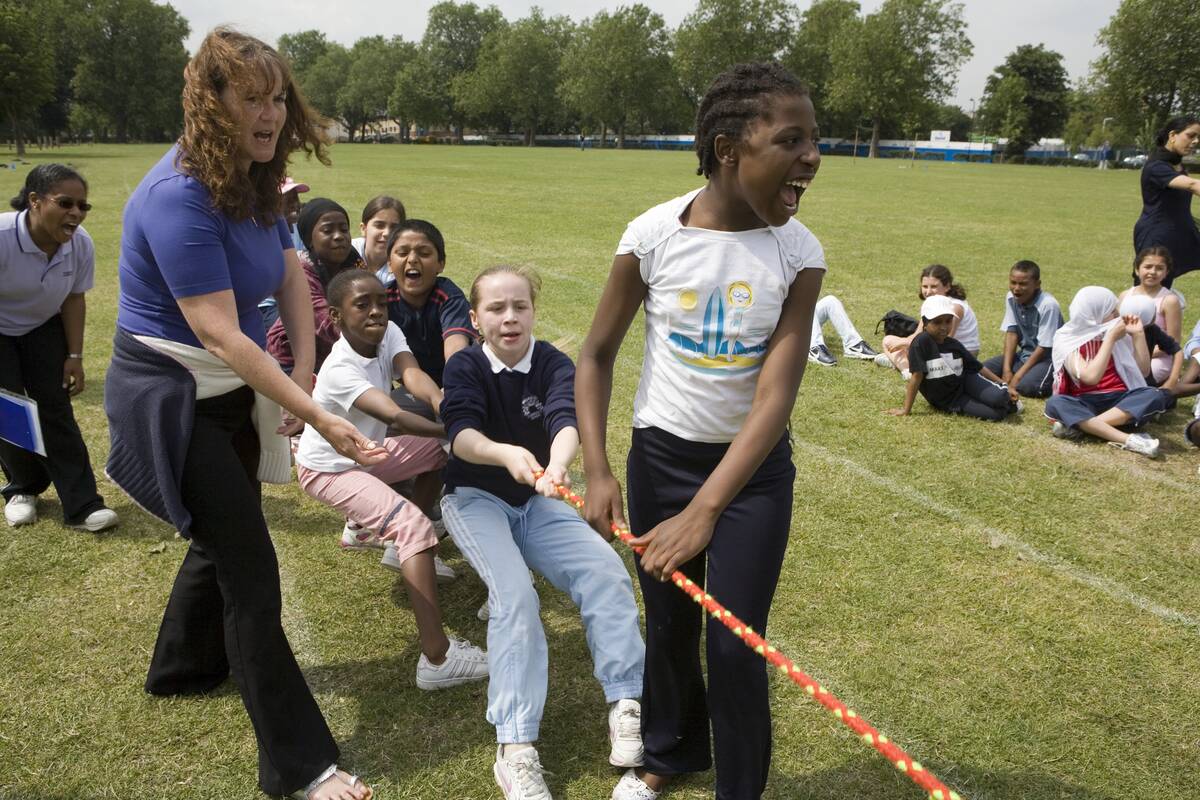
Field days, with their sack races and tug-of-war contests, have long been a beloved tradition marking the end of the school year. These events provide students with a chance to engage in friendly competition and enjoy a day of outdoor fun.
While some schools have scaled back or modified field days because of scheduling, budget, or staffing challenges, many continue to hold these events as a way to promote physical activity, teamwork, and school spirit.
The Disappearance of Yearbook Signings
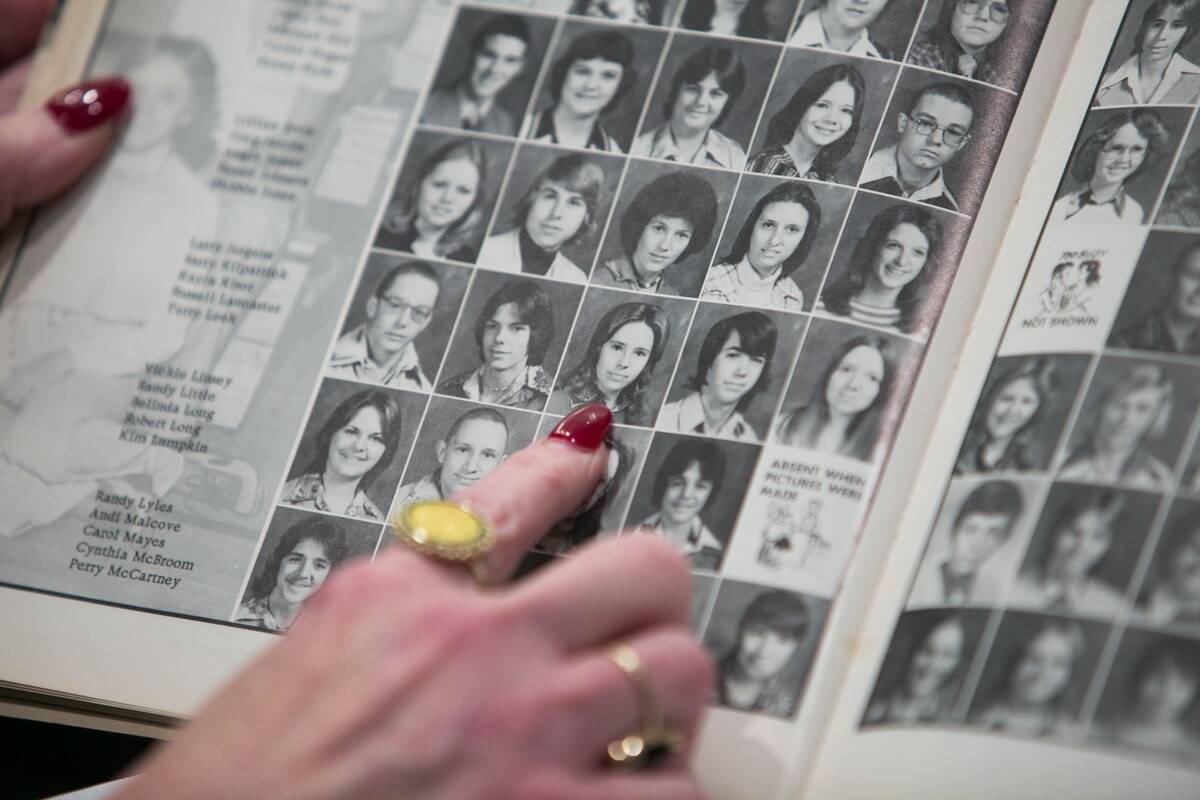
Yearbook signings have long been a cherished tradition, allowing students to leave personal messages and memories for their classmates. While social media and digital platforms have created new ways to stay connected and share memories, printed yearbooks remain a popular tradition in many schools.
Although digital communication offers convenience, many people feel it lacks the personal touch and nostalgia of handwritten notes that make yearbook signings so memorable.
The Vanishing School Choirs and Bands
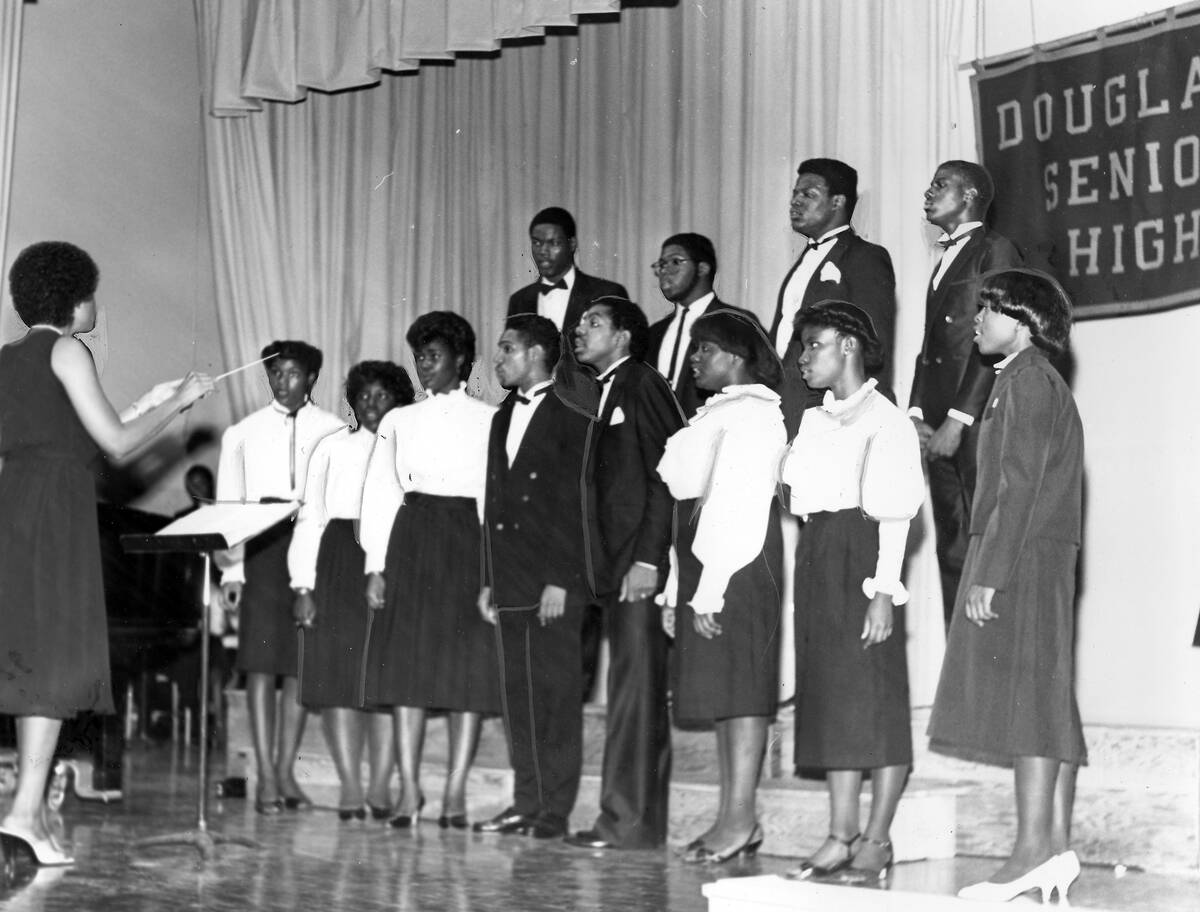
School choirs and bands have long been a staple of arts education, providing students with opportunities to develop musical skills and perform.
Although some schools have reduced music programs because of budget constraints and changing educational priorities, many continue to support music education. As a result, access to these enriching experiences varies widely depending on a school’s resources and location.
The Decline of Traditional Recess Games
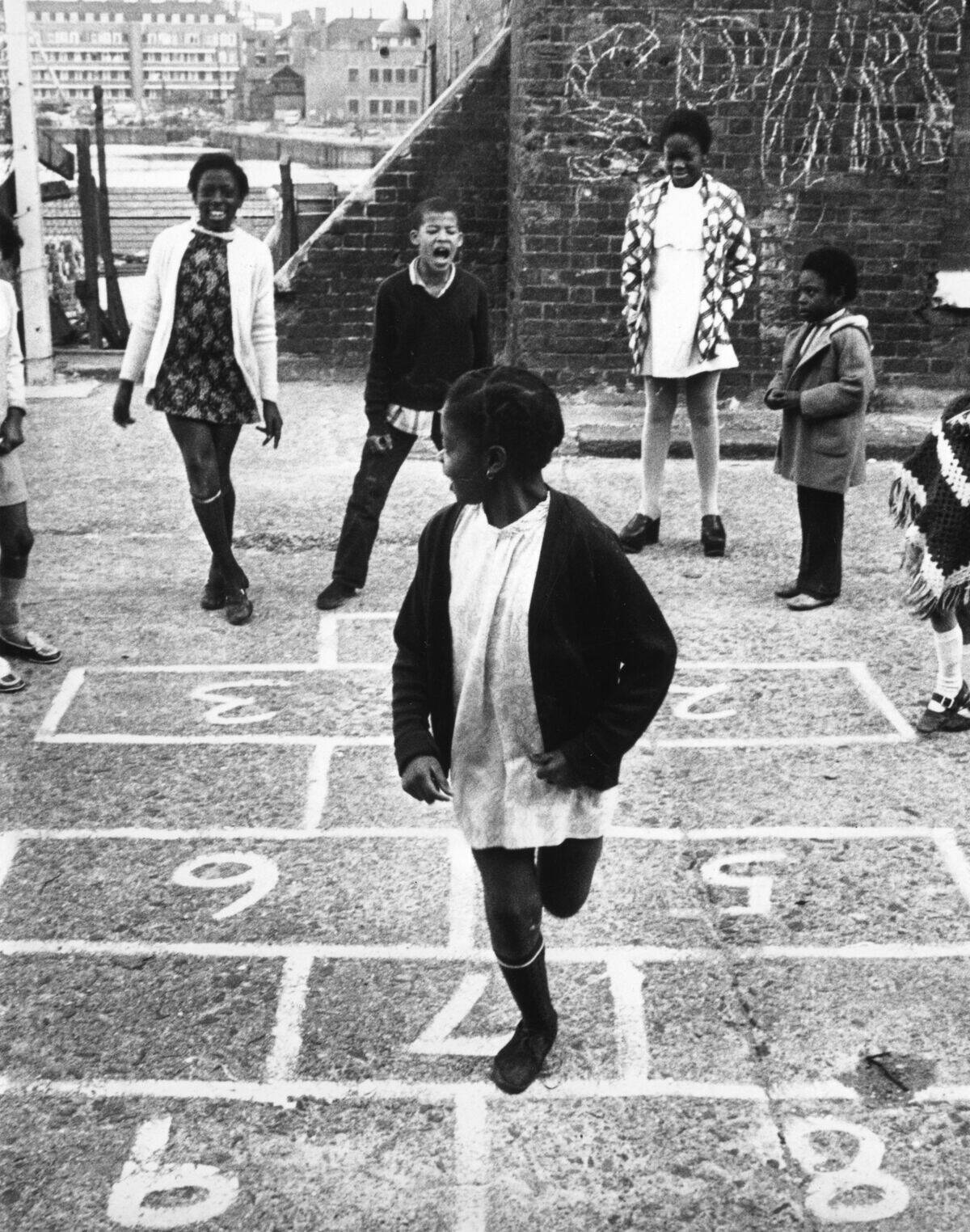
Traditional recess games like hopscotch, tag, and four square have long been staples of school playgrounds. Although children’s activities have increasingly expanded to include digital entertainment and organized extracurricular programs, these classic playground games are still played in many schools.
While organized sports and clubs offer valuable experiences, unstructured playtime remains important for developing social skills, creativity, and problem-solving abilities.
The Lost Tradition of School Time Capsules
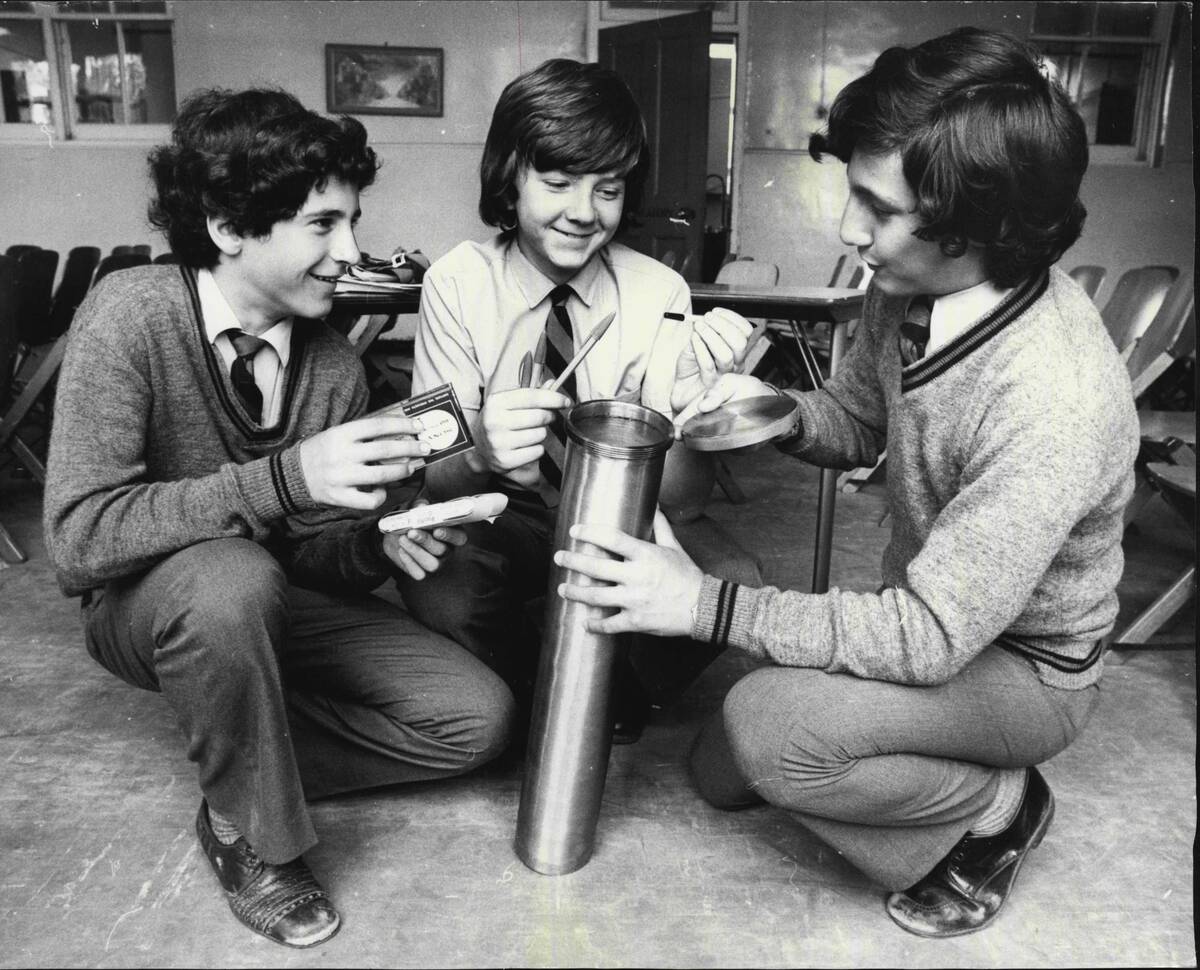
School time capsules have long been a creative way for students to capture a moment in time, filled with memorabilia and messages for future generations. Although they are typically created for milestone celebrations rather than as a regular school tradition, they remain a meaningful way to preserve school history.
While time capsules require long-term planning and commitment, they continue to offer a unique connection between past, present, and future students.
The Changing Landscape of School Sports Days
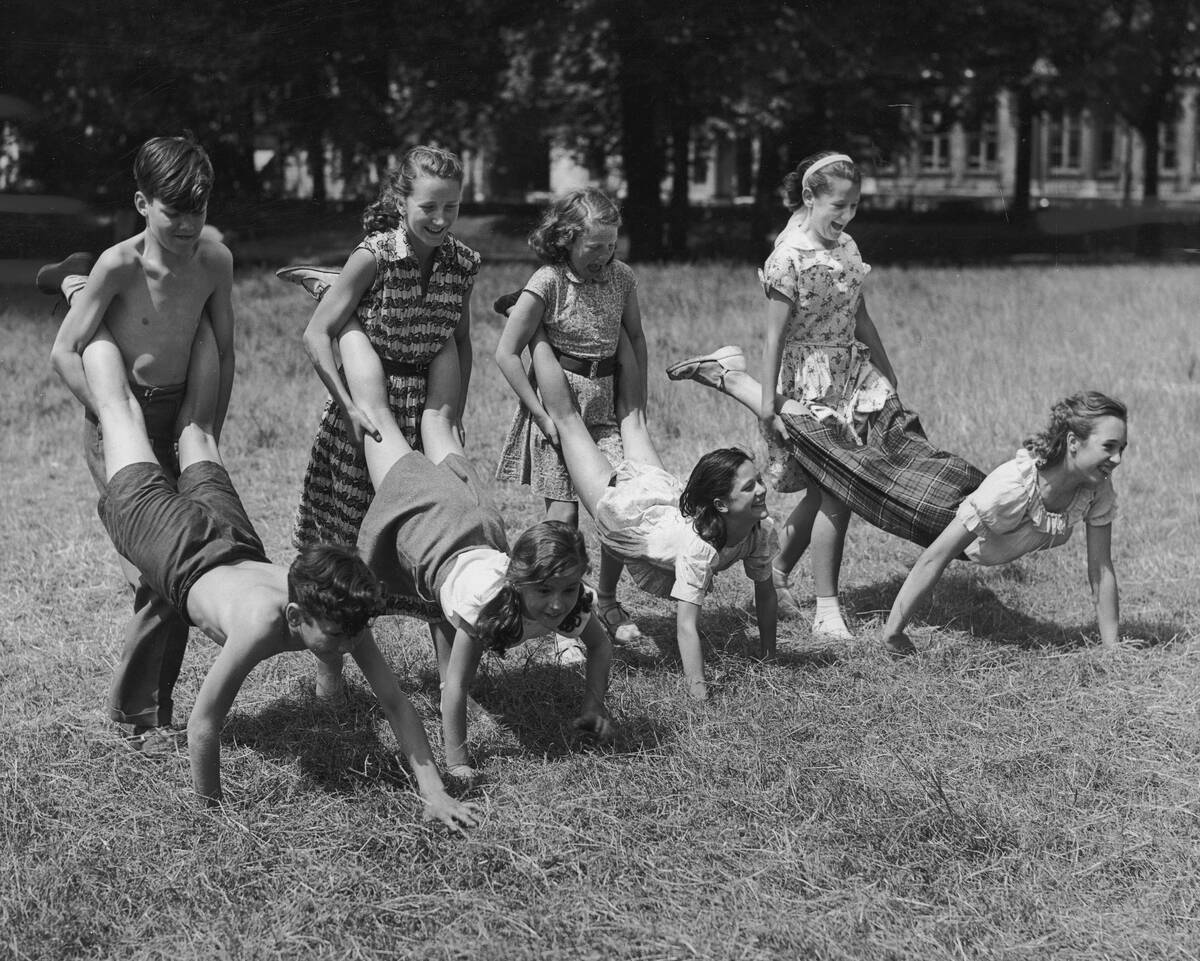
School sports days, filled with track events and team competitions, were once a highlight of the school year. However, the format of these events is changing, with many schools opting for more inclusive and less competitive activities.
While this shift aims to encourage participation and enjoyment for all students, some miss the traditional competitive spirit that sports days once embodied.
The Disappearance of Class Field Trips

Class field trips have long offered students a chance to explore new places and learn outside the classroom. While some schools have reduced field trips because of budget, transportation, scheduling, or staffing challenges, many continue to offer them when possible.
Virtual field trips and online resources now provide valuable alternative learning experiences, although many educators and students feel they cannot fully replace the hands-on engagement and excitement of visiting a location in person.
The Evolution of School Libraries: From Card Catalogs to Digital Databases
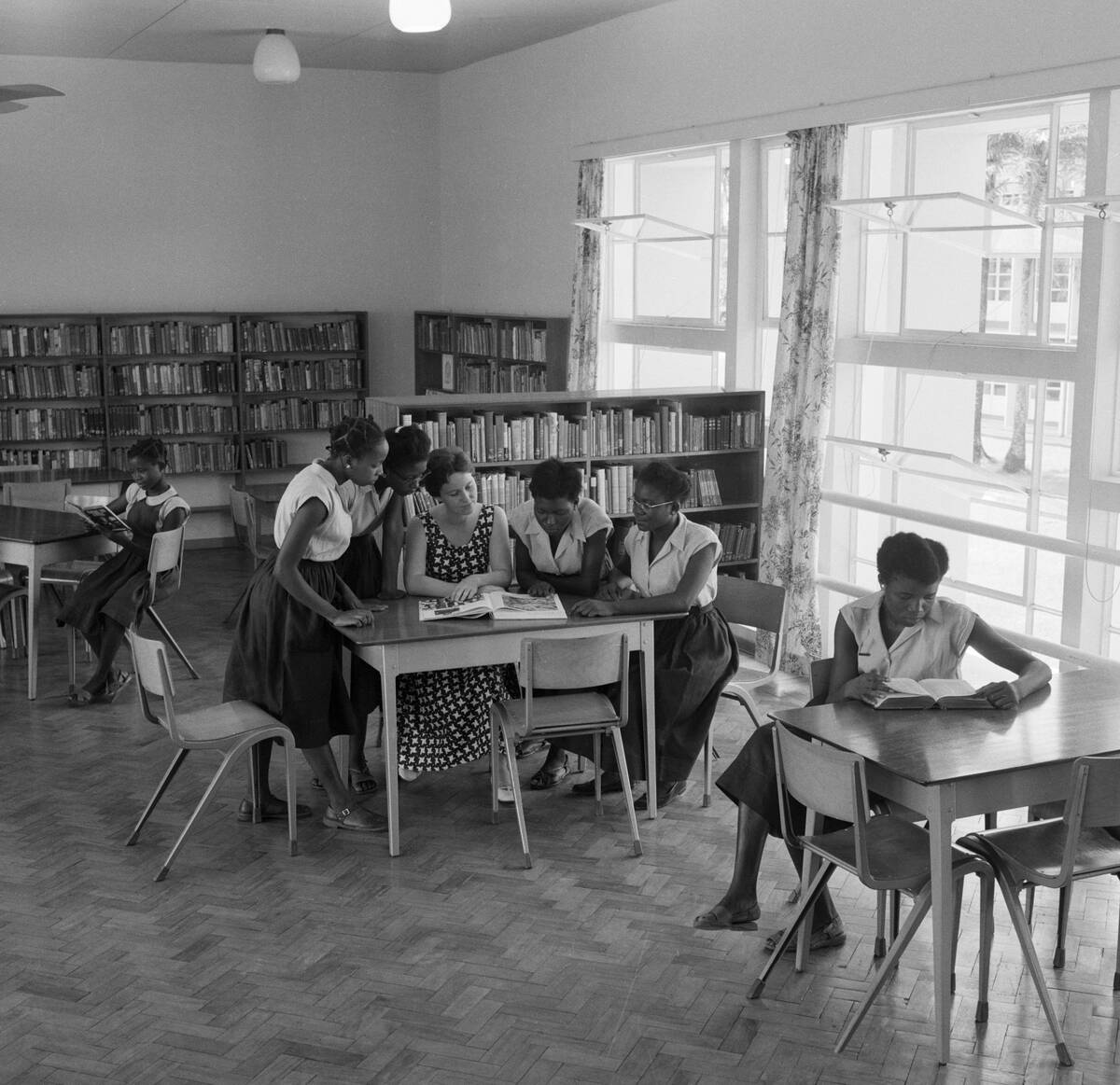
School libraries have transformed dramatically, moving from card catalogs and physical books to digital databases and e-books. This evolution reflects the increasing role of technology in education, providing students with access to a vast array of resources.
While some mourn the loss of traditional library experiences, digital libraries offer unparalleled convenience and access to information.




