How travelers booked hotels before the internet
Before the digital age revolutionized travel, booking a hotel was a task that required patience, planning, and a bit of luck.
Travelers relied on a variety of methods to secure accommodations, each with its own charm and challenges. This journey back in time reveals a world where personal connections and tangible resources played a crucial role in planning a trip.
The Role of Travel Agencies in Hotel Reservations
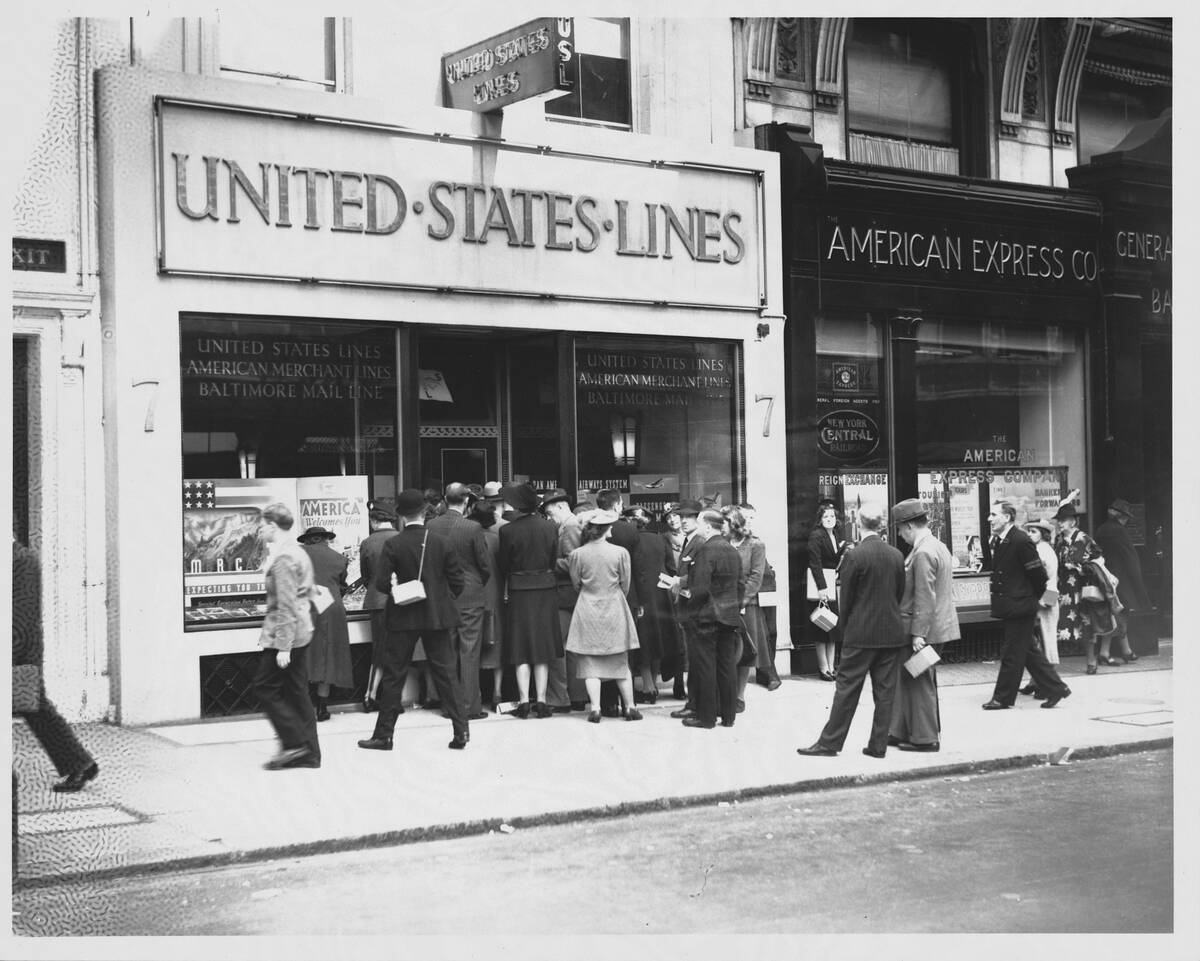
Travel agencies were the go-to experts for hotel bookings, wielding a wealth of knowledge and connections.
They offered personalized service, often knowing the best places to stay based on a traveler’s preferences. Agencies maintained close relationships with hotels, which sometimes resulted in exclusive deals and perks for their clients.
The Power of Word-of-Mouth Recommendations
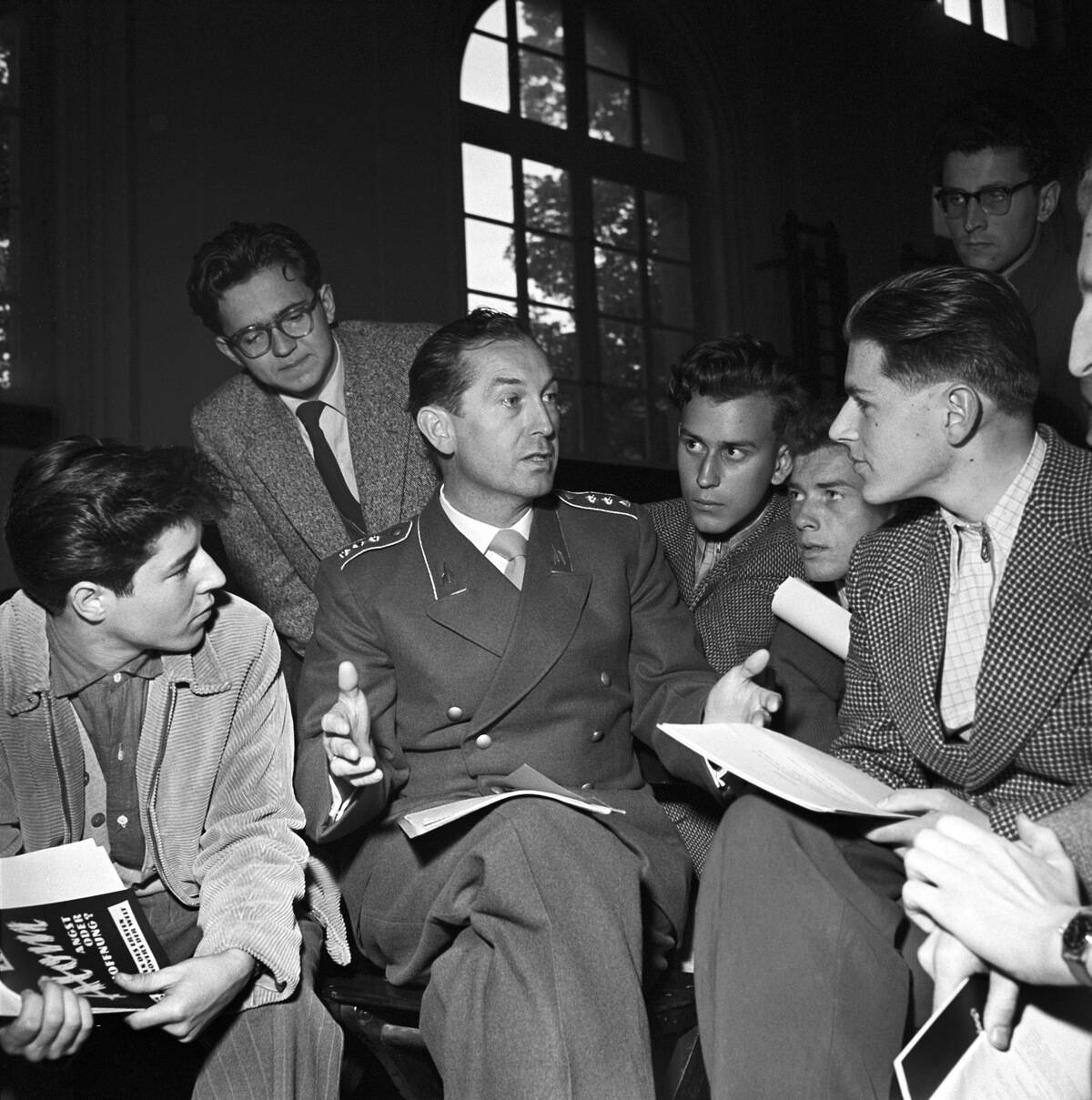
In the days before online reviews, word-of-mouth was a powerful tool for choosing hotels. Travelers shared their experiences with friends and family, creating a network of trusted advice.
A recommendation from a well-traveled friend often carried more weight than any brochure or advertisement.
Travel Guidebooks: The Original Hotel Review Sites
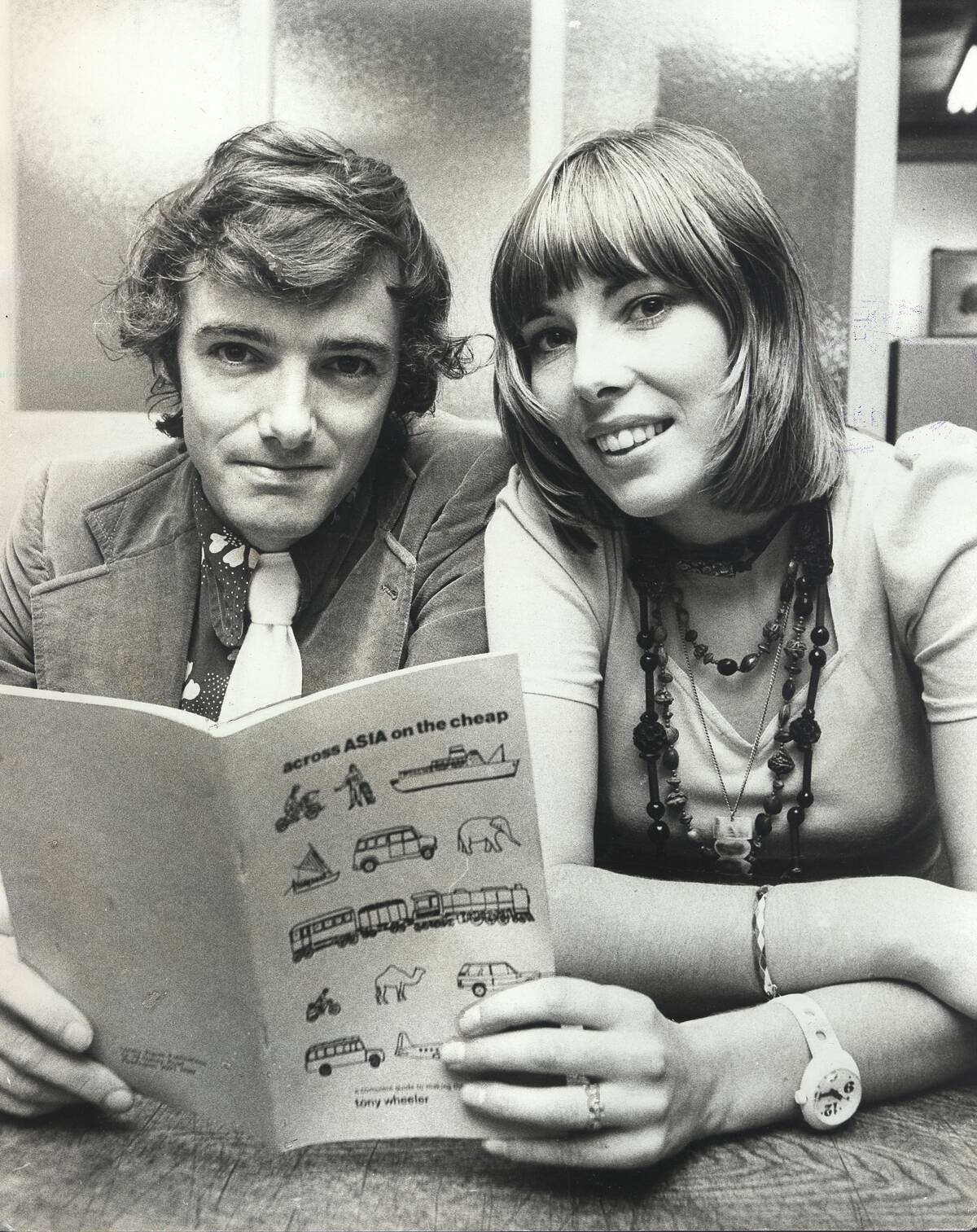
Guidebooks were indispensable for travelers, offering detailed insights into hotels and accommodations. Publications like the Michelin Guide and Frommer’s provided recommendations and reviews, helping travelers make informed decisions.
These books were regularly updated, ensuring that the information remained as current as possible for those planning their journeys.
The Importance of Travel Magazines in Hotel Selection
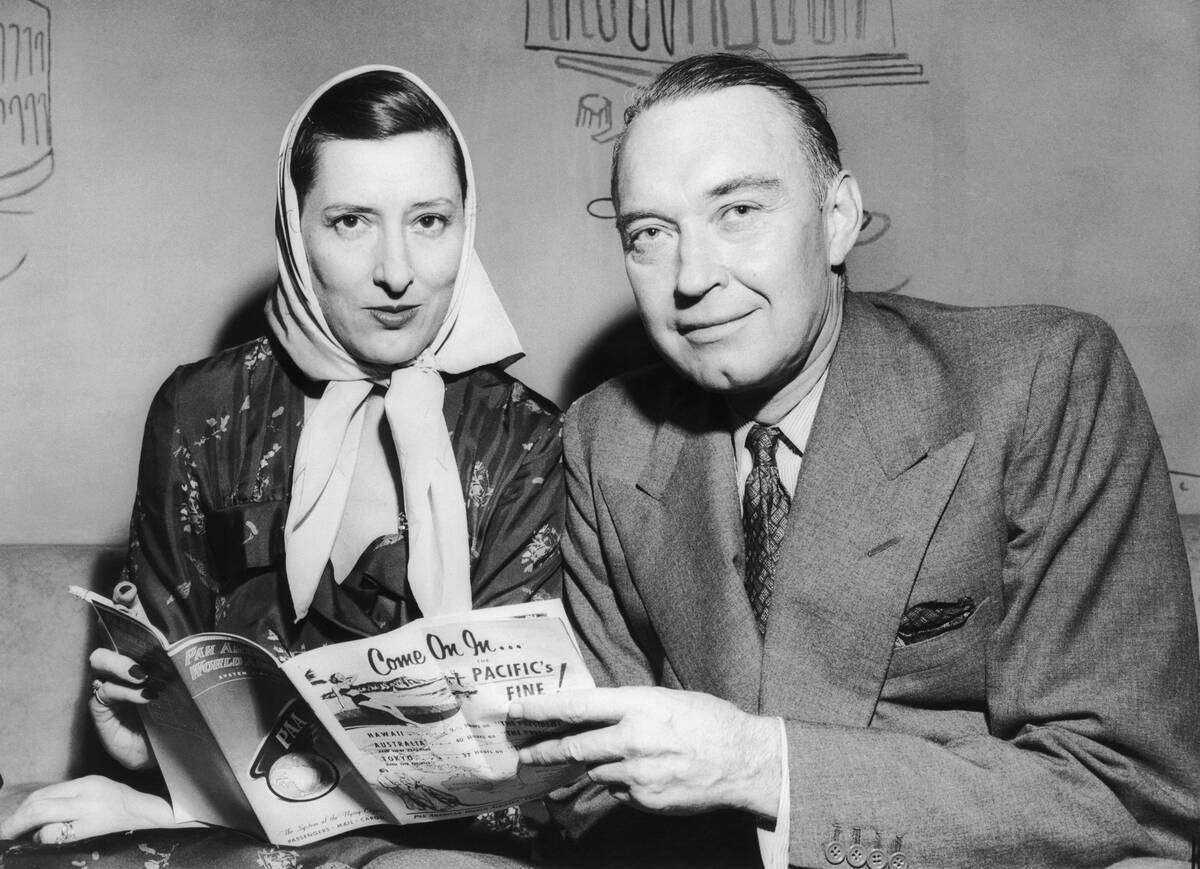
Travel magazines played a significant role in influencing hotel choices, featuring glossy photos and enticing descriptions.
Publications like Condé Nast Traveler and National Geographic Traveler highlighted top destinations and accommodations, sparking wanderlust and guiding readers toward their next stay.
The Art of Sending Letters for Hotel Reservations
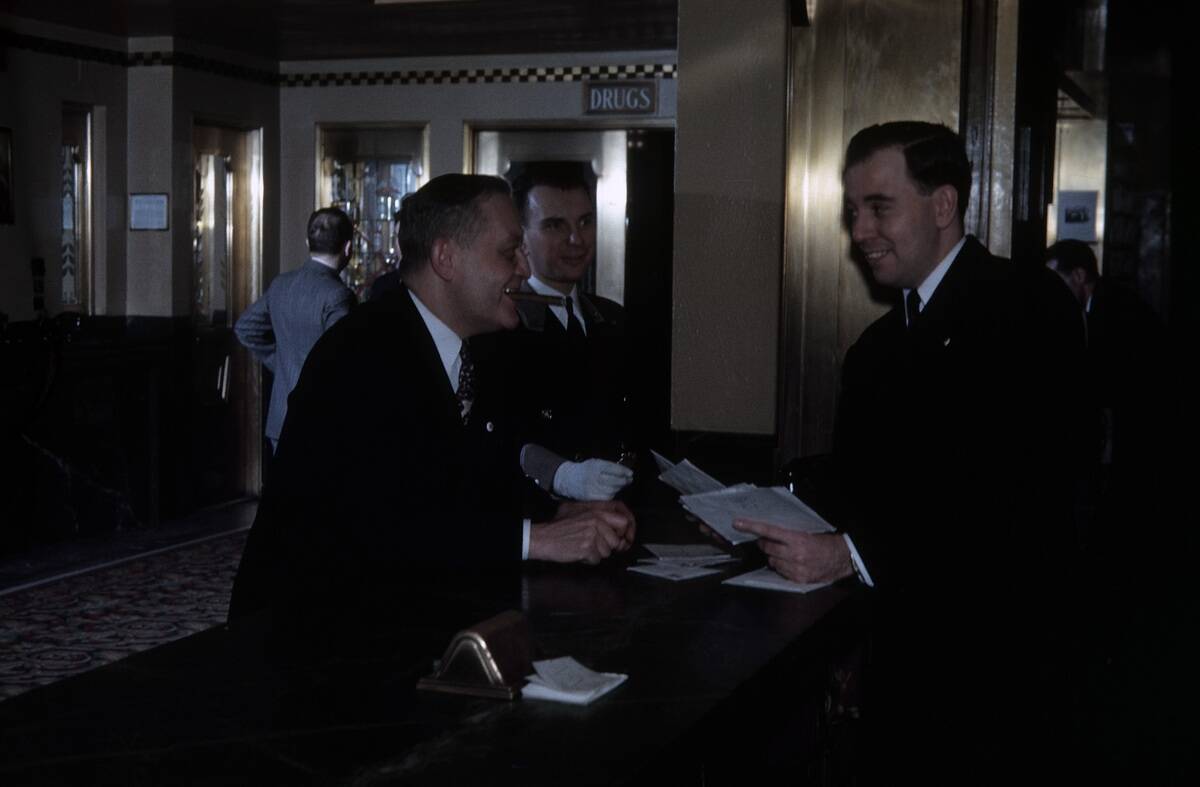
Before email and online booking, some travelers contacted hotels by mail to make reservations, especially when planning trips far in advance. This method required careful planning, as written requests and confirmations could take time to arrive.
Hotels sometimes confirmed bookings through mailed correspondence, adding a more personal element to the reservation process.
The Telephone: A Traveler’s Best Friend
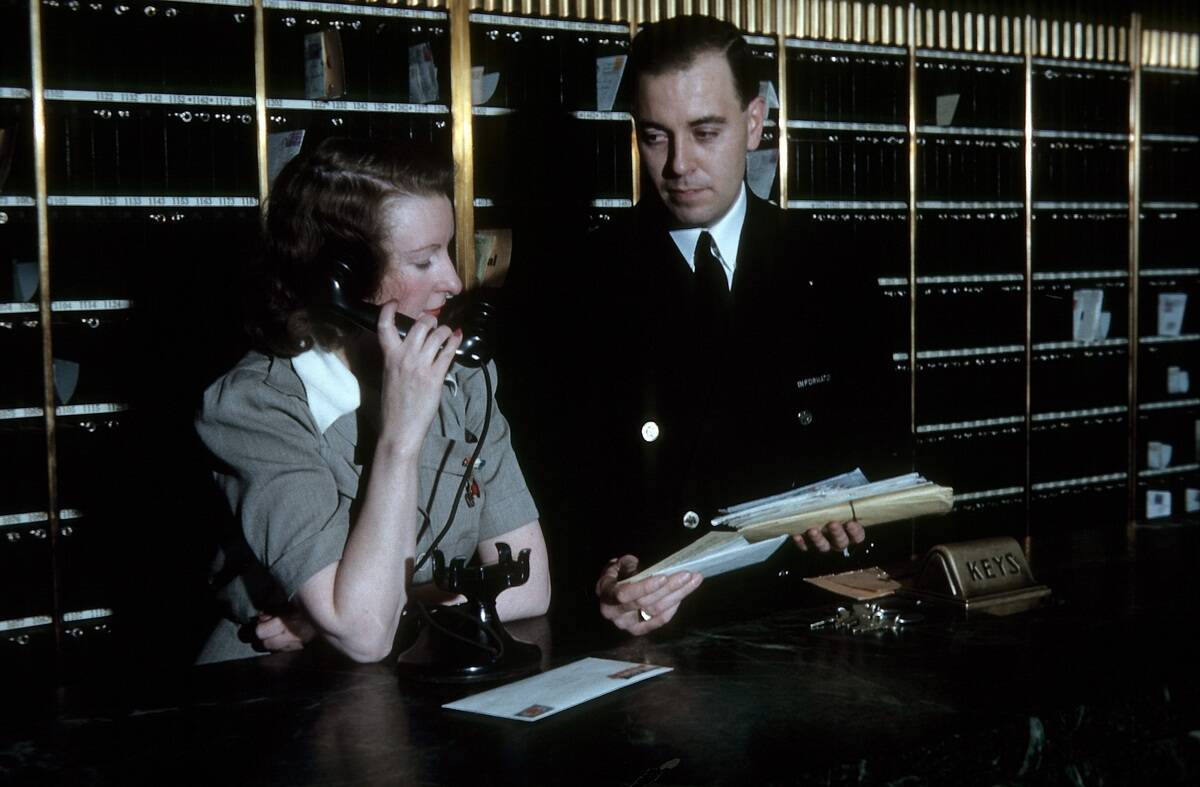
The telephone became a crucial tool for booking hotels, allowing travelers to make reservations quickly and directly.
A simple phone call could secure a room, and speaking with hotel staff provided an opportunity to ask questions and make special requests. It was one of the fastest and most convenient ways to confirm a booking before the internet era.
Fax Machines: The High-Tech Solution of the Past
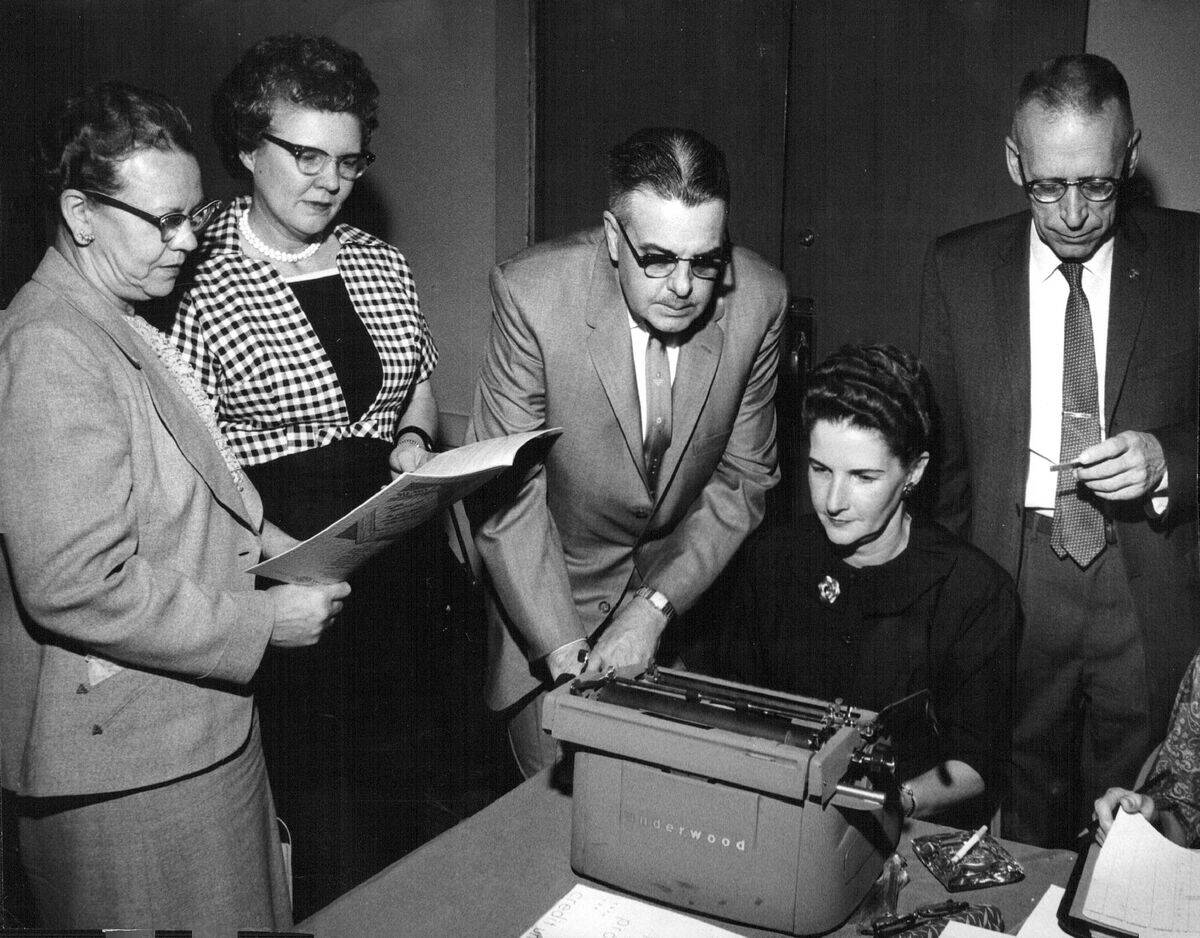
Fax machines offered a more immediate option for sending reservation requests and receiving confirmations. This technology was considered cutting-edge at the time, allowing for faster communication than mail.
Hotels often used faxes to send detailed information, such as room rates and booking terms.
The Role of Postcards in Hotel Communication
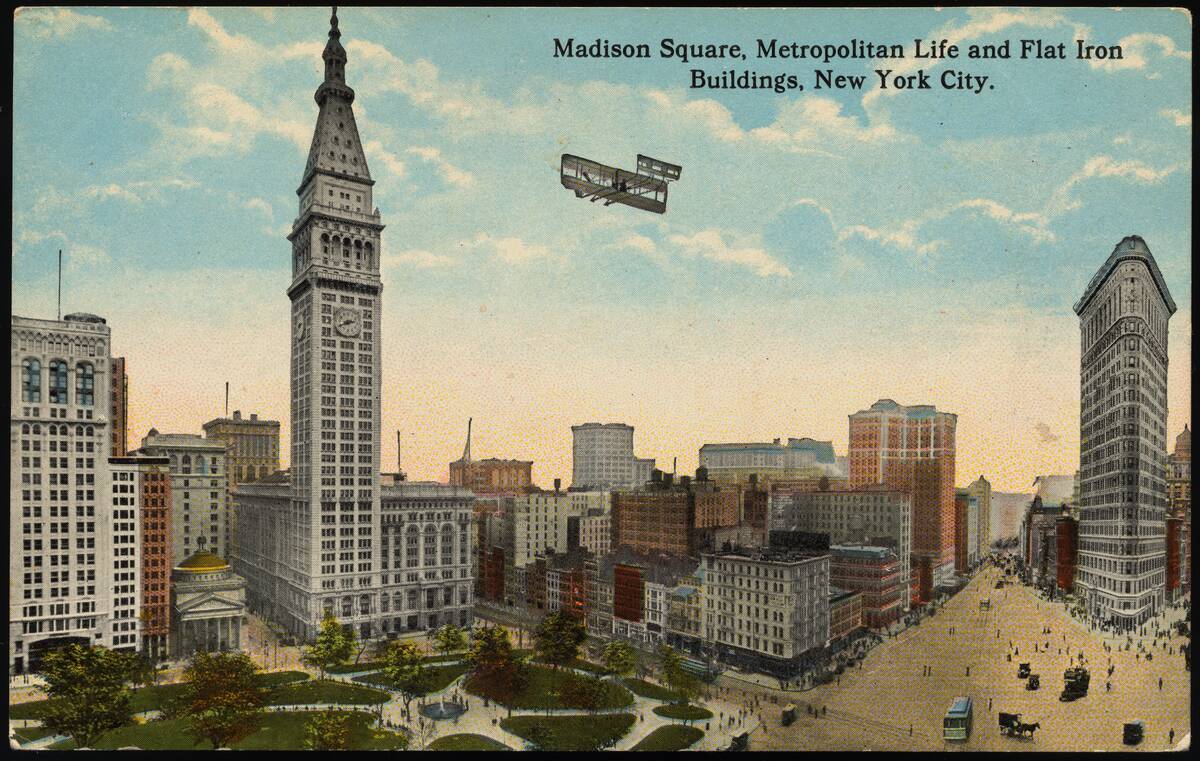
Postcards served as a charming way for travelers to share memories and communicate with friends and family, especially while abroad.
Featuring images of destinations and landmarks, they added a personal touch to travel experiences and often became keepsakes from memorable trips. While they were not typically used for hotel reservations, they helped capture the spirit of travel in the pre-digital era.
How Travel Agents Built Relationships with Hotels
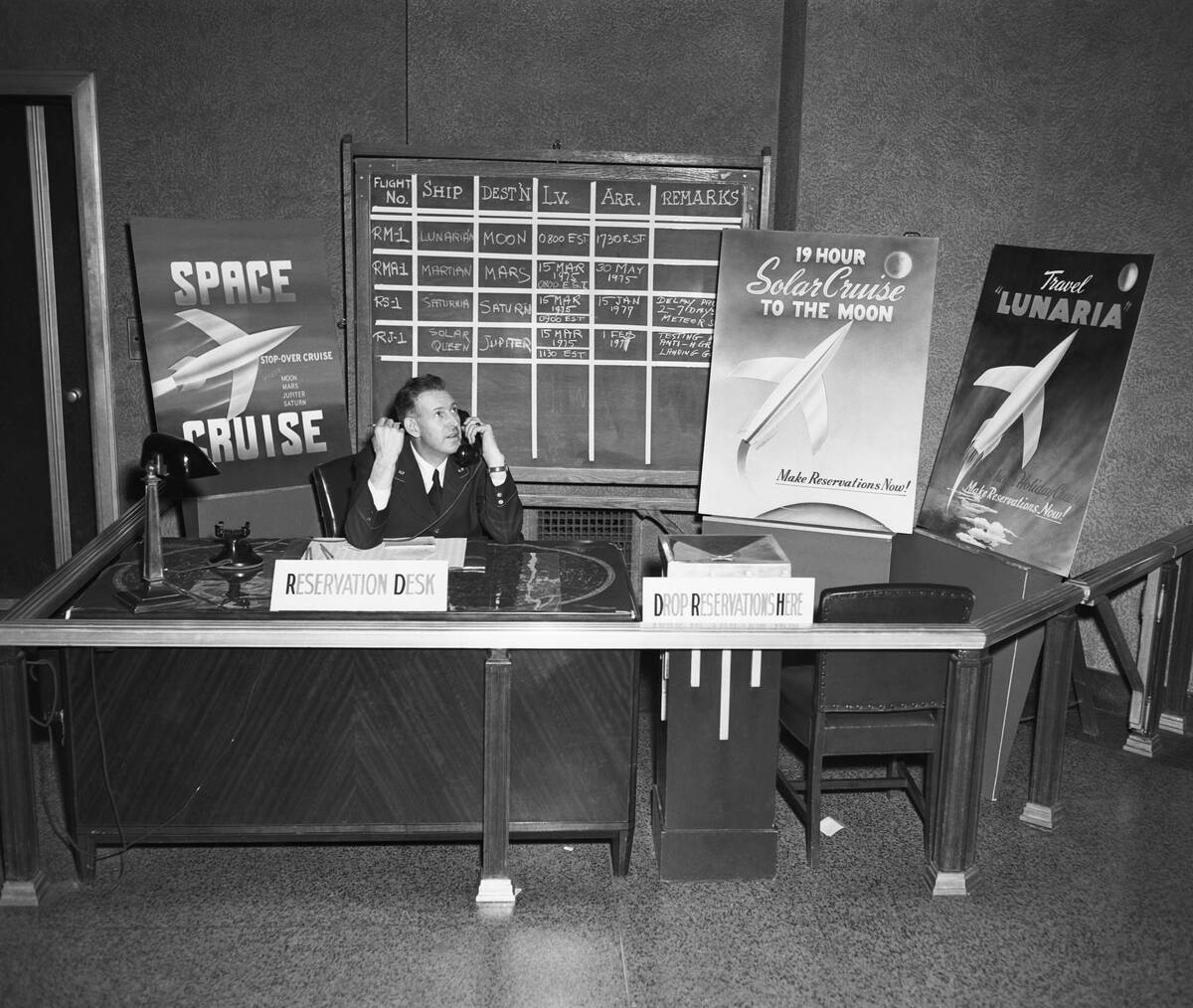
Travel agents cultivated strong relationships with hotels, often visiting properties to ensure quality for their clients.
These partnerships allowed agents to secure special rates and amenities. Hotels valued these relationships, as they provided a steady stream of guests and positive word-of-mouth.
The Significance of Hotel Brochures and Flyers
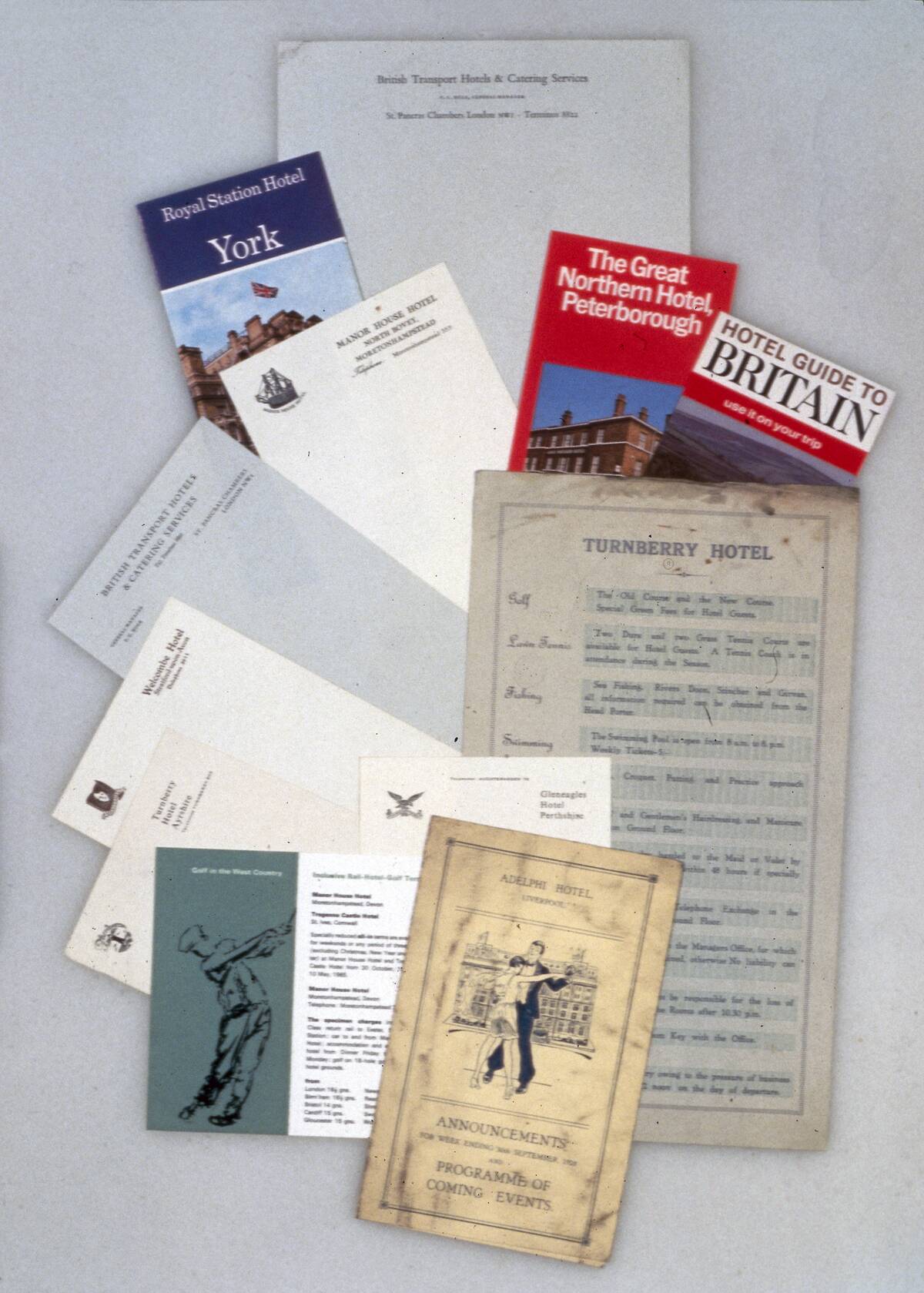
Brochures and flyers were essential marketing tools for hotels, showcasing their amenities and attractions.
Travelers collected these colorful pamphlets from travel agencies and tourist offices. They provided a tangible preview of what to expect, helping travelers make informed choices about where to stay.
The Influence of Travel Clubs and Associations
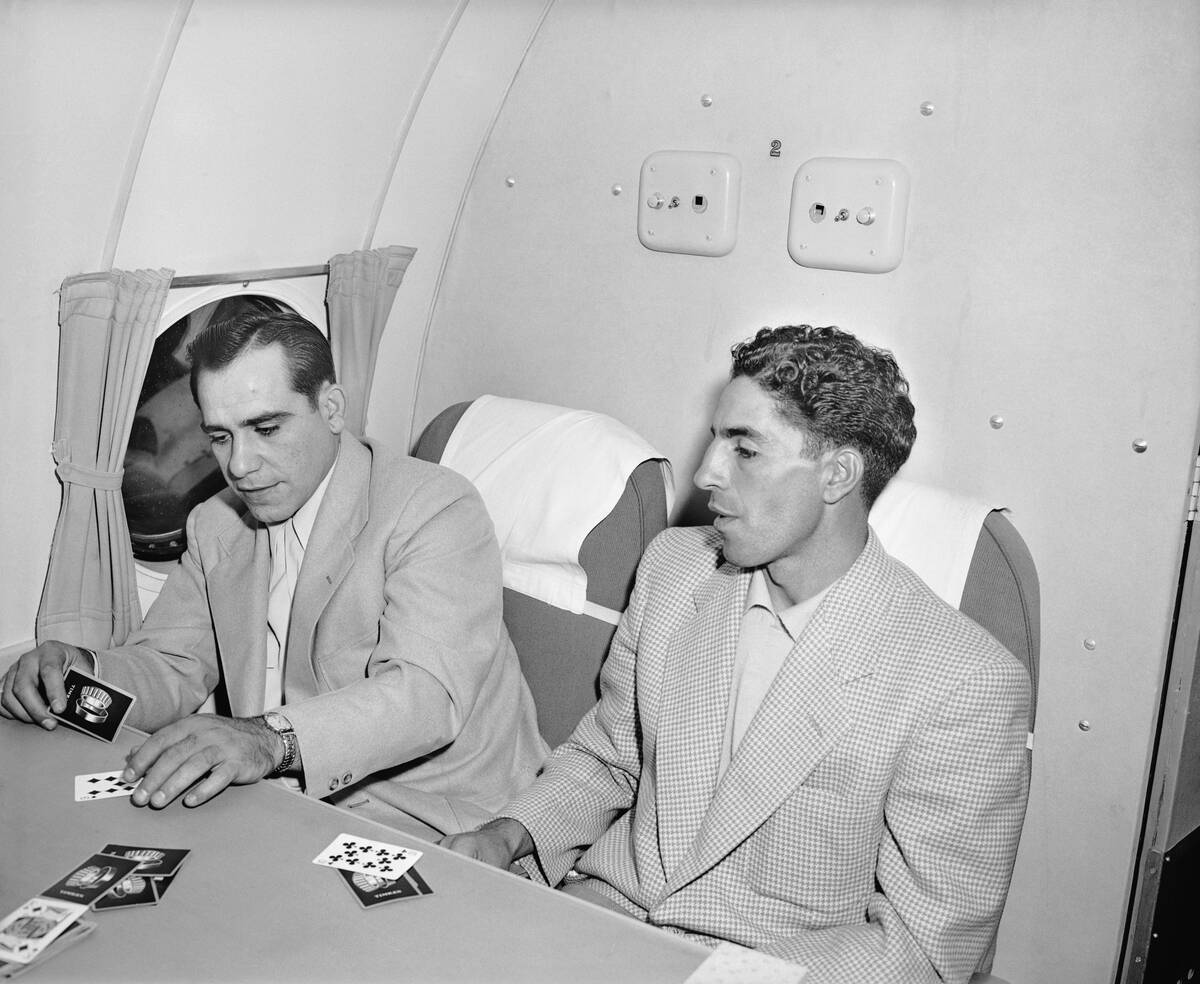
Travel clubs and associations provided members with access to hotel deals and recommendations.
These organizations fostered a sense of community, where travelers shared tips and experiences. Membership often came with perks like discounted rates and other travel benefits.
The Role of Local Tourist Offices in Booking Hotels
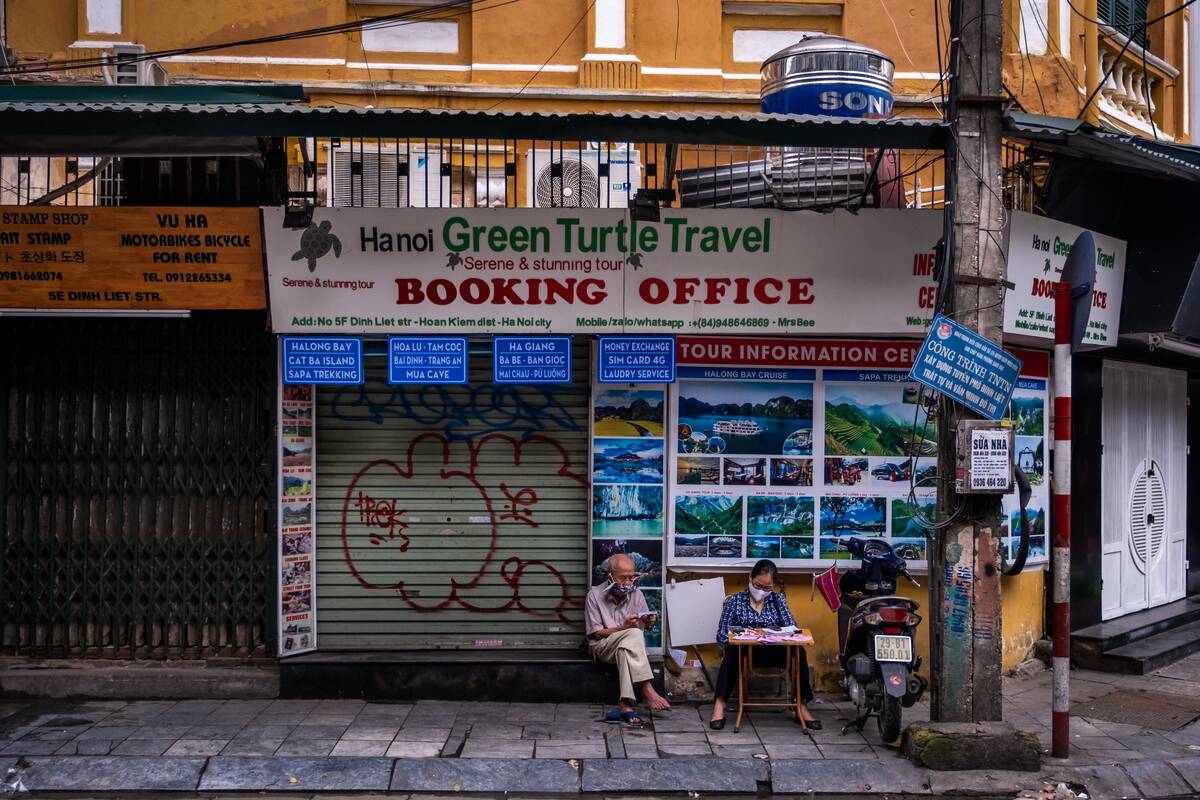
Local tourist offices were invaluable resources for travelers seeking accommodations. They offered up-to-date information on available hotels, often with insider tips on the best places to stay.
Tourist offices provided maps, brochures, and sometimes even booking services, making them a one-stop shop for travel planning.
The Use of Maps and Atlases in Planning Stays
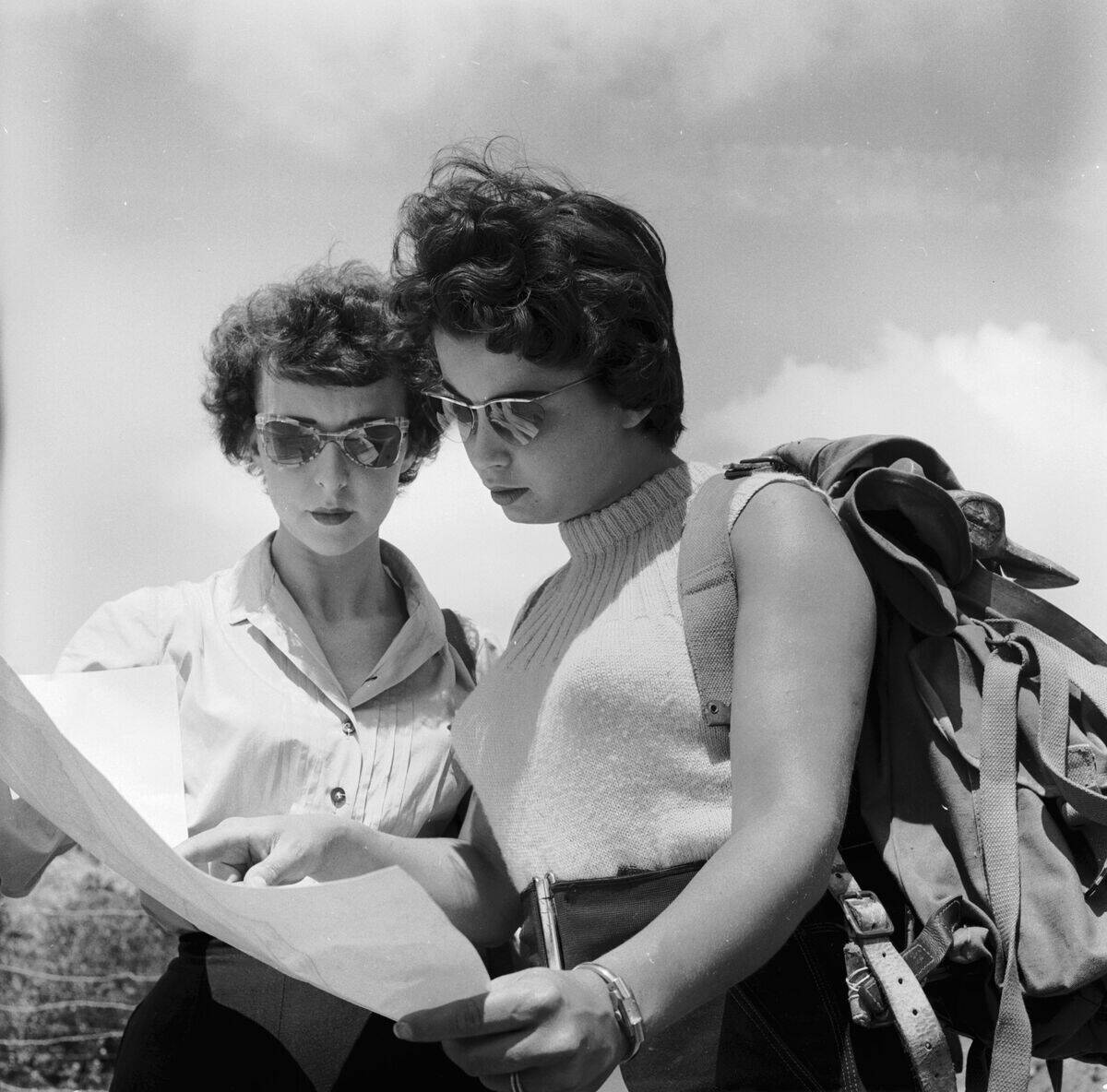
Maps and atlases were essential tools for travelers planning their stays, helping them navigate unfamiliar cities and locate hotels.
These resources provided a visual layout of destinations, allowing travelers to choose accommodations based on proximity to attractions and transportation hubs.
The Advent of Credit Cards and Hotel Reservations
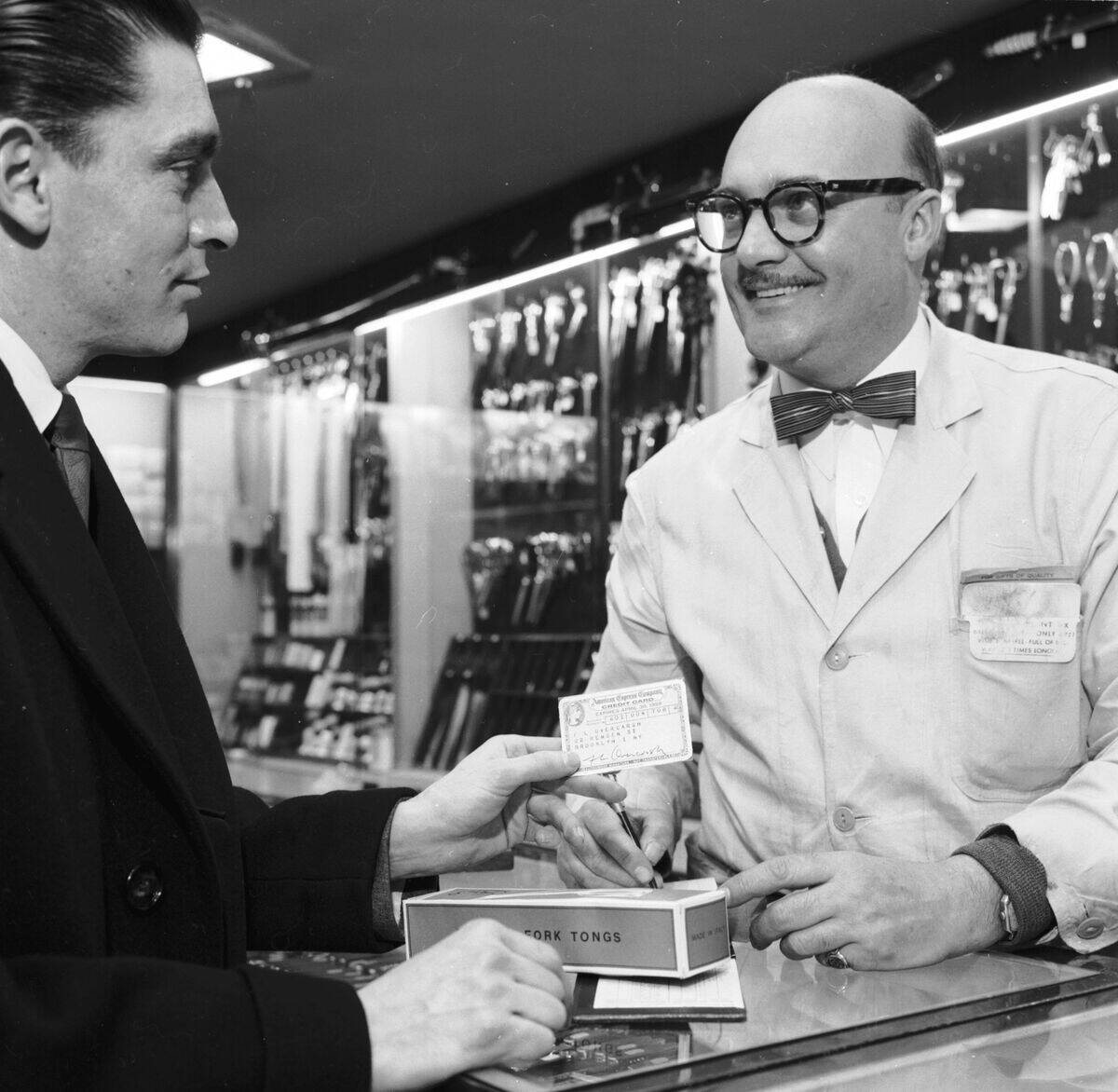
The introduction of credit cards simplified the hotel reservation process, allowing travelers to secure bookings and pay more conveniently.
This innovation reduced the need for cash transactions and provided greater security for both travelers and hotel operators. Credit cards became a standard tool for travel planning and payments.
How Travelers Dealt with Overbookings and Cancellations
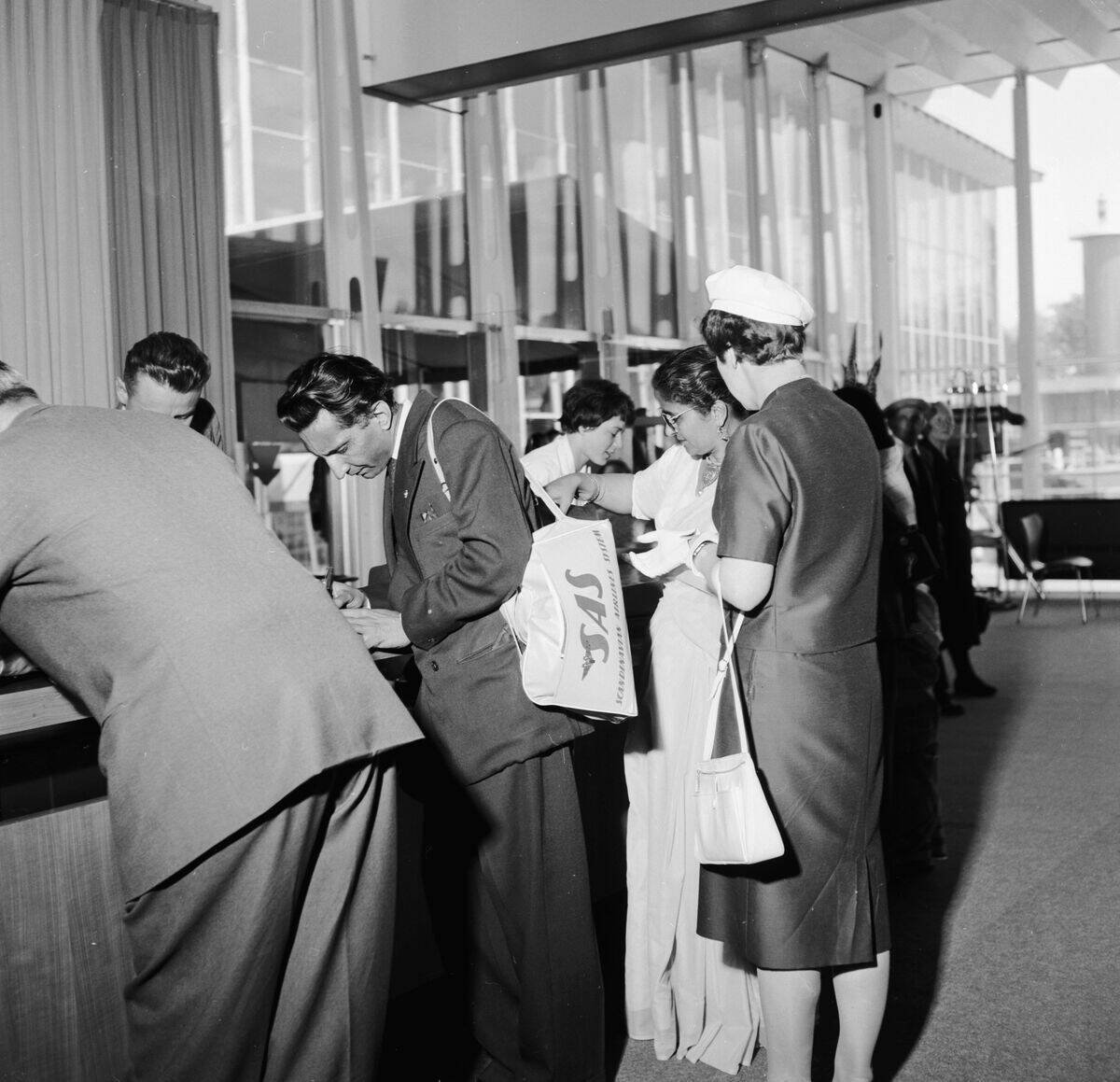
Dealing with overbooking and cancellations required flexibility and patience. Travelers often relied on the assistance of travel agents or hotel staff to find alternative accommodations.
Having a backup plan, such as a list of nearby hotels, was a common strategy to ensure a smooth travel experience.
The Evolution of Loyalty Programs Before the Internet
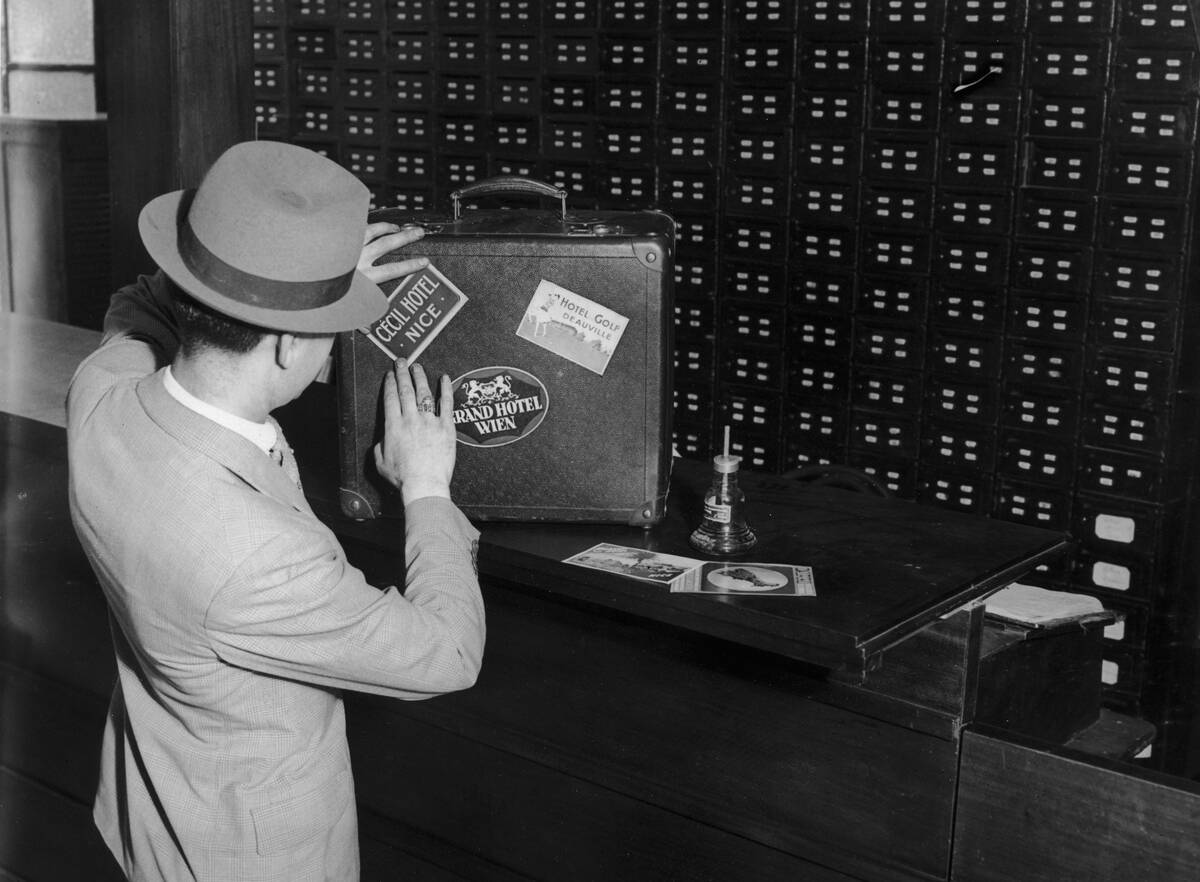
Loyalty programs existed long before the internet, rewarding frequent travelers with perks like free nights, discounts, and upgrades.
Early programs used various methods to track guest stays, including paper records and membership systems, before becoming increasingly computerized. These programs fostered brand loyalty and encouraged repeat visits, laying the groundwork for the sophisticated systems used today.




