Beauty routines before modern cosmetics
Ancient beauty rituals offer a fascinating glimpse into the past, revealing how different cultures approached self-care and aesthetics. From Cleopatra’s legendary beauty secrets to the natural remedies of Native American tribes, these practices were deeply rooted in the resources available and the cultural beliefs of the time.
They not only highlight the universal desire for beauty but also the innovative ways in which people utilized nature’s bounty to enhance their appearance.
Cleopatra’s Secret: The Allure of Kohl Eyeliner
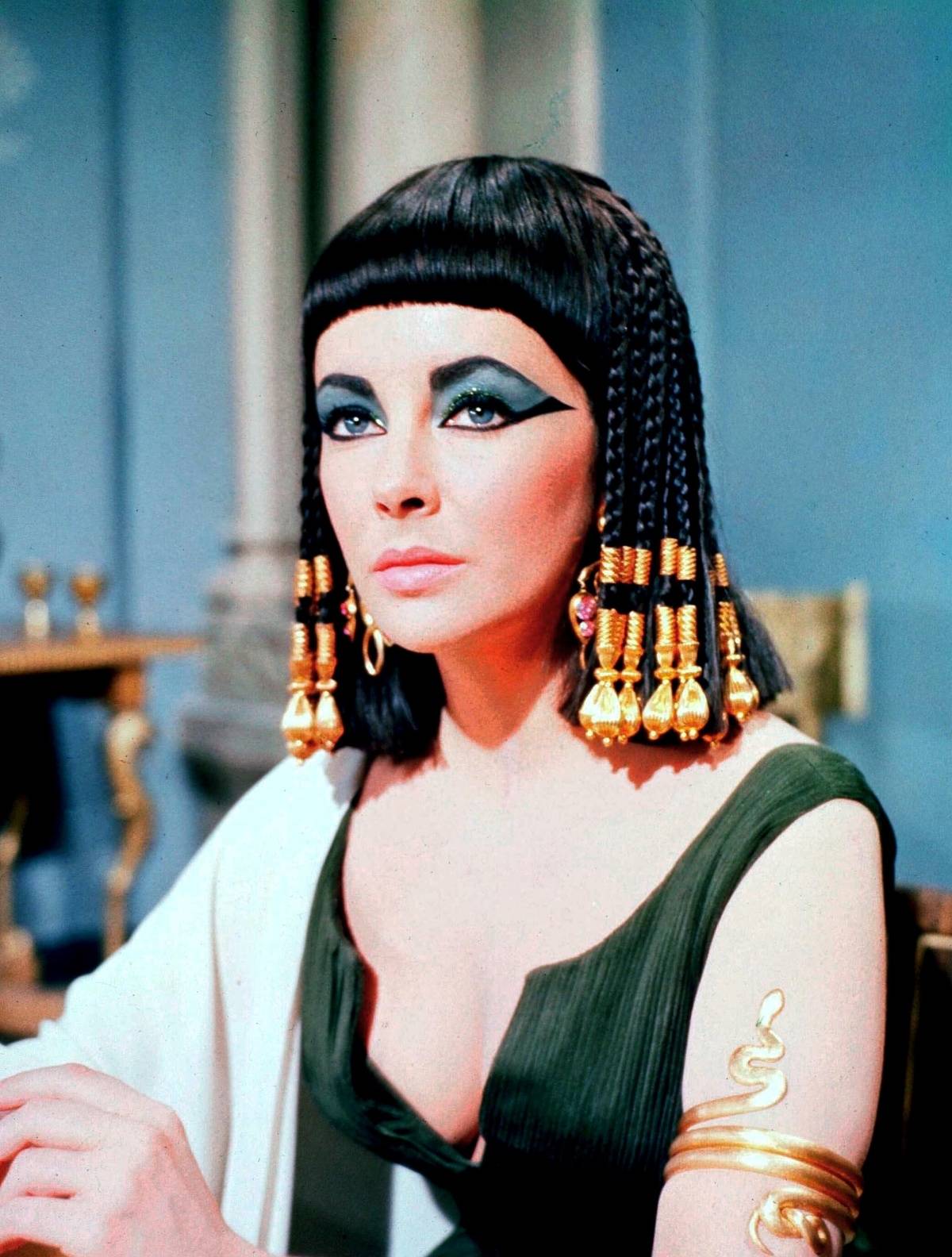
Cleopatra’s beauty is legendary, and ancient Egyptian eye makeup has long been associated with her image. Kohl, an ancient cosmetic made from minerals such as galena (lead sulfide) and other ingredients, was applied around the eyes to create a dramatic look.
Beyond aesthetics, kohl held cultural and symbolic significance in ancient Egypt and may have offered some protective benefits for eye health. The dramatic eye styles associated with Cleopatra continue to inspire modern beauty trends.
The Magic of Milk and Honey: Cleopatra’s Bath Ritual
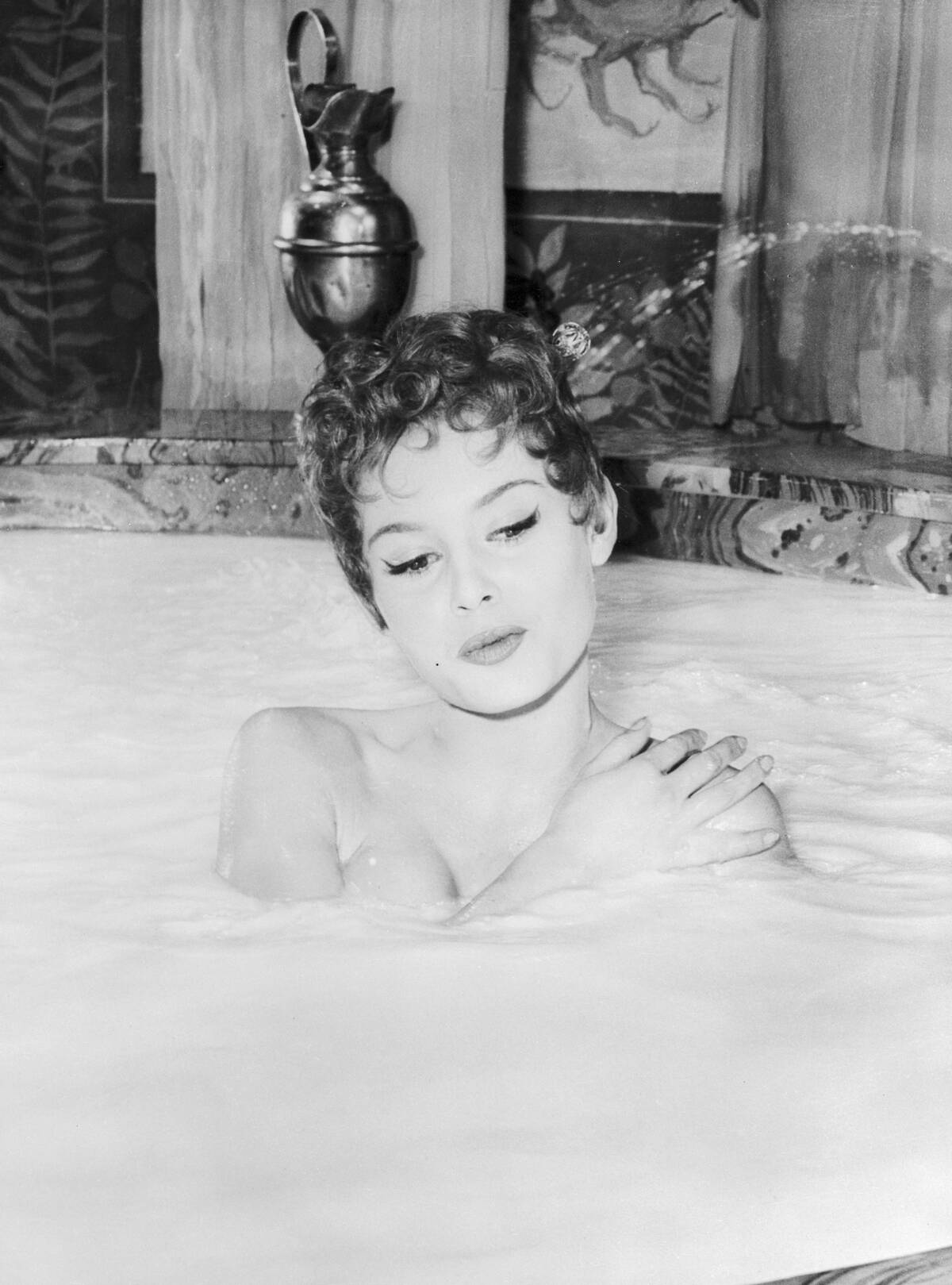
Cleopatra’s bathing ritual is often said to have involved milk and honey to nourish and soften the skin, although historical evidence for this specific practice is limited. The lactic acid in milk acts as a gentle exfoliant, while honey provides hydration and antibacterial properties.
Milk and honey treatments have long been associated with luxury skincare, and their appeal continues today, with many people still enjoying this type of beauty treatment.
Ancient Egyptian Rouge: Red Ochre for Rosy Cheeks
In ancient Egypt, red ochre was used as a cosmetic pigment to add color to the cheeks and lips.
This natural pigment, derived from iron oxide, was ground into a powder and mixed with substances such as water or oils to create a cosmetic paste. Egyptians used cosmetics for beauty, personal care, and cultural practices, with some elaborate cosmetic traditions reflecting social status and wealth.
The Power of Olive Oil: Greece’s Timeless Beauty Elixir
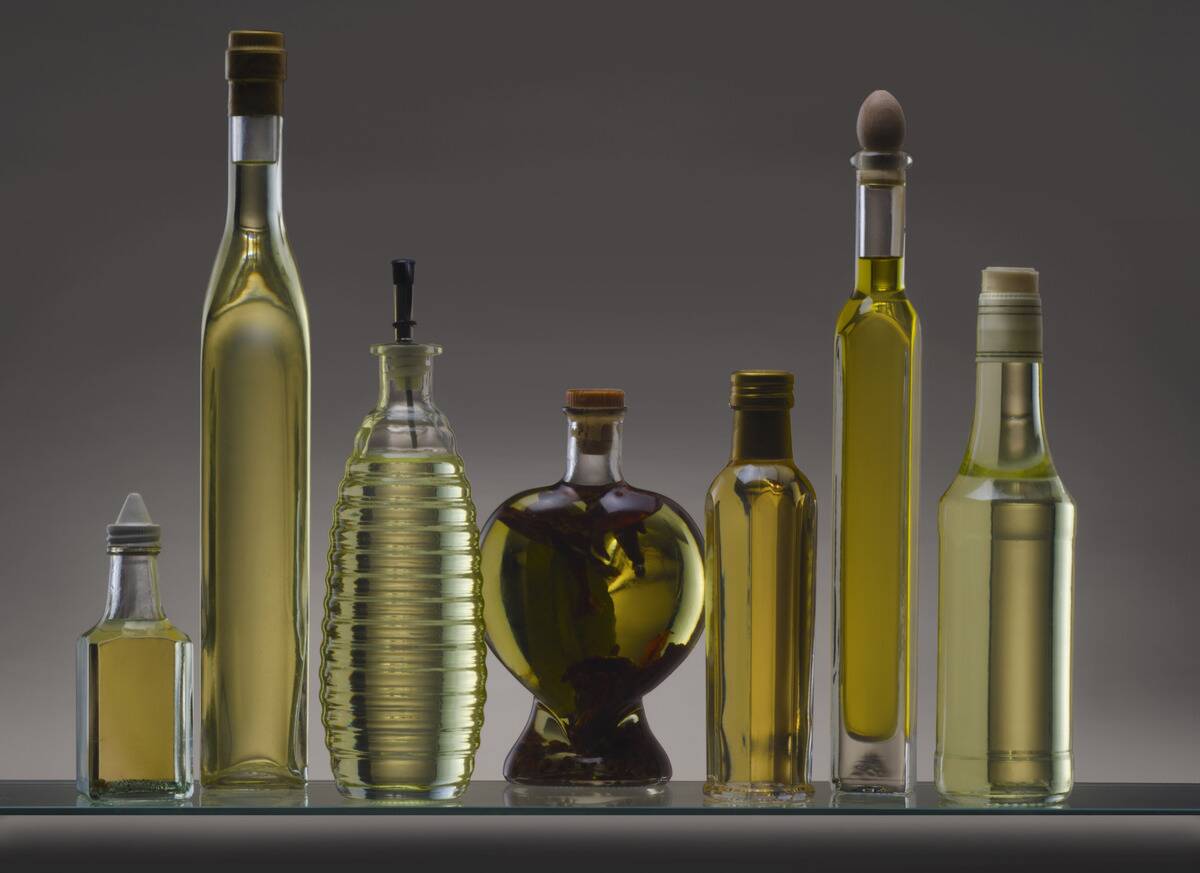
Olive oil was an important part of ancient Greek beauty routines, valued for its moisturizing and nourishing properties. Used in skin and hair care, olive oil was associated with maintaining a healthy appearance.
Rich in antioxidants and healthy fats, it continues to be used in modern skincare products, where it is appreciated for its moisturizing qualities and versatility.
Roman Beauty: The Art of Lead-Based Face Powder
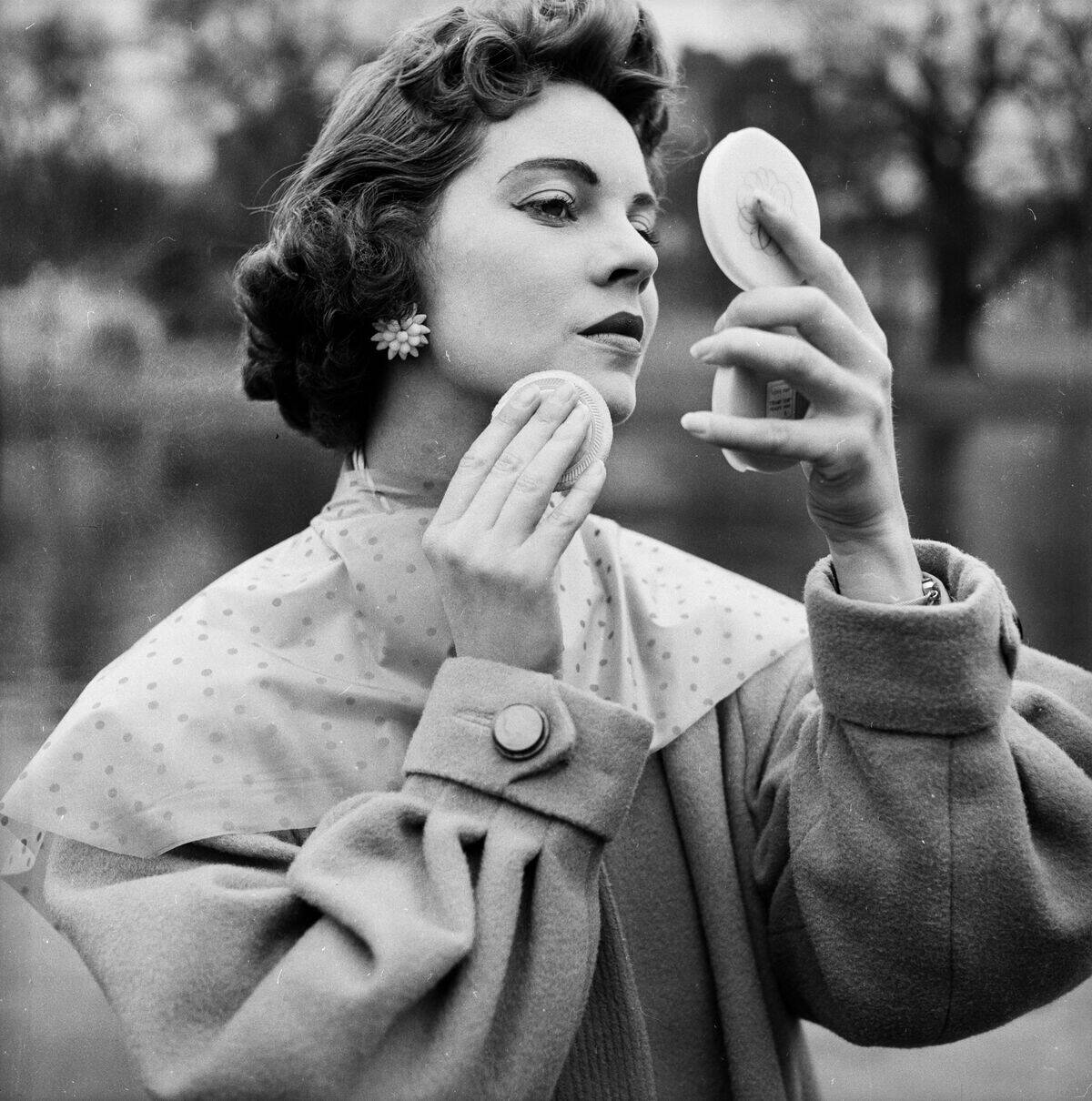
In ancient Rome, a pale complexion was often associated with beauty and social status, leading to the use of cosmetics such as lead-based face powder. Made from white lead compounds, these cosmetics were applied to create a lighter appearance.
However, prolonged exposure to lead could cause serious health problems. Despite the risks, the desire for a fair complexion remained a common beauty ideal in Roman society.
Chinese Pearl Powder: A Radiant Complexion Secret
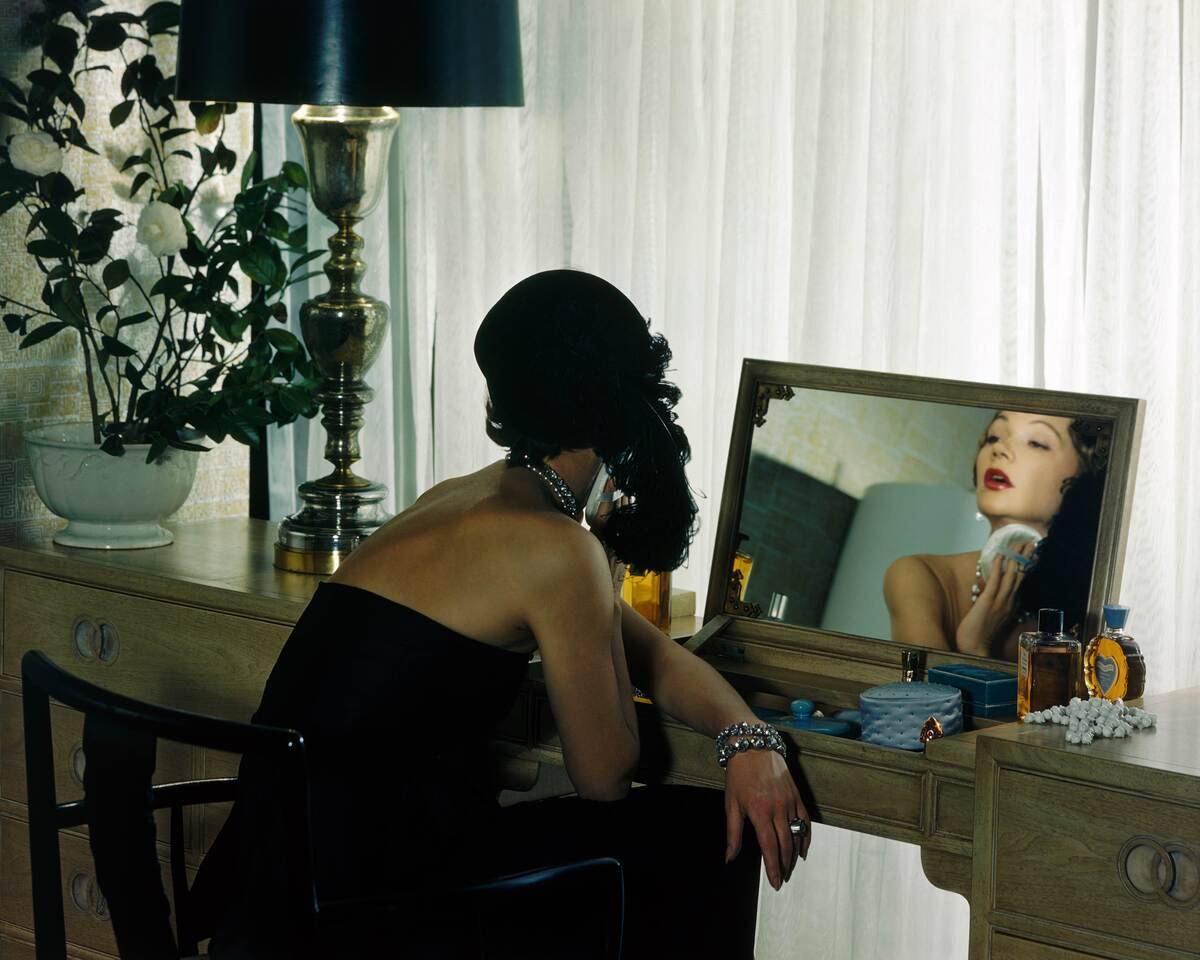
Pearl powder has been used in China for centuries as part of traditional beauty and wellness practices. Made from finely ground pearls, the powder was believed to enhance the complexion and promote skin health.
Containing minerals such as calcium carbonate and small amounts of amino acids, pearl powder was used both in cosmetics and traditional medicine. Today, it remains a popular ingredient in some skincare products, valued for its historical associations with beauty and radiance.
Turmeric and Saffron: India’s Golden Glow Ingredients
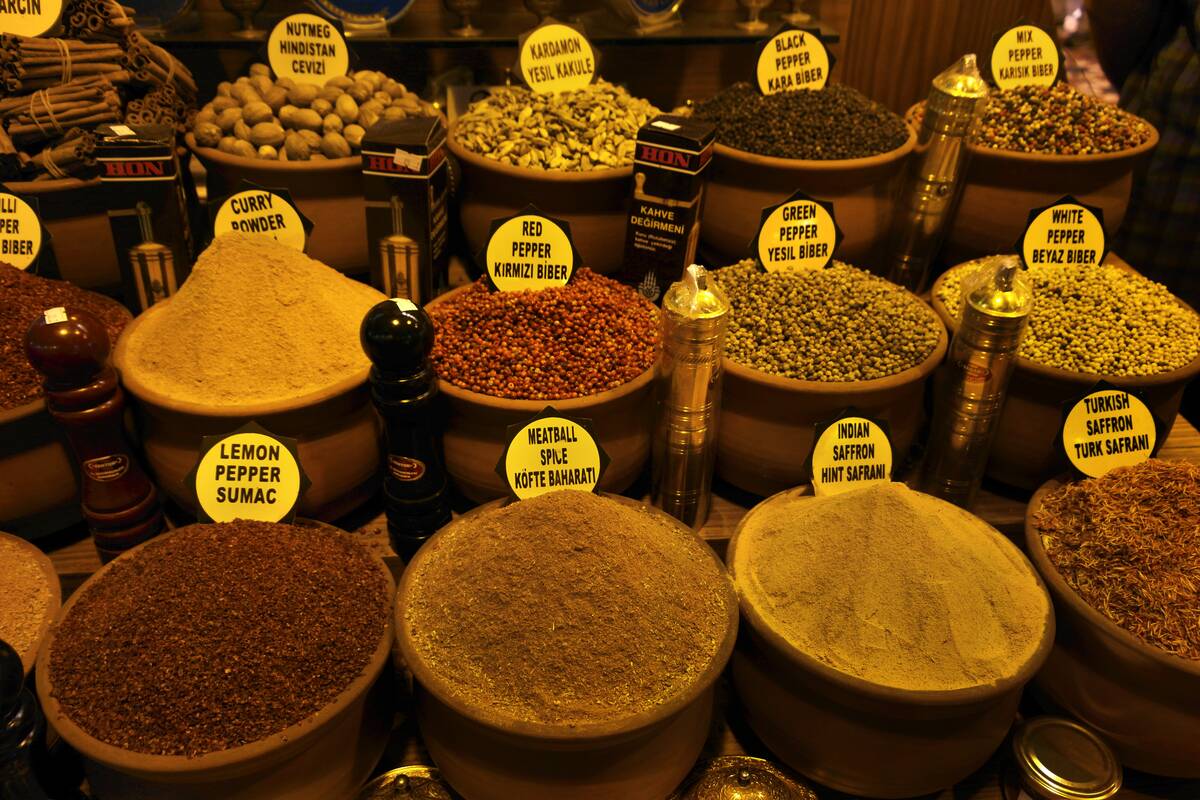
In India, turmeric and saffron have long been valued in traditional beauty practices. Turmeric, containing curcumin with anti-inflammatory and antioxidant properties, has been used in skincare preparations, while saffron has been valued for its traditional cosmetic uses.
These ingredients are often combined in face masks and pastes, including those used in traditional bridal beauty rituals. Their enduring popularity reflects their cultural significance and long history in skincare traditions.
Native American Botanicals: The Natural Approach to Skincare
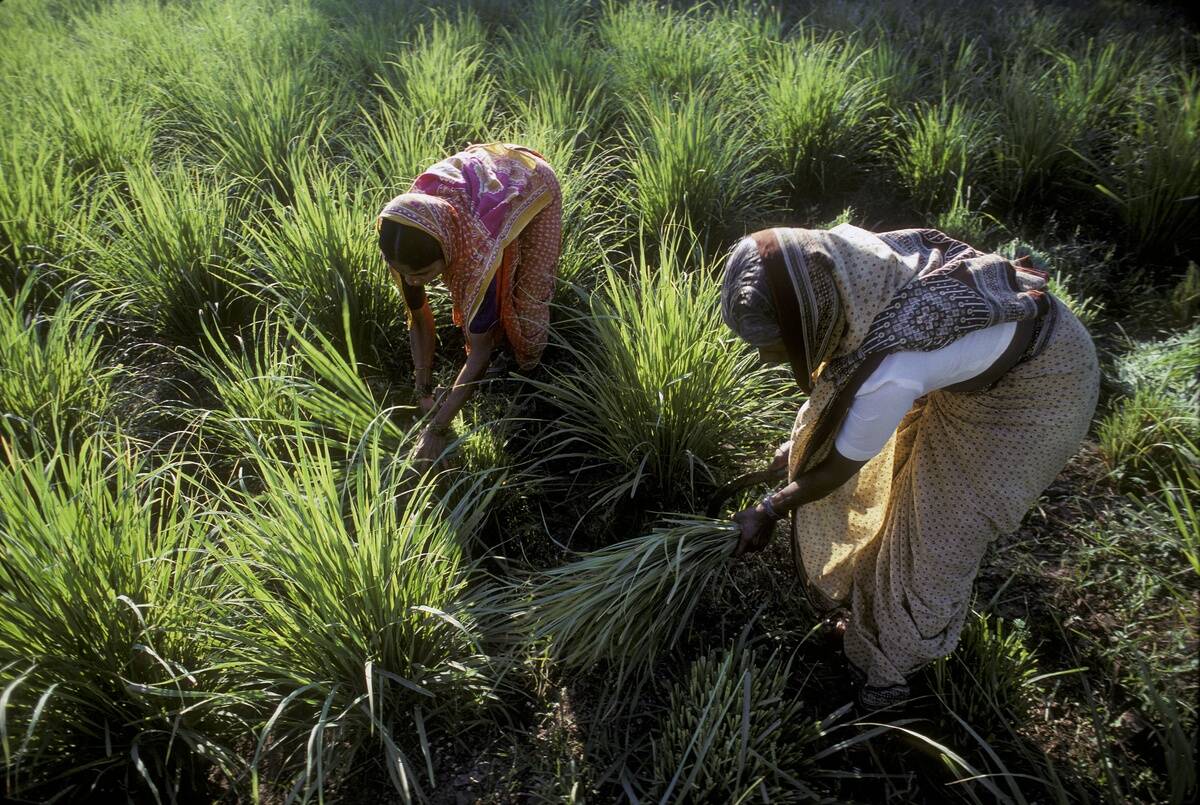
Many Native American tribes have traditionally used botanical ingredients for medicinal and personal care practices.
Plants such as yucca and sage were used by some Indigenous groups for cleansing and healing purposes, with knowledge of these plants often passed down through generations. These traditions reflected both practical uses of natural resources and cultural relationships with the environment.
The Medieval Love for Rose Water: Fragrance and Freshness
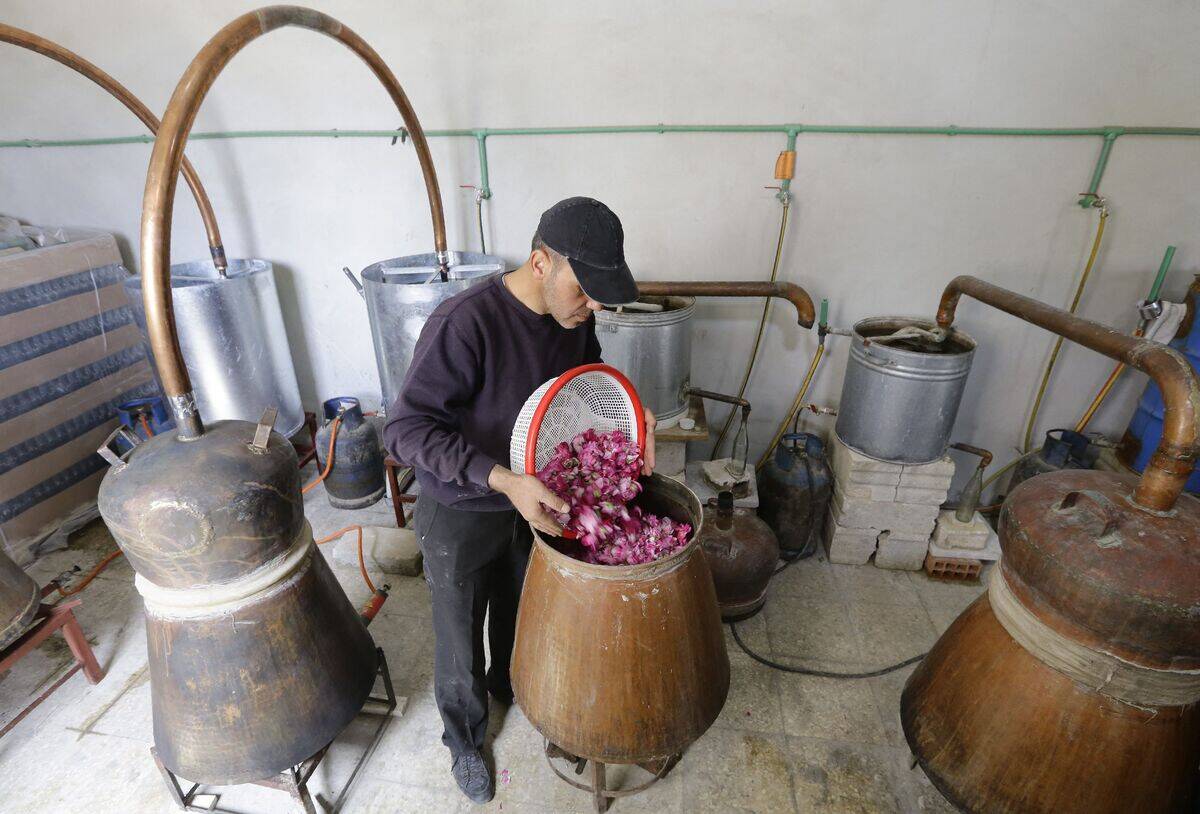
In medieval times and earlier periods, rose water was valued for its fragrance and refreshing qualities.
Made by distilling rose petals, this aromatic water was used as a perfume, cosmetic ingredient, and in personal care practices. Its soothing properties and delicate scent have helped it remain a popular ingredient in beauty rituals today.
Elizabethan Era’s Egg White Masks: The Quest for Youthful Skin
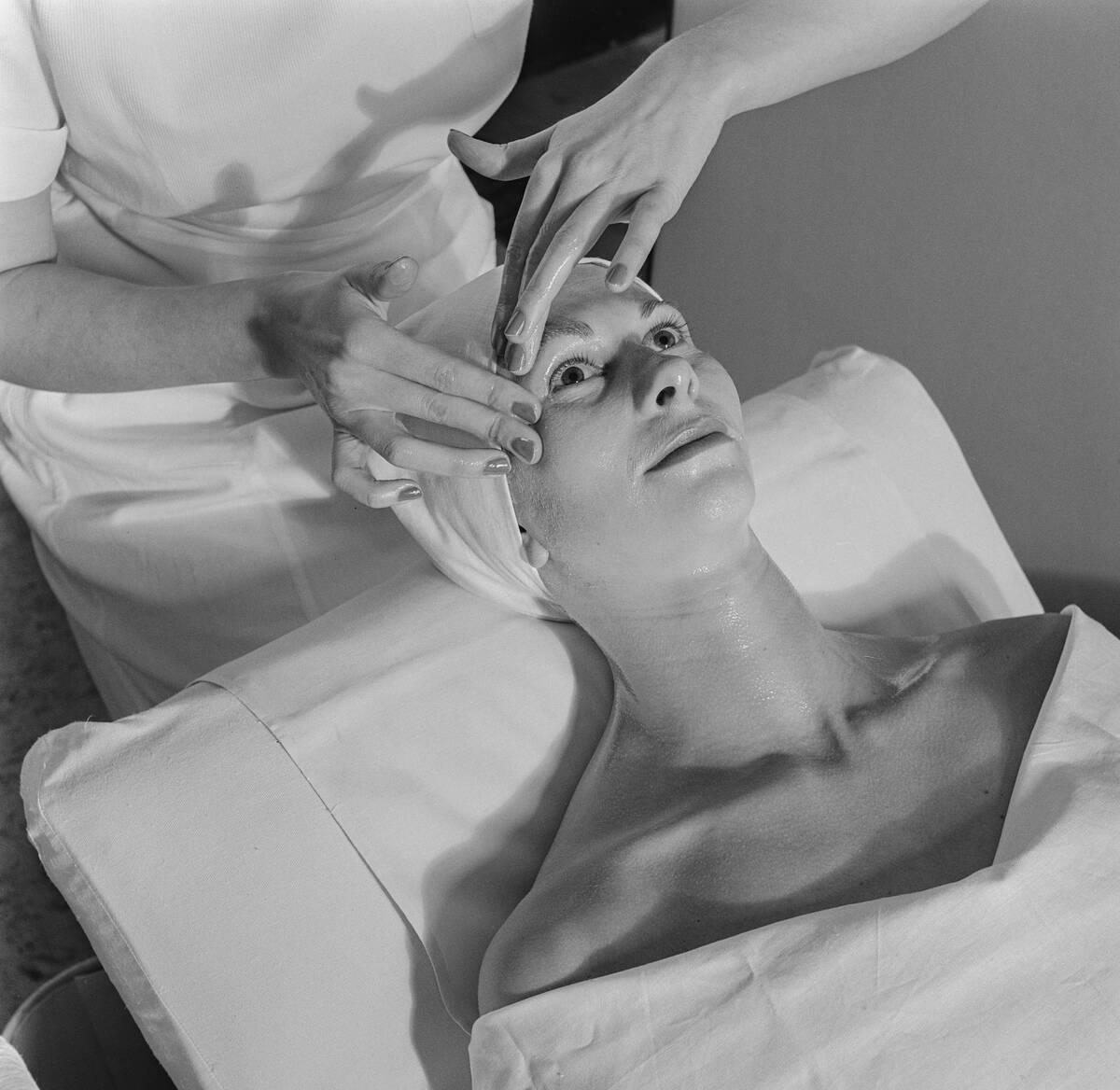
In the Elizabethan era, various natural ingredients were used in beauty practices, and egg whites were among the substances used in some skincare traditions. When applied to the skin, egg whites could create a temporary tightening effect as they dried.
This type of beauty ritual reflects the long-standing human interest in maintaining a youthful appearance throughout history.
The Victorian Era’s Belladonna Drops: Beauty with a Risk
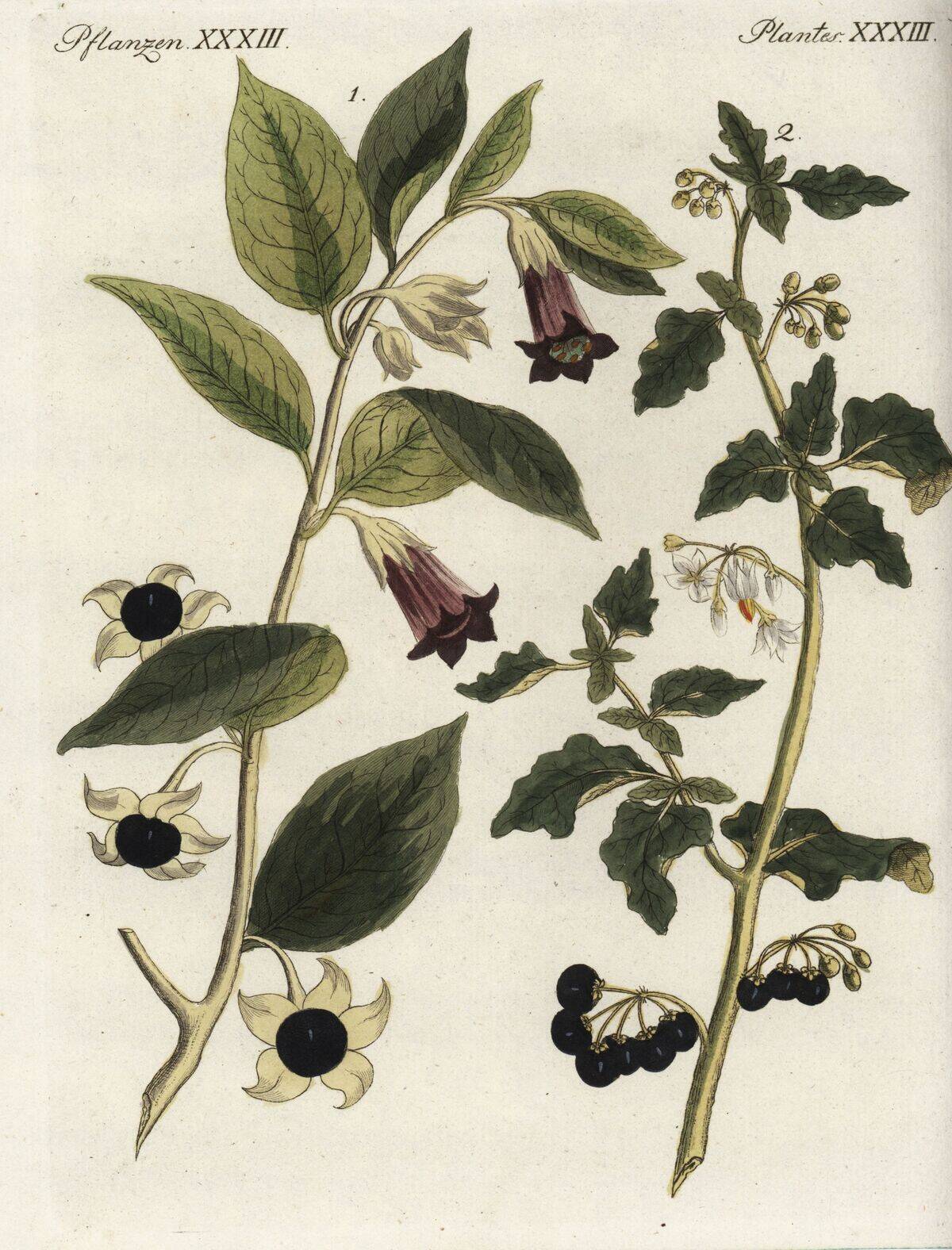
In the Victorian era, belladonna drops were sometimes used to dilate pupils, creating a larger-eyed appearance that was considered attractive by some.
Derived from the deadly nightshade plant, these drops contained toxic compounds that could cause serious health effects, including vision problems. Although the extent of their cosmetic use is debated, the practice reflects the risks some people have taken in pursuit of beauty ideals.
The Use of Henna: A Timeless Tradition Across Cultures
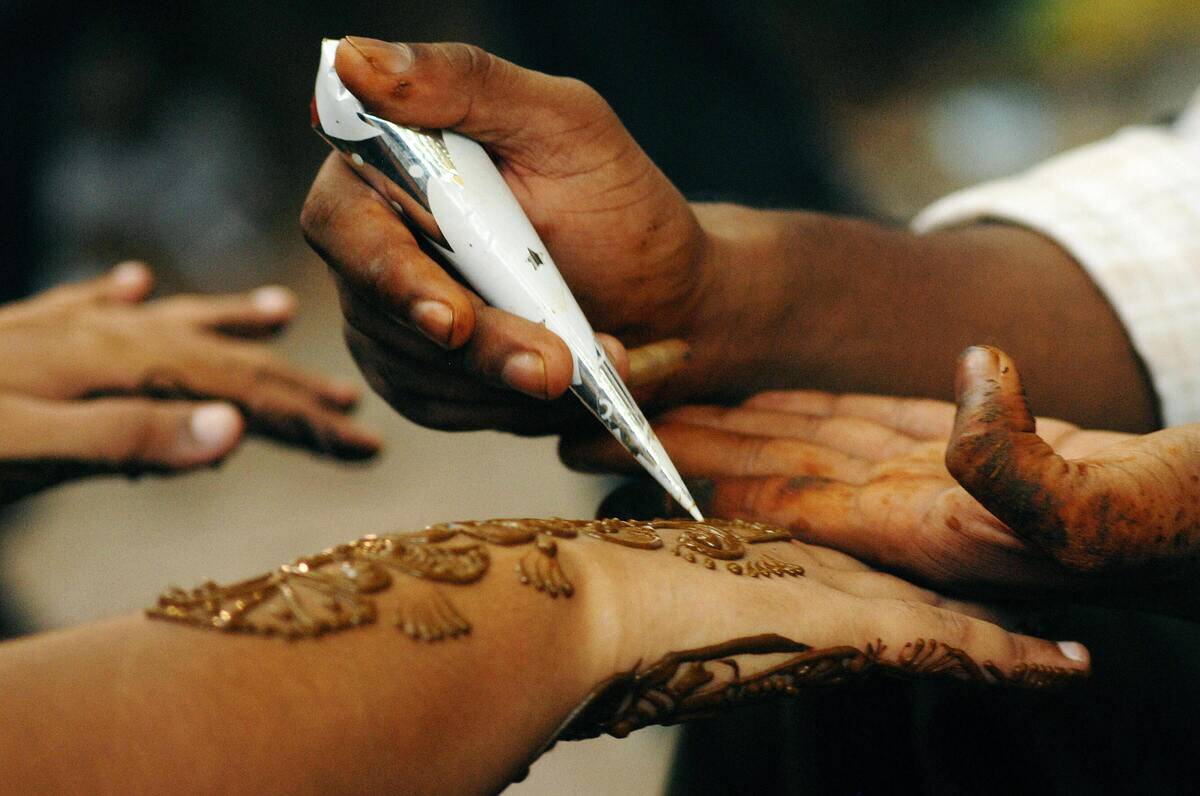
Henna has been used for centuries across various cultures for body art and hair coloring. Derived from the henna plant, its natural dye imparts a rich, reddish-brown hue.
In many traditions, henna is applied during celebrations and rites of passage, symbolizing joy and beauty. Its versatility and cultural significance have made henna a timeless beauty ritual, cherished for its ability to adorn the body with intricate designs.
Indigenous Clay Masks: Earth’s Natural Purifiers
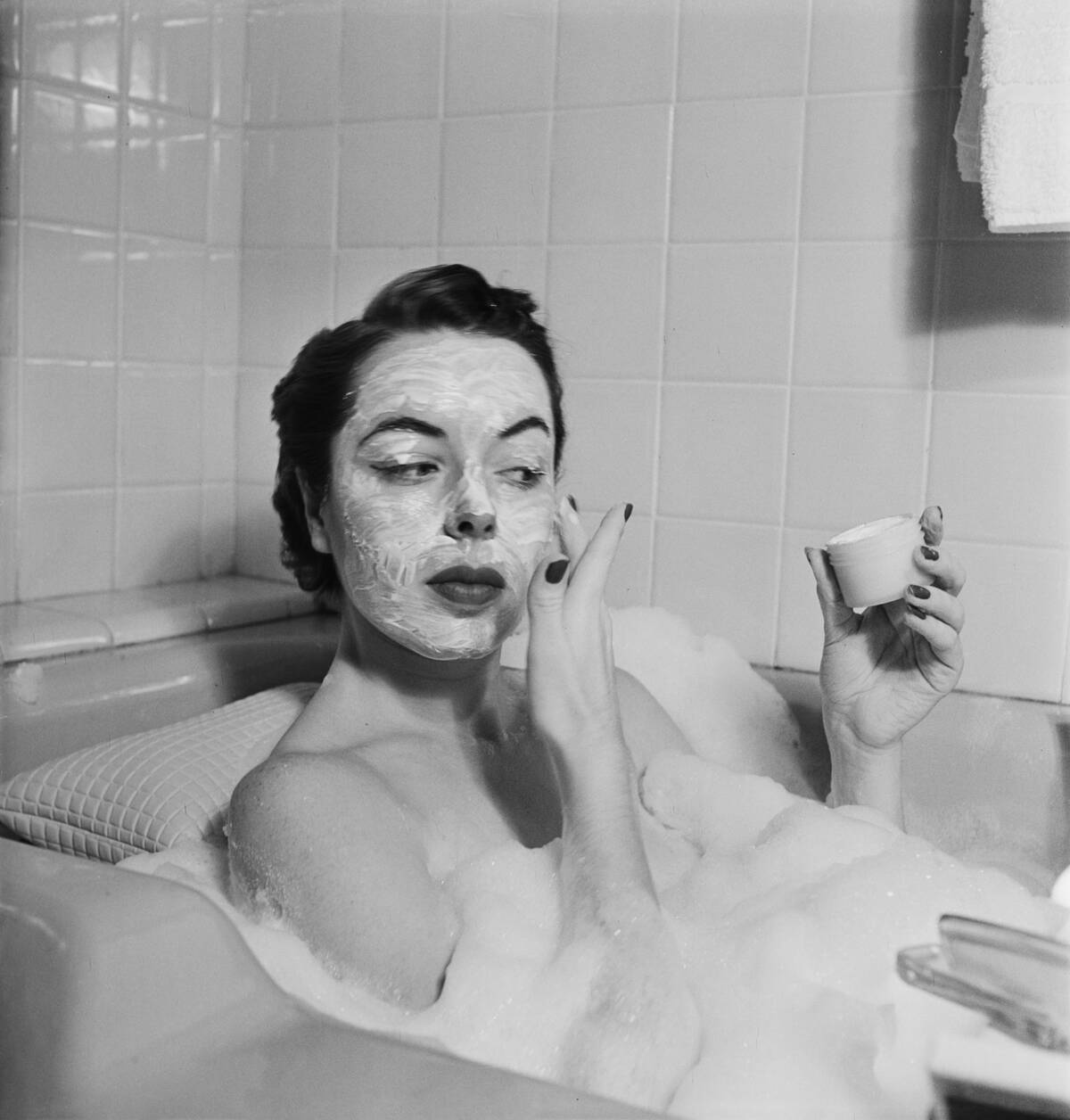
Clay masks have been used in many cultures for cosmetic and cleansing purposes. Mineral-rich clays such as bentonite and kaolin are valued for their ability to absorb excess oil and help cleanse the skin’s surface.
These masks have long been incorporated into beauty and personal care practices, and they remain popular today as part of many skincare routines.
The Allure of Beeswax: Ancient Lip Balm and Beyond
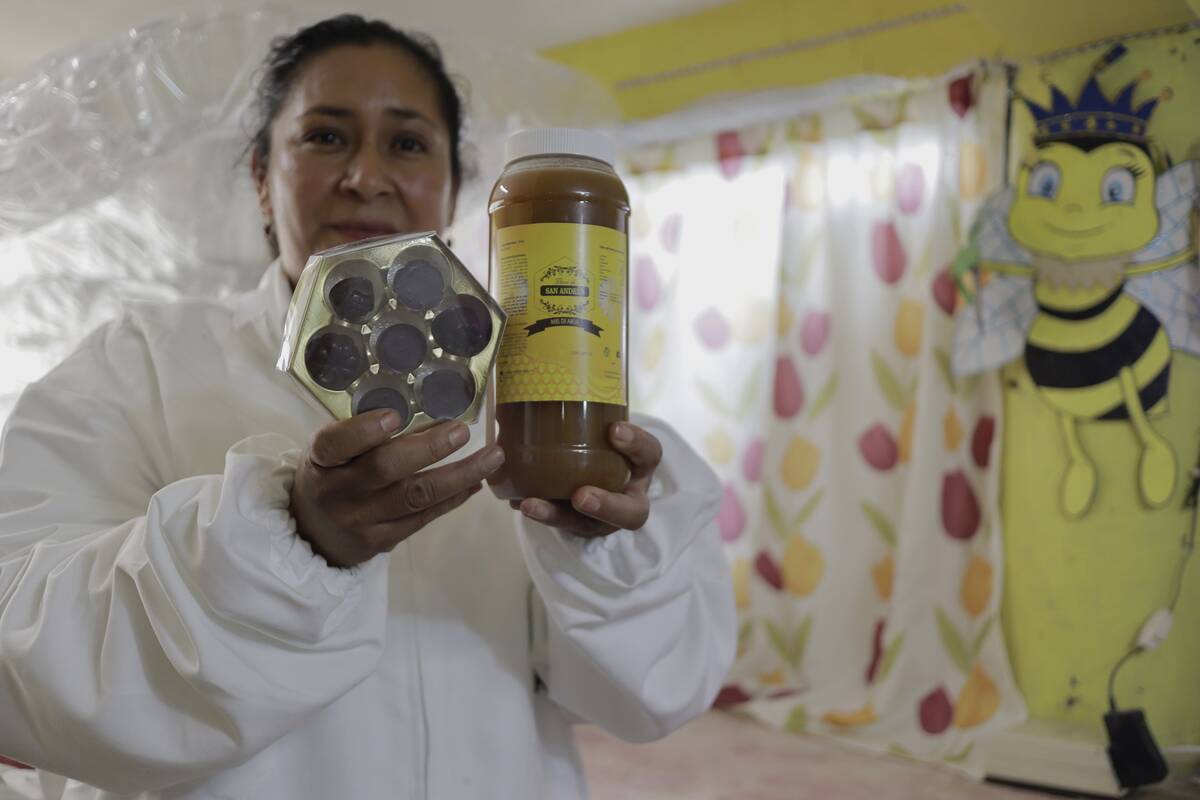
Beeswax has been a treasured ingredient in beauty products for centuries, known for its moisturizing and protective qualities. Used in lip balms, creams, and ointments, beeswax helps seal in moisture and create a barrier against environmental elements.
Its natural emollient properties have made it a favorite in skincare, providing a smooth and nourishing texture. The enduring allure of beeswax lies in its ability to enhance and protect the skin naturally.
The Role of Herbs and Flowers: Nature’s Own Cosmetic Cabinet
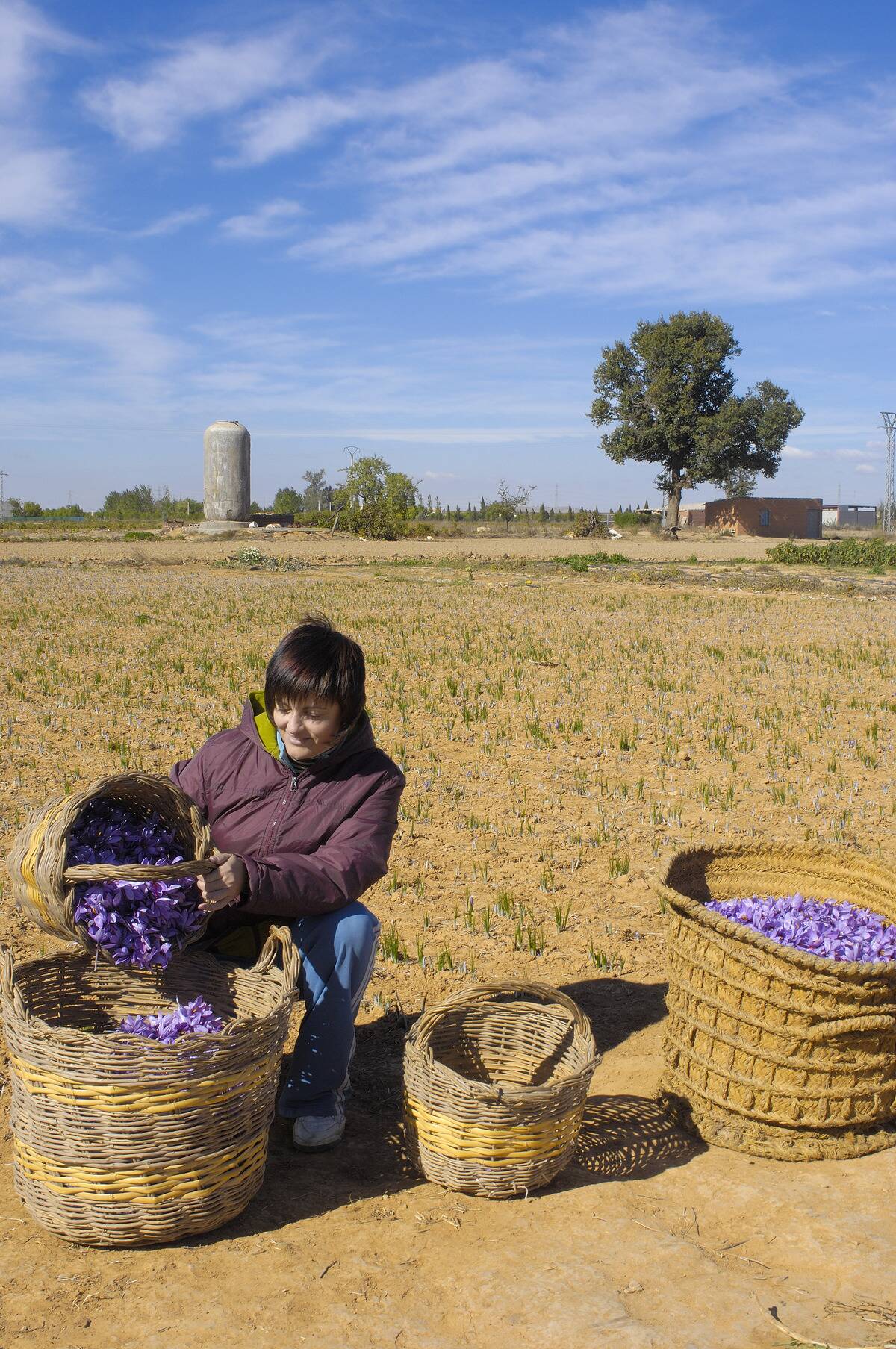
Herbs and flowers have long been used in beauty rituals for their healing and beautifying properties. Lavender, chamomile, and rosemary are just a few examples of botanicals that have been incorporated into skincare and haircare. These natural ingredients offer a range of benefits, from soothing irritation to adding shine and fragrance. The use of herbs and flowers in beauty routines reflects a deep connection to nature and a desire to harness its power for self-care.




