The weirdest laws in history that actually existed
Dive into the fascinating realm of historical laws, where the rules of yesteryear often leave us scratching our heads. These peculiar laws, once enforced with utmost seriousness, now serve as amusing anecdotes from the past.
From armor bans to beard taxes, these regulations reflect the unique cultural and societal norms of their time. Join us as we go through some of the quirkiest laws that history has to offer, each with its own curious backstory.
The Bizarre Ban on Wearing Armor in Parliament
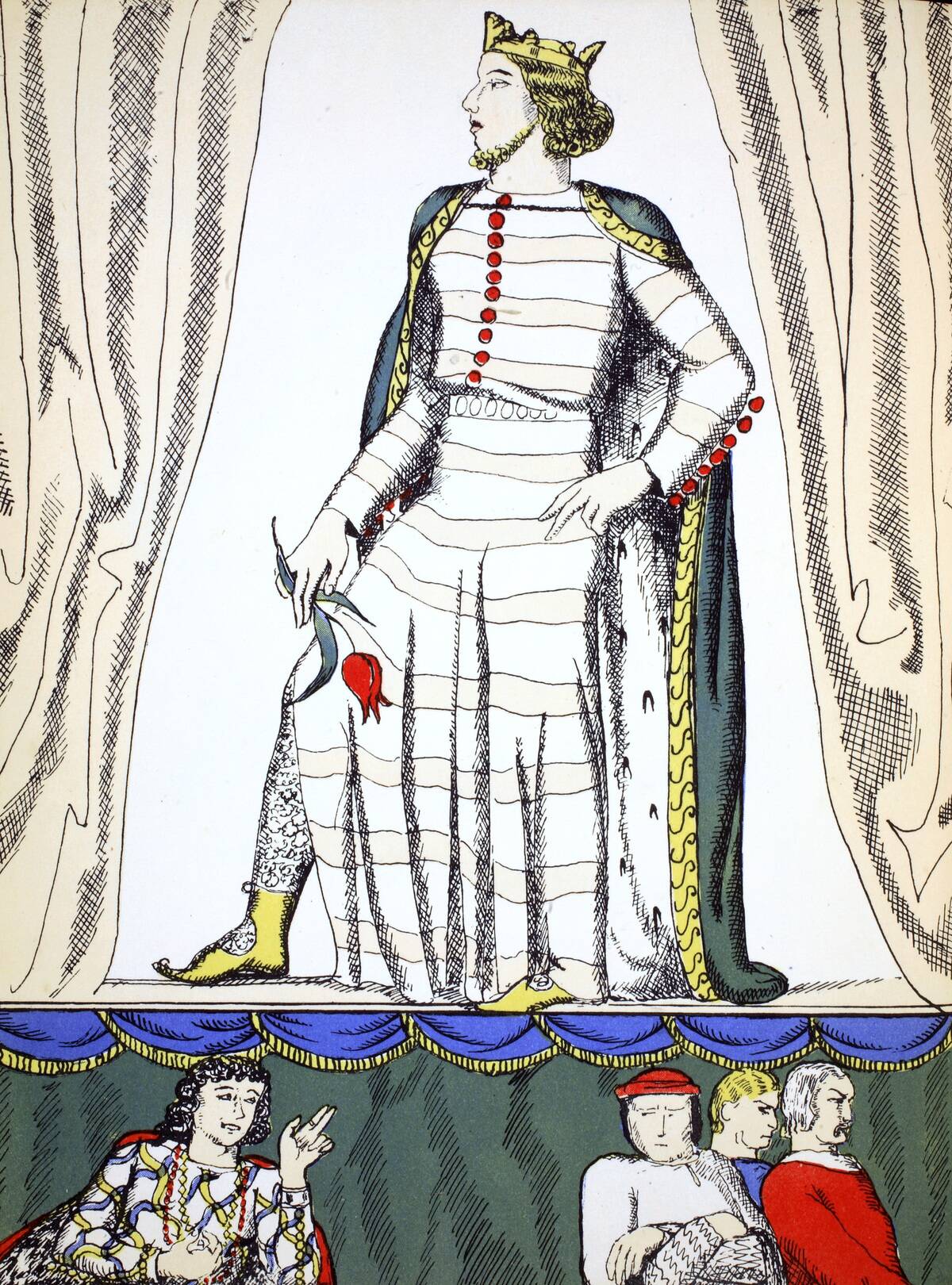
In 1313, King Edward II of England issued a decree prohibiting the wearing of armor in Parliament. This law aimed to prevent intimidation and violence during debates, ensuring that discussions remained civil.
Despite its medieval origins, this law is technically still in effect today, although it’s unlikely to be enforced. The idea of politicians donning chainmail to argue their points is both amusing and a testament to the colorful history of legislative decorum.
The Peculiar Prohibition of Chewing Gum in Singapore
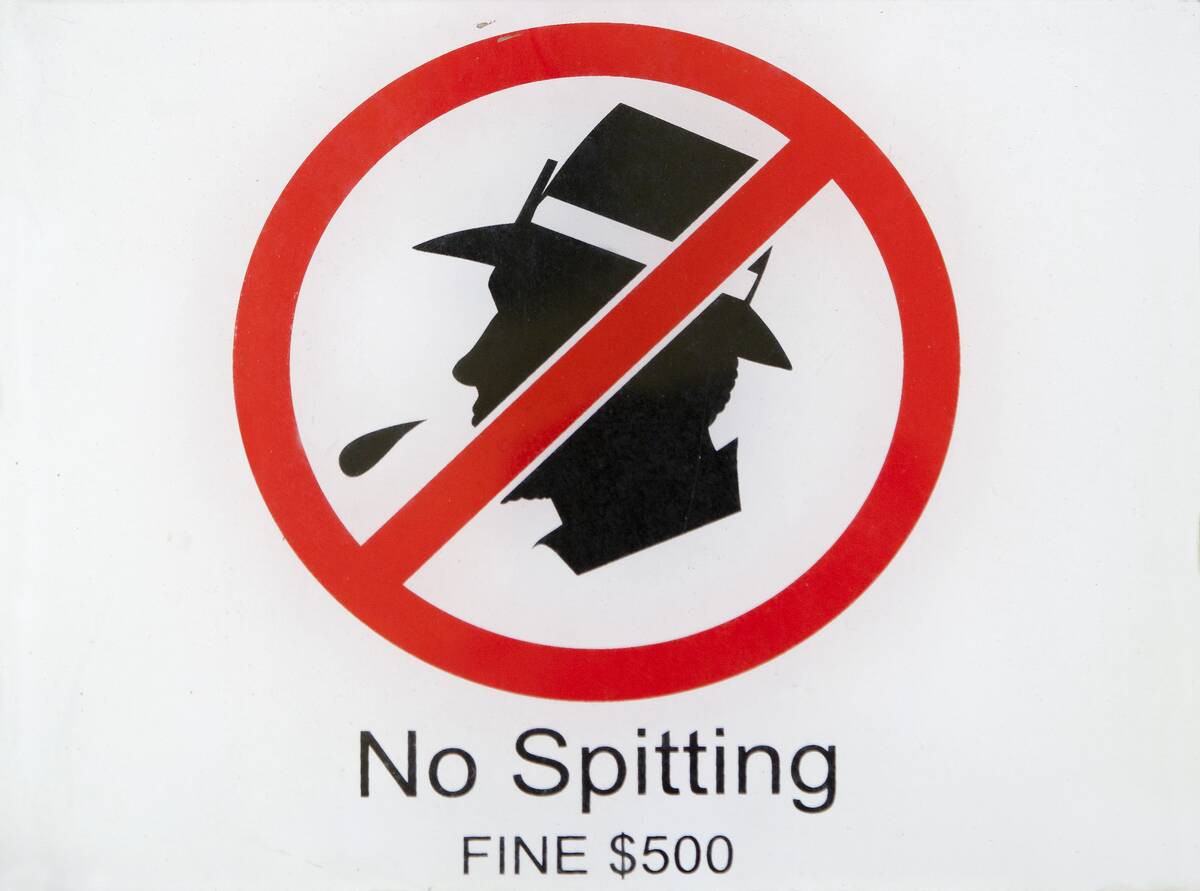
Singapore is known for its cleanliness, and the 1992 ban on chewing gum is a testament to this commitment. The government introduced the law to prevent gum litter, which was causing maintenance issues with public transportation.
While the ban was partially lifted in 2004 to allow therapeutic gum, the strict regulations remain a unique aspect of Singaporean culture. It’s a quirky reminder of how far a nation might go to maintain public order.
The Strange Law Against Dueling in Uruguay
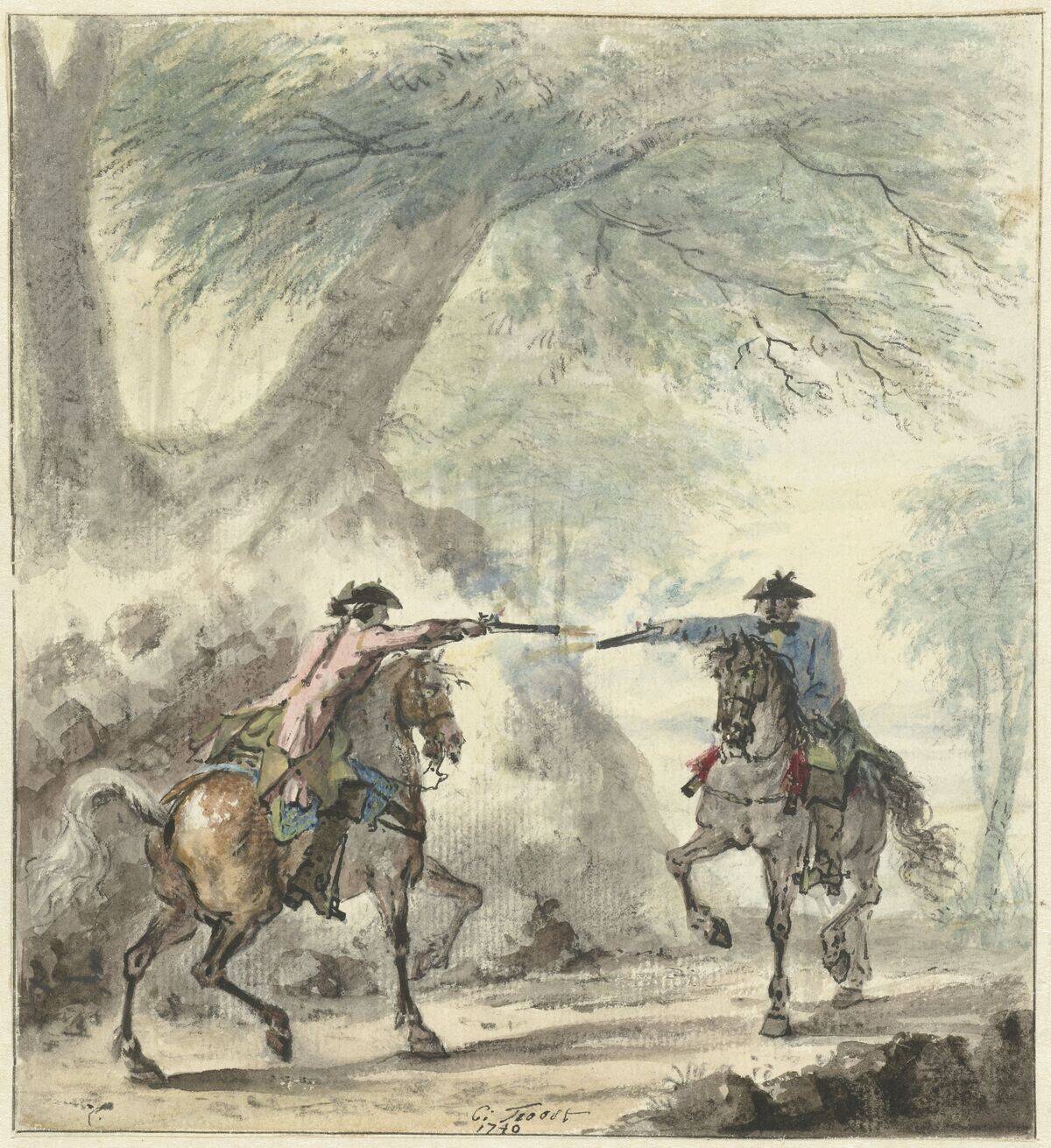
In Uruguay, dueling was once a legal way to settle disputes, complete with a formal code of conduct. However, it was officially outlawed in 1992, marking the end of this peculiar tradition.
Before its prohibition, participants had to register their duel with authorities and adhere to strict rules, ensuring a fair fight. This unusual law highlights the country’s historical embrace of honor and gentlemanly conduct, now a relic of a bygone era.
The Outlandish Rule of the Beard Tax in Russia

Tsar Peter the Great introduced a beard tax in 1698 as part of his efforts to modernize Russia. Those who wished to keep their beards had to pay a fee and carry a token as proof of payment.
The tax was intended to encourage Western-style grooming among Russian men. This odd law underscores the Tsar’s determination to transform Russian society, even if it meant meddling with personal grooming choices.
The Eccentric Edict on Witchcraft in 16th Century England
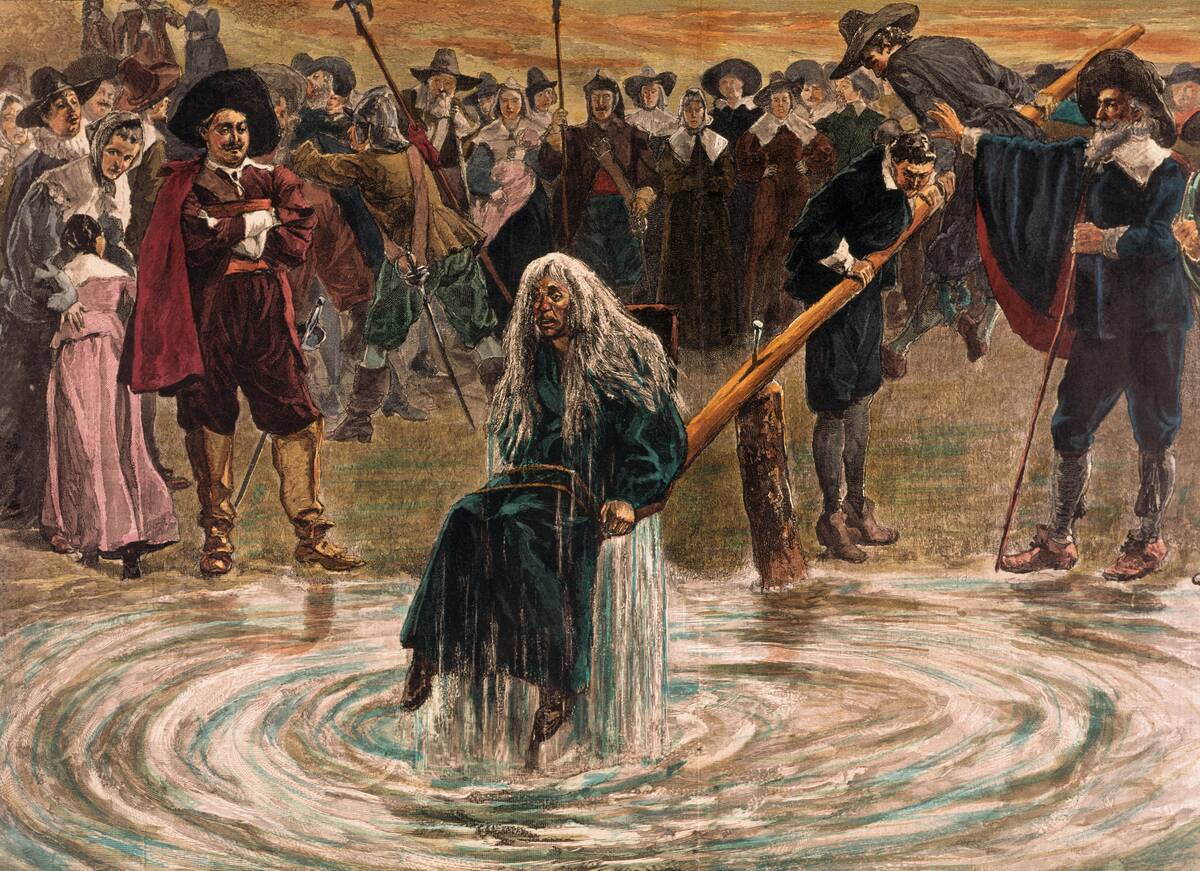
In 16th century England, witchcraft was a serious offense, punishable by death. The Witchcraft Act of 1542 made it illegal to practice or even claim to practice witchcraft.
This law reflected the widespread fear and superstition of the time, leading to numerous witch hunts and trials. While the act was repealed in 1736, it remains a chilling reminder of the dangers of mass hysteria and the persecution of the innocent.
The Unusual Mandate for Sunday Bathing in Colonial America
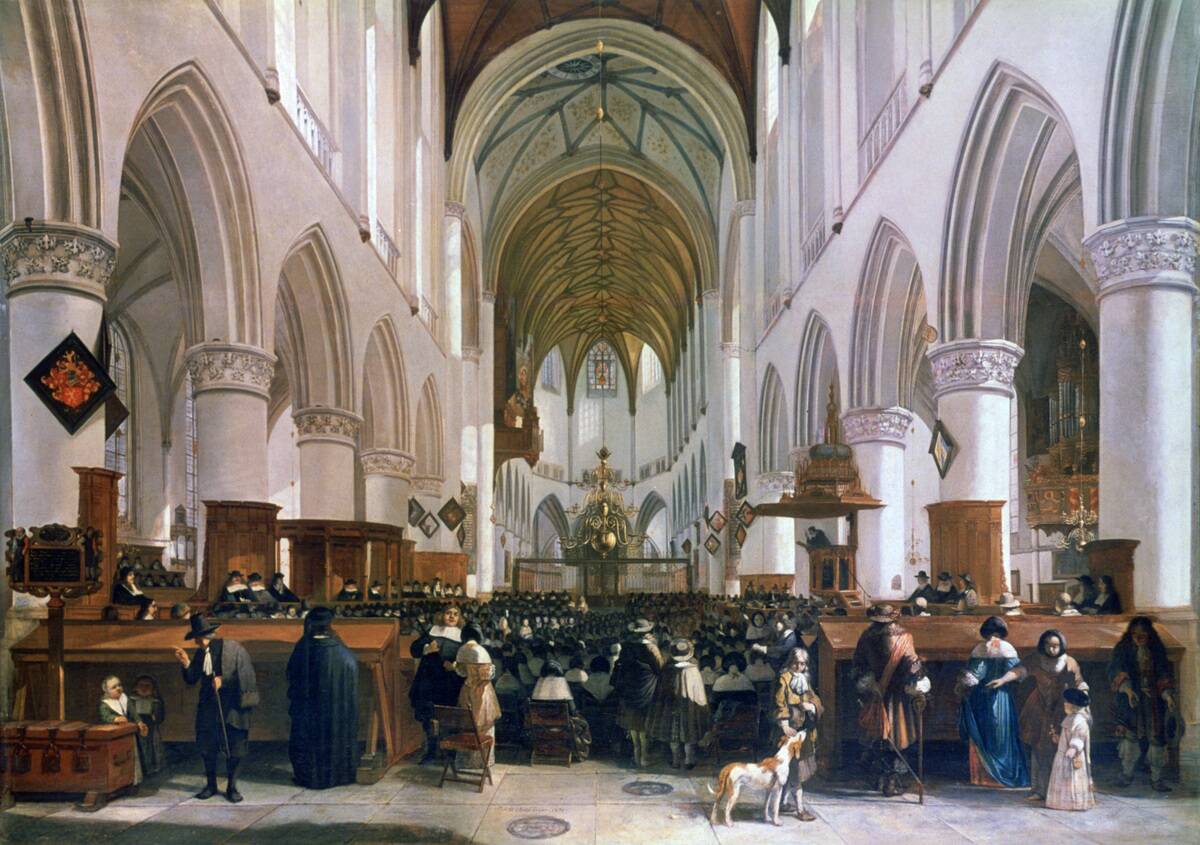
In colonial America, cleanliness was next to godliness, and some communities mandated Sunday bathing. This law ensured that citizens were presentable for church services, reflecting the era’s strong religious values.
While it might seem odd today, the mandate was a practical measure for maintaining hygiene in a time before modern plumbing. It’s a quaint example of how societal norms can shape everyday routines in unexpected ways.
The Quirky Regulation of Naming Pigs in France
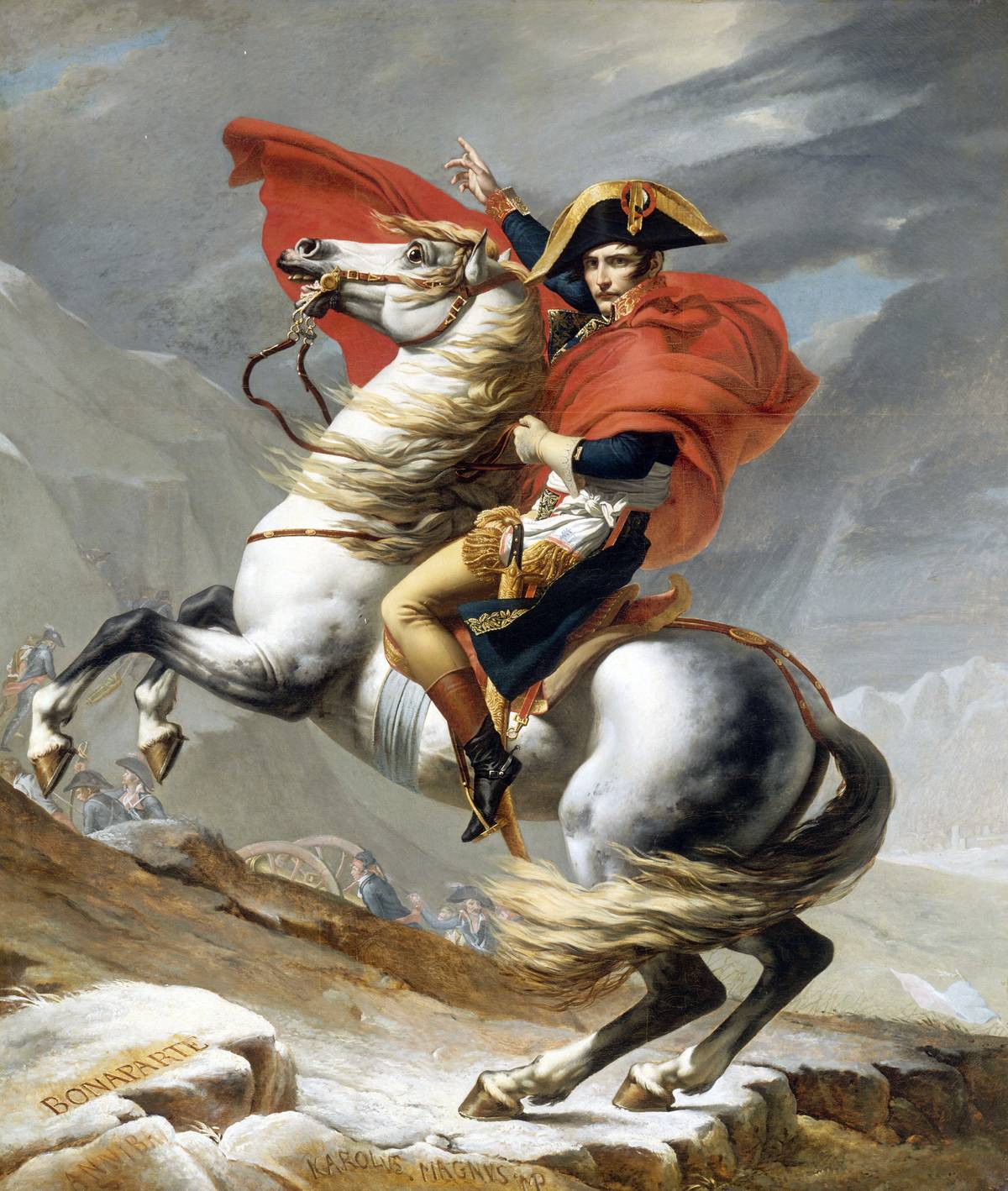
In France, it’s said to be illegal to name a pig Napoleon, a law stemming from the country’s respect for the historical figure. This regulation or rumor is more of a symbolic gesture, reflecting the importance of Napoleon Bonaparte in French history.
While it’s unlikely to be enforced strictly, the law serves as a curious reminder of the ways in which cultural reverence can influence even the most mundane aspects of life, like naming livestock.
The Odd Ordinance on Wearing Pants in Women’s Fashion
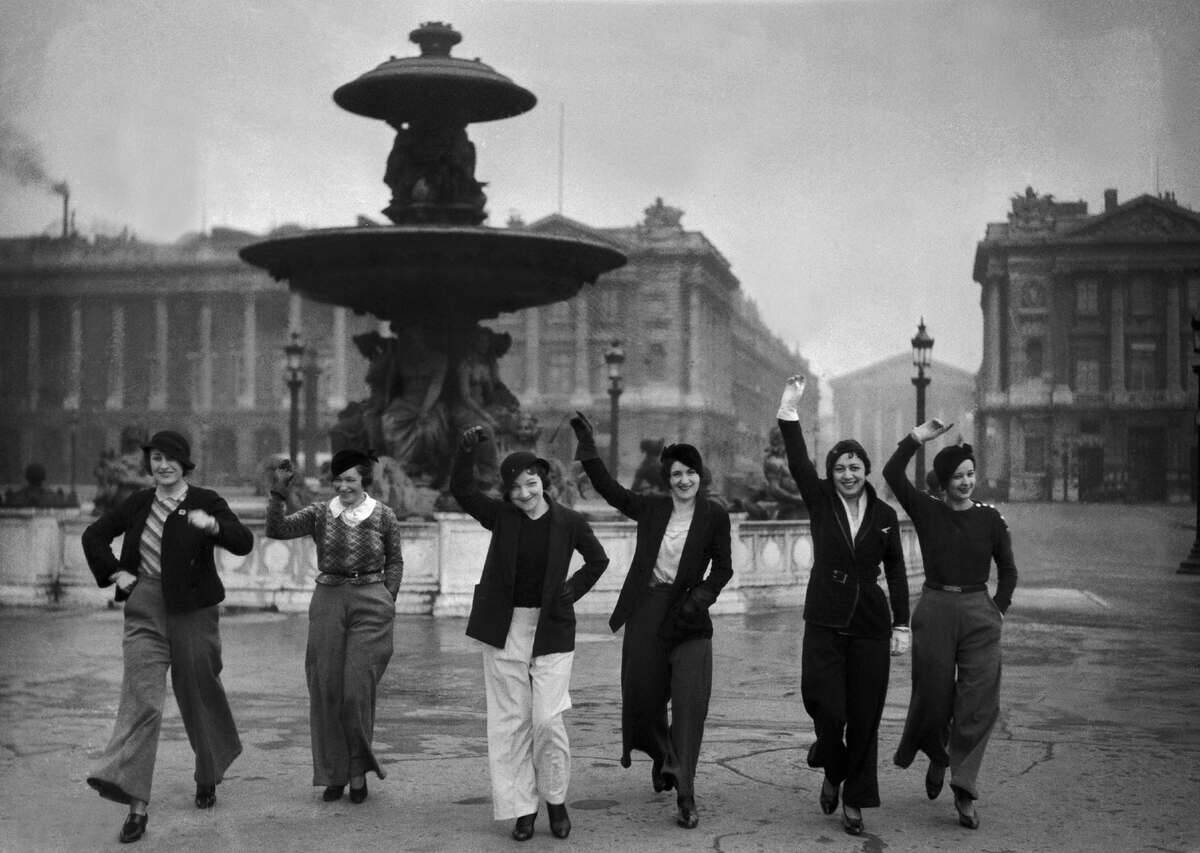
In Paris, a law from 1800 required women to obtain police permission to wear pants. This ordinance was part of broader societal norms dictating gender-specific clothing. Although largely ignored in modern times, it wasn’t officially repealed until 2013.
The law highlights the historical restrictions placed on women’s fashion choices and the gradual shift towards gender equality. It’s a quirky footnote in the history of fashion and women’s rights.
The Uncommon Law of the Great Emu War in Australia
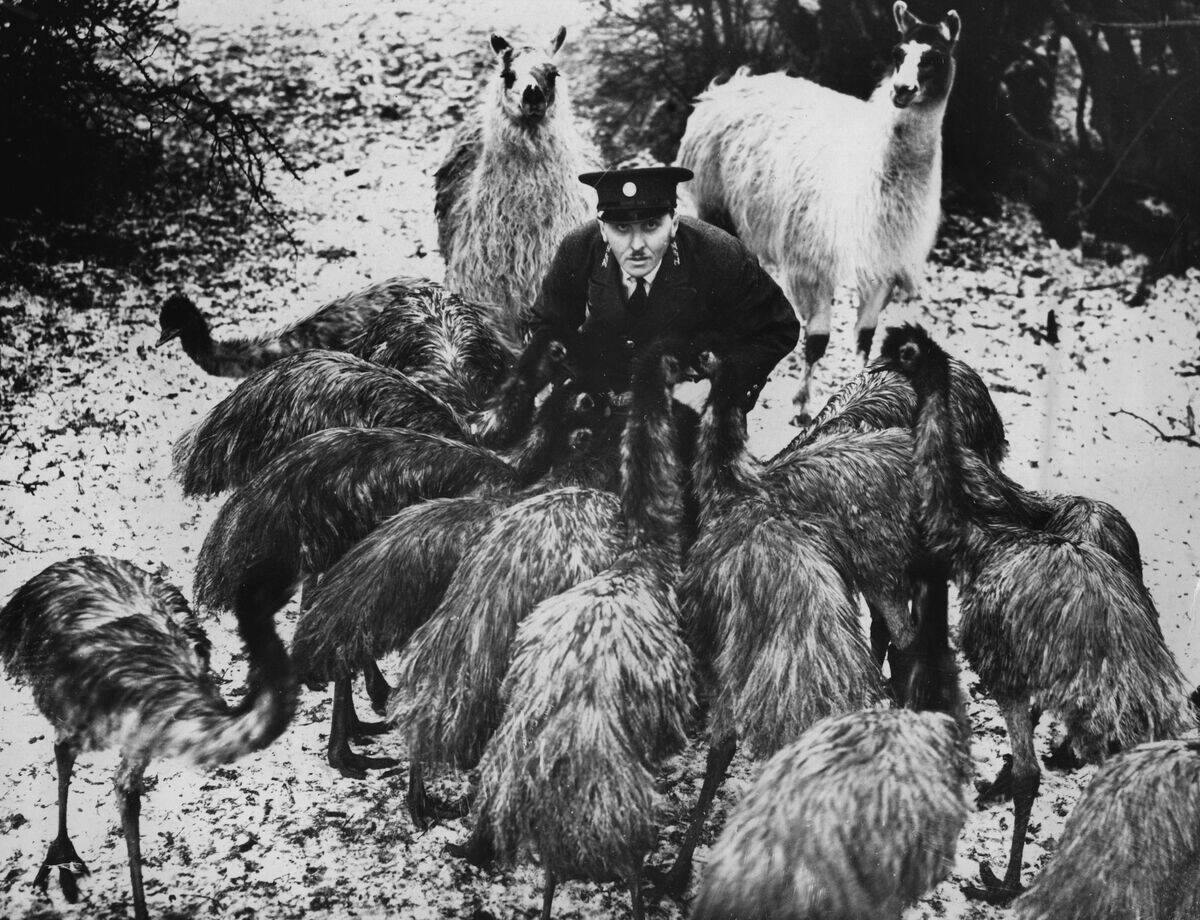
In 1932, Australia declared war on emus, large flightless birds that were wreaking havoc on crops. This unusual military operation, known as the Great Emu War, involved soldiers armed with machine guns attempting to curb the emu population.
Despite their efforts, the emus proved too elusive, and the operation was deemed a failure. This bizarre chapter in history underscores the challenges of managing wildlife and the sometimes comical lengths humans will go to.
The Strange Statute on the Use of Ketchup in School Cafeterias

In 2011, France implemented a law limiting the use of ketchup in school cafeterias. The regulation aimed to preserve French culinary traditions and encourage healthy eating habits among students.
Ketchup could only be served with certain dishes, such as fries, and was otherwise restricted. This unusual law highlights the importance placed on cultural heritage and nutrition, showcasing how food policies can reflect broader societal priorities.
The Bizarre Ban on Dying in Certain Parts of the World

In some places, such as the town of Longyearbyen in Norway, dying is technically illegal. This peculiar law is due to the permafrost preventing bodies from decomposing, posing health risks.
Residents nearing the end of their lives are often moved to the mainland to pass away. While it sounds strange, the law addresses practical concerns in a harsh climate. It’s a unique example of how environmental factors can influence legal regulations.
The Eccentric Edict Against Wearing High Heels in Ancient Greece
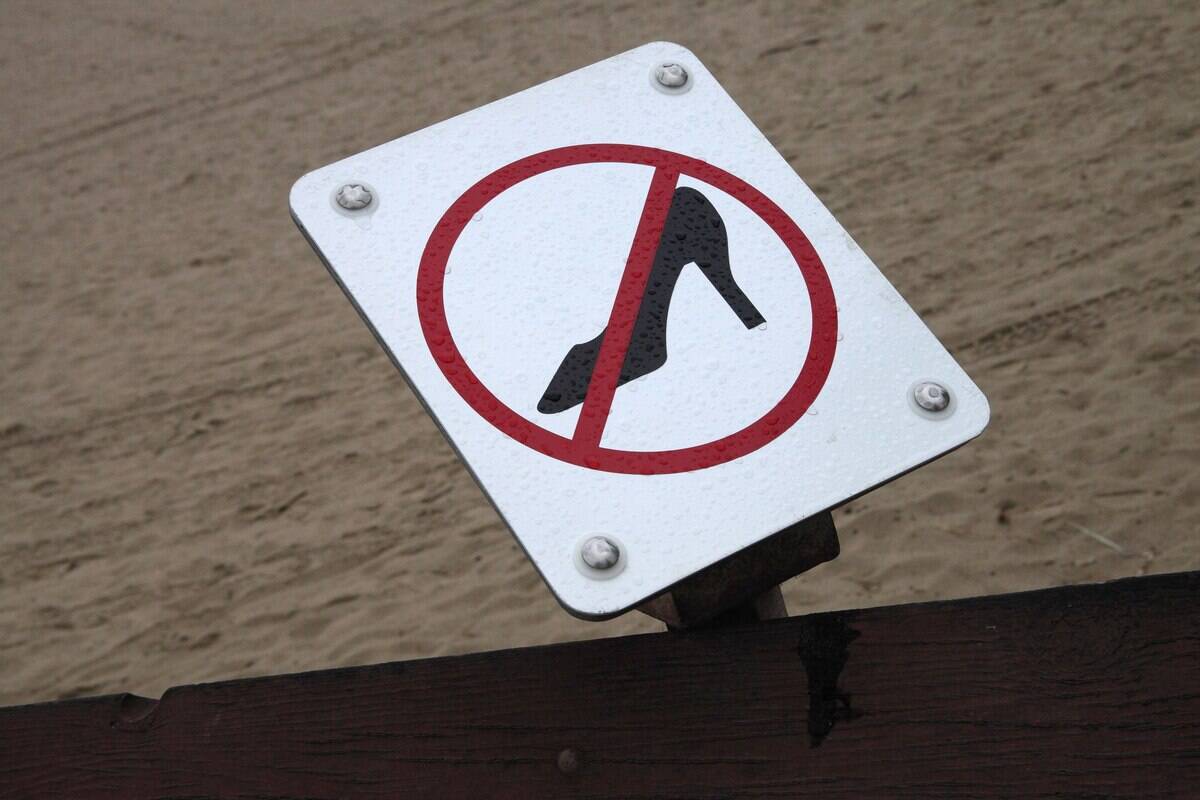
In ancient Greece, high heels were banned in certain sacred sites to protect the floors from damage. This law was more about preserving the integrity of religious spaces than a fashion statement.
The ban highlights the importance placed on maintaining the sanctity of holy places, even if it meant restricting footwear choices. It’s a fascinating glimpse into how ancient societies balanced practicality with reverence for their cultural heritage.
The Unusual Mandate on the Use of Forks in Italy
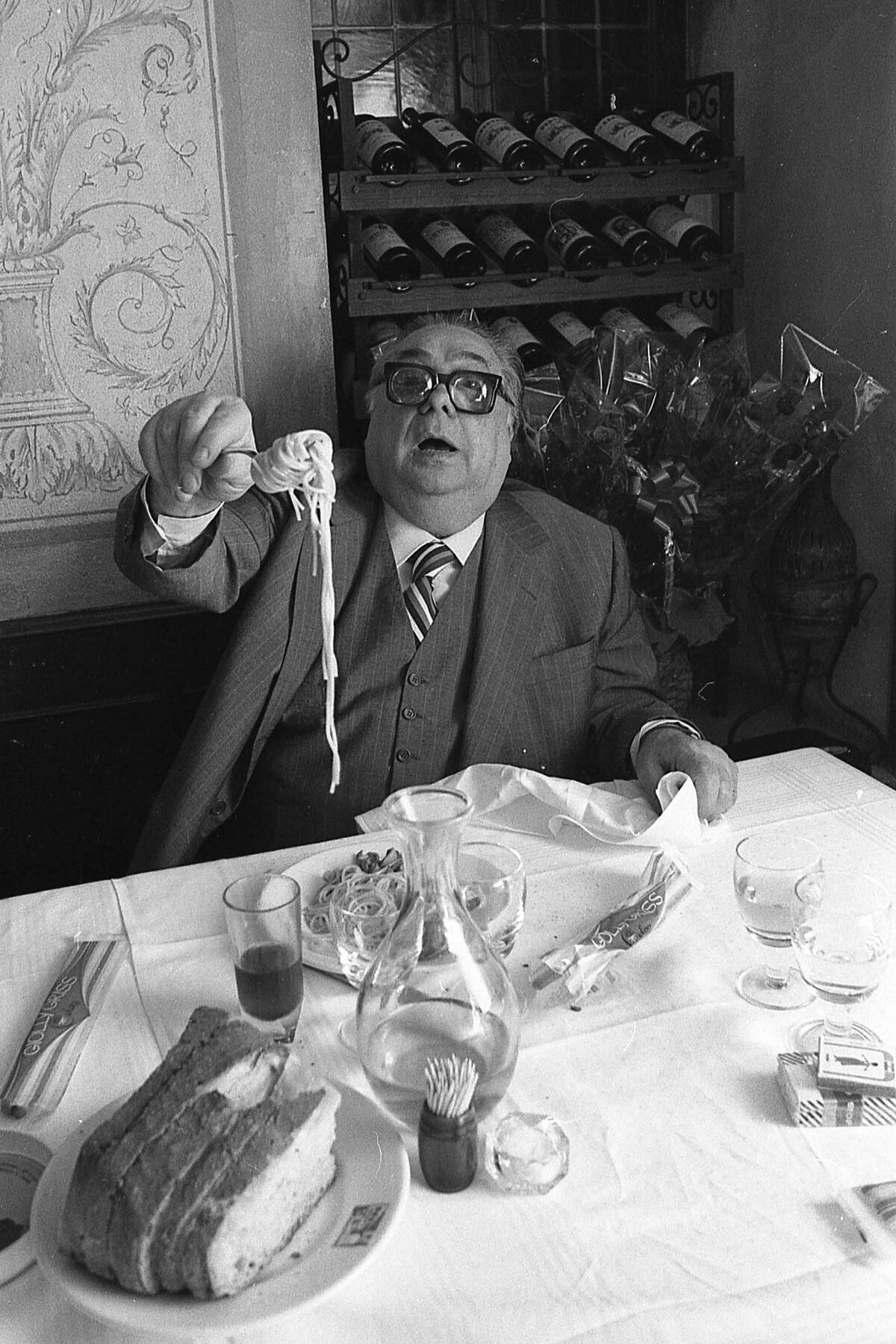
In the 11th century, the use of forks was frowned upon in Italy, considered an affront to divine creation. This unusual stance was due to the fork’s resemblance to the devil’s pitchfork. Over time, the utensil gained acceptance, becoming a staple in dining etiquette.
The initial resistance to forks underscores the complex relationship between cultural beliefs and culinary practices, illustrating how societal norms can evolve over time.
The Quirky Regulation of Naming Cows in India

In India, cows hold a sacred status, and naming them is a matter of cultural significance. While there’s no formal law, societal norms dictate respectful naming conventions, reflecting the animal’s revered position in Hinduism.
This cultural practice underscores the deep connection between religion and daily life in India, where even the naming of animals is imbued with spiritual meaning. It’s a charming example of how cultural values can shape seemingly mundane aspects of life.
The Odd Ordinance on Playing Dominoes in Public in Spain
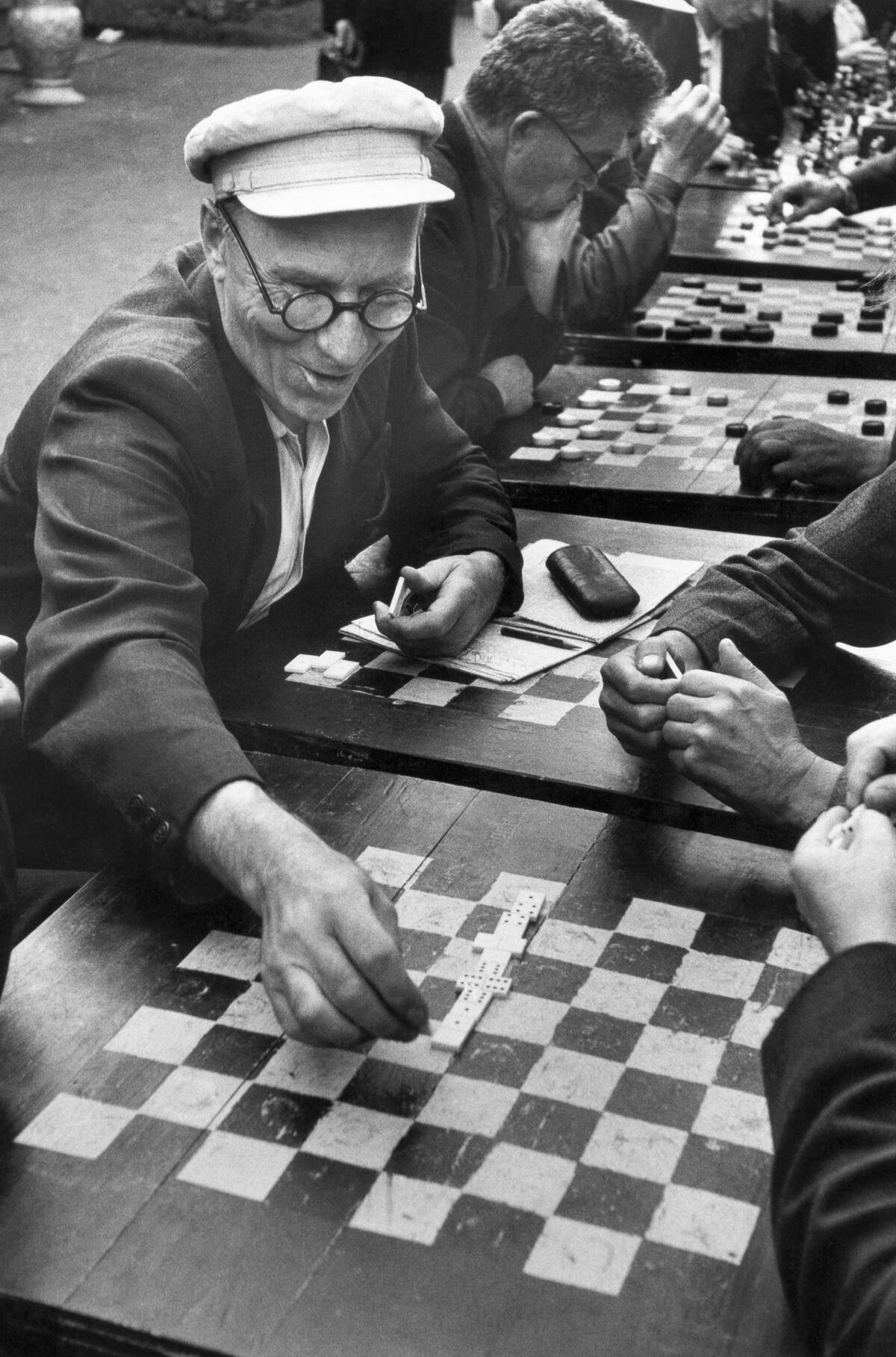
In some Spanish regions, playing dominoes in public is regulated to prevent noise disturbances. This ordinance reflects the importance of maintaining peace in communal spaces, especially during traditional siesta hours.
While it might seem trivial, the law highlights the cultural emphasis on rest and relaxation. It’s a quirky reminder of how societal norms can dictate the rhythm of daily life, even influencing leisure activities in public settings.