Weird historical trends that somehow became popular in years passed
Throughout history, humans have embraced some truly bizarre trends. From fashion statements that defy logic to hobbies that raise eyebrows today, these peculiar phenomena offer a glimpse into the cultural psyche of their times.
While some trends were simply eccentric, others were downright dangerous. Join us as we delve into these oddities, exploring the motivations and societal influences behind each unique craze. Prepare to be amused, bewildered, and perhaps even a little enlightened by these historical quirks.
The Powdered Wig Phenomenon: A Hair-Raising Fashion Statement
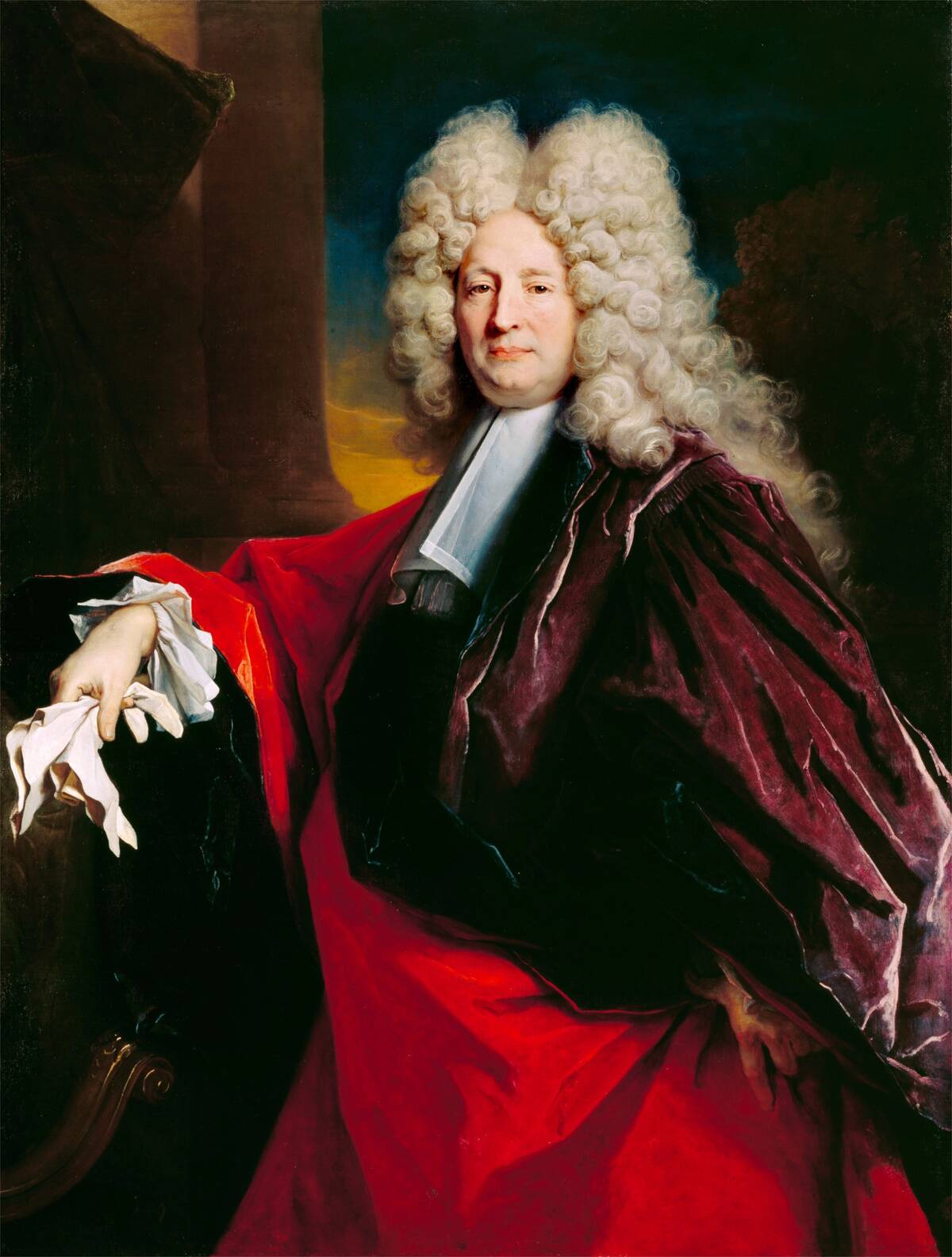
In the 17th and 18th centuries, powdered wigs were all the rage among European aristocracy. Originally worn to cover up hair loss and syphilis symptoms, they soon became a status symbol.
The wigs were often made from horsehair or human hair and were heavily powdered with starch to achieve their iconic white color. Despite their popularity, these wigs were not the most comfortable accessory, often infested with lice and requiring regular maintenance.
The Hoop Skirt Craze: Taking Up Space in Style
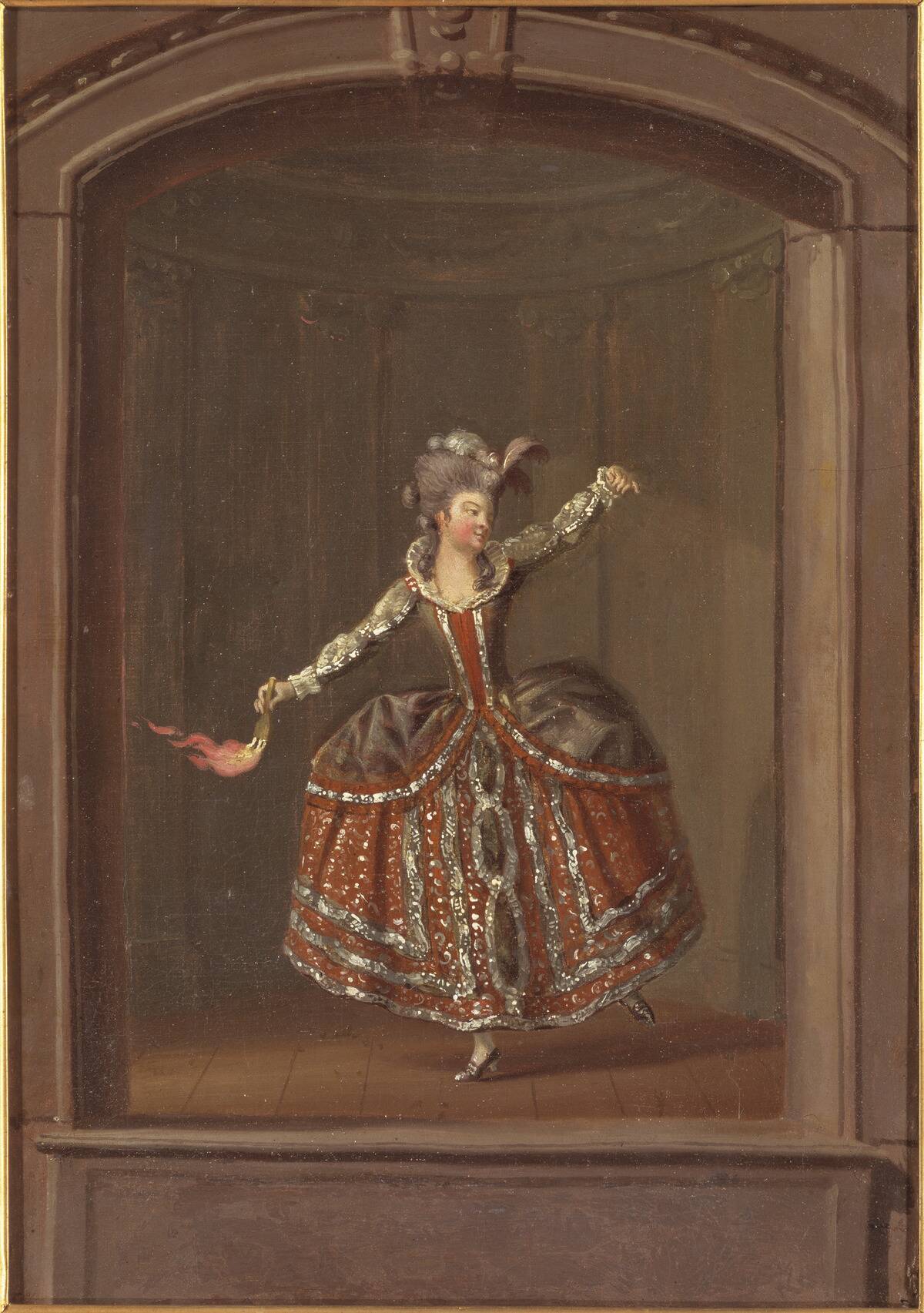
Hoop skirts, or crinolines, became a fashion staple in the mid-19th century, allowing women to achieve a voluminous silhouette. Made from steel hoops sewn into fabric, these skirts could reach up to six feet in diameter.
While they created an impressive look, they were also impractical, making it difficult to navigate through doorways or sit comfortably. Despite these challenges, hoop skirts remained popular for several decades, symbolizing femininity and elegance.
Tulip Mania: When Flowers Became More Valuable Than Gold
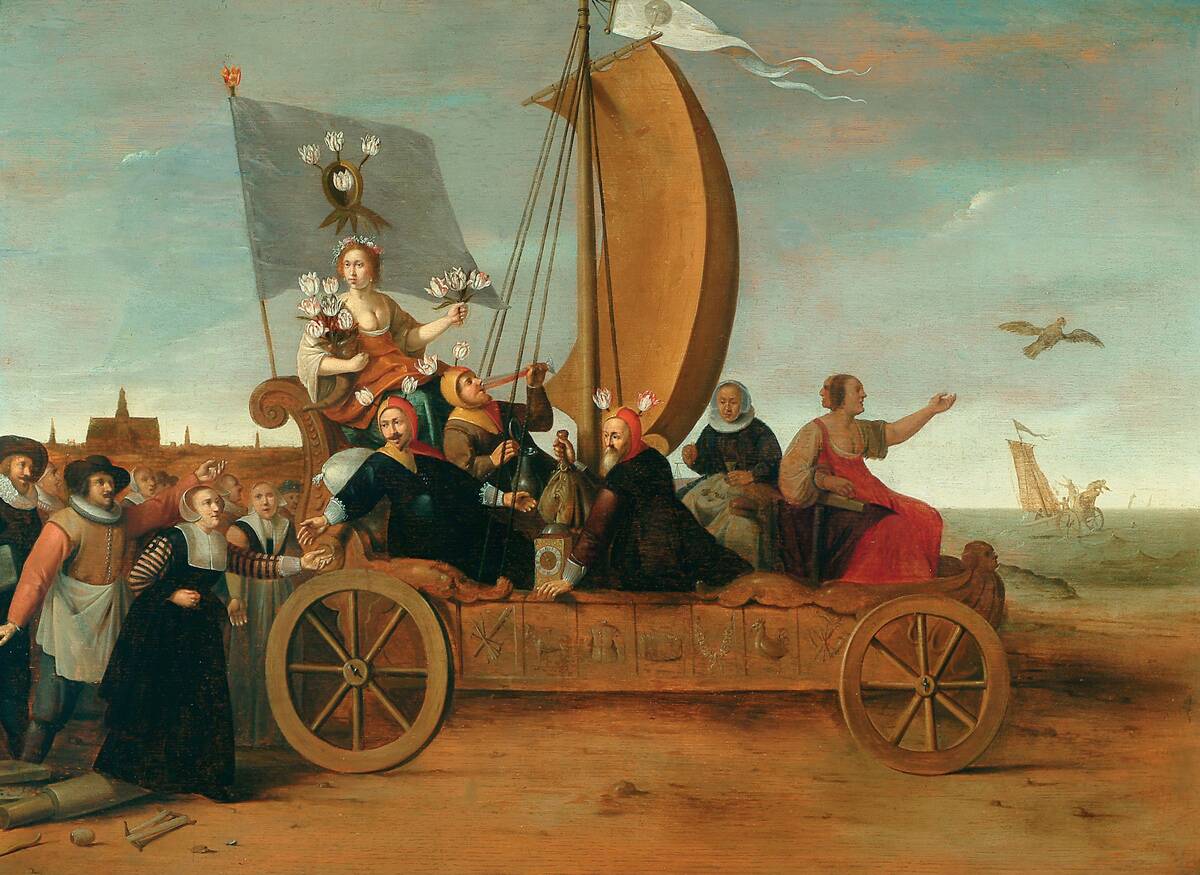
In the 1630s, the Netherlands experienced an economic phenomenon known as Tulip Mania. Rare tulip bulbs became highly sought after, with prices skyrocketing to the point where a single bulb could cost more than a house.
This speculative bubble eventually burst, leading to financial ruin for many investors. Despite the chaos, Tulip Mania remains a fascinating example of the power of market speculation and the lengths people will go to for a piece of the latest trend.
The Macabre Beauty of Victorian Mourning Jewelry
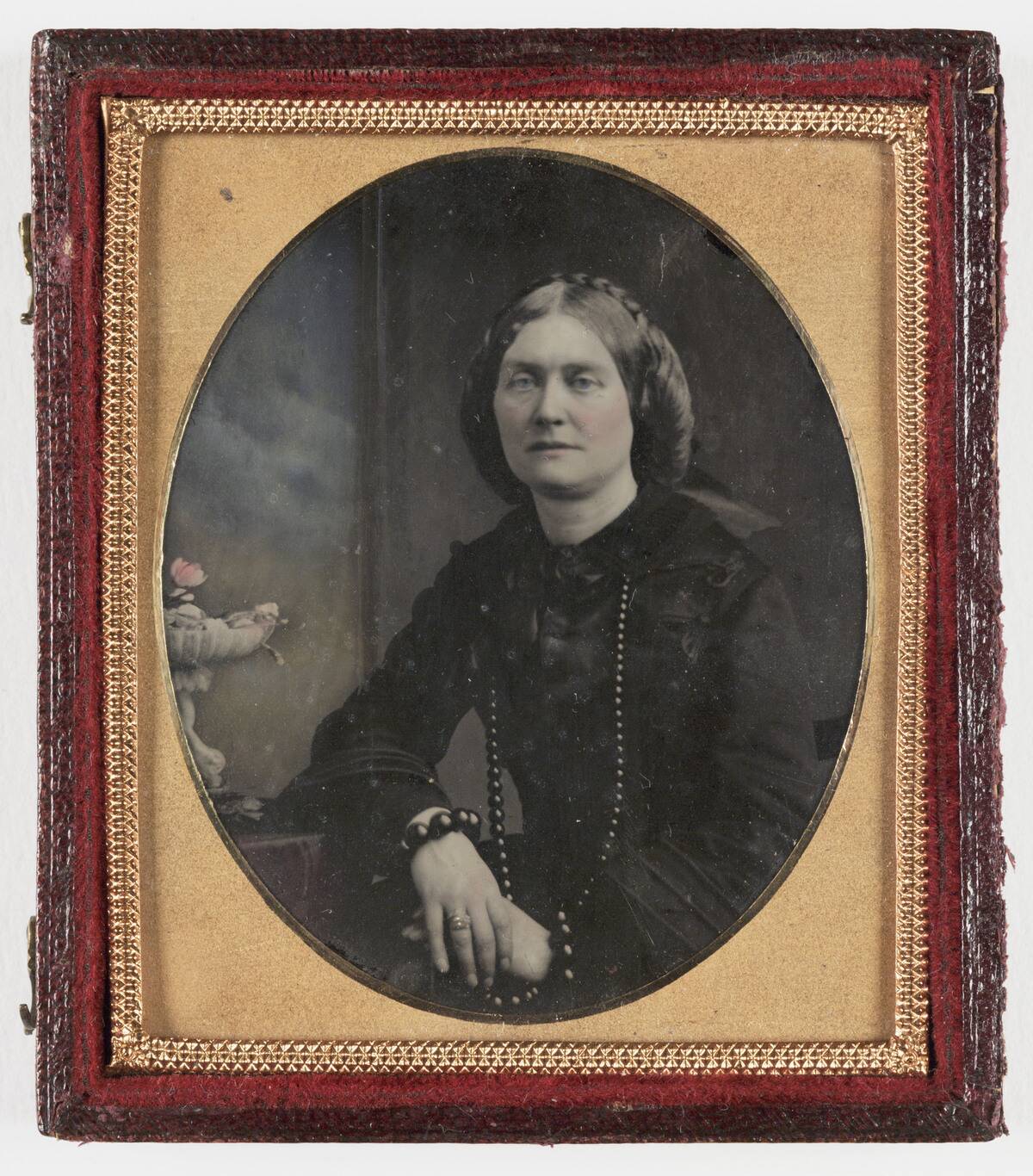
Victorian mourning jewelry was a unique way for people to remember their deceased loved ones. Crafted from materials like jet, onyx, and even human hair, these pieces were often worn during the mourning period, which could last up to two years.
Hair jewelry, in particular, was a popular choice, with intricate designs woven from the hair of the deceased. This trend reflected the Victorian era’s fascination with death and the sentimental value placed on personal mementos.
The Rise and Fall of the Pet Rock: A Stone-Cold Trend
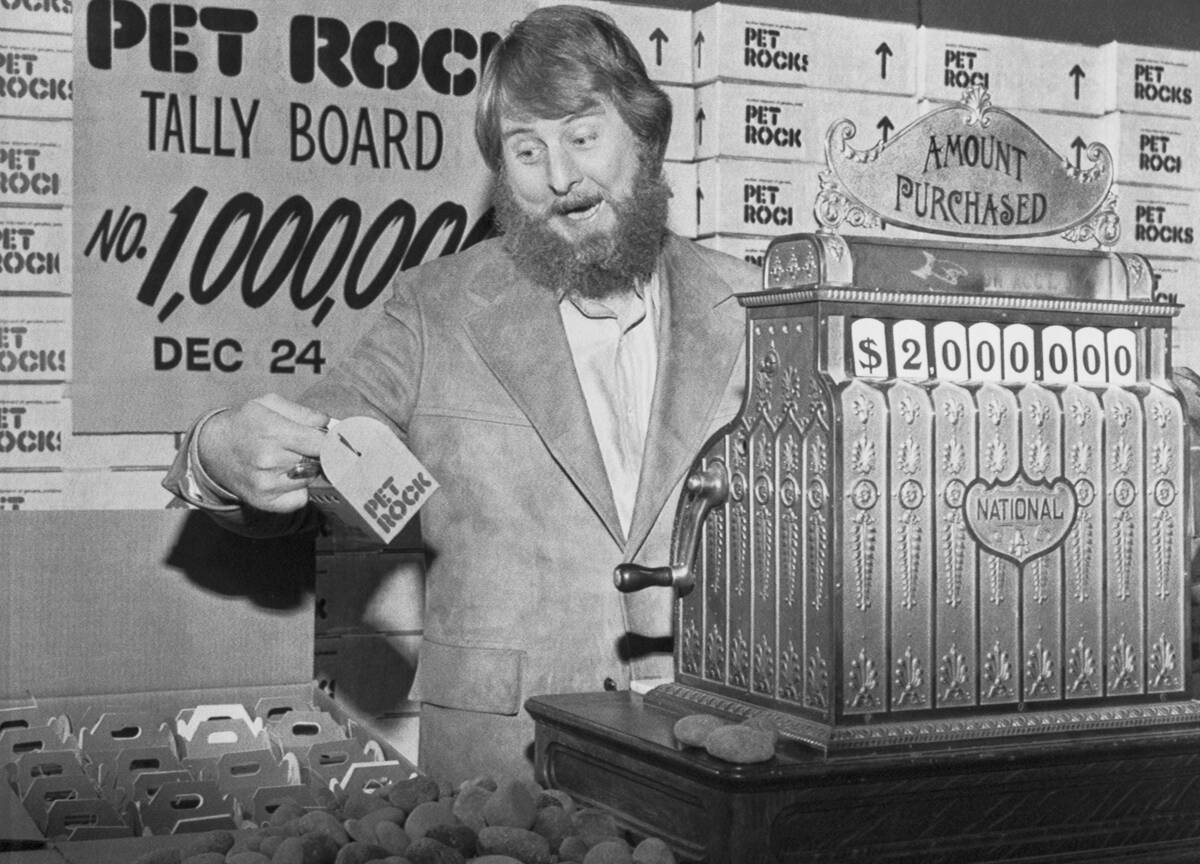
The pet rock craze of the 1970s is a testament to the power of marketing. Created by Gary Dahl, these ordinary stones were sold as low-maintenance pets, complete with a cardboard box and a care manual.
Despite their simplicity, pet rocks became a massive hit, selling over a million units in just a few months. However, the trend was short-lived, as people quickly realized that their new “pets” offered little in the way of companionship or entertainment.
The Brief Obsession with Radium: When Glow-in-the-Dark Was All the Rage
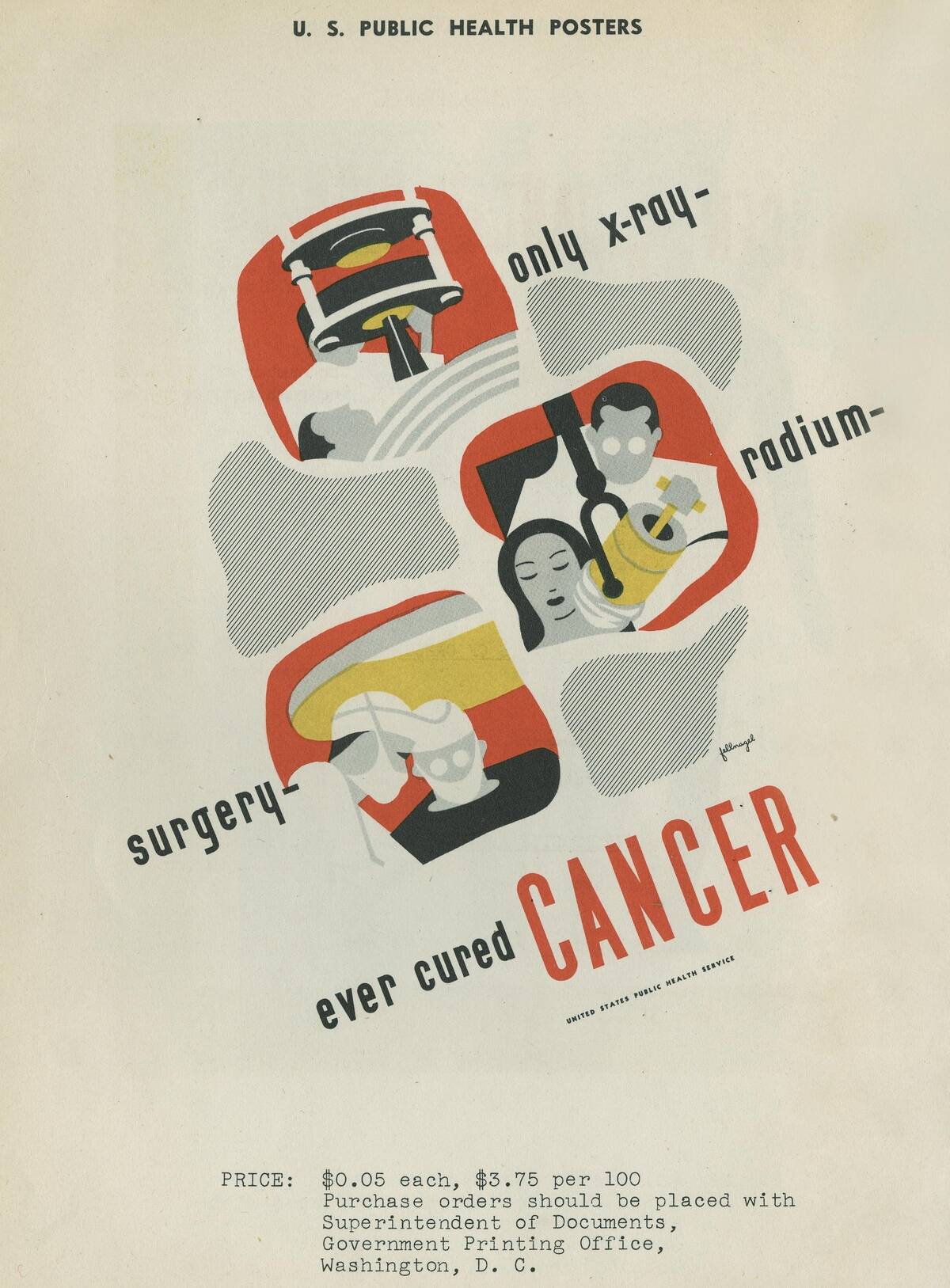
In the early 20th century, radium was hailed as a miracle substance, used in everything from watch dials to beauty products. Its glow-in-the-dark properties made it an attractive addition to consumer goods, despite its radioactive nature.
Unfortunately, the dangers of radium exposure were not well understood at the time, leading to numerous health issues for those who worked with it. The radium craze eventually faded as awareness of its harmful effects grew.
The Dance Marathon Madness: When Dancing Became a Competitive Sport
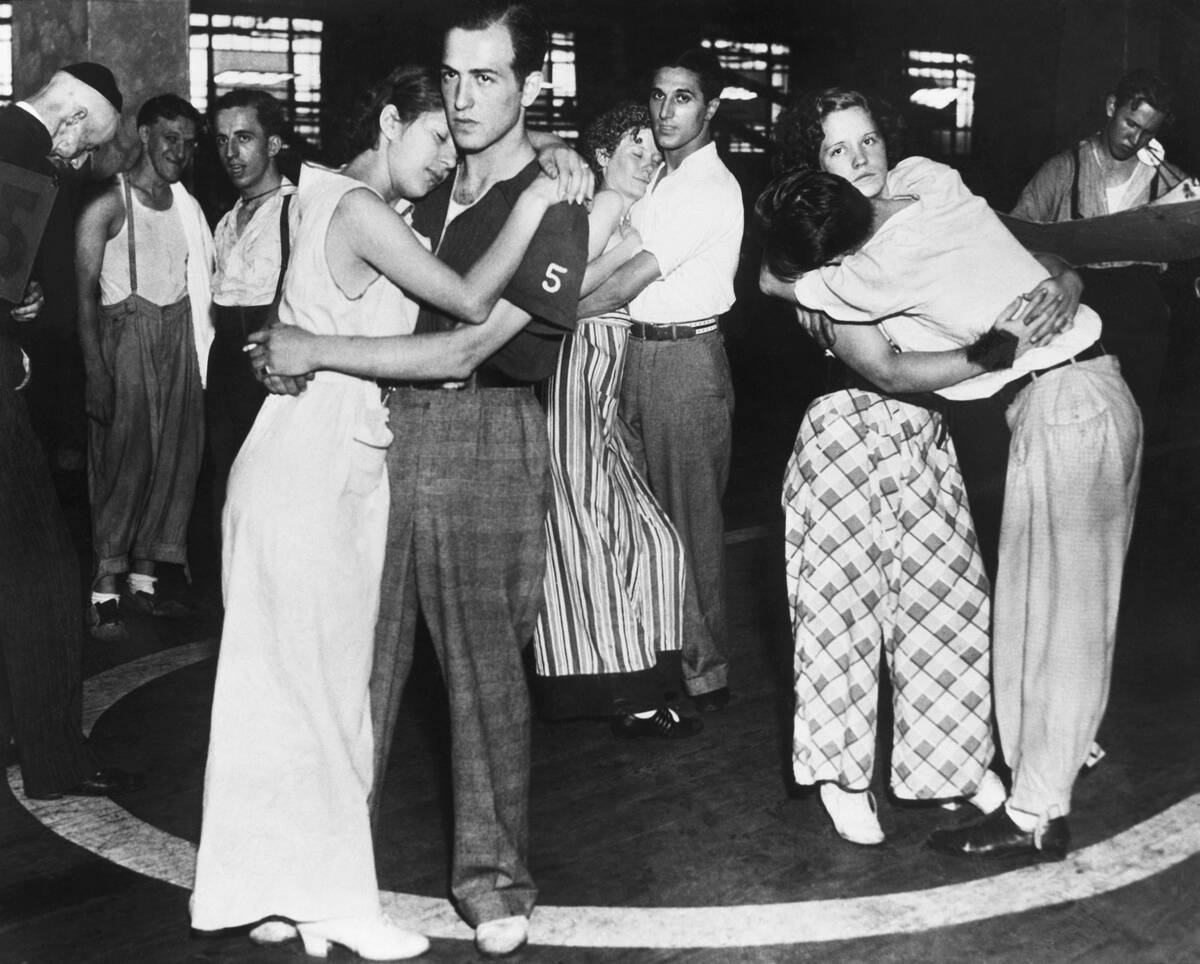
During the Great Depression, dance marathons became a popular form of entertainment and a way for participants to earn money. Couples would dance for hours, sometimes days, with only short breaks allowed.
These events drew large crowds, eager to watch the spectacle of endurance and determination. While some saw it as a fun diversion, others criticized the marathons for exploiting desperate individuals. The trend eventually waned as public interest shifted to other forms of entertainment.
The Fascination with Mummy Unwrapping Parties: An Unusual Victorian Pastime
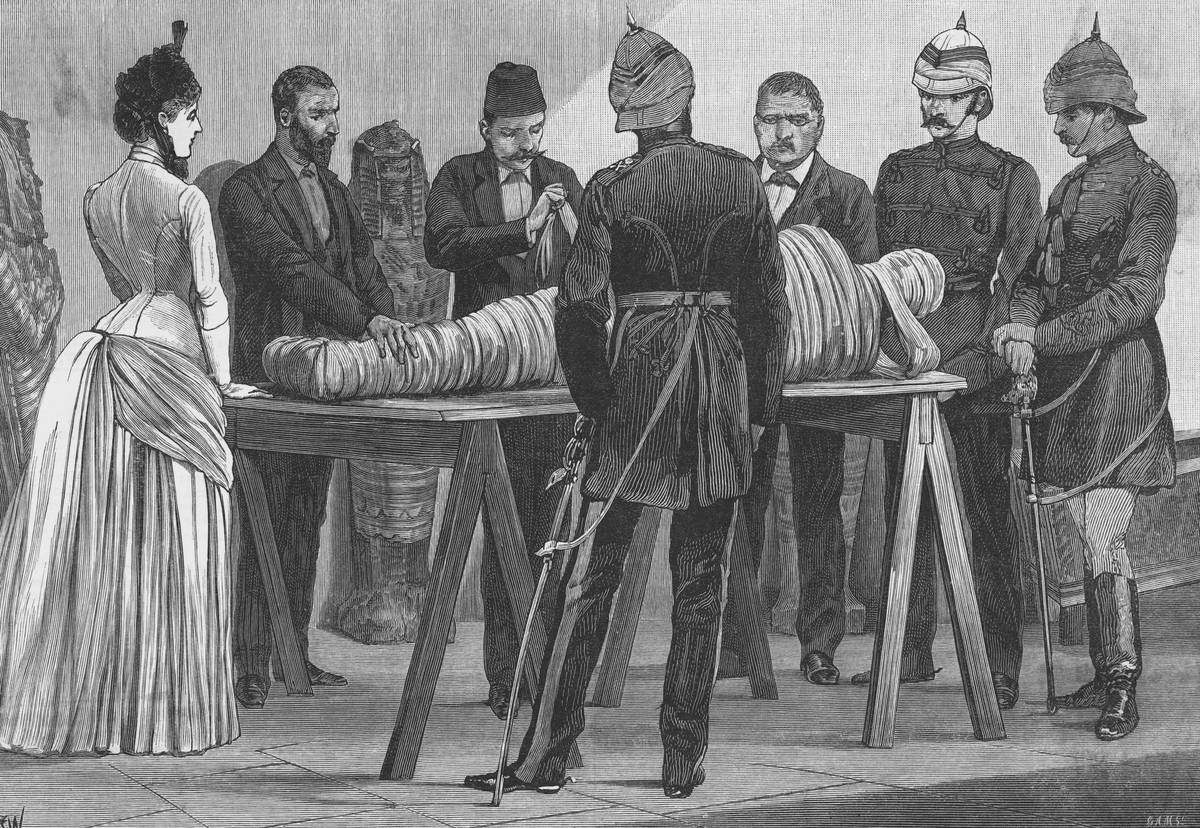
In the 19th century, mummy unwrapping parties became a bizarre form of entertainment among the British elite. These events involved the unwrapping of ancient Egyptian mummies, often accompanied by lectures on Egyptology.
While they satisfied a curiosity about the ancient world, they also reflected a disregard for cultural heritage and the sanctity of the deceased. Eventually, the practice fell out of favor as attitudes towards archaeology and cultural preservation evolved.
The Lawn Dart Fad: A Hazardous Outdoor Game
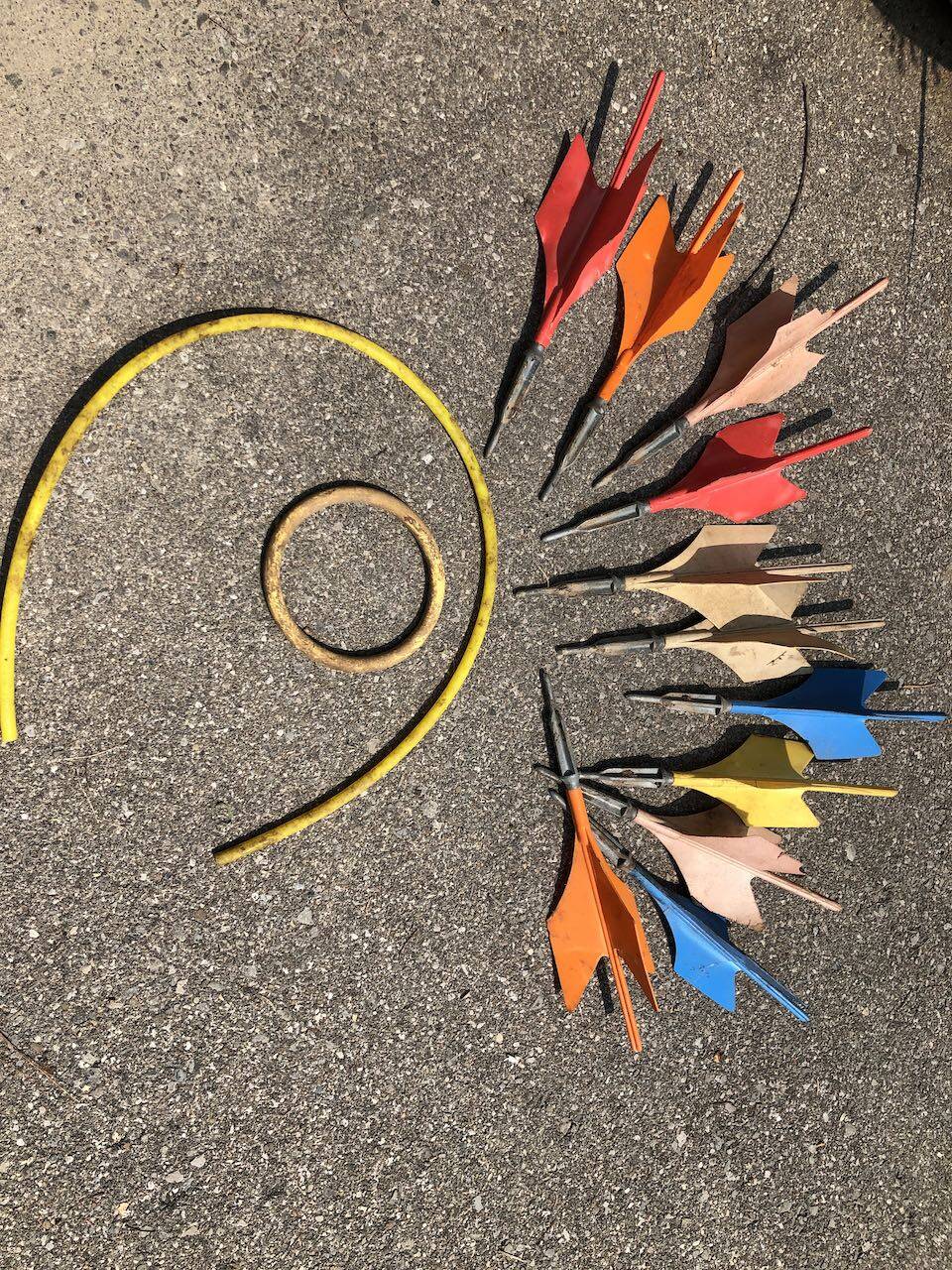
Lawn darts, or “jarts,” were a popular backyard game in the 1970s and 1980s. Players would toss large, weighted darts towards a target on the ground, aiming for accuracy. Despite their popularity, lawn darts were inherently dangerous, leading to numerous injuries and even fatalities.
In response to safety concerns, the sale of lawn darts was eventually banned in the United States in 1988. Today, they serve as a reminder of the importance of safety in recreational activities.
The Short-Lived Era of Flammable Crinoline Dresses
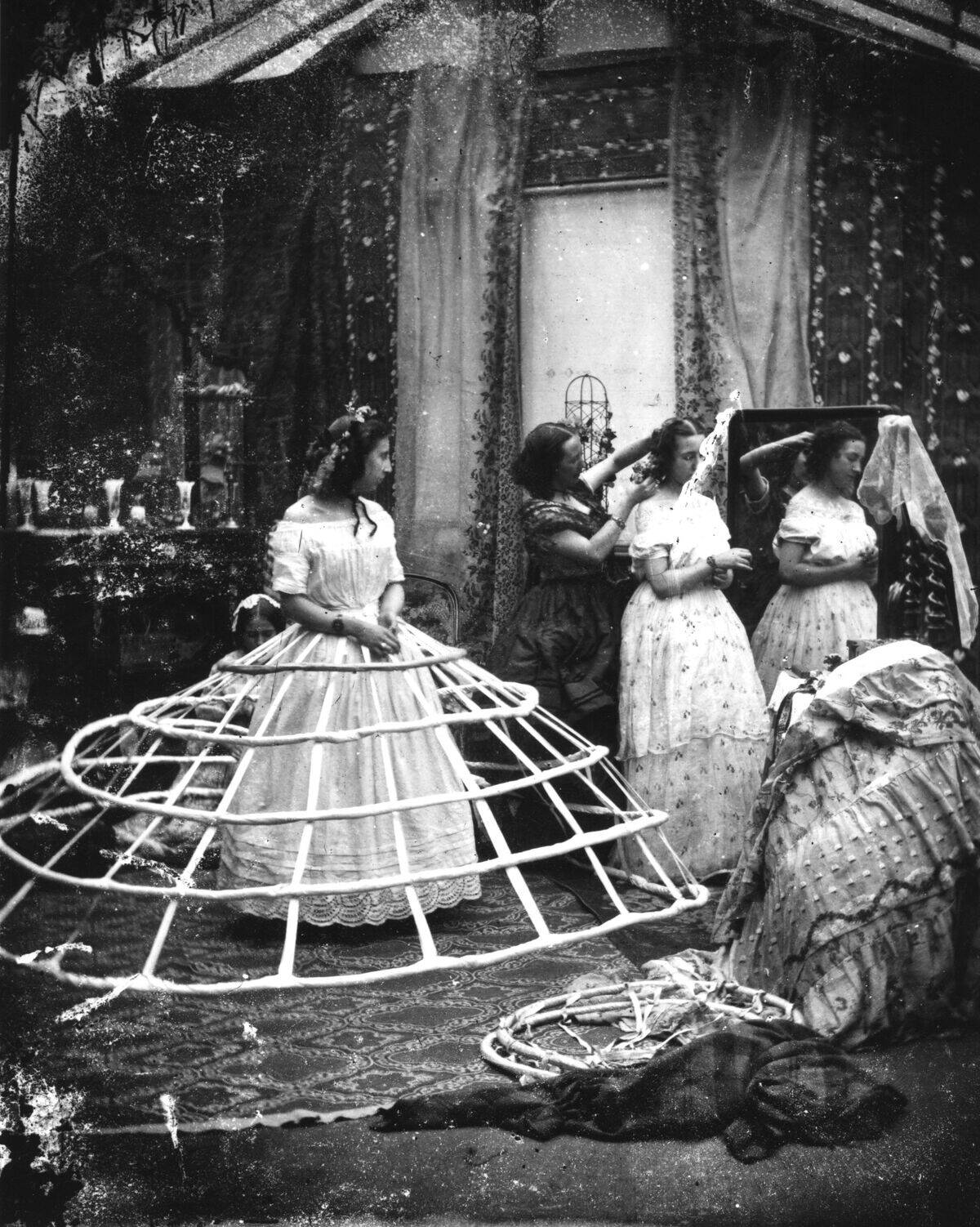
In the mid-19th century, crinoline dresses were all the rage, thanks to their ability to create a fashionable, voluminous silhouette. However, the fabric used in these dresses was highly flammable, posing a significant risk to wearers.
Many tragic accidents occurred when crinoline skirts caught fire from open flames or sparks. As awareness of the danger grew, the popularity of crinoline dresses declined, and safer alternatives were sought in the fashion world.
The Bizarre Popularity of Tapeworm Diet Pills
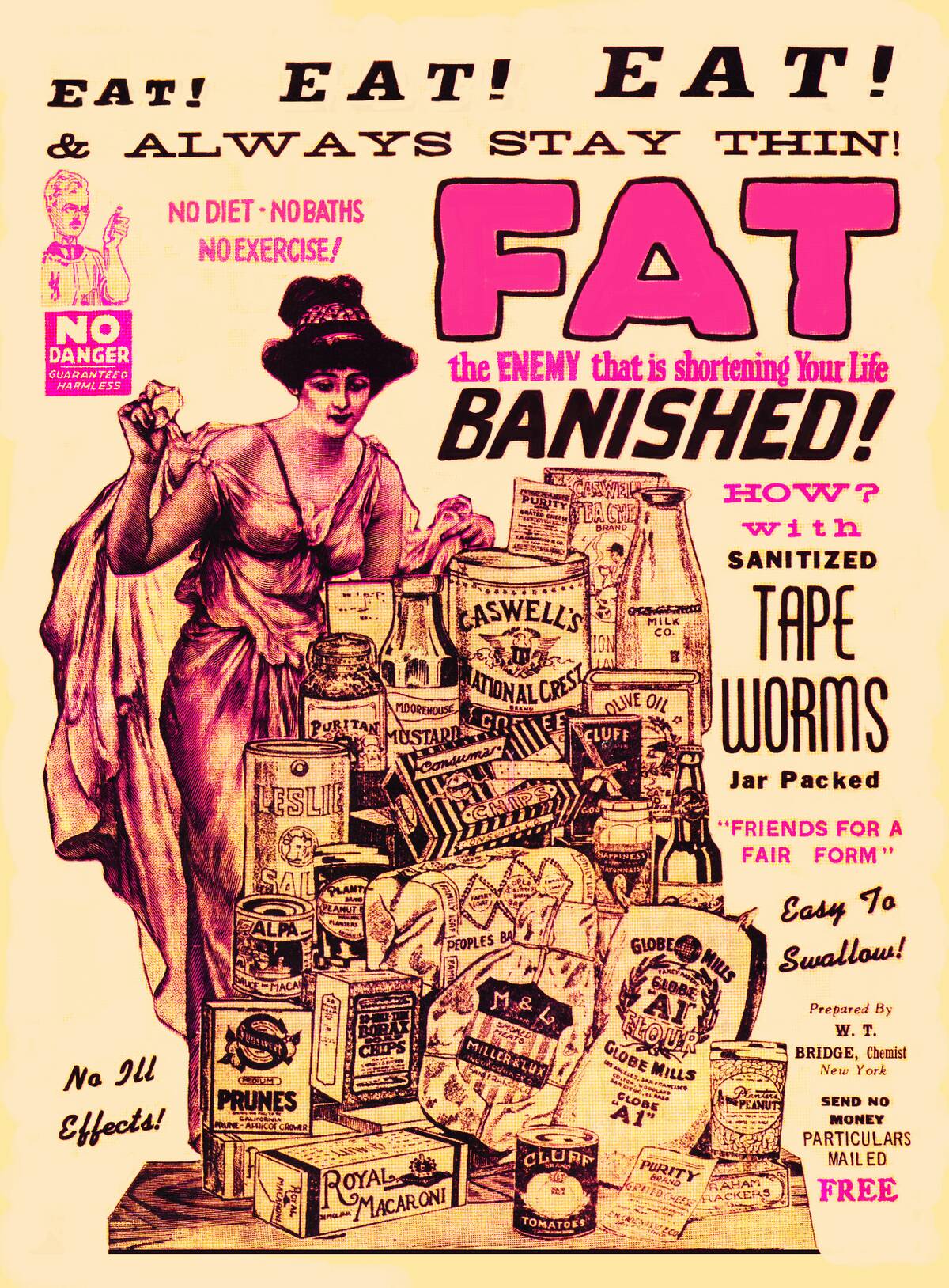
In the early 20th century, tapeworm diet pills were marketed as a weight loss solution, promising to help users shed pounds effortlessly. The pills contained tapeworm cysts, which would hatch and grow in the digestive tract, consuming the host’s food.
While the idea of a “living diet aid” was appealing to some, the health risks were significant, including malnutrition and infection. Eventually, the dangers of this practice became widely recognized, and tapeworm diet pills fell out of favor.
The Strange Allure of the Human Zoo Exhibits
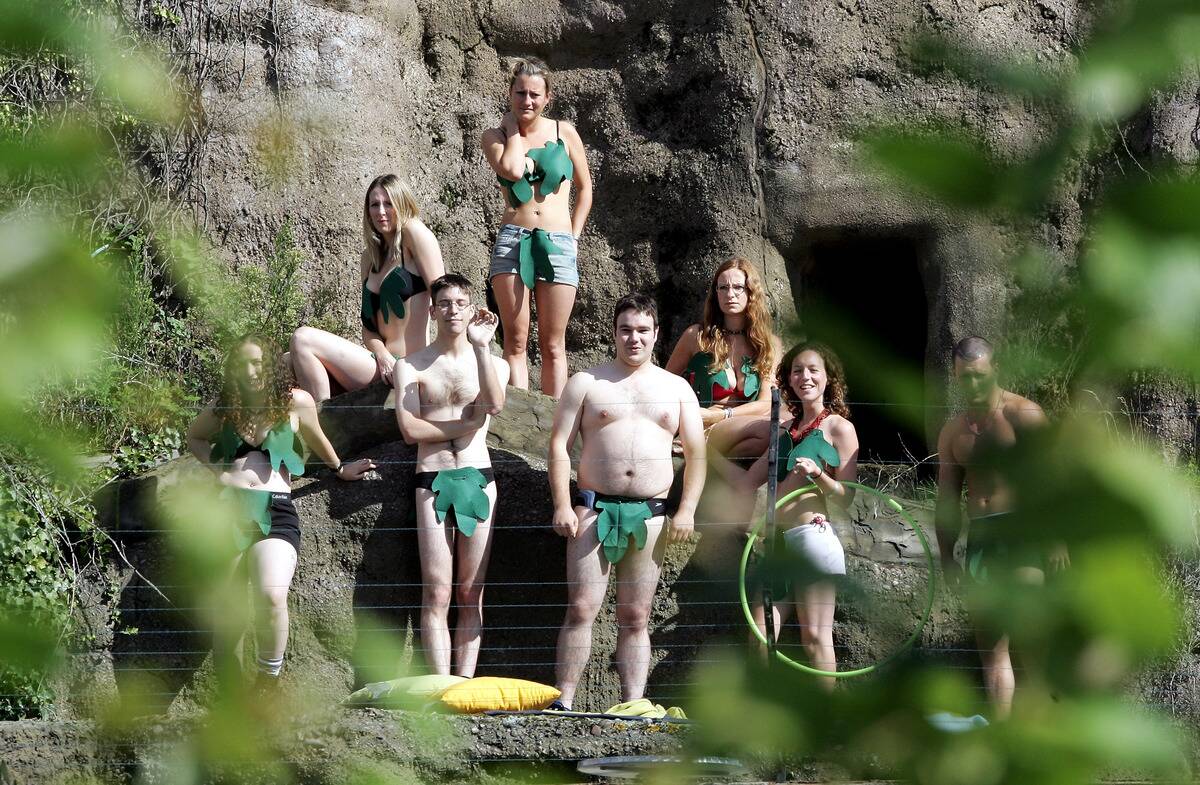
In the late 19th and early 20th centuries, human zoos were a disturbing form of entertainment that showcased individuals from various ethnic backgrounds in recreated “native” environments.
These exhibits were popular in Europe and the United States, drawing large crowds curious about other cultures. However, they were deeply exploitative and dehumanizing, reinforcing racial stereotypes and colonial attitudes. Over time, public opinion shifted, and human zoos were condemned for their unethical nature.
The Era of the Great American Beard Boom
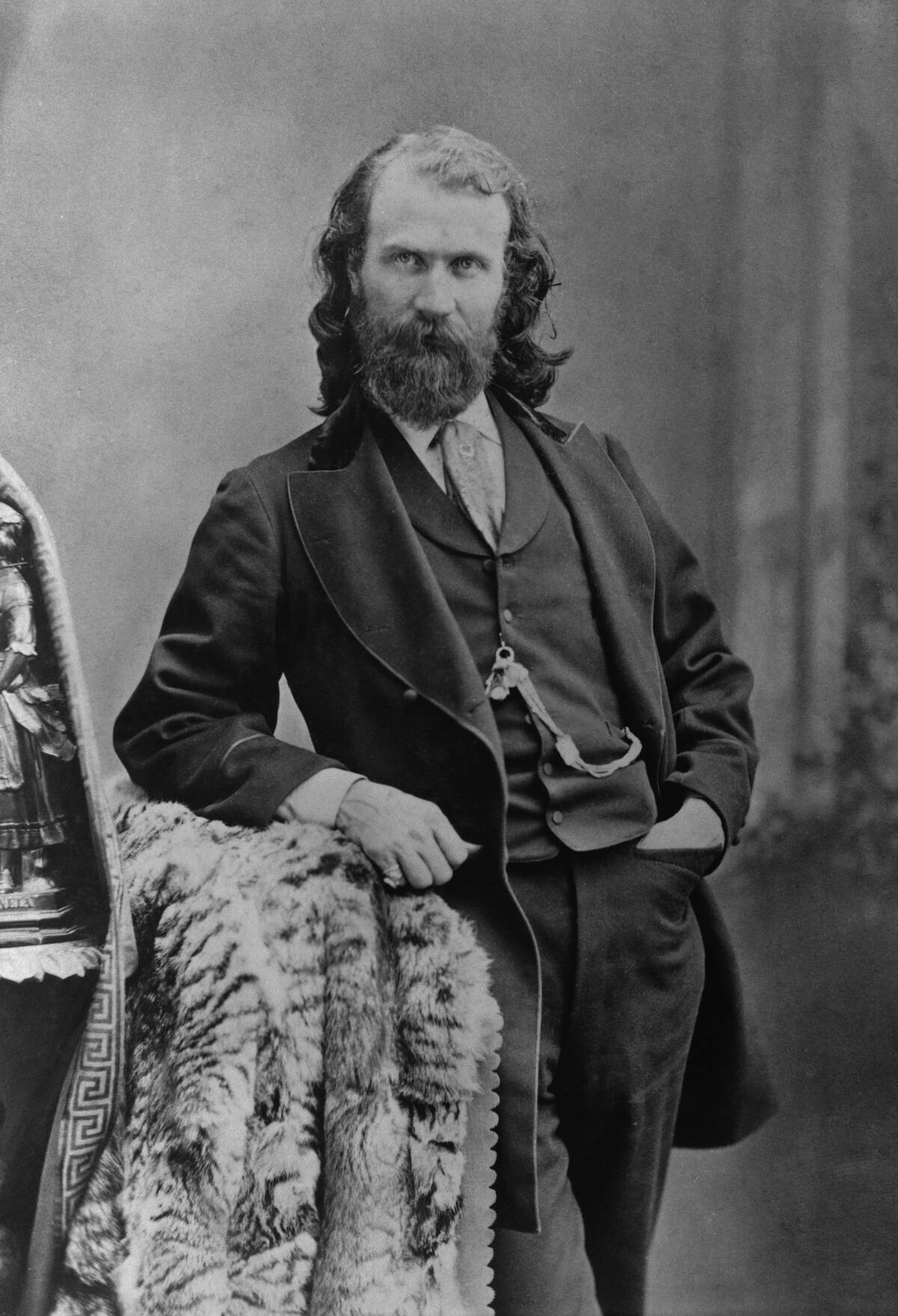
The late 19th century saw a surge in the popularity of beards among American men, known as the Great American Beard Boom. Influenced by figures like Abraham Lincoln and Charles Darwin, facial hair became a symbol of masculinity and wisdom.
Barbershops thrived as men sought to maintain well-groomed beards. However, the trend began to wane in the early 20th century as clean-shaven looks became associated with modernity and professionalism.
The Quirky Trend of Wearing Live Insects as Jewelry
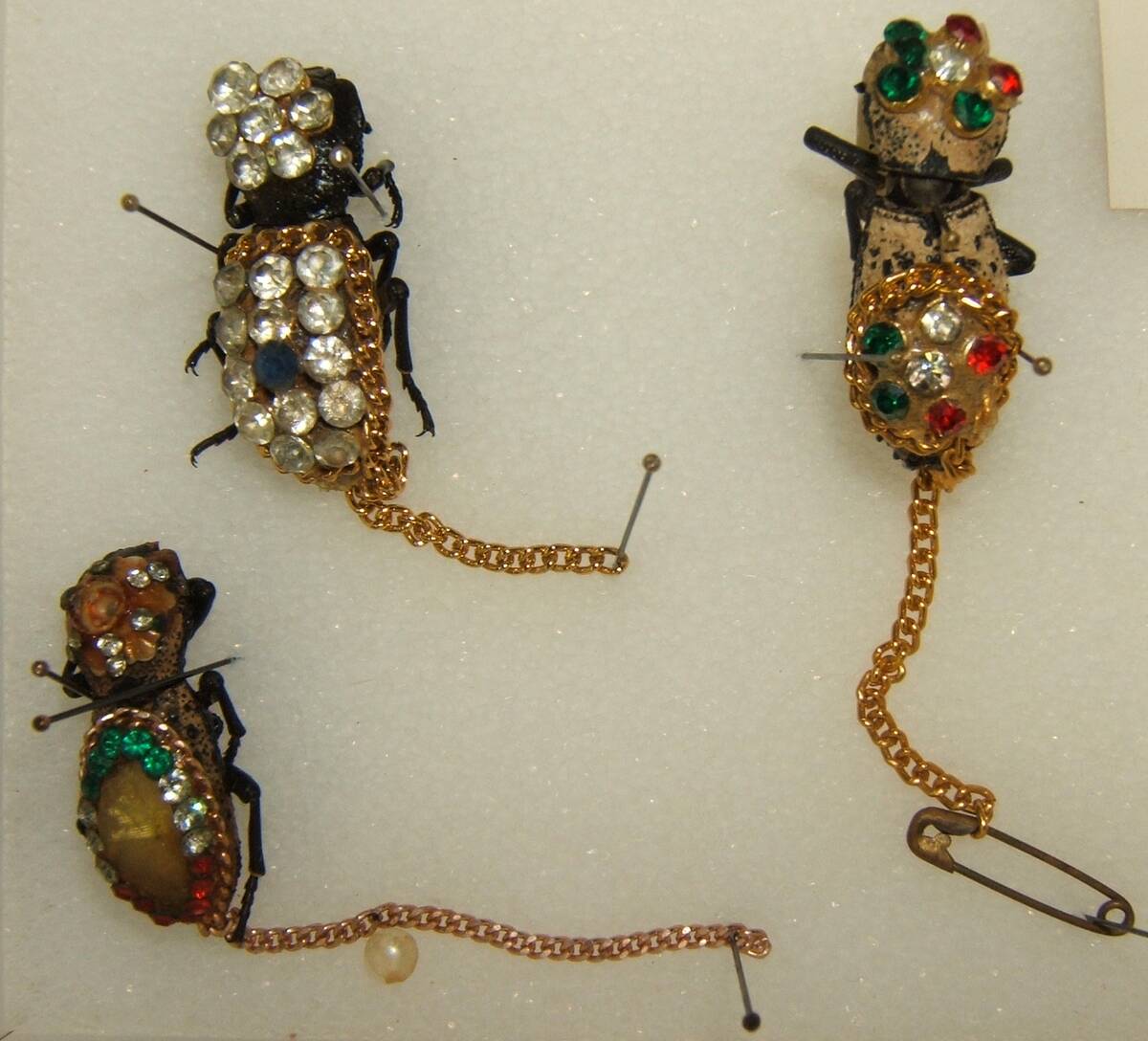
In the late 19th and early 20th centuries, wearing live insects as jewelry became a peculiar fashion trend. Beetles, adorned with jewels and attached to chains, were popular choices for brooches and hair accessories.
This trend was particularly popular in Mexico, where the Maquech beetle was used as a living brooch. While some saw it as a unique form of adornment, others criticized it for its cruelty to the insects. Eventually, the trend faded as more humane fashion choices emerged.
The Brief Fashion Statement of Lead-Based Makeup
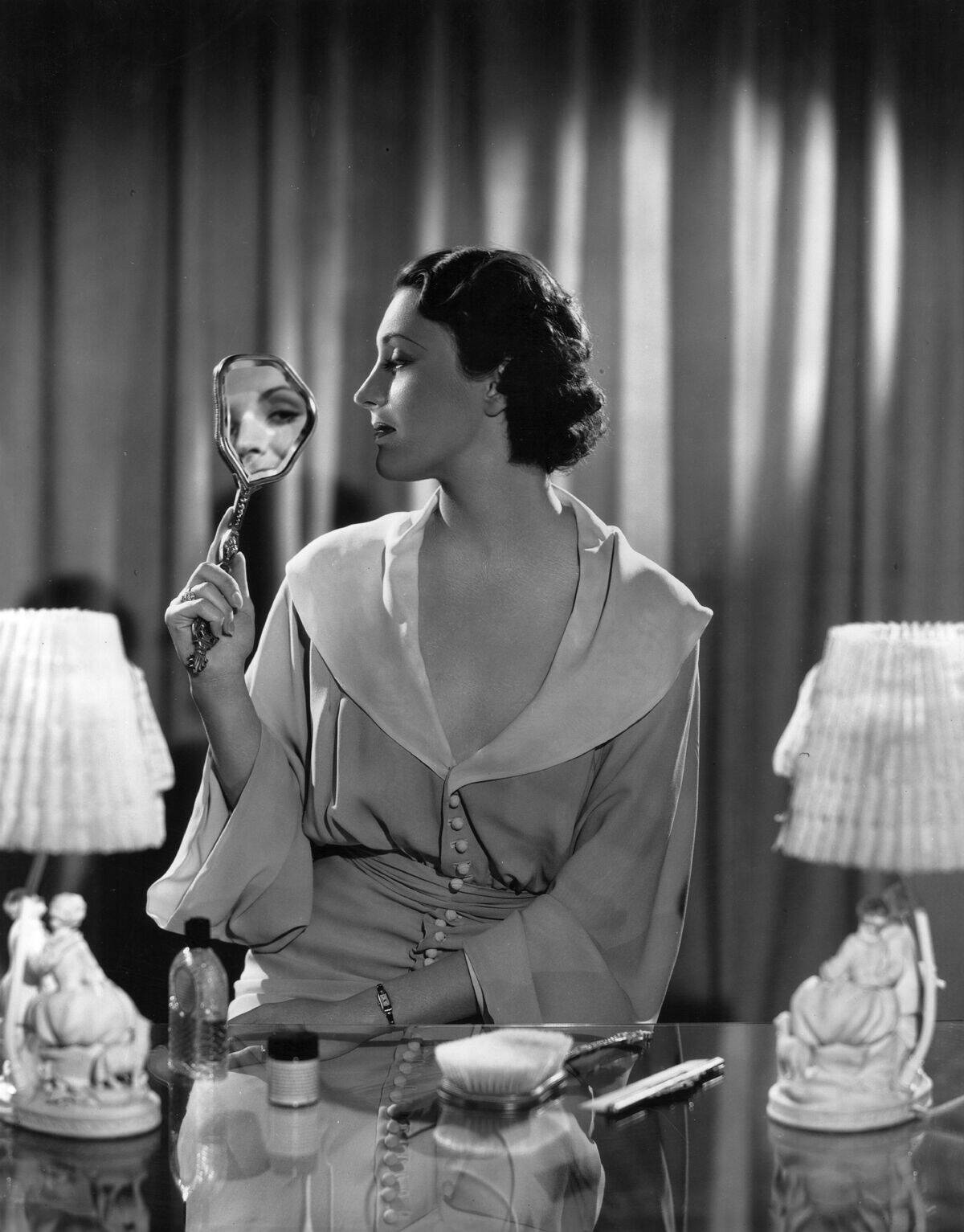
In the 18th century, lead-based makeup was all the rage among European aristocrats seeking a pale complexion. Known as “Venetian ceruse,” this toxic concoction was applied to the face, giving it a smooth, white appearance.
However, prolonged use led to severe health issues, including lead poisoning and skin deterioration. As the dangers became apparent, lead-based makeup fell out of favor, and safer alternatives were developed, marking a shift towards healthier beauty practices.
The Unusual Popularity of Electropathy: Shocking Your Way to Health
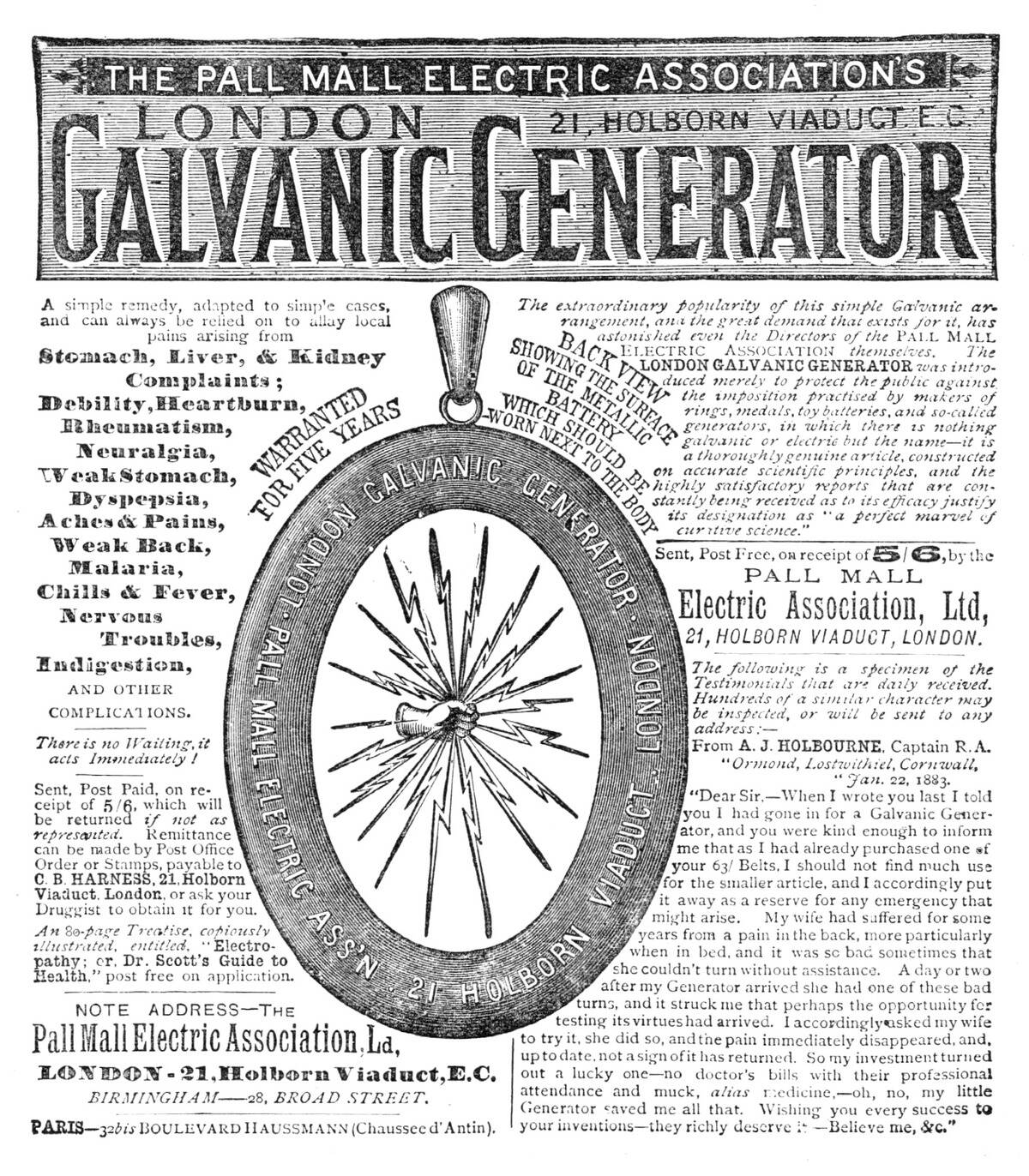
In the late 19th and early 20th centuries, electropathy emerged as a popular alternative medicine practice, promising to cure ailments through electric currents. Devices like the “electric belt” were marketed as remedies for everything from arthritis to impotence.
While some users reported positive effects, the scientific basis for electropathy was questionable at best. As medical understanding advanced, the practice was largely discredited, and its popularity waned, though it remains a curious chapter in the history of medical treatments.
The Peculiar Trend of Collecting Hair Art: A Victorian Keepsake
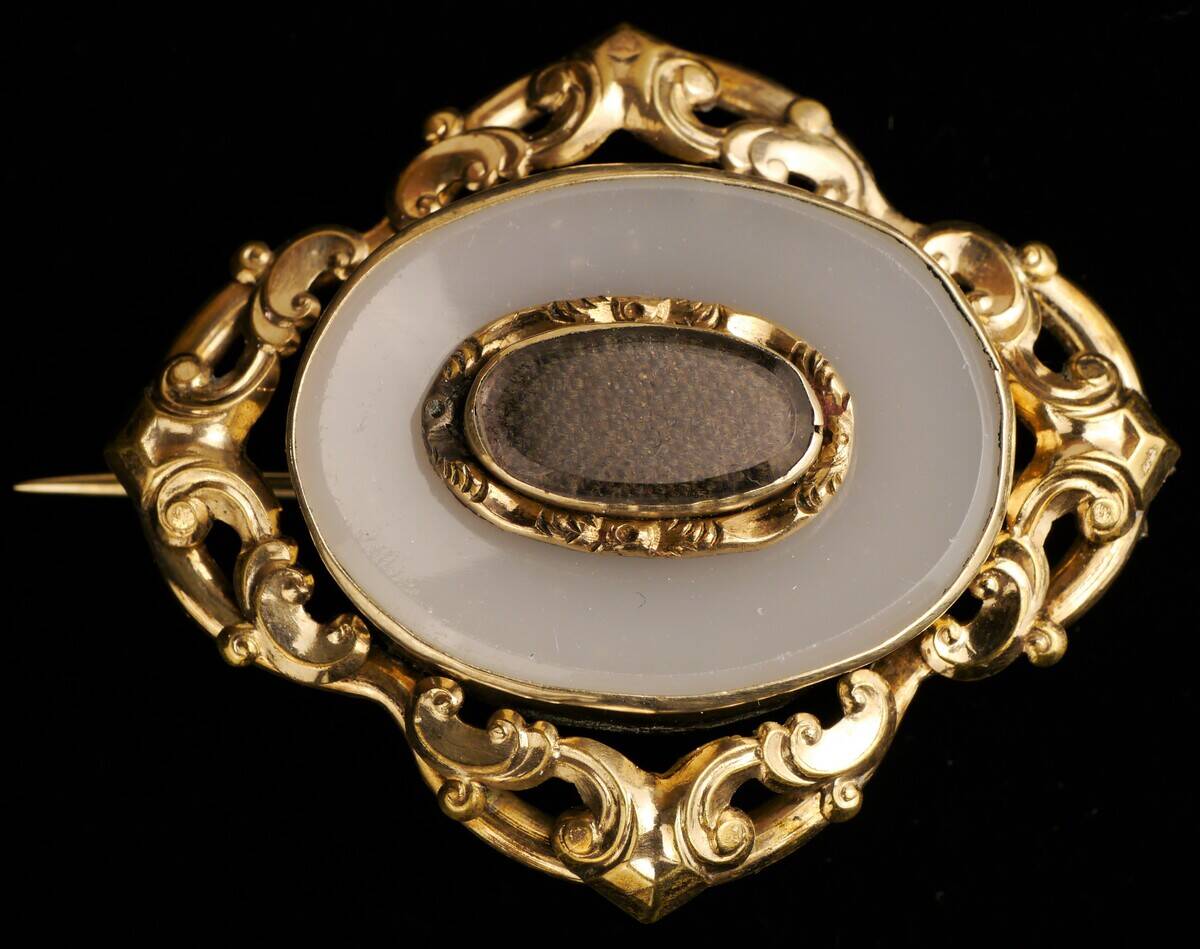
During the Victorian era, hair art became a popular way to commemorate loved ones. Intricate designs were crafted from human hair, often framed or incorporated into jewelry. These keepsakes served as sentimental mementos, preserving a physical connection to the deceased.
Hair art was particularly popular in mourning, reflecting the era’s fascination with death and remembrance. As tastes changed, the practice of creating hair art declined, but surviving pieces offer a fascinating glimpse into Victorian customs.
The Rise of the Pineapple as a Symbol of Wealth and Hospitality
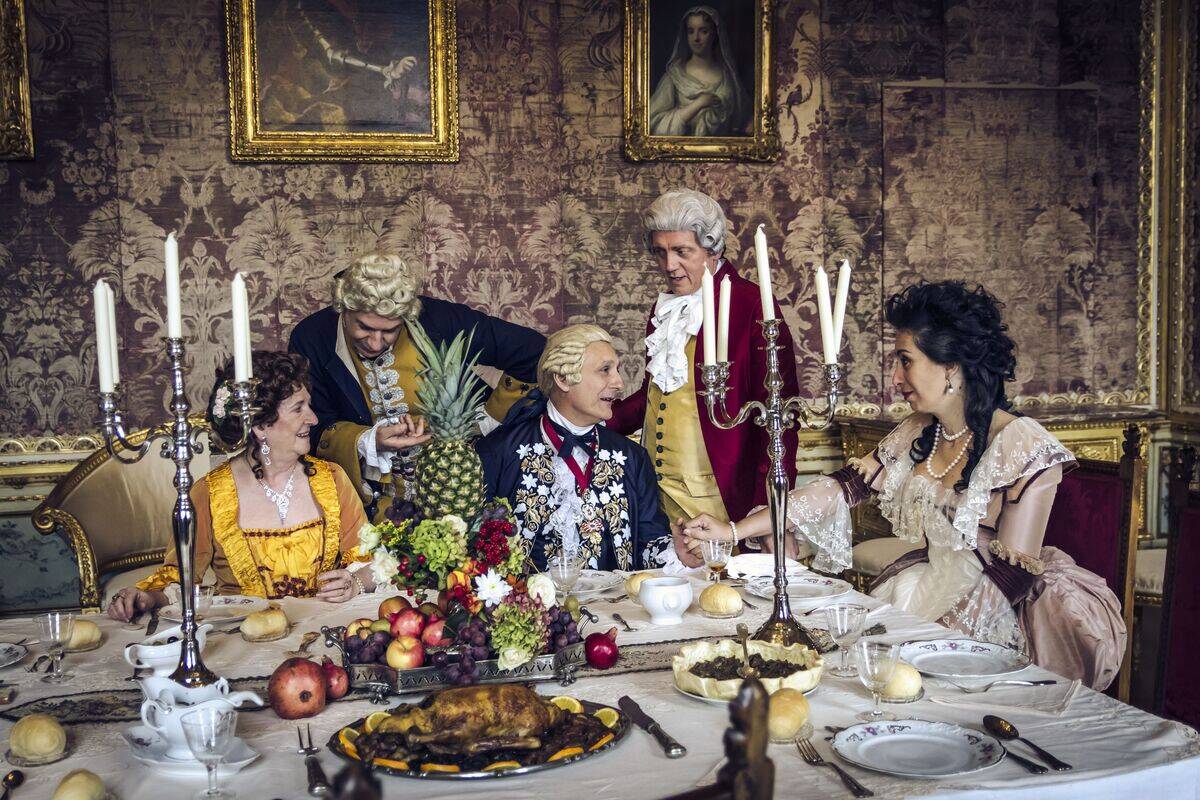
In the 18th century, pineapples became a symbol of wealth and hospitality in Europe and America. Due to their rarity and expense, owning a pineapple was a status symbol, often displayed at lavish gatherings.
Hosts would rent pineapples to impress guests, showcasing their affluence. The fruit’s exotic appearance and sweet taste contributed to its allure. Over time, pineapples became more accessible, but their legacy as a symbol of hospitality endures, often seen in decorative motifs and architecture.
The Curious Craze for Sea Bathing Machines in the 18th Century
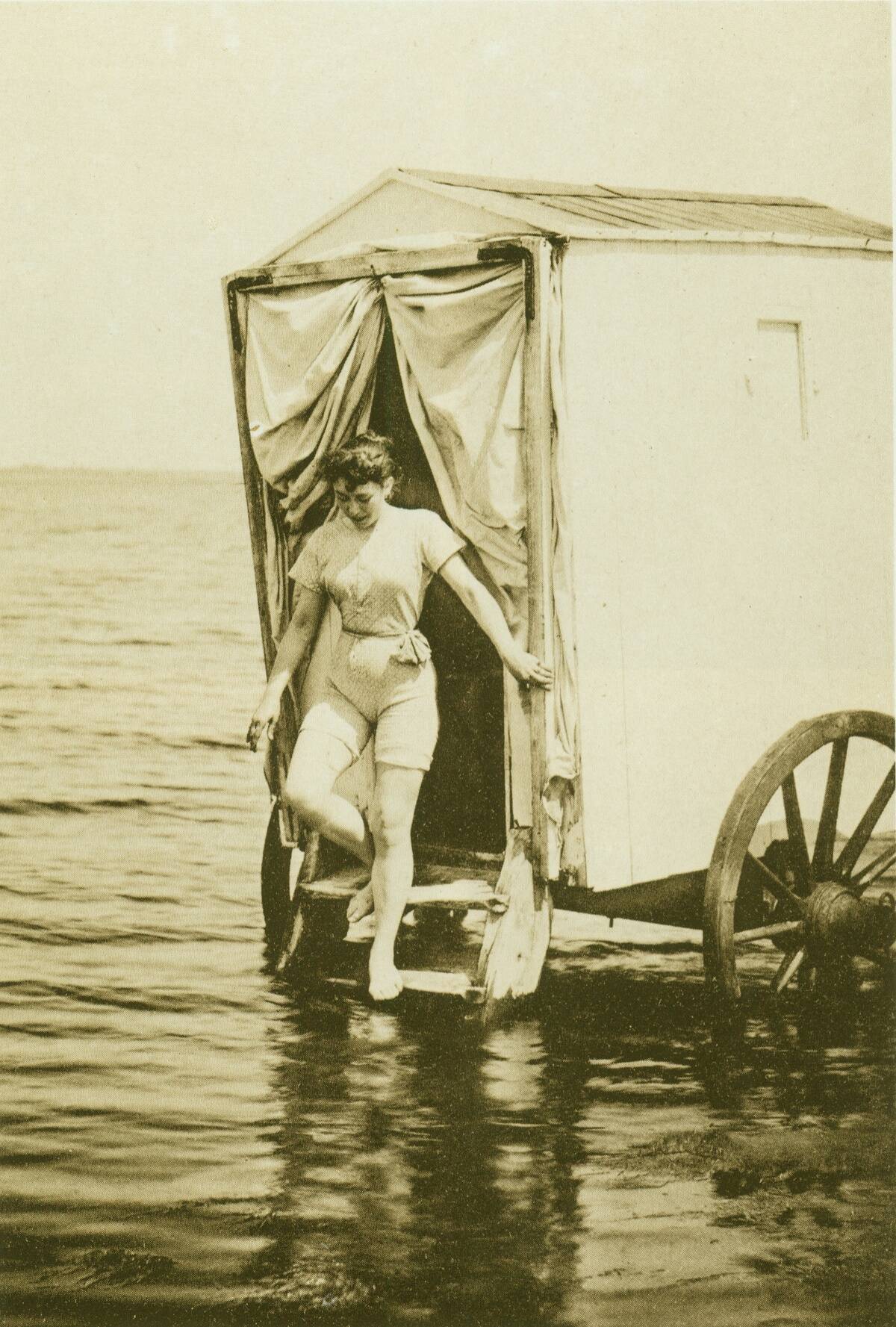
In the 18th century, sea bathing machines became a popular way for people to enjoy the ocean while maintaining modesty. These wooden carts, equipped with changing rooms, were wheeled into the water, allowing bathers to discreetly enter the sea.
The trend was especially popular in Britain, where the health benefits of sea bathing were widely touted. As social norms evolved and swimwear became more accepted, the use of sea bathing machines declined, but they remain an intriguing part of seaside history.




