Some of the most influential speeches ever delivered in history
Words have the power to inspire, provoke, and transform societies. Throughout history, speeches have played a pivotal role in shaping public opinion and driving social change.
From rallying cries in times of war to calls for equality and justice, powerful speeches have left an indelible mark on the world. They remind us of our shared humanity and the potential for progress when we come together with a common purpose.
Abraham Lincoln’s Gettysburg Address: A Call for Unity
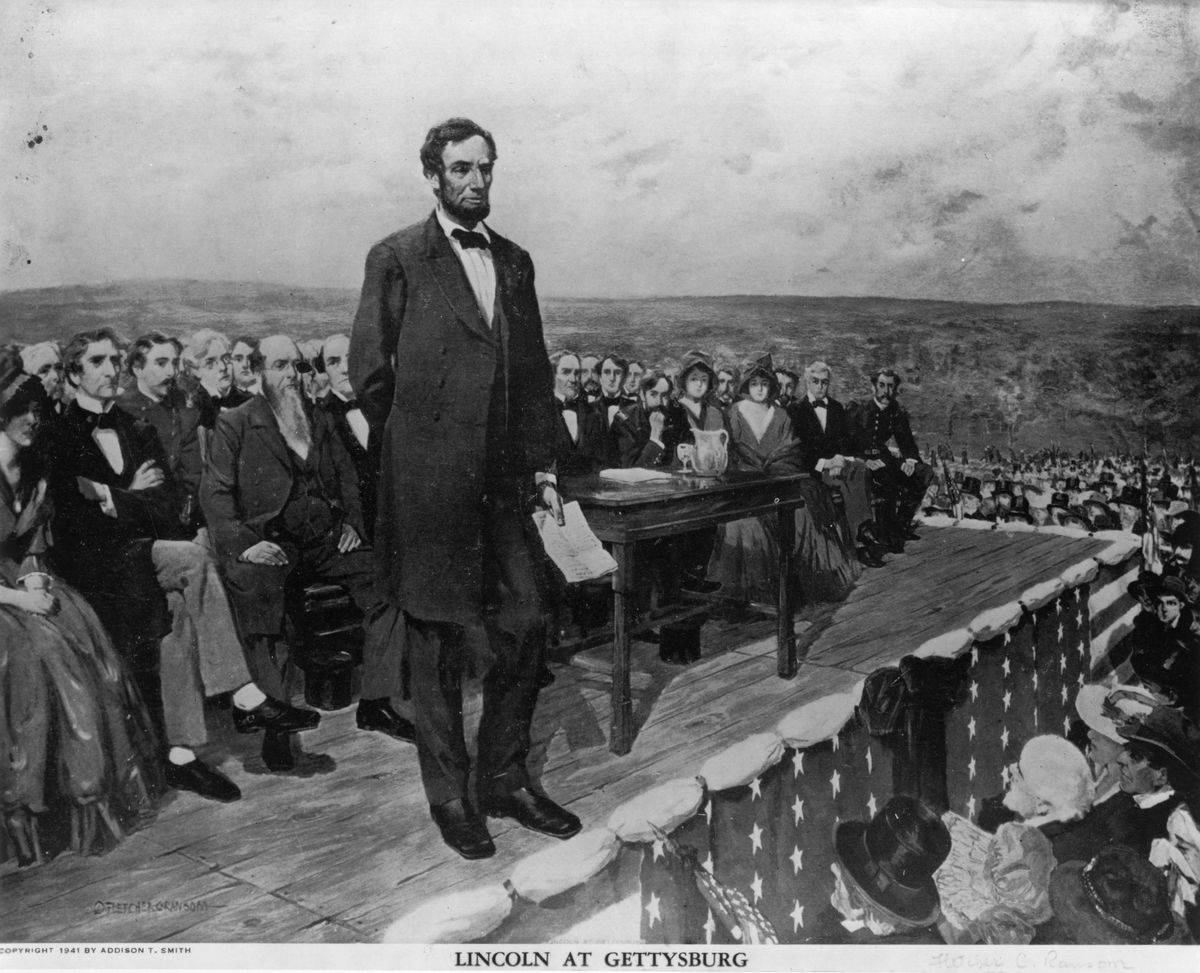
Delivered during the American Civil War, Lincoln’s Gettysburg Address is a masterclass in brevity and impact. In just 272 words, Lincoln redefined the purpose of the war, emphasizing national unity and the principle of human equality.
His words, “government of the people, by the people, for the people,” continue to resonate as a testament to democratic ideals. The address, given at the dedication of the Soldiers’ National Cemetery, was a pivotal moment in American history.
Martin Luther King Jr.’s “I Have a Dream”: A Vision for Equality
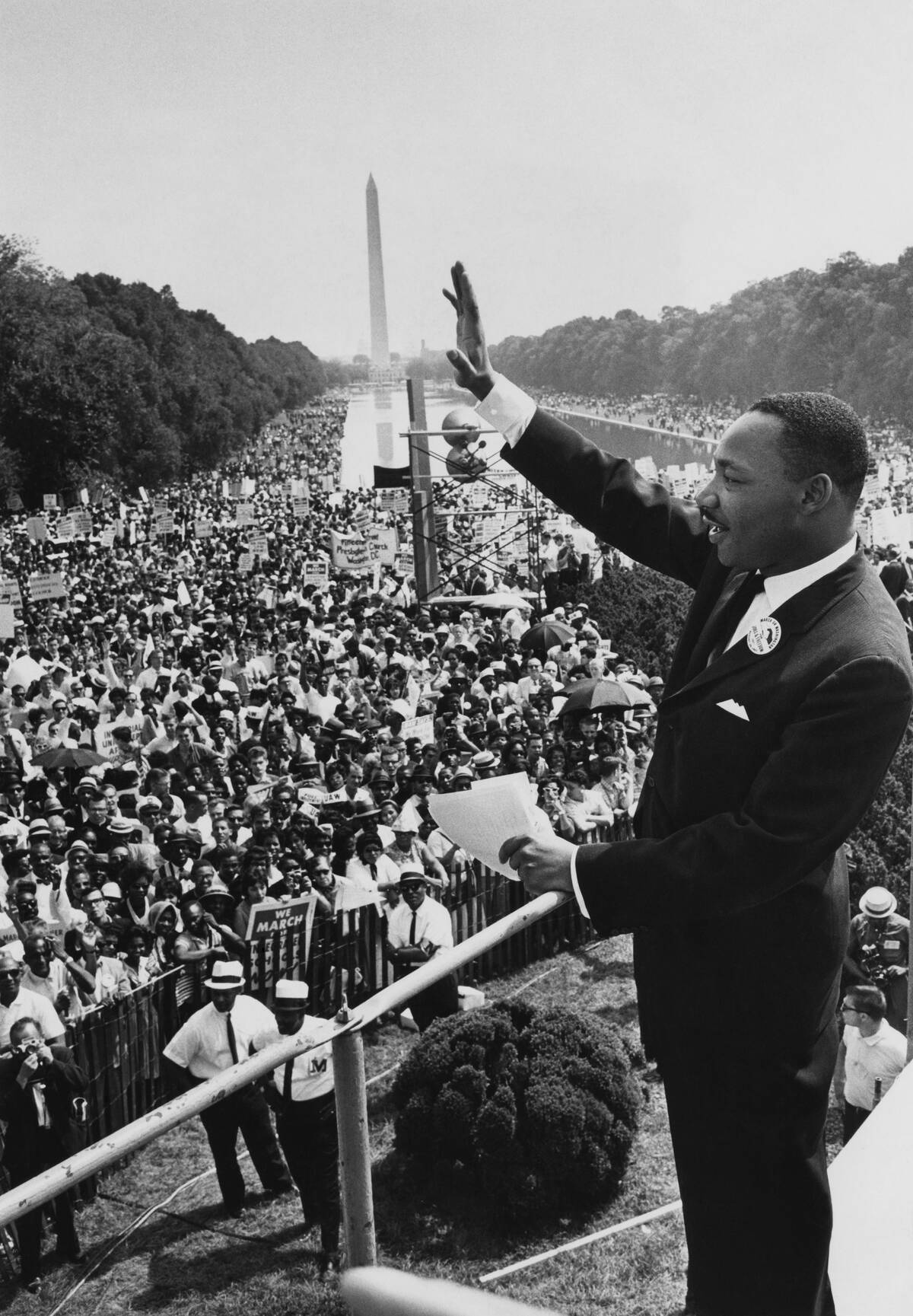
On August 28, 1963, Martin Luther King Jr. delivered his iconic “I Have a Dream” speech during the March on Washington for Jobs and Freedom. His dream of a nation where people are judged by their character rather than skin color inspired generations to fight for civil rights.
King’s eloquent call for racial harmony and justice remains a cornerstone of the civil rights movement and continues to inspire activists worldwide.
Barack Obama’s “Yes We Can”: A Message of Hope and Change
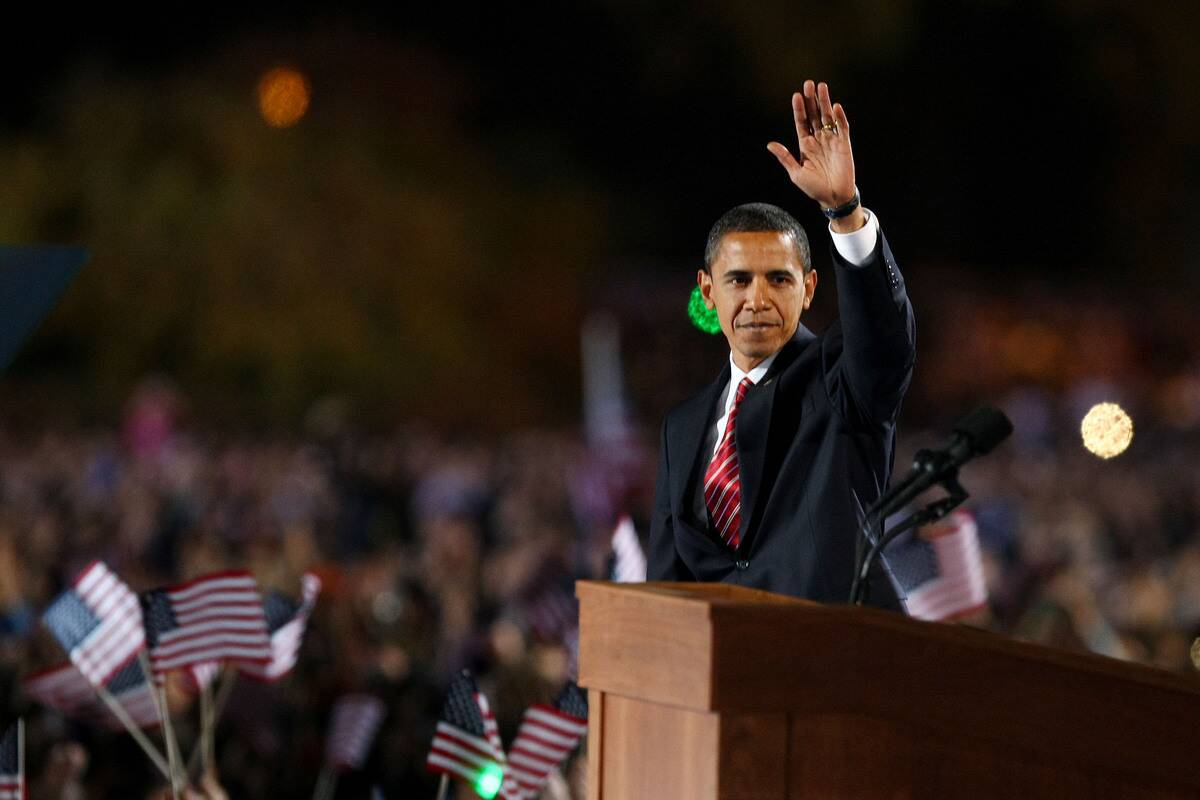
Barack Obama’s 2008 presidential campaign was defined by his “Yes We Can” speech, which captured the spirit of hope and change. His message, most closely associated with his New Hampshire primary speech, captured the power of ordinary citizens to create progress together
Obama’s message resonated with millions, leading to his historic election as the first African American president of the United States. His words continue to inspire those seeking a better future.
Elie Wiesel’s “The Perils of Indifference”: A Plea for Compassion
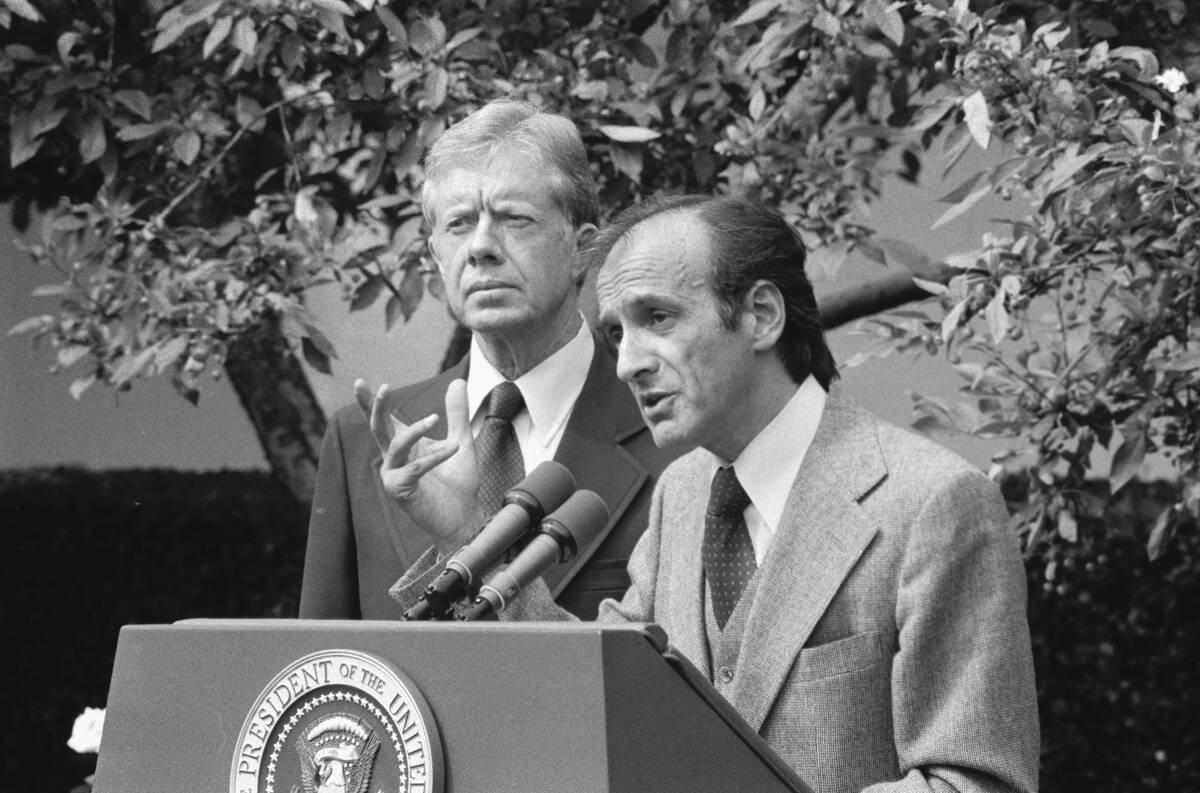
Elie Wiesel, a Holocaust survivor and Nobel laureate, delivered his “The Perils of Indifference” speech at the White House in 1999. He warned against the dangers of apathy and urged the world to act with compassion and empathy.
Wiesel’s powerful message emphasized the moral responsibility to stand against injustice and suffering. His words continue to resonate as a reminder of the importance of caring for one another in an increasingly interconnected world.
Winston Churchill’s “We Shall Fight on the Beaches”: A Wartime Rallying Cry
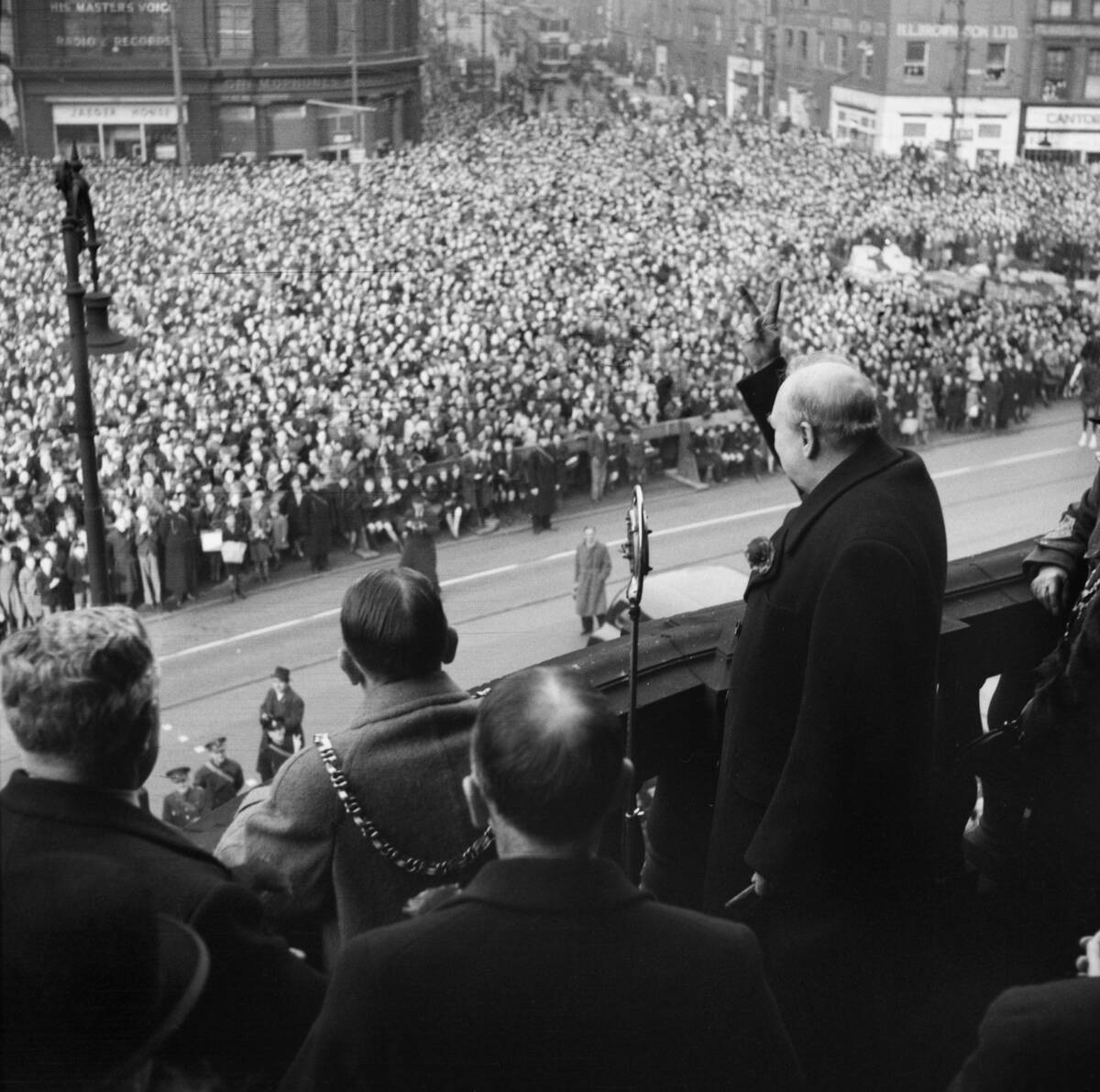
In the dark days of World War II, Winston Churchill’s speeches were a beacon of hope for Britain. His “We Shall Fight on the Beaches” speech, delivered in 1940, was a defiant pledge to resist Nazi aggression at all costs.
Churchill’s stirring words galvanized the British public, reinforcing their resolve to fight on despite overwhelming odds. His oratory skills were instrumental in maintaining morale during a critical period of the war.
Susan B. Anthony’s “On Women’s Right to Vote”: Paving the Way for Suffrage
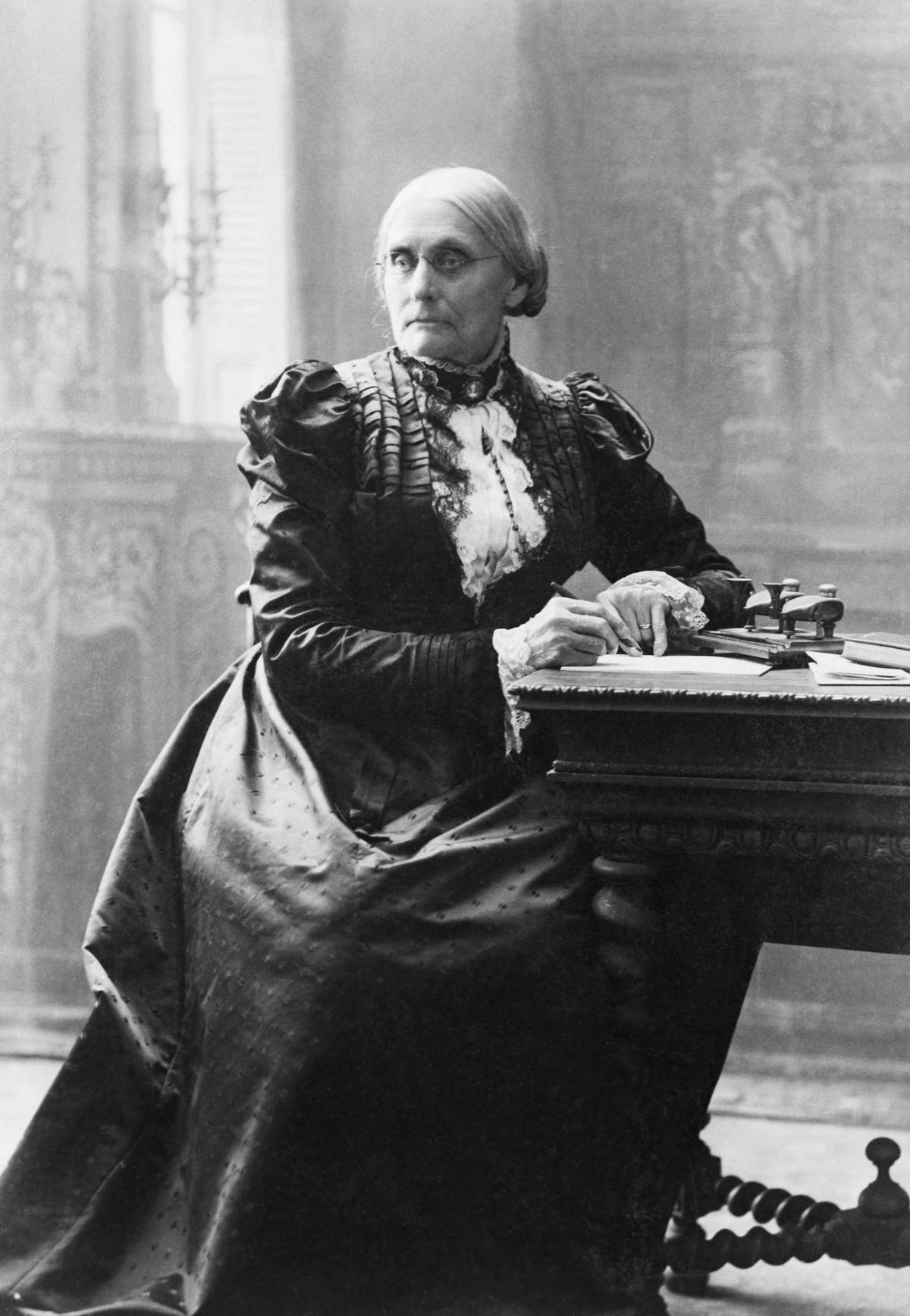
Susan B. Anthony’s tireless advocacy for women’s suffrage was encapsulated in her 1873 speech after being fined for voting illegally. Her argument that voting was a natural right for all citizens laid the groundwork for the eventual passage of the 19th Amendment.
Anthony’s dedication to equality and justice inspired future generations of activists and remains a powerful reminder of the ongoing struggle for women’s rights.
Franklin D. Roosevelt’s “The Only Thing We Have to Fear”: Leading Through Crisis
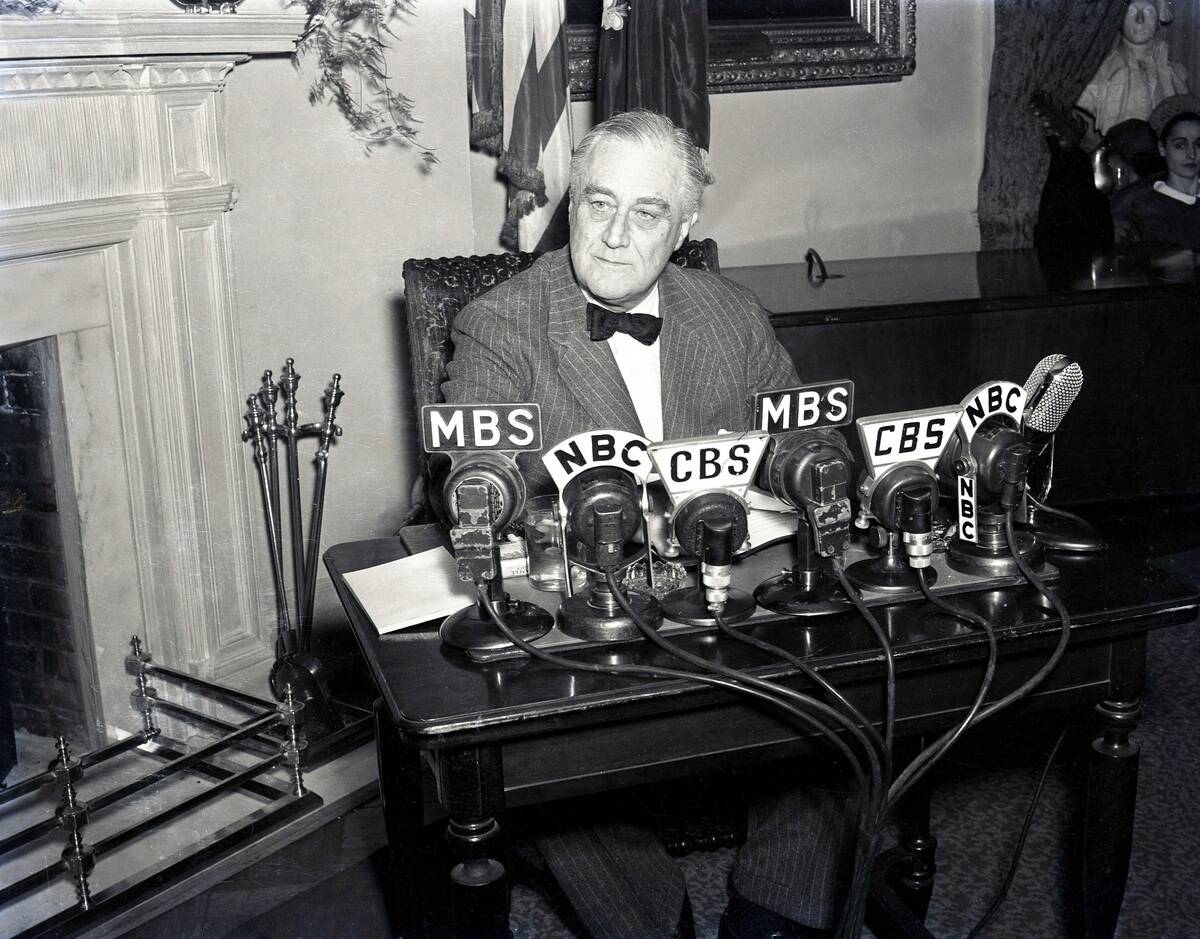
During his first inaugural address in 1933, Franklin D. Roosevelt faced the daunting task of leading America out of the Great Depression. His assertion that “the only thing we have to fear is fear itself” sought to restore confidence and hope in a nation grappling with economic despair.
Roosevelt’s New Deal policies and reassuring rhetoric helped to stabilize the economy and renew the American spirit during one of its darkest hours.
Malala Yousafzai’s UN Youth Assembly Speech: A Young Voice for Education
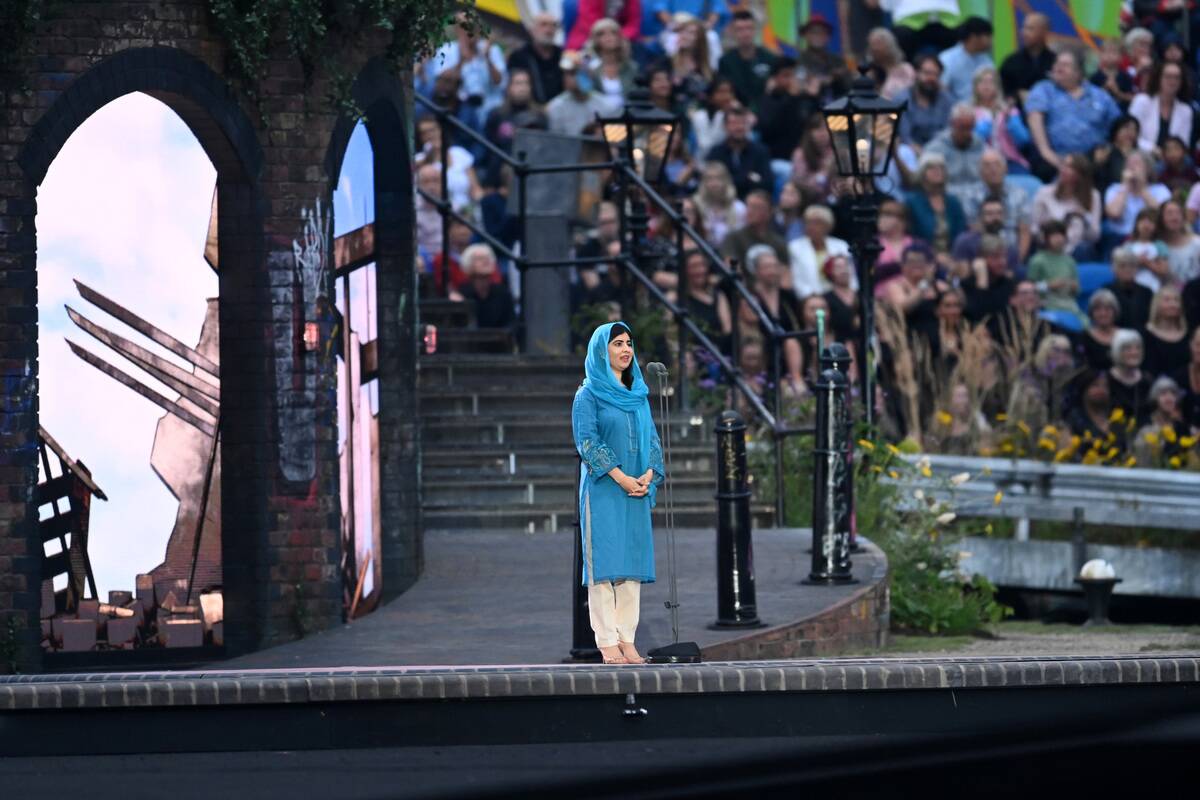
Malala Yousafzai, the youngest Nobel Prize laureate, delivered a powerful speech at the UN Youth Assembly on her 16th birthday. She advocated for education as a fundamental right for all children, regardless of gender.
Her courage and resilience in the face of adversity have made her a global symbol of the fight for girls’ education. Malala’s message continues to inspire young people to stand up for their rights and pursue their dreams.
Mahatma Gandhi’s “Quit India” Speech: A Call for Independence
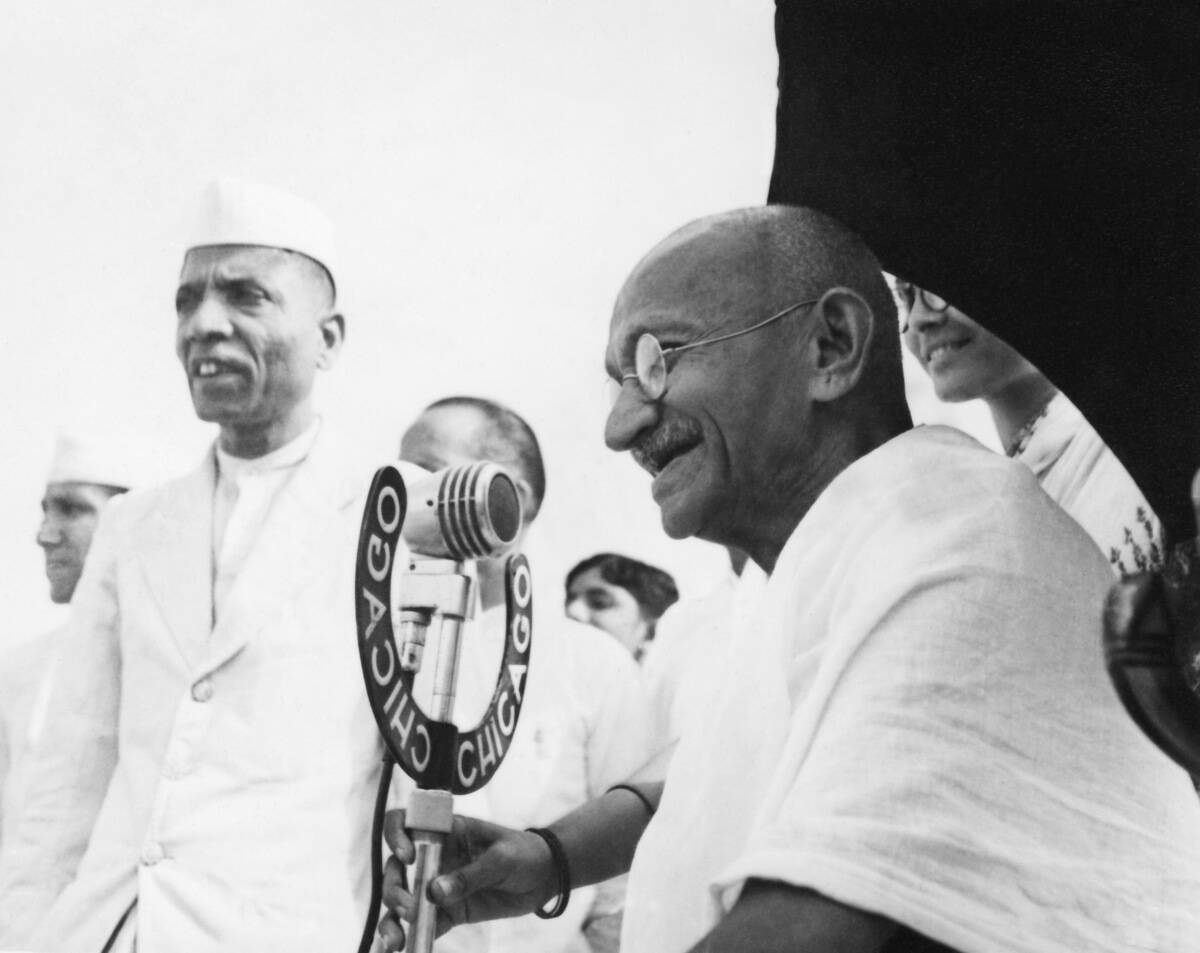
In 1942, Mahatma Gandhi delivered his “Quit India” speech, calling for an end to British rule in India. His message of nonviolent resistance and civil disobedience galvanized the Indian independence movement.
Gandhi’s unwavering commitment to peace and justice inspired millions to join the struggle for freedom. His legacy of nonviolent protest continues to influence movements for social change around the world.
Nelson Mandela’s Release Speech: A Triumph Over Apartheid
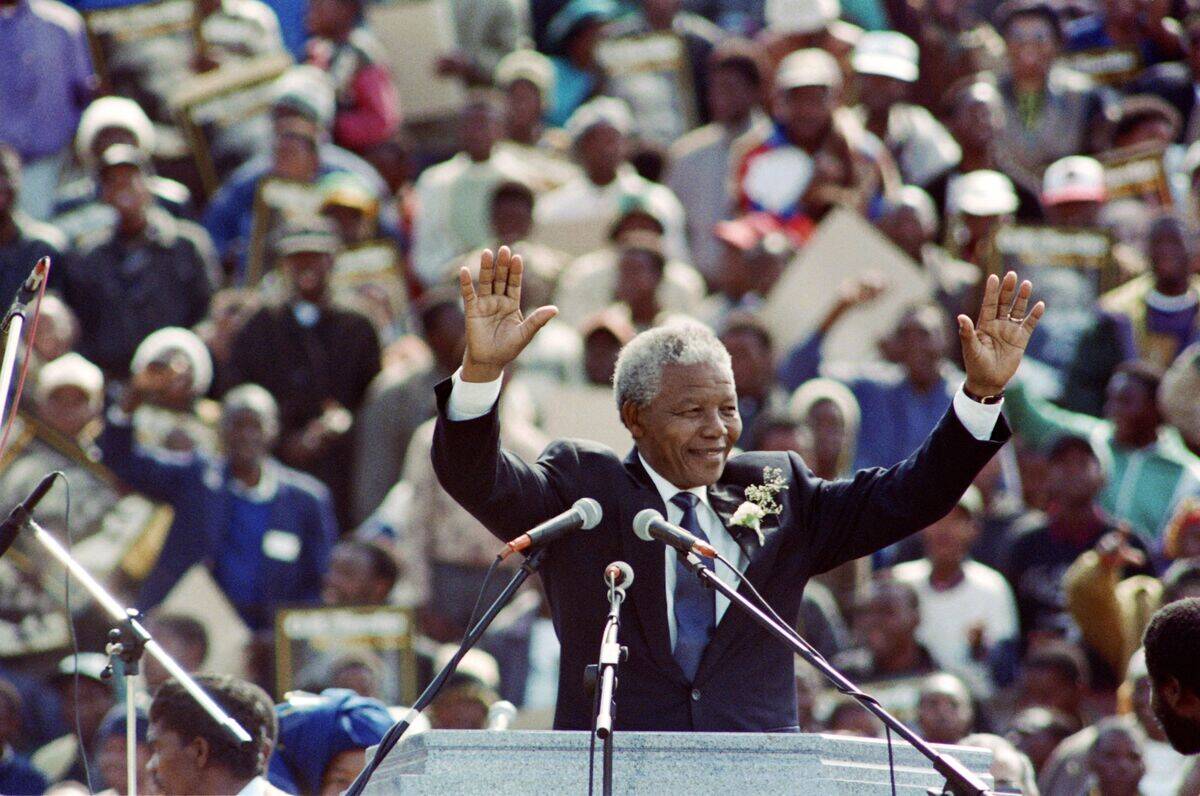
After 27 years in prison, Nelson Mandela’s release on February 11, 1990, marked a turning point in South Africa’s history. His speech that day emphasized reconciliation and nation-building, setting the tone for a peaceful transition from apartheid.
Mandela’s commitment to forgiveness and unity helped heal a divided nation and laid the foundation for a democratic South Africa. His words continue to inspire those fighting for freedom and justice around the world.
John F. Kennedy’s Inaugural Address: Inspiring a New Generation
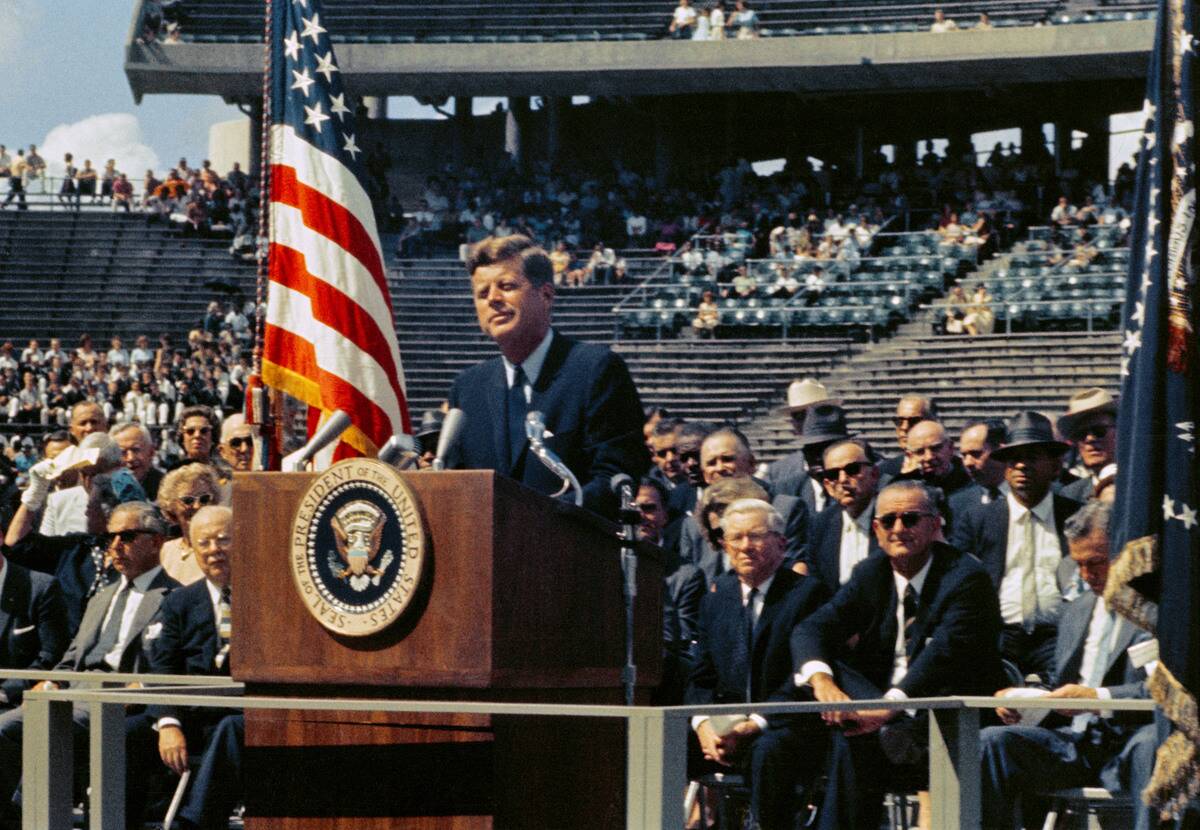
John F. Kennedy’s inaugural address on January 20, 1961, is remembered for its call to civic duty and global cooperation. His famous line, “Ask not what your country can do for you—ask what you can do for your country,” challenged Americans to contribute to the public good.
Kennedy’s youthful energy and vision for a better world inspired a generation to engage in public service and strive for peace and progress.
Ronald Reagan’s “Tear Down This Wall”: A Demand for Freedom
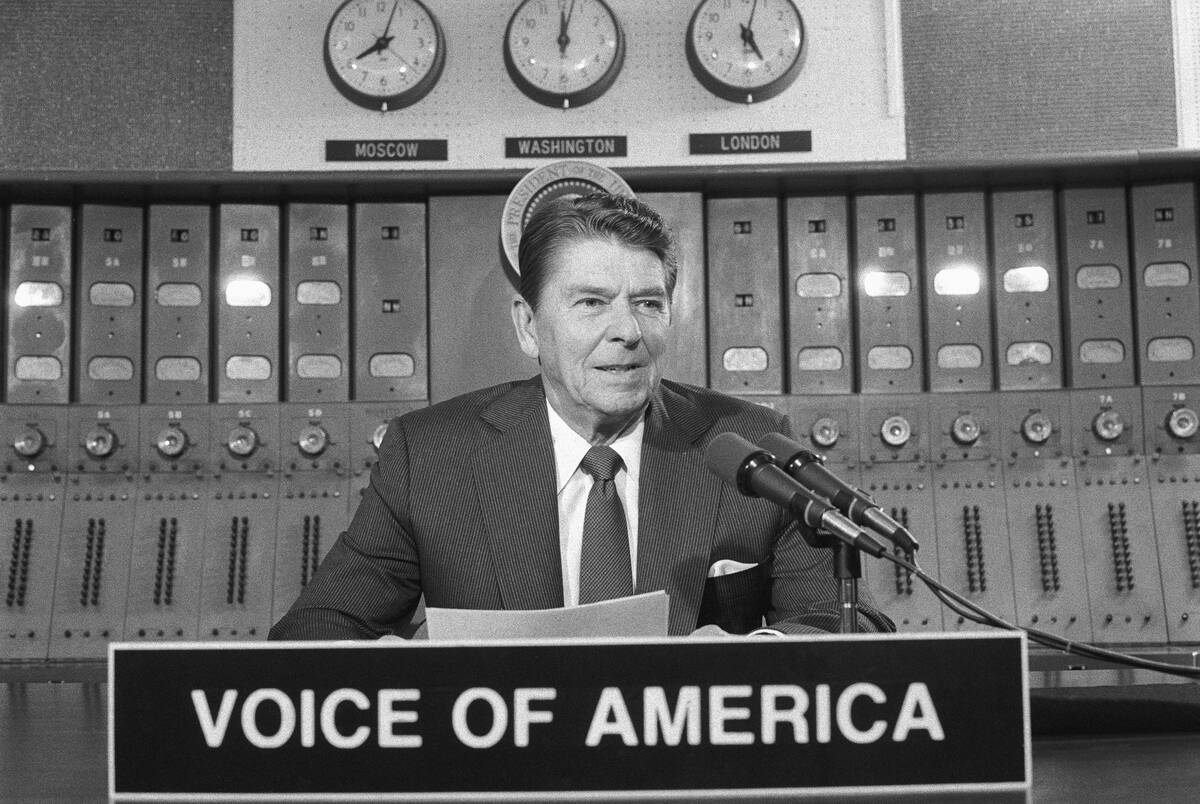
On June 12, 1987, Ronald Reagan stood at the Brandenburg Gate and challenged Soviet leader Mikhail Gorbachev to “tear down this wall.” His speech symbolized the struggle for freedom and the end of the Cold War.
The Berlin Wall fell just two years later, marking a significant turning point in history. Reagan’s bold rhetoric and steadfast belief in liberty continue to resonate as a testament to the power of words in shaping global events.
Sojourner Truth’s “Ain’t I a Woman?”: Challenging Gender Norms
![[redacted]](https://media.tellmebest.com/wp-content/uploads/2023/08/sojourner-truth-35078.jpeg)
In 1851, Sojourner Truth delivered her “Ain’t I a Woman?” speech at the Women’s Rights Convention in Akron, Ohio. She challenged prevailing gender norms and highlighted the intersection of race and gender in the fight for equality.
Truth’s powerful words underscored the need for inclusive feminism and continue to inspire those advocating for gender and racial justice. Her legacy as a trailblazer in the women’s rights movement endures to this day.
Greta Thunberg’s Climate Action Speech: A Youthful Call to Action

Greta Thunberg, a Swedish environmental activist, delivered a passionate speech at the UN Climate Action Summit in 2019. She criticized world leaders for their inaction on climate change and urged immediate action to protect the planet.
Thunberg’s unwavering commitment to environmental justice has galvanized a global movement of young activists. Her message of urgency and accountability continues to inspire individuals to take meaningful steps towards a sustainable future.
Steve Jobs’ Stanford Commencement Address: Lessons on Life and Innovation
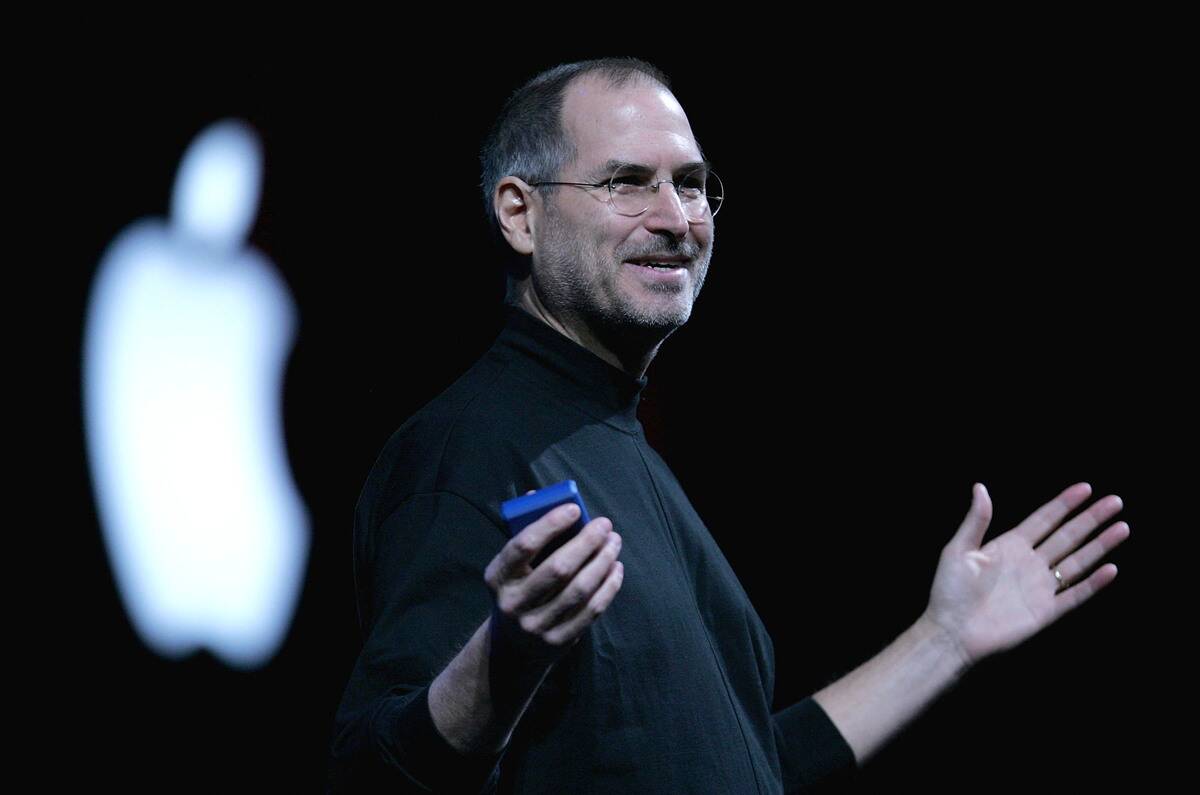
In 2005, Steve Jobs delivered a memorable commencement address at Stanford University, sharing personal stories and life lessons. He encouraged graduates to pursue their passions and embrace failure as a stepping stone to success.
Jobs’ insights on innovation, creativity, and perseverance have inspired countless individuals to think differently and pursue their dreams. His speech remains a timeless source of motivation for aspiring entrepreneurs and innovators.




