These historical truths and tales may sound fake but they’re entirely real!
History is a treasure trove of astonishing tales that often defy belief. From peculiar wars to bizarre plagues, the past is filled with events that seem stranger than fiction.
These stories not only entertain us but also offer a glimpse into the quirks of human nature and the unpredictability of life. So, buckle up as we go on a journey through some of the most unbelievable truths from history that will leave you both amused and amazed.
The Great Emu War: Australia’s Feathered Fiasco
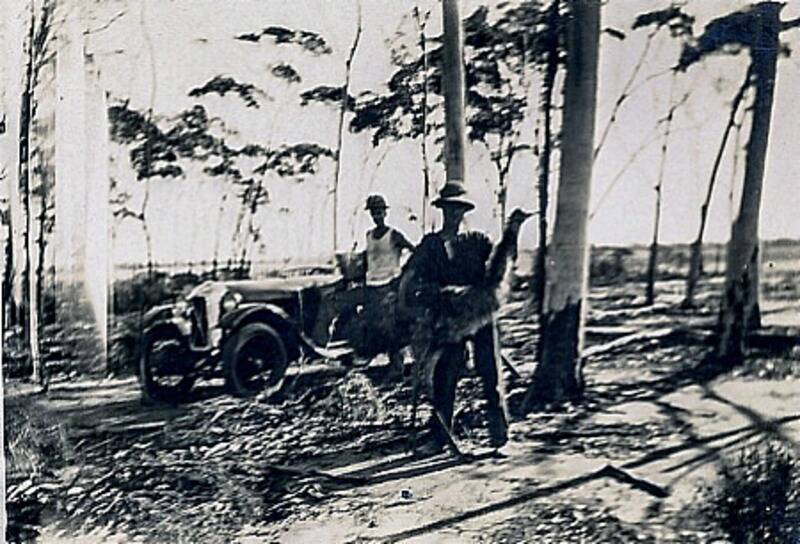
In 1932, Australia waged war against a formidable foe: the emu. These large, flightless birds were wreaking havoc on crops in Western Australia, prompting the government to deploy soldiers armed with machine guns.
Despite their efforts, the emus proved too agile and resilient, leading to a humiliating defeat for the humans. The Great Emu War is a testament to the unpredictability of nature and a reminder that sometimes, the underdog—or in this case, underbird—wins.
The Dancing Plague of 1518: When Boogie Fever Turned Deadly
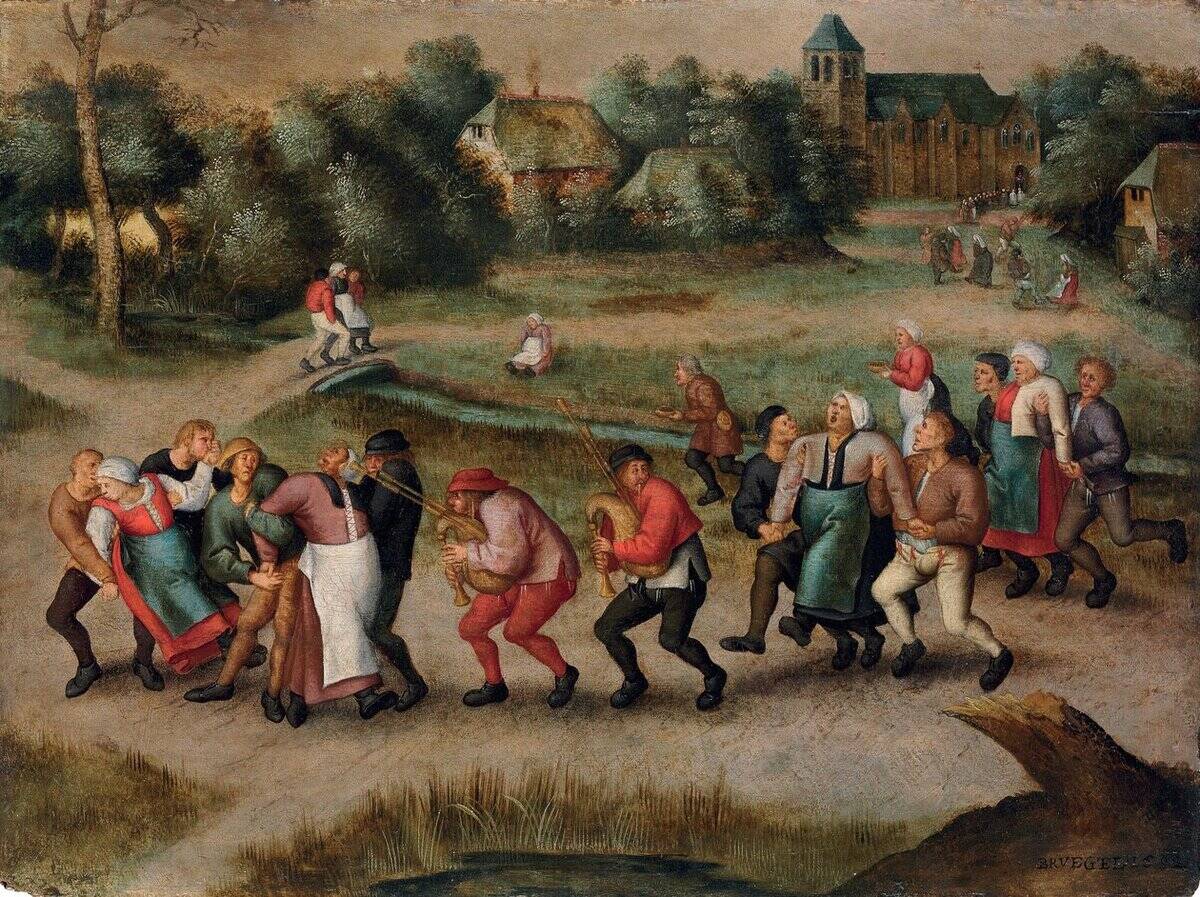
In the summer of 1518, the residents of Strasbourg were struck by a mysterious compulsion to dance. It began with one woman and soon spread to hundreds, who danced for days without rest.
The cause remains unknown, but theories range from mass hysteria to ergot poisoning. This bizarre event resulted in several deaths due to exhaustion and heart attacks, highlighting the strange and sometimes deadly power of human psychology.
Napoleon’s Short Stature: A Myth Taller Than the Man
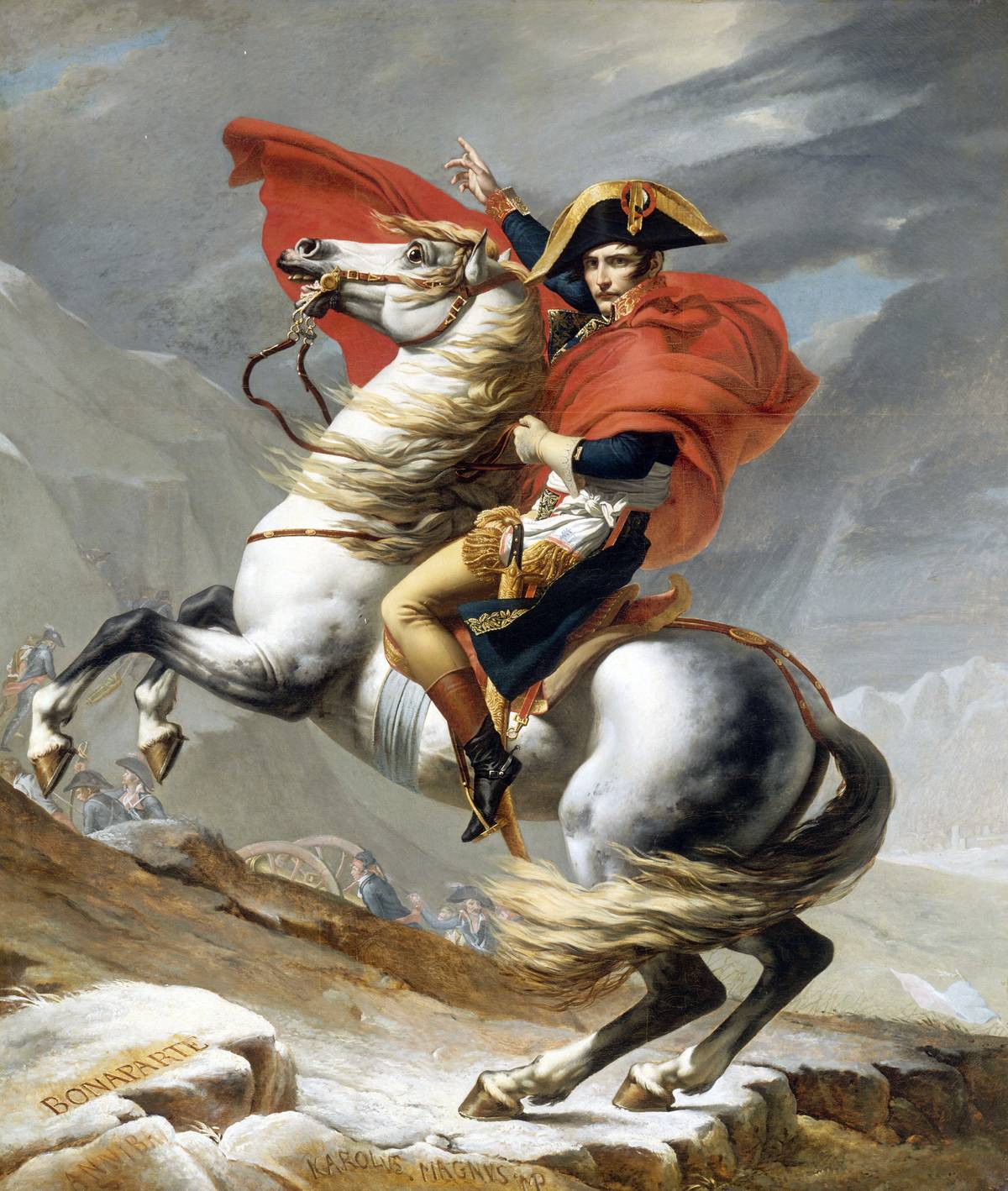
Napoleon Bonaparte is often remembered as a short man with a big ambition. However, the notion of his diminutive stature is largely a myth. Standing at around 5 feet 7 inches, he was actually of average height for his time.
The misconception likely arose from a mix-up between French and British measuring systems and was further perpetuated by his enemies to belittle him. This myth serves as a reminder of how easily facts can be distorted over time.
The Great Molasses Flood of 1919: Boston’s Sticky Situation
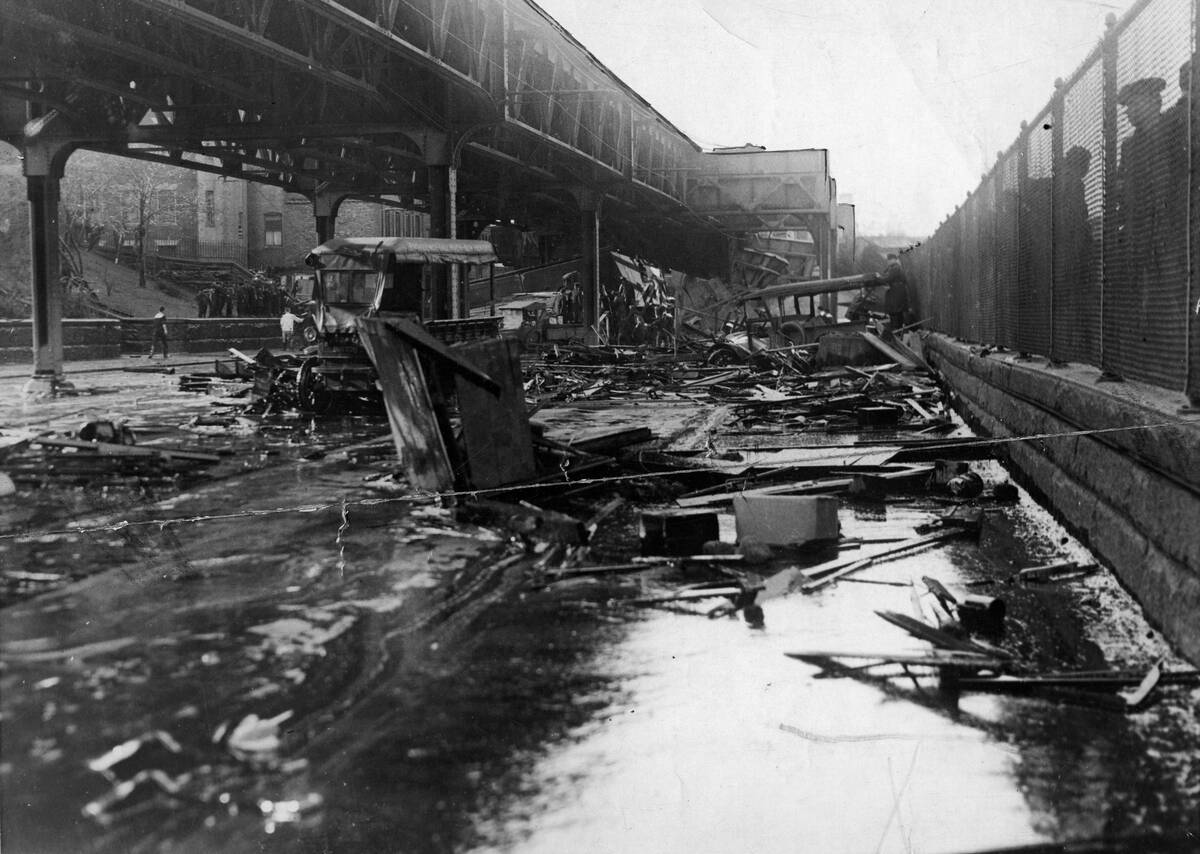
In 1919, Boston’s North End was engulfed by a wave of molasses when a storage tank burst, releasing over 2 million gallons of the sticky substance. The molasses flood killed 21 people and caused extensive damage.
The disaster, attributed to poor construction and maintenance, led to stricter building regulations. This unusual event serves as a reminder of the importance of safety standards and the unexpected ways in which disasters can occur.
The Explosive Eruption of Krakatoa: Heard Around the World
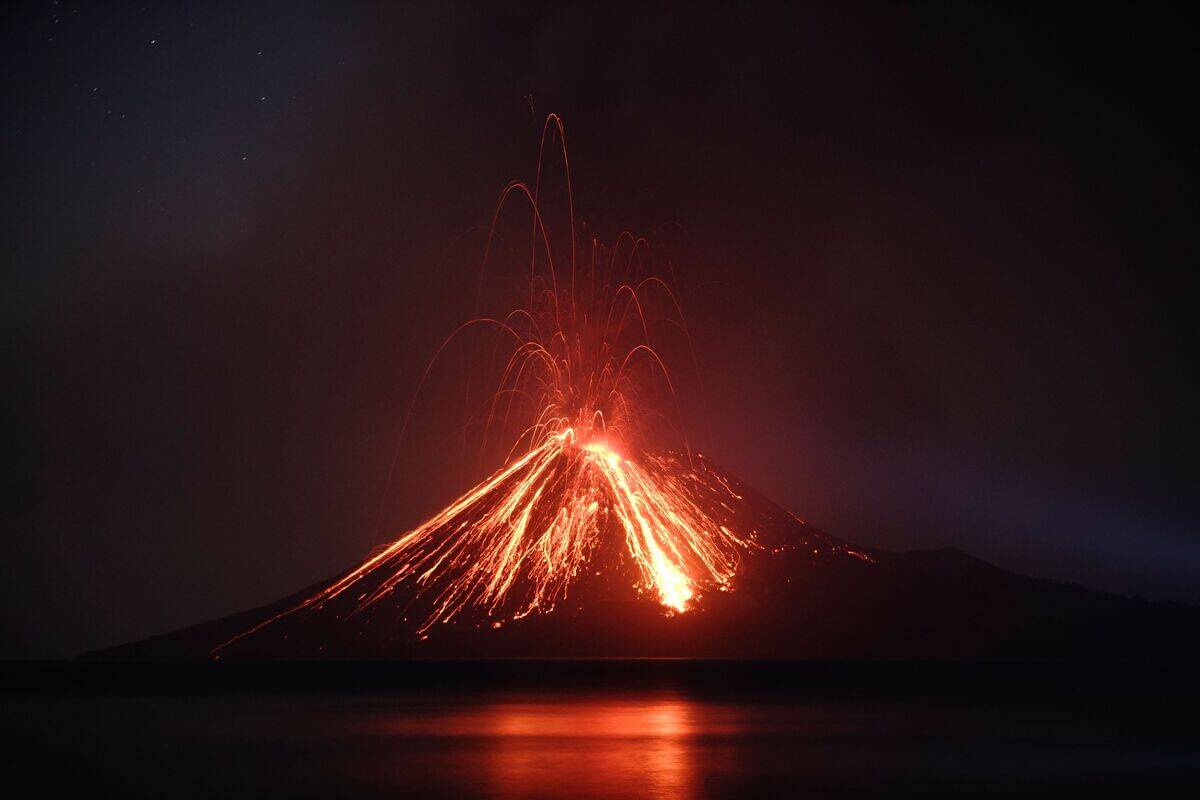
In 1883, the volcanic island of Krakatoa erupted with a force so powerful that it was heard over 3,000 miles away. The eruption generated massive tsunamis and released ash that affected global climates for years.
It is considered one of the most violent volcanic events in recorded history, with its sound waves circling the globe multiple times. The Krakatoa eruption is a stark reminder of nature’s raw power and its far-reaching impacts on the planet.
Cleopatra’s Time Gap: Closer to the Moon Landing Than the Pyramids
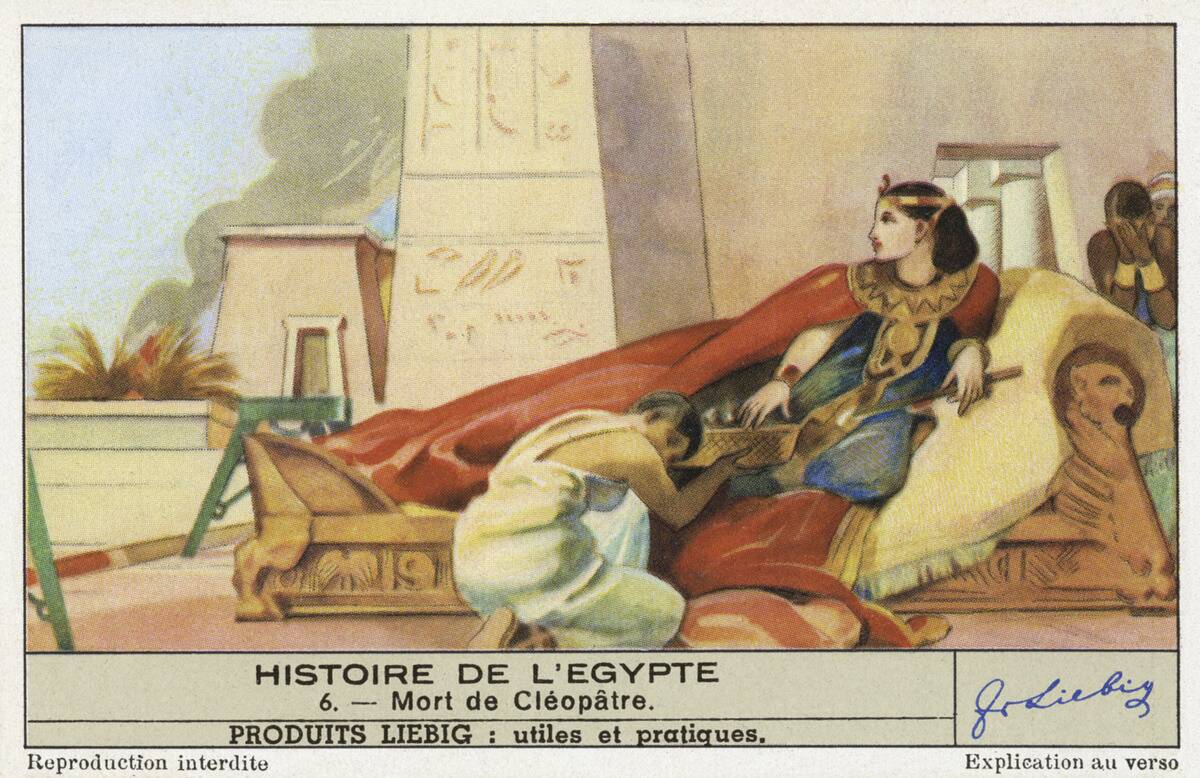
Cleopatra VII, the last active ruler of the Ptolemaic Kingdom of Egypt, lived closer in time to the moon landing than to the construction of the Great Pyramid of Giza. The pyramids were built around 2,500 BCE, while Cleopatra reigned from 51 to 30 BCE, just over 2,000 years later.
In contrast, the moon landing occurred in 1969, less than 2,000 years after her death. This intriguing fact highlights the vast expanse of human history and the often-surprising connections across time.
The Brief Reign of Emperor Norton I: San Francisco’s Beloved Monarch
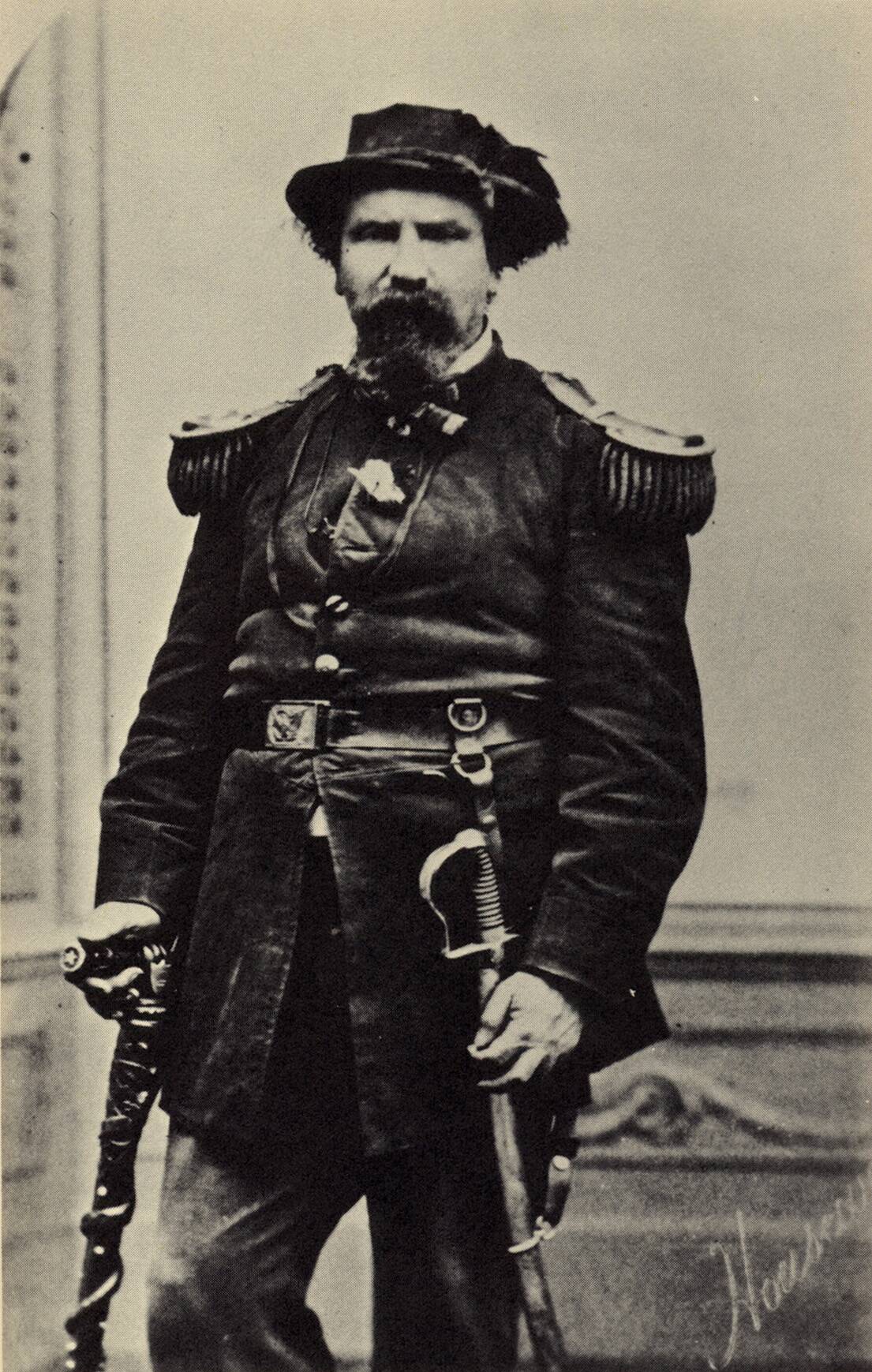
Joshua Abraham Norton declared himself “Emperor of the United States” in 1859, and though he had no political power, he became a beloved figure in San Francisco.
Norton I issued his own currency, which was accepted by local businesses, and even called for the construction of a bridge connecting San Francisco to Oakland—an idea realized decades later. His eccentric reign, lasting until his death in 1880, is a testament to the power of charisma and the city’s embrace of individuality.
The Real Robin Hood: Tax Evasion in Medieval England
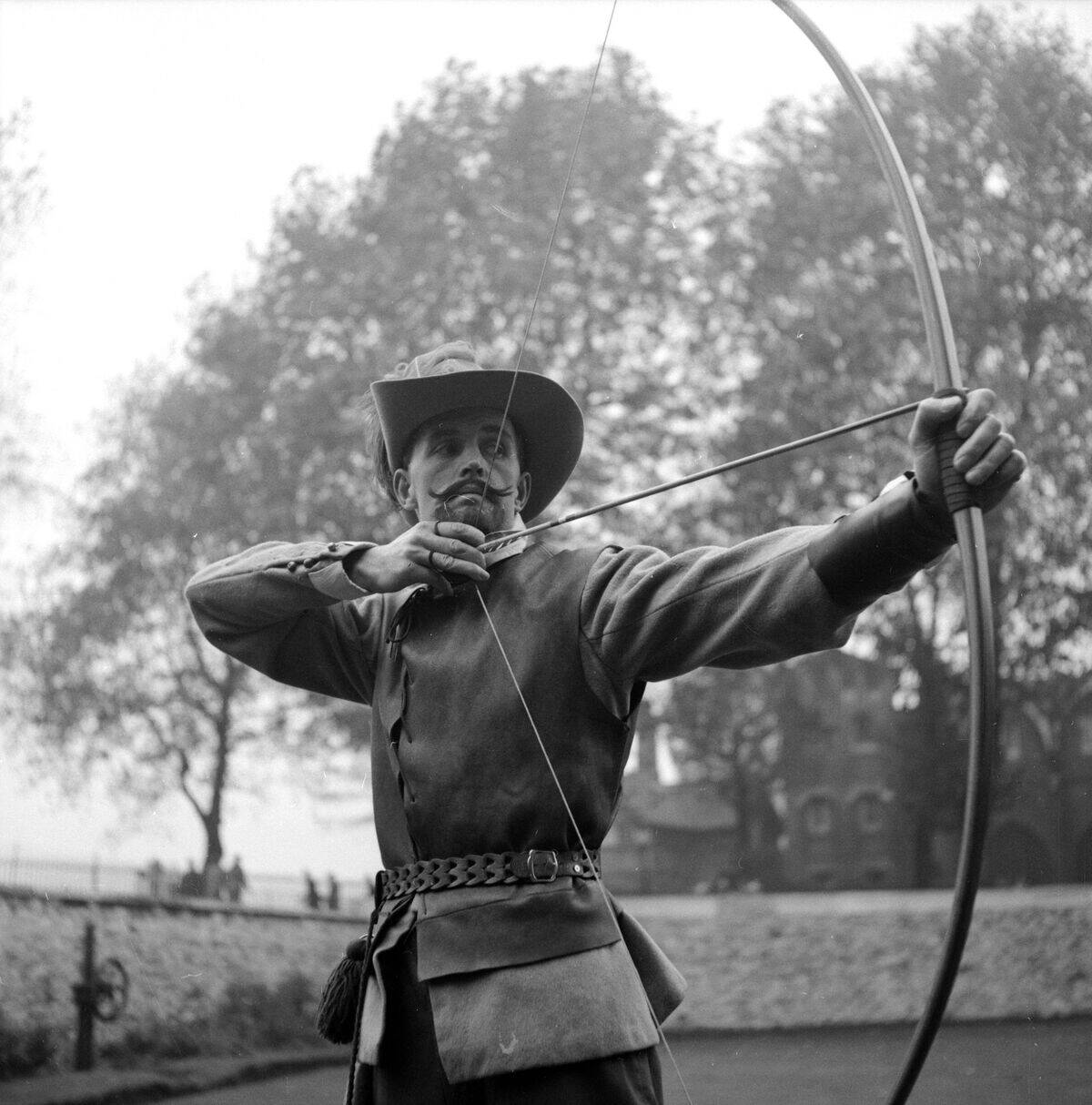
The legend of Robin Hood, the outlaw who stole from the rich to give to the poor, may have roots in the real-life struggles of medieval England. During the reign of King Richard the Lionheart, heavy taxation and corruption were rampant, leading to widespread discontent.
While there is no definitive evidence of a single Robin Hood, the tales likely reflect the resistance against oppressive rulers and the enduring appeal of justice for the common folk.
The Curious Case of the Cadaver Synod: A Posthumous Papal Trial
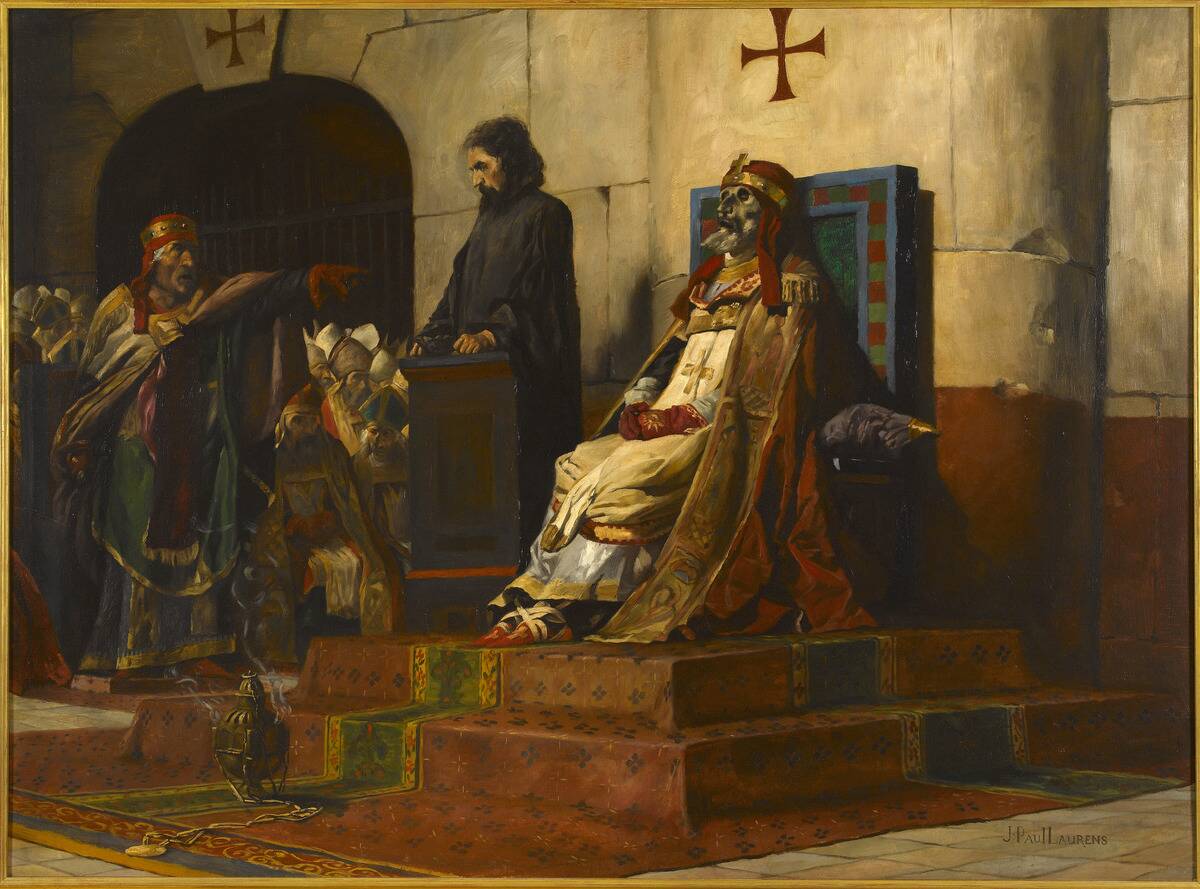
In 897, Pope Stephen VI put his predecessor, Pope Formosus, on trial in what is known as the Cadaver Synod. Formosus’s corpse was exhumed, dressed in papal vestments, and placed on trial for perjury and other charges.
The bizarre spectacle ended with the corpse being found guilty and thrown into the Tiber River. This macabre event highlights the intense political rivalries of the time and the lengths to which individuals would go to settle scores.
The War of the Oaken Bucket: Italy’s Bizarre Battle
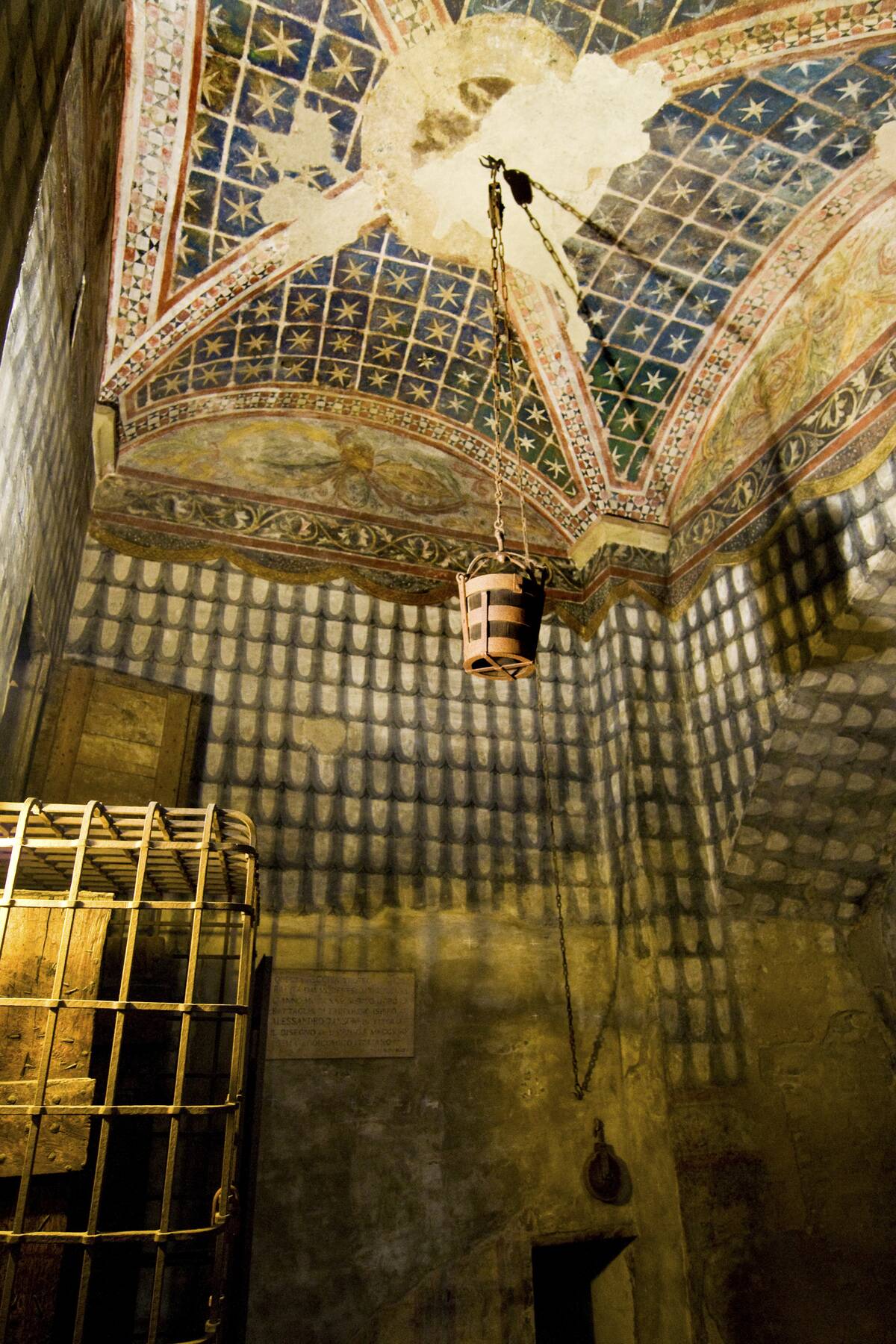
In 1325, the city-states of Modena and Bologna clashed in what became known as the War of the Oaken Bucket. The conflict was sparked when Modenese soldiers stole a bucket from a Bolognese well.
Despite its trivial cause, the war resulted in a significant battle at Zappolino, with thousands of casualties. The bucket, still kept in Modena, symbolizes the absurdity of war and how minor incidents can escalate into full-blown conflicts.
The Eiffel Tower’s Temporary Stay: Paris’s Almost Lost Landmark
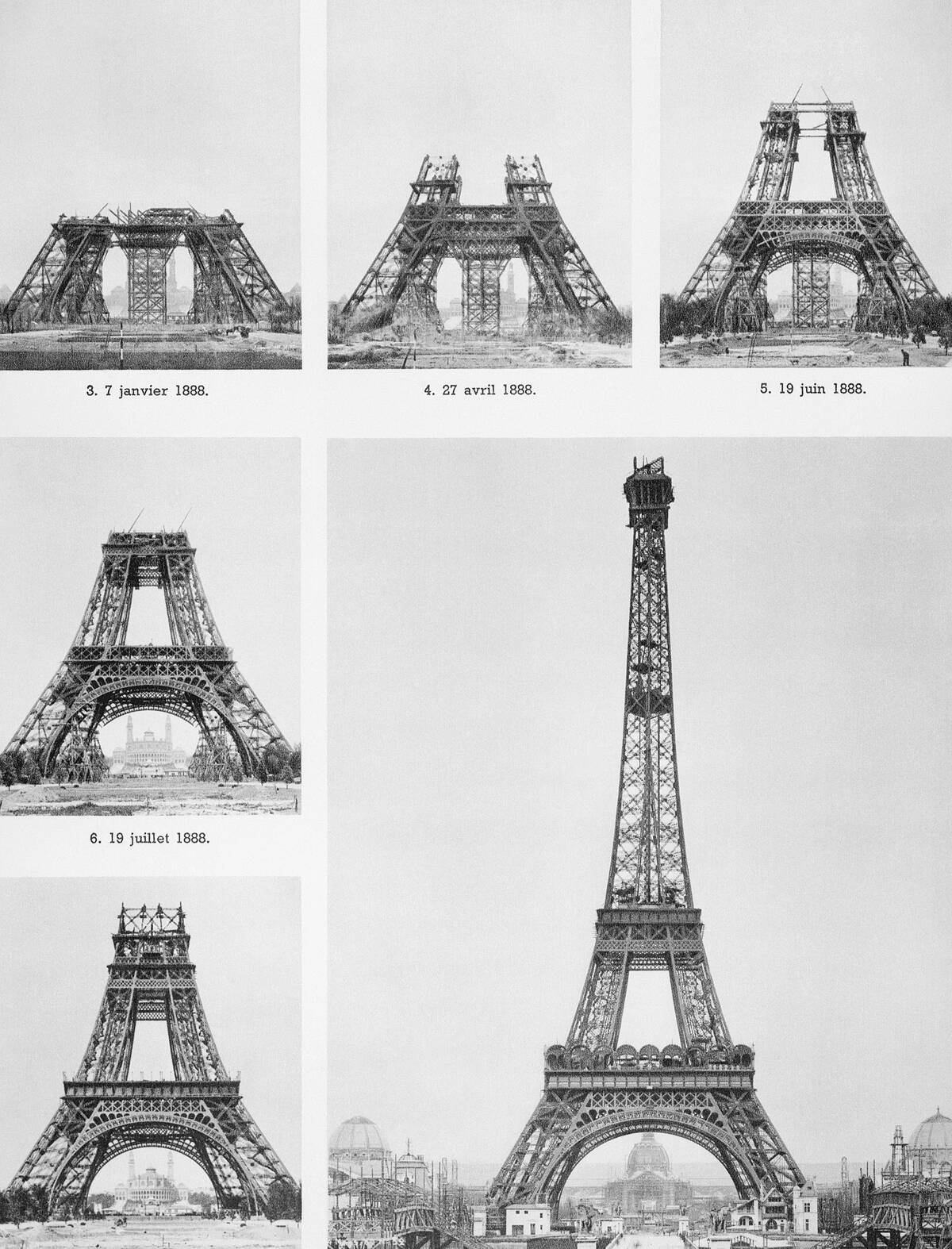
The Eiffel Tower, now a symbol of Paris, was initially intended to be a temporary structure. Built for the 1889 World’s Fair, it was supposed to be dismantled after 20 years. However, its usefulness as a radio transmission tower saved it from demolition.
Today, the Eiffel Tower attracts millions of visitors annually, standing as a testament to engineering innovation and the unforeseen longevity of temporary ideas.
The First Olympic Marathon: A Race of Chaos and Cheating
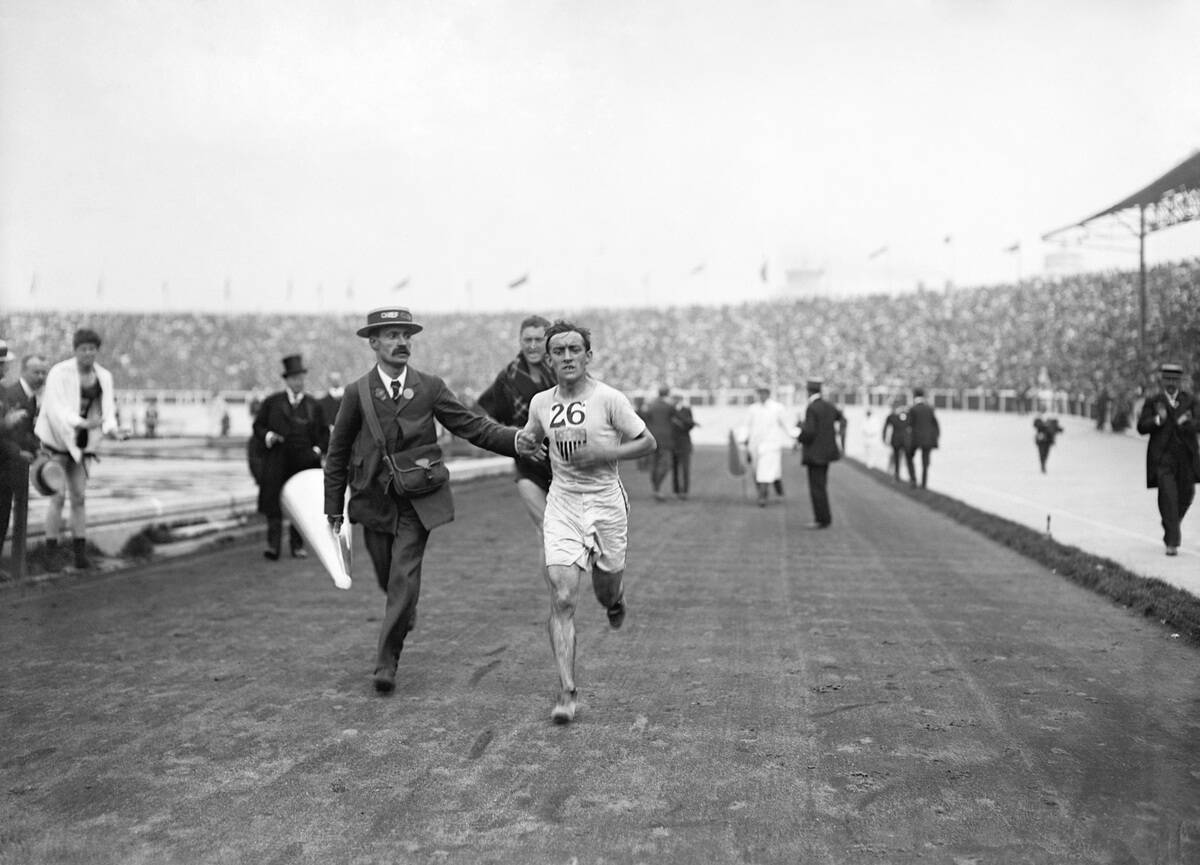
The first modern Olympic marathon, held in 1896, was a chaotic affair. Competitors faced rough terrain and sweltering heat, with some receiving assistance from spectators. The winner, Spyridon Louis, became a national hero in Greece, but the race was marred by cheating and confusion.
One runner even hitched a ride in a car for part of the course. The inaugural marathon set the stage for future competitions and underscored the need for clear rules and fair play.
The Mad Monk Rasputin: Russia’s Resilient Rascal
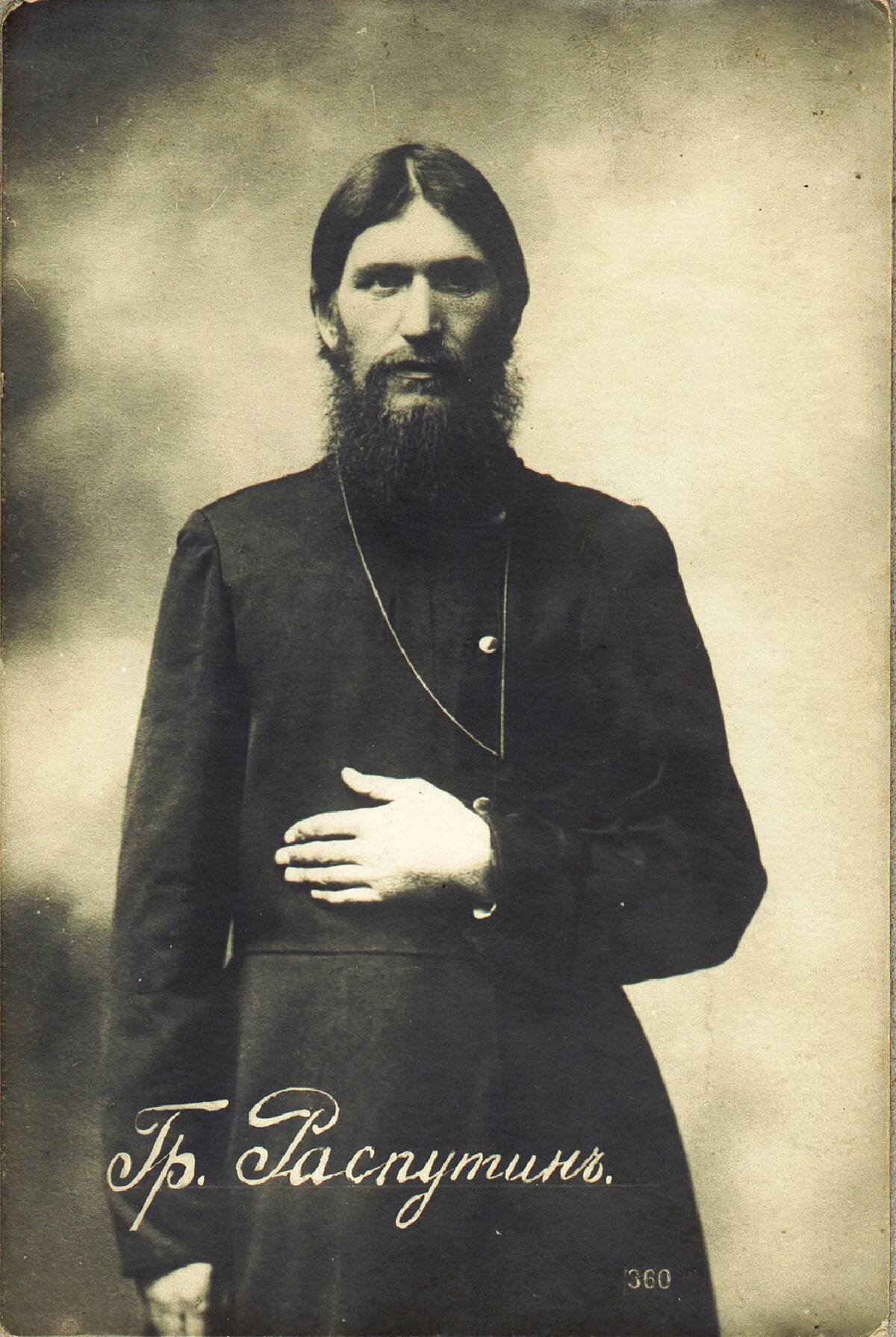
Grigori Rasputin, the infamous Russian mystic, wielded significant influence over the Romanov family. Known for his alleged healing powers and debauched lifestyle, Rasputin survived multiple assassination attempts before finally succumbing to a combination of poison, gunshots, and drowning in 1916.
His life and death remain shrouded in mystery and controversy, reflecting the turbulent era of pre-revolutionary Russia and the power struggles within the royal court.
The Year Without a Summer: When Volcanoes Altered the Climate
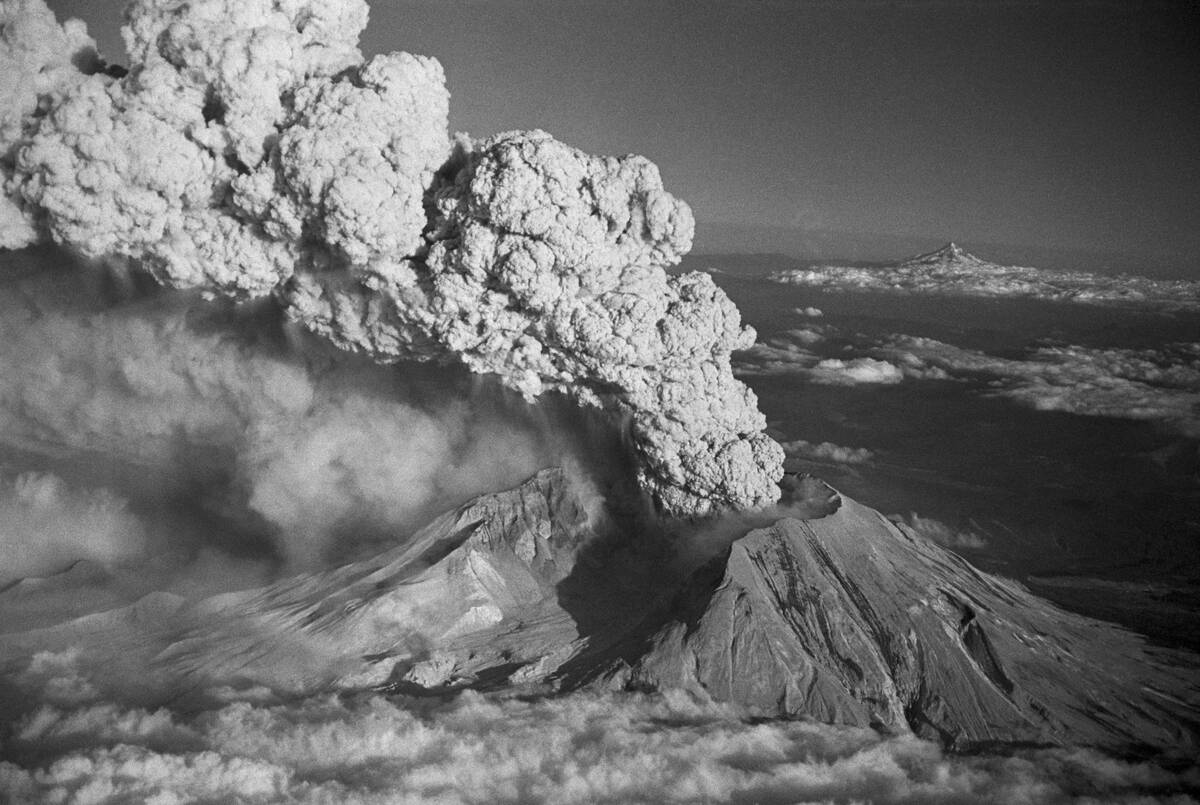
In 1816, the world experienced a “year without a summer” due to the eruption of Mount Tambora in Indonesia. The volcanic ash clouded the atmosphere, leading to global temperature drops and widespread crop failures.
This climatic anomaly caused food shortages and economic hardship, inspiring literary works like Mary Shelley’s “Frankenstein.” The event underscores the interconnectedness of natural phenomena and human society, as well as the far-reaching impacts of volcanic activity.
The Infamous Affair of the Diamond Necklace: Scandal in the French Court

The Affair of the Diamond Necklace was a scandal that rocked the French court in the 1780s. It involved a fraudulent scheme to acquire a lavish necklace intended for Queen Marie Antoinette.
The scandal tarnished the queen’s reputation and fueled public discontent, contributing to the revolutionary fervor in France. This episode highlights the power of perception and the role of scandal in shaping historical events, as well as the precariousness of royal prestige.




