13 Rare coincidences recorded in history
History is often stranger than fiction, especially when it comes to coincidences that defy explanation. These peculiar historical events leave us questioning the nature of fate and chance.
From uncanny parallels between historical figures to bizarre occurrences that seem too coincidental to be true, these stories captivate our imagination and challenge our understanding of the world. Let’s dive into some of the most fascinating historical coincidences that have puzzled and intrigued people for generations.
The Lincoln and Kennedy Assassination Parallels
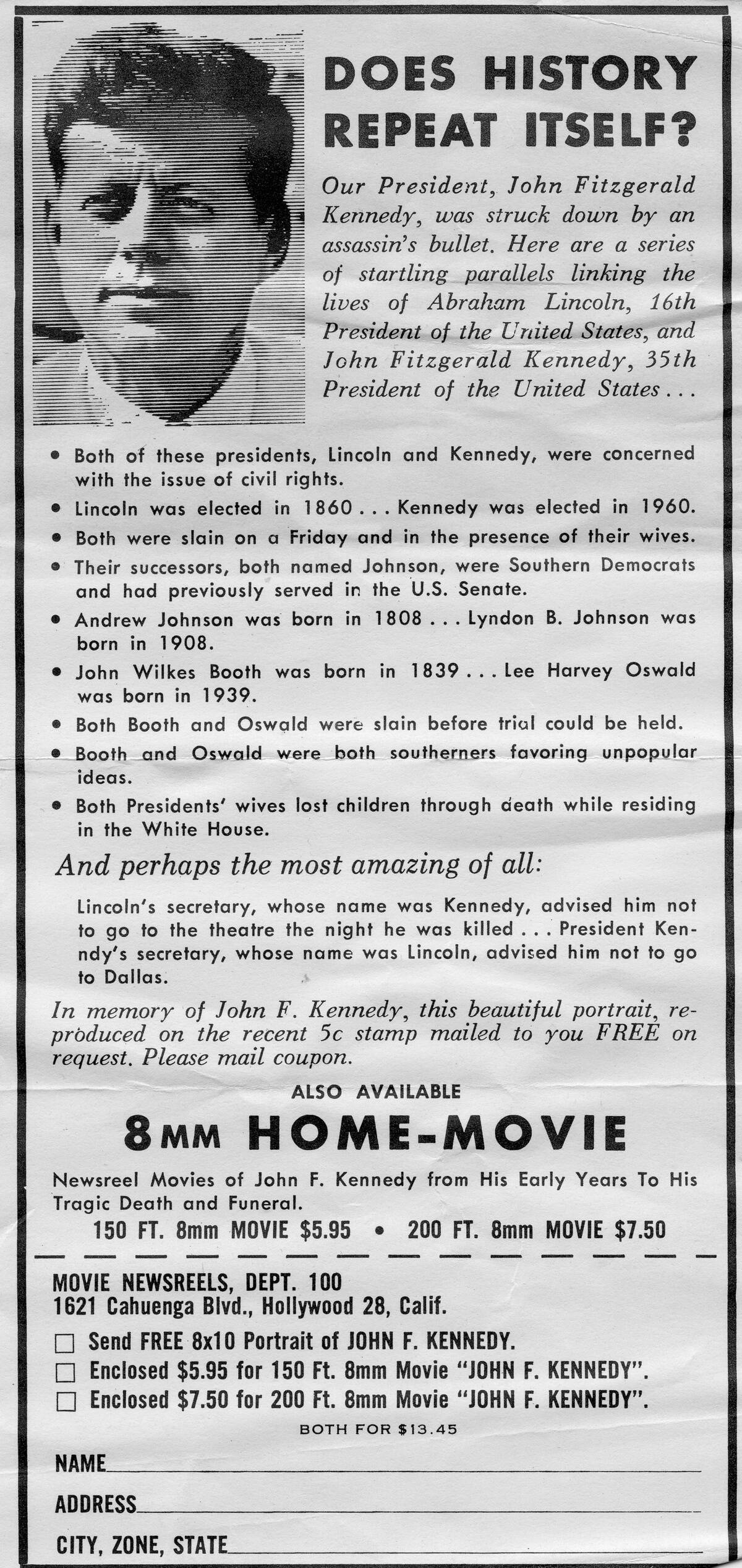
The assassinations of Abraham Lincoln and John F. Kennedy are riddled with eerie similarities. Both presidents were elected exactly 100 years apart, Lincoln in 1860 and Kennedy in 1960.
They were both succeeded by men named Johnson—Andrew Johnson and Lyndon B. Johnson—born 100 years apart as well. Additionally, both presidents were shot in the head on a Friday while sitting beside their wives. These striking parallels have fueled conspiracy theories and endless speculation.
The Curious Case of the Titanic and the Titan
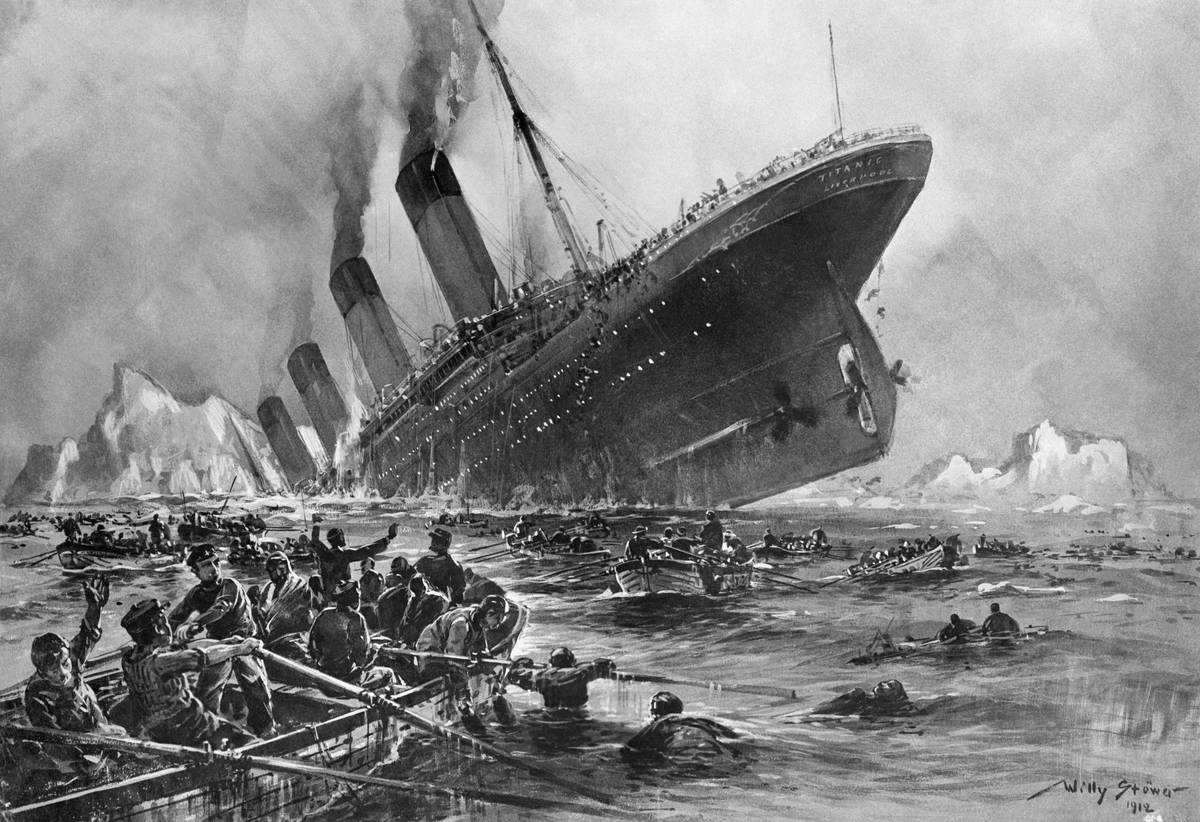
Before the tragic sinking of the Titanic in 1912, author Morgan Robertson penned a novella titled “Futility, or the Wreck of the Titan” in 1898. The book eerily predicted the disaster, featuring a ship called the Titan that was deemed unsinkable but met its fate after hitting an iceberg.
Both ships were similar in size and capacity, and both lacked enough lifeboats for all passengers. This uncanny coincidence has led many to wonder if Robertson had a glimpse into the future.
The Eerie Coincidences of the Hoover Dam Tragedies
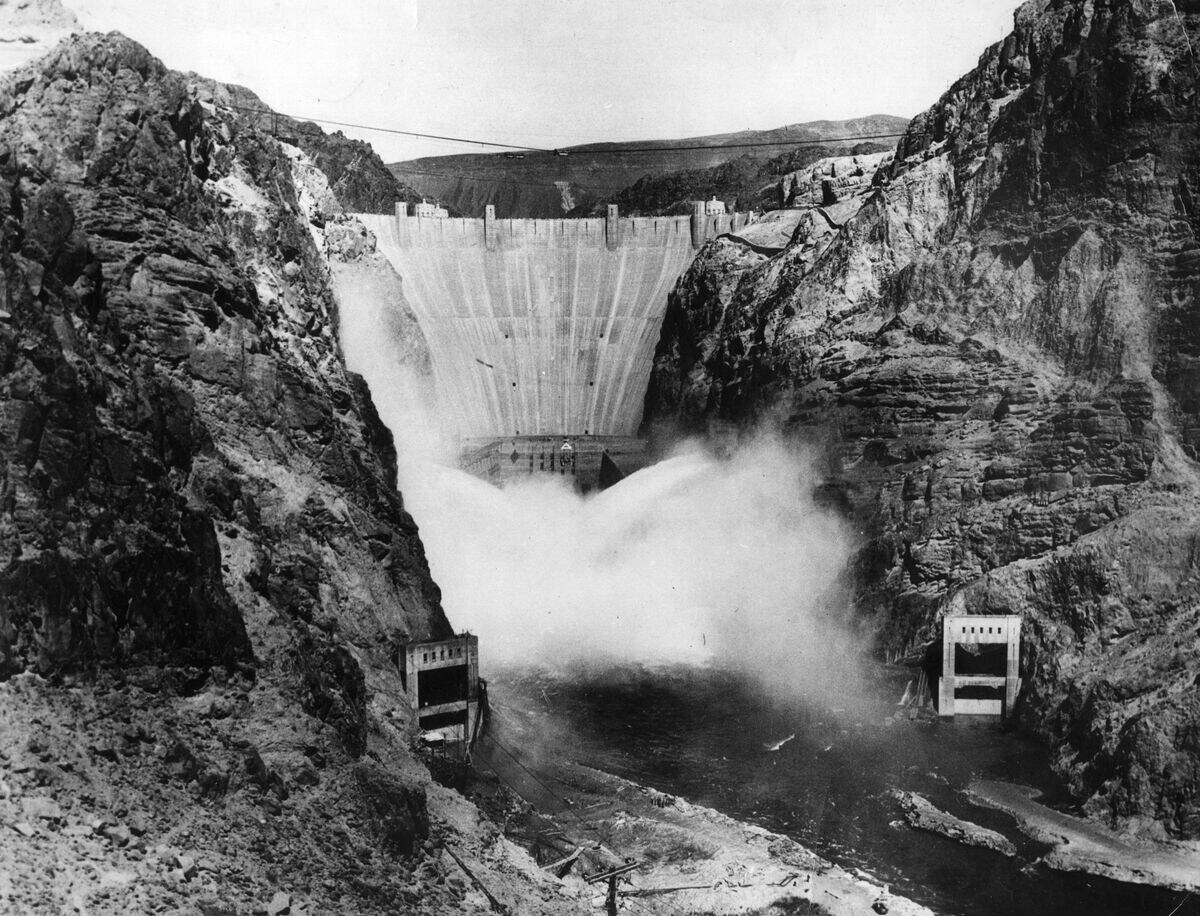
The construction of the Hoover Dam was fraught with danger, resulting in numerous fatalities. One of the first casualties was J.G. Tierney, who drowned while surveying the site on December 20, 1922.
Exactly 13 years later, on the same day, his son, Patrick Tierney, also died while working on the dam. This tragic coincidence adds a somber note to the history of this monumental engineering project.
Edgar Allan Poe’s Predictive Tale of Shipwreck
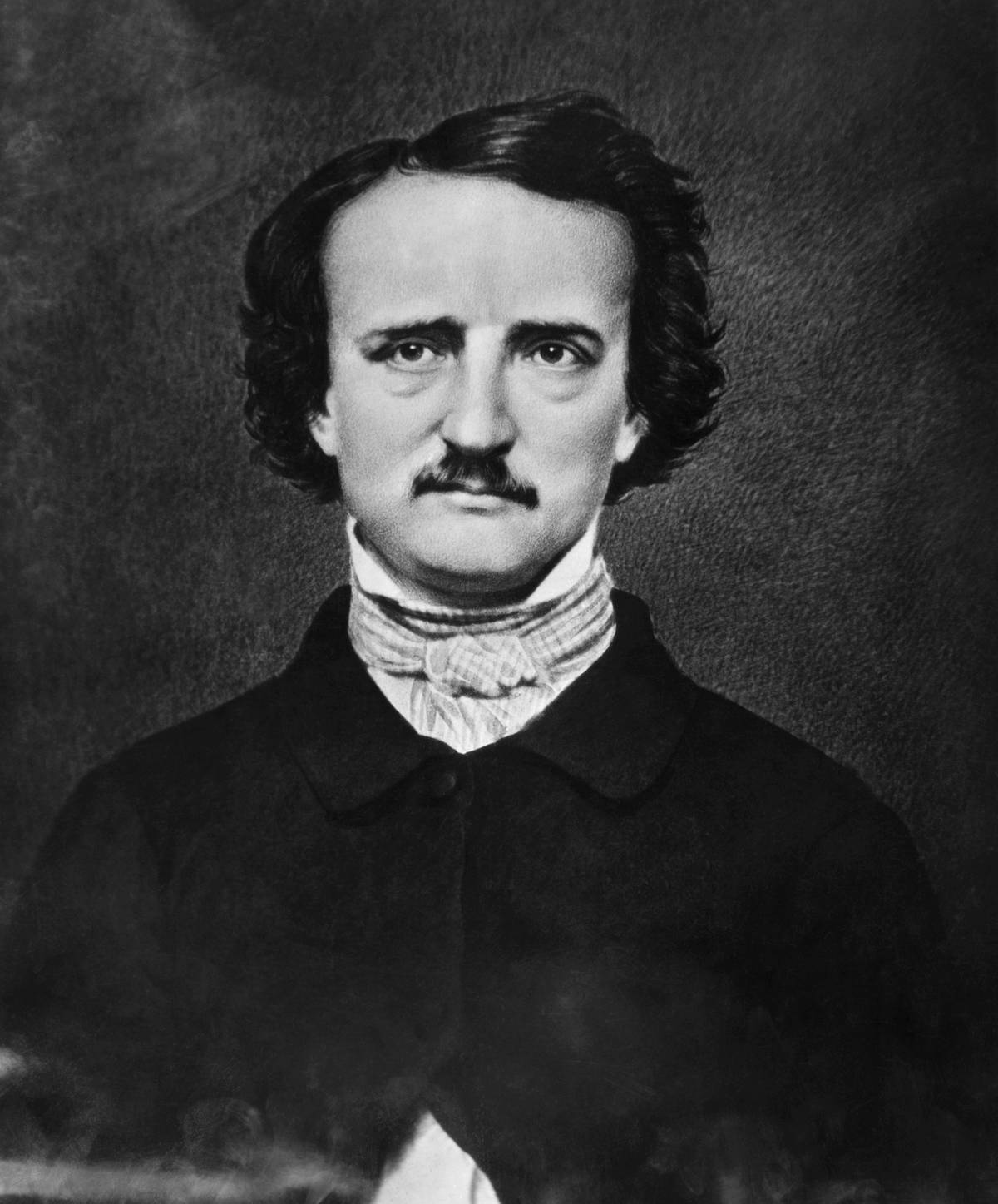
In 1838, Edgar Allan Poe published “The Narrative of Arthur Gordon Pym of Nantucket,” a novel featuring a shipwreck and cannibalism. Decades later, in 1884, a similar real-life event occurred when the ship Mignonette sank, and the survivors resorted to cannibalism.
Astonishingly, one of the victims was named Richard Parker, the same name as a character in Poe’s book. This bizarre coincidence has left literary enthusiasts pondering Poe’s seemingly prophetic vision.
The Twin Brothers’ Identical Lives and Deaths
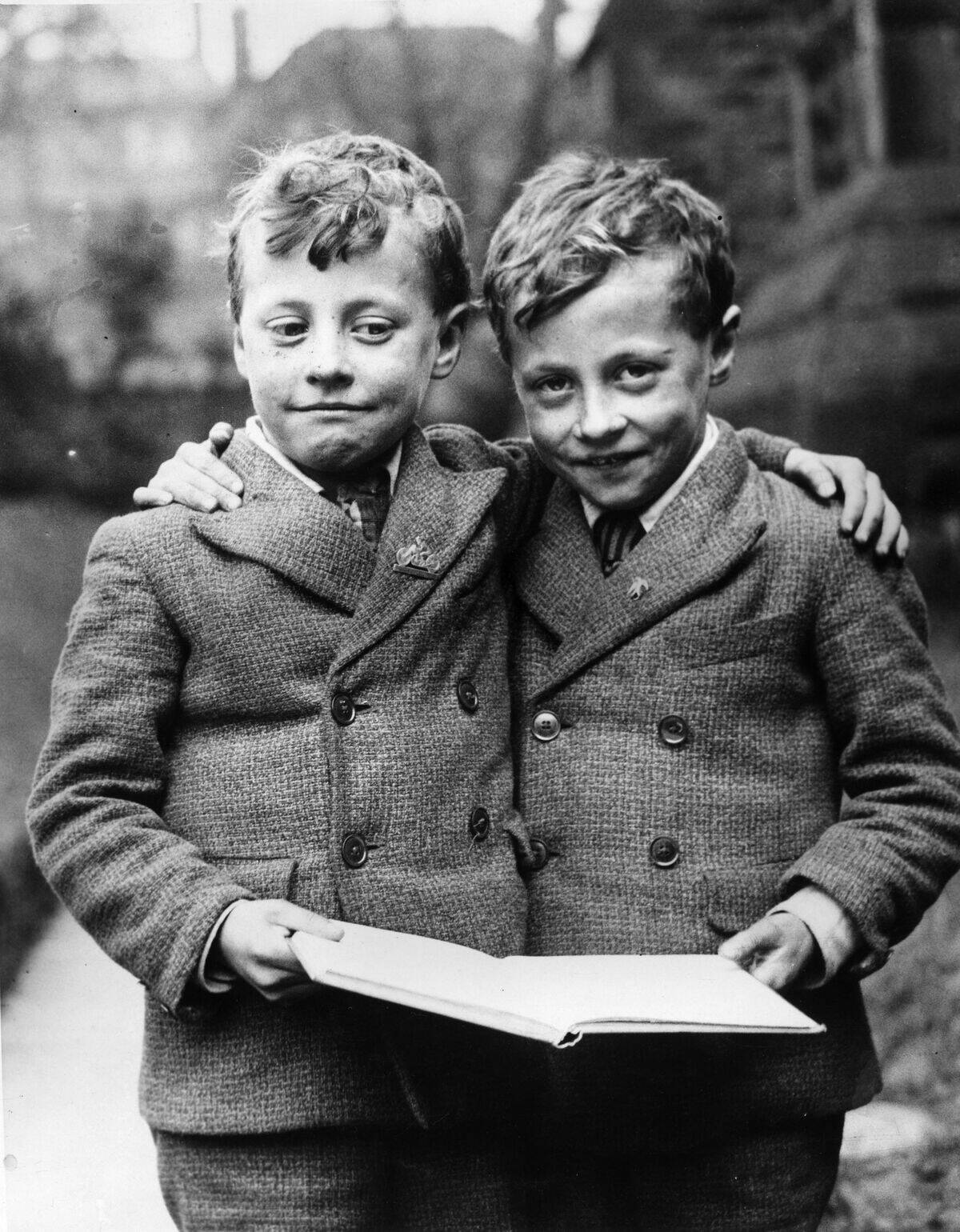
The story of twin brothers John and Arthur Mowforth is a testament to the mysterious nature of coincidences. Born in England, the twins lived remarkably parallel lives, even marrying women with the same name.
It is often claimed that in a twist of fate, both brothers died of heart attacks on the same day in 1975, just hours apart. Their identical lives and deaths continue to baffle those who hear their story, leaving many to wonder about the nature of twin connections.
The Strange Story of the Bullet That Found Its Mark Twice
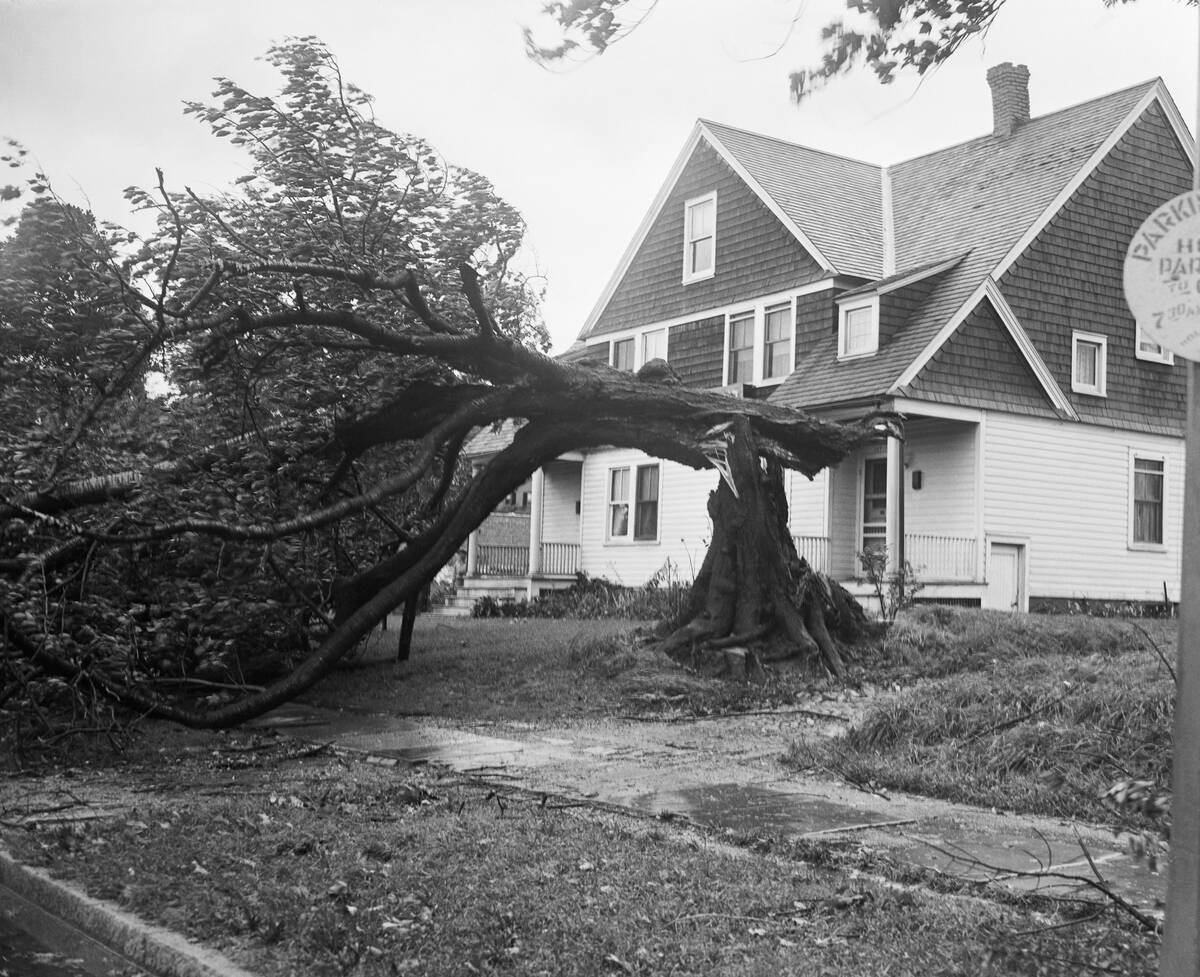
In 1893, Henry Ziegland believed he had escaped death when a bullet intended for him lodged in a tree instead. Years later, Ziegland decided to remove the tree with dynamite. A widely circulated story claims the explosion dislodged the bullet, killing him, though this account is not supported by reliable historical evidence.
This bizarre sequence of events, where a bullet found its mark years after being fired, defies logic and remains one of the strangest coincidences in history.
The Remarkable Coincidence of the First and Last Soldiers in WWI
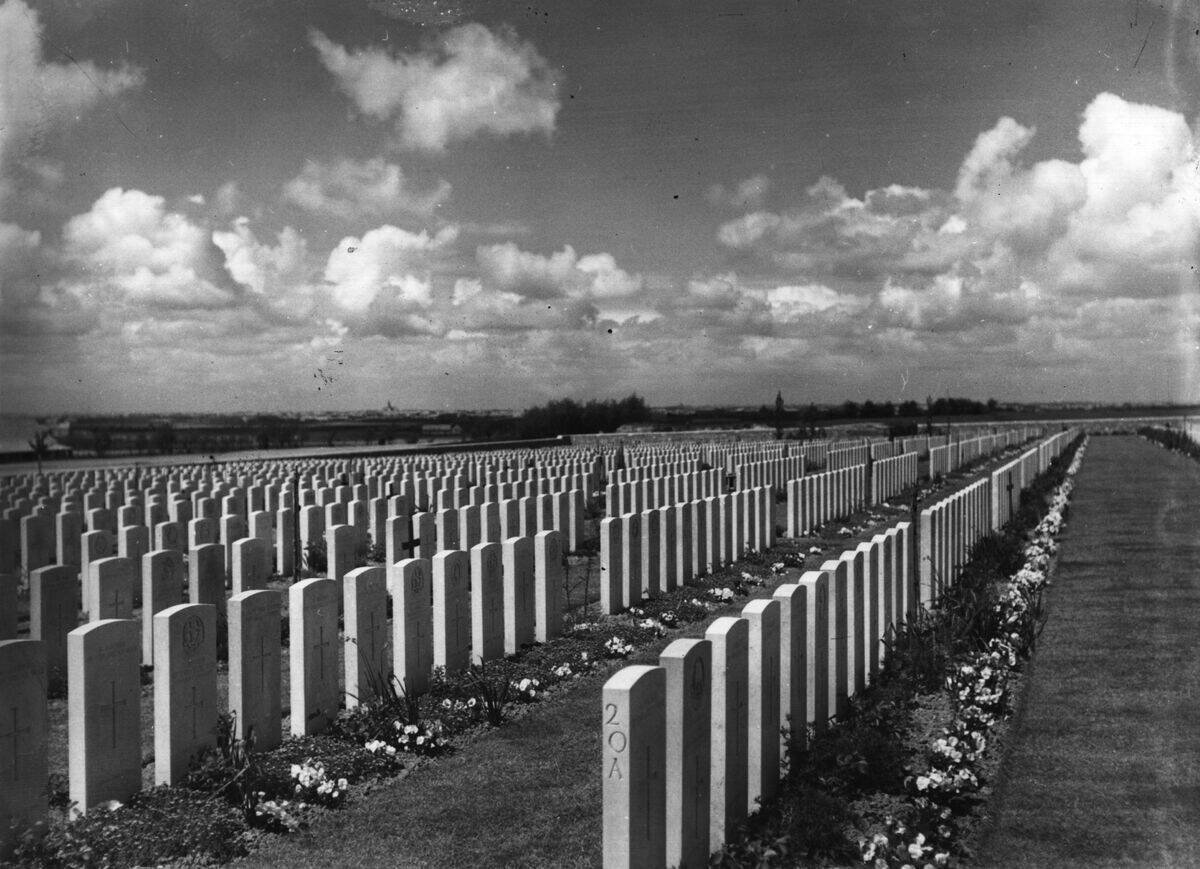
The first and last British soldiers killed in World War I are buried in Belgium’s Saint Symphorien Military Cemetery. Remarkably, their graves face each other.
Private John Parr, the first casualty, died on August 21, 1914, while Private George Edwin Ellison, the last, was killed on November 11, 1918. This poignant coincidence highlights the full circle of the war and the sacrifices of those who served.
The Unbelievable Connection Between Anthony Hopkins and “The Girl from Petrovka”

While preparing for his role in the film adaptation of The Girl from Petrovka, Anthony Hopkins searched for a copy of the book in London but couldn’t find one. By chance, he stumbled upon a copy left on a bench.
Even more astonishing, it turned out to be the personal copy of the book’s author, George Feifer, complete with his annotations. This incredible coincidence has become a favorite anecdote among film enthusiasts.
The Coincidental Deaths of King Umberto I and His Doppelgänger
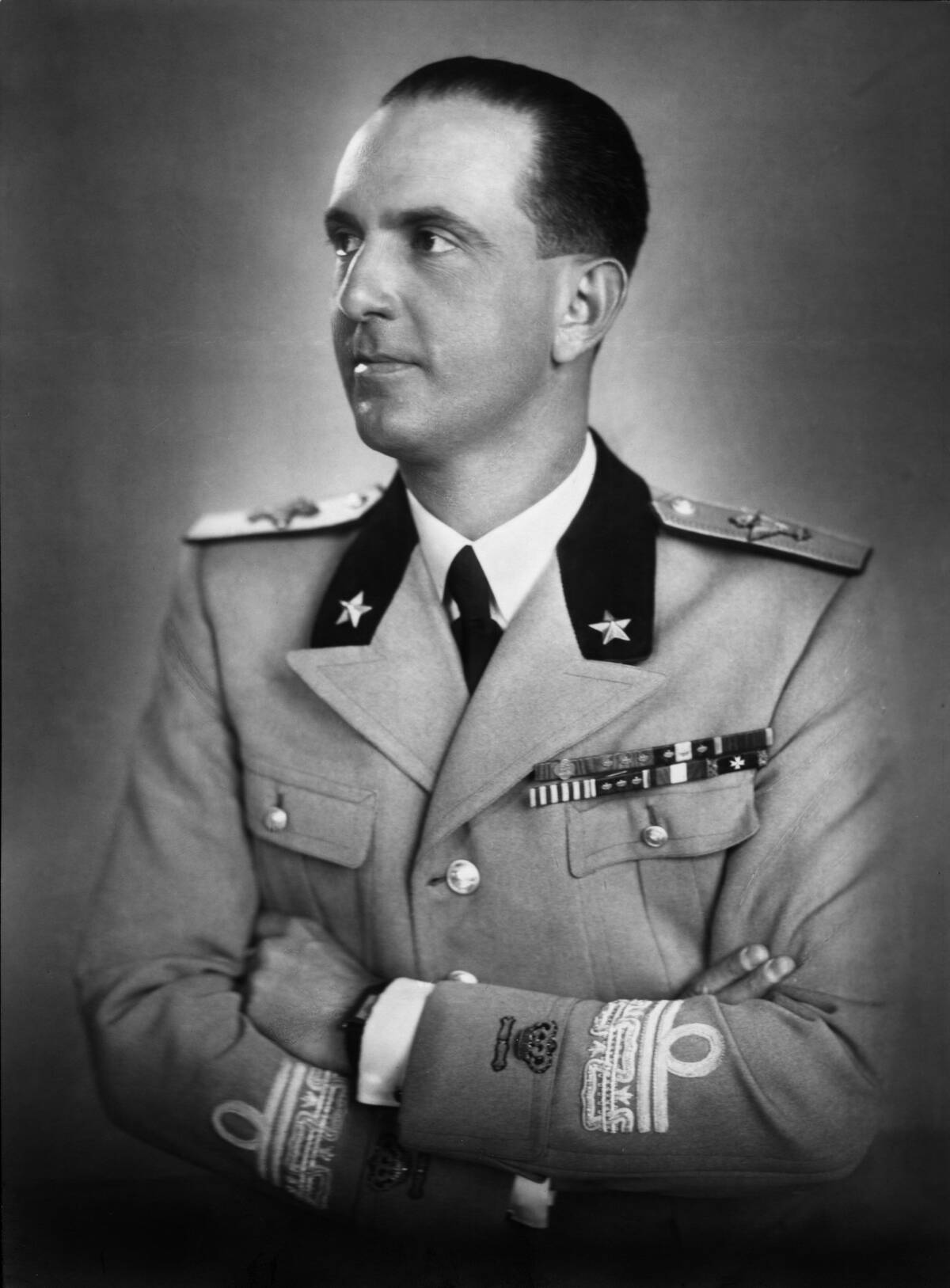
King Umberto I of Italy encountered a man who was his exact double in appearance and shared his name. The two men discovered they were born on the same day and in the same town.
On July 29, 1900, the king learned that his doppelgänger had been shot dead. Later that day, King Umberto I was assassinated, adding a chilling layer to this story of uncanny coincidences.
The Mysterious Coincidences Surrounding the 27 Club
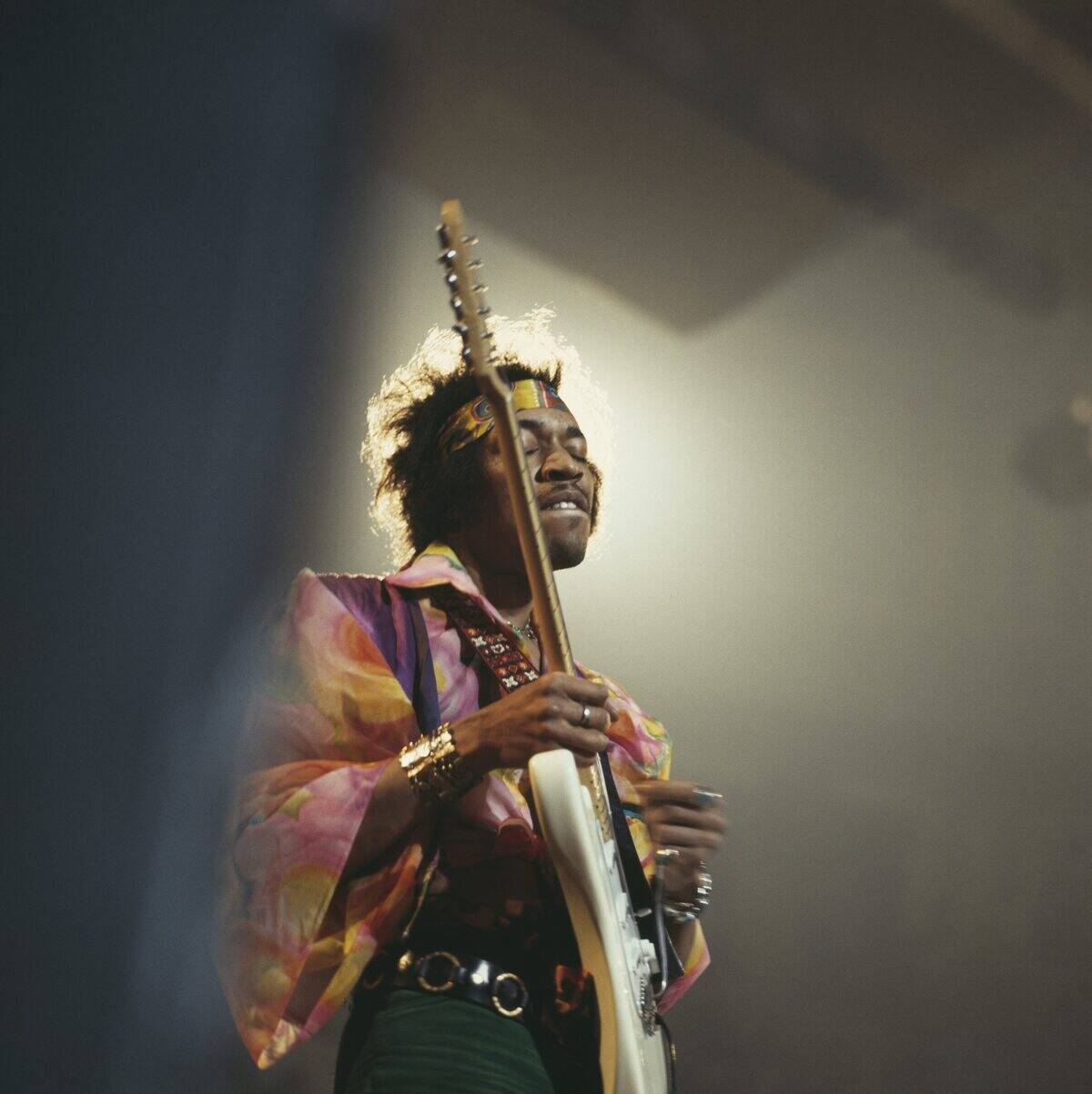
The “27 Club” refers to the phenomenon of several famous musicians and artists dying at the age of 27. Notable members include Jimi Hendrix, Janis Joplin, Jim Morrison, and Kurt Cobain.
This eerie coincidence has sparked numerous theories and speculations about the significance of this age. While some dismiss it as mere chance, others see it as a mysterious pattern in the world of music and fame.
The Astonishing Similarities Between Julius Caesar and John F. Kennedy
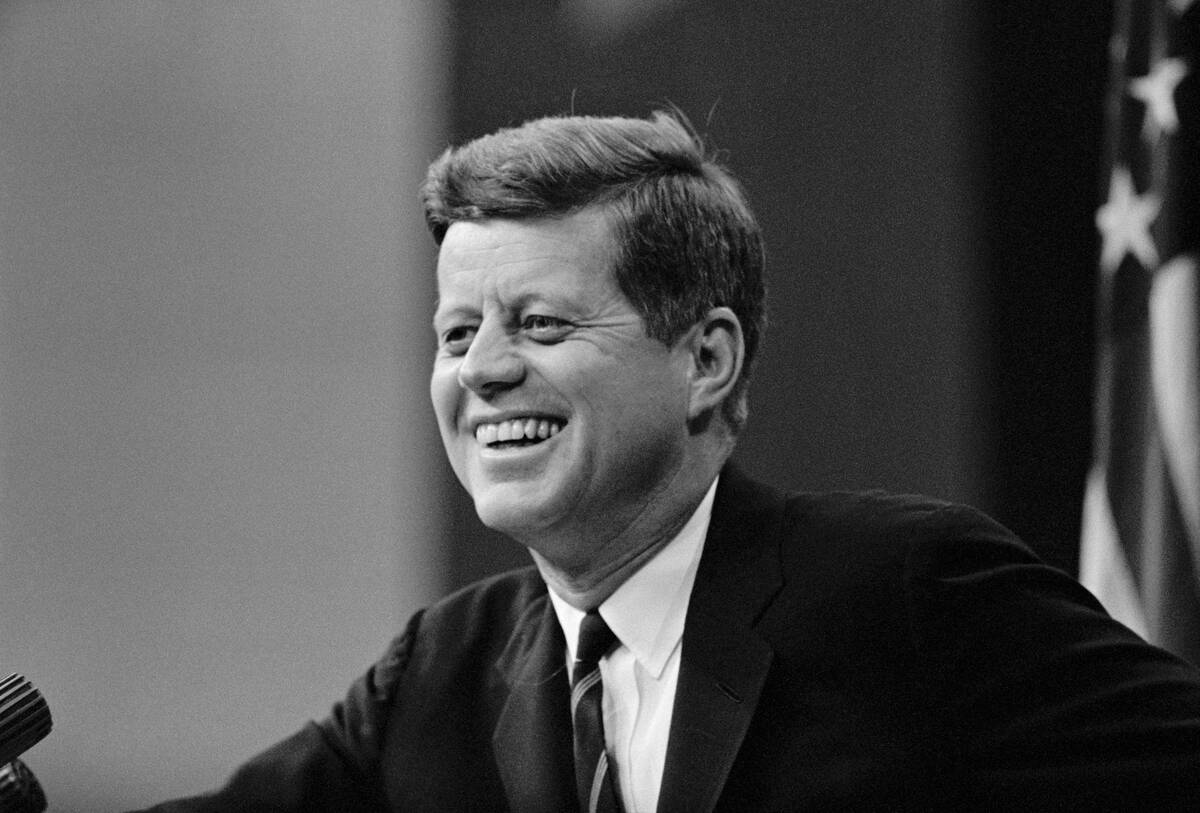
Julius Caesar and John F. Kennedy, separated by centuries, share intriguing similarities. Both were leaders who met untimely deaths due to betrayal—Caesar was assassinated by friends, while Kennedy was killed by a sniper.
Each leader’s death marked a significant turning point in their respective nations. These parallels, though separated by time and context, highlight the recurring themes of power, betrayal, and tragedy in history.
The Spooky Synchronicity of the Monks of Lindisfarne
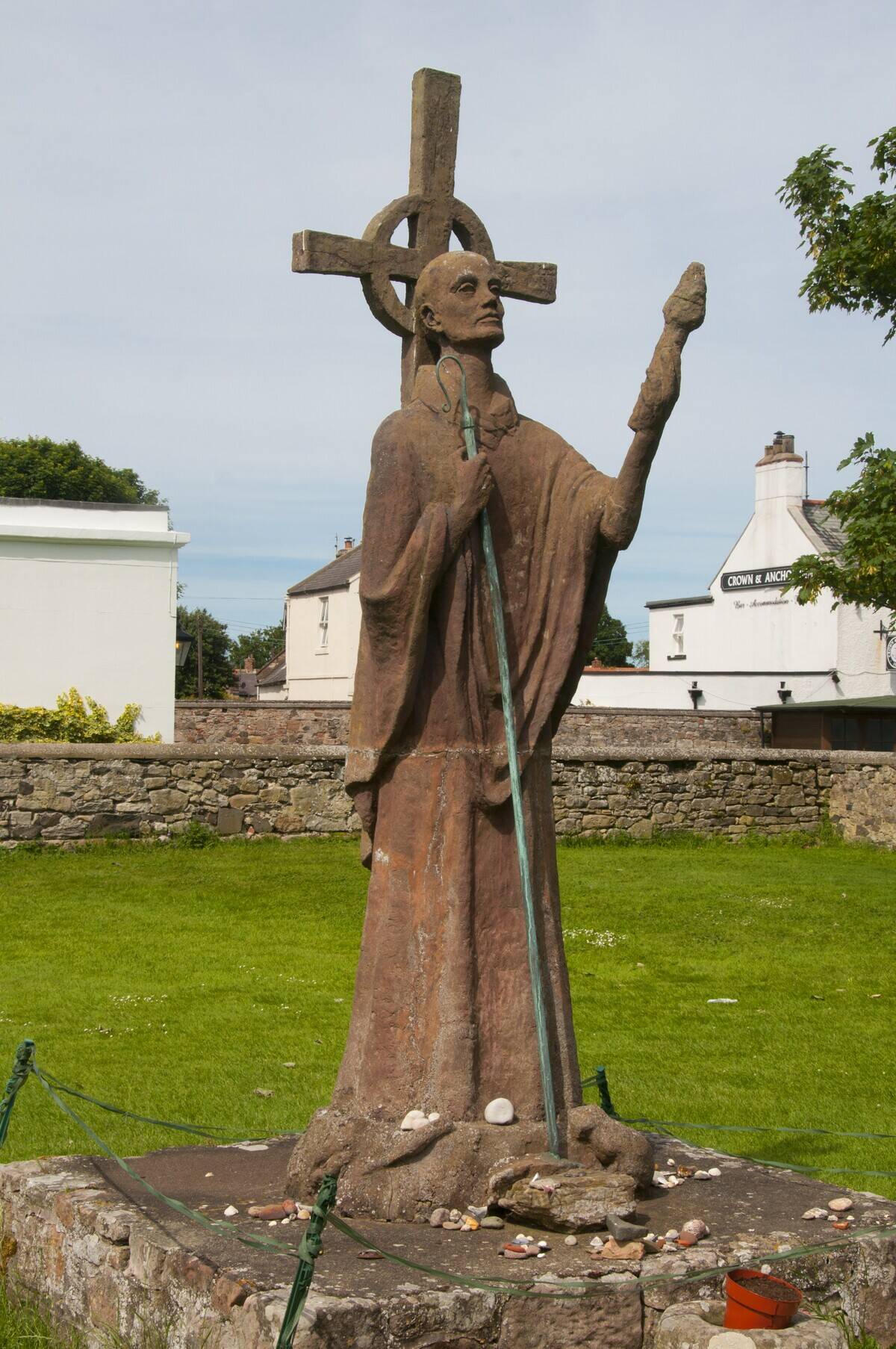
In 793 AD, the Lindisfarne Monastery was raided by Vikings, marking the start of the Viking Age. Curiously, a total solar eclipse occurred in the same year, an event often seen as an ominous sign.
The monks of Lindisfarne might have interpreted this celestial event as a harbinger of the doom that followed. This synchronicity between natural phenomena and historical events adds a layer of mystery to the Viking invasion’s impact on Europe.
The Uncanny Coincidence of the Two Presidents Adams and Jefferson
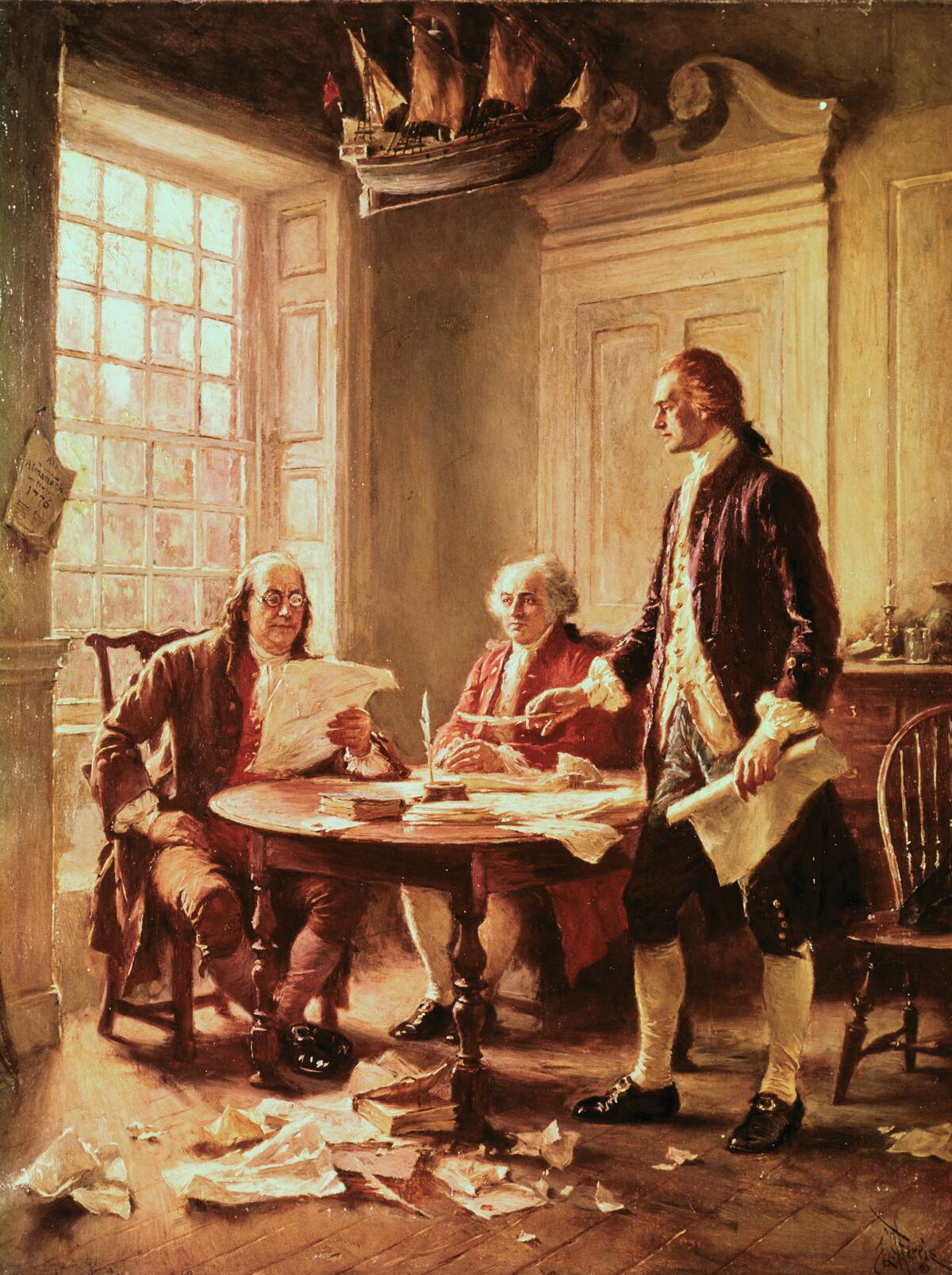
John Adams and Thomas Jefferson, both Founding Fathers and former presidents, share an extraordinary coincidence in their deaths. Both died on July 4, 1826, the 50th anniversary of the Declaration of Independence.
Their simultaneous passing on such a significant date has been interpreted as a symbolic end to an era. This remarkable coincidence underscores the intertwined legacies of these two influential figures in American history.




