20 ways families stayed in touch before phones
Before rings and pings, the family inbox lived on the doorstep, the mantel, and the town post. Messages moved by hand, hoof, and hull, and the pace of news matched the speed of travel. In Britain the General Post Office dates to 1660; in the young United States, Congress created the Post Office in 1792 with laws protecting privacy. Homes kept letter bundles in ribbon-tied packets, and news from afar often arrived announced by a knock, a horn, or a neighbor waving envelopes.
Families spread their bets across multiple channels. A letter might go by the next ship, with a duplicate sent later by another vessel, a practical habit called sending via different opportunities. In many towns, postmasters pinned lists of unclaimed letters outside the office, and newspapers reprinted those names so folks knew to check. Diaries regularly note the moment mail arrived, because a handful of folded pages could carry births, betrothals, and the latest harvest gossip.
Letters, letters, letters: The reigning champ of long-distance love
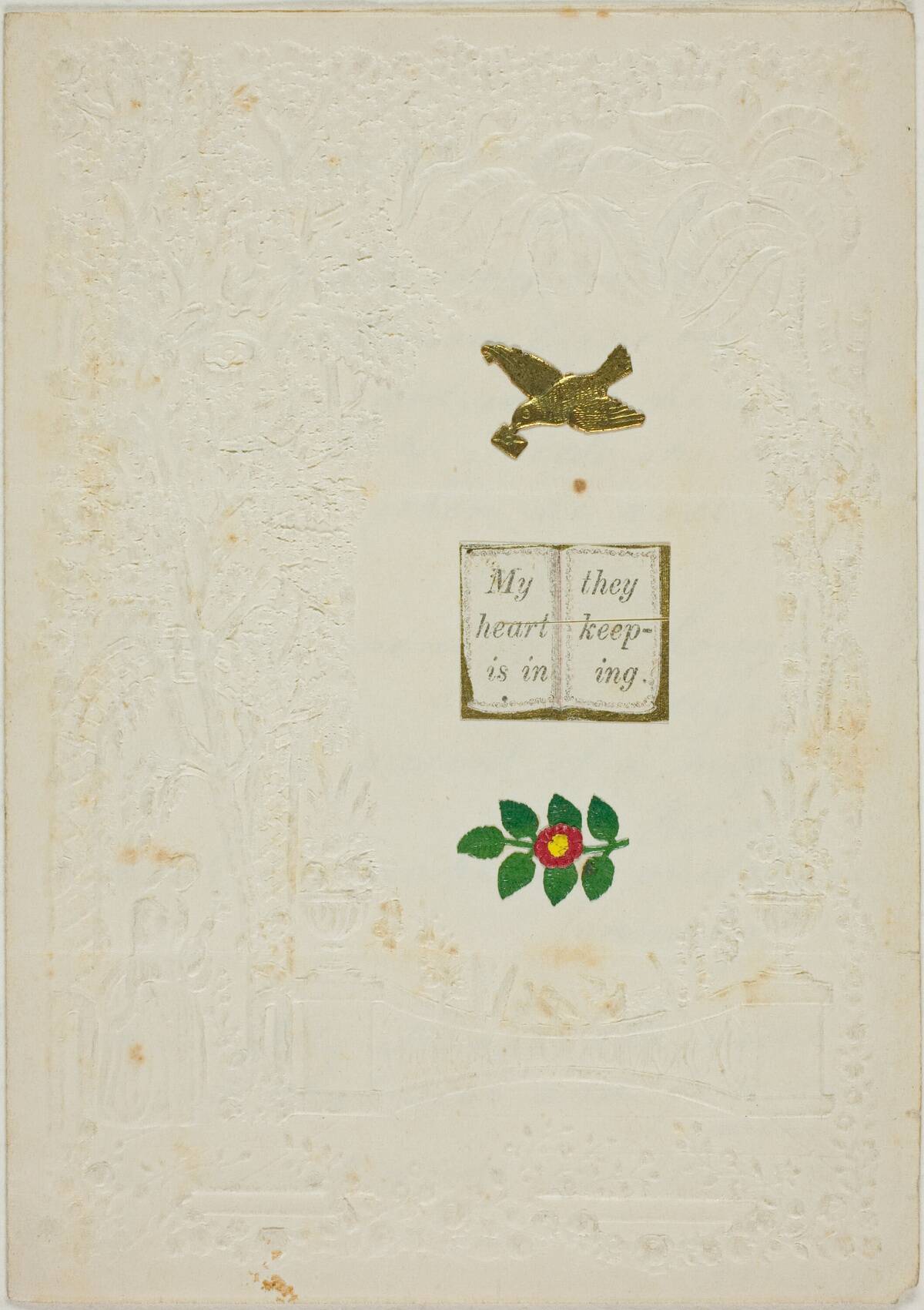
Across the 18th and 19th centuries, nothing beat a letter for keeping affection warmed over long distances. Postage rules were fussy at first: in Britain before 1840, cost depended on distance and the number of sheets, and the recipient often paid. The Uniform Penny Post in 1840 flipped that script, and volumes soared. In the U.S., Rural Free Delivery began in 1896, letting farm families receive letters at the gate rather than a distant post office.
Even when telegraphs arrived, letters kept their crown for heart matters. Ink on paper carried scent, pressed flowers, and the rhythm of a loved one’s hand. People practiced cross-writing to save postage, turning the page and writing at right angles to squeeze in more news. Family bundles accumulated over decades: birthdays and school marks, kitchen-table recipes, and careful updates on health. Letters could be read again, tucked under pillows, and answered with equal ceremony on the next quiet evening.
Quills, ink, and penmanship pride: Turning feelings into tidy lines
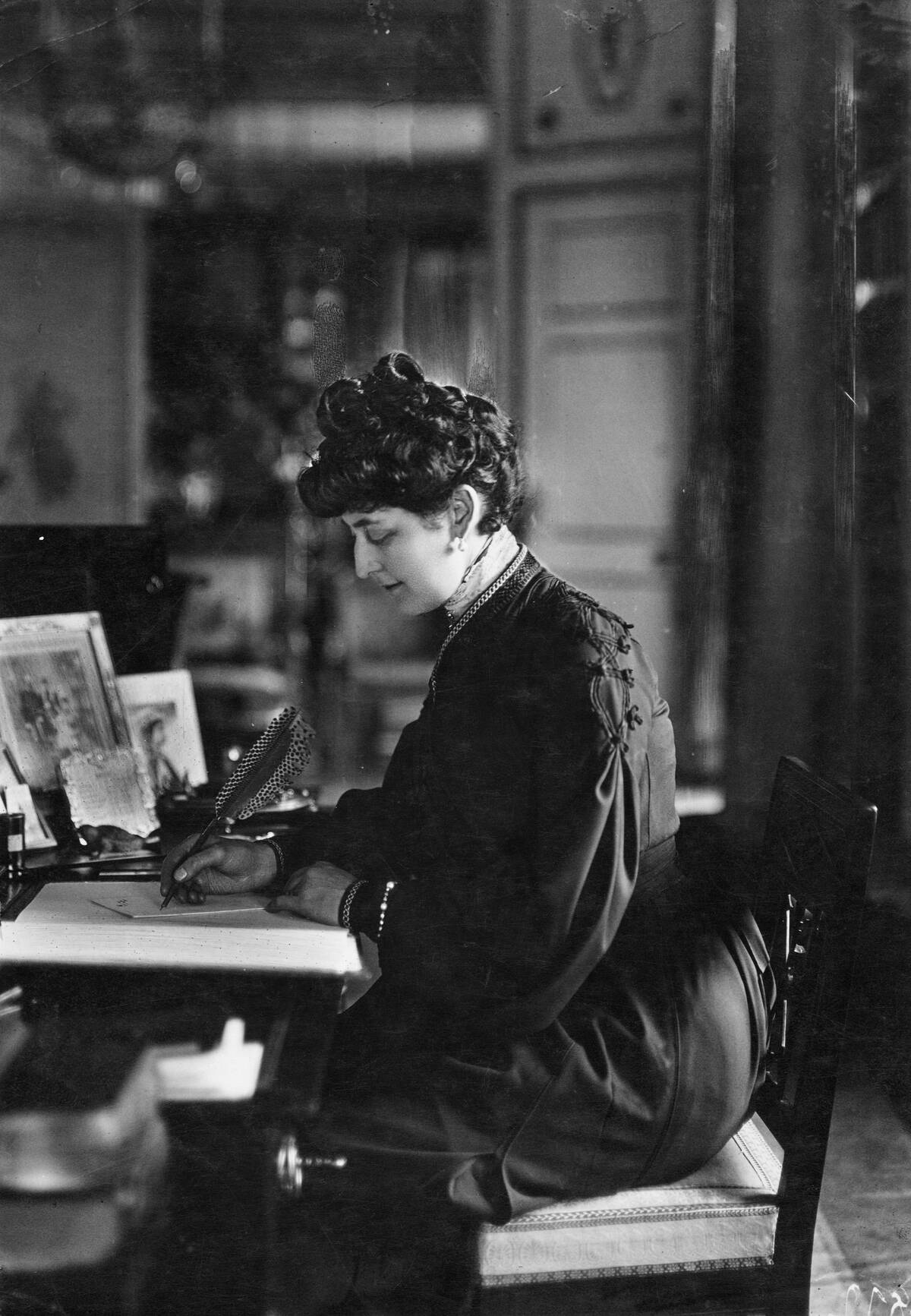
The goose quill was the classic tool for centuries, trimmed with a penknife and dipped into iron gall ink that darkened as it dried. By the 1820s and 1830s, Birmingham makers like Joseph Gillott and William Mitchell mass-produced steel nibs, which were sturdier and cheaper. Blotting paper sat nearby to tame splatters. Fountain pens wouldn’t become common until the late 19th century, so most family letters in earlier decades show the rhythm of dip, write, pause, and dip again.
Neat lines were more than vanity; they signaled care and character. Penmanship systems swept through classrooms: Spencerian script reigned in the U.S. from the 1840s, prized for elegant ovals, while the Palmer Method (introduced in 1888) promoted muscular, speedy writing for bustling offices. Instruction copybooks taught uniform slant and spacing, and some correspondents decorated capitals with modest flourishes. Perfect curls and legible loops said what a shy writer might not: you matter enough for me to write my best.
Sealing wax, stamps, and postmarks: The original send buttons
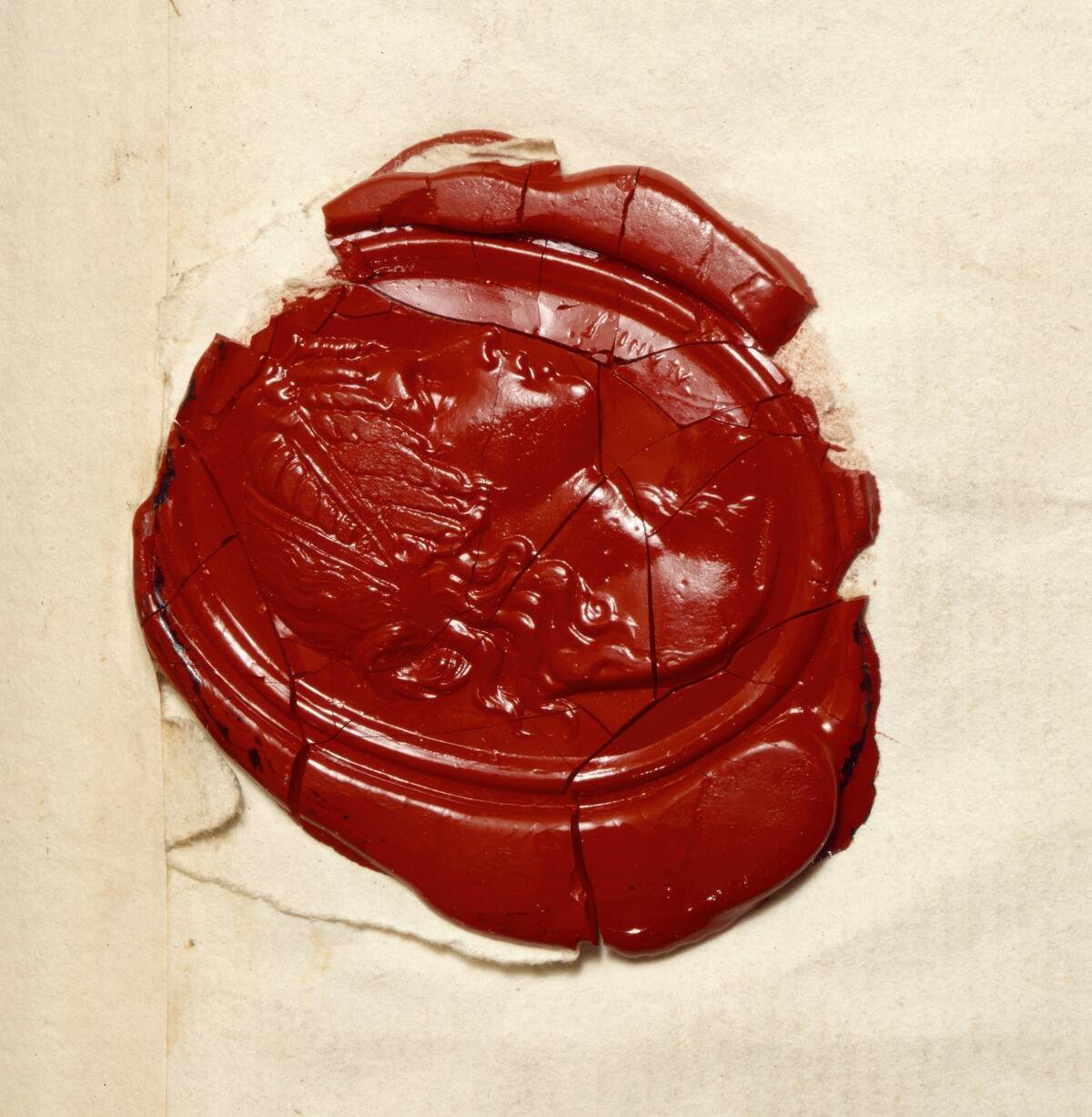
Before envelopes were common, letters were folded into their own wrappers and secured with sealing wax, then pressed with a signet. A crest, monogram, or even a simple geometric stamp turned warm wax into a private lock. Postmarks go way back too: London’s Bishop mark, introduced in 1661, showed the month and day a letter entered the system. When gummed envelopes and machines eased folding in the 1840s, wax stuck around as a flourish for invitations and love notes.
Rowland Hill’s postage stamp turned payment into a tiny promise. Britain’s Penny Black debuted in 1840 with Queen Victoria’s profile, paired with the Maltese Cross cancellation to stop reuse. Perforations soon made separating stamps tidier. Across oceans, countries adopted their own designs and rates, and the postmark’s date-and-place record became a keepsake in its own right. Family letters often preserve a timeline on the outside: stamp, cancellation, transit marks, and that handsome receiving postmark on arrival.
Post riders and couriers: Handoff-by-horsepower
Long before steel rails, post riders relayed news along dirt tracks and turnpikes. The Boston Post Road carried letters between New York and Boston as early as the 1670s. Benjamin Franklin, colonial Postmaster General in 1753, reorganized routes, timed riders, and set milestones to speed the mails. Relays mattered: fresh horses at stages kept messages moving through day and night, and saddlebags bulged with letters, newspapers, and the occasional carefully wrapped parcel.
In crises, the system could sprint. Midnight rides were not only for revolutionaries; merchants, governors, and families paid for express service when a birth, death, or deal couldn’t wait. Couriers carried letters of introduction that smoothed travel, and receipts noted hand-to-hand transfers. Riders braved weather, washed-out bridges, and the challenge of finding addressees when street numbers were rare. The signature horn call approaching a town signaled the day’s connection to a wider world.
Mail coaches and stagecoaches: Messages bouncing down rutted roads
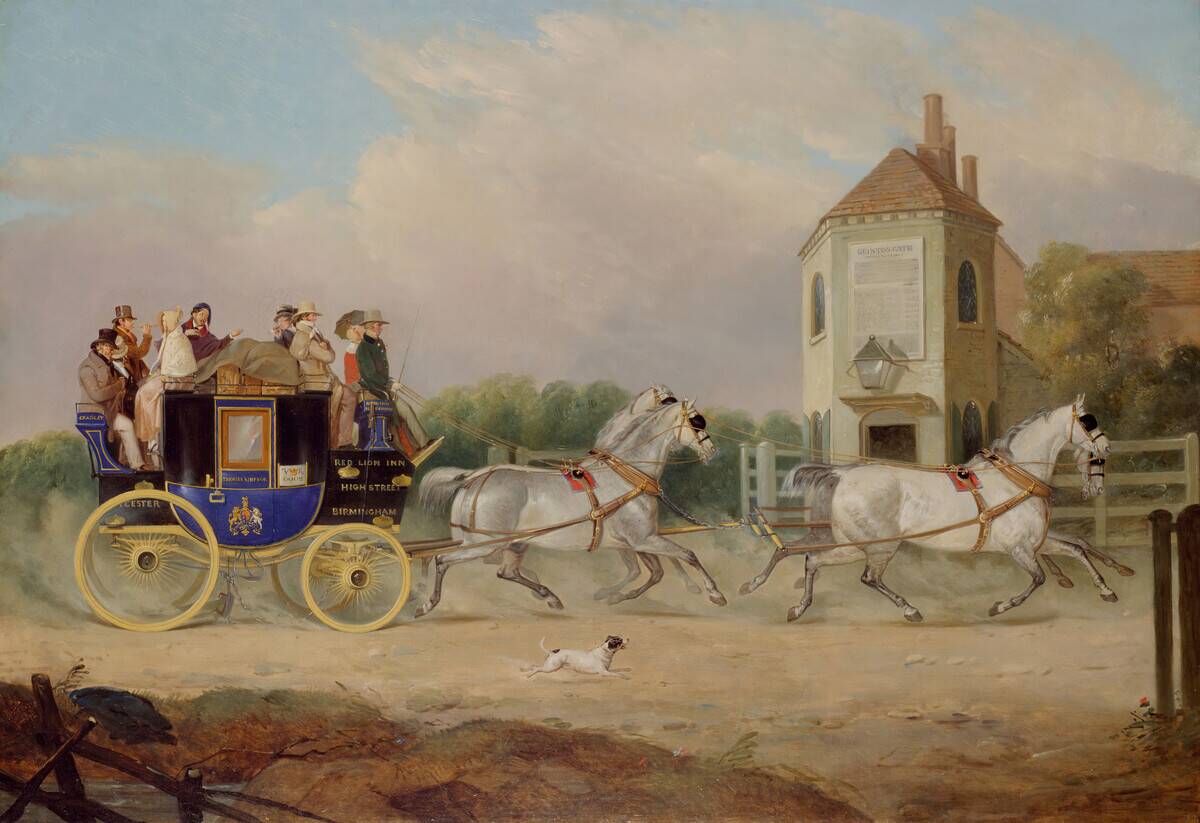
Coaches put horsepower on a schedule. In Britain, John Palmer of Bath launched mail coach service in 1784, famously cutting the London–Bristol run from about 38 hours to 16. A guard rode with the bags, blowing a brass horn and carrying arms to deter thieves. Turnpike improvements made times more predictable, and coaching inns became hubs where letters changed horses alongside travelers gulping soup and news.
Across the Atlantic, stagecoaches hammered over the National Road and countless regional routes. The Butterfield Overland Mail, running from 1858, connected St. Louis to San Francisco over roughly 2,800 miles, aiming for 25 days. Springs and straps tried to soften the ride, but the mail still arrived dusted and determined. Waybills logged every exchange, and a torn seal or missing pouch meant serious inquiries. Families along the line could almost set their clocks by the rattle of wheels and the driver’s shout.
The Pony Express, myth vs. reality: Speedy, pricey, and very brief
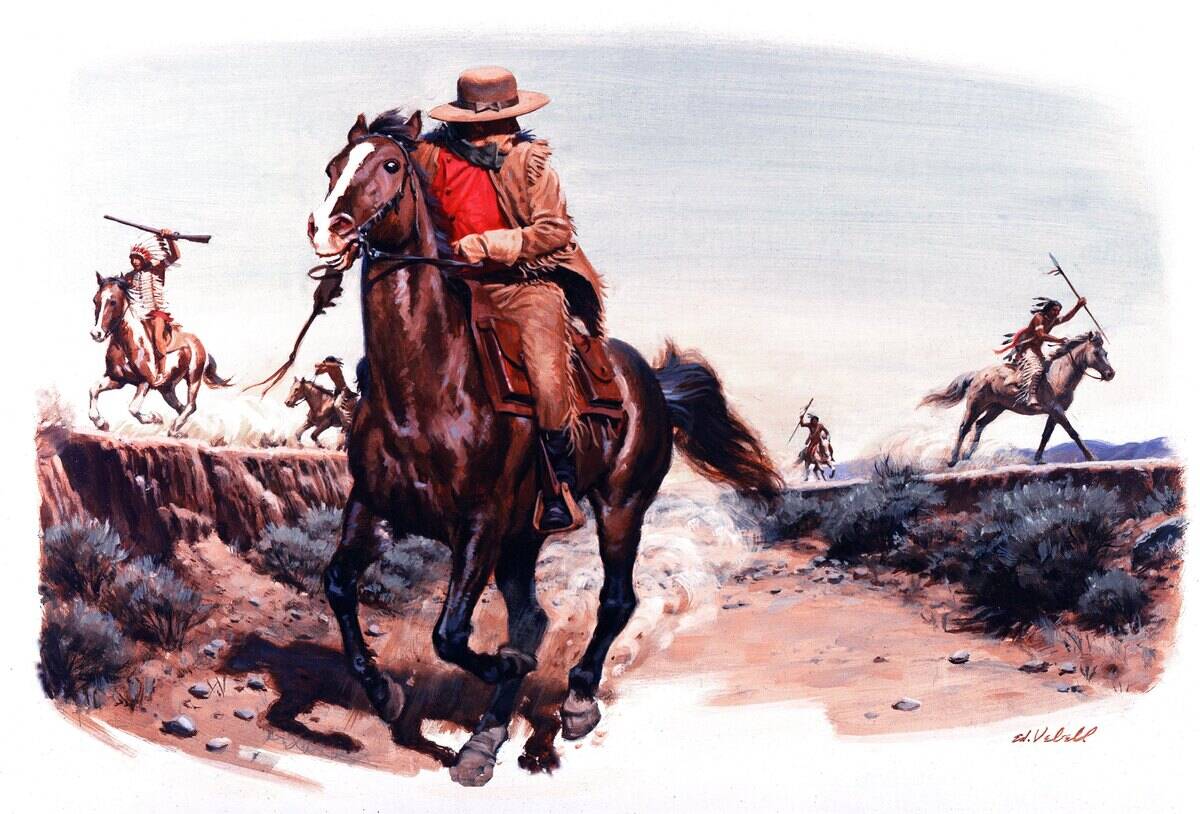
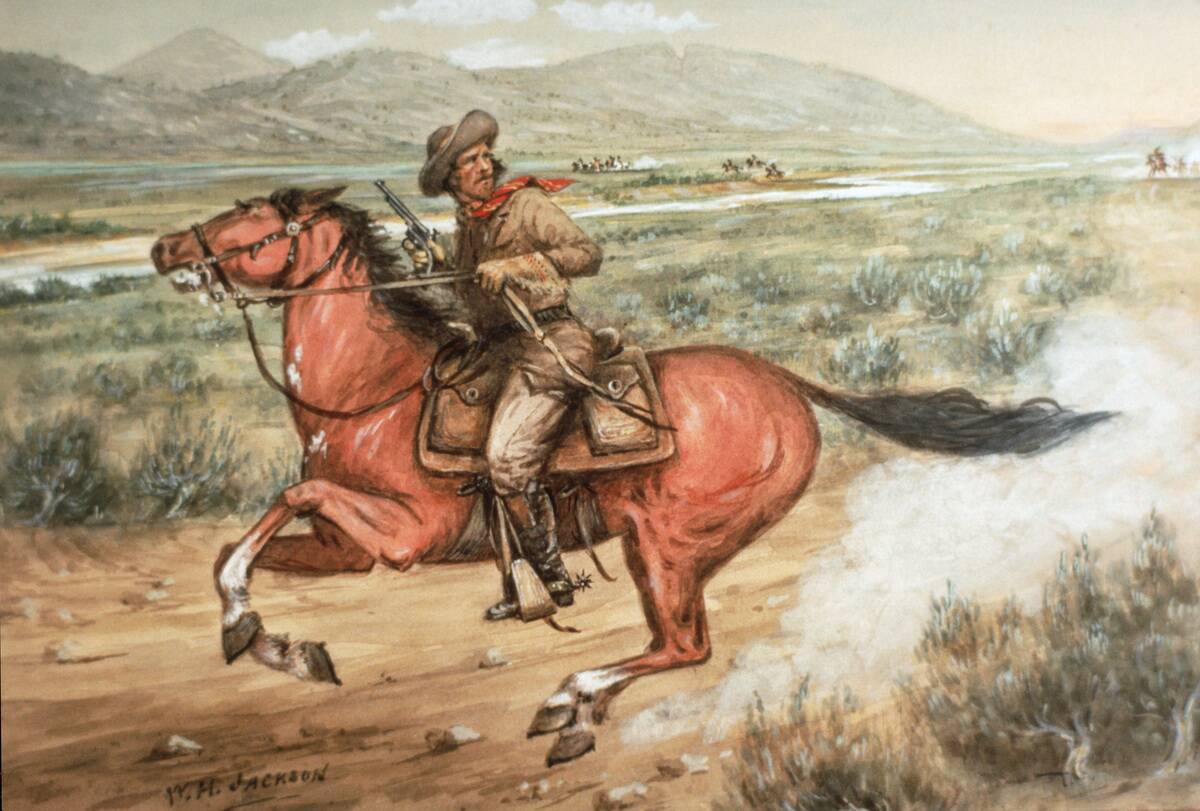
Here’s the legend with facts attached. The Pony Express sprinted between St. Joseph, Missouri, and Sacramento, California, beginning 3 April 1860. Riders swapped horses at stations spaced 10 to 15 miles apart along a route of roughly 1,966 miles. Average delivery times were about 10 days, with the record run famously carrying news of Lincoln’s inaugural in just 7 days 17 hours. It was fast, daring, and photogenic—perfect for memory and myth.
But it was also expensive and short-lived. Early rates ran as high as 5 dollars per half-ounce, later cut to about 1 dollar, still a luxury. Around 80 or so riders and several hundred horses kept it going, with some 184 stations dotting plains, deserts, and mountains. The service ended in October 1861, almost exactly when the transcontinental telegraph went live. Families loved the speed, but budgets and wires won the long game.
Riverboats, packet boats, and sea mail: When news hitched a ride on water
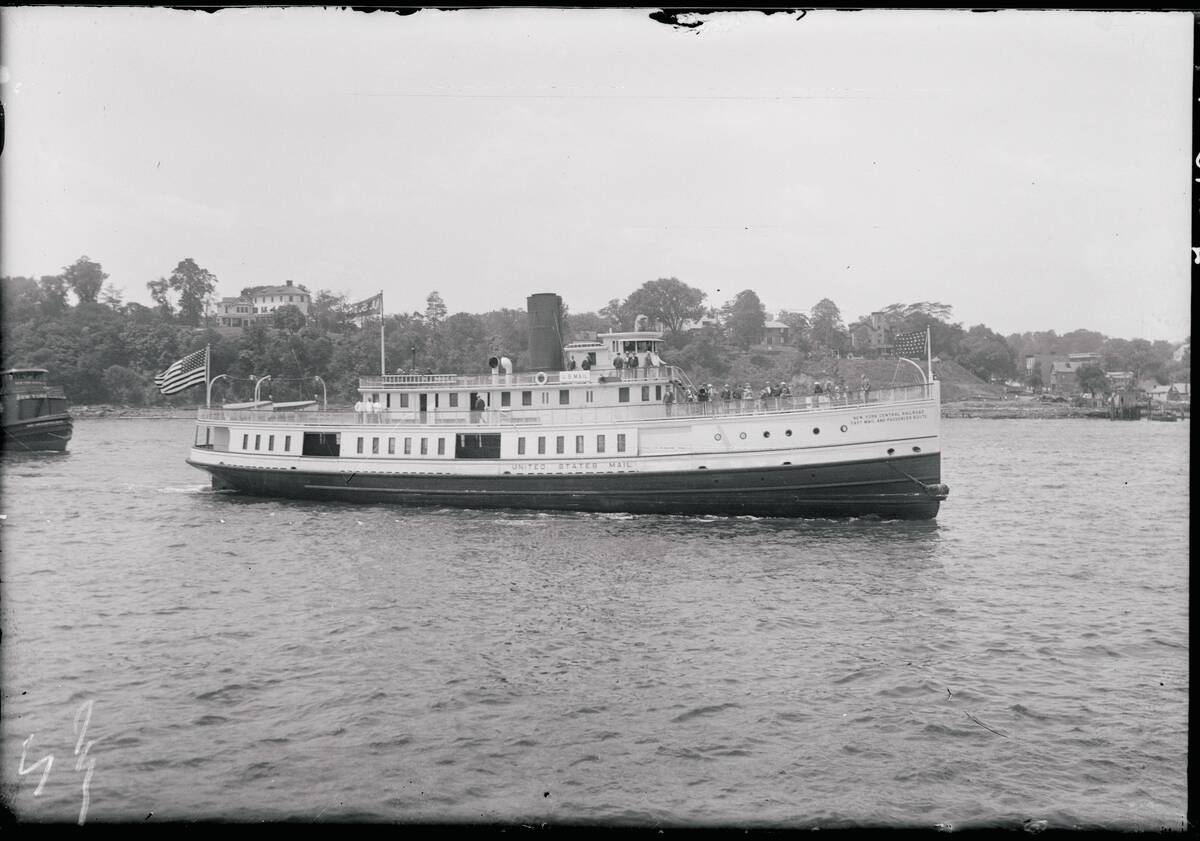
Waterways were the original fast lanes. On canals, slim packet boats carried passengers and letters; the Erie Canal’s 1825 opening tied the Great Lakes to the Atlantic and sped up commerce and correspondence. On big rivers, steamboats hauled mailbags between landings from the 1810s onward, turning towns like St. Louis and New Orleans into postal crossroads. Schedules were posted, and a family might time a letter to catch a favored boatmaster known for reliable runs.
Across the oceans, scheduled packet lines were game changers. New York’s Black Ball Line began regular transatlantic sailings in 1818. Steam narrowed the gap: by the 1840s, Cunard’s Royal Mail steamers were crossing with contracted mail on board, their ships proudly carrying the RMS prefix. Sea Post crews even sorted letters at sea in some eras. Waterproof bags, waxed canvas, and iron chests fought spray and storms so grandmother’s handwriting could arrive intact.
Across the ocean with patience: Waiting months for a single reply
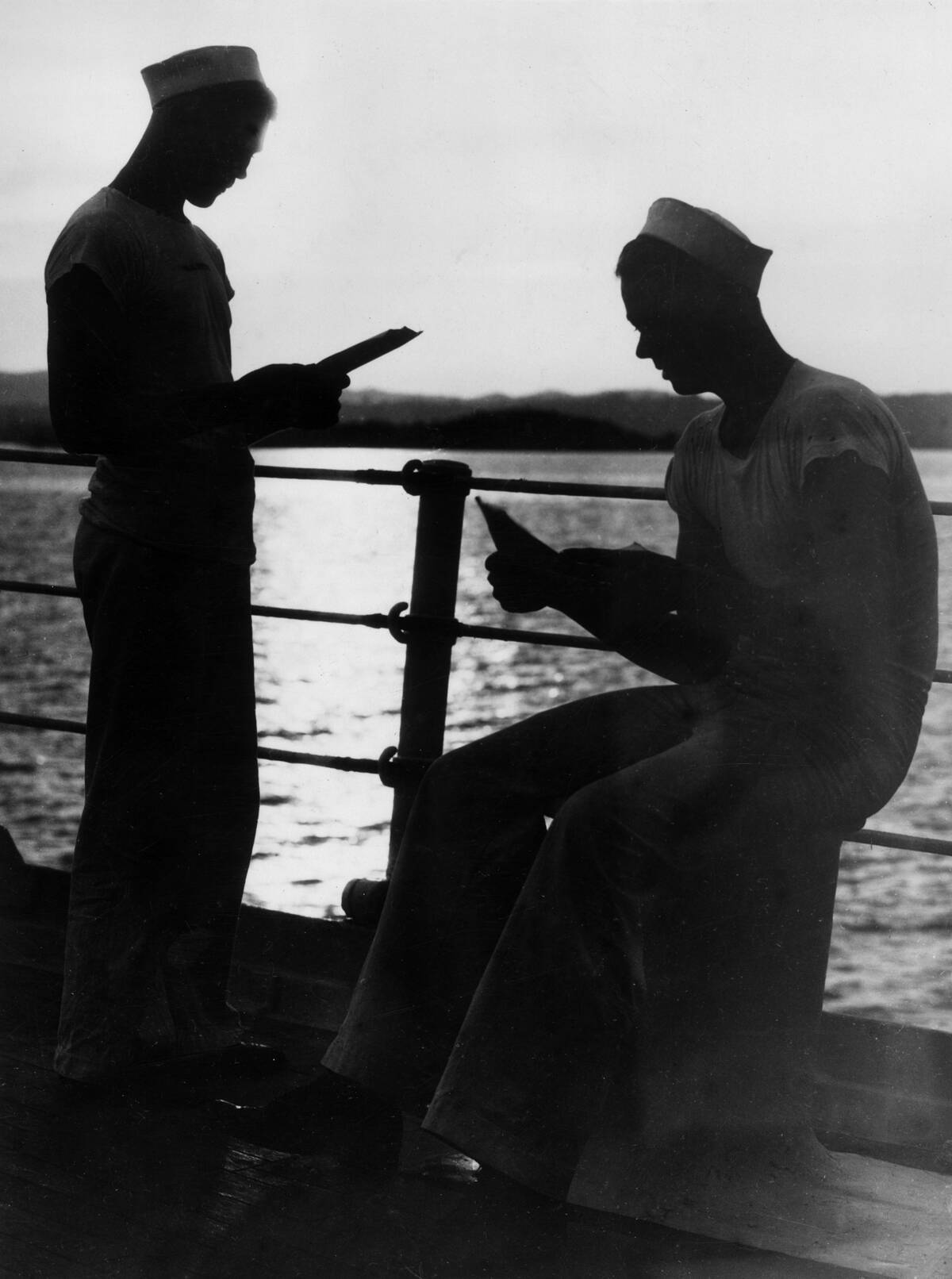
Families separated by the Atlantic or farther learned patience by necessity. In the age of sail, a letter from London to New York might take 6 to 8 weeks one way, sometimes longer in winter gales. To or from India by the Cape could run 4 to 6 months. Steamships trimmed those times, and after the Suez Canal opened in 1869, the route to South Asia shortened dramatically, but weeks still stretched between question and answer.
Writers managed the lag strategically. They dated letters with care, listed previous dispatches in the margin, and endorsed covers per ship so recipients knew the path. Duplicates traveled on later sailings in case one went down. Newspapers enclosed in mailbags told of local elections and marriages as if they were yesterday, except yesterday was last season. When a long-awaited packet finally docked, families hurried to the office to ask that delicious question: anything for me?
The Penny Post revolution: Affordable notes for ordinary folks
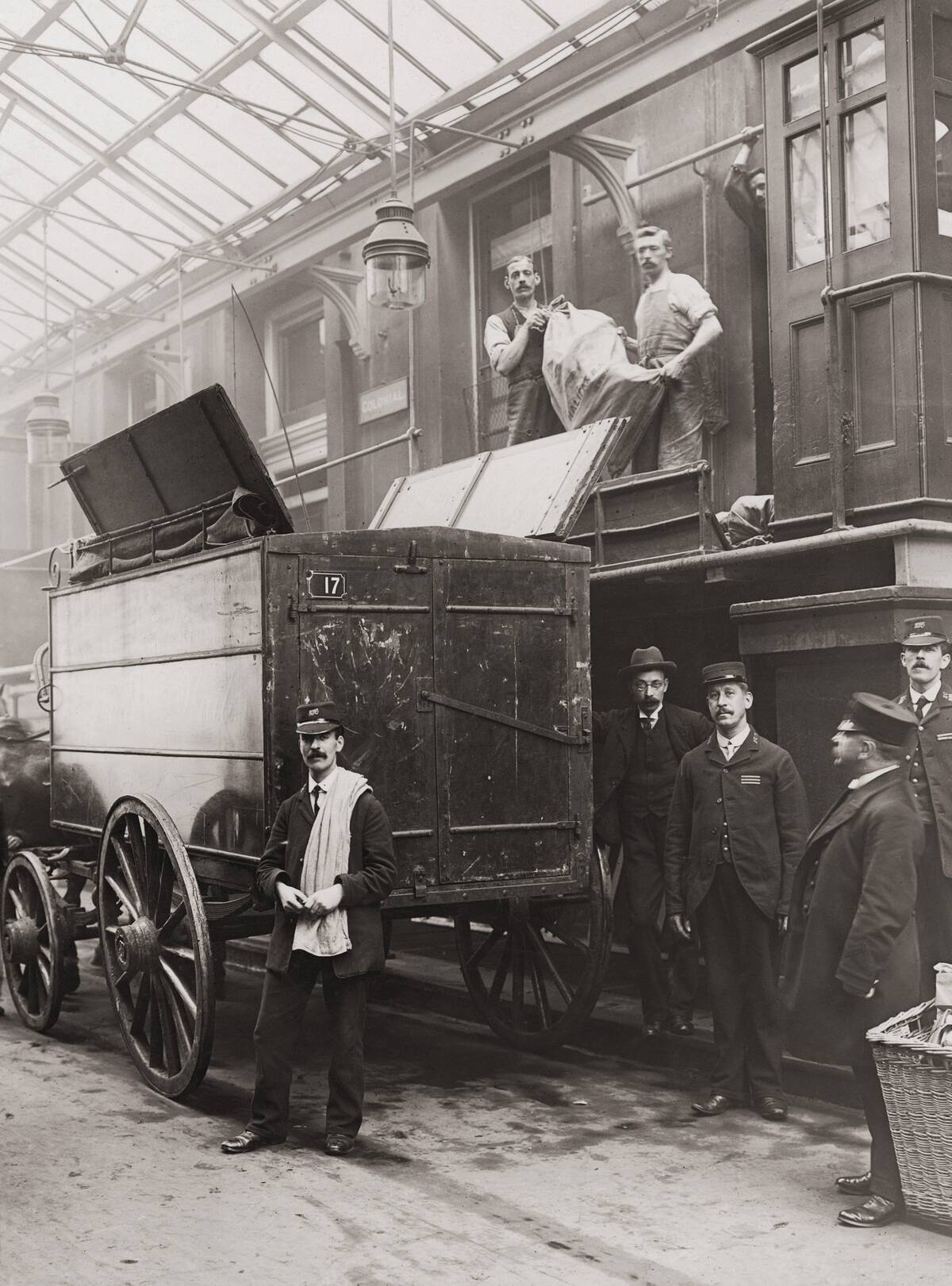
Postage reform turned whispers into a national conversation. Rowland Hill’s Uniform Penny Post launched in Britain in 1840, making it cost just one penny to send a basic letter anywhere domestically, paid in advance with the new Penny Black stamp. Volumes spiked immediately, leaping from tens of millions of letters in 1839 to well over a hundred million in 1840. Prepayment also spared senders the awkwardness of loved ones being charged at the door.
Londoners had seen a teaser before: William Dockwra’s local penny post in 1680 offered affordable city delivery with handstamps marking time and district. Hill’s reform scaled the idea nationwide and inspired imitations abroad. With price no longer a barrier, apprentices wrote home weekly, sweethearts exchanged steady notes, and advertisements sprouted healthier roots. The GPO hired more sorters, added night trains, and built an urban web where families felt closer simply because they could afford to feel closer.
Telegraph time: Faster-than-horse messages in dots and dashes
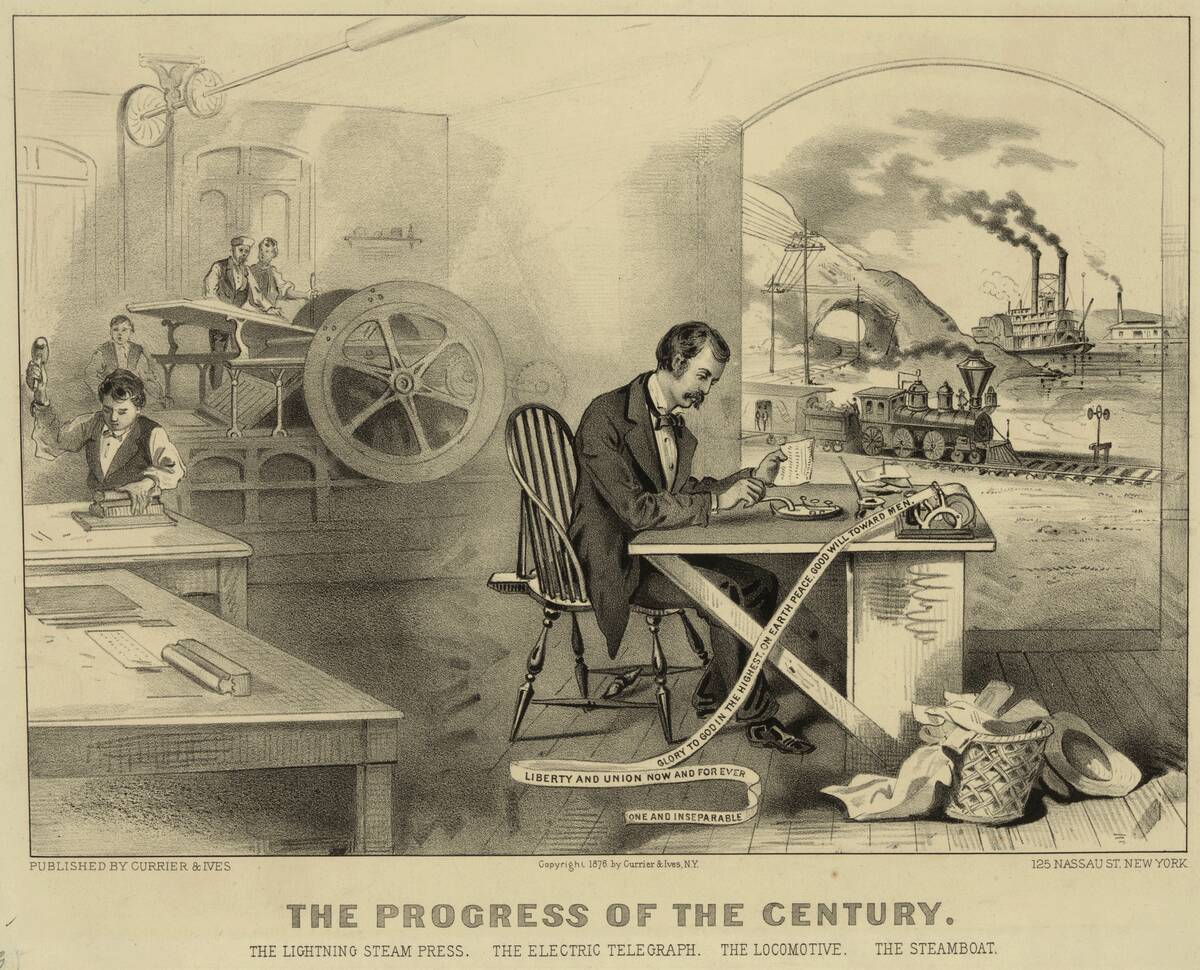
Electric telegraphy shrank continents to minutes. Samuel Morse and collaborators demonstrated the Washington–Baltimore line in 1844 with a now-famous first message. By the 1850s, wires laced across North America and Europe, and in October 1861 the U.S. transcontinental telegraph linked coast to coast, rendering the Pony Express obsolete overnight. The first transatlantic cable of 1858 failed after weeks, but a durable one in 1866 made near-instant contact between Europe and North America routine.
Telegraph offices became civic nerve centers. Clerks translated messages into Morse code and transmitted them along telegraph lines between offices, where operators relayed the signals onward. Weather reports, market prices, and urgent family news all moved faster than wind or water could carry them. For families, the telegraph was the difference between fretting for weeks and knowing by supper. It did not replace letters, but it changed how letters were written: fewer frantic updates, more reflective stories following a quick wire.
Telegram etiquette: Short, punchy, and charged by the word STOP
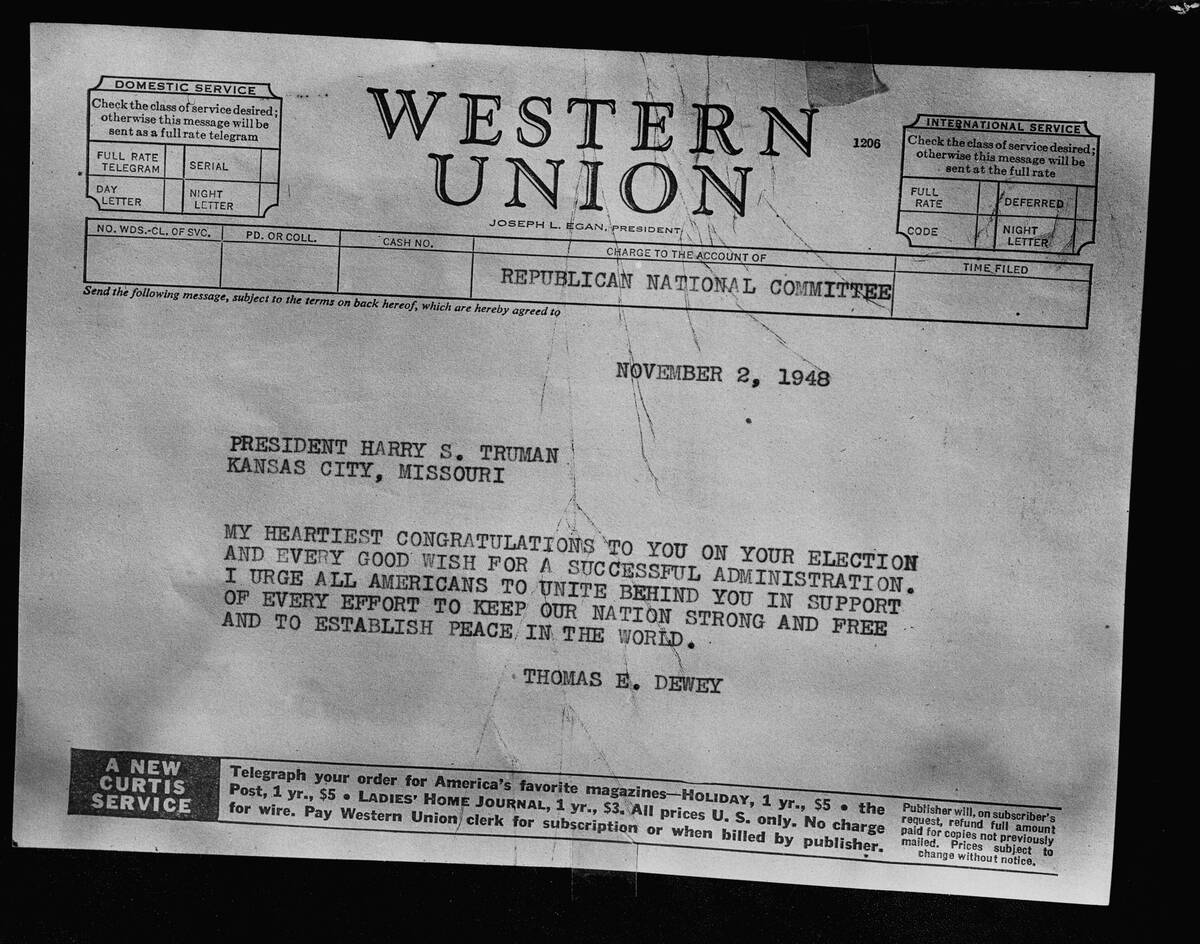
Because most companies charged by the word, telegrams favored lean prose. Articles and pleasantries slimmed down, and periods were often replaced by the word STOP because punctuation did not transmit cleanly on many systems. Messages arrived in all caps on distinctive forms, sometimes pasted onto stationery. A good family telegram balanced clarity with thrift: Arrive Friday noon STOP Meet at station. Western Union later offered night letters at reduced rates, letting senders be wordier when news was not urgent.
Certain occasions came with unwritten rules. Congratulations and safe-arrival notes were fair game for a wire; condolences could be tender but were best followed by a proper letter. Businesses adopted stock phrases for speed, but families often added a personal twist to keep warmth in the clipped style. In 1933, Western Union even launched the singing telegram, proof that if you had to deliver news briefly, you could at least do it with a smile.
Newspaper “agony columns”: Personal ads as the original DMs
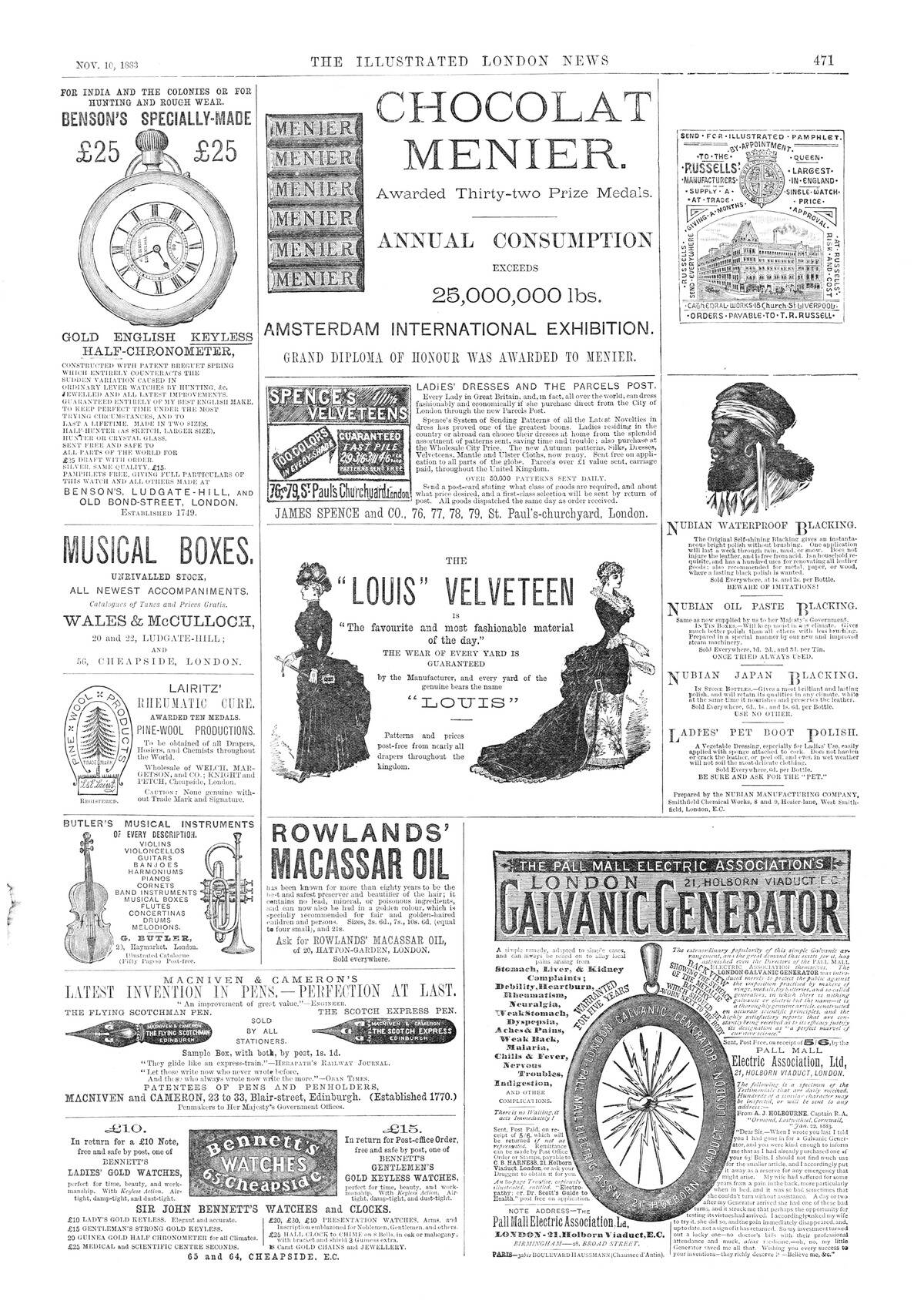
Victorian newspapers ran personal notices nicknamed agony columns, where coded endearments and practical requests mingled. Readers of The Times in London scanned lines like C.T. all is forgiven or Meet as arranged, hoping the right eyes would see them. Fees bought a few words and a day or two of placement. Beyond romance, separated families used the space to announce arrivals, seek lost relatives, or flag a new address after a hurried move.
The columns were so widely read that fiction borrowed them for plot twists, and police sometimes watched them for clues. Some notices embedded simple ciphers or private nicknames to signal authenticity. While not truly private, they offered a discreet halfway house between a letter and a public notice. In an era before phone directories were universal, a short line in newsprint could bridge a gap across cities, ships, and awkward circumstances with a wink and a date.
Calling cards and visiting etiquette: “Sorry I missed you” in cardstock form
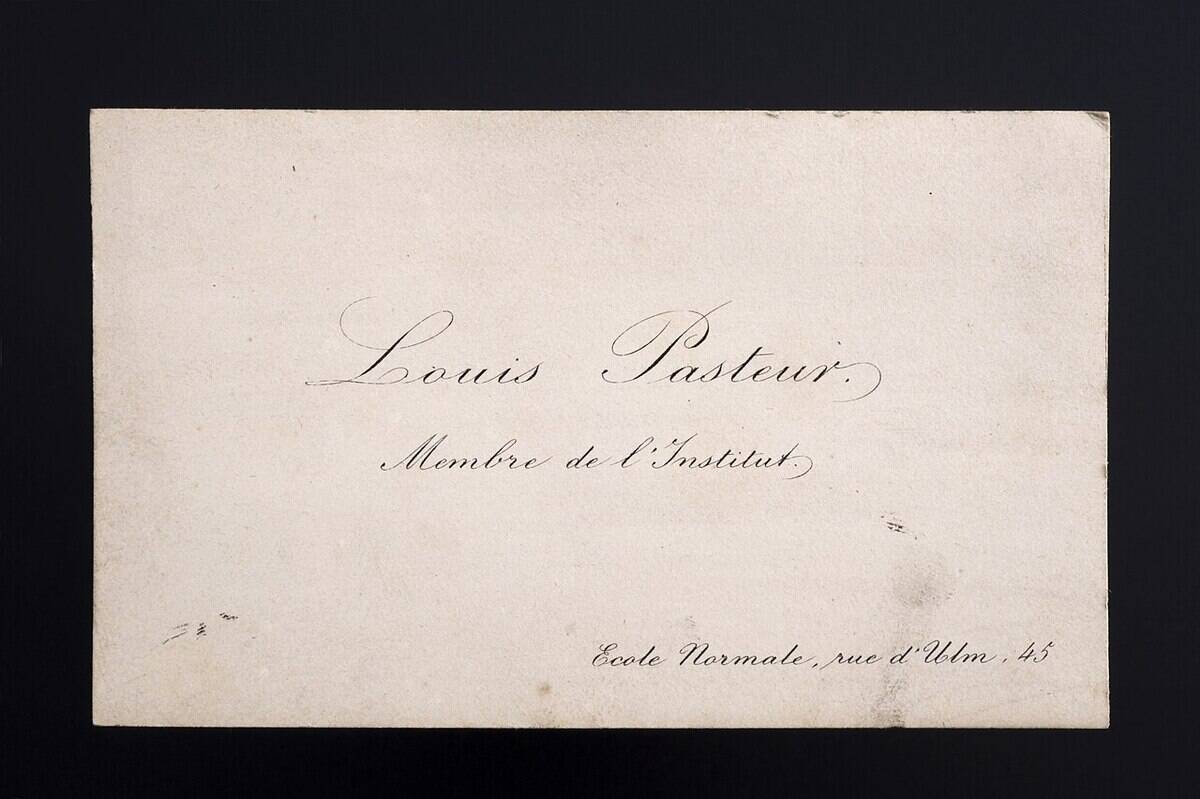
A proper visit in the 19th century began with a card. Gentlemen and ladies carried calling cards bearing their names in neat script, sometimes with engraved flourishes. You left a card on a tray at the door, or with the servant, and social codes did the rest. A turned corner could mean a personal call; initials like P.P.C. signaled a farewell before travel. Trays in parlors silently narrated who had been by that week.
Visiting hours and days were set to avoid chaos, especially in cities. If the household was not at home to callers, a card did the polite work of I was here, thinking of you. Cards helped families manage obligations, introduce new spouses, and announce a move without penning a full letter to everyone. Printers competed in fonts and borders, and cases kept the little rectangles pristine in pockets and reticules. Small card, big social message.
Picture cards and early postcards: A view, a note, a quick hello
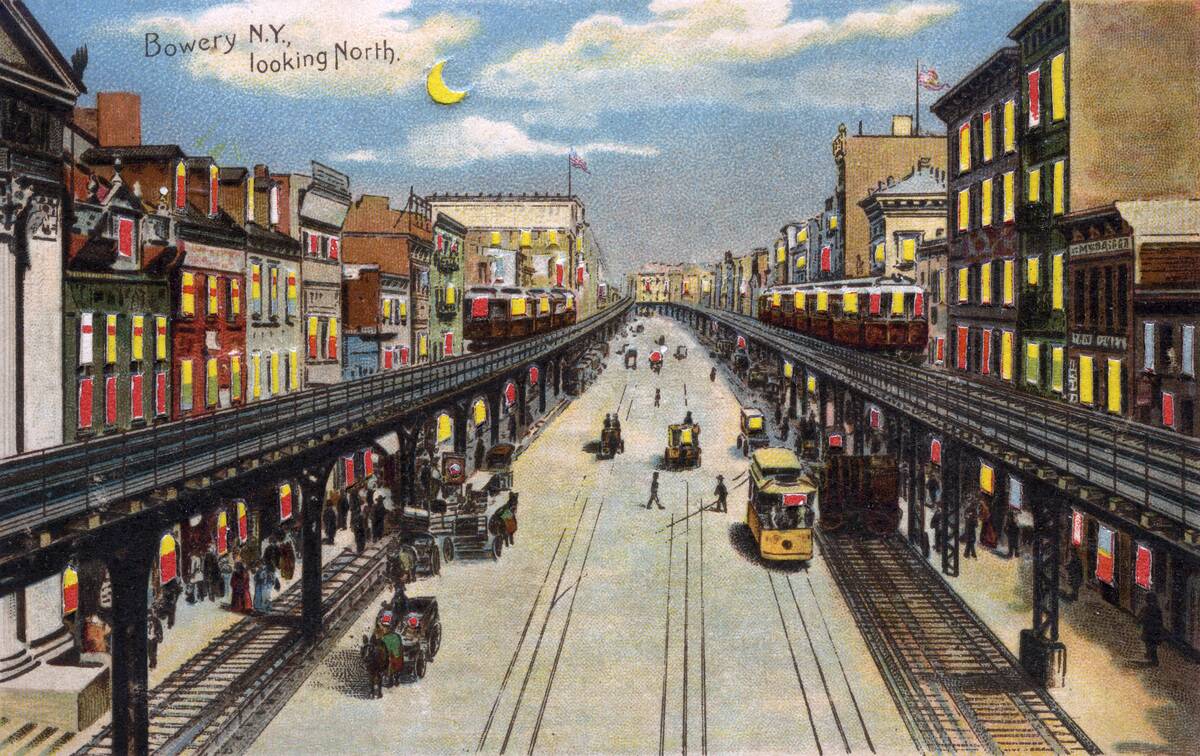
The humble postcard made quick news prettier. Austria-Hungary authorized the first official postcards in 1869, and other countries followed. In the United States, privately printed cards gained approval as Private Mailing Cards in 1898. The divided back in 1907 let senders scribble a note alongside the address, freeing the picture side for big views. The so-called golden age, roughly 1907 to 1915, saw billions mailed, from seaside piers to brand-new Main Streets.
Real photo postcards let families send actual photographs on postcard stock, a marvel around 1900. Travelers bought scenes at depots and amusement parks; towns used them to boast of factories and festivals. Postmarks on cards offer dating clues, and short notes feel like the text messages of their day: Arrived safely, weather fine, Aunt May sends love. Cheap to buy, cheaper to send, postcards were the perfect hello for when a full letter felt too formal.
Family Bibles, albums, and keepsake books: Recording life for distant kin
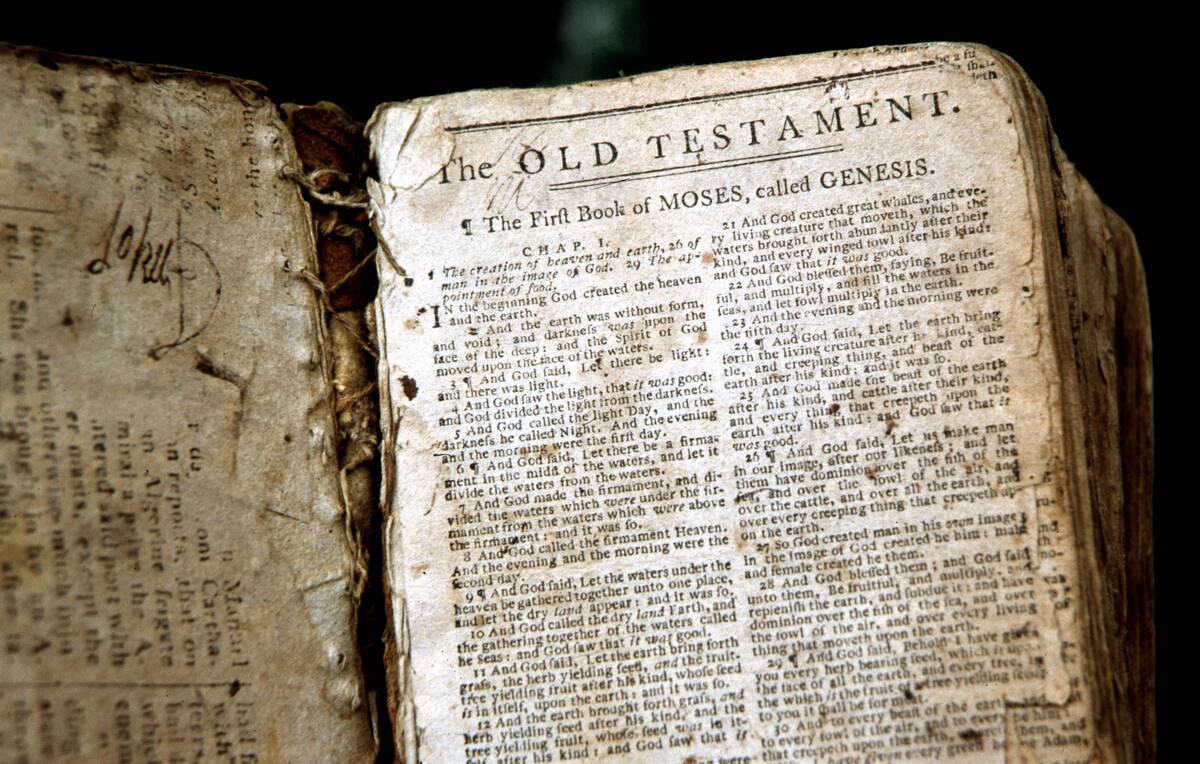
Beyond the mailbox, families archived themselves. Family Bibles often included printed pages to record births, marriages, and deaths in careful ink, a practice common across the 18th and 19th centuries. Photo albums ballooned after the 1850s with cartes de visite and later cabinet cards, letting far-flung relatives trade likenesses. An inscription under a portrait could travel as meaningfully as a letter, especially when it linked a name to a date and a place.
Keepsake and friendship albums carried verses and autographs from schoolmates and cousins, sometimes with hand-colored drawings or pasted scraps. Lockets might hold a curl of hair, while pressed flowers from a wedding bouquet rode inside a folded note. When letters arrived, recipients often copied key news into these volumes, anchoring events against loss. For cousins across oceans, a mailed album update felt like stepping into the parlor for a leisurely browse of family history.
Neighbors, peddlers, and traveling relatives: The informal courier network
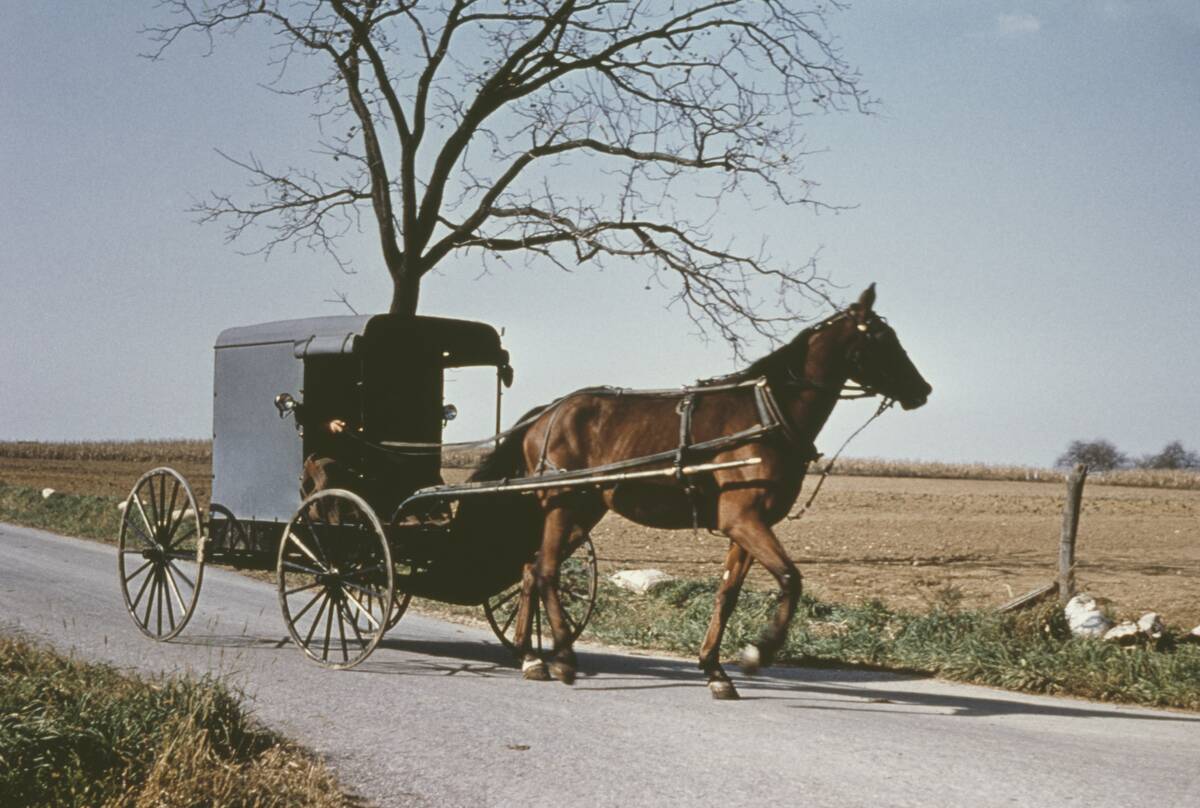
Not every message wore a postmark. A letter sent by favor of the bearer hitched a ride with someone already on the road: a neighbor heading to market, a peddler making the rounds, or an uncle passing through. Notes of introduction smoothed such handoffs, authenticating the carrier and the recipient. In remote areas, the weekly trip to town turned one person into the ad hoc post office for a whole string of farms.
Informal couriers worked best on trust.
Writers folded and sealed letters tightly, sometimes adding a wafer or wax to discourage peeking. The risk of loss or delay was real, so duplicates often followed by post. Immigrant communities leaned on itinerant clergy, merchants, and shipmates to relay family news back home. A knock on the door with a letter from a cousin two counties over felt as official as any stamp, and sometimes faster.
Church steps, markets, and bulletin boards: Community hubs for passing news
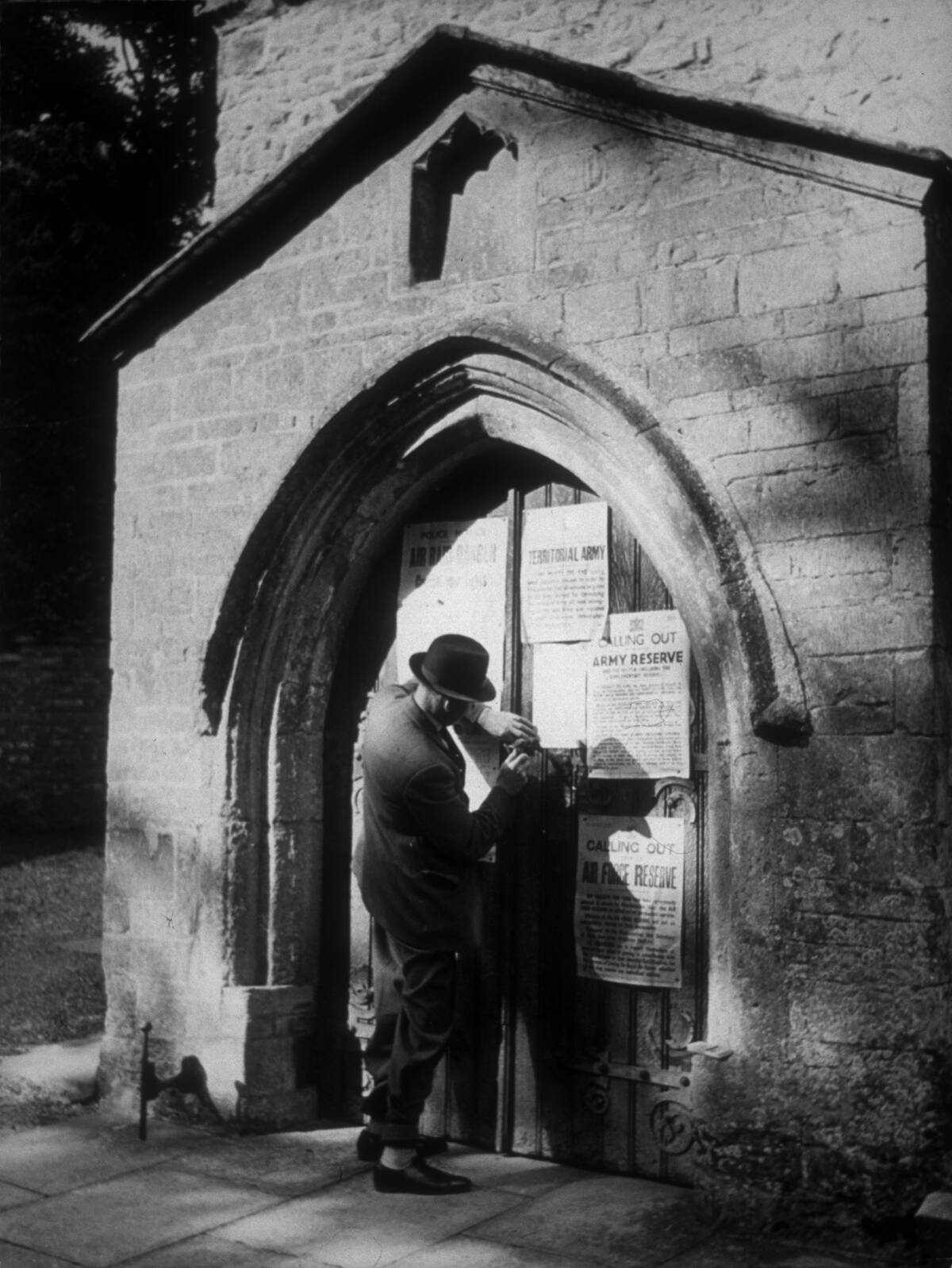
Before timelines lived on screens, they lived in the square. Church steps, market crosses, and tavern doors served as bulletin boards where notices gathered. Town criers rang bells to announce meetings, auctions, and ships making harbor. In the 19th-century United States, many post offices doubled as general stores, so buying flour also meant chatting with the postmaster about the morning’s bag. A well-placed placard could spread news through a village by evening chores.
Lists of unclaimed letters were even printed in newspapers by law in some eras, naming addressees so they would come fetch their mail. Recruitment posters, traveling lecture bills, and rail timetables layered over each other on boards and fences. Families arranged rendezvous by tacking up a card and trusting friends to pass the word. A bulletin board was the original algorithm: whoever showed up next saw the latest and carried it away in conversation.
Signals in a pinch: Beacons, drums, and smoke across the horizon
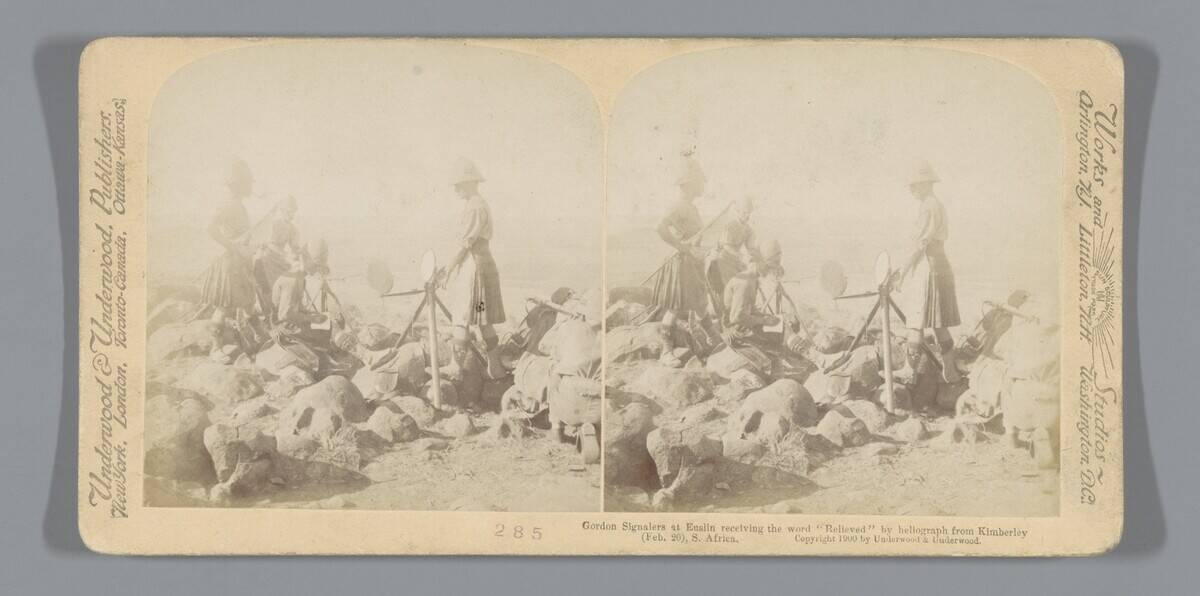
When distance outran paper and ink, people signaled with light and sound. Beacon chains on English hills blazed warnings in 1588 as the Spanish Armada approached. Coastal communities flashed lantern codes and raised flags to share ship news. In the 1790s, France built a nationwide semaphore telegraph of pivoting arms, moving government messages from Paris to Lille in minutes when skies were clear.
Heliographs later bounced sunlight by mirror across dry miles in the American West.
Other cultures drummed meaning over valleys or sent smoke at agreed intervals. West African talking drums mimicked tone patterns of local languages to carry phrases, and Indigenous peoples in North America used smoke signals as situational alerts rather than a universal code. Families mostly left long-distance signaling to states and scouts, but every household knew the shorter-range dialects: a lantern left lit for a late traveler, or three sharp knocks that meant neighbor at the door.
Codes, ciphers, and floriography: Secret messages tucked in plain sight
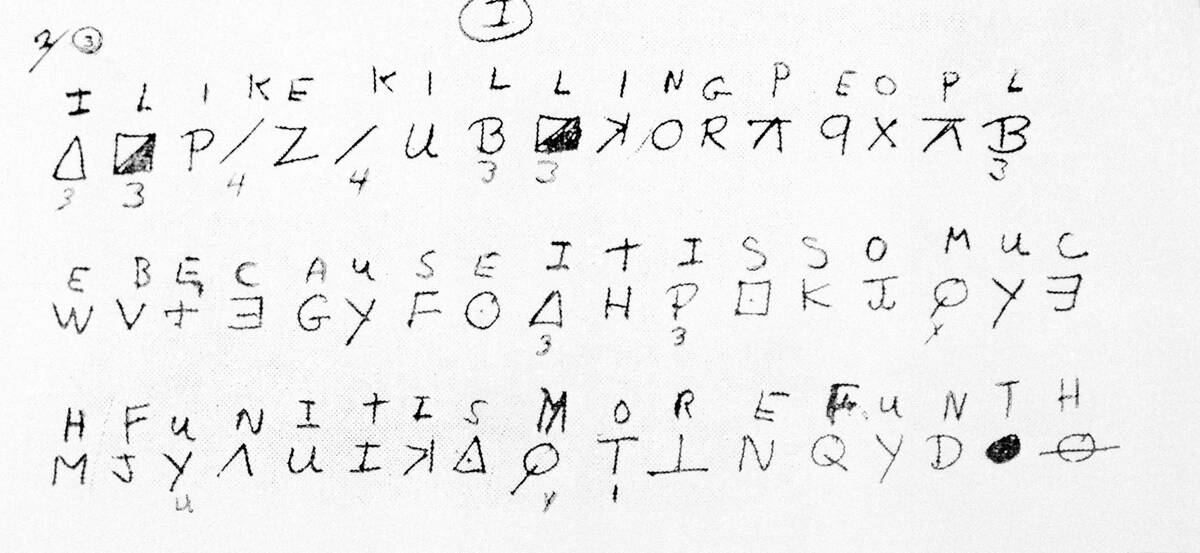
Privacy mattered even in polite society. Simple substitution ciphers and codebooks let lovers and relatives hide details in case a letter strayed. During the American Civil War, both Union and Confederate communicators used cipher disks, book ciphers, and variants of Vigenere to protect dispatches carried by telegraph or courier. Letterlocking, the art of folding and cutting a letter into its own tamper-evident package, served households for centuries before envelopes became standard.
Victorians added a fragrant layer: floriography, or the language of flowers. Meanings varied by handbook, but certain associations were widely printed: forget-me-not for remembrance, rosemary for remembrance and fidelity, violets for modesty, ivy for steadfastness. A small posy tied to a note shaded its sentiment without committing plain words to paper. Family albums sometimes pressed those very blooms, the code lingering between pages long after the sender’s wink had faded.
Lost letters and dead-letter offices: The adventures of mail gone astray
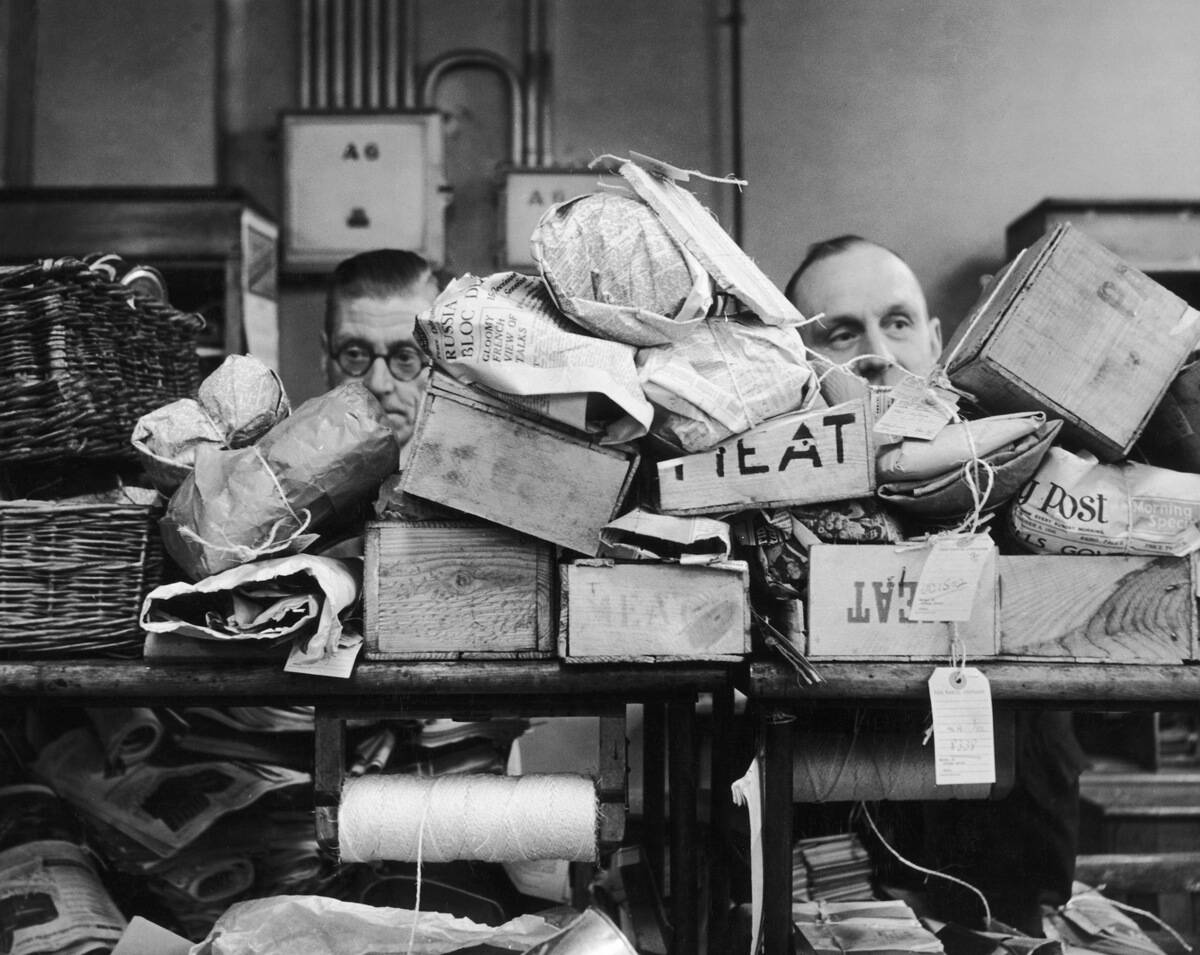
Not every envelope made it. Smudged addresses, wrong towns, and sudden moves routed letters into postal limbo. The United States created a Dead Letter Office in 1825 to salvage such items. Clerks opened undeliverable mail to hunt for clues, returning valuables when possible and destroying or selling what could not be reunited. The modern Mail Recovery Center in Atlanta continues the work, handling millions of stray pieces and auctioning unclaimed goods under strict rules.
Britain and other countries ran similar departments, sometimes displaying curiosities to the public. Newspapers loved tales of packets finally delivered after years in a misfiled bag. Family strategies evolved to reduce risk: legible hands, full names, county and country on the cover, and return addresses tucked inside. Even so, the romance of the lost letter persists, because somewhere a bundle tied with blue ribbon still waits for the right knock at the right door.




