19 photos of everyday life in America before refrigerators
Imagine a kitchen where time is the thermostat. Without a refrigerator, meals danced to the tune of the weather, the season, and the nearest cold spot. Perishables like fish or milk had a same-day deadline. Shopping was frequent, cooking was strategic, and storage leaned on cellars, springs, or a block of ice if you could afford it. Urban households relied on nearby markets; rural families leaned on gardens, smokehouses, and pantries designed to breathe.
It wasn’t exactly primitive—just precise.
People knew the microclimates of their homes: the coolest corner, the breeziest shelf, the step by the back door that stayed chilly in January. Winters were a blessing for keeping, summers a sprint to finish leftovers. And when technology finally arrived, it didn’t erase old wisdom; it simply relieved the daily pressure of the drip pan, flyscreens, and a thousand little checks that kept supper safe.
2. Meet the Icebox: The Wooden “Fridge” With a Block of Ice and a Drip Pan
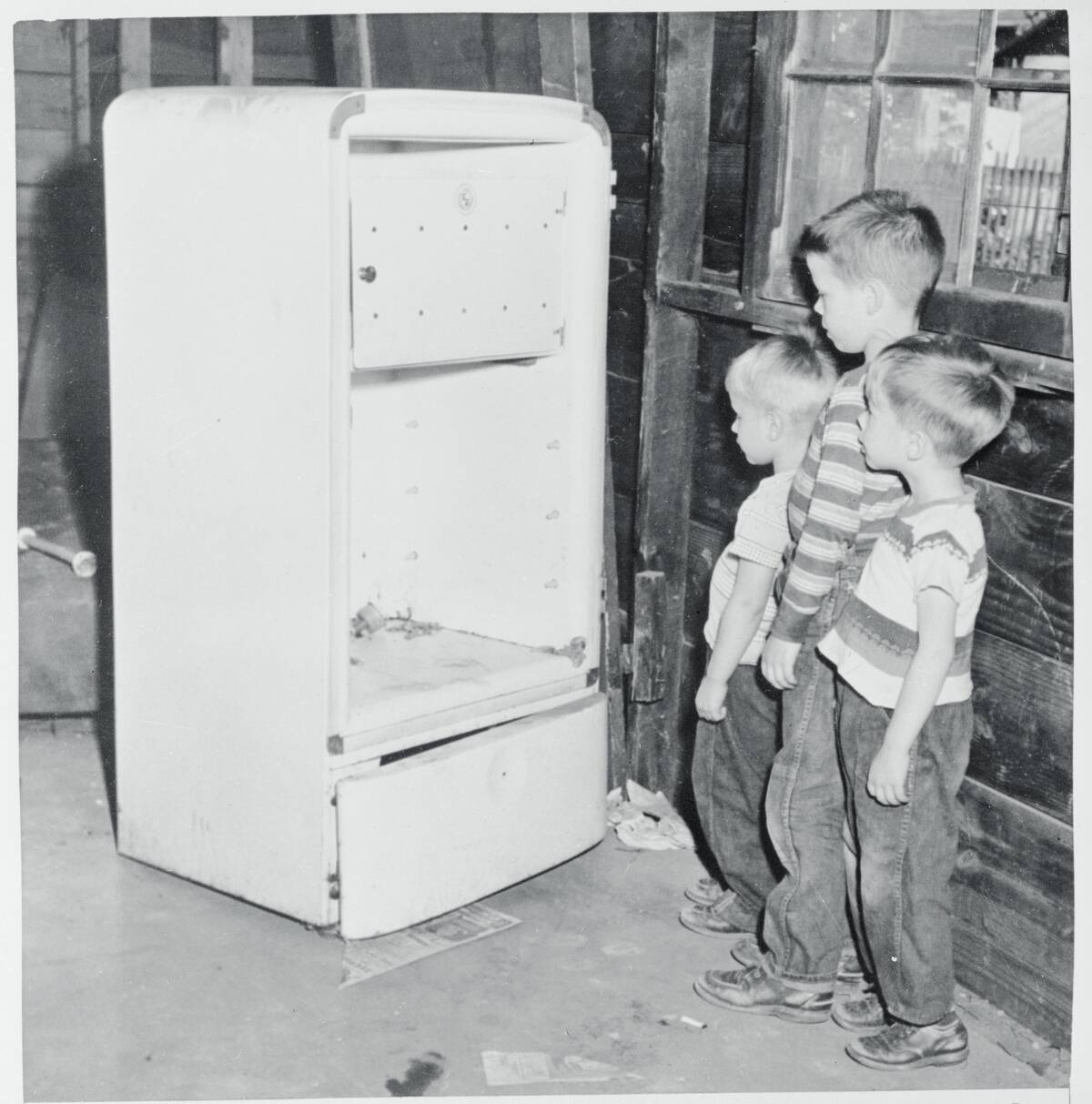
The classic icebox was a handsome cabinet—often oak or ash outside, lined with zinc, tin, or galvanized steel inside—built to cradle a hefty block of ice. Cold air sank from the upper ice compartment into food shelves below, giving you a few crucial degrees of chill. Hinged doors were tight, hardware was heavy, and the interiors sometimes wore enamel for easier cleaning. A good block could last a couple days in cool weather, less in July.
Gravity did the rest.
As ice melted, water trickled to a drip pan you were supposed to empty daily—miss it, and you’d discover why floors were scrubbed so often. Some iceboxes had a plumbed drain; many didn’t. Owners learned to stack foods sensibly: milk and meat near the coldest back, butter and leftovers up front. It wasn’t foolproof, but for decades it kept Sunday roast safe until Monday’s sandwiches.
3. The Iceman Cometh: Door-to-Door Ice Delivery, Tongs, and Route Cards
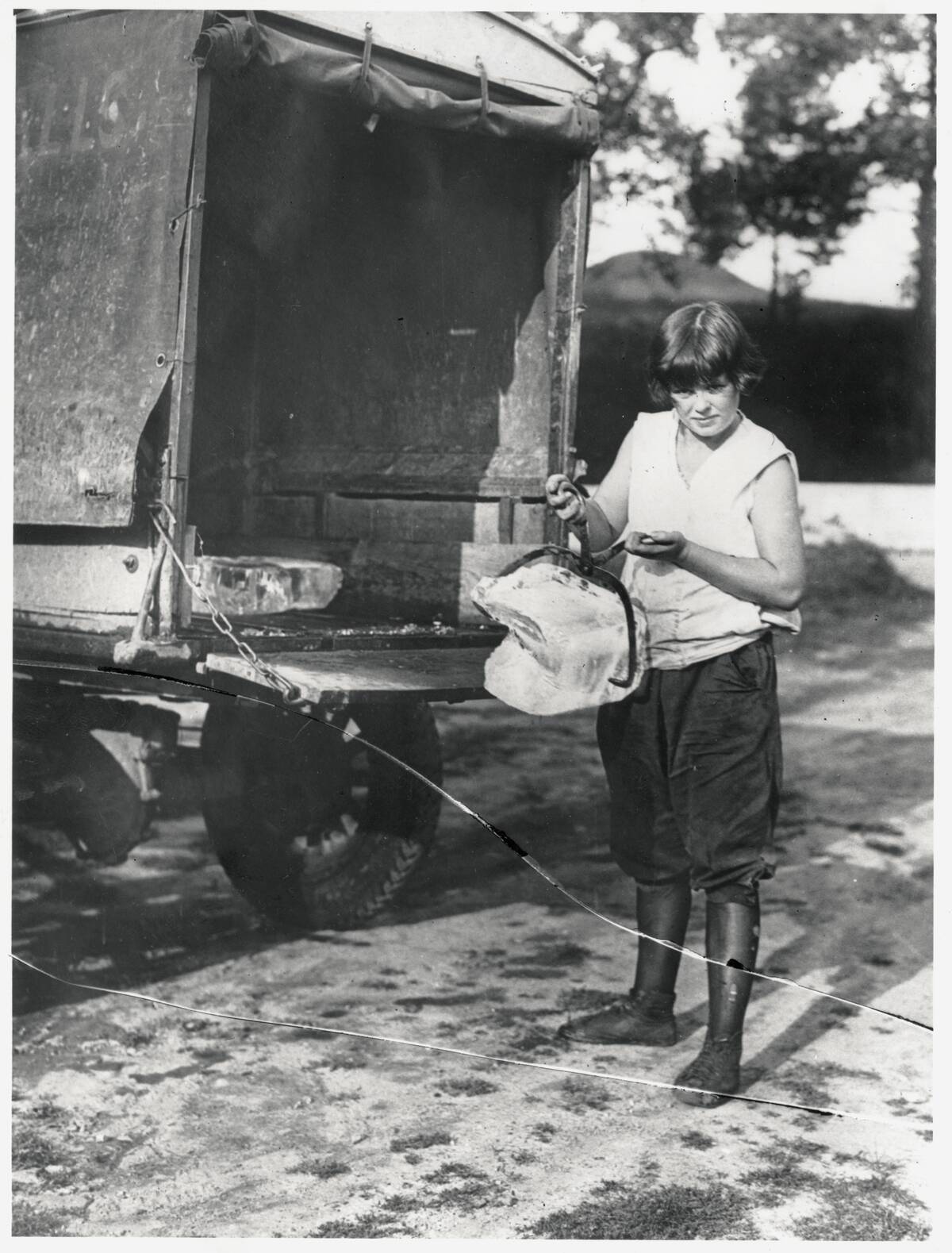
Ice didn’t magically appear; an iceman hauled it, first by horse-drawn wagon, later by truck, gripping blocks with steel tongs and a burlap sling. Many homes displayed a window “route card” with numbers—25, 50, 75, 100—so the driver knew how many pounds to leave without knocking. Children chased wagons for free chips; adults swept up stray puddles. Deliveries ran early, so a warm kitchen didn’t devour the block before lunch.
In big cities, ice routes were as reliable as the milkman’s schedule, with some companies serving thousands of households daily by the 1910s. Blocks came from commercial ice plants or last winter’s harvest, and the iceman’s quick arithmetic prevented a pan-flooding oversell. He was part deliveryman, part weather forecaster: if heat rose, so did orders. For many families, that knock at dawn meant the week’s meals had a fighting chance.
4. Harvesting Winter: Sawing Lake Ice, Packing It in Sawdust, and Storing All Year
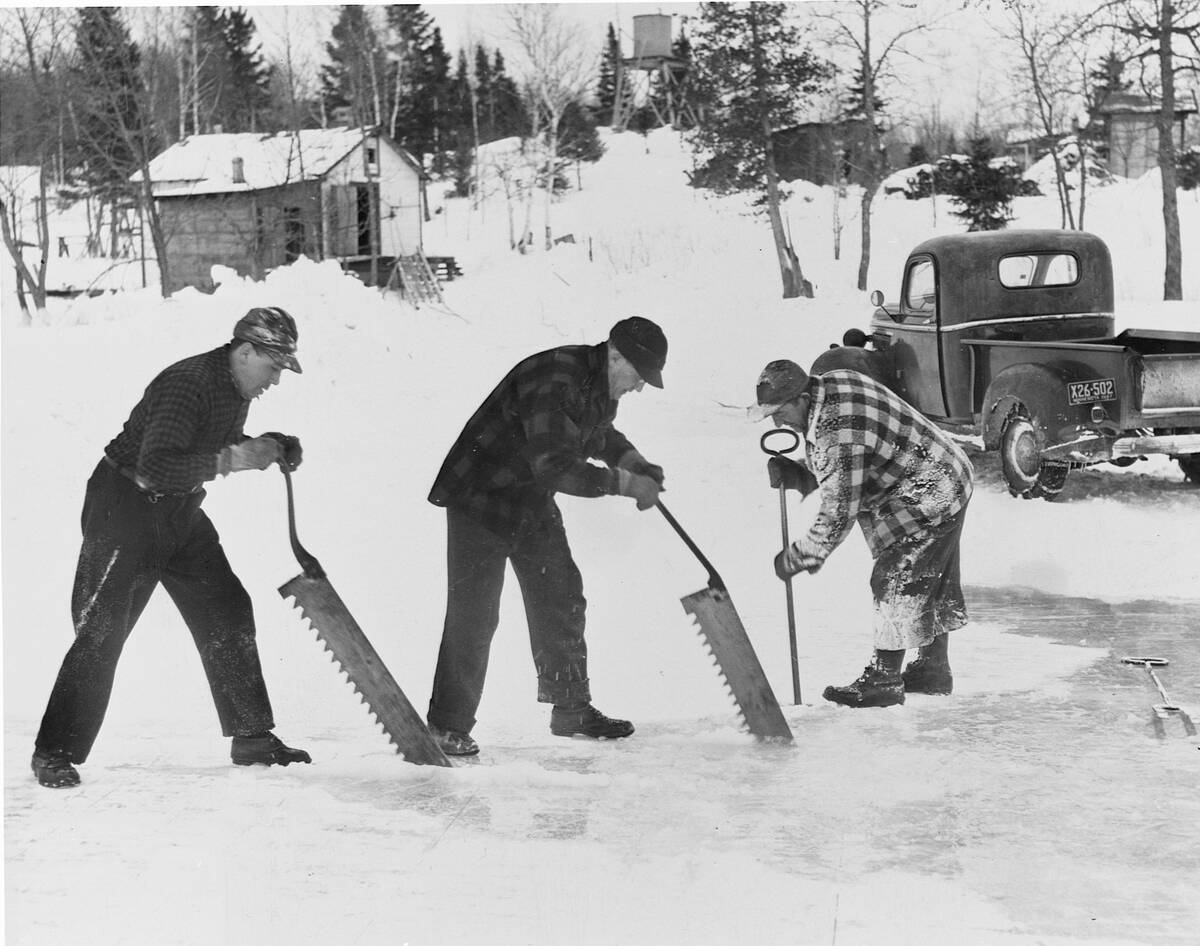
Before artificial ice plants spread, winter itself was the factory. Workers scored frozen lakes with horse-drawn plows, then sawed clean-edged blocks—often 16 to 22 inches thick—floating them into channels and conveyor belts. The harvest was fast and rugged; clear, dense ice fetched the best price. By the late 1800s, New England alone shipped vast quantities, fueling what became a global trade.
Storage was an art. Blocks were stacked in icehouses with double walls and thick sawdust or straw for insulation. Done right, they survived well into summer with surprisingly modest losses. Boston’s Frederic Tudor—dubbed the “Ice King”—proved the model in the early 1800s, exporting to the Caribbean and India. Even after mechanical refrigeration arrived, many towns still topped off icehouses each winter, a frosty insurance policy against heat waves and breakdowns.
5. Root Cellars and Springhouses: Nature’s Chill Spots Underfoot and Creekside
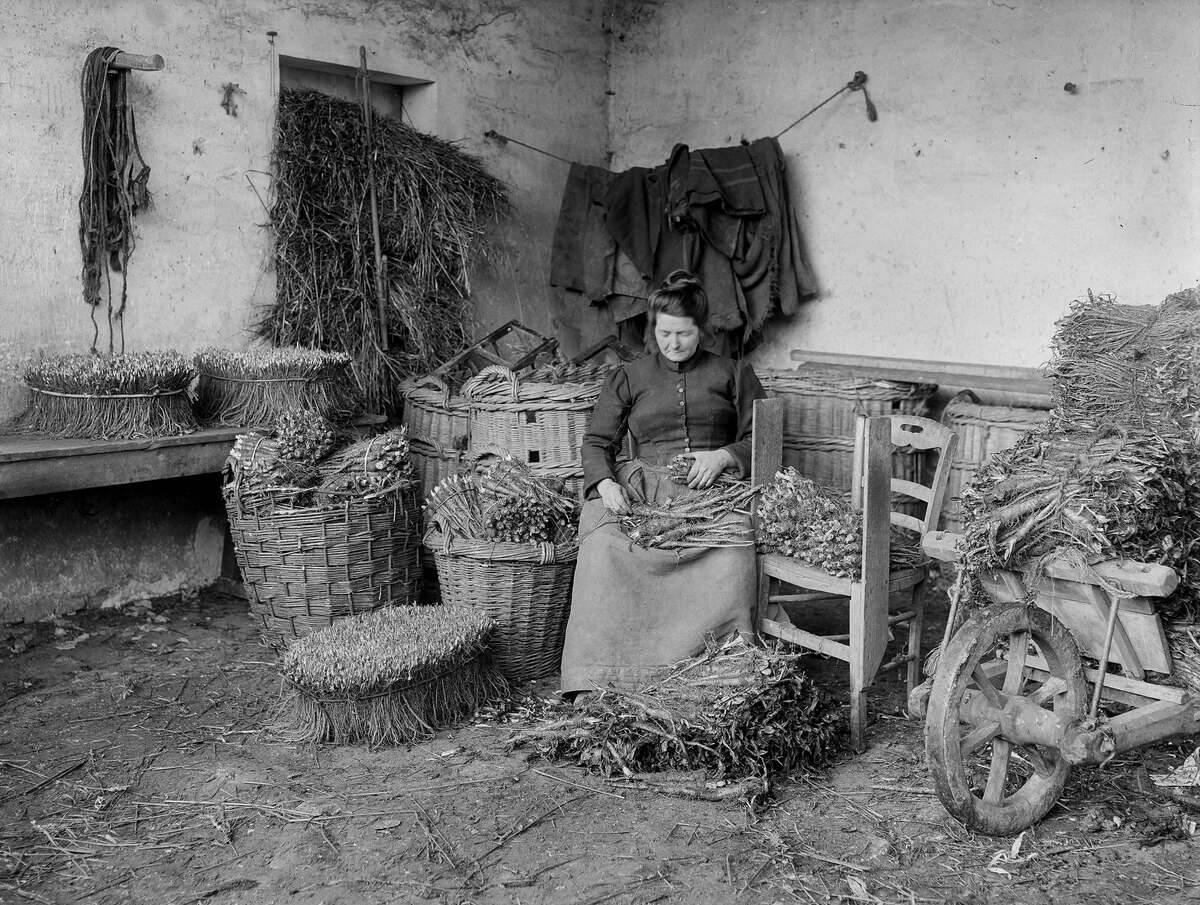
Root cellars made the earth your refrigerator. Dug into hillsides or under houses, they held steady cool temperatures—often in the 35–50°F range—with high humidity to keep potatoes, carrots, apples, and cabbages crisp. Vents controlled airflow; shelves and bins kept produce separated so one overripe apple didn’t doom the lot. Limewash brightened walls and discouraged mold.
Springhouses took another tack: build right over a cold, flowing spring.
Shallow troughs kept milk, butter, and crocks partly submerged, while stone walls and shade did the rest. In regions with reliable springs, these little outbuildings were indispensable, offering a natural chill chest long before outlets existed. Even after electricity, many farms kept them for cheese and butter because, frankly, a spring never tripped a breaker.
6. Shop Small, Shop Often: Daily Trips to the Grocer, Butcher, and Market
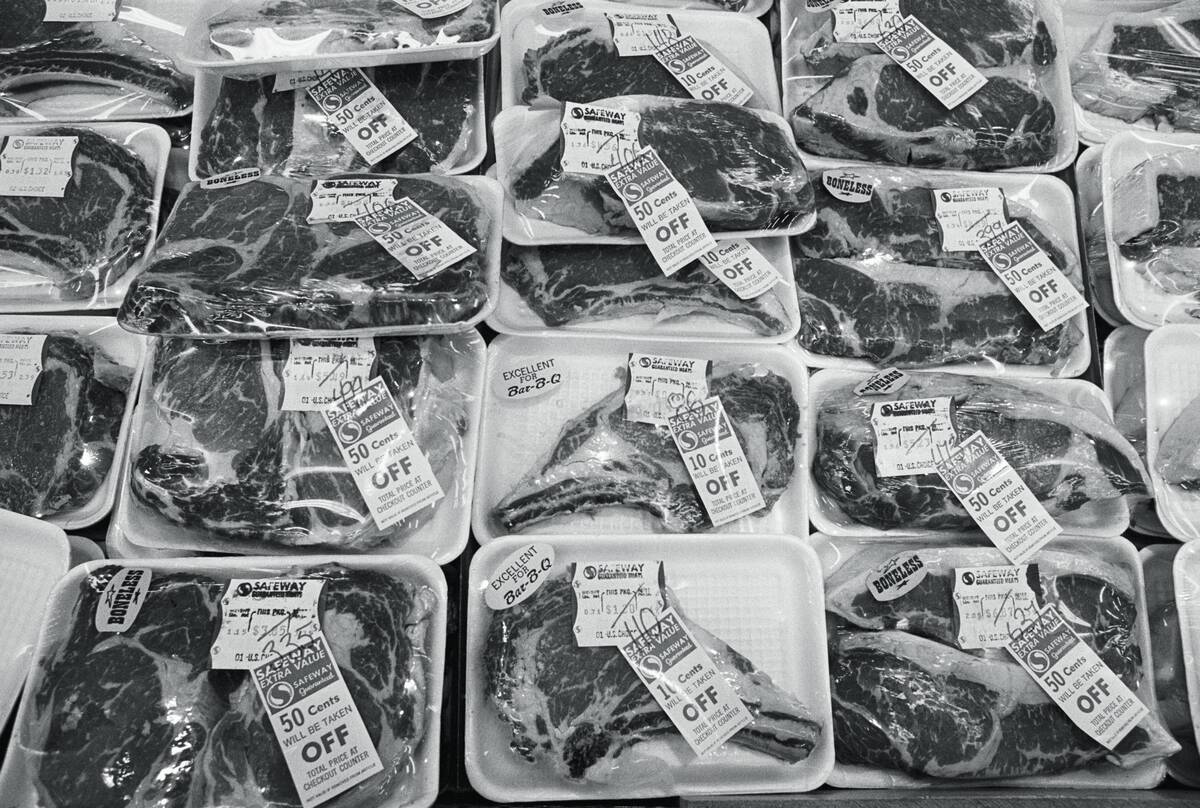
Without deep cold at home, people shopped the way chefs do today—small quantities, bought fresh, used fast. City blocks were dotted with green grocers, butchers, and bakeries, each specializing in a slice of the daily menu. Meat was cut to order, fish arrived on shaved ice, and eggs came by the dozen or even individually. Many stores closed by evening, nudging cooks to plan tomorrow’s dinner before today’s lunch was done.
Regulation gradually reshaped the scene. After the 1906 Pure Food and Drug Act, labeling improved and some packaging expanded, but old habits persisted. Shoppers still asked which cut arrived that morning and which carrot pile came in last week. The early chain groceries of the 1910s–1920s brought more canned goods and staples under one roof, yet the rhythm stayed familiar: buy what you can cook today and maybe tomorrow.
7. Cook It or Lose It: Meal Planning Around Fast-Spoiling Ingredients
Menus weren’t just culinary—they were logistical. Milk soured quickly in summer, so many households boiled it to extend life or turned it into puddings, custards, or sauces the same day. Butchers sold smaller portions because yesterday’s chop was risky. Fish meant immediate dinner. Leftover roast became hash by morning, and greens found their way into soups when leaves looked the slightest bit weary.
Food science was catching up. Pasteurization spread in American cities from the late 19th into the early 20th century, making milk safer but not immortal on a hot counter. Cooks learned to time meals around temperature: cooler mornings for baking, midday for quick sautés, dusk for finishing stews. The house, the season, and the menu had to agree—or someone went hungry, and likely grumpy.
8. Salt, Smoke, and Cure: How Meats Made It Through the Week (and the Year)
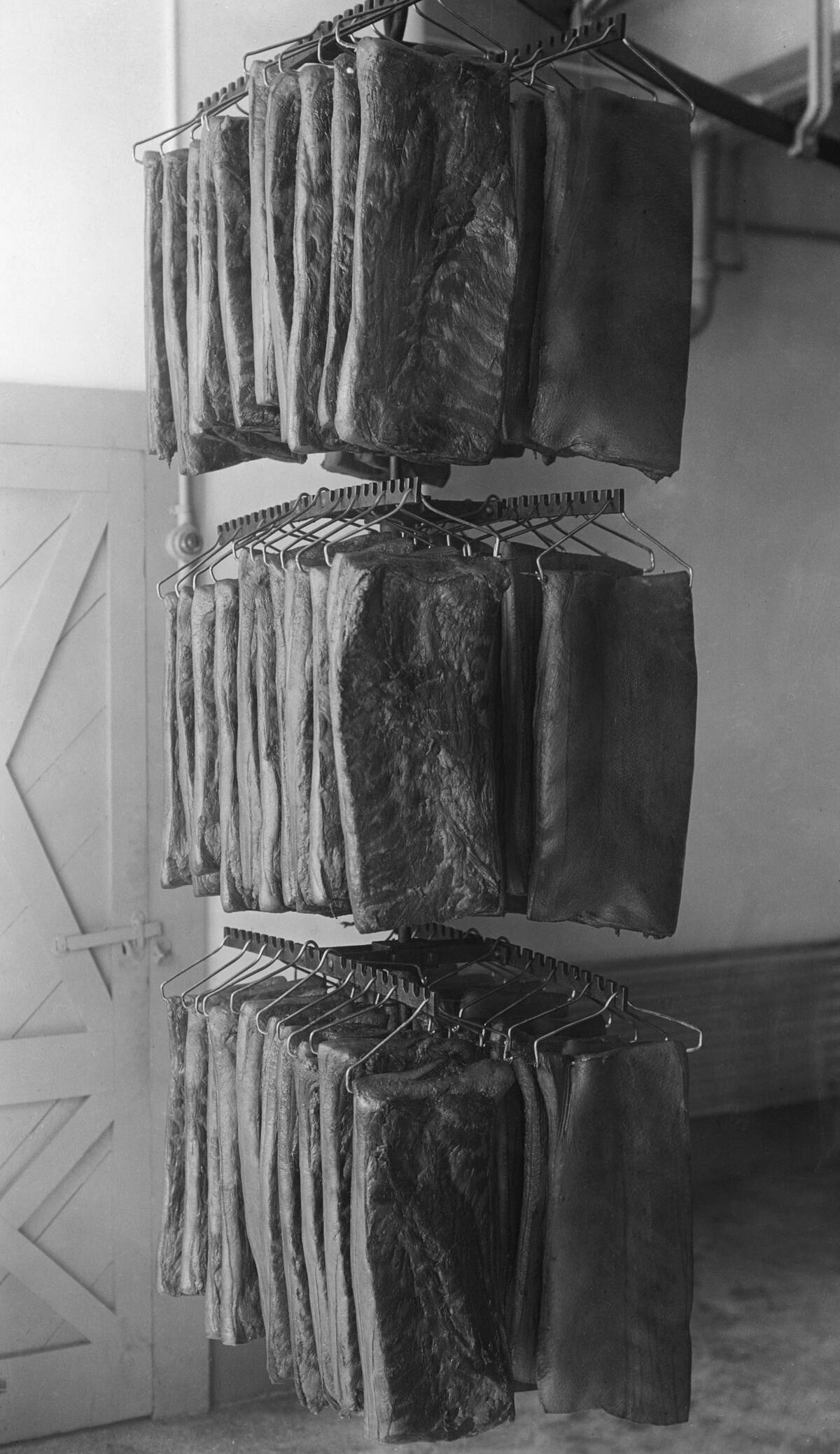
Before a cold box, preservation was craftsmanship. Pork shoulders met salt in barrels for weeks, then took a long smoke over hickory. “Corned” beef earned its name from the big kernels—corns—of salt used in the cure. Country hams aged for months in cool rooms, acquiring that deep flavor careful brining and time deliver. Sugar joined many cures, balancing harshness and feeding the beautiful chemistry of preservation.
By the early 20th century, nitrates and nitrites helped control spoilage and color in sausages and hams, while smokehouses—thick-walled sheds with low, steady fires—worked their magic at scale on farms. Jerky dried lean strips until they snapped, and salt cod stayed edible for months once soaked and simmered. It wasn’t just survival; it was a pantry of traditions that tasted like patience.
9. Canning Season Hustle: Mason Jars, Pressure Canners, and Summer Kitchens
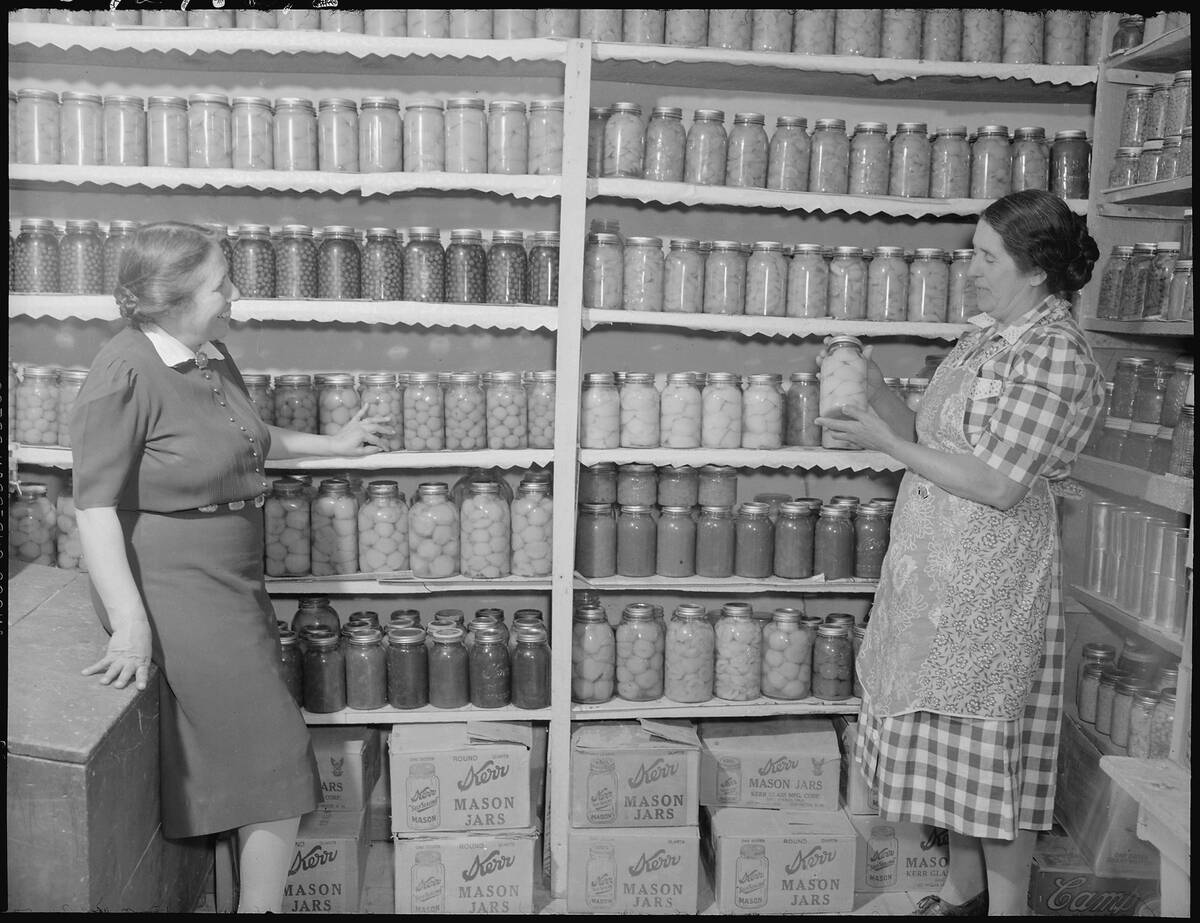
Home canning turned harvest rush into winter comfort. In 1858, John Landis Mason patented the threaded glass jar with a rubber sealing ring, a game-changer for reliable closures. By the 1910s–1920s, pressure canners became standard for low-acid foods like beans and meats to prevent botulism, while high-acid fruits and pickles were safely processed in boiling water baths. The result: shelves lined with peaches, tomatoes, and green beans ready for snow days.
Canning marathons often moved to a “summer kitchen”—a separate shed or porch setup—so the main house didn’t become an oven. Brands like Kerr popularized the two-piece metal lid by the 1910s, improving seals and success rates. Families compared pings—the satisfying sound of a jar sealing—as if they were trophies. When the first frost hit, those jars were edible postcards from July.
10. Vinegar to the Rescue: Pickles, Relishes, and Tangy Insurance Policies
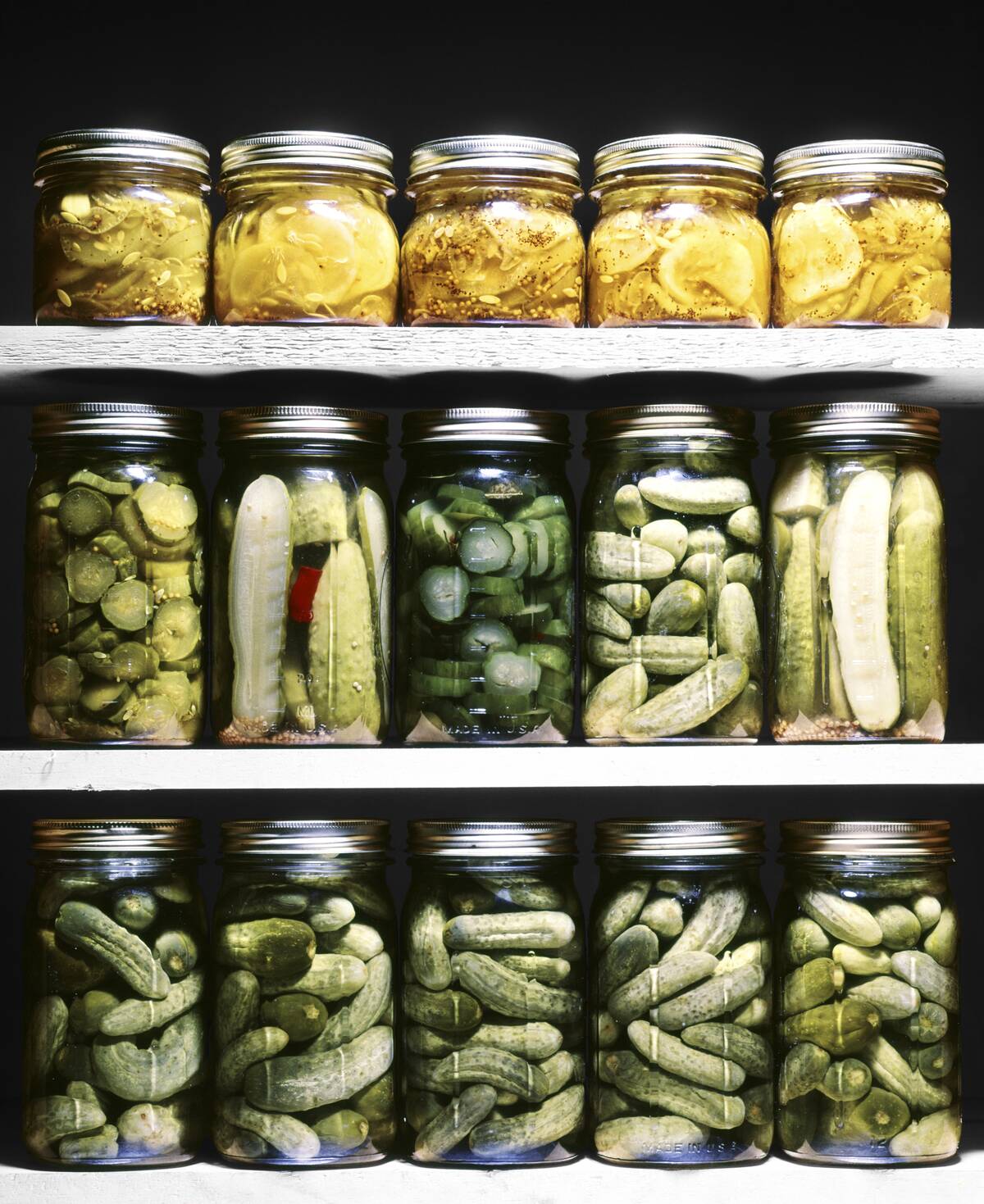
Acid is preservation’s sharpest tool. With vinegar dropping pH below about 4.6, dangerous microbes—including the botulism-causing Clostridium botulinum—struggle to grow. So cucumbers, onions, and green tomatoes took vinegar baths with mustard seed, dill, or turmeric. Relishes stretched odd bits of garden surplus into bright spoonfuls that enlivened winter plates and summer sandwiches alike.
Pickle barrels at markets were a public favorite, but home jars ruled the pantry. Quick pickles got you crunch within hours; fermented pickles took weeks, relying on lactic acid bacteria to do their slow, sour work. Either way, a tangy jar meant there was always a safe side dish when meat ran low or the ice ran out. Insurance never tasted so zippy.
11. Dairy Juggling: Butter Crocks, Clabbered Milk, and Cheese Safes
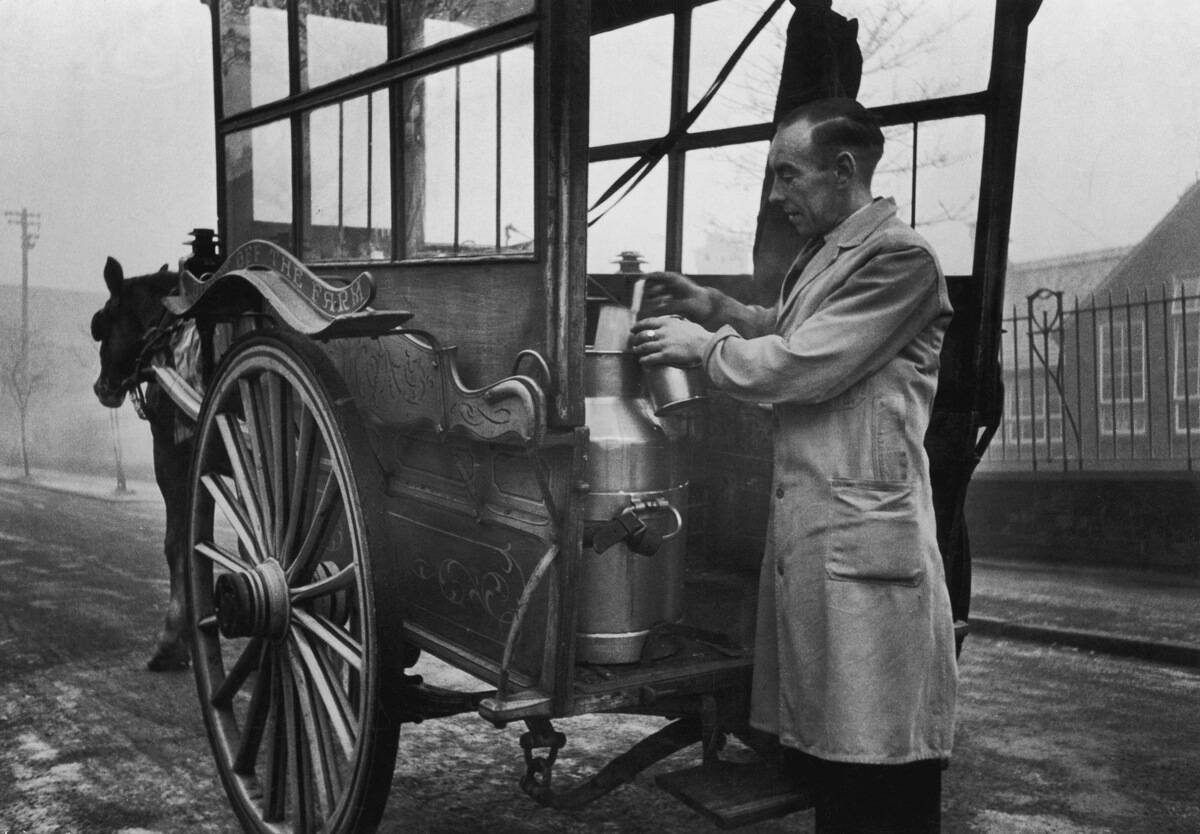
Dairy demanded choreography. Butter crocks—sometimes called butter bells—kept pats submerged under a water seal, creating a cool, oxygen-limited pocket that slowed rancidity. Milk often “clabbered,” naturally souring into a spoonable curd used in baking or eaten with a little sugar and spice. In heat, many households set milk in the coolest well bucket or spring trough they had.
Cheese safes and pie safes—wooden cupboards with punched-tin or mesh panels—let air flow while keeping flies out. Soft cheeses were made and eaten quickly; harder styles aged in cellars or springhouses under watchful eyes. Cream separators and hand churns turned short-lived milk into longer-lived butter, which, salted well, could last far beyond the week. The trick was turning fragile into stable before the thermometer turned bossy.
12. The Milkman’s Morning: Porch Boxes, Glass Bottles, and a Race Against Heat
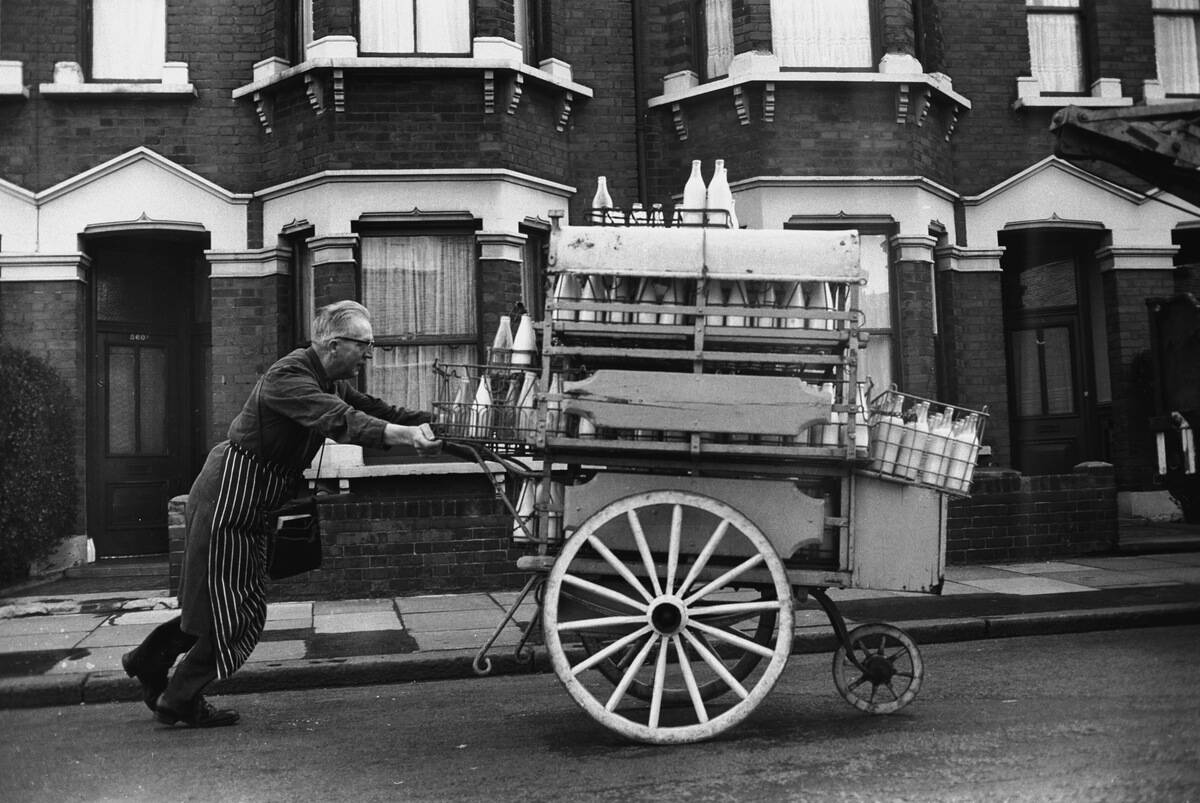
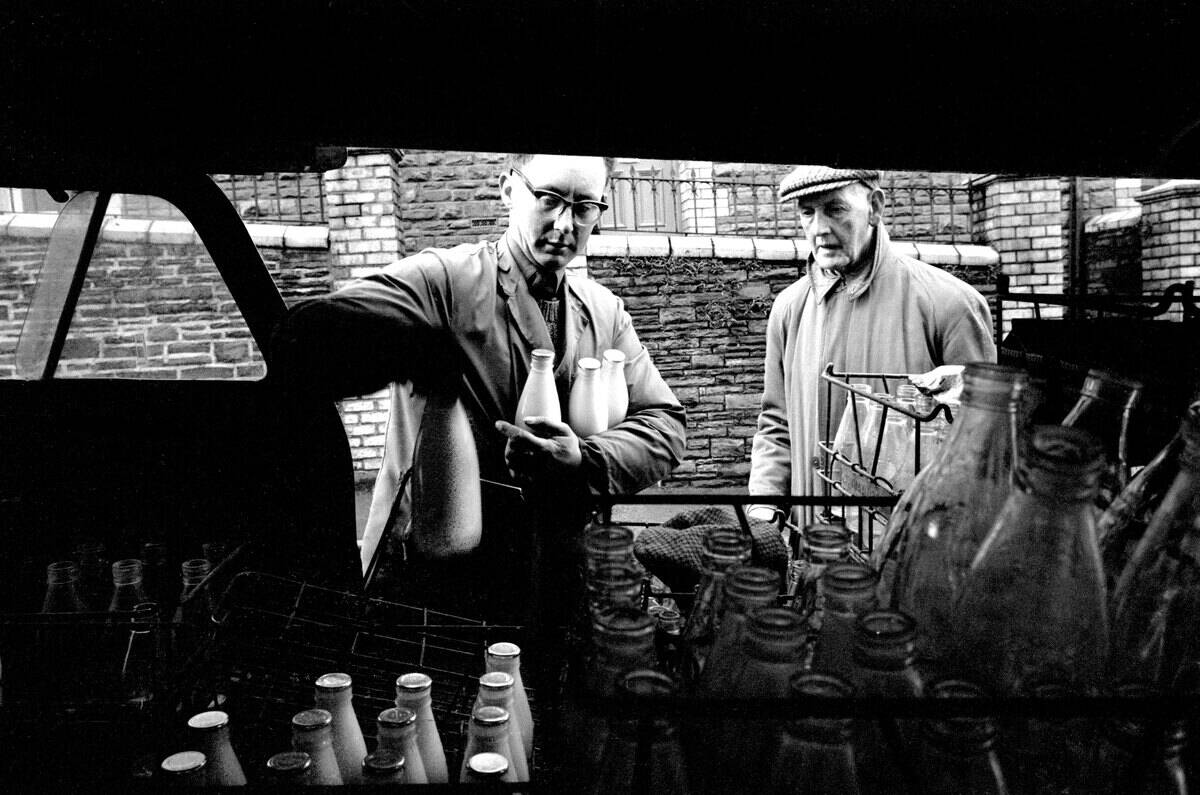
The milkman’s clock beat sunrise. Glass bottles—popularized in the late 19th century, including Henry Thatcher’s 1884 “Common Sense” design—arrived clinking in insulated porch boxes, often with a chunk of ice on scorching days. Paper or foil caps kept dust out and cream in, and empty bottles went back for washing and reuse.
Pasteurization laws spread city by city in the early 1900s, dramatically improving safety, but speed still mattered. Households planned breakfast around that delivery: cereal bowls ready, coffee on, butter parked in the coolest corner. Milk routes knitted neighborhoods together; a missed delivery meant a cranky morning, and in July, possibly cheese by accident.
13. Bread Boxes and Pie Safes: Screened Pantries Battling Flies and Humidity
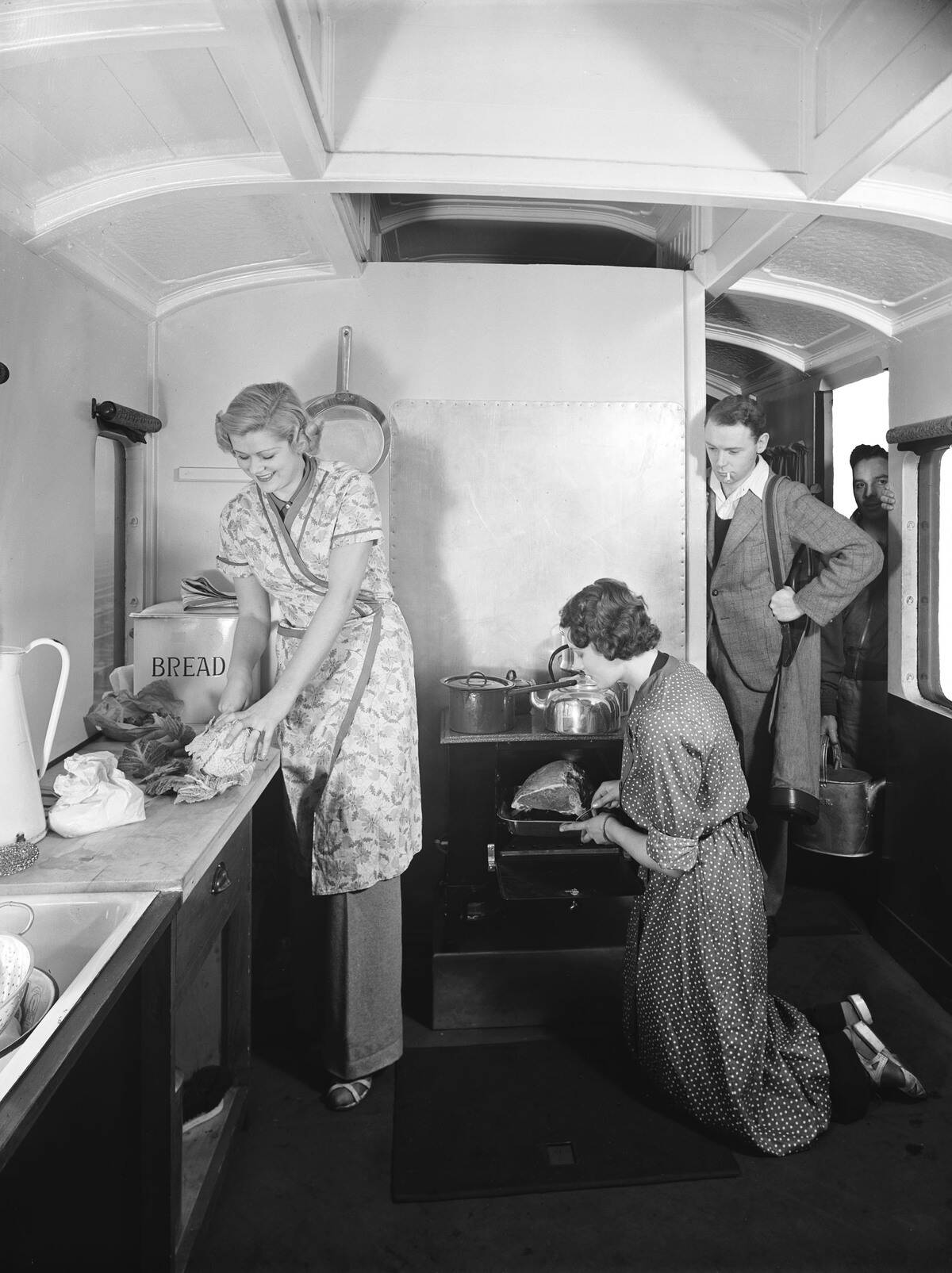
A good bread box wasn’t about cold; it was about air. Slightly tight but not airtight, it slowed staling while keeping loaves away from drafts and pests. Refrigeration actually hastens bread firming, so room-temperature boxes were the better bet. Bakers wrapped loaves in paper, not plastic, trading a day or two of softness for flavor and a crisp crust.
Pie safes—those charming cupboards with tin panels punched into stars and tulips—worked like tiny ventilated vaults for pastries, cheese, and cured meats. Screens let breezes through, while patterns upped the pride factor. In humid summers, cooks rotated pies to drier shelves and lined drawers with paper to fight stickiness. If your lattice held up past noon, you’d balanced the elements just right.
15. Beating the Heat: Cold Wells, Ice Chips, and Sleepy Summer Porches
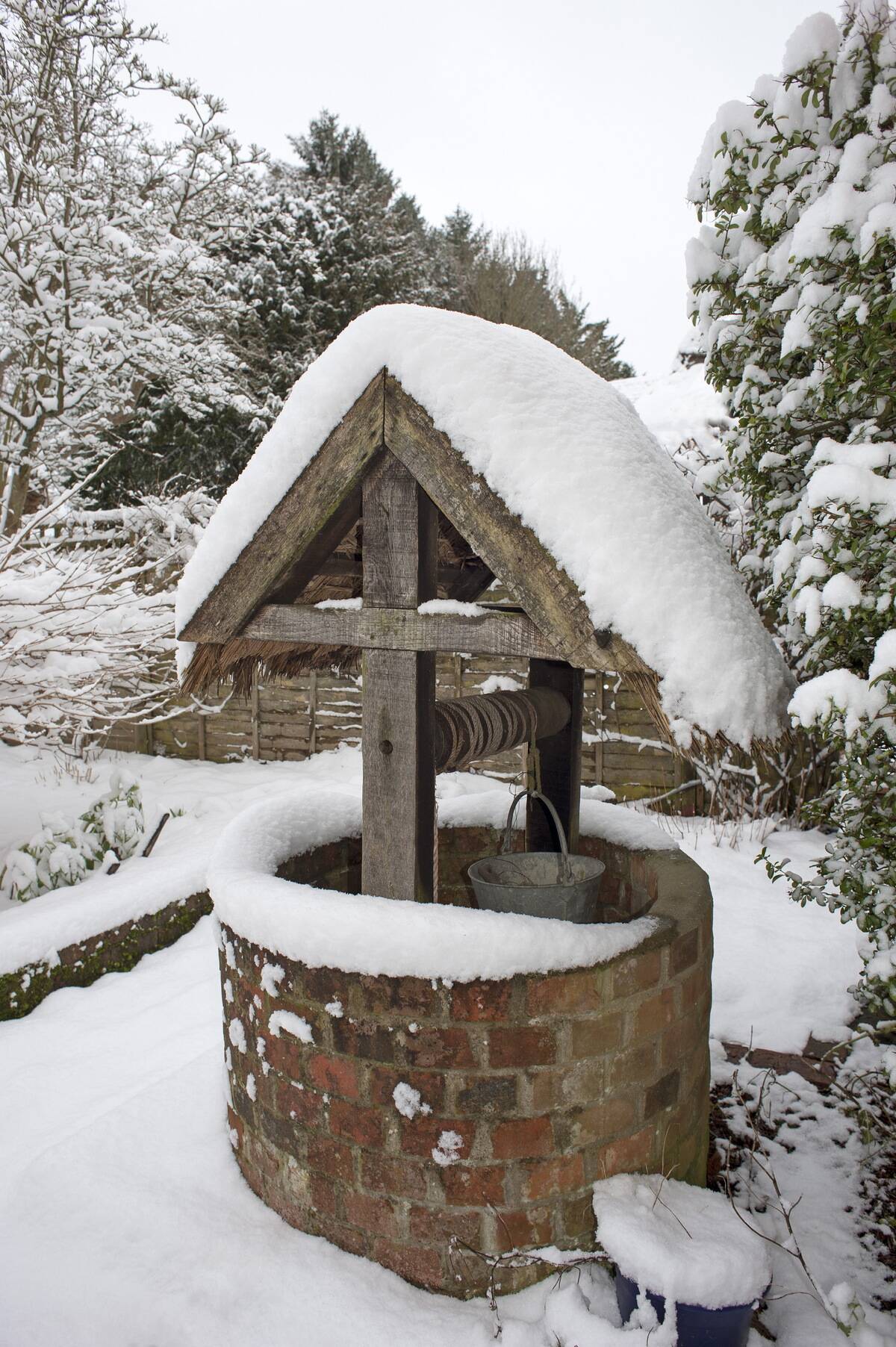
When the mercury climbed, the whole house got crafty. Well water often sat around the 50s°F underground, cool enough to chill a bottle if you lowered it on a rope for an hour. A pan of water on the breeze-cooled windowsill made a serviceable butter rest. Lemonade with shaved ice turned a stifling kitchen into a standstill moment of relief.
People chased cooler air outside. Sleeping porches—popular from the late 19th century into the 1930s—meant you could rest in a night breeze rather than bake in a hot bedroom. Supper slid later, ovens stayed off, and cold plates ruled: sliced tomatoes, cottage cheese, and a loaf that didn’t dare meet the stove. The goal was survival with civility.
16. Treat Time Was an Event: Ice Cream Socials, Soda Fountains, and Mint Juleps
Few things united a town like an ice cream social. After Nancy Johnson’s 1843 hand-cranked freezer patent, churches and clubs churned custard outdoors with ice and salt, ladling out bowls that tasted like a holiday. The ritual—crank, swap arms, crank again—was half the fun, and flavors stayed simple: vanilla, strawberry, maybe peach when orchards were flush.
Soda fountains bloomed in pharmacies by the late 19th century, offering carbonated waters, phosphates, and sundaes cooled by block ice or early chillers. Meanwhile, in the South, mint juleps in frosty metal cups made crushed ice feel like sophistication itself. Before home freezers, these were public luxuries, reasons to stroll downtown and nurse a cold glass like it was treasure.
17. Seasonal Plates: Winter Stews, Spring Greens, and the Glory of “Putting Up”
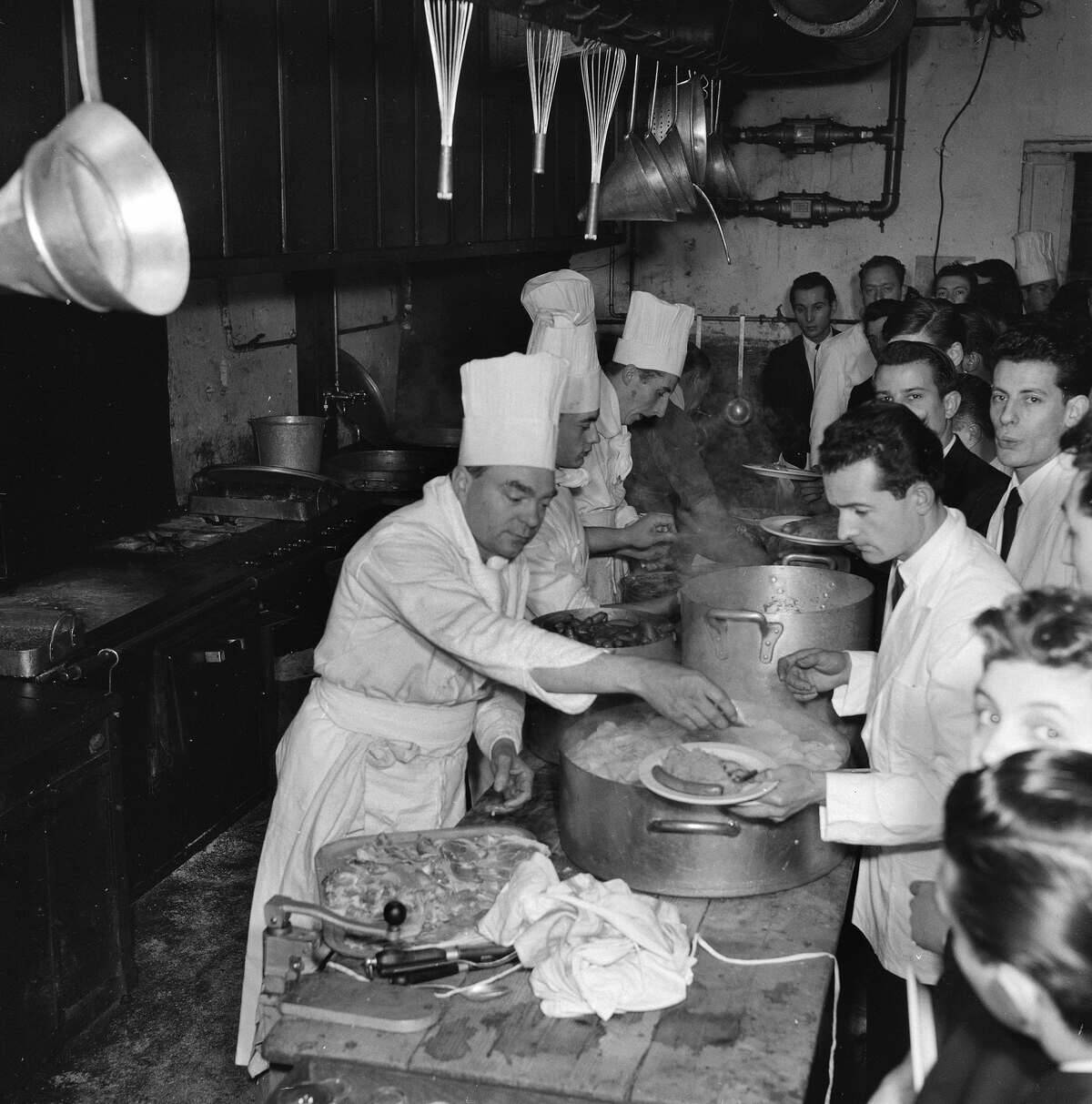
Menus traced the calendar. Winter meant stews thick with cellar potatoes, onions, and cured meats; cabbages turned into sauerkraut; apples baked until the kitchen smelled like comfort. Spring brought foraged dandelion greens and ramps, then peas, radishes, and the first strawberries—bliss eaten quickly before warmth turned bossy again.
“Putting up” was both verb and victory lap.
Families filled jars with tomatoes in August, pears in September, and apple butter when orchards hit peak. Dry beans, cornmeal, and flour in crocks saw you through storms. When someone opened a jar in January and sunlight seemed to pour out, it was proof that planning could taste like joy.
18. On the Go: Picnic Hampers, Stoneware Jugs, and Wet-Wrapping Tricks
Traveling with food required ingenuity. Sturdy wicker hampers held tin-lined boxes, plates, and tightly covered jars. Stoneware jugs kept liquids cooler than glass in the sun, and bottles wrapped in damp cloth rode in the shade to harness evaporative cooling. If you had ice, it rode in a pail, wrapped in burlap to slow melt.
The wet-wrap trick was a staple: swaddle a canteen or milk bottle in a wet towel and let a breeze pull heat away as water evaporated. Rail travelers bought lunch pails at depots—hard-boiled eggs, pickles, bread, maybe fried chicken—built to last a few hours. No cooler, no problem; just physics and planning.
21. Kitchen Chorelife: Hot Stoves, Constant Cleaning, and Time-Heavy Routines
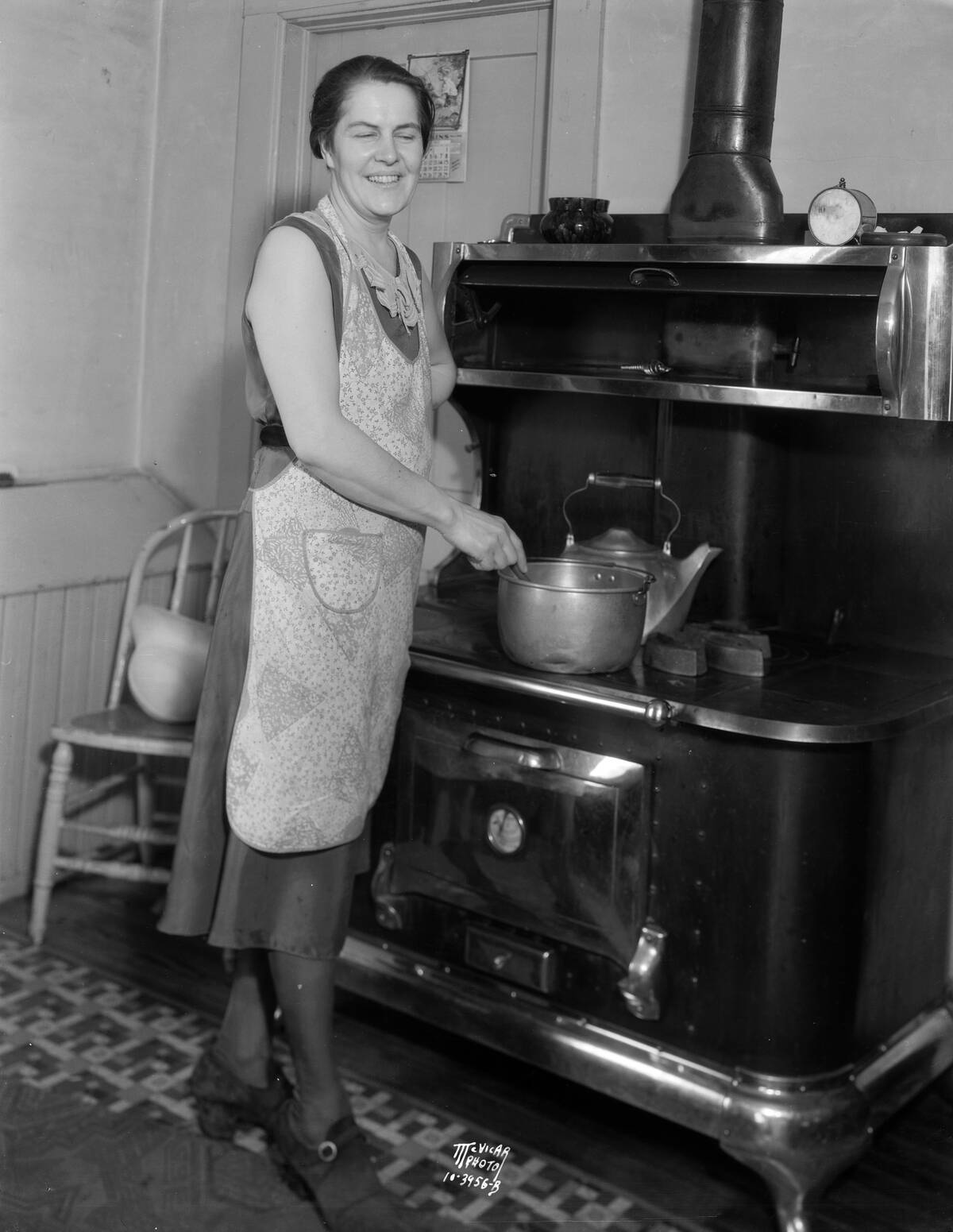
Fuel came before food. Wood and coal stoves demanded splitting, hauling, lighting, and ash removal before the first pan sizzled. Heat and soot meant daily scrubbing; kettles simmered to provide hot water for dishes long after plates were cleared. Summer cooking moved outdoors when possible to keep the main rooms livable.
Time was the secret ingredient in everything: soaking beans, refreshing greens in cool water, scalding milk pans, and chasing drips from the icebox before they warped the floor. Tools were built to last, but they needed hands—constantly. If dinner tasted like triumph, it’s because someone won a dozen little battles to get it there.
22. The Smell and the Drip: Leaky Pans, Musty Iceboxes, and Daily Mop-Ups
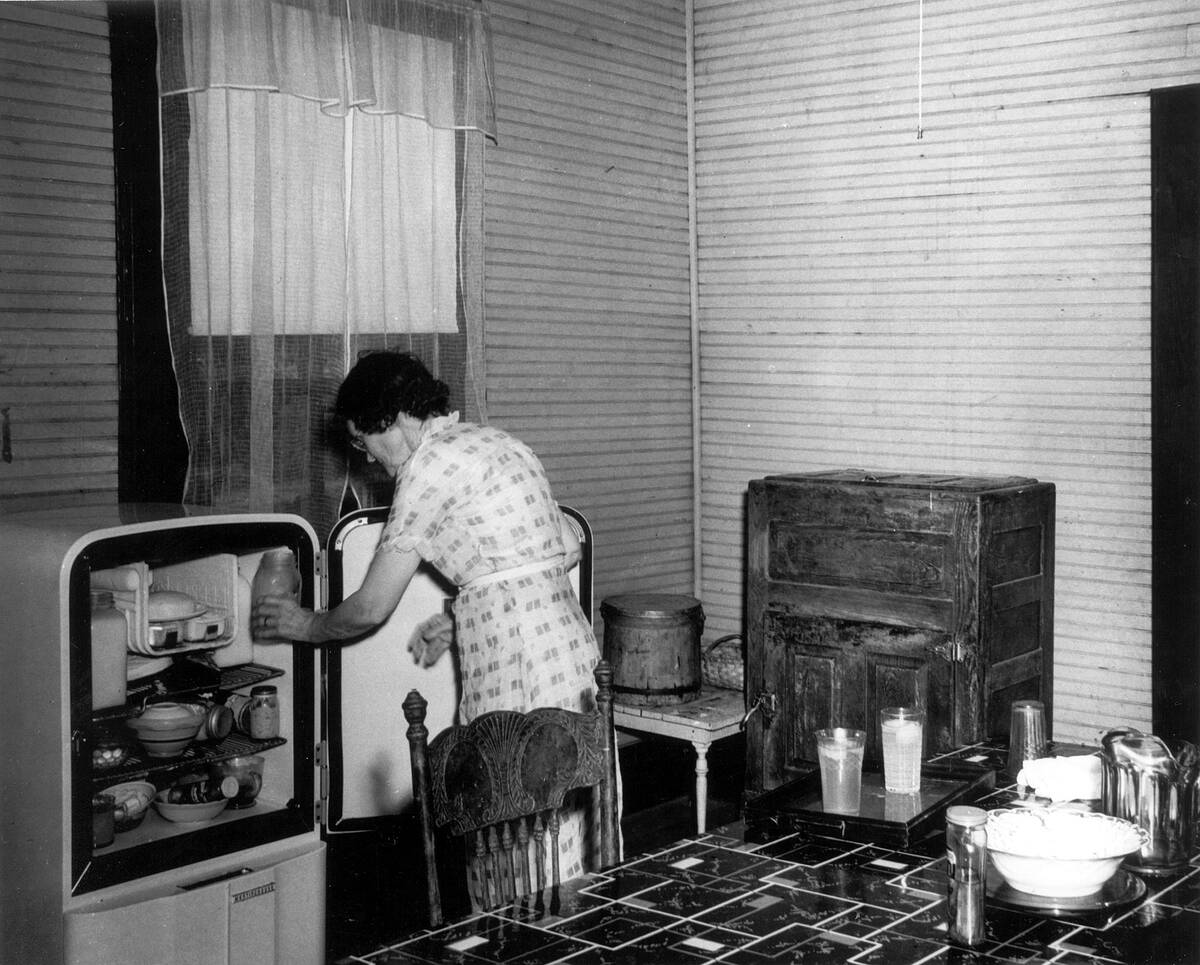
Iceboxes had a particular perfume: a mingling of cold metal, damp wood, and the faint sweetness of melting ice. Skip the drip pan once and you’d swear it had a sense of humor, silently overflowing at the worst moment. Many households tucked a rag under the cabinet leg, just in case. Baking soda became the go-to deodorizer, long before the box-in-the-fridge era.
Moisture invited trouble. Doors needed tight seals, but condensation still happened, and careless spills bred musty corners. Weekly wipe-downs with hot water (sometimes a dash of vinegar) kept odors at bay. In summer, a melted-ice day meant extra mopping; in winter, you might squeeze an extra day from a block and pat yourself on the back.
24. Early Electric Skepticism: Pricey Status Symbols and Slow, Wary Adoption
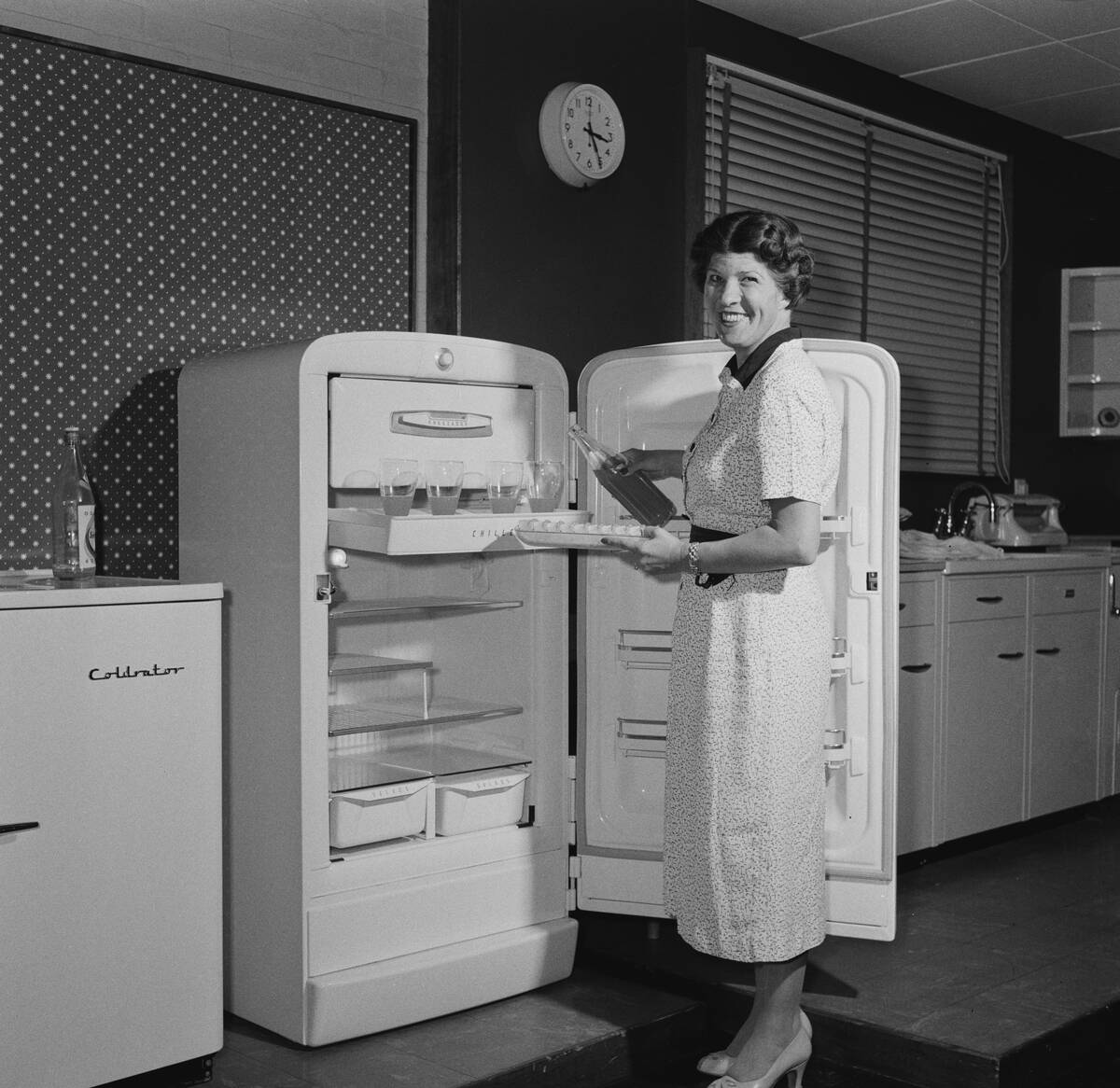
When home electric refrigerators arrived in the 1910s–1920s, they were expensive, noisy, and sometimes unnerving. Early units used refrigerants like sulfur dioxide or methyl formate; safer Freon-12 (dichlorodifluoromethane) emerged around 1930, smoothing the road to acceptance. GE’s 1927 “Monitor-Top” became an icon, but it still cost more than many families could manage during the Depression.
Adoption in the U.S. was gradual: by 1930, only a small share of households—roughly single digits—had one; by 1940, it had climbed dramatically, and post–World War II years pushed ownership into the majority. For a long stretch, iceboxes and fridges coexisted, with cautious cooks keeping both a drip pan and a new owner’s manual handy.