Why ancient civilizations captivate human interest
Our brains love patterns and origins, so the long arc of ancient history feels like the ultimate mystery binge. Archaeology gives us testable clues—radiocarbon dates, inscriptions, pollen grains—so curiosity gets rewarded with evidence. UNESCO lists over a thousand World Heritage Sites, and a big slice are archaeological, from Peru’s Chavín to Turkey’s Göbekli Tepe.
That global spread keeps the topic fresh: new digs, new methods, and new stories that challenge what we learned in school.
It helps that “ancient” is relatable and alien at once. Cities like Uruk in Mesopotamia emerged over 5,000 years ago with writing, bureaucracy, and beer rations recorded on clay tablets. Yet the people behind those tablets argued, flirted, and messed up tax forms just like us. When a museum label pins a temple to a specific century, or a DNA study dates a migration, the fog lifts a little—and that small, factual click is addictive.
The Thrill of the Unknown: Mystery as a Magnet
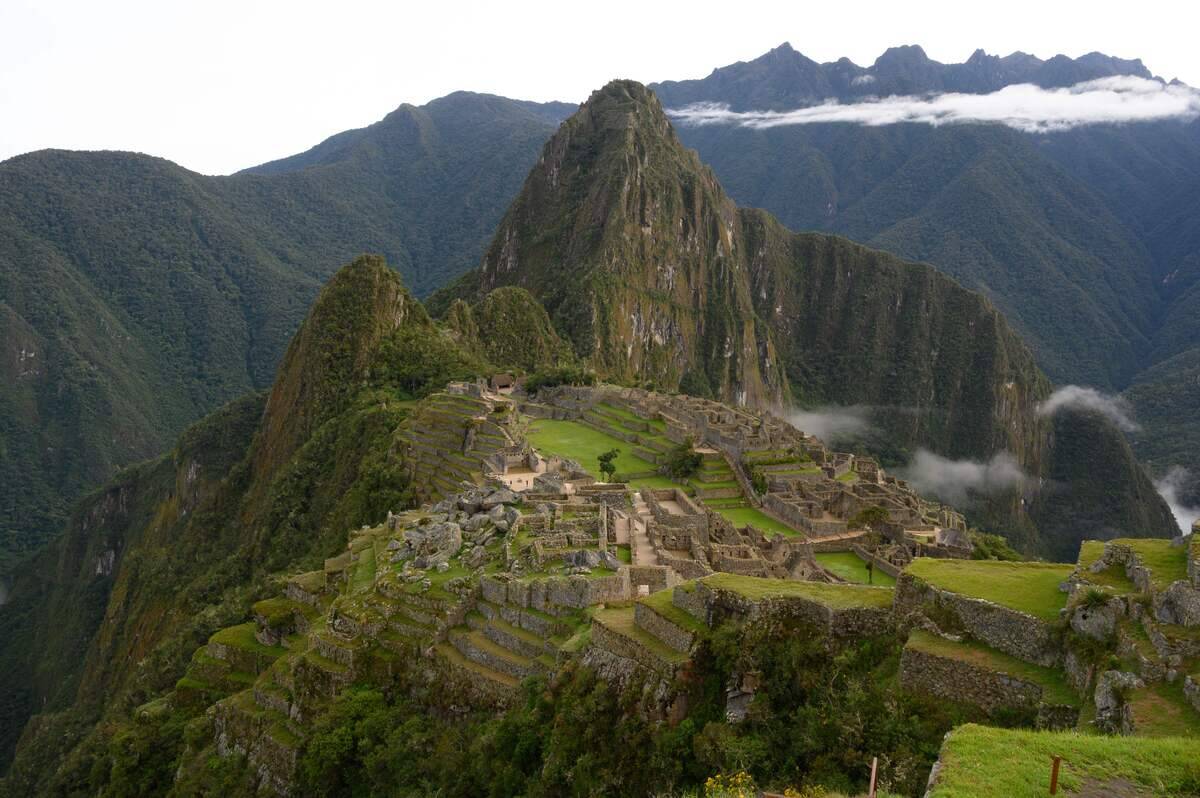
A good mystery needs just enough data to tease, and antiquity delivers. Entire scripts—like the Indus Valley signs or Easter Island’s rongorongo—remain undeciphered, despite decades of computational and linguistic attempts. Some places went missing for centuries: Hiram Bingham popularized Machu Picchu in 1911 after it sat off Western maps, and Angkor’s jungle-covered hydrological maze only fully came into focus once researchers combined old surveys with modern mapping.
The sea keeps secrets, too. The Bronze Age Uluburun shipwreck, found by sponge divers off Turkey in 1982, carried Canaanite jars, Cypriot copper ingots, and luxury goods—a floating time capsule of Late Bronze Age trade. Satellite and aerial surveys now pick out buried walls and roads as subtle soil marks, turning every dry field after harvest into a potential blueprint. That blend of hard evidence and open questions is catnip for the curious.
Origin Stories: Our Quest to Figure Out Where We Come From
The scientific origin story starts in Africa. Fossils and genetics point to Homo sapiens emerging by roughly 300,000 years ago, with key skulls dated from Jebel Irhoud in Morocco. Ancient DNA and archaeology suggest major migrations out of Africa around 60,000–70,000 years ago, with people reaching Australia by at least 50,000 years ago and the Americas by at least 15,000 years ago, aided by shifting coastlines and the Bering land bridge.
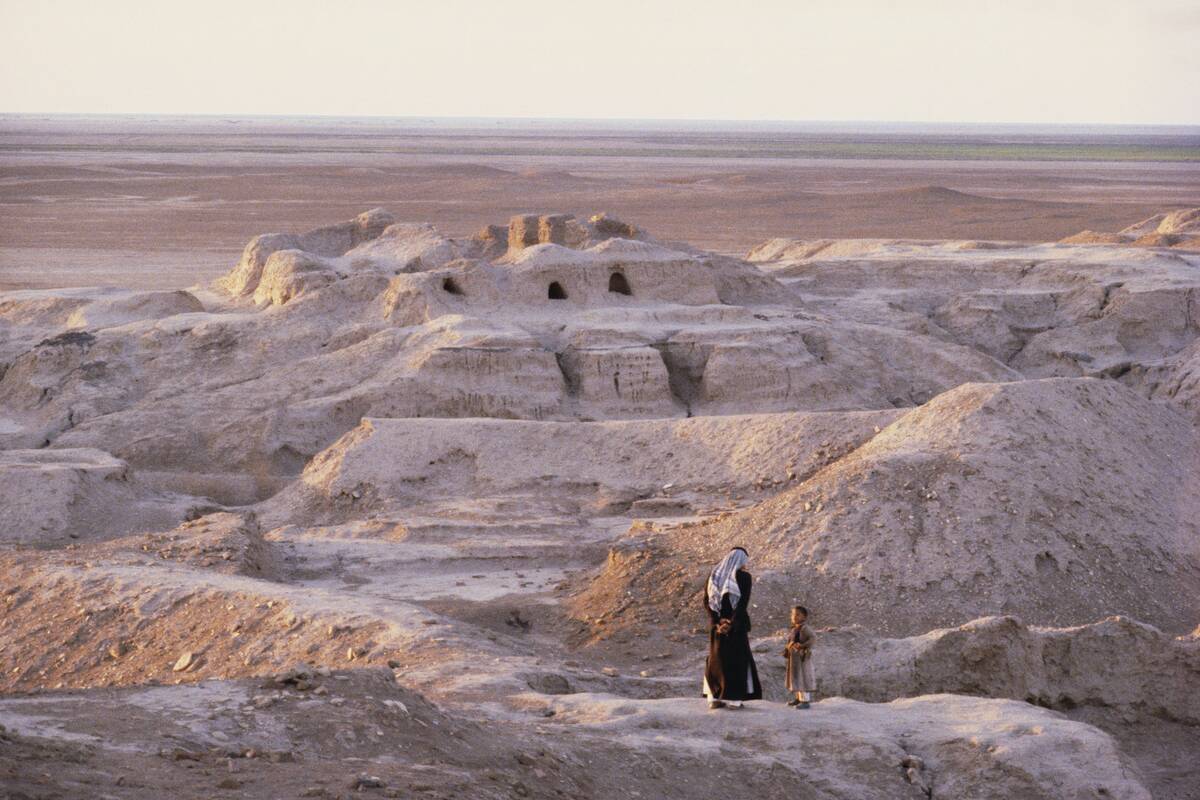
Civilizational origins add another layer. Farming popped up independently in places like the Fertile Crescent (wheat and barley), China (millets, later rice), and Mesoamerica (maize), kicking off denser settlements and specialized crafts. Uruk in southern Mesopotamia grew into one of the first true cities in the 4th millennium BCE, complete with cylinder seals and ration lists. Asking “where we come from” now means cross-checking myths with dates, genomes, and plant remains—myth meets microscope.
Monumental Wow Factor: Pyramids, Temples, and Megastructures
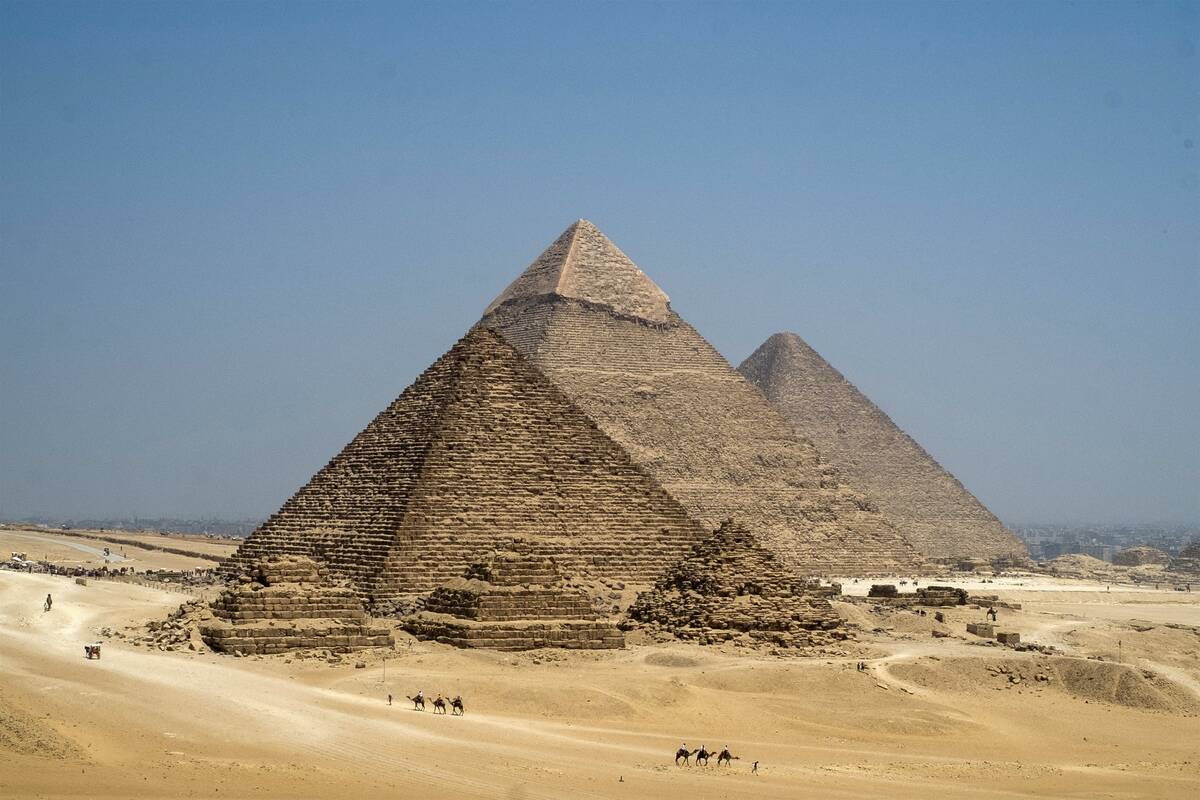
Some structures compress centuries of engineering into a single skyline moment. The Great Pyramid of Giza, completed around 2560 BCE for Khufu, rose to about 146.6 meters when capped and used millions of limestone blocks. In Mesoamerica, Teotihuacan’s Pyramid of the Sun reaches roughly 65 meters, aligned with astronomical events. At Tikal in Guatemala, Temple IV stands around 70 meters, peeking above rainforest like a stone lighthouse for ancient skylines.
Other megastructures impress with scale-over-time. Angkor’s temple complex in Cambodia, with Angkor Wat at its heart, is coupled to a vast grid of canals and reservoirs. Stonehenge’s sarsen uprights weigh up to 25 tons, while its bluestones traveled from Wales. Even the Roman world went big: aqueducts like the Pont du Gard carried water across valleys with gradients measured in millimeters per meter, turning topography into plumbing on a civilizational scale.
Everyday Relatability: Cooking, Clothing, and Gossip in the Distant Past
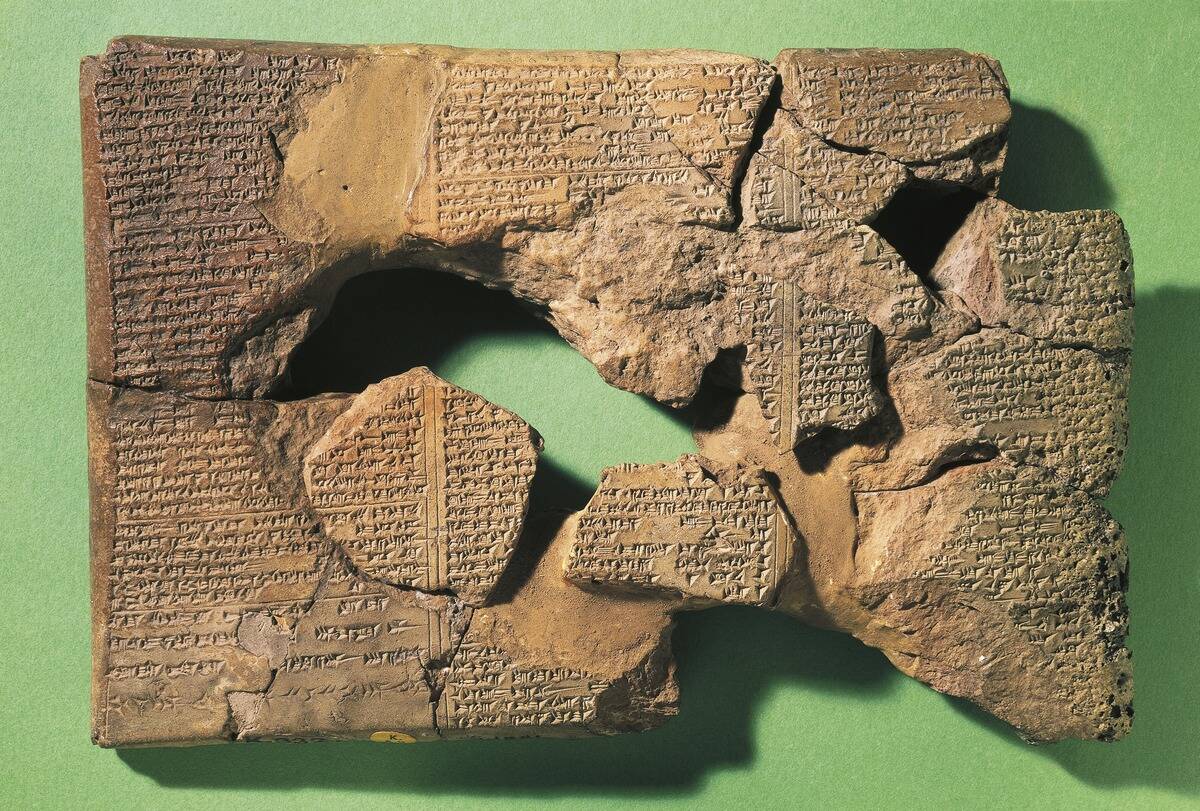
Pompeii’s ash froze a daily menu in 79 CE: charred loaves stamped with bakery seals, carbonized figs, and even street-food counters called thermopolia. Babylonian cuneiform tablets from around 1700 BCE record recipes—stews with lamb, beer, and onions—that read like proto-cookbooks. Egyptians brewed beer in ceramic vats, Romans doused meals in garum, and ancient mortars still hold microscopic spice residues that match trade routes as neatly as any map.
Wardrobes and whispers survived, too. Ötzi the Iceman, who died over 5,000 years ago, wore a grass cape, a goatskin coat, and shoes with bearskin soles. The Vindolanda tablets from Roman Britain preserve inked notes on thin wood: a birthday-party invitation, a complaint about cold socks, inventory lists, and military rosters. Curse tablets—thin sheets of lead—ask gods to “bind” rivals, the ancient version of subtweeting, except you drop it in a sacred spring instead of a feed.
Myths and Big Personalities: From Pharaohs to Philosophers
Specific names anchor sprawling eras. Ramses II, who reigned roughly 1279–1213 BCE, left his cartouches across Egypt and likely signed a peace treaty with the Hittites after the Battle of Kadesh. Cleopatra VII, ruling 51–30 BCE, spoke multiple languages and steered alliances amid Roman civil wars. Qin Shi Huang unified China in 221 BCE, standardizing weights, measures, and script while commissioning that vast terracotta army near Xi’an.
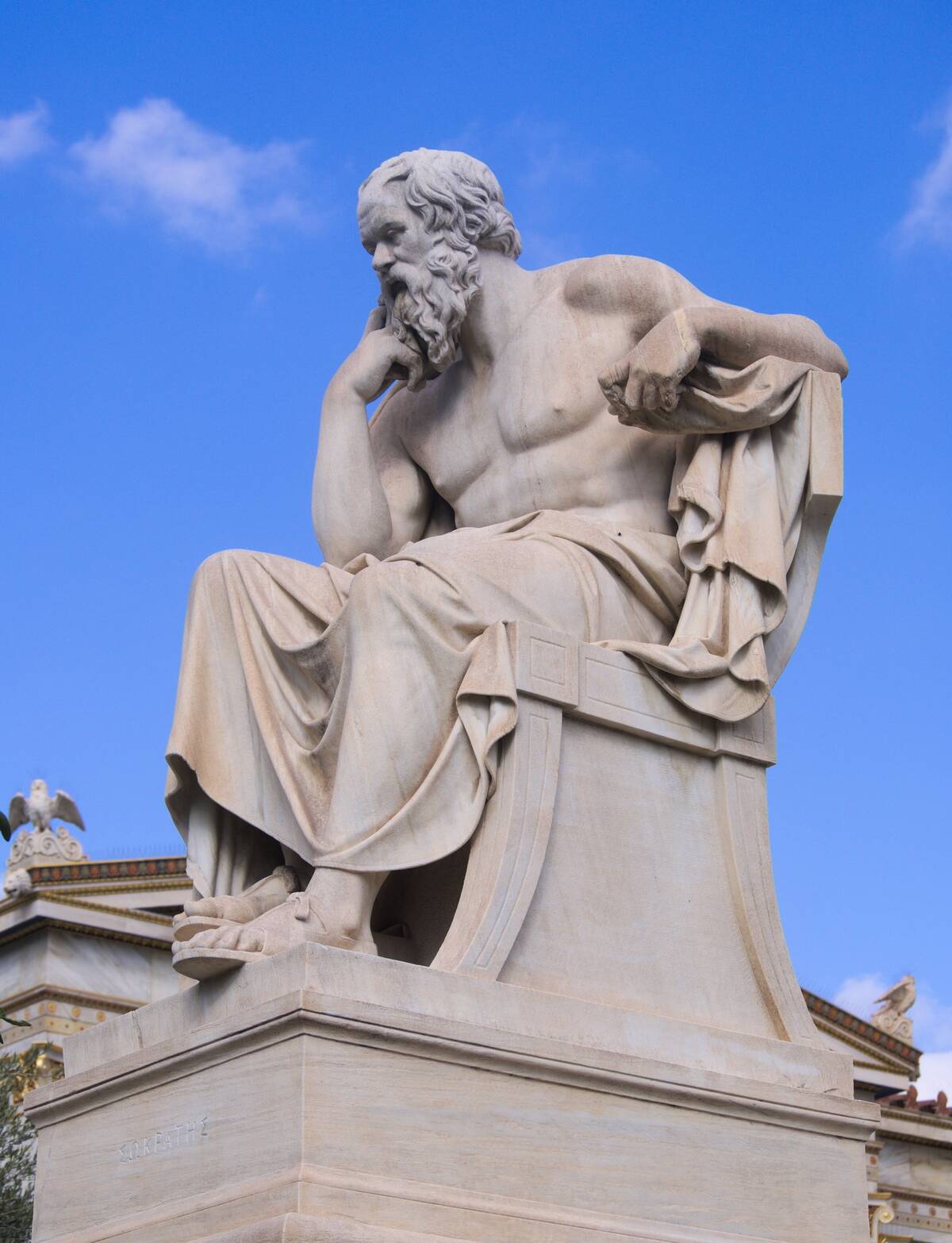
Thinkers travel just as far through time. Socrates (469–399 BCE) taught through pointed questions, while his student Plato wrote dialogues that still fuel ethics classes. Confucius (551–479 BCE) emphasized ritual and duty, shaping governance for dynasties. Ashoka the Great (3rd century BCE) carved edicts on pillars across South Asia, promoting moral conduct and religious tolerance after the Kalinga War. These figures stick because inscriptions, statues, and texts let us quote them, not just imagine them.
Brain-Teasing Puzzles: Scripts, Symbols, and Lost Languages
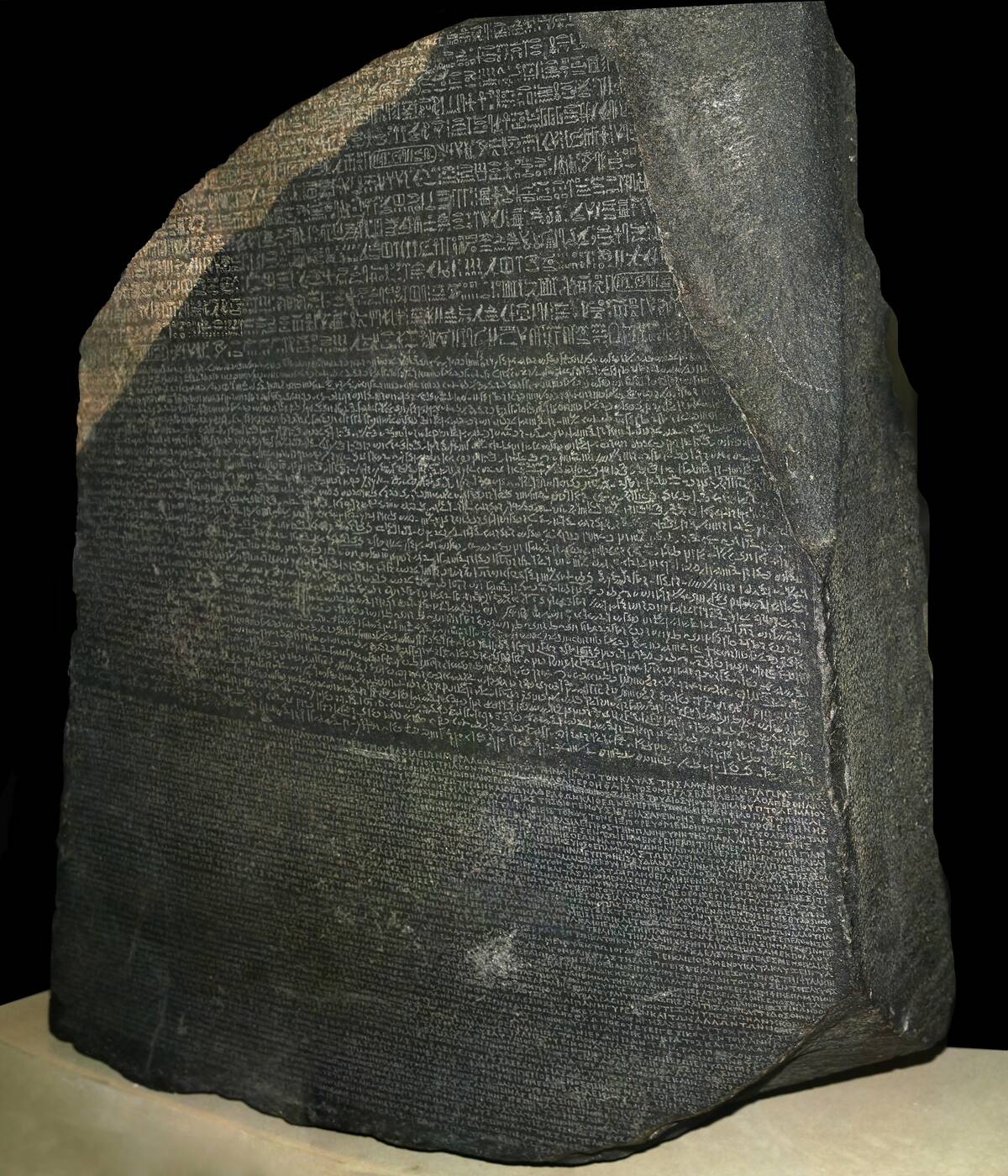
The Rosetta Stone—a 196 BCE decree in hieroglyphs, Demotic, and Greek—let Jean-François Champollion crack Egyptian hieroglyphs in 1822. Michael Ventris, an architect and code enthusiast, deciphered Linear B in 1952, revealing Bronze Age Greek palace records. Bedřich Hrozný identified Hittite as an Indo-European language in 1915 from cuneiform tablets, pulling an empire’s voice out of clay wedges.
Some puzzles refuse to budge.
The Indus script, stamped on thousands of seals from sites like Mohenjo-daro, has so far resisted consensus decipherment. Rongorongo from Rapa Nui remains undeciphered, and Inca quipu—knotted cords that record information—still challenge researchers trying to read beyond numbers. Mayan glyphs are largely cracked thanks to 20th‑century breakthroughs, yet the Phaistos Disc’s stamped symbols stay stubbornly mute. Each success or stalemate fine-tunes how we tackle the next script.
Treasure-Hunt Energy: Archaeology’s Adventure Vibe
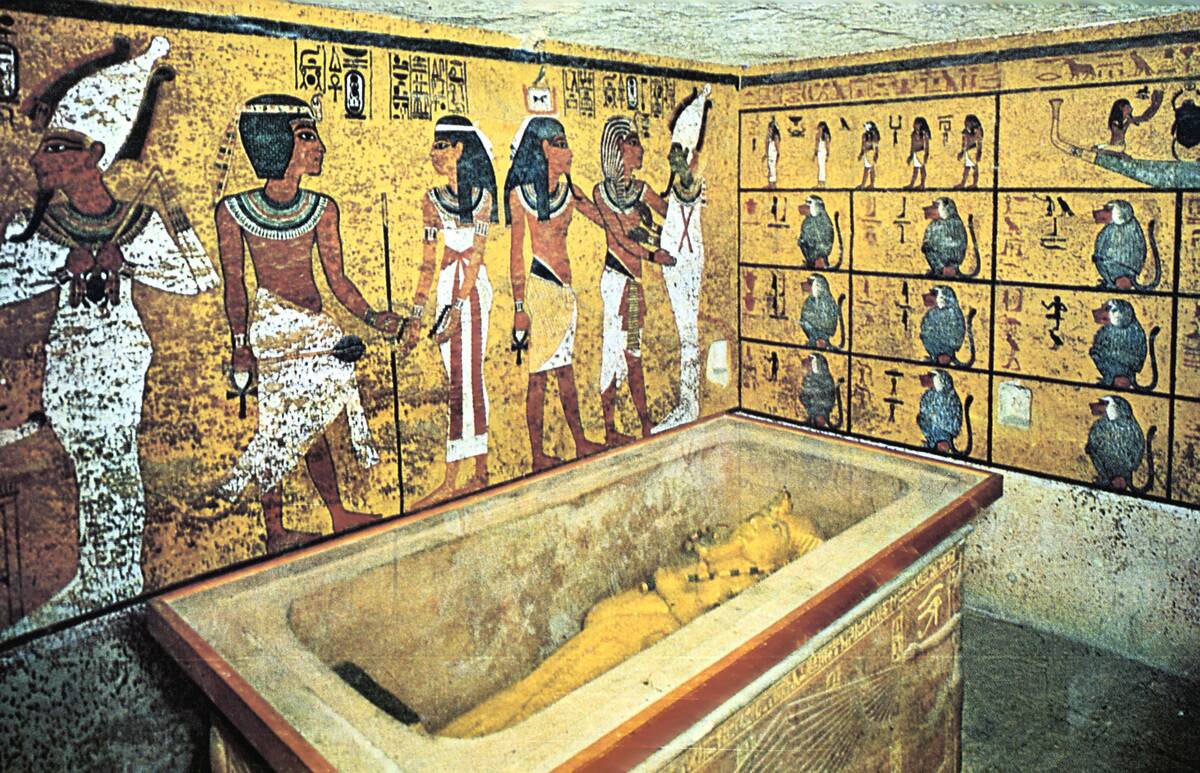
Discovery stories read like cliffhangers, even when the best ones end with lab work. In 1922, Howard Carter opened Tutankhamun’s tomb and found nested shrines and a gold mask that redefined Egyptian art for the public. The 1939 excavation at Sutton Hoo in England revealed a ship burial with a dazzling helmet and a kingly haul, changing views of early medieval craftsmanship and long-distance contacts.
Adventure now comes with permits, conservators, and context. The Uluburun wreck’s years-long underwater excavation mapped cargo inch by inch, and Machu Picchu’s terraces are now protected with visitor limits and ongoing research. Field archaeologists use total stations, drones, and sieves; they bag soil samples for phytoliths and pollen because treasure today can be a seed husk that dates a terrace or a textile fiber that shows ancient dye chemistry.
Tech Envy: “How Did They Build That?” and Ancient Engineering
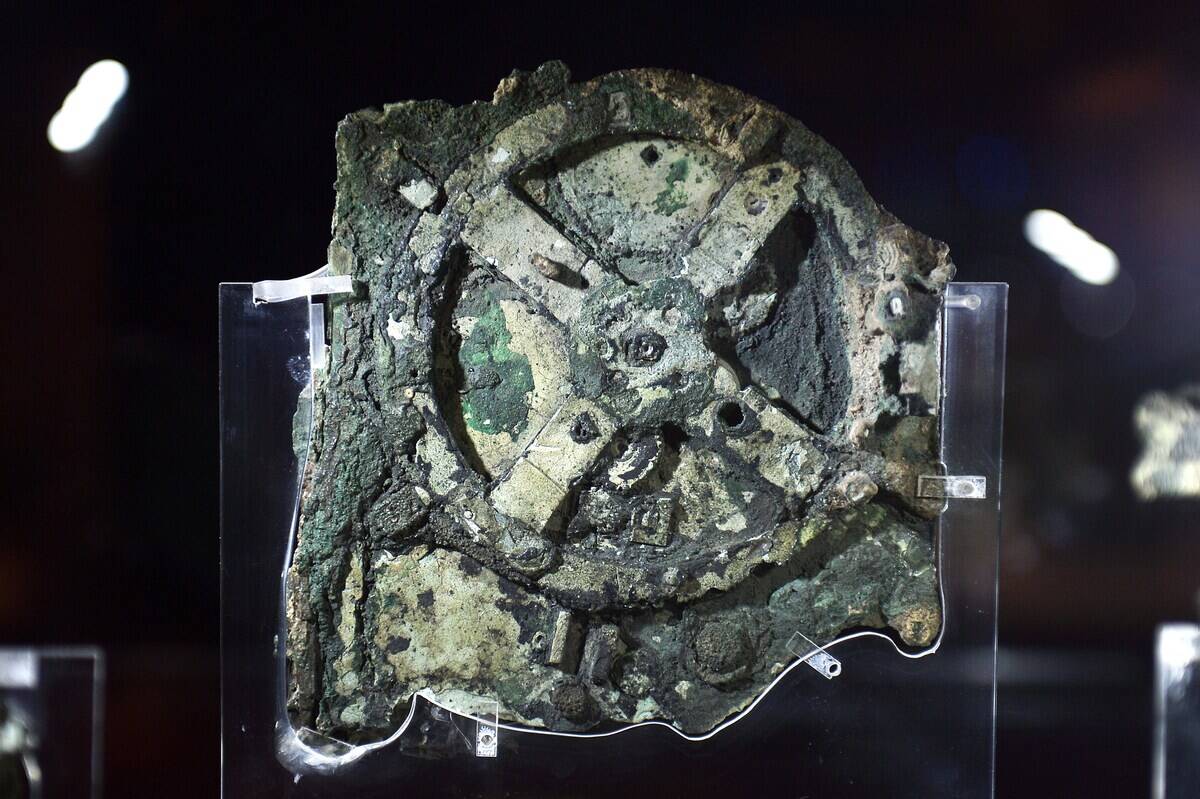
Some ancient tech feels like time-traveling blueprints. The Antikythera mechanism, recovered in 1901 from a Greek shipwreck, turns out to be a 2nd‑century BCE geared device that modeled celestial cycles. Roman concrete, blended with volcanic ash (pozzolana), formed piers that still harden underwater as minerals grow in the matrix. Inca walls at Cusco and Machu Picchu lock irregular stones so precisely that earthquakes rattle but don’t topple them.
Infrastructure wowed, too. Roman roads stretched tens of thousands of kilometers, crowned for drainage and tied together with milestones. Aqueducts like Rome’s Aqua Claudia balanced gradients under 1% for long distances. In China, Zhang Heng’s seismoscope (132 CE) used a pendulum to trigger dragon-head balls, indicating earthquake directions. Even simple machines scale up: levering obelisks, hauling megaliths, and rigging compound pulleys show how math, muscle, and logistics beat the “aliens did it” reflex.
Lessons from Collapse: Cautionary Tales That Still Hit Home
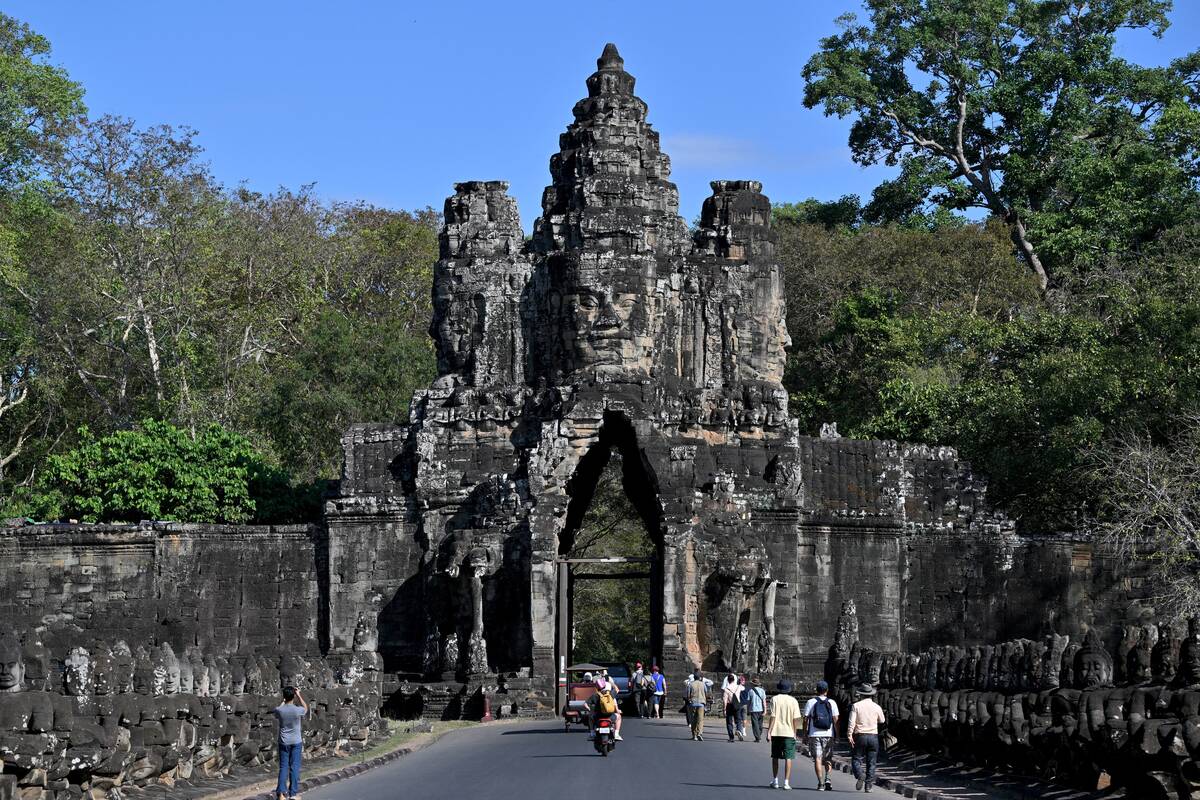
Civilizations rarely fall for a single reason; it’s usually a dogpile. The Classic Maya lowlands saw population drop and city abandonment around 800–900 CE, with evidence of multi-year droughts from lake sediments and tree rings mixing with warfare and political fragmentation. At Angkor, LIDAR and sediment cores point to strain in the water network, plus droughts in the 14th–15th centuries that a centralized system struggled to absorb.
Earlier still, the “4.2‑kiloyear event” around 2200 BCE coincided with regional aridity from the Eastern Mediterranean to Mesopotamia, amid upheavals like the Akkadian Empire’s fragmentation. Rome’s western collapse involved fiscal stress, frontier pressures, and internal politics more than a single dramatic battle. The takeaway isn’t doom; it’s complexity: resilience comes from redundancy, flexible governance, and adapting infrastructure—lessons as relevant to city planners now as to scribes then.
Continuity and Identity: Finding Our Cultural Roots
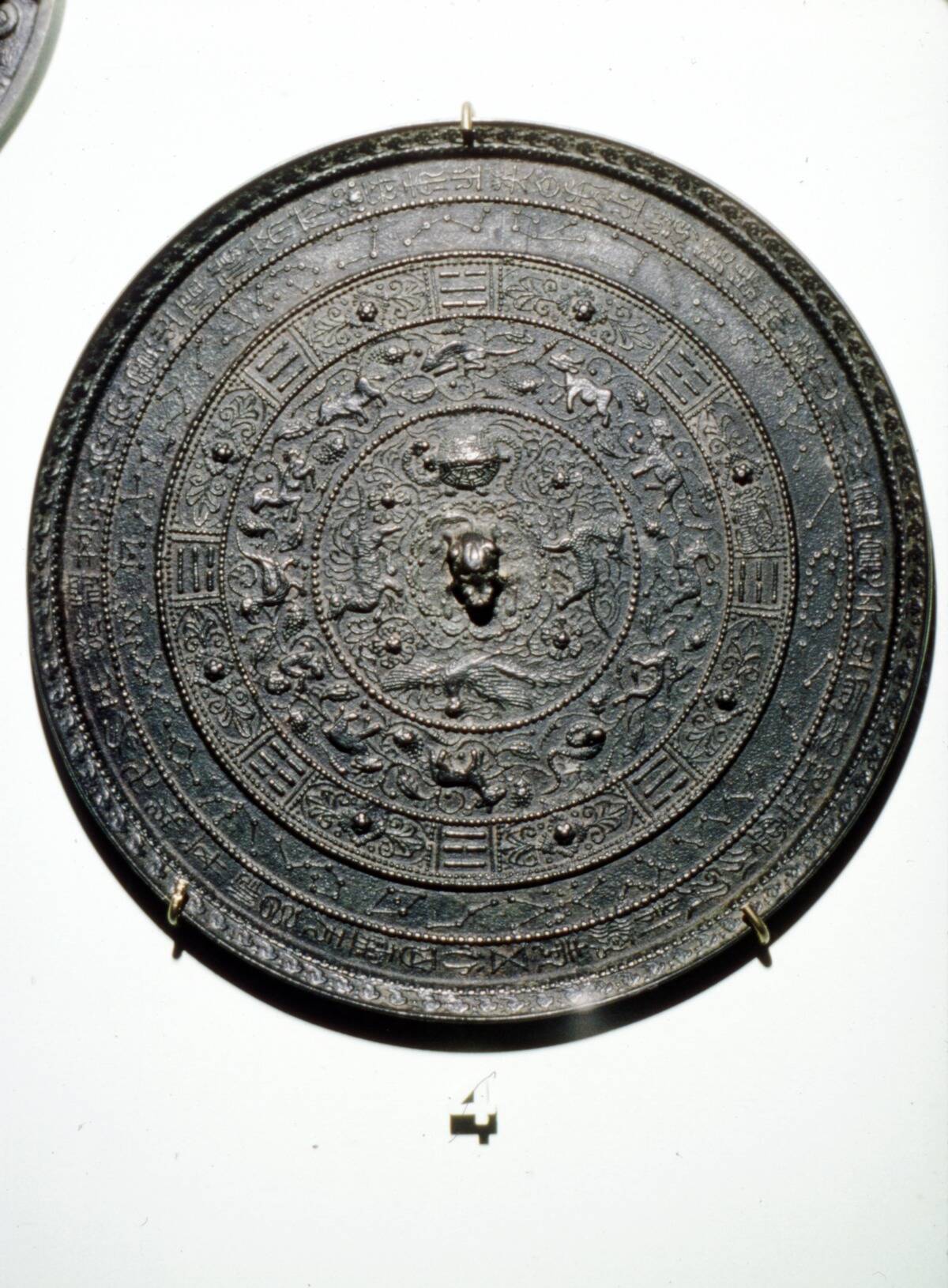
Traditions thread the past into daily life. Chinese characters evolved, but a trained reader can still sound out bronze inscriptions and Han stele, linking calligraphy across millennia. Hebrew, long a liturgical language, was revived as a spoken tongue in the modern era, reconnecting communities with ancient texts. In the Andes, terrace farming techniques perfected by pre‑Columbian societies still stabilize slopes and grow potatoes at high altitude.
Identity travels through material culture, too.
Ethiopia’s Ge’ez script appears on ancient stelae and in living liturgy. Yoruba Ifá divination, referenced in early texts and oral histories, continues as a sophisticated knowledge system. Diaspora dishes—flatbreads, fermented grains—echo techniques documented on old tablets and murals. When museums acknowledge provenance and communities co‑curate, objects do more than sit under glass; they serve as anchors for languages, rituals, and names that never really went extinct.
Pop Culture Amplifiers: Movies, Games, and Meme-ified History
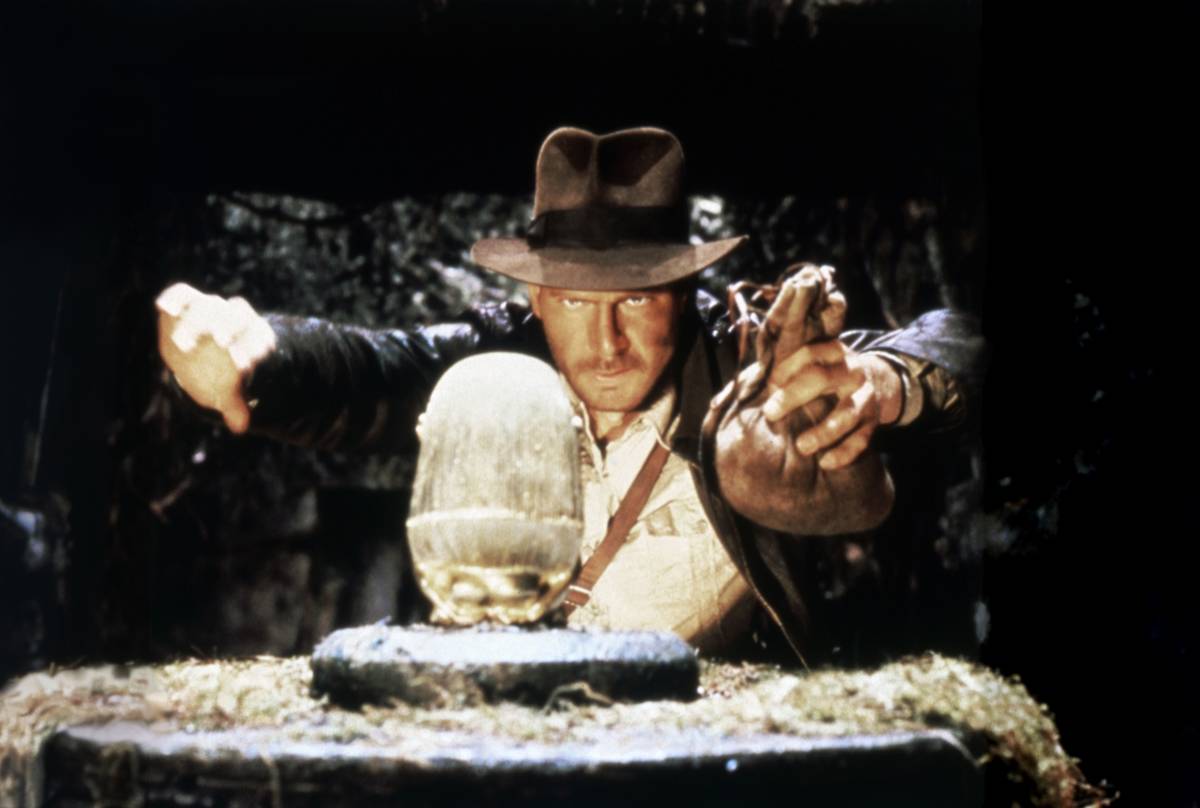
Cinema made trowels look glamorous. Raiders of the Lost Ark (1981) minted the fedora stereotype, while The Mummy (1999) layered pulp fun atop real Egyptomania. Stargate (1994) leaned into “what if” ancient tech tropes, and documentary series keep revisiting pyramids, amphitheaters, and shipwrecks with better cameras each decade. The trick is balance: spectacle gets people in the door; good facts keep them from leaving with myths.
Games turn timelines into playgrounds.
Sid Meier’s Civilization (since 1991) gamifies development choices, while Assassin’s Creed: Origins (2017) built an explorable ancient Egypt “Discovery Tour” with curator notes. Tomb Raider (1996) jump‑started a generation of puzzle-platforming in ruins. Even memes—like the ubiquitous “aliens” hair meme—accidentally spark source‑checking. Pop culture isn’t a textbook, but it’s a megaphone that can nudge viewers toward museum apps, primary sources, and, yes, footnotes.
Time Travel You Can Touch: Museums, Ruins, and Archaeotourism
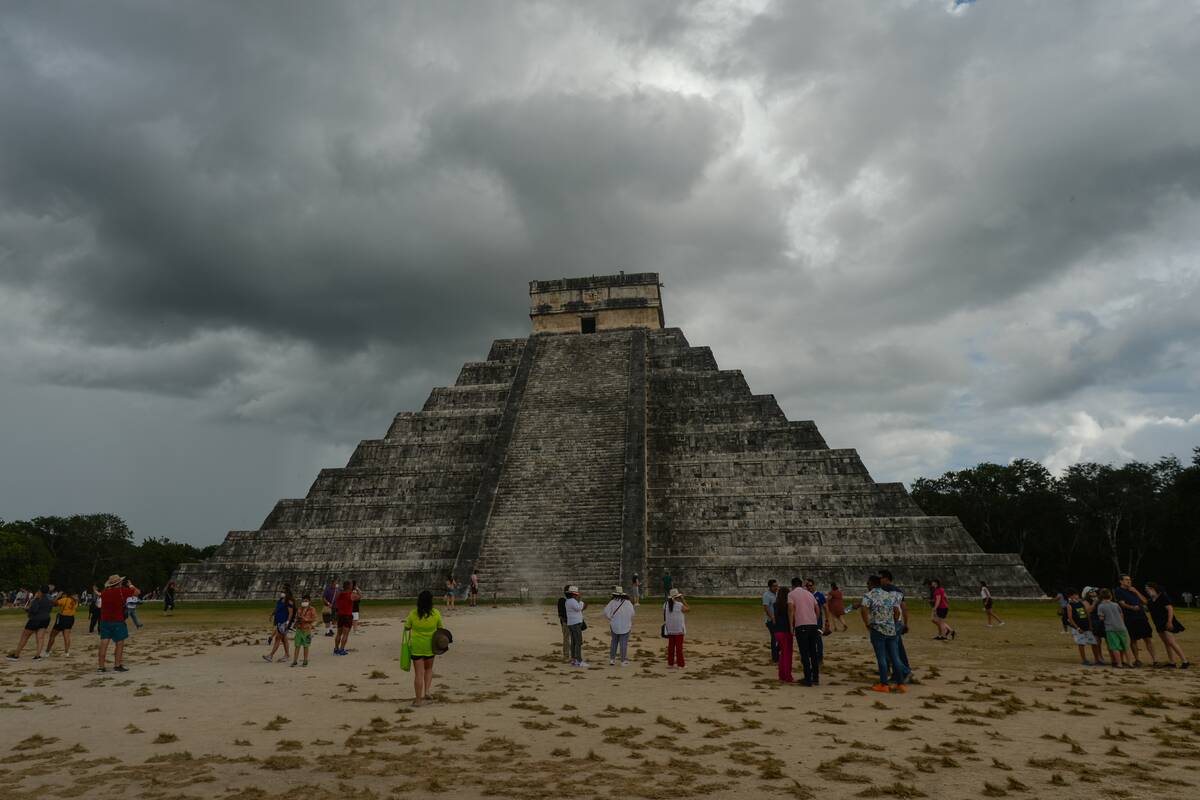
Standing where history happened is its own special effect. At Pompeii, street ruts and painted election ads line up exactly where carts rolled and citizens argued. Walk through Petra’s Siq and the rock‑cut treasury reveals itself like theater. Chichén Itzá’s Temple of Kukulcán casts a serpent‑shadow on equinox evenings, a stone‑and‑sun choreography tourists still gather to watch.
Museums extend the field trip. The British Museum offers free general admission to a global collection; the Louvre displays tens of thousands of works at any time, including Near Eastern reliefs. Responsible archaeotourism funds conservation and hires local guides, while site managers add footpaths, visitor caps, and UV shields to keep pigments from fading. When you can read a label, see the toolmarks, and trace a trade route on a map, time collapses—at least for an afternoon.
Science Gets Juicy: DNA, LIDAR, and Satellites Rewrite the Past
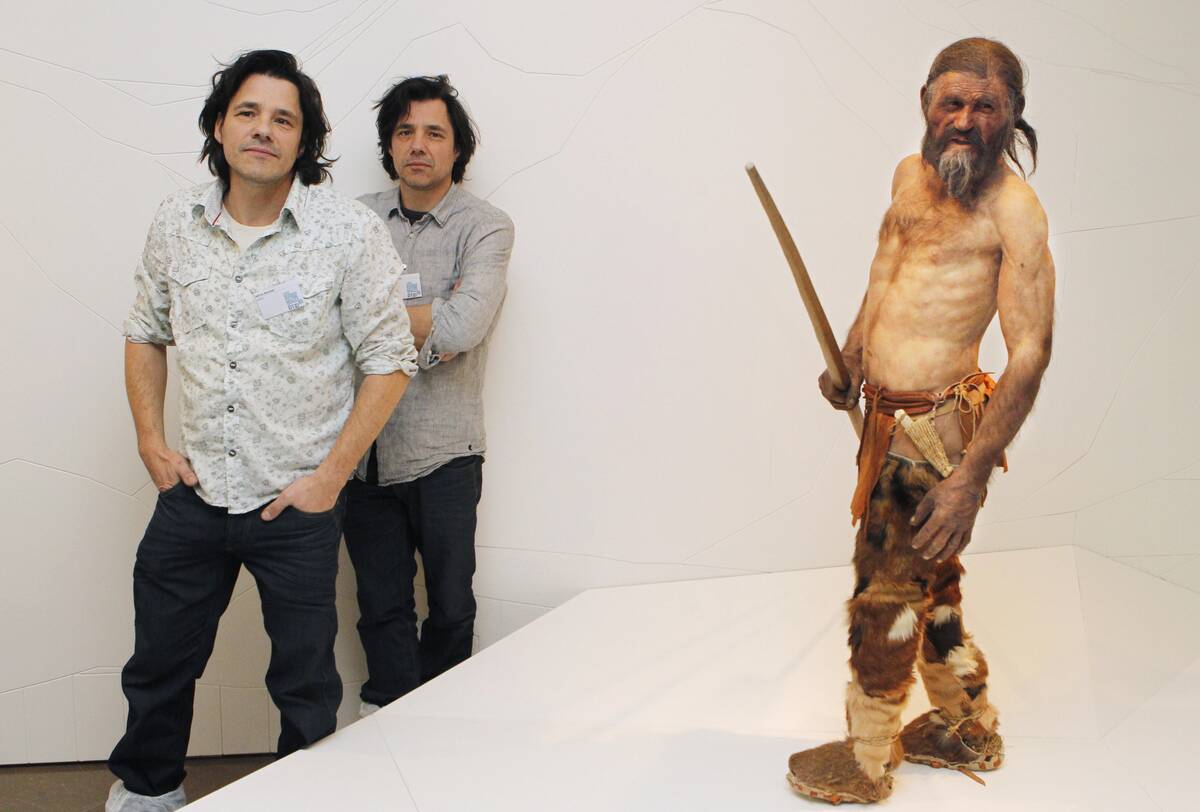
Ancient DNA turned bones into biographies. Sequencing Ötzi the Iceman’s genome (published 2012, updated 2023) mapped ancestry and even lactose tolerance. Analyses of Eurasian steppe burials revealed large‑scale migrations around 3000 BCE. Cheddar Man, a Mesolithic skeleton from Britain, got a genome in 2018 that challenged assumptions about early inhabitants.
Svante Pääbo’s 2022 Nobel Prize underscored how paleogenomics reshaped human origins by identifying Neanderthal and Denisovan introgression.
Aerial tech redraws maps. In 2018, LIDAR in Guatemala’s Petén region revealed over 60,000 previously unknown Maya structures—fortifications, causeways, and fields—hidden under forest. LIDAR has also mapped Angkor’s urban sprawl and waterworks with meter‑level precision. Satellites flag buried walls as crop marks and spot desert caravan routes; radar can even hint at under‑sand rivers. Together with isotopes that trace where people grew up, it’s a lab‑meets‑landscape toolkit that keeps rewriting footnotes.
Global Before Globalization: Trade Routes and Cultural Mash-Ups

The Silk Road wasn’t a single road but a mesh of tracks that moved silk, glass, ideas, and diseases from at least the 2nd century BCE to the 14th century CE. The Periplus of the Erythraean Sea, a 1st‑century CE mariner’s guide, lists East African, Arabian, and Indian ports and what they traded—ivory, spices, textiles. Roman coins have turned up in southern India, and Mediterranean glass beads appear in Han‑era contexts.
Monsoon winds powered an Indian Ocean superhighway. Sailors timed departures to seasonal breezes, knitting together the Swahili Coast, Arabia, India, and Southeast Asia. Kilwa Kisiwani’s coral‑stone ruins point to centuries of commerce, while Southeast Asia’s spice islands fed appetites thousands of kilometers away. In the Pacific, Lapita seafarers spread pottery and crops across vast distances by 500 BCE, showing that “global” can mean blue water and star paths, not just caravans.
Art That Sticks: Motifs, Pottery, and Designs We Still Copy
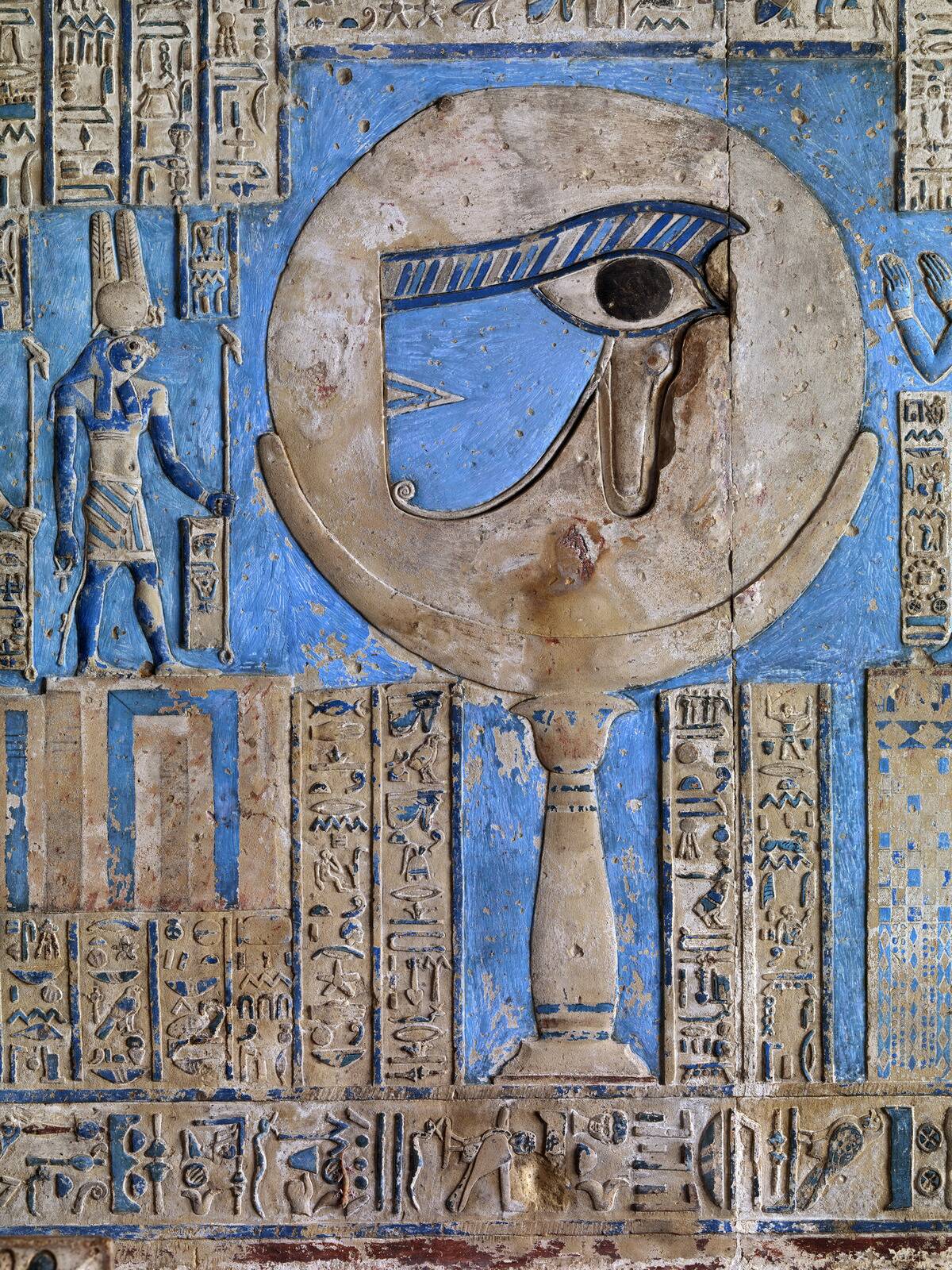
Design languages have long half‑lives. Greek architectural orders—Doric, Ionic, Corinthian—reappear on modern capitols and courthouses, columns riffing on forms set over 2,000 years ago. The Greek key (meander) pattern winds through contemporary textiles and logos. Egyptian lotus and papyrus motifs still border fabrics and wallpapers, while the Eye of Horus persists as a protective symbol on jewelry.
Ceramic shapes and surface tricks echo, too.
Classic amphora silhouettes inform wine‑bottle designs; slip‑painted contrasts from Greek black‑figure techniques feel familiar on modern ceramics. In Japan, the seigaiha wave motif, documented since early centuries CE, rolls across prints and packaging. Andean textile patterns, documented in Paracas and Nazca cloth, influence today’s weaving cooperatives. When a museum label names a motif, you start noticing it everywhere—from coffee cups to courthouse cornices—like spotting an old friend in a new city.
Spooky Hooks: Mummies, Curses, and Tomb Legends
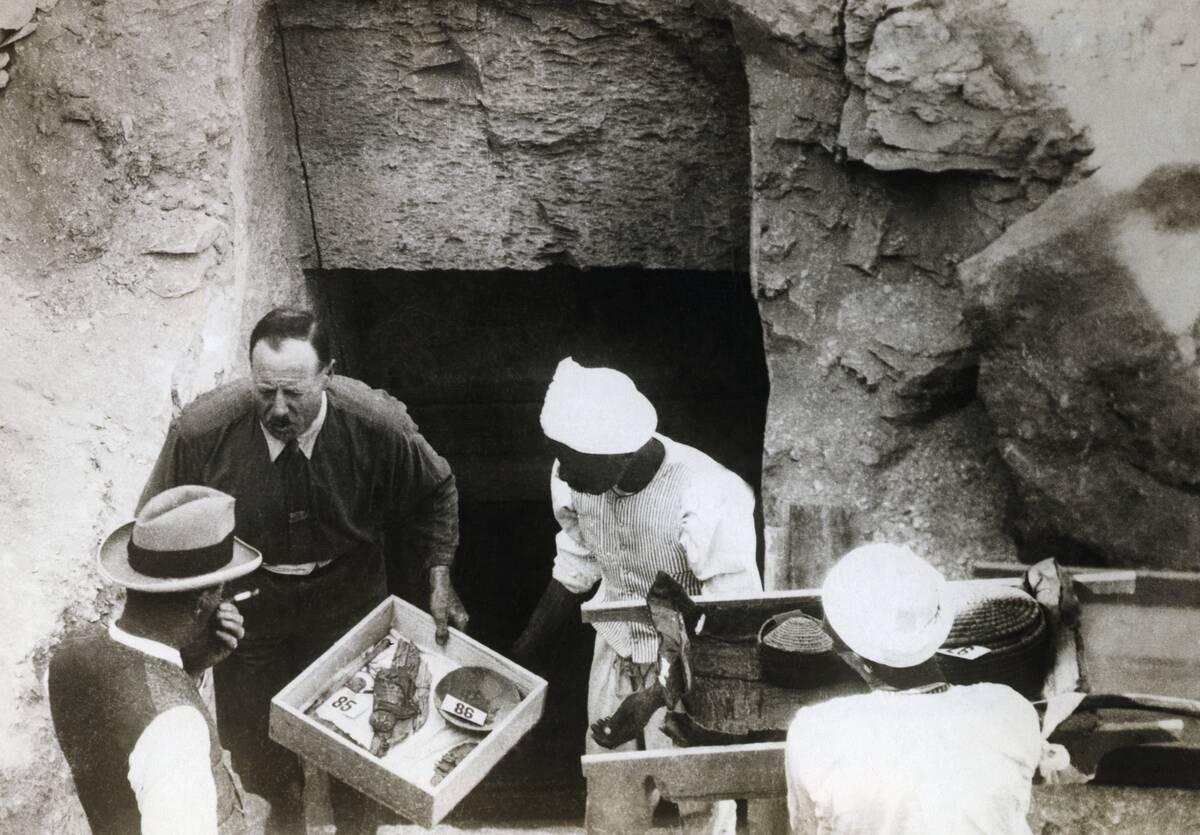
The “curse of the pharaoh” took off after Tutankhamun’s tomb opened in 1922 and Lord Carnarvon died in 1923 from an infected mosquito bite, a coincidence newspapers ran with. Actual Egyptian texts called “execration texts” list enemies to be ritually smashed—more politics than paranormal. Meanwhile, CT scans and endoscopes let researchers peek into mummies without unwrapping them, diagnosing ailments from atherosclerosis to dental abscesses.
Elsewhere, chill factors come with data. Chinese historian Sima Qian wrote that Qin Shi Huang’s tomb contained rivers of mercury; modern soil surveys near the unopened central mound show elevated mercury levels, a scientific eyebrow‑raise. Bog bodies like Denmark’s Tollund Man (4th century BCE) preserve hair, skin, and last meals, thanks to acidic, oxygen‑poor peat. Spooky sells, but the lab work behind the legend is the real plot twist.
Social Media Digs: Hashtags, Threads, and Viral Ruins
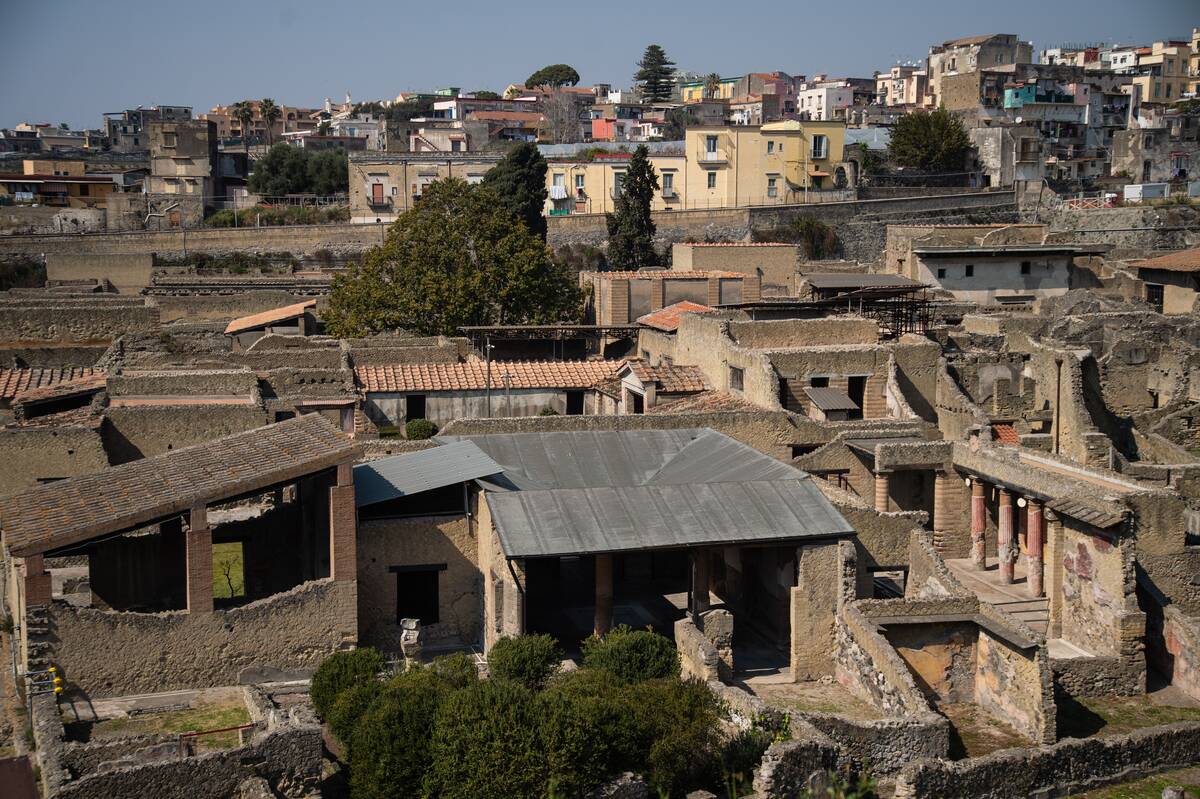
Archaeology lives online now. The Archaeological Park of Pompeii posts active excavation updates with photos and 3D models, so a newly uncovered fresco can trend before the plaster is dry. Sketchfab hosts high‑resolution 3D scans of artifacts from many museums, letting you spin a statue on your phone. The Archaeological Institute of America’s International Archaeology Day, launched in 2011, rallies global events each October—easily amplified by a well‑placed hashtag.
Crowds can help read the past. The Zooniverse “Ancient Lives” project invited volunteers to transcribe Greek papyri; MicroPasts, a British Museum–UCL initiative launched in 2013, crowdsourced artifact tagging and 3D modeling prep. Field archaeologists thread dig diaries, while researchers explain why context beats clickbait. Social media spreads myths quickly, but it also gives curators, conservators, and communities a direct line to set records straight—sometimes in a 60‑second clip.
Curiosity vs. Conspiracies: Sorting Facts from Fringe

Real evidence beats tidy fantasies. Quarry marks, worker cemeteries, and 4th‑Dynasty papyri from Wadi al‑Jarf—logbooks of an official named Merer—document the movement of Tura limestone for Khufu’s pyramid, undercutting “mystery builder” claims. The Piltdown Man hoax unraveled in 1953 through fluorine testing and later DNA, a masterclass in correcting the record. Radiocarbon dating, dendrochronology, and open data let outsiders check claims instead of taking anyone’s word for it.
Healthy skepticism has tells. Peer‑reviewed publications, explicit methods, and reproducible datasets travel better than viral captions. When someone says “they don’t want you to know,” ask who “they” are and where the field notes live. Ancient achievements don’t shrink when we credit quarry workers, surveyors, and scribes; they grow. The humans who hauled stones, mixed mortar, and plotted stars did the hard things—no lost continents or space lasers required.
Big Numbers, Big Feelings: Awe, Humility, and the Pull of Deep Time
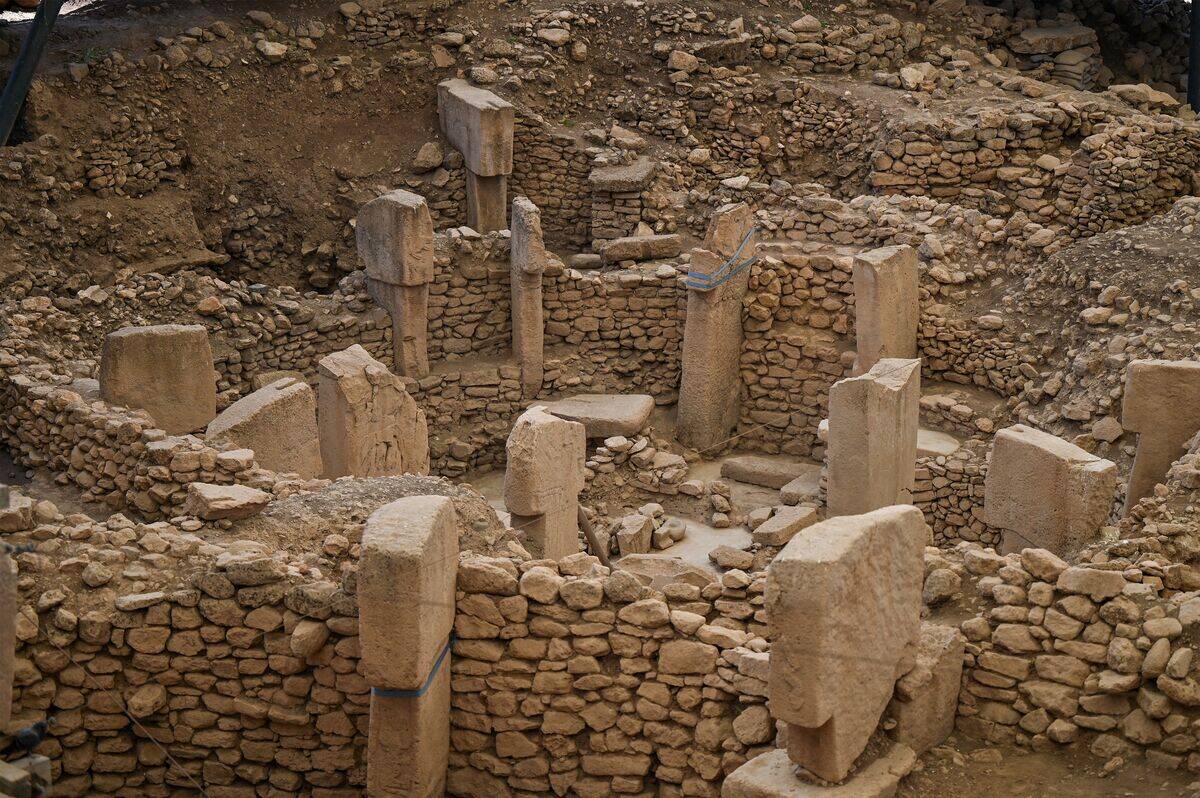
Deep time stretches the imagination. Earth is about 4.54 billion years old; Homo sapiens has been around for roughly 300,000. Writing shows up in Mesopotamia and Egypt by the late 4th to early 3rd millennium BCE, while Göbekli Tepe’s monumental pillars predate pottery, rising around the 10th–9th millennia BCE. When a stone block sat in the sun longer than any dynasty, you get perspective with your panorama.
Those numbers scale emotions, too. The Great Pyramid stood as the world’s tallest human‑made structure for roughly 3,800 years. The moai of Rapa Nui can top 10 meters and tens of tons; Roman road networks ran for tens of thousands of kilometers; Angkor’s waterworks sprawled across hundreds of square kilometers. Big counts don’t just impress—they remind us that patience, coordination, and incremental craft can nudge mortals toward seeming immortality.