23 photos of well-known figures who vanished
Unfinished stories tug at our brains. Psychologists even have a name for it—the Zeigarnik effect, the tendency to remember incomplete tasks more than finished ones. When someone vanishes, the plot freezes on a cliffhanger: no final scene, no rolling credits. That uncertainty keeps archives open, message boards buzzing, and documentarians busy. It also invites new tools into the hunt, from DNA and isotope analysis to satellite imaging and underwater sonar.
And disappearances sit at the crossroads of history and mystery. They illuminate aviation’s early risks, the fog of wartime, the perils of exploration, and the quirks of celebrity. Governments declassify files decades later, divers sweep continental shelves, and families keep porch lights on. In the process, each case becomes a time capsule—preserving slang, technology, politics, and even fashion from the exact year someone stepped offstage. We’re not just chasing endings; we’re revisiting the worlds they left behind.
Amelia Earhart: the trailblazing aviator who vanished over the Pacific
![[redacted]](https://media.tellmebest.com/wp-content/uploads/2023/08/amelia-earhart-21374.jpeg)
On July 2, 1937, Amelia Earhart and navigator Fred Noonan disappeared while attempting to circumnavigate the globe in a twin‑engine Lockheed Electra 10E. Their last radio transmissions came as they hunted for Howland Island, a two‑mile‑long speck in the central Pacific. The U.S. Coast Guard cutter Itasca heard Earhart say they were flying on a line of position 157–337. Despite the largest search of its kind to that date—using ships like the carrier USS Lexington—no confirmed wreckage has surfaced.
Earhart’s record book was already full: first woman to fly solo across the Atlantic (1932), first person to solo Honolulu to Oakland (1935), and multiple speed records. Her disappearance spawned theories from navigational error and fuel exhaustion to island landings. Researchers have probed seafloors, compared radio logs, and examined artifacts from Nikumaroro in Kiribati, but as of today, there’s no verified aircraft or remains. Her legend remains airborne, cruising on equal parts data and daring.
D. B. Cooper: the mysterious hijacker who parachuted into legend
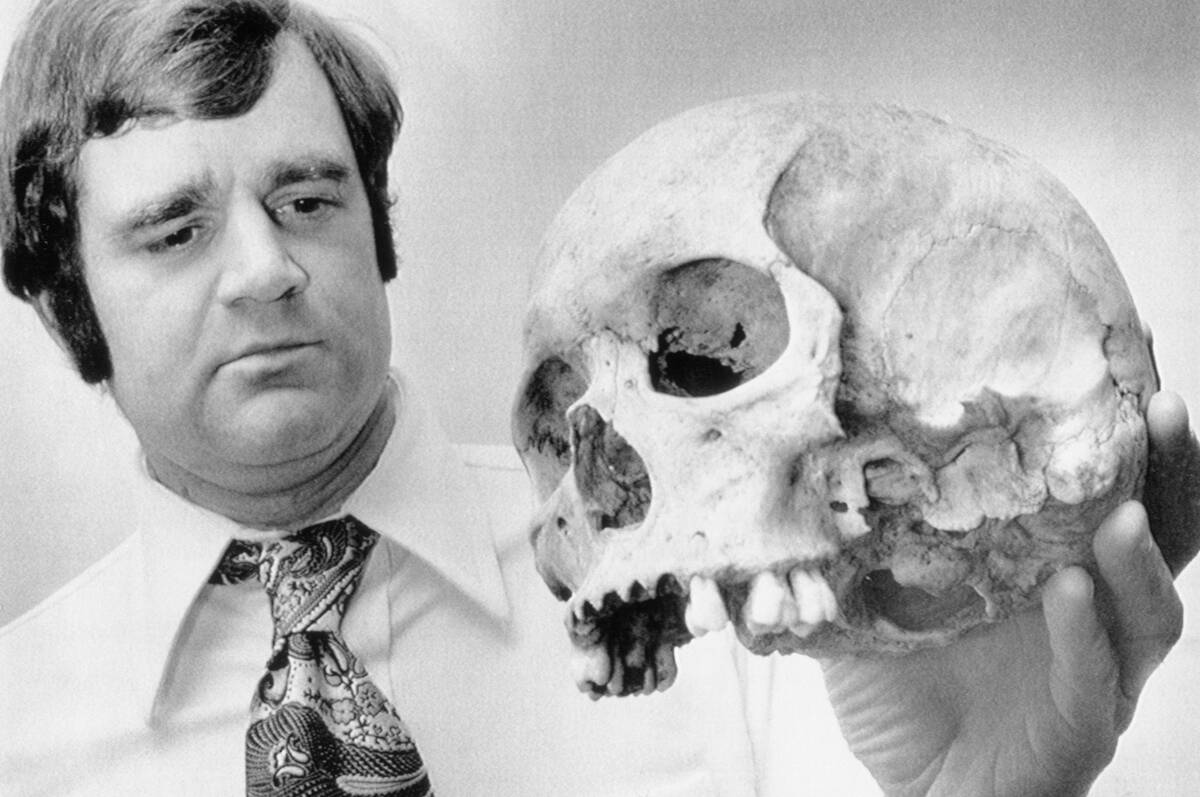
On November 24, 1971, a man using the name Dan Cooper hijacked Northwest Orient Flight 305 out of Portland, collected $200,000 in $20 bills and four parachutes in Seattle, and then jumped into a rainy night over the Pacific Northwest. The FBI logged the serial numbers, recovered his clip‑on tie from Seat 18E, and chased thousands of leads. In 1980, a boy digging along the Columbia River’s Tena Bar found $5,800 of ransom cash—weathered, but still matched by serial number.
The getaway narrative turned folkloric: a Boeing 727 with a rear airstair, a storm, and an undetermined jump zone near Ariel, Washington. None of the remaining ransom has entered circulation, no confirmed parachute was found, and the case remains the only unsolved U.S. air piracy. In 2016 the FBI suspended active investigation, but independent sleuths continue reading wind charts and flotation studies. Cooper’s final destination stays classified under “unknown.”
Agatha Christie’s 11-day vanishing act
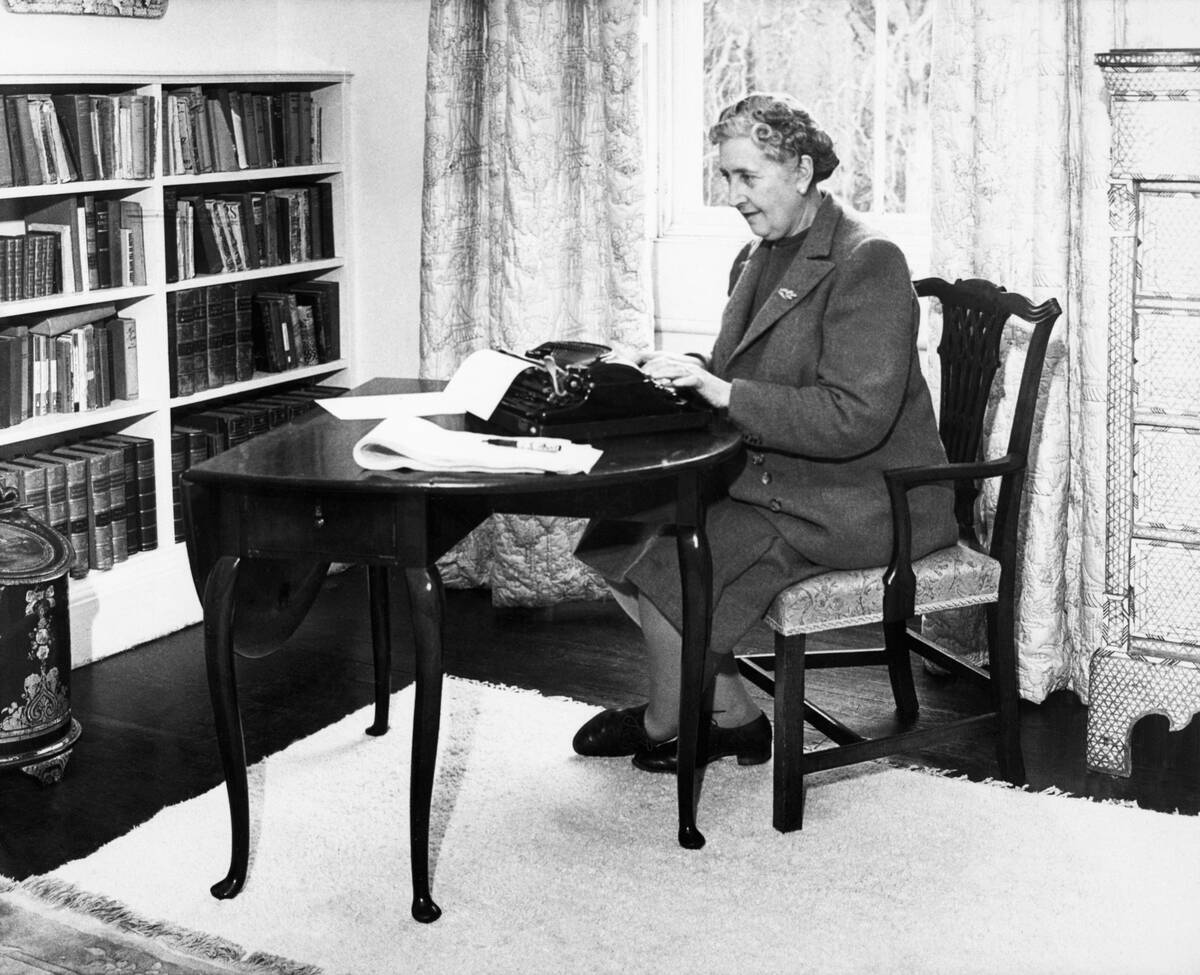
On December 3, 1926, with her latest novel selling briskly, Agatha Christie drove away from her home in Berkshire. Her Morris Cowley was found abandoned at Newlands Corner near Guildford, igniting a national search that drew headlines across Britain. Police dredged ponds, the press speculated wildly, and thousands of volunteers joined the hunt. Eleven days later, she was discovered at the Swan Hydropathic Hotel in Harrogate, registered under the surname of her husband’s mistress: Neele.
Christie said little publicly afterward, citing amnesia. Biographers point to personal turmoil—her mother’s death and her husband’s affair—converging that winter. No criminal charges followed, but the episode cemented her status as a mystery within her own genre. The hotel (now the Old Swan) leans into the lore, and every retelling invites the same Christie question: what are the facts, what are the red herrings, and what belongs strictly to motive and mood?
Ambrose Bierce: the author who rode into Mexico and never wrote back
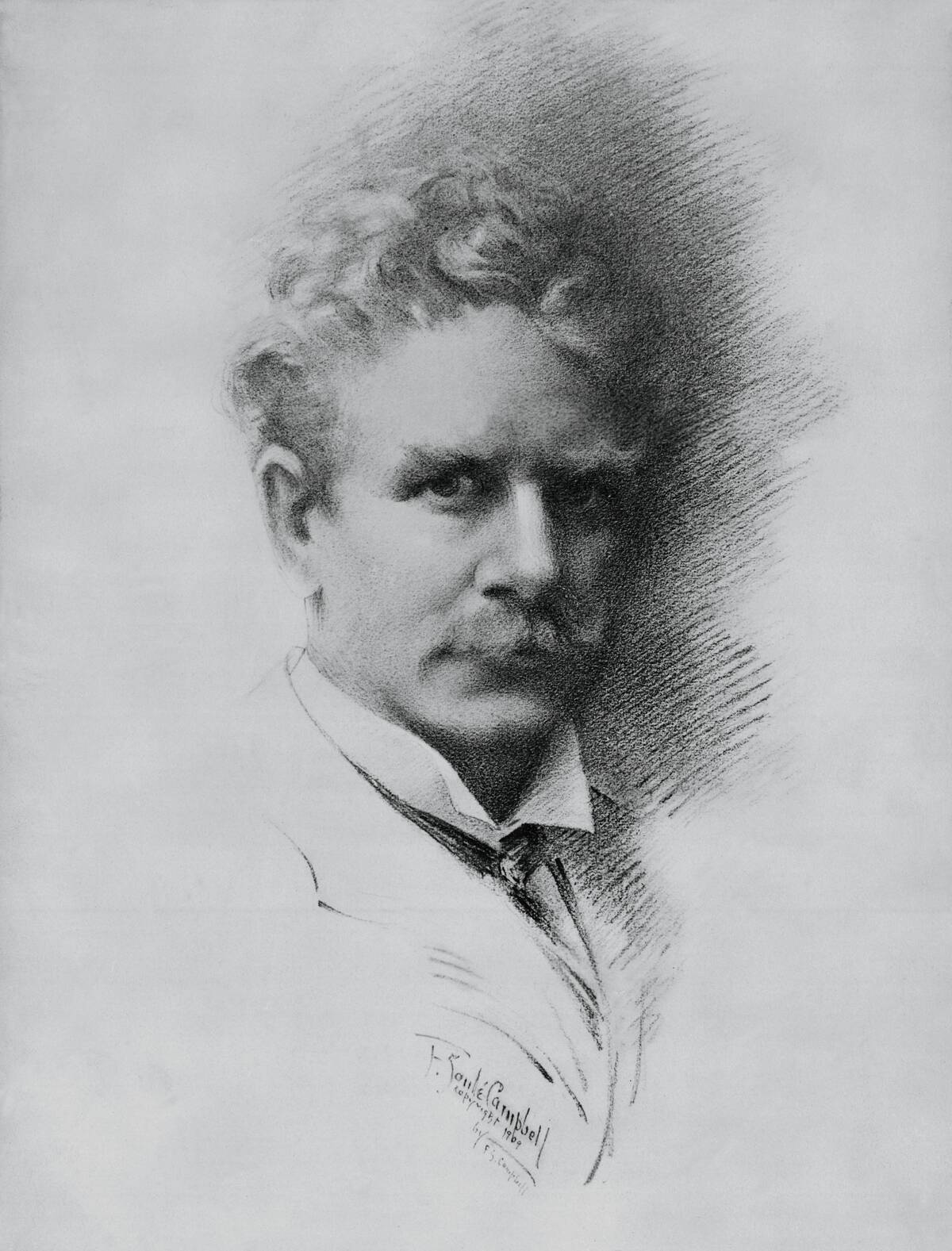
Ambrose Bierce, famed for The Devil’s Dictionary and Civil War dispatches, left the United States in 1913 to observe the Mexican Revolution up close. He reached northern Mexico and corresponded from places including Chihuahua City. In one letter, he mused that dying “against a Mexican stone wall and shot to rags” wouldn’t be a bad exit—classic Bierce gallows humor. After late 1913, his trail goes quiet. No verified grave, no authenticated final manuscript, just abruptly sealed pages.
Rumors multiplied: that he joined Pancho Villa’s forces, perished near Ojinaga, or was executed by federal troops. Scholars note that the only solid artifacts are his pre‑disappearance letters and travel notes; the rest is smoke. The mystery fits his brand: a sardonic observer stepping into chaos, armed with a notebook. A century later, Bierce’s last line remains unwritten, inviting readers to supply their own macabre punchline.
Percy Fawcett: the Amazon explorer chasing a lost city
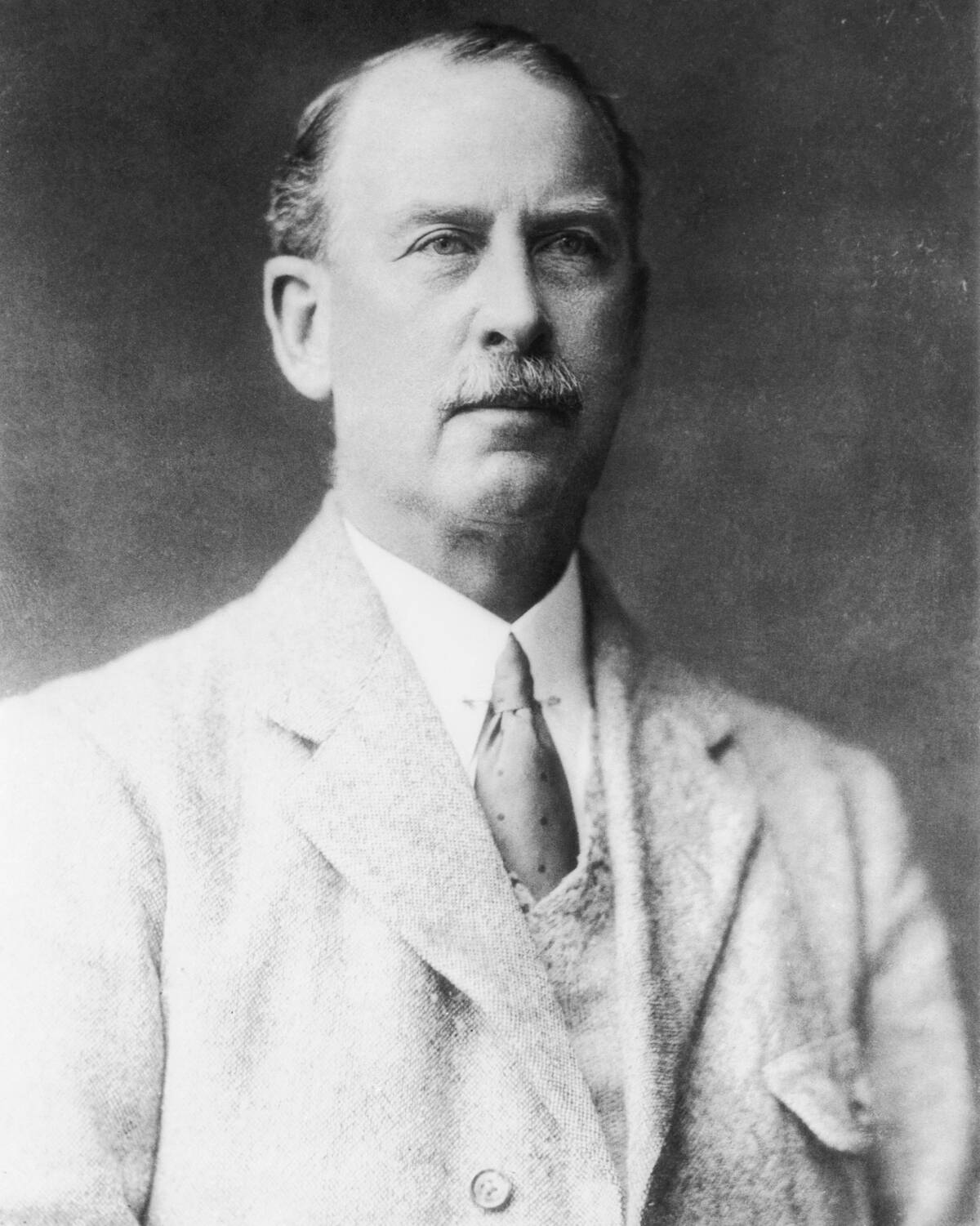
British surveyor Percy Fawcett plunged into Brazil’s Mato Grosso in 1925 seeking “Z,” a hypothesized pre‑Columbian city. He was accompanied by his son Jack and Jack’s friend Raleigh Rimell. Their last known communication, sent from a campsite Fawcett nicknamed Dead Horse Camp, was dated May 29, 1925.
After that, silence. The Royal Geographical Society and newspapers tracked the expedition avidly, and over ensuing decades, dozens of rescue or recovery attempts yielded only rumors and conflicting testimonies.
Fawcett was no amateur romantic; he’d mapped borders, reported sophisticated ceramics, and collected oral histories. Yet the Xingu and upper Tapajós are unforgiving to hubris and under‑provisioning alike. Some communities recalled encounters; others denied seeing them. While archaeologists have since identified Amazonian geoglyphs, terra preta, and large settlements in parts of the basin, none ties directly to Fawcett’s “Z.” The jungle kept its counsel—and his compass.
Glenn Miller: the bandleader who disappeared over the Channel
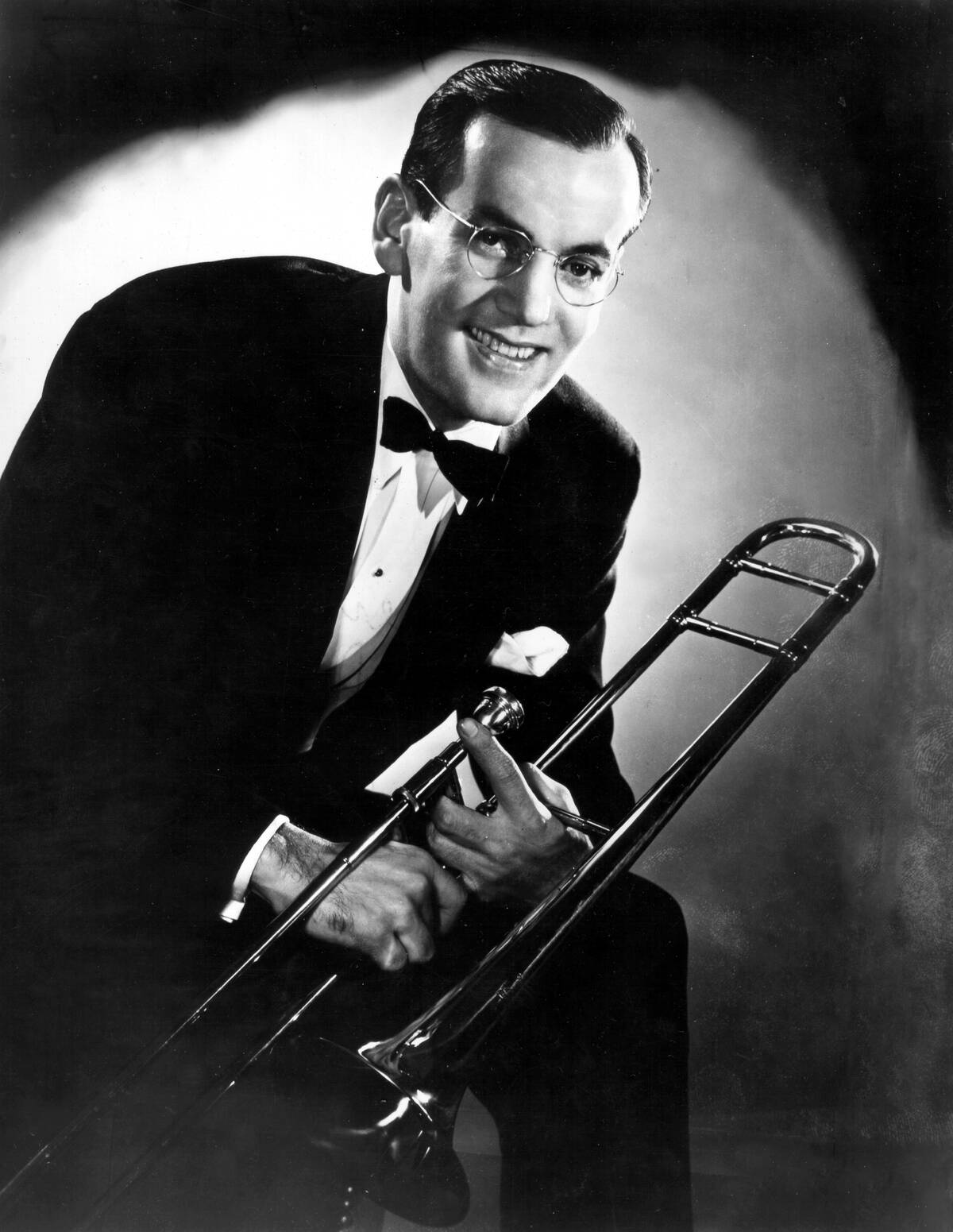
On December 15, 1944, swing star and U.S. Army Air Forces Major Glenn Miller boarded a single‑engine UC‑64 Norseman at RAF Twinwood Farm near Bedford, bound for Paris to prepare concerts for troops. The small transport vanished over the English Channel in wintry weather, leaving no distress call. Wartime records show no German air activity matching a shoot‑down; investigators have floated causes like carburetor icing and overwater disorientation. No verified wreckage has been recovered.
Miller’s orchestra had dominated early‑1940s charts with In the Mood and Moonlight Serenade, and his uniformed band boosted morale across Allied bases. The disappearance landed at a cultural crescendo: a global war, crowded skies, and a beloved sound suddenly gone quiet. Historians have sifted mission logs and meteorology, but the Channel guards its secrets well. The music, meanwhile, never stopped selling, turning an open case into a permanent encore.
Antoine de Saint-Exupéry: pilot-poet on a final reconnaissance
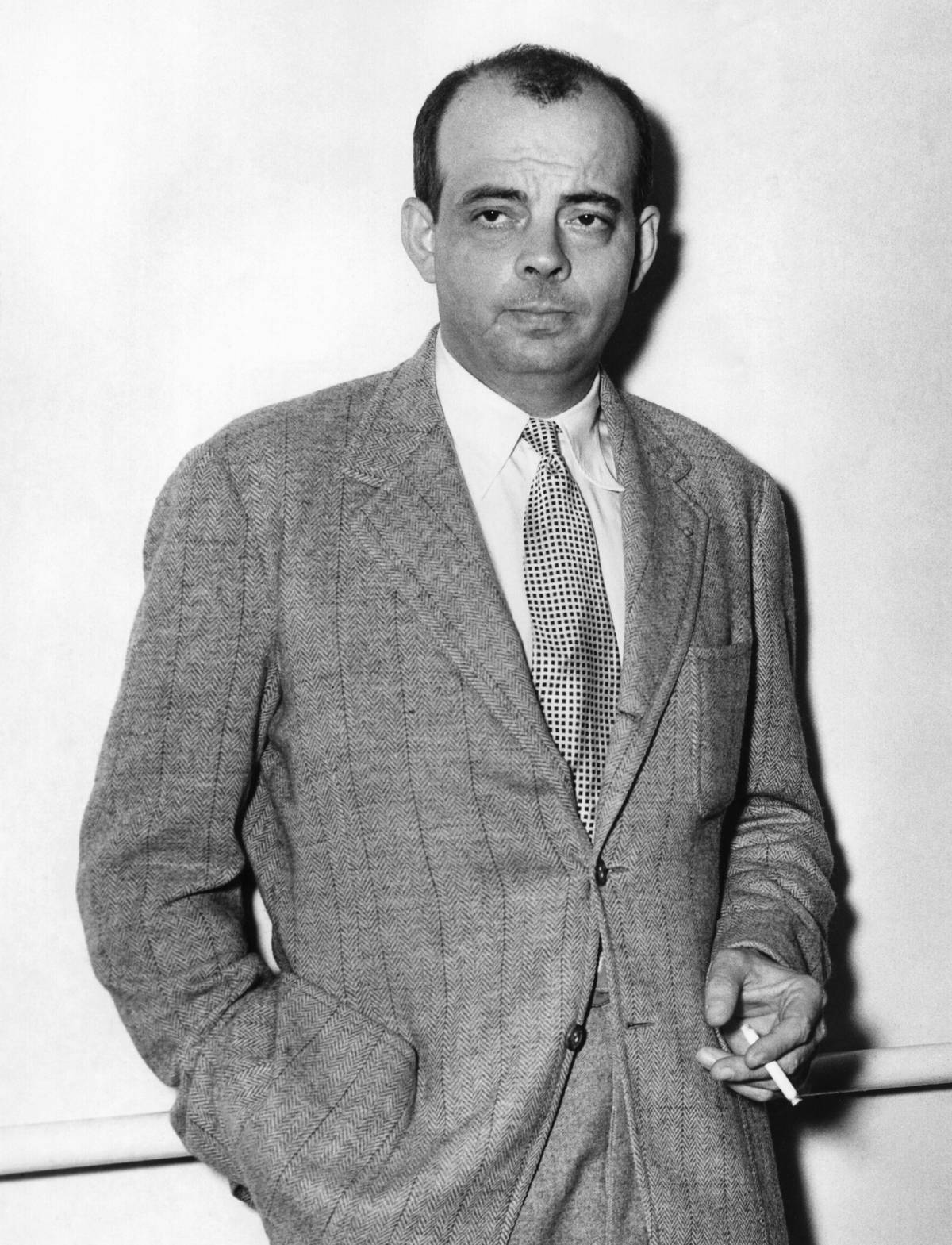
On July 31, 1944, Antoine de Saint‑Exupéry—author of The Little Prince and a veteran aviator—took off in a Lockheed P‑38 Lightning from Borgo airfield in Corsica for a photo‑reconnaissance mission over occupied France. He did not return. For decades, the Mediterranean kept its silence until 1998, when a fisherman found his identity bracelet near Marseille. In 2000, diver Luc Vanrell located wreckage later identified as from Saint‑Exupéry’s P‑38 resting off the coast.
The discovery offered powerful, if incomplete, closure. No evidence of gunfire was confirmed on the recovered parts, and competing wartime claims complicate the picture. But the coordinates place the crash along his route, not far from the maritime lanes he once described with lyrical precision. The pilot who taught readers to “see with the heart” likely met a stark aviator’s end—alone above the sea he wrote about with such economy and wonder.
Harold Holt: the prime minister who went for a swim and never returned
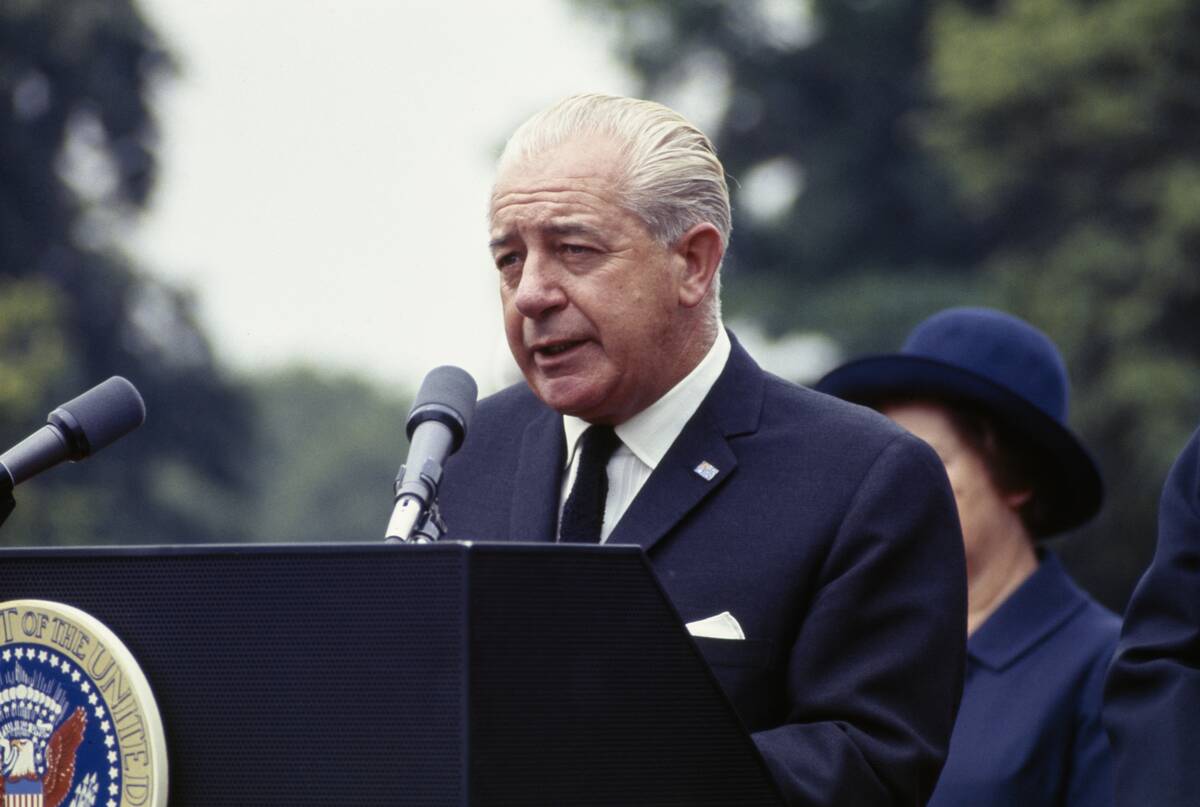
Australia’s Prime Minister Harold Holt vanished on December 17, 1967, after entering rough surf at Cheviot Beach near Portsea, Victoria. Witnesses described strong swells and a rip; rescuers were on scene within minutes, but no body surfaced. The search mobilized divers, aircraft, and naval units. At the time, no formal inquest was held; a 2005 coroner’s report concluded Holt drowned, citing hazardous conditions and his known fondness for pushing himself in the water despite recent health concerns.
Urban legends flourished—defection by submarine, spy plots, even shark abduction—but none held up against tidal models and eyewitness accounts. Cheviot Beach, then restricted due to a nearby defense facility, was notorious for treacherous currents. Holt’s name now marks a Melbourne swimming center, an irony Australians haven’t missed. The case remains a textbook example of how swift seas can erase traces—even when the missing person is a head of government.
Michael Rockefeller: an heir’s last expedition in New Guinea
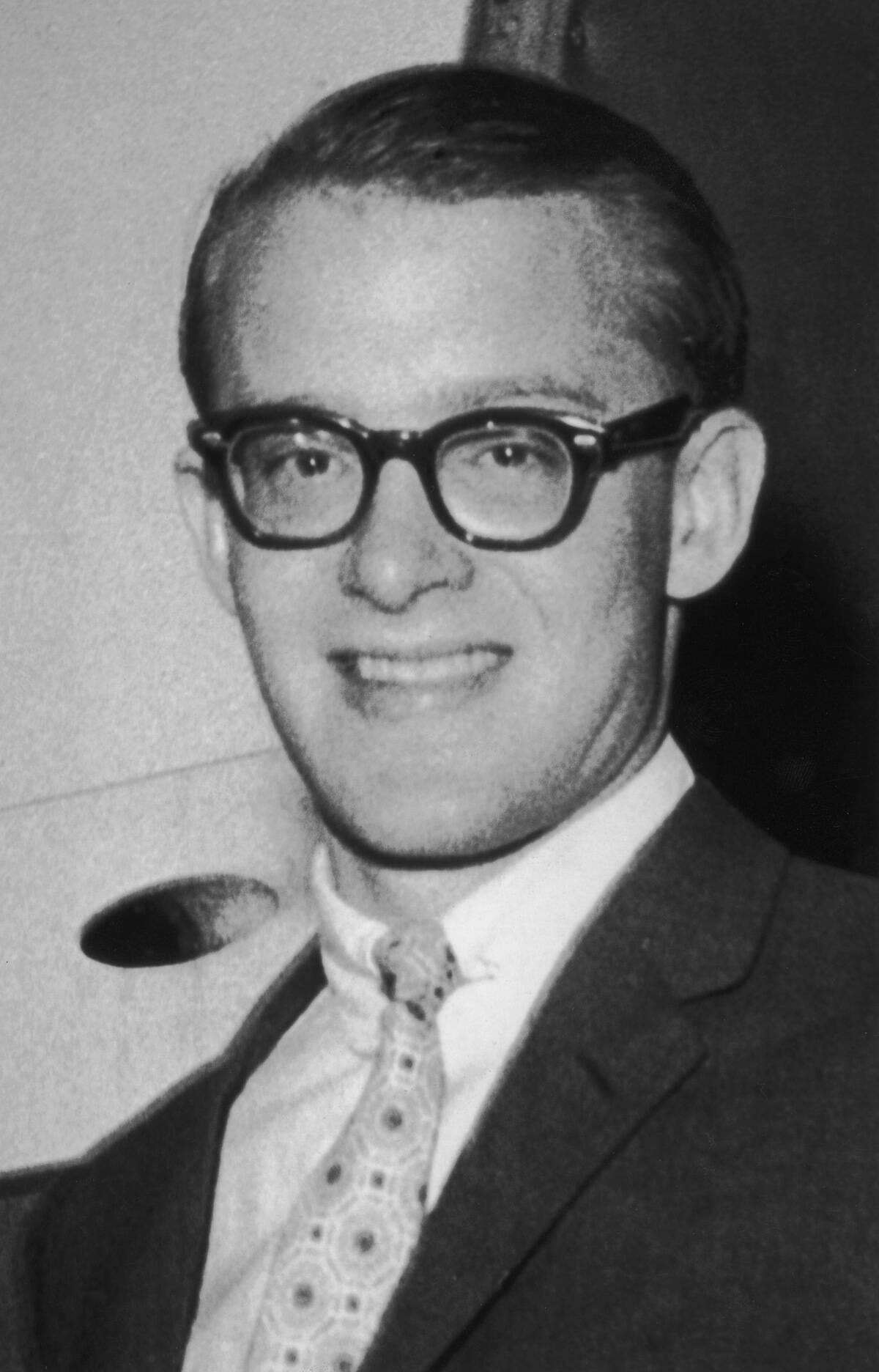
On November 19, 1961, Michael Rockefeller—son of New York Governor (and future Vice President) Nelson Rockefeller—was collecting art among the Asmat people in Netherlands New Guinea when his catamaran capsized in the Arafura‑tinged estuaries. Rockefeller swam for shore to seek help; his companion, anthropologist René Wassing, stayed with the craft and was rescued days later.
Despite air and river searches, Michael’s body was never found, and the official presumption became drowning or a crocodile attack.
Speculation widened. Dutch officials recorded rumors of a killing linked to intertribal reprisals. Decades on, journalist Carl Hoffman’s 2014 book argued Rockefeller was murdered and ritually consumed, citing colonial archives and interviews, though definitive proof remains elusive. What is clear: his collecting shaped museum catalogs, and the disappearance came as Dutch authority waned ahead of Indonesia’s takeover. In a delta where currents erase footprints daily, Rockefeller’s trail dissolved with the tide.
Judge Joseph Force Crater: New York’s “missingest” man
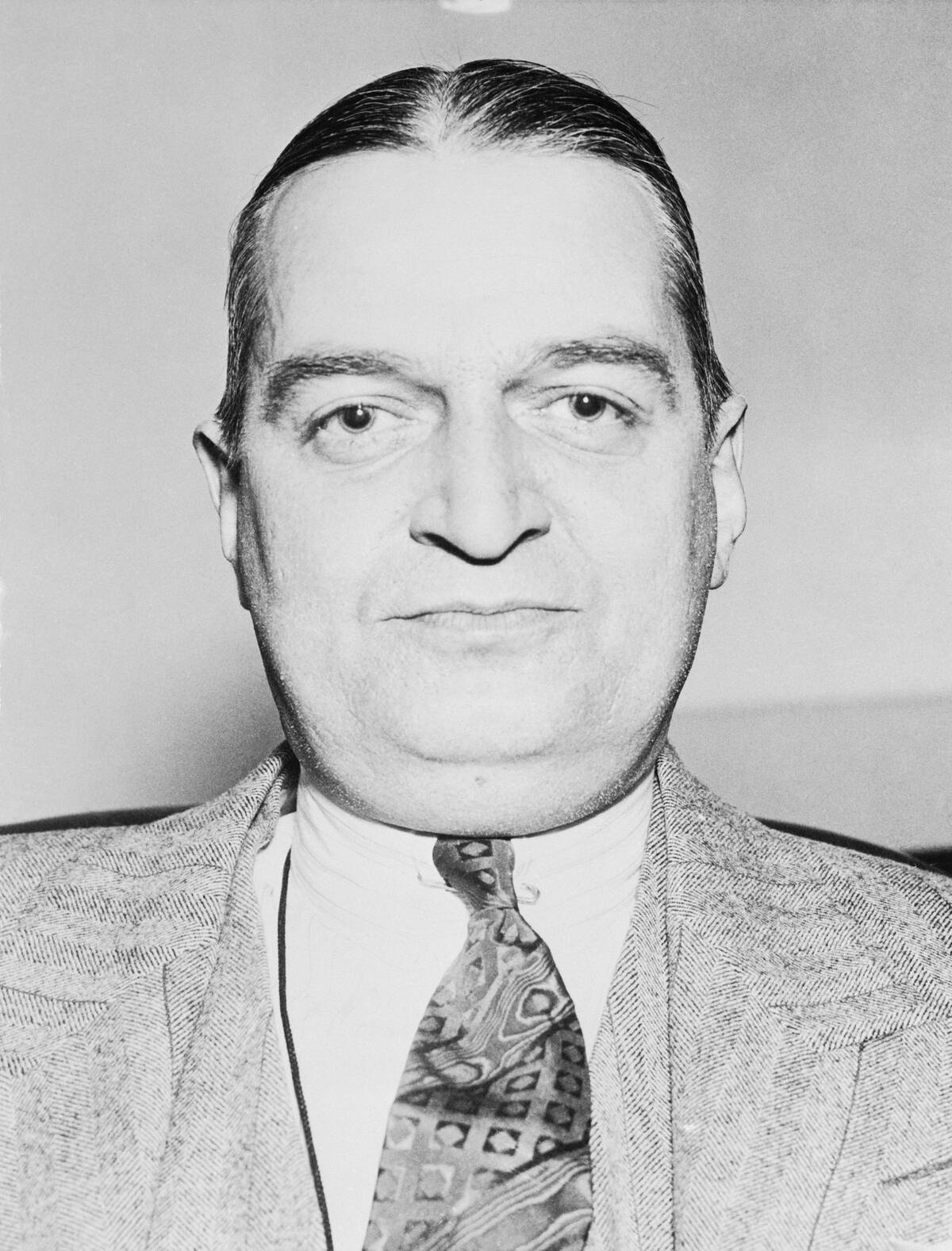
On August 6, 1930, New York Supreme Court Justice Joseph Force Crater left a midtown office, cashed checks totaling several thousand dollars, and dined at Billy Haas’s chophouse on West 45th Street. He stepped into a taxi and vanished. Investigators found he’d emptied a safety‑deposit box and withdrawn funds, sparking whispers about Tammany Hall entanglements. The tabloid phrase “to pull a Crater” entered slang for slipping away, and he was declared legally dead in 1939.
Tips arrived for decades—sightings in Canada, Atlantic City, and beyond. In 2005, files released by the NYPD and a posthumous letter from a widow in Queens revived a theory that corrupt officers killed him and buried the body in Coney Island. Nothing has been conclusively proved. The judge’s curtained booth in history remains empty, a Prohibition‑era riddle with Broadway lighting and no closing night.
Jimmy Hoffa: labor legend with a vanishing act

Teamsters president Jimmy Hoffa disappeared on July 30, 1975, from the parking lot of the Machus Red Fox restaurant in Bloomfield Township, Michigan. He’d expected to meet mob figures Anthony “Tony Pro” Provenzano and Anthony Giacalone. His car, a green Pontiac Grand Ville, was found at the scene; Hoffa was not. The FBI’s case—code‑named “Hoffex”—sprawled across states, interviewing union associates and organized‑crime families, but no trace or charges have stuck.
Shovels followed rumors: a suburban horse farm in 2013, New Jersey’s former landfill in 2021, and many a myth about stadium end zones. Agents did recover DNA in a 2001 Detroit house but tied it to no body. The government officially presumes Hoffa dead, with the file still open. He remains an American archetype: equal parts labor muscle, political clout, and an empty seat at dinner that never stopped being news.
The Princes in the Tower: a royal whodunnit
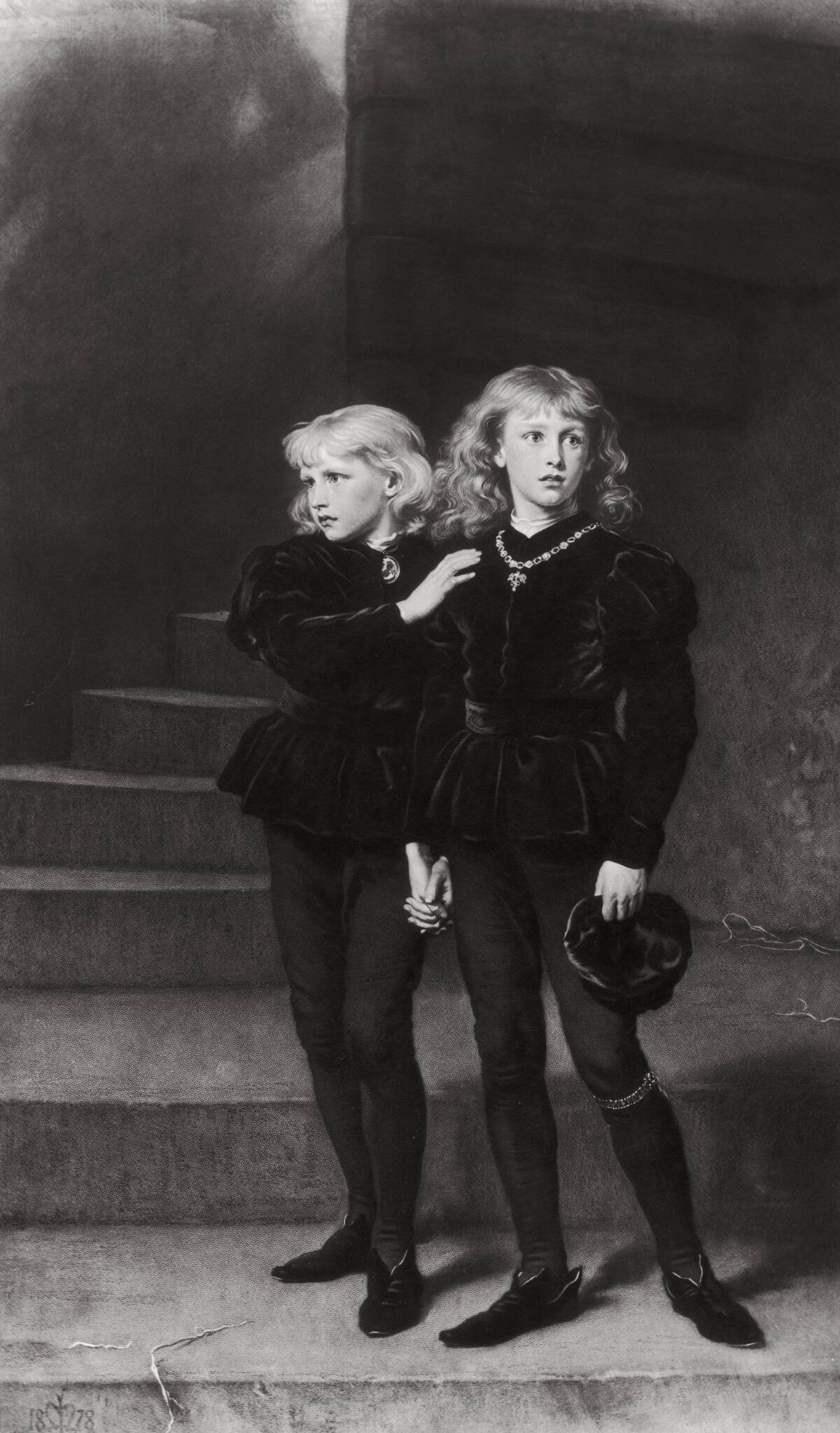
In 1483, the 12‑year‑old King Edward V and his 9‑year‑old brother Richard of Shrewsbury were lodged in the Tower of London after their father’s death. Their uncle, Richard, Duke of Gloucester, soon took the crown as Richard III, and the boys were not seen in public again. In 1674, workmen found a box of small bones in the Tower; they were reinterred in Westminster Abbey and long rumored to be the princes, though never conclusively identified.
A 1933 examination by anatomists William Wright and Lawrence Tanner suggested the bones belonged to children of roughly the right ages, but modern DNA testing has not been authorized. Historians debate culprits and motives—from Richard III to the Duke of Buckingham to Henry VII—against a backdrop of Tudor propaganda. Centuries on, the Tower’s stones hold their testimony; the jury still hasn’t been sworn in.
Theodosia Burr Alston: a first daughter lost at sea

On a winter voyage in January 1813, Theodosia Burr Alston—daughter of former U.S. Vice President Aaron Burr—sailed from Georgetown, South Carolina, aboard the schooner Patriot bound for New York. The ship never arrived. Reports noted severe gales off Cape Hatteras around the time, and the War of 1812 filled coastal waters with privateers.
No verified wreckage or passengers were recovered, leaving room for everything from pirates to sandbars in the retellings.
Letters show a father’s torment; Burr kept hoping for word that never came. Over the 19th century, alleged keepsakes surfaced, including a portrait claimed to be Theodosia’s, but provenance faltered on close inspection. Maritime historians lean toward storm loss in the Graveyard of the Atlantic, where currents and shoals gorge on hulls. Theodosia’s empty cabin became a salon topic for decades, anchoring sorrow to a treacherous coast.
Aimee Semple McPherson: the evangelist’s headline-making disappearance

Pentecostal superstar Aimee Semple McPherson vanished from Venice Beach on May 18, 1926, sending Los Angeles into a frenzy. Her Foursquare Gospel church packed prayer meetings as police combed beaches and canyons. On June 23, McPherson reappeared in Douglas, Arizona, claiming she’d escaped kidnappers in Mexico. Newspapers splashed the tale; skeptics countered it was a staged retreat.
The Los Angeles District Attorney convened a grand jury to weigh kidnapping versus hoax.
Charges were eventually dropped for lack of evidence, but the media spectacle endures. McPherson’s charisma and savvy—she broadcast sermons on radio and staged theatrical services—made her both saint and showrunner to admirers and critics. Whether captive or creative, she turned vanishing into a modern mass‑media event, complete with press conferences, transcripts, and a city that never met a sensation it didn’t amplify.
Dorothy Arnold: the socialite who vanished in Manhattan
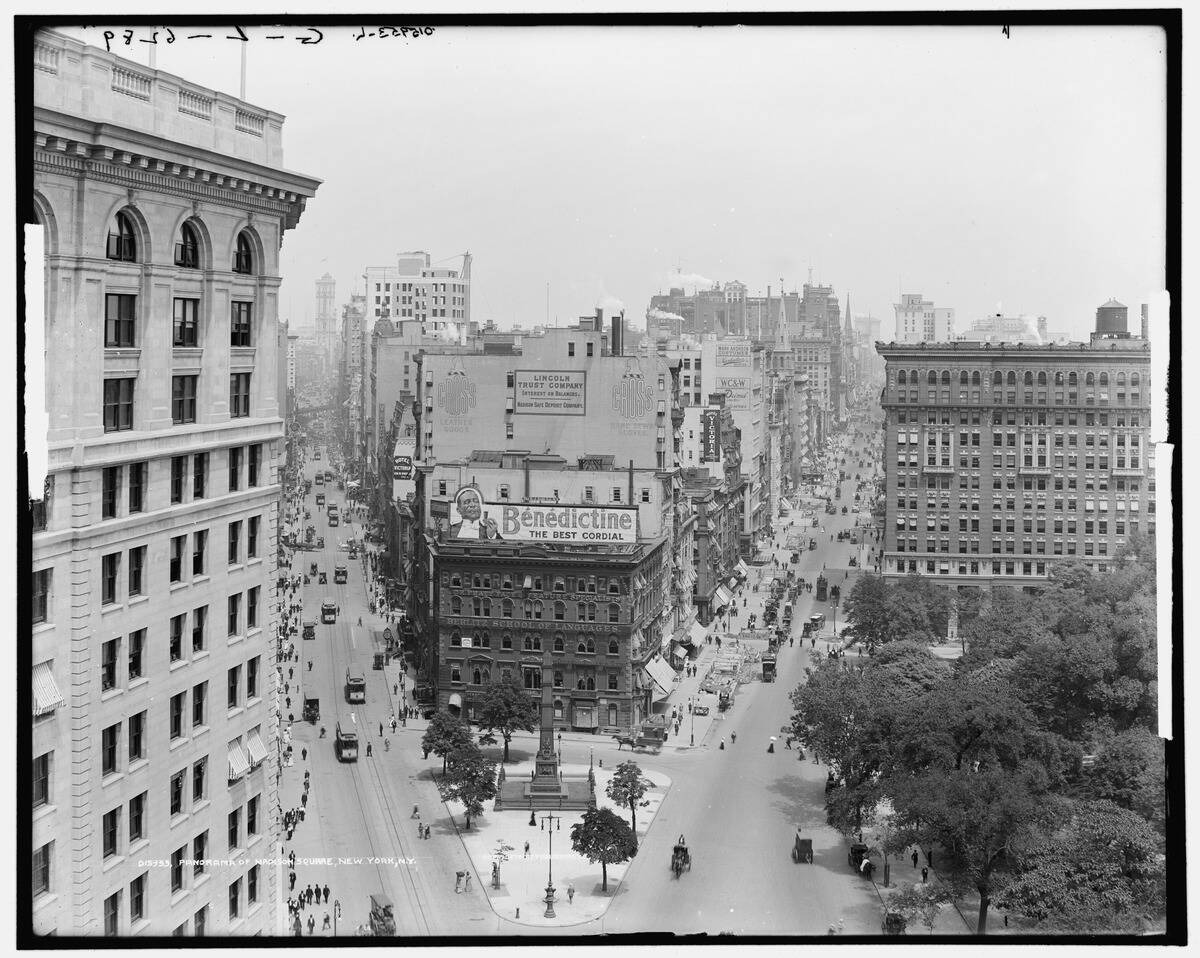
On December 12, 1910, 25‑year‑old heiress Dorothy Arnold left her family’s home on New York’s Upper East Side to shop. She bought a book at Brentano’s on Fifth Avenue, chatted with a friend near 27th Street, and walked away into history. She never came home. Her prominent family quietly hired the Pinkerton Agency before alerting police, and they interrogated suitors and acquaintances, including Harvard dandy George Griscom Jr., to no avail.
Theories sprawled—from Central Park foul play to a clandestine trip gone wrong to a fatal operation in an illegal clinic. Her father publicly dismissed elopement, insisting she would have written, and offered rewards. Despite a city stuffed with reporters and patrolmen, Dorothy dissolved in daylight. The case remains a Gilded Age ghost, haunting bookstores and brownstones with the reminder that sometimes the most public streets can be the most private.
Richey Edwards: the rock icon who walked away

On February 1, 1995, Richey Edwards of Manic Street Preachers failed to meet bandmate James Dean Bradfield for a U.S. flight. Edwards had withdrawn £200 daily for two weeks and checked out of London’s Embassy Hotel that morning. His Vauxhall Cavalier was later found near the Severn Bridge at the Aust services. Police found no definitive trace on or below the bridge; sightings trickled in from the UK to overseas for years, none confirmed.
Edwards, born in 1967, was known for stark lyrics and public struggles, including self‑harm. In 2008, his family obtained a presumption of death certificate, a legal step rather than a solved riddle. The band kept his royalties in trust and his place reserved in spirit. Fans read clues in songbooks, but the file is a study in restraint: few facts, heavy resonance, and a car parked at the edge of the map.
Bison Dele: an NBA champion gone missing at sea

Bison Dele, born Brian Williams, won an NBA title with the 1997 Chicago Bulls and later sailed the Pacific. In July 2002, he was cruising Tahitian waters aboard the Hakuna Matata with girlfriend Serena Karlan, skipper Bertrand Saldo, and his older brother, Miles Dabord. Only Dabord returned—alone—bringing the boat, renamed Aria, back to Tahiti with identifying marks altered.
Authorities suspected foul play; the others were never seen again and are presumed dead.
Investigators said Dabord used Dele’s passport and attempted to purchase gold in Phoenix under his identity. He was detained in California that September and died days later after a suicide attempt, leaving no confession. The catamaran’s trail offered scraps but no bodies; the sea kept secrets as tightly as a locker room keeps plays. For a center who walked away from millions to sail, the ending was oceanic and opaque.
Sean Flynn: war photographer who never returned
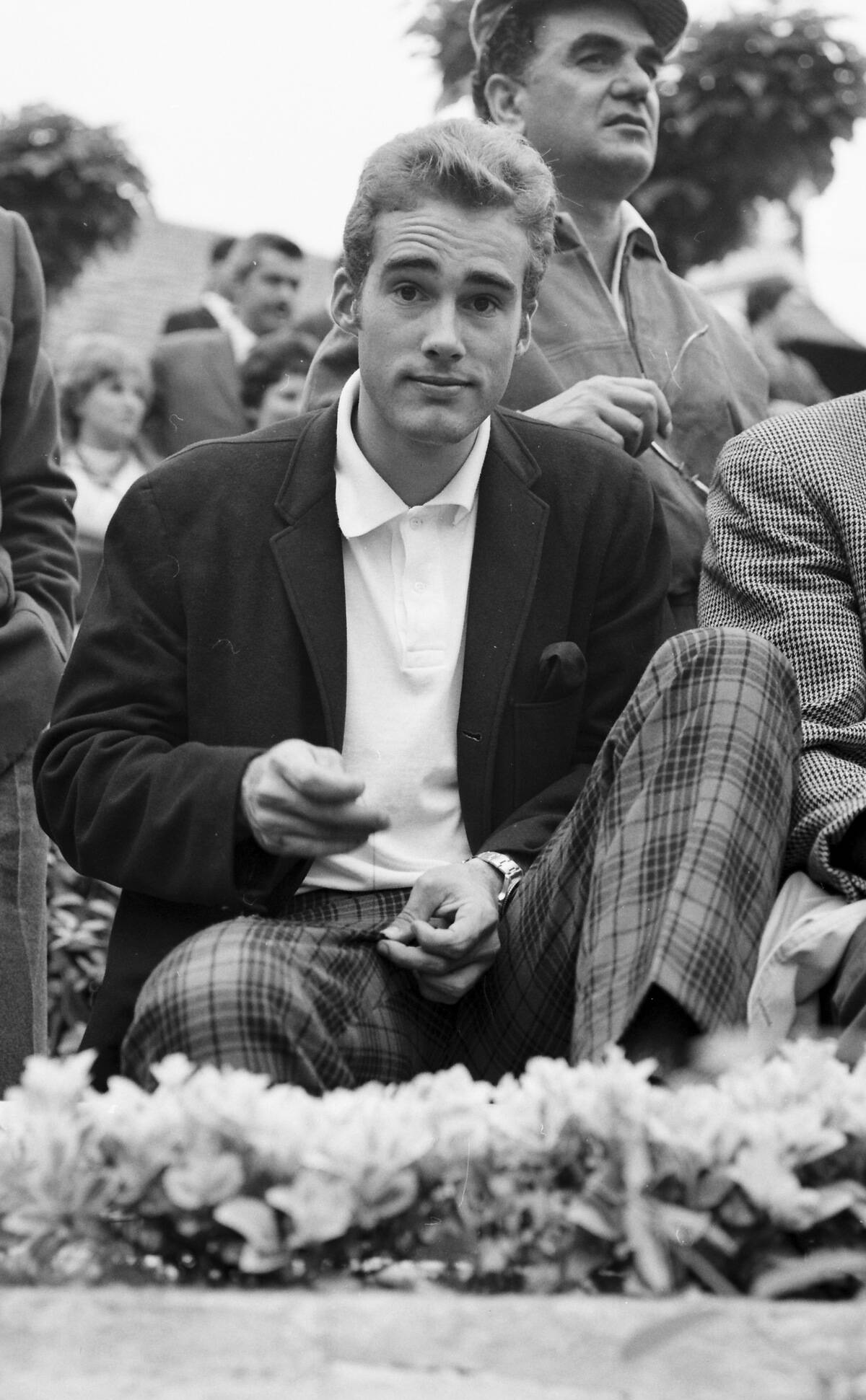
On April 6, 1970, photojournalist Sean Flynn—the son of actor Errol Flynn—rode a motorbike out of Phnom Penh with fellow photographer Dana Stone to cover fighting along Cambodia’s Highway 1. They were last seen approaching a Viet Cong or Khmer Rouge checkpoint. Both vanished. Colleagues scoured prisons and border towns; after the Khmer Rouge fell, searches resumed in jungles and mass‑grave regions, but no confirmed remains for either man have been recovered.
Flynn had already filed from Vietnam’s worst fronts and shot iconic images. In 2010, bones exhumed in Cambodia were tested but ruled not his. The Committee to Protect Journalists counts hundreds killed or missing in Indochina conflicts; Flynn’s case epitomizes the profession’s peril. His camera stopped where geopolitics, insurgency, and chance crossed—a place many correspondents know too well and too briefly.
Raoul Wallenberg: the hero diplomat swallowed by the Cold War
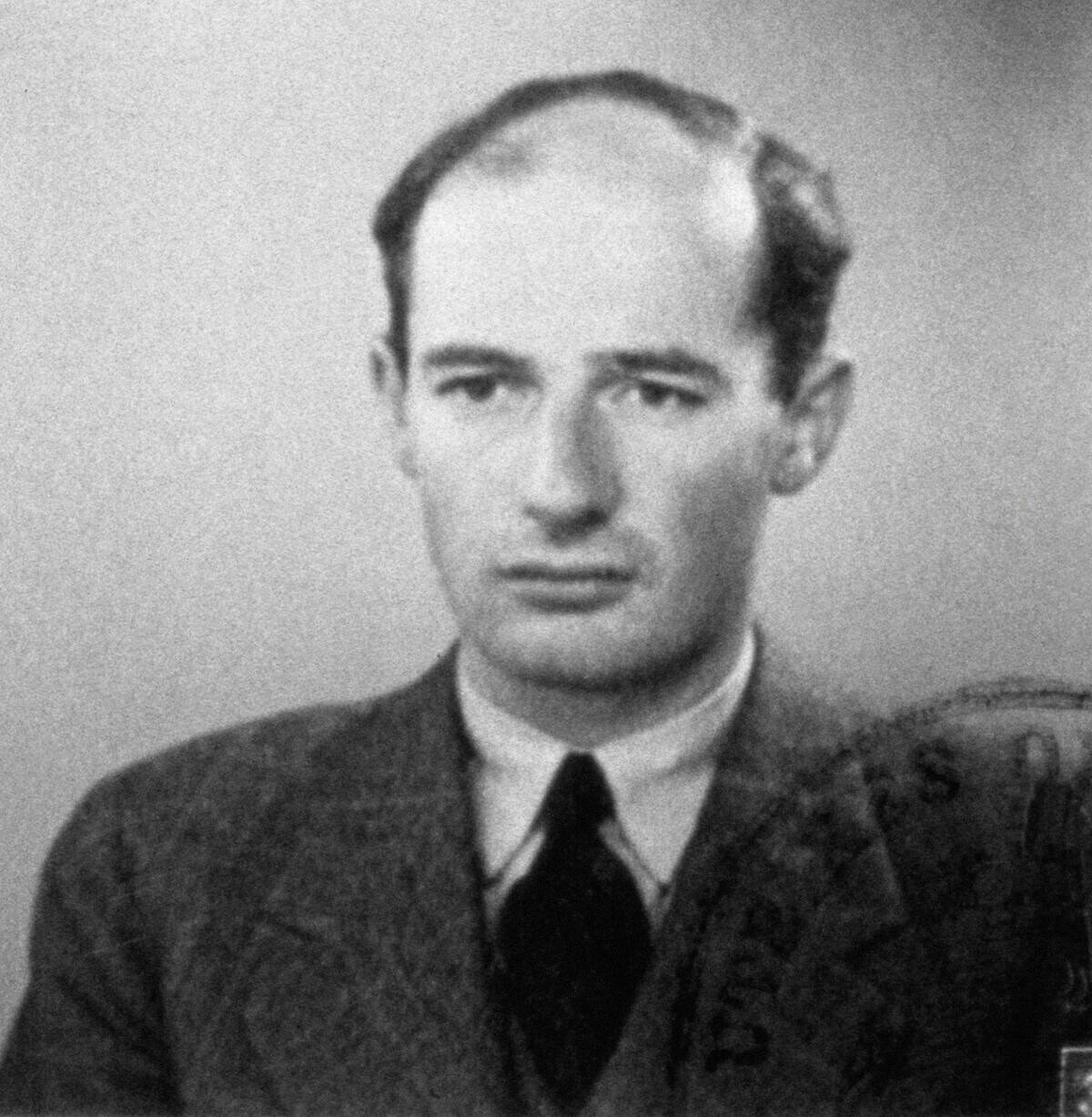
Swedish envoy Raoul Wallenberg arrived in Budapest in 1944 and used protective passports and safe houses to shield tens of thousands of Jews from deportation. When the Red Army entered the city, Soviet counterintelligence detained Wallenberg on January 17, 1945. Moscow later claimed he died of a heart attack in Lubyanka Prison on July 17, 1947, a statement unsupported by a body or independent records. Sweden pressed for decades; the file remained opaque.
Post‑Soviet document releases added fragments but not closure. Some prisoners reported sighting a foreigner matching Wallenberg’s description in later years; others insisted the 1947 death was accurate. Multiple countries have granted him honorary citizenship in recognition of his rescue work. In the end, one of World War II’s bravest civilian stories dissolves into the Cold War’s most impenetrable bureaucracy, and the ledger of lives saved stands beside a single missing name.
Everett Ruess: the desert wanderer who left only carvings
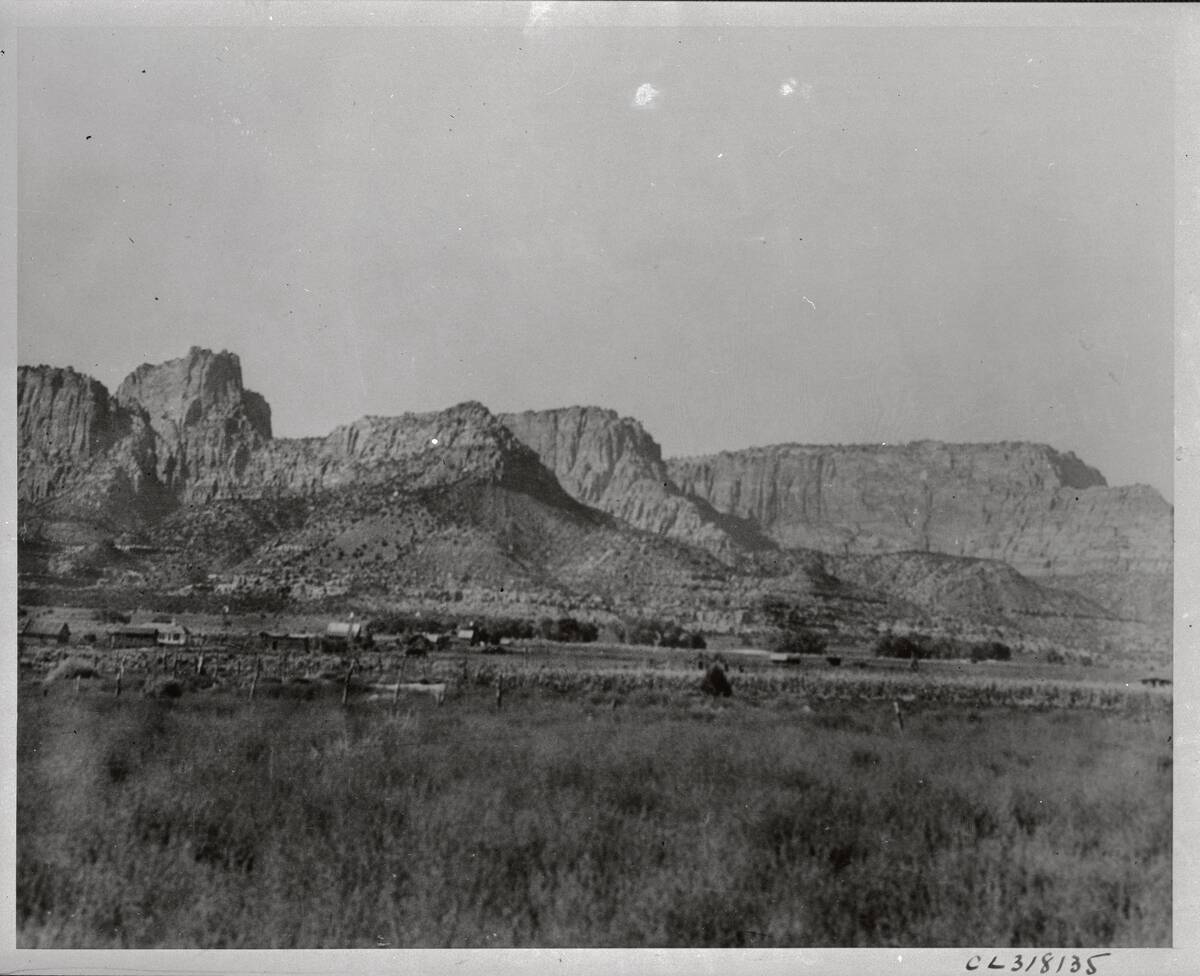
In 1934, 20‑year‑old artist and writer Everett Ruess headed alone into the slickrock labyrinths near Escalante, Utah. He corresponded with family from the settlement of Escalante and was last definitively traced to Davis Gulch. His burros were later found, but not Ruess. He often signed “NEMO” on canyon walls; one such inscription dated 1934 sits near an alcove in Davis Gulch—an eerie autograph for a traveler who relished solitude under the high desert sky.
In 2009, bones found on Navajo Nation land were briefly heralded as his, but DNA testing later disproved the match. Searchers have peered into potholes, pour‑offs, and slots that can swallow evidence forever. Ruess’s letters mixed youthful bravado with an almost professional awe at sandstone. If the desert granted his wish to disappear into it, it did so with uncompromising elegance and no forwarding address.
Henry Hudson: the explorer set adrift after a mutiny
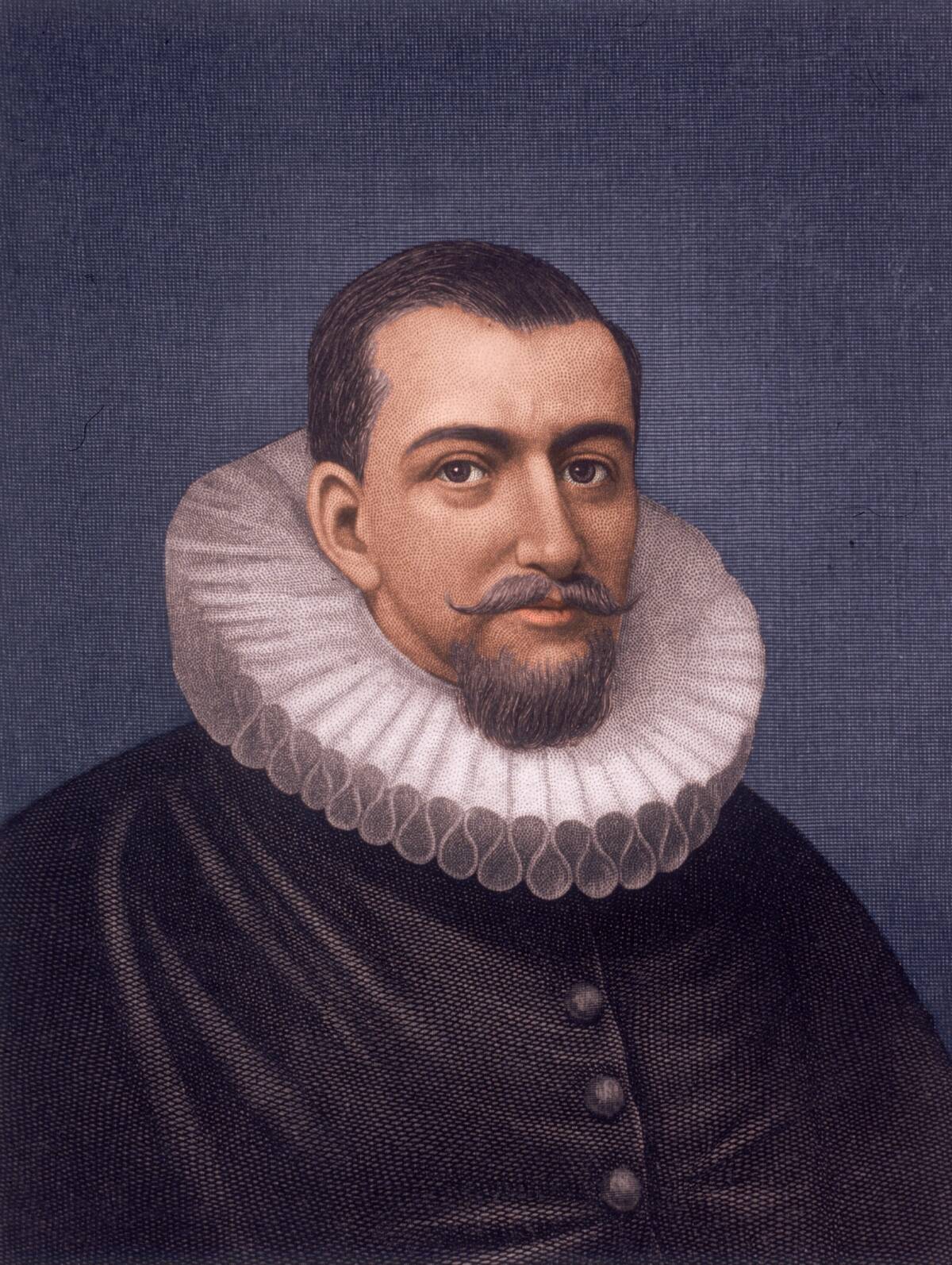
In 1610–11, English navigator Henry Hudson pushed his ship Discovery into the vast inland sea that now bears his name, seeking a route to Asia. As ice trapped the crew over winter and rations failed, tempers snapped. In June 1611, near the mouth of what’s now the Hudson Bay’s eastern channels, mutineers forced Hudson, his teenage son John, and loyal crew into a small boat and cut them adrift.
They were never seen again by Europeans.
The mutineers staggered home through additional calamity; some were later tried in England but not executed specifically for mutiny. Arctic archaeology hasn’t produced Hudson’s camp or remains, and Inuit oral histories don’t close the case. What survives is the map: a giant inland water he charted and the Atlantic namesake river he sailed earlier. Exploring promised glory; the ice collected its bill, with interest.
Charles Kingsford Smith: an aviation legend’s final flight
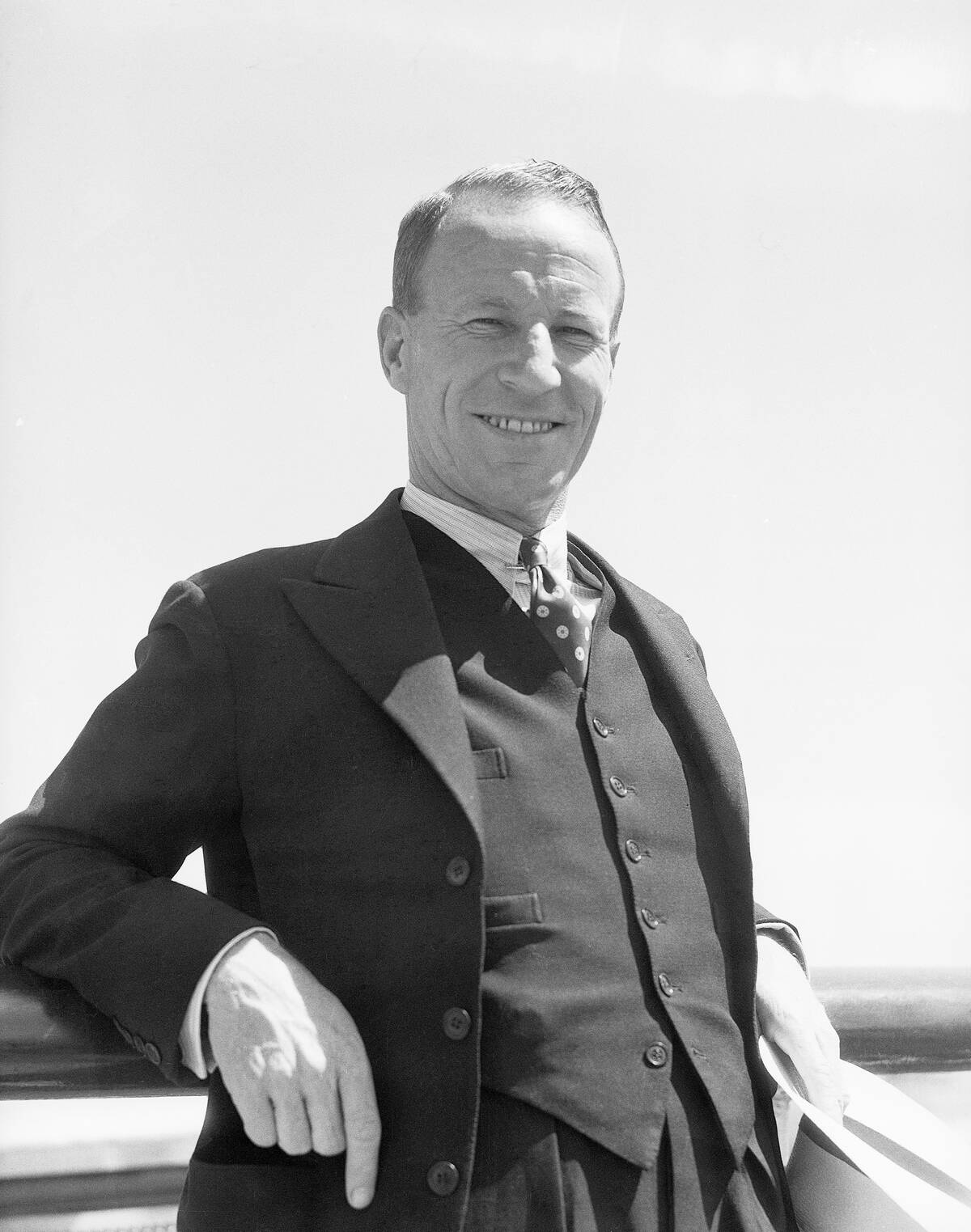
Sir Charles Kingsford Smith, who made the first trans‑Pacific flight from the United States to Australia in 1928, vanished on November 8, 1935. Flying the Lockheed Altair Lady Southern Cross on a record attempt from England to Australia, he and co‑pilot Tommy Pethybridge disappeared at night between Allahabad and Singapore, last reported near the Burmese coast. Search efforts focused on the Andaman Sea and approaches to the Gulf of Martaban, but nothing clear emerged initially.
In 1937, Burmese fishermen recovered an undercarriage leg with a wheel near Aye Island, widely accepted as from his Altair. Later claims of wreck sites have flickered in and out, but no full recovery has followed. Australia’s main Sydney airport bears his name, anchoring a résumé that includes the first nonstop Australia–New Zealand flight. His last line reads like early aviation itself: long on audacity, short on margin.
Jim Thompson: the silk king who disappeared on a Sunday stroll
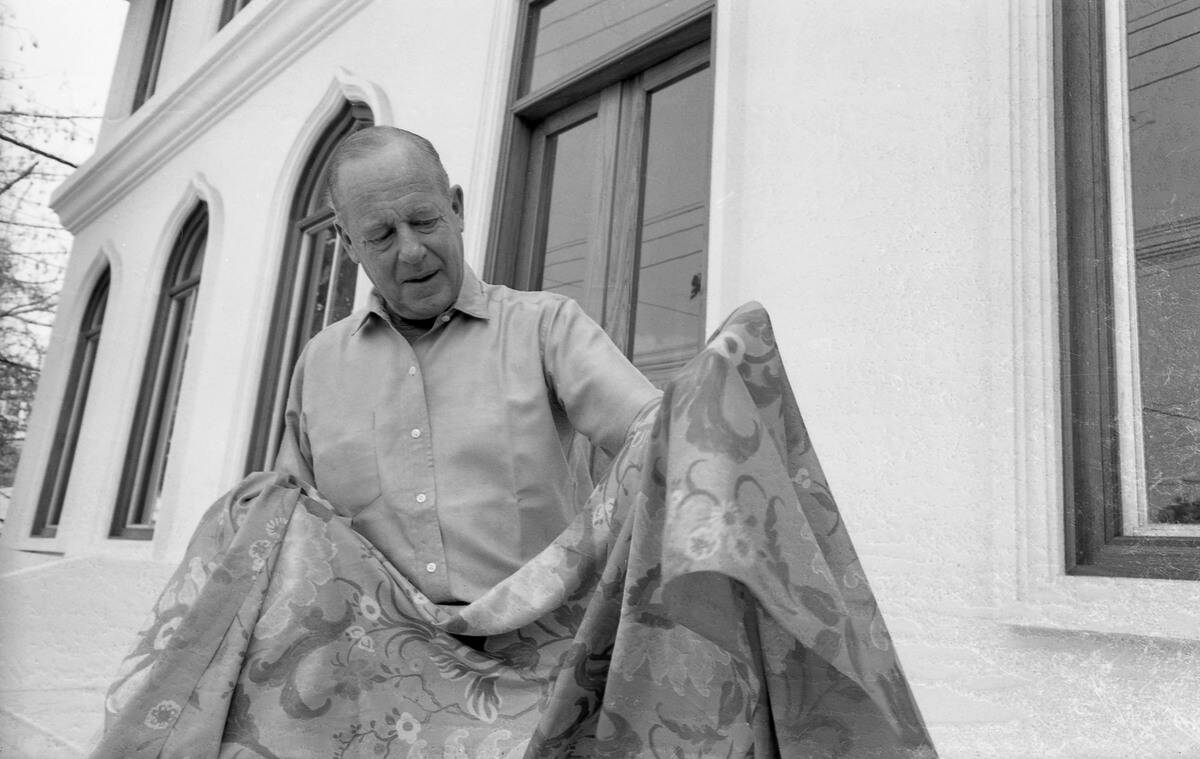
On March 26, 1967—Easter Sunday—American entrepreneur Jim Thompson left a bungalow in Malaysia’s Cameron Highlands for an afternoon walk and never returned. The former OSS officer had revived Thailand’s hand‑woven silk industry after World War II, co‑founding the Thai Silk Company and dressing Broadway’s The King and I. His Bangkok home, assembled from traditional teak houses, later became a museum. In the Highlands, searchers deployed Gurkha troops and trackers across ridges and tea estates.
No verified trace—no clothes, watch, or remains—surfaced. Some suggest a misstep into dense ravines; others cite kidnapping or espionage, though no official probe proved foul play. Thompson’s disappearance remains one of Southeast Asia’s most famous cold cases, partly because he’d stitched himself into the region’s cultural fabric. For a man who made brilliant colors, the final fade was absolute.




