Facts about historical spies who used animals as messengers
Throughout history, animals have played intriguing roles in the shadowy world of espionage. From ancient times to modern conflicts, these creatures have been enlisted for their unique abilities, offering invaluable support to human intelligence efforts.
Whether through their acute senses, natural behaviors, or sheer presence, animals have helped shape the course of history in ways that are often overlooked. In this article, we’ll explore some of the fascinating ways our fellow earthlings have been woven into the tapestry of spycraft.
The Role of Pigeons: The Feathered Couriers of War
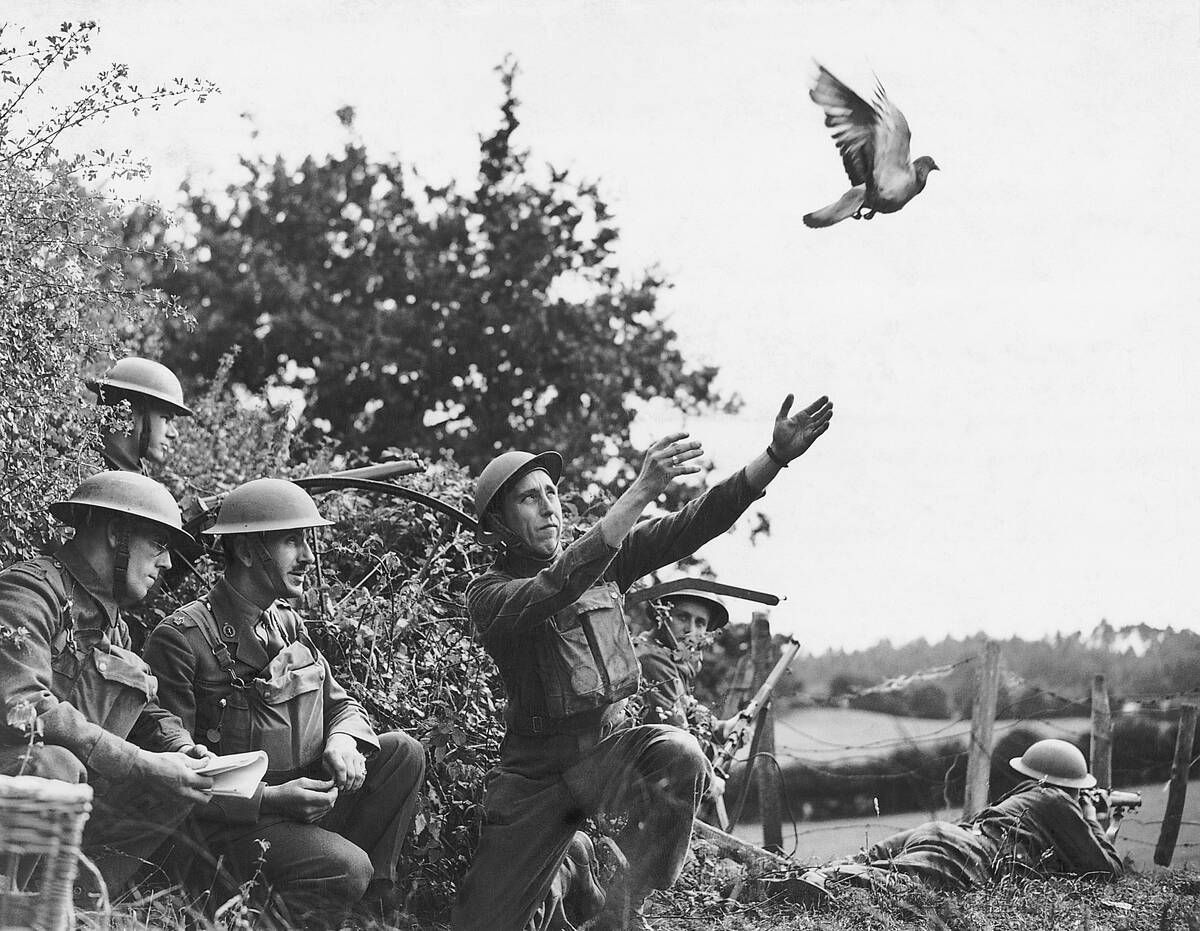
Pigeons have long been celebrated for their homing abilities, making them ideal messengers during wartimes. During both World Wars, these birds delivered crucial messages across enemy lines, often flying hundreds of miles to reach their destinations.
One famous pigeon, Cher Ami, saved nearly 200 soldiers during World War I by delivering a message under heavy fire. Their reliability in communication has earned pigeons a place of honor in military history, proving that sometimes the simplest methods are the most effective.
Cats in Cloak and Dagger: Feline Agents in History
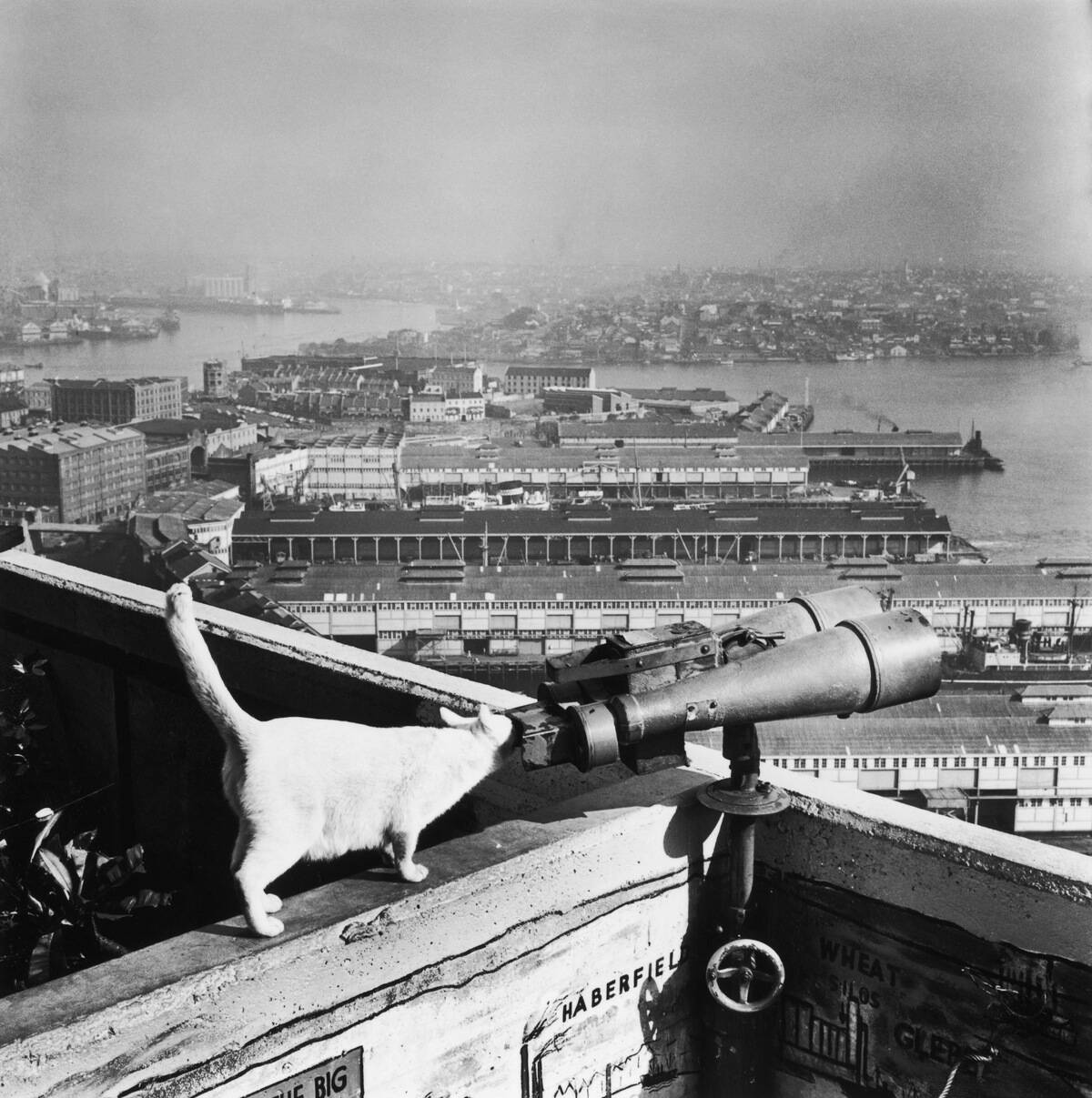
Cats have been more than just companions; they’ve played roles in espionage as well. In the 1960s, the CIA attempted to use cats as listening devices in a project known as Acoustic Kitty. The idea was to implant microphones in cats to eavesdrop on Soviet operatives.
Although the program was ultimately unsuccessful, it highlighted the ingenuity and sometimes bizarre lengths intelligence agencies will go to in their quest for information. Nevertheless, cats remain enigmatic creatures with a knack for stealth.
Dogs on Duty: Man’s Best Friend and Secret Messenger
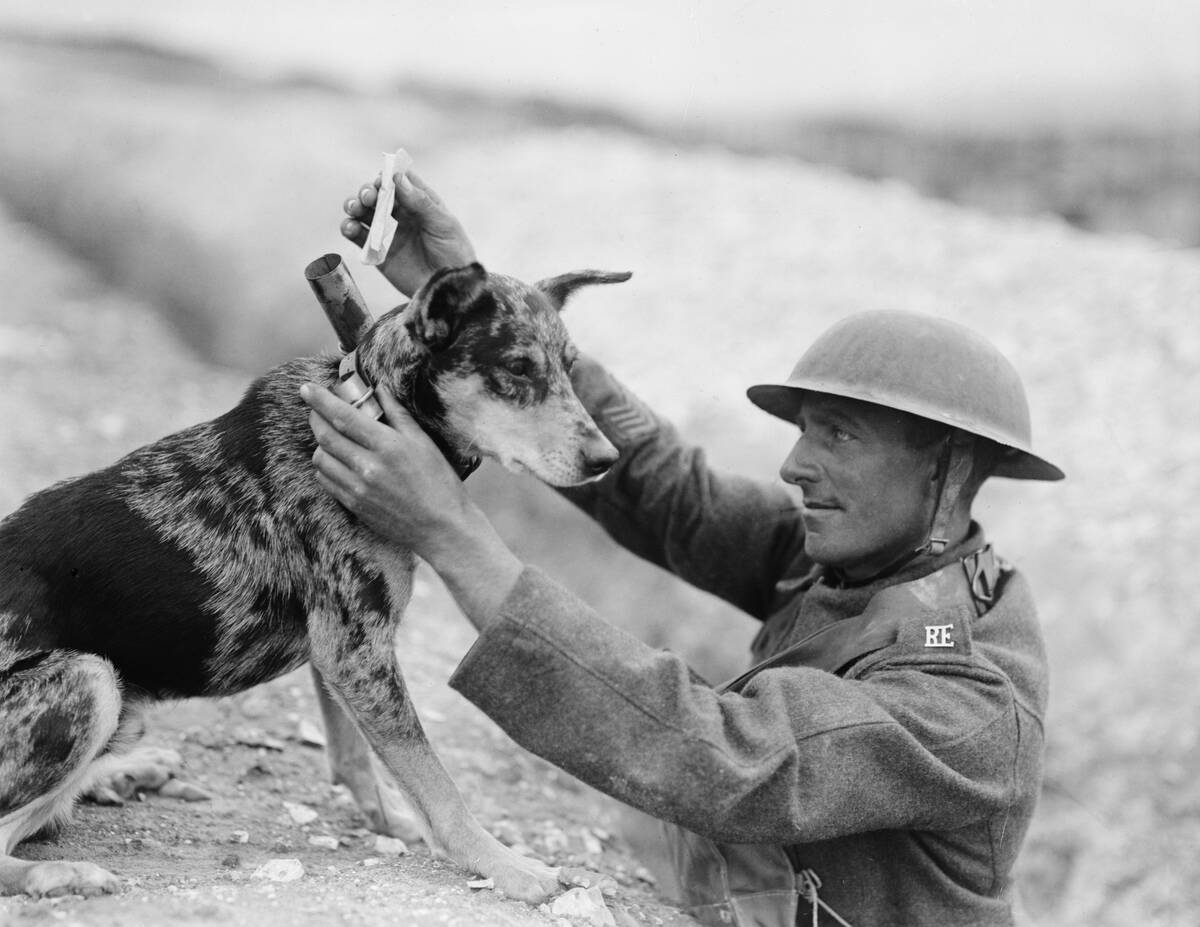
Dogs have been used in various espionage roles throughout history, serving as both messengers and detection agents. During World War II, dogs were trained to carry messages through dangerous territory, often saving lives with their speed and sense of direction.
Their keen sense of smell also made them excellent at detecting explosives and hidden enemies. These loyal companions have time and again proven their worth in the field, cementing their status as valuable partners in military and security operations.
Dolphins in Deep Cover: Naval Intelligence with a Splash
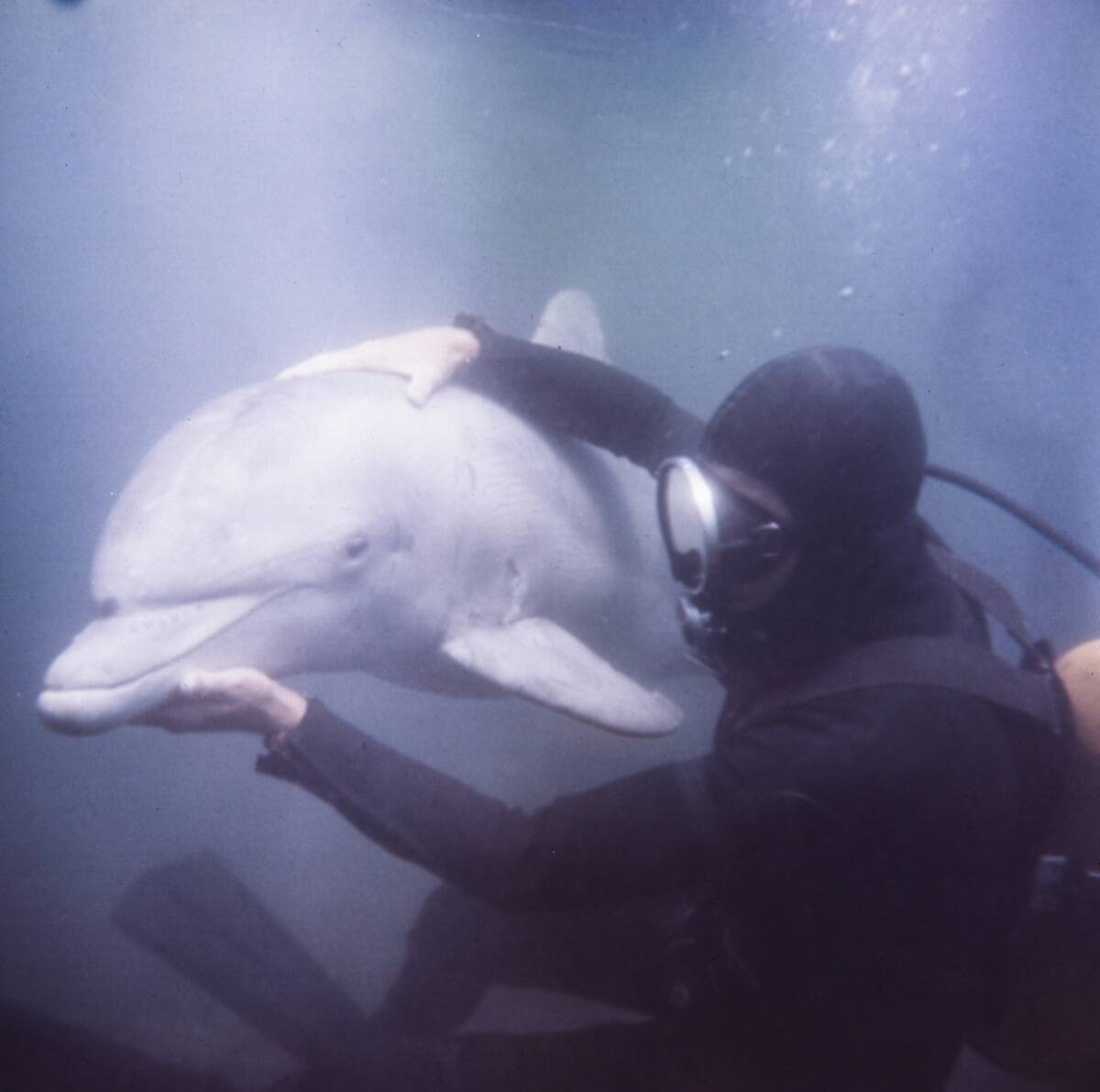
Dolphins are known for their intelligence and agility, which have made them valuable assets in naval operations. The U.S. Navy has utilized dolphins for tasks such as detecting underwater mines and enemy divers.
Their echolocation abilities are particularly useful in the murky depths of the ocean, where traditional sonar might fail. Dolphins have been trained to mark the location of dangerous objects, providing a crucial edge in underwater intelligence and defense strategies.
Feathers and Furtiveness: Parrots as Covert Communicators
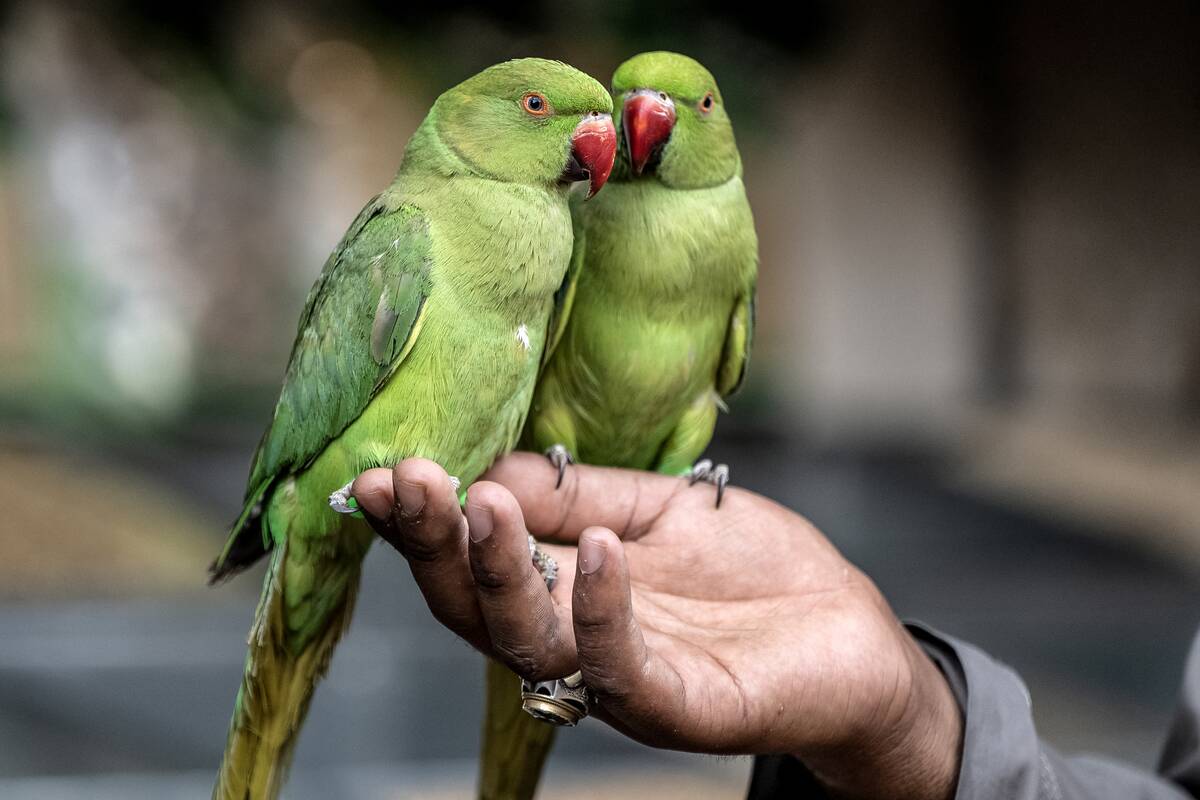
Parrots, with their ability to mimic human speech, have played quirky roles in espionage. While their role as spies may not be as documented as other animals, their linguistic abilities make them intriguing candidates for covert operations.
Parrots remind us that sometimes espionage can be as much about creativity as it is about strategy, blending the unexpected with the practical.
Elephants in Espionage: Large-Scale Secret Keepers

Elephants have been used for centuries in warfare, and their role in espionage is just as fascinating. Their strength and ability to navigate difficult terrains made them ideal for transporting heavy loads, including secret materials, across challenging landscapes.
In modern times, elephants have been used in anti-poaching patrols, their intelligence and memory making them adept at tracking poachers. Their size and presence continue to be a formidable force in both military and conservation efforts.
Honey Traps and Homing Bees: The Buzz on Insect Spies
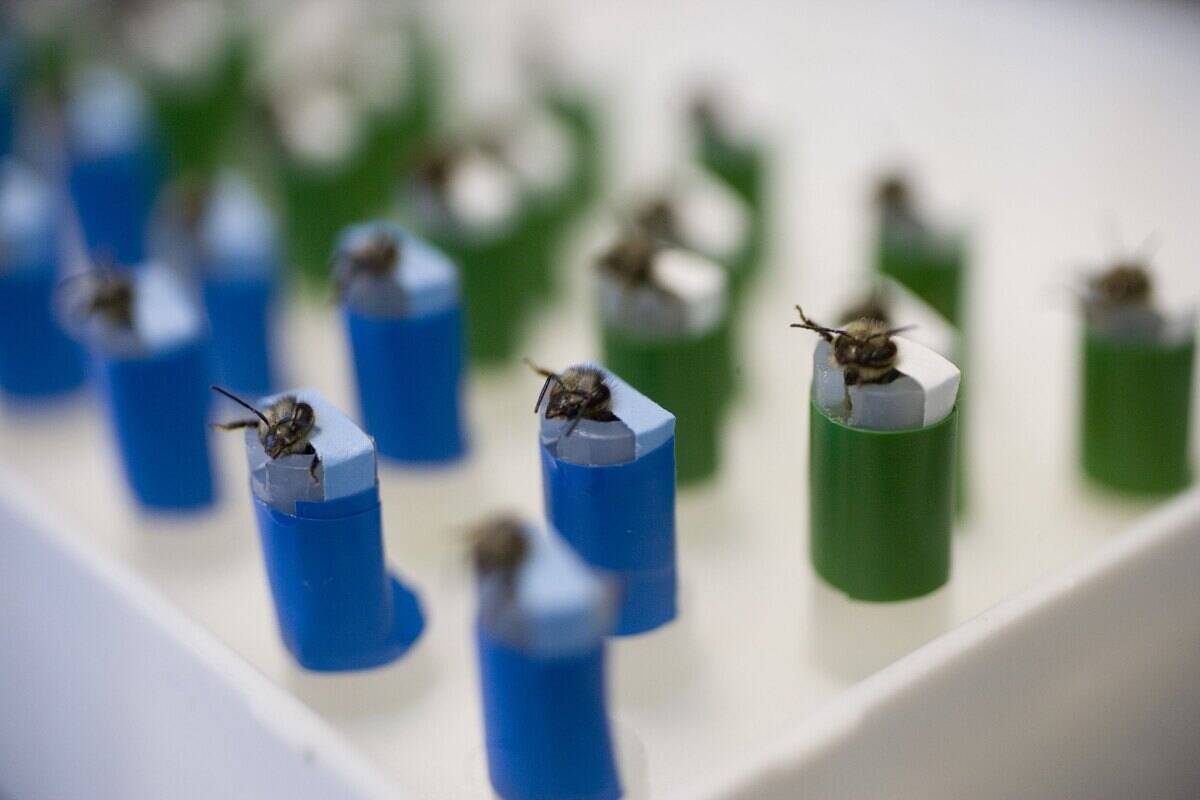
Bees have been researched for detection purposes, particularly in identifying explosives, though their role is more aligned with security and scientific research than traditional espionage.
Research has shown that bees can be trained to respond to specific scents, making them potential allies in locating dangerous substances. These tiny agents demonstrate that sometimes the smallest creatures can have the biggest impacts in the world of espionage.
Horses with Hidden Agendas: Equine Espionage Efforts
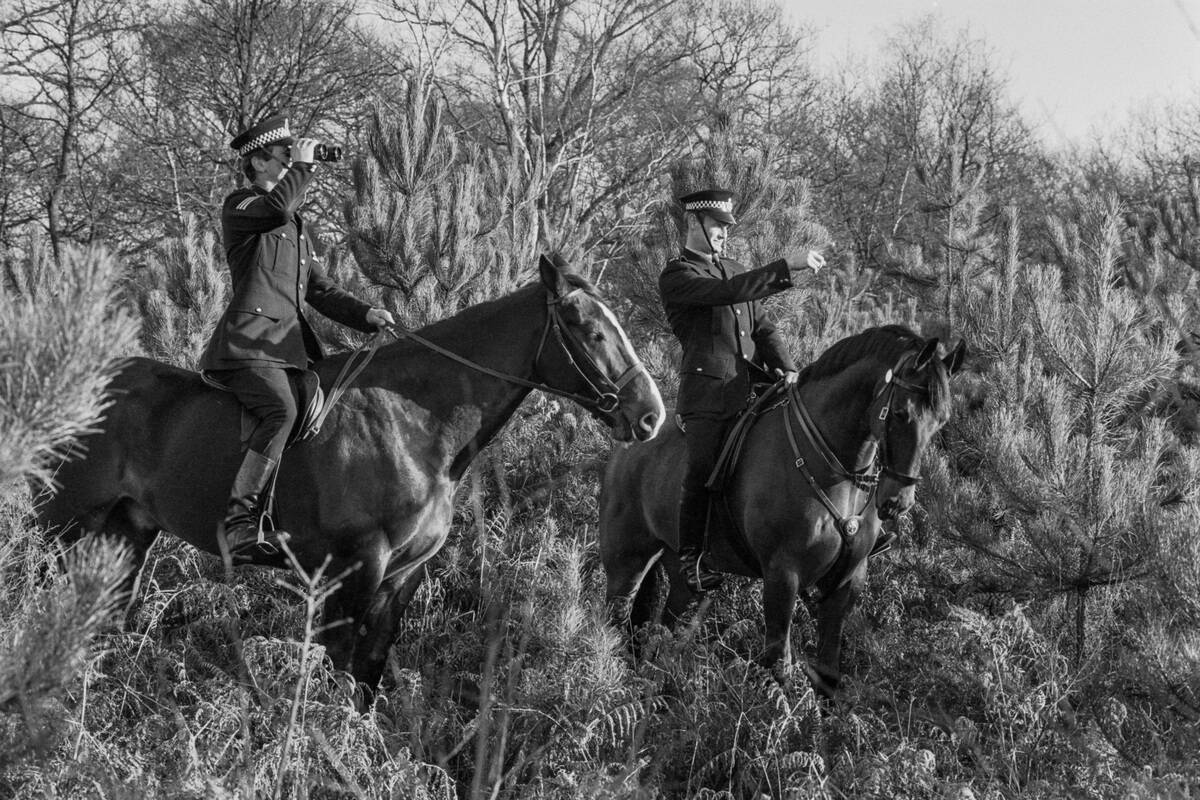
Horses have been indispensable in military history, not only for their speed and endurance but also for their roles in warfare. During wars, they were used to deliver messages and carry spies across enemy lines.
Their ability to cover long distances quickly made them invaluable in maintaining communication channels. In historical contexts, horses have also been used to smuggle goods and information, proving that their contributions to espionage were as varied as they were vital.
Ferrets on a Mission: Small but Mighty Messengers

Ferrets, with their slender bodies and inquisitive nature, have been employed in special operations due to their ability to navigate tight spaces. In military context, ferrets were used to lay cables through narrow conduits in ships and planes.
Their agility and curiosity made them perfect for tasks that required precision and stealth. These small yet tenacious creatures highlight how adaptability and resourcefulness can turn even the unlikeliest animals into espionage assets.
Bats in the Belfry: Aerial Agents of Secrecy
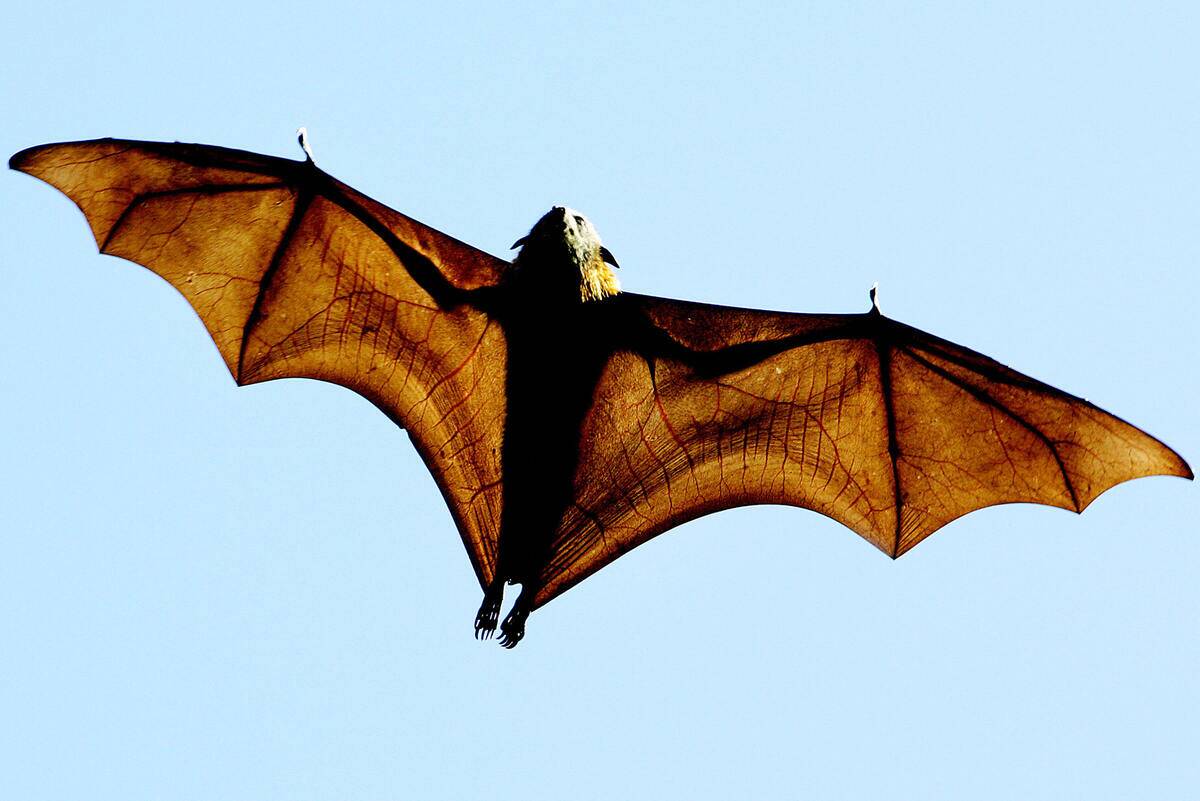
Bats have had their moment in espionage history, most notably during World War II with the Bat Bomb project. The idea was to attach small incendiary devices to bats and release them over enemy cities, where they would roost in buildings and start fires.
Although the project was ultimately scrapped, it showcased the innovative, albeit peculiar, approaches considered in warfare. Bats, with their silent flight and nocturnal habits, continue to intrigue those interested in unconventional warfare tactics.
The Curious Case of Coded Fish: Underwater Messaging Systems
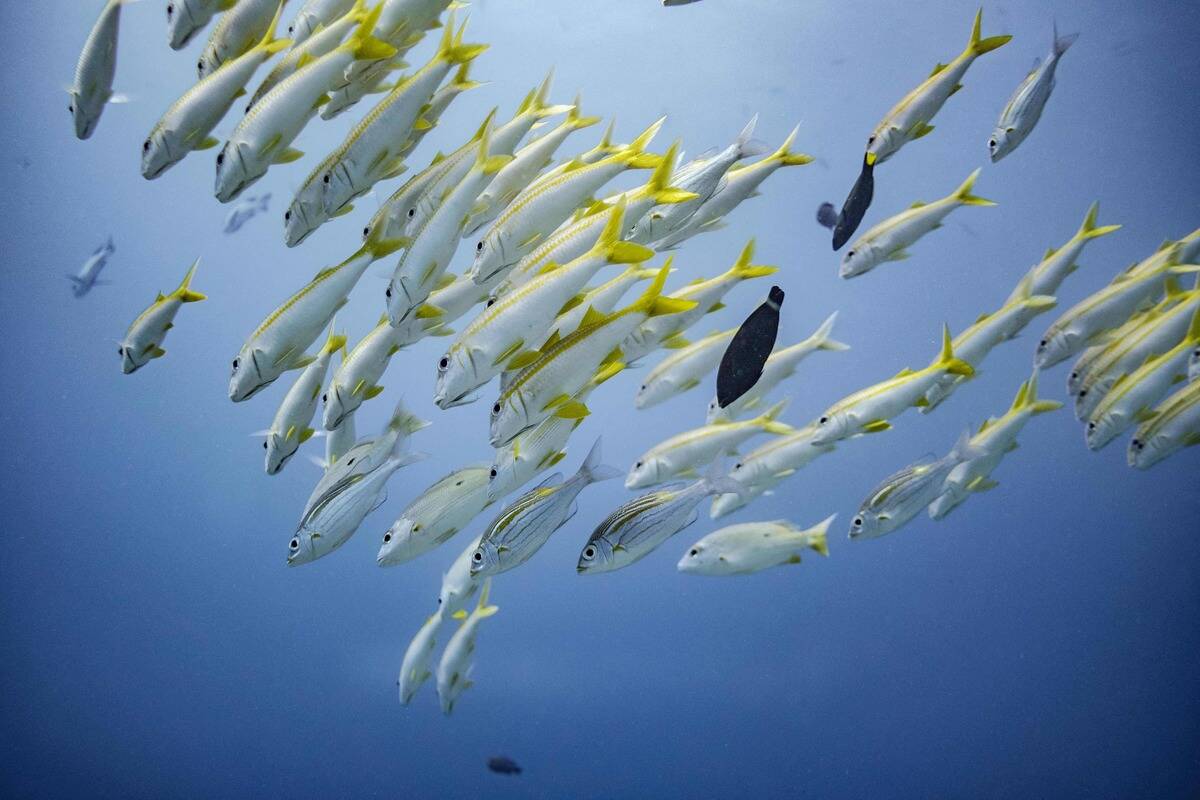
Fish might not be the first creatures that come to mind when thinking of spies, but their potential has been explored in underwater communication systems. Research into bio-acoustic signals in fish has suggested possibilities for transmitting messages covertly through water.
While still largely theoretical, the concept taps into the natural communication abilities of fish, highlighting the endless possibilities of biological systems in espionage. As technology evolves, who knows what role our finned friends might play in the future?
Monkeys in the Middle: Primate Ploys in Spycraft
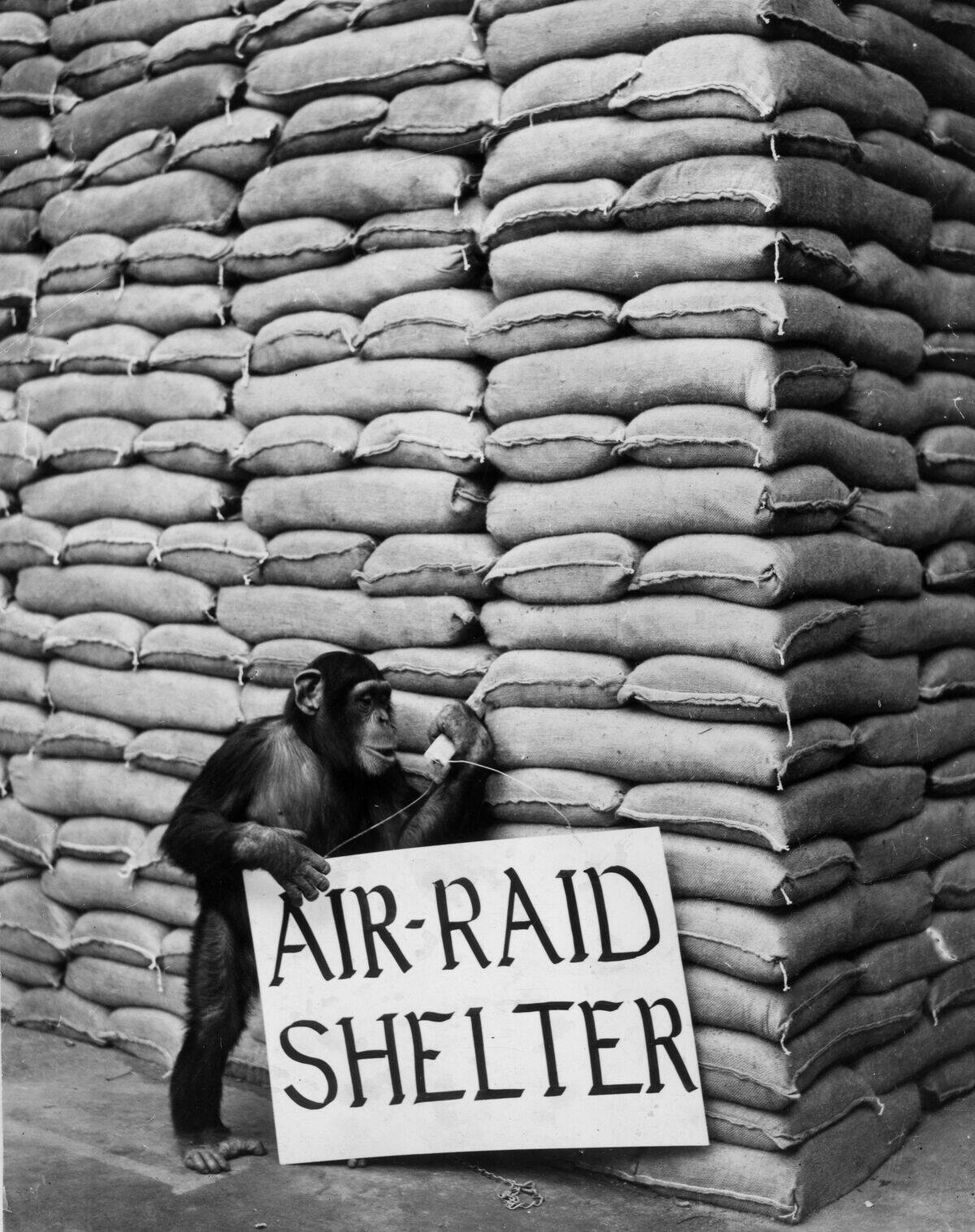
Monkeys have occasionally found themselves in the role of spies, thanks to their intelligence and dexterity. During the Cold War, there were attempts to train monkeys to gather intelligence in hostile terrains.
Their ability to navigate complex environments and interact with objects made them candidates for unconventional missions. While not widespread, the idea of using primates in espionage highlights the creative approaches that have been considered in the ever-evolving field of intelligence gathering.
Whales and Whispers: The Ocean’s Secret Agents
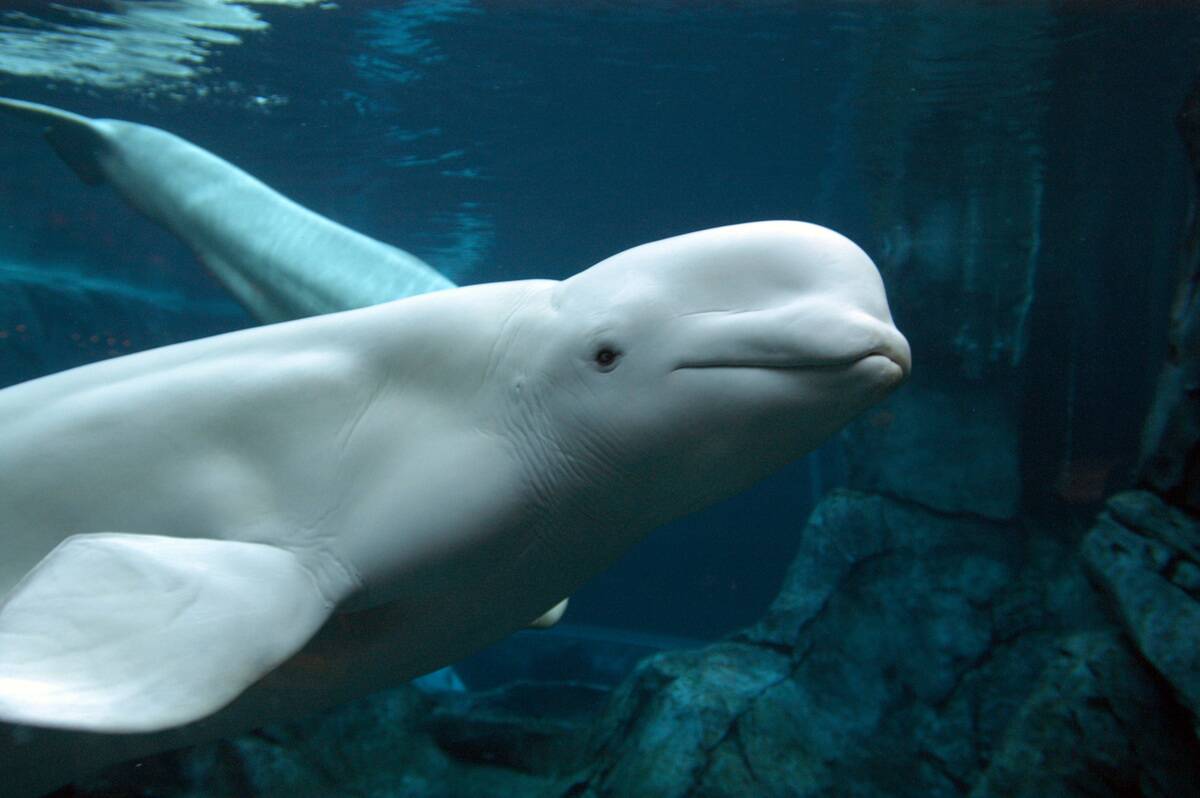
Whales have been subjects of interest for their potential in deep-sea espionage. Their size and communication capabilities make them intriguing candidates for monitoring underwater activities.
A beluga whale suspected of being a Russian spy was discovered off the coast of Norway, wearing a harness that could hold surveillance equipment. This incident drew attention to speculation about the possible military training of marine mammals, though definitive evidence of espionage use in that specific case was not confirmed.
The Human-Animal Bond in Espionage: Trust and Training
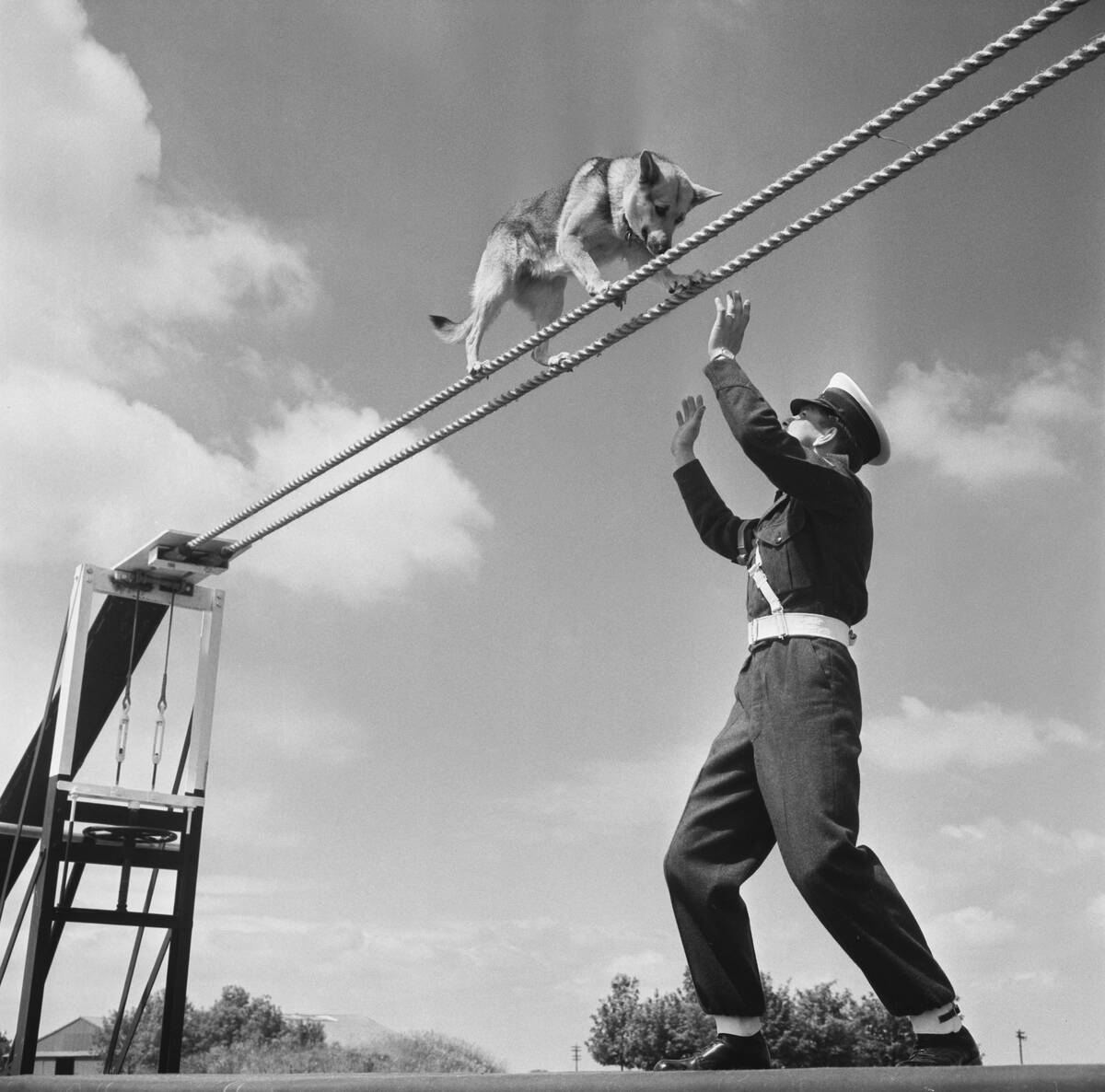
The success of using animals in espionage relies heavily on the bond between humans and animals. Training these creatures for intelligence roles requires patience, trust, and understanding of their natural behaviors.
Handlers must create environments where animals feel secure and are motivated to perform tasks. This bond not only ensures effective communication and cooperation but also highlights the unique partnership that can exist between species, emphasizing the importance of effective training methods and handler-animal cooperation in operational roles.
Modern Reflections: How Animal Spies Influenced Current Intelligence Methods
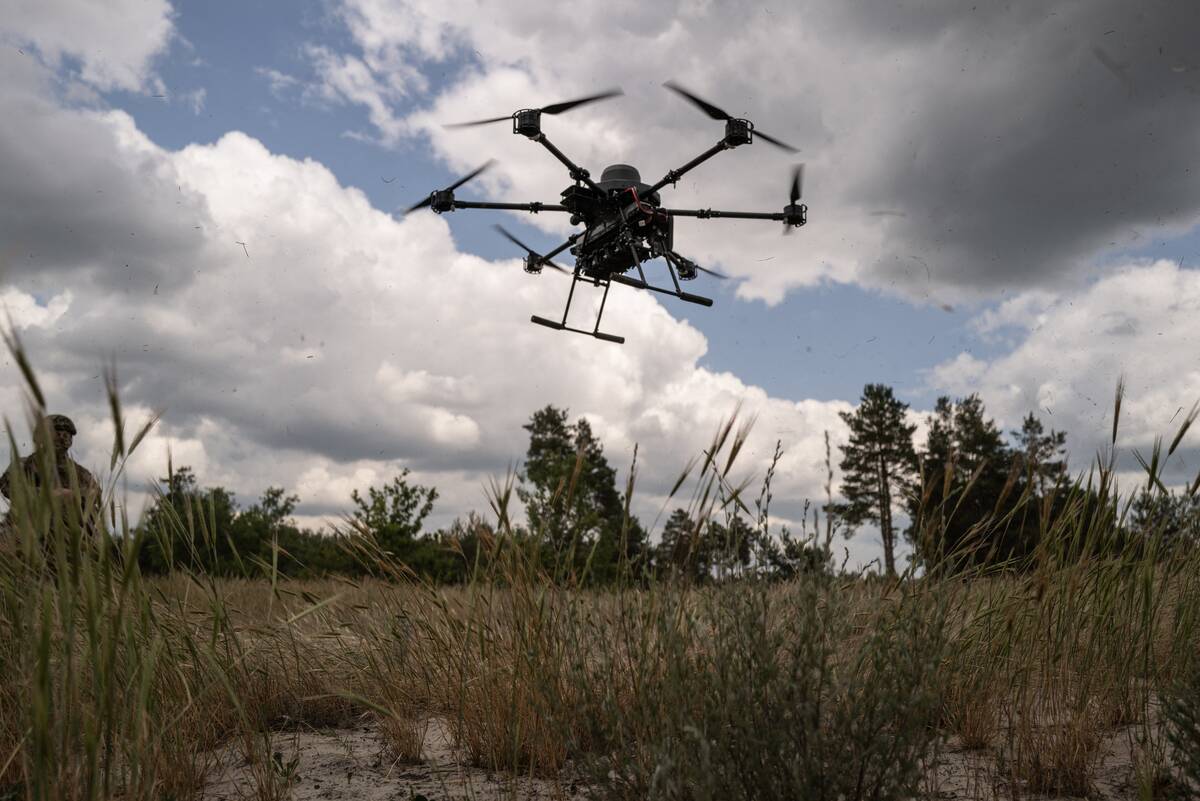
While technology has advanced, the principles learned from using animals in espionage continue to influence modern intelligence methods. Drones, for example, mimic the flight patterns and reconnaissance abilities of birds, while biomimicry in robotics often takes inspiration from animal behaviors.
These advancements reflect the enduring impact of animal spies, proving that nature remains a formidable teacher in the art of intelligence. As we look to the future, the lessons learned from our animal counterparts will undoubtedly continue to shape the field of espionage.




