Why some technologies vanish completely
In the fast-paced world of technology, it’s all too easy to take our gadgets for granted. Yet, many of the devices we once adored have vanished almost as suddenly as they appeared.
Think about the floppy disk or the pager; they were once considered cutting-edge but now seem like distant memories. This article delves into the fascinating world of vanishing technologies, exploring the various factors that contribute to their rise and fall.
The Evolution of Technology Over Time
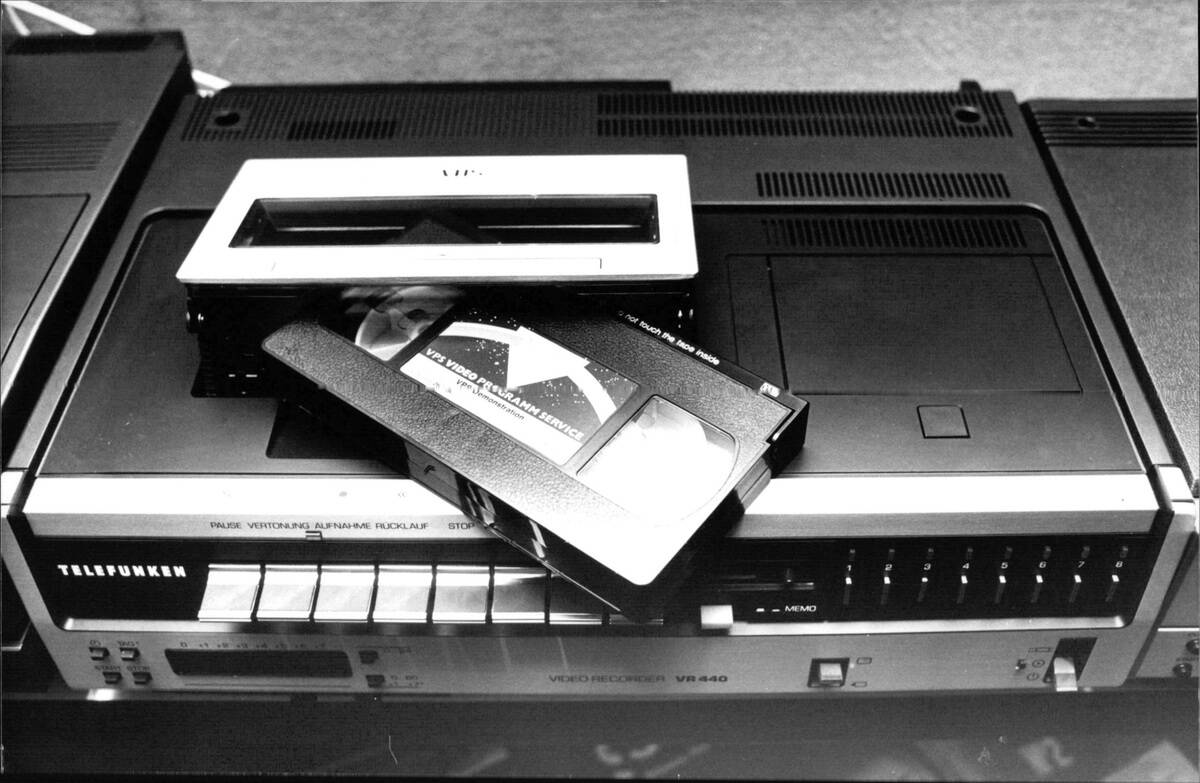
Technology is in a constant state of evolution, much like a living organism adapting to its environment. Remember when VHS tapes were all the rage before DVDs and Blu-rays took over?
It’s a classic example of how newer, more efficient technologies replace older ones. The evolution of the smartphone is another case in point, with each iteration packing more power and functionality into a sleeker design.
The Role of Consumer Preferences

Consumer preferences can make or break a technology. Take, for instance, the abrupt decline of physical music formats in favor of streaming services.
As people sought convenience and instant access over tangible ownership, platforms like Spotify and Apple Music soared. This shift highlights how consumer demands can dictate the life span of technology, pushing businesses to adapt or risk obsolescence.
Technological Redundancy and Obsolescence

As newer technologies emerge, older ones often become redundant. The transition from typewriters to computers is a textbook case of technological obsolescence.
While typewriters served their purpose for decades, the advent of word processors offered unparalleled convenience and efficiency. This redundancy is a natural progression in the tech world, often leading to the demise of once-popular devices.
The Impact of Market Competition

Market competition plays a significant role in the lifespan of a technology. For example, the battle between Android and iOS has been fierce, with both sides innovating rapidly to capture market share.
Such competitive dynamics can lead to the extinction of less adaptable technologies, as companies strive to outdo each other with cutting-edge features and better user experiences.
The Influence of Economic Factors

Economic factors can greatly influence which technologies thrive and which fade away. During economic downturns, consumers may be less likely to invest in new technology, slowing adoption rates.
Conversely, a booming economy can accelerate technological advancement as both companies and consumers have more resources to invest in innovation. This cyclical nature of the economy often dictates the pace at which technology evolves.
Case Study: The Rise and Fall of Betamax

Betamax, developed by Sony, was once a formidable player in the home video market. Lauded for its superior picture quality, it seemed poised for success. However, VHS, backed by JVC, offered longer recording times and quickly gained consumer favor.
Despite its technical advantages, Betamax couldn’t compete with the market dominance of VHS, illustrating that consumer priorities can outweigh technological superiority.
Environmental and Sustainability Concerns

Environmental and sustainability concerns are increasingly influencing technology development. As awareness of electronic waste grows, consumers and companies alike are seeking eco-friendly alternatives.
For instance, the push towards renewable energy sources and biodegradable materials is reshaping product design. Technologies that fail to align with these values risk being phased out in favor of more sustainable options.
Cultural Shifts and Technological Relevance

Cultural shifts can dramatically alter the relevance of technology. The move towards remote work and virtual communication during the pandemic saw video conferencing tools skyrocket in importance.
Conversely, technologies that once thrived in a different cultural context may become obsolete if they fail to adapt. This underscores the importance of cultural awareness in maintaining technological relevance.
Regulatory and Legal Challenges

Technologies can also be stymied by regulatory and legal challenges. For example, privacy concerns and data protection laws have impacted the development and adoption of facial recognition technologies.
Companies must navigate a complex web of regulations to ensure compliance. Failure to do so can result in technologies being banned or severely restricted, impacting their viability in the market.
The Role of Innovation and Breakthroughs

Innovation and breakthroughs are the lifeblood of technology. Breakthroughs in AI and machine learning have opened up new possibilities, pushing the boundaries of what technology can achieve.
Innovations like blockchain have revolutionized industries, from finance to supply chain management. These advances drive the tech world forward, rendering older technologies obsolete but also paving the way for exciting new developments.
The Importance of User Adoption Rates

User adoption rates are a crucial factor in determining a technology’s success. Technologies like smartphones quickly gained traction due to their intuitive design and wide-ranging applications.
Conversely, products with low adoption rates, such as 3D televisions, often struggle to survive in a competitive market. Companies must assess user needs and preferences to ensure their technologies are embraced by the masses.
Nostalgia and the Resurgence of Old Tech

Nostalgia can bring old technologies back into the spotlight. Vinyl records, once considered obsolete, have experienced a resurgence as enthusiasts seek the tactile and auditory experience they provide.
This phenomenon highlights how emotional connections can rekindle interest in outdated technologies, sometimes even sparking new innovations that blend old charm with modern capabilities.
The Phenomenon of Planned Obsolescence

Planned obsolescence is a strategy where products are designed with a limited lifespan to encourage frequent upgrades. This practice is controversial, with critics arguing it leads to waste and environmental harm.
However, it also drives innovation, as companies constantly release updated versions to meet consumer demands. This cycle of obsolescence and renewal is a double-edged sword in the technology industry.
Lessons Learned from Disappearing Technologies

The story of disappearing technologies offers valuable lessons. It underscores the importance of adaptability and responsiveness to market trends. Companies must balance innovation with consumer needs and regulatory requirements to ensure longevity.
As technology continues to evolve, these lessons will be crucial in navigating the ever-changing landscape and avoiding the fate of becoming a forgotten relic of the past.




