What we know about the Voynich Manuscript
The Voynich Manuscript is often hailed as one of the greatest mysteries in the world of cryptography and historical manuscripts. This enigmatic book, filled with unknown script and bizarre illustrations, has baffled scholars, cryptographers, and historians for over a century.
Its allure lies in its indecipherable text and the sheer mystery of its purpose and origin. Despite numerous attempts, no one has been able to unlock its secrets, making it a perpetual source of intrigue and speculation.
The Discovery: How the Manuscript Came to Light
The manuscript was discovered in 1912 by Wilfrid Voynich, a Polish book dealer, in the library of Villa Mondragone in Italy. It was part of a collection of rare books that Voynich purchased from the Jesuit order.
The manuscript’s origins before this discovery remain largely unknown, adding another layer of mystery. Its journey from obscurity to one of the most studied artifacts in the world is a testament to its enduring enigma and the curiosity it sparks in those who encounter it.
The Uncrackable Code: A Language No One Understands
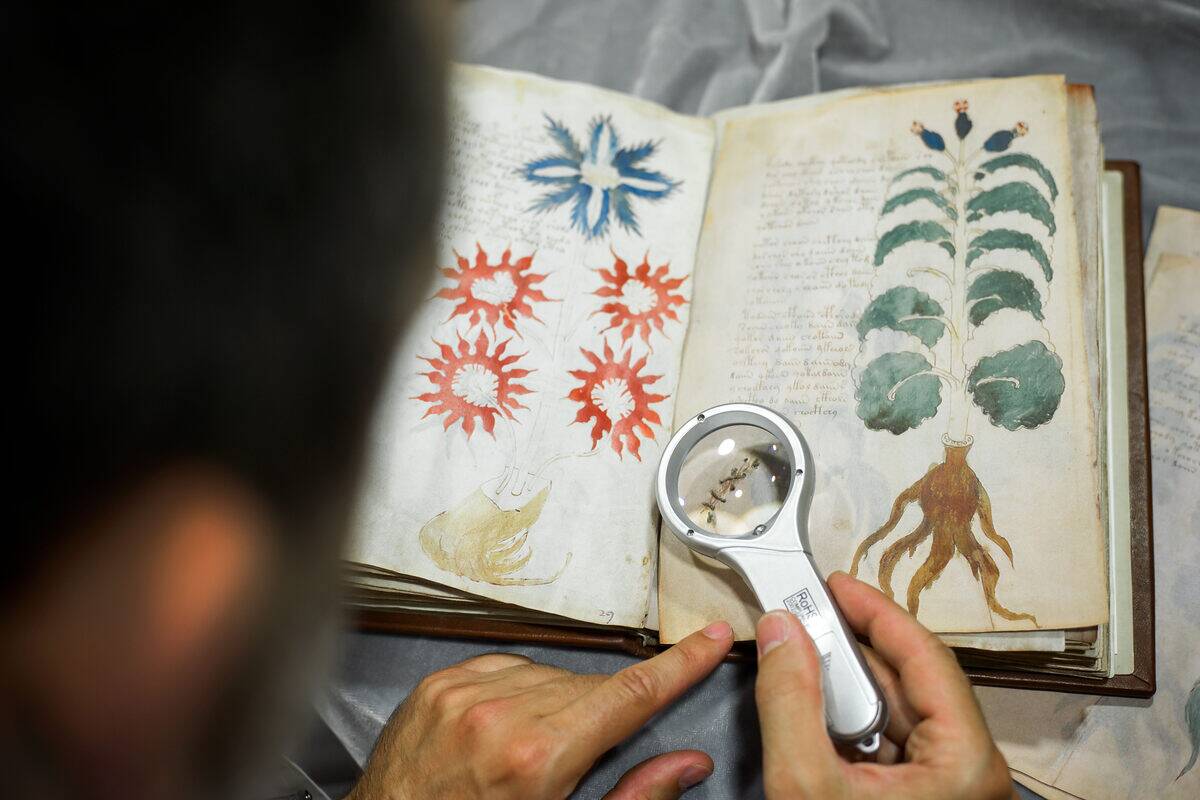
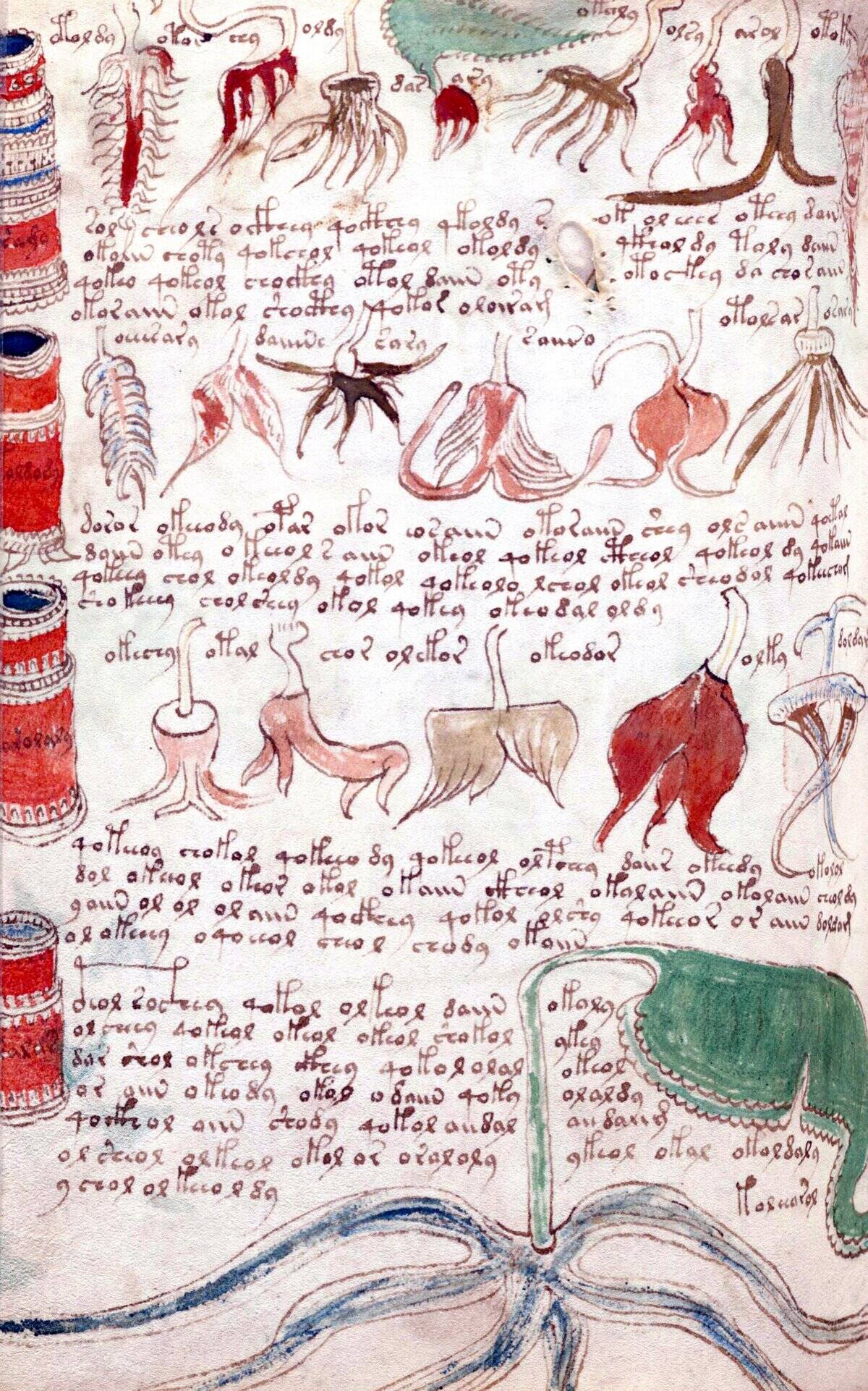
The text of the Voynich Manuscript is written in an unknown script that has puzzled linguists and cryptographers alike. Known as ‘Voynichese,’ this script consists of over 170,000 characters that do not match any known language.
Despite extensive analysis, no one has been able to translate the text or even determine its linguistic roots. The complexity and uniqueness of the script continue to challenge experts, leading to numerous theories about its origin and purpose.
The Manuscript’s Namesake: Who Was Wilfrid Voynich?
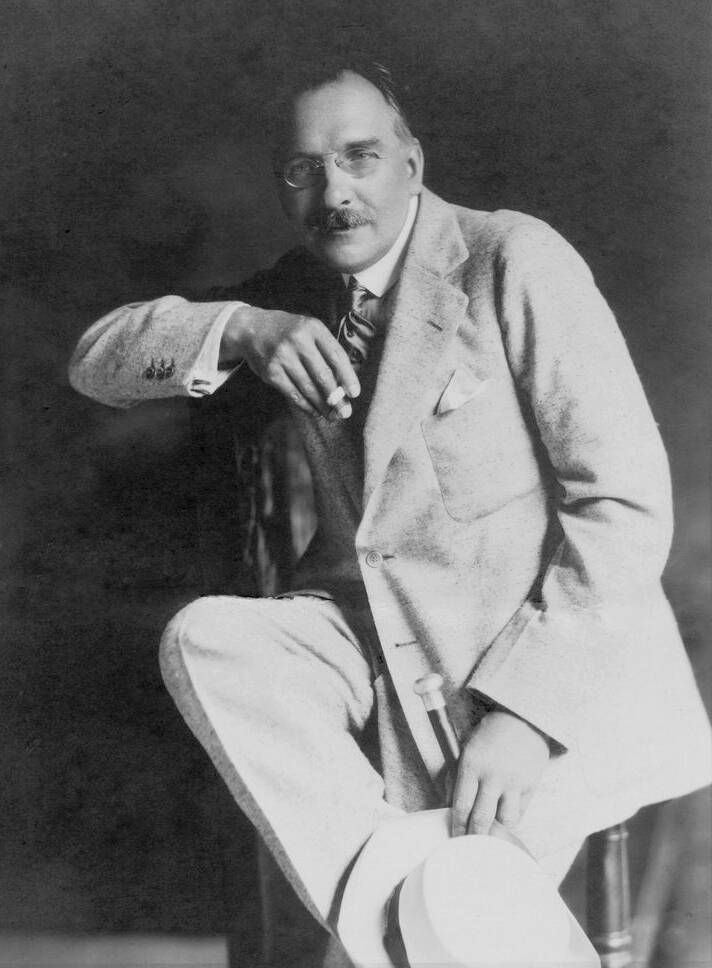
Wilfrid Voynich was a Polish-Lithuanian book dealer and antiquarian who became the manuscript’s namesake after its discovery. Born in 1865, Voynich was a revolutionary and a scholar with a keen interest in rare books and manuscripts.
His discovery of the manuscript in 1912 catapulted him into the limelight, and he spent much of his life trying to decipher its contents. His passion for the mysterious book has left a lasting legacy, with the manuscript forever bearing his name.
The Manuscript’s Age: Carbon Dating Results
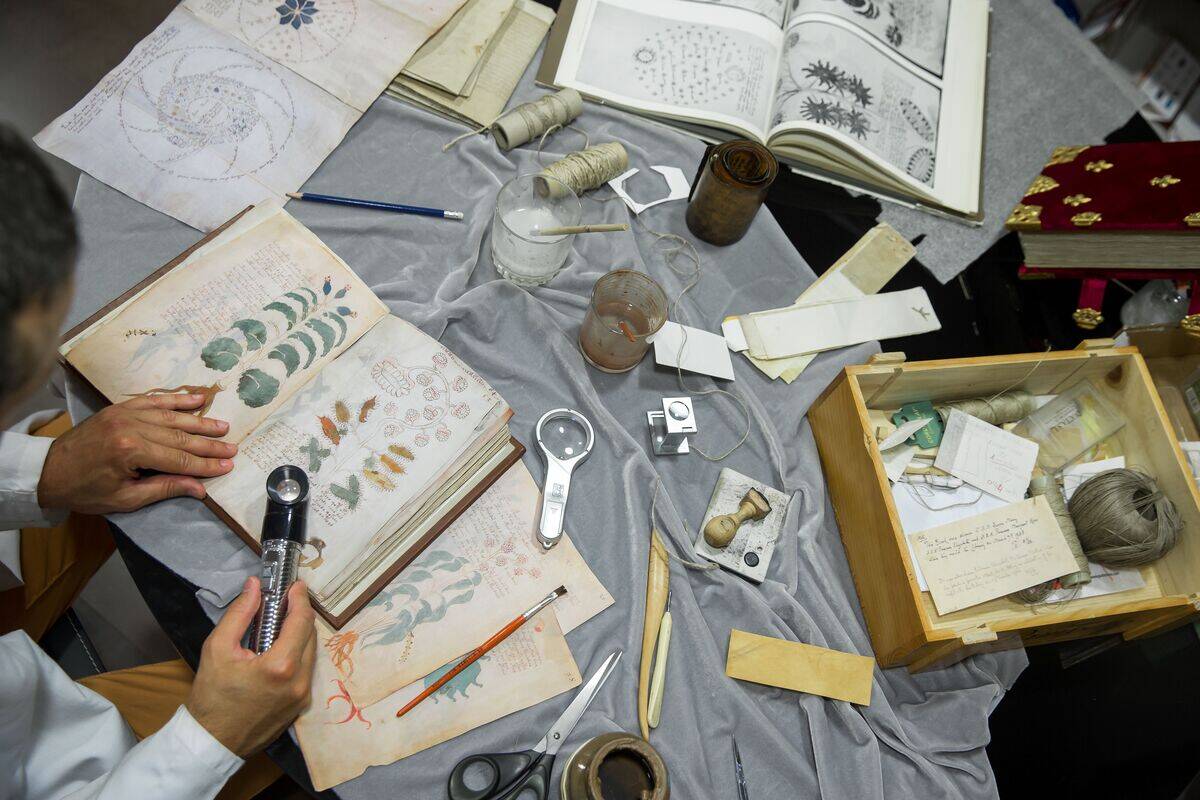
In 2009, radiocarbon dating was conducted on the manuscript’s vellum, revealing that it was created in the early 15th century, between 1404 and 1438. This dating places the manuscript in the medieval period, a time of significant intellectual and cultural development in Europe.
The results have helped narrow down its origins, but the identity of its author and the purpose of its creation remain elusive. The age of the manuscript only adds to its mystique, as it predates many known cryptographic texts.
The Unique Script: An Alphabet of Unknown Origins
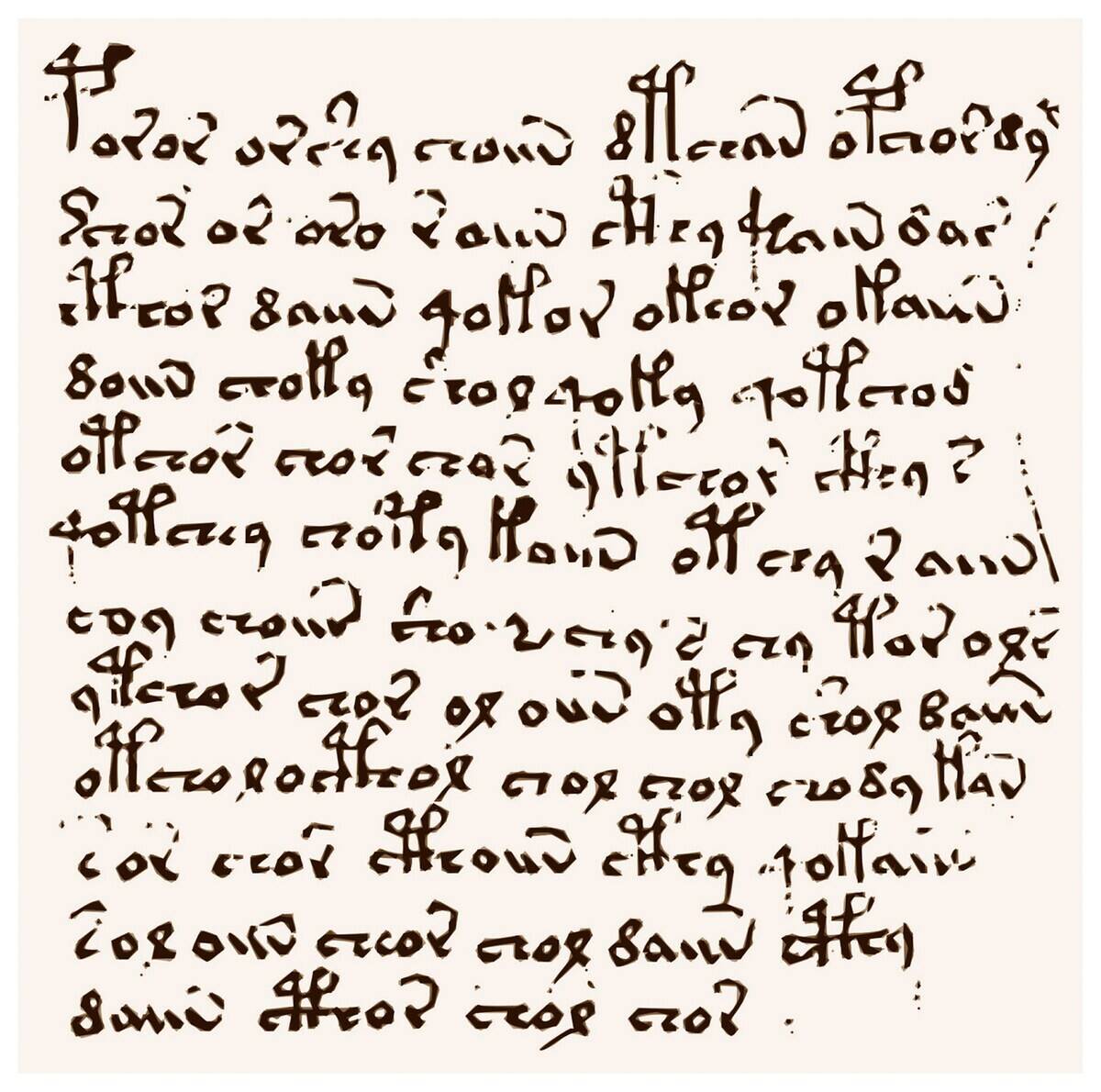
The script of the Voynich Manuscript is unlike any alphabet seen before, comprising unique characters that defy classification. Linguists have identified around 20 to 30 distinct characters, but their arrangement and usage do not correspond to any known language.
Some believe it could be an invented language or a sophisticated cipher. The script’s distinctiveness fuels ongoing debates about its origins and whether it holds the key to understanding the manuscript’s true purpose.
The Illustrations: Strange Plants and Unusual Diagrams
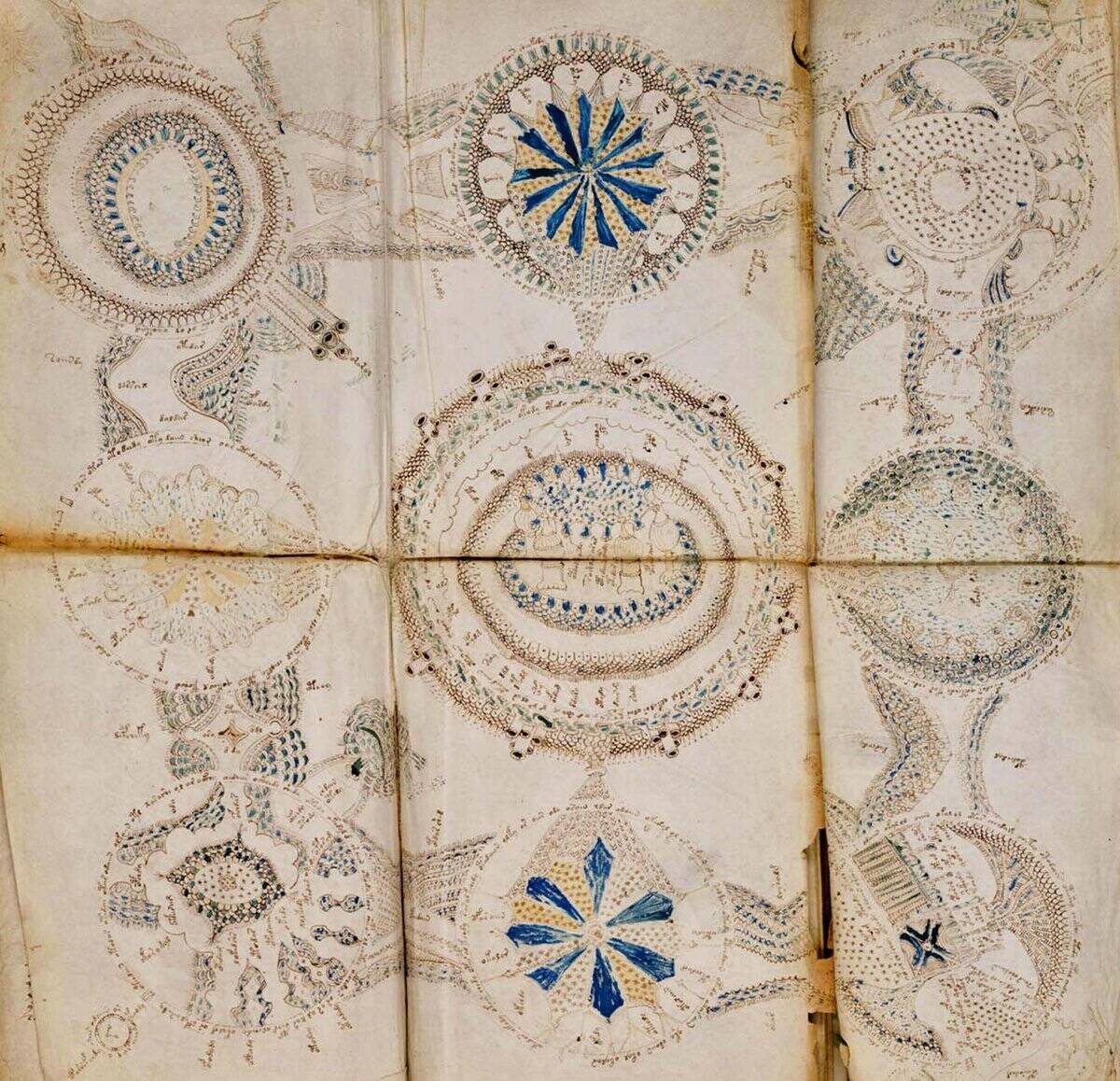
The Voynich Manuscript is renowned for its bizarre and detailed illustrations, depicting plants, astronomical diagrams, and human figures in various poses. Many of the plants are unrecognizable, leading some to speculate that they are either fantastical or drawn from lost botanical knowledge.
The illustrations add a visual layer of mystery, as they do not match any known scientific or artistic style from the period. These images have sparked numerous theories about the manuscript’s intended use and meaning.
Theories Abound: Who Wrote the Voynich Manuscript?
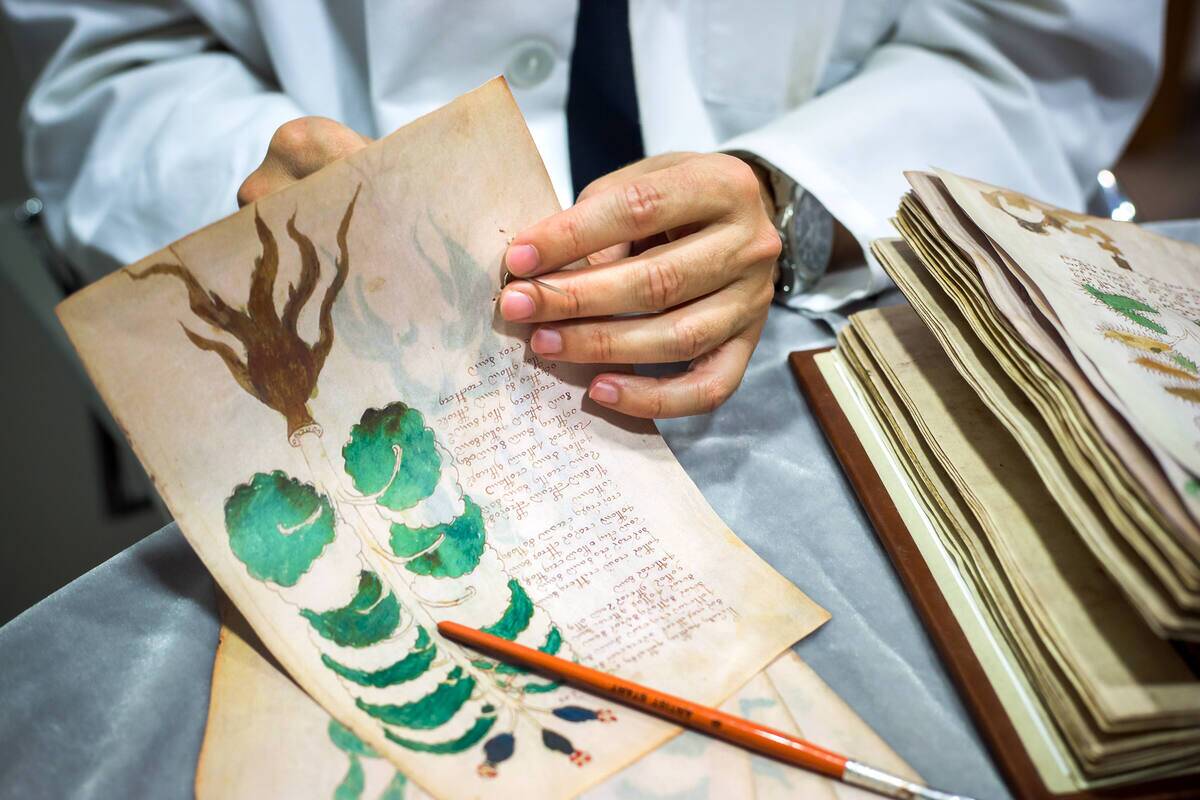
The authorship of the Voynich Manuscript remains one of its greatest mysteries. Some suggest it was written by a medieval scholar or alchemist, while others propose it could be the work of a hoaxer.
Notable figures like Roger Bacon and Leonardo da Vinci have been speculated as possible authors, though no evidence supports these claims. The lack of definitive authorship continues to fuel speculation and debate, with each new theory adding to the manuscript’s enigmatic allure.
The Manuscript’s Journey: From Monasteries to Libraries
The Voynich Manuscript has had a storied journey, believed to have passed through various hands and locations before reaching its current home. It was likely housed in monasteries and private collections, including the library of the Holy Roman Emperor Rudolf II.
Its travels reflect the manuscript’s value and intrigue, as it was coveted by collectors and scholars alike. Each stop on its journey has added to its mystique, contributing to the rich tapestry of its history.
Failed Attempts: Cryptographers and Codebreakers
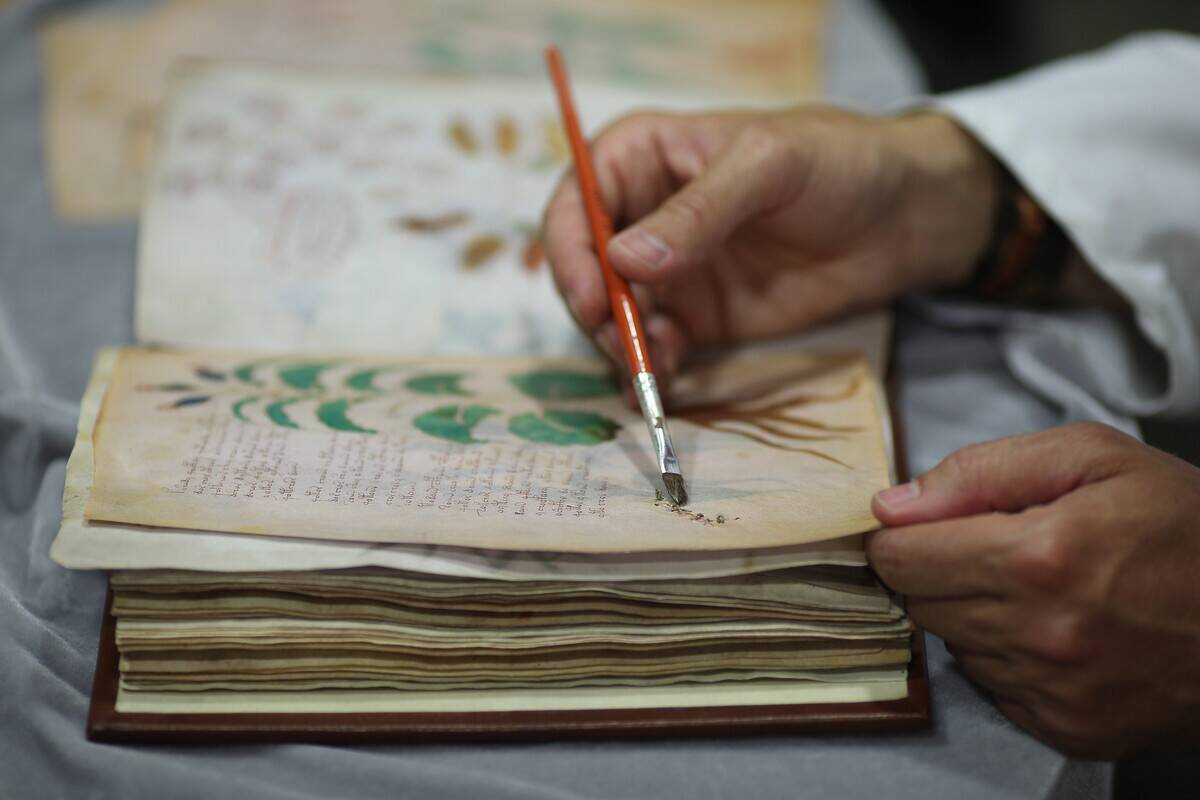
Many have tried and failed to crack the code of the Voynich Manuscript. From World War II codebreakers to modern-day cryptographers, countless experts have dedicated their efforts to deciphering its text.
Despite advanced technology and sophisticated algorithms, the manuscript remains uncracked. These failed attempts highlight the complexity and uniqueness of the manuscript, as well as the enduring challenge it poses to those who seek to unravel its secrets.
The Manuscript’s Structure: Sections and Themes
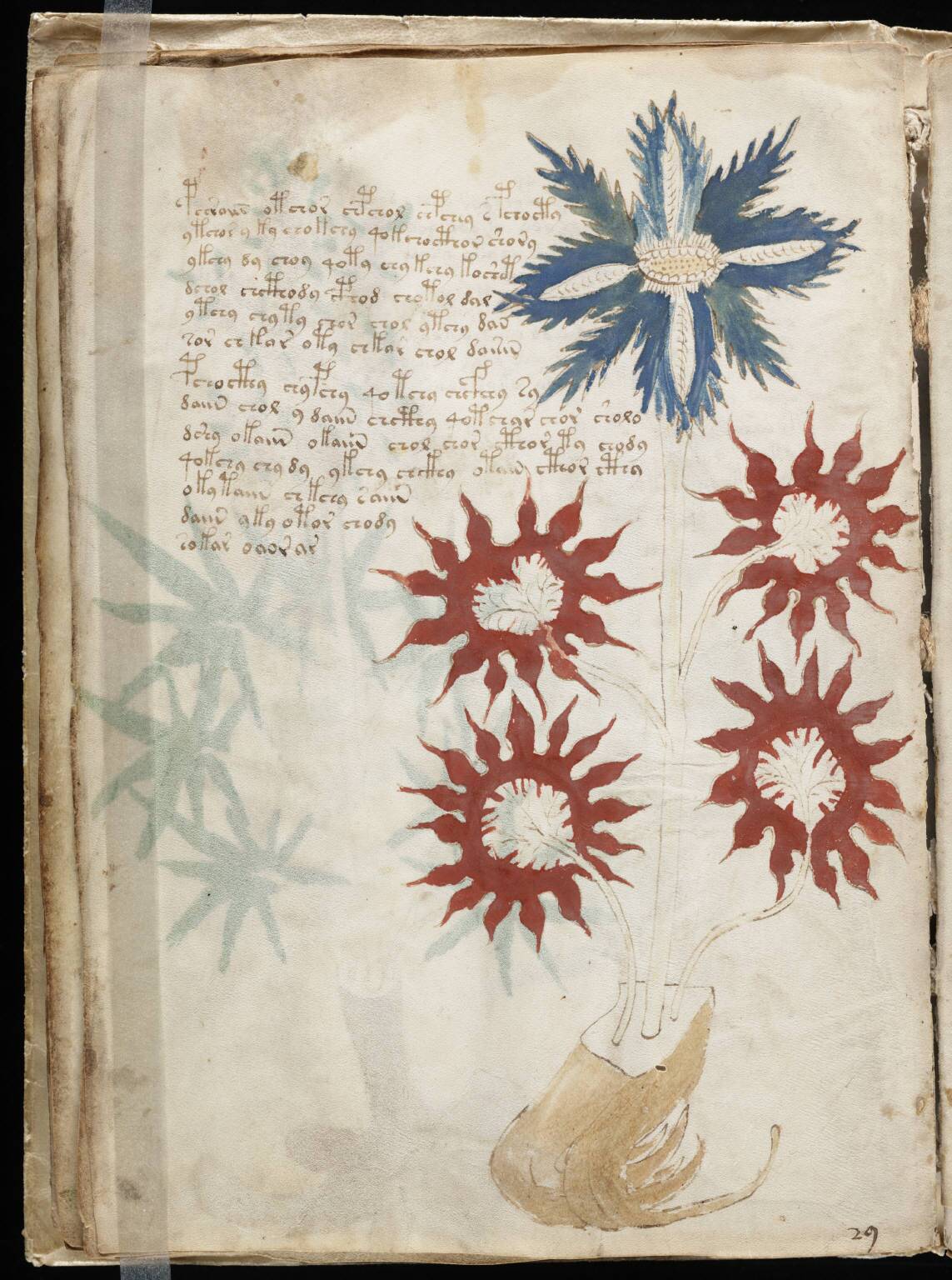
The Voynich Manuscript is divided into several sections, each with distinct themes. These include botanical, astronomical, biological, and pharmaceutical sections, each filled with corresponding illustrations and text.
The structure suggests a comprehensive work, possibly an encyclopedia or a scientific treatise. However, the lack of a clear understanding of the text makes it difficult to determine the true purpose of these sections. This structured yet enigmatic composition adds to the manuscript’s allure and complexity.
The Botanical Mystery: Plants That Don’t Exist
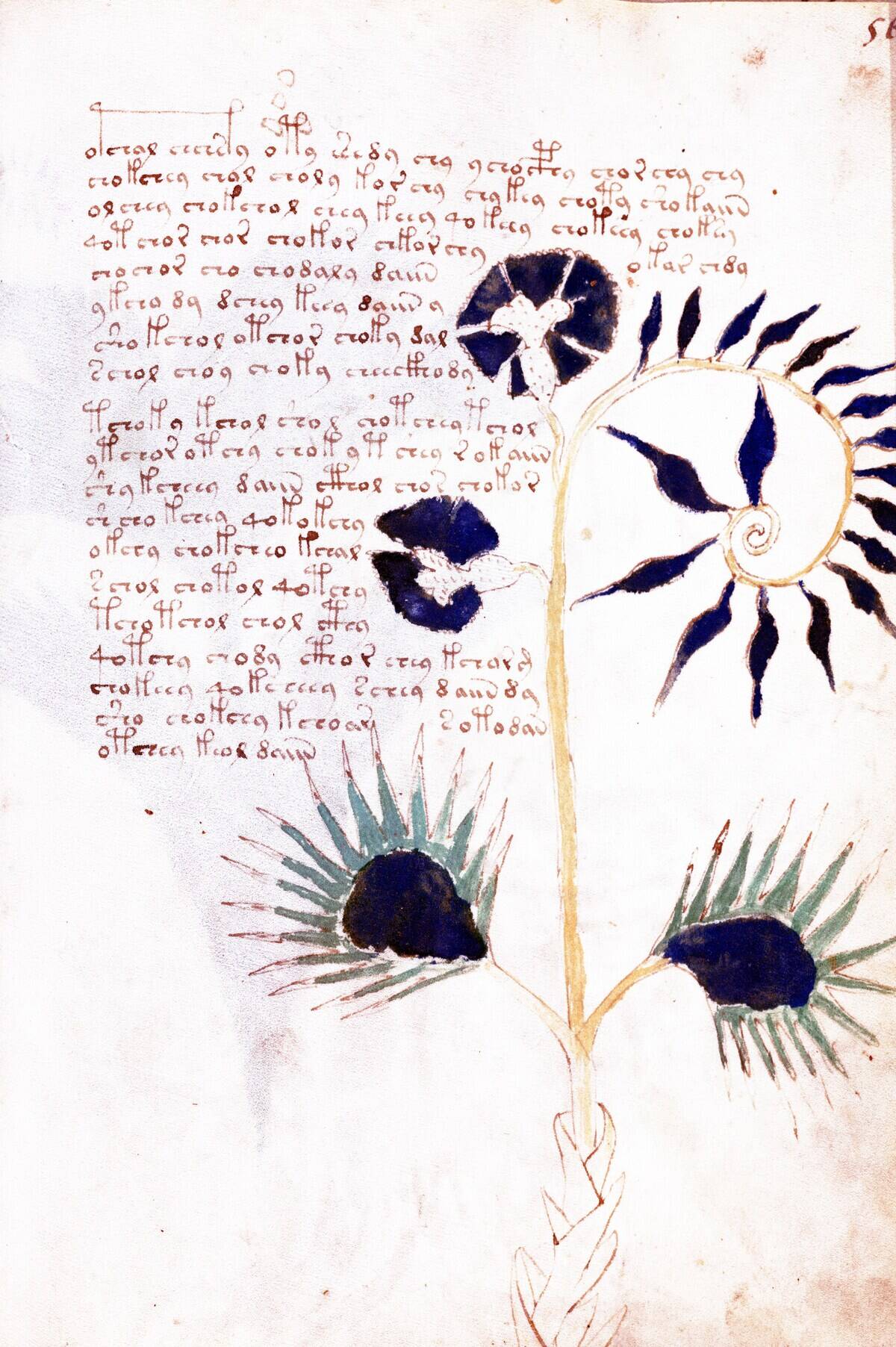
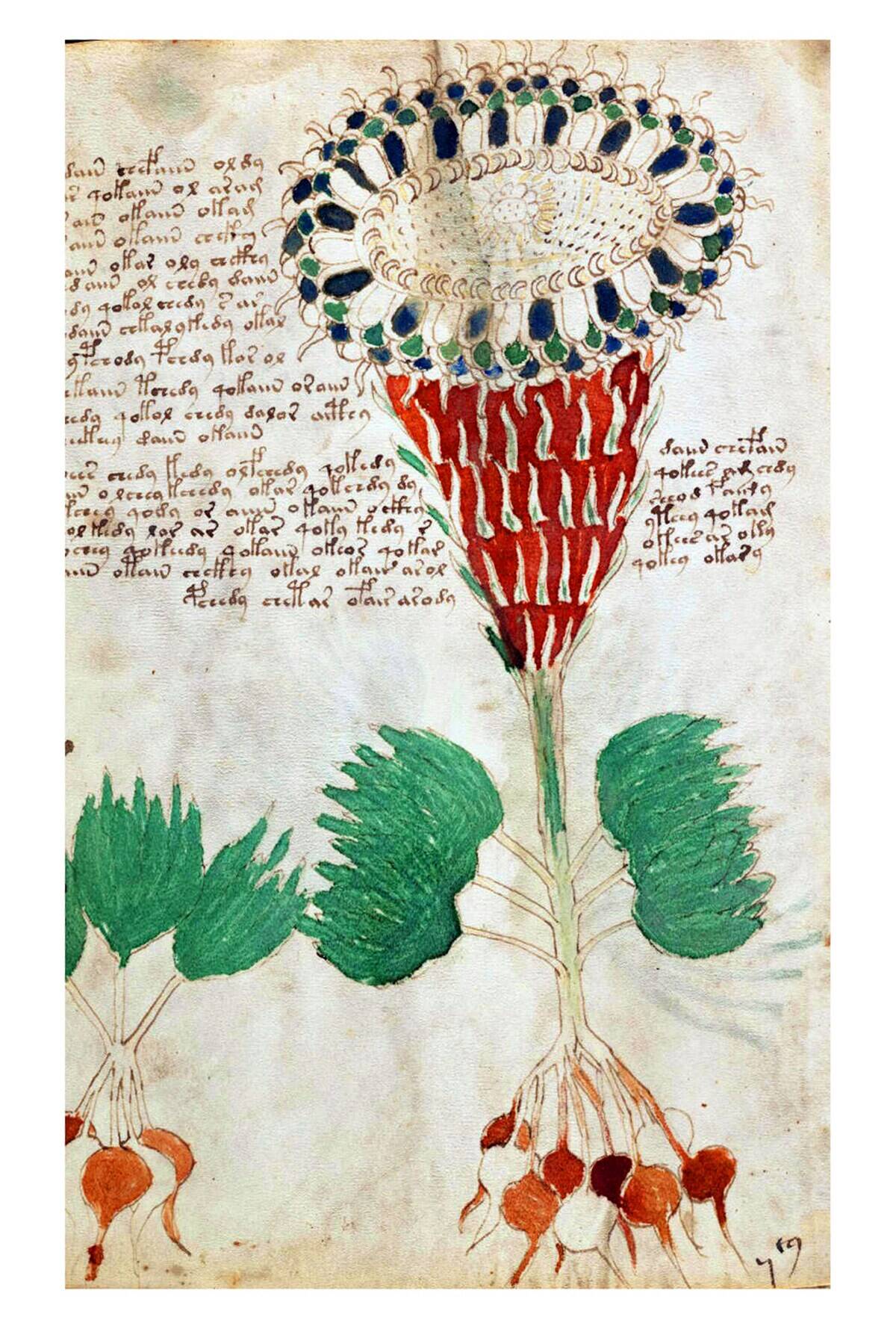
One of the most puzzling aspects of the Voynich Manuscript is its depiction of plants that do not exist in the known botanical world. The illustrations show detailed drawings of flora that have yet to be identified, leading some to speculate they are either imaginary or from a lost body of knowledge.
This botanical mystery has intrigued botanists and historians, as it challenges our understanding of medieval plant knowledge and raises questions about the manuscript’s origins.
The Zodiac Connection: Astrological Symbols and Their Meaning
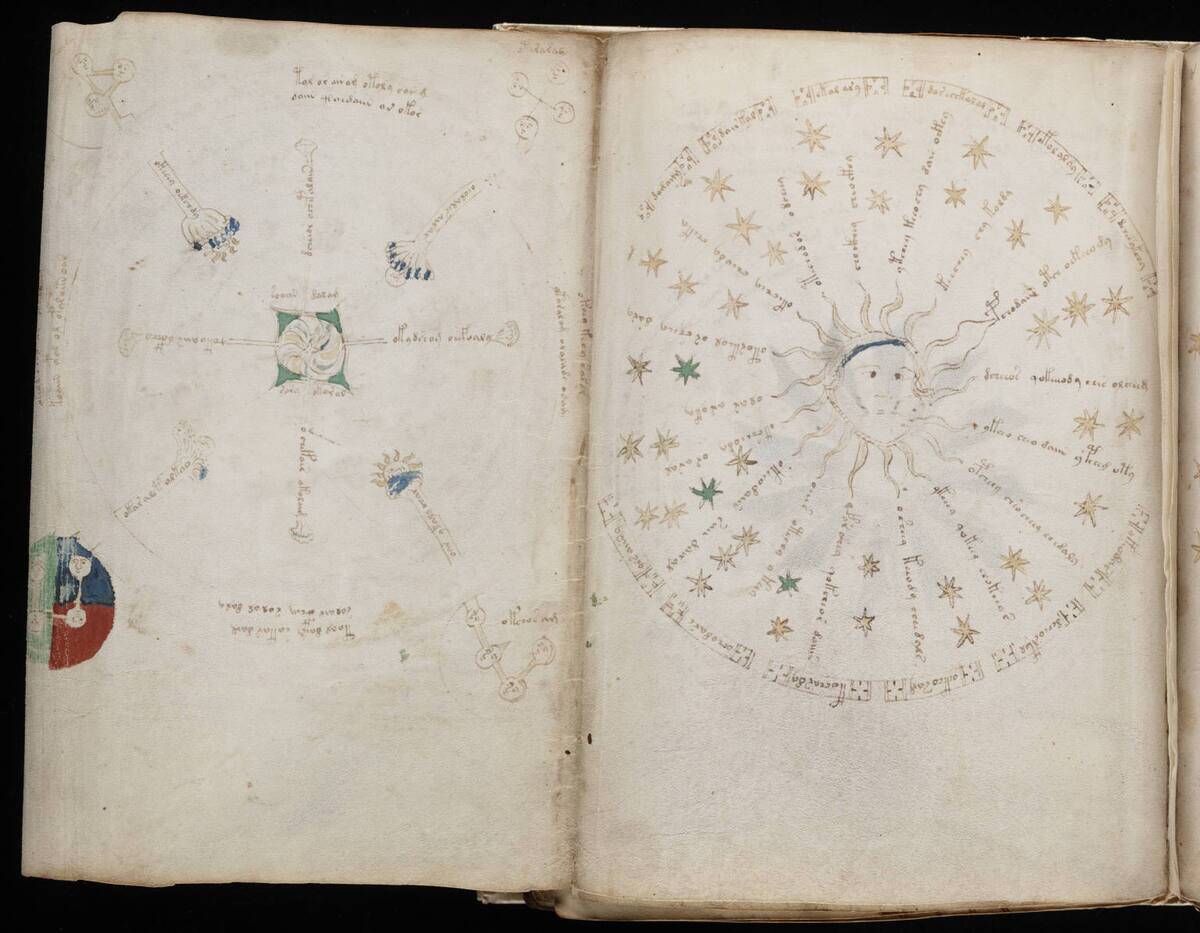
Astrological symbols and zodiac signs feature prominently in the Voynich Manuscript, particularly in its astronomical section. These symbols are intricately drawn and accompanied by circular diagrams, suggesting a connection to medieval astrology.
The presence of these symbols has led some to theorize that the manuscript may have been used for astrological purposes, possibly as a guide or reference. The astrological elements add another layer of mystery, inviting further investigation into their significance and meaning.
The Alchemical Angle: Is It a Guide to Ancient Science?
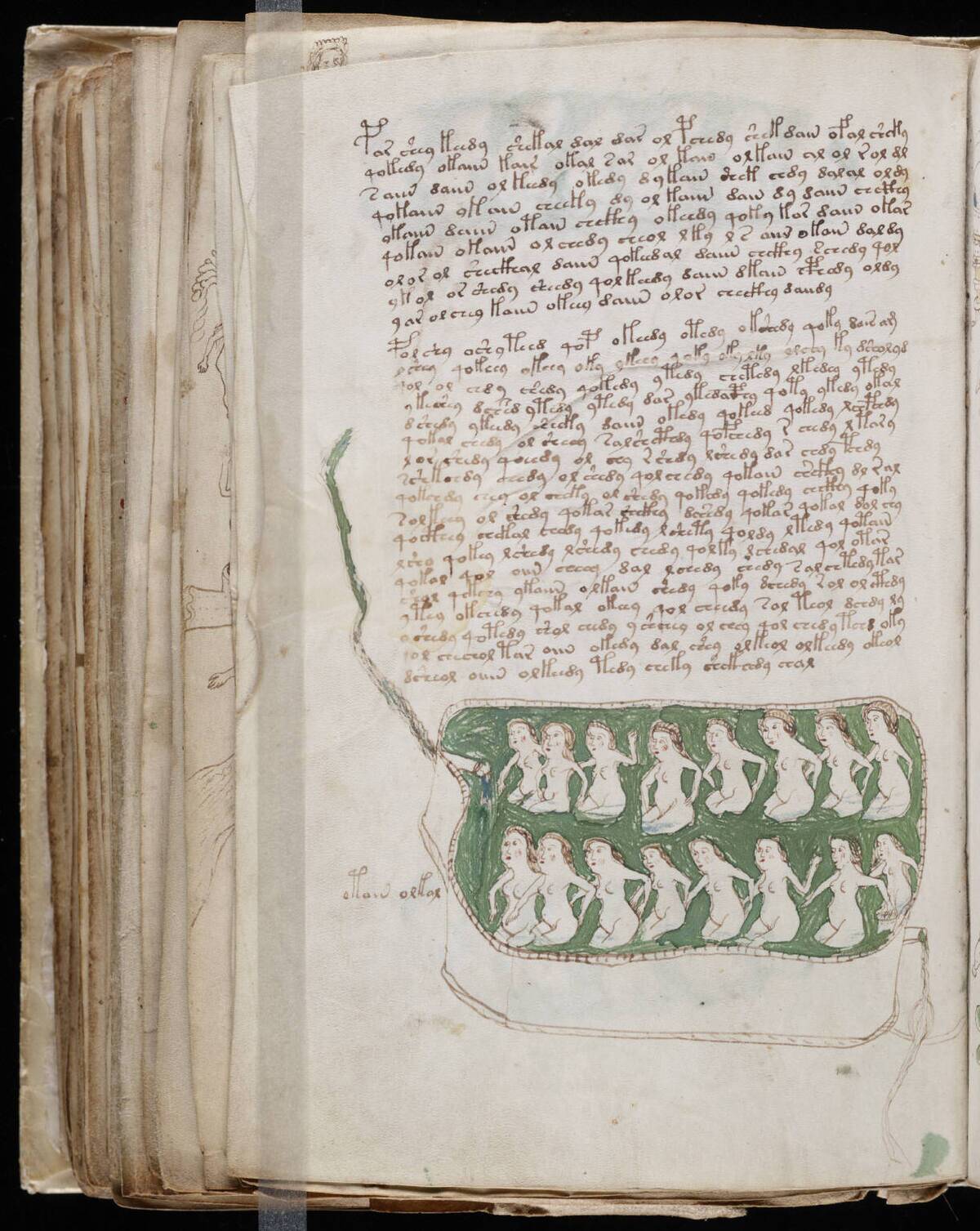
Some researchers propose that the Voynich Manuscript may be an alchemical text, containing hidden knowledge of ancient science. The manuscript’s illustrations and structure resemble those found in alchemical works, leading to speculation about its purpose.
Alchemy was a popular pursuit during the medieval period, blending science, philosophy, and mysticism. If the manuscript is indeed an alchemical guide, it could hold insights into the scientific and philosophical beliefs of its time, adding depth to its enigmatic nature.
The Linguistic Puzzle: Attempts to Decipher the Text
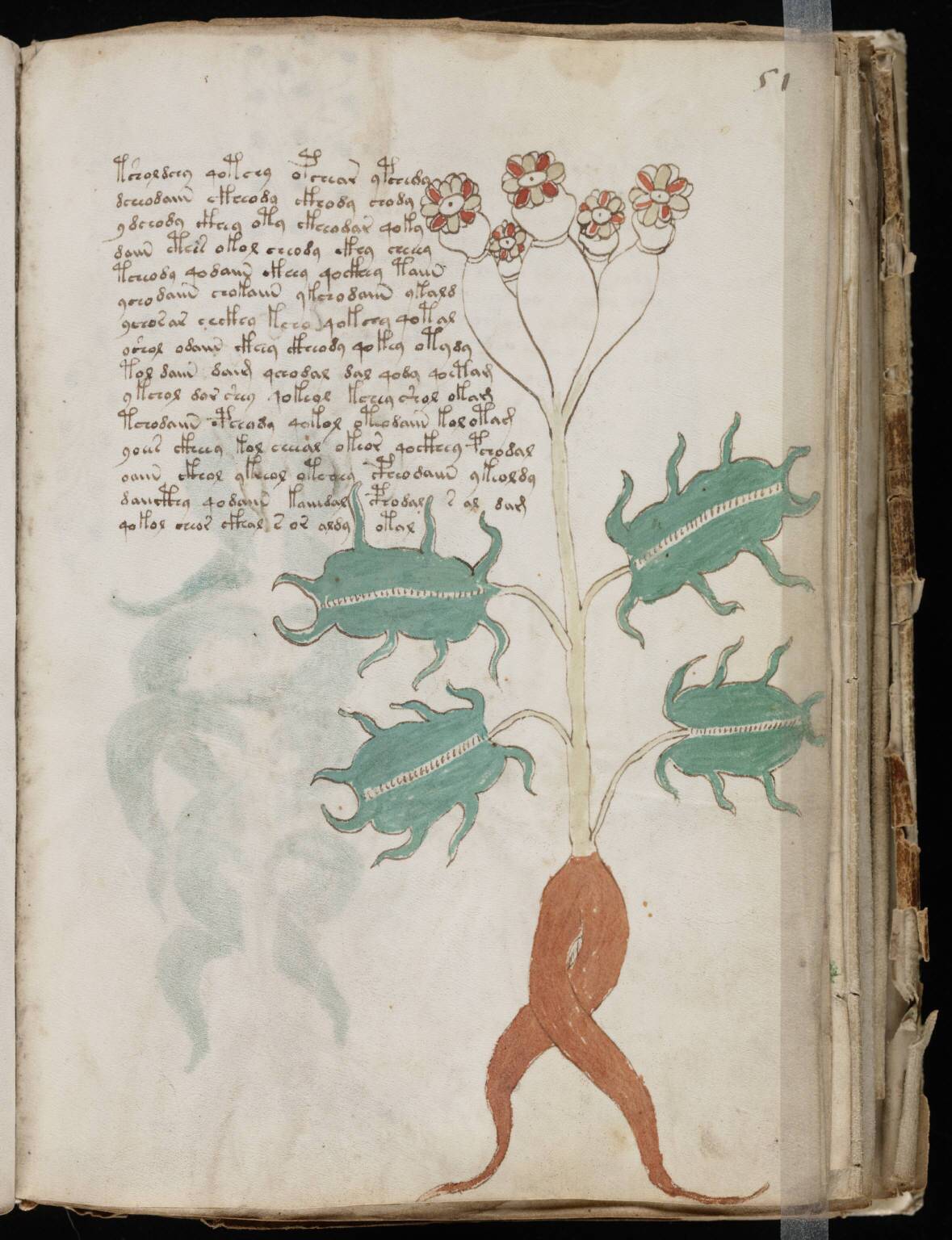
Efforts to decipher the Voynich Manuscript have spanned decades, with linguists and cryptographers employing various techniques. Some have attempted frequency analysis, while others have sought patterns in the text.
Despite these efforts, the manuscript’s language remains a puzzle, with no conclusive breakthroughs. The linguistic challenge it presents is a testament to its complexity and uniqueness, as well as the enduring allure it holds for those who seek to unlock its secrets.
The Manuscript’s Modern Home: Yale University’s Beinecke Library
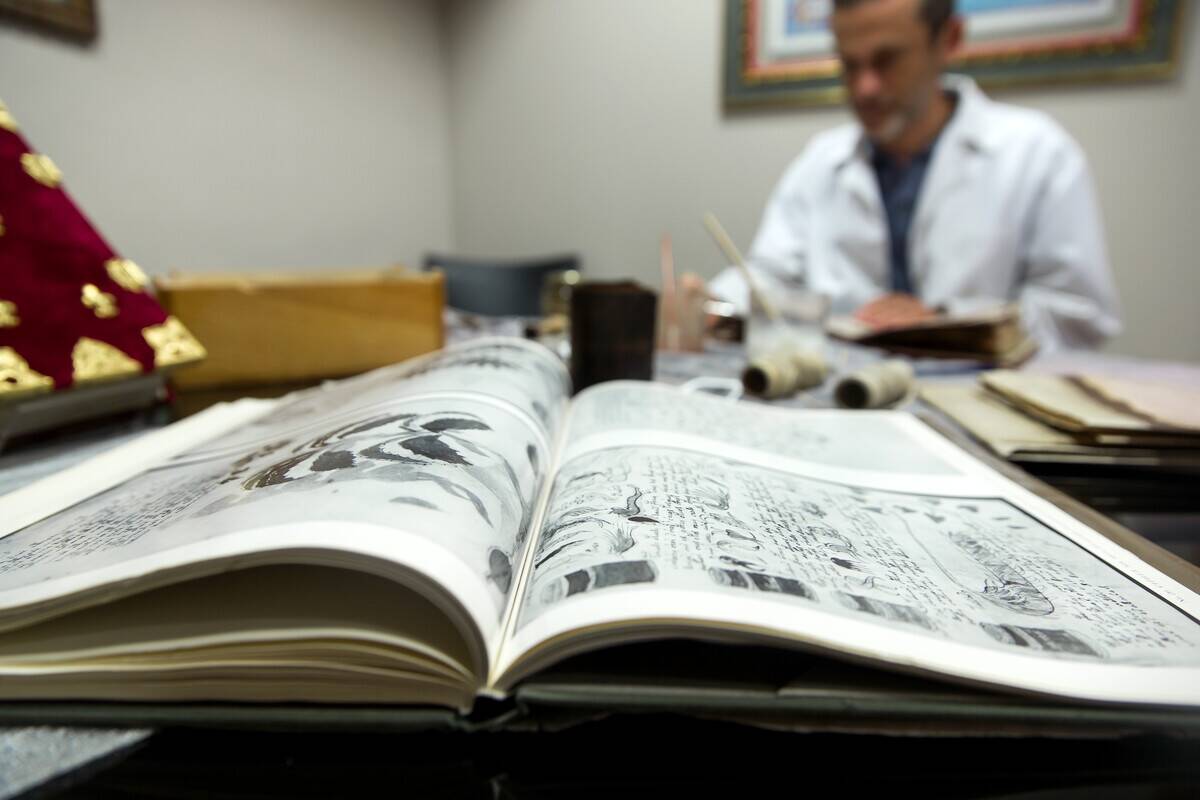
Today, the Voynich Manuscript resides at Yale University’s Beinecke Rare Book & Manuscript Library. This prestigious institution houses one of the world’s largest collections of rare books and manuscripts, providing a fitting home for such an enigmatic artifact.
The manuscript’s presence at Yale ensures its preservation and accessibility for future generations of scholars and enthusiasts. Its location also facilitates ongoing research and study, keeping the mystery of the Voynich Manuscript alive and well.
Digital Voynich: Online Access and Global Fascination
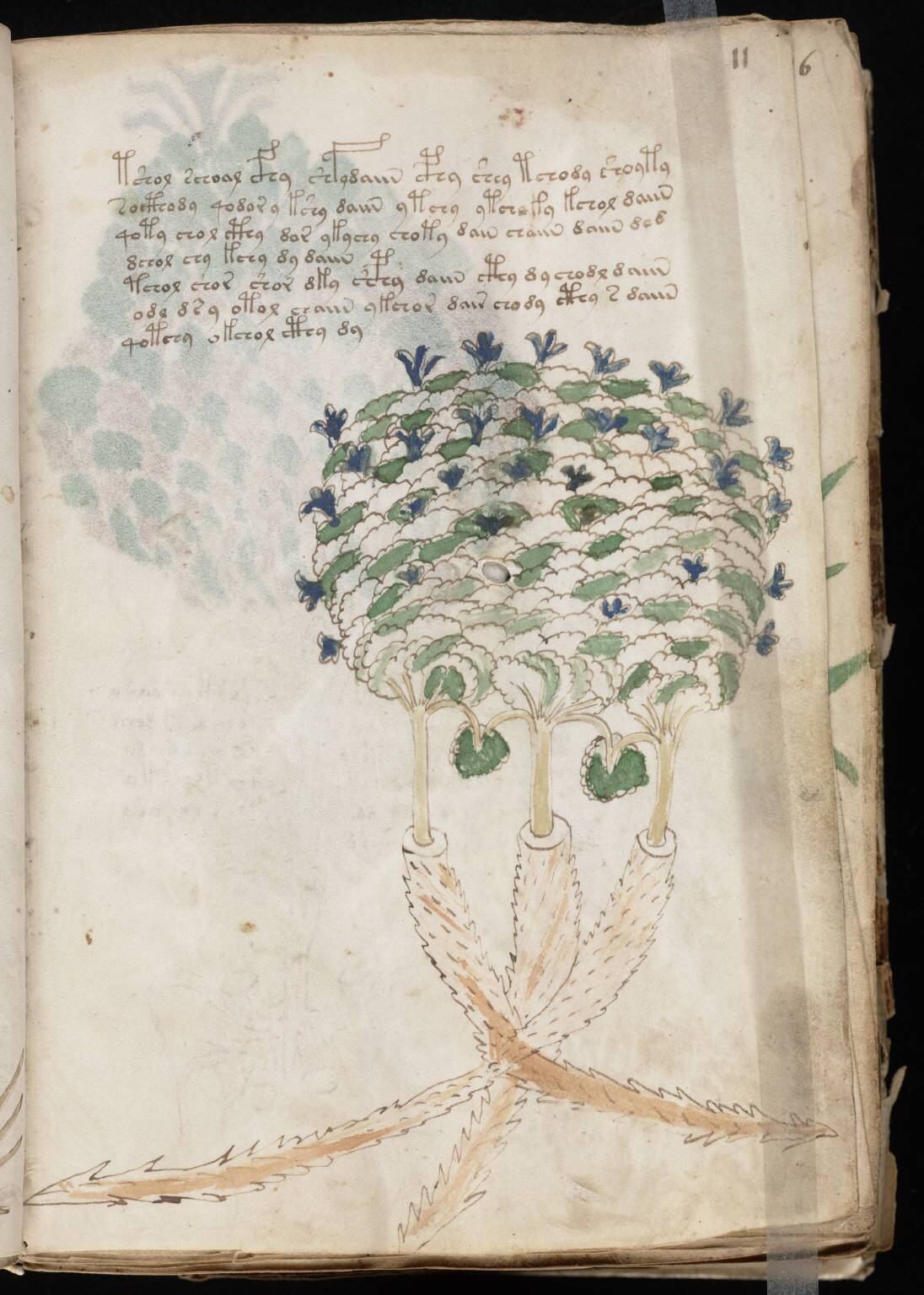
In the digital age, the Voynich Manuscript has become more accessible than ever, with high-resolution scans available online for public viewing. This accessibility has sparked global fascination, allowing enthusiasts and researchers worldwide to examine its pages in detail.
The digital availability of the manuscript has democratized its study, inviting fresh perspectives and theories from a diverse audience. This global engagement ensures that the mystery of the Voynich Manuscript continues to captivate and inspire.




