Air travel before modern security measures
Before the stringent security measures we know today, flying was a different experience altogether. Passengers could arrive at the airport with ease, and the atmosphere was much more relaxed.
It was a time when the hustle and bustle of modern air travel were yet to take over, allowing for a more leisurely pace and a touch of glamour.
The Golden Age of Flying: When Air Travel Was a Luxury
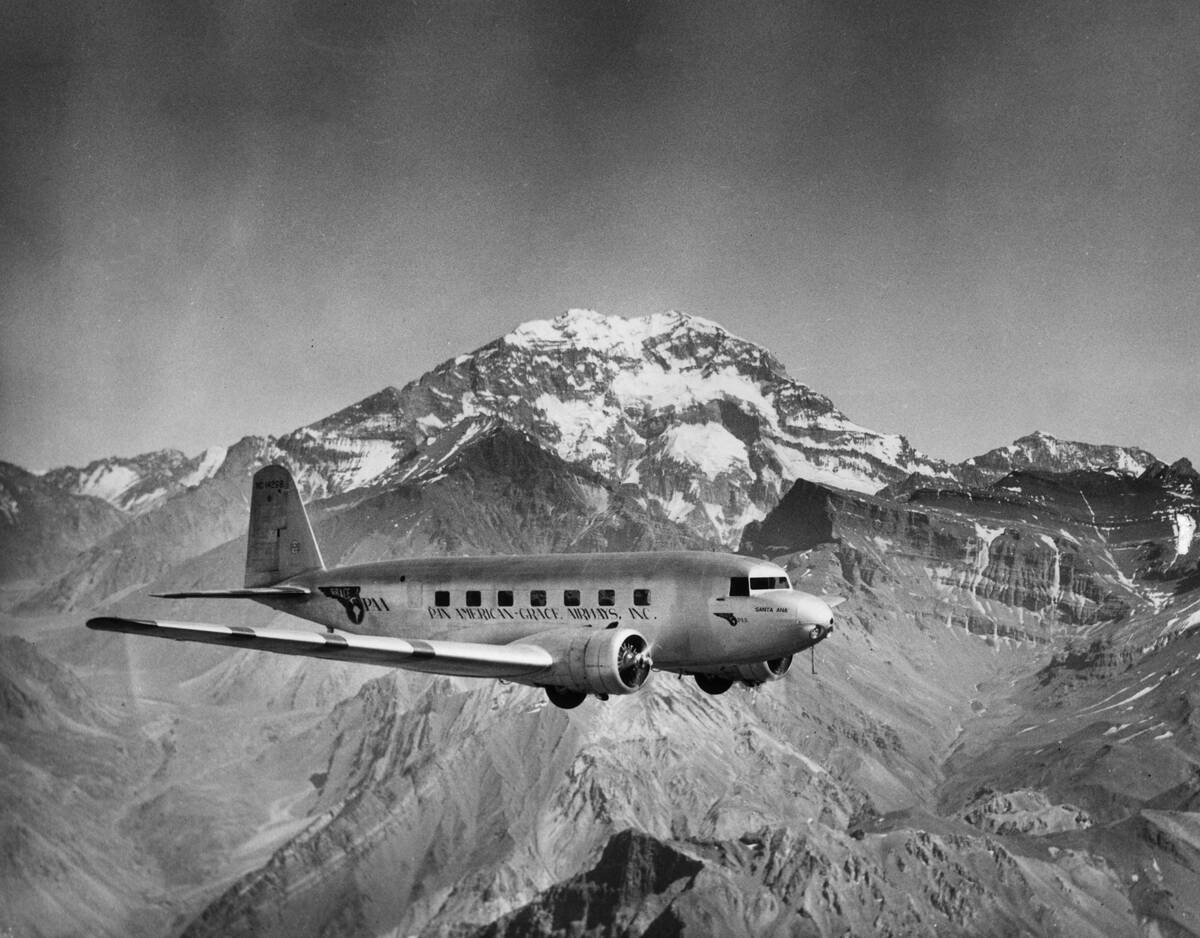
In the mid-20th century, air travel was often viewed as a more exclusive experience than it is today. Flying was less common and frequently associated with business trips, vacations, and special occasions, with many passengers dressing formally for the journey. Airlines like Pan Am and TWA became symbols of the golden age of aviation, known for their style and service.
On many flights, especially in first class, passengers enjoyed elaborate meals served with real dishes and silverware, creating an experience that felt far more luxurious than modern air travel.
A Warm Welcome: Arriving at the Airport in the Good Old Days
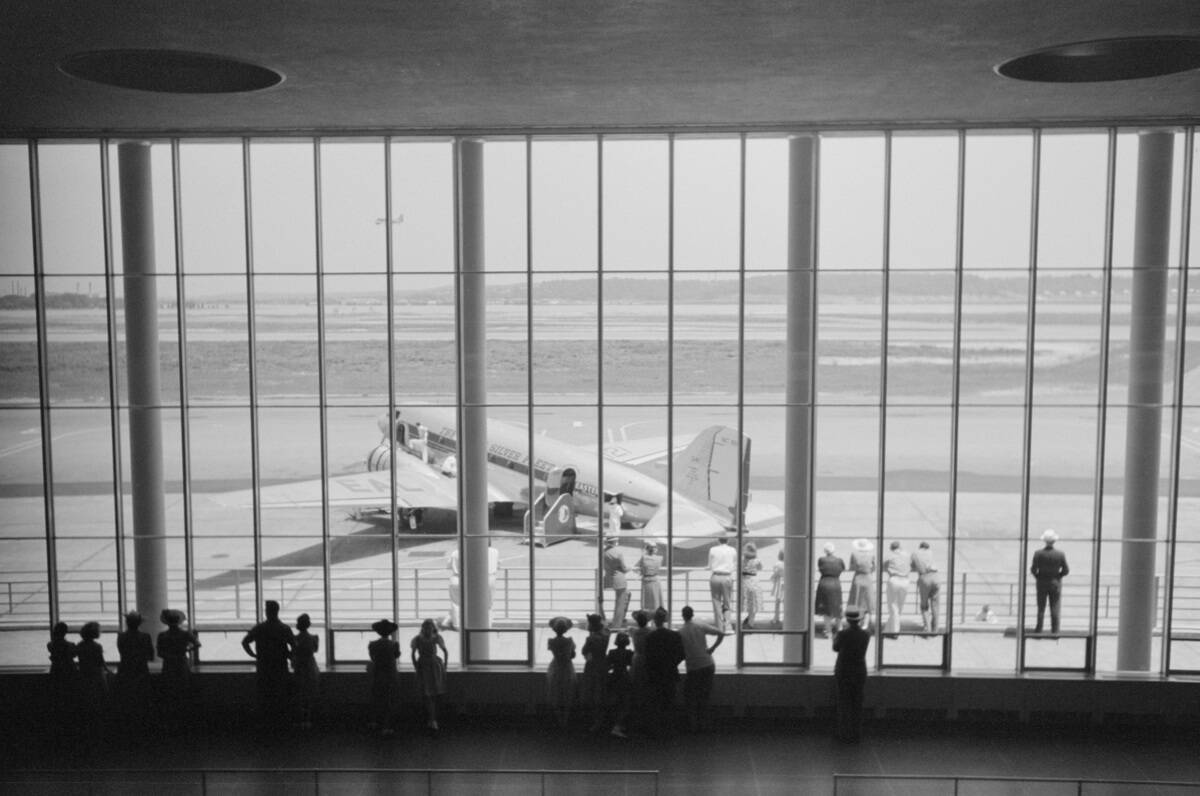
Arriving at the airport in the past often felt different from today’s travel experience. Before modern security procedures became widespread, passengers usually faced fewer restrictions, and family and friends could often accompany travelers to the gate, making farewells more personal.
Airports were generally less crowded than they are today, and flying was still seen by many as a special occasion filled with excitement and anticipation.
Ticketing and Check-In: A Breeze Compared to Today
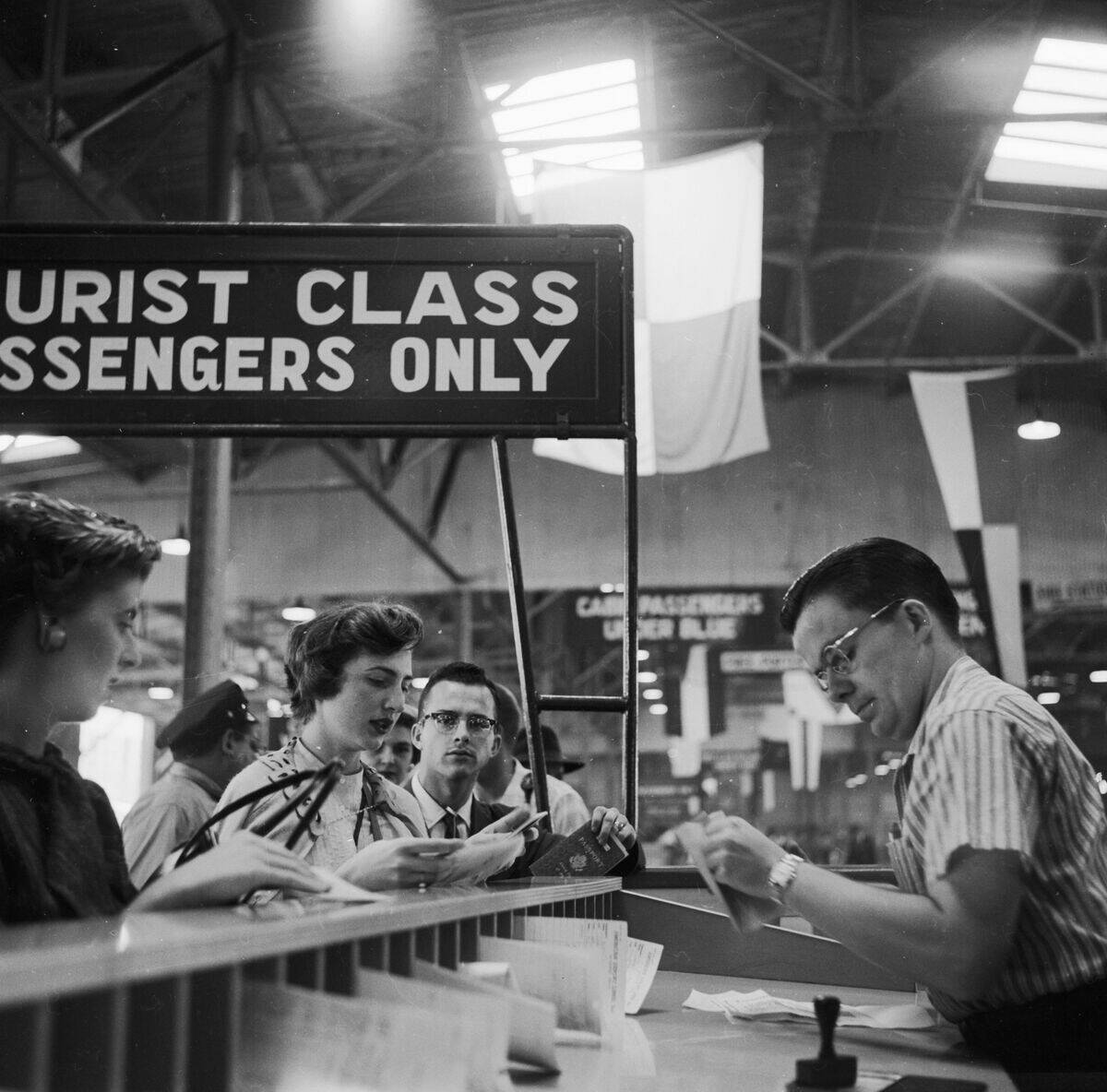
The ticketing and check-in process looked very different before the digital age. Passengers often received paper tickets, sometimes delivered by mail or arranged through travel agencies, rather than using electronic tickets and mobile apps.
At the airport, travelers relied on airline agents for assistance with check-in, baggage, and travel arrangements. While the process could take more time than today’s digital options, it offered a more personal interaction between passengers and airline staff.
The Art of Packing: No Liquid Restrictions and Free-For-All Carry-Ons
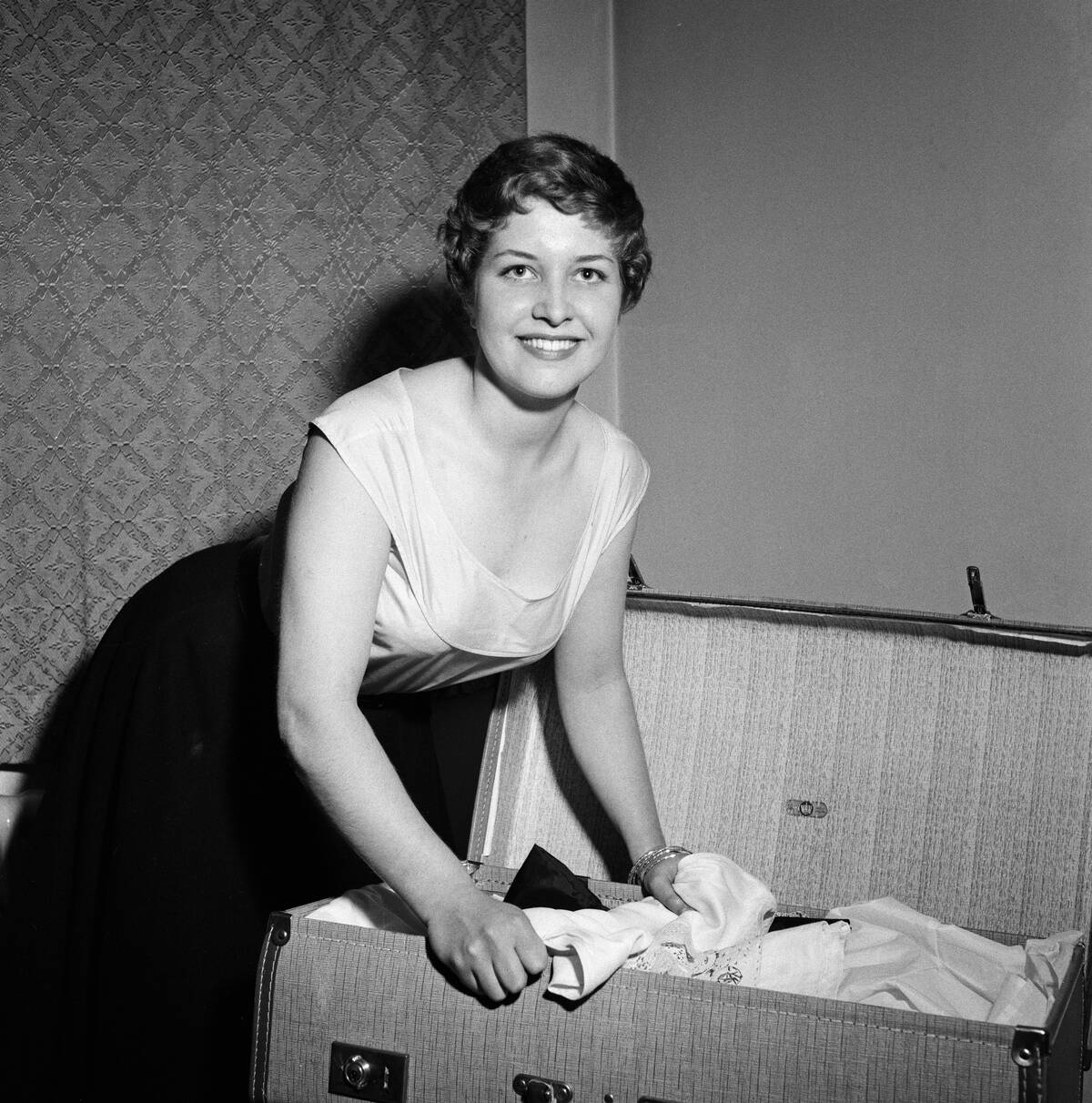
Packing for a flight was often a simpler experience before today’s extensive security regulations. Travelers did not have to follow modern liquid restrictions, and carry-on rules were generally less focused on security concerns.
Many passengers could bring personal items and toiletries with fewer limitations, although airlines still enforced baggage weight and size policies. With more travelers checking luggage and fewer security requirements, packing often felt less complicated than it does today.
Security Screening: A Quick Walk-Through Metal Detector
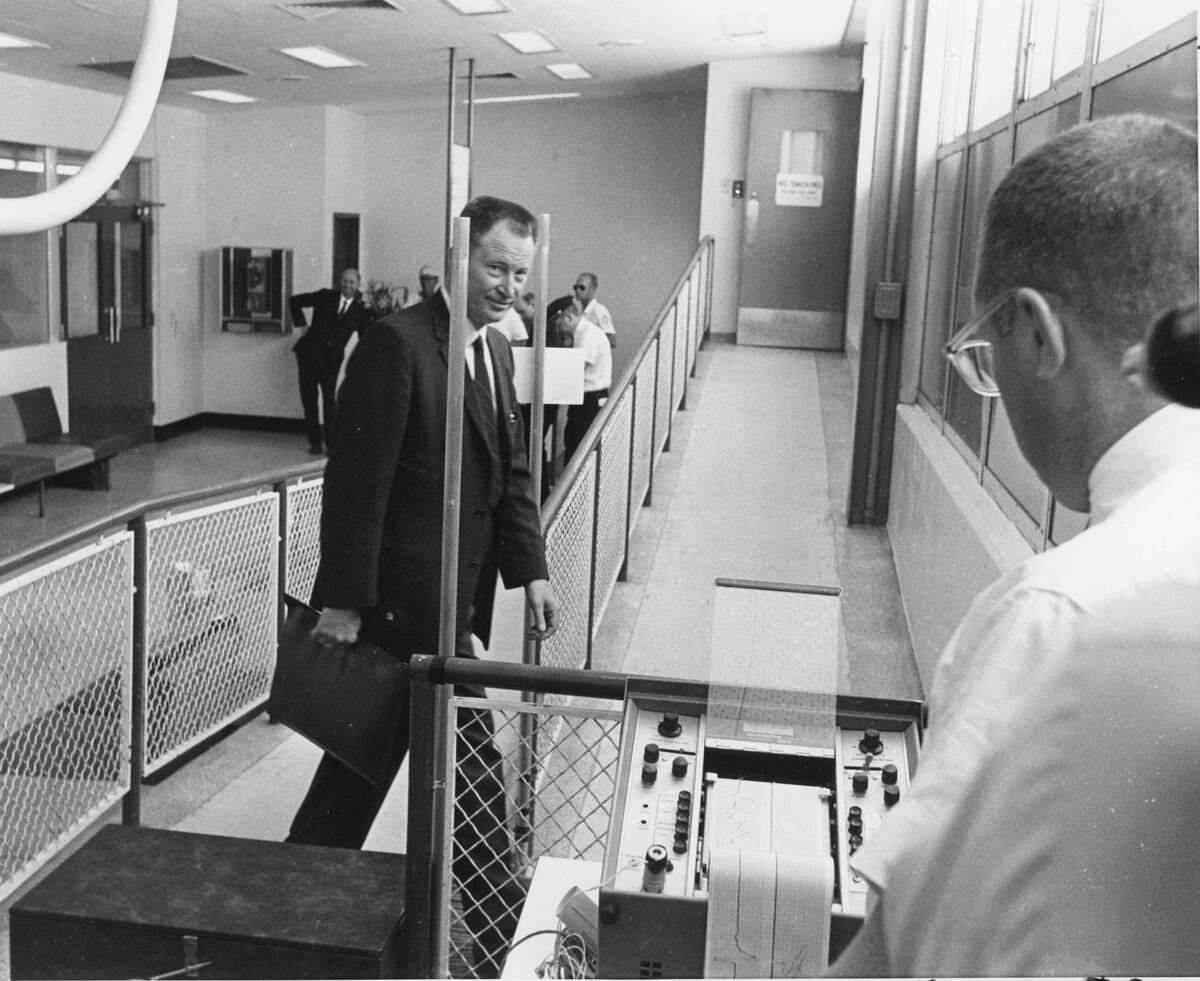
Security screening in the past was generally less extensive than it is today. Before modern technologies like body scanners and advanced screening systems became common, passengers typically passed through simpler security checks, often involving walk-through metal detectors and occasional additional inspections.
Travelers usually did not have to remove shoes or belts, and the screening process often involved fewer steps than today’s procedures, making the journey from check-in to boarding feel more straightforward.
Boarding the Plane: No Long Lines or Boarding Groups
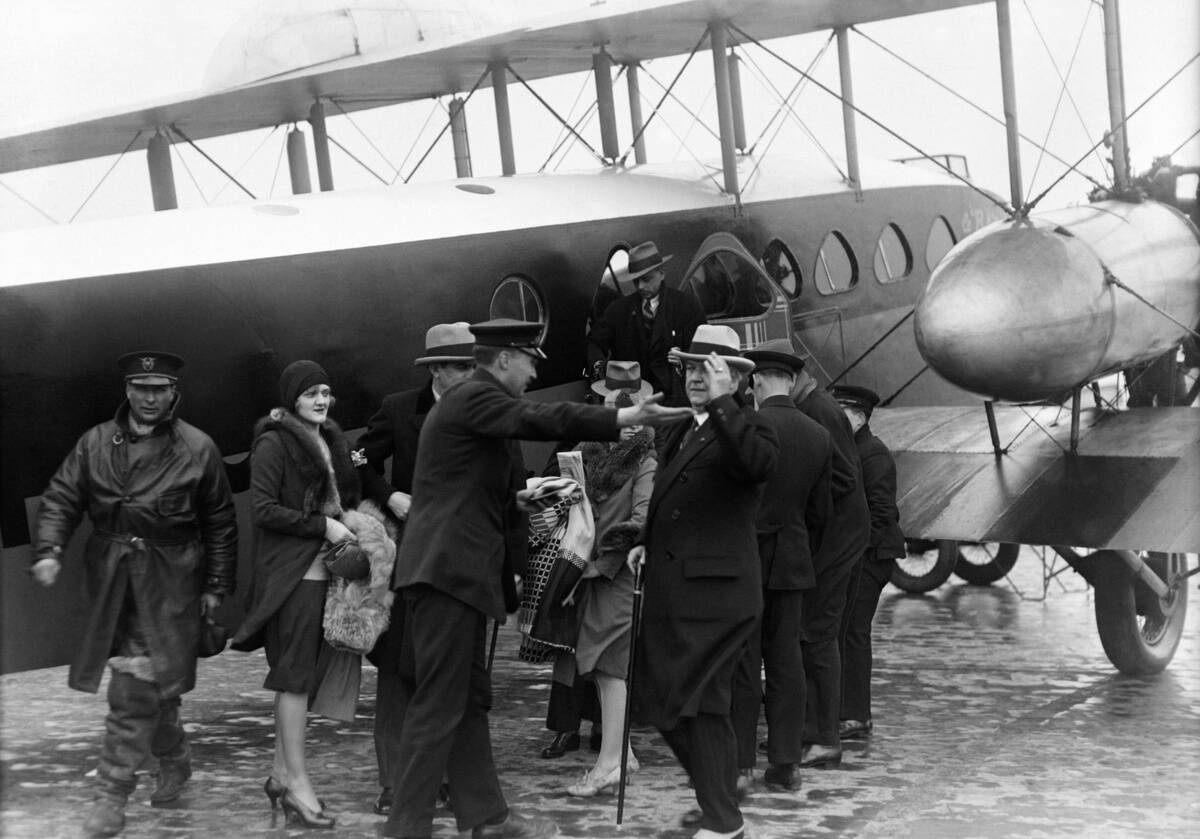
Boarding a plane in earlier decades often felt simpler than it does today. Passengers typically followed basic boarding procedures, with gate agents providing more personal assistance throughout the process.
Since fewer travelers carried large amounts of luggage into the cabin, competition for overhead bin space was less common. While delays and busy boarding areas still existed, many travelers remember the experience as more personal and less technology-driven.
In-Flight Experience: More Legroom and Complimentary Meals
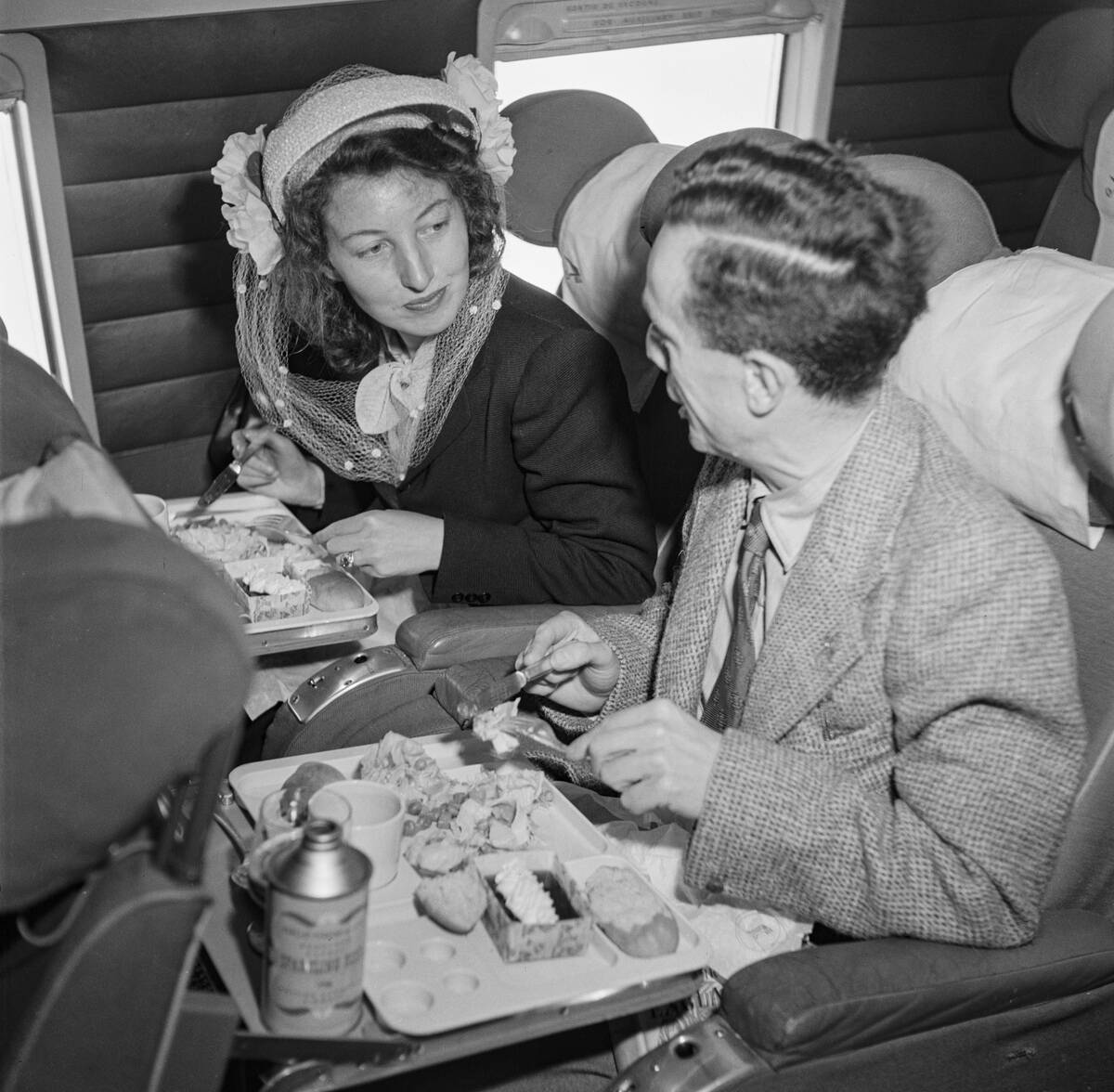
Once on board, many passengers experienced a level of comfort and service that became associated with the golden age of flying. Aircraft cabins often offered more space than many modern economy sections, and full-service airlines frequently provided complimentary meals, especially on longer routes.
These meals, particularly in first class and international travel, were often a memorable part of the journey. While service varied by airline and flight, many travelers remember an era when flying placed a stronger emphasis on hospitality and the overall experience.
Cockpit Visits: A Special Treat for Curious Passengers
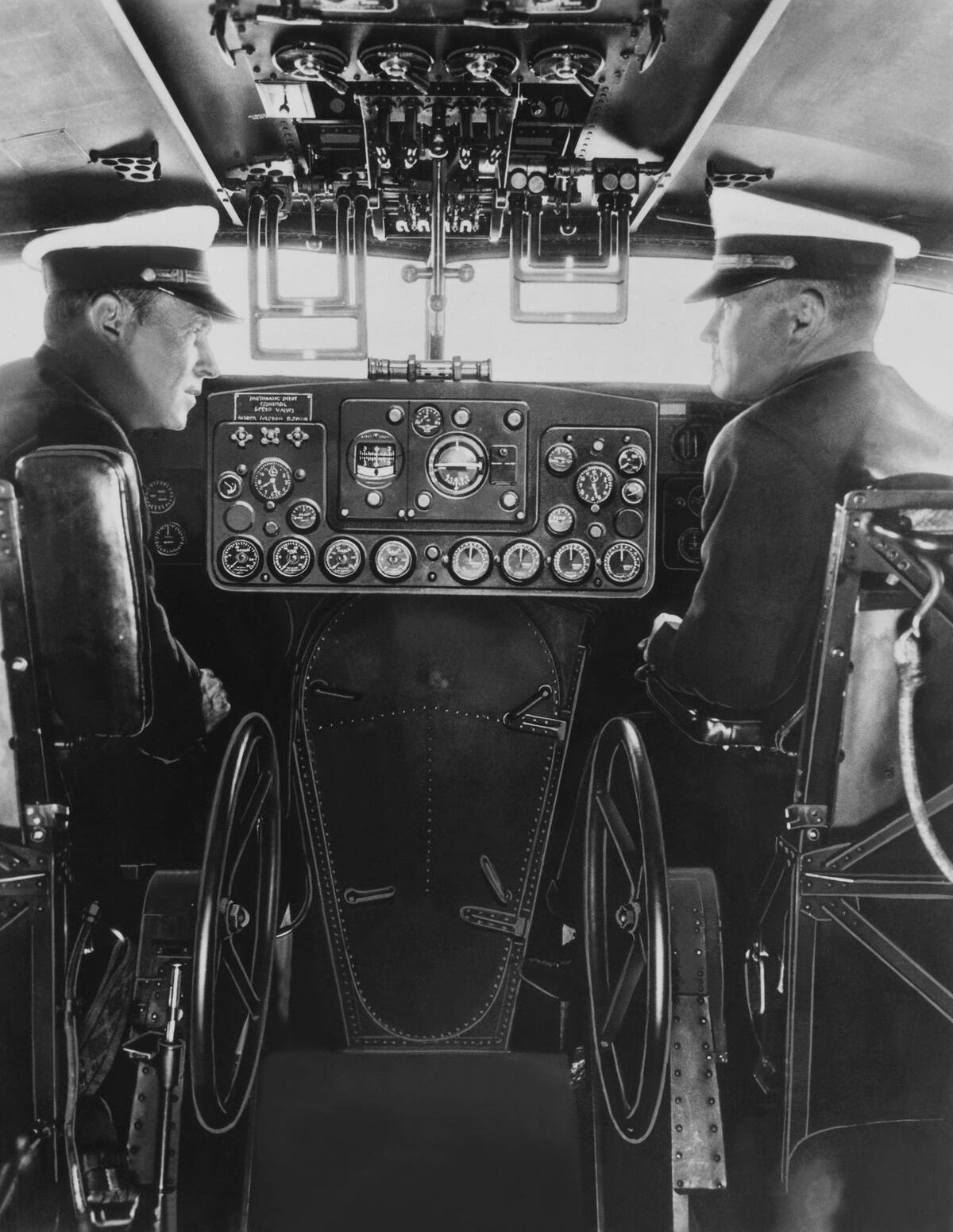
In the past, curious passengers, especially children, were often invited to visit the cockpit. This was a special treat, offering a glimpse into the world of aviation and the opportunity to meet the pilots.
It was a memorable experience that left a lasting impression, fostering a love for flying and a deeper appreciation for the skill and expertise involved in piloting an aircraft.
Smoking Sections: When Lighting Up Was Allowed at 30,000 Feet
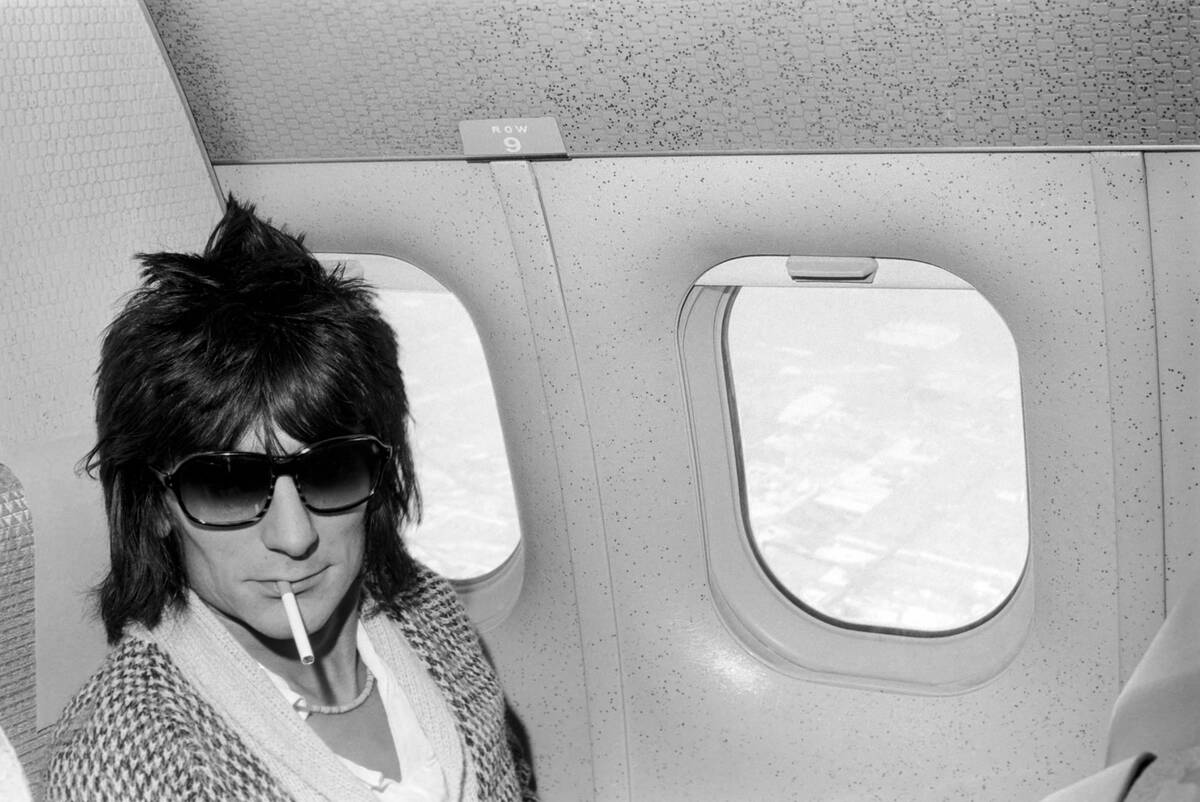
Believe it or not, there was a time when smoking was allowed on airplanes. Smoking sections were designated areas where passengers could light up during the flight. While it might seem unimaginable today, it was a common practice, and the smell of cigarette smoke was a part of the in-flight atmosphere.
This changed in the late 20th century as health awareness and regulations evolved.
Dress Code: When Flying Meant Dressing to Impress
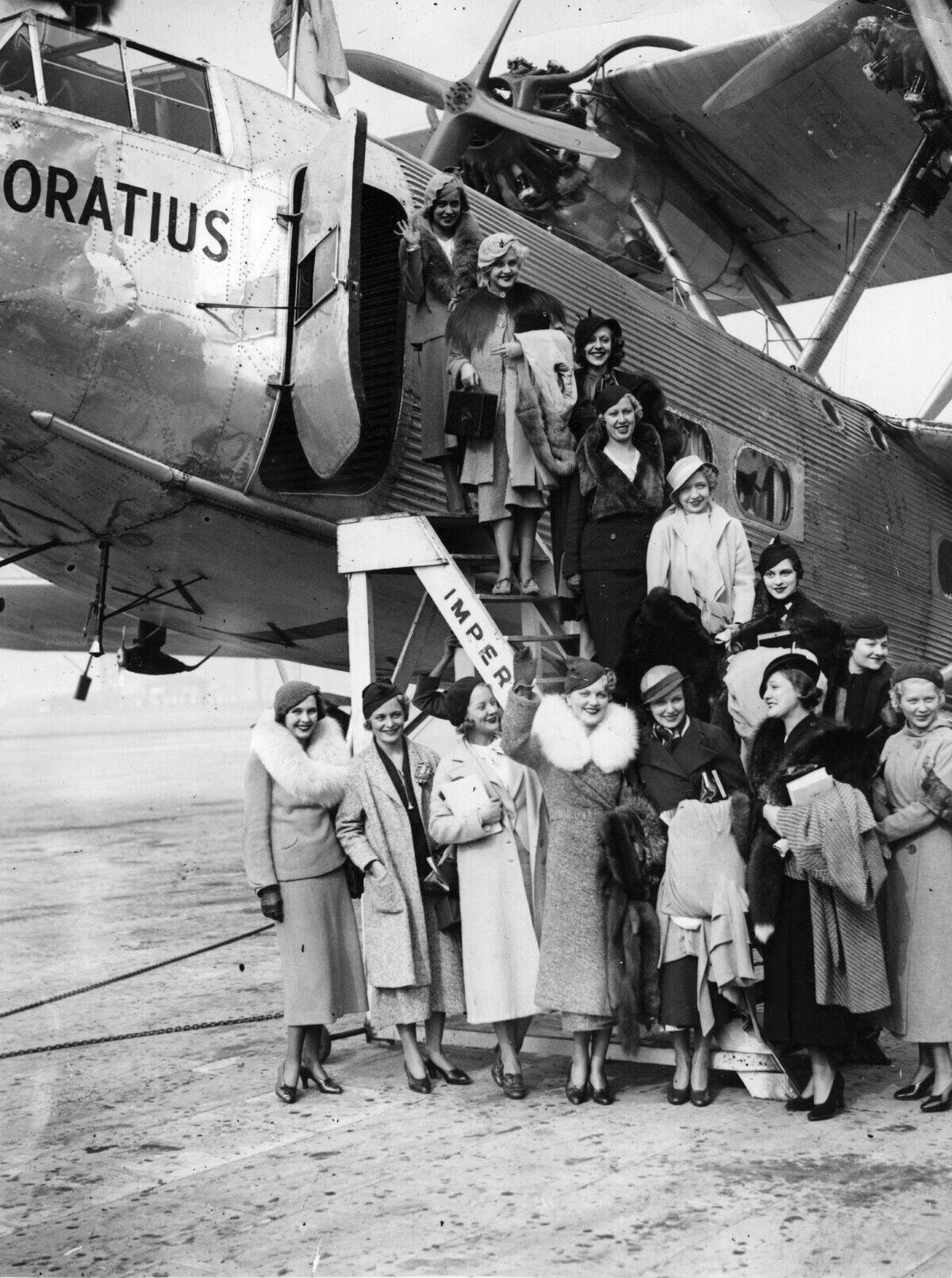
Flying was once seen as a more special occasion, and many passengers chose to dress formally for their journey. During the golden age of air travel, it was common to see men wearing suits and women wearing dresses or other polished outfits, especially on important trips.
This style reflected the perception of flying as a glamorous and exclusive experience. While there was no official dress code, the way people dressed helped create the elegant atmosphere associated with air travel in earlier decades.
In-Flight Entertainment: Magazines, Books, and the Occasional Movie
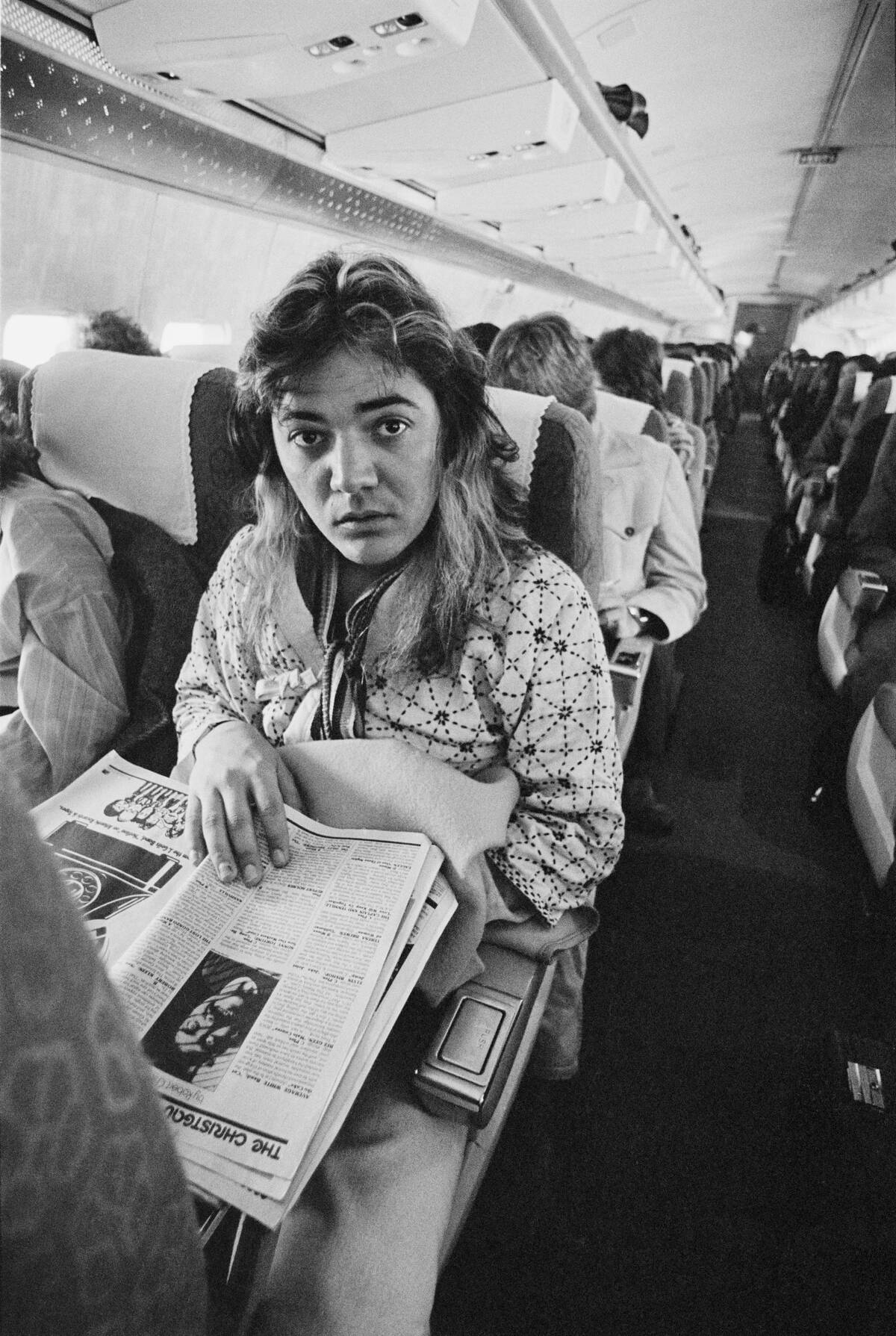
In-flight entertainment was much simpler before the arrival of personal screens and digital technology. Passengers often brought their own books, newspapers, or magazines, while airlines sometimes provided reading materials for travelers.
On many longer flights, movies were shown on shared cabin screens with headphones available for audio. Although the options were more limited than today, the experience encouraged passengers to rely more on personal interests and traditional forms of entertainment during their journey.
The Role of Flight Attendants: Service with a Smile and a Touch of Glamour
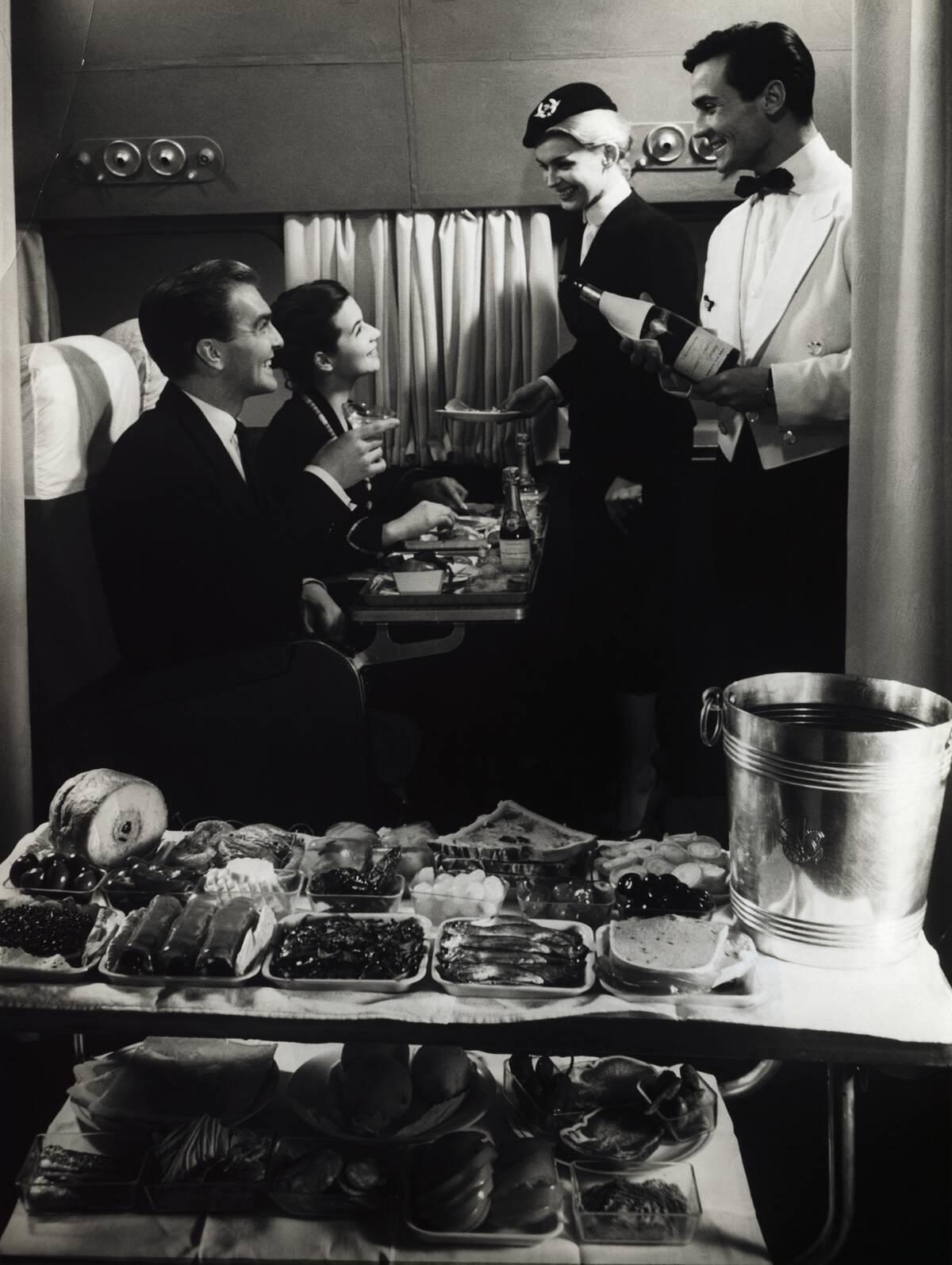
Flight attendants played an important role in shaping the experience of air travel, combining passenger service with essential safety responsibilities. During the golden age of flying, their polished appearance, stylish uniforms, and professional demeanor became closely associated with airline branding.
Trained to assist passengers and handle emergencies, flight attendants were often viewed as the public face of the airline and helped create the sense of hospitality and elegance that defined air travel in earlier decades.
Landing and Baggage Claim: A Smooth and Swift Process
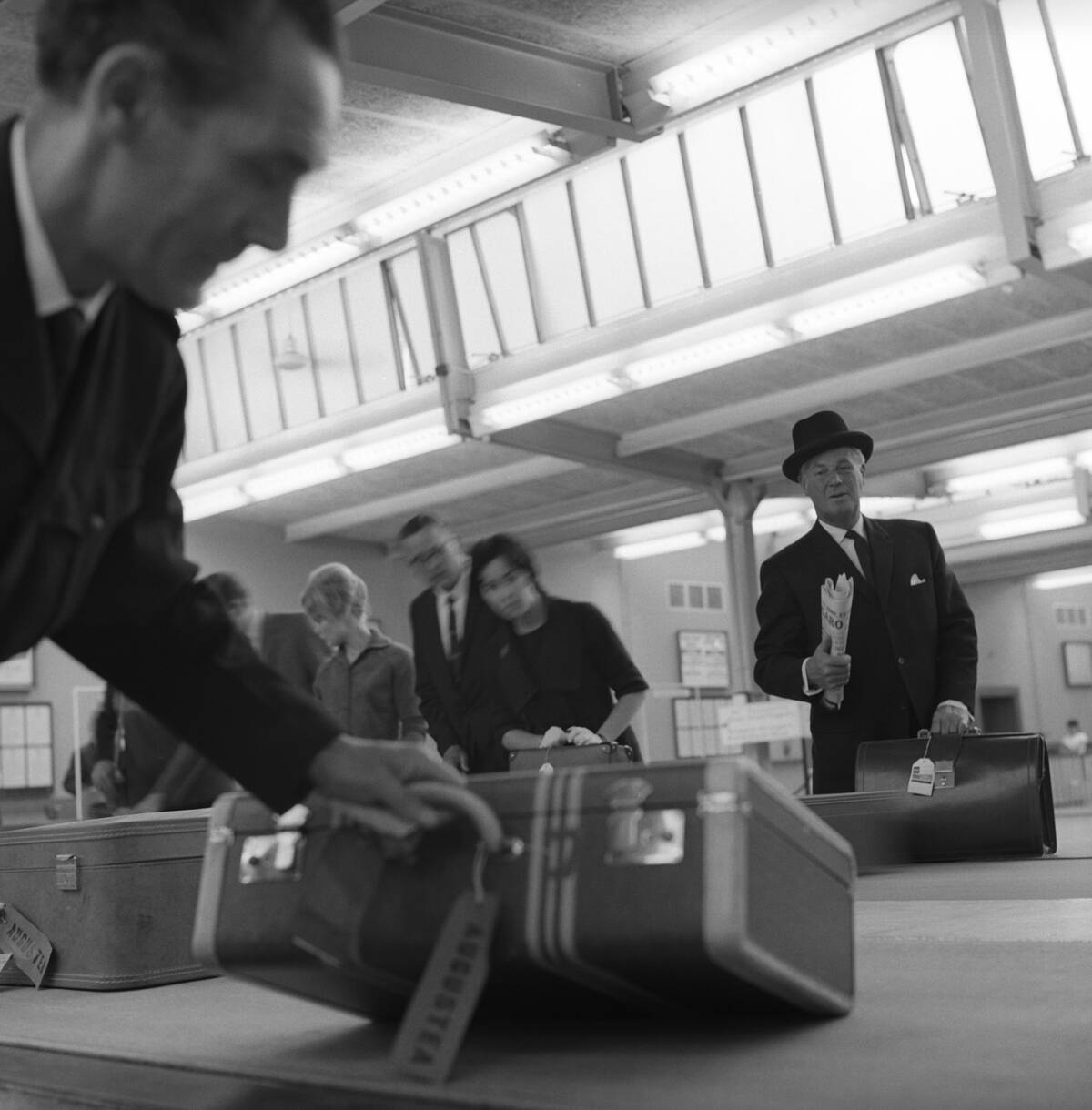
Landing and baggage claim often felt different in earlier decades of air travel. With fewer passengers and smaller airports, some travelers experienced less congestion and a more personal arrival process. Passengers could often collect their luggage without today’s larger crowds, although delays and baggage issues still occurred.
While older airports lacked many modern conveniences, the simpler procedures and lower passenger volumes helped create a more relaxed end to the journey.
The Evolution of Security: Events That Changed Air Travel Forever
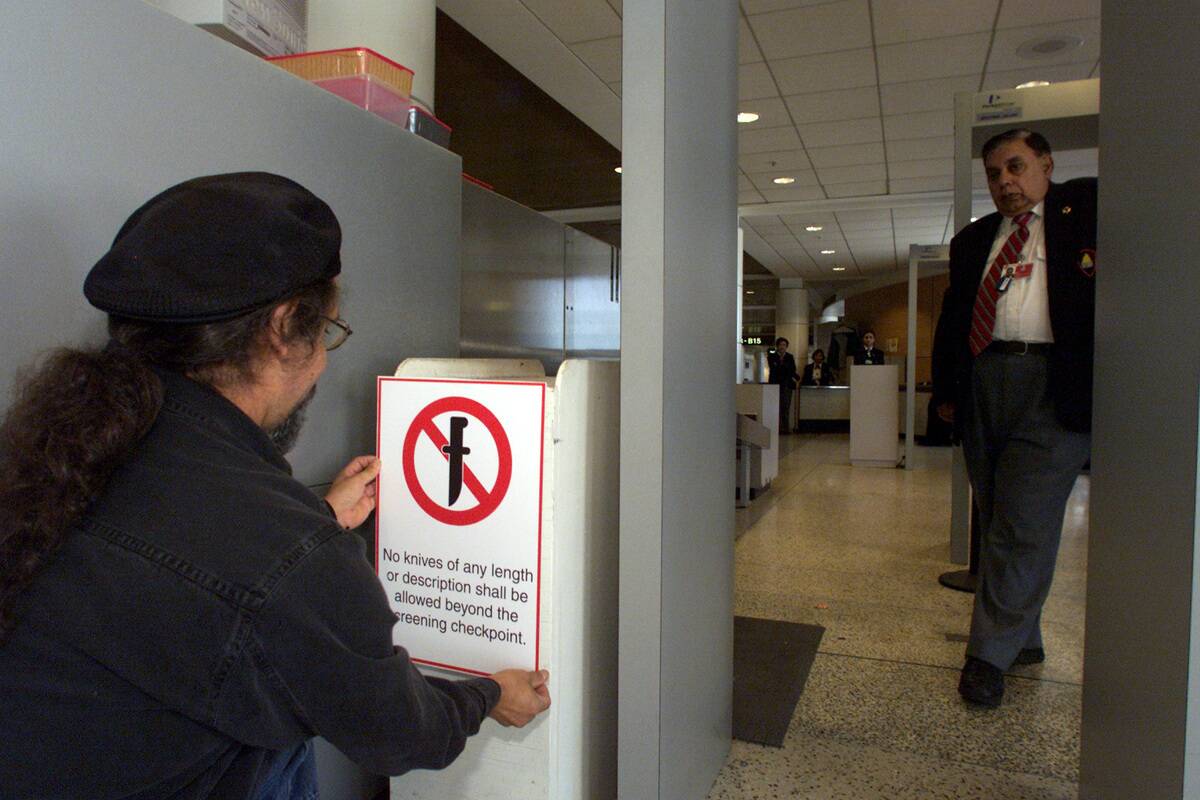
The evolution of security in air travel was largely driven by global events that highlighted the need for increased safety measures. The tragic events of 9/11 were a turning point, leading to the implementation of stricter security protocols worldwide.
These changes transformed the air travel experience, prioritizing passenger safety and reshaping the way we navigate airports today.
Reflecting on the Changes: What We Gained and What We Missed
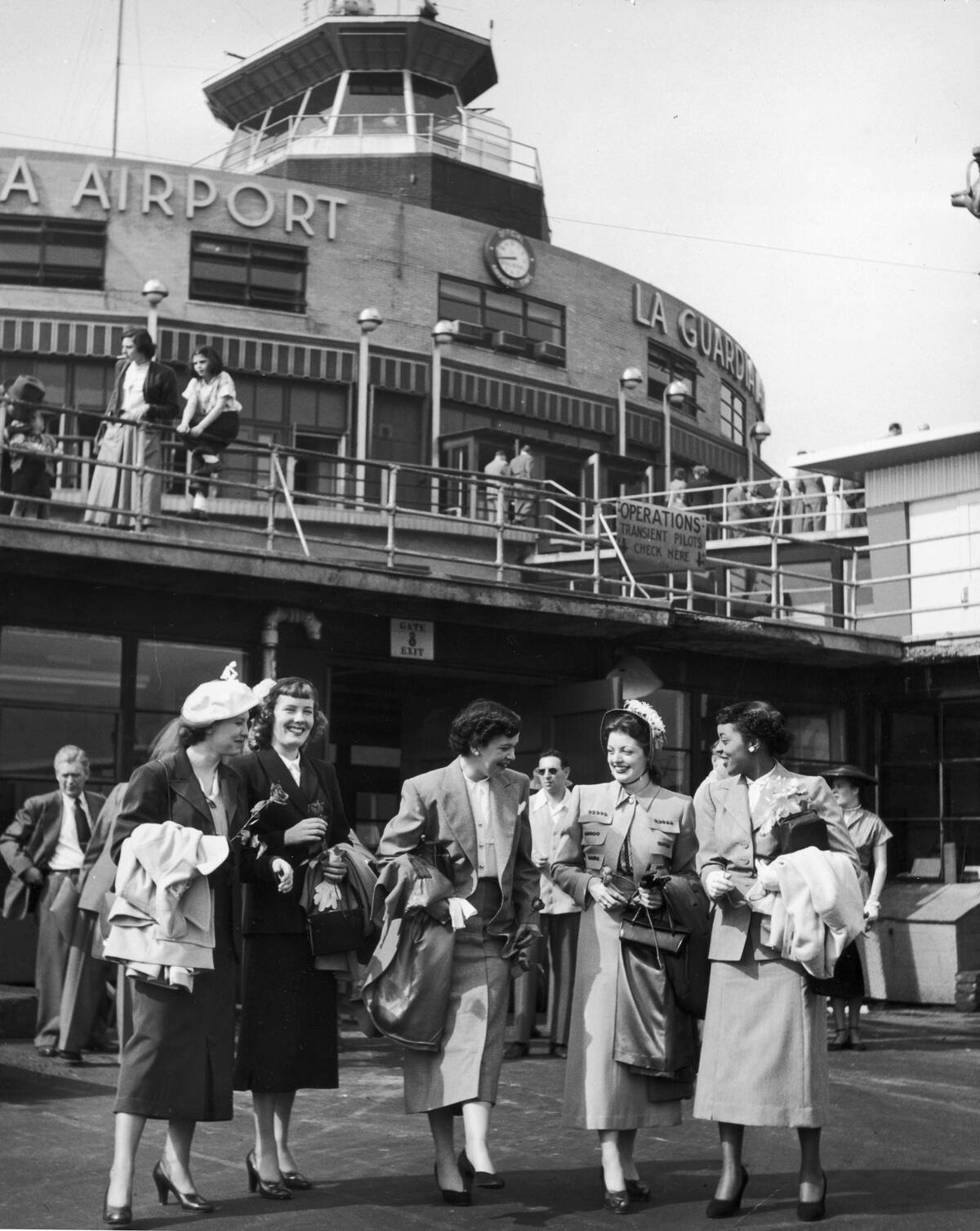
Reflecting on the changes in air travel, it’s clear that we’ve gained a greater focus on safety and efficiency. However, we’ve also lost some of the charm and personal touch that made flying a special experience.
While modern conveniences and technology have made travel more accessible, there’s a sense of nostalgia for the days when air travel was a luxurious and leisurely affair.