Things every living room had in the 90s
Ah, the 90s! A time when the living room was the heart of the home, filled with quirky decor and beloved gadgets. It was a decade that brought families together to enjoy the simple pleasures of life.
From the iconic boxy TV sets to the floral patterned sofas, each element had its own charm.
The Iconic Boxy TV Set
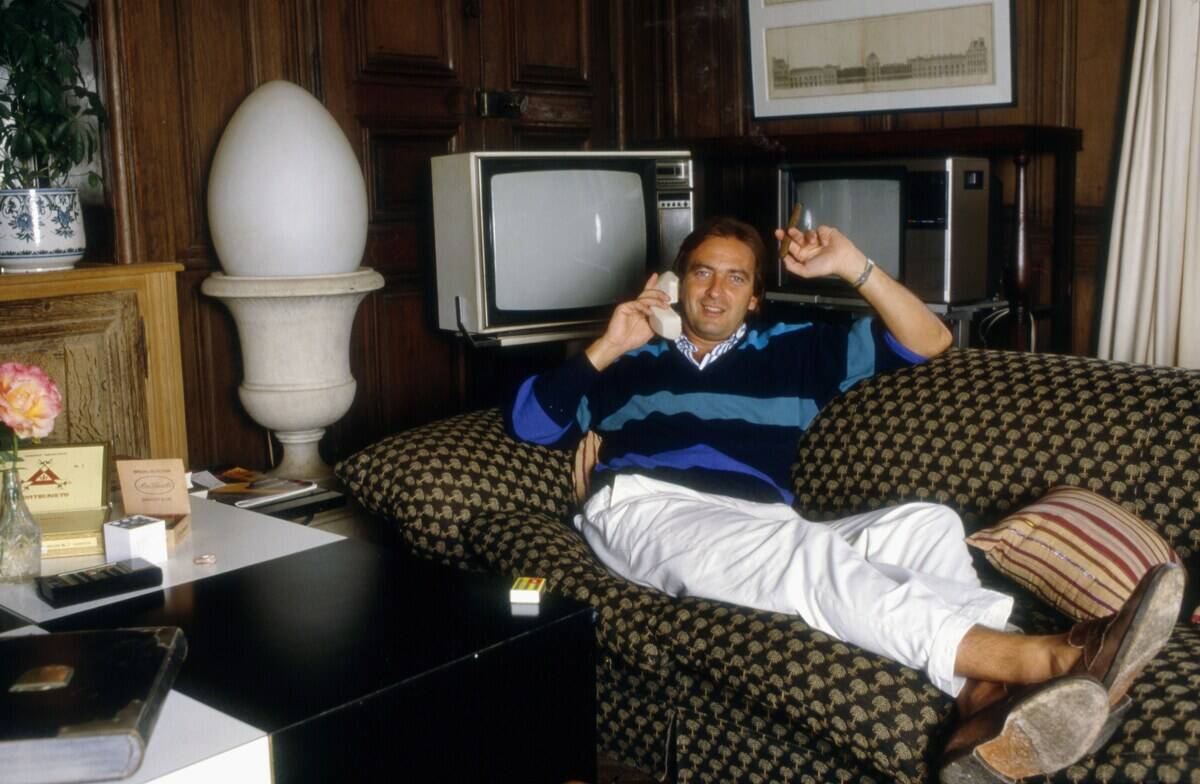
The 90s living room was incomplete without the bulky, boxy TV set. These CRT televisions were the centerpiece, often taking up a significant amount of space. With their curved screens and wood-paneled exteriors, they had a distinct retro appeal.
Despite their size, they delivered hours of entertainment, from Saturday morning cartoons to prime-time sitcoms. It was a time when adjusting the rabbit ear antennas was a common ritual to get the clearest picture.
VCRs and Stacks of VHS Tapes
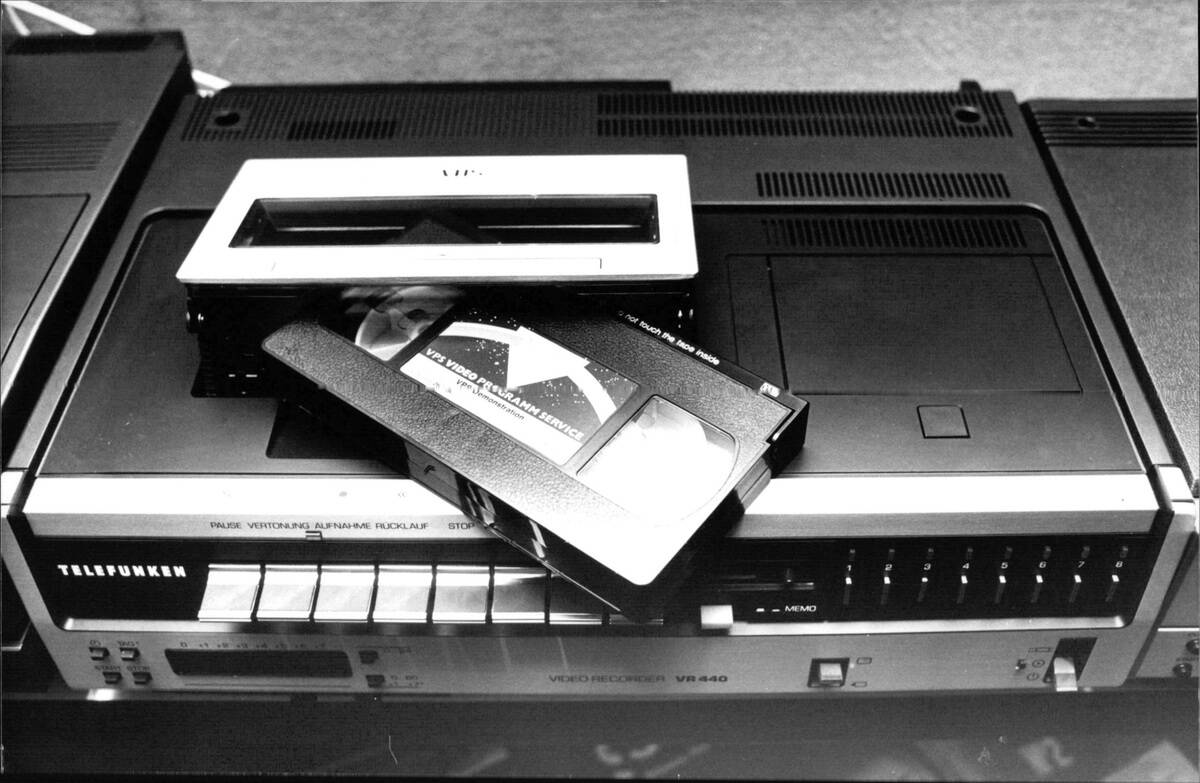
No 90s living room was complete without a VCR and a towering stack of VHS tapes. These tapes were a treasure trove of recorded TV shows, home movies, and blockbuster rentals. Remember the excitement of visiting the video rental store and picking out the latest release?
Rewinding tapes before returning them was a must, and the familiar whirring sound of a VCR in action was music to the ears of any 90s kid.
The Essential Coffee Table
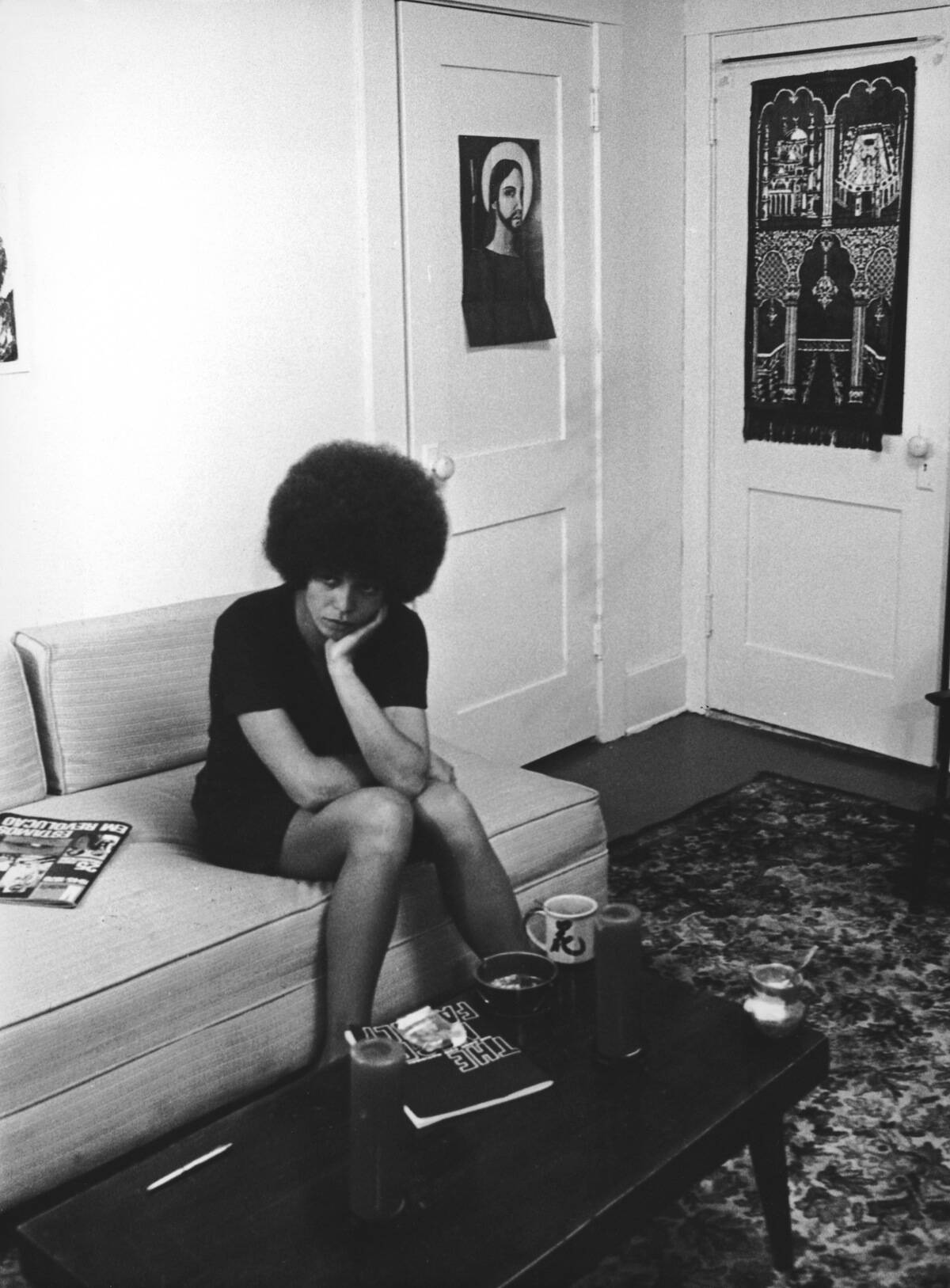
The coffee table was more than just a piece of furniture; it was the command center of the living room. It held everything from remote controls to magazines and, of course, the occasional snack.
Often made of wood or glass, these tables were the perfect spot for a family board game night or a place to rest your feet after a long day. It was a staple that brought functionality and style to the cozy 90s living room.
Floral Patterned Sofas and Loveseats
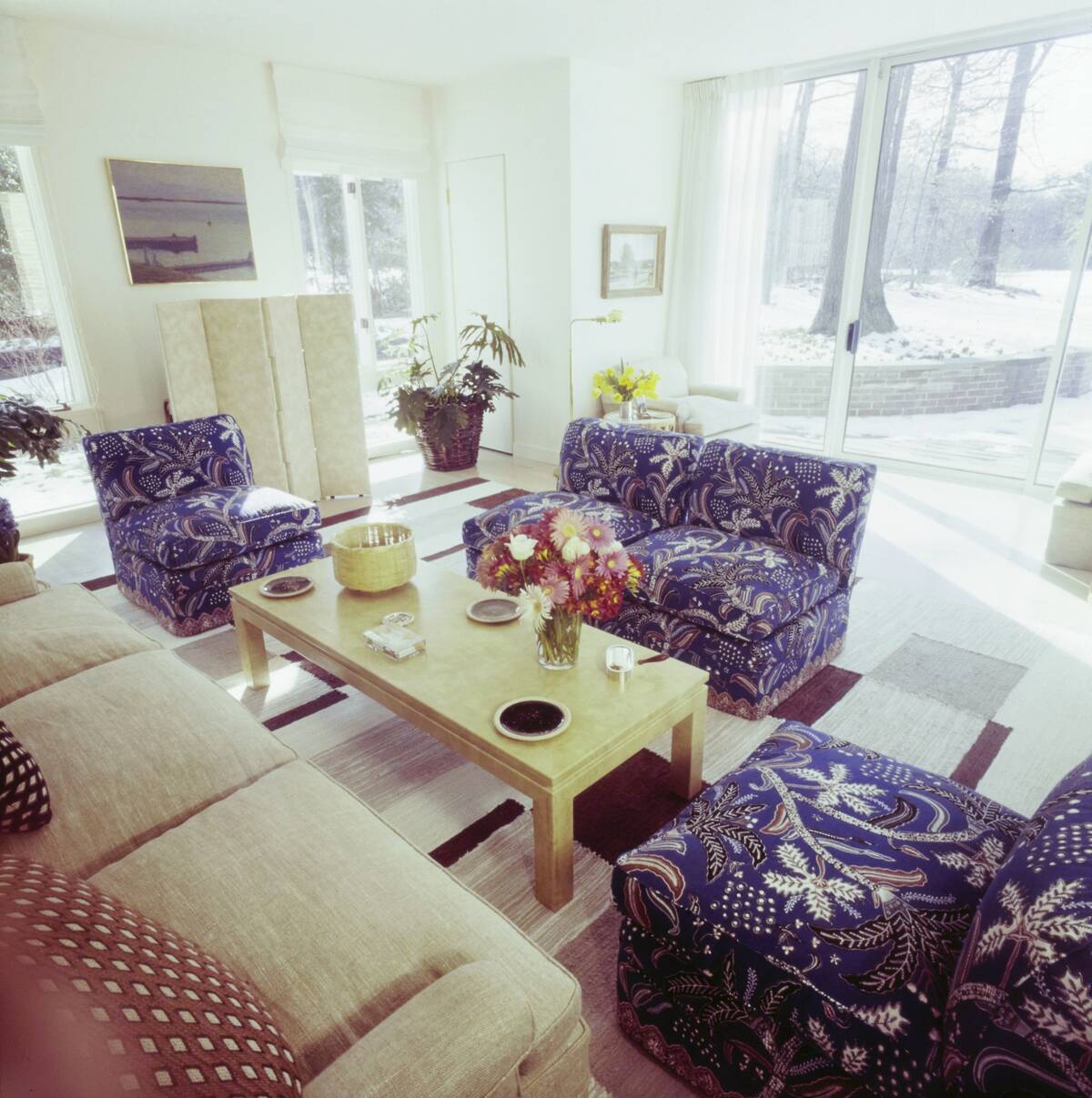
Floral patterns were all the rage in the 90s, and nowhere was this more evident than on sofas and loveseats. These pieces of furniture were often upholstered in bold, colorful floral prints that added a touch of whimsy to the living room.
They were comfortable, inviting, and perfect for lounging during family movie nights. Whether it was a classic rose pattern or a more abstract floral design, these sofas were a hallmark of 90s decor.
A Collection of Remote Controls
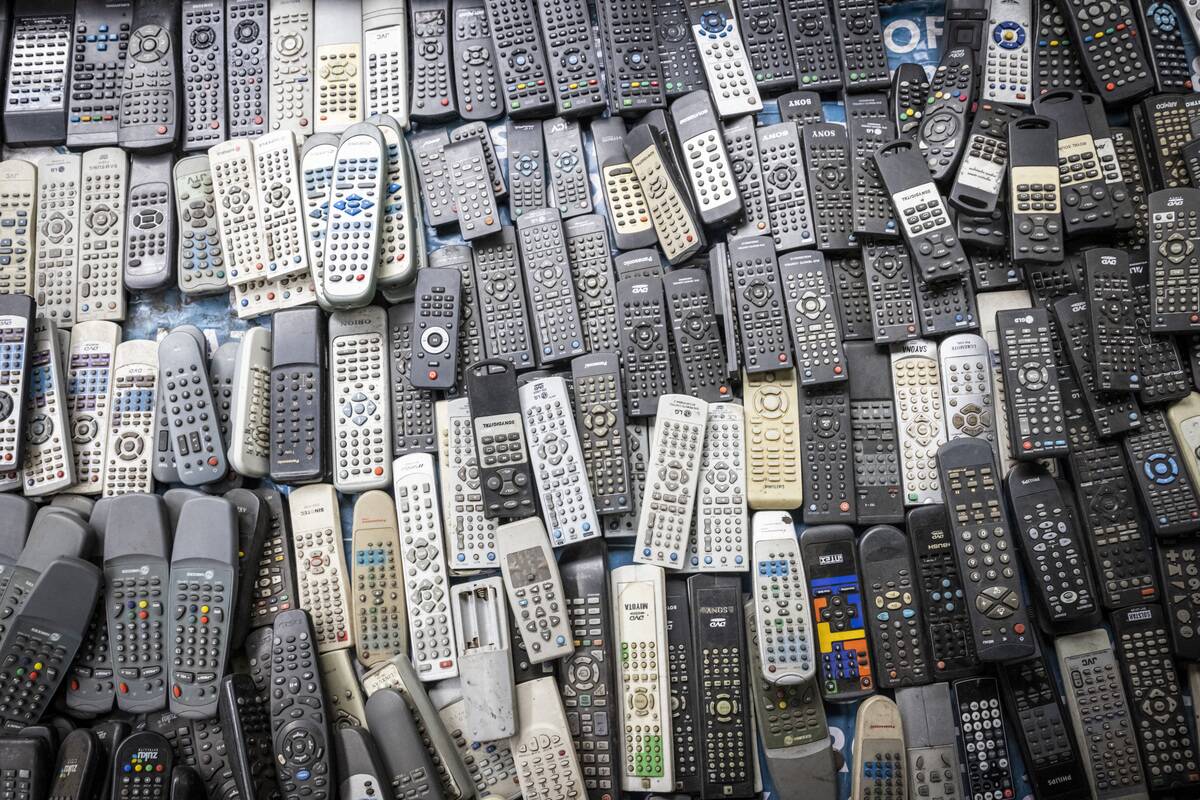
In the 90s, remote controls were a staple, often scattered across the coffee table or tucked between sofa cushions. With each device needing its own remote, it was common to have a collection for the TV, VCR, and stereo system.
The universal remote was a game-changer, promising to simplify the chaos. However, finding the right remote at the right time was an art form, often leading to playful arguments over who had misplaced it last.
The Classic Floor or Table Lamp
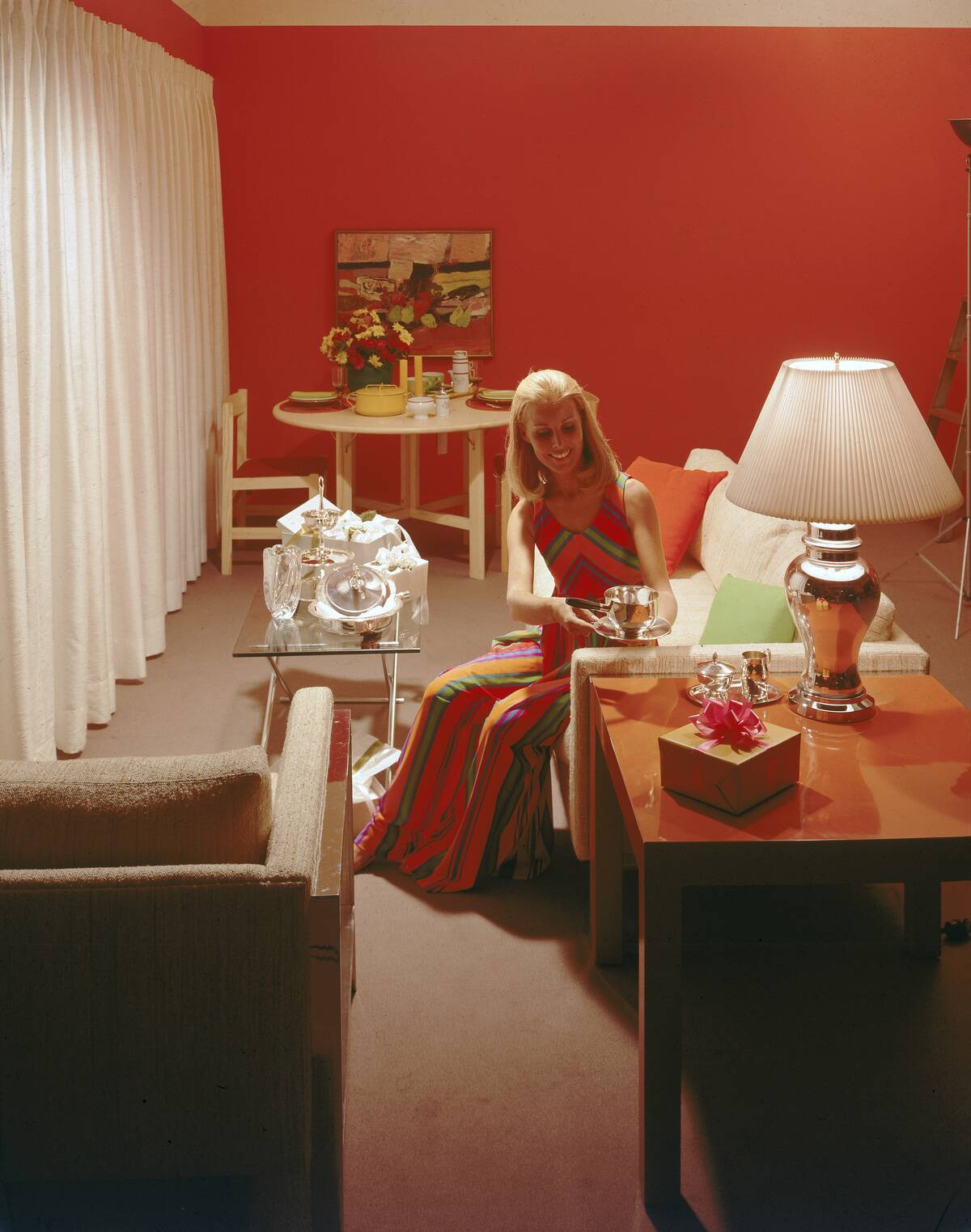
Lighting in the 90s living room was all about ambiance, and floor or table lamps played a crucial role. These lamps came in various styles, from sleek and modern to ornate and traditional.
They provided the perfect amount of light for reading a book or setting a cozy mood for movie nights. Often placed next to the sofa or in a corner, they were both functional and decorative, casting a warm glow over the room.
A Family Portrait Wall
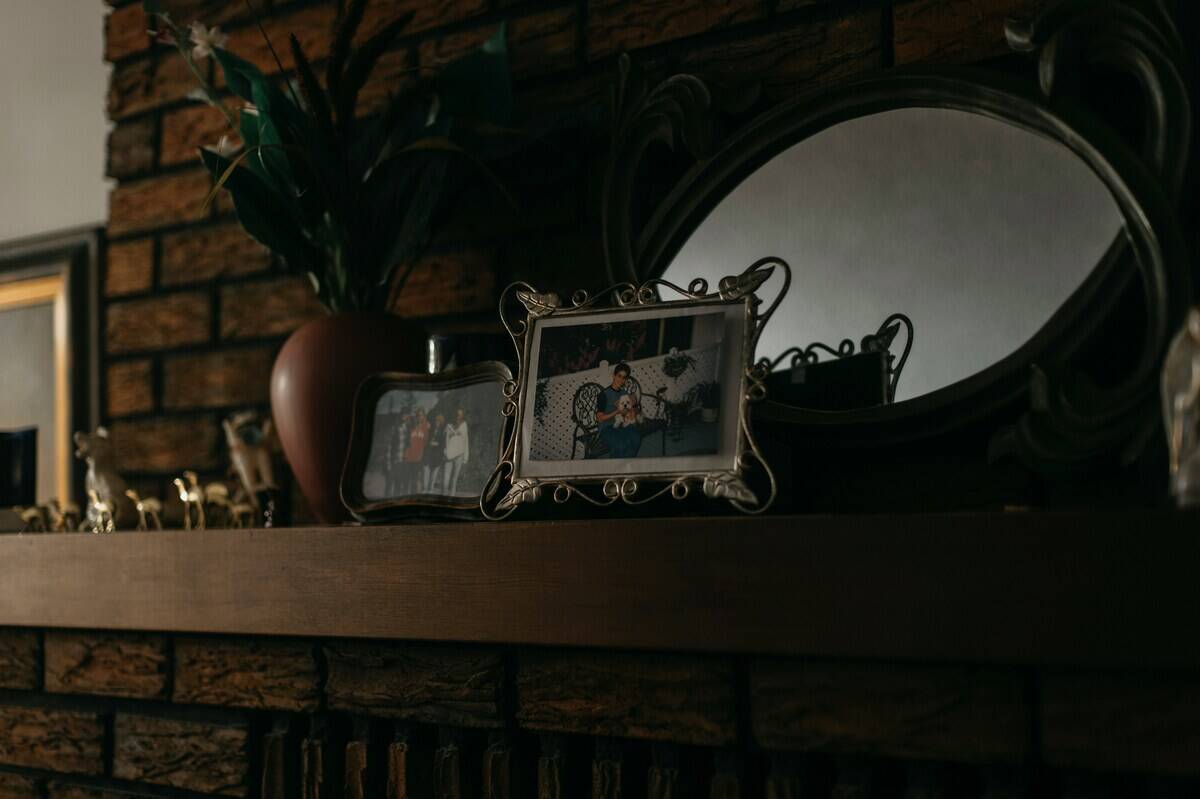
Family portrait walls were a cherished feature in many 90s living rooms. These walls were adorned with framed photographs capturing special moments and milestones. From school pictures to family vacations, each photo told a story.
The frames varied in size and style, creating a collage of memories that added a personal touch to the room. It was a way to celebrate family and keep loved ones close, even when they were miles away.
The Timeless Recliner Chair
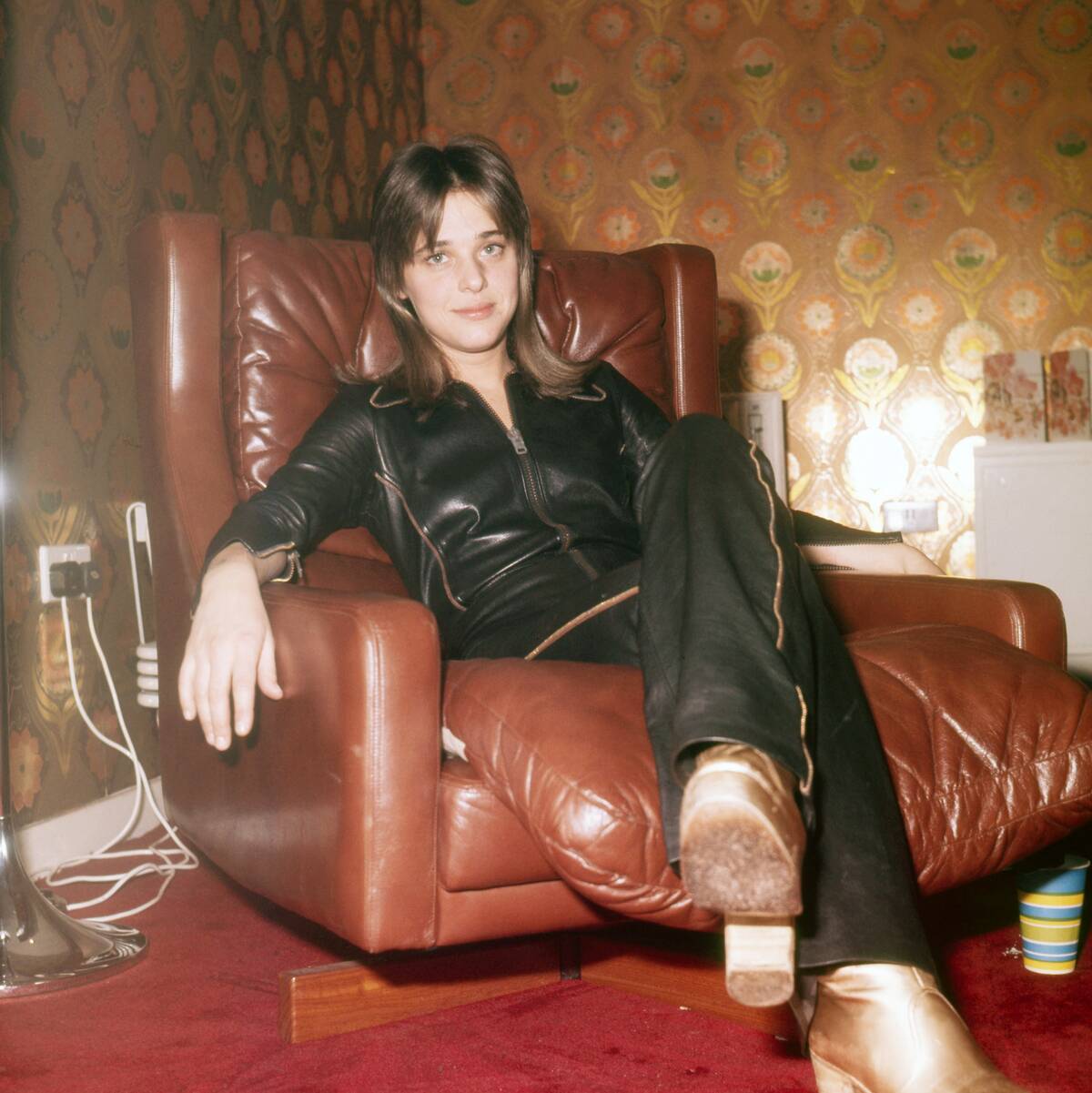
The recliner chair was the epitome of comfort in the 90s living room. With its plush cushions and reclining feature, it was the perfect spot to unwind after a long day. Often reserved for the head of the household, it was a throne of relaxation.
Whether watching TV, reading a book, or taking a nap, the recliner was a beloved piece of furniture that offered both style and comfort, making it a timeless addition to any living room.
A Well-Used Board Game Collection
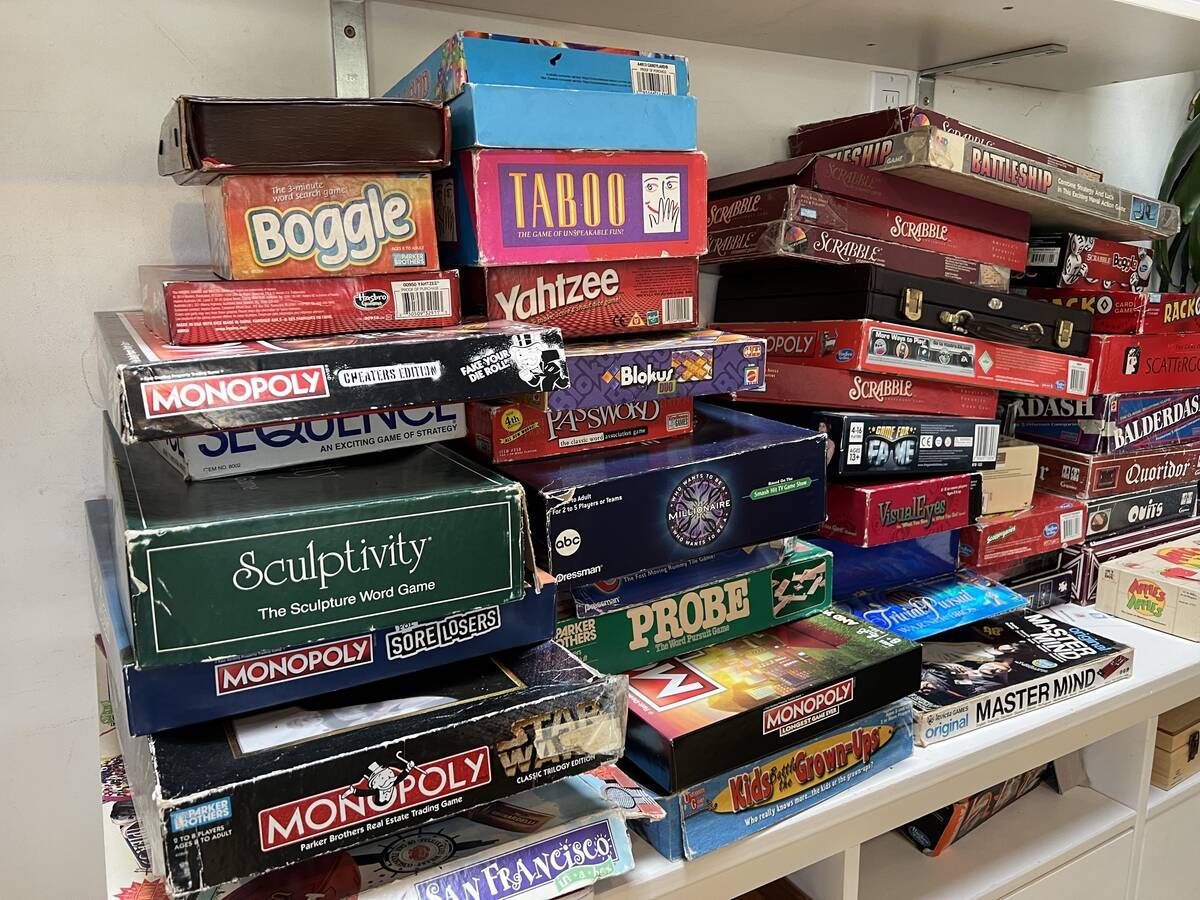
Board games were a staple of family entertainment in the 90s, and a well-used collection was a common sight in the living room. Games like Monopoly, Scrabble, and Clue brought families together for hours of fun and friendly competition.
Stacked neatly on shelves or tucked away in a closet, these games were always ready for a spontaneous game night. They provided a break from screen time and fostered bonding and laughter among family members.
The Decorative Doily Craze
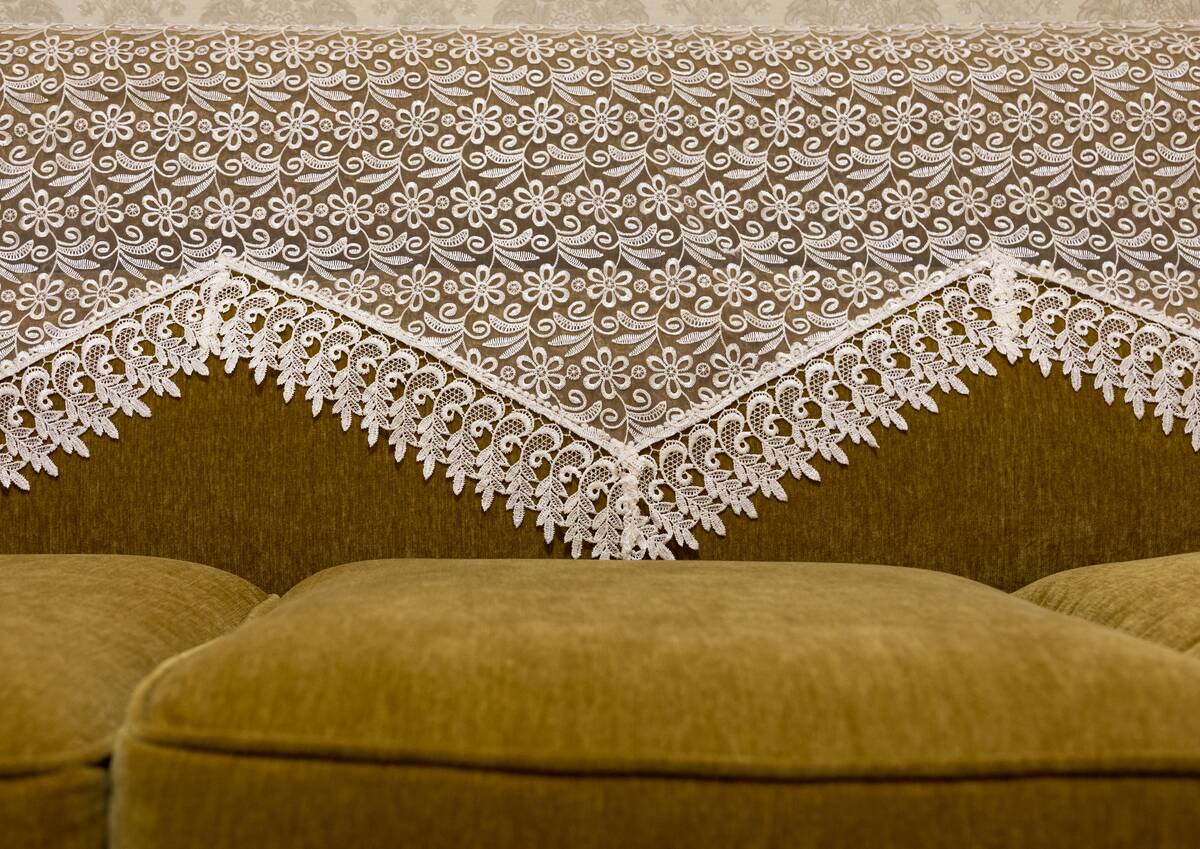
Decorative doilies were a charming addition to the 90s living room, often found draped over the arms of sofas or under vases on the coffee table. These intricately crocheted pieces added a touch of elegance and nostalgia to the decor.
They were available in various patterns and colors, each one a testament to the craftsmanship of its creator. Doilies were not just decorative; they were a nod to tradition and a way to add a personal touch to the home.
Houseplants: The Indoor Jungle
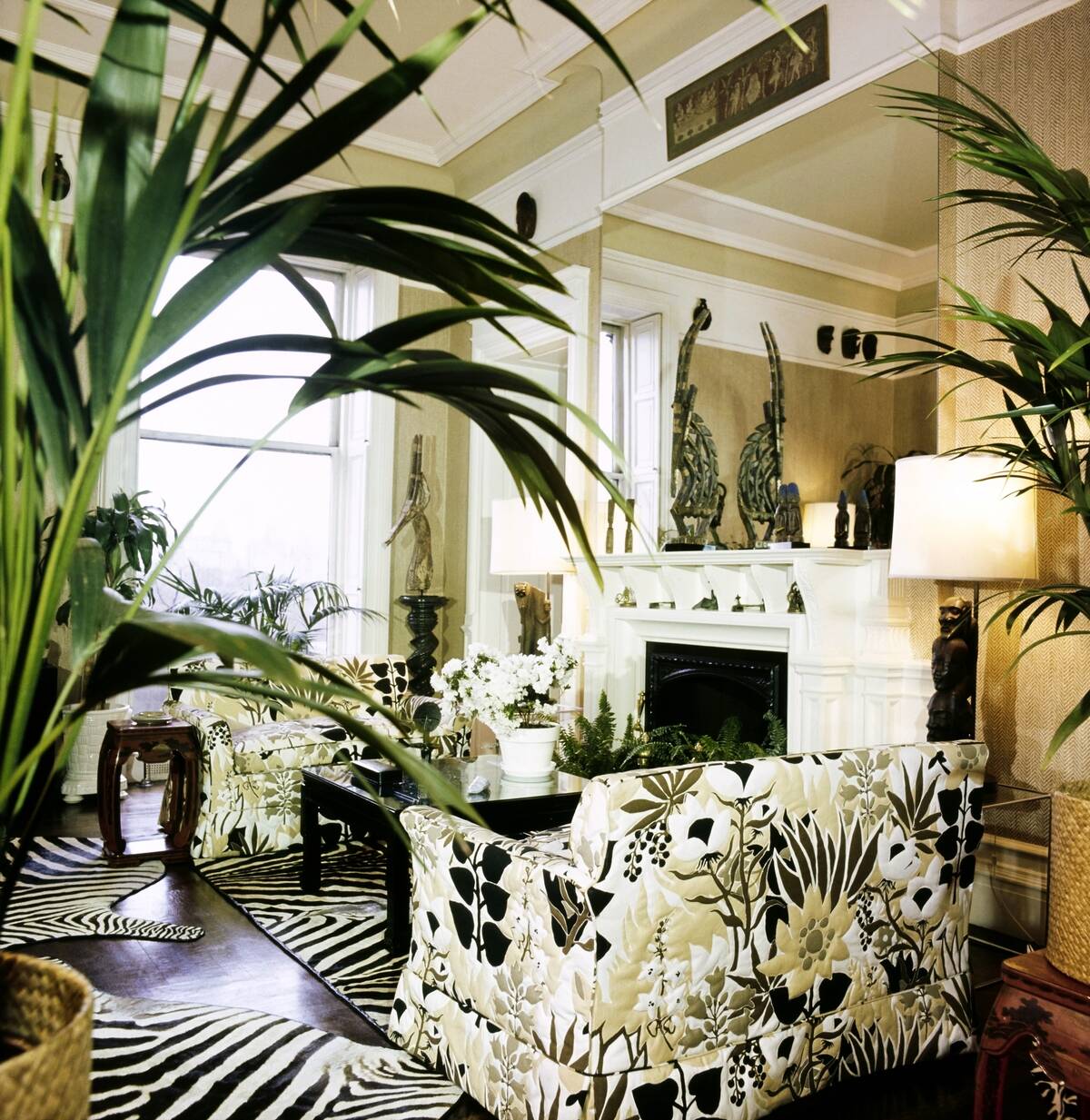
Houseplants were a popular trend in the 90s, turning living rooms into lush indoor jungles. From towering ficus trees to trailing ivy, these plants added a touch of nature and freshness to the home.
They were often placed in decorative pots or hanging baskets, bringing life and color to the room. Caring for houseplants became a beloved hobby, with families tending to their green companions and enjoying the benefits of cleaner air and a more inviting space.
The Beloved Corded Telephone
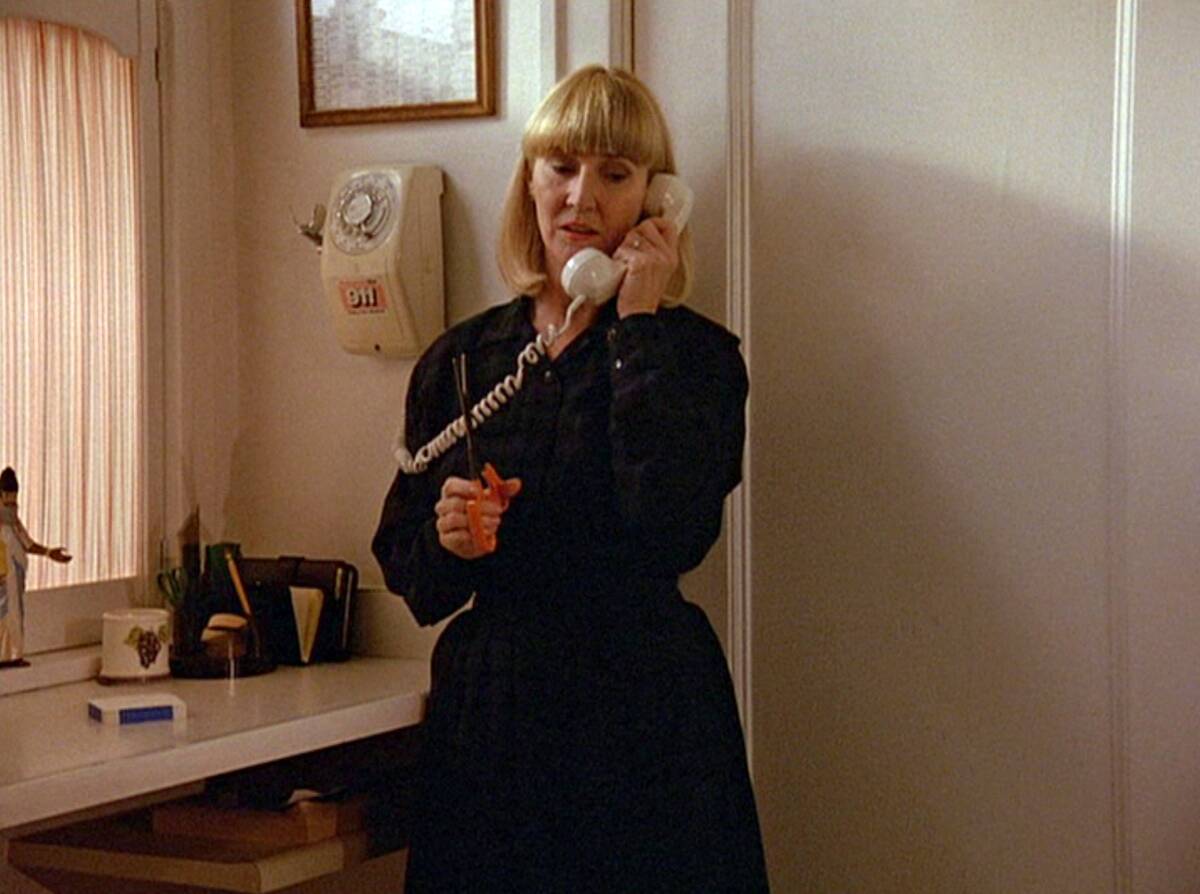
The corded telephone was a fixture in the 90s living room, often sitting on a side table or mounted on the wall. With its coiled cord and rotary or push-button dial, it was a reliable means of communication.
Family members would gather around for long conversations, sometimes stretching the cord to its limit. The phone’s ring was a familiar sound, signaling the arrival of news or a friendly chat, making it a beloved part of daily life.
A Shelf Full of Encyclopedias
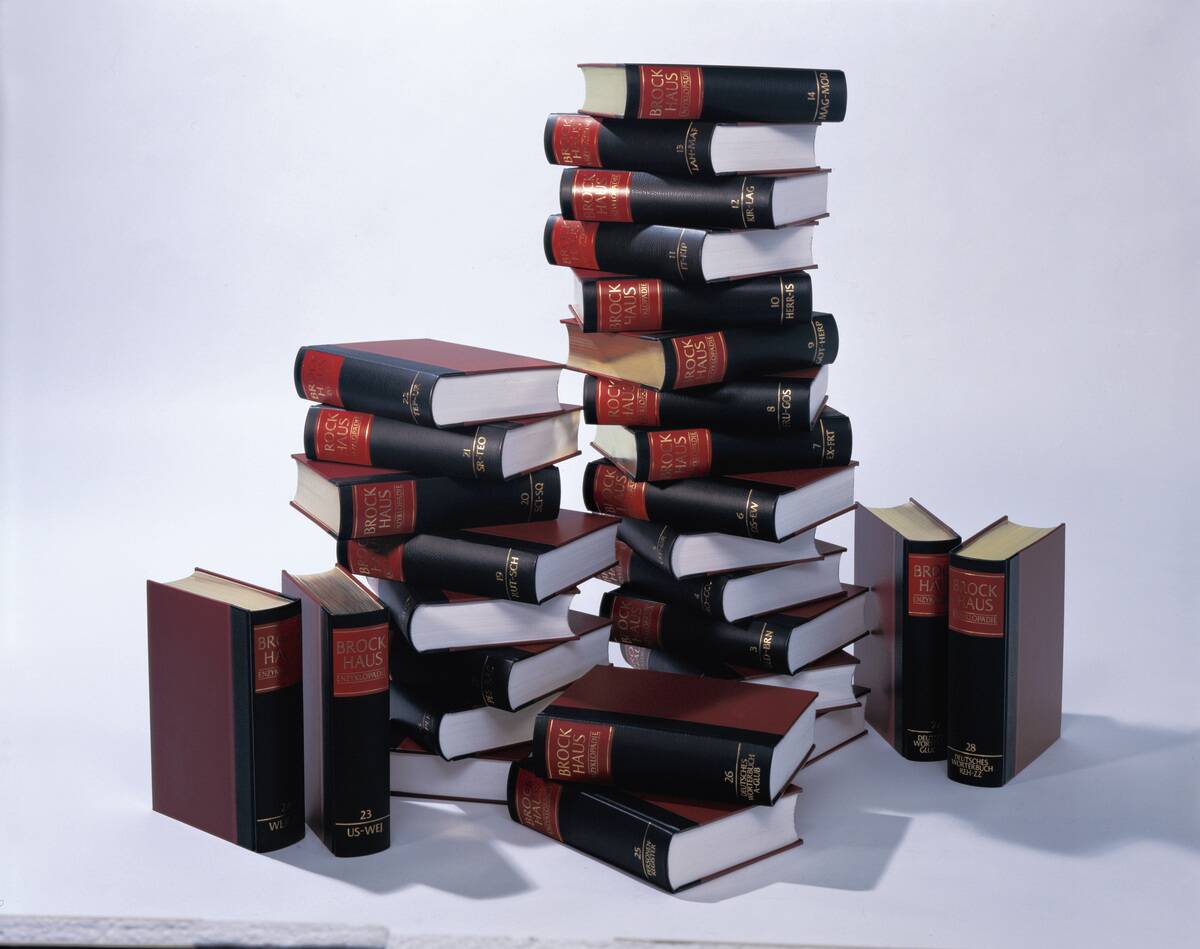
Before the internet became a household staple, encyclopedias were the go-to source for information. A shelf full of these hefty volumes was a common sight in the 90s living room. They were a treasure trove of knowledge, covering a wide range of topics from science to history.
Families would often turn to them for school projects or to satisfy their curiosity. The encyclopedias were more than just books; they were a gateway to learning and exploration.
The Trusty Magazine Rack
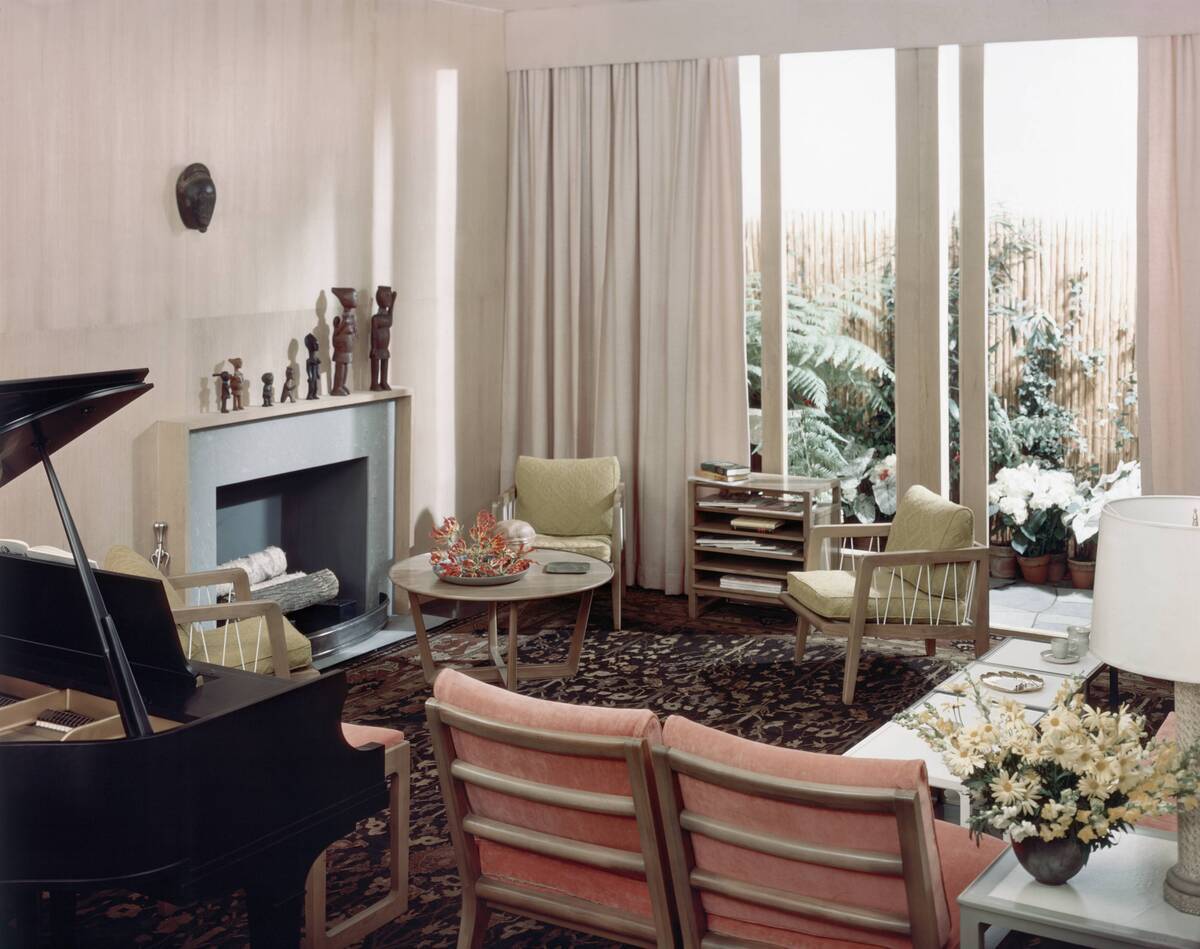
The magazine rack was a practical addition to the 90s living room, keeping reading materials organized and within reach. Filled with the latest issues of popular magazines like “Time,” “National Geographic,” and “Reader’s Digest,” it was a source of entertainment and information.
The rack was often placed next to the sofa or recliner, offering a convenient spot to grab a magazine and relax. It was a simple yet effective way to keep the living room tidy and inviting.
A Display of Cherished Knick-Knacks
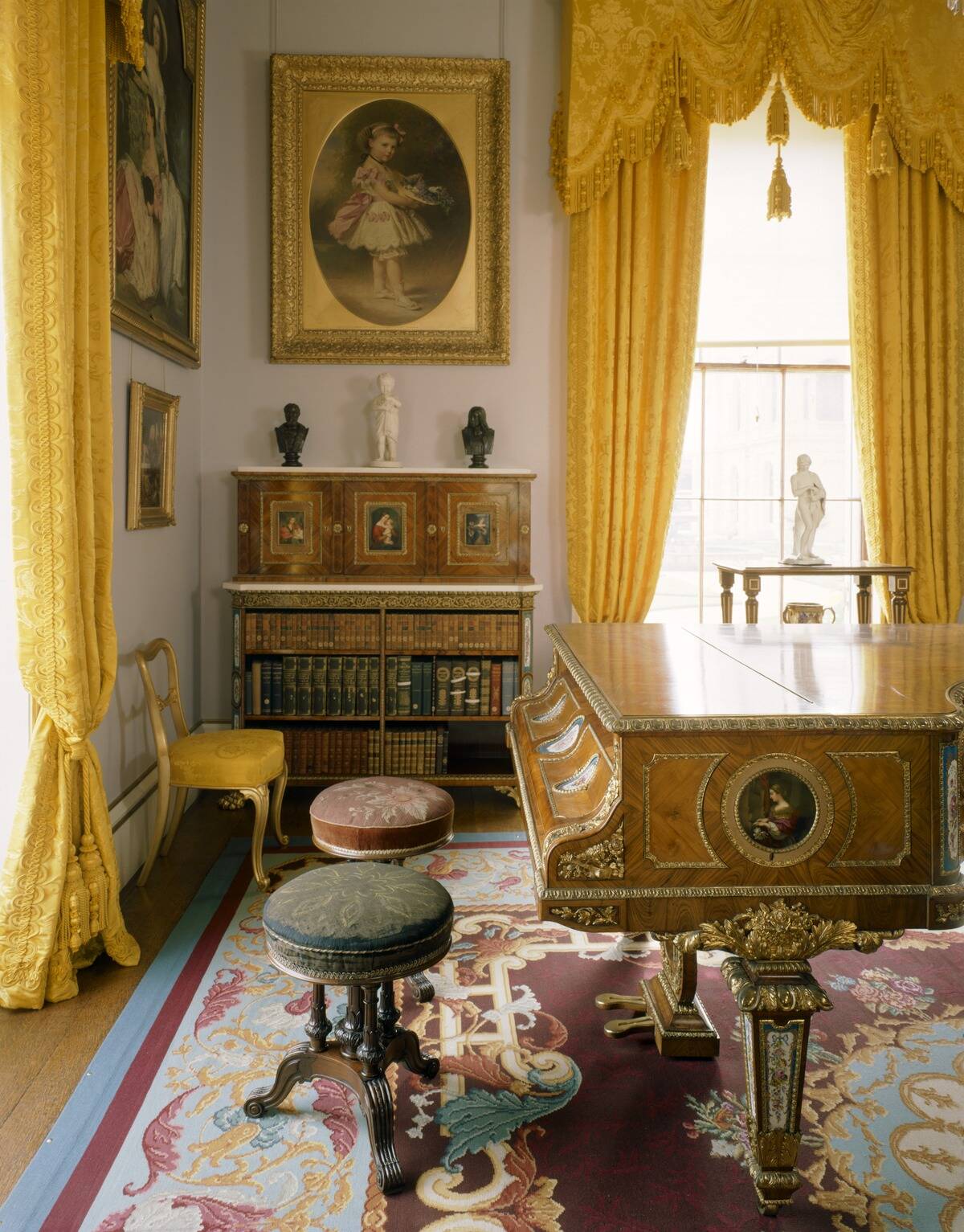
Knick-knacks were a beloved feature of the 90s living room, adding personality and charm to the decor. From porcelain figurines to souvenir trinkets, these items were displayed on shelves or mantels, each with its own story.
They were often collected during family vacations or gifted by loved ones, making them cherished mementos. The knick-knacks added a touch of whimsy and nostalgia, transforming the living room into a reflection of the family’s unique journey.
The Traditional Area Rug
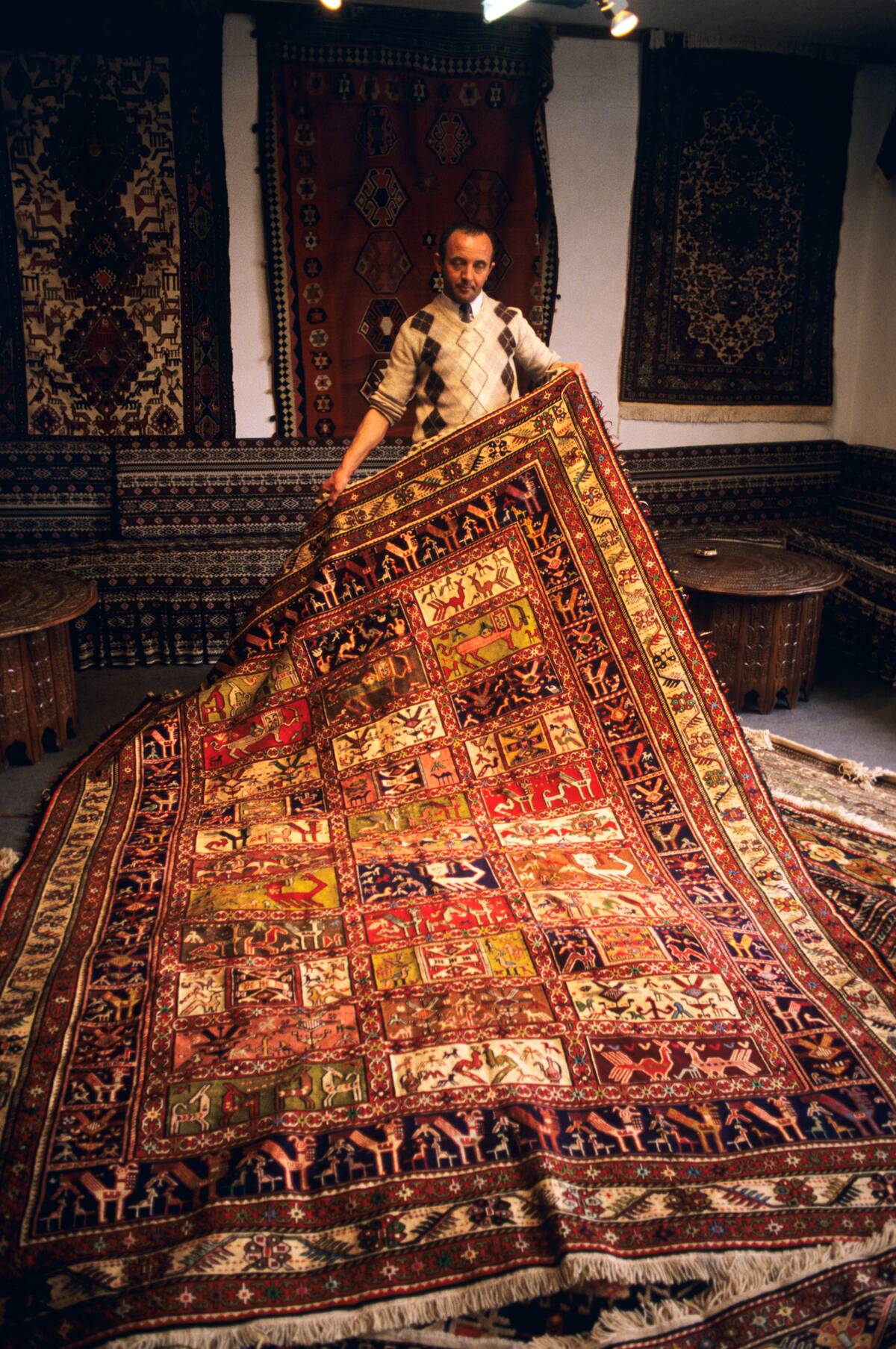
The traditional area rug was a staple in the 90s living room, adding warmth and style to the space. These rugs came in various patterns and colors, from classic Persian designs to bold geometric prints.
They were often placed under the coffee table or in the center of the room, tying the decor together. The soft texture provided a cozy spot for children to play or for family members to gather around during movie nights, making it a beloved feature of the home.
The Ever-Present CD Tower
The CD tower was a must-have for music lovers in the 90s, proudly displaying a collection of favorite albums. These tall, slender storage units kept CDs organized and easily accessible. From pop hits to classic rock, the tower was a testament to the family’s musical tastes.
It was often placed near the stereo system, ready for spontaneous dance parties or quiet listening sessions. The CD tower was more than just storage; it was a celebration of the era’s vibrant music scene.




