The royal scandals that shocked the world
Scandals have always been a part of the tapestry of royal history, weaving intrigue and controversy into the lives of those who wear the crown. These scandals often reshape public perception and can even alter the course of history.
Whether it’s affairs of the heart or financial missteps, the ripple effects are felt far beyond the palace walls. Let’s delve into some of the most notorious royal scandals that have captivated the world.
The Infamous Affair of King Henry VIII and Anne Boleyn
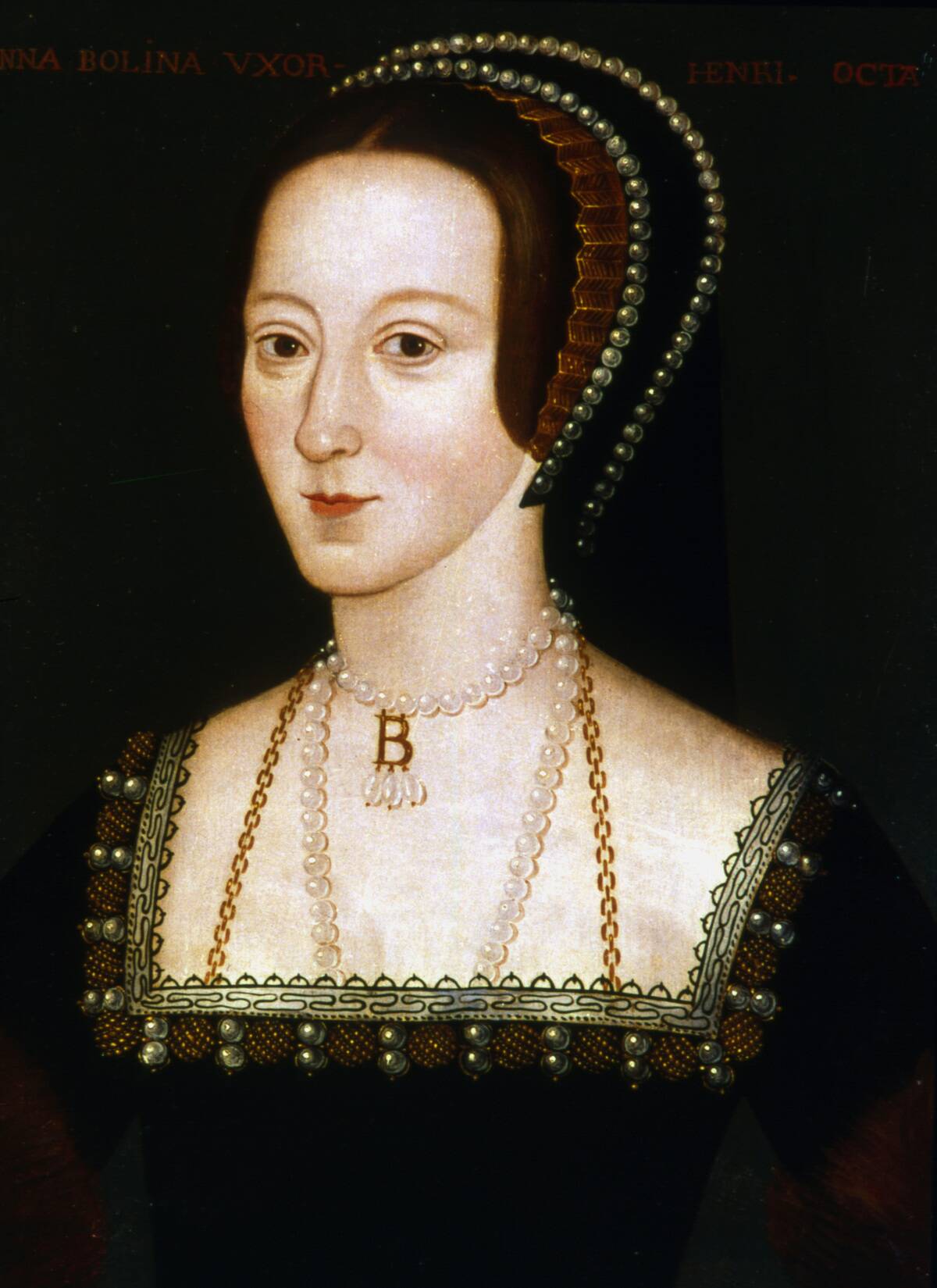
King Henry VIII’s relationship with Anne Boleyn became a major turning point in English history, contributing to religious and political upheaval. His determination to end his marriage to Catherine of Aragon and marry Anne helped lead to England’s break with the Catholic Church and the creation of the Church of England.
While the English Reformation was also shaped by wider political and religious forces, the events surrounding Henry and Anne transformed England’s religious landscape for generations. Their relationship ended tragically when Anne Boleyn was executed in 1536 after being convicted of treason, adultery, and incest, charges that remain debated by historians.
The Abdication of King Edward VIII for Wallis Simpson
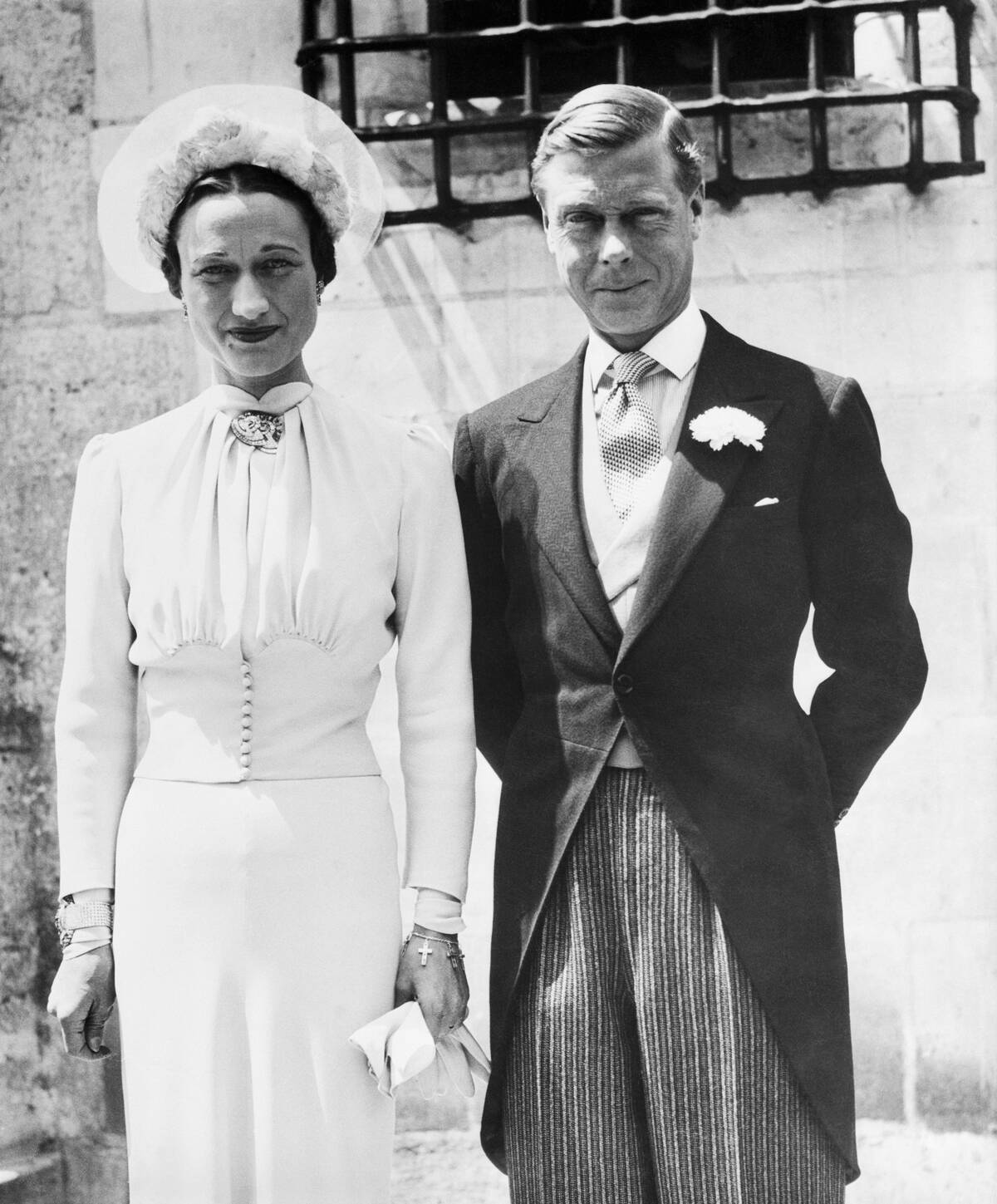
King Edward VIII’s abdication in 1936 was one of the most significant constitutional crises in British history. His desire to marry Wallis Simpson, an American woman who had been divorced twice, faced strong opposition from the Church of England, the British government, and much of the establishment.
Unable to marry Simpson and remain on the throne, Edward chose to abdicate, famously stating in his speech that he could not carry out his duties without “the support of the woman I love.” The event reshaped public perceptions of the monarchy and highlighted the balance between personal choices and royal responsibilities.
Marie Antoinette and the Diamond Necklace Affair
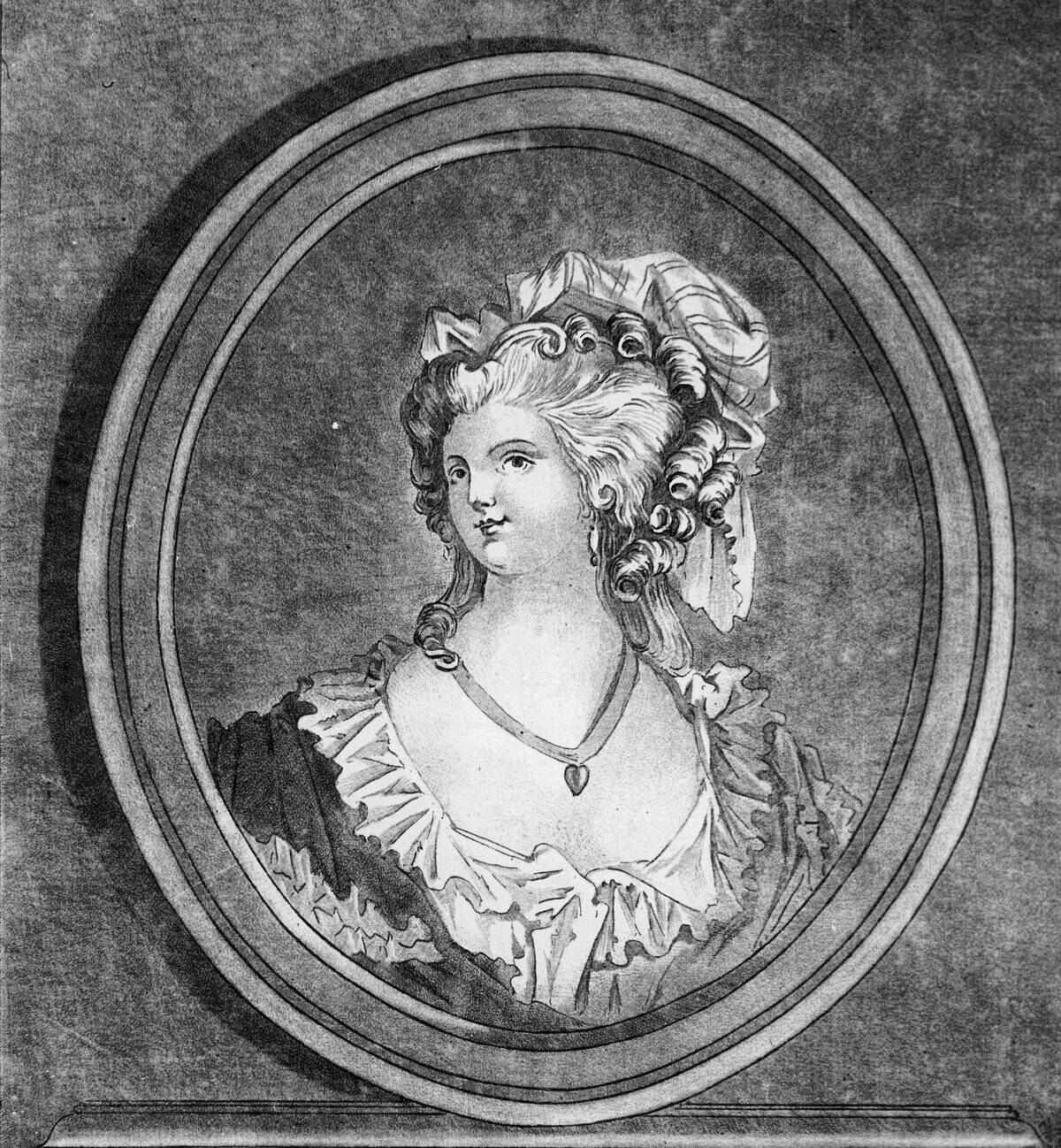
The Diamond Necklace Affair was a major scandal that damaged Marie Antoinette’s reputation, even though she was not involved in the fraud. In 1785, a scheme involving a valuable diamond necklace led the public to believe that the Queen had acted dishonestly, despite her innocence.
The scandal intensified criticism of the French monarchy and added to the negative image surrounding Marie Antoinette, becoming one of many factors that contributed to growing dissatisfaction with royal rule before the French Revolution.
The Extravagant Lifestyle of Tsarina Alexandra and Rasputin
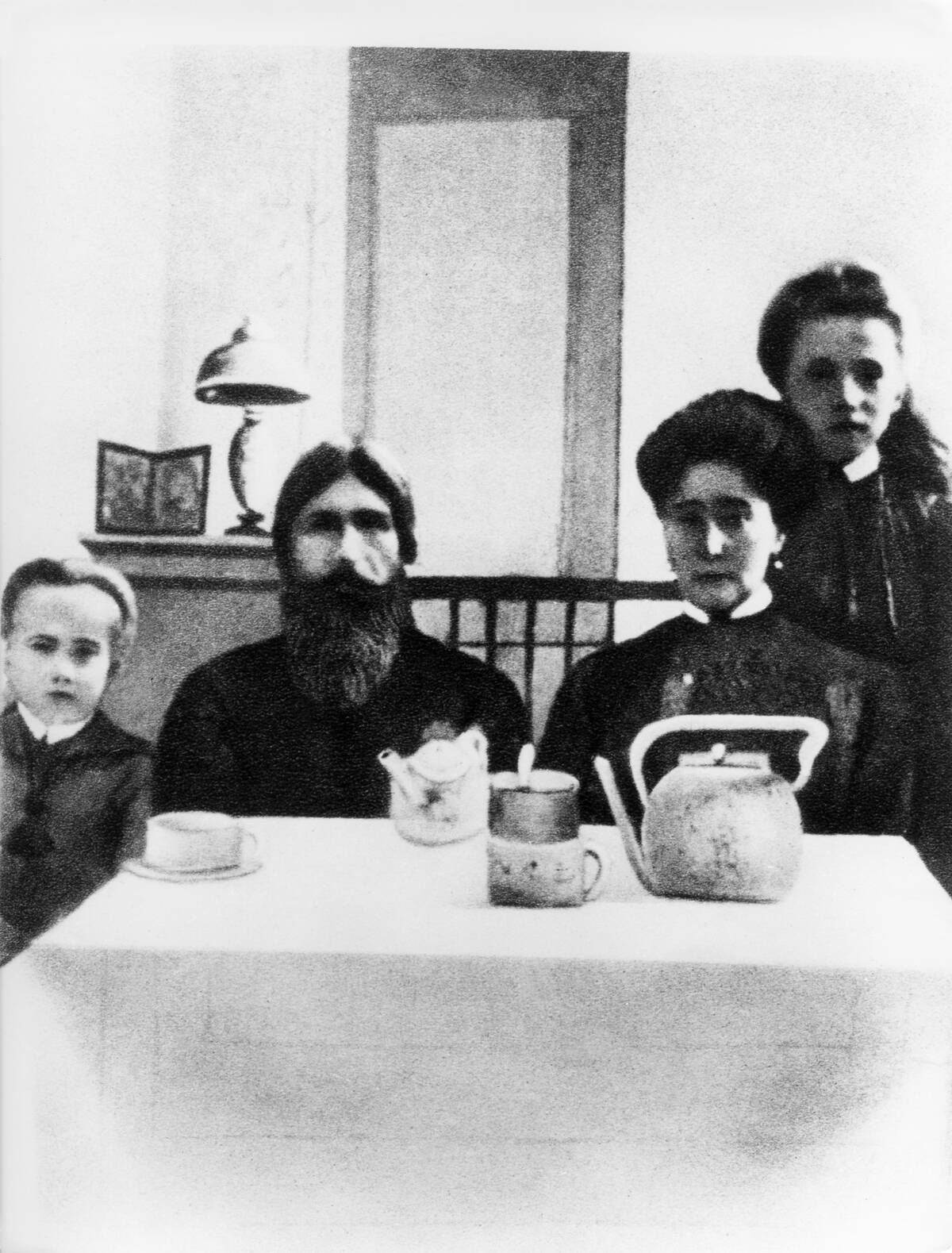
Tsarina Alexandra’s close association with the mystic Grigori Rasputin became a source of controversy and damaged the reputation of the Russian royal court. Rasputin gained the Tsarina’s trust, particularly because she believed he could help her son, Tsarevich Alexei, who suffered from hemophilia.
His growing influence over court affairs fueled public criticism and increased distrust of the Romanovs. Along with economic hardship, military setbacks, and widespread political dissatisfaction, the controversy surrounding Rasputin contributed to the declining image of the monarchy before the Russian Revolution of 1917.
The Mysterious Death of Tsar Nicholas II and His Family
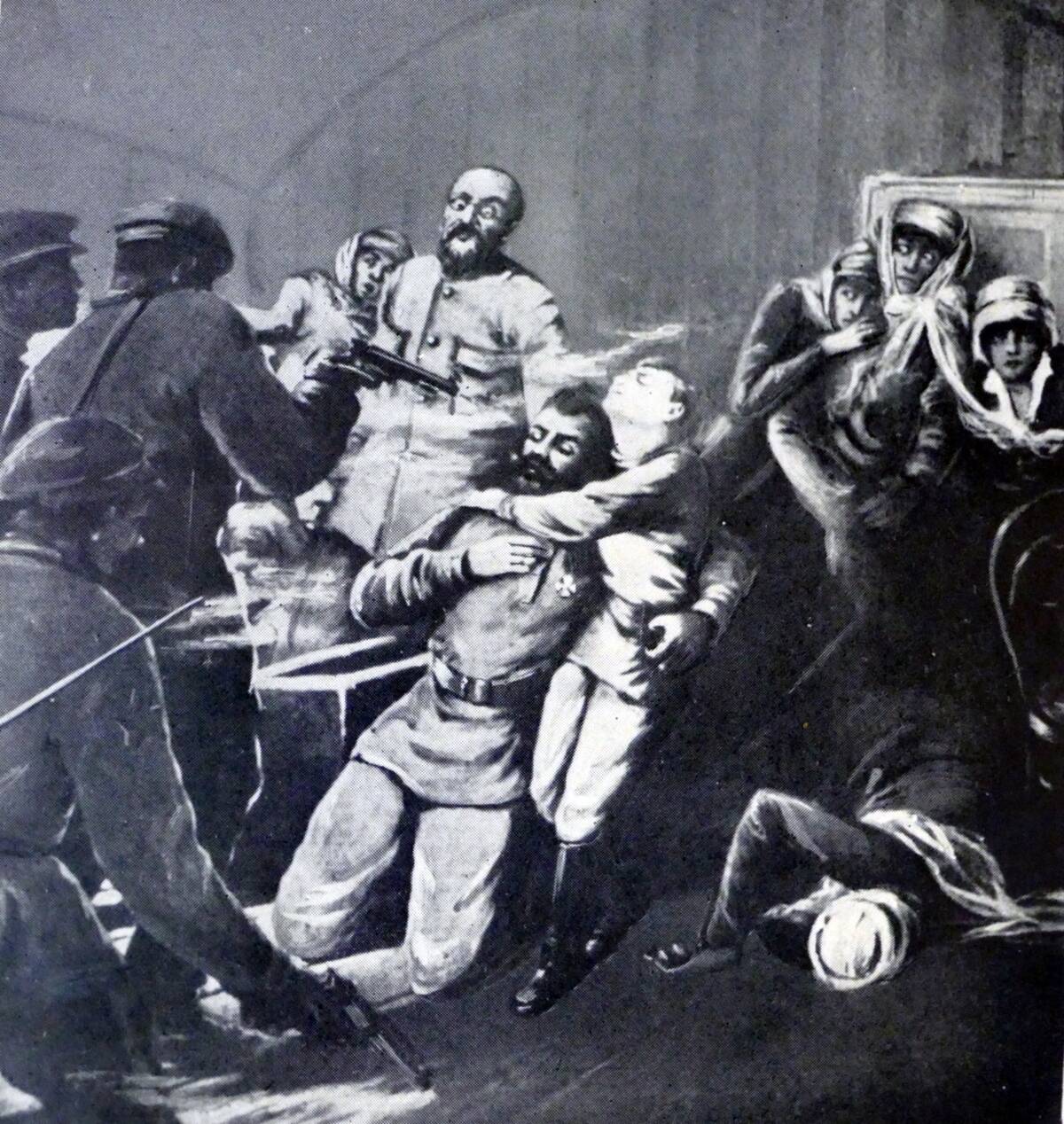
The execution of Tsar Nicholas II and his family in 1918 remains one of history’s most tragic royal events. After Nicholas II abdicated in 1917, the Romanovs were held captive by Bolshevik forces before being executed in the basement of the Ipatiev House in Yekaterinburg.
For decades, uncertainty surrounded the fate of the family, leading to persistent rumors that some members had survived. The discovery and identification of their remains in the late 20th and early 21st centuries helped resolve much of the mystery. Their deaths symbolized the end of the Romanov dynasty and the consolidation of Bolshevik power in Russia.
Princess Diana’s Tell-All Interview and Its Aftermath
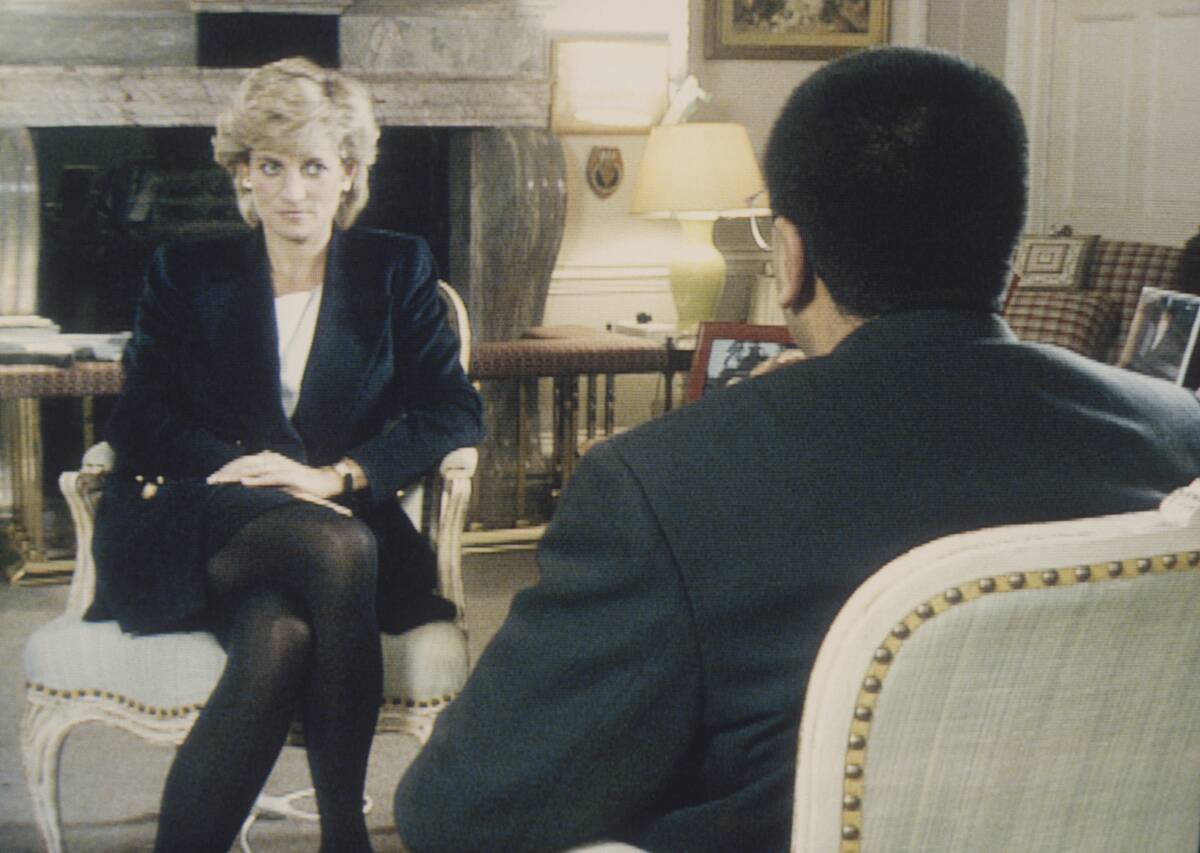
Princess Diana’s 1995 interview with Martin Bashir on BBC’s Panorama was one of the most significant moments in modern royal history. Her candid discussion of her troubled marriage to Prince Charles, including the famous remark that “there were three of us in this marriage,” referring to Camilla Parker Bowles, captured global attention.
The interview intensified public scrutiny of the royal family and influenced perceptions of the monarchy. Although Diana and Charles had already been separated since 1992, the interview was followed by their official divorce in 1996.
The Love Life of King Charles II and His Many Mistresses
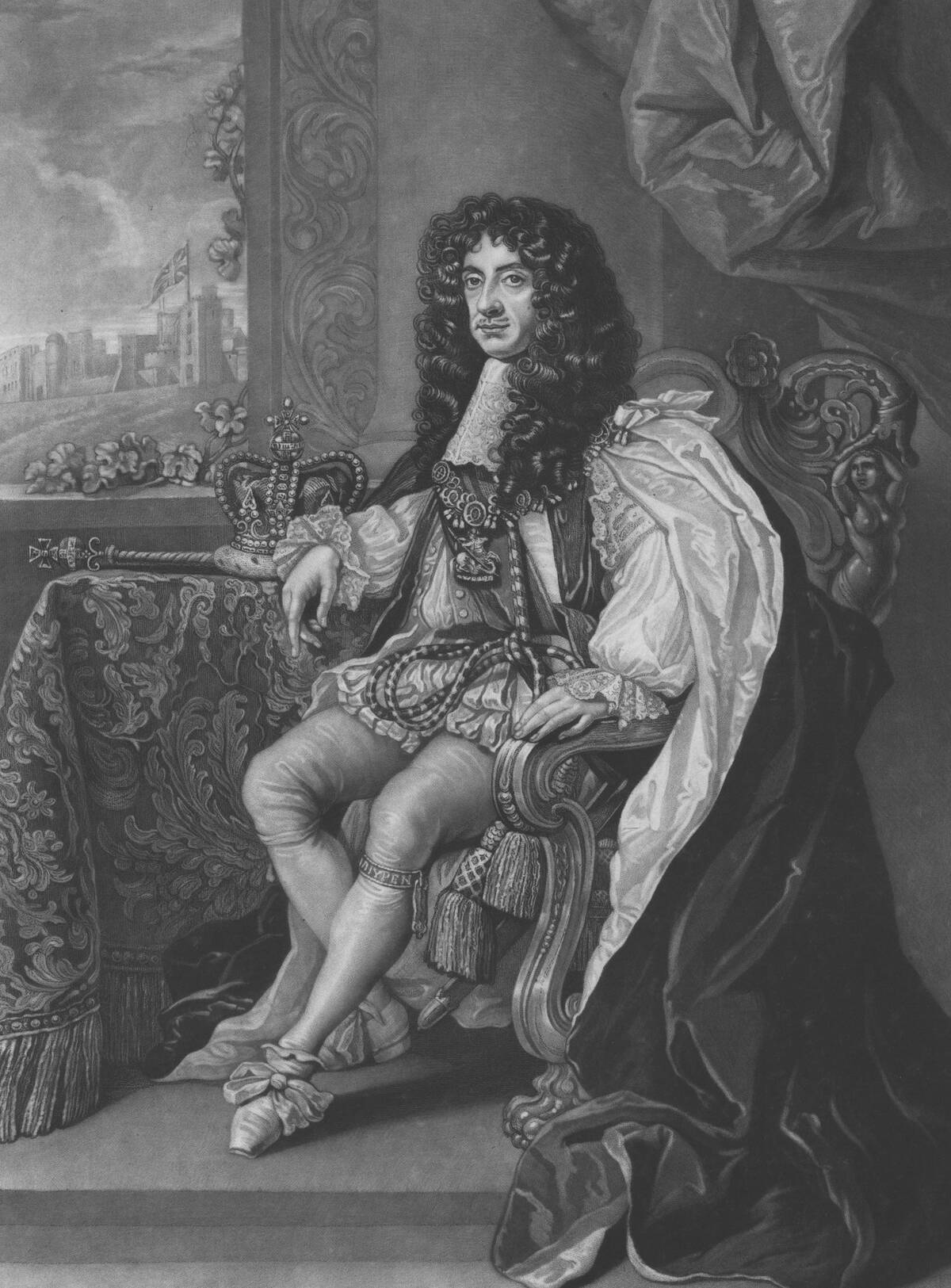
King Charles II, known as the “Merry Monarch,” was famous for his lively court and numerous relationships, which made his personal life a subject of fascination and gossip. He openly had several mistresses, including Nell Gwyn and Barbara Villiers, and fathered multiple illegitimate children.
While his court was known for its celebrations, entertainment, and extravagance, Charles II’s reign also faced political and social challenges, including religious conflicts and tensions with Parliament. Through a combination of diplomacy, adaptability, and personal charm, he helped restore stability to England after years of upheaval.
The Controversial Reign of Queen Mary I of England
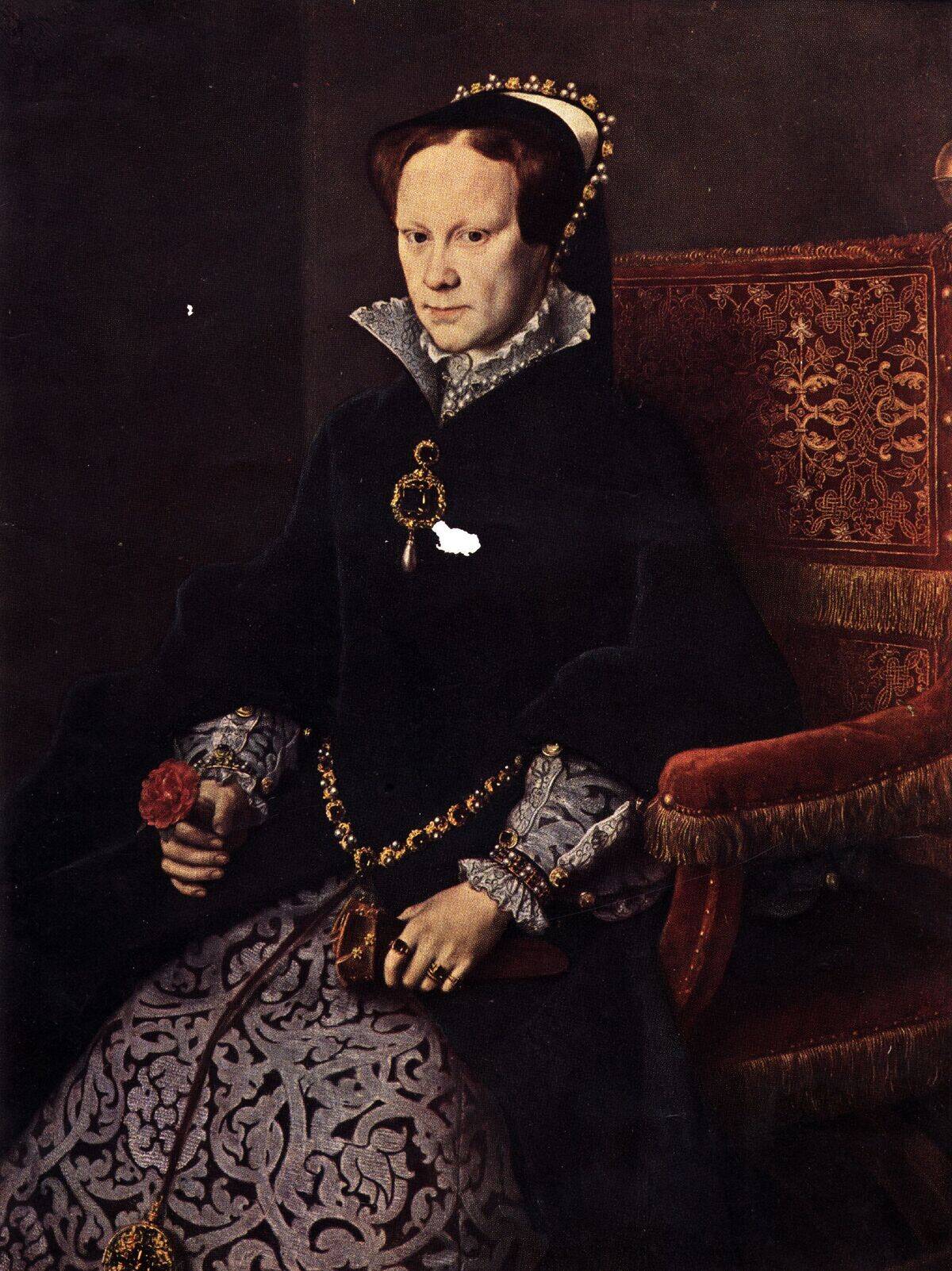
Queen Mary I of England, often remembered as “Bloody Mary,” is known for her attempt to restore Catholicism after the Protestant reforms of her father, Henry VIII, and her half-brother, Edward VI. During her reign from 1553 to 1558, hundreds of Protestants were executed for heresy, with many burned at the stake, earning her a lasting reputation for religious persecution.
Although Mary sought to reestablish Catholic authority in England, her reign was brief, and her religious policies were reversed after her death by her successor and half-sister, Elizabeth I, who restored Protestantism.
Prince Andrew’s Relationship with Jeffrey Epstein
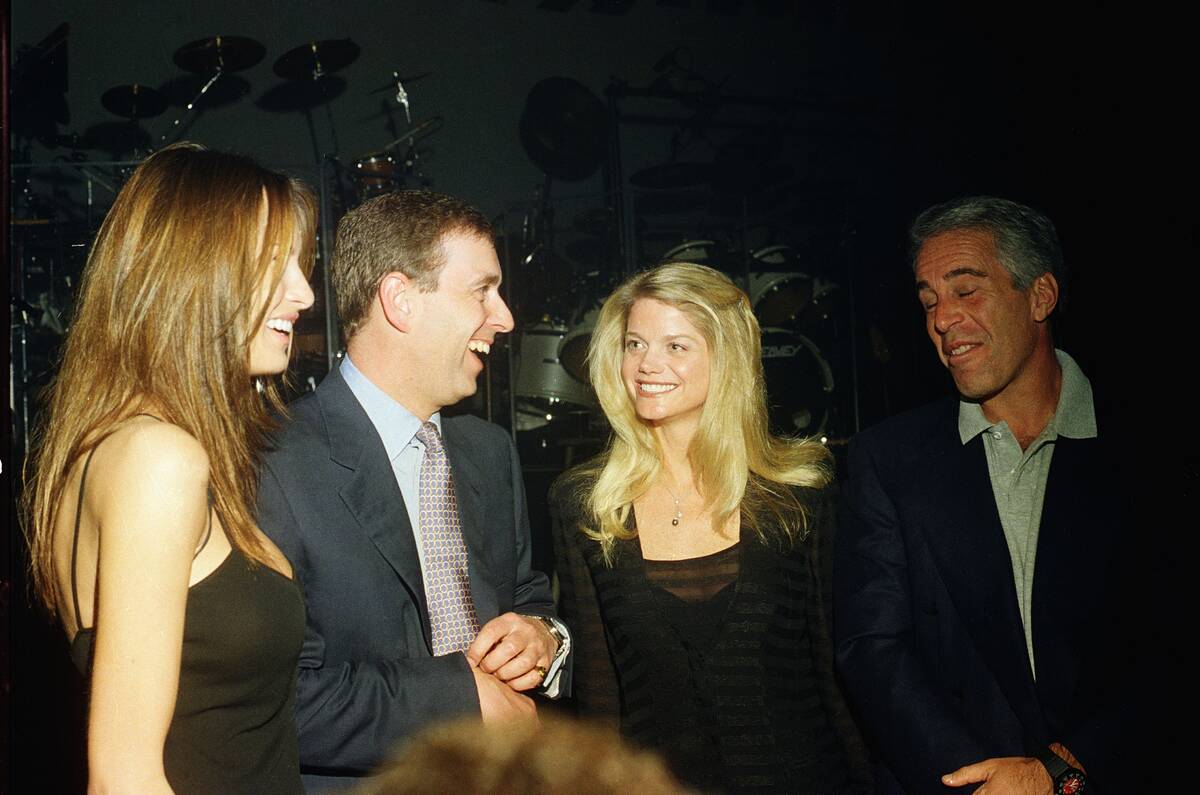
Prince Andrew’s association with Jeffrey Epstein became one of the most serious controversies faced by the British royal family in recent decades. Epstein, a convicted sex offender, had maintained a relationship with Andrew before his later criminal charges and death in 2019.
Allegations made against Andrew, which he has denied, and his widely criticized 2019 BBC Newsnight interview led to intense public scrutiny. The controversy resulted in Andrew stepping back from official royal duties and later losing his military affiliations and royal patronages, leaving a lasting impact on discussions surrounding the monarchy’s public image.
The Scandalous Marriage of Prince Rainier III and Grace Kelly
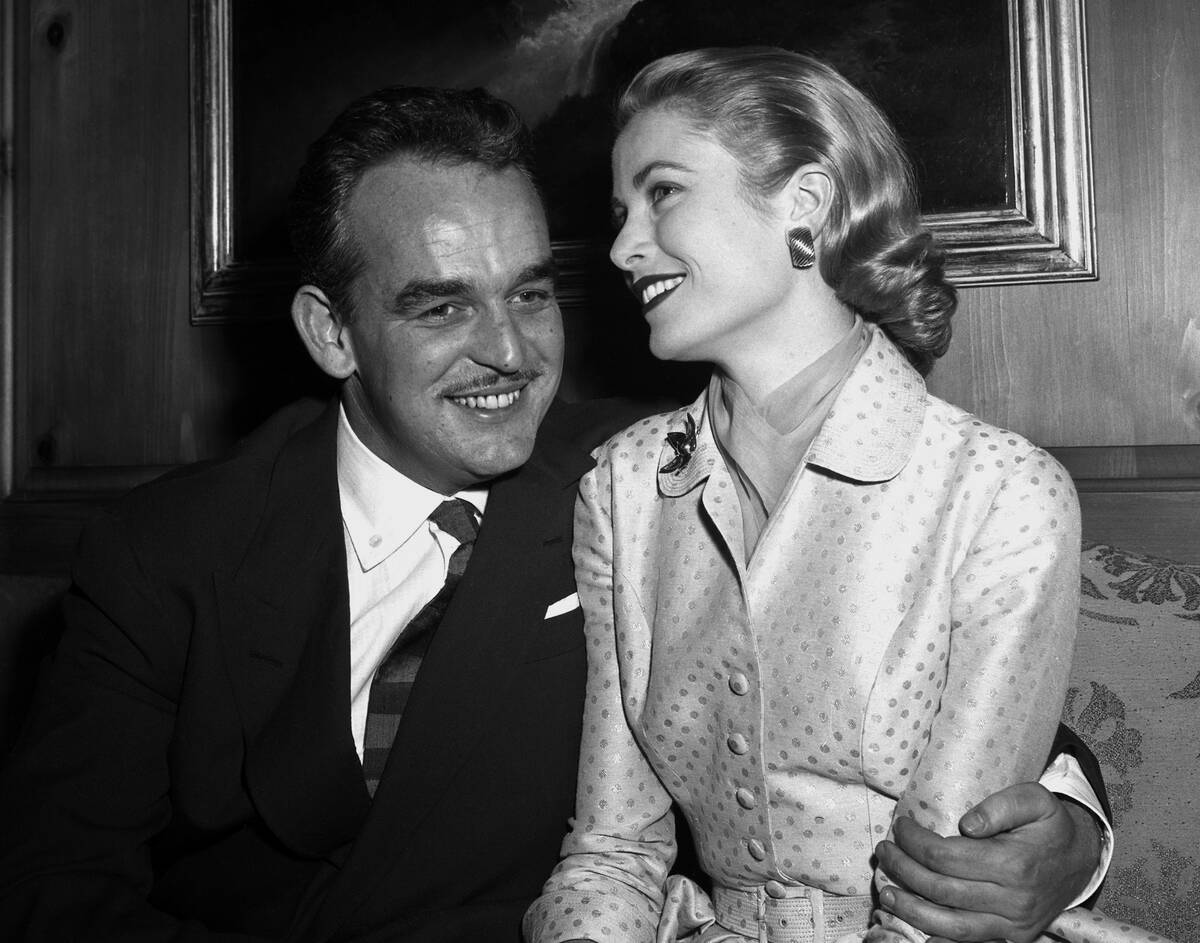
The marriage of Prince Rainier III of Monaco and Hollywood star Grace Kelly in 1956 captured global attention and was widely viewed as a modern fairy tale. Behind the glamour, however, Grace faced the challenges of adapting from a successful acting career to the expectations of royal life, along with constant media attention.
Over time, Princess Grace became a respected and beloved figure in Monaco through her charitable work, cultural contributions, and dedication to her family. Her transformation from Hollywood actress to European princess remains one of the most famous royal transitions of the 20th century.
The Financial Debacles of King Louis XVI
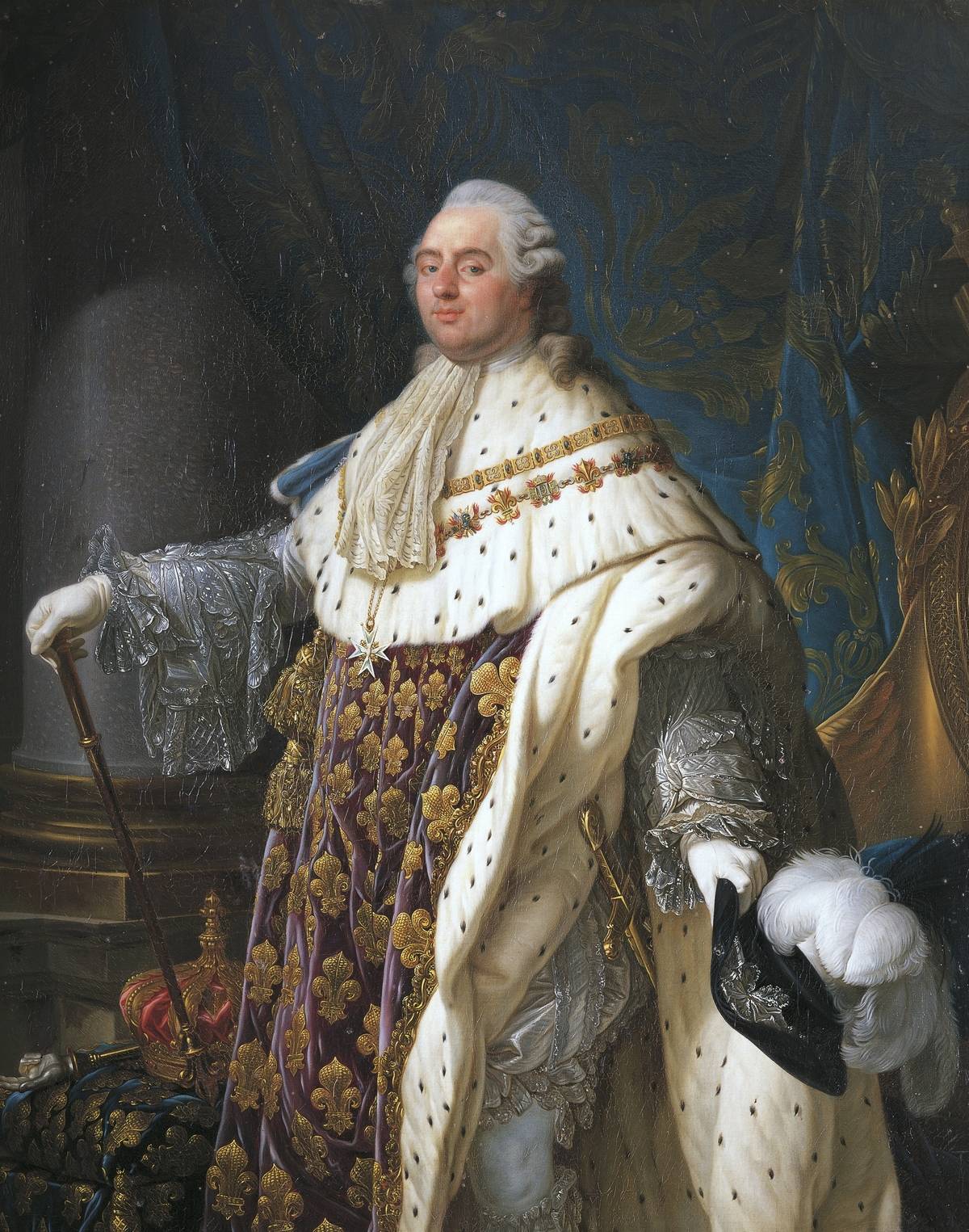
King Louis XVI’s reign was marked by severe financial difficulties that contributed to the collapse of the French monarchy. France’s growing debt, caused by factors such as costly wars, an inefficient tax system, and economic challenges, created widespread unrest.
Although Louis XVI struggled to introduce successful financial reforms, the crisis was the result of deeper structural problems rather than extravagant royal spending alone. The financial instability became one of several factors that fueled the French Revolution, which led to the abolition of the monarchy and the executions of Louis XVI and Marie Antoinette.
The Divorce of Prince Charles and Princess Diana
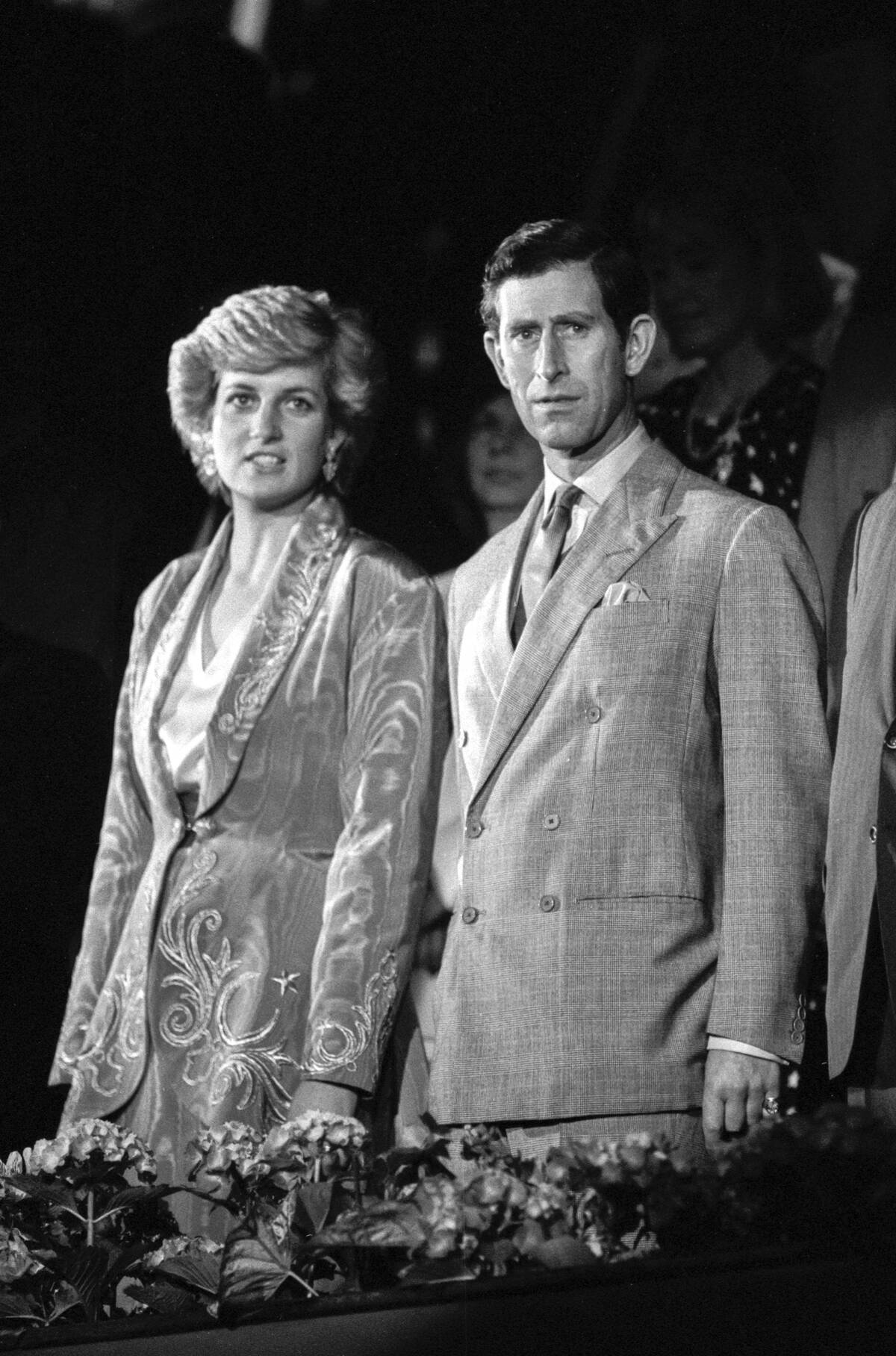
The divorce of Prince Charles and Diana, Princess of Wales, in 1996 brought an end to a marriage that had been the subject of years of intense media scrutiny. Their separation followed public revelations about difficulties in the relationship, including extramarital affairs and candid interviews.
The highly publicized divorce had a lasting impact on public perceptions of the British monarchy and its relationship with the media. After the divorce, Charles continued his official royal duties, while Diana devoted much of her time to charitable and humanitarian causes until her death in 1997.
The Extravagant Spending of Queen Marie Antoinette
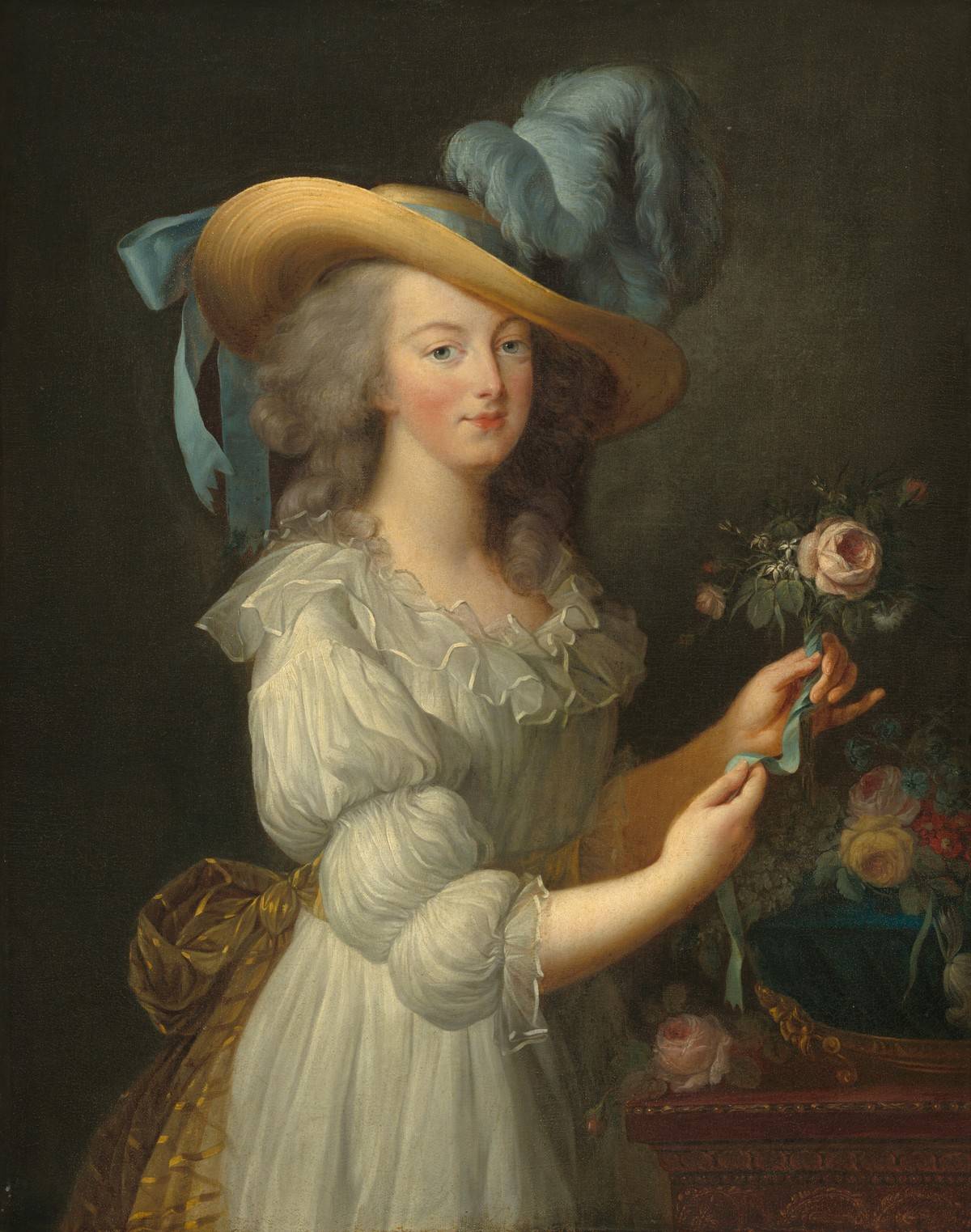
Queen Marie Antoinette became widely associated with the perceived extravagance of the French monarchy, although her reputation was often exaggerated by political propaganda. Known for her interest in fashion and luxury, she also made the Petit Trianon, a château given to her by Louis XVI, her private retreat and developed the nearby Queen’s Hamlet.
As France faced mounting economic hardship, her image as an extravagant queen fueled public resentment and became a symbol of the monarchy’s perceived disconnect from ordinary people. This negative perception contributed to growing opposition to the monarchy in the years leading up to the French Revolution.
The Hidden Paternity Scandal of King Albert II of Belgium
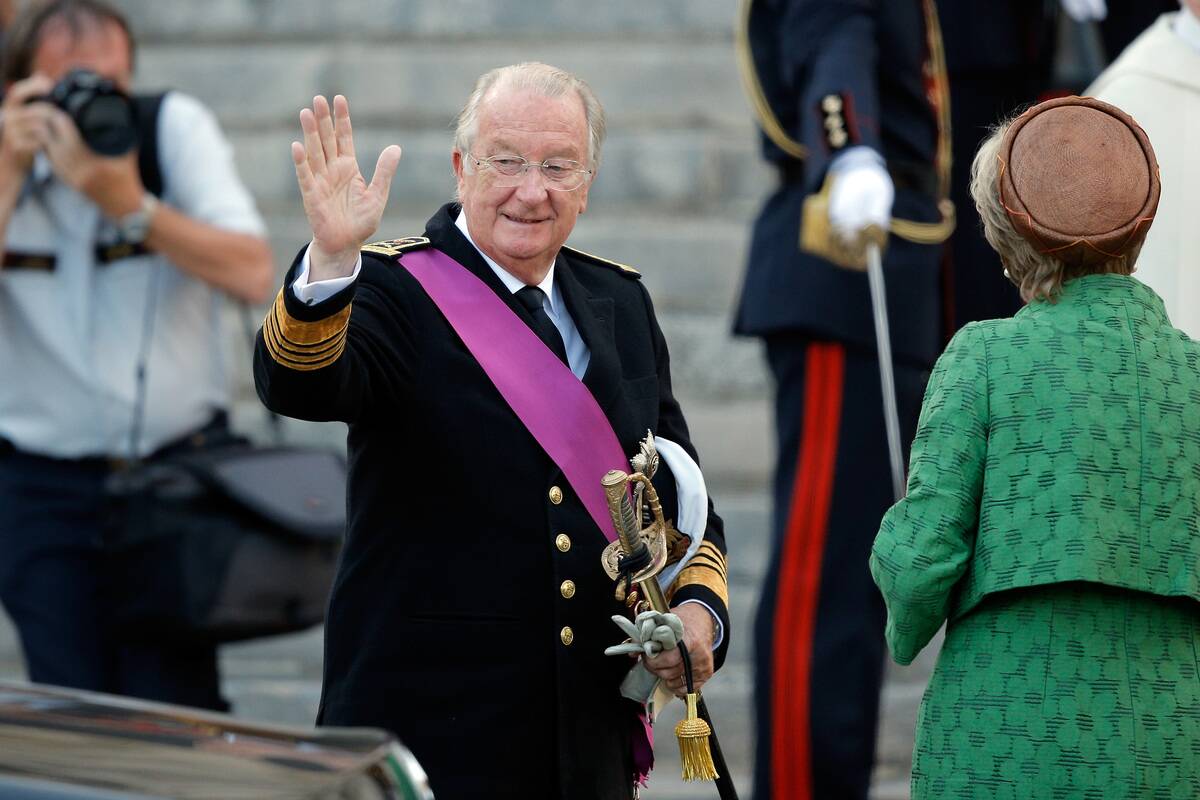
The paternity case involving King Albert II of Belgium became one of the most notable modern royal scandals after years of speculation. In 2020, a court-ordered DNA test confirmed that Albert was the biological father of artist Delphine Boël, who had long sought legal recognition.
The confirmation followed a lengthy legal battle and led to Delphine being recognized as Princess of Belgium later that year. The case prompted debate about privacy, accountability, and legitimacy within modern monarchies while drawing international attention to the Belgian royal family.