20 Jobs that disappeared with modern technology
Before the digital age transformed the job market, a variety of unique professions were essential to daily life. These roles, now mostly obsolete, were once vital to the functioning of society.
From delivering milk to setting bowling pins, each job had its own charm and challenges. Let’s take a nostalgic journey through time and explore some of these fascinating occupations that paved the way for modern conveniences.
The Milkman: Delivering Dairy to Your Doorstep
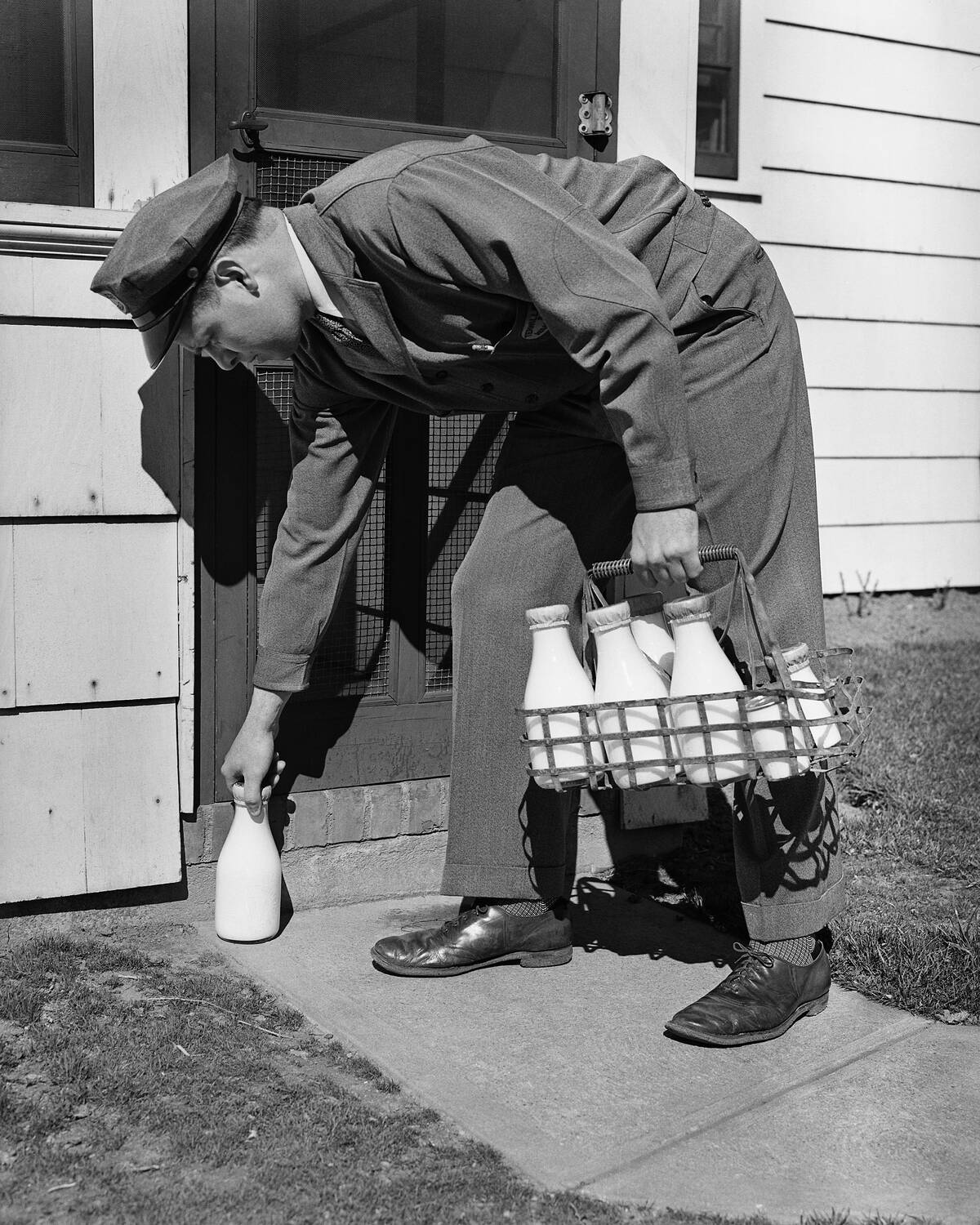
The milkman was once a familiar sight in many neighborhoods, delivering fresh milk directly to homes. This service helped families maintain a regular supply of dairy products at a time when fresh milk required frequent delivery and refrigeration was not yet widespread in every household.
Milkmen often knew their customers by name and made deliveries in the early morning hours. The clinking of glass bottles on doorsteps became a nostalgic sound associated with neighborhood routines and everyday life.
Switchboard Operators: The Human Connection in Telecommunication
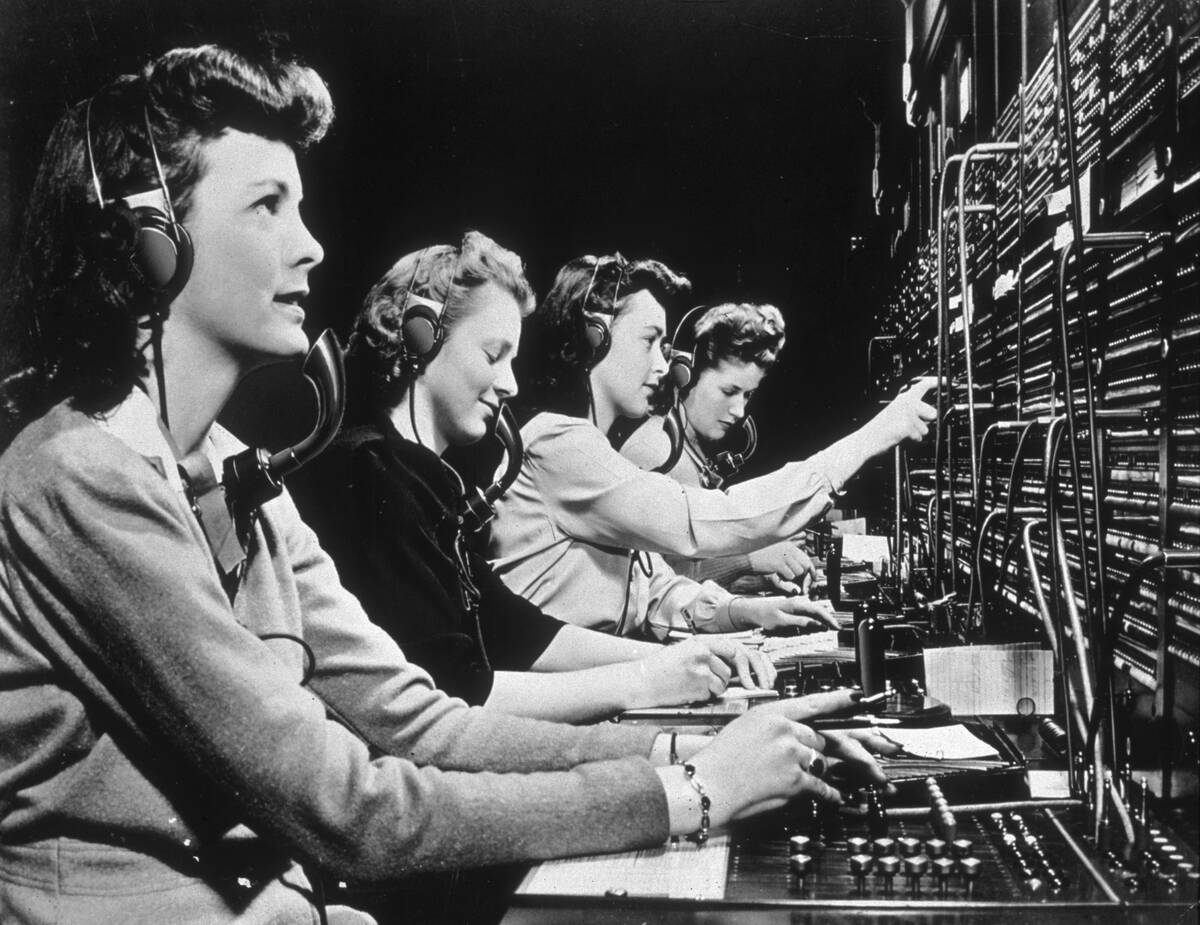
Switchboard operators were the unsung heroes of early telecommunications, manually connecting calls by plugging wires into switchboards. This demanding job required quick thinking, accuracy, and excellent communication skills.
Operators often became the familiar voice on the line, helping connect people across distances and providing essential assistance to callers. Their work played an important role in the development of telephone networks and the automated systems that power modern communication today.
The Linotype Operator: Master of the Printing Press
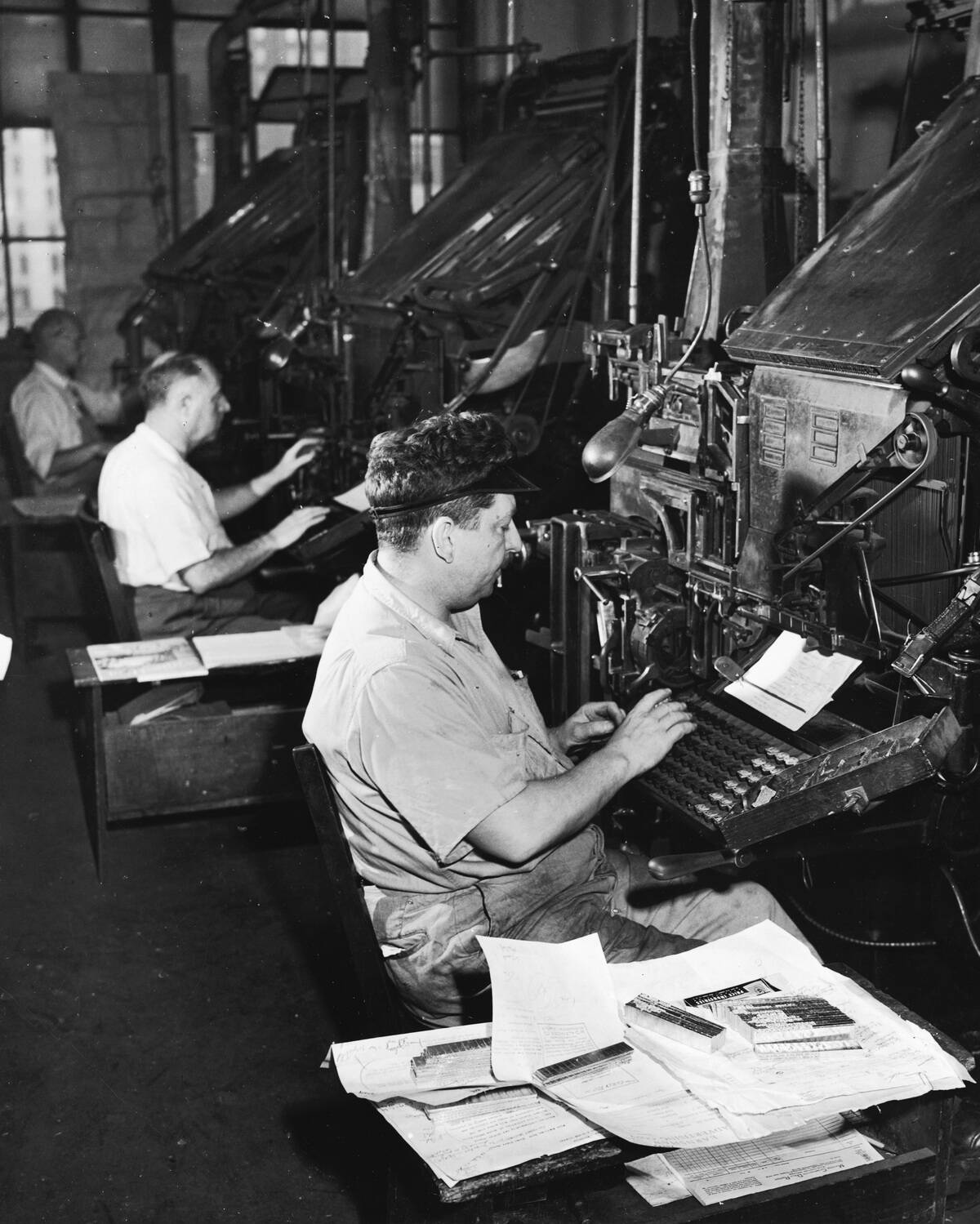
Linotype operators were skilled craftsmen who set type for newspapers and books using a complex machine. This role required precision and a keen eye for detail, as operators used keyboards to assemble lines of type that were then cast from molten lead.
The linotype machine revolutionized the printing industry by dramatically increasing the speed of typesetting, allowing for faster production of printed materials and helping expand the spread of information during the newspaper era.
Bowling Pinsetters: The Original Strike Force
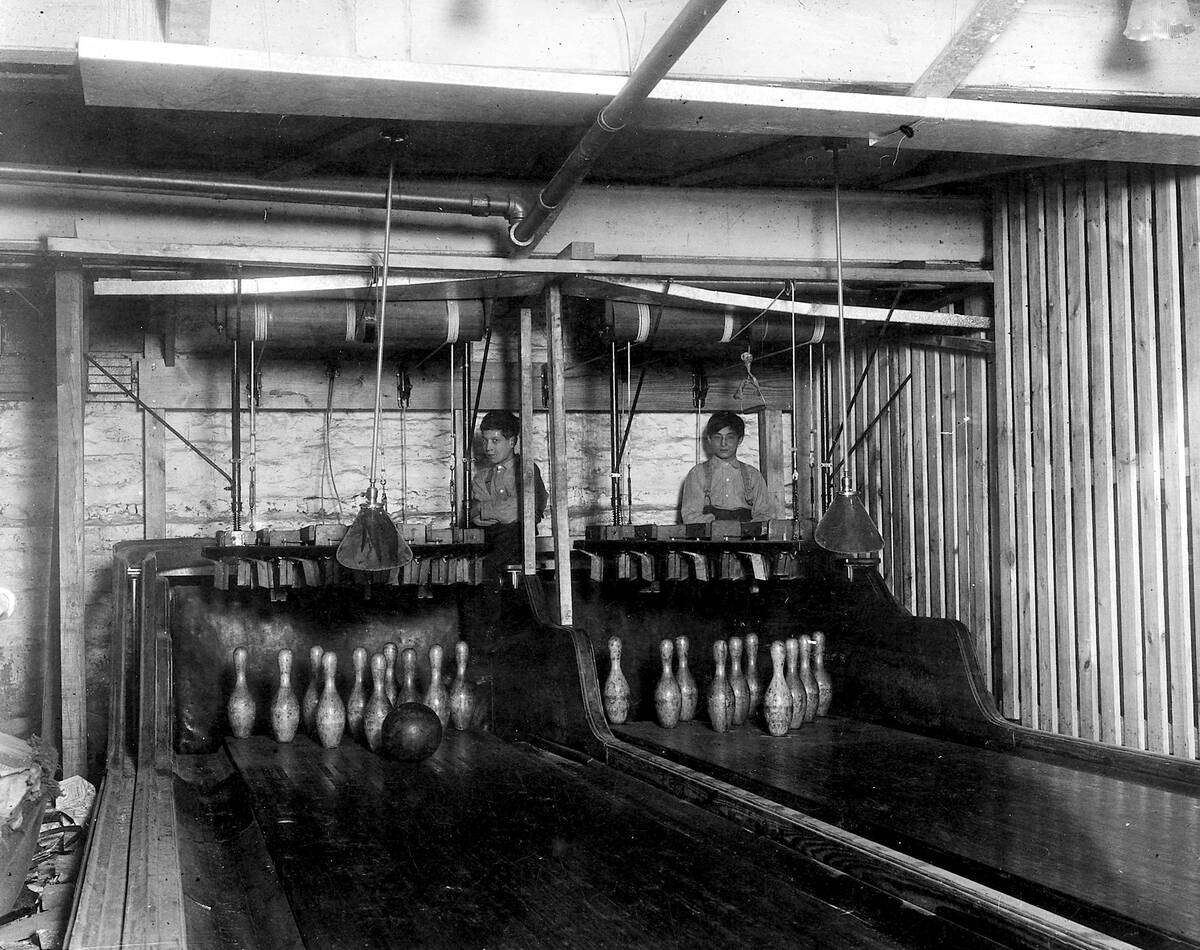
Before the widespread use of automatic pinsetters, human pinsetters worked behind the scenes at bowling alleys, manually resetting pins after each frame. These workers arranged pins, cleared fallen ones, and helped return balls, making bowling games run efficiently.
It was a physically demanding job often performed by teenagers seeking part-time work, requiring speed, accuracy, and awareness around active lanes. Their efforts helped keep the game moving smoothly for generations of bowlers before automated systems took over.
The Iceman Cometh: Home Ice Delivery Before Refrigeration
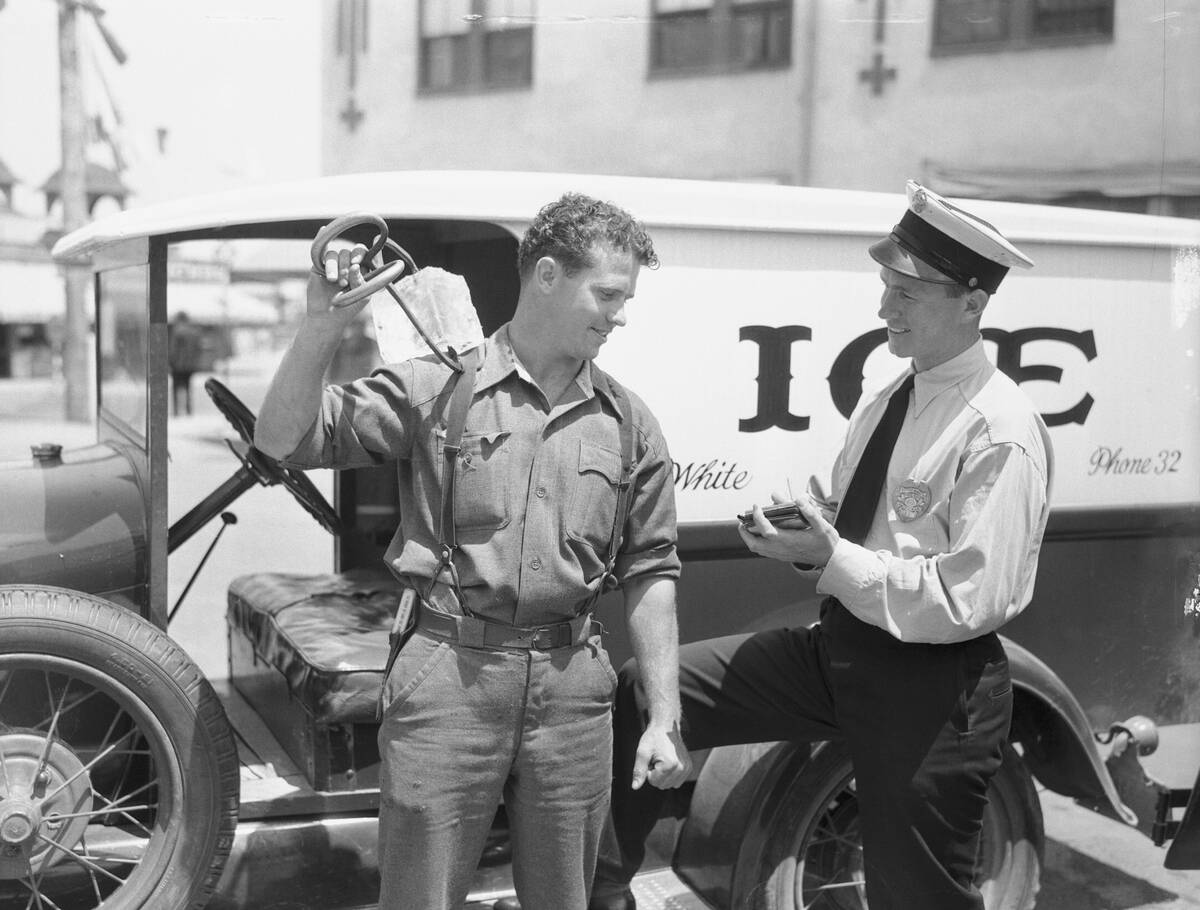
In the days before electric refrigerators, the iceman was a crucial figure in keeping perishables fresh. Delivering large blocks of ice to homes, the iceman helped preserve food in iceboxes.
This job required strength and endurance, as blocks of ice were heavy and needed to be handled with care. The iceman’s daily visits were a lifeline for households, especially during hot summer months.
Lamplighters: Illuminating the Streets at Dusk
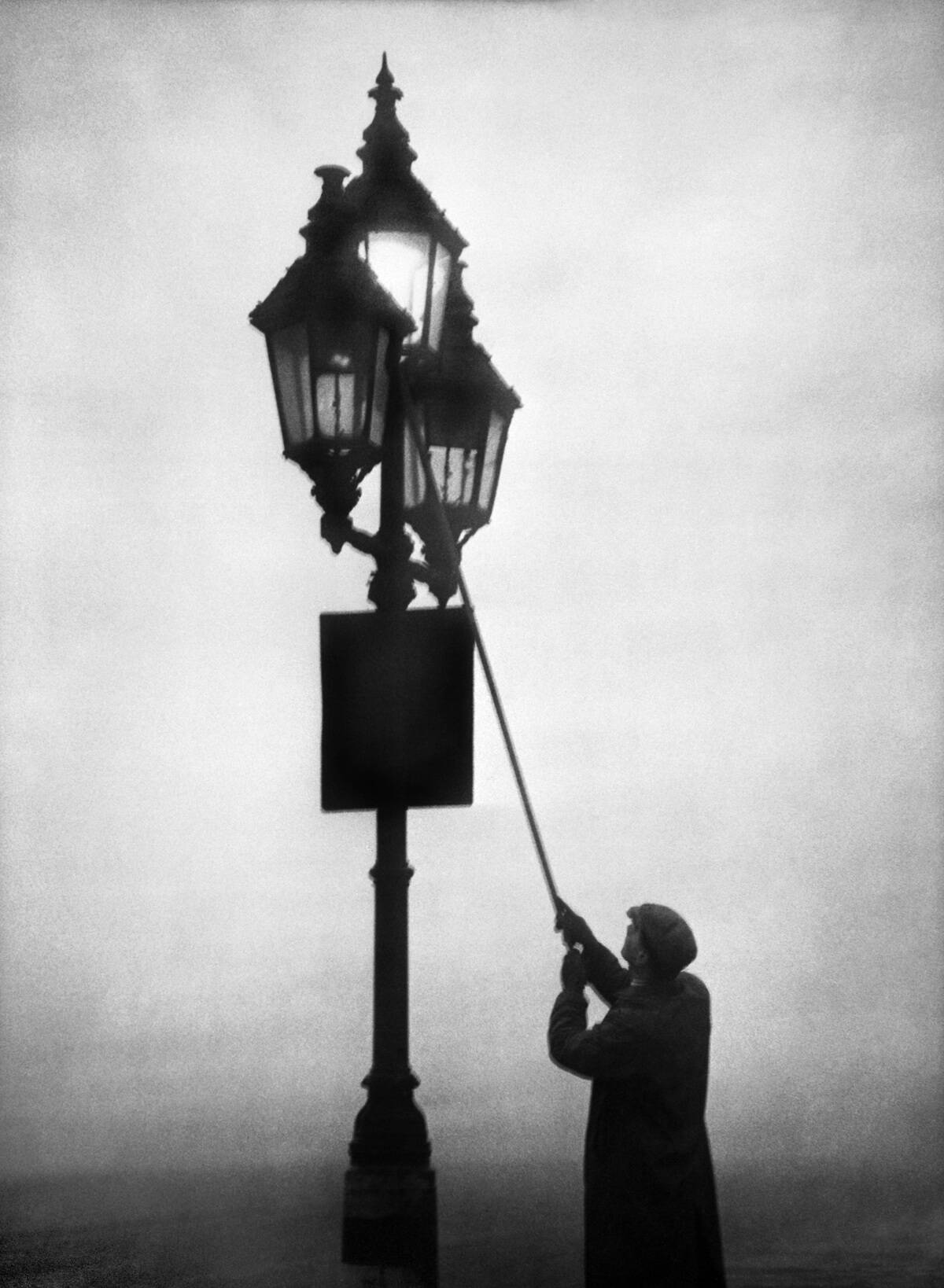
Lamplighters were responsible for lighting and extinguishing street lamps before the advent of electric lighting. Armed with a long pole, they would make their rounds at dusk and dawn to ensure streets were well-lit.
This role was vital for public safety, as it deterred crime and allowed people to navigate the city at night. Lamplighters were a symbol of urban life, bringing light to the darkness.
The Elevator Operator: Taking You to New Heights
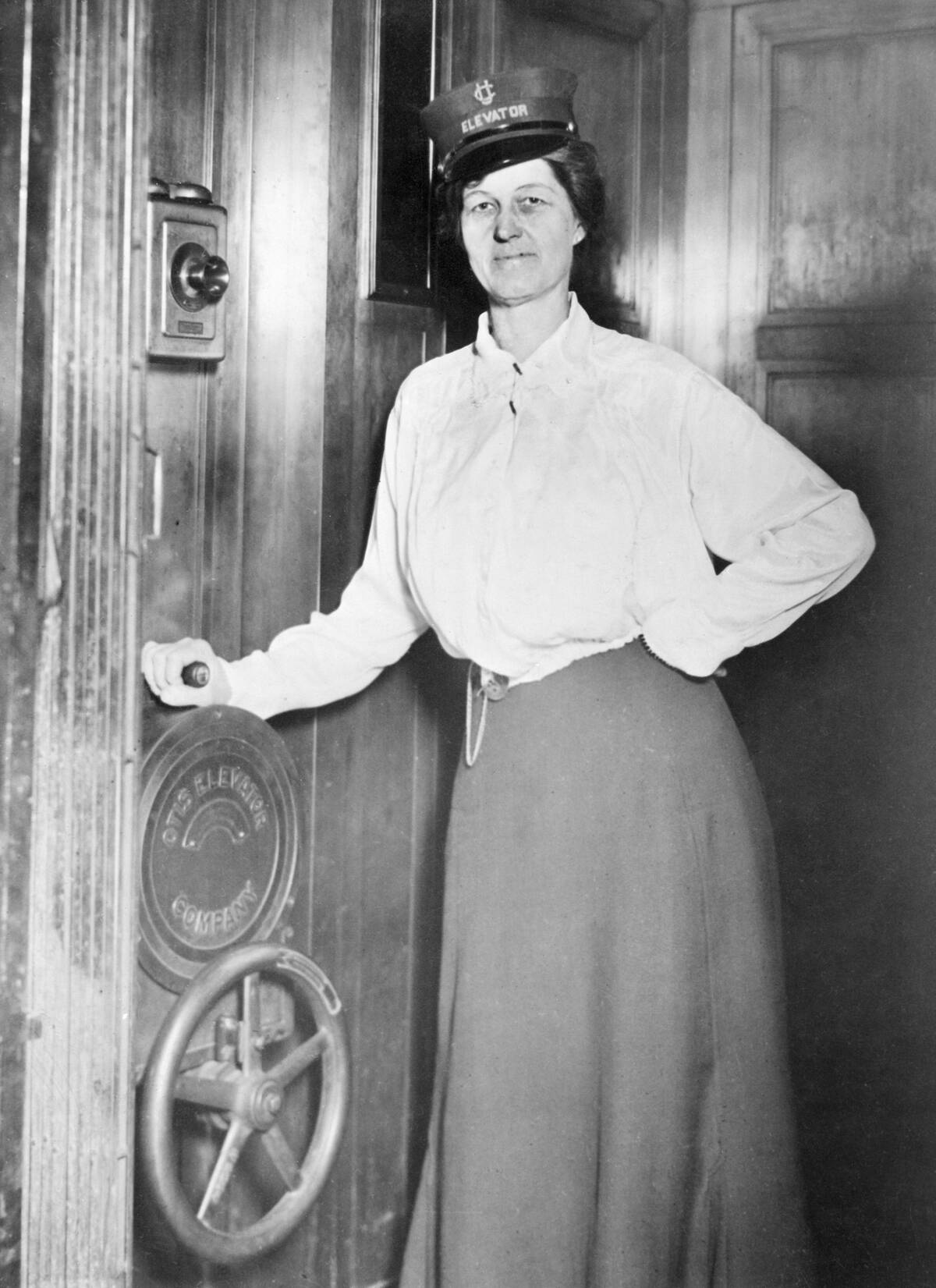
Elevator operators were once a standard feature in buildings, guiding passengers to their desired floors. This job required a friendly demeanor and a steady hand, as operators manually controlled the elevator’s speed and stopping points.
They often provided a personal touch, greeting passengers and ensuring a smooth ride. As automatic elevators became common, this role gradually disappeared.
Typists and Stenographers: The Backbone of Office Communication
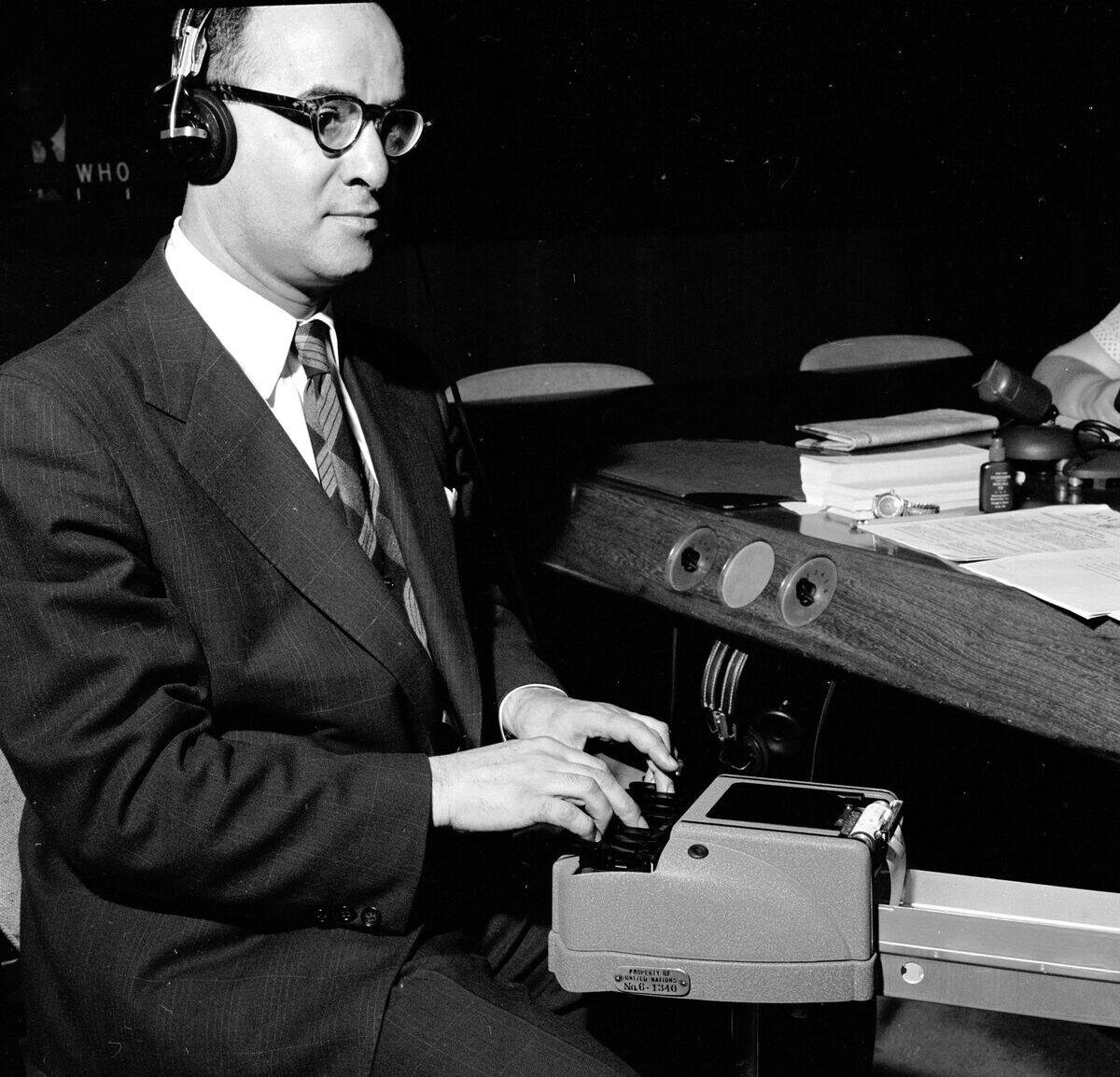
Typists and stenographers were indispensable in offices, responsible for transcribing documents, preparing correspondence, and taking dictation. Their speed and accuracy were crucial for efficient communication and record-keeping in businesses and organizations.
Stenographers used shorthand to quickly capture spoken words, while typists transformed notes and drafts into polished documents. These roles were predominantly filled by women, providing new employment opportunities and contributing to the evolution of the modern office workforce.
Film Projectionists: Bringing the Silver Screen to Life
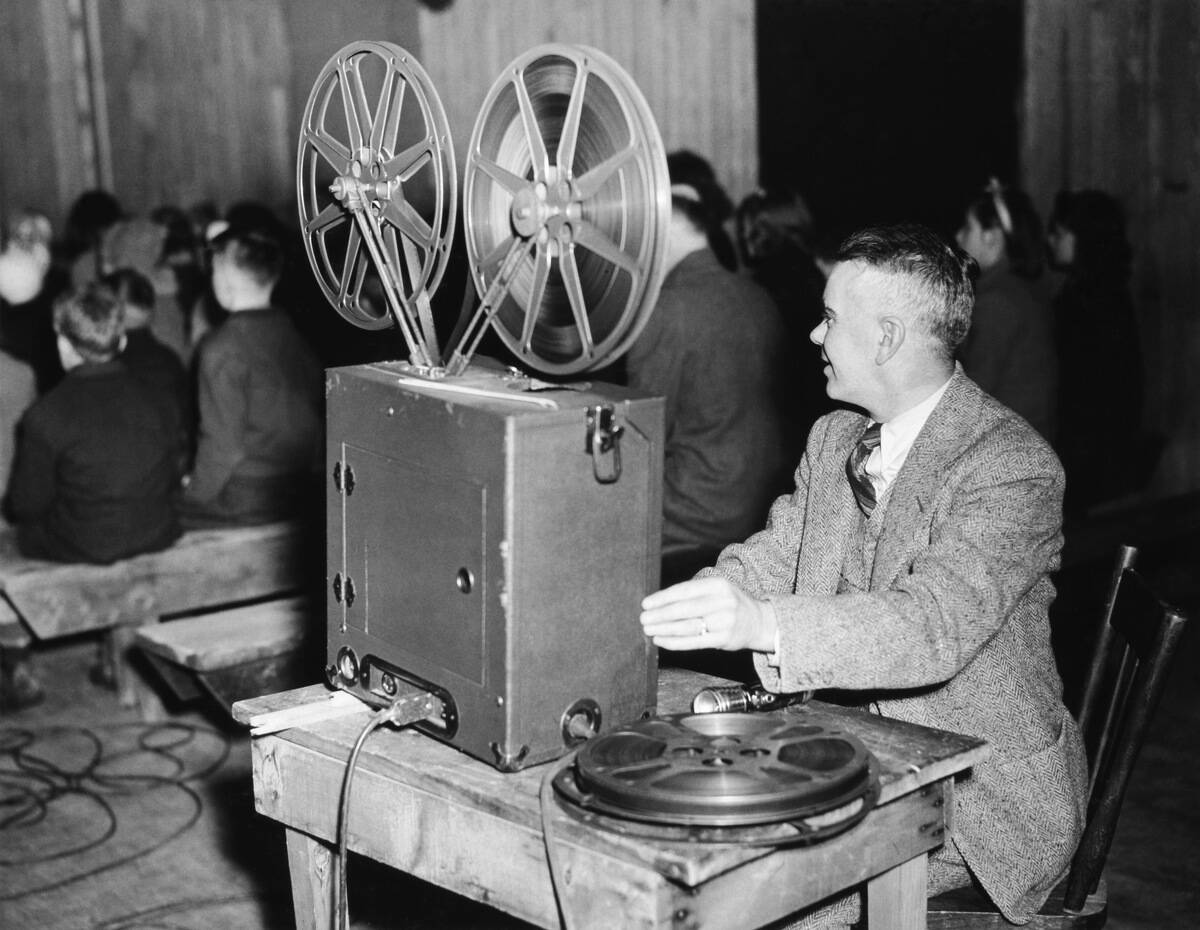
Film projectionists were the magic behind the movie theater experience, skillfully operating projectors to show films.
This job required technical expertise and attention to detail, as projectionists handled film reels, performed seamless reel changes, and maintained projection and sound equipment. They were responsible for the quality of the viewing experience, ensuring that audiences enjoyed sharp images, clear audio, and uninterrupted film presentations.
Human Alarm Clocks: The Knocker-Uppers of Yesteryear
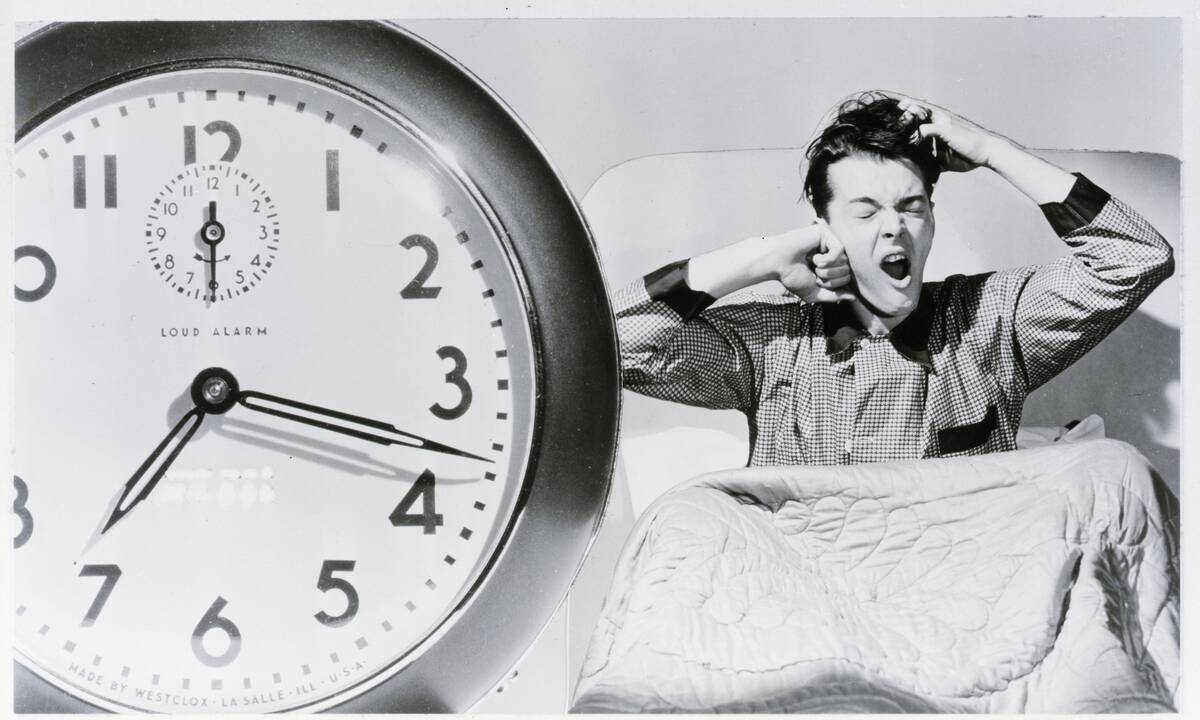
Before inexpensive alarm clocks became widely available, knocker-uppers were hired to wake people for work. Armed with long poles or, in some cases, pea shooters, they tapped on bedroom windows until their clients responded.
This unusual profession was especially common in Britain’s industrial towns, where punctuality was essential for factory workers. Knocker-uppers provided a personalized wake-up service, helping countless people begin their day on time before modern alarm clocks became a household staple.
The Street Sweeper: Keeping the City Clean, One Broom at a Time
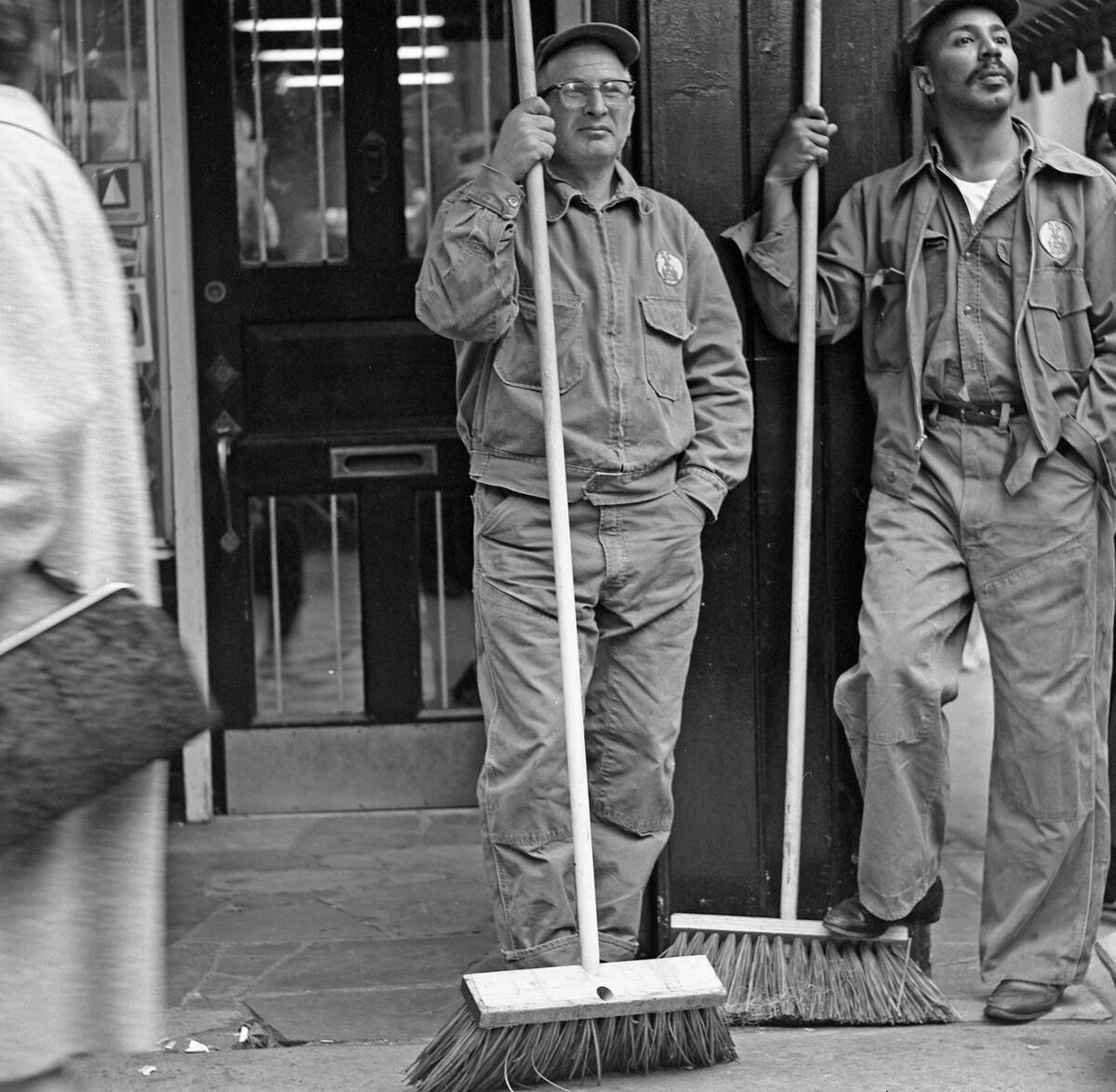
Street sweepers were essential for maintaining cleanliness in urban areas, manually sweeping streets with brooms and clearing debris by hand. This physically demanding and often overlooked job played an important role in improving public health and sanitation, especially in growing cities.
Sweepers worked diligently to remove dirt, litter, and waste, helping create cleaner and more pleasant environments for residents. Their work became an important part of the municipal sanitation systems that eventually evolved into the modern street-cleaning and public works services used today.
The Chimney Sweep: Scaling Heights for a Cleaner Hearth
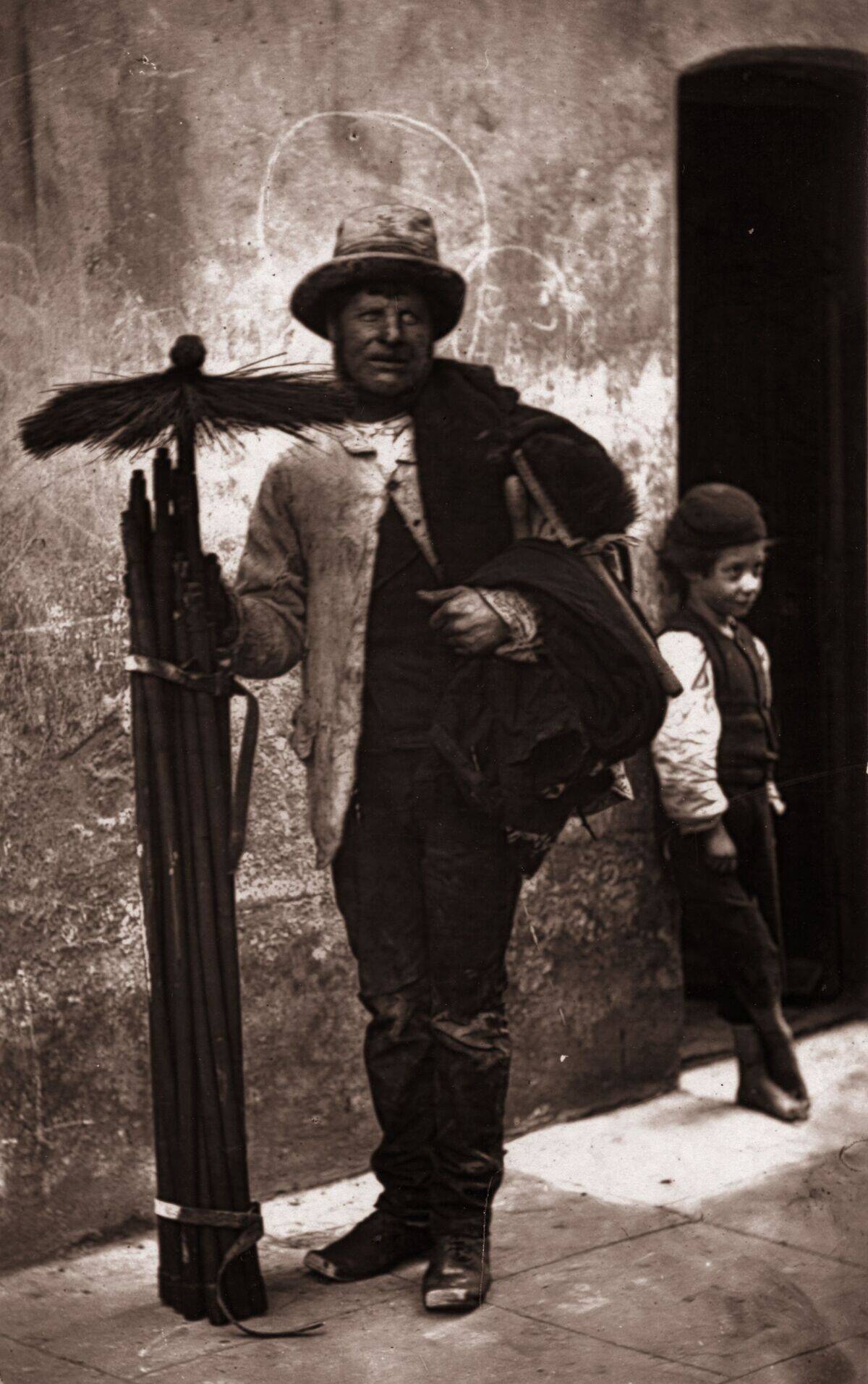
Chimney sweeps were vital in maintaining safe and efficient fireplaces, removing soot and debris from chimneys. This job was dangerous and physically demanding, often requiring sweeps to climb rooftops and navigate narrow flues.
Despite the risks, chimney sweeps were in high demand, especially during colder months. Their work prevented chimney fires and ensured homes remained warm and cozy.
The Travel Agent: Planning Your Getaway Before the Internet
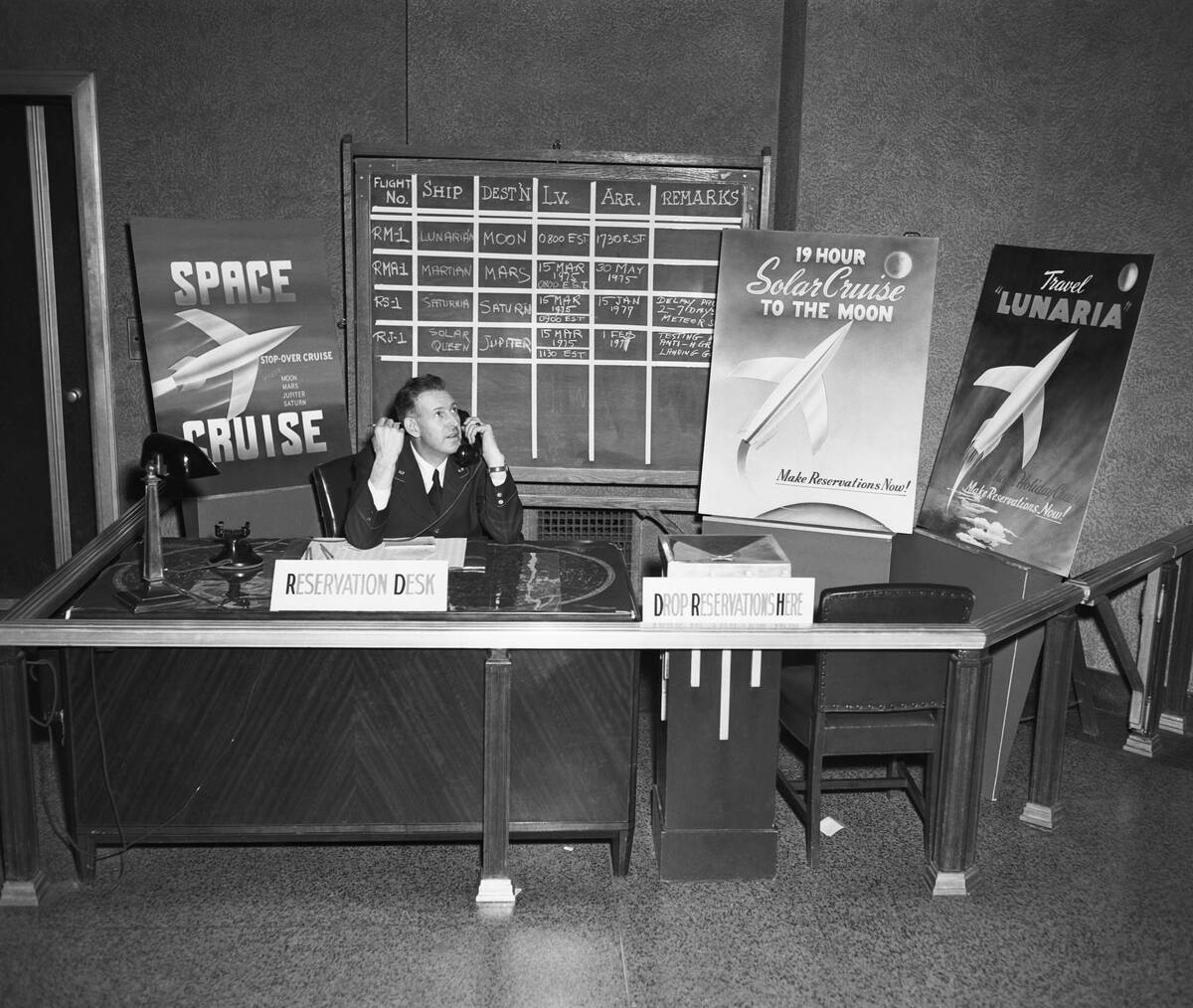
Travel agents were the go-to experts for planning vacations and business trips before online booking became the norm. They provided personalized service, helping clients find the best deals and itineraries.
With extensive knowledge of destinations and travel logistics, agents made travel planning a breeze. Though their role has evolved, travel agents remain a valuable resource for those seeking expert guidance.
The Bookbinder: Crafting the Pages of Knowledge
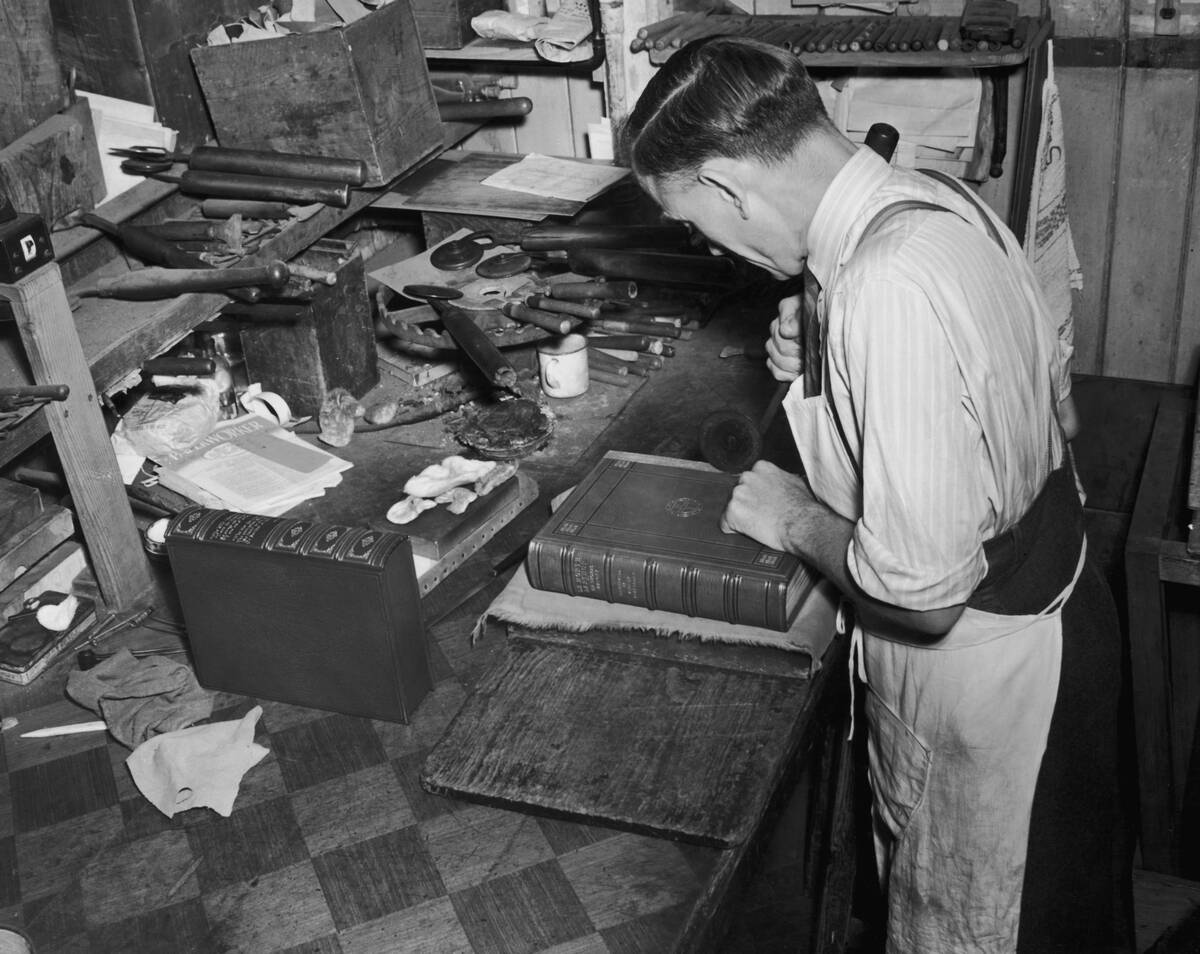
Bookbinders were skilled artisans responsible for assembling and binding books by hand. This craft required precision and an eye for detail, as binders stitched pages together and crafted durable covers.
Bookbinding was an essential part of the publishing process, ensuring books were both functional and aesthetically pleasing. Today, bookbinding is considered an art form, preserving the tradition of hand-crafted books.
The Cobbler: Keeping Everyone on Their Feet
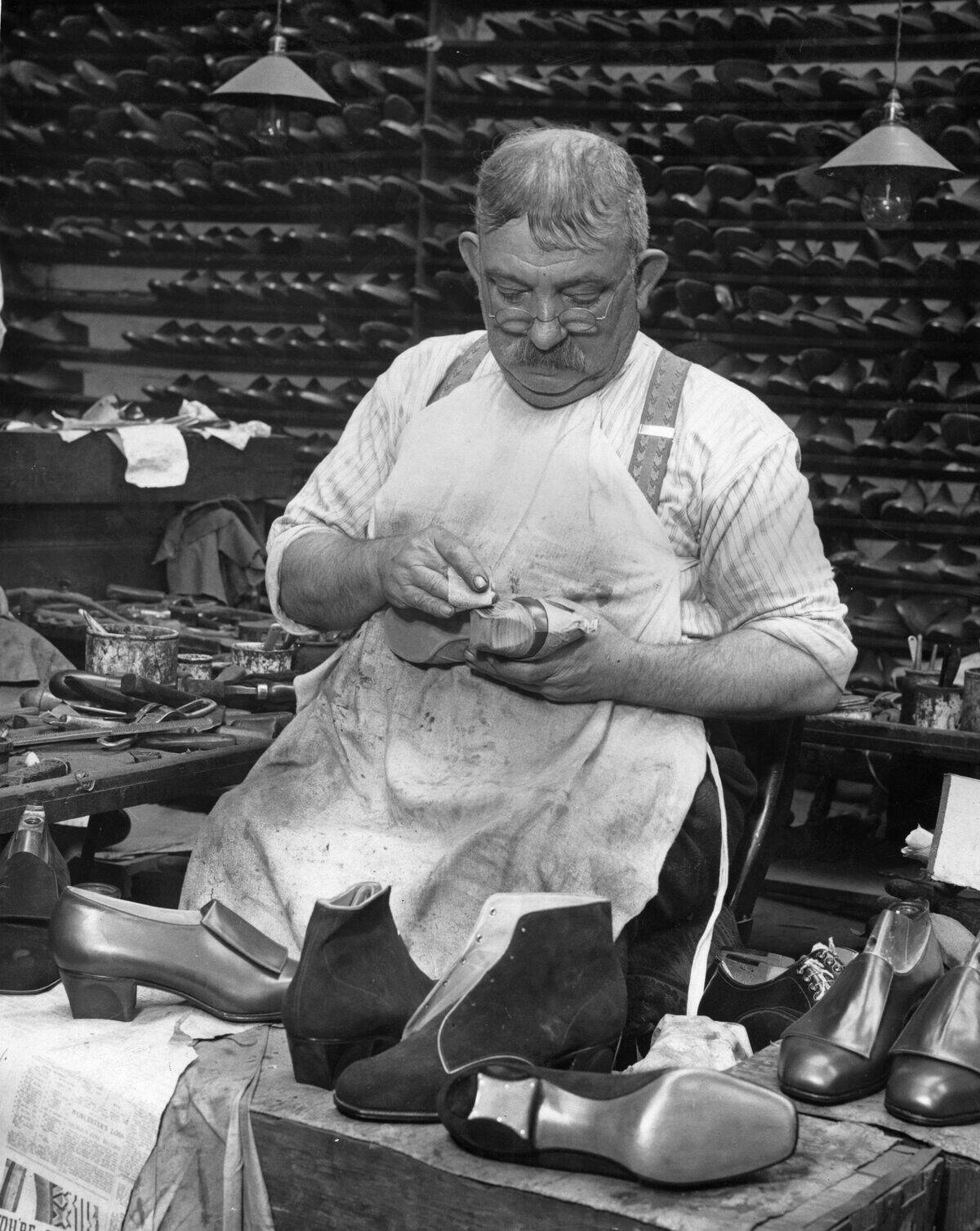
Cobblers were the go-to experts for repairing footwear and, in some cases, crafting or customizing shoes, helping people stay well-shod. This trade required skill and craftsmanship, as cobblers repaired soles, replaced heels, restored leather, and sometimes created custom footwear.
Their work played a vital role in extending the life of shoes, offering a practical and sustainable alternative to buying new ones. While fewer in number today, cobblers continue to provide valuable repair and restoration services in many communities.
The Soda Jerk: Mixing Up Fun at the Local Diner
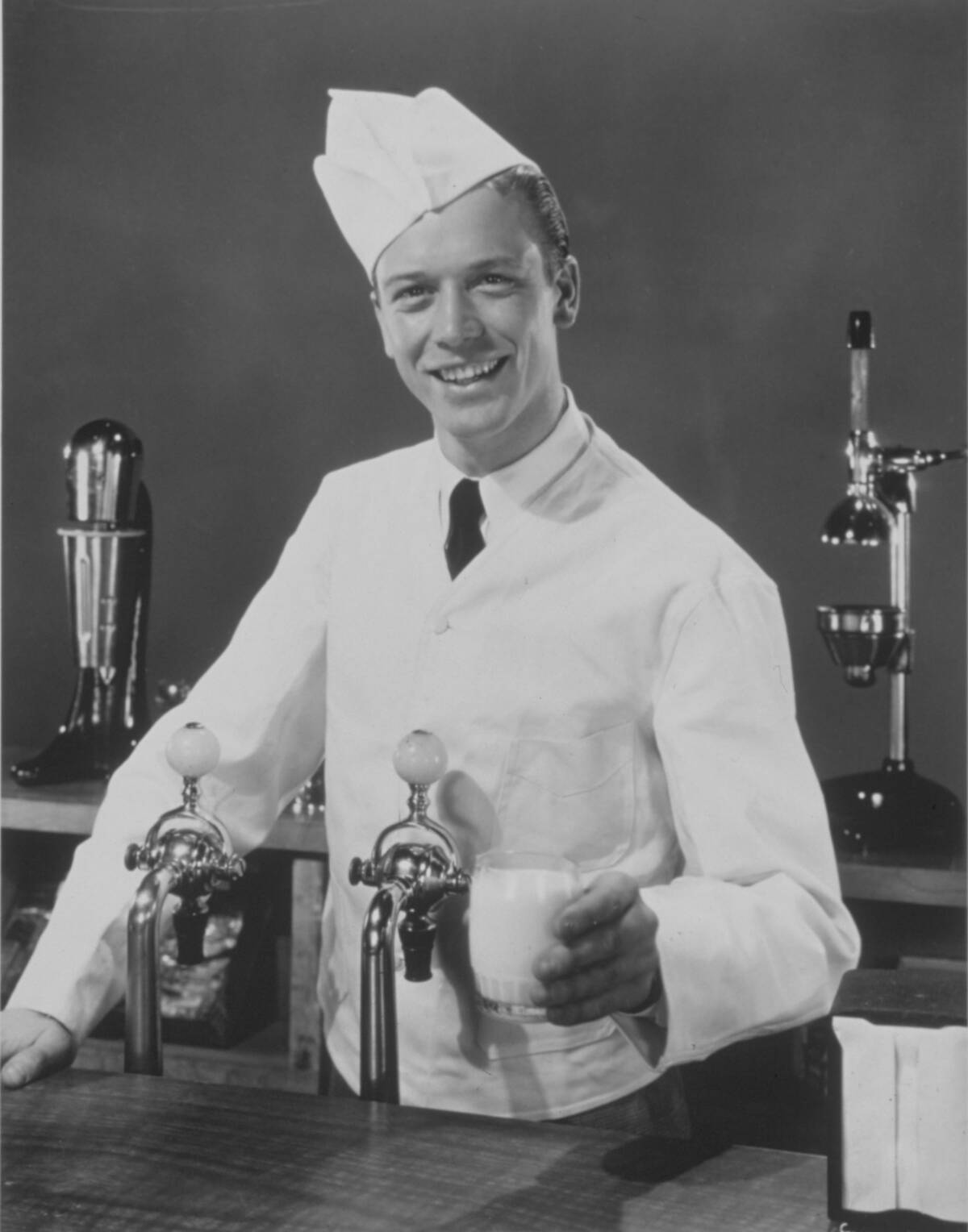
Soda jerks were the stars of the local diner, expertly mixing sodas, milkshakes, and ice cream sundaes. This job required flair and a friendly demeanor, as soda jerks entertained customers while crafting delicious treats.
They were a staple of American culture in the mid-20th century, creating a lively and social atmosphere. The soda fountain was a gathering place for people of all ages, thanks to the charm of the soda jerk.
The Typographer: Artistry in Print Before Digital Fonts
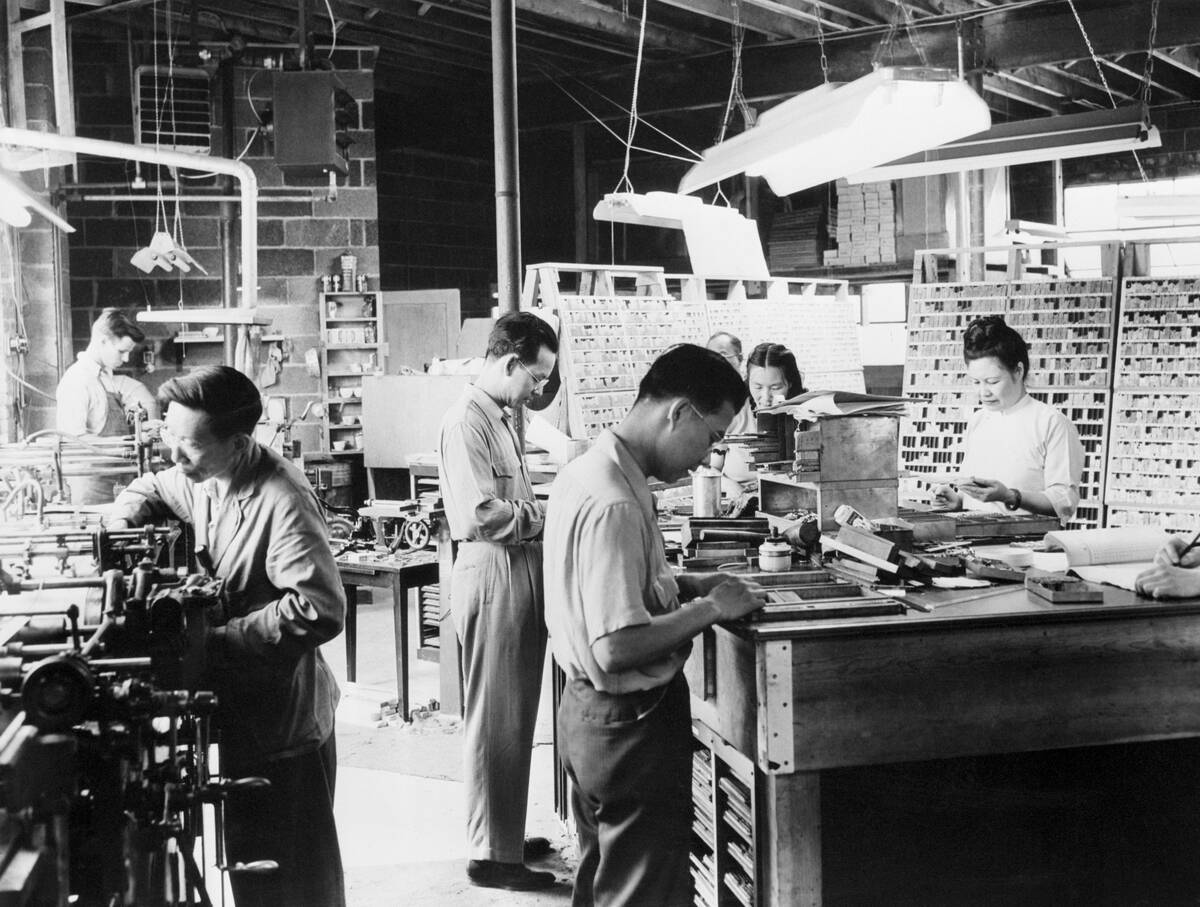
Typographers were masters of the printed word, responsible for designing and arranging type for books, newspapers, magazines, and advertisements. Their craft required both an artistic eye and technical skill, as they selected typefaces and organized text to create clear, visually appealing layouts.
While typesetters often handled the physical setting of type, typographers focused on how printed materials looked and read. In the digital age, typography remains a vital aspect of design, building on the principles and craftsmanship established by generations of traditional typographers.
The Blacksmith: Forging Tools and Traditions
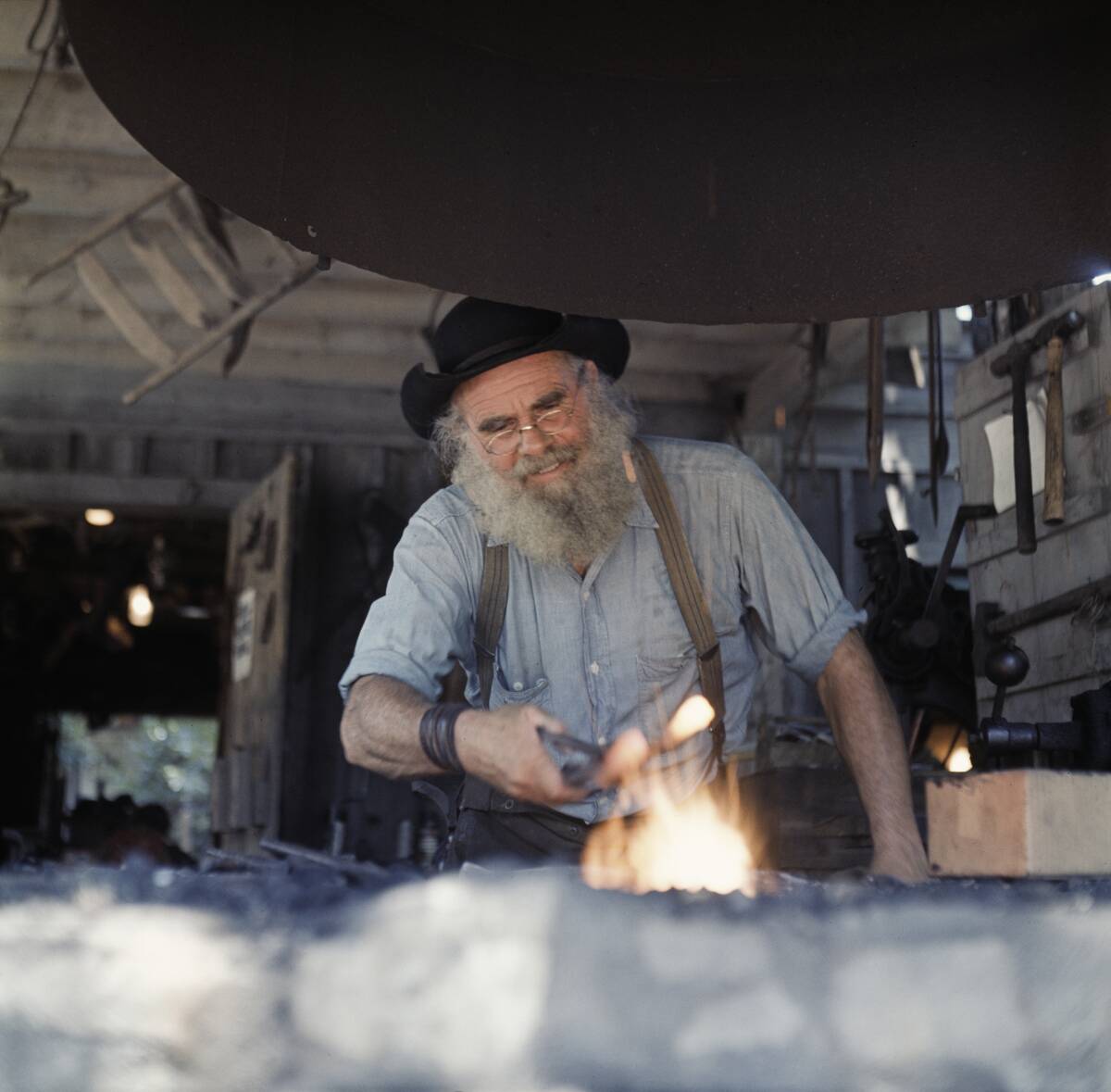
Blacksmiths were skilled craftsmen who forged metal into tools, horseshoes, and other essential items. This trade required strength, precision, and an understanding of metallurgy, as blacksmiths heated and shaped iron and steel.
Blacksmithing was a cornerstone of pre-industrial society, providing necessary tools for agriculture, construction, and transportation. Today, blacksmithing is celebrated as a traditional craft, preserving the techniques and artistry of this ancient trade.
The Paperboy: Delivering the Daily News, One Bicycle at a Time
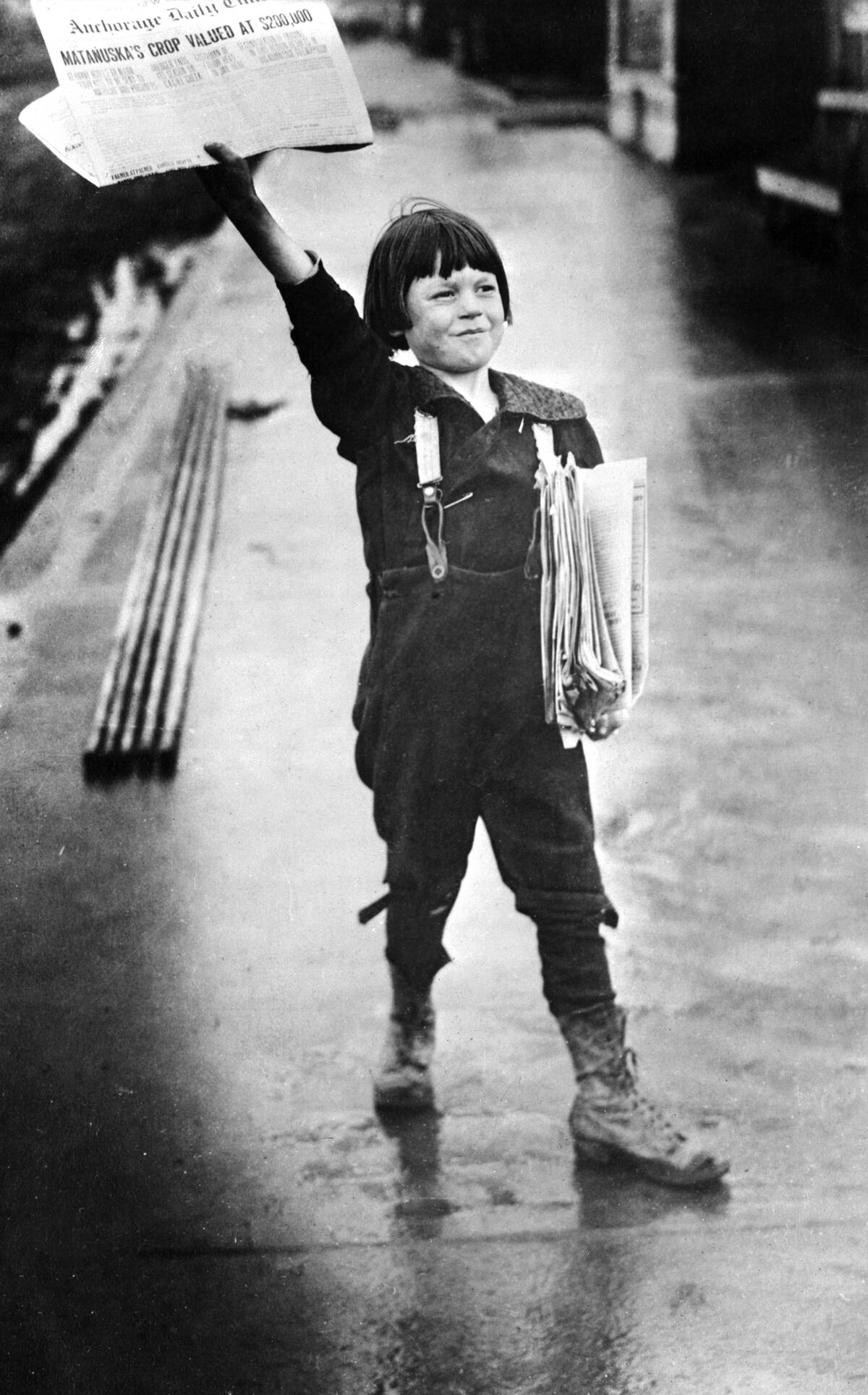
Paperboys were a familiar sight in neighborhoods, delivering newspapers to subscribers by bicycle. This job was often a rite of passage for young people, teaching responsibility and work ethic.
Paperboys braved early mornings and all kinds of weather to ensure the news reached homes on time. While the role has largely disappeared with digital news, the image of the paperboy remains an iconic part of Americana.
The Radio DJ: Spinning Tunes Before the Streaming Era
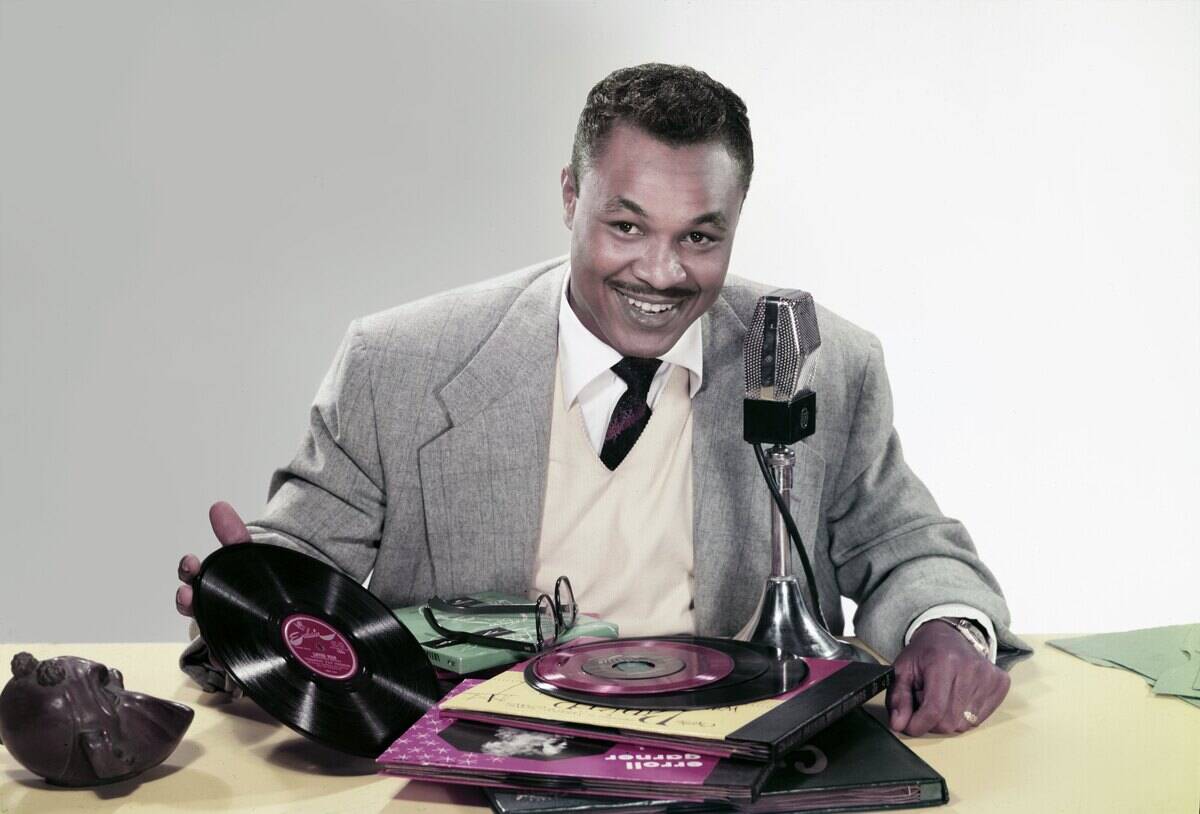
Radio DJs were the voices of the airwaves, curating music and entertaining listeners with their personalities. This role required a deep knowledge of music and the ability to connect with audiences through engaging commentary.
DJs played a crucial role in shaping musical tastes and promoting new artists. Despite the rise of streaming services, radio DJs continue to be influential tastemakers in the music industry.




