80s products that seem strange today
The 1980s was a decade of vibrant colors, bold fashion statements, and innovative gadgets. This era was a playground for creativity, where every product seemed to have its own unique flair.
From the funky to the functional, the ’80s were all about standing out and embracing the unusual.
The Infamous Shoulder Pads: Fashion or Faux Pas?
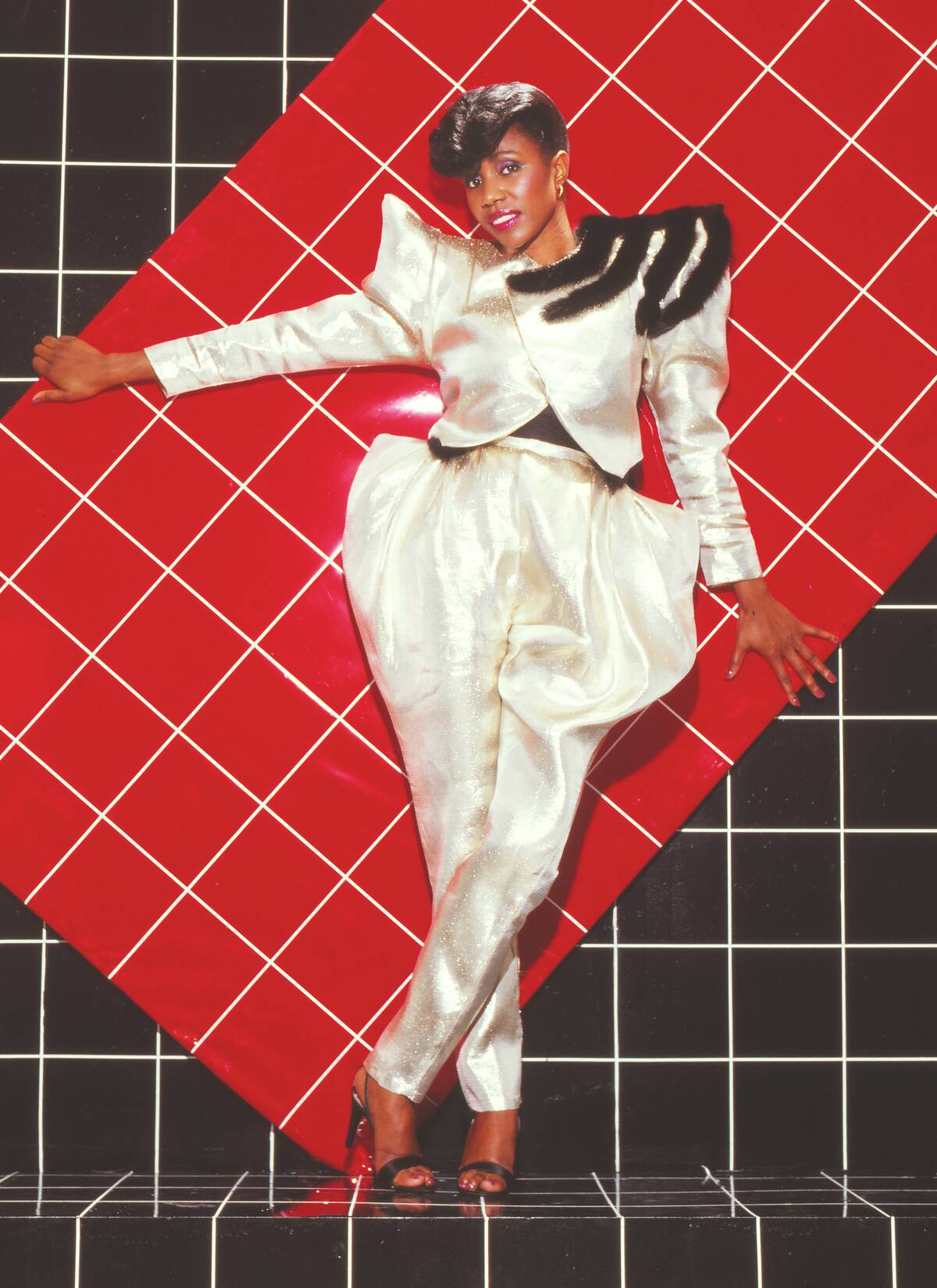
Shoulder pads were the ultimate power accessory of the 1980s, making their way into everything from blazers to dresses. They were designed to give women a more authoritative silhouette, echoing the era’s growing emphasis on female empowerment.
While some saw them as a bold fashion statement, others viewed them as a sartorial misstep. Love them or hate them, shoulder pads certainly left a lasting impression on the fashion world.
Cassette Tapes: The Original Playlist Curators
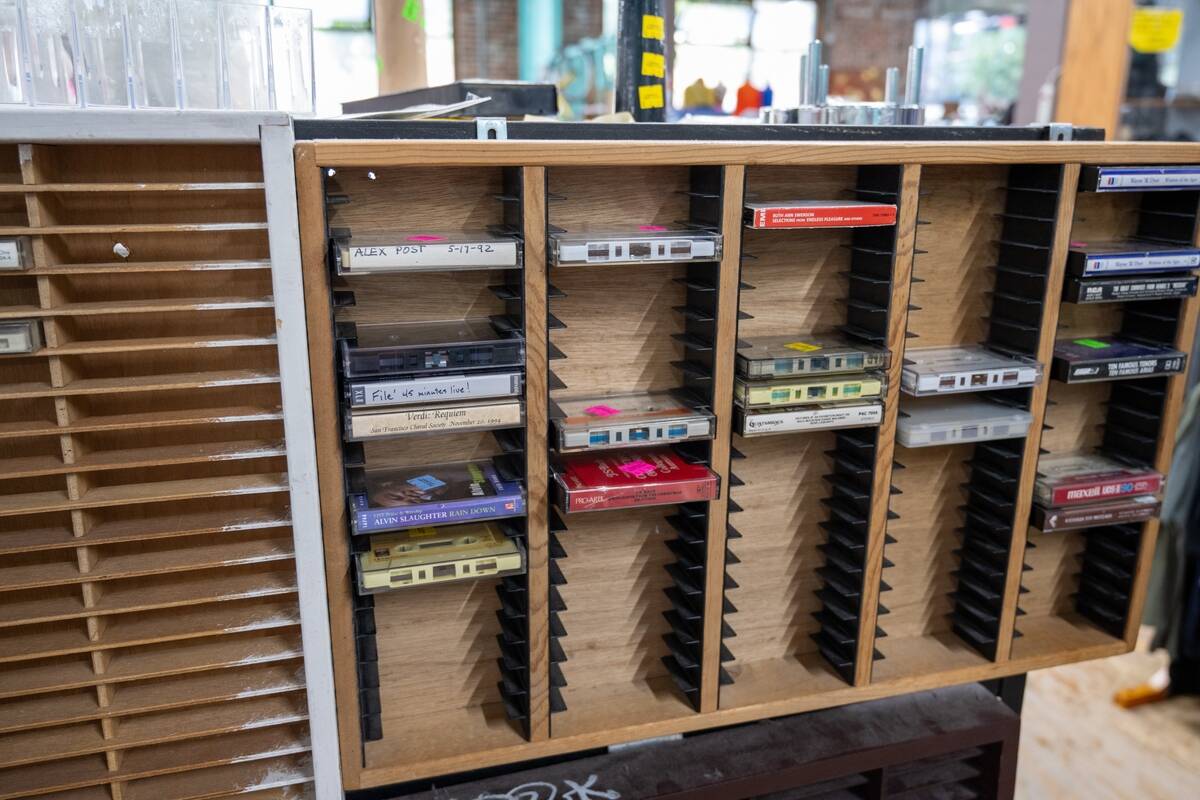
Before the digital age, cassette tapes were the go-to medium for music lovers. These compact marvels allowed people to create personalized mixtapes, a labor of love that required careful song selection and timing.
The satisfying click of a cassette being inserted into a player is a sound many still cherish. Despite their tendency to unravel at the worst moments, cassettes hold a special place in the hearts of those who grew up in the ’80s.
The Rubik’s Cube: A Colorful Puzzle Phenomenon

The Rubik’s Cube, invented in 1974 by Hungarian architect Ernő Rubik, became a worldwide sensation in the early 1980s. This 3D combination puzzle challenged people to rearrange its pieces until each of its six faces displayed a single color, a task easier said than done.
It wasn’t just a toy; its complex mechanics made it a popular brain teaser that sparked competitions and inspired countless enthusiasts. Even today, the Rubik’s Cube remains a cultural icon associated with problem-solving and spatial reasoning.
Boomboxes: The Portable Party Starter
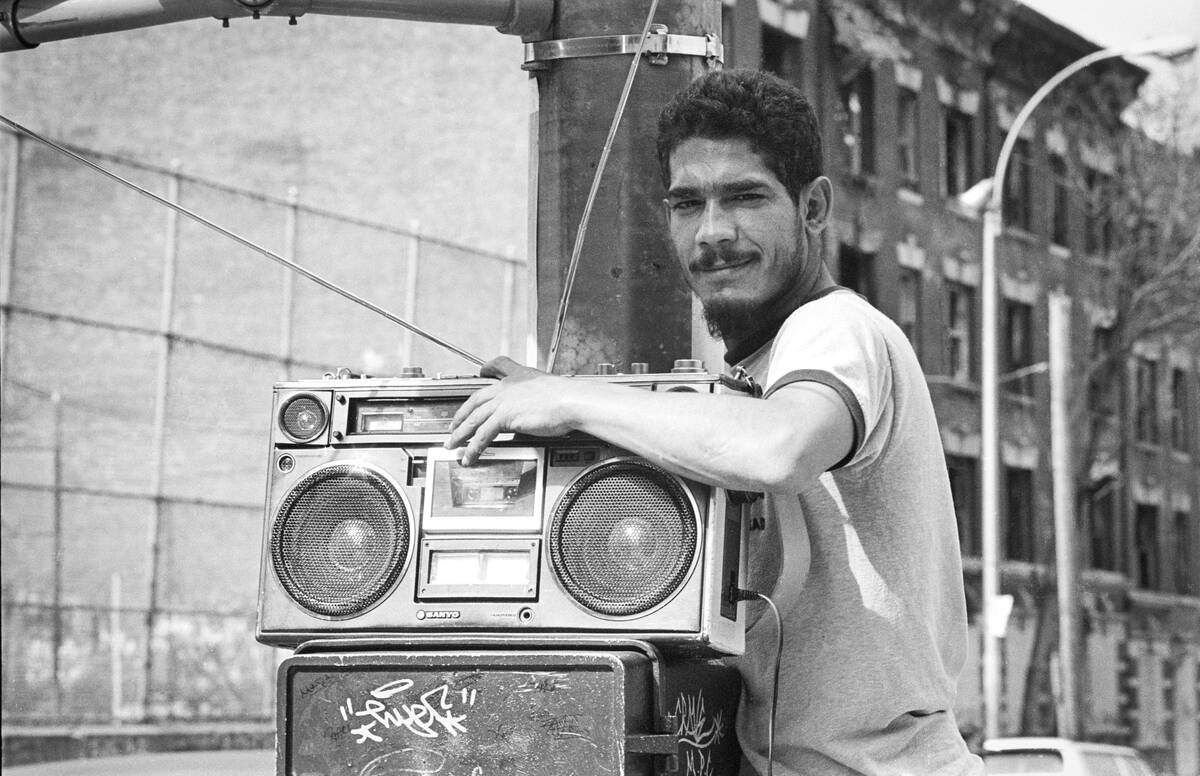
Boomboxes were the ultimate symbol of street culture in the ’80s, bringing music to the masses with their powerful speakers and portable design. These hefty devices were often seen perched on shoulders, blasting the latest hits as people gathered to dance and socialize.
With features like dual cassette decks and equalizers, boomboxes were more than just music players; they were a statement of style and a catalyst for community gatherings.
The Walkman: Personal Music on the Move
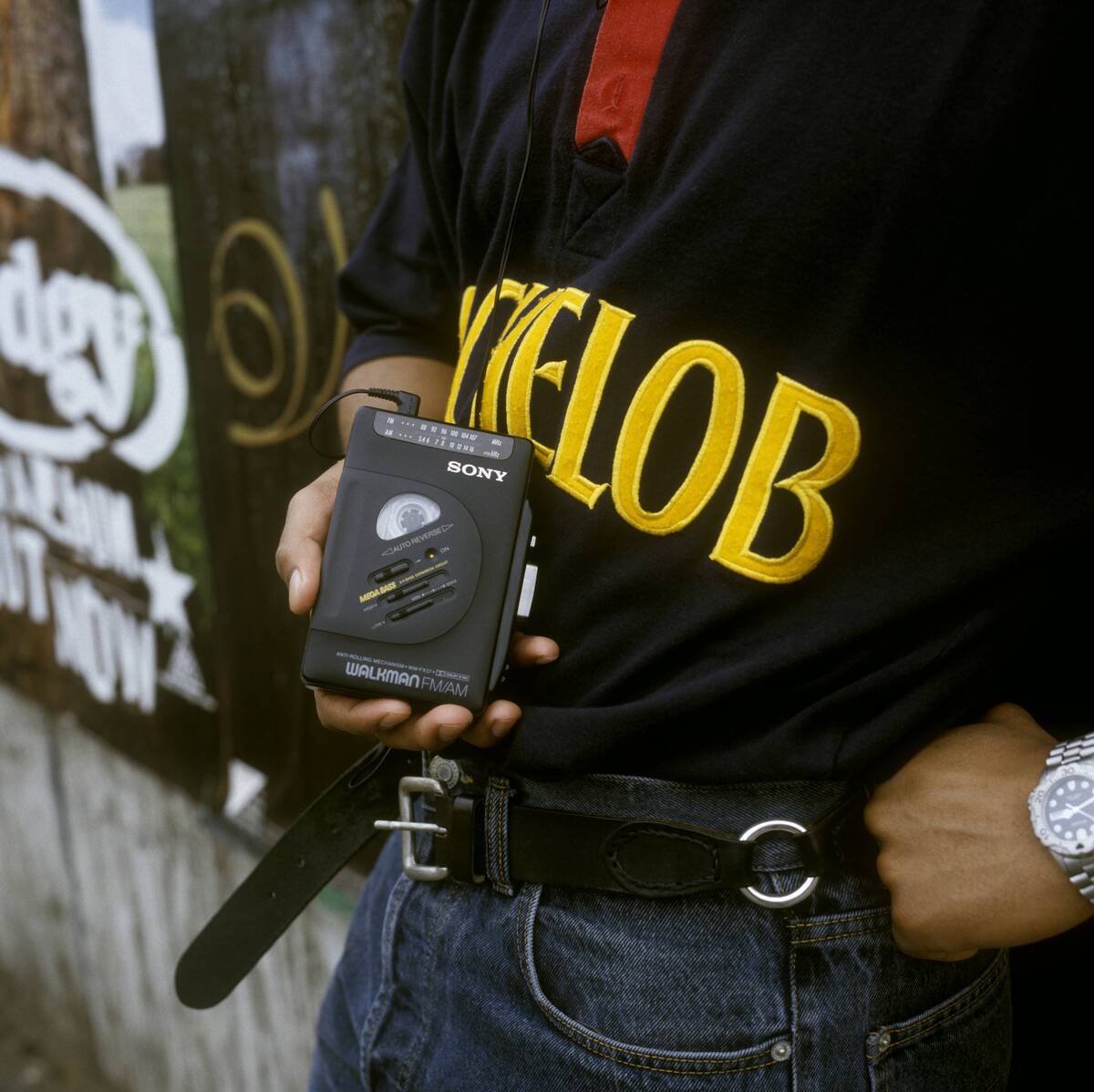
Sony’s Walkman transformed the way people experienced music, offering a personal listening experience that was unprecedented in its portability. Introduced in 1979, it gained massive popularity in the 80s, allowing users to take their favorite cassette recordings almost anywhere.
Compact and lightweight, the Walkman became associated with activities such as walking and jogging and helped popularize personal audio. Its success established a new model for portable music listening, paving the way for the portable music devices that followed.
Neon Everything: When Bright Was Just Right
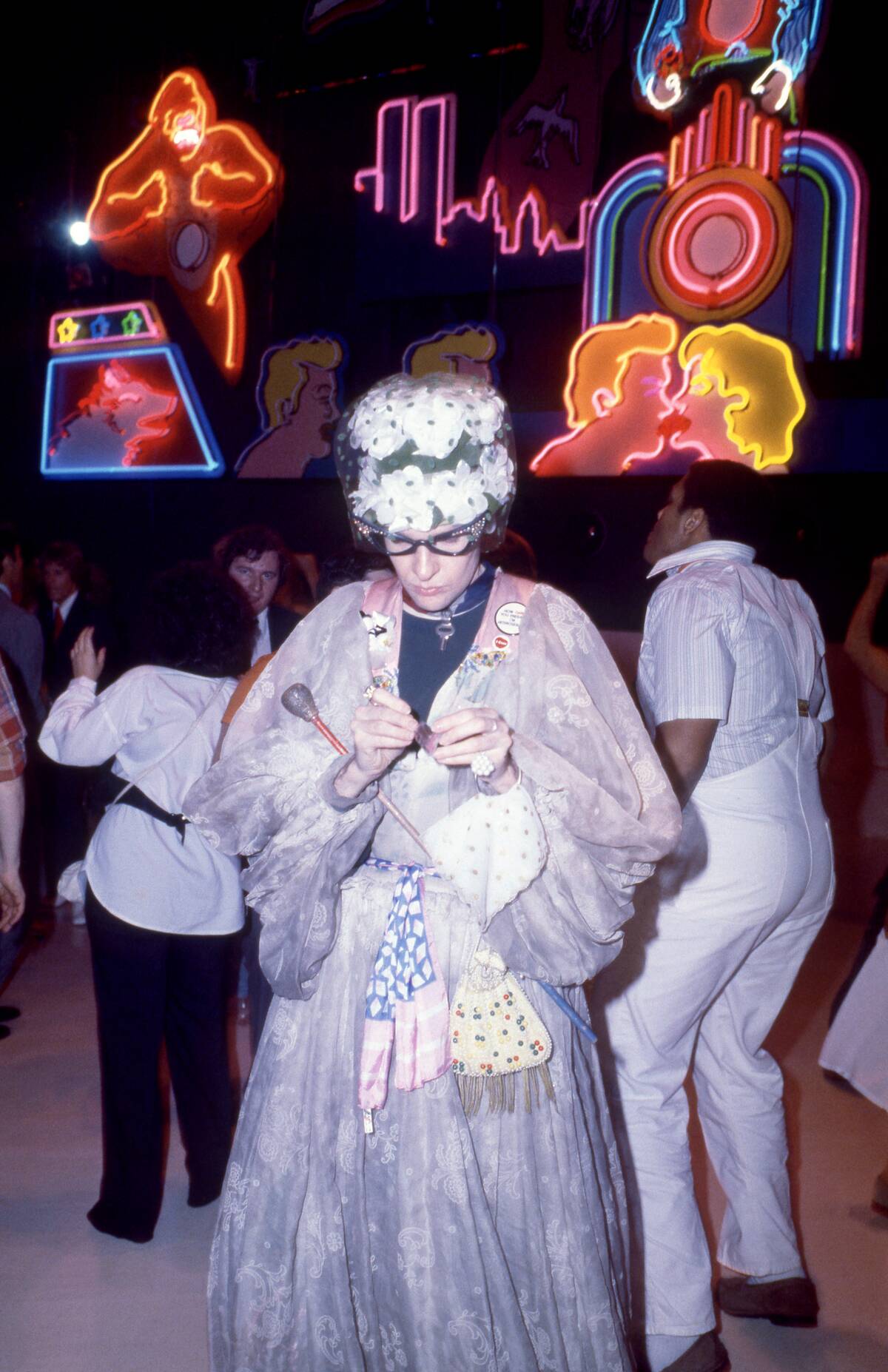
The 1980s were a time when neon colors reigned supreme, adorning everything from clothing to accessories. This bold palette was a reflection of the decade’s exuberance, with fluorescent pinks, greens, and yellows dominating the fashion scene.
Neon was not just a color choice; it was an attitude, a way to stand out in a crowd and express individuality. Whether it was a neon scrunchie or a pair of bright leg warmers, these vivid hues were impossible to ignore.
The Clunky Brick Phone: The Original Mobile Marvel
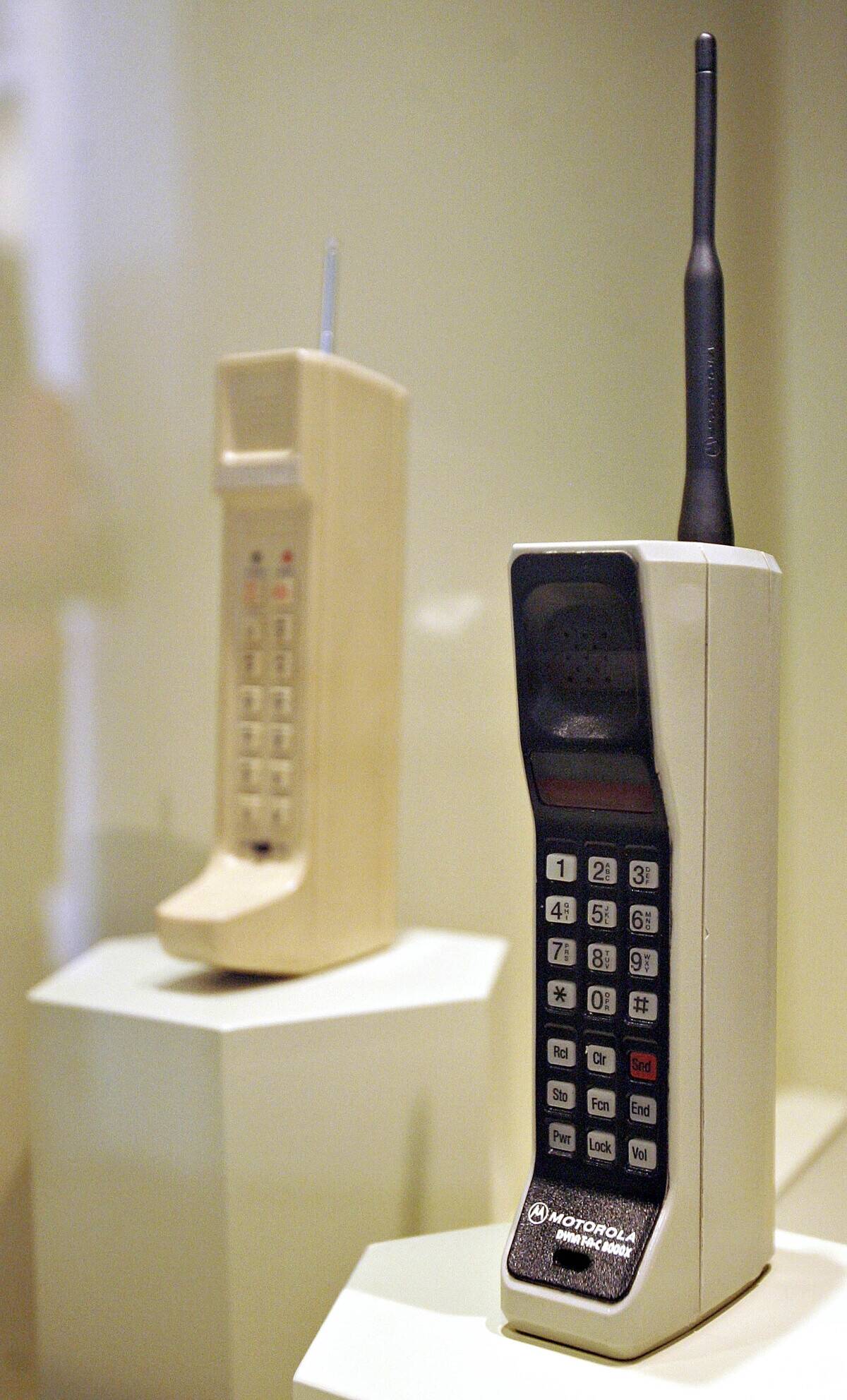
The Motorola DynaTAC 8000X, approved in 1983 and released to consumers in 1984, was the world’s first commercial handheld cellular phone. Often remembered as a “brick phone,” it weighed 28 ounces and offered roughly 30 minutes of talk time, but it represented a groundbreaking technological achievement.
Its high price made ownership a status symbol and a sign of access to cutting-edge technology. Despite its bulky design and limited battery life, the DynaTAC 8000X marked a major milestone in the development of portable cellular communications.
Acid Wash Jeans: Denim’s Boldest Statement
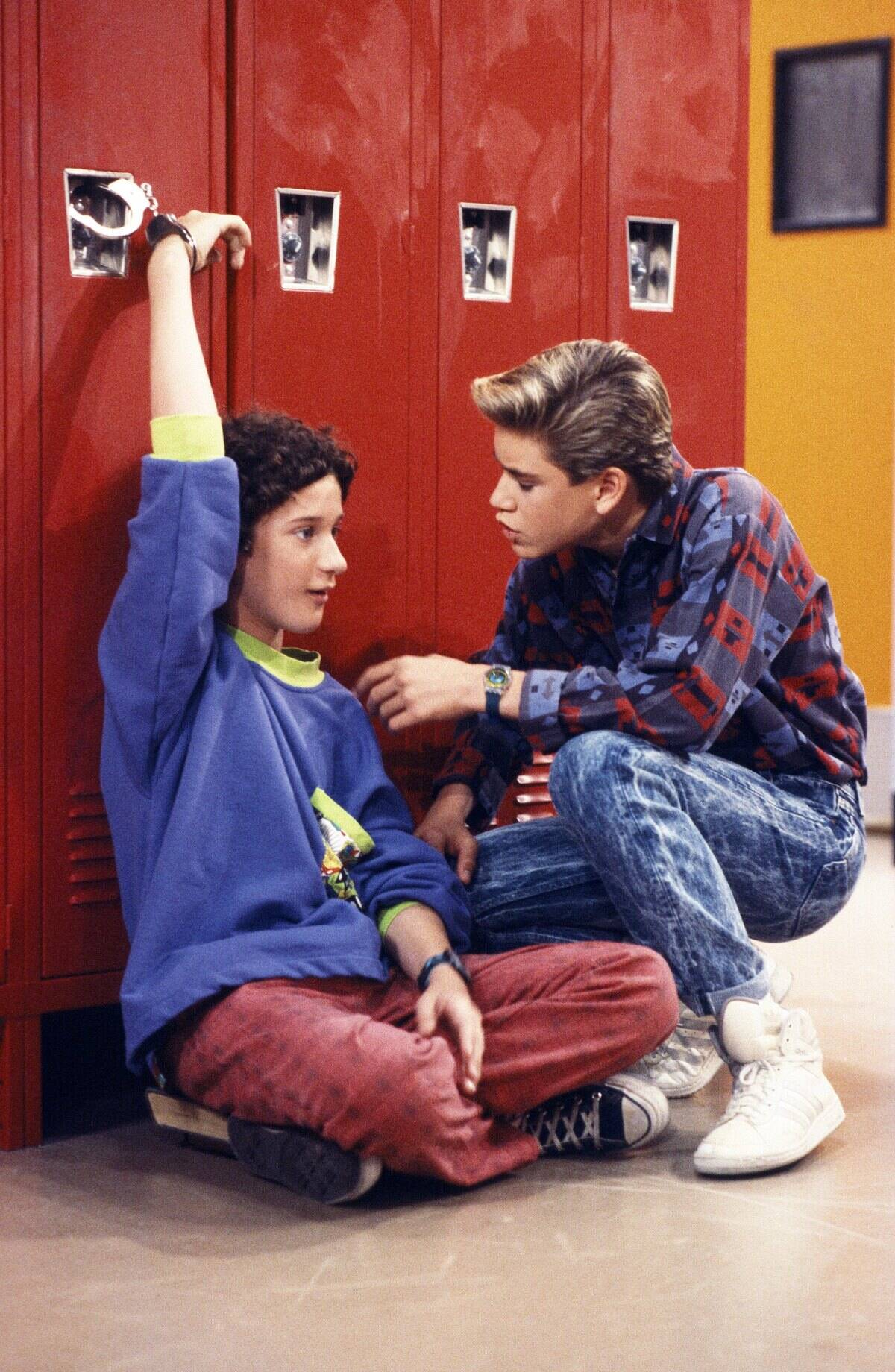
Acid wash jeans burst onto the fashion scene in the mid-’80s, offering a fresh take on classic denim. This distinctive style was achieved by washing jeans with chlorine and pumice stones, creating a mottled, faded look.
They quickly became a wardrobe staple for trendsetters and rebels alike, embodying the decade’s love for experimentation and individuality. Acid wash jeans were more than just a fashion choice; they were a cultural phenomenon.
The Atari 2600: Gaming’s Retro Revolution
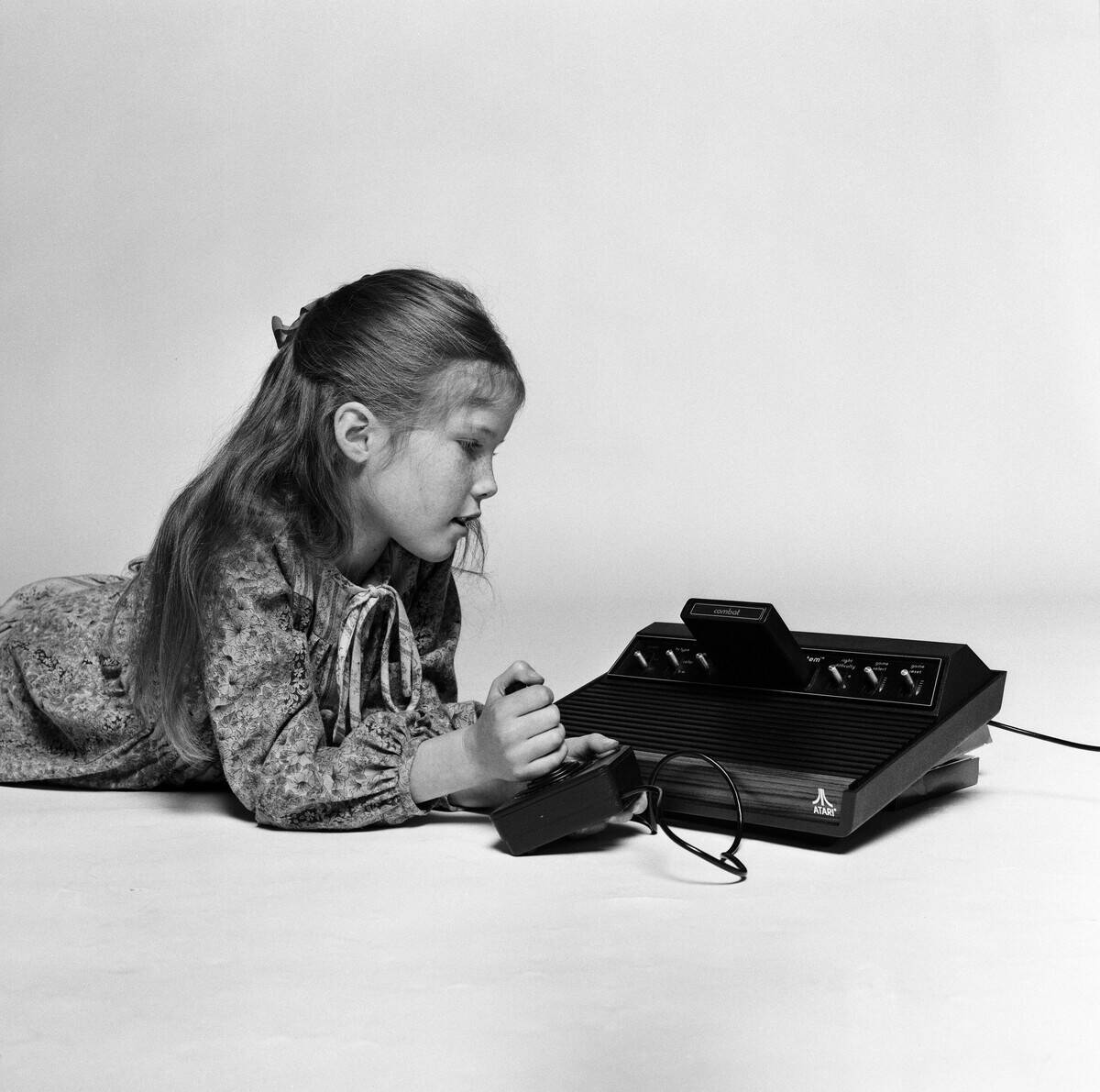
The Atari 2600, released in 1977, reached its peak popularity in the early 1980s, becoming one of the most influential home video game consoles of its era. With games like Space Invaders and Pac-Man, it helped bring arcade-style gaming into living rooms. Its simple joystick and single-button controller made the system relatively easy to pick up, while its growing game library appealed to a broad audience.
The Atari 2600 played a major role in establishing home console gaming as a mainstream form of entertainment and helped fuel the lasting popularity of video games.
The Cabbage Patch Kids Craze: Adorable or Alarming?
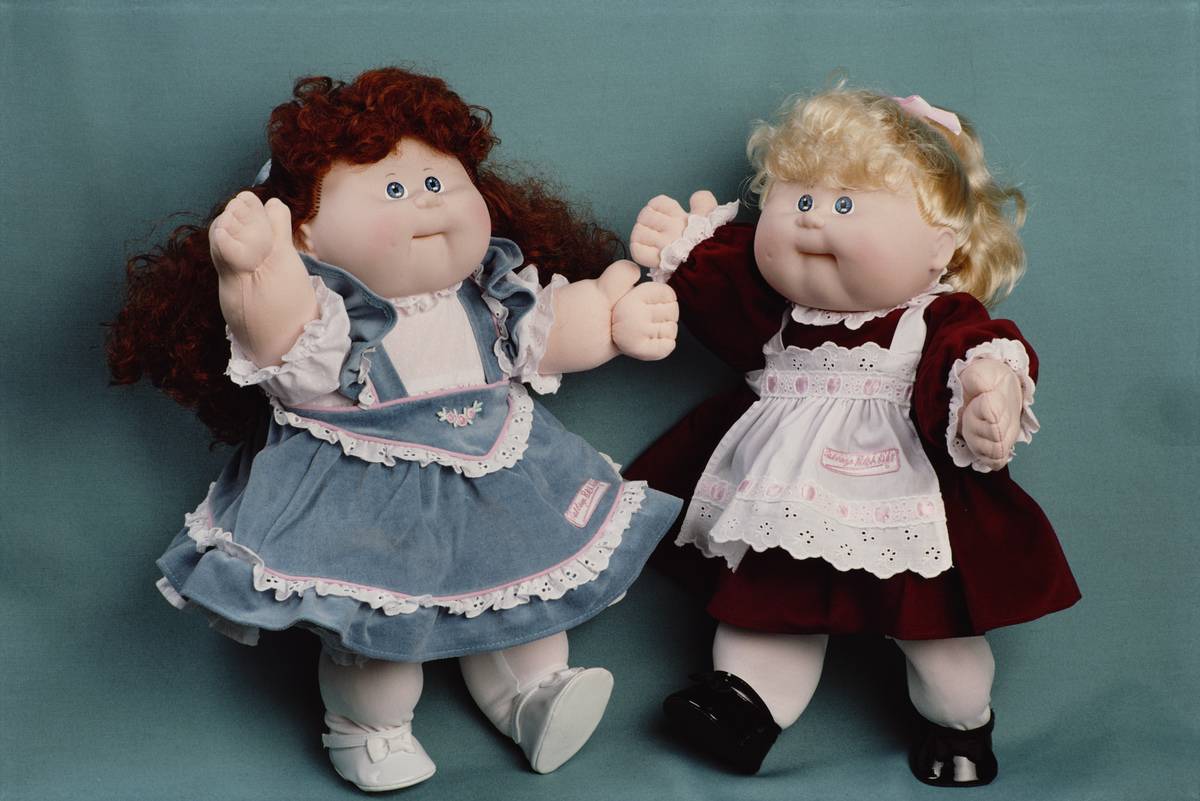
Cabbage Patch Kids, with their unique and endearing faces, became a massive craze in the early ’80s. Each doll came with its own birth certificate and adoption papers, making them feel like real additions to the family.
The demand was so high that stores experienced shortages, leading to frenzied parents competing to secure one. While some found them charming, others were perplexed by the hysteria. Regardless, these dolls remain a nostalgic symbol of the decade.
The Charm of Swatch Watches: Timekeeping with a Twist
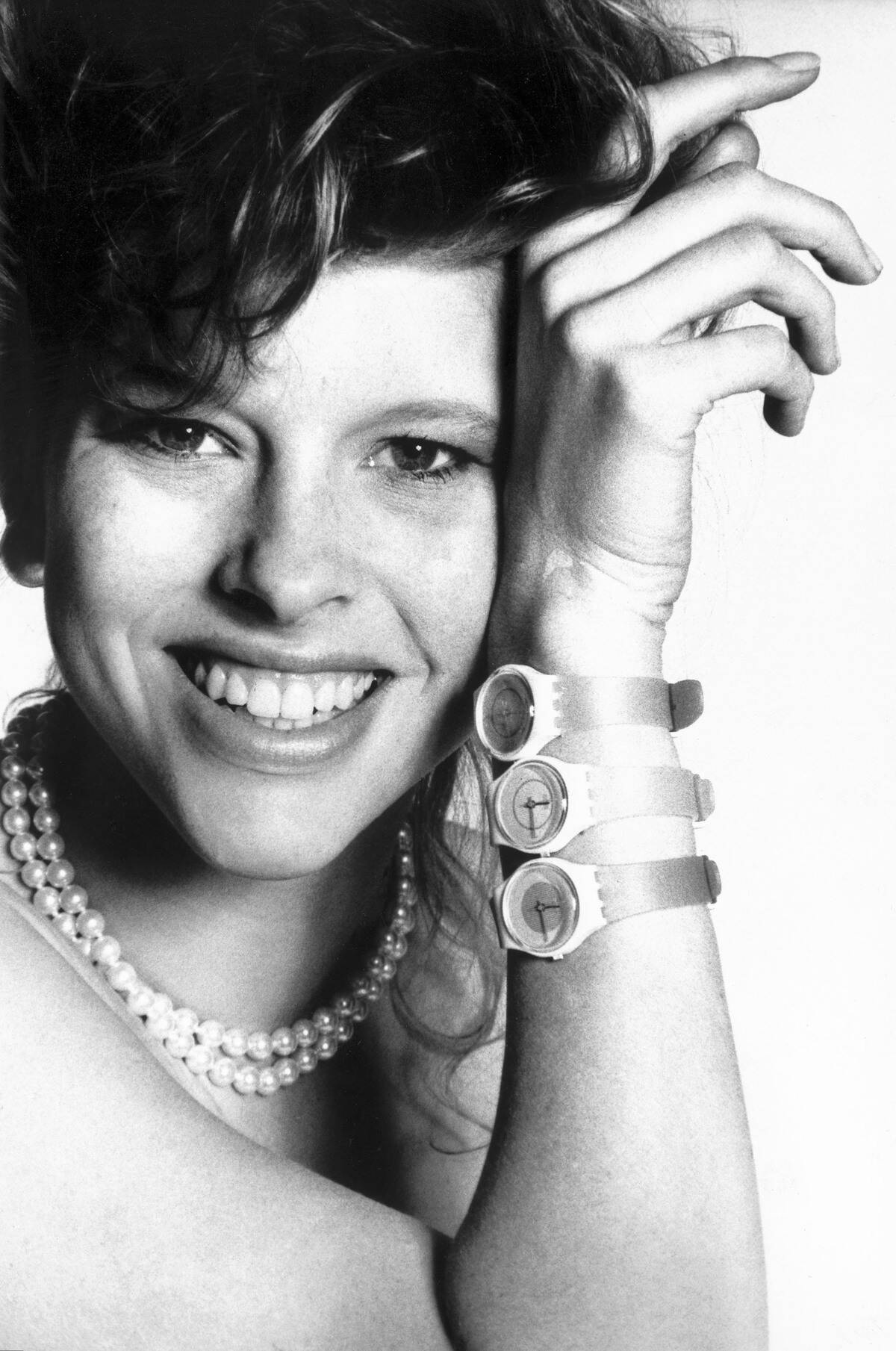
Swatch watches burst onto the scene in 1983, bringing a fresh, colorful approach to timekeeping. Known for their affordability and playful designs, they quickly became a fashion staple.
Swatch watches were more than just functional; they were a form of self-expression, with countless styles to suit every personality. Their popularity soared, and they remain a beloved accessory, proving that style and practicality can go hand in hand.
The Mullet: Business in the Front, Party in the Back
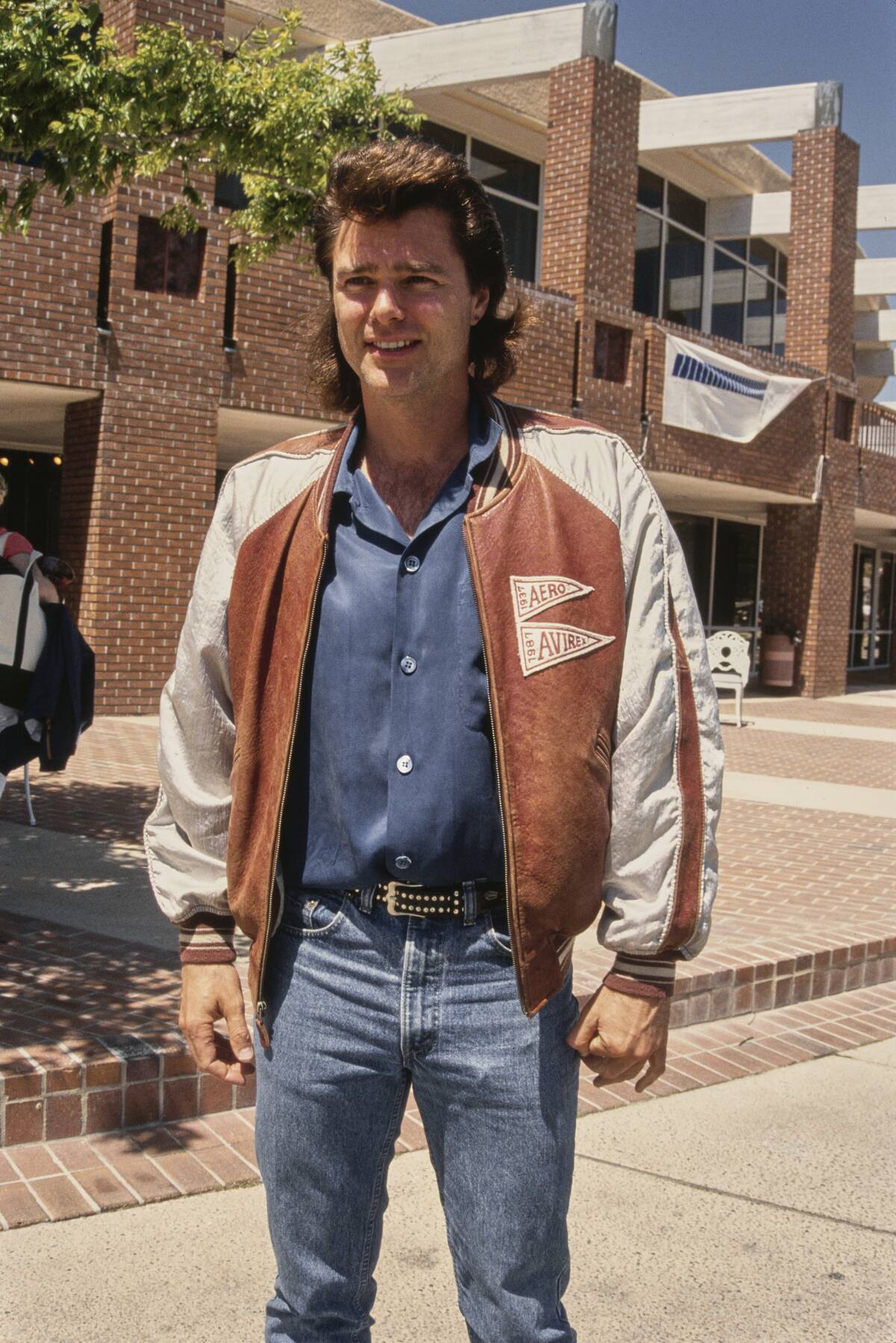
The mullet hairstyle, with its short front and long back, was a defining look of the 1980s. It was sported by everyone from rock stars to everyday folks, symbolizing a carefree, rebellious spirit.
The mullet’s versatility made it popular across various subcultures, and its boldness captured the essence of the decade’s fashion daring. While it may be polarizing, the mullet’s impact on hairstyling is undeniable, and it occasionally resurfaces in modern trends.
The Pet Rock: The Low-Maintenance Companion
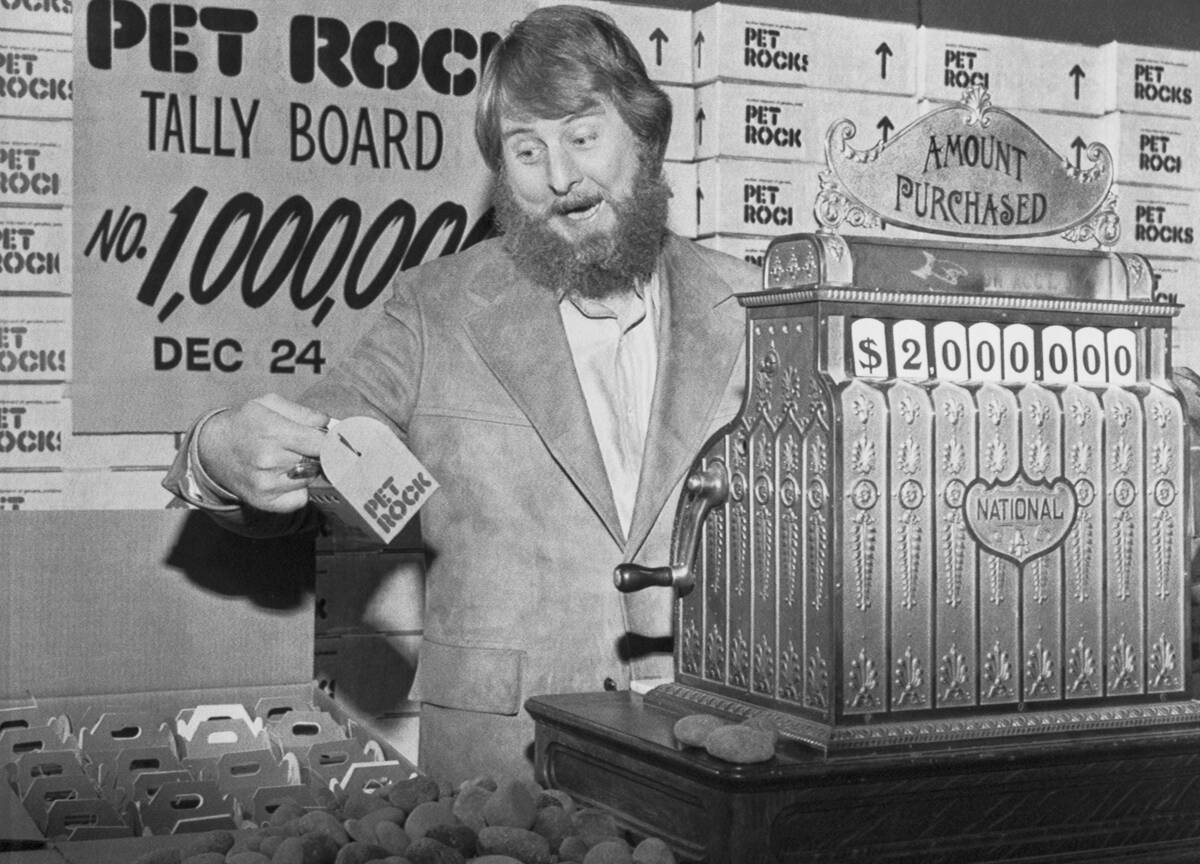
The Pet Rock, introduced in 1975, became one of the most famous novelty gifts of the decade. It was the ultimate low-maintenance “pet,” requiring no feeding, grooming, or walking. Packaged in a cardboard box with breathing holes and a humorous care manual, it turned an ordinary rock into a deliberately absurd product.
Although its commercial craze was relatively short-lived, the Pet Rock became a memorable example of 1970s marketing and novelty culture. Its simple concept and humor have helped it remain recognizable in pop culture.
The Quirky Appeal of Leg Warmers: Fitness Fashion Faux Pas
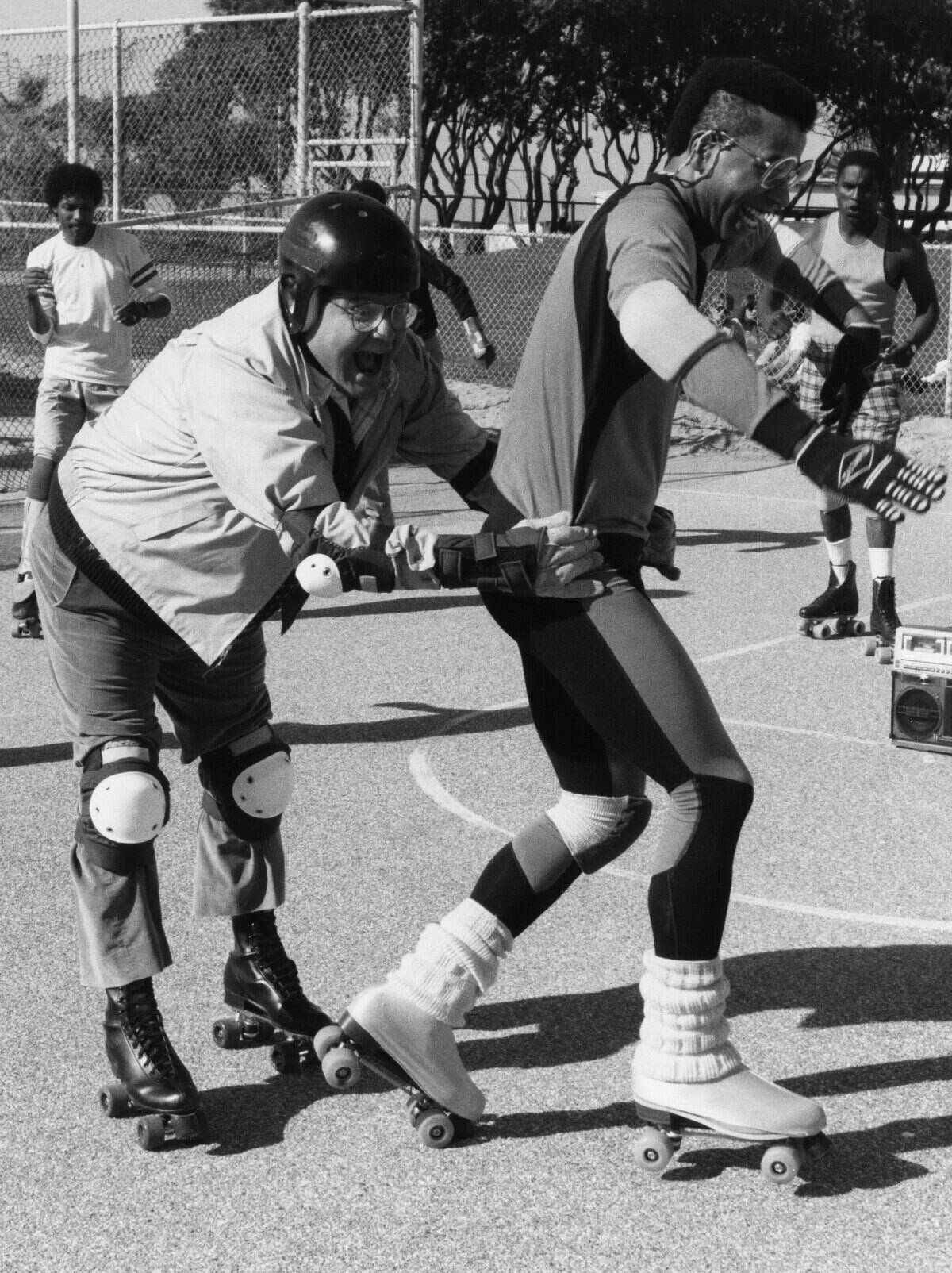
Leg warmers were originally designed for dancers to keep their muscles warm, but they became a fashion staple in the 1980s. Often worn over leggings or jeans, they added a pop of color and texture to any outfit.
Thanks to the popularity of aerobics and dance-inspired workouts, leg warmers became synonymous with fitness fashion. While some may view them as a fashion faux pas, their quirky charm and practicality can’t be denied.
The Eccentricity of Hypercolor T-Shirts: Heat-Activated Hues
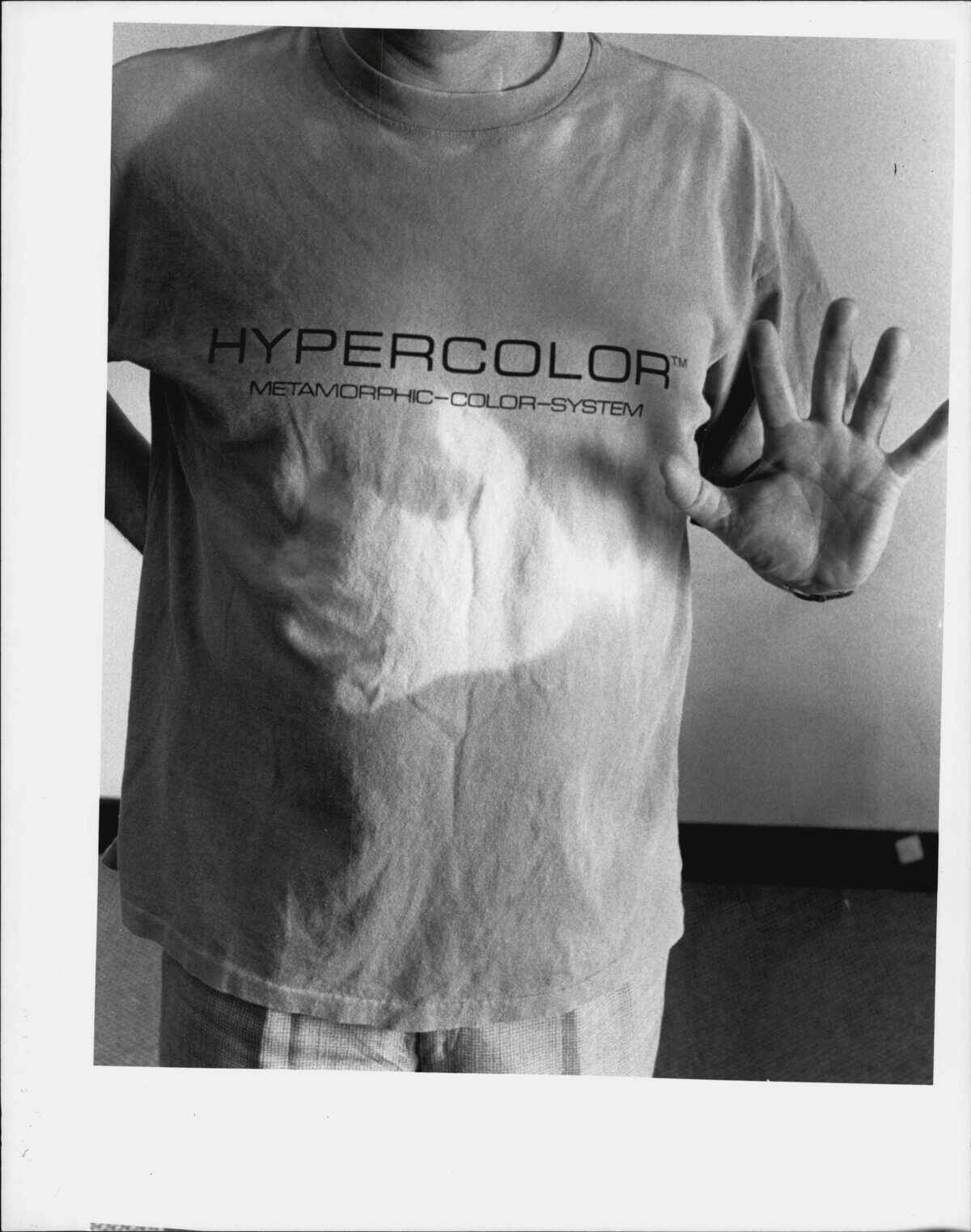
Hypercolor T-shirts were a fashion sensation in the late ’80s, known for their heat-sensitive fabric that changed color with body temperature. This interactive clothing item was both a novelty and a conversation starter, as wearers watched their shirts transform before their eyes.
Despite their short-lived popularity, Hypercolor T-shirts captured the playful spirit of the decade, showcasing the innovative and experimental nature of ’80s fashion.
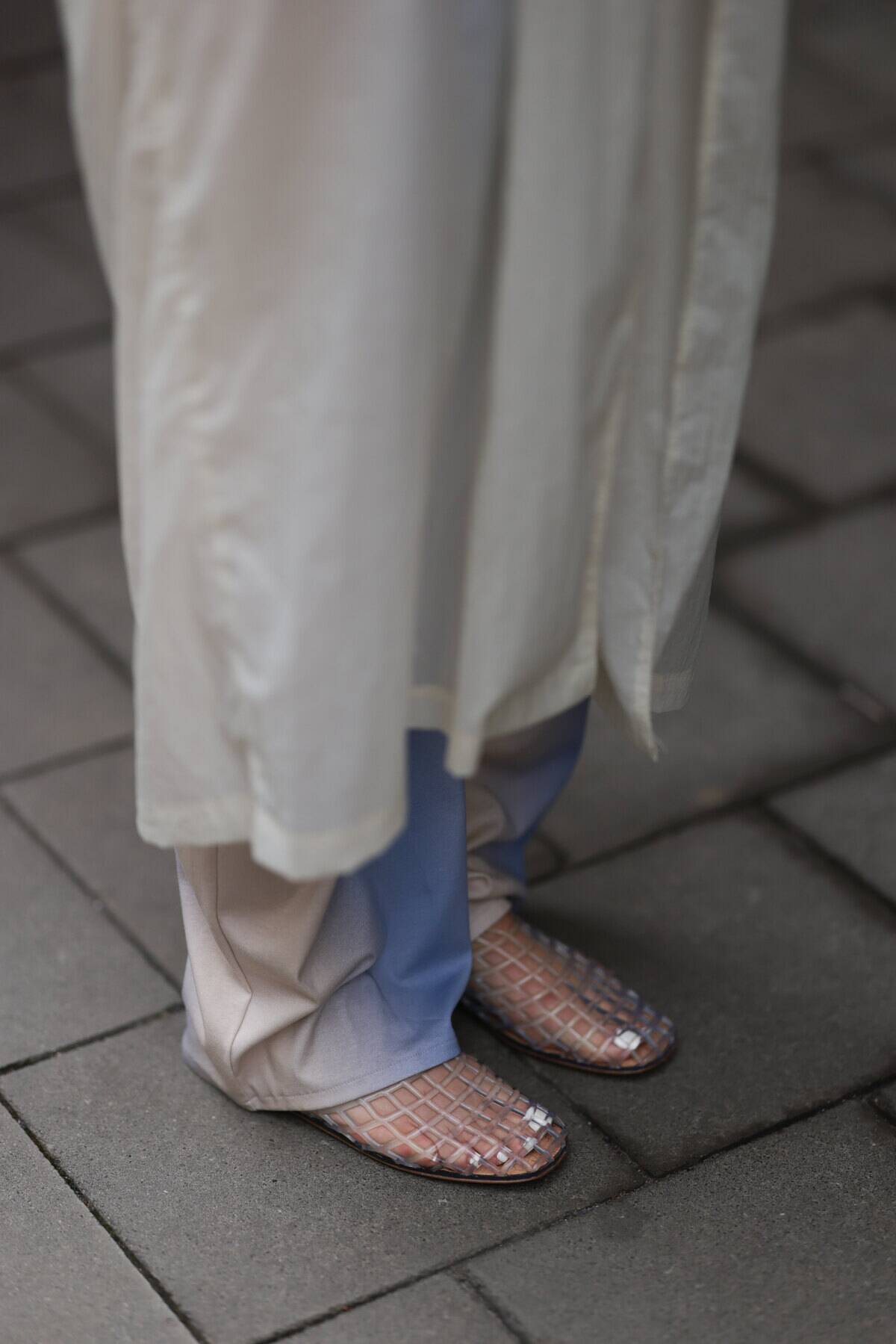
The Strange Allure of Jelly Shoes: Footwear with Flair
Hypercolor T-shirts became a fashion sensation in the early 90s, known for their thermochromic fabric that changed color in response to heat. This interactive clothing item was both a novelty and a conversation starter, as wearers watched their shirts transform when exposed to body heat or changing temperatures.
Despite their relatively short-lived popularity, Hypercolor T-shirts captured the playful spirit of early 90s fashion, showcasing the era’s interest in colorful, unconventional, and interactive clothing.
The Novelty of Lava Lamps: Groovy Lighting for All
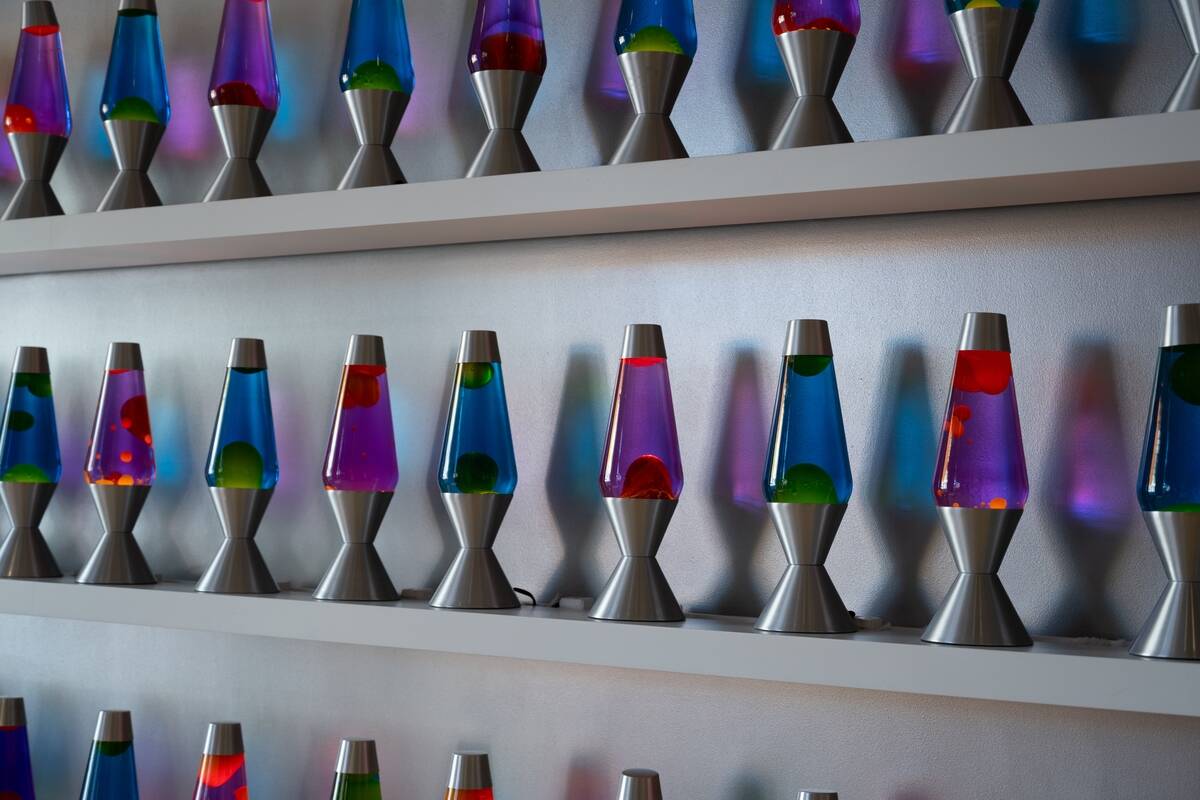
Lava lamps, with their mesmerizing blobs of wax floating in liquid, were a staple of ’80s decor. Originally invented in the 1960s, they experienced a resurgence in popularity during the ’80s as a symbol of counterculture and creativity.
The soothing motion and colorful glow of lava lamps made them a favorite for creating a relaxed, psychedelic atmosphere. Their timeless appeal continues to captivate, making them a beloved fixture in homes around the world.




