How people stayed clean before modern plumbing
Before the convenience of running water, hygiene practices were both inventive and varied across different cultures. People relied on natural resources and communal knowledge to maintain cleanliness.
These practices were often influenced by the availability of water, climate, and cultural beliefs. Despite the lack of modern amenities, ancient societies developed sophisticated methods to stay clean, which laid the foundation for today’s hygiene standards.
Ancient Bathing Rituals
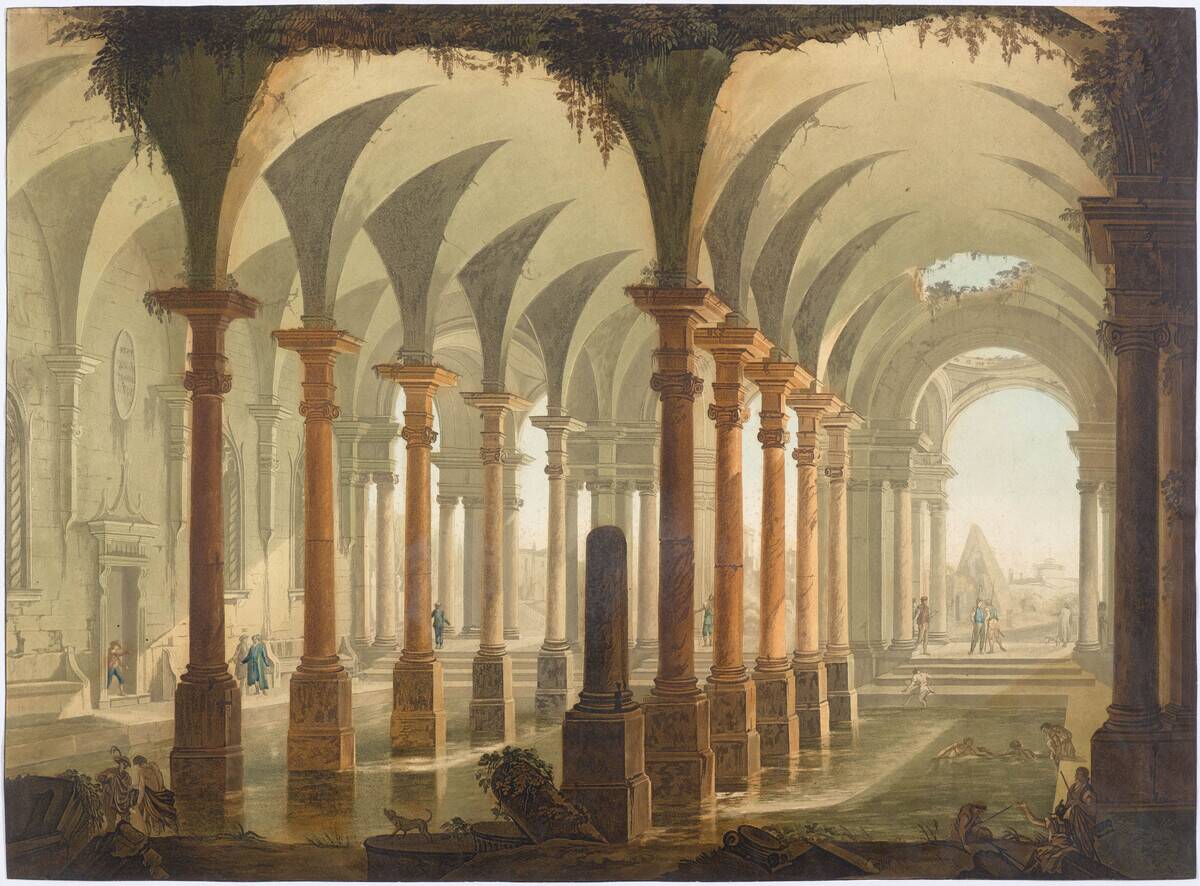
Bathing in ancient times was often a social event, with public baths serving as gathering places. In Rome, for instance, thermae were not just about cleanliness but also socialization and relaxation.
Similarly, in Japan, communal baths known as ‘onsen’ have been a tradition for centuries. These rituals emphasized the importance of community and the shared experience of cleansing, reflecting the social fabric of the time.
The Role of Rivers and Lakes in Daily Cleansing
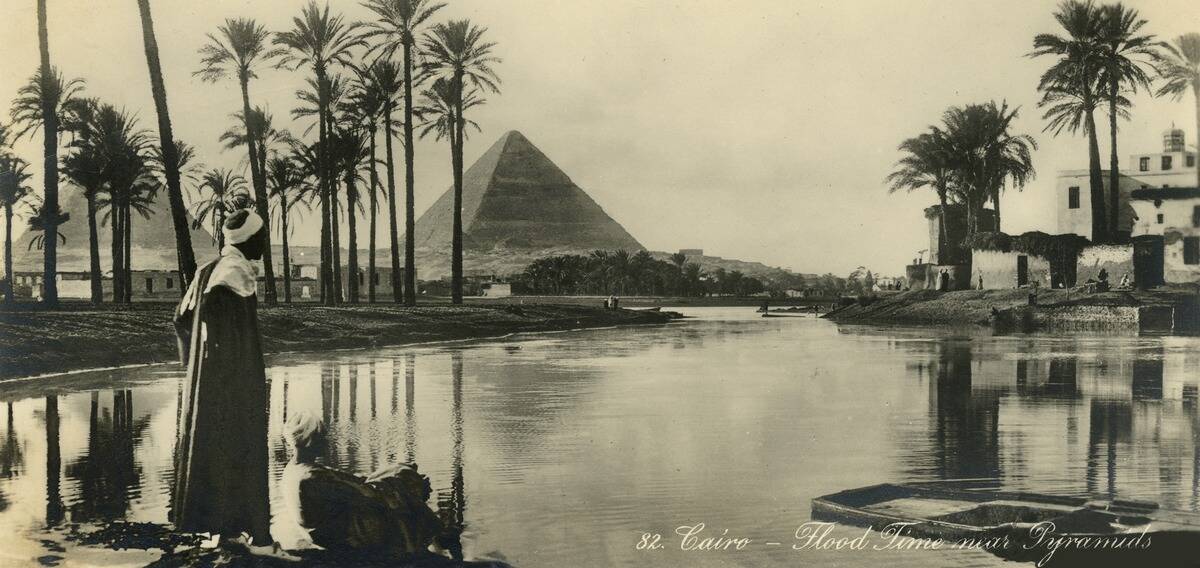
Rivers and lakes were crucial for daily hygiene in ancient societies. The Nile, for example, was a lifeline for Egyptians, providing water for bathing and other needs.
In India, the Ganges holds spiritual significance, with many believing that bathing in its waters purifies the soul. These natural water sources were vital not only for cleanliness but also for religious and cultural practices.
The Art of Sponge Baths
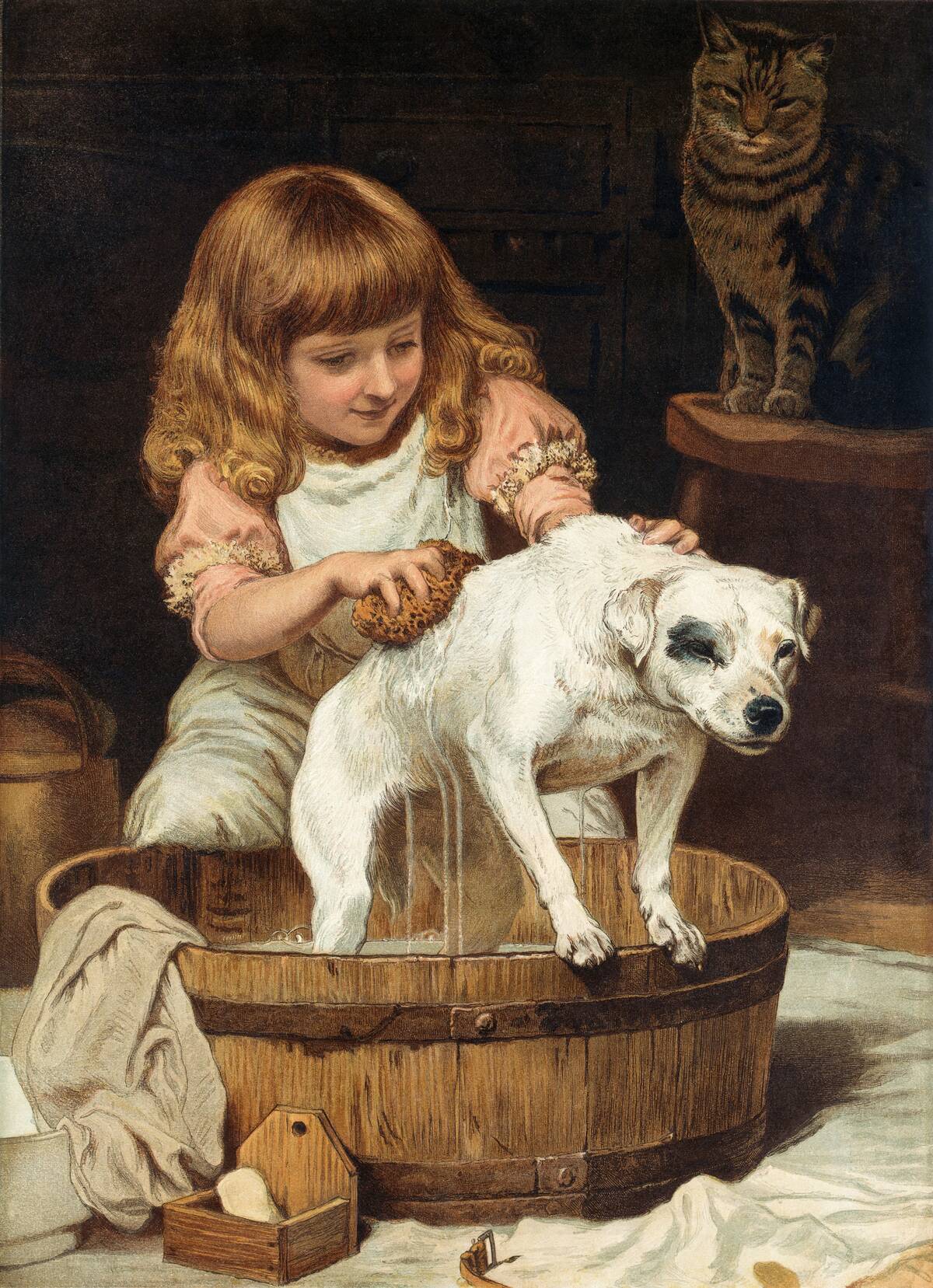
When full immersion wasn’t possible, sponge baths offered a practical alternative. Ancient Greeks used sea sponges soaked in water and oil to cleanse their bodies. This method was especially useful in arid regions where water was scarce.
Sponge baths allowed people to maintain hygiene without the need for large amounts of water, showcasing adaptability in ancient hygiene practices.
Soap Substitutes
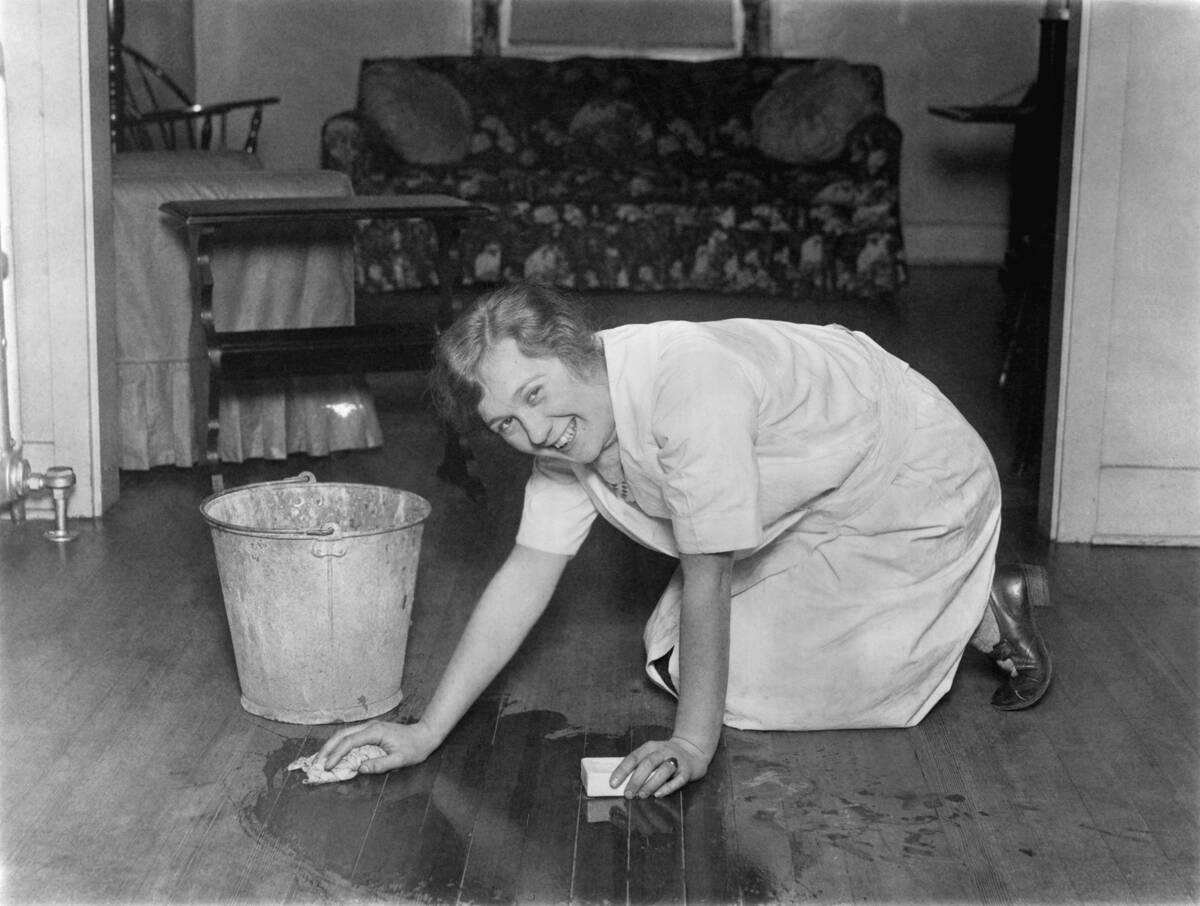
Before the invention of soap, various natural substances were used for cleaning. The Mesopotamians used a mix of clay and ash, which effectively removed dirt and oils. In other regions, people used plant-based saponins found in certain leaves and fruits.
These substitutes were not only effective but also readily available, demonstrating resourcefulness in utilizing local materials for hygiene.
Chewing Sticks and Herbal Remedies as Dental Care
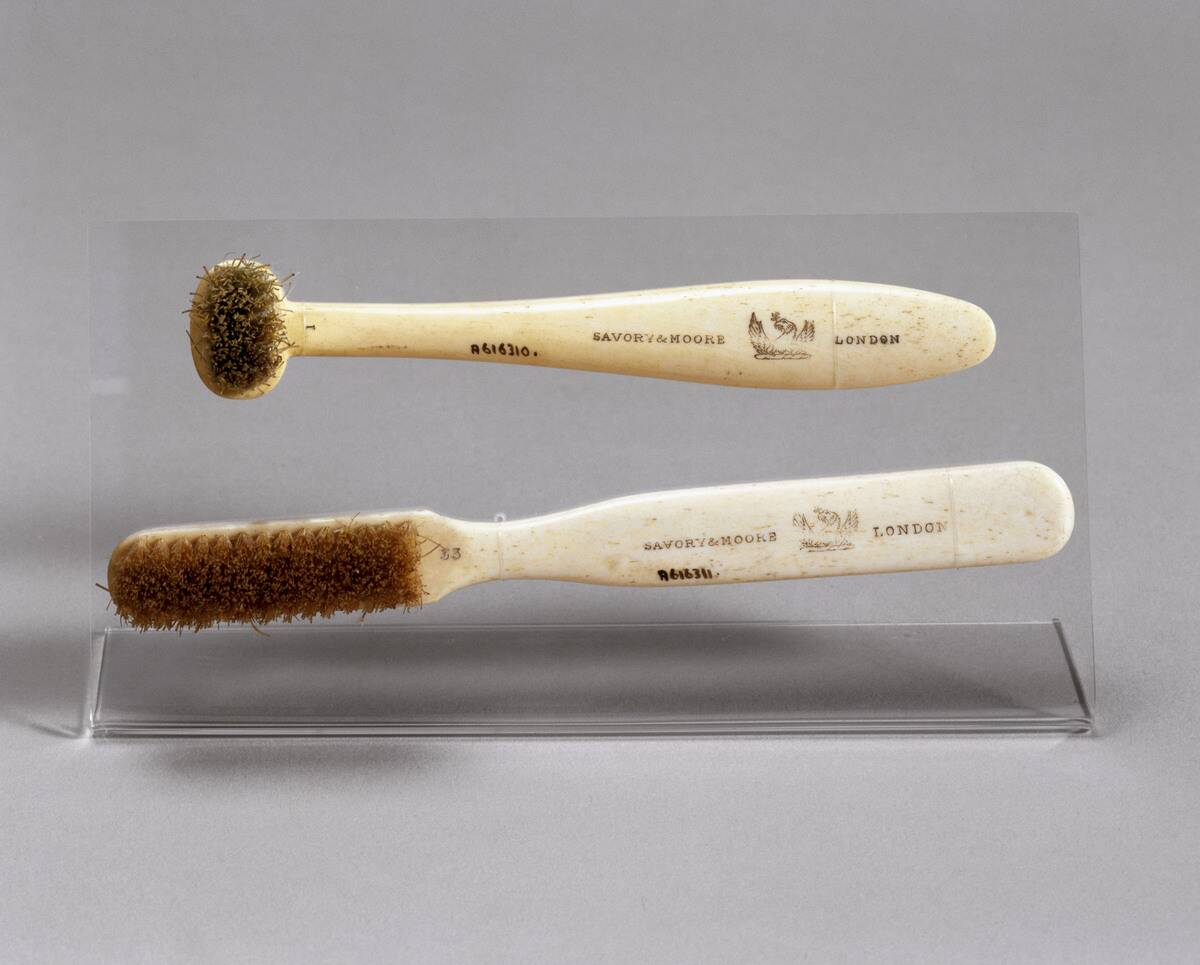
Dental hygiene was not neglected in ancient times, with chewing sticks being a popular tool. The Babylonians and Egyptians used twigs from trees like neem and miswak, which have natural antibacterial properties.
Herbal remedies were also common, with ingredients like mint and myrrh used to freshen breath. These practices highlight the early understanding of oral health and its importance.
Hair Care
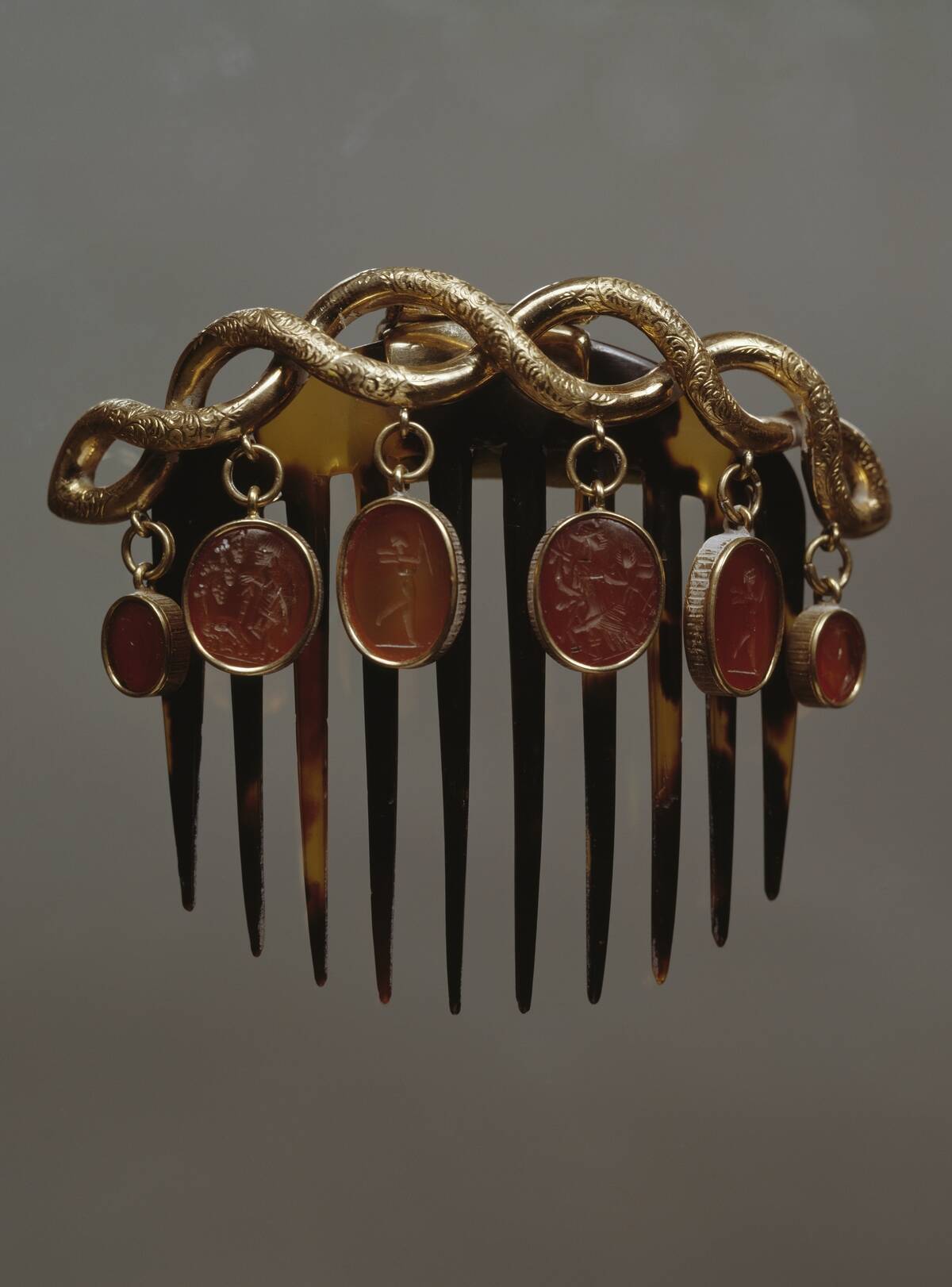
Hair care in ancient times involved the use of natural oils and combs. Egyptians were known for their elaborate hairstyles, maintained with castor oil and combs made from bone or wood.
In ancient China, rice water was used to rinse hair, believed to promote growth and shine. These methods not only kept hair clean but also reflected cultural aesthetics and values.
The Use of Perfumes and Scents to Mask Odors
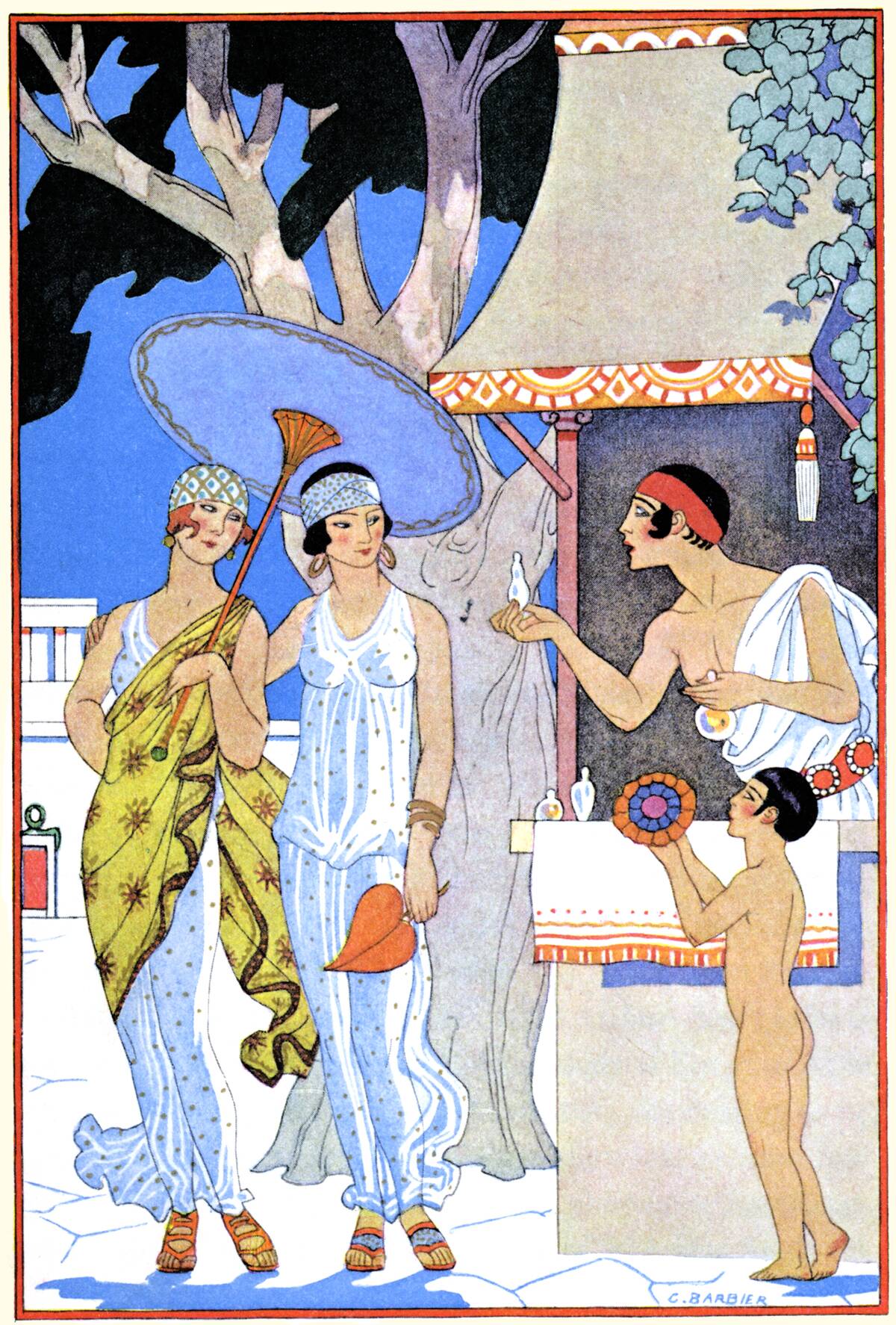
Perfumes and scents played a significant role in masking body odors. The ancient Egyptians were pioneers in perfume-making, using ingredients like myrrh and frankincense.
In the Middle Ages, people carried pomanders filled with aromatic herbs to ward off unpleasant smells. These practices highlight the importance of fragrance in personal grooming and social interactions throughout history.
Hygiene Practices in Different Cultures
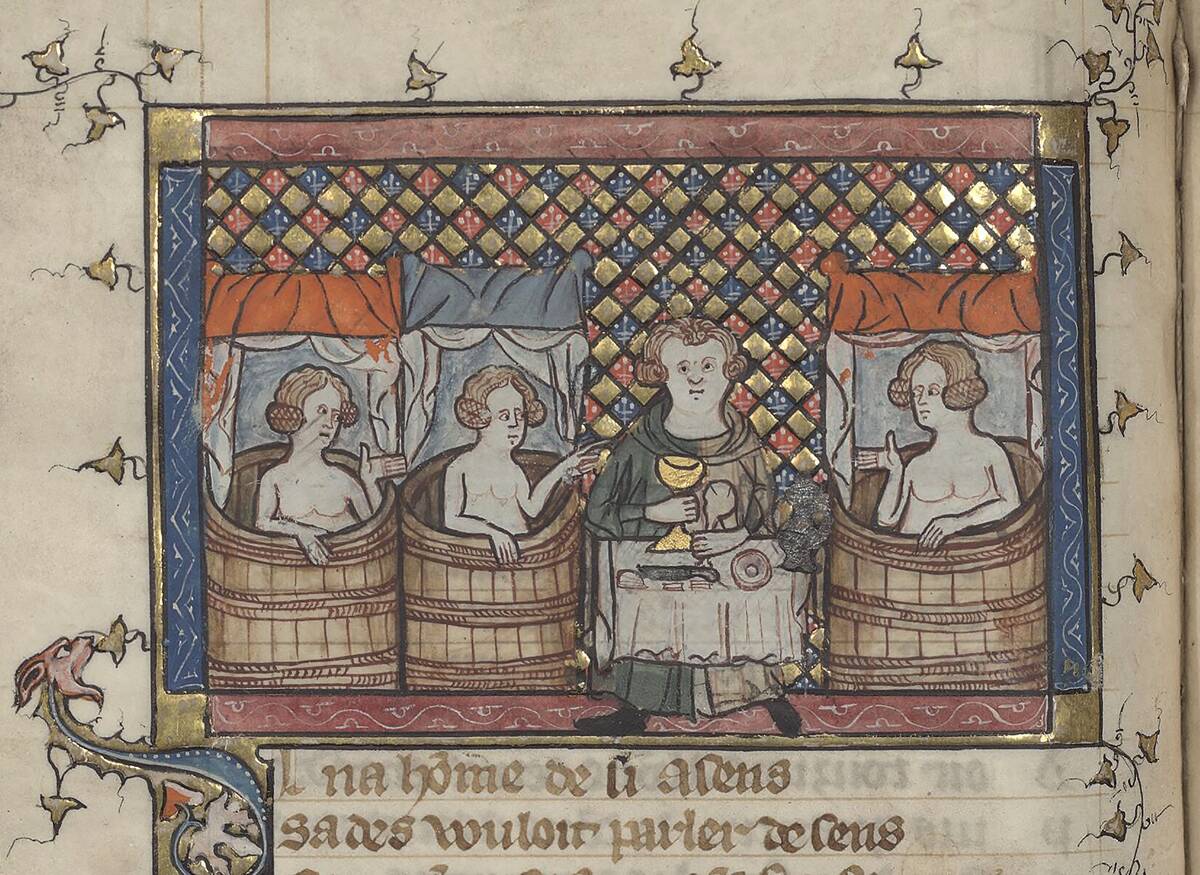
Hygiene practices varied widely across cultures, reflecting local customs and resources. In Japan, the tradition of ‘misogi’ involves ritual purification with water, while in Scandinavia, saunas have long been used for cleansing and relaxation.
Indigenous peoples in North America used sweat lodges for both spiritual and physical purification. These diverse practices illustrate the universal importance of hygiene across the globe.
The Influence of Religion on Personal Cleanliness
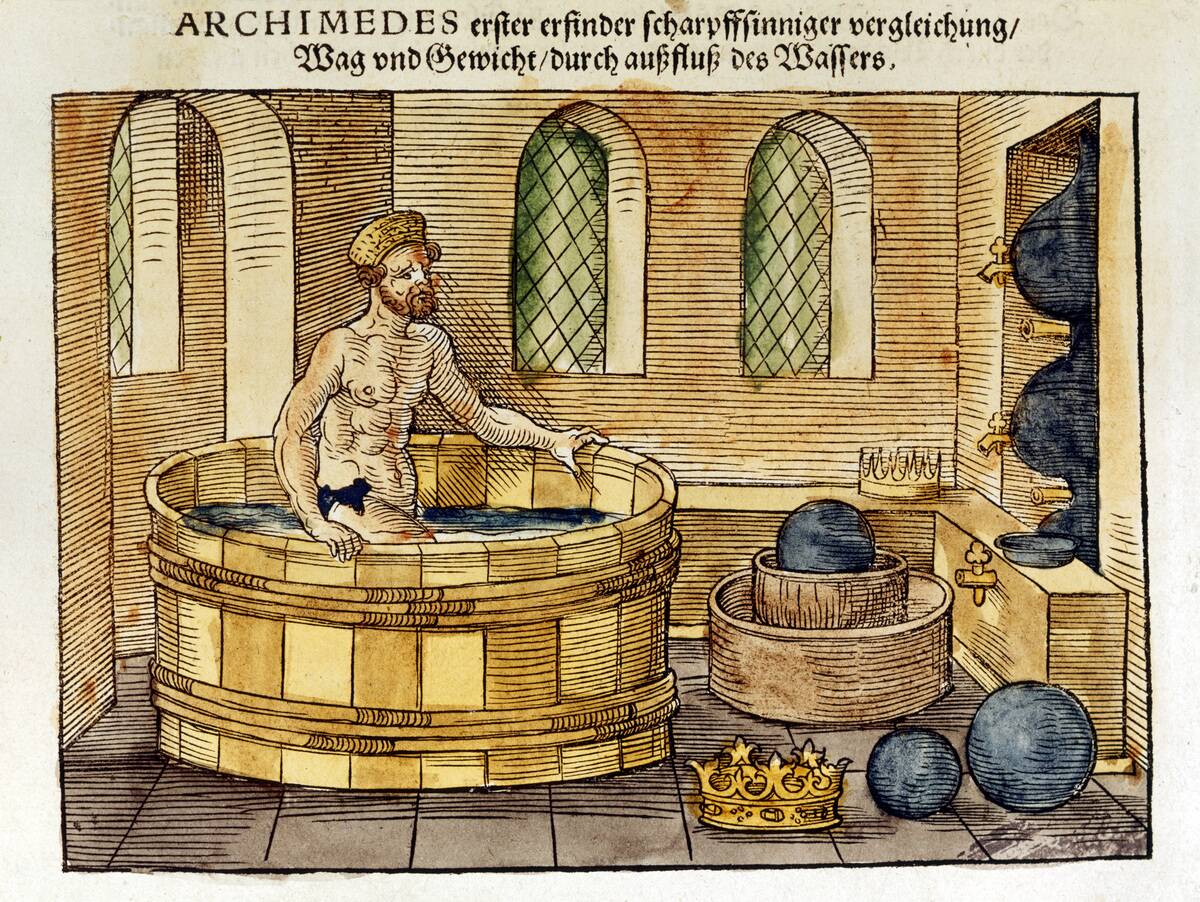
Religion has often dictated hygiene practices, with many faiths emphasizing cleanliness as a spiritual duty. In Islam, ablution before prayers is a key ritual, while Hinduism prescribes regular bathing as part of daily life.
Jewish traditions include the mikveh, a ritual bath for purification. These religious practices underscore the belief that physical cleanliness is intertwined with spiritual purity.
The Myths and Realities of Medieval Hygiene
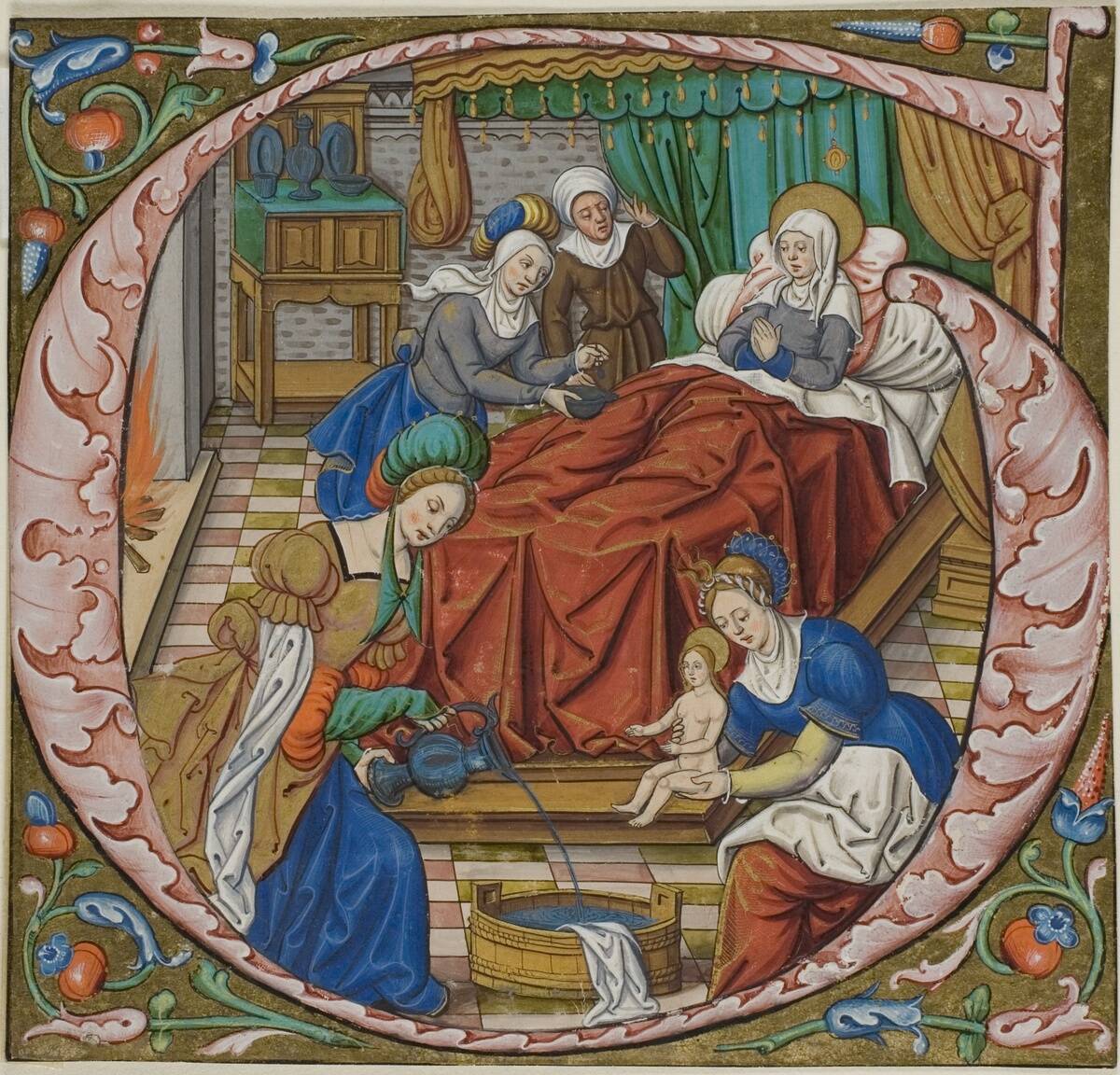
Medieval hygiene is often misunderstood, with myths of widespread filth and neglect. In reality, people in the Middle Ages practiced personal hygiene using available resources. Bathing was common among the wealthy, and public bathhouses existed in cities.
However, plagues and poor sanitation did pose challenges. Understanding the realities of medieval hygiene helps dispel misconceptions about this era.
The Role of Clothing in Maintaining Cleanliness
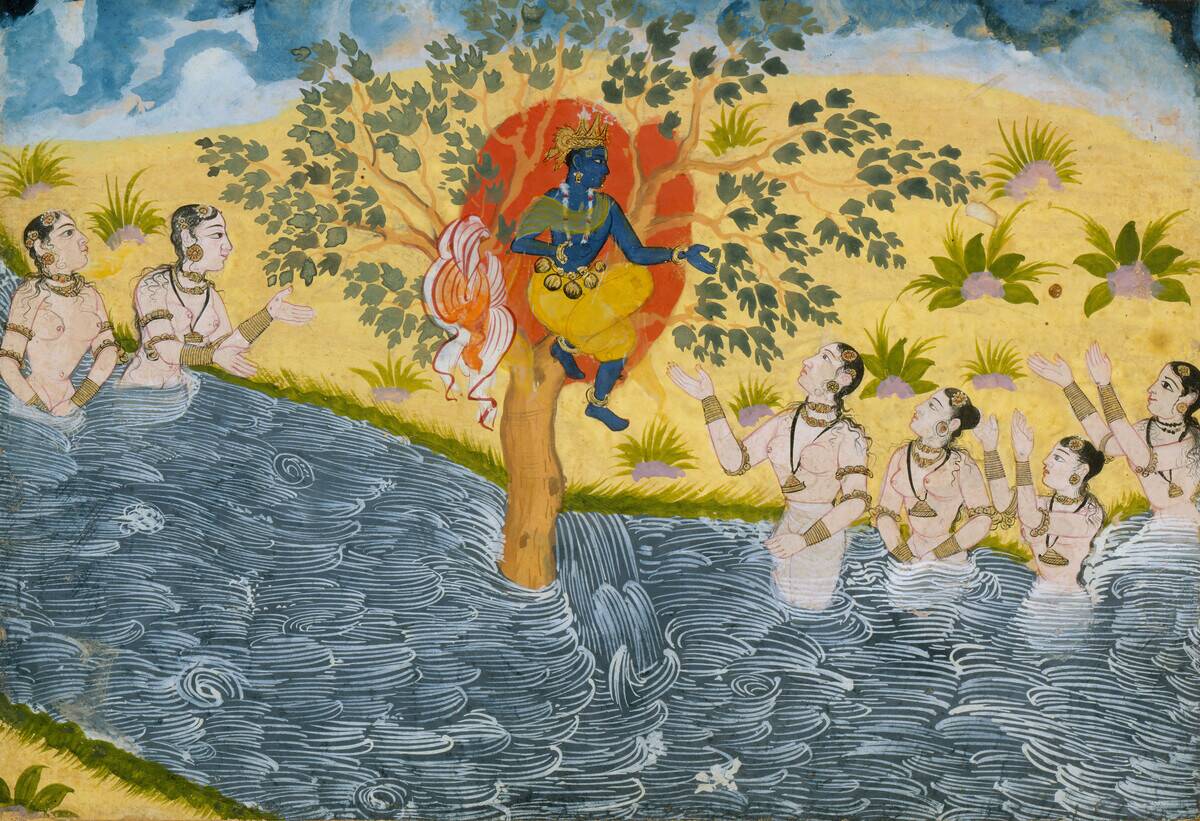
Clothing played a crucial role in maintaining cleanliness, acting as a barrier against dirt and disease. In ancient Rome, tunics were regularly washed, while in medieval Europe, linen undergarments were changed frequently.
These practices helped reduce skin irritation and infections. The choice of fabrics and the frequency of laundering were important aspects of personal hygiene throughout history.
The Evolution of Toiletry Tools
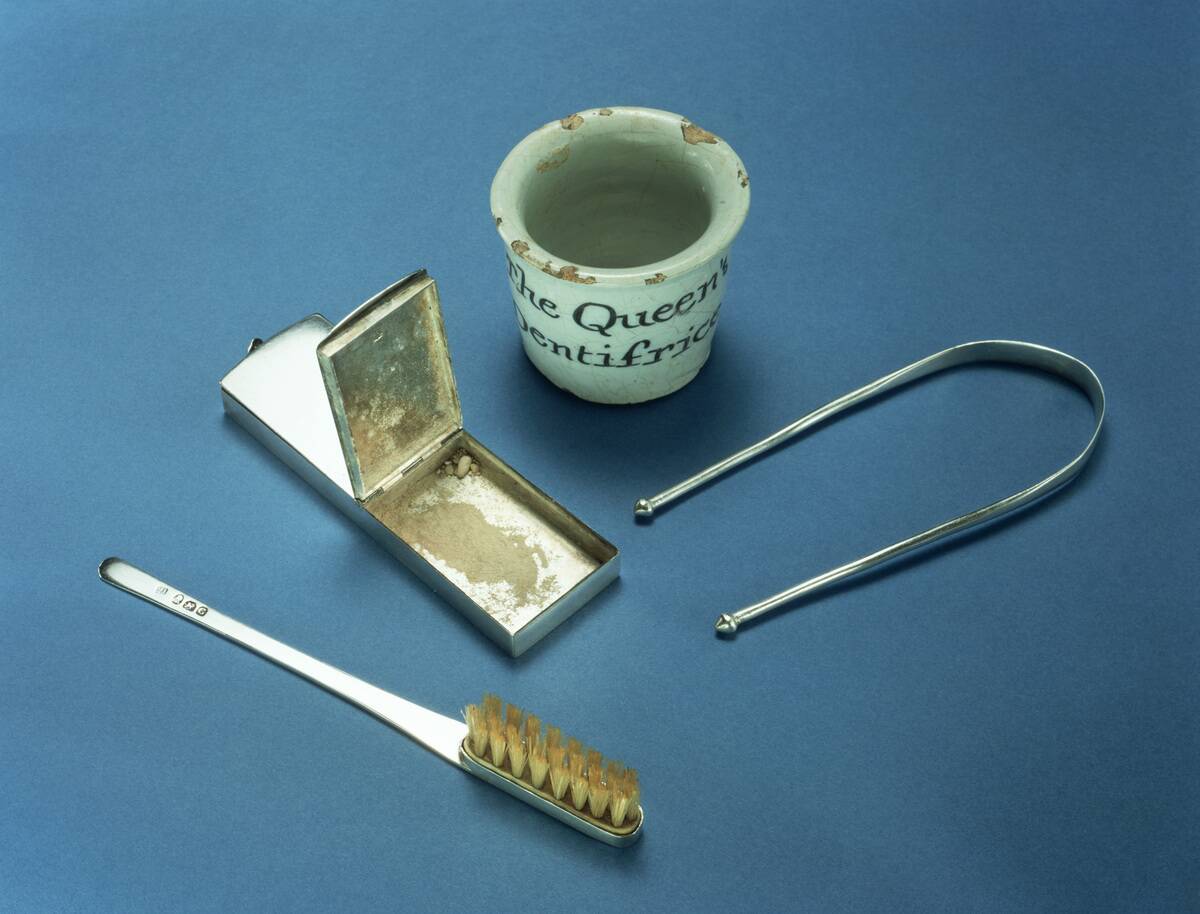
Toiletry tools have evolved significantly, from simple twigs to modern towels. Early implements like the Roman strigil were used to scrape off dirt and sweat. In the Middle Ages, cloths and sponges became more common.
The development of these tools reflects advances in technology and changing attitudes towards personal care. Each innovation brought greater convenience and effectiveness to hygiene routines.
Modern Hygiene Comes Thanks to the Invention of Plumbing
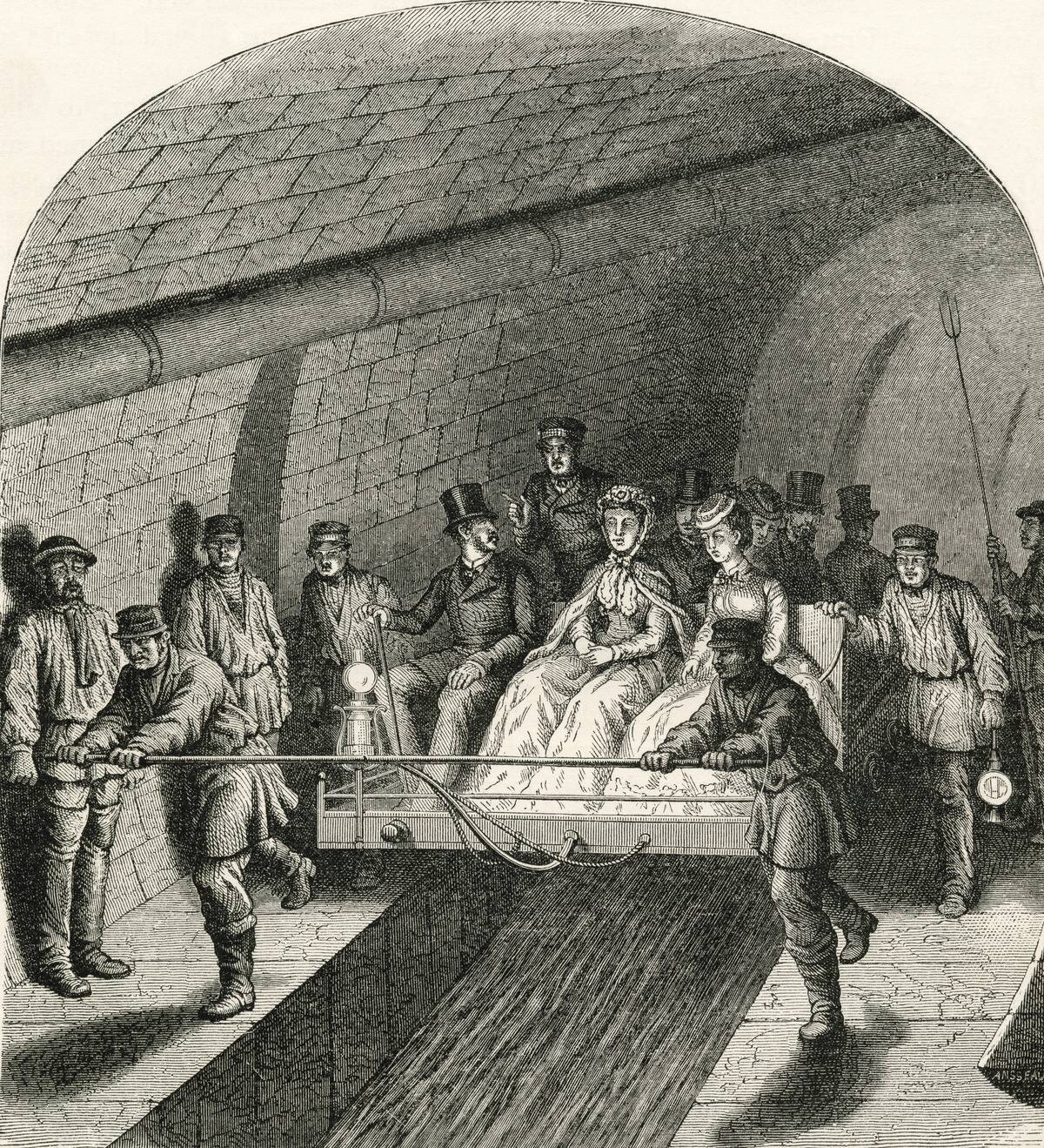
The advent of plumbing revolutionized hygiene, making water access more convenient and widespread. In the 19th century, cities began installing sewer systems and indoor plumbing, drastically improving public health.
This transition marked the beginning of modern hygiene practices, with regular bathing and washing becoming the norm. Plumbing innovations continue to shape our daily routines and expectations of cleanliness.




