The strangest vehicles ever built
Welcome to the fascinating world of unusual vehicles! From cars that swim to those that fly, the realm of unconventional transportation is filled with innovation and creativity.
These vehicles challenge the norms of traditional design, offering unique solutions to mobility. Whether it’s a car that can transform into a boat or a motorcycle that balances itself, each of these vehicles tells a story of human ingenuity and the quest for the extraordinary.
The Amphicar: A Car That Swims
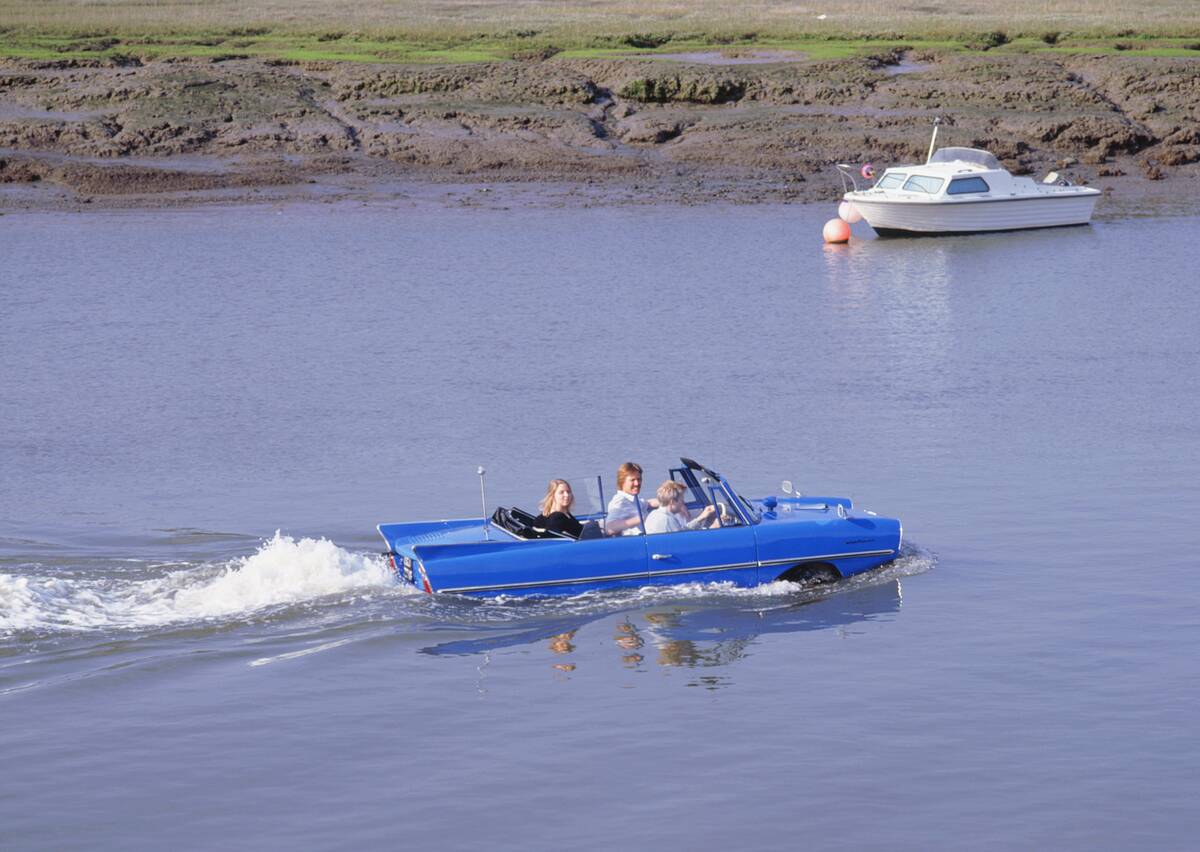
The Amphicar is a remarkable vehicle that combines the functionality of a car with the buoyancy of a boat. Manufactured in the 1960s, it was the first mass-produced amphibious car, capable of reaching speeds of 7 knots on water and 70 mph on land.
Its design includes a waterproof body and a propeller at the rear, allowing it to transition seamlessly between road and water. Despite its novelty, only about 4,000 units were produced, making it a rare collector’s item today.
The Aerocar: When Cars Take to the Skies
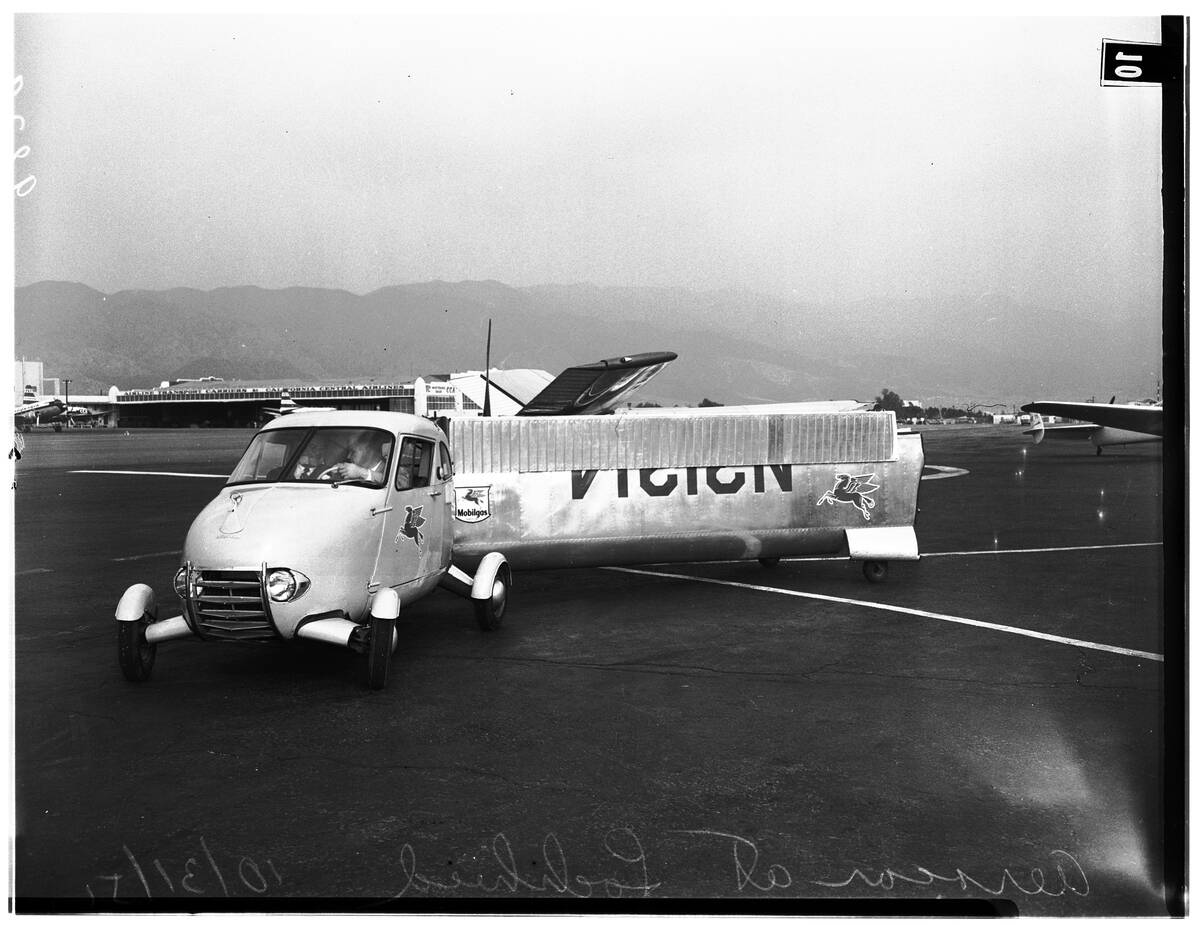
The Aerocar, developed in the 1940s and 1950s, represents the dream of a flying car. Designed by Moulton Taylor, it could convert from a car to an aircraft in about five minutes. The Aerocar featured detachable wings and a propeller, allowing it to fly at speeds up to 110 mph.
Although it never reached mass production, the Aerocar remains an iconic symbol of the flying car concept, inspiring modern-day innovators to continue pursuing this futuristic vision.
The Terrafugia Transition: The Flying Car Reality
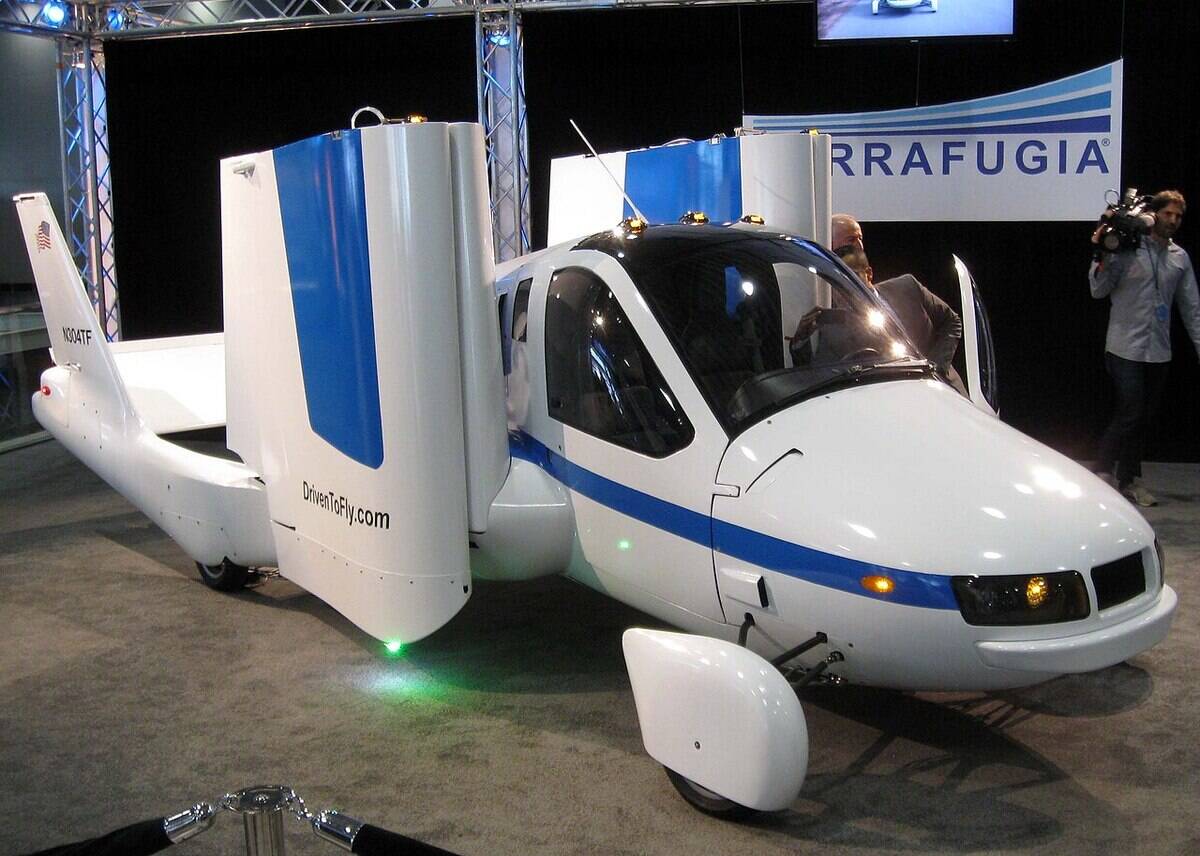
The Terrafugia Transition is a modern attempt to bring flying cars to reality. This roadable aircraft can switch between driving and flying modes in under a minute. It features foldable wings and a rear-mounted propeller, allowing it to fly at speeds of up to 100 mph.
The Transition meets both FAA and NHTSA standards, making it one of the few flying cars that is street-legal. It’s a significant step toward integrating air travel into everyday transportation.
The Peel P50: The World’s Smallest Car
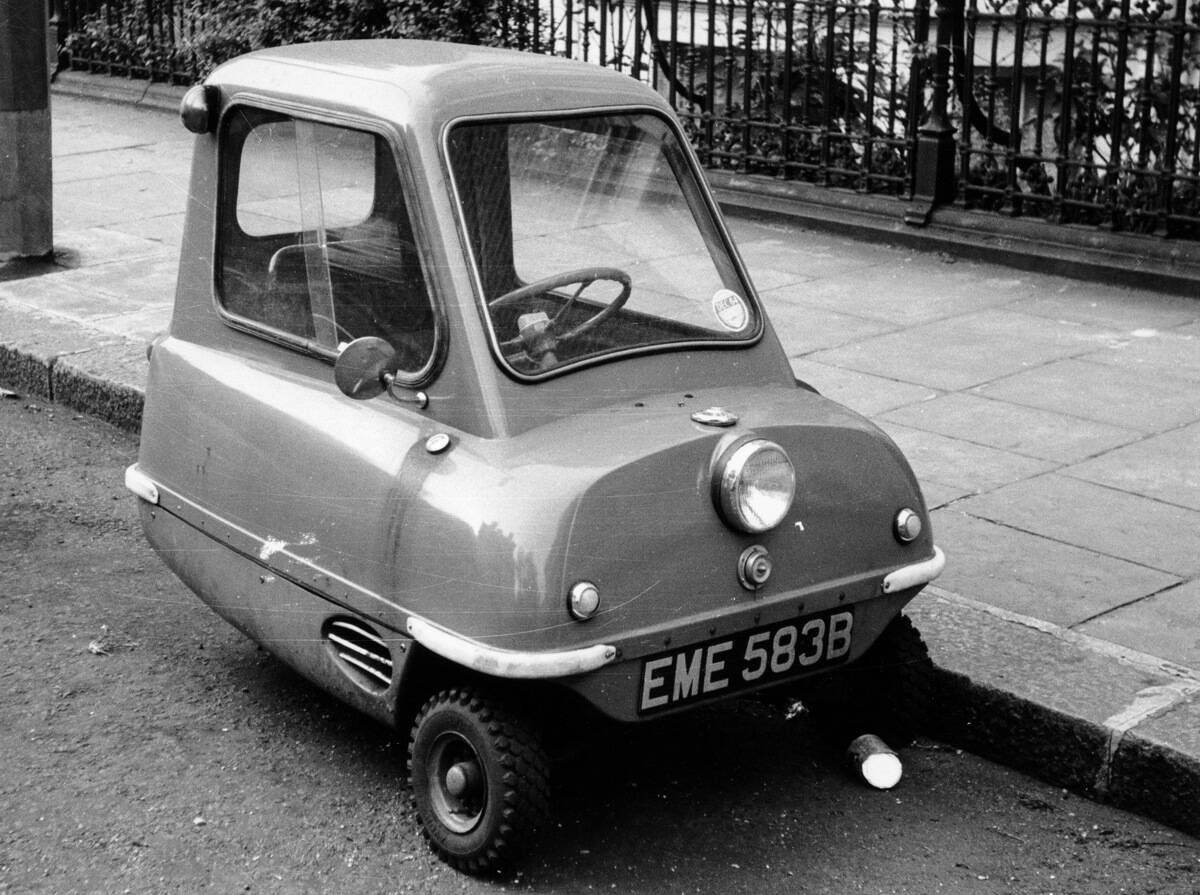
The Peel P50 holds the Guinness World Record for the smallest production car ever made. Manufactured in the 1960s on the Isle of Man, this tiny vehicle measures just 54 inches long and 39 inches wide.
It has a single door, one headlight, and no reverse gear, making it a quirky icon of minimalist design. Despite its size, the P50 is street-legal in the UK, and its charm has led to a limited modern production run for enthusiasts.
The ThrustSSC: Breaking the Sound Barrier on Land
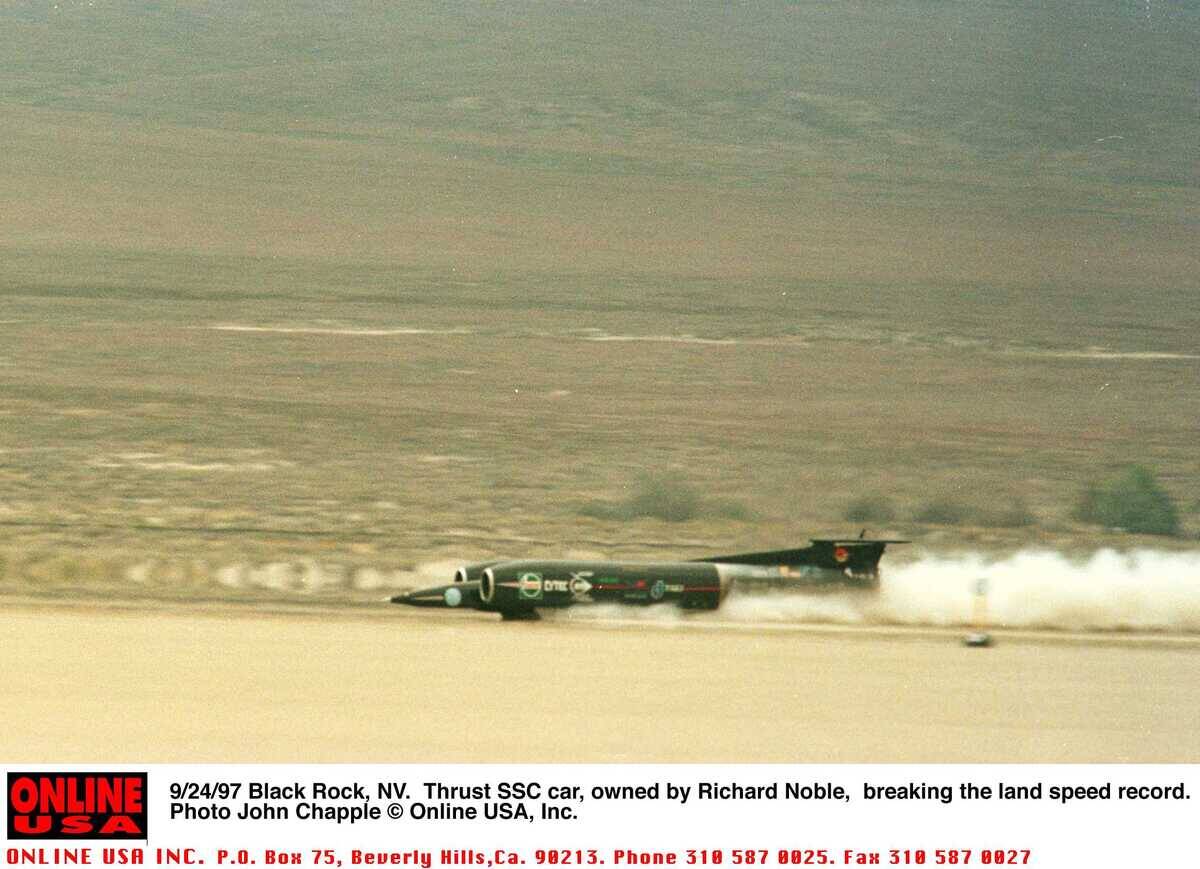
The ThrustSSC is a supersonic car that made history by breaking the sound barrier on land. On October 15, 1997, it achieved a speed of 763 mph, becoming the first car to officially break the sound barrier.
Powered by two Rolls-Royce Spey jet engines, the ThrustSSC was piloted by Andy Green, a Royal Air Force fighter pilot. This achievement remains a testament to human engineering and the relentless pursuit of speed.
The ZIL-2906: A Soviet Screw-Propelled Marvel

The ZIL-2906 is a unique Soviet-era vehicle designed for extreme terrains. Equipped with screw-propelled cylinders instead of wheels, it can traverse snow, mud, and even water. Originally developed for space capsule recovery, the ZIL-2906 showcases the ingenuity of Soviet engineering.
Its ability to navigate challenging environments makes it a fascinating example of specialized vehicle design, although its practical use was limited to specific missions.
The Gibbs Quadski: A Jet Ski and ATV Hybrid
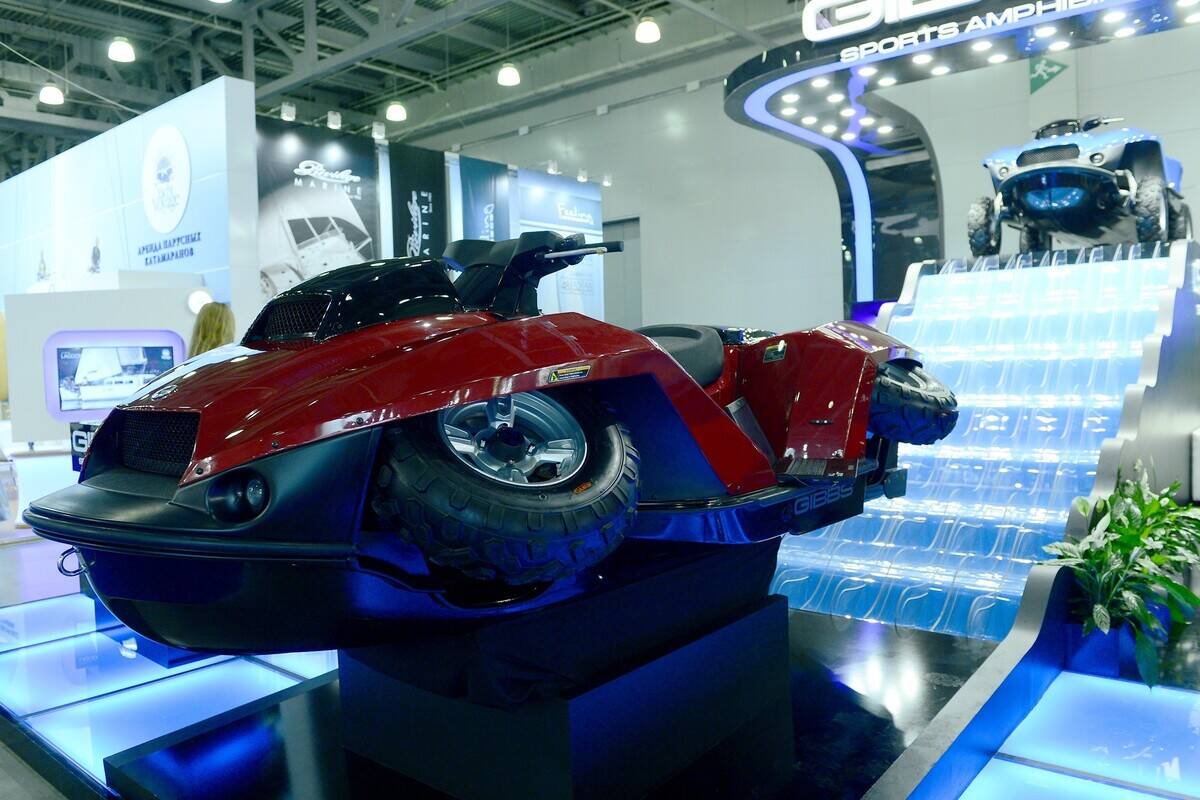
The Gibbs Quadski is an innovative vehicle that combines the thrill of a jet ski with the versatility of an ATV. Capable of reaching speeds of 45 mph on both land and water, it transitions between the two modes in just seconds.
The Quadski is powered by a BMW K1300 engine, providing ample power for adventurous rides. Its amphibious capabilities make it a popular choice for outdoor enthusiasts seeking a unique and exciting ride.
The Dymaxion Car: Buckminster Fuller’s Futuristic Vision

The Dymaxion Car, designed by Buckminster Fuller in the 1930s, was a visionary vehicle ahead of its time. Its teardrop shape and rear-wheel steering offered exceptional aerodynamics and maneuverability.
Although only three prototypes were built, the Dymaxion could carry up to 11 passengers and reach speeds of 90 mph. Despite its innovative design, it faced challenges in stability and safety, preventing it from reaching mass production. Nevertheless, it remains an iconic example of Fuller’s forward-thinking approach to design.
The Moller Skycar: A Personal VTOL Aircraft
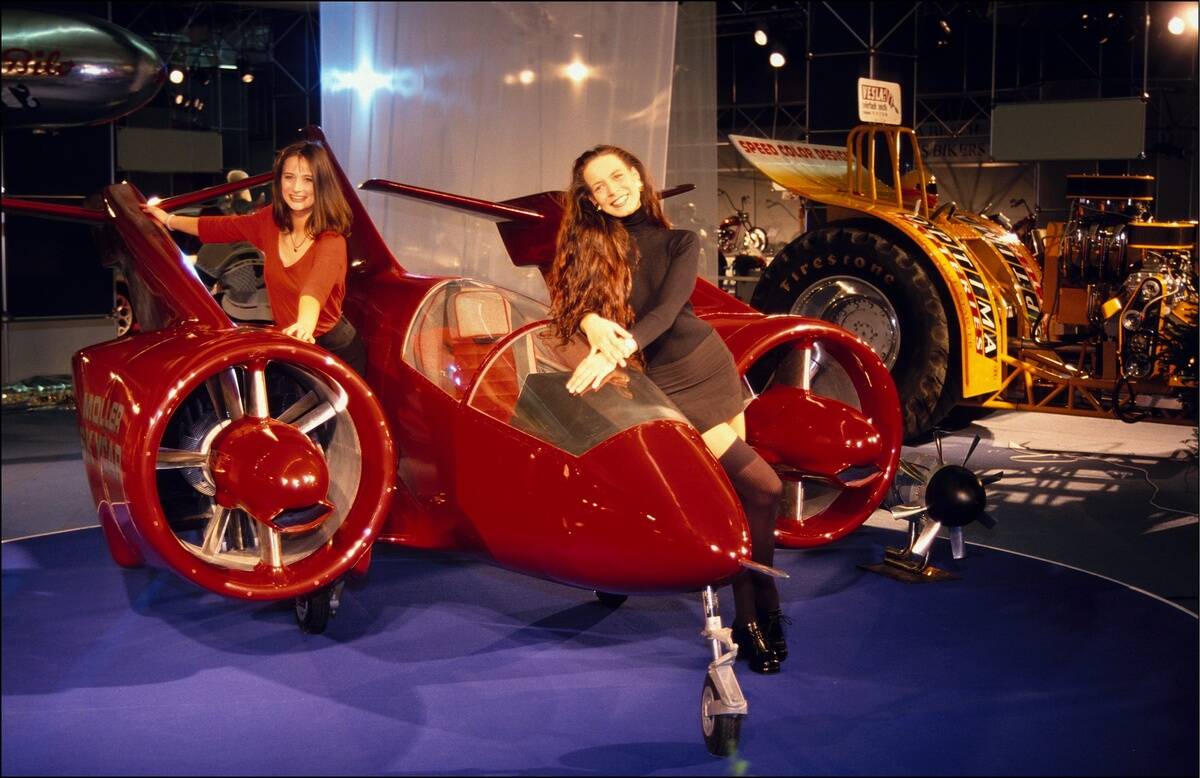
The Moller Skycar is a personal vertical take-off and landing (VTOL) aircraft that aims to revolutionize personal transportation. Developed by Paul Moller, it features ducted fans for lift and propulsion, allowing it to hover and fly at speeds of up to 300 mph.
Despite decades of development, the Skycar has yet to achieve full commercial production. However, it continues to capture the imagination of those dreaming of a future where flying cars are part of everyday life.
The Tatra T87: A Streamlined Czech Classic

The Tatra T87 is a classic Czechoslovakian car renowned for its aerodynamic design and advanced engineering. Produced from 1936 to 1950, it featured a rear-mounted air-cooled V8 engine and a streamlined body that reduced drag.
The T87 was favored by notable figures like Ferdinand Porsche and was known for its impressive speed and handling. Its distinctive design and engineering excellence make it a beloved classic among car enthusiasts and collectors today.
The Ekranoplan: The Caspian Sea Monster

The Ekranoplan, often called the Caspian Sea Monster, is a ground-effect vehicle developed by the Soviet Union. It operates on the principle of ground effect, flying just above the water’s surface to achieve high speeds with reduced drag.
The largest model, the Lun-class, could carry heavy payloads at speeds of up to 340 mph. While its military applications were limited, the Ekranoplan remains a fascinating example of unconventional vehicle design and engineering.
The Lit Motors C-1: A Self-Balancing Motorcycle

The Lit Motors C-1 is a self-balancing electric motorcycle that combines the agility of a bike with the stability of a car. Using gyroscopic technology, it remains upright even when stationary, providing enhanced safety and convenience.
The C-1 is designed for urban commuting, offering a compact and efficient mode of transport. Although still in development, its innovative design has garnered attention for its potential to transform urban mobility.
The Toyota i-Road: A Three-Wheeled Urban Commuter
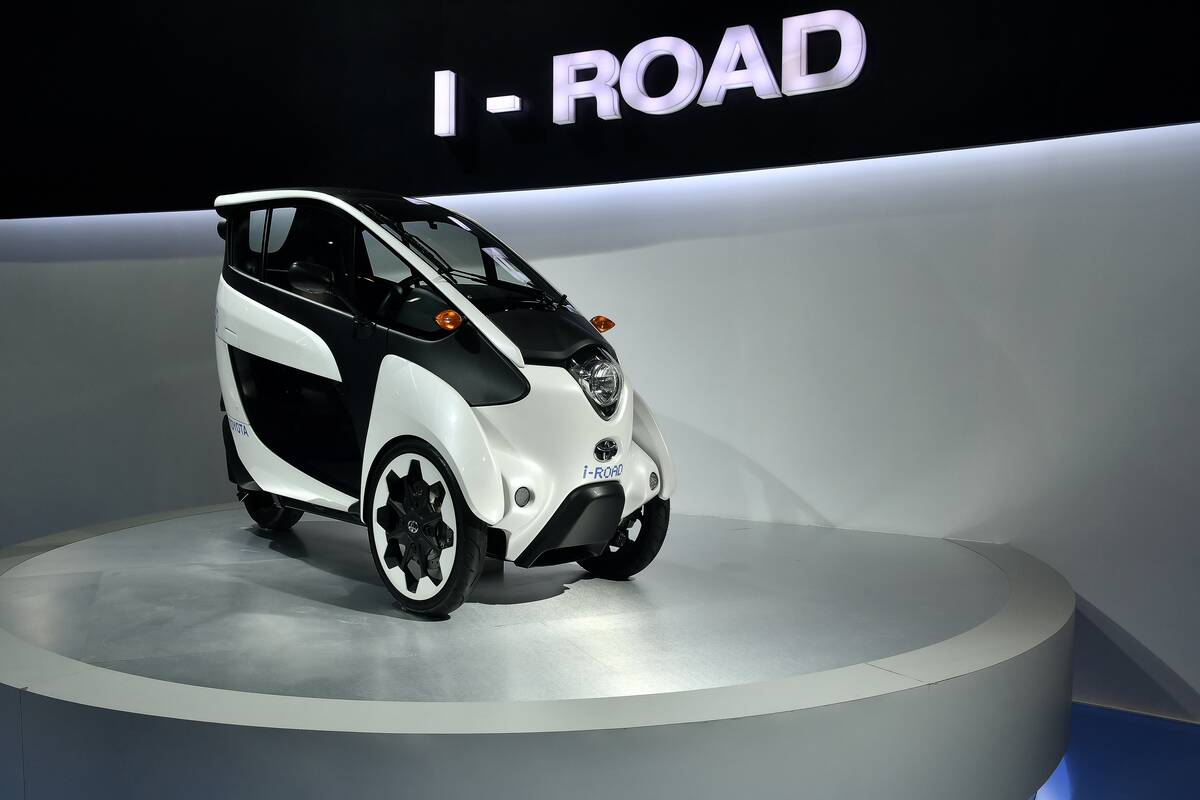
The Toyota i-Road is a compact, three-wheeled electric vehicle designed for urban environments. Its narrow width allows it to navigate congested city streets with ease, while its leaning capabilities provide a motorcycle-like driving experience.
The i-Road can travel up to 31 miles on a single charge, making it ideal for short city commutes. Toyota’s focus on sustainability and urban mobility is evident in this innovative vehicle, which aims to reduce traffic congestion and emissions.
The Rinspeed sQuba: The Submersible Sports Car
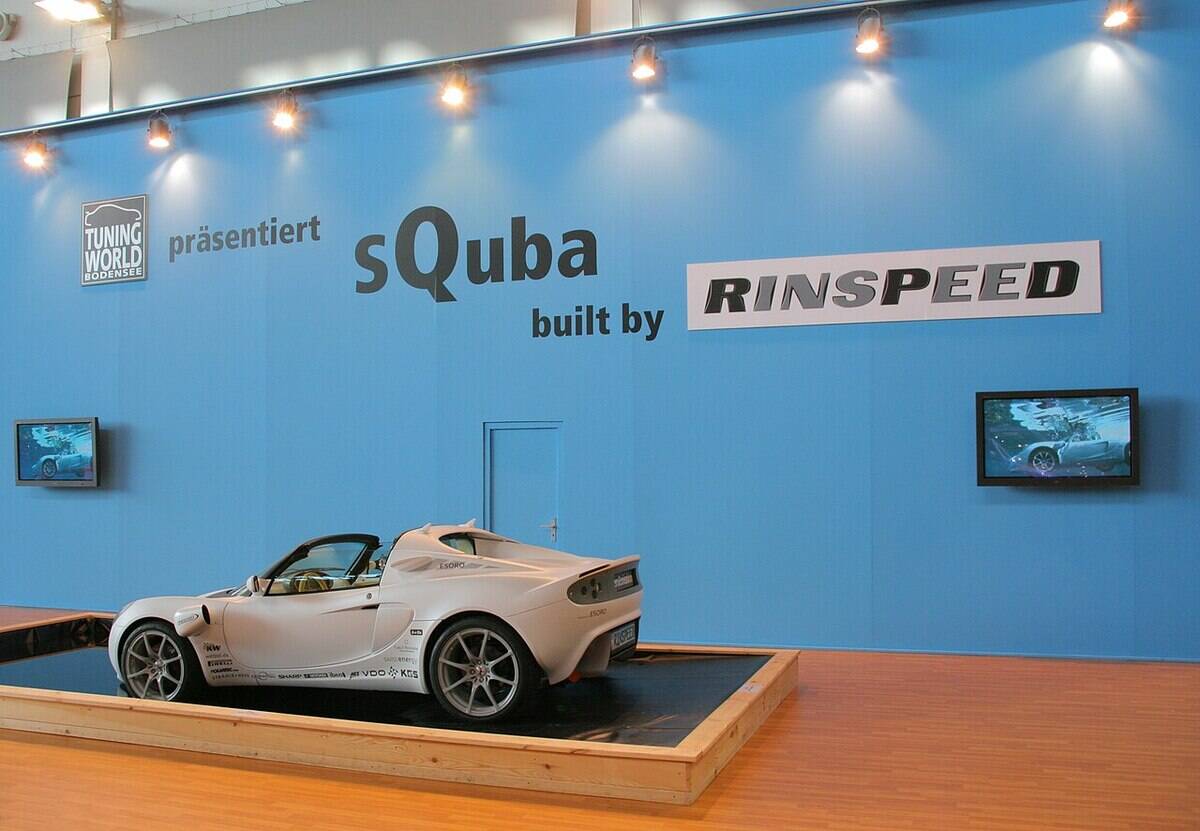
The Rinspeed sQuba is a submersible sports car that brings James Bond fantasies to life. Unveiled at the 2008 Geneva Motor Show, it can drive on land and dive underwater to a depth of 10 meters.
Powered by electric motors, the sQuba is environmentally friendly and offers a unique driving experience. While it’s not intended for mass production, the sQuba showcases the possibilities of combining automotive design with aquatic exploration.
The Lunar Roving Vehicle: Driving on the Moon
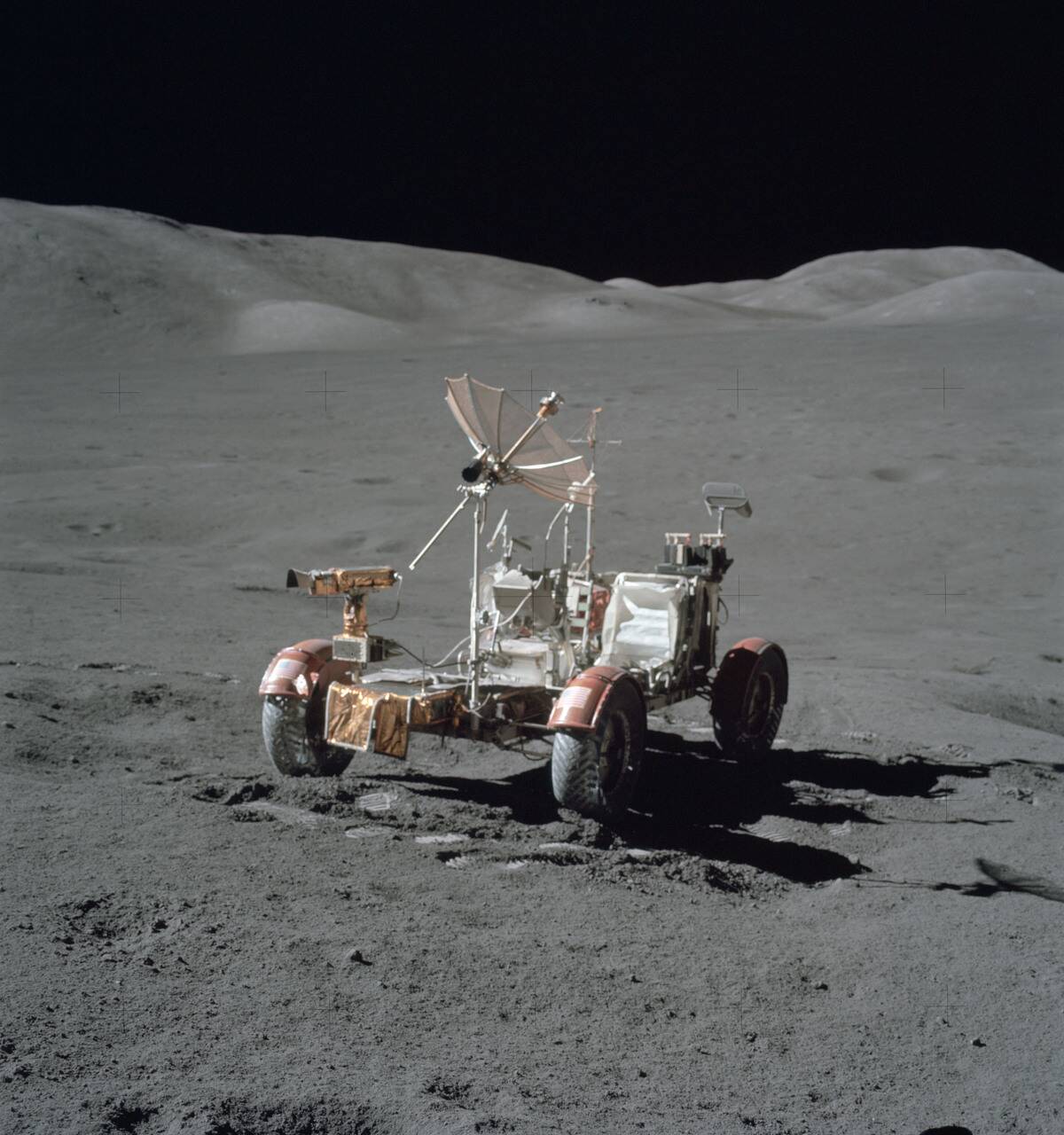
The Lunar Roving Vehicle (LRV), used during the Apollo missions, was the first vehicle to drive on the moon. It allowed astronauts to explore the lunar surface more extensively, covering distances of up to 22 miles.
The LRV was lightweight and foldable, designed to fit into the Lunar Module. Its successful deployment on the moon marked a significant achievement in space exploration, demonstrating the potential for human mobility beyond Earth.
The Mercedes-Benz F 015: A Glimpse into Autonomous Luxury

The Mercedes-Benz F 015 is a concept car that offers a vision of autonomous luxury. Unveiled in 2015, it features a sleek design and a spacious interior focused on comfort and connectivity.
The F 015 can drive itself, allowing passengers to relax and enjoy the ride. Its futuristic design and advanced technology provide a glimpse into the future of transportation, where autonomous vehicles offer new possibilities for mobility and lifestyle.




