The most famous rescue missions of the 20th century
Throughout the 20th century, the world witnessed numerous daring rescues that captured the imagination and hearts of people everywhere. These stories of bravery and ingenuity often unfolded in the most challenging circumstances, showcasing the indomitable human spirit.
From wartime heroics to peacetime miracles, these rescues not only saved lives but also became legendary tales of courage and resourcefulness.
The Great Escape: Breaking Out from Stalag Luft III
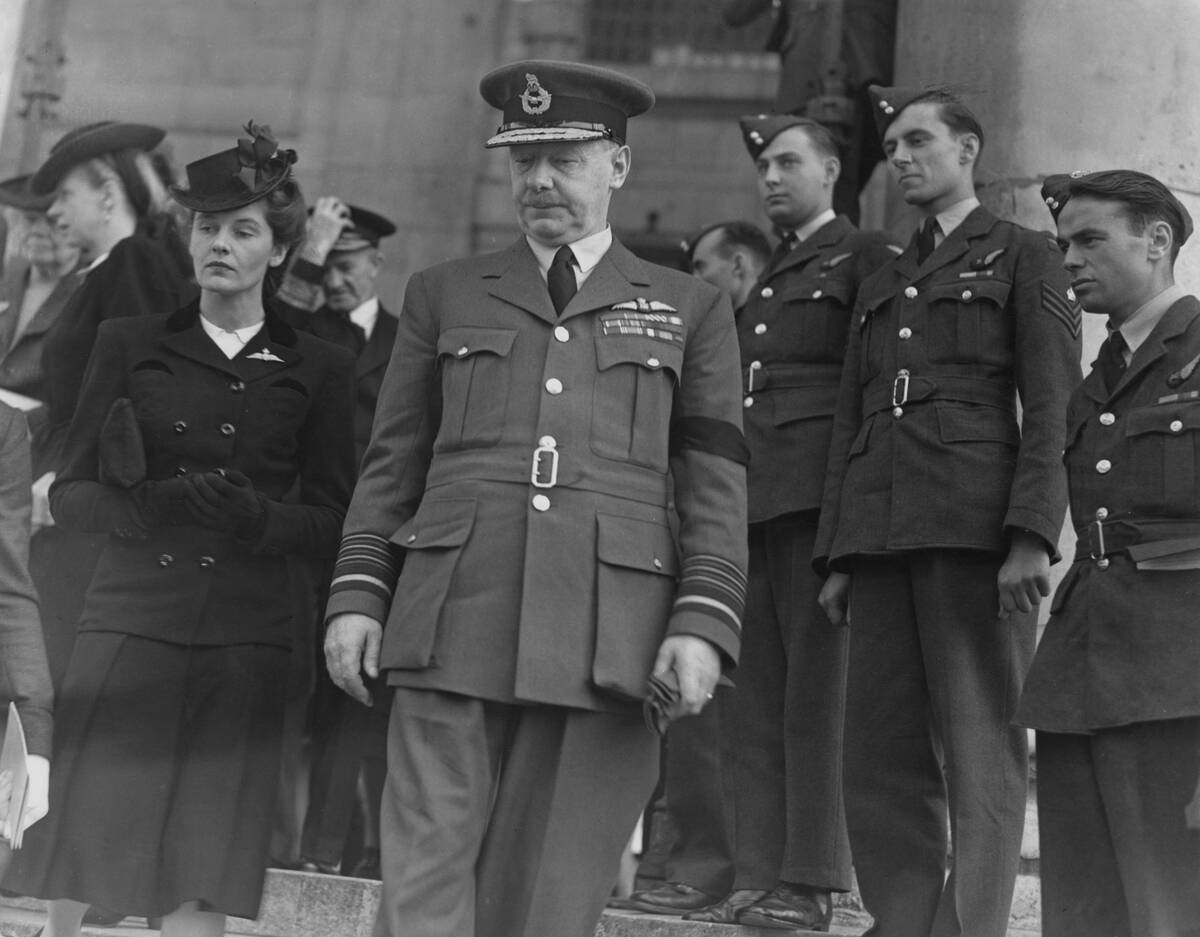
In March 1944, 76 Allied airmen made a daring escape from Stalag Luft III, a German POW camp. Known as The Great Escape, this operation involved digging three tunnels, codenamed Tom, Dick, and Harry.
The escape was meticulously planned, with prisoners using ingeniously crafted tools and disguises. Although only three men successfully reached freedom, the operation inspired a famous 1963 film and remains a symbol of resilience and ingenuity.
Operation Entebbe: A Daring Raid in Uganda
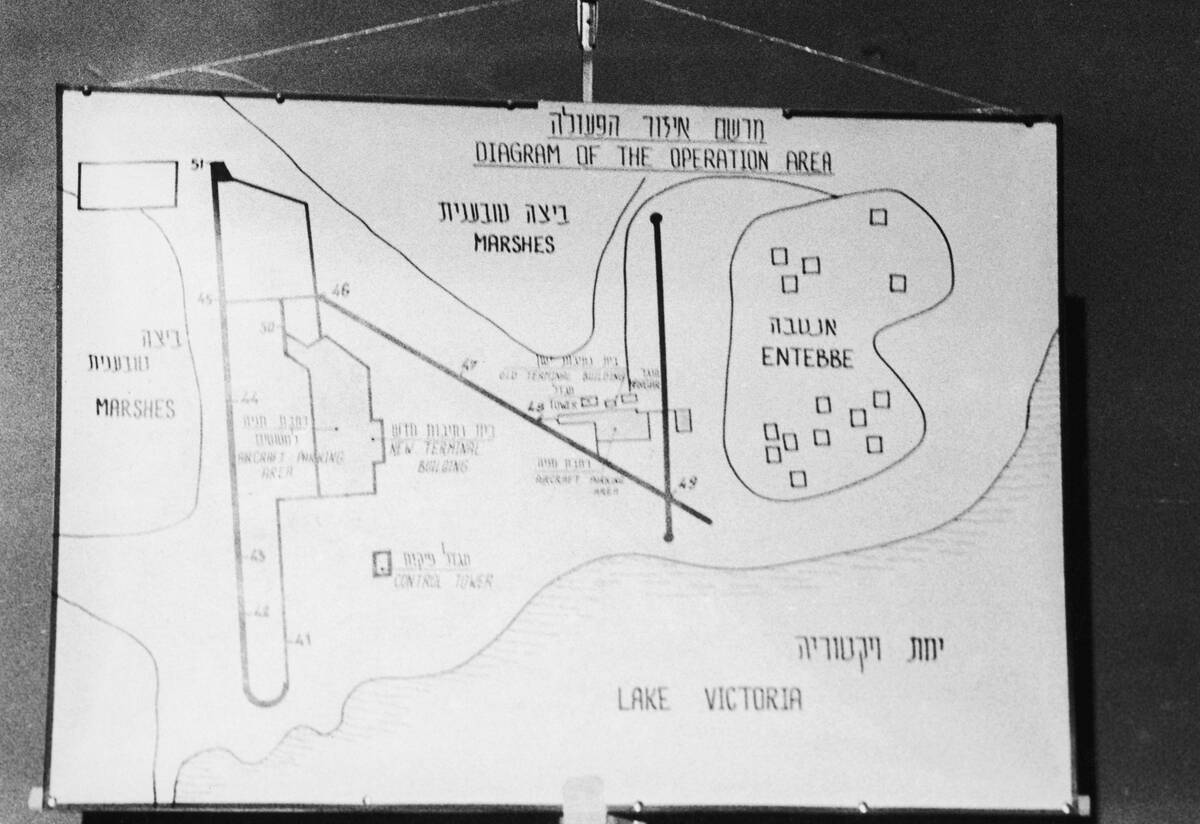
In July 1976, Israeli commandos executed a daring rescue mission at Entebbe Airport in Uganda. After a plane was hijacked by terrorists, Operation Entebbe was launched to save 102 hostages.
The mission was a stunning success, with all but four hostages rescued and only one Israeli soldier, Yonatan Netanyahu, losing his life. This operation is hailed as one of the most successful hostage rescue missions in history.
The Miracle of Dunkirk: A Race Against Time
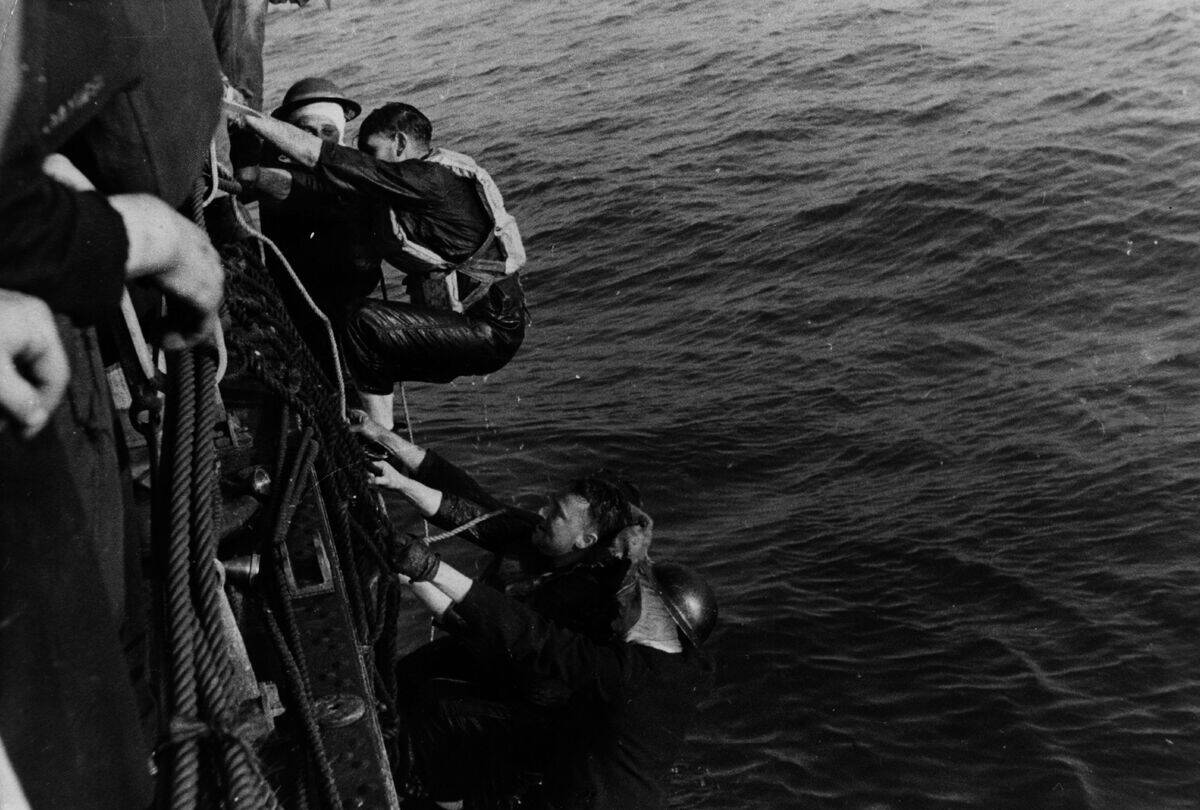
The evacuation of Dunkirk in 1940 was a miraculous feat during World War II. As German forces advanced, over 338,000 Allied soldiers were trapped on the beaches of Dunkirk, France.
A hastily assembled fleet of over 800 boats, including civilian vessels, managed to rescue the troops over nine days. This incredible effort, known as the Miracle of Dunkirk, became a symbol of hope and unity in the face of adversity.
Apollo 13: Houston, We’ve Had a Problem
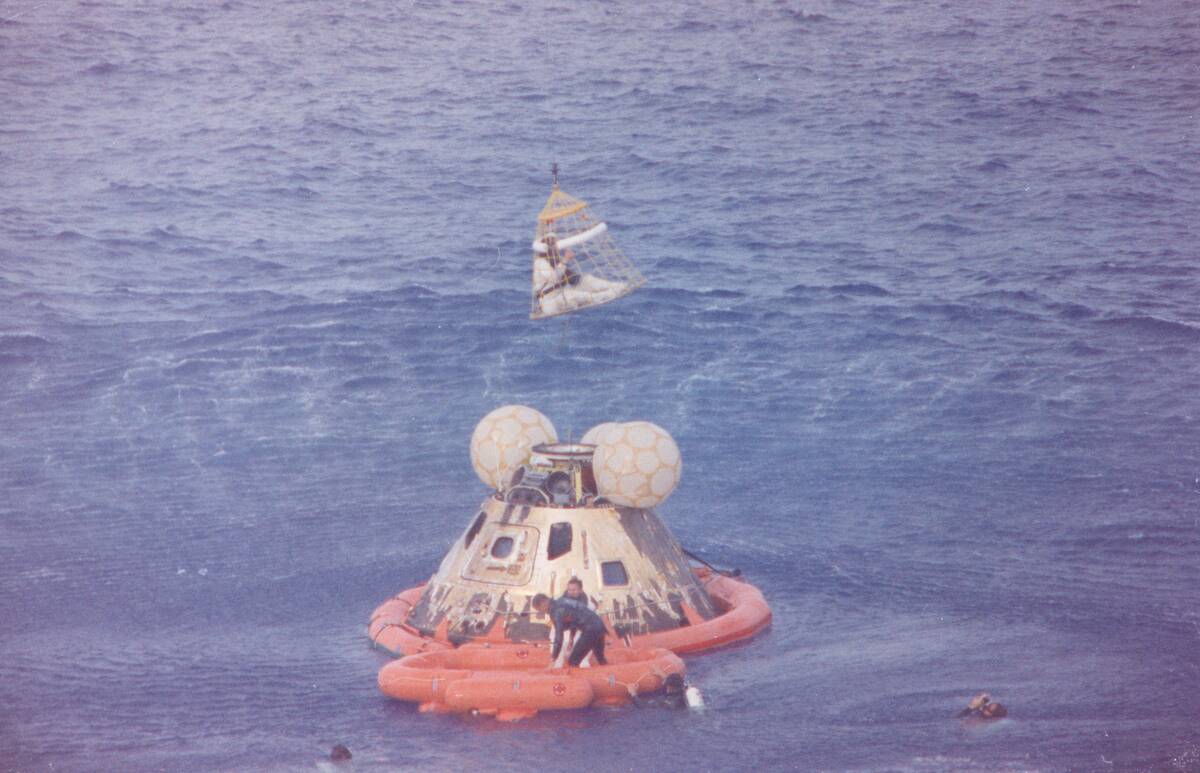
Apollo 13’s mission in April 1970 turned into a dramatic rescue after an oxygen tank exploded. The crew, 200,000 miles from Earth, faced life-threatening challenges as they worked with NASA engineers to devise a plan for safe return.
Using the lunar module as a lifeboat, the astronauts managed to navigate back to Earth. Their successful return is a testament to human ingenuity and the power of teamwork under pressure.
The Iranian Hostage Crisis: Operation Eagle Claw
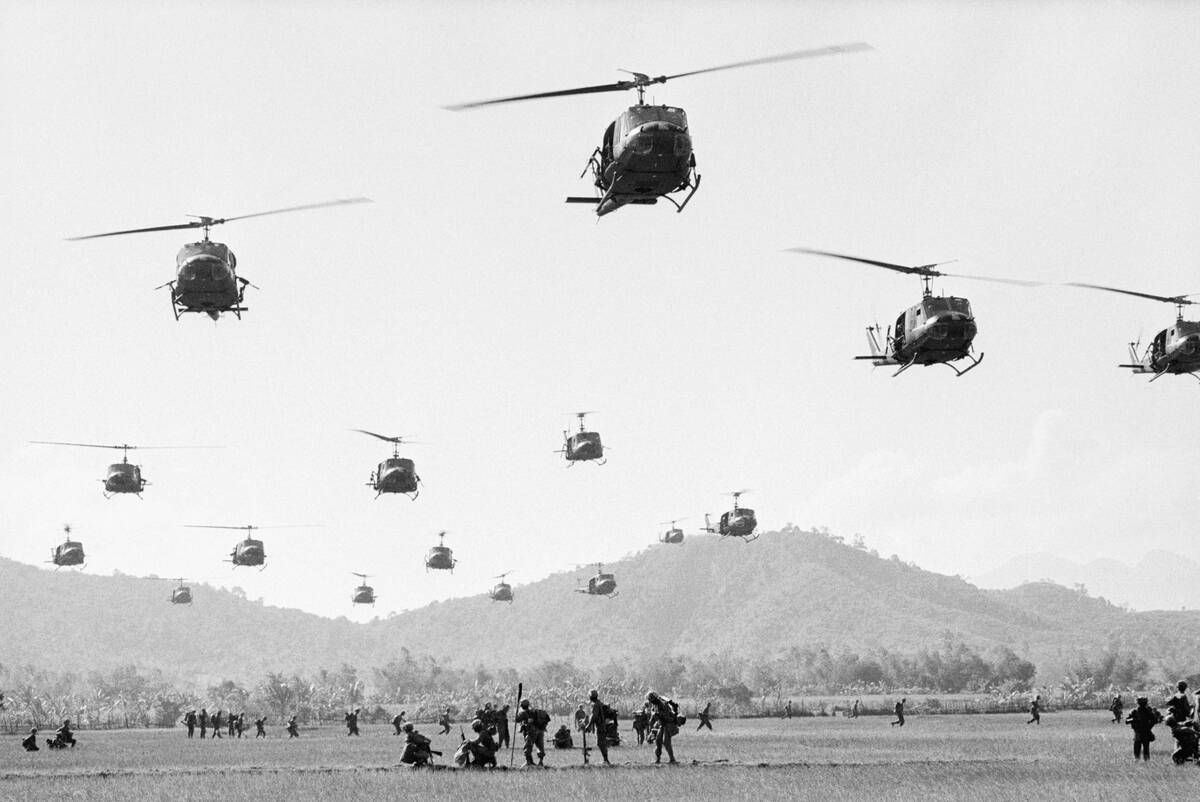
In 1980, Operation Eagle Claw was launched to rescue 53 American hostages held in Tehran, Iran. Despite meticulous planning, the mission faced numerous obstacles, including mechanical failures and a sandstorm.
Tragically, a collision between a helicopter and a transport plane resulted in eight American casualties. Although the mission failed, it highlighted the complexities of hostage rescue operations and led to significant changes in U.S. military tactics.
The Chilean Mine Rescue: Buried Alive
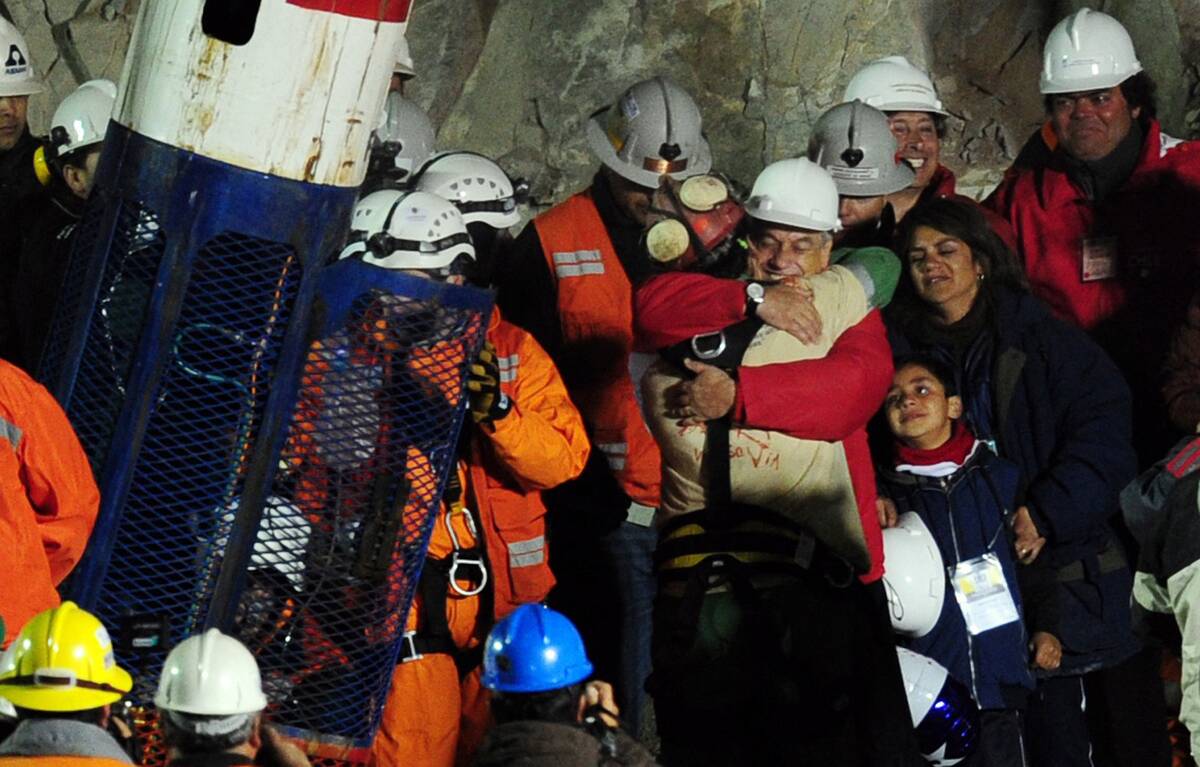
In 2010, 33 miners were trapped 2,300 feet underground in a Chilean mine for 69 days. The world watched as a massive rescue operation unfolded, involving drilling a borehole to reach the miners.
The Phoenix capsule was used to bring each miner to the surface, one by one. This miraculous rescue captivated global attention and demonstrated the power of international cooperation and human resilience.
The Rescue of Jessica McClure: America’s Baby Jessica
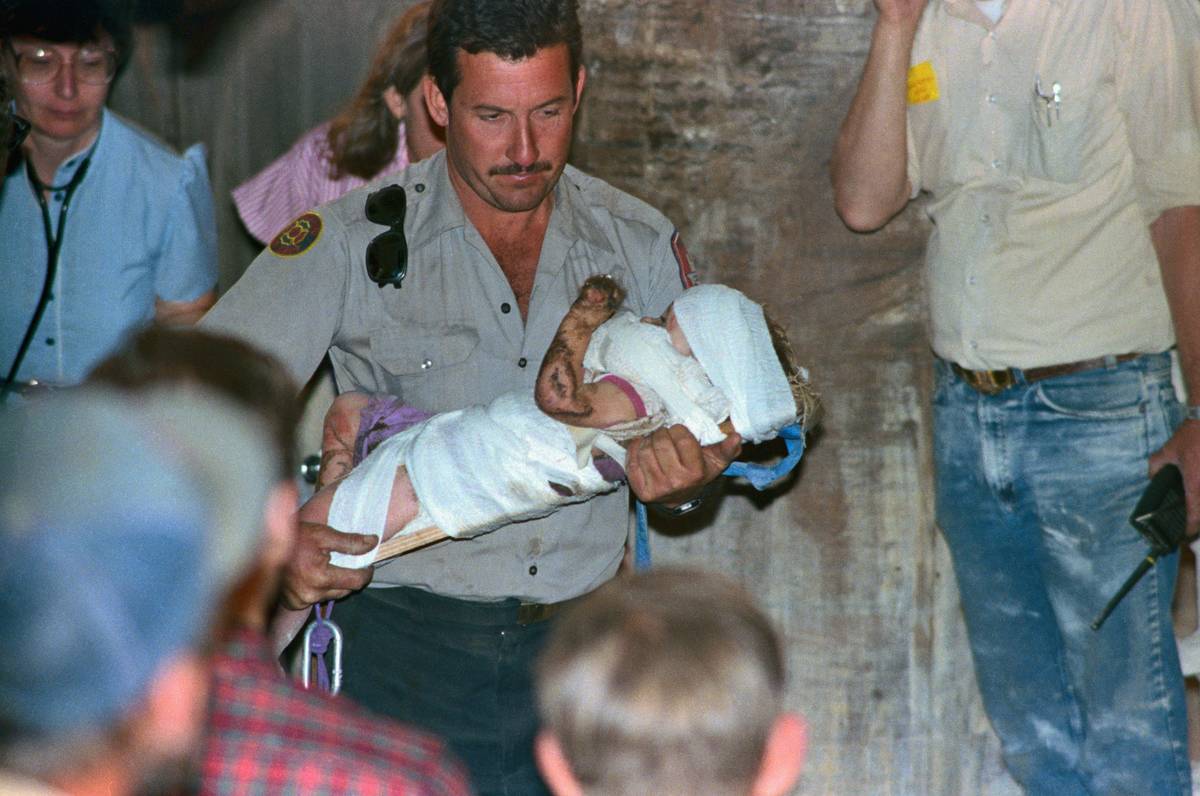
In 1987, 18-month-old Jessica McClure fell into a well in Midland, Texas, sparking a nationwide rescue effort. For 58 hours, rescuers worked tirelessly to free her, drilling a parallel shaft and carefully extracting her from 22 feet below ground.
The event was broadcast live, capturing the hearts of millions. Jessica’s rescue highlighted the power of community and the determination to save a life against all odds.
The Mount Everest Disaster: Into Thin Air
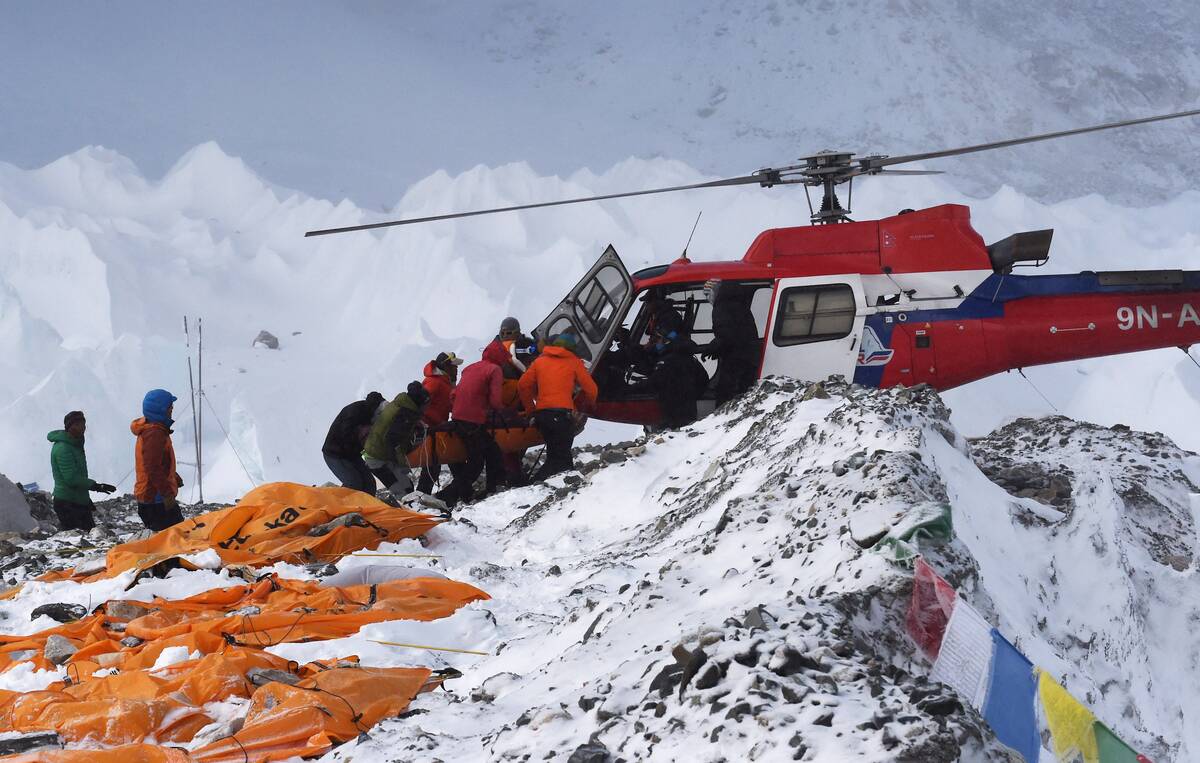
The 1996 Mount Everest disaster was a tragic event that claimed the lives of eight climbers. A sudden storm caught several expeditions off-guard, leading to a desperate struggle for survival.
Despite the harsh conditions, numerous climbers displayed incredible bravery, risking their lives to save others. The disaster was later chronicled in Jon Krakauer’s book “Into Thin Air,” which brought attention to the dangers of high-altitude climbing.
The Rescue of the Thai Soccer Team: A Cave Rescue Like No Other
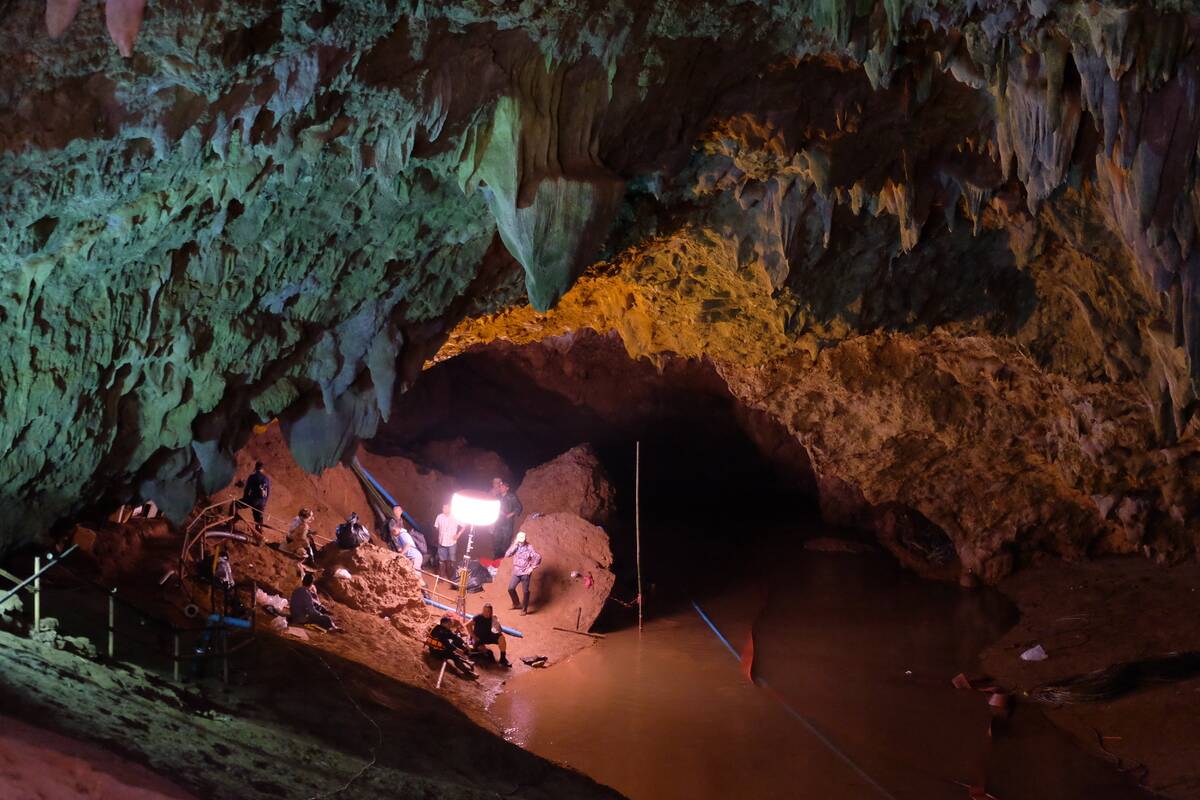
In 2018, the world was captivated by the rescue of 12 boys and their soccer coach from a flooded cave in Thailand. The complex operation involved over 10,000 people, including divers, engineers, and military personnel.
The team was trapped for 18 days before being safely extracted through a perilous underwater passage. This incredible rescue showcased the power of global collaboration and the triumph of the human spirit.
The Rescue of POWs in Cabanatuan: The Great Raid
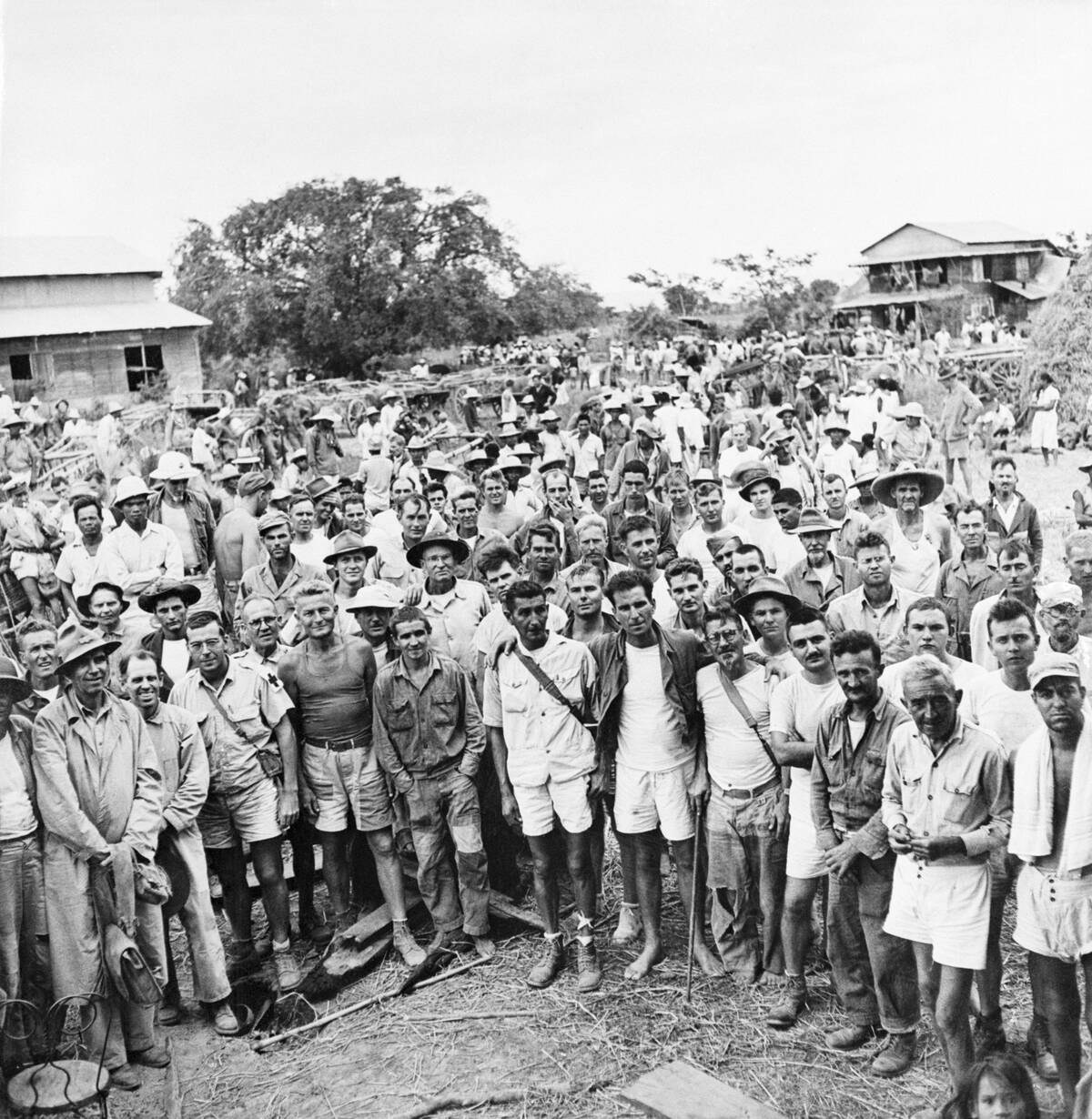
In January 1945, the U.S. Army Rangers executed a daring raid on the Cabanatuan POW camp in the Philippines. The mission aimed to rescue over 500 Allied prisoners held by the Japanese.
The raid was a resounding success, with all prisoners liberated and minimal casualties. This operation, known as The Great Raid, remains one of the most successful rescue missions of World War II, showcasing exceptional bravery and planning.
The Operation Magic Carpet: Bringing Yemenite Jews to Israel
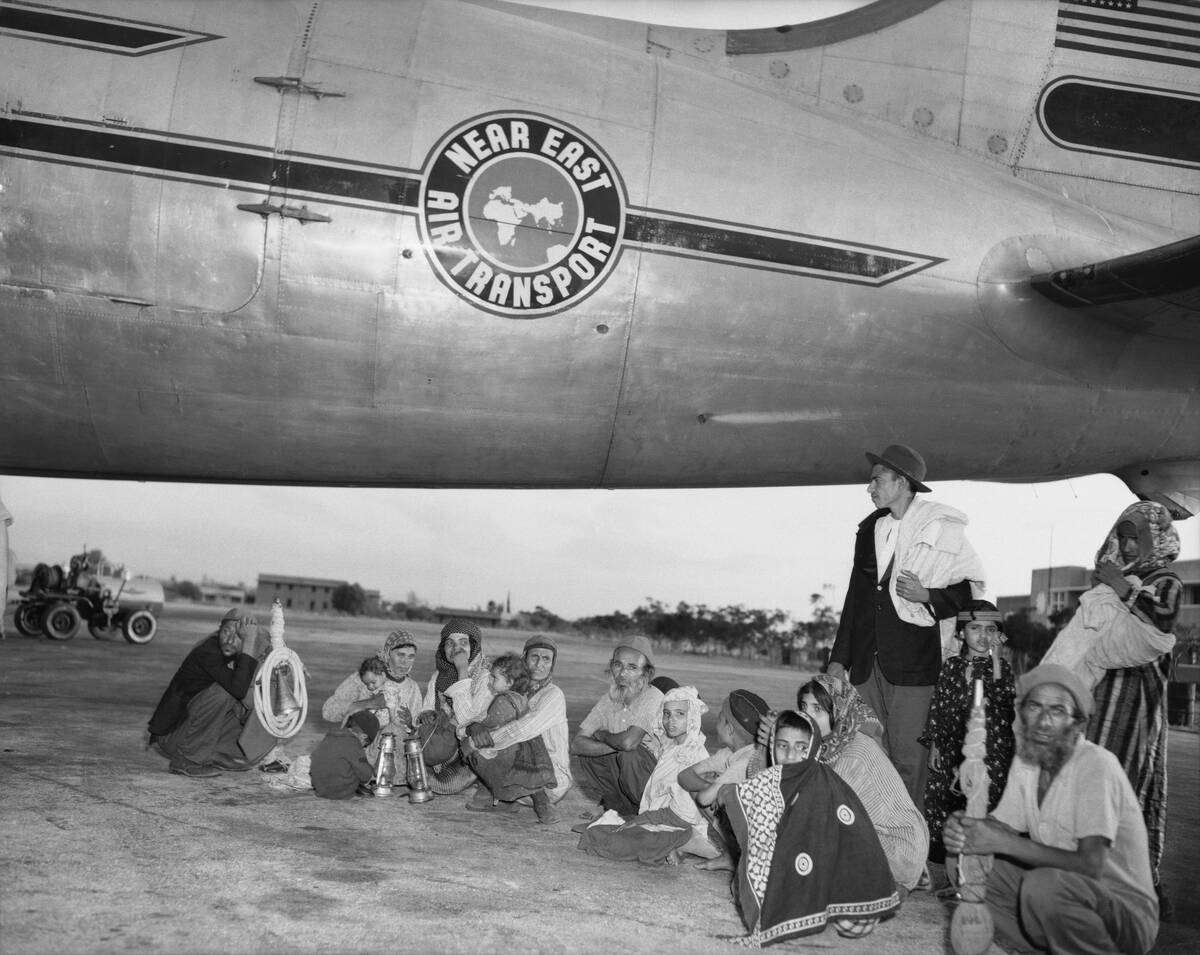
Operation Magic Carpet, conducted between 1949 and 1950, was a massive airlift operation that brought around 49,000 Yemenite Jews to Israel. Facing persecution and violence, these Jews were transported from Yemen to Israel in a series of secret flights.
The operation was a remarkable logistical feat and a testament to the determination to provide a safe haven for those in need.
The Berlin Airlift: A City Saved from Starvation
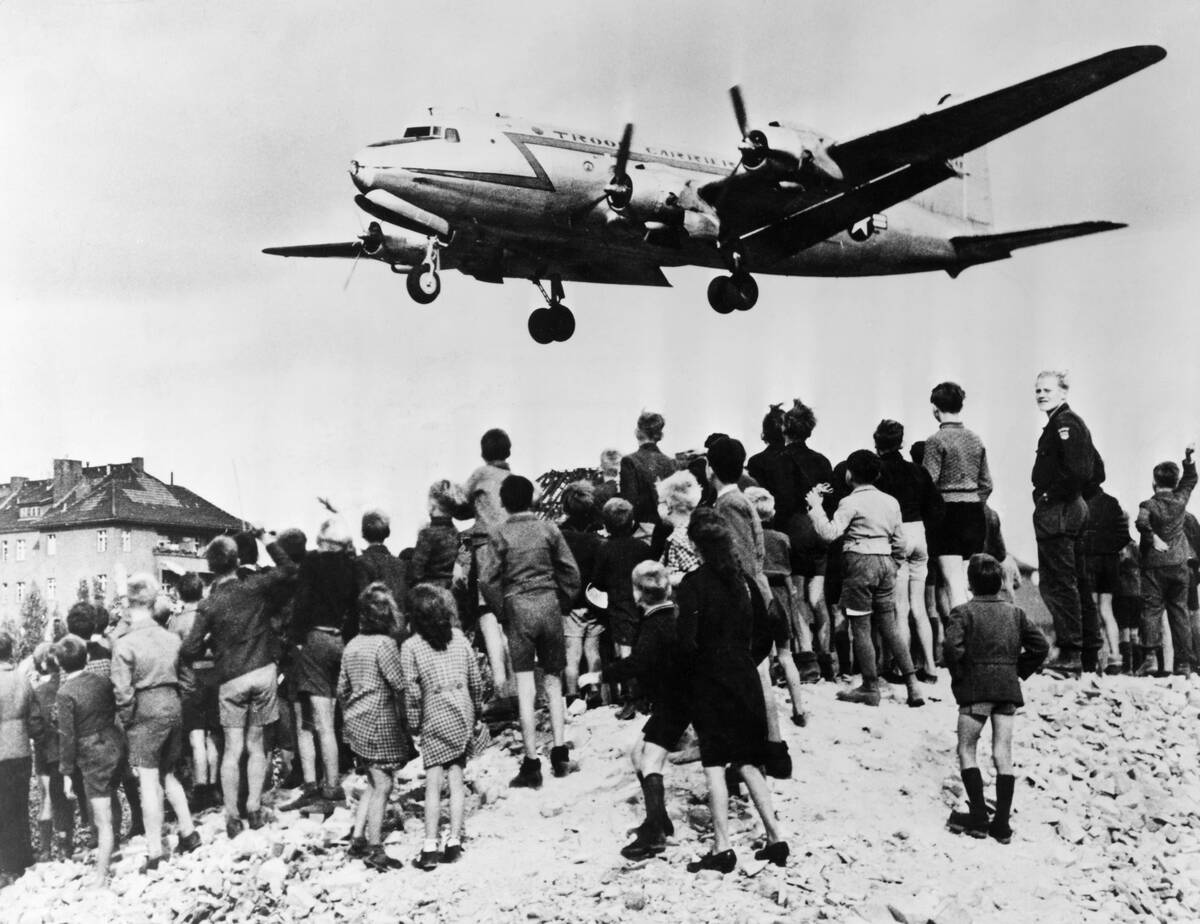
The Berlin Airlift of 1948-1949 was a monumental effort to supply West Berlin with food and fuel during the Soviet blockade. Over 200,000 flights delivered vital supplies to the city’s residents, preventing starvation and demonstrating the resolve of the Allied forces.
This unprecedented operation, lasting over a year, highlighted the importance of humanitarian aid and the power of international cooperation in the face of adversity.
Operation Frequent Wind: The Fall of Saigon
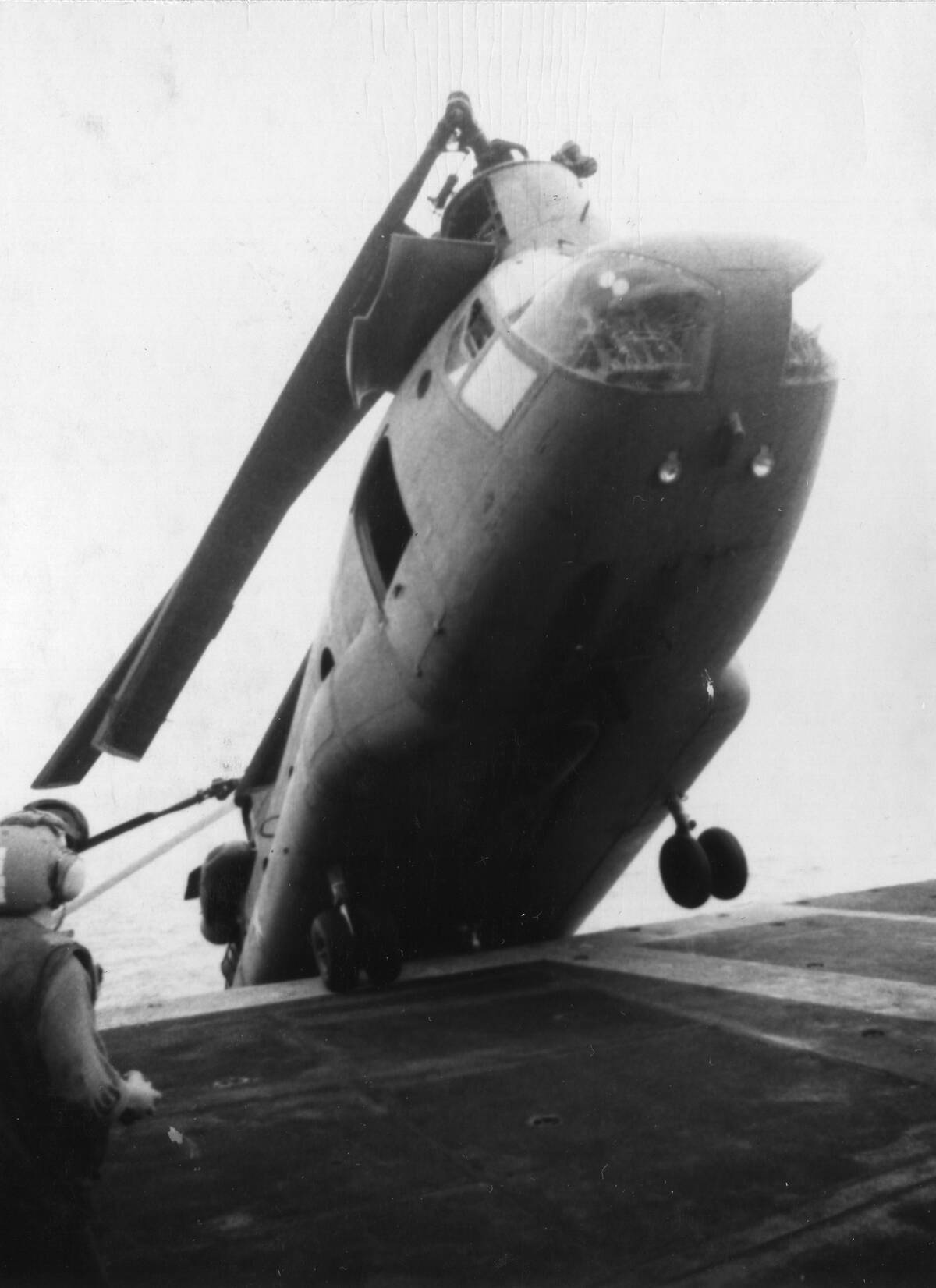
Operation Frequent Wind, executed in April 1975, was the largest helicopter evacuation in history. As North Vietnamese forces closed in on Saigon, over 7,000 U.S. citizens and at-risk Vietnamese were airlifted to safety.
The operation marked the end of the Vietnam War and was a poignant reminder of the human cost of conflict. Despite the chaos, the mission showcased the determination to save lives amidst a rapidly deteriorating situation.
The Rescue of the Kursk Submarine: A Race Against Depth
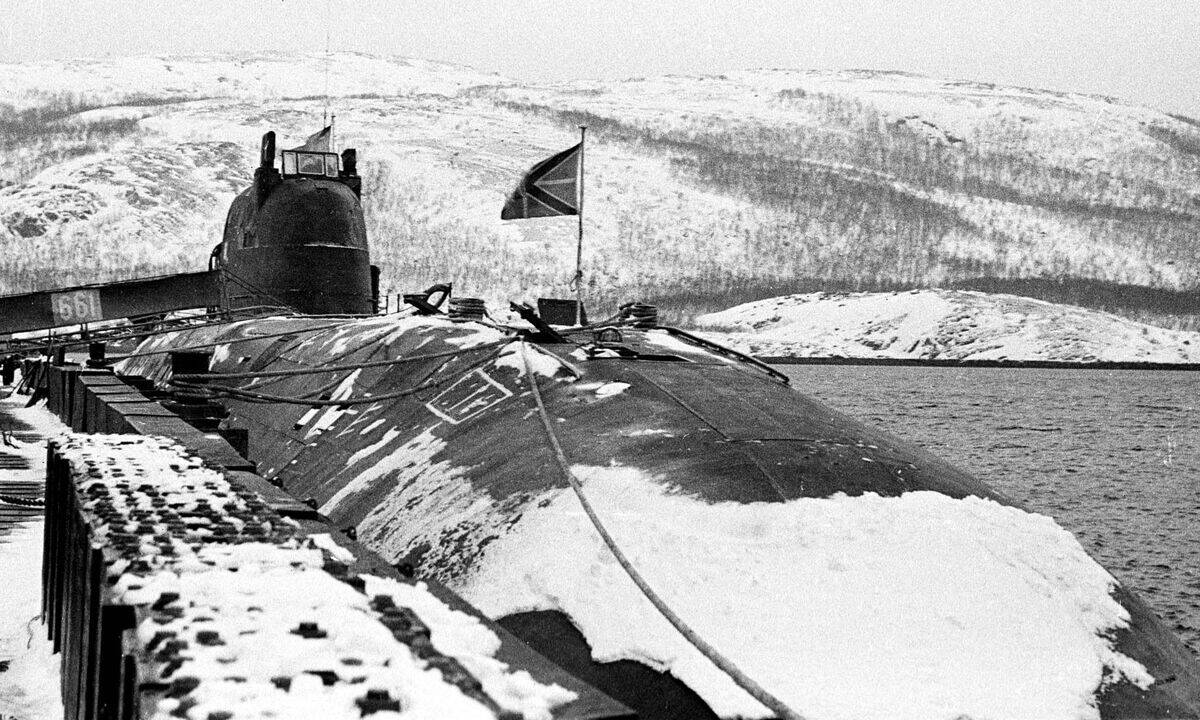
In August 2000, the Russian submarine Kursk sank in the Barents Sea, trapping 118 sailors. Despite international offers of assistance, initial rescue efforts were delayed, and all crew members perished.
The tragedy highlighted the dangers of submarine operations and led to significant changes in naval rescue protocols. While the rescue was unsuccessful, it underscored the importance of international collaboration in maritime emergencies.
The Rwandan Genocide: Operation Turquoise
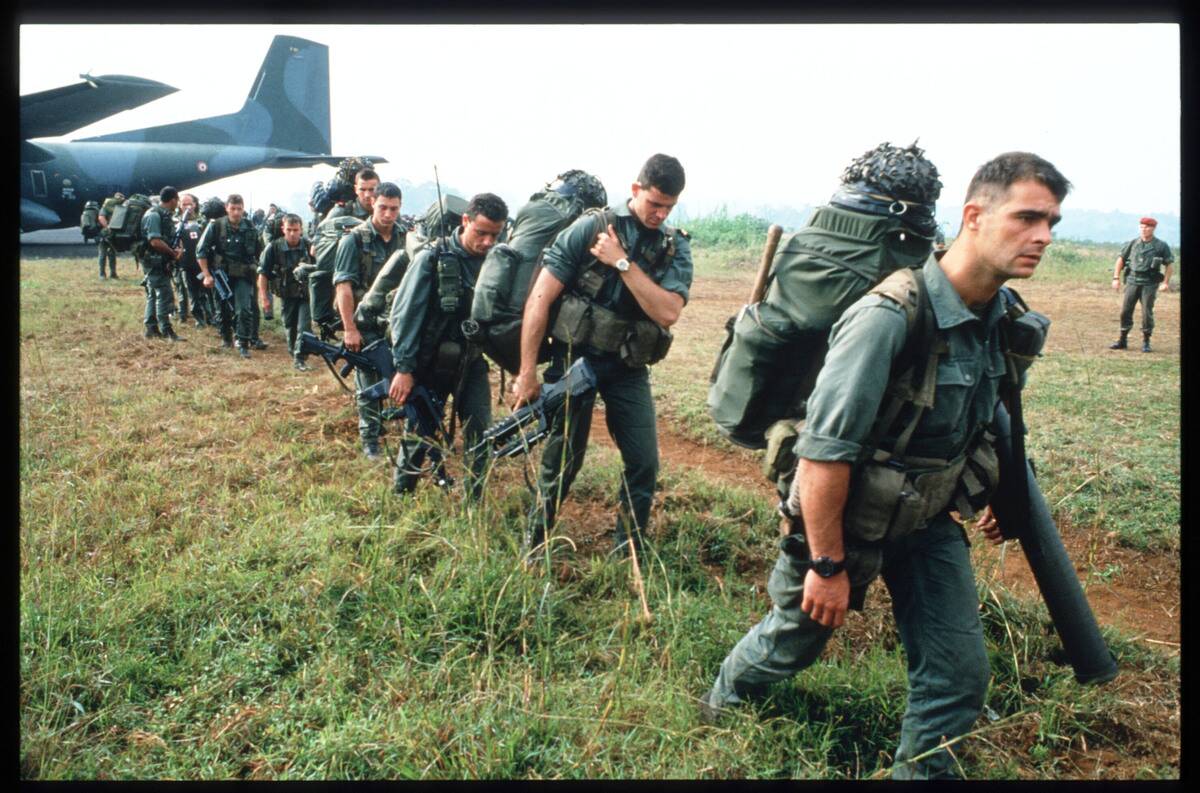
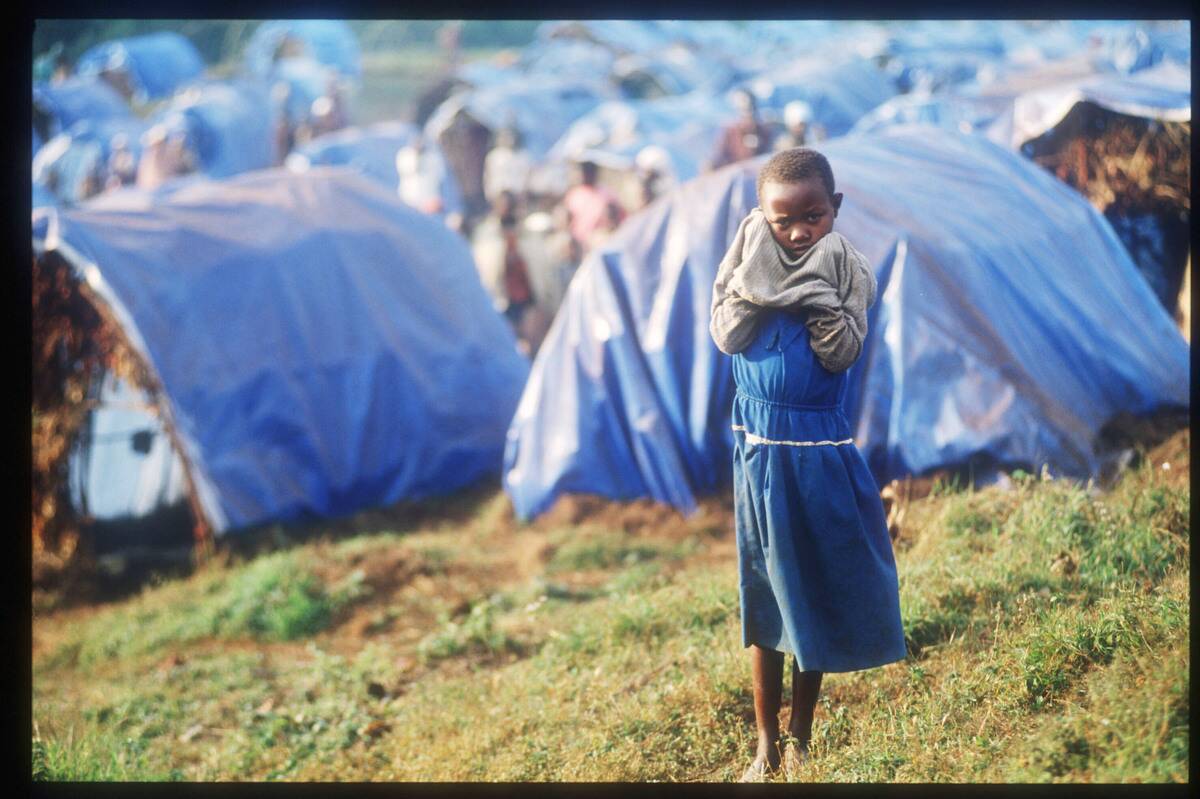
Operation Turquoise, launched by France in 1994, aimed to provide a safe zone during the Rwandan Genocide. While the operation faced criticism for its limited scope and effectiveness, it did manage to save thousands of lives.
The mission highlighted the complexities of humanitarian interventions and the challenges of providing aid in conflict zones. Despite its controversies, Operation Turquoise remains a significant example of international response to genocide.
The Hostage Rescue at the Japanese Embassy in Peru
In 1996, the Japanese embassy in Lima, Peru, was seized by the MRTA rebel group, taking 72 hostages. After 126 days of tense negotiations, Peruvian commandos launched a surprise raid, rescuing all but one hostage.
The operation was a dramatic success, showcasing the precision and bravery of the rescuers. This high-stakes mission was a turning point in Peru’s struggle against terrorism and highlighted the effectiveness of well-planned rescue operations.
The Rescue of the Gran Sasso: Mussolini’s Escape
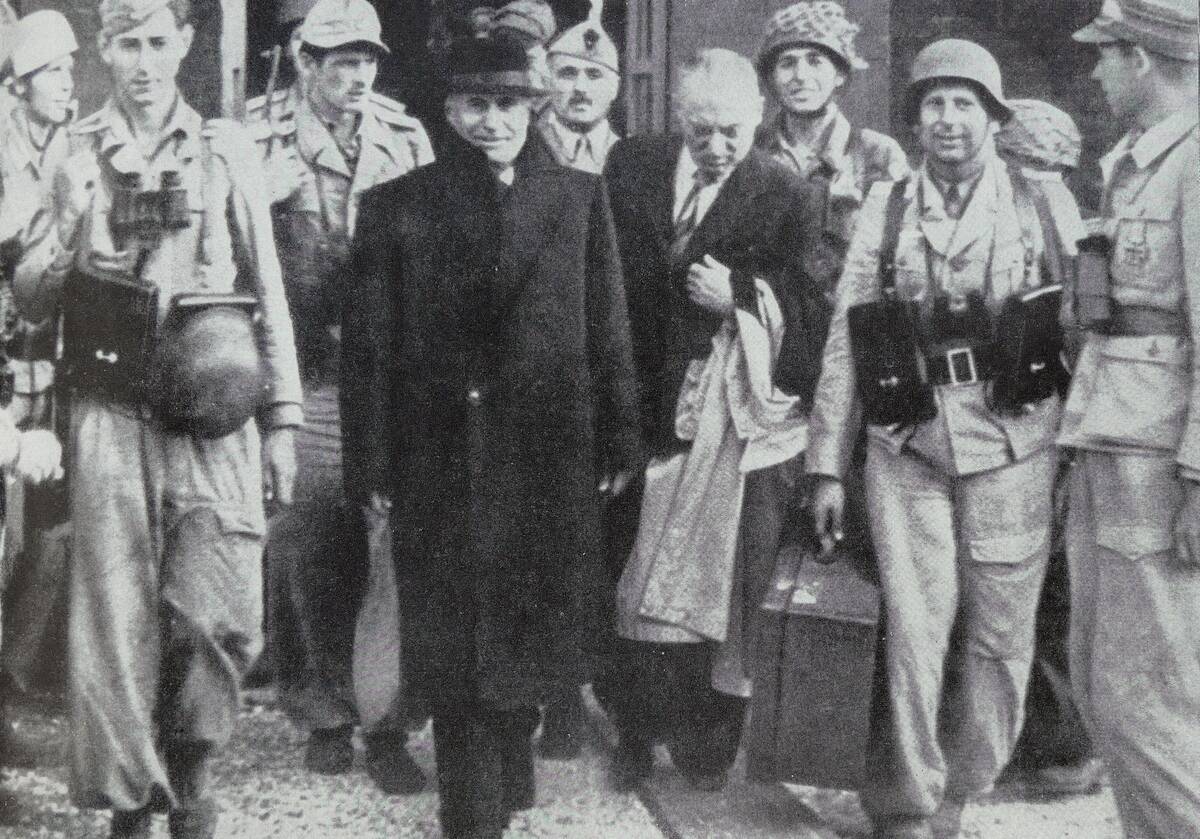
In 1943, Italian dictator Benito Mussolini was rescued from captivity in a daring operation by German commandos. Known as the Gran Sasso raid, the mission involved glider landings on a mountain-top hotel where Mussolini was held.
The operation was a stunning success, with no fighting at the hotel, although casualties occurred during the wider operation, and Mussolini was safely extracted. This audacious rescue demonstrated the effectiveness of surprise and precision in military operations.