The unconventional diets people actually follow
In the quest for the perfect body, people have turned to some truly unconventional diets. These unique eating plans often promise quick results, but they can be as bizarre as they are intriguing.
From consuming raw meats to following lunar phases, these diets challenge traditional notions of nutrition. While some may raise eyebrows, others have gained a dedicated following.
The Raw Meat Diet: Carnivores in the Modern Age

The raw meat diet, also known as the raw primal diet, is all about eating uncooked animal products. Advocates believe it preserves nutrients lost during cooking. While some claim improved digestion and energy, it’s not without risks.
Consuming raw meat can expose one to harmful bacteria like Salmonella and E. coli. This diet is a nod to our ancestors’ eating habits, but modern health standards advise caution. It’s a daring choice for those seeking a primal eating experience.
Fruitarianism: Living on Nature’s Candy

Fruitarianism is a diet that consists almost entirely of fruits. Enthusiasts argue that fruits are the most natural food for humans, providing essential vitamins and antioxidants. However, critics point out the lack of protein and other nutrients.
Steve Jobs famously dabbled in fruitarianism, reportedly inspiring the name of his company, Apple. While it sounds sweet, maintaining balanced nutrition can be a challenge. It’s a colorful, albeit restrictive, approach to eating.
The Breatharian Diet: Sustenance from Air and Light

The breatharian diet is perhaps the most extreme, claiming that one can live without food, relying on air and sunlight. Proponents suggest that spiritual enlightenment can sustain the body.
However, scientific evidence strongly refutes these claims, and attempting this diet can be dangerous. Several practitioners have faced severe health consequences. It’s a controversial lifestyle that sparks debate between spiritual beliefs and scientific facts.
The Cookie Diet: Indulging Your Sweet Tooth to Lose Weight

The cookie diet allows dieters to indulge in specially formulated cookies to curb hunger and aid weight loss. Created by Dr. Sanford Siegal in the 1970s, these cookies are high in protein and fiber.
While it sounds like a dream come true for dessert lovers, it’s important to note that the diet is quite restrictive in other areas. The idea is to replace meals with cookies, which might not appeal to everyone. It’s a sweet yet structured approach to dieting.
Paleo Diet: Eating Like Our Ancestors
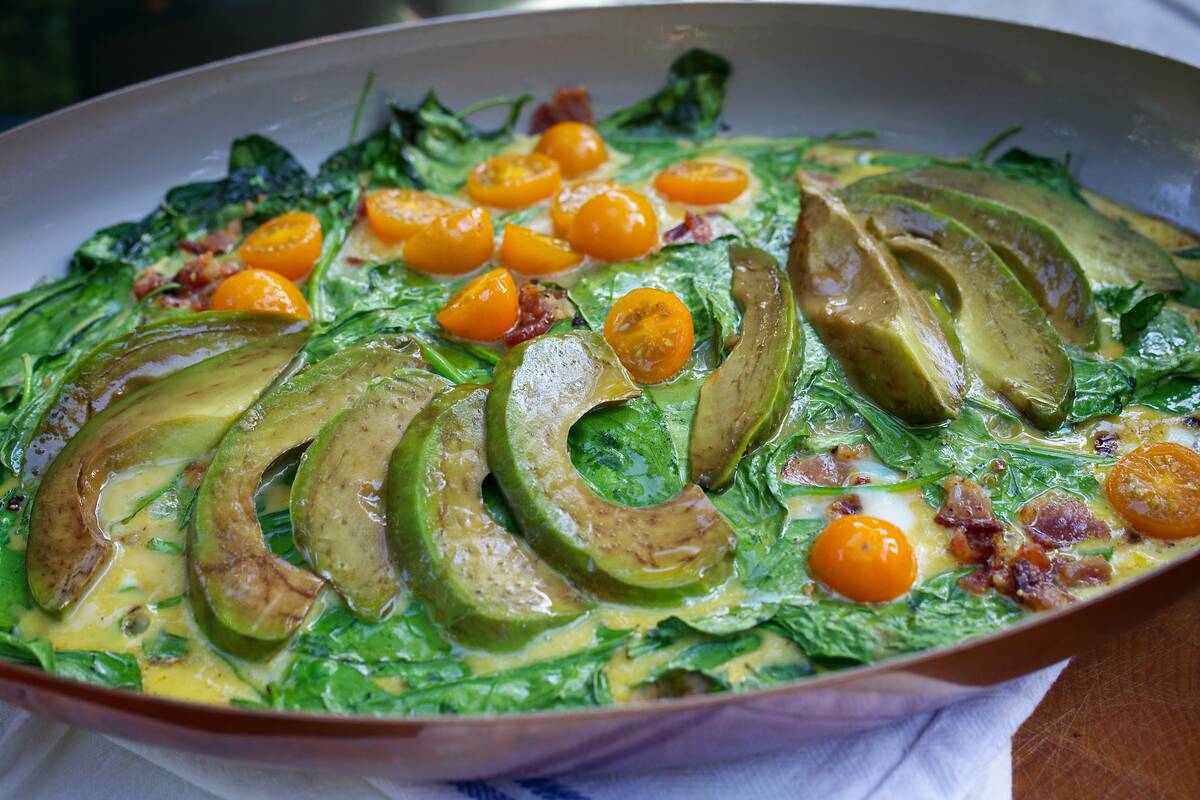
The paleo diet emphasizes eating like our prehistoric ancestors, focusing on whole foods like meats, fish, fruits, and vegetables. It excludes processed foods, grains, and dairy. Advocates claim it leads to better health and weight management.
Critics argue that it’s not practical or necessary to mimic ancient diets. Despite the debate, the paleo diet has gained popularity, with many finding success in its simplicity. It’s a back-to-basics approach that resonates with modern health enthusiasts.
The Baby Food Diet: Pureed Foods for Adults

The baby food diet involves eating small jars of baby food to control portion sizes and calorie intake. Popularized by celebrities like Jennifer Aniston, it promises quick weight loss. However, it lacks the variety and nutrients of a balanced adult diet.
While convenient and portion-controlled, it may leave you craving more substantial meals. It’s a quirky diet that plays on nostalgia but might not be sustainable long-term. Perfect for those seeking simplicity but not without its challenges.
The Cabbage Soup Diet: A Leafy Green Approach

The cabbage soup diet is a short-term weight loss plan centered around consuming large quantities of cabbage soup. It’s low-calorie and promises rapid results. While it can lead to quick weight loss, it’s not nutritionally balanced and can be monotonous.
The diet is often used as a quick fix before events or vacations. It’s a classic fad diet that has stood the test of time, despite its limitations. Ideal for a quick slim-down, but not for the long haul.
The Cotton Ball Diet: A Fluffy, Low-Calorie Option

The cotton ball diet involves swallowing cotton balls soaked in juice to create a feeling of fullness. It’s a dangerous practice that can lead to blockages and malnutrition. Despite its risks, some have turned to this extreme method in pursuit of weight loss.
Health professionals strongly advise against it due to its potential for harm. It’s a shocking example of the lengths some will go to for a slimmer figure. Definitely not a recommended approach to dieting.
The Tapeworm Diet: A Parasite’s Role in Weight Loss
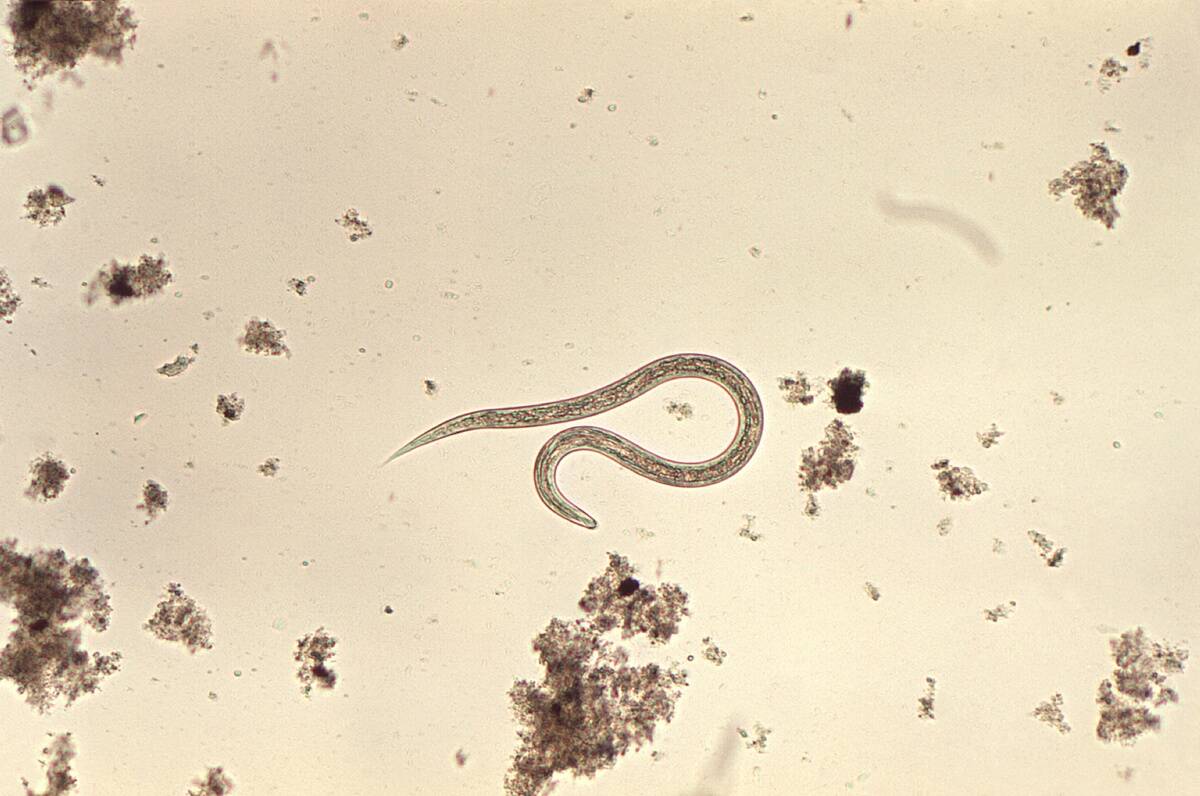
The tapeworm diet involves ingesting tapeworm eggs to lose weight, as the parasite consumes some of the food you eat. It’s an extremely risky method that can lead to serious health issues, including infection and nutrient deficiencies.
Despite its dangers, it has been rumored to be used in the past. Modern medicine strongly opposes this method, emphasizing the importance of safe and healthy weight loss practices. It’s a grim reminder of the extremes in dieting history.
The Grapefruit Diet: Citrus for Slimming Down
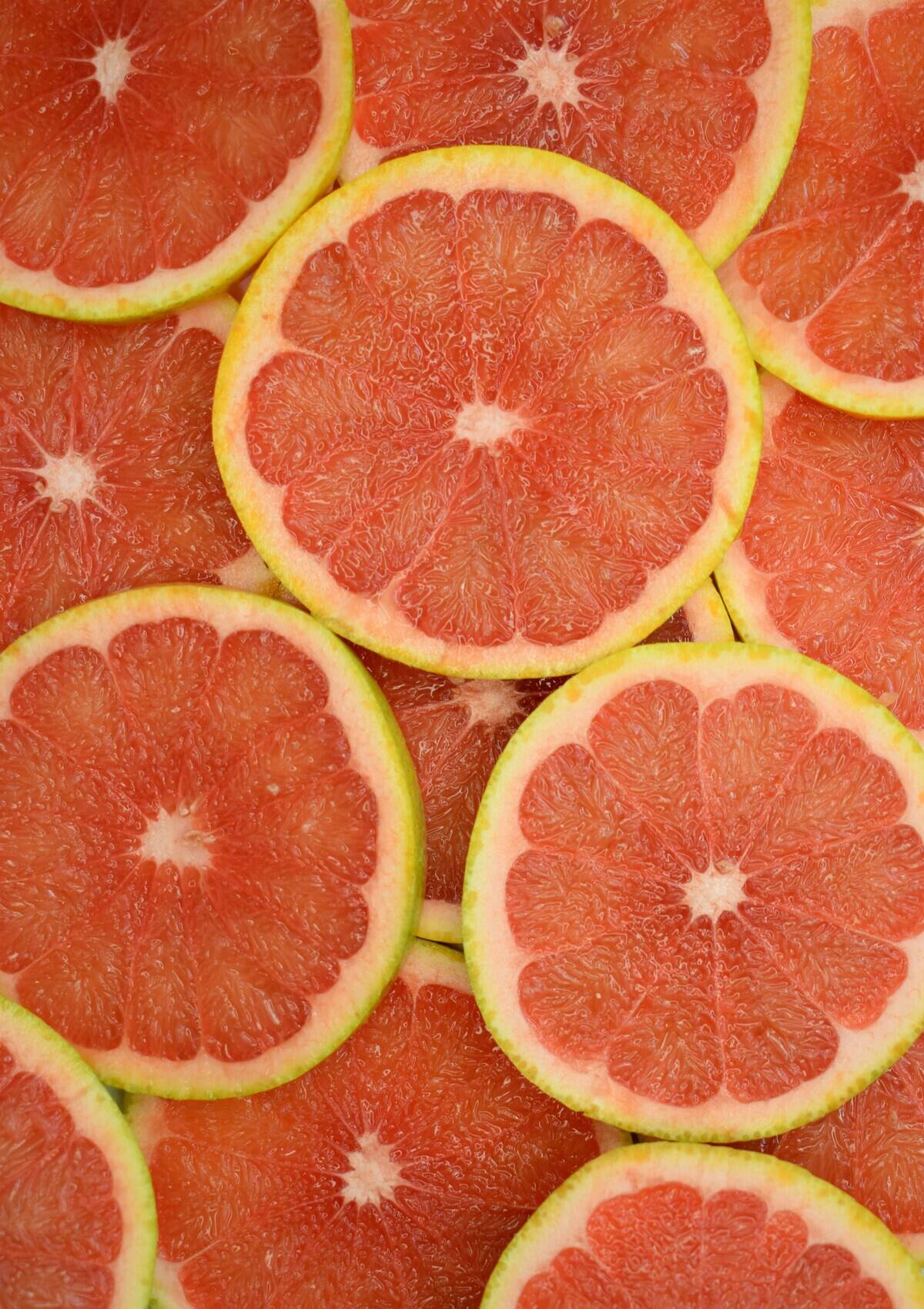
The grapefruit diet is a low-calorie diet that incorporates grapefruit into every meal. The fruit is believed to have fat-burning properties, although scientific evidence is limited. The diet dates back to the 1930s and is often used for quick weight loss.
While grapefruit is nutritious, the diet’s restrictive nature can make it hard to follow long-term. It’s a tangy way to shed pounds, but balance and moderation are key for sustained success. A zesty approach with a vintage twist.
The Ice Cream Diet: A Sweet Way to Shed Pounds

The ice cream diet suggests that you can enjoy a daily serving of ice cream while still losing weight, as long as you maintain a calorie deficit. Created by Holly McCord, it allows for indulgence within a controlled diet plan.
While it sounds too good to be true, the key is moderation and balance. It’s a fun concept that appeals to dessert lovers, but like any diet, it requires discipline. A delightful way to make dieting a bit more enjoyable.
The Blood Type Diet: Eating According to Your Genetics

The blood type diet, popularized by Dr. Peter D’Adamo, suggests that your blood type determines the best foods for your body. Each blood type has specific dietary recommendations, aiming to improve health and weight management.
While some find it helpful, scientific support is lacking. Critics argue that it’s too generalized and not based on solid evidence. It’s a personalized approach that intrigues many, but it’s important to consult with healthcare professionals. An interesting concept with mixed reviews.
The Alkaline Diet: Balancing Your Body’s pH Levels

The alkaline diet focuses on consuming foods that are low in acid to maintain the body’s pH balance. Advocates claim it can improve health and prevent diseases. Foods like fruits, vegetables, and nuts are emphasized, while processed foods and meats are limited.
While the body regulates pH naturally, the diet encourages healthy eating habits. Critics argue that its health claims are overstated. It’s a health-conscious approach that promotes whole foods, though its scientific basis is debated.
The Werewolf Diet: Lunar Phases and Fasting

The werewolf diet, also known as the lunar diet, involves fasting according to the moon’s phases. The idea is that the moon influences water retention, and fasting during certain phases aids weight loss.
While it sounds mystical, there’s no scientific evidence supporting its effectiveness. It combines elements of fasting with celestial timing, appealing to those who enjoy astrology. It’s a whimsical approach that adds a touch of magic to dieting, though results may vary. An enchanting, if not scientifically proven, method.




