Popular foods that are banned in some countries
Food is a universal language, yet some delicacies are surprisingly banned in certain parts of the world. These bans often arise from health concerns, cultural differences, or even quirky historical reasons.
From Kinder Eggs to Casu Marzu, let’s explore the different food bans across the globe.
Kinder Eggs in the USA
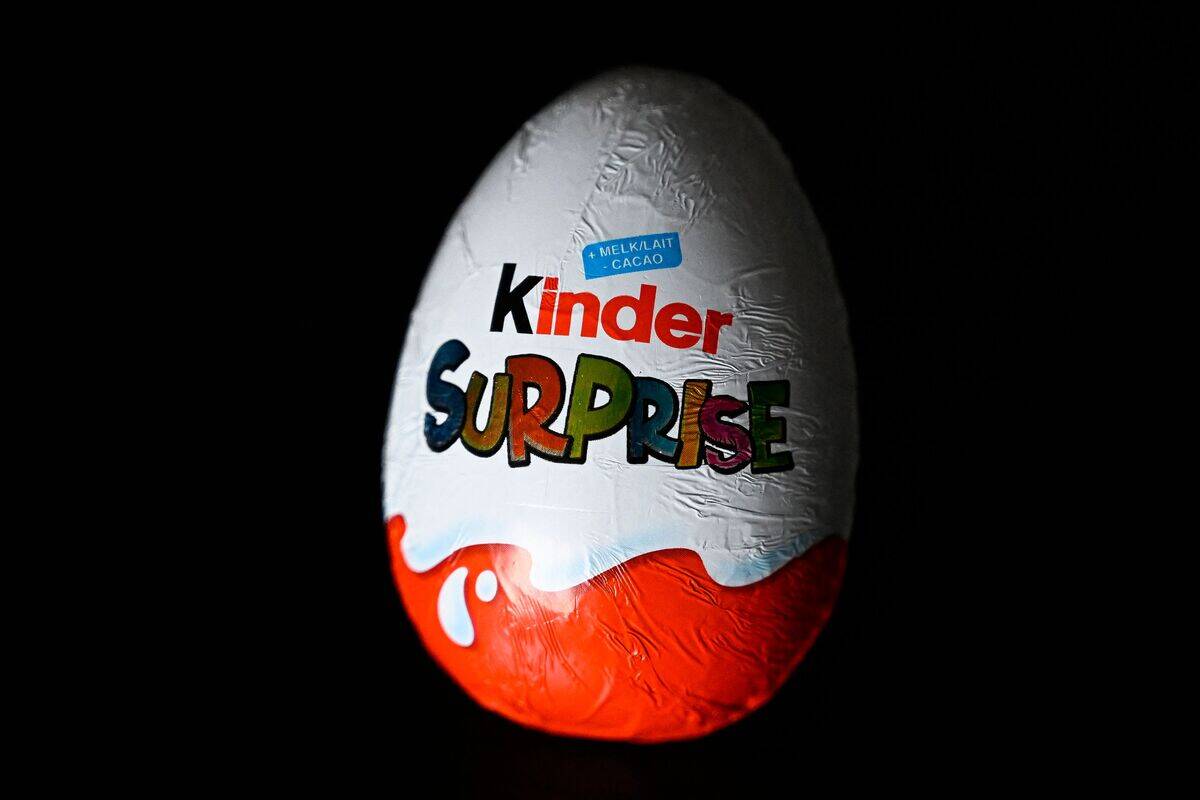
Kinder Eggs, the beloved chocolate treat with a surprise toy inside, are banned in the USA. The reason? A 1938 law prohibits embedding non-food items in food products due to choking hazards.
Despite their popularity in Europe, the FDA enforces this ban to ensure child safety. However, Kinder Joy, a similar product with separate compartments for toy and chocolate, is available in the US.
Chewing Gum in Singapore
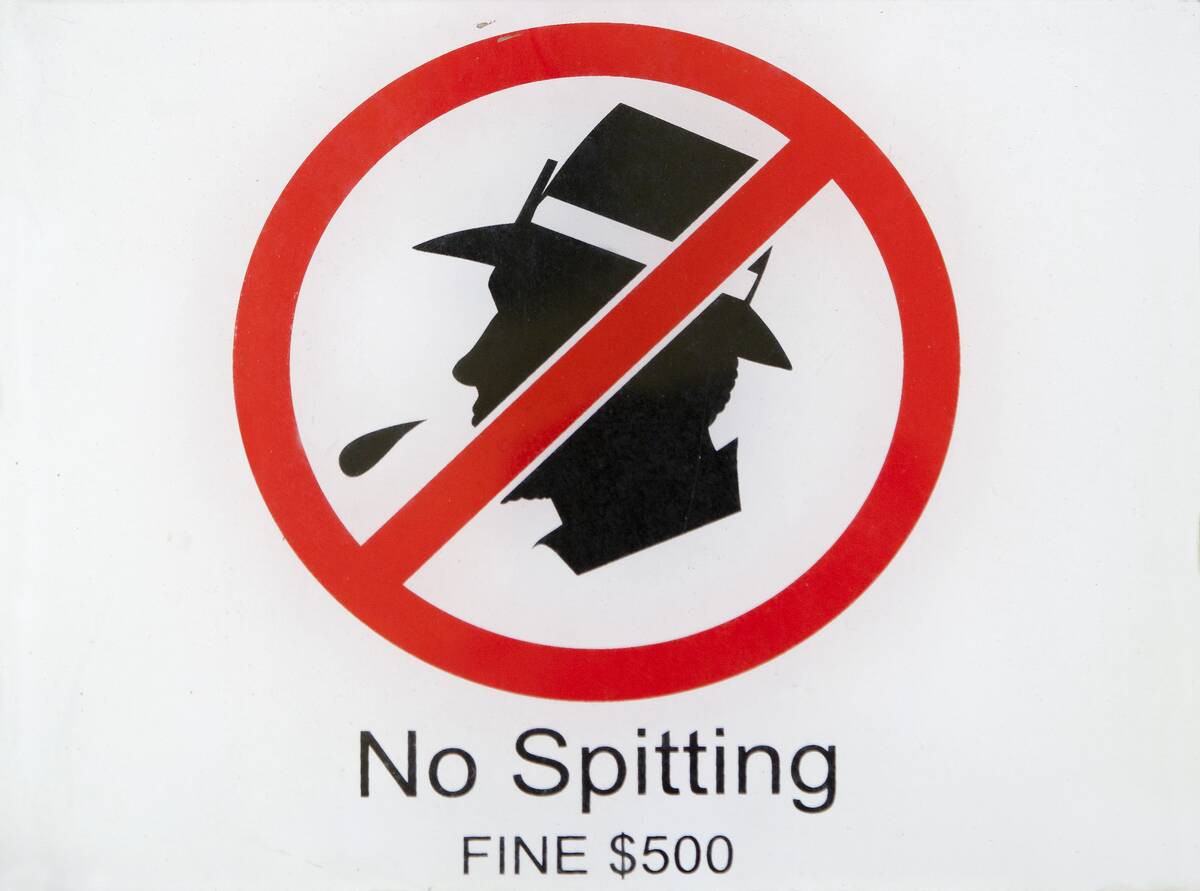
Singapore is famous for its cleanliness, and part of that reputation comes from its strict ban on chewing gum. Introduced in 1992, the ban aims to prevent gum littering and maintain the pristine condition of public spaces.
While therapeutic gums are allowed with a prescription, regular gum remains off-limits, contributing to Singapore’s spotless streets.
Energy Drinks in France
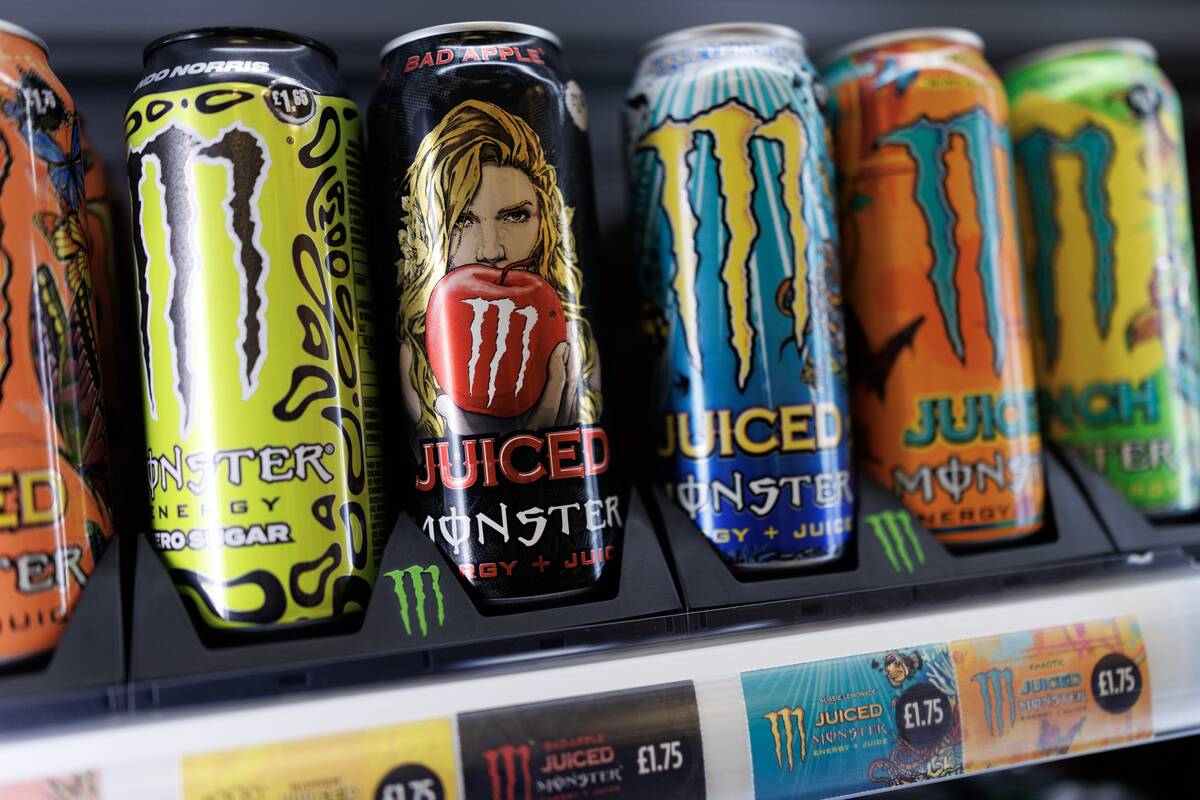
France has taken a cautious approach to energy drinks, with restrictions due to health concerns. High caffeine content and potential health risks prompted the French government to regulate these beverages.
Although not entirely banned, energy drinks face strict labeling and advertising rules to protect consumers, particularly young people, from overconsumption.
Fugu Fish in the European Union
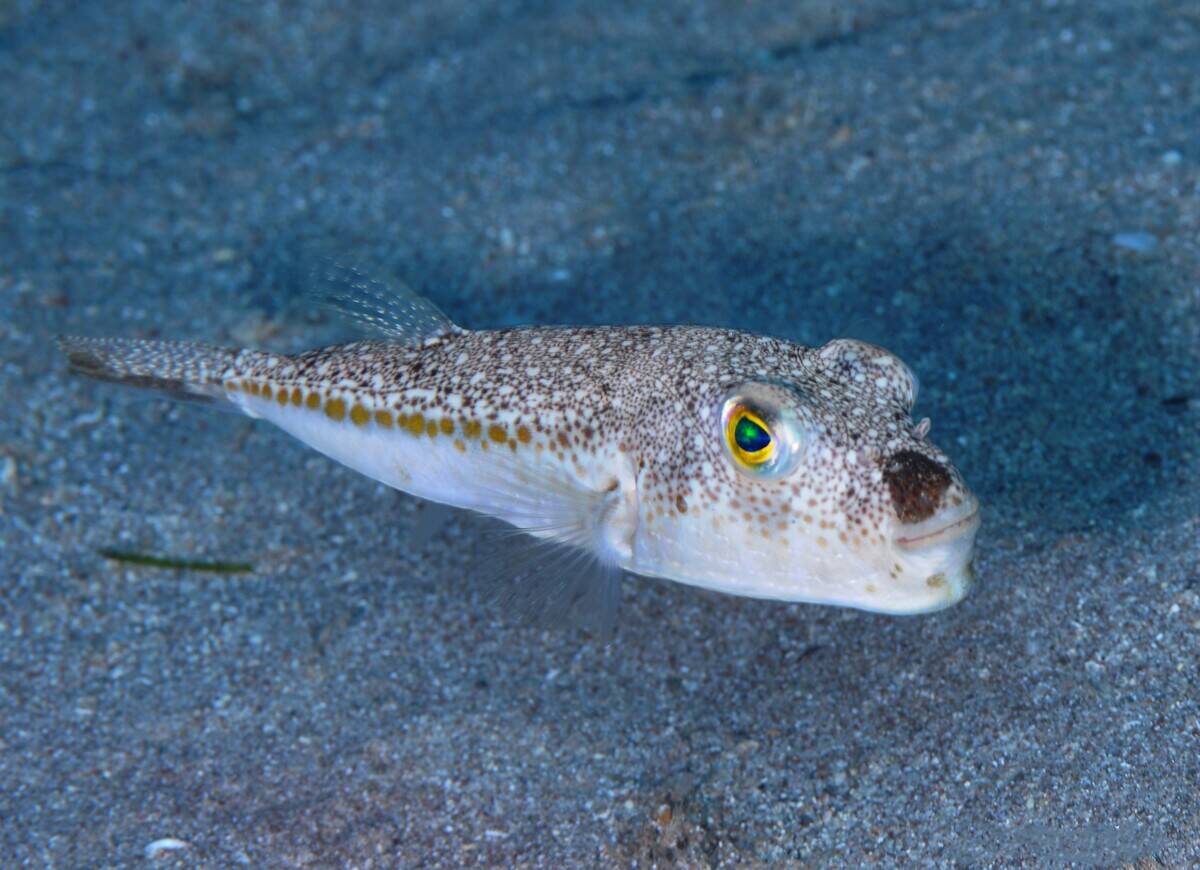
Fugu, a Japanese delicacy, is banned in the European Union due to its potential toxicity. The fish contains tetrodotoxin, a potent neurotoxin, requiring skilled preparation to ensure safety.
Despite its risky nature, fugu remains a sought-after dish in Japan, where licensed chefs meticulously prepare it to avoid any fatal mishaps.
Absinthe in the United States
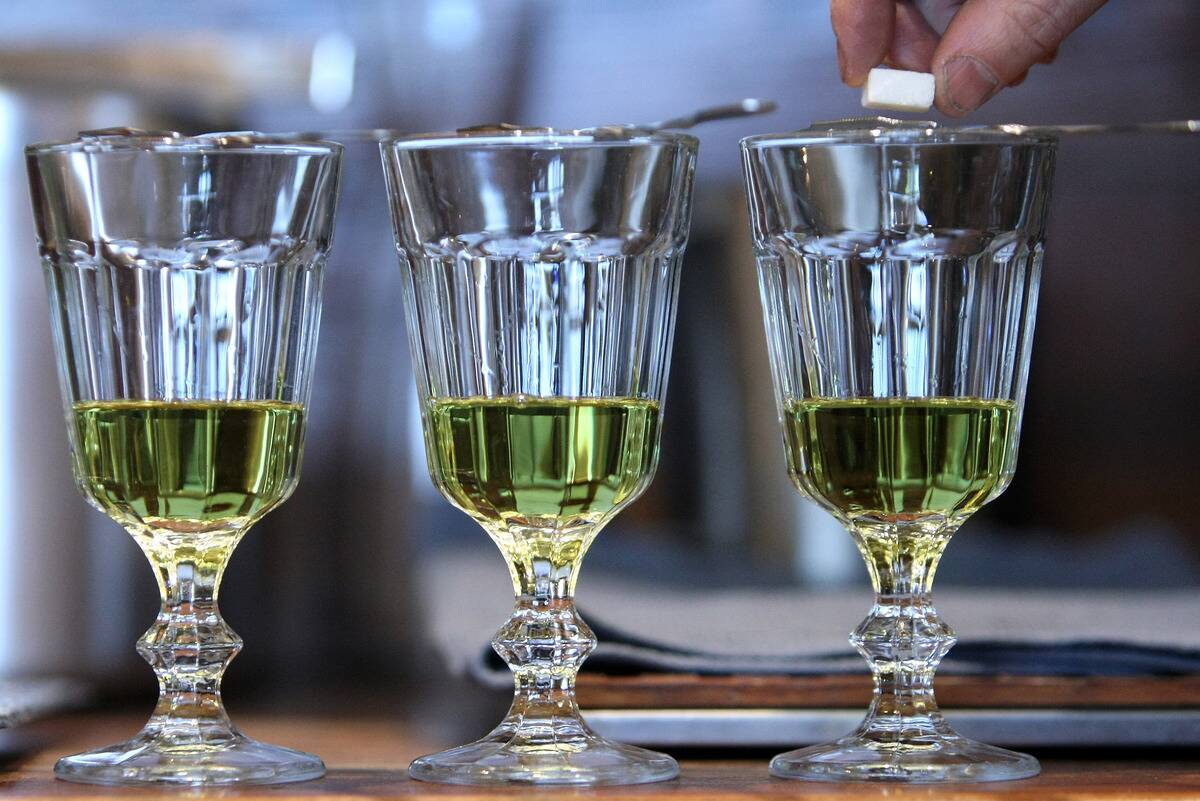
Absinthe, once known as the “green fairy,” was banned in the United States for nearly a century due to its alleged hallucinogenic properties.
The ban was lifted in 2007, but only for absinthe with regulated thujone levels. Today, the iconic drink is enjoyed legally, though its mystique and lore continue to captivate enthusiasts worldwide.
Durian in Public Spaces in Thailand
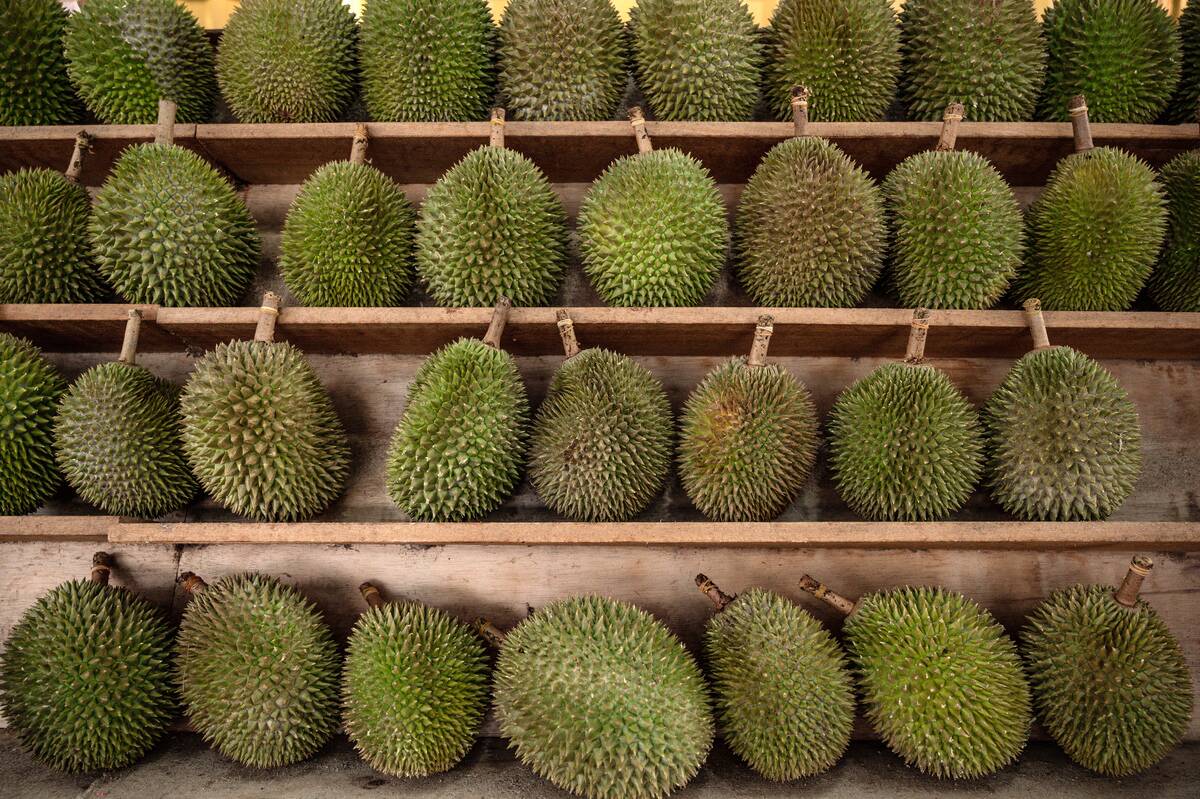
Durian, known for its strong odor, is banned in many public spaces in Thailand. The fruit’s pungent smell can be overwhelming, leading to its prohibition in hotels and public transportation.
Despite its divisive aroma, durian is cherished for its creamy texture and unique flavor, making it a beloved delicacy in many Southeast Asian countries.
Horse Meat in the United States
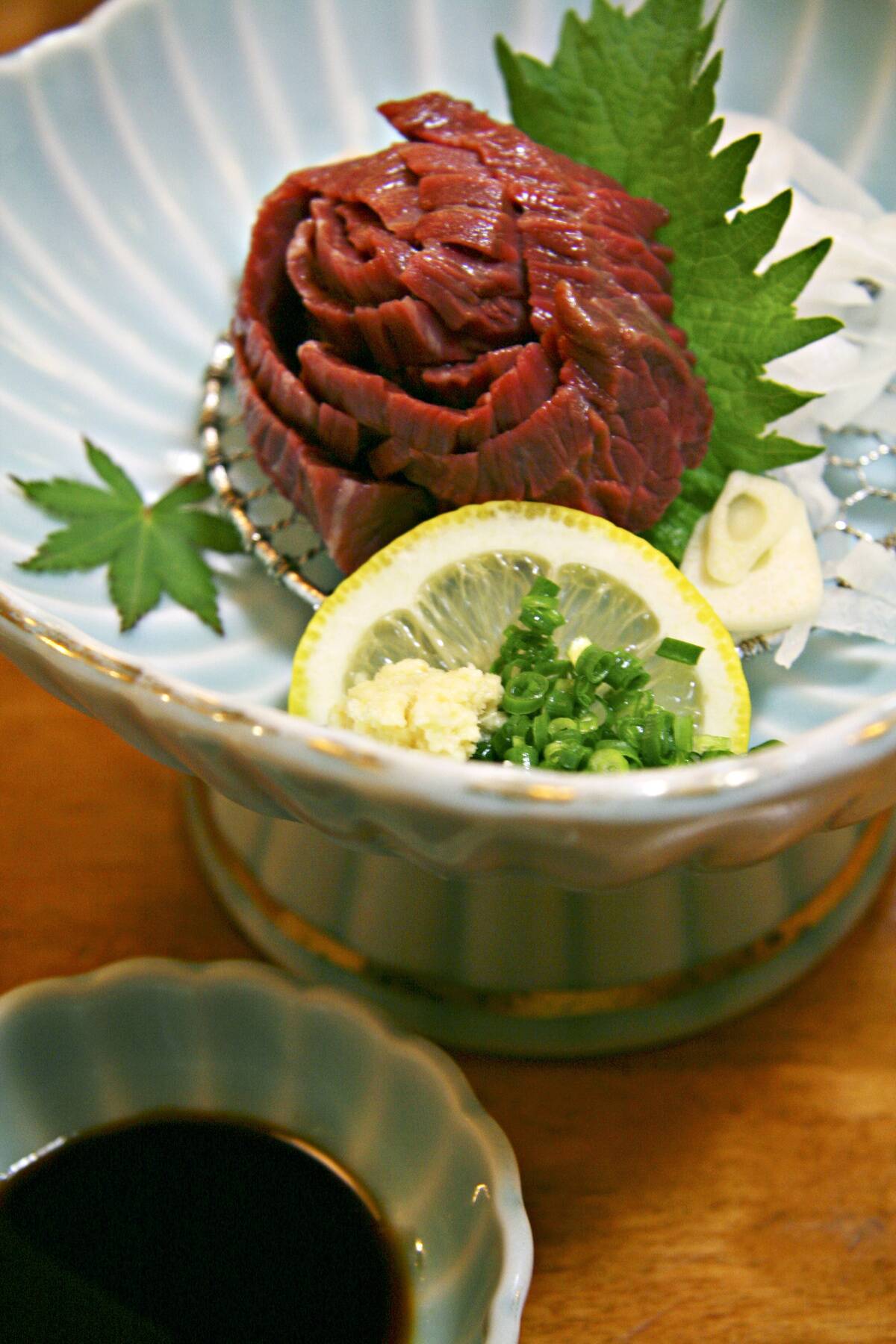
Horse meat is a controversial topic in the United States, where its consumption is largely taboo. While not federally banned, a lack of slaughter facilities and cultural opposition make it scarce.
In contrast, horse meat is a common ingredient in countries like France and Japan, highlighting differing culinary traditions and cultural norms.
Casu Marzu in the United States
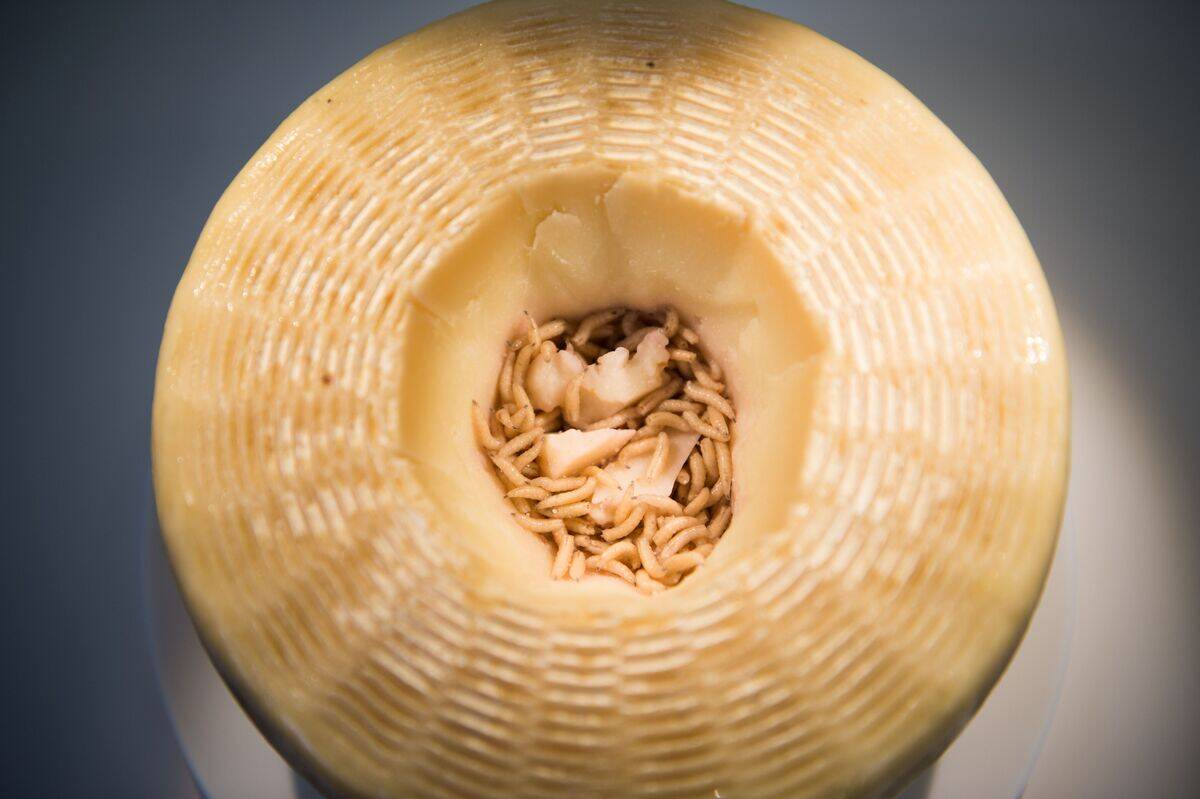
Casu Marzu, a Sardinian cheese, is banned in the United States due to health regulations. The cheese is known for containing live insect larvae, which aid in fermentation.
Despite its unique preparation, the FDA prohibits its import due to health risks. In Sardinia, however, it’s considered a traditional delicacy with a rich cultural heritage.
Haggis in the United States
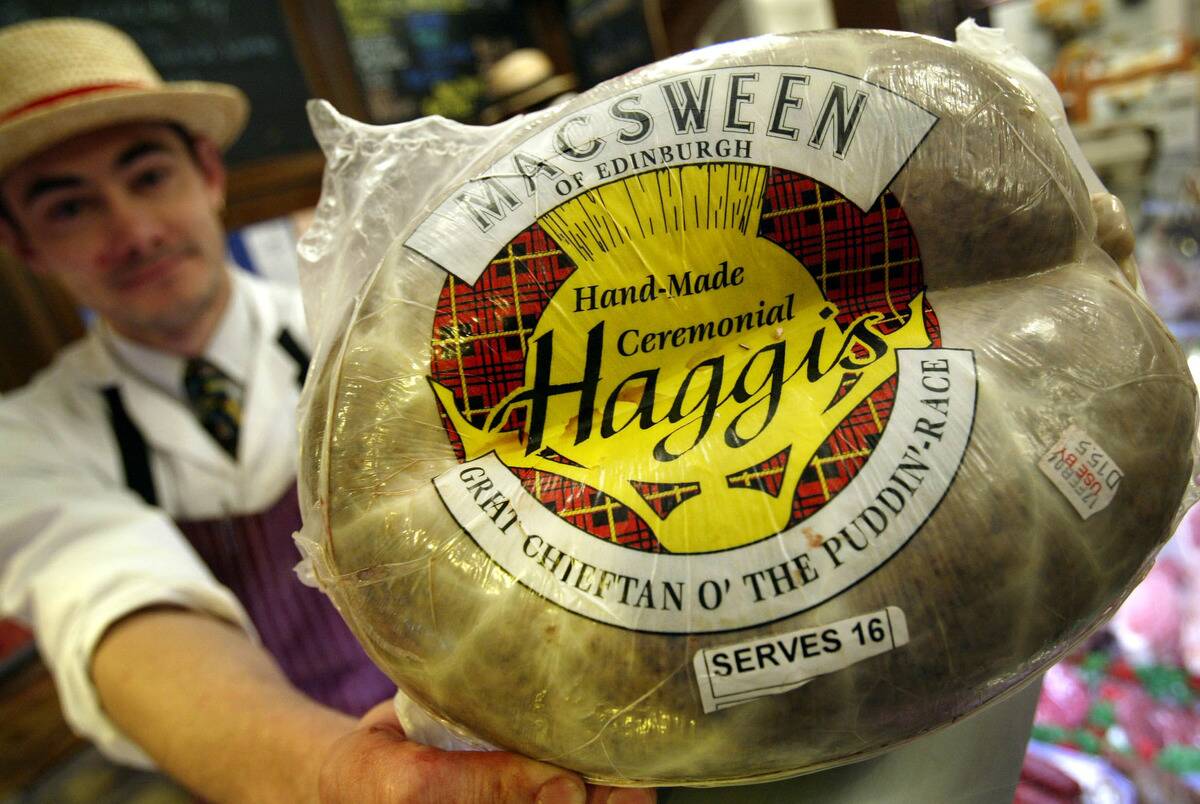
Haggis, Scotland’s national dish, is banned in the United States due to its use of sheep lung. The USDA prohibits the import of lung-based food products, citing safety concerns.
Despite this restriction, haggis enthusiasts in the US can enjoy modified versions without lung, keeping the spirit of the dish alive while adhering to regulations.
Sassafras Oil in the European Union
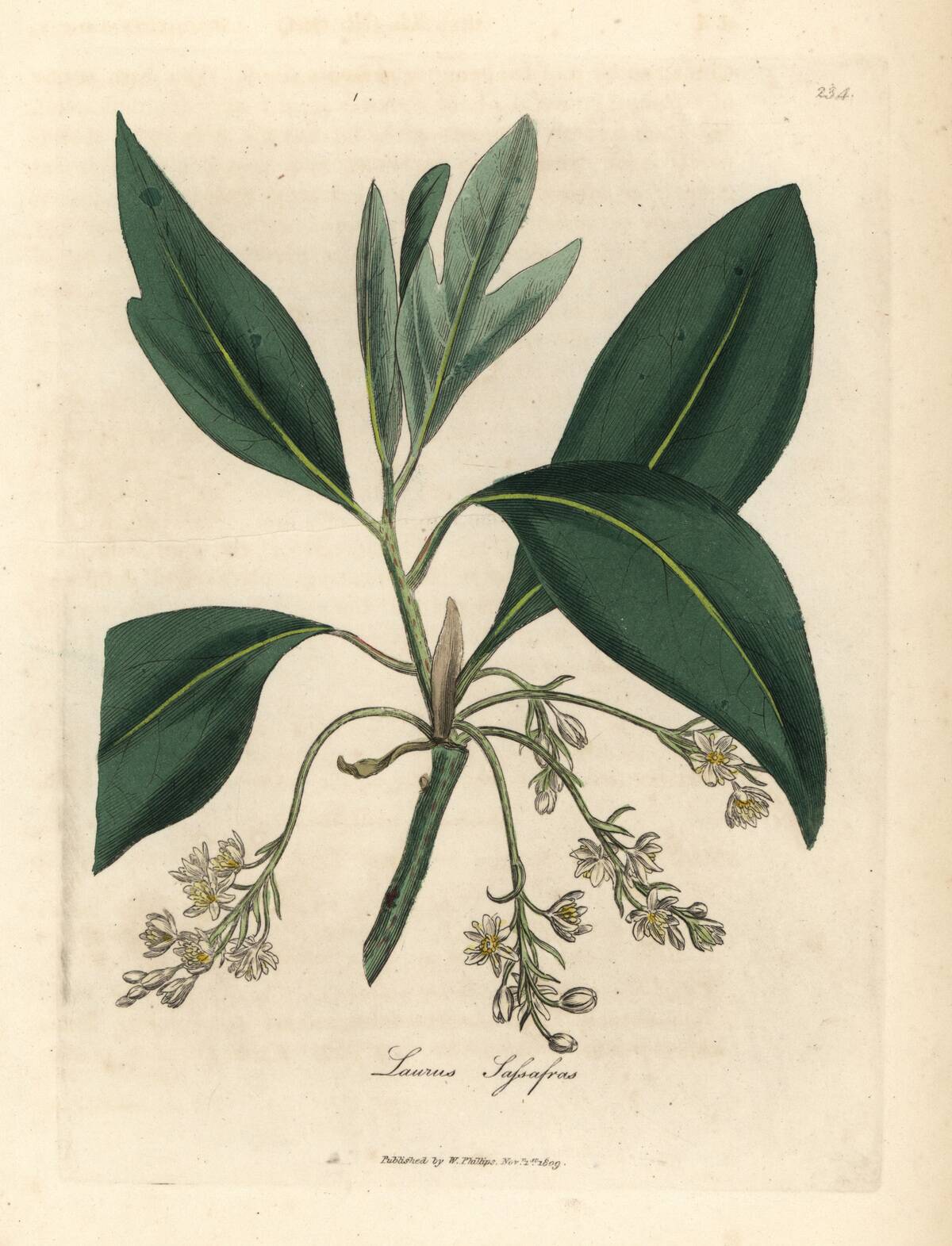
Sassafras oil, once used in root beer, is banned in the European Union due to safrole content. Safrole is a potential carcinogen, leading to its prohibition in food products.
Despite its historical use in beverages and perfumes, sassafras oil’s health risks have prompted strict regulations to protect consumers from potential harm.
Poppy Seeds: A Risky Snack in the UAE

Poppy seeds, commonly used in baking, are banned in the UAE due to their association with opium production.
While harmless in culinary use, the seeds can cause false positives in drug tests, leading to severe legal consequences. Travelers are advised to avoid carrying poppy seeds to prevent any misunderstandings with local authorities.
Jelly Cups in the European Union
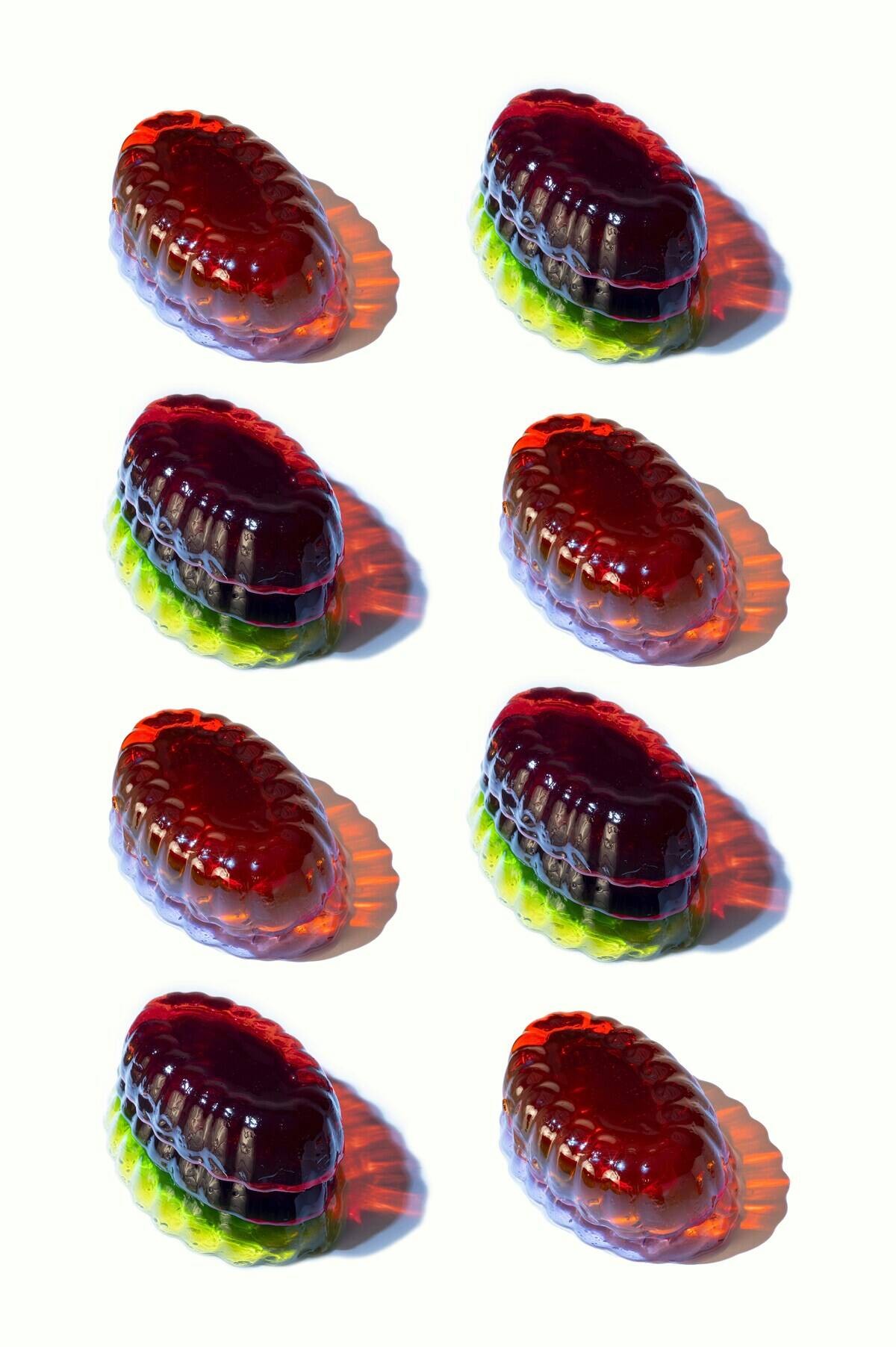
Jelly cups containing konjac, a gelatinous plant, are banned in the European Union due to choking hazards. The chewy texture poses a risk, especially for children, leading to their prohibition.
Despite their ban, konjac jelly remains popular in Asia, where it’s enjoyed in various forms, from snacks to dietary supplements.
Tonka Beans in the European Union
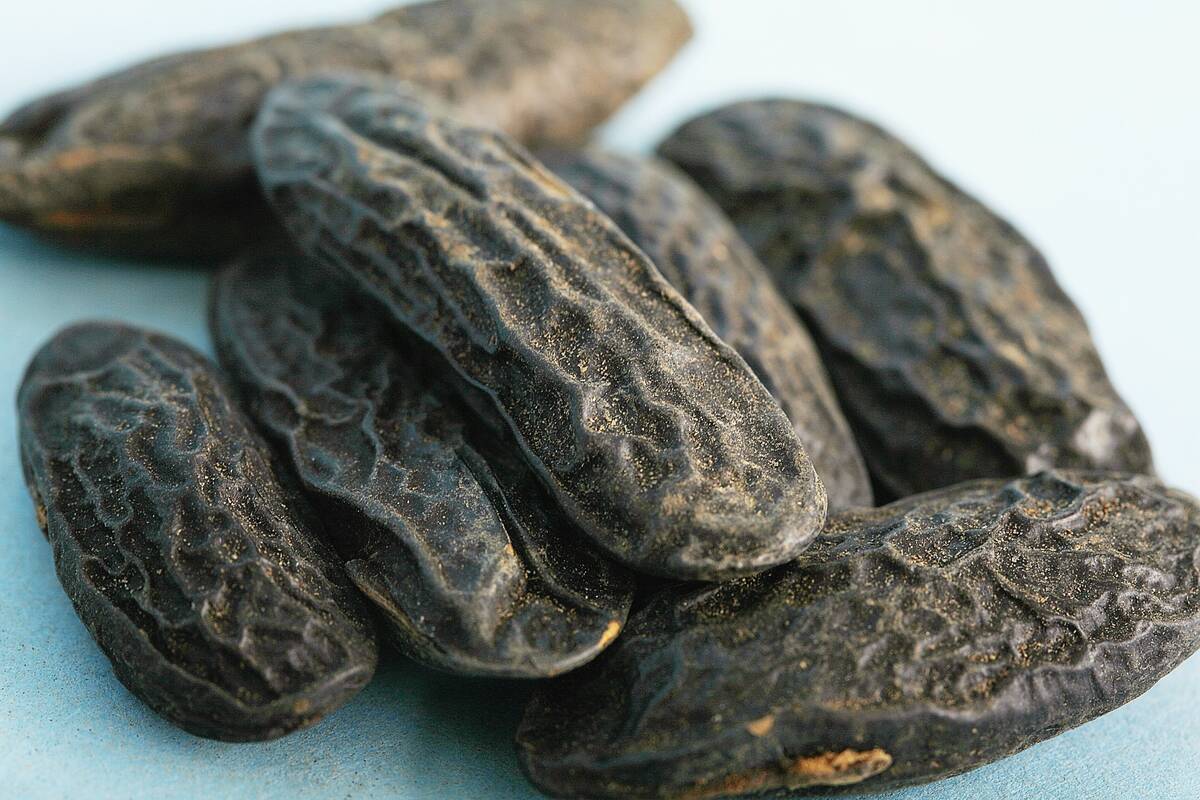
Tonka beans, known for their vanilla-like aroma, are banned in the European Union due to coumarin content. Coumarin is toxic in large quantities, leading to the bean’s prohibition in food products.
Despite the ban, tonka beans are prized in perfumery and gourmet cooking, where their unique flavor enhances various dishes and scents.
Betel Nut in Saudi Arabia
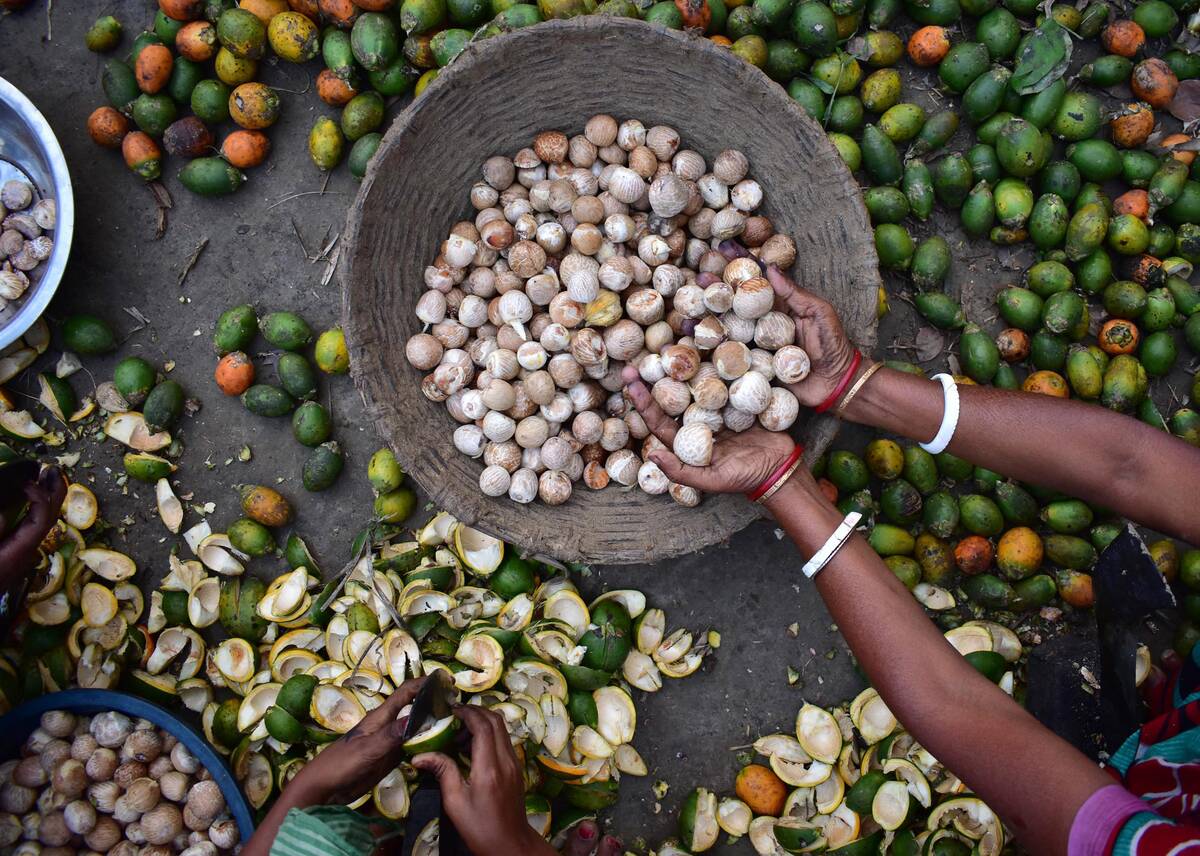
Betel nut, a popular stimulant in Asia, is banned in Saudi Arabia due to health concerns. Chewing betel nut is linked to oral cancer and other health issues, prompting its prohibition.
Despite its cultural significance in many Asian countries, Saudi Arabia enforces strict regulations to protect public health and discourage its use.




