Strict wedding rules the British Royal Family must follow
A royal wedding sounds like a dream, but you would be surprised how many rules and traditions go into making this day a reality. From the engagement to the location of the ceremony to the bridal party, nearly every detail of the big day is dictated by royal protocol. These rules aren’t just for the bride and groom either – even guests are expected to toe the line and maintain decorum.
Keep reading to find out what really happens behind closed doors at a royal wedding.
Royals Must Get The King’s Permission To Marry
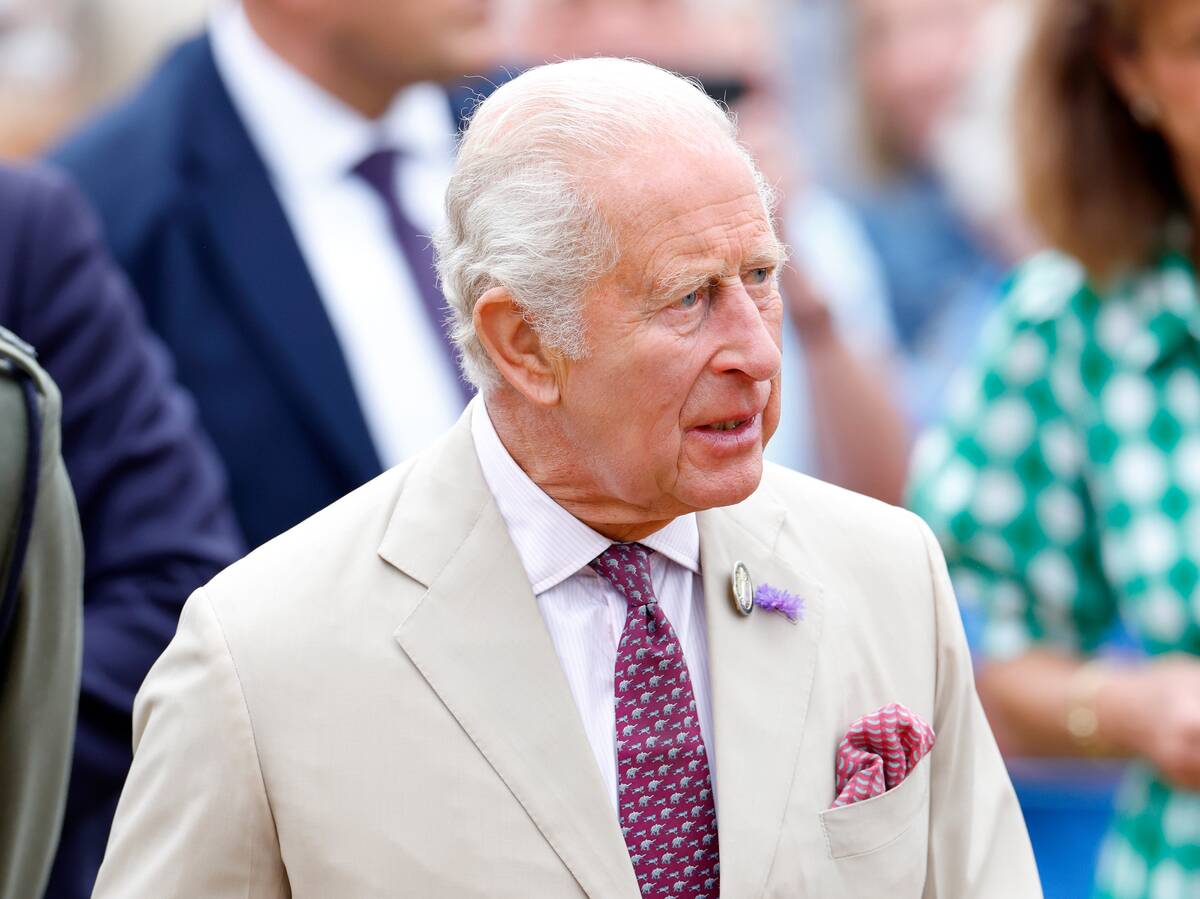
The first six family members in line to the throne must get the sovereign’s approval before announcing their engagement to the public.
Prince William and Prince Harry had to get Queen Elizabeth II’s blessing before proposing to Kate Middleton and Meghan Markle, respectively.
Famously, Queen Elizabeth II couldn’t approve her sister’s marriage to Peter Townsend in the 1950s. Since Princess Margaret was under the age of 25 at the time, she needed the Queen’s permission to marry. Townsend was also divorced, making the match unsuitable unless Margaret gave up her royal status. In the end, Princess Margaret and Townsend did not marry and ended their relationship.
Formal Engagement Announcements Are A Must
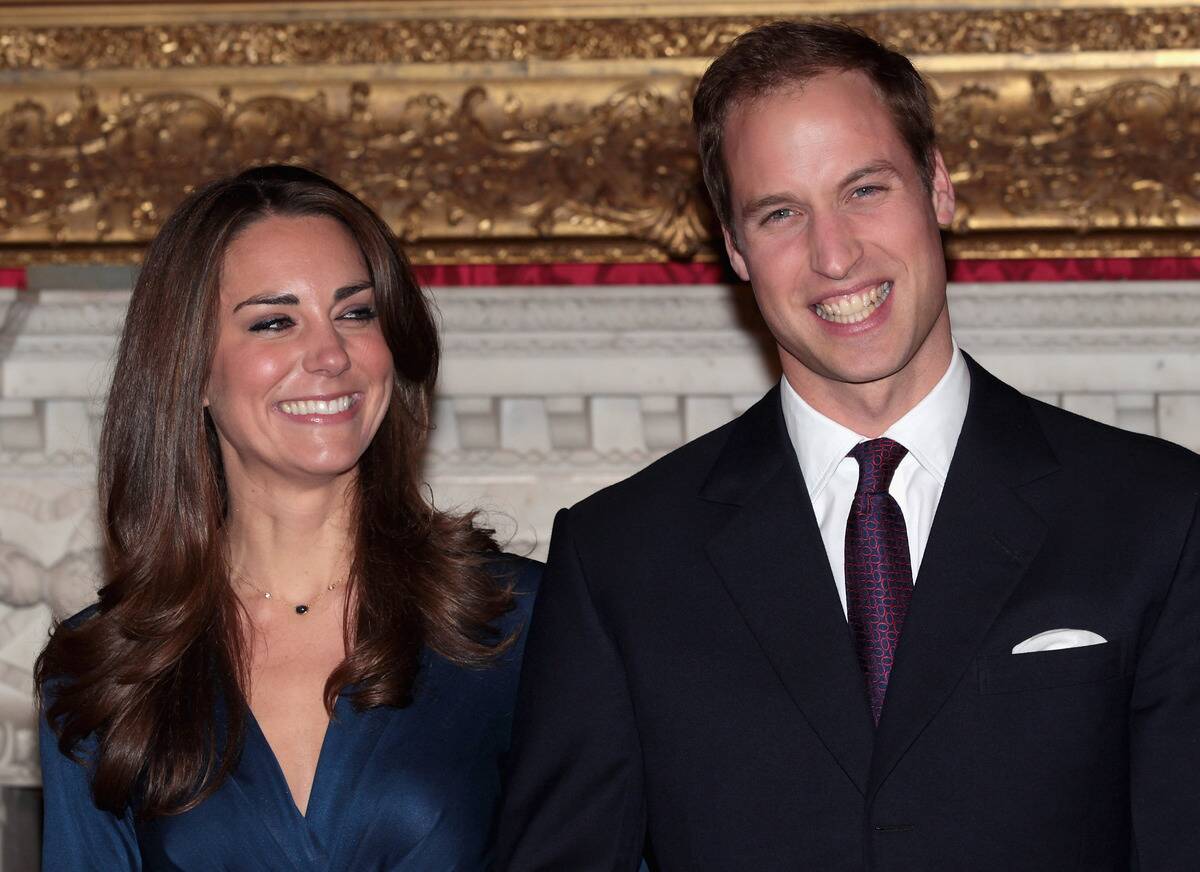
Once the monarch approves and the bride-to-be accepts, a formal engagement announcement is issued by the palace. This announcement is accompanied by official engagement portraits that are distributed to the media and shared on the Royal Family’s social media accounts. The newly engaged couple will also give a televised interview with the press to share a few details about their wedding plans and show off the engagement ring.
Short Engagements Are The Norm
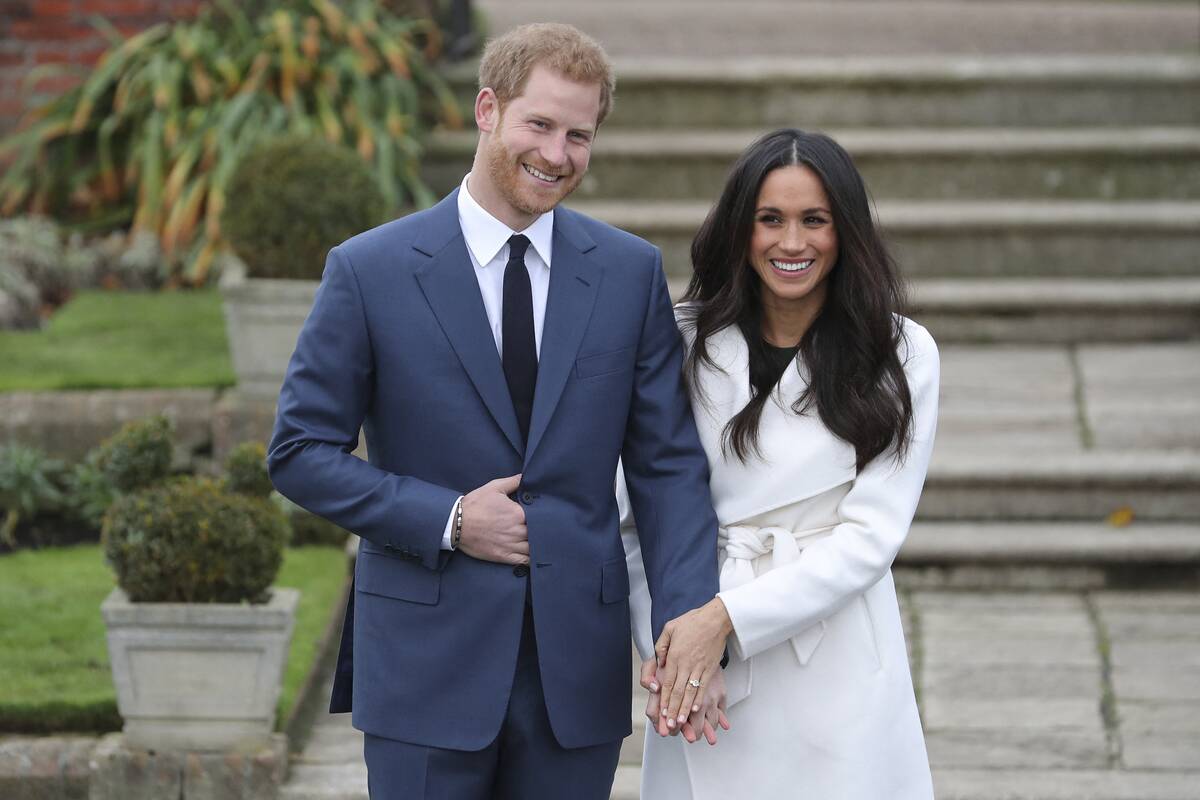
Typically, royals marry within a year of announcing their engagements. Prince William and Kate Middleton announced their engagement in November 2010 and married in April 2011. Prince Harry and Meghan Markle announced their engagement in November 2017 and were married in May 2018.
Invites Are Sent Out In The Name Of The Sovereign
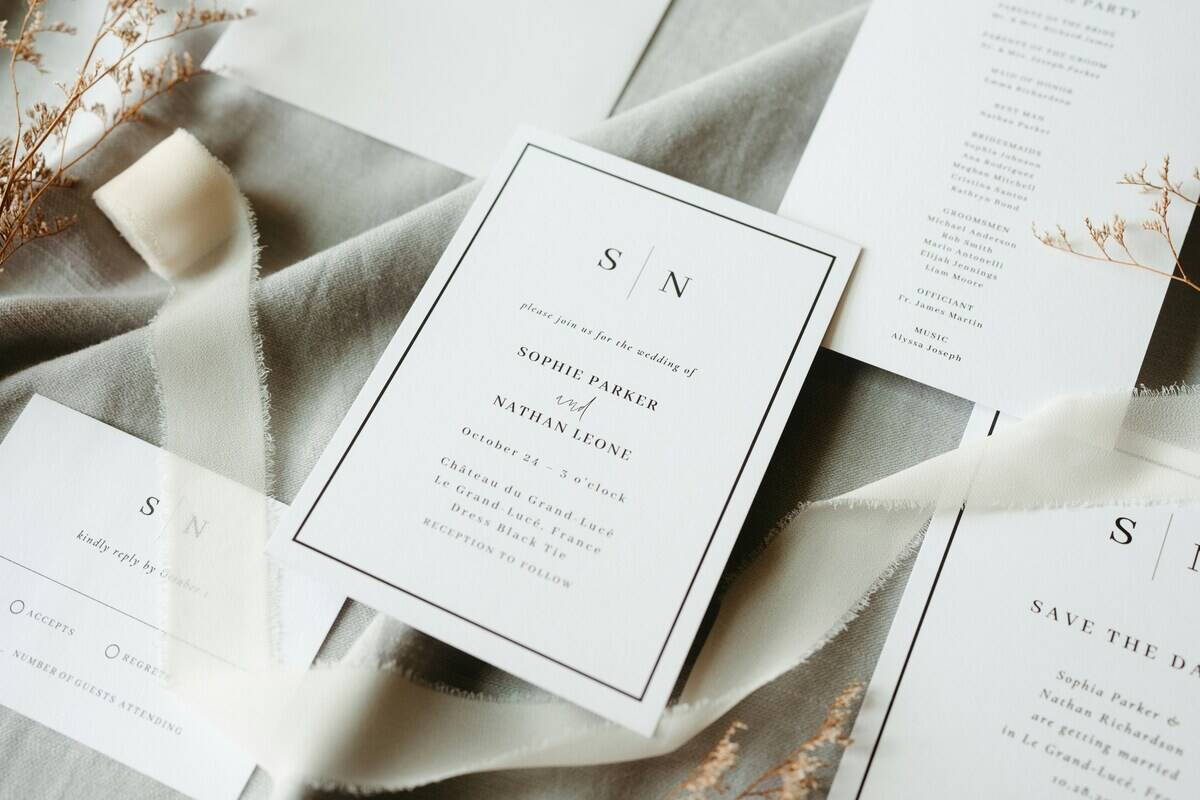
For high-ranking royals, the invitations are issued in the name of the reigning monarch and carry the royal cypher or crest. This is done whenever the monarch is sponsoring (i.e., paying for) the wedding, and was the case for Prince William and Kate Middleton’s wedding in 2011.
When Prince Harry and Meghan Markle married, their wedding invitations were issued by Harry’s father, Charles, the Prince of Wales. Therefore, their invitations featured the Prince of Wales’ crest instead of the Queen’s.
Wedding Bands Made From Welsh Gold
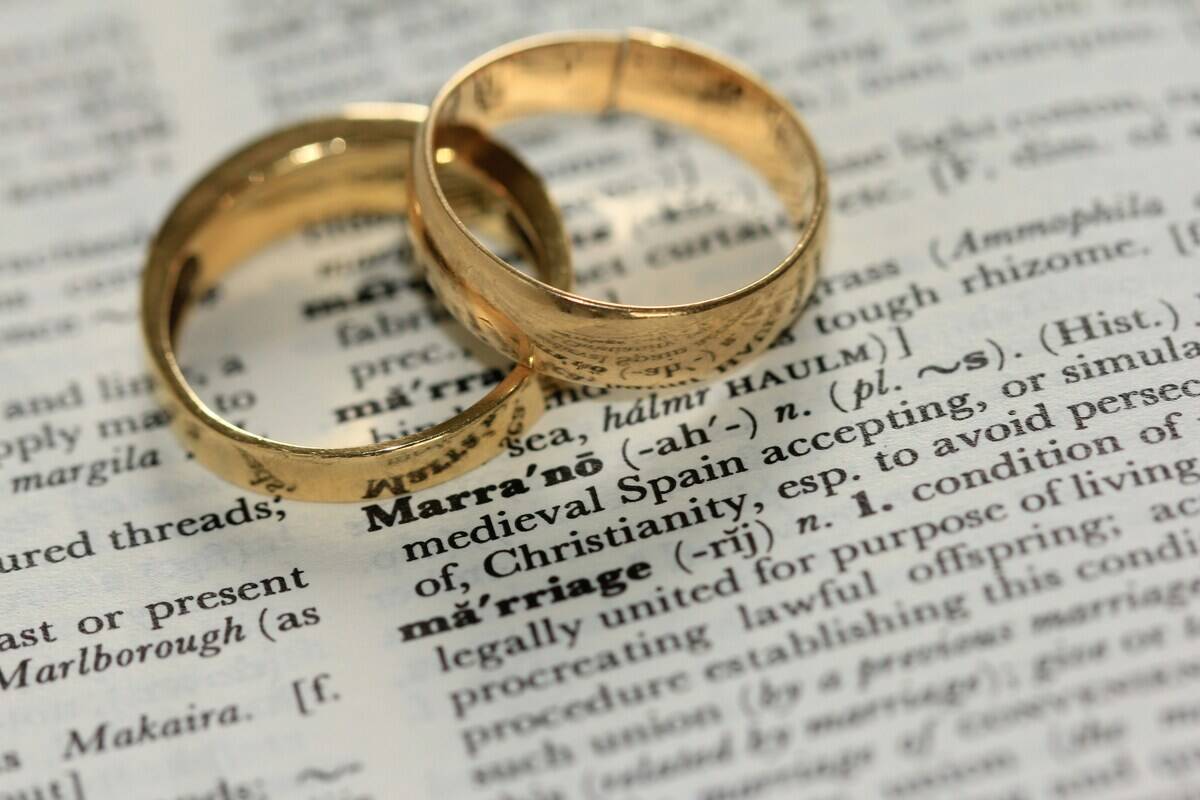
Many members of the Royal Family have their wedding bands made from the same nugget of Welsh gold that originated from Clogau St. David’s mine in Wales. The Queen Mother, Queen Elizabeth II, Princess Anne, Princess Diana, and Princess Catherine all have bands made from this nugget. Since only a small amount of this gold remains, a new nugget of Welsh gold was sourced to maintain the tradition for future royal couples.
Royal Brides Carry A Sprig Of Myrtle In Their Bouquets
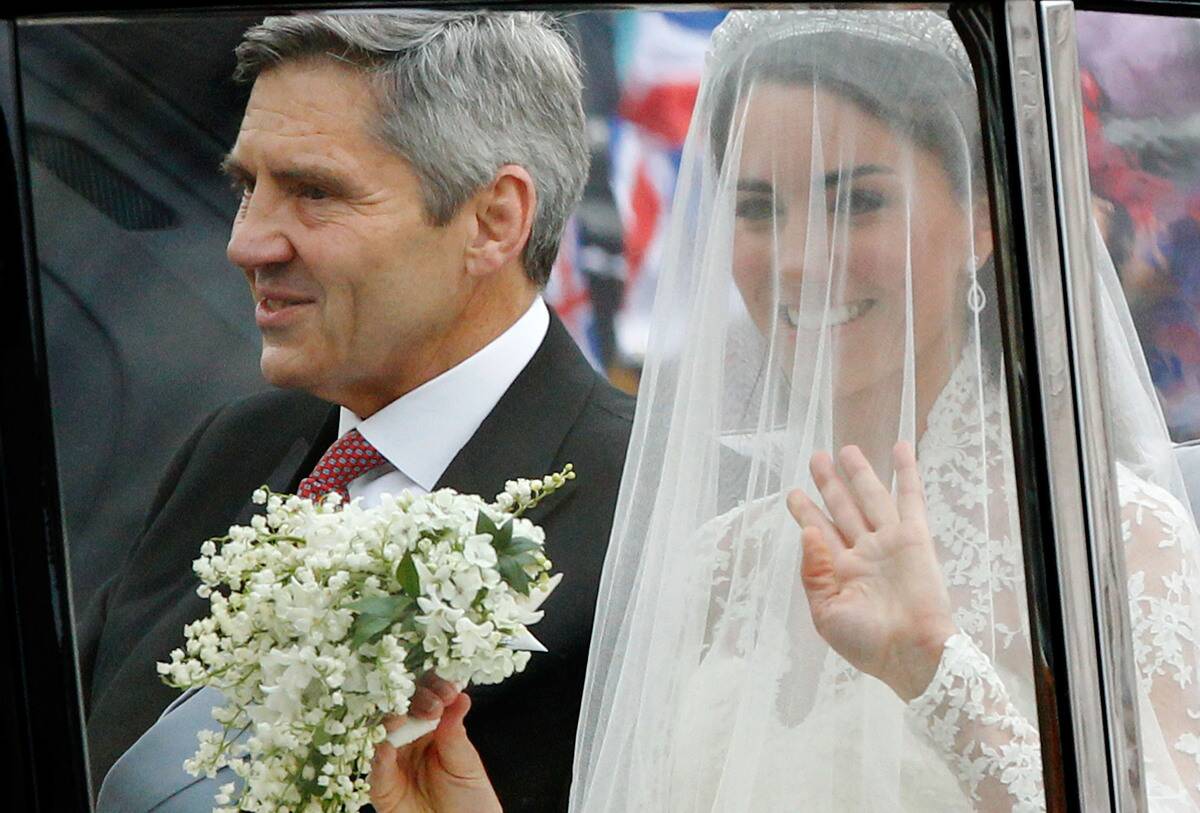
Many royal brides – including Queen Elizabeth II, Kate Middleton, and Meghan Markle – carried a sprig of myrtle in their bouquets. Myrtle grows in abundance at Osborne House, Queen Victoria’s holiday home on the Isle of Wight. The shrub is said to be a symbol of fertility, love, and innocence, making it an appropriate addition to a royal bride’s bouquet.
The Royal Family Pays For The Wedding
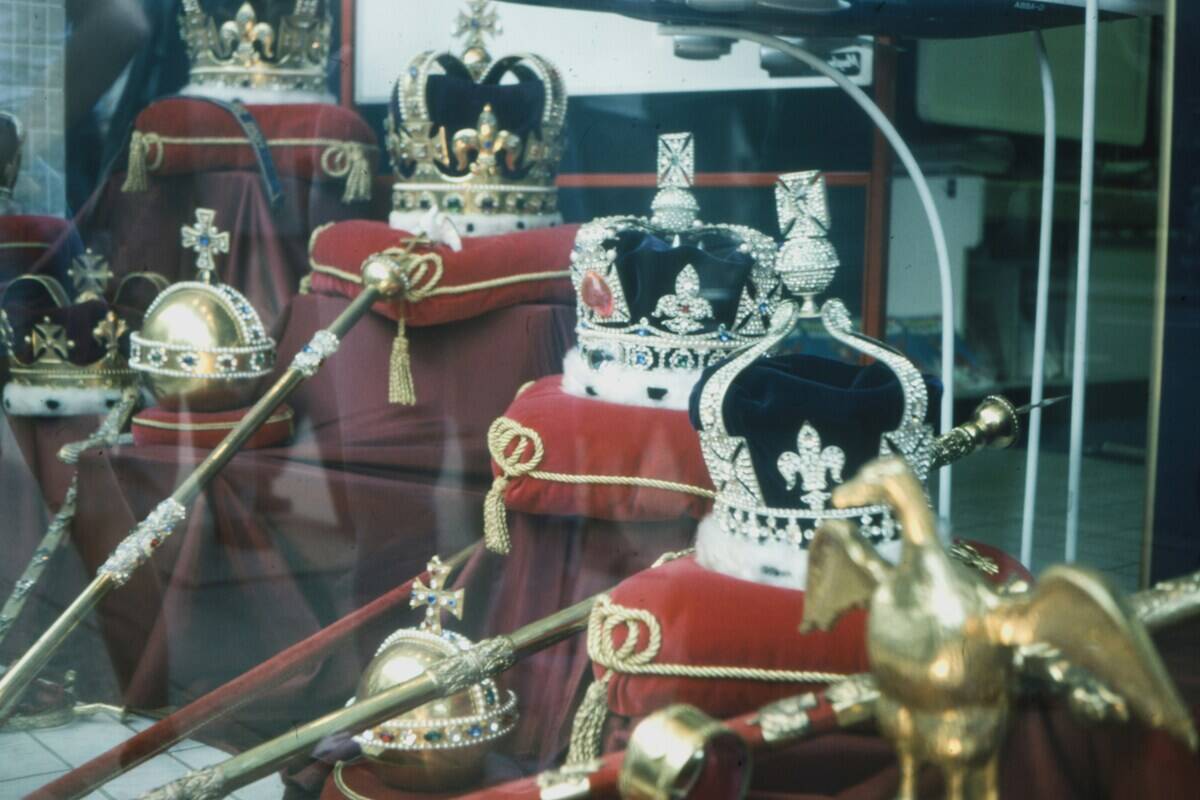
For the most part, the Royal Family covers the costs of the wedding, including the food, venue, decorations, and staff, although there are a few exceptions. Typically, the bride’s family pays for her dress. As well, any public security measures, like extra police to monitor crowds on the wedding day, are paid for by the government using taxpayers’ money.
Laying Flowers At The Tomb Of The Unknown Warrior
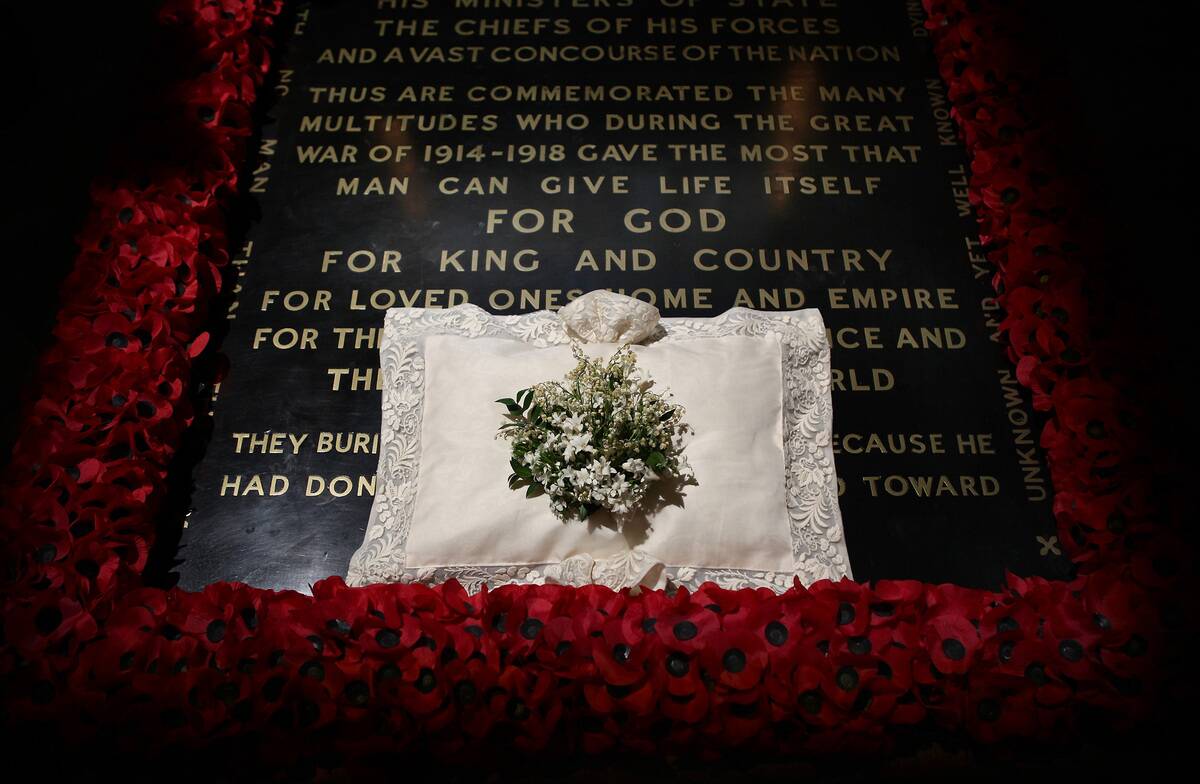
This is a tradition that started with the Queen Mother and still continues today. It is customary for the royal bride to leave her bouquet at the Tomb of the Unknown Warrior in Westminster Abbey to show her respects for those who have lost their lives in the line of duty. The Queen Mother’s brother, Fergus, died during a battle during World War I and was the inspiration for this solemn wedding tradition.
Royal Brides Carry A Secret Good Luck Charm
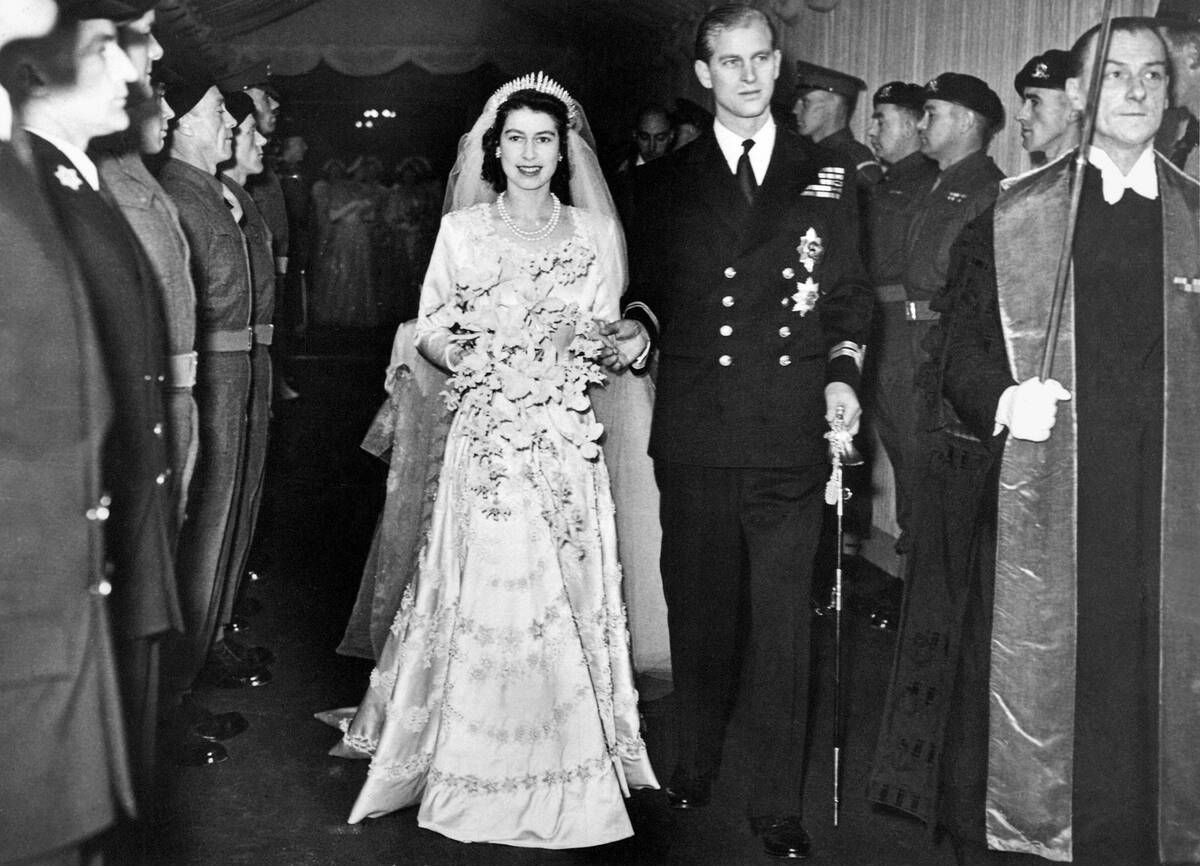
Many royal brides have a small good luck charm that is secretly sewn into their dress. Queen Elizabeth II opted for a clover, and Princess Diana selected a horseshoe. Kate Middleton reportedly had a blue ribbon sewn inside her gown. Besides good luck charms, royal brides’ dresses are typically embroidered with other symbols of the crown and specific flowers related to the monarchy.
Royal Wedding Parties Are Primarily Children
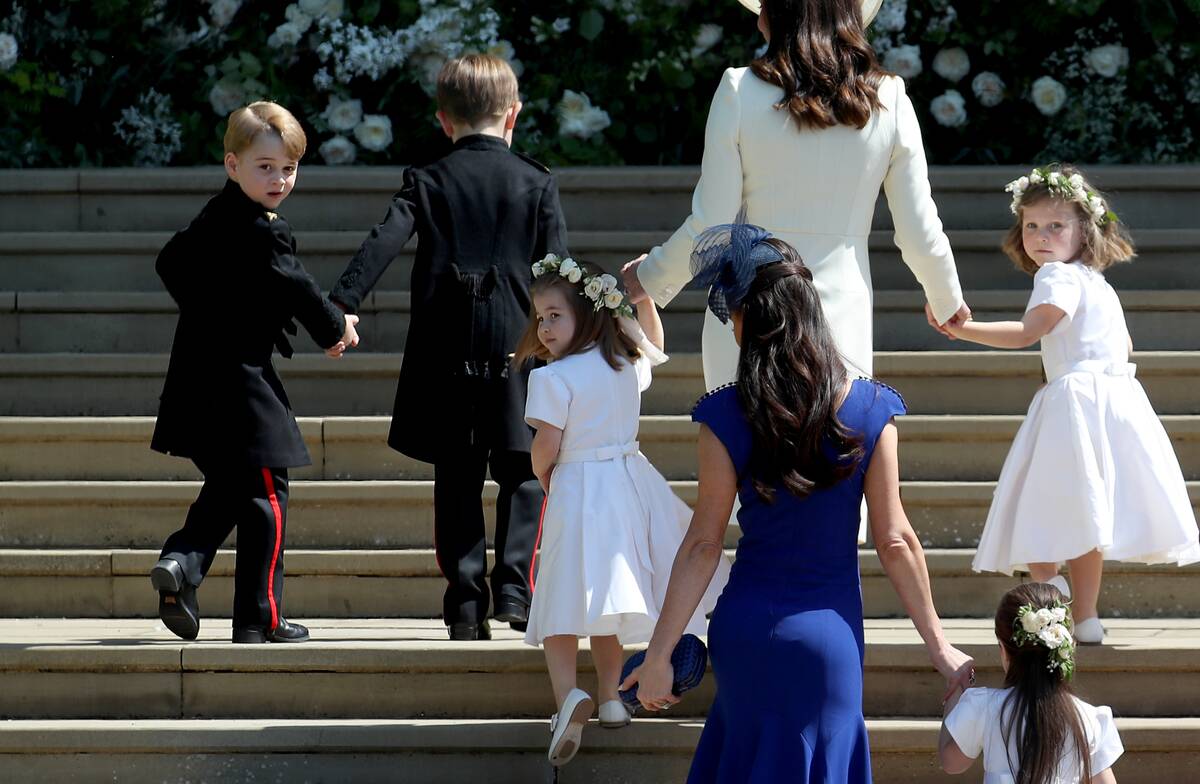
Instead of bridesmaids and groomsmen as we know them, the Royal Wedding Party is primarily made up of children who act as bridesmaids, page boys, and flower girls. Over the years, we have seen royal children like Prince George and Princess Charlotte participate in various wedding parties in these roles.
Prince William and Kate Middleton broke tradition slightly by having Prince Harry and Pippa Middleton also serve in the wedding party. While royal grooms often have a “supporter” at the altar with them, Prince William officially called Prince Harry his best man. Pippa Middleton served as Kate’s maid of honor.
The Royal Family Always Sits On The Right Side Of The Aisle
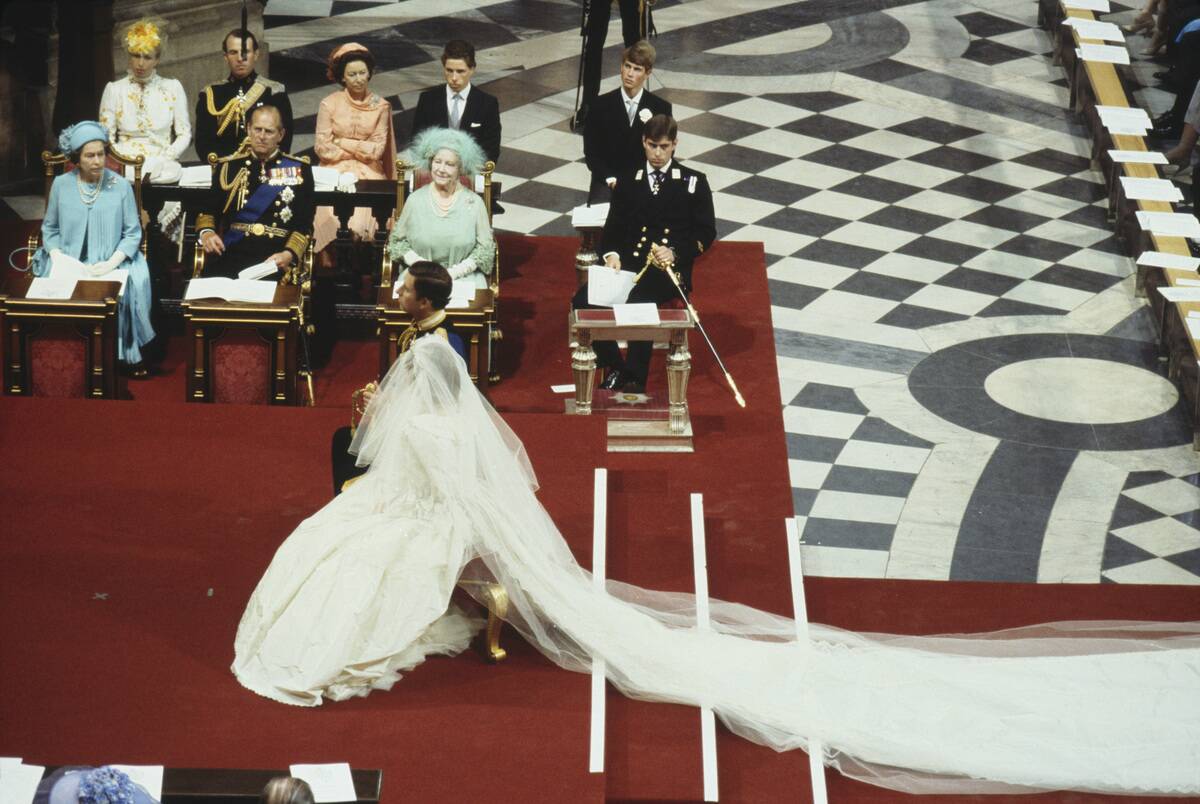
Seating matters at a royal wedding. The Royal Family is traditionally seated on the right side of the altar. However, if they are attending a wedding as guests, they only sit on the right side if the groom is royal. When Pippa Middleton wed James Matthews in 2017, members of the Royal Family sat on the left side of the altar to show their connection to the bride.
A Fruit Cake Is The Traditional Choice For The Reception
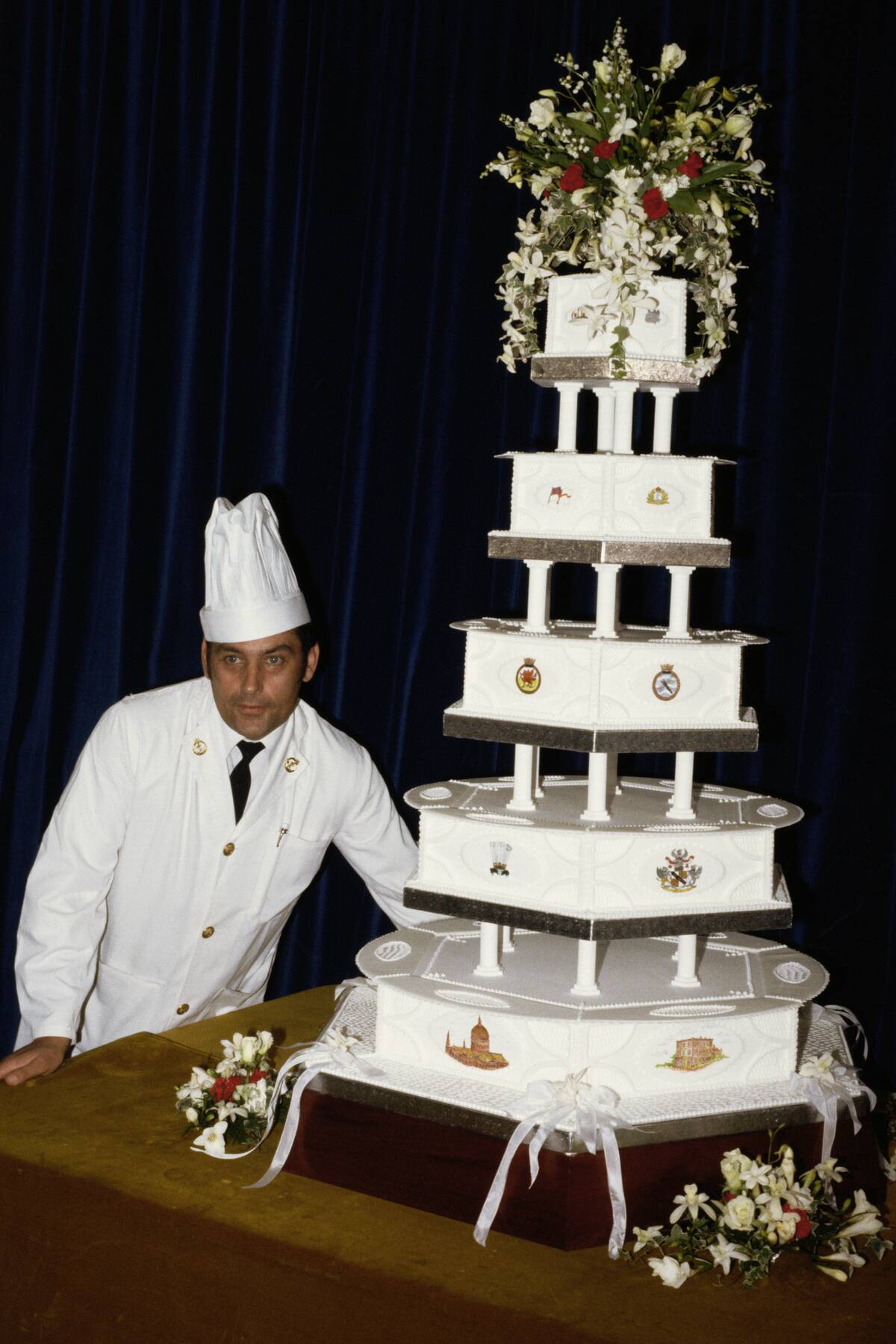
You would expect the food at a royal wedding to be some of the finest in the world, and it is. However, there is one food tradition that might raise a few eyebrows. Typically, the cake at a royal wedding is a fruitcake. Fruitcakes have something of a negative reputation around the world, but since Queen Victoria’s wedding in the 1800s, they have been an important royal tradition. Slices of the cake are also sent home with guests as something of a souvenir.
A ‘Newlywed Tour’ Sometime After The Wedding Is Expected
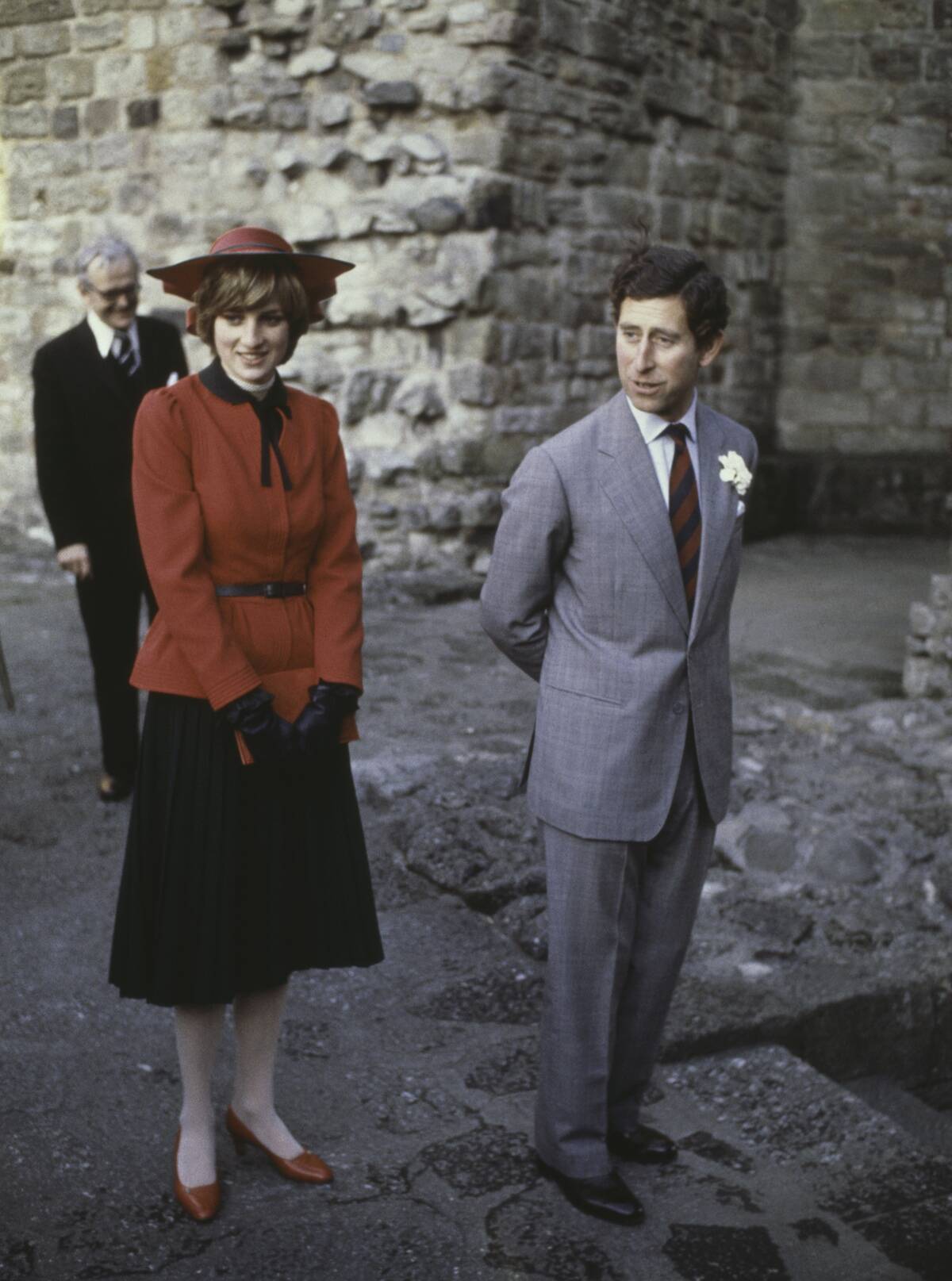
After all the stress and public attention of the wedding day, the newly married couple will slip away on a private honeymoon to a beautiful location. This time out of the public eye won’t last for long, though. Sometime after their return, the newlyweds are expected to pick up their royal duties and get back to work.
A “newlywed” tour is expected during the first year of marriage, where the couple will travel to another country to meet with local officials and the public. Prince Charles and Princess Diana memorably went to Wales, where Diana’s style and soft personality were instant hits with the public.
Non-Royals Are Allowed To Attend The Ceremony
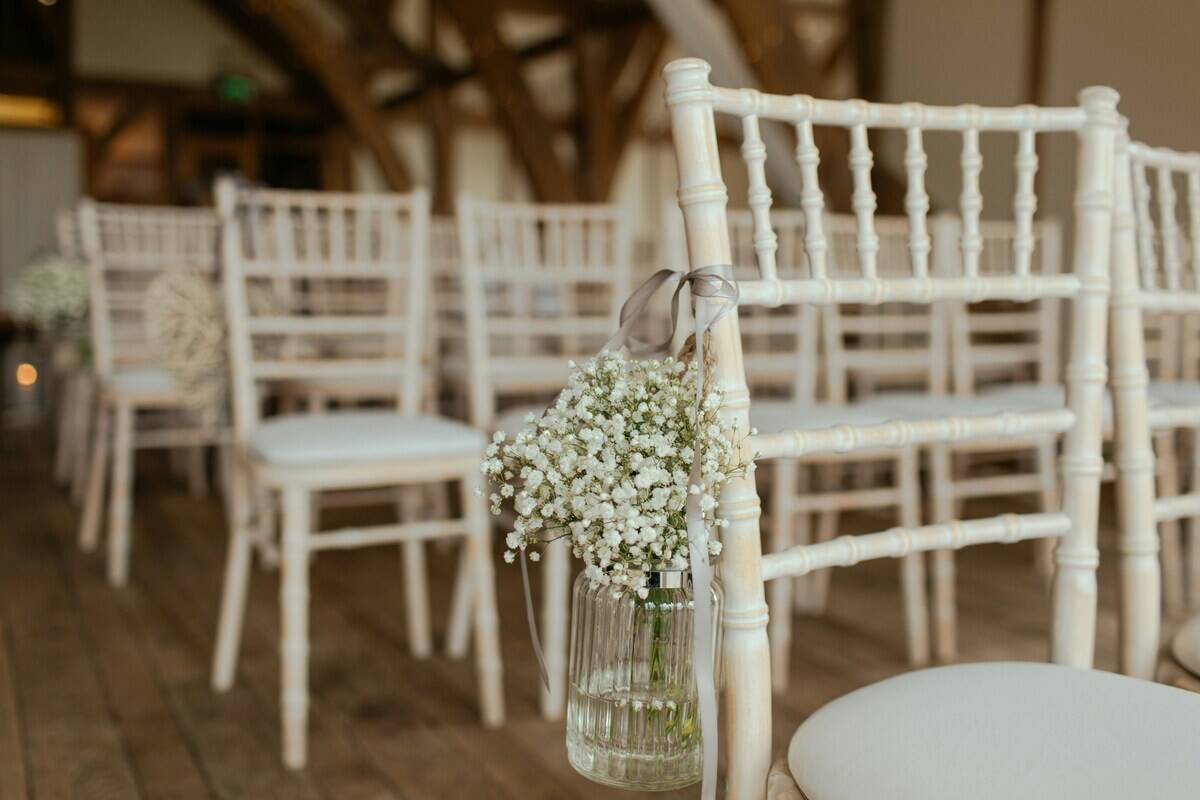
Royal weddings feature a large number of non-royals in attendance. Some of these guests include famous celebrities who happen to be friends with the royal couple. Others are extended family members who have no formal titles but are still connected by blood. Government officials representing different countries are also in attendance.
Because the British Royal Family is closely connected to numerous charities in the U.K., many employees and leaders from these organizations are also included on the special day.
Royals Were Barred From Marrying Anyone From The Catholic Faith Until Recently

The British monarch is the head of the Church of England. As a result, anyone marrying into the Royal Family had to be baptized and confirmed in the Protestant Faith. This changed in 2013 when the Succession to the Crown Act was passed. The new rules allowed Royal Family members to marry someone from the Catholic faith, but a Roman Catholic royal still cannot ascend to the throne.
Royal Family Members Aren’t Allowed To Be In Wedding Parties
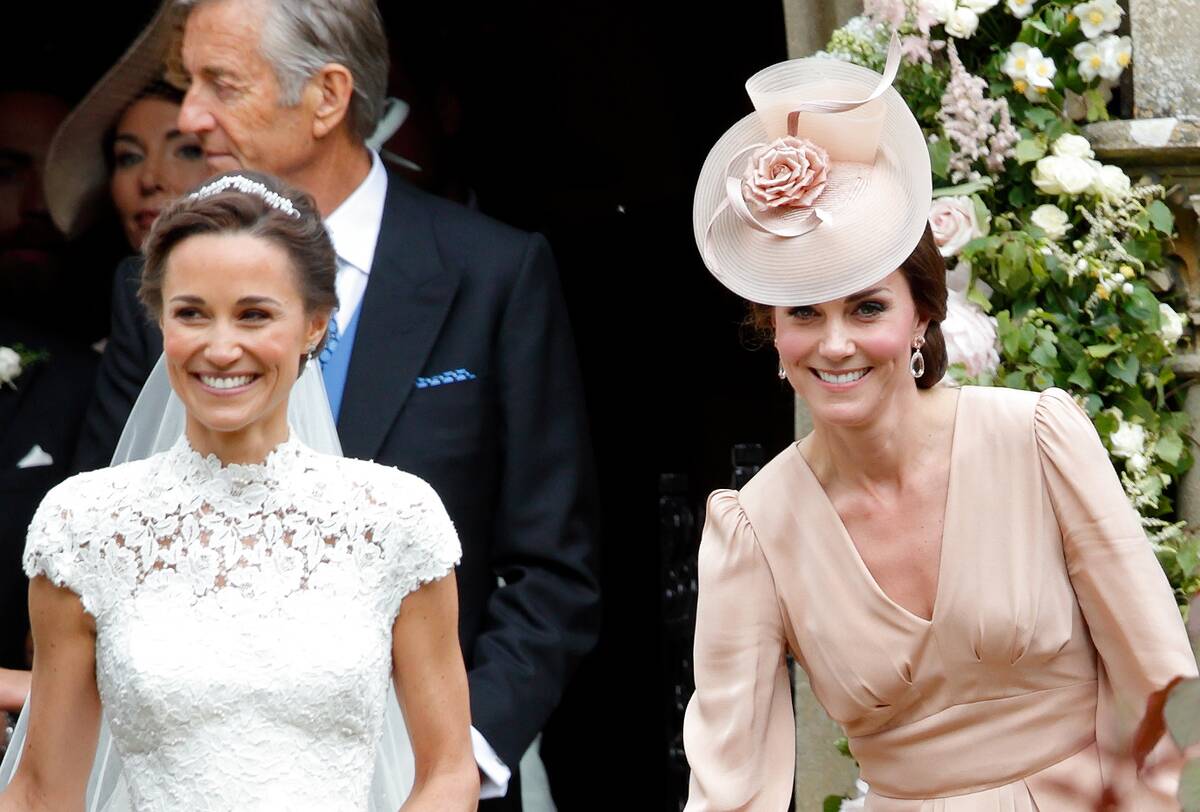
Even though Pippa was Kate’s maid of honor, Kate wasn’t allowed to take on the role at her sister’s wedding. Many believe that this is because it would have been inappropriate for Kate, a married royal, to serve in a commoner’s wedding. Instead, Prince William and Kate’s children participated in the traditional wedding party roles of page boy and flower girl.
Female Wedding Guests Must Wear A Hat
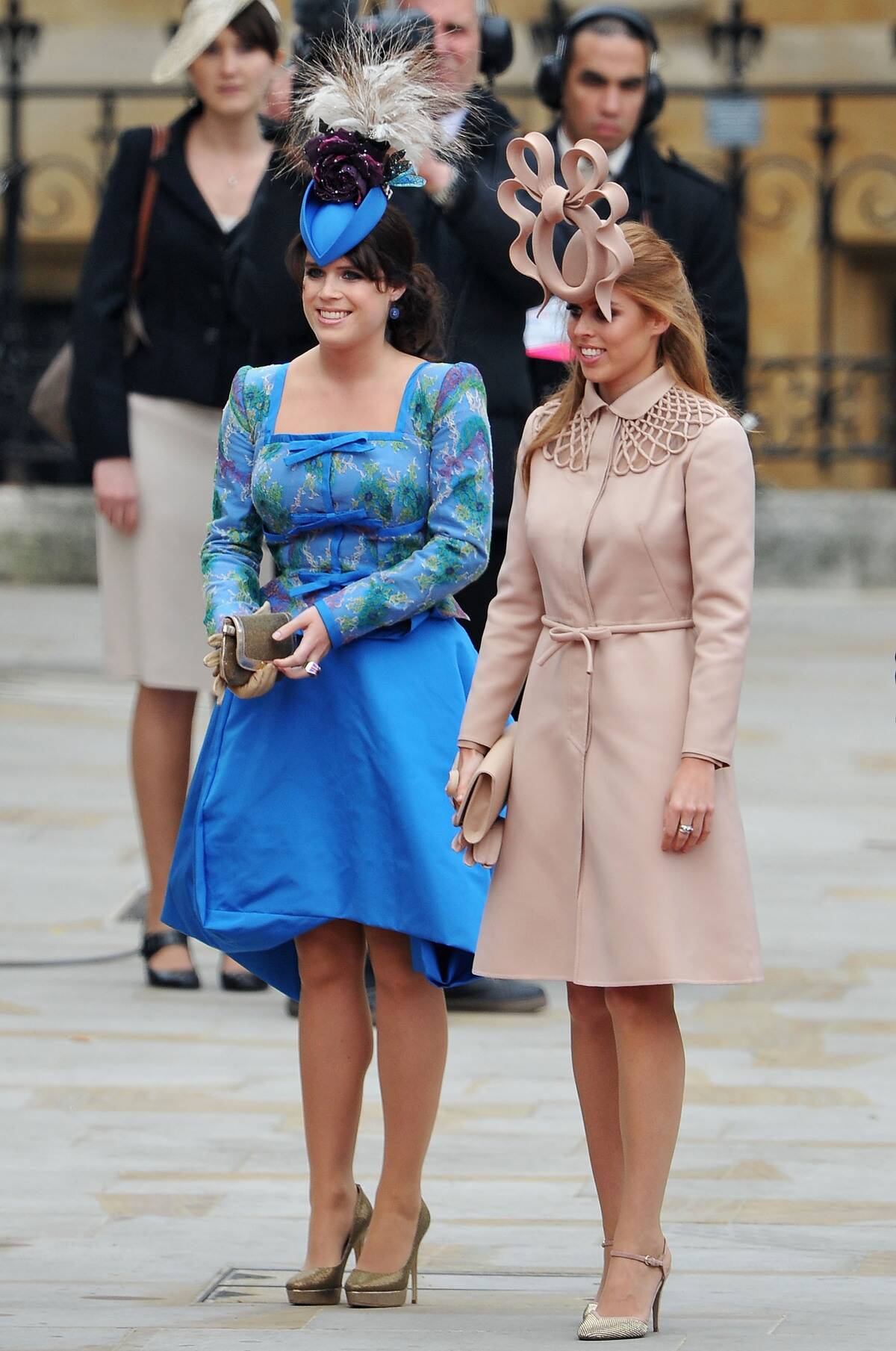
Since most royal weddings are held at midday in a church, there is a certain dress code that must be followed by all guests. For women, wearing a hat to the ceremony is mandatory. You might remember that during Prince William and Kate’s wedding, Princesses Beatrice and Eugenie made headlines with their unique headwear.
Having Two Receptions Is The Norm
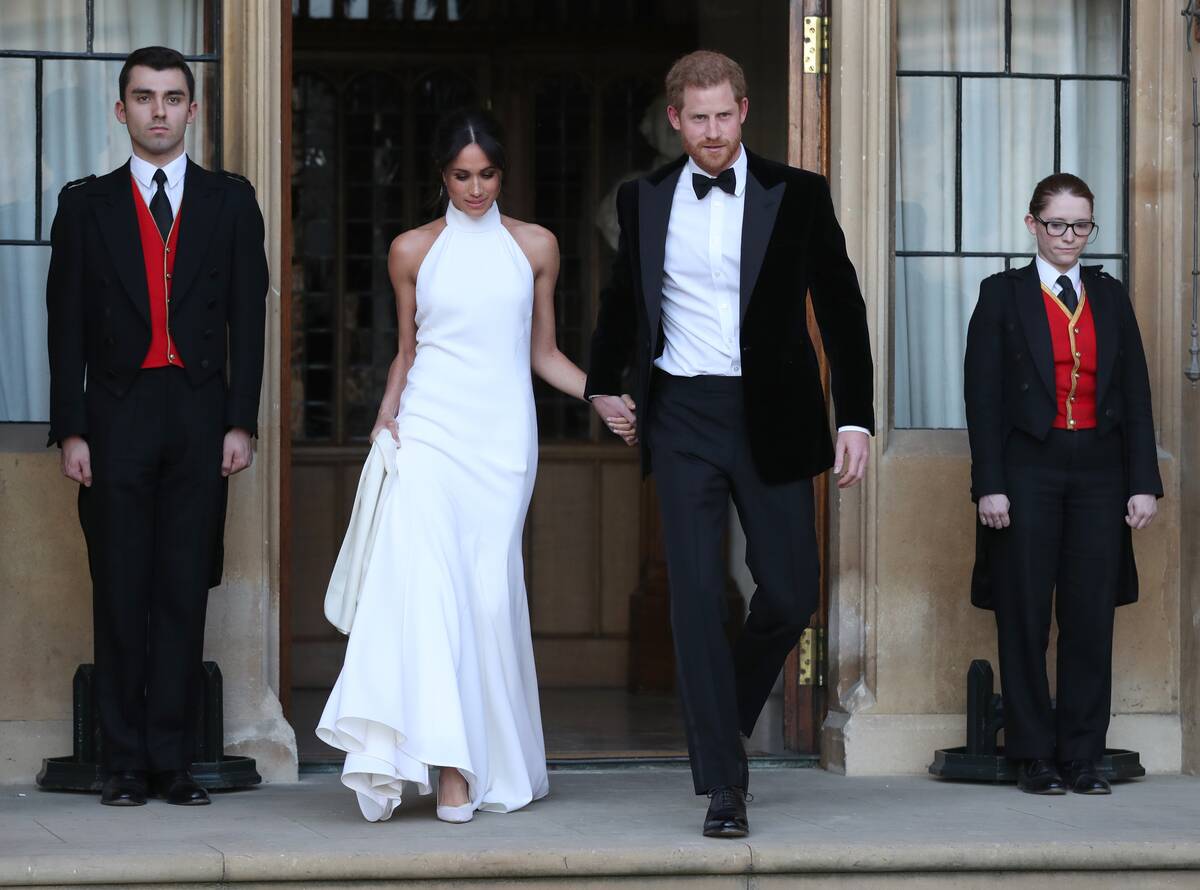
Typically, royal wedding ceremonies are held midday and followed by a Wedding Breakfast, which is essentially a light lunch with canapés for everyone who attended the ceremony. Later, a second, more intimate reception is held in the evening that is reserved solely for close family and friends of the newlyweds. Both Kate Middleton and Meghan Markle changed into glamorous gowns for their evening receptions that were slightly less formal than their ceremony gowns.
Royal Grooms Wear A Military Uniform
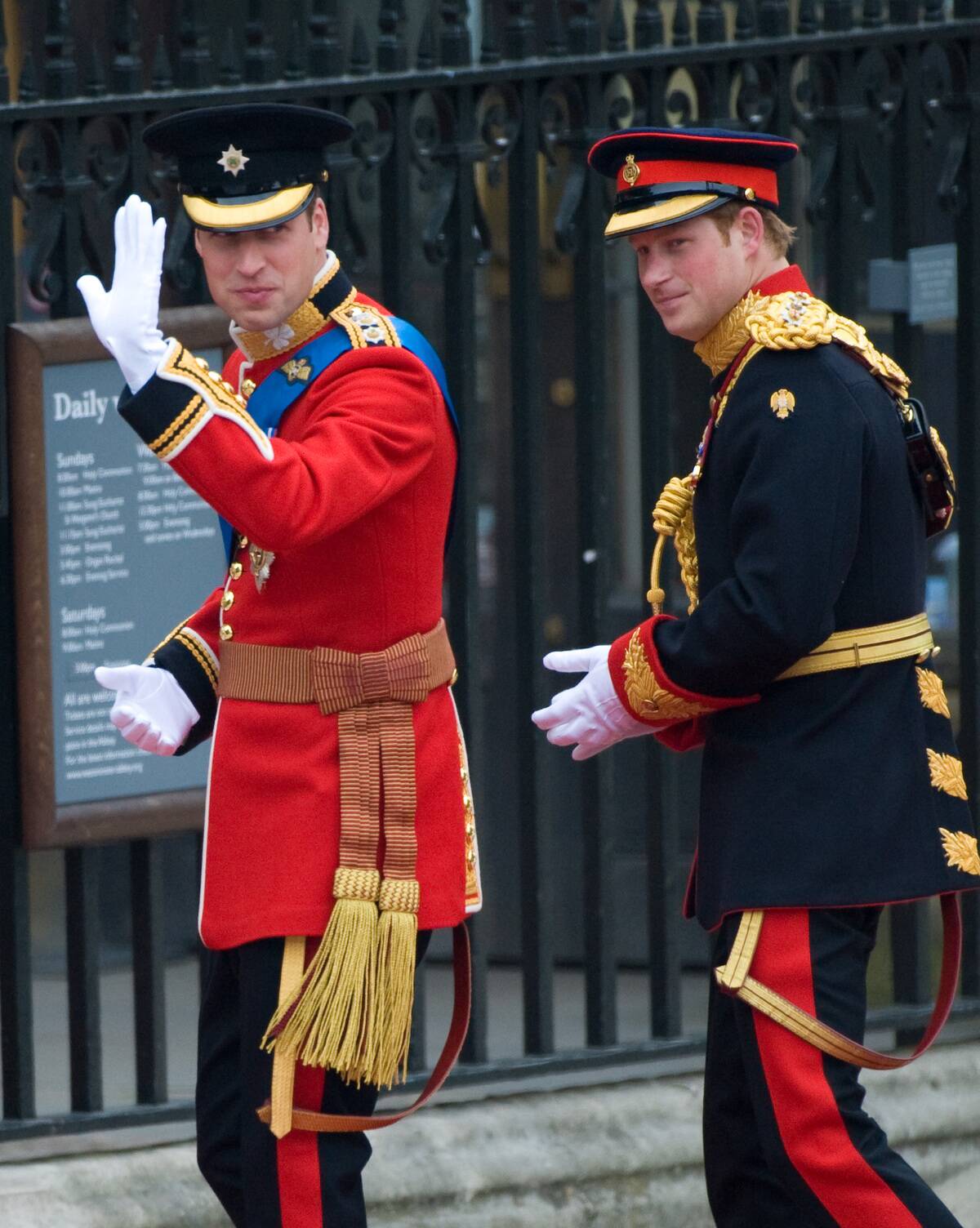
While all eyes are on the bride during a royal wedding, let’s not forget that the groom has an important role to play, too. In the British Royal Family, grooms don’t wear a tuxedo or a suit to their weddings; they are expected to wear their military uniform. This choice of attire pays tribute to the royal groom’s years spent in the armed forces and displays their various honorary ranks and titles.
High-Profile Royals Have To Meet The Public
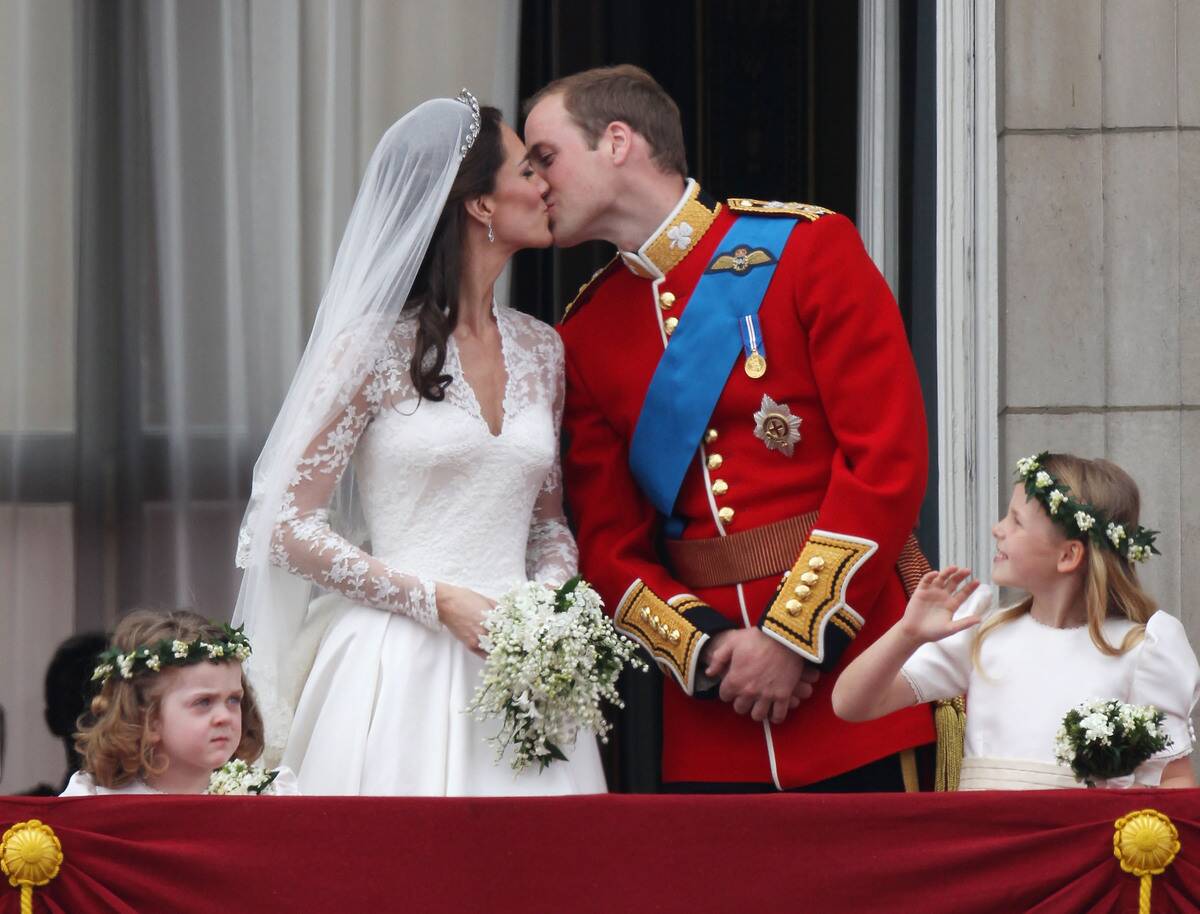
Many will remember the media spectacle that accompanied Prince Charles and Diana’s wedding. One of the most famous moments from that day included sharing a kiss on the balcony of Buckingham Palace while the crowds cheered them on.
While this level of pageantry isn’t expected for every royal wedding, greeting the crowds is part of the big day. Prince William and Kate Middleton made an appearance on the balcony and waved at well-wishers from a carriage. Prince Harry and Meghan Markle also rode through the crowds to thank the public for their support.
Traditional Family Portraits After The Ceremony
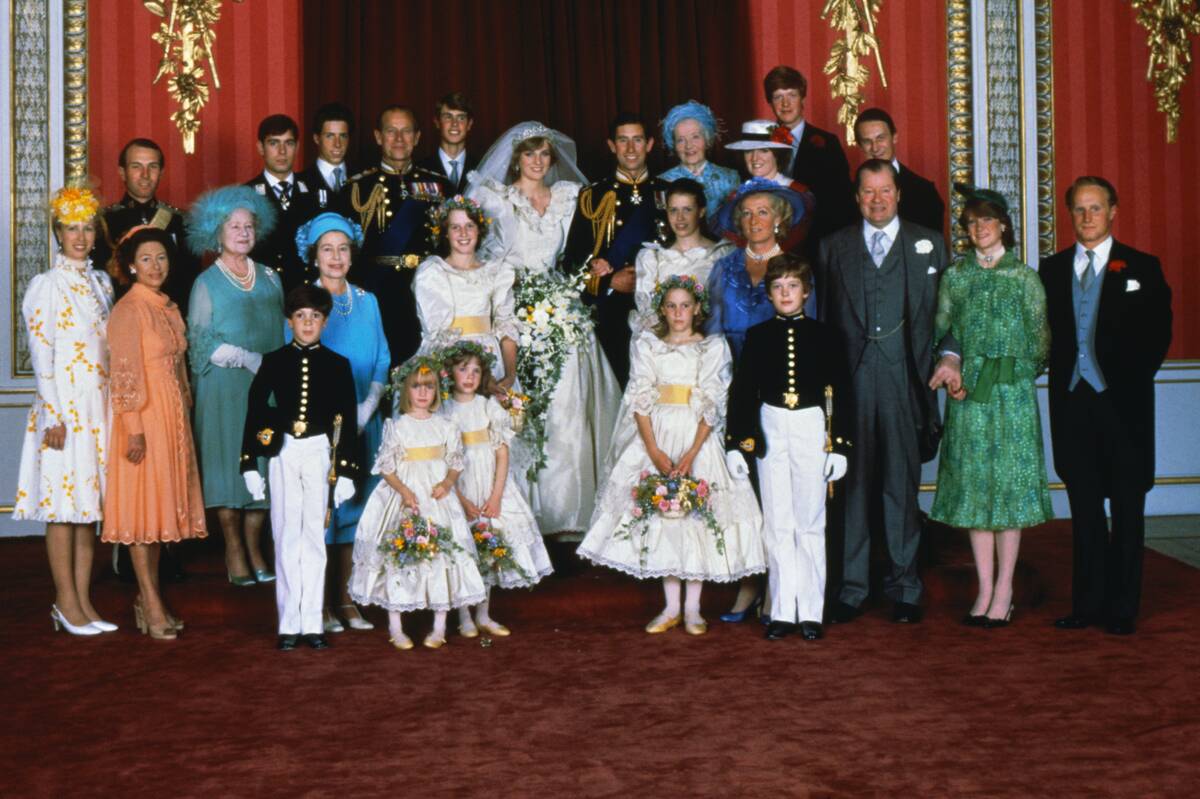
Formal family portraits take place immediately after the wedding ceremony. These photos include the bride and groom, high-ranking royals, immediate family members, and the wedding party. They are often released to the media for publication, allowing everyday citizens a glimpse into the glamorous day.
The Ceremony Is Usually Held In A Church
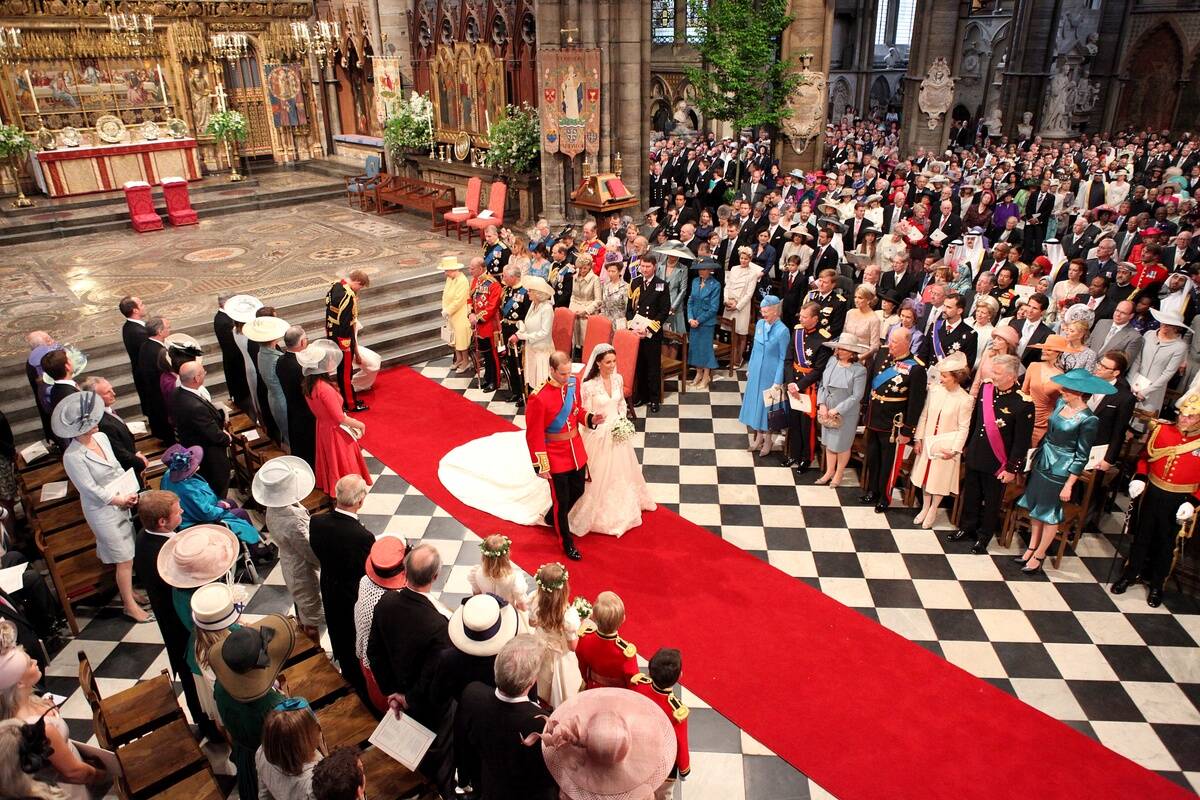
Both King Charles and Prince William wed their brides in Westminster Abbey, while Prince Harry opted for St. George’s Chapel located inside Windsor Castle for his wedding. Since the British monarch is the head of the Church of England, getting married in a church is the traditional choice.
However, when King Charles married Queen Camilla, they opted for a civil ceremony at Windsor Guildhall, followed by a religious service and dedication at St. George’s Chapel. The couple chose a civil ceremony because they were both divorced, and the day was kept low-key as a sign of respect.
Royal Brides Wear A Tiara
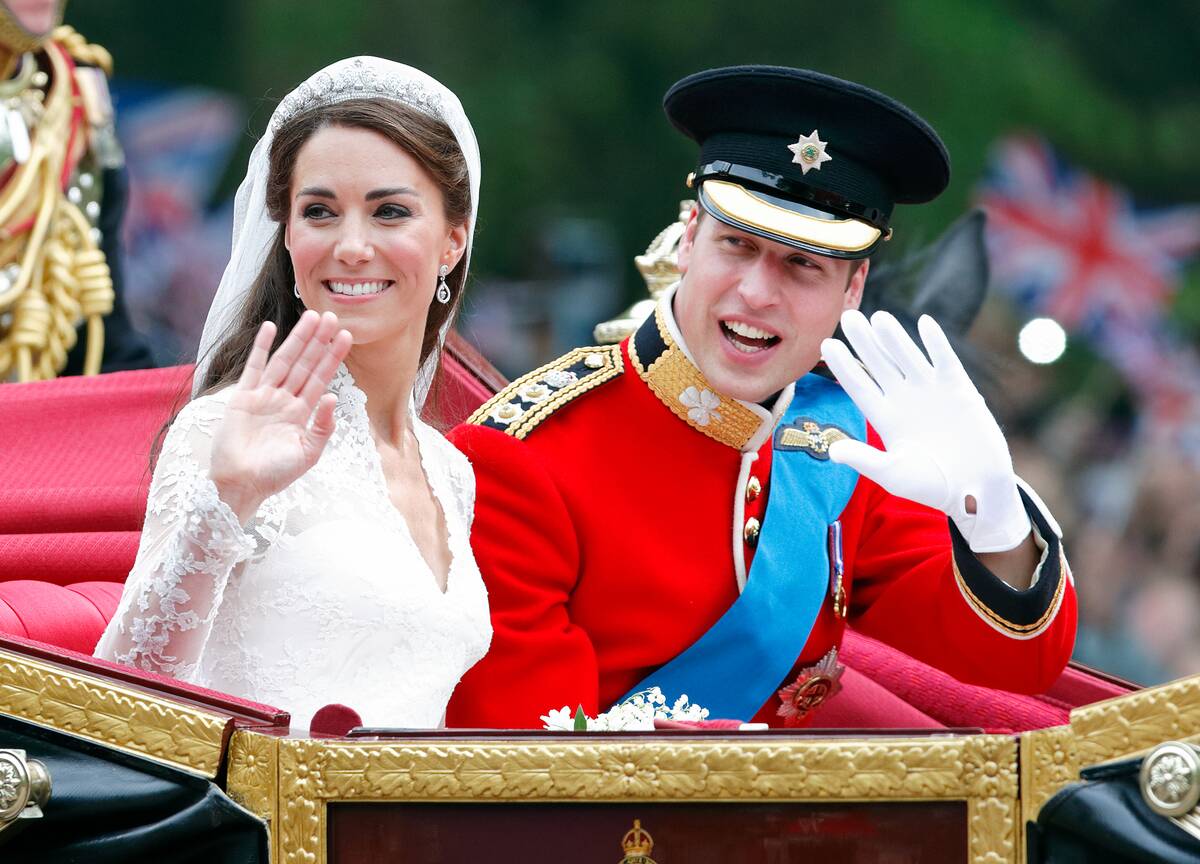
A royal bride’s wedding day typically marks the first time she can wear a tiara in her life. These delicate and ornate accessories are often loaned to the bride from the Royal Family’s collection. Since royal women only wear tiaras during special evening engagements, like state dinners, seeing them worn during the daytime makes the occasion particularly special.
Royal Brides Are Usually Escorted By Their Fathers Down The Aisle
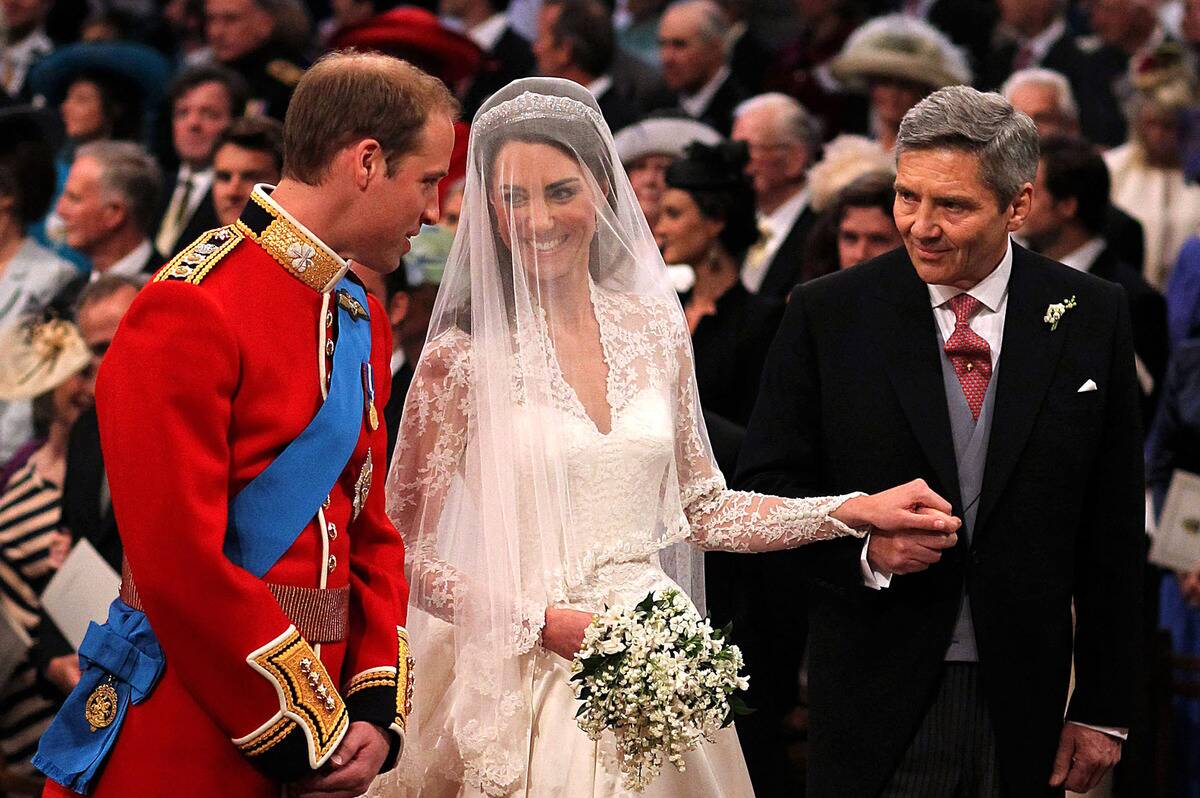
Throughout history, most royal brides have been walked down the aisle by their fathers. While this is more of a general wedding tradition rather than a strict royal rule, there have been a few exceptions.
Queen Victoria famously walked two of her daughters down the aisle after her husband passed away.
During Meghan Markle’s wedding to Prince Harry, she broke tradition by walking part of the aisle alone and then was accompanied by her future father-in-law, King Charles, the rest of the way.
Royal Women Do Not Automatically Become Princesses
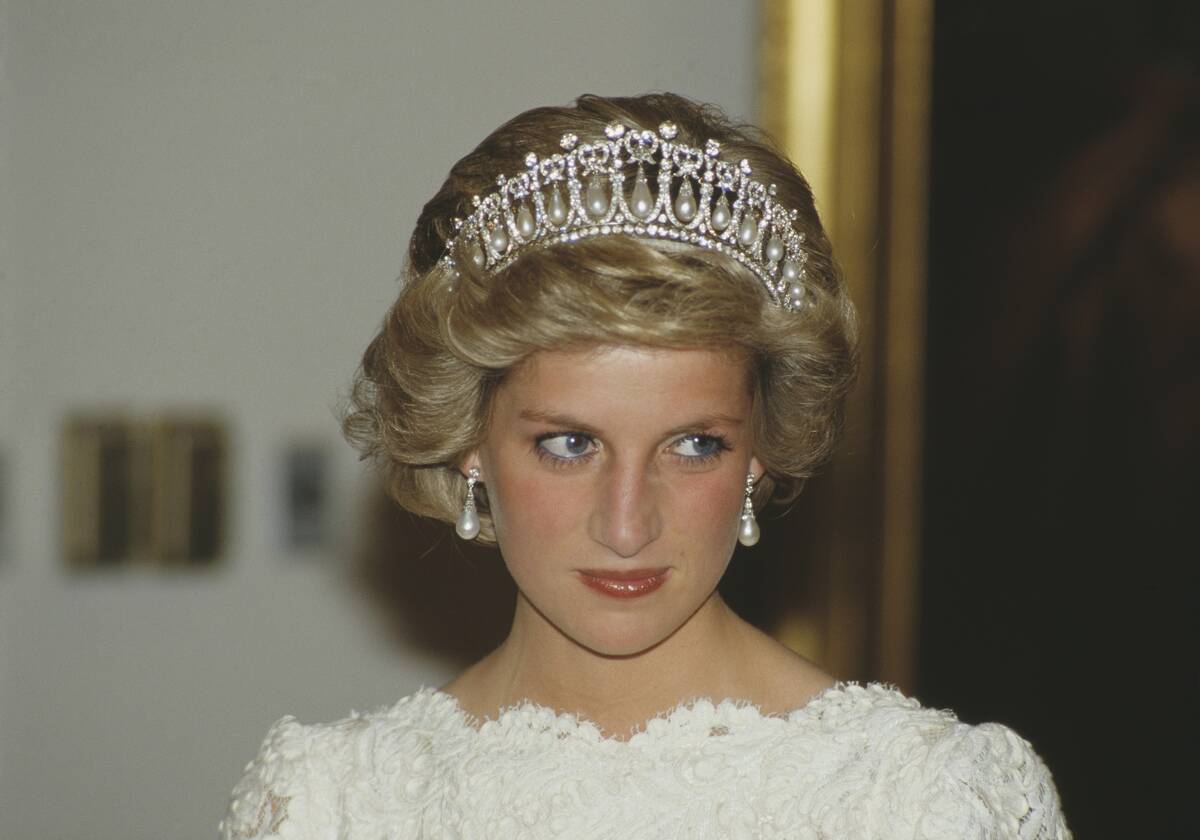
The belief that once a woman marries into the Royal Family, she instantly becomes a princess is incorrect. Instead, women who marry into the family inherit their husband’s title. When Kate Middleton married Prince William, they were named the Duke and Duchess of Cambridge. It was only when Charles became King that the two became the Prince and Princess of Wales.
Interestingly, women who marry into the family also aren’t permitted to have their titles before their name. Therefore, “Diana, Princess of Wales” would be the correct version, not Princess Diana, even though most people refer to her that way.
The Bride Typically Doesn’t Give A Speech
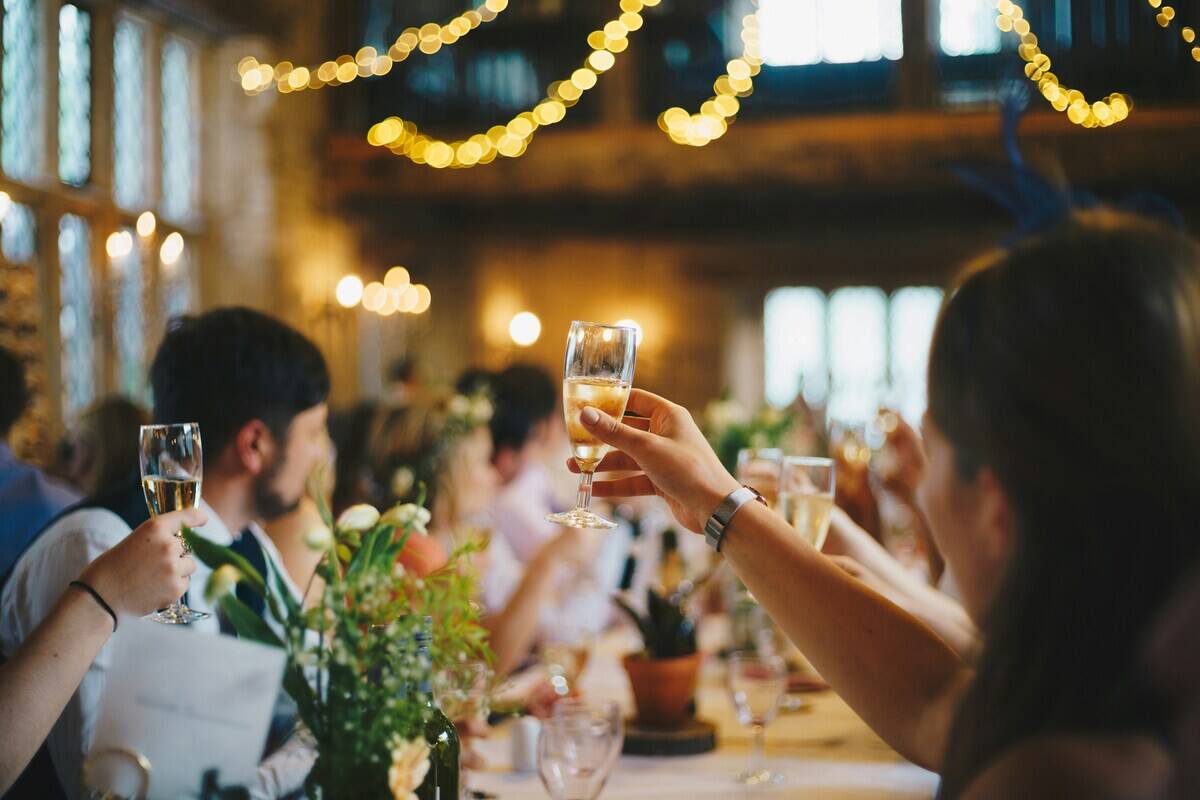
During the wedding reception, speeches are traditional, but only from a few individuals. Typically, the father of the bride, the groom, and the best man are the only ones to make speeches. Over the years, there have been some shake-ups to this format. It is said that King Charles gave speeches at his sons’ receptions. Meghan Markle also gave a speech at her own reception, making a stark departure from the norm.
The Royal Couple May Ask For Donations Instead Of Gifts
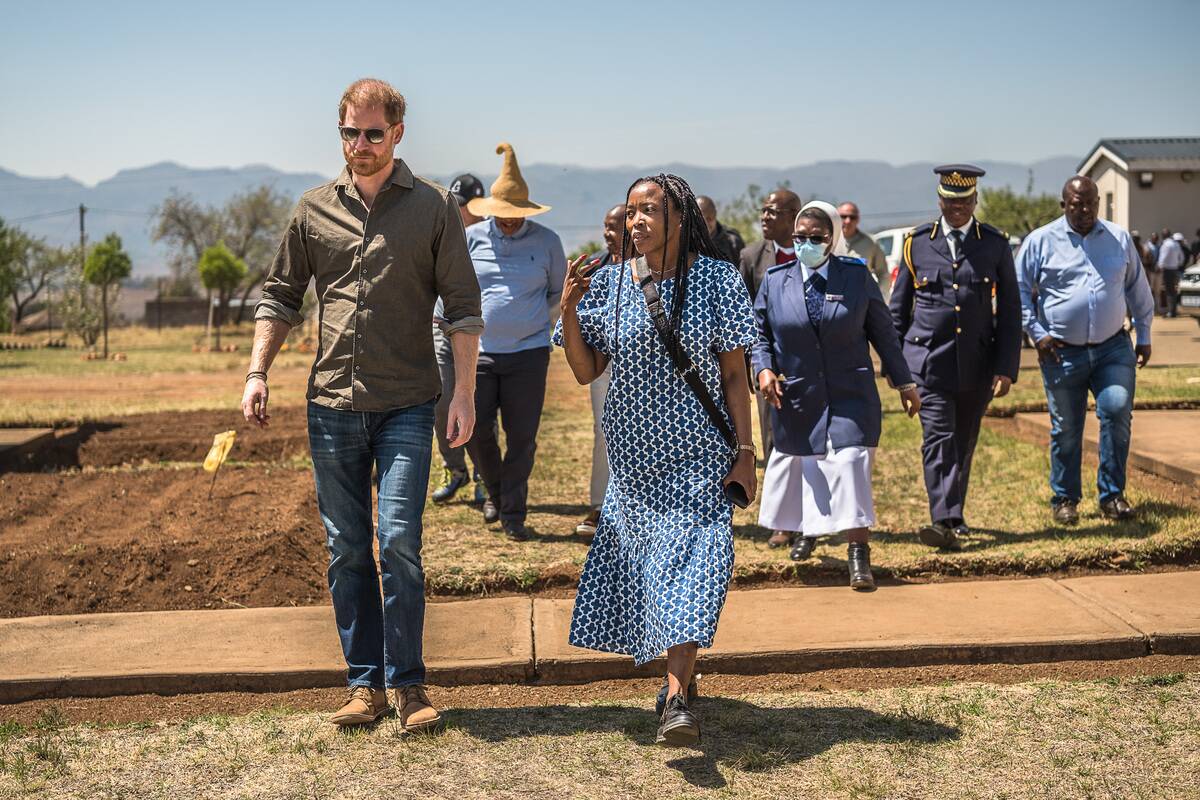
What does one get as a gift for a person who is literally royalty? Well, don’t worry, because wedding gifts for royal weddings aren’t usually expected. Instead, as was the case when the Duke and Duchess of Sussex married, the couple asks for donations for causes close to their hearts.
Dignitaries around the world will also send gifts in the form of symbolic items, declarations, honorary decrees, and donations to meaningful charities. No china collections or linen sets for these newlyweds.