Movies based on true stories that got it wrong: From Braveheart to The Social Network
Hollywood is known for its glitz and glamour, but sometimes it takes creative liberties with real-life stories. Filmmakers often tweak facts to enhance drama or simplify complex narratives.
This artistic license can lead to entertaining films, but it also raises questions about historical accuracy. While some viewers enjoy the dramatization, others seek the truth behind the silver screen. Let’s explore some popular films where Hollywood has taken such creative liberties.
Braveheart: The Myth of William Wallace

Braveheart, starring Mel Gibson, tells the story of William Wallace, a Scottish hero. However, the film takes several liberties with historical facts. For instance, Wallace’s affair with Princess Isabella is purely fictional, as she was only a child during his lifetime.
Additionally, the iconic blue face paint was not used by Scots of that era. Despite these inaccuracies, Braveheart remains a beloved epic, showcasing Scotland’s struggle for independence.
The Social Network: The Real Zuckerberg vs. The Movie Version

The Social Network portrays Mark Zuckerberg as a socially awkward genius who creates Facebook out of spite. In reality, Zuckerberg has stated that the film exaggerates his motivations and relationships.
While the movie suggests Facebook’s creation was fueled by a breakup, Zuckerberg was already dating his future wife at the time. Despite these differences, the film captures the intense atmosphere of Silicon Valley’s early days.
A Beautiful Mind: Fictionalizing John Nash’s Life

A Beautiful Mind dramatizes the life of mathematician John Nash, focusing on his struggle with schizophrenia. The film takes liberties by inventing characters and altering events to enhance the narrative.
For example, Nash’s hallucinations are depicted as visual, while in reality, they were auditory. Despite these changes, the film successfully highlights Nash’s brilliance and resilience, earning it critical acclaim and several Academy Awards.
Pocahontas: Disney’s Romanticized History
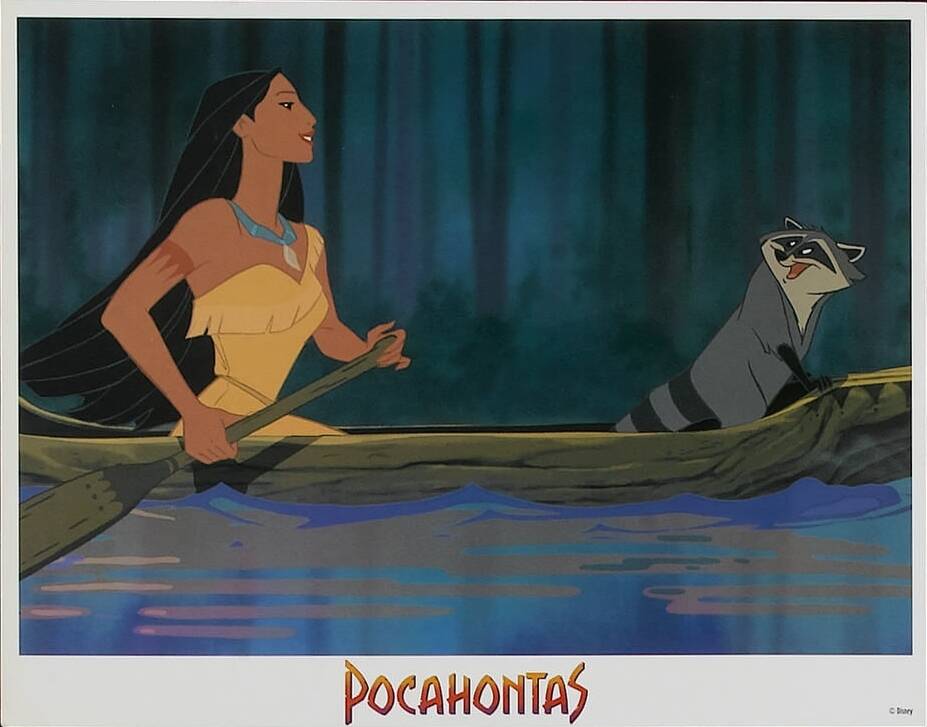
Disney’s Pocahontas presents a romanticized version of the relationship between Pocahontas and John Smith. In reality, Pocahontas was around 10 years old when she met Smith, and there was no romantic involvement.
The film also simplifies the complex interactions between Native Americans and English settlers. Despite these inaccuracies, Pocahontas remains a beloved animated film, celebrated for its music and message of harmony.
The Imitation Game: Alan Turing’s Story Reimagined

The Imitation Game tells the story of Alan Turing, who cracked the Enigma code during World War II. While the film captures Turing’s genius, it takes liberties with his personal life and relationships.
For instance, the character of Joan Clarke is portrayed with more romantic tension than existed. Additionally, the film oversimplifies the code-breaking process. Nevertheless, it brings attention to Turing’s invaluable contributions and tragic fate.
Argo: The Hollywood Version of a CIA Operation
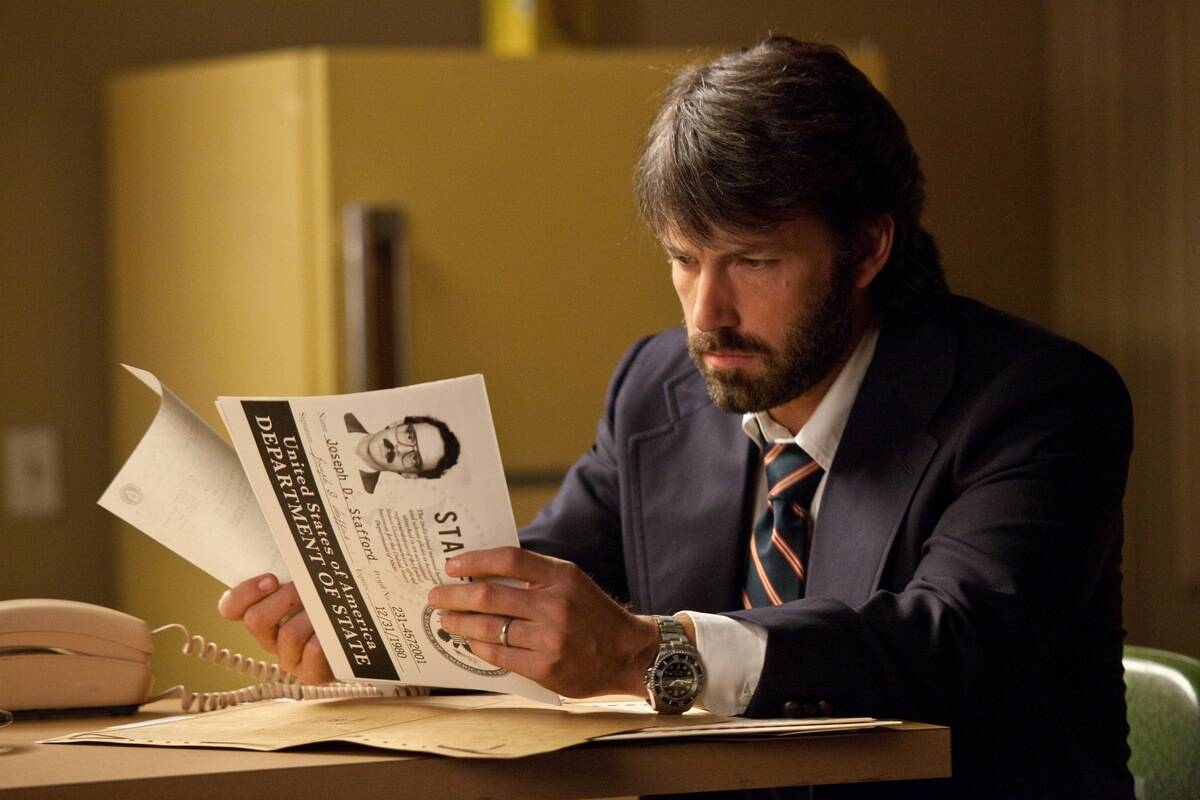
Argo dramatizes the CIA’s mission to rescue American hostages in Iran by posing as a film crew. While the core of the story is true, the film exaggerates the tension and downplays Canada’s crucial role.
In reality, Canadian diplomats played a significant part in the operation. Despite these embellishments, Argo was praised for its thrilling narrative, earning the Academy Award for Best Picture.
The Blind Side: The Real Michael Oher’s Perspective

The Blind Side tells the heartwarming story of NFL player Michael Oher and his adoption by the Tuohy family. However, Oher has expressed that the film oversimplifies his journey and underplays his own determination.
While the movie portrays him as initially lacking football skills, Oher was already an accomplished player. Despite these discrepancies, the film remains a popular tale of kindness and opportunity.
The Greatest Showman: P. T. Barnum’s Life with a Twist
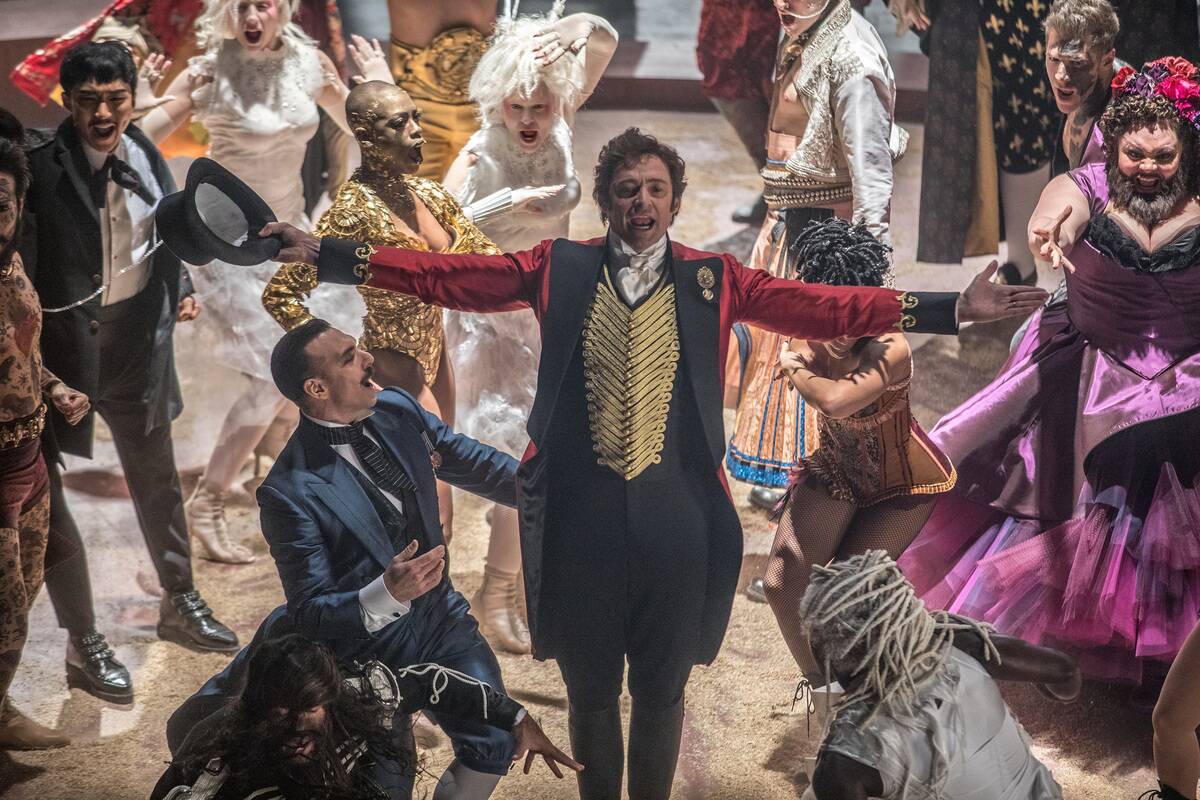
The Greatest Showman offers a musical take on the life of P. T. Barnum, focusing on his creation of the circus. The film glosses over Barnum’s controversial practices, such as exploiting performers.
Additionally, the character of Jenny Lind is portrayed with a romantic subplot that never occurred. Despite these changes, the film is celebrated for its catchy songs and uplifting themes, capturing the spirit of show business.
Bohemian Rhapsody: Freddie Mercury’s Story Altered
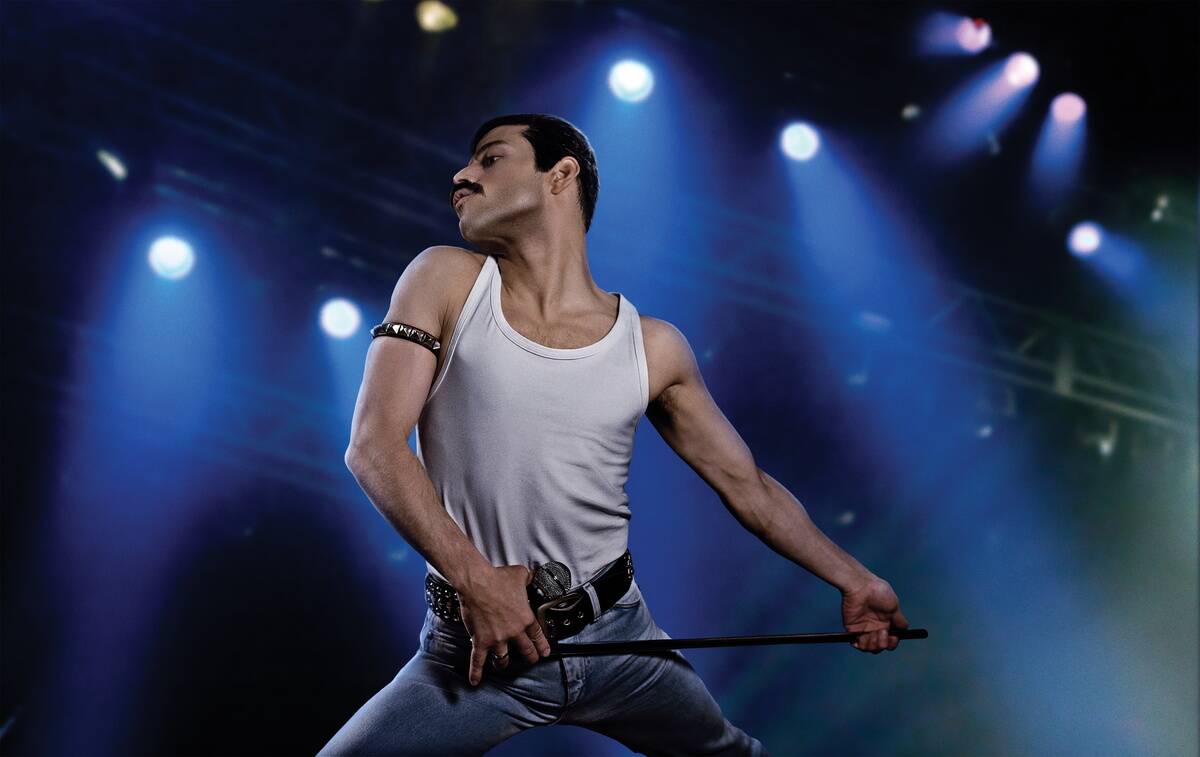
Bohemian Rhapsody chronicles the rise of Queen and its iconic frontman, Freddie Mercury. The film alters timelines and events for dramatic effect, such as Mercury’s HIV diagnosis being revealed before Live Aid.
In reality, Mercury was diagnosed years later. Despite these changes, the film captures the energy of Queen’s music and Mercury’s charisma, becoming a box office hit and winning several awards.
The Pursuit of Happyness: Chris Gardner’s Journey Simplified

The Pursuit of Happyness depicts Chris Gardner’s struggle with homelessness before becoming a successful stockbroker. While the film captures his perseverance, it simplifies his hardships and timeline.
For instance, the film portrays Gardner’s internship as unpaid, while some accounts of the real story say he received a modest stipend. Despite these simplifications, the movie inspires audiences with its message of determination and resilience, showcasing Gardner’s incredible journey.
Catch Me If You Can: Frank Abagnale’s Exaggerated Adventures

Catch Me If You Can follows the exploits of Frank Abagnale, a con artist who successfully impersonated various professionals. While the film is based on Abagnale’s claims, some of his stories have been disputed.
For example, his time as a pilot and doctor may have been shorter than depicted. Despite these uncertainties, the film remains a thrilling tale of deception and charm, with captivating performances by its lead actors.
Remember the Titans: Dramatizing a True Story
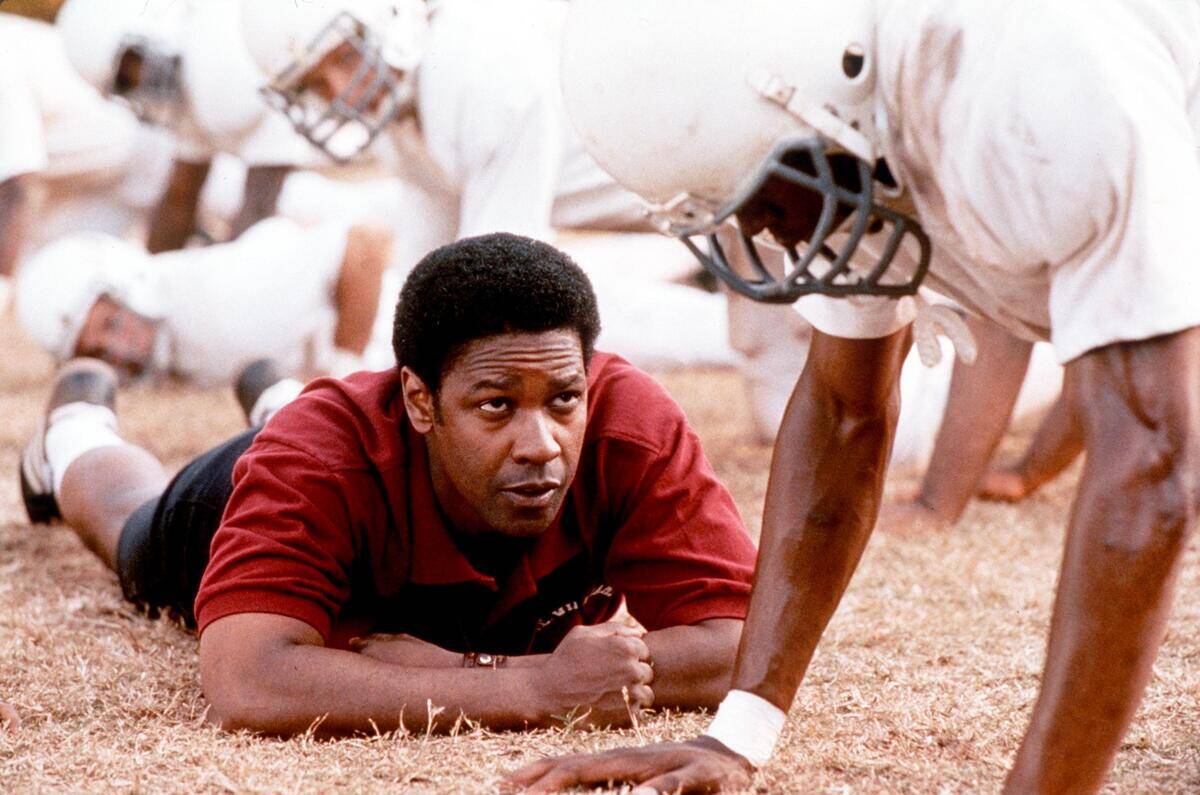
Remember the Titans tells the story of a racially integrated high school football team in Virginia. While the film captures the spirit of teamwork and overcoming prejudice, it dramatizes certain events for emotional impact.
For instance, the intense racial tensions and game outcomes are exaggerated. Despite these embellishments, the movie delivers a powerful message about unity and perseverance, resonating with audiences worldwide.
The Untouchables: Eliot Ness and Al Capone’s Fictional Feud
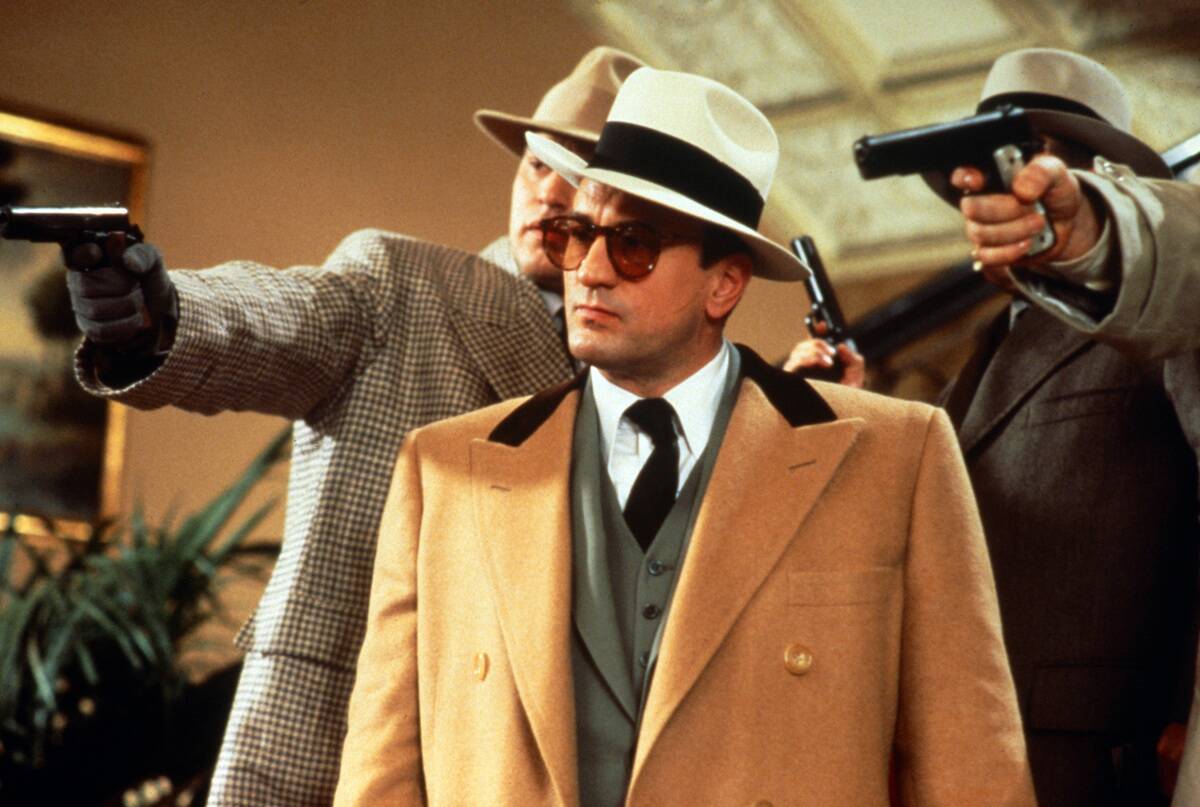
The Untouchables portrays the battle between lawman Eliot Ness and gangster Al Capone during Prohibition. While the film is based on true events, it takes liberties with characters and scenarios.
For example, the dramatic train station shootout never occurred. Despite these fictional elements, the movie remains a classic crime drama, celebrated for its stylized depiction of the era and its memorable performances.
Cool Runnings: The Jamaican Bobsled Team’s Hollywood Makeover

Cool Runnings offers a comedic take on the Jamaican bobsled team’s debut at the 1988 Winter Olympics. While the team did face challenges, the film exaggerates their inexperience and training methods.
In reality, the team was composed of skilled athletes. Despite these creative liberties, Cool Runnings is cherished for its humor and heartwarming portrayal of underdogs defying the odds.
The Patriot: Mel Gibson’s Historical Missteps
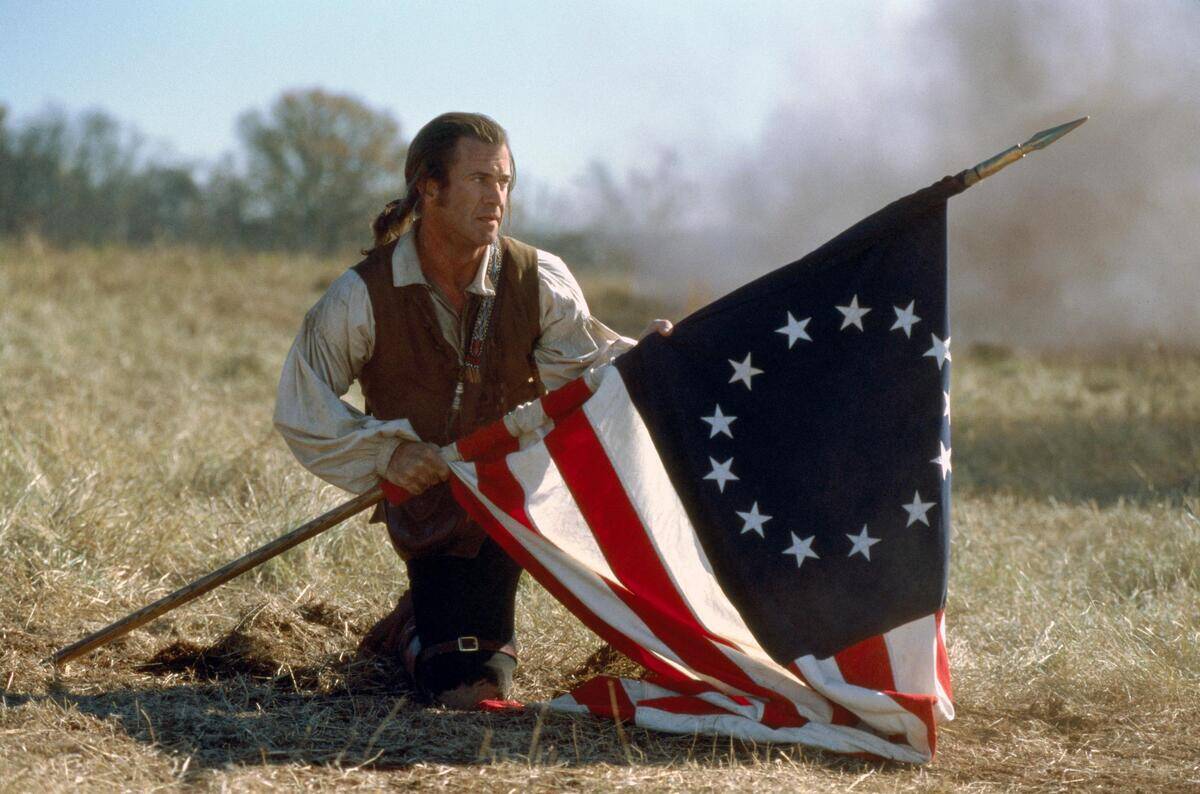
The Patriot, starring Mel Gibson, is set during the American Revolutionary War. The film combines fictional characters with historical events, leading to several inaccuracies.
For instance, the character Benjamin Martin is a composite of various figures, and the depiction of British soldiers is overly villainous. Despite these historical missteps, The Patriot is praised for its action sequences and emotional depth, offering a gripping tale of war and family.
The Revenant: Hugh Glass’s Survival Tale Embellished
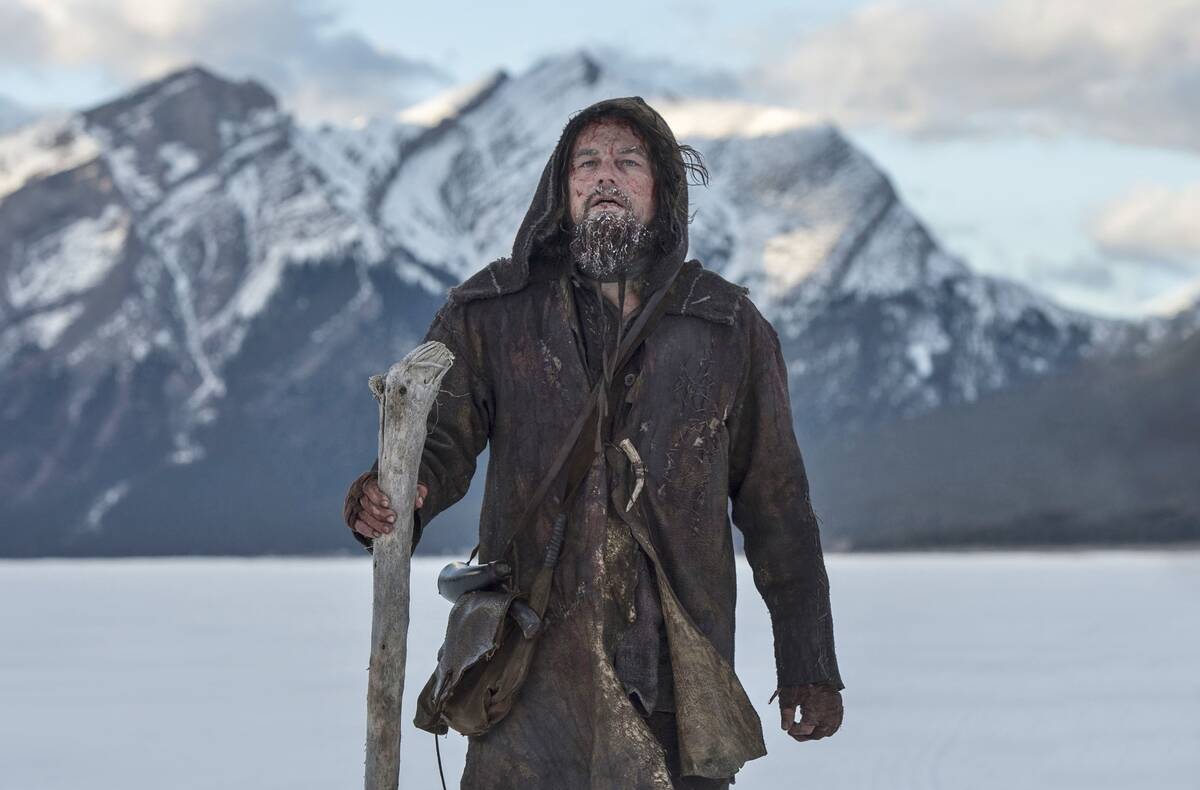
The Revenant dramatizes the survival story of frontiersman Hugh Glass after a bear attack. While Glass did endure incredible hardships, the film embellishes his journey for dramatic effect.
For example, the revenge subplot against John Fitzgerald is fictionalized. Despite these embellishments, The Revenant is lauded for its stunning cinematography and intense performances, capturing the brutal beauty of the wilderness.