Leaders who shaped history with a single decision
Decisions shape the course of history, often in ways that are both profound and unexpected. A single choice can alter the destiny of nations and the lives of millions.
From ancient times to the modern era, leaders have faced moments of decision that have left lasting legacies. These pivotal moments remind us that while the weight of decision-making can be immense, the impact of a well-considered choice can be transformative.
Julius Caesar: Crossing the Rubicon
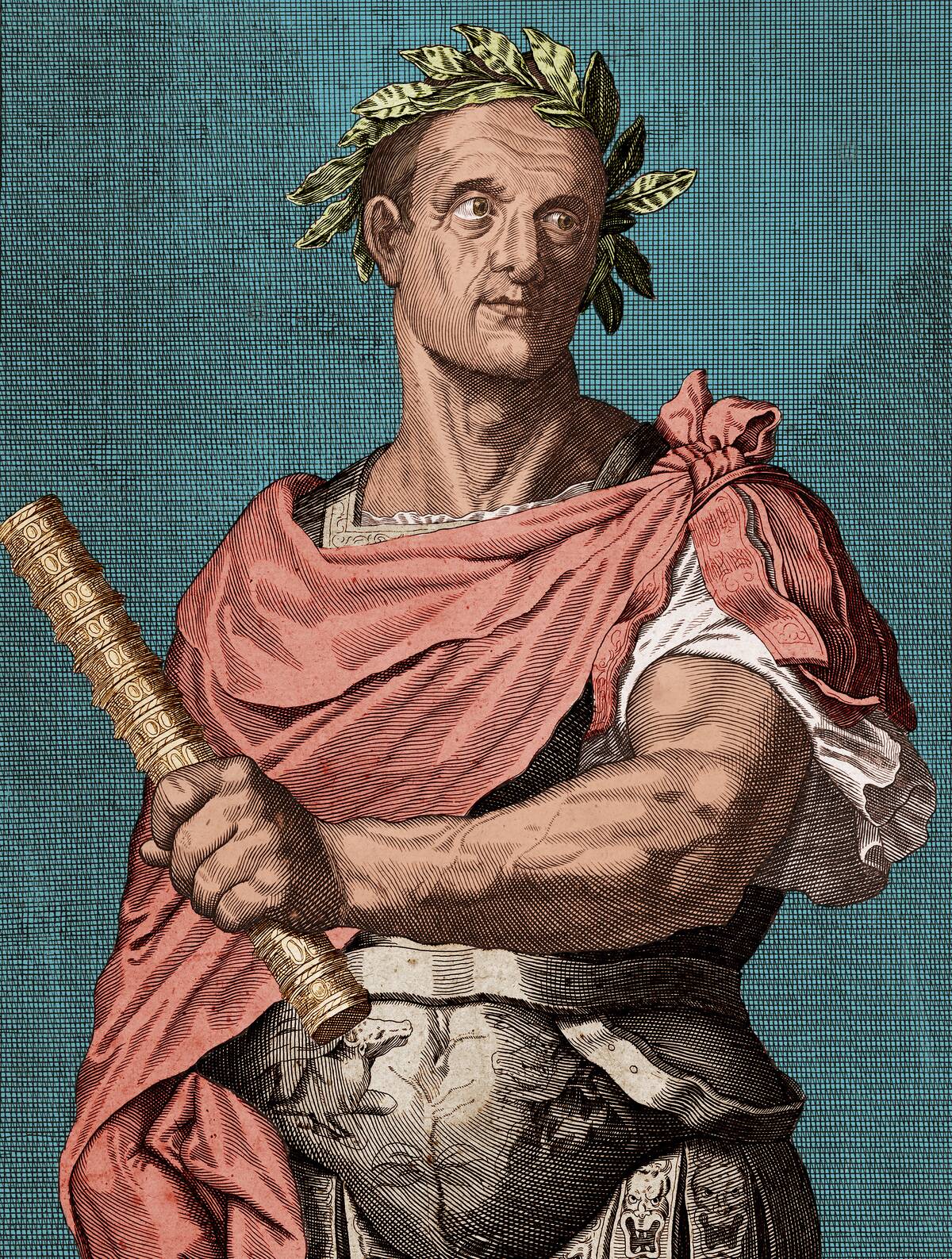
In 49 BC, Julius Caesar made the fateful decision to cross the Rubicon River, a boundary that no Roman general was permitted to cross with an army. This bold move led to a civil war that ultimately resulted in Caesar becoming the dictator of Rome.
The phrase “crossing the Rubicon” has since become synonymous with making an irreversible decision. Caesar’s choice marked the end of the Roman Republic and the rise of the Roman Empire, illustrating how one decision can change the course of history.
Rosa Parks: Refusing to Give Up Her Seat
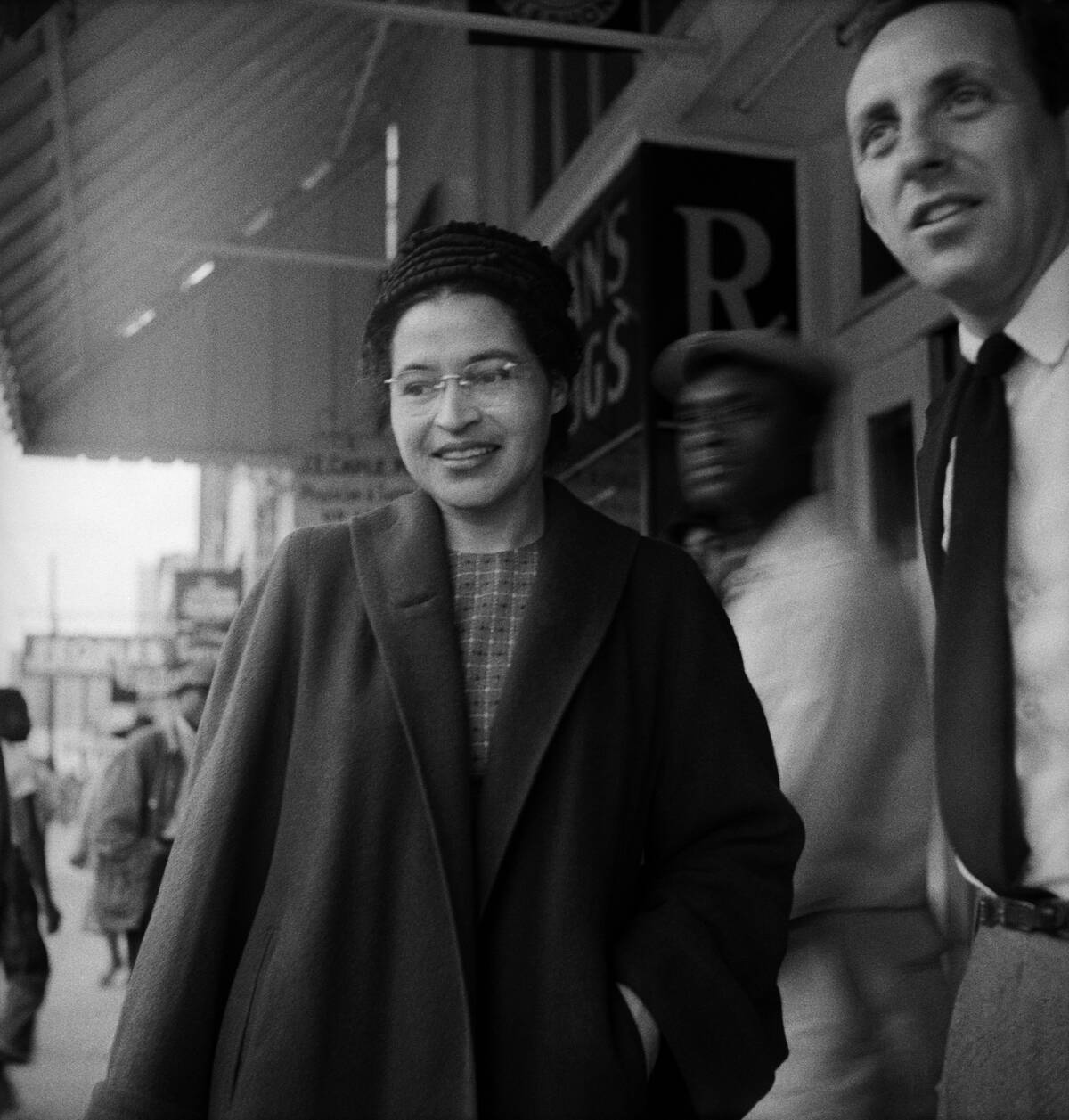
On December 1, 1955, Rosa Parks refused to give up her seat to a white passenger on a Montgomery, Alabama bus, sparking the Montgomery Bus Boycott. Her courageous act of defiance became a pivotal moment in the American civil rights movement.
Parks’ decision to stand her ground highlighted the injustices of segregation and inspired a mass movement for racial equality. The boycott, led by Martin Luther King Jr., lasted over a year and resulted in the desegregation of Montgomery’s public transportation system.
Martin Luther: Nailing the 95 Theses
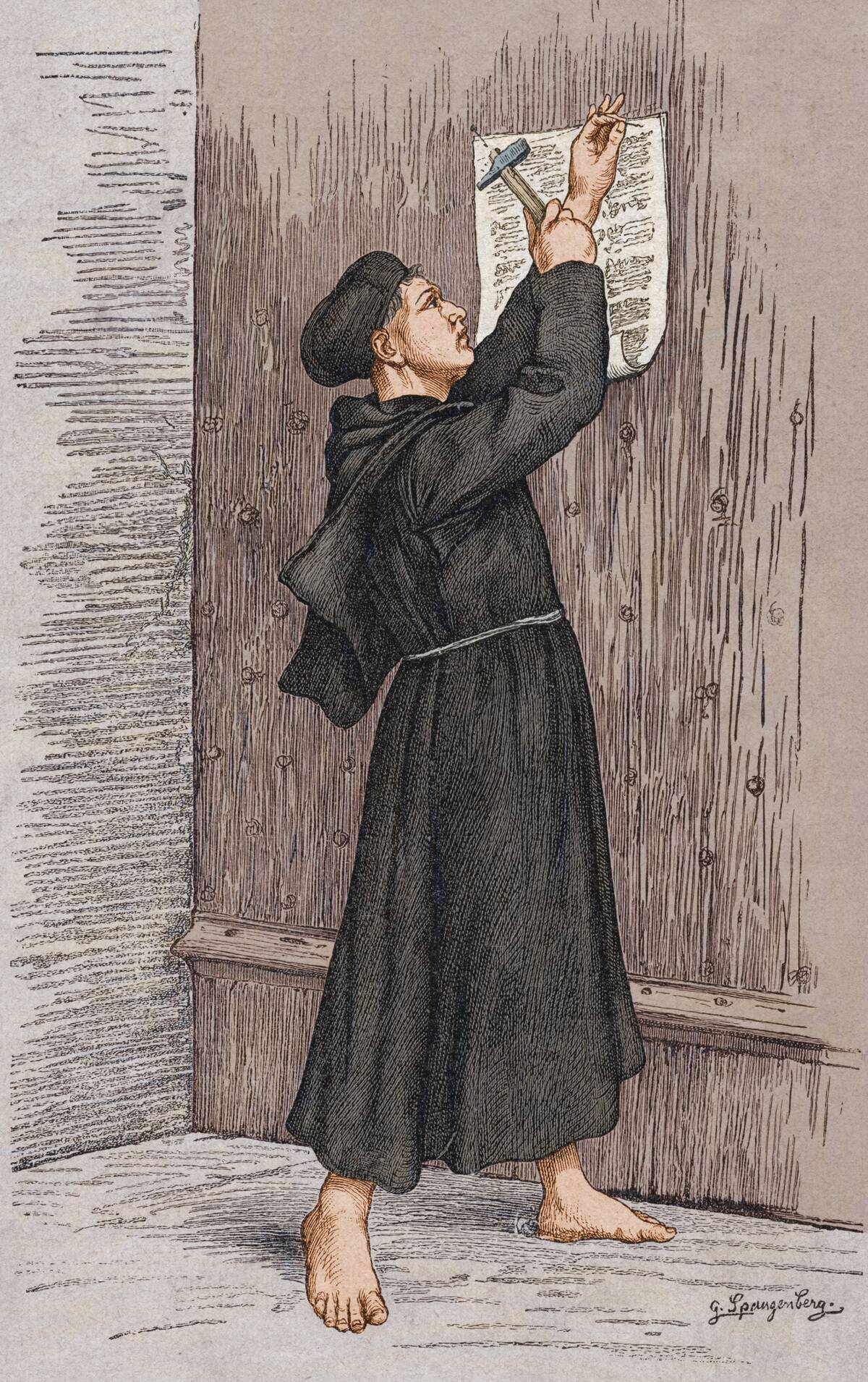
In 1517, Martin Luther nailed his 95 Theses to the door of the Wittenberg Castle Church, challenging the Catholic Church’s practices, particularly the sale of indulgences. This act is often credited with sparking the Protestant Reformation, a movement that led to significant religious, political, and cultural changes across Europe.
Luther’s decision to publicly question established doctrine encouraged others to seek religious reforms and ultimately resulted in the formation of Protestant denominations. The Reformation reshaped Europe and had a lasting impact on Christianity worldwide.
John F. Kennedy: Choosing to Go to the Moon
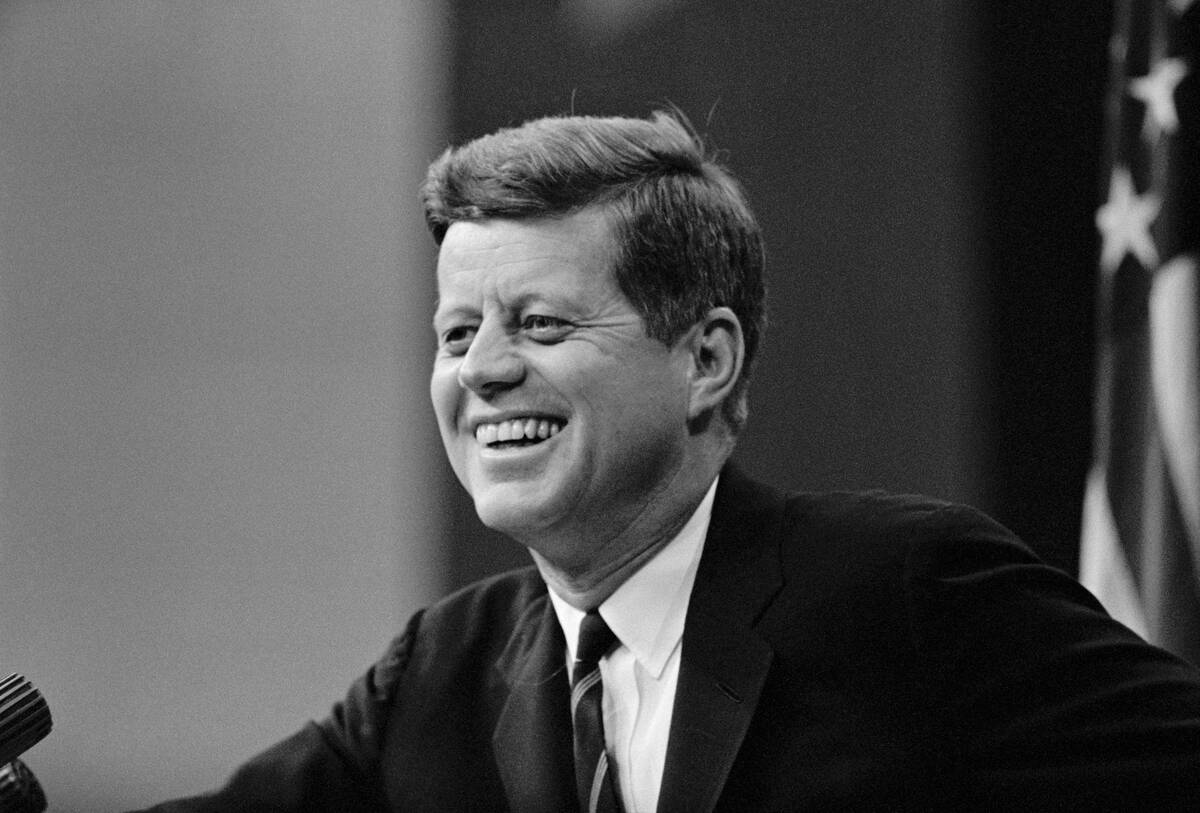
In 1961, President John F. Kennedy made the bold decision to send an American astronaut to the Moon before the decade’s end. This ambitious goal, announced in a speech to Congress, galvanized the nation and spurred technological advancements.
The Apollo program, culminating in the successful moon landing in 1969, showcased American ingenuity and determination. Kennedy’s vision not only advanced space exploration but also inspired generations to dream big and reach for the stars, demonstrating the power of visionary leadership.
Franklin D. Roosevelt: Launching the New Deal
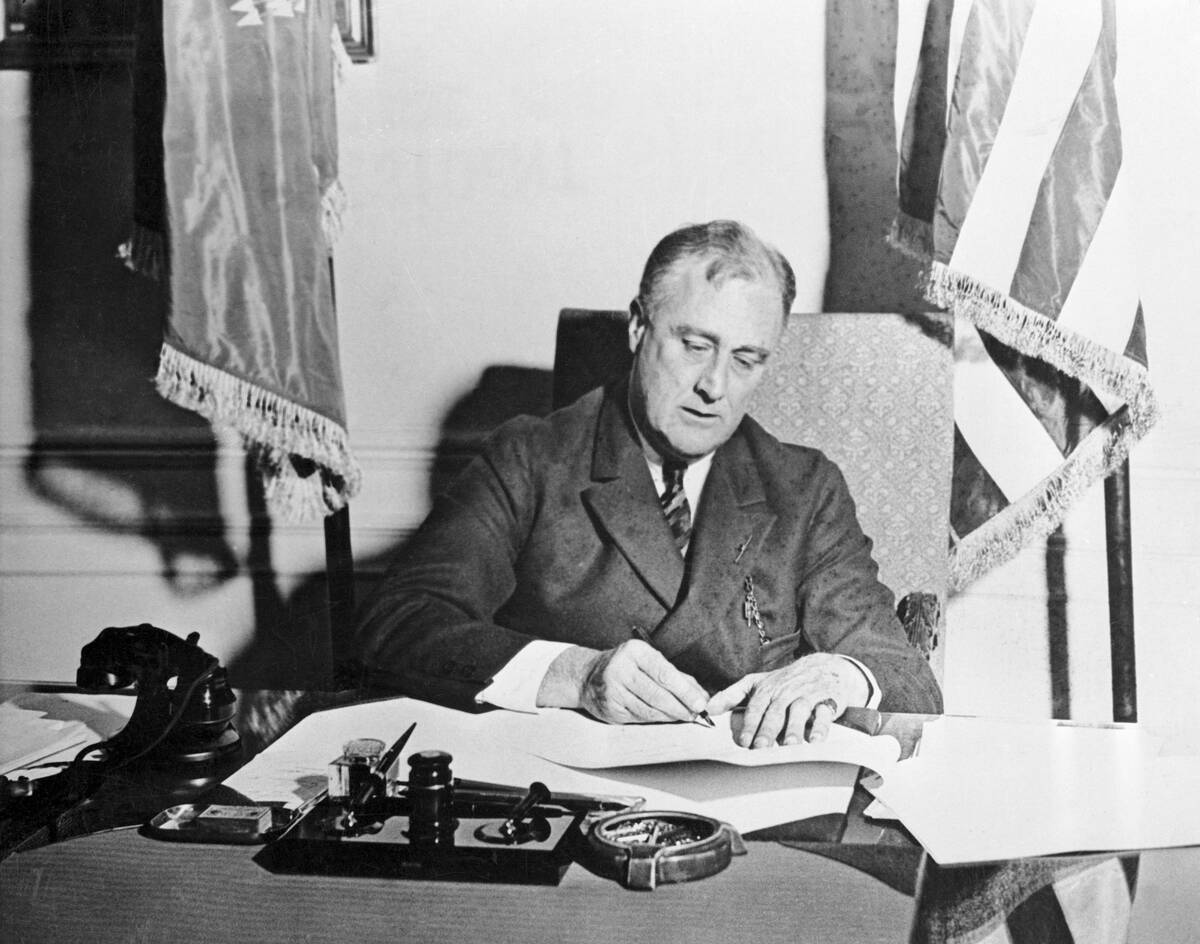
Facing the Great Depression, Franklin D. Roosevelt launched the New Deal, a series of programs and reforms designed to revive the American economy. This decision marked a significant shift in government policy, expanding federal involvement in economic and social welfare.
The New Deal included initiatives like Social Security and public works projects, which provided relief to millions of Americans. Roosevelt’s bold approach helped to stabilize the economy and restore public confidence, illustrating the power of decisive action in times of crisis.
Abraham Lincoln: Issuing the Emancipation Proclamation
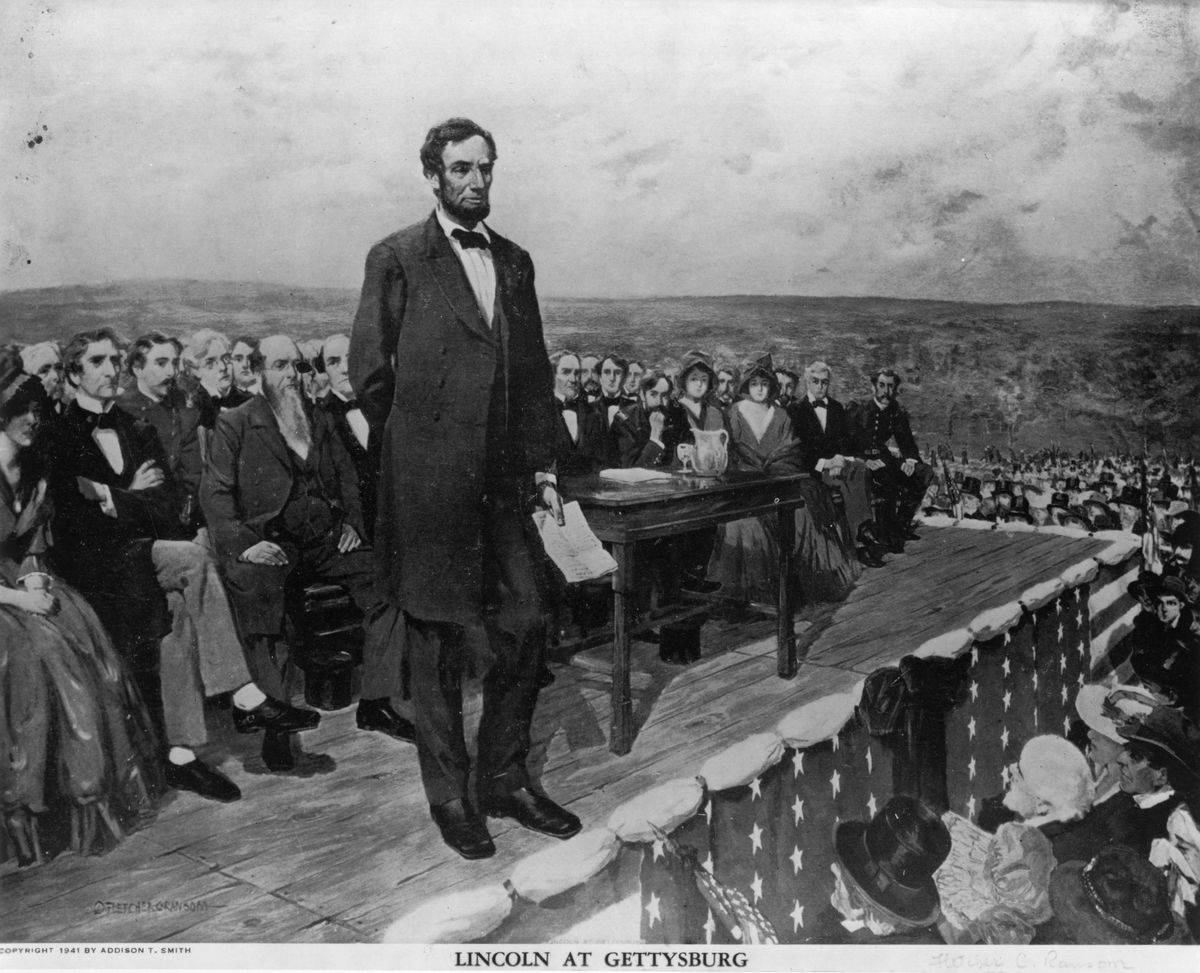
On January 1, 1863, Abraham Lincoln issued the Emancipation Proclamation, declaring all slaves in Confederate-held territory to be free. This decision was a pivotal moment in the American Civil War, transforming the fight into a battle for human freedom.
While the proclamation did not immediately free all slaves, it fundamentally altered the nature of the war and paved the way for the eventual abolition of slavery in the United States. Lincoln’s bold move demonstrated his commitment to equality and justice, leaving a legacy that continues to inspire.
Mahatma Gandhi: Leading the Salt March
![Mahatma [redacted]](https://media.tellmebest.com/wp-content/uploads/2024/11/mahatma-gandhi-28048.jpeg)
In 1930, Mahatma Gandhi led the Salt March, a 240-mile trek to the Arabian Sea to produce salt in defiance of British laws. This act of civil disobedience was a significant moment in the Indian independence movement, highlighting the power of nonviolent resistance.
Gandhi’s decision to challenge the British monopoly on salt galvanized Indian citizens and drew international attention to the struggle for independence. The Salt March demonstrated the effectiveness of peaceful protest and inspired future movements for civil rights and freedom worldwide.
Angela Merkel: Welcoming Refugees

In 2015, Angela Merkel made the controversial decision to open Germany’s borders to hundreds of thousands of refugees fleeing conflict in Syria and other regions. This humanitarian gesture was both praised and criticized, highlighting the complexities of immigration policy.
Merkel’s decision underscored Germany’s commitment to human rights and set an example for other nations. While it posed challenges, her leadership demonstrated the importance of compassion and responsibility in addressing global crises, leaving a significant mark on European politics.
Winston Churchill: Standing Firm Against Nazi Germany
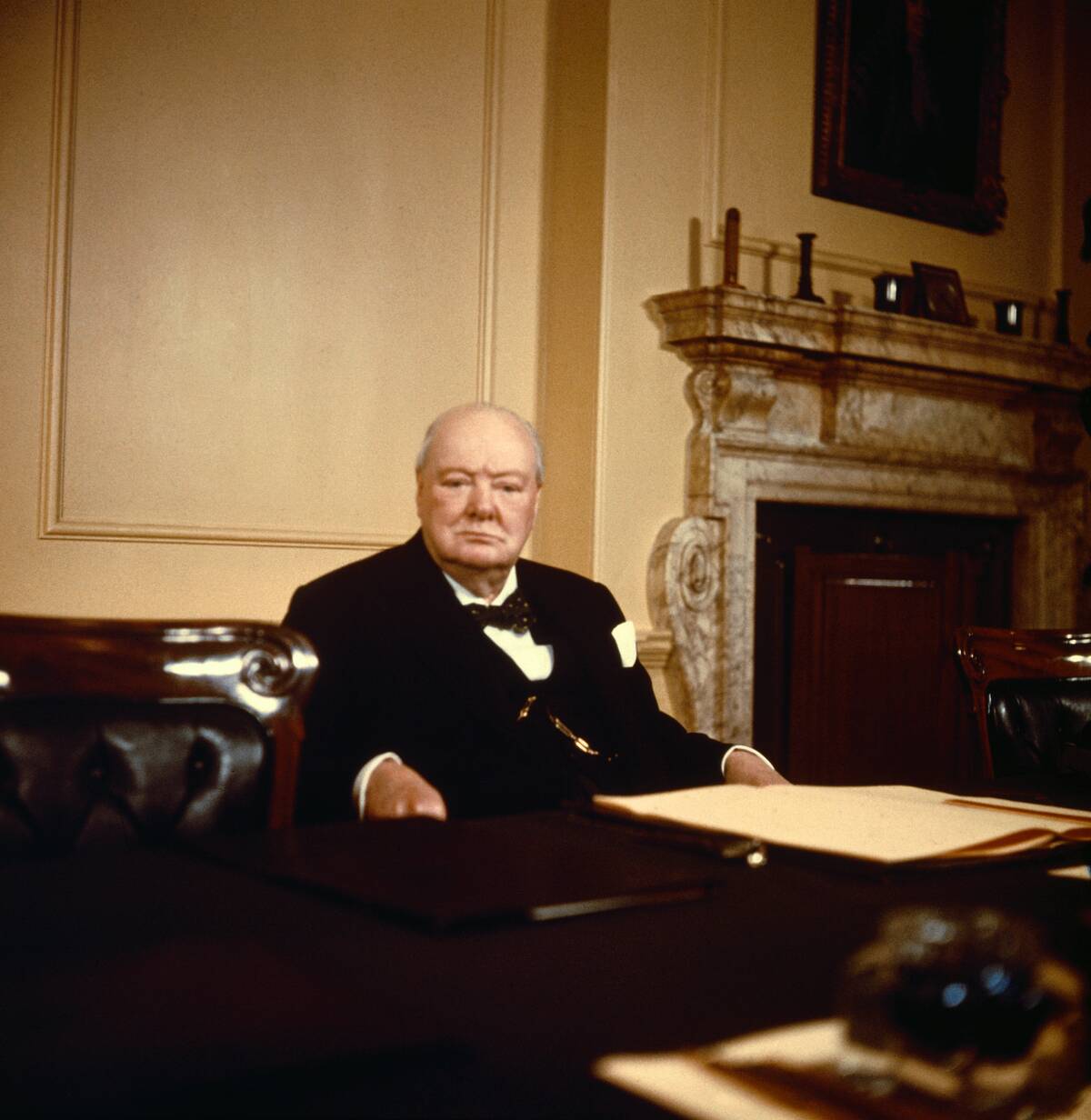
During World War II, Winston Churchill’s decision to stand firm against Nazi Germany was a defining moment for Britain and the world. As Prime Minister, Churchill refused to negotiate with Adolf Hitler, rallying the British people with his speeches and unwavering resolve.
His leadership during the Battle of Britain and throughout the war inspired Allied forces and played a crucial role in the eventual defeat of the Axis powers. Churchill’s determination demonstrated the importance of courage and resilience in the face of tyranny.
Nelson Mandela: Forging a Path of Reconciliation
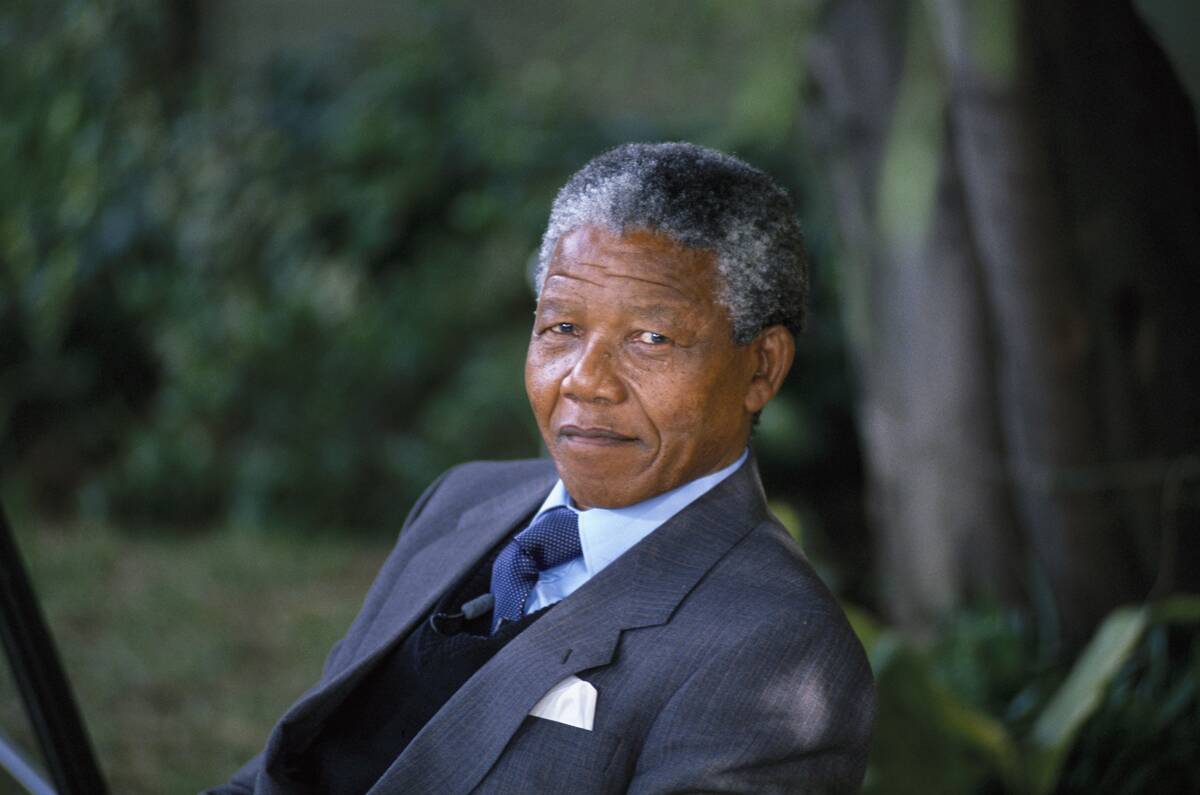
After 27 years of imprisonment, Nelson Mandela emerged as a symbol of resilience and reconciliation. As South Africa’s first black president, he chose to focus on healing the nation’s deep racial divides rather than seeking retribution.
Mandela’s decision to promote forgiveness and unity helped to peacefully transition South Africa from apartheid to a multiracial democracy. His leadership and commitment to reconciliation inspired the world, showing how compassion and understanding can overcome deep-seated animosity and create lasting peace.
George Washington: Refusing a Third Term
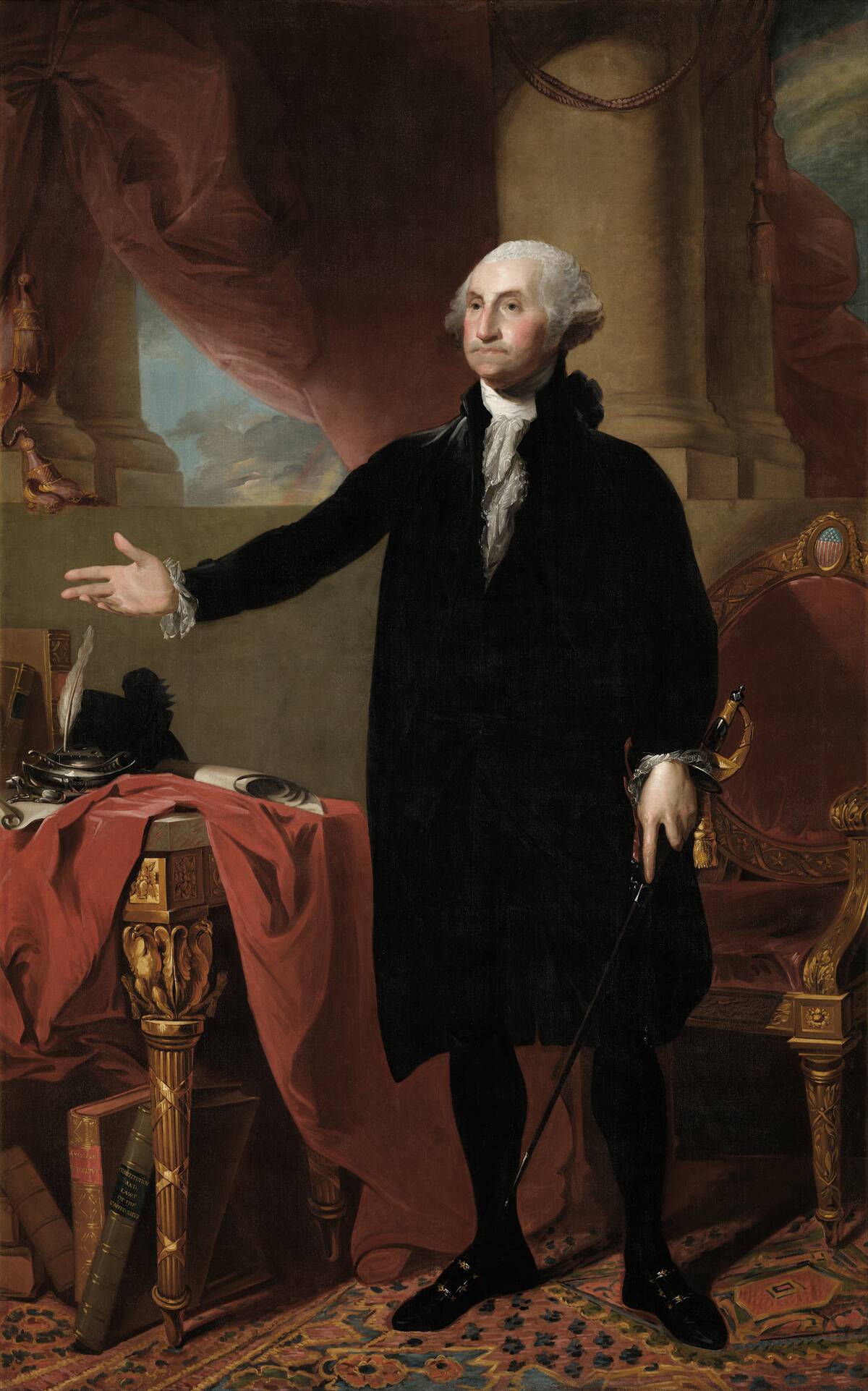
George Washington’s decision to refuse a third term as President of the United States set a precedent for the peaceful transfer of power, which became a cornerstone of American democracy.
By stepping down after two terms, Washington demonstrated his commitment to the fledgling republic and its democratic ideals. His decision helped to establish the tradition of a two-term limit, which was later codified in the 22nd Amendment. Washington’s choice underscored the importance of leadership humility and the avoidance of potential tyranny.
Constantine the Great: Embracing Christianity

Constantine the Great’s decision to embrace Christianity in AD 312 was a turning point for the Roman Empire. After reportedly seeing a vision before the Battle of the Milvian Bridge, he converted to Christianity, which led to the Edict of Milan in AD 313, granting religious tolerance throughout the empire.
This decision not only transformed Christianity from a persecuted faith into a dominant religion but also laid the groundwork for the Christianization of Europe. Constantine’s embrace of Christianity changed the cultural and religious landscape of the Western world.
Mikhail Gorbachev: Implementing Perestroika and Glasnost
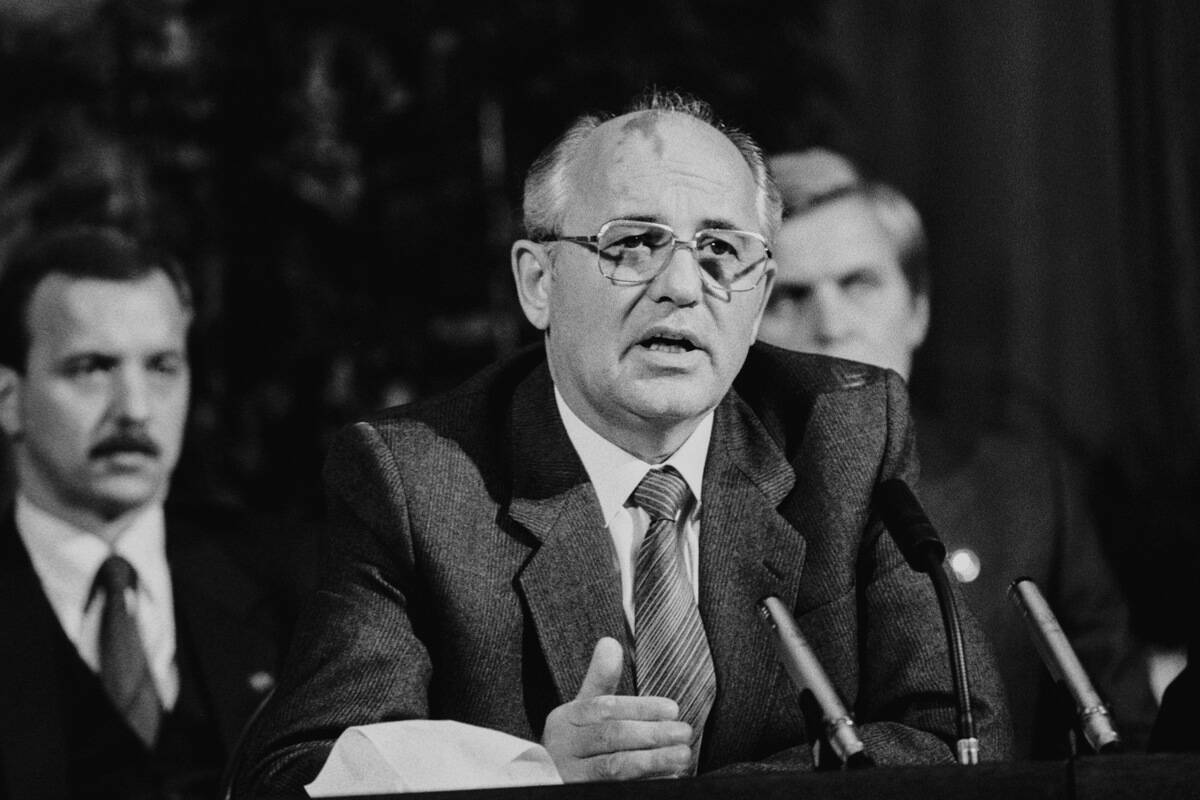
Mikhail Gorbachev’s introduction of perestroika (restructuring) and glasnost (openness) in the 1980s marked a significant shift in Soviet policy. These reforms aimed to revitalize the Soviet economy and promote transparency, ultimately leading to greater political freedom.
Gorbachev’s decisions played a crucial role in ending the Cold War and transforming the Soviet Union, paving the way for democratic movements in Eastern Europe. His leadership demonstrated the potential for change through reform and dialogue, leaving a lasting impact on global politics.
Jacinda Ardern: Swift Action Against COVID-19

New Zealand’s Prime Minister Jacinda Ardern took decisive action against COVID-19, implementing strict lockdown measures early in the pandemic. Her swift response helped to contain the virus and protect public health, earning international praise.
Ardern’s empathetic communication and science-based approach reassured New Zealanders and minimized the impact of the pandemic on the nation. Her leadership during this crisis highlighted the importance of decisive action and clear communication, setting a benchmark for effective crisis management.