The most iconic trends that defined the end of the 20th century
Ah, the end of the 20th century—a time when fashion, technology, and pop culture collided to create a vibrant tapestry of trends that defined an era. From the grunge fashion movement to the rise of the World Wide Web, the 1990s and early 2000s were a whirlwind of innovation and cultural shifts.
As we take a nostalgic look back, let’s explore the phenomena that left an indelible mark on our memories and continue to influence us today.
Flannel Shirts and Doc Martens

Grunge fashion emerged from the Seattle music scene, characterized by its laid-back, anti-establishment vibe. Flannel shirts became the uniform of choice, often paired with ripped jeans and iconic Doc Martens boots.
This style was popularized by bands like Nirvana and Pearl Jam, who embodied the grunge ethos both on and off stage. The trend was a rebellion against the flashy styles of the 1980s, embracing a more rugged and authentic look that resonated with youth worldwide.
From Pagers to the World Wide Web
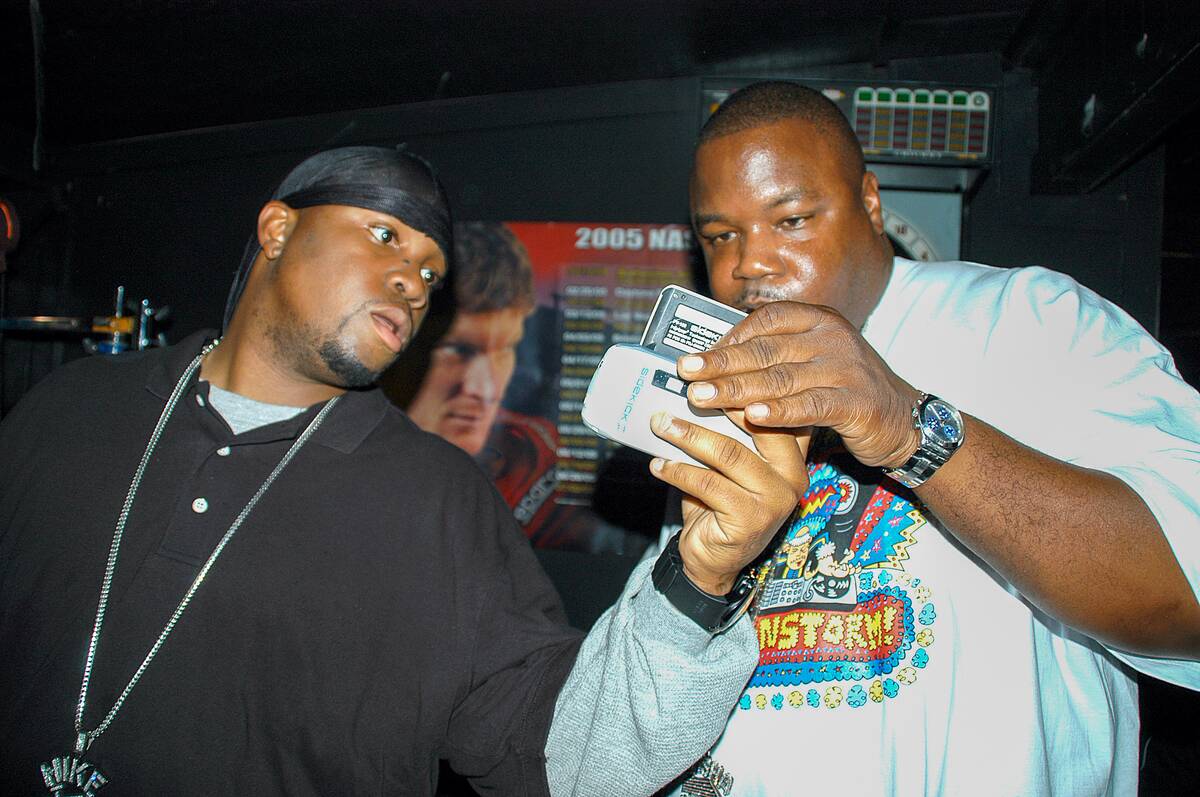
The tech revolution of the late 20th century was nothing short of transformative. Pagers, once the pinnacle of communication, soon gave way to the burgeoning internet. The World Wide Web, invented by Tim Berners-Lee in 1989, began to revolutionize how we access information and connect with others.
By the mid-1990s, personal computers became household staples, and email started to replace traditional mail, setting the stage for the digital age we live in today.
The Boy Band Phenomenon: Backstreet Boys vs. *NSYNC

The late 90s saw the meteoric rise of boy bands, with Backstreet Boys and *NSYNC leading the charge. Both groups captured the hearts of millions with their catchy tunes and synchronized dance moves.
Backstreet Boys, formed in 1993, became one of the best-selling boy bands in history, while *NSYNC, with Justin Timberlake at the helm, quickly followed suit. The rivalry between fans of the two bands was fierce, but their music remains a staple of 90s nostalgia.
The Tamagotchi Craze
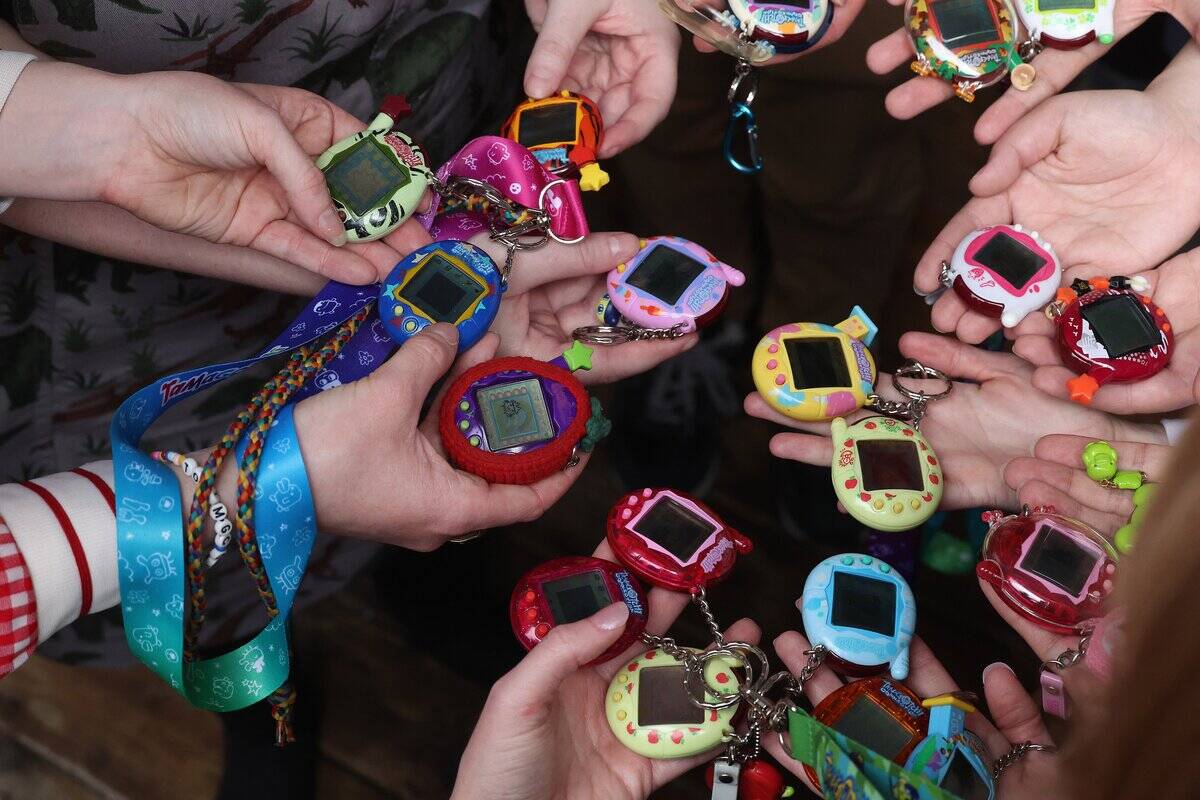
In the late 1990s, Tamagotchis became the must-have digital pets for kids and adults alike. Created by Bandai in 1996, these pocket-sized gadgets required constant attention, mimicking the responsibilities of real pet ownership.
Owners had to feed, clean, and play with their Tamagotchis to keep them happy and healthy. The craze swept across the globe, with millions of units sold, and even today, Tamagotchis hold a special place in the hearts of those who experienced their digital companionship.
The Evolution of Hip-Hop, From the Streets to Mainstream
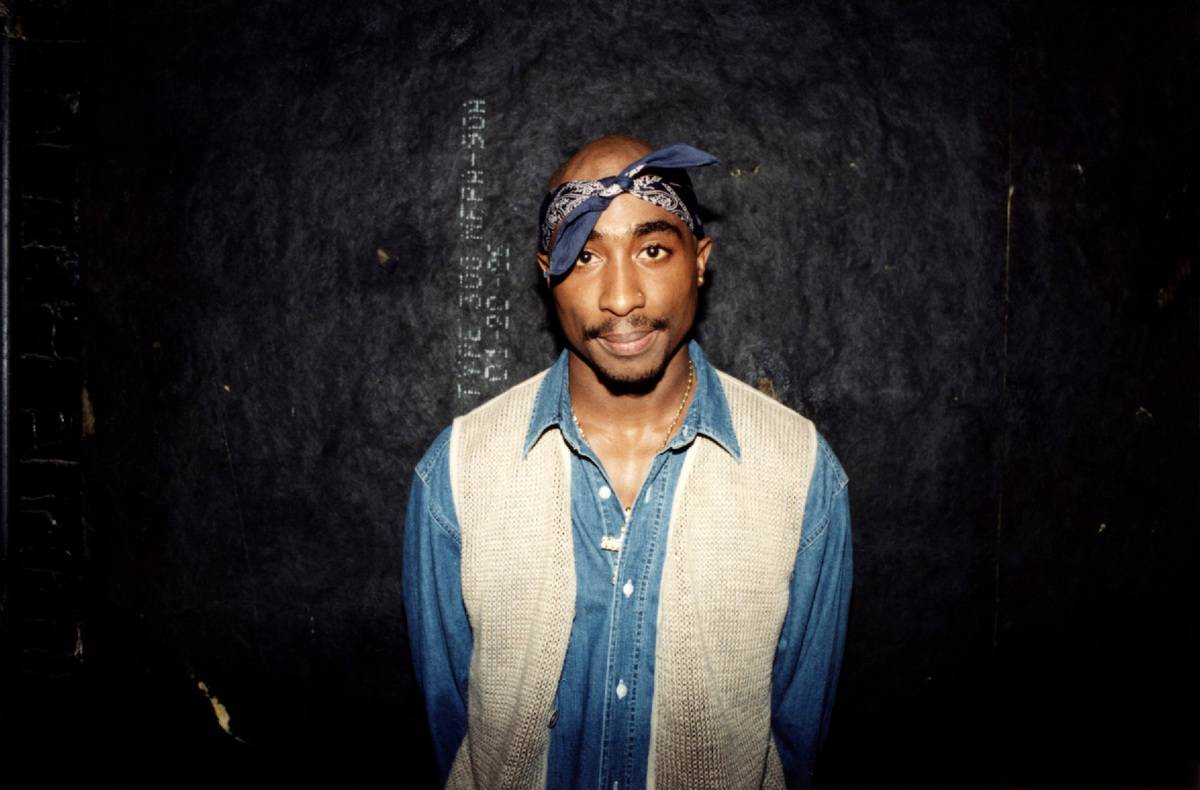
The evolution of hip-hop in the late 20th century saw the genre transition from underground street culture to mainstream dominance. Artists like Tupac Shakur and The Notorious B.I.G. brought storytelling and social commentary to the forefront of their music, while acts like OutKast and Missy Elliott pushed creative boundaries.
The 1990s were a golden era for hip-hop, with the genre’s influence extending beyond music to fashion, language, and lifestyle, shaping the cultural landscape in profound ways.
The Influence of Supermodels
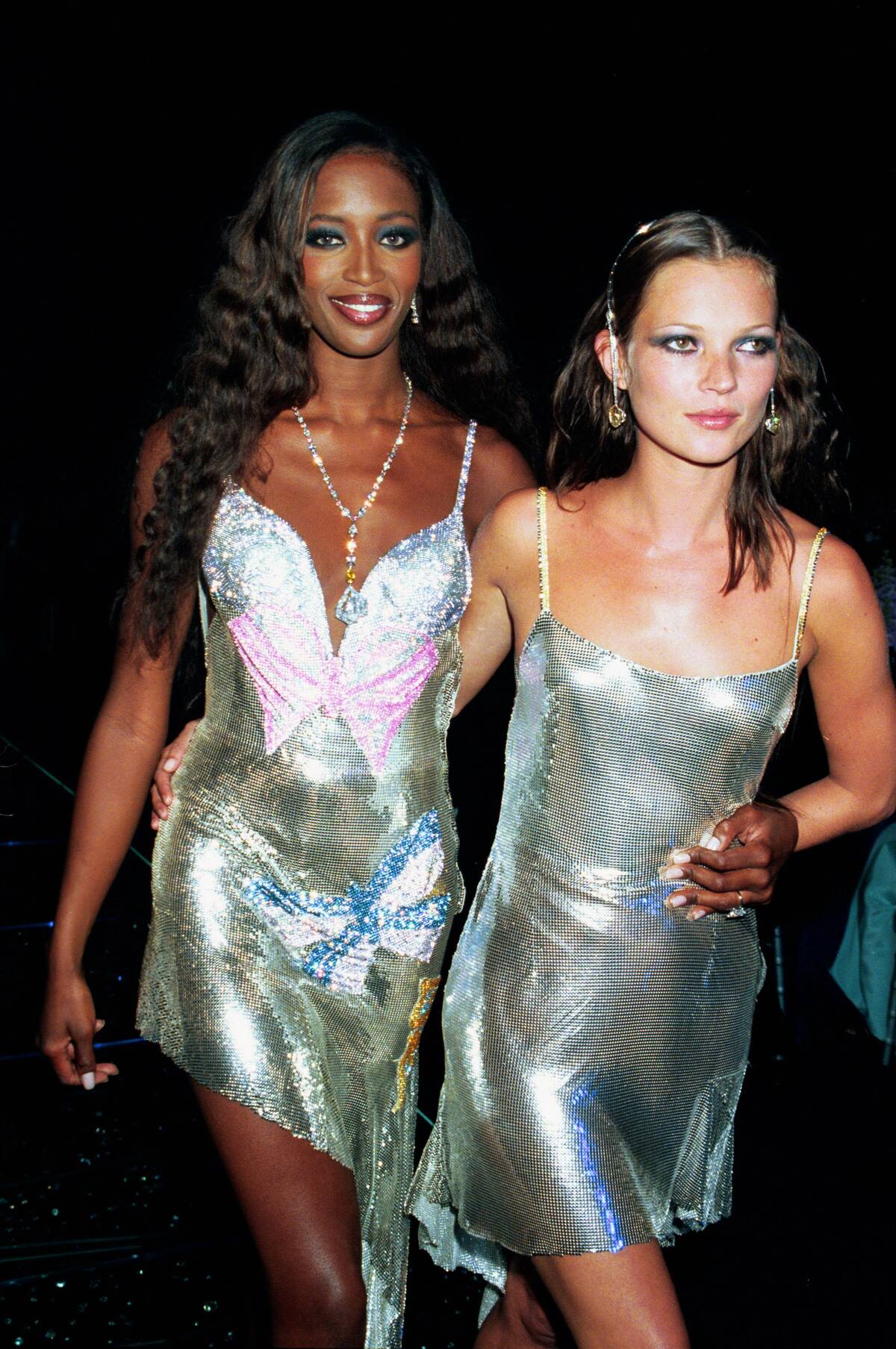
The 1990s were the era of the supermodel, with Naomi Campbell, Cindy Crawford, and Kate Moss becoming household names. These models redefined beauty standards and became icons in their own right, gracing the covers of magazines and dominating runways worldwide.
Their influence extended beyond fashion, as they ventured into acting, business, and philanthropy. The supermodel phenomenon highlighted the power of celebrity in the fashion industry, paving the way for future generations of models and influencers.
The Birth of Reality TV
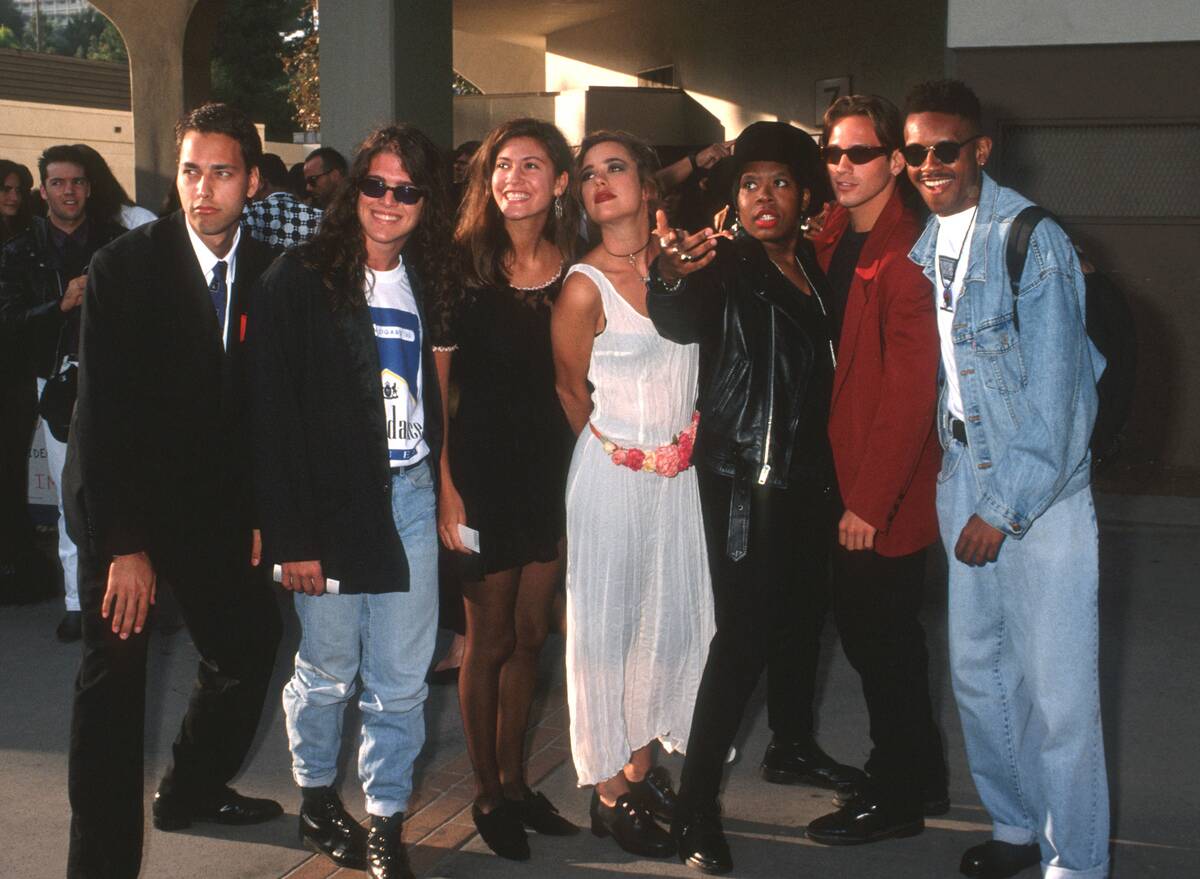
Reality TV as we know it began with MTV’s “The Real World” in 1992, a groundbreaking show that put strangers together in a house to live and interact. This unscripted format captivated audiences, offering a voyeuristic glimpse into the lives of others.
The success of “The Real World” paved the way for countless reality shows, from “Survivor” to “Big Brother,” and fundamentally changed television programming by blurring the lines between reality and entertainment.
The Spice Girls and Girl Power

The Spice Girls burst onto the scene in 1996, bringing with them a message of “girl power” that resonated with fans worldwide. This British pop group, consisting of members like Victoria Beckham and Mel B, became a cultural phenomenon with hits like “Wannabe.”
Their emphasis on female empowerment and individuality inspired a generation of young women to embrace their unique identities. The Spice Girls’ influence extended beyond music, impacting fashion and social attitudes during the late 90s.
The Beanie Babies Boom

Beanie Babies, those adorable plush toys filled with plastic pellets, became a massive craze in the late 1990s. Created by Ty Warner, these collectibles were marketed as limited editions, sparking a frenzy among collectors eager to complete their sets.
The Beanie Babies boom saw people scouring stores and trading at conventions, with some rare editions fetching thousands of dollars. Though the craze eventually subsided, Beanie Babies remain a nostalgic symbol of 90s pop culture.
The Grunge Music Explosion: Nirvana and the Seattle Sound
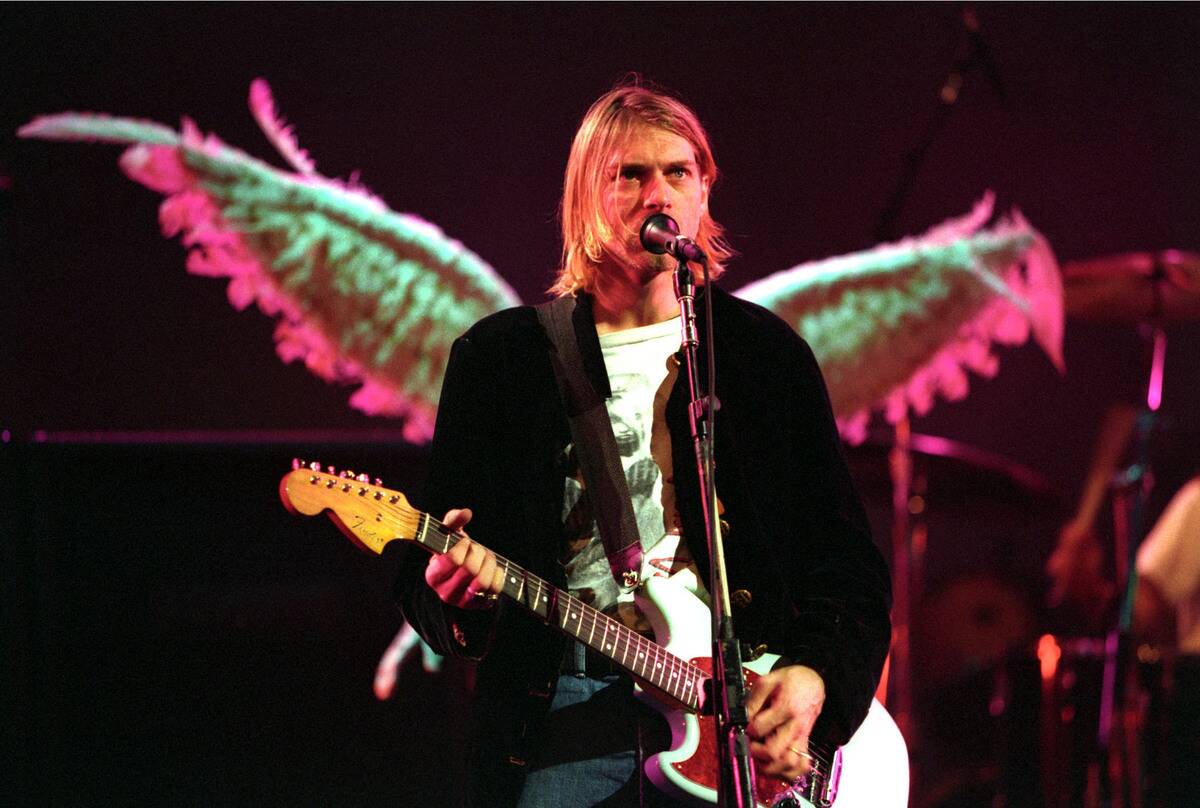
The grunge music explosion of the early 1990s was led by bands like Nirvana, whose raw sound and introspective lyrics captured the angst of a generation. Nirvana’s breakthrough album, “Nevermind,” featuring hits like “Smells Like Teen Spirit,” catapulted the band to international fame.
The Seattle sound, characterized by its heavy guitar riffs and emotional depth, became synonymous with grunge, influencing countless musicians and shaping the alternative rock scene for years to come.
The Rise of Blockbuster Movies

The 1990s were a golden era for blockbuster movies, with films like “Jurassic Park” and “Titanic” breaking box office records. “Jurassic Park,” released in 1993, wowed audiences with its groundbreaking special effects and thrilling storyline, while James Cameron’s “Titanic” in 1997 became a cultural phenomenon, earning 11 Oscars.
These films not only showcased the advancements in filmmaking technology but also solidified the blockbuster formula of combining spectacle with compelling storytelling.
The Popularity of Sitcoms
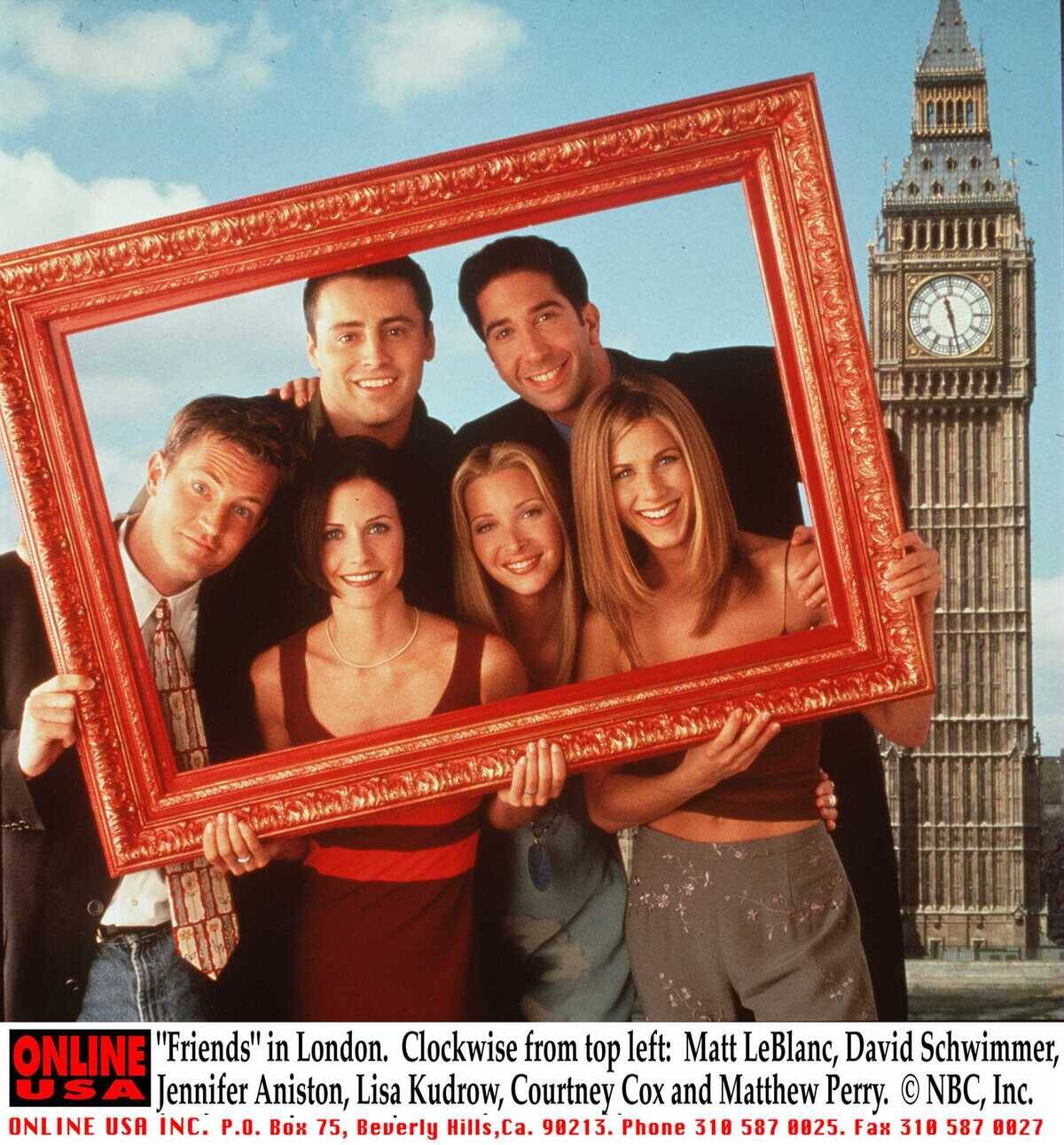
Sitcoms reached new heights of popularity in the 1990s, with “Friends” and “Seinfeld” leading the charge. “Friends,” which debuted in 1994, followed the lives of six friends navigating love and life in New York City, becoming a cultural touchstone for its humor and relatability.
“Seinfeld,” often dubbed “a show about nothing,” offered a unique comedic take on everyday situations, influencing countless sitcoms that followed. Both shows remain beloved classics, with enduring fan bases and syndication success.
The Influence of Video Games
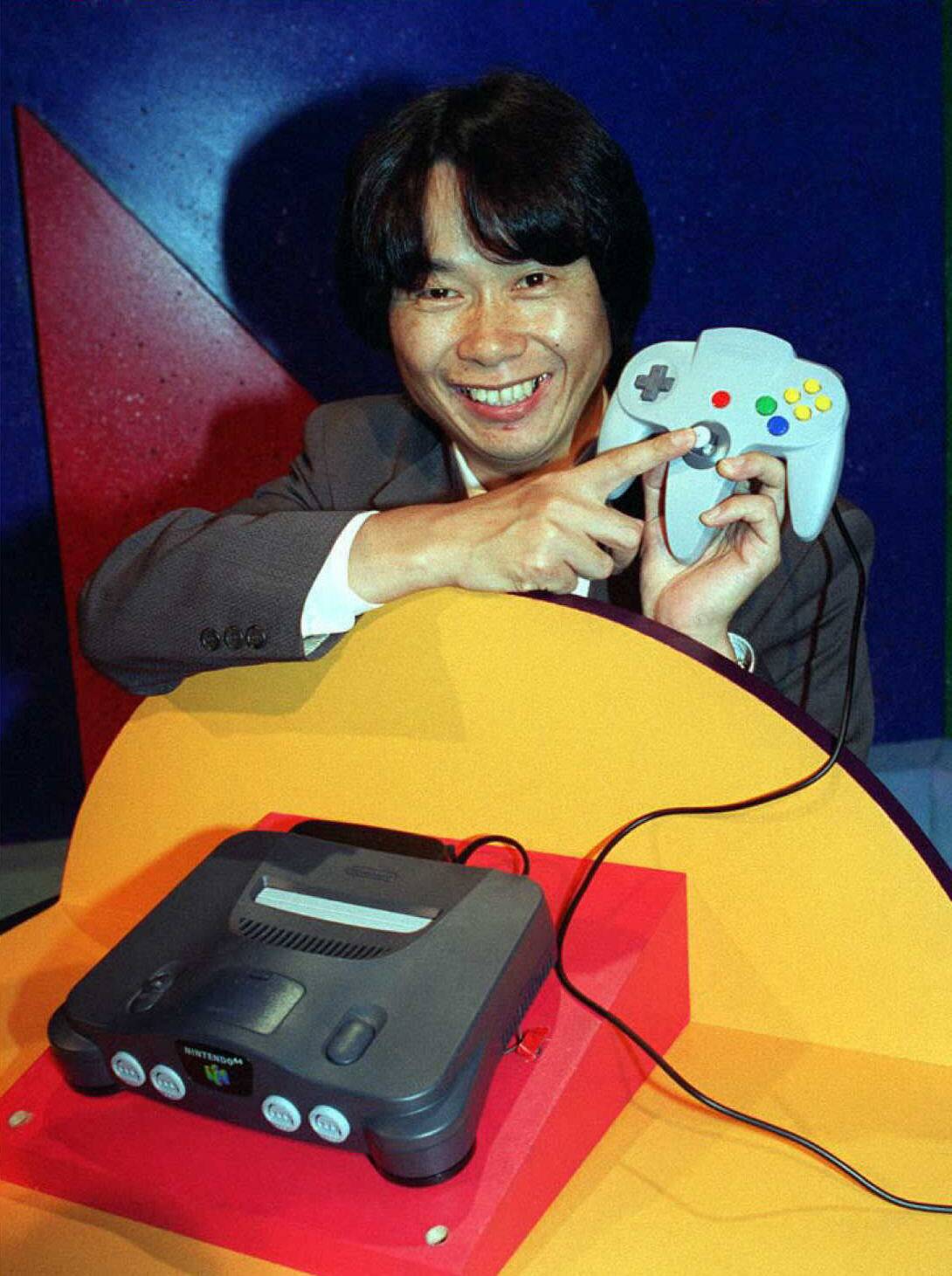
The late 20th century saw video games transition from arcade classics to home entertainment staples. The release of consoles like the Sony PlayStation and Nintendo 64 brought gaming into living rooms, offering immersive experiences with titles like “Final Fantasy VII” and “The Legend of Zelda: Ocarina of Time.”
These advancements in gaming technology and storytelling captivated players, establishing video games as a dominant form of entertainment and paving the way for the industry’s explosive growth in the new millennium.
Y2K Hysteria

As the year 2000 approached, the world was gripped by Y2K hysteria, a fear that computer systems would fail due to the date change. Concerns centered around the “millennium bug,” which could cause systems to interpret the year 2000 as 1900, leading to potential chaos.
Governments and businesses spent billions on preventive measures, and as the clock struck midnight, the transition was largely uneventful. The Y2K panic remains a fascinating example of technological anxiety and preparedness.
The Evolution of Rave Culture
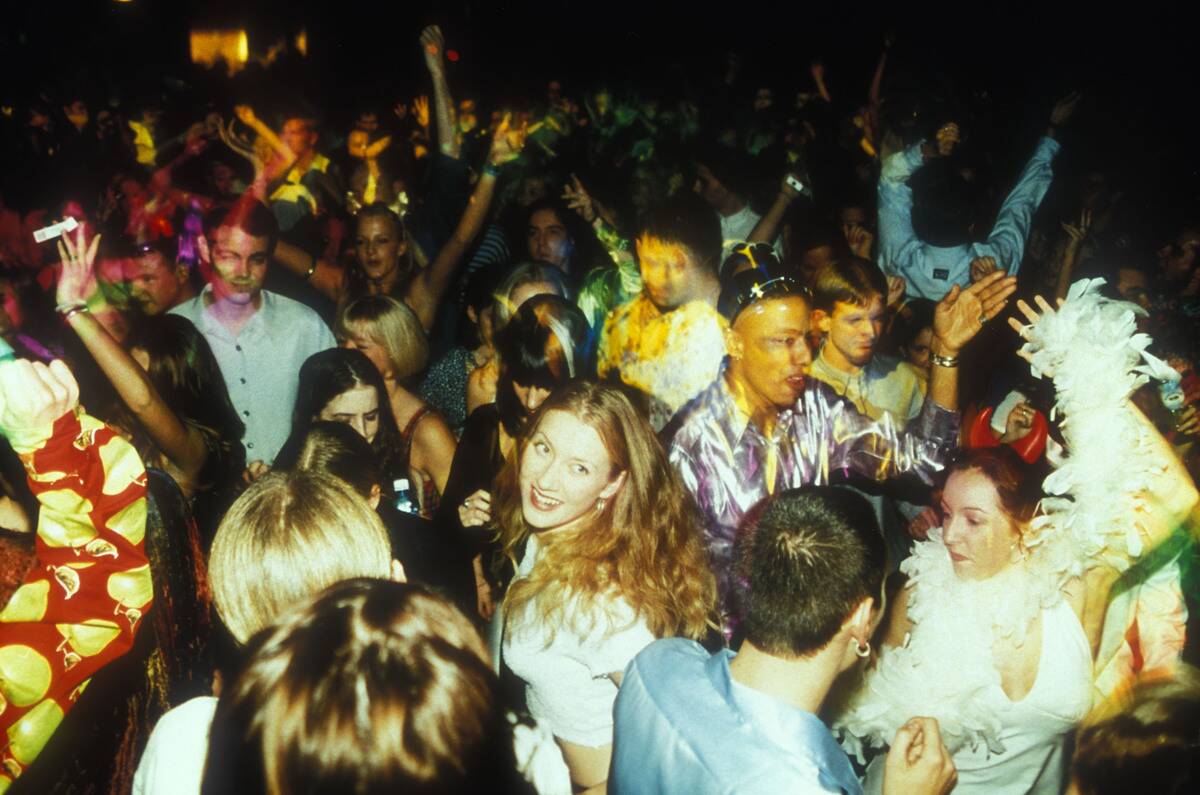
Rave culture in the late 20th century was characterized by its vibrant energy, pulsating electronic beats, and iconic glow sticks. Originating in the underground club scenes of the 1980s, raves exploded in popularity during the 1990s, becoming a global phenomenon.
These all-night dance parties celebrated freedom and community, with DJs like Paul Oakenfold and The Chemical Brothers leading the charge. The evolution of rave culture laid the groundwork for today’s electronic dance music (EDM) scene.
The Impact of Anime
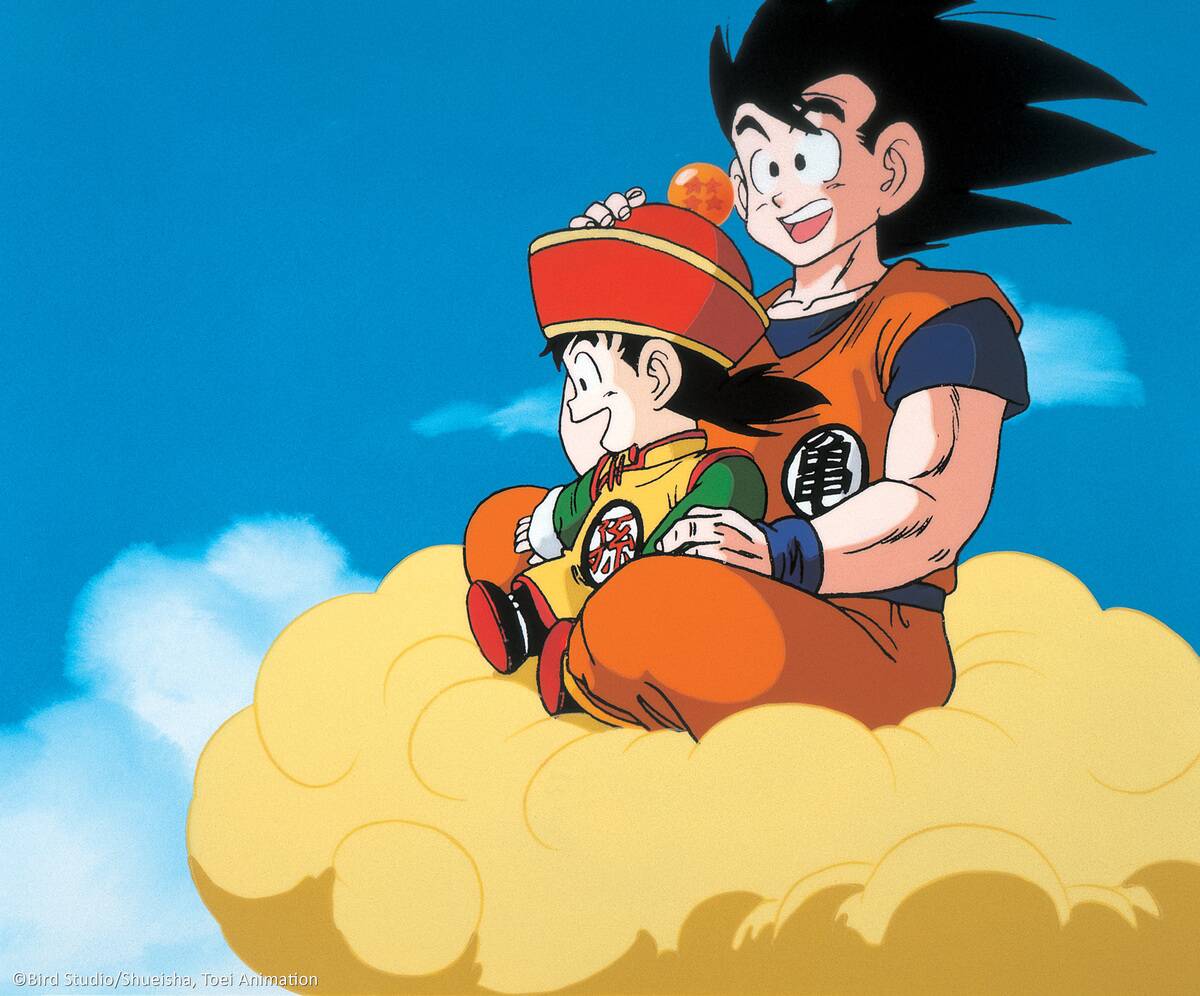
Anime, once a niche interest outside Japan, gained global traction in the late 20th century. Shows like “Dragon Ball Z” and “Sailor Moon” introduced Western audiences to the unique storytelling and art style of Japanese animation.
The rise of the internet facilitated anime’s spread, allowing fans to access a wider range of content. This growing popularity led to anime conventions and a thriving fan culture, cementing anime’s place as a significant and enduring influence on global pop culture.




