Coincidences in history that are almost too coincidental to actually believe
History is filled with strange coincidences that boggle the mind and spark curiosity. These occurrences often blur the line between chance and destiny, leaving us to wonder if there’s more at play than mere happenstance.
From eerie parallels in the lives of famous figures to uncanny predictions, these stories captivate our imagination and challenge our understanding of history. Join us as we explore some of the most intriguing coincidences that have left historians and enthusiasts alike scratching their heads.
The Titanic and the Novel That Predicted It
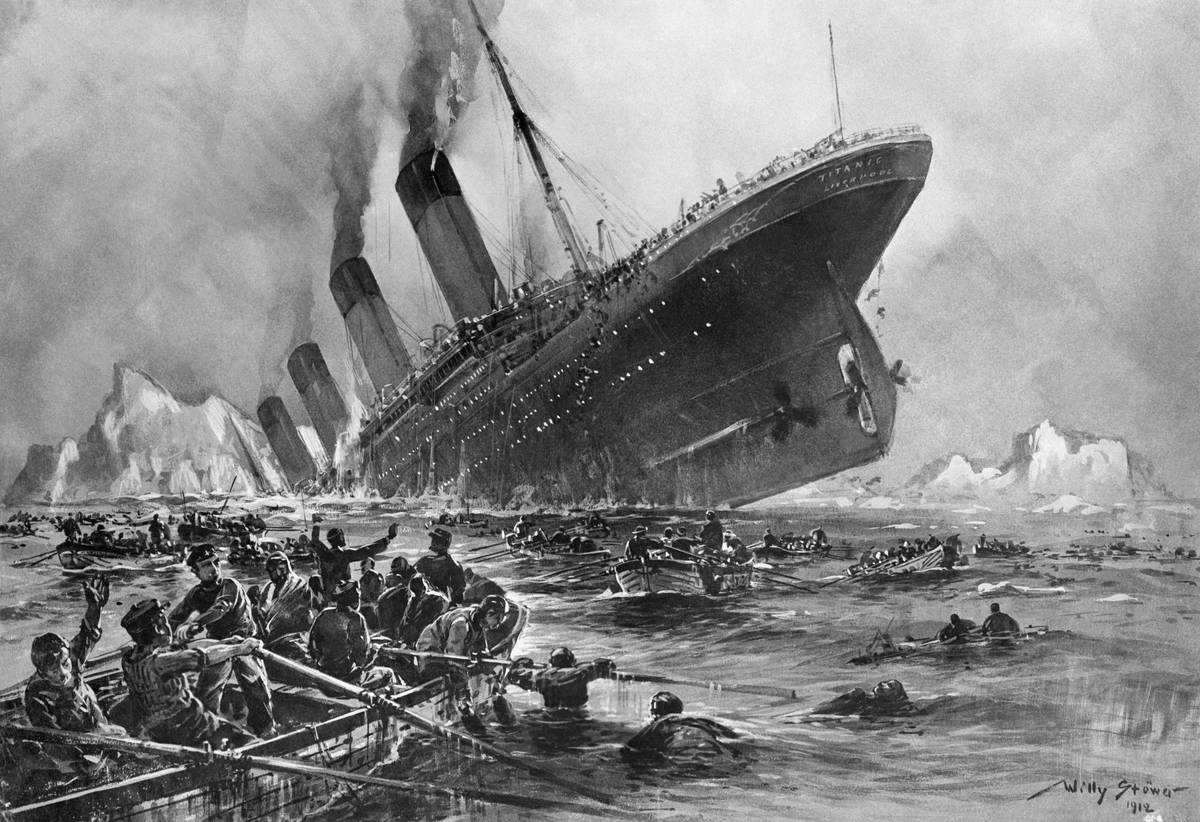
In 1898, 14 years before the Titanic sank, author Morgan Robertson wrote a novella titled “Futility, or the Wreck of the Titan.” The fictional ship, Titan, was eerily similar to the Titanic in size, speed, and lack of lifeboats.
Both ships were deemed unsinkable and met their fates after striking an iceberg in the North Atlantic. The uncanny similarities between the Titan and the Titanic have led many to wonder if Robertson had some sort of premonition or if it was simply a remarkable coincidence.
The Peculiar Story of the Hoover Dam and the Curse of the Boulder
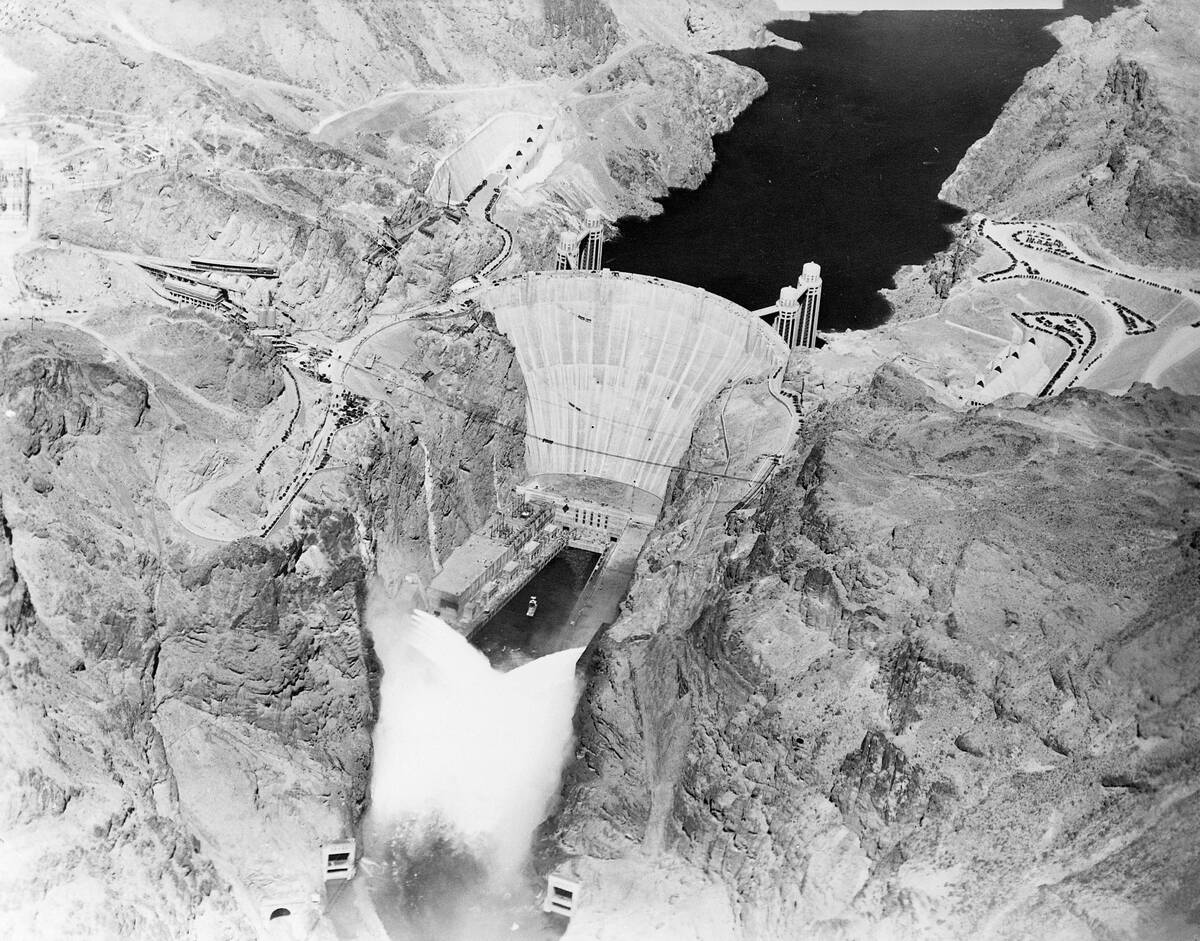
The construction of the Hoover Dam was marred by a series of accidents and deaths, leading some to believe in a curse. The first fatality occurred on December 20, 1922, when surveyor J.G.
Tierney drowned in the Colorado River. Exactly 13 years later, his son, Patrick Tierney, was the last person to die during the dam’s construction. This eerie bookend of fatalities has fueled legends of a curse surrounding the massive engineering project, adding a layer of mystique to its history.
The Mysterious Connection Between Mark Twain and Halley’s Comet
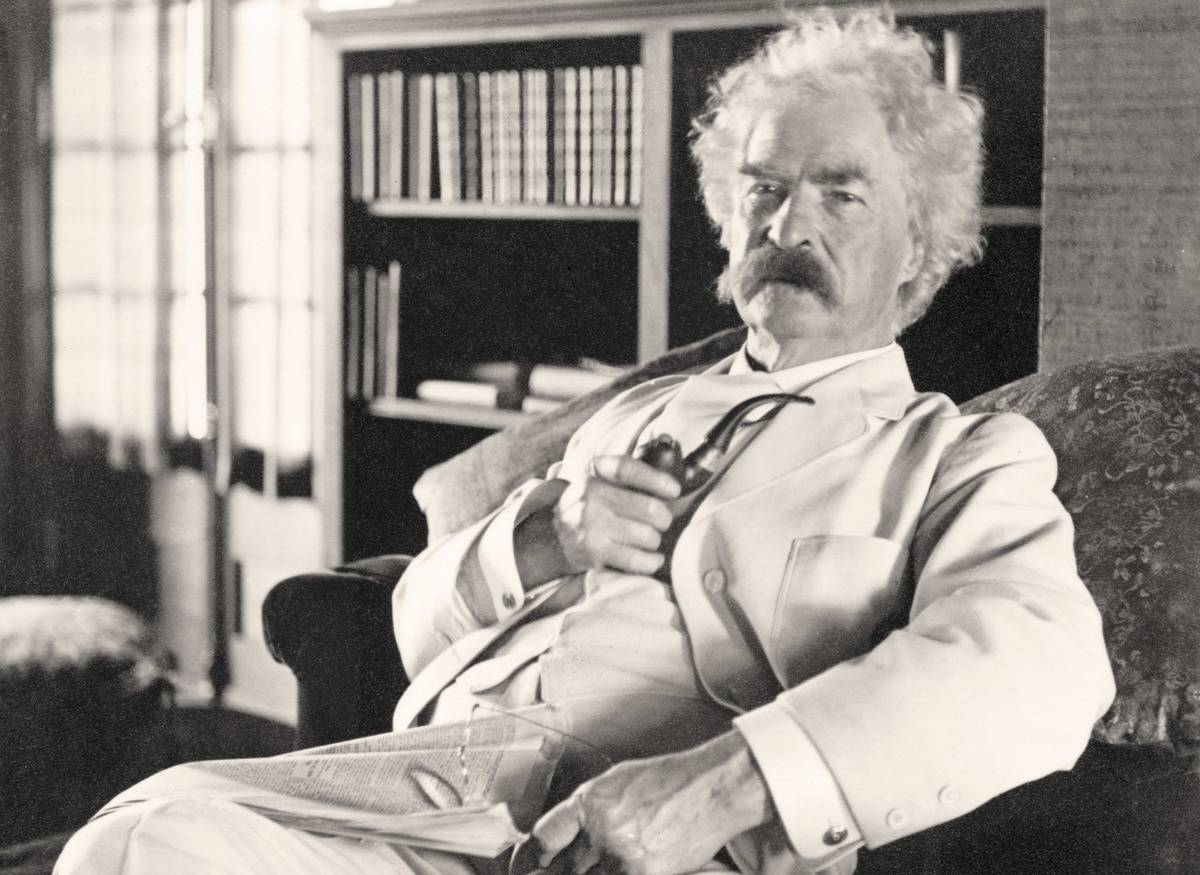
Mark Twain was born in 1835, the same year Halley’s Comet made its appearance. Remarkably, he predicted that he would “go out with it,” and indeed, Twain passed away in 1910, the next time the comet was visible from Earth.
Twain’s life, bookended by the comet’s visits, adds a cosmic twist to his already colorful biography. This celestial coincidence continues to captivate fans of the legendary author and those intrigued by the mysteries of the universe.
The Curious Case of the Identical Twins Separated at Birth
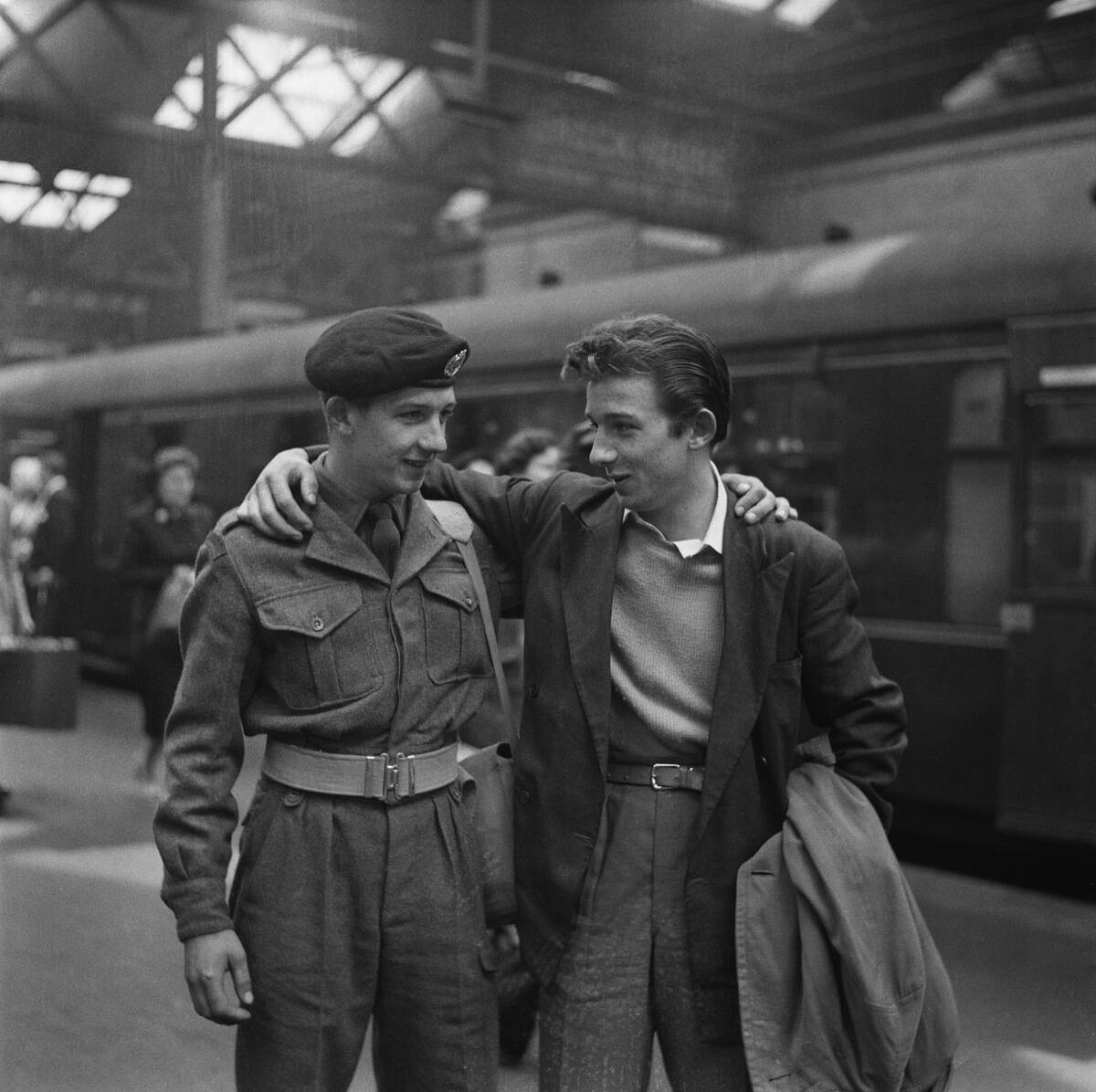
Jim Lewis and Jim Springer were identical twins separated at birth and adopted by different families. Despite growing up apart, their lives were filled with uncanny similarities. Both were named James, married women named Linda, divorced, and then remarried women named Betty.
They even named their sons James Alan. When they finally met at age 39, the twins were astounded by the parallel paths their lives had taken, leaving psychologists and geneticists pondering the nature versus nurture debate.
The Eerie Similarities Between the Deaths of Thomas Jefferson and John Adams
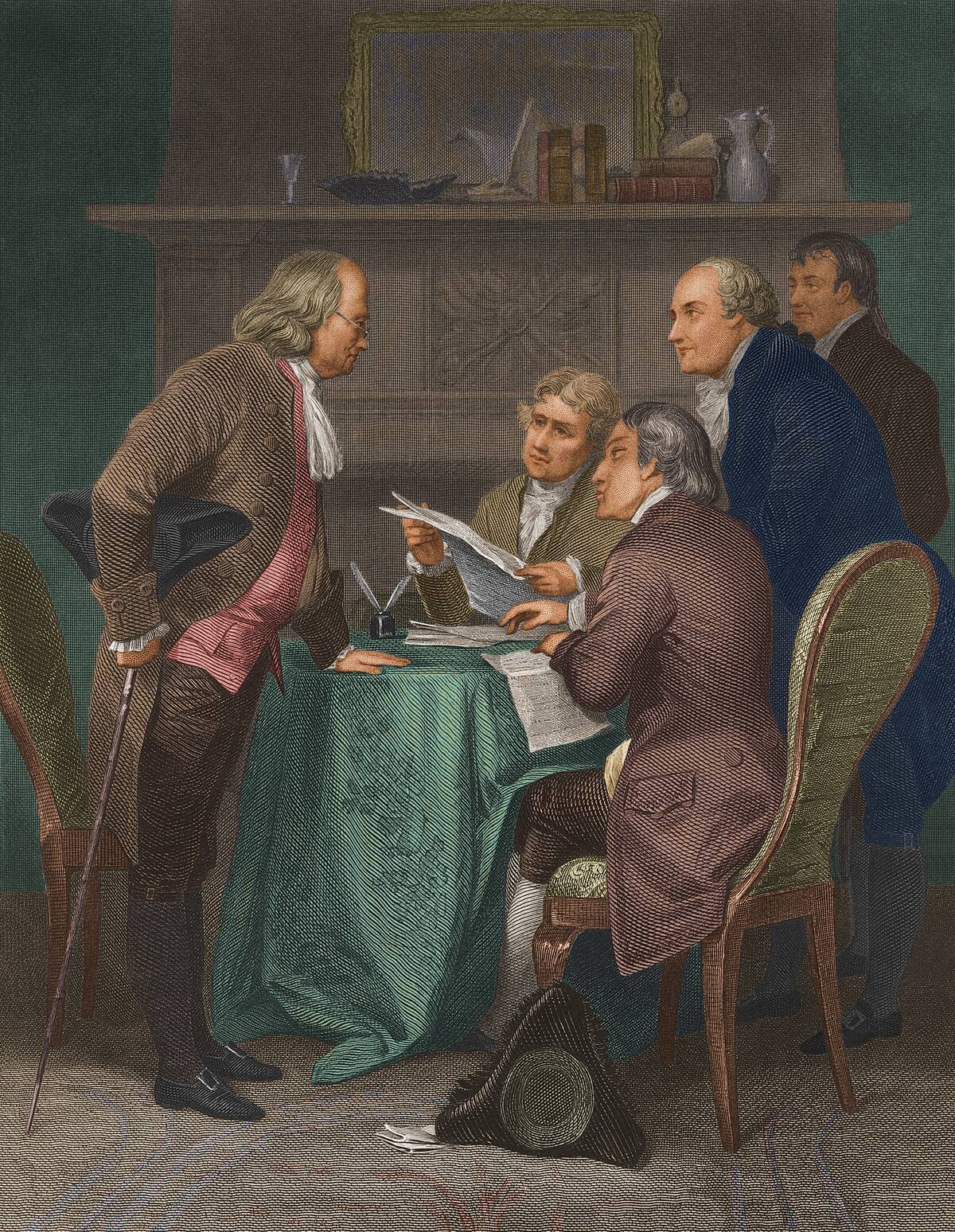
Thomas Jefferson and John Adams, two of America’s Founding Fathers, both died on July 4, 1826, exactly 50 years after the signing of the Declaration of Independence. Despite their political differences, the two men shared a deep respect for each other and maintained a lifelong correspondence.
Their simultaneous deaths on such a significant date have been viewed as a poetic end to their intertwined legacies and a testament to their enduring impact on American history.
The Strange Parallels in the Lives of Napoleon and Hitler
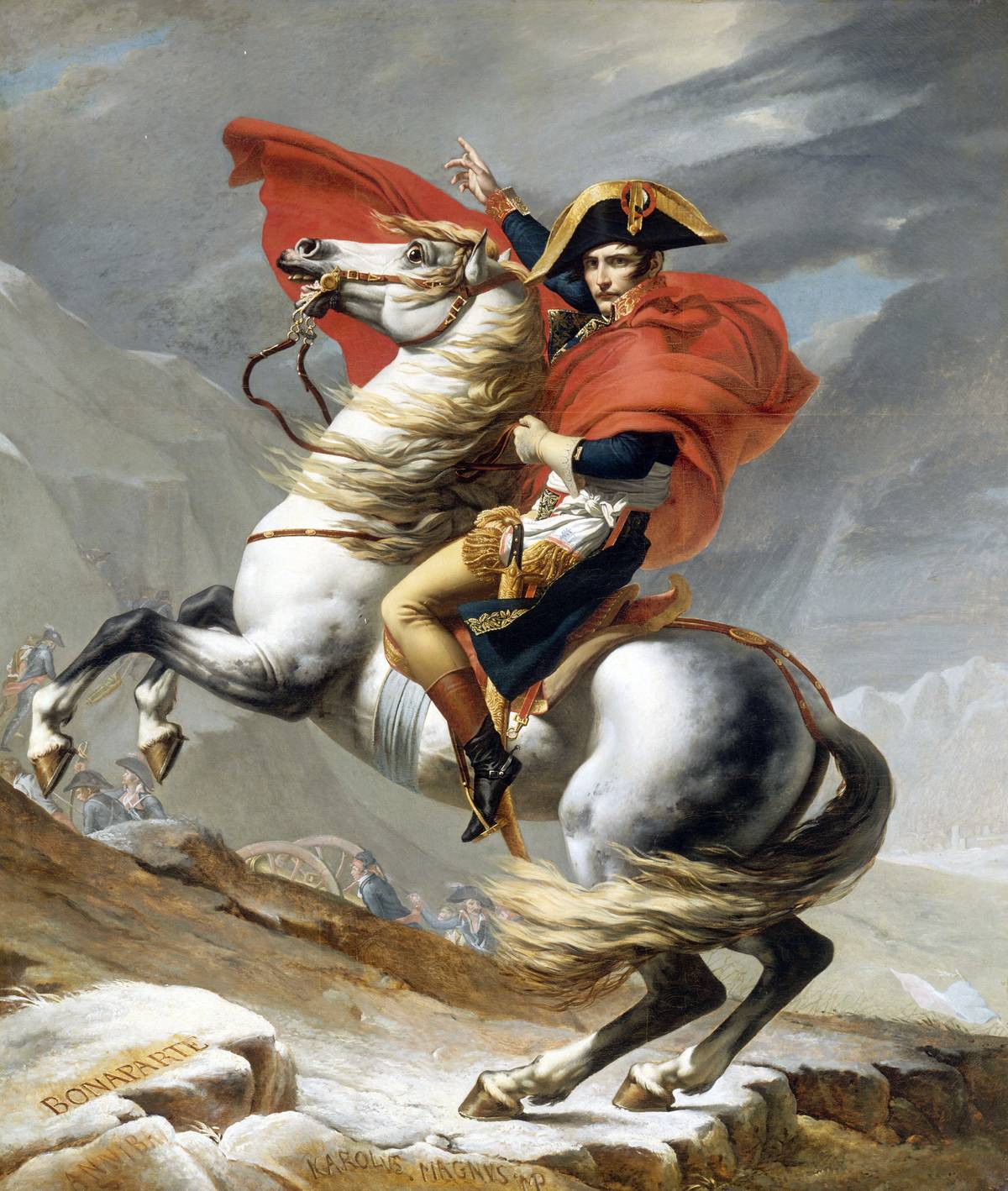
Napoleon Bonaparte and Adolf Hitler, two of history’s most infamous leaders, share a series of striking parallels. Both rose to power during times of national turmoil and led invasions of Russia, only to face devastating defeats.
Each ruled for roughly a decade before their downfall, and both were involved in conflicts that reshaped Europe. While separated by over a century, the similarities in their ambitions and fates have intrigued historians and fueled debates about the cyclical nature of history.
The Tale of Two Presidents: Lincoln and Kennedy
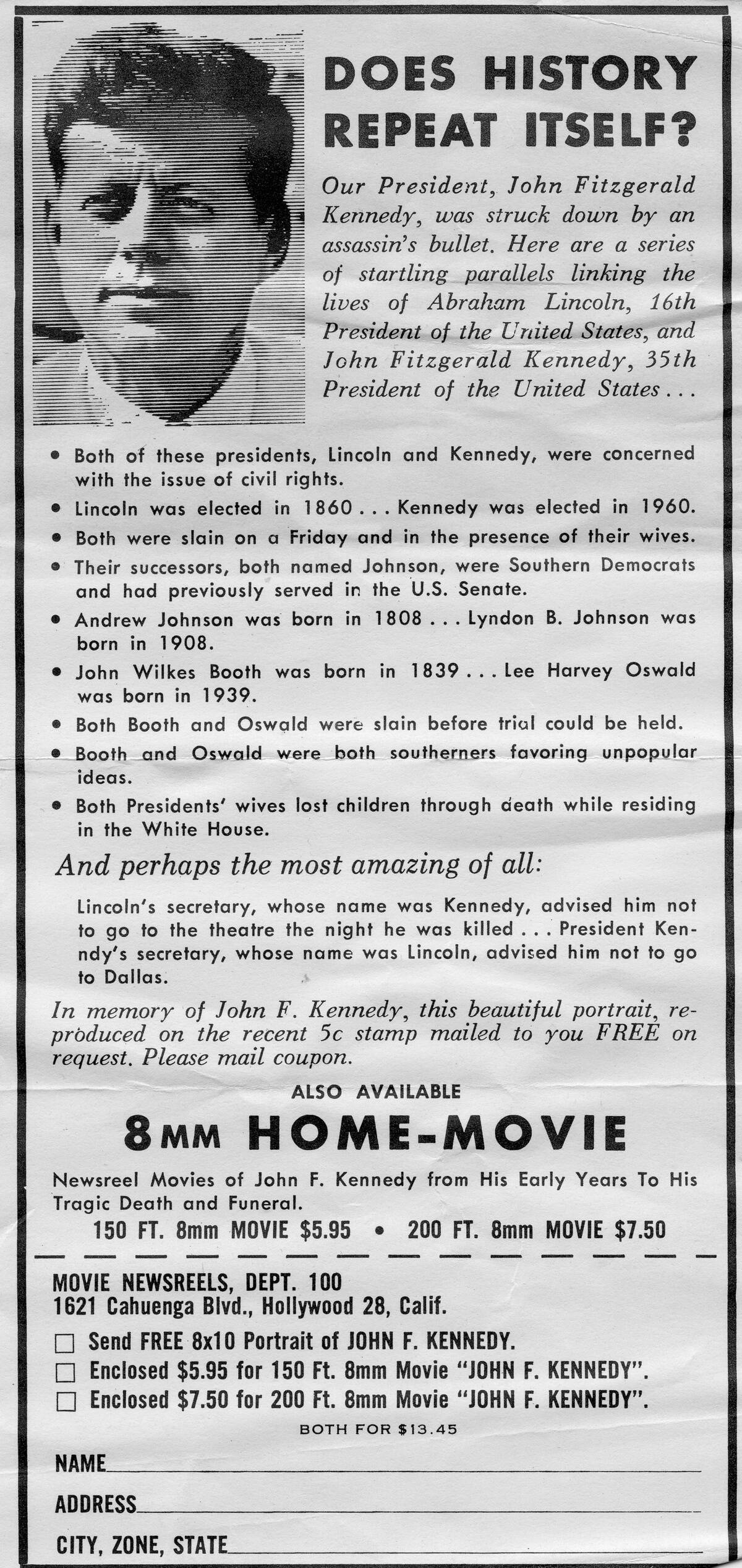
The lives of Abraham Lincoln and John F. Kennedy are riddled with coincidences that are hard to ignore. Both presidents were elected exactly 100 years apart—Lincoln in 1860 and Kennedy in 1960.
They were both assassinated on a Friday, seated beside their wives, and their successors were both named Johnson. Even more intriguing, Lincoln had a secretary named Kennedy, and Kennedy had a secretary named Lincoln. These parallels have fascinated historians and theorists alike for decades.
The Coincidental Birth and Death Dates of Shakespeare and Cervantes
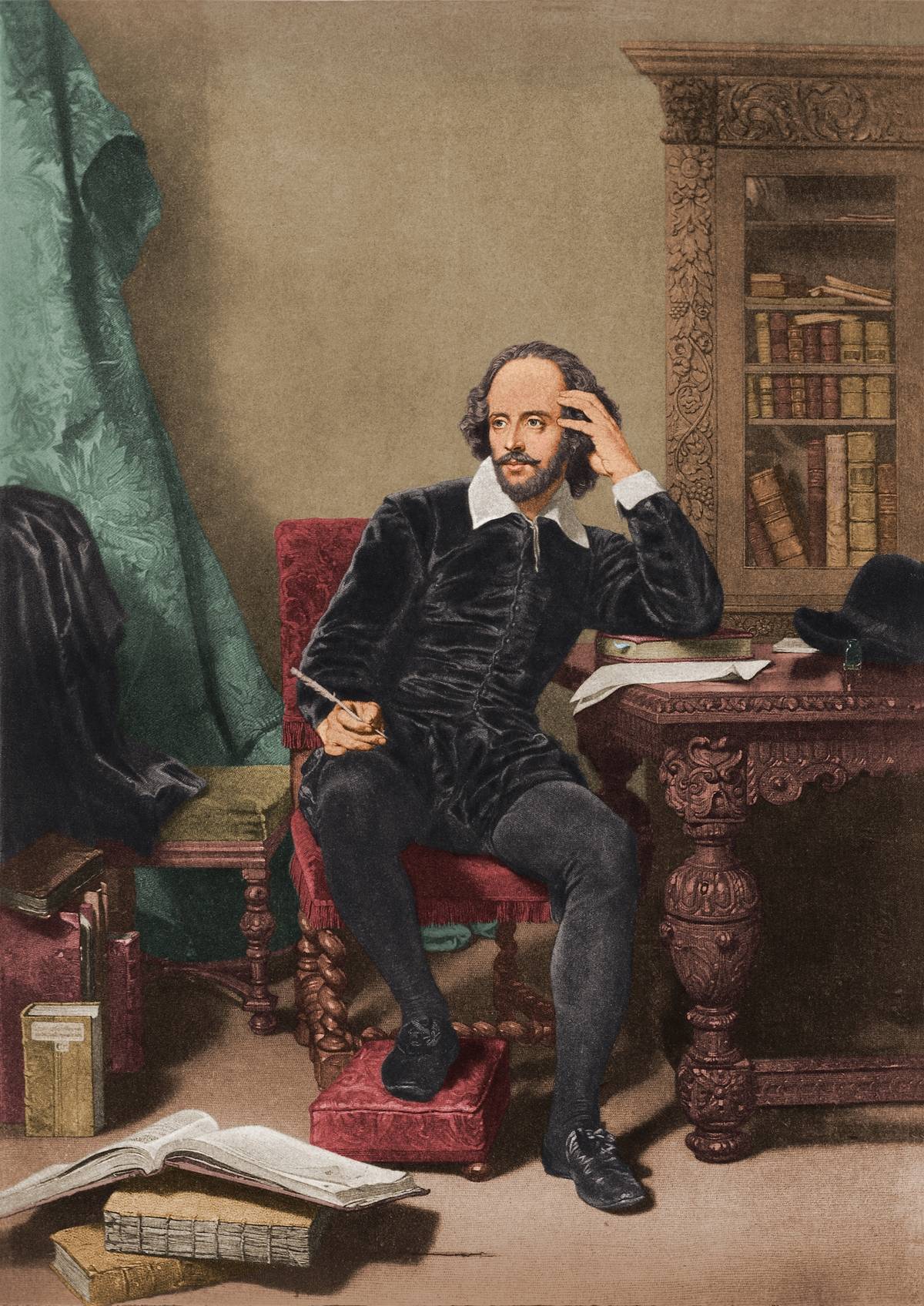
William Shakespeare and Miguel de Cervantes, two literary giants, both died on April 23, 1616. However, due to differences in the Gregorian and Julian calendars used in England and Spain at the time, their deaths were not actually on the same day.
Despite this, the shared date has become a symbolic link between the English playwright and the Spanish novelist, highlighting their lasting contributions to world literature and the enduring power of their works.
The Uncanny Resemblance Between Edgar Allan Poe’s Novel and a Real-Life Shipwreck
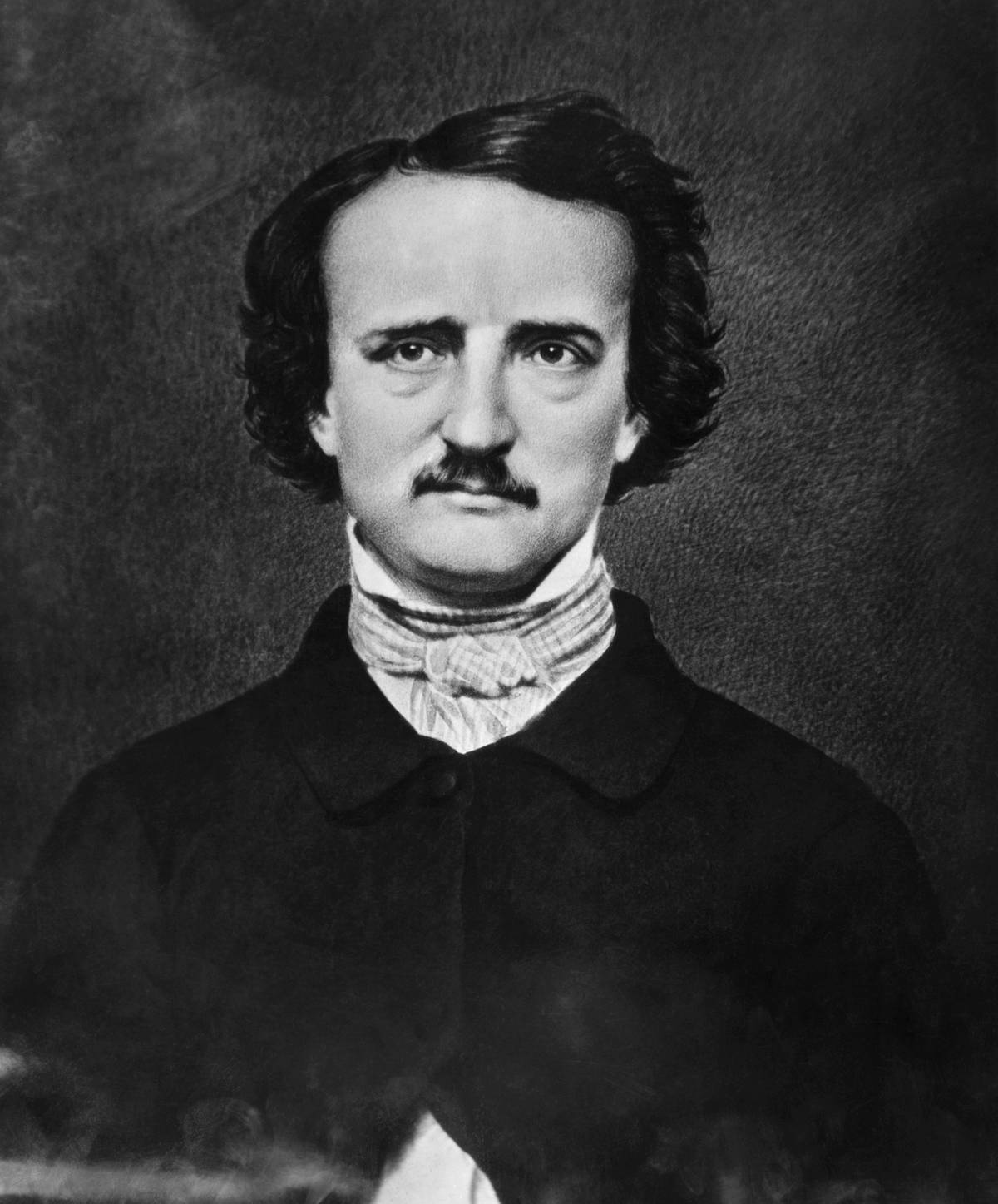
In 1838, Edgar Allan Poe published “The Narrative of Arthur Gordon Pym of Nantucket,” featuring a shipwreck where the survivors resort to cannibalism. Astonishingly, in 1884, the real-life ship Mignonette sank, and the crew faced a similar fate.
The cabin boy, Richard Parker, was eaten by his shipmates—a name Poe had used in his novel decades earlier. This chilling coincidence between fiction and reality has left readers and literary scholars pondering the boundaries between imagination and fate.
The Astonishing Link Between the First and Last Battles of the Civil War
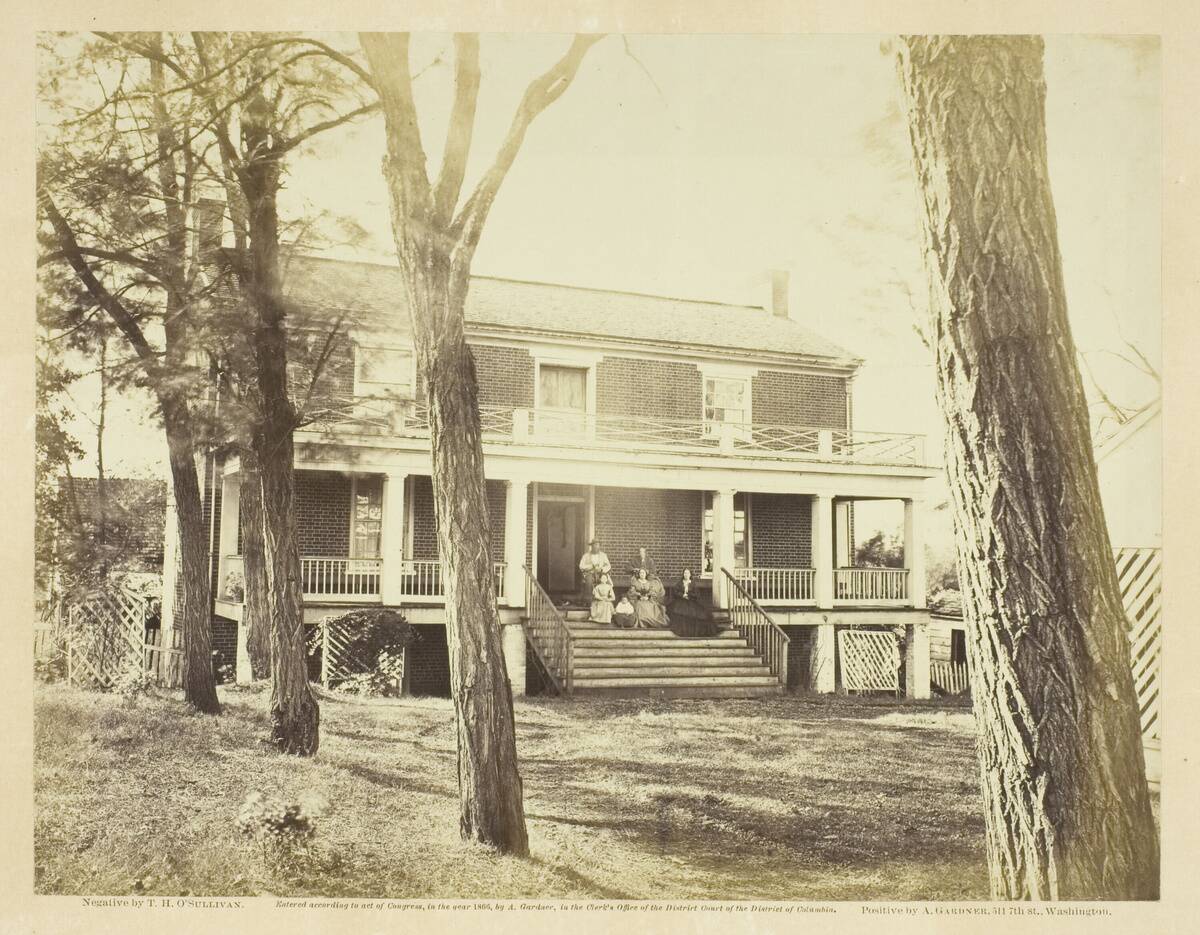
The American Civil War began and ended on the property of Wilmer McLean, a fact that has fascinated historians for generations. The first major battle, the First Battle of Bull Run, took place on his farm in 1861.
Seeking peace, McLean moved to Appomattox Court House, Virginia, only to have the war’s final surrender occur in his parlor in 1865. This remarkable twist of fate has led to the saying that the Civil War “began in his front yard and ended in his front parlor.”
The Bizarre Coincidence of the Two Missed Opportunities in the Lives of Alexander Hamilton and Aaron Burr
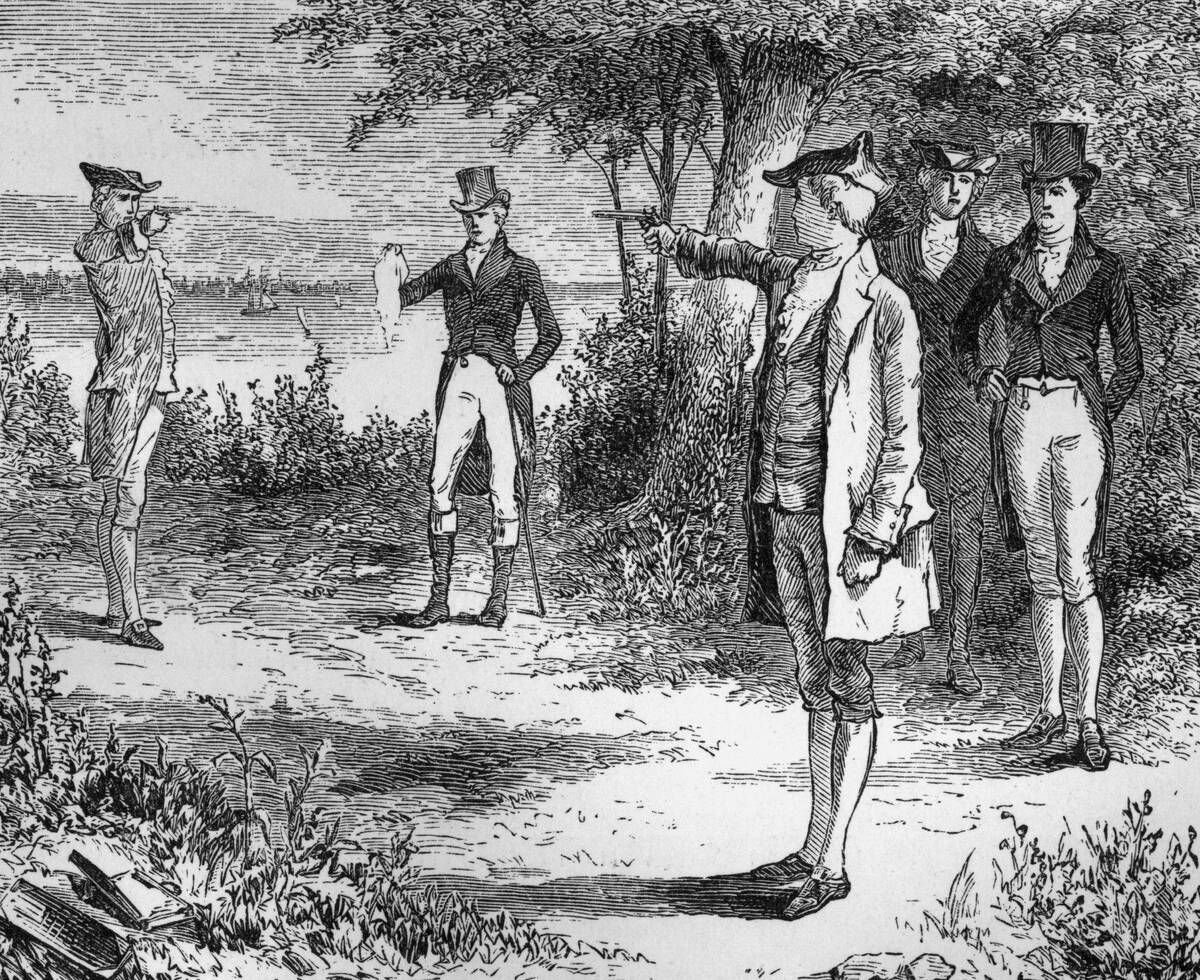
Alexander Hamilton and Aaron Burr, two prominent figures in early American history, shared a series of missed opportunities that culminated in their infamous duel. Both men served in the Revolutionary War, and were involved in politics, yet their paths rarely crossed until their fateful encounter.
This series of near-misses adds a layer of irony to their eventual confrontation, highlighting the unpredictable nature of personal and political rivalries in shaping history.
The Surprising Similarities Between the Lives of Mahatma Gandhi and Martin Luther King Jr.
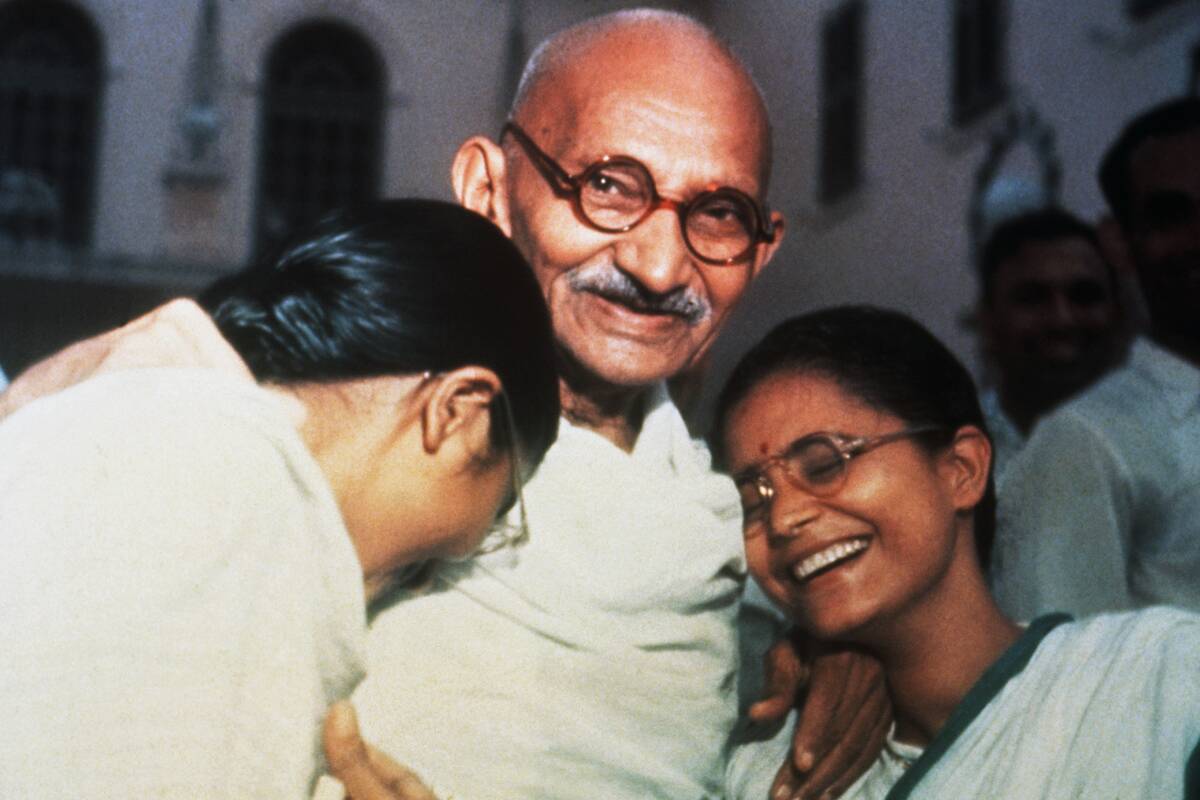
Mahatma Gandhi and Martin Luther King Jr., two champions of nonviolent resistance, share remarkable similarities in their lives and legacies. Both men led transformative movements for civil rights and social change, drawing inspiration from each other’s work.
Gandhi’s philosophy of nonviolence influenced King’s approach to the Civil Rights Movement in the United States. Tragically, both leaders were assassinated, leaving behind enduring legacies that continue to inspire generations worldwide in the pursuit of justice and equality.